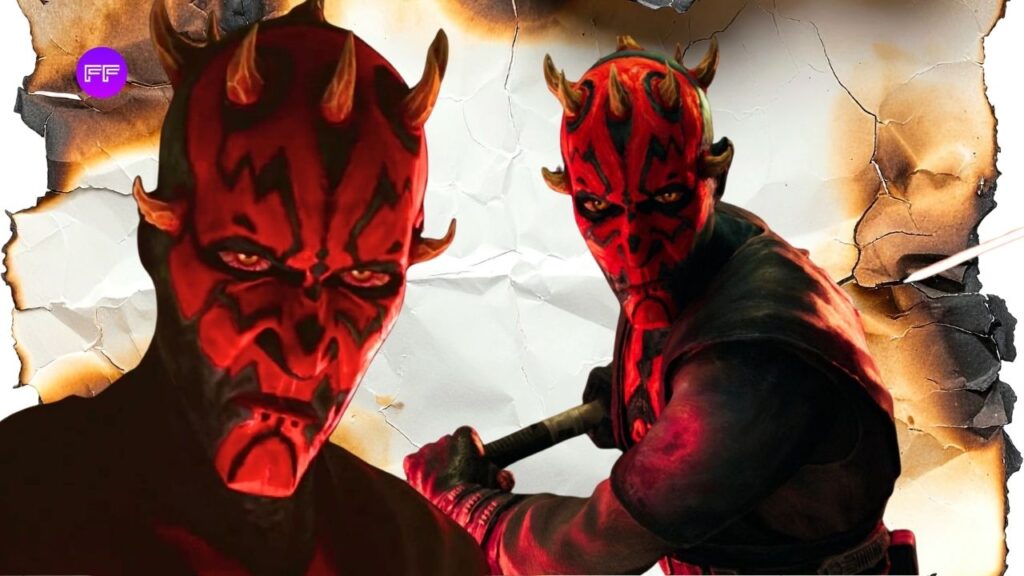
Star Wars’ New Villain Series Maul Shadow Lord Breaks the Franchise’s Biggest Rule

Star Wars’ Maul Shadow Lord breaks tradition with a villain-led story. Explore how this bold series challenges redemption and reshapes the galaxy’s future.

Published: March 28, 2026, 1:02 pm

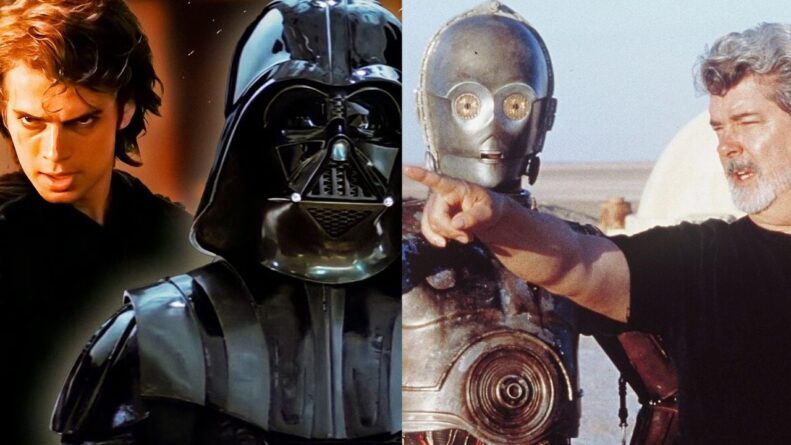
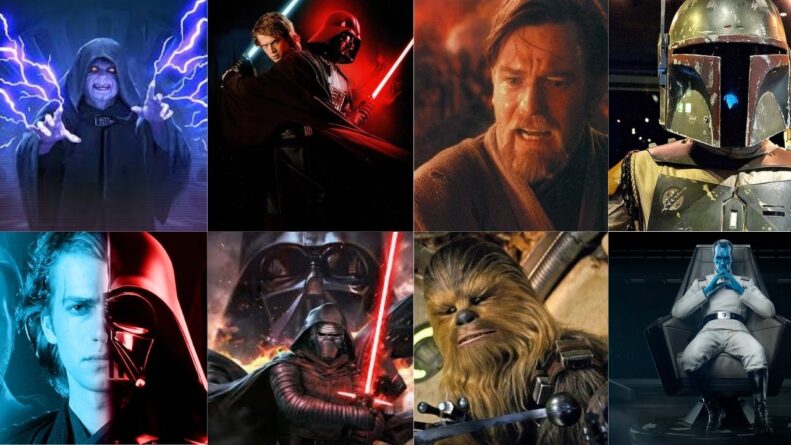
Maul Shadow Lord, a beat of Star Wars storytelling that fans have come to anticipate after almost six decades. The hero’s journey. The down and up that even the blackest hearts can find their way to the light, and that everyone has the potential to be redeemed. It runs through every trilogy, spin-off and animated escapade as the franchise’s lifeblood. Anakin Skywalker becomes Darth Vader and back to Anakin. Having annihilated all he loves, Kylo Ren finds himself through Rey.  Boba Fett – the former ruthless bounty-hunter, turned protective daimyo. 

What Happens When Star Wars Breaks Its Own Rules?

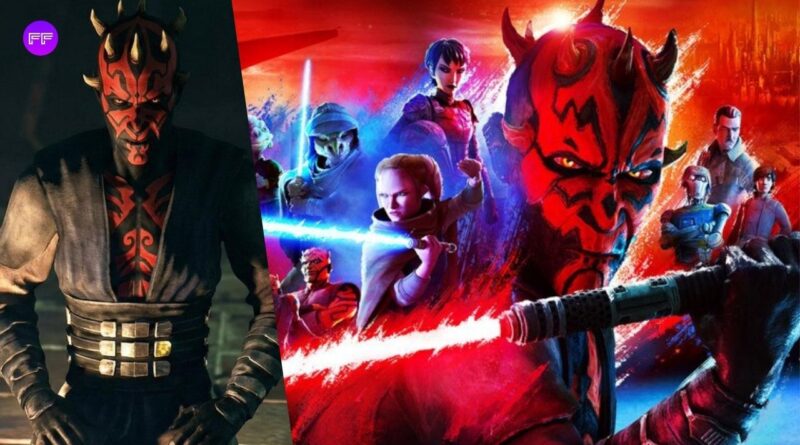
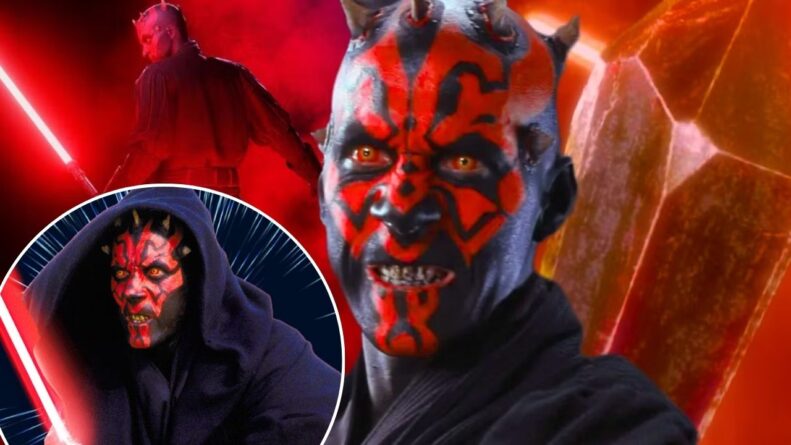
Enter Maul Shadow Lord, The Star Wars Galactic Battlegrounds fans are at a loss for words with this absurdly ambitious project. This isn’t just a story about how a homeopathic bad guy is actually quite charming all things considered. This is something else entirely — a plunge into raw, unadulterated villainy, and a challenge to all Star Wars has taught us about good, evil, and the space between. 

The Shadow Lord Rises

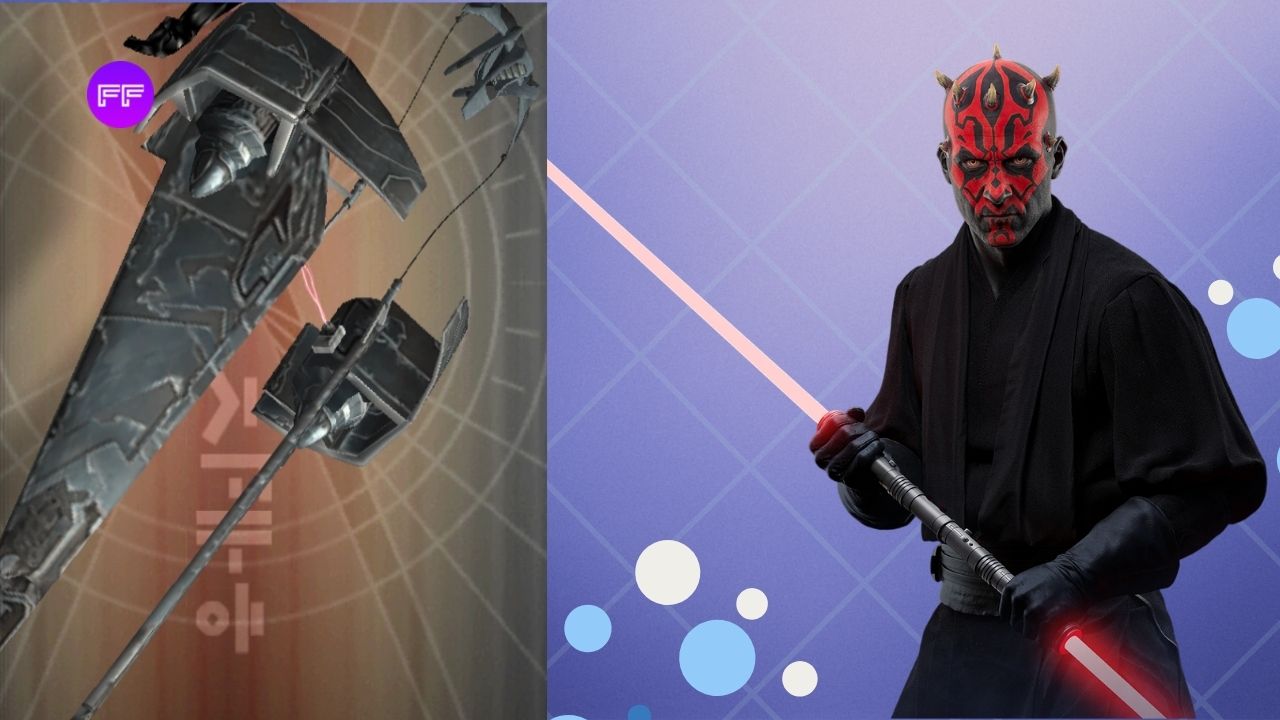
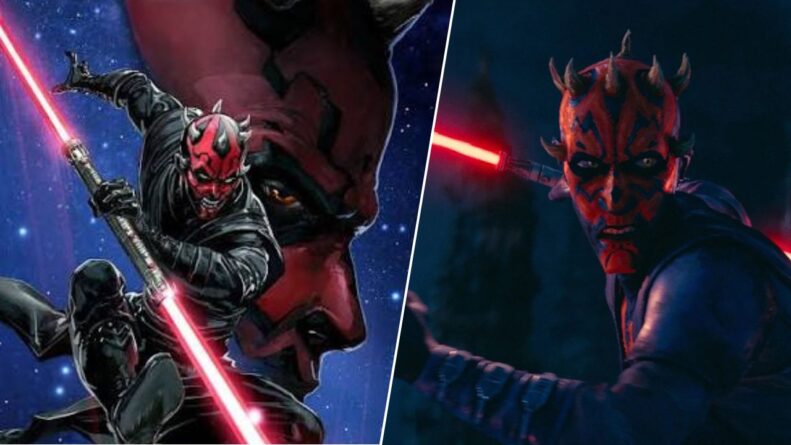
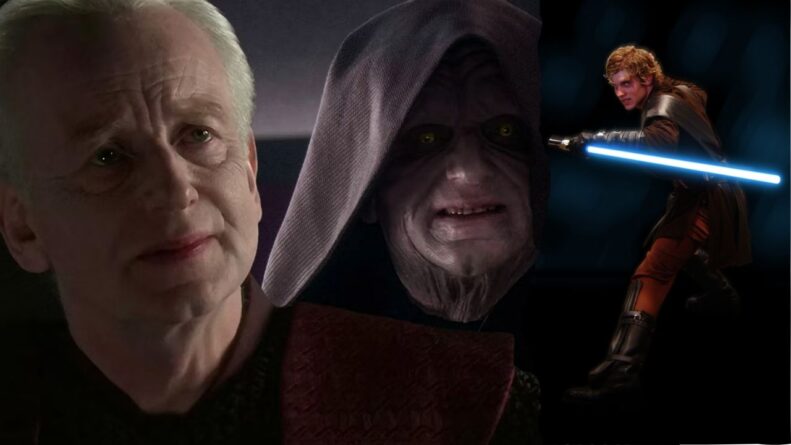
Maul Shadow Lord set right after Revenge of the Sith, the title character finds himself at an interesting crossroads. The new Galactic Empire has exiled Darth Maul, the former Sith apprentice of Darth Sidious

Anakin Skywalker

He is no longer a Sith Sidious replaced him with Count Dooku, and now Anakin Skywalker — but he is not done. Instead, Maul is building a new power base, a space crime syndicate built around his vendettas against Obi-Wan Kenobi and the Jedi Order, which he holds responsible for destroying his life. 

Maul Shadow Lord Story After Revenge of the Sith

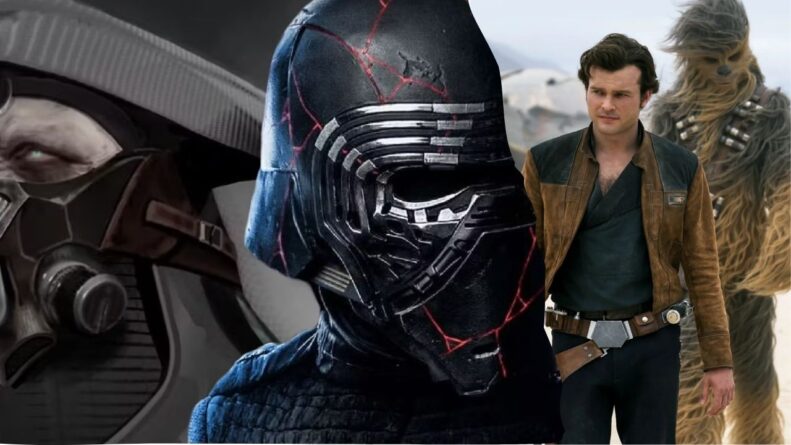
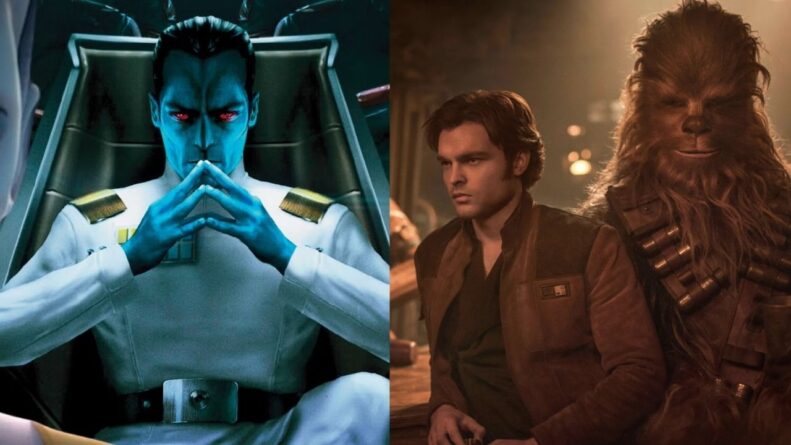
The premise is not revolutionary. We’ve had crime stories in Star Wars before, like The Book of Boba Fett and Solo: A Star Wars Story.
Maul Shadow Lord Story

What makes Shadow Lord so revolutionary is that it keeps Maul’s immorality intact. This is a man who comes into the series as a villain and will leave as one. No final minute change of heart. No sentimental conclusion to his error of judgement. No sacrifice by the good guys to save the day and receive condolences in death. Maul is already despicable when we get to know him, and he’ll always be despicable. 

A Villain Who Refuses to Change

That likely goes without saying for those who have ventured far enough beyond the confines of the comic book and superhero film bubble. It doesn’t have to all be about redemption. There are bad guys who are just bad and looking at that mentality can be as fun as seeing them evolve. But Star Wars has never worked that way.
Star Wars storytelling

The franchise is themed around hope — it’s literally the title of the first anthology film. The notion that darkness can be defeated, that people can change, that the light side always finds a way to prevail isn’t just a thematic element; it’s the structural keystone of Star Wars storytelling.

Maul Shadow Lord is tearing that foundation down for good, and the possibilities are most interesting. 

Why Redemption Is Core to Star Wars DNA

You have to understand how central DNA redemption narratives are in Star Wars to know why this matters. Anakin Skywalker’s fall and redemption was the central theme of George Lucas’s original story. Whereas the original trilogy suggested the monster had some decency, the prequels reveal how a nice guy became a monster. The trip was game-changing not just for one character – it set the bar. 

From Vader to Kylo Ren: A Repeating Pattern

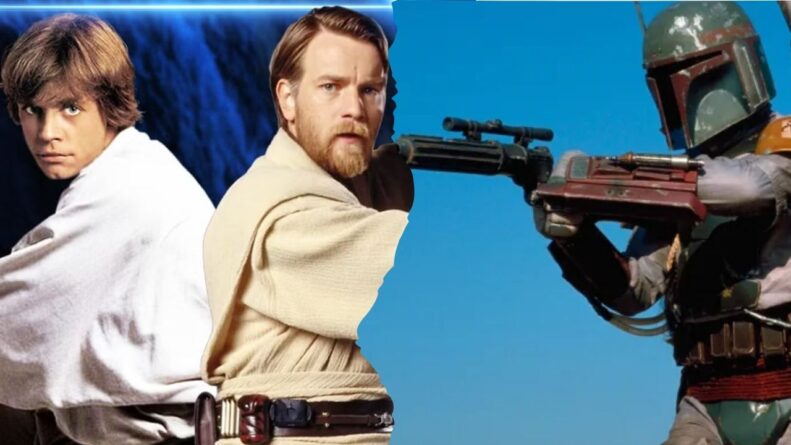
The sequel trilogy repeated this pattern with Kylo Ren, whose whole arc was a meditation on whether the Skywalker bloodline’s darkness could indeed be broken. Escape even the pull of redemption, it seems, is rare for villains of a lesser sort. Asajj Ventress, Dooku’s assassin, is now an unwelcome ally to the Jedi. Boba Fett, the bounty hunter who hands Han Solo to Jabba the Hutt becomes a crime boss you can believe in with a code of honor. 
From Vader to Kylo Ren

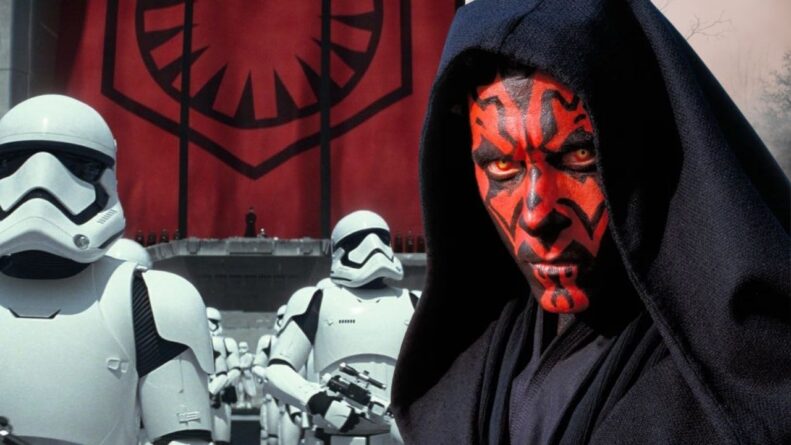
First Order officer General Hux becomes a traitor in order to save himself and his ally the Resistance. Even Grand Admiral Thrawn, in recent stories, has been presented with a sufficient degree of ambivalence that fans wonder if he is truly evil or merely peddling an alternate view of order. 

How Recent Anthologies Started Shifting the Trend

The anthology Maul Shadow Lord Tales on Disney+ has started to buck this trend. Tales of the Jedi provided us with the origin story for Count Dooku without justifying his crimes. Tales of the Empire traced Morgan Elsbeth’s descent into radicalisation but offered her no salvation. Tales of the Underworld dealt with Cad Bane’s cold-blooded professionalism without dumbing down his character. 

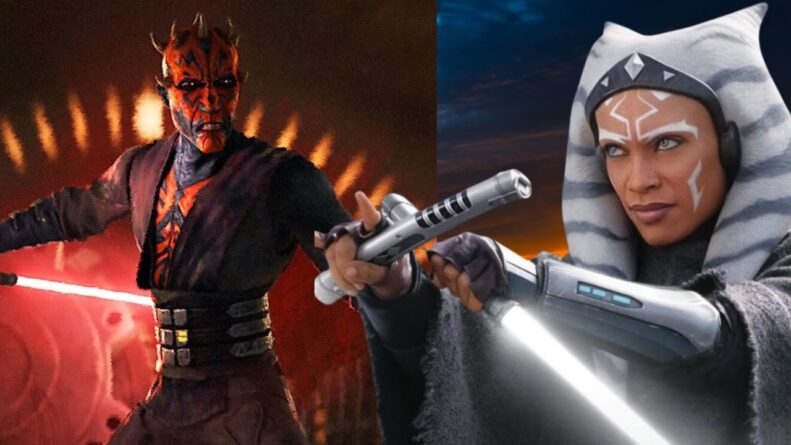
But these were six-episode miniseries, and crucially, these tales were split between villains and heroes. Dooku’s episodes were paired with Ahsoka Tana’s. Elsbeth’s narrative paralleled Barriss Offee’s redemption. The balance remained intact.

Maul Shadow Lord tosses the balance out the window. 

Why Maul? Why Now?

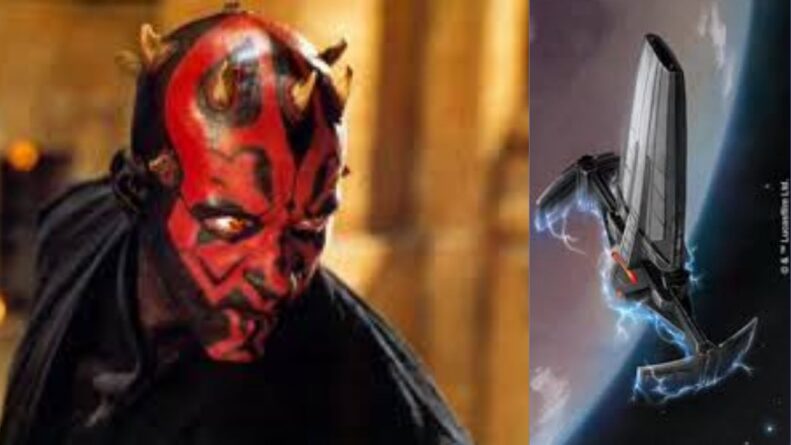
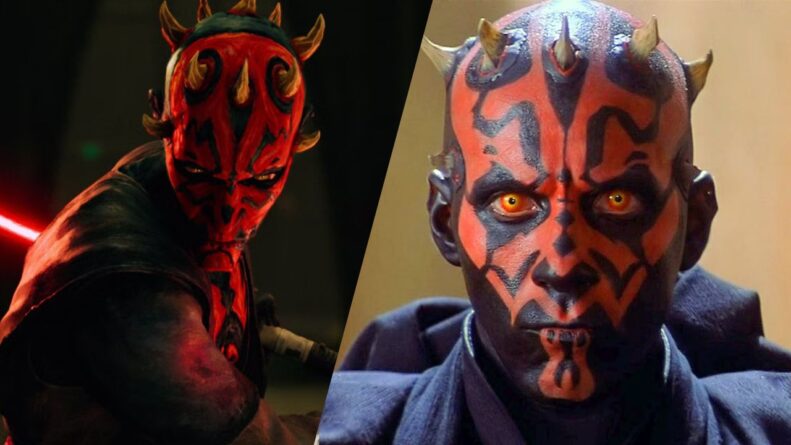
The selection of the protagonist here is important. Darth Maul has always held a special place in star wars fiction. Introduced in The Phantom Menace as a mute, frightening henchman—more tool than personality—he was apparently killed off right in his first outing, bisected by Obi-Wan Kenobi and plummeting down a reactor shaft. It was The Clone Wars that brought him back to life, in every sense of the word, gave him depth. We learned of his brutal upbringing on Dathomir, his connection to his brother Savage Opress, his hatred for Obi-Wan that buoyed him through the power of will.  

The Clone Wars and Rebels Evolution – Maul Shadow Lord

However The Clone Wars (and later Star Wars Rebels) established one crucial fact: Maul is always a villain. He has moments of vulnerability. He makes real connections, especially with Ezra Bridger on Rebels, where he’s briefly a dark mentor type. He suffers loss and pain that humanize him. Yet he never turns into a hero.
The Clone Wars and Rebels

His final moments in Rebels, dying in Obi-Wan’s arms on Tatooine after their final duel, are utterly without redemption. He dies still seeking vengeance, still consumed with hatred, still basically the same broken thing who came out of the darkness of Naboo so many years ago.

Shadow Lord occupies a place in between those timeline points – where Maul’s criminal empire is established, but before his ultimate defeat. We know where he ends up. Maul Shadow Lord isn’t baiting us with transformation. Rather than that, it is giving us something far rarer: a character study of someone who cannot change, and a rumination on the significance of that pain.  

Maul Shadow Lord bet on Star Wars

This is a bet on Star Wars. It was all in the — family-friendly, inherently optimistic heaving and inspiring. Maul Shadow Lord about an irredeemable villain who is building a criminal empire, driven entirely by revenge and personal ambition, challenges that identity. It wonders if Star Wars can support actual darkness without the crutch of eventual light.

Lessons from Breaking Bad and The Sopranos

It’s not the first time that has happened in other media. Breaking Bad mapped Walter White’s descent from everyman teacher to monster drug kingpin, without turning away. None of Tony’s violence was ever excused by The Sopranos, but it made us care about his mind—and his family’s. 

Jimmy McGill’s transformation into Saul Goodman was documented in Better Call Saul. These were tales of characters going down the dark path, not upward — and both were widely praised television of their day. 

Balancing Mythology with Mature Storytelling

But Star Wars is not prestige cable ding-dong drama. It is space opera, mythic storytelling, crafted to function for kids as well as adults. The issue isn’t whether a story centered on a villain could work—it obviously can. The question is, can it still feel like Star Wars when it abandons the franchise’s central philosophical tenet.
Star Wars

It appears the creative team has that tension in mind. The animation style, said to be similar in look to The Clone Wars and Rebels, retains visual continuity with the series’ most emotionally nuanced storytelling. The emphasis on Maul’s criminal empire makes possible a kind of world-building that enlarges the galaxy’s underbelly without demanding moral about-face from its hero. And the revenge plot on Sidious — Maul’s former master who discarded him — adds narrative drive that doesn’t rely on character growth. 

Read More:- Robert Picardo’s Emotional Farewell Highlights Uncertain Future

What This Means for the Future

If Maul Shadow Lord works, it opens up avenues. Star Wars has been hampered in recent years by a feeling of déjà vu, as if every story must eventually turn on the same themes of family, redemption and the light side’s ultimate triumph. Such a test case for really villainous protagonists would be as varied storytelling as you could imagine.

Potential for More Villain-Led Narratives

When I say just “Tarkin,” think young Grand Moff Tarkin working his way up the Imperial chain, ruthless, brilliant, never sympathetic, but always compelling. And a crime drama within the Hutt cartels, where political expediency is the reality of all the players, and salvation is not something any of these people expect, or even want. And maybe in the future, a tale that takes place when the Sith are at their peak, exploring the philosophy of the dark side without the narrative need that it must end up failing. 

Conclusion

Maul Shadow Lord is a test of whether Star Wars can be big enough for both. In a series that has always assured that things will improve, it has the nerve to introduce us to a person for whom they never could. It’s not Just a narrative play – It’s a creative faith statement: Star Wars can grow larger and still be Itself.  

So we will see if that confidence was justified when the series premieres on April 6. But whatever the result, it is the effort that matters. After telling us “there is no one that can’t be redeemed” for close to 50 years, Star Wars is now curious about what happens when someone is. In a galaxy that has always signaled hope, Shadow Lord dares to say: understanding without forgiveness, empathy without salvation, and a villain who stays villainous until the very end.

Sometimes the most interesting narratives aren’t about how people change. They’re about how they don’t. 


Fandomfans delivers latest updates from movies, series, and celebrities directly to you.

Alpana

Articles Published : 101

Alpana is Fandomfans Senior Editor across all genres of entertainment. She evolved in the media industry since a very long time, she manages the content strategy and editing of all the blogs. Her focus on story development, review analysis, and research is well-equipped that ensures every article meets the standards of accuracy and depth.

Leave a Comment

Your email address will not be published.

HBO Hard Launches 2026: Euphoria S3, House of the Dragon S3, Dune: Prophecy & More

HBO Max Hard Launch 2026 with a hard launch featuring Euphoria Season 3, House of the Dragon S3, Dune: Prophecy and more event TV redefining streaming.

Written by: Mariyam
Published: December 15, 2025, 8:02 am
HBO Max Hard Launch 2026

The worldwide streaming market is beginning to experience its most pronounced realignment since the emergence of direct-to-consumer services. The late 2025 acquisition of Warner Bros. Discovery for a mind-boggling $82.7 billion by Netflix practically brought an end to the so-called “Streaming Wars.” Amidst this wave of mergers and acquisitions, HBO Max—downgrading to the less intuitive “Max” branding stages a come-back in 2026 with its content slate. And this isn’t just a programming note. It’s a statement of who they are.

HBO Max
Image Credit: Fandomfans

Instead of pursuing scale, HBO Max is focusing on what it’s done best all along: event television series that rule cultural conversations, spark debate, and seem impossible to skip watching. Led by the return of Euphoria and House of the Dragon, and bolstered by ambitious franchises Lanterns and Dune, the 2026 slate aims to make HBO Max a must-have. 

Consolidation Without Homogenization

Netflix–Warner Bros. Discovery combination raised immediate worries about creative dilution. Could HBO’s prestige DNA survive within the world’s largest algorithm-driven streamer? Early signals suggest yes.

Netflix executives have already committed to a federated platform model, so that HBO Max will exist as an independent, curated, prestige destination within the broader Netflix ecosystem. The logic is clear: Netflix delivers on scale and breadth, HBO Max is the home for high-value subscribers who seek auteur-driven storytelling. Rather than a battle with each other inside a siloed business, the two platforms are now a strategic “barbell” — mass appeal on one side, cultural authority on the other. 

Read More:- The Supergirl Costume Evolution: Milly Alcock vs Melissa Benoist

Why the Name “HBO Max” Matters

Restoring the HBO name in 2025 was not simply a cosmetic choice, but a corrective one. The previous “Max” branding watered down a name that is synonymous around the world with quality, trust and ambition. Senior executives were clear that audiences do not want more content, but better content.

the Name “HBO Max” Matters
Image Credit: Fandomfans

Formerly Warner Communications, it showed a similar myopia in 1984 in its bullying marketing for The Cotton Club. In a similar vein, HBO Max also took a more tongue-in-cheek approach on social media, emphasizing the confusion around its name and inviting viewers to laugh along with it. Instead of undermining trust, this openness eventually boosted it.   

The 2026 Slate: Event Television by Design

All the signs indicate a strong 2026 for HBO Max. New content will also create considerable disruption. The biggest attraction is Euphoria’s third season, returning after a long hiatus. It leaps forward five years, and dark noir style and twisty, grim plots are still very much in evidence. The show ditches teen drama roots for psych thriller vibes — and it’s a daring change. HBO is at its best when it bets big. 

The 2026 Slate Event Television by Design
Image Credit: Fandomfans

House of the Dragon Season 3 embraces full-scale war. Season 2 was criticized for being too slow, this one will include non-stop fighting, culminating in the technically gargantuan Battle of the Gullet. Every two years may feel like a long wait, but the scale does require it.

Lanterns marks a DC television genre shift. Designed after True Detective, the series roots cosmic mythology in a gritty rural murder case. It’s less about spectacle and more about tone, character, and atmosphere — an intentional break from superhero excess.

Dune Prophecy Season 2
Image Credit: Fandomfans

Dune: Prophecy Season 2 is perfectly timed to coordinate with the theatrical release of Dune: Part Three, offering a consolidated “Year of Dune.” This synergy allows HBO Max to ride the cultural momentum of the big screen while deepening franchise lore. 

Retention, Rhythm, and Churn Control

Outside of prestige dramas, the 2026 lineup is wisely packed with comedies and procedurals to give subs a reason to keep watching all year. Revivals such as The Comeback, star-powered projects from Bill Lawrence and Larry David, and reliable procedurals like The Pit and Industry mean there are no “dead zones” in the release schedule.

That exact scheduling is a manifestation of what churn psychology—give the viewer a reason to be subscribed every month for your service. 

Conclusion

HBO Max’s 2026 plan isn’t “to pour more and more stuff into the market.” It’s about owning attention.

Through its commitment to high-risk reinvention, cinematic scale and high concept/genre-bending storytelling — while also reinforcing the power and prestige of the HBO brand — the service is carving a space for itself as the best-b-value in the entertainment world, at a time when the business world has been consolidated. With competitors presenting their own massive suites of content, HBO Max is making a different promise: Not more. Better. And in the post-consolidation era, that distinction may matter more than ever. 

Fandomfans is a platform where you can learn about the next movie and series seasons. Our goal is to deliver cinema reinvention fast and in an understanding way.

Mariyam

Articles Published : 57

Mariyam Khan is Fandomfans Content Writer and providing reports and reviews on Movie Celebrities, and Superheroes particularly Marvel & DC. She is covering across multiple genres from more than 4+ years, experience in delivering the timely updates.

Leave a Comment

Your email address will not be published.

Welcome to Derry : Makes the Same Horror Mistake That Nearly Killed the Franchise

Derry Review assesses IT Chapter Two, in which CGI fright tactics supplant the psychological terror that rendered Pennywise so haunting and memorable.

Written by: Mariyam
Published: December 31, 2025, 4:54 am
Welcome to Derry

When IT: Welcome to Derry aired on HBO at the end of 2024, fans of the genre thought it was going to be a new version of Stephen King’s horrifying world. But in its opening episode, the series offered something else — a very familiar (and not in a good way) experience. The very thing that made IT (2017) a triumph is what turns the prequel’s opening moments into a warning: the misapplication of horror principles that plagued IT: Chapter Two. And if you’re wondering where things went haywire, strap in — because it’s a lesson the franchise should have gotten the first time around. 

The Opening That Should’ve Been Iconic

“Young Matty Clements” The Original Story begins on the night of a snowstorm, a boy called Matty Clements running from his abusive father with nothing else but hope, young Matty Clements. He is taken in by a seemingly warm family, and for a fleeting moment the audience experiences genuine relief for him. Then everything goes horribly wrong. A grotesque, computer generated, winged thing explodes out of the car in a welter of blood. It’s supposed to echo Georgie’s death in the original movie — a chilling first taste of Pennywise’s real form. But here is the problem: it couldn’t be more wrong.

The Opening That Should've Been Iconic
Image Credit: Fandomfans

Compare with Georgie’s’s iconic death in IT (2017). Director Andy Muschietti choreographed that scene with surgical precision. Bill Skarsgård’s Pennywise was this chillingly intimate, yet threateningly expansive. The Georgie and clown talk gained genuine dread through conversation and psychology rather than spectacle. Every second seemed well-earned, every shock felt intimate. Pennywise took advantage of Georgie’s particular weakness — his faith in strangers, his wish to get back his boat. That’s efficient terror.” 

The IT: Chapter Two Mistake We Should Have Seen Coming

That’s when it gets frustrating. IT: Chapter Two (2019) in particular was derided for eschewing the psychological horror that made the 1990 version so effective. The sequel padded itself out with a two-hour-and-forty-nine-minute running time, repetitive solo missions for every Loser Club member, and most damningly a dependence on cartoonish CGI monster moments. Critics were not shy about it—the attack on the Paul Bunyan statue, the grotesquerie creature designs, the visual spectacle that is not actually scary. It was like someone told the filmmakers: Bigger means better, and they darted off blindly downhill.

Two Mistake We Should Have Seen Coming
Image Credit: Fandomfans

Chapter Two’s Rotten Tomatoes rating fell 23 points from the original. Box office receipts plummeted by more than $230 million. The message from the crowd was plain: we don’t want spectacle, we want atmosphere. 

So what Welcome to Derry accomplishes in its first few minutes? It’s the exact same error. That demon baby on the fly, that horrific beast bursting out of the family vehicle, the extended gore set piece — it’s all Chapter Two’s playbook, dusted off and amazon prime-ready. The scene goes on uncomfortably long, giving up slow-building suspense for cheap scares.The winged creature reappears at the end of the episode and that moment works better narratively, though it can still not come close to the real terror of the opening of the original film. 

Read More 👉 Fallout Season 2 Episode 2 Breakdown: Shady Sands’ Death & the Mojave’s Brutal New Rules

Why This Matters Beyond the Opening

This isn’t just one badly staged scene. It’s a matter of philosophy.” IT worked because it knew something fundamental: Pennywise is scariest when horror feels close and personal. The warped Judith painting that plagues Stan, the leper that represents Eddie’s hypochondria, Georgie’s guilt-induced visions — these are mental terrors sculpted around each character’s unique fears.

This Matters Beyond the Opening
Image Credit: Fandomfans

Welcome to Derry had the formula for greatness. It was allowed to roam in the characters, new traumas, and the societal canvas of ’60s Derry, free from the constraints of a single Stephen King novel. It got a chance to fix Chapter Two’s mistakes. Instead, it fell all over itself, hurrying for a big monster moment without cultivating the mood of dread that makes Pennywise really scary. 

The Silver Lining

Welcome to Derry has already made beats of learning this lesson in later episodes. Hallucination sequences customized to characters’ fears, atmosphere-building scenes using lighting and suspense, and sequences that prey on mental fragility have far outperformed those big CGI set pieces.

The Silver Lining
Image Credit: Fandomfans

If the show continues on this path – sacrificing spectacle to pummel us with character-specific horror – maybe it’ll break its cycle for once. Because the big lesson isn’t that bigger is better. It’s that personal psychological terror will always stand the test of time over a computer-generated creature, no matter how cool it looks on screen. 

Conclusion

IT: Welcome to Derry doesn’t come up short for lack of concepts, it wavers because it abandons what made IT so terrifying to begin with. The franchise was at its weakest when Pennywise ballooned into giant CGI monstrosities; it was at its best when fear tiptoed in silently, cloaked in guilt, trauma, and anxieties so personal they couldn’t be named. Instead of building suspense, the series starts with spectacle in what briefly amounts to the exact mistake that undermined IT: Chapter Two.

That’s not to say the show is irredeemable. Its succeeding episodes point to a more comprehensive approach to psychological horror derived from building atmosphere, character-based dread and the gradual disintegration of safety. If Welcome to Derry keeps playing to those strengths, it can still do right by Stephen King’s legacy instead of watering it down. Because Pennywise, at the end of the day, does not need wings, or blood sprays, or extra run time in order to be frightening — he just needs to get close enough to whisper. 

Dive deeper into the cinematic world with Fandomfans to get all the details from your favorite genre.

Mariyam

Articles Published : 57

Mariyam Khan is Fandomfans Content Writer and providing reports and reviews on Movie Celebrities, and Superheroes particularly Marvel & DC. She is covering across multiple genres from more than 4+ years, experience in delivering the timely updates.

Leave a Comment

Your email address will not be published.