Star Wars' Ahsoka Tano replacement achieved something Anakin's former Padawan never could. Here's why this success changes Ahsoka's legacy forever.
There are some stories in Star Wars that never get a proper ending. Even our beloved characters’ victories become impossible due to the weight of canon. Ahsoka Tano Replacement succeeded where Ahsoka never could win. F won from her dark-side master but not without sacrifice. She is Anakin Skywalker’s most beloved, first and last Padawan in the entire franchise.
But before her sacrifice, F survived Order 66 then walked away from the Jedi Order but she failed to stop her fallen master and it’s devastating for her. The moment of confronting the darkness that consumed the man who trained her, always escapes from her hand. She was first introduced in Star Wars: Visions.
Star Wars brings a yellow-lightsaber-wielding Jedi from Star Wars: Visions to fulfill the fans wish which Ahsoka never could. Continue reading to know everything about Ahsoka Tano Replacement who meant a lot to Star Wars fandom.
Who Is Ahsoka Tano Replacement?
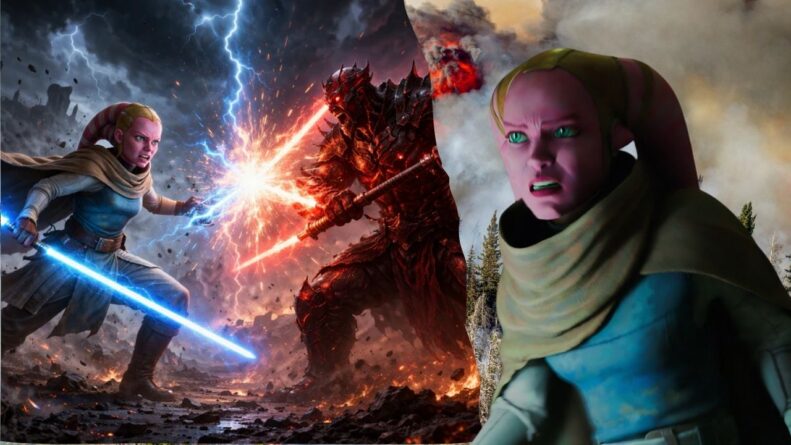
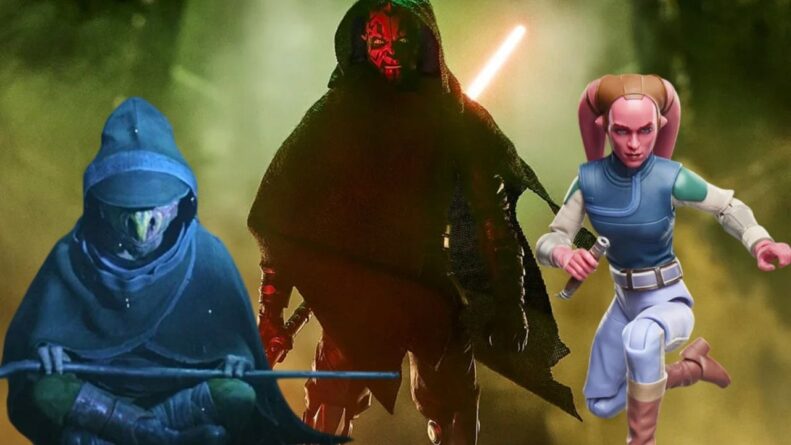
F is a Jedi Padawan who appears in Star Wars: Visions Volume 1 and Volume 3. It is one of the Disney+ anthology series that lets different animation studios tell unique Star Wars stories. F’s first appearance was in “The Village Bride,” then returned in episode “The Lost Ones.” She became the most loved character of the entire franchise and voiced by Karen Fukuhara.
Ahsoka Tano Replacement is not a canon character in the traditional sense — Visions occupies a unique space in the Star Wars universe, telling stories that are inspired by the galaxy far, far away without being bound to its continuity. But that creative freedom is exactly what makes F so fascinating.
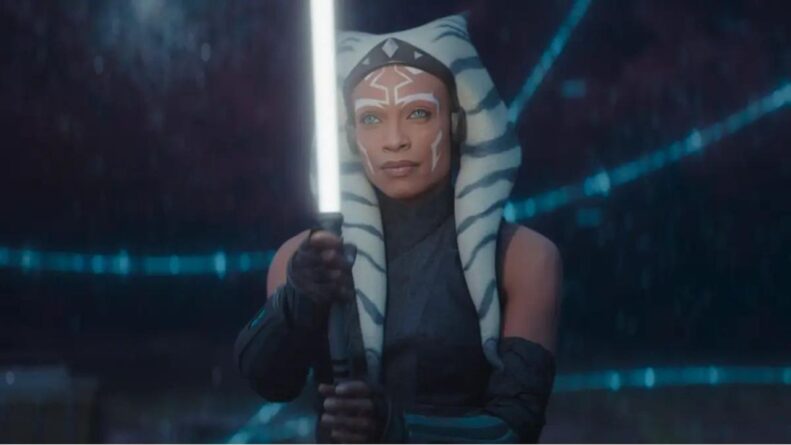
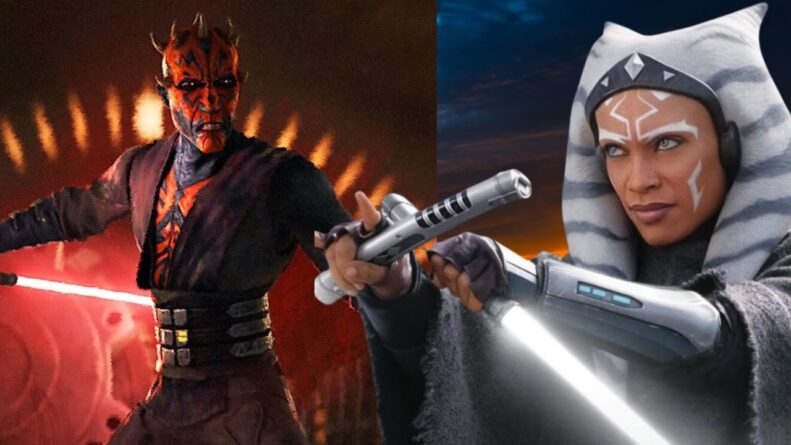
We can see the similarities in both characters. Like Ahsoka, F also survived the fall of the Republic and the horror of Order 66. Like Ahsoka, she carries uniquely coloured lightsabers — yellow for F, white for Ahsoka. Like Ahsoka, she has an unconventional relationship with the Force and the Jedi Order itself. And the biggest pain they both had, their masters turned into darkness.
The difference is they didn’t end up the same.
Why Ahsoka Could Never Reach This Milestone
F’s victory becomes so overrated that you must understand Ahsoka’s journey and burden to understand what raises the stakes.
The Challenges Ahsoka Tano Replacement Faced
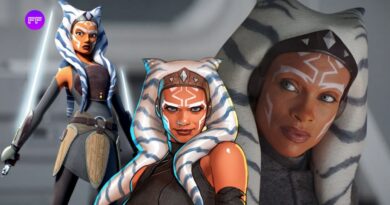
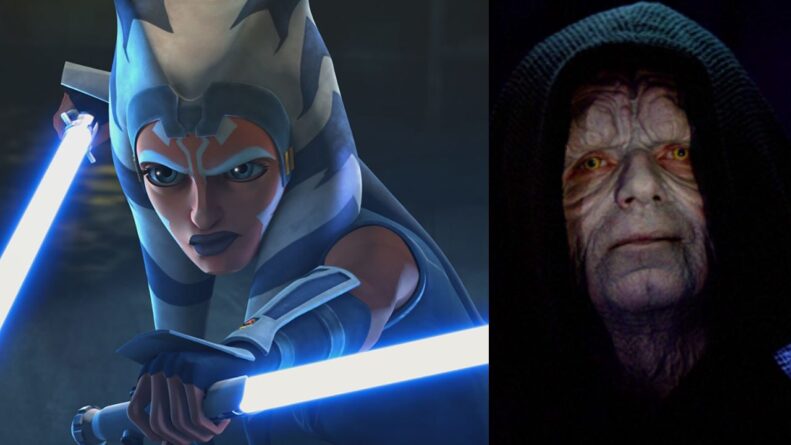
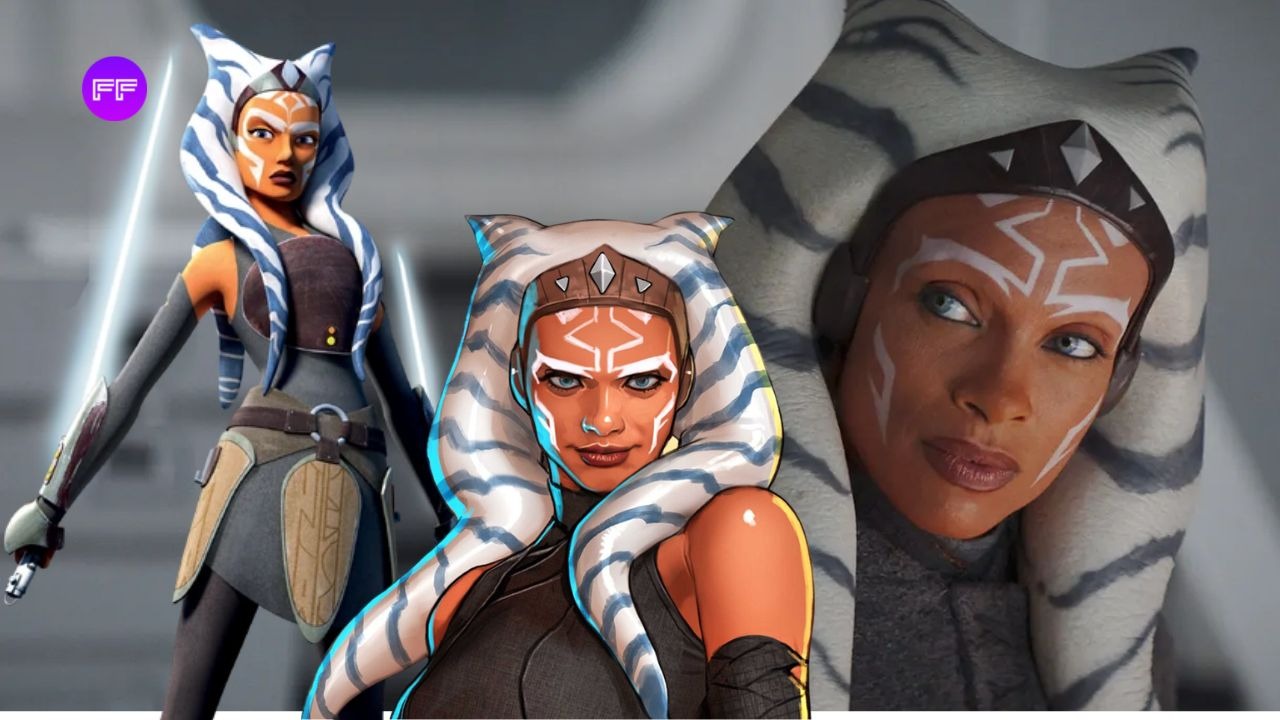
Ahsoka Tano first look was in the 2008 Clone Wars animated film and there, her journey started as Anakin Skywalker’s apprentice. She grew in those seven years into something extraordinary — she was a bold and strong Jedi who walked away from the Jedi Order because they failed her first.
Order put her down by accusing her for bombing the Jedi Temple. Masters who were close to her stood by when she was on a trial for the crime she didn’t commit. And when she was finally exonerated, no one truly made it right. So she left.
That decision defined the rest of her story. Without the rank or title of a Jedi, Ahsoka navigated the Dark Times mostly alone. She became an operative of Rebel intelligence – Fulcrum. She didn’t even survive encounters with Inquisitors and Imperial forces, she also helped heroes like Kanan Jarrus and Ezra Bridger.
But the shadow of Anakin never fully lifted.
When she finally faced Darth Vader in Star Wars Rebels — in the iconic two-part episode “Twilight of the Apprentice” — the confrontation was everything fans had waited years to see. And yet, it wasn’t a victory. It wasn’t a defeat either, technically. Ezra Bridger pulled Ahsoka into the World Between Worlds and saved her life before the duel could reach its conclusion. Vader continued his reign of terror. Nothing changed.
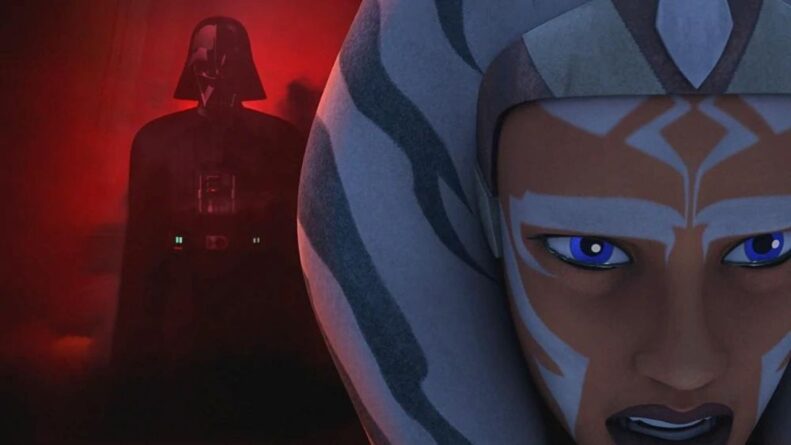
Ahsoka never faced Vader again. He died in Return of the Jedi, redeemed by his son Luke Skywalker — not stopped by the apprentice who had known him longest.
A Different Era of Star Wars
Here’s where the structural problem becomes clear: Ahsoka could never defeat Vader because Star Wars’ own canon wouldn’t allow it.
If Ahsoka had stopped Vader, truly stopped him — the entire trajectory of the Original Trilogy would need to be rewritten. Anakin Skywalker’s redemption arc, Luke’s belief in the good in his father, the Emperor’s eventual fall — all of it hinges on Vader surviving until Return of the Jedi. Ahsoka was always playing within a story that had already been written. The ending was predetermined.
This isn’t a criticism of the storytelling. It’s actually a fascinating creative constraint. Ahsoka’s failure isn’t about weakness or lack of heart — it’s about the weight of continuity. She was a new character inserted into a timeline where the big beats were already fixed. She could grow, suffer, and inspire, but she could never change the central tragedy she was connected to.
The era she existed in made certain victories structurally impossible.
What Made the Successor Different?
F didn’t have those limitations. Star Wars: Visions gave Ahsoka Tano Replacement something Ahsoka never had: a story with no predetermined outcome.
New Opportunities
Because Visions exists outside the main continuity, F’s story could go anywhere. There were no downstream consequences to protect. No Original Trilogy to preserve. The writers could actually let her win — and in “The Lost Ones,” they did exactly that.
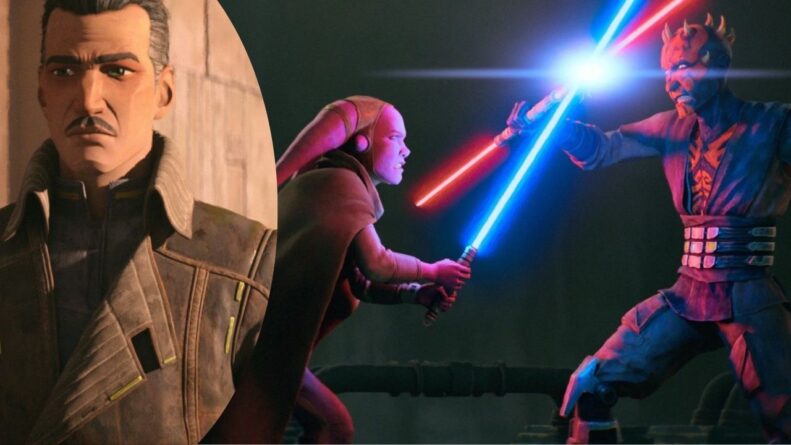
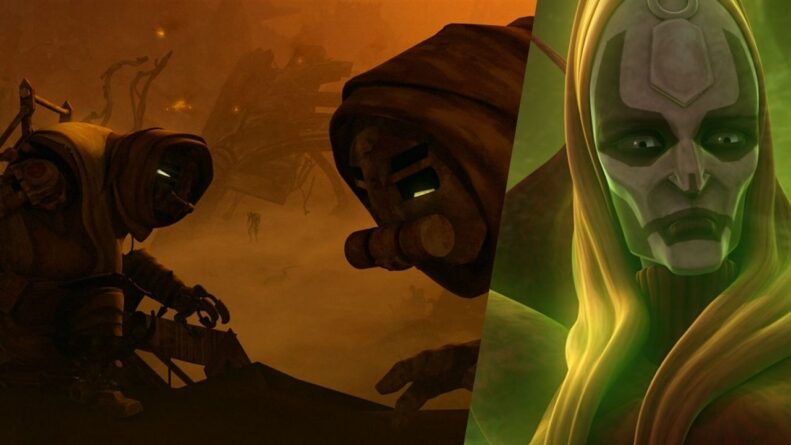
In the episode, F is helping refugees escape a planet being destroyed by uncontrolled carbonite gas clouds. When the Empire intercepts the refugee ship, F is handed over — and brought face to face with her former master, Shad-Rah, a Jedi who had turned to the dark side and was now working for the Empire.
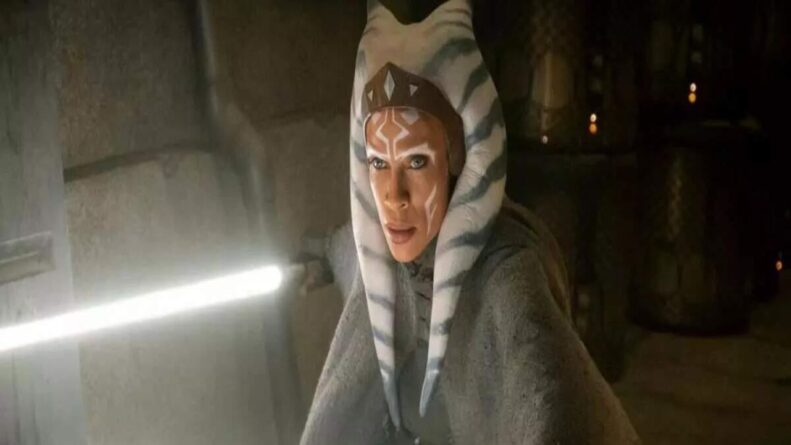
The confrontation is everything the Rebels duel between Ahsoka and Vader could never fully be. There was no safety net, no time-travel escape hatch, no canon to protect. Just F, her yellow lightsaber, and a fallen master who had become something monstrous.
Lessons Learned From Ahsoka’s Journey
What makes F’s character so compelling is that she seems to have internalised lessons that Ahsoka was still wrestling with during her darkest moments. F clearly understands that the master she knew and the dark side servant standing before her are two different people. She thinks of Zero (her master’s former self) and Shad-Rah (what he became) as entirely separate — much like the distinction fans have always drawn between Anakin Skywalker and Darth Vader.
This clarity of perspective is something Ahsoka agonised over for years. The grief of losing Anakin to Vader was a wound that never fully healed. Ahsoka Tano Replacement, drawing on a similar tragedy, appears to have found a way to honour the person she loved without being paralysed by who that person became. That emotional maturity is what allowed her to act.
F lost the duel physically — Shad-Rah cut off three of her limbs in a moment that eerily echoes Anakin’s fate on Mustafar. But before she fell, she planted a carbonite bomb on him. He was frozen aboard a crashing star destroyer. He could never hurt anyone again. She didn’t use a blade to win but her ingenuity, determination, and reluctance to win.
Read More 👉 DC Chapter 2 Latest Update: What Is James Gunn’s New Plan?
The Victory Ahsoka Never Got
One of the most emotional moments in all three volumes of Star Wars: Visions is “The Lost Ones” and it earned it. Why? Because it answers a question Ahsoka Tano’s story left unanswered.
What if Anakin’s Padawan had stopped him?
F’s victory is essentially an alternate telling of that story — one where the Padawan gets to do what the narrative of the main canon would never permit. Ahsoka faced Vader and walked away (or was pulled away) without resolution. F faced Shad-Rah and ensured he could never cause more suffering.
The emotional logic is airtight. Both women were trained by masters they loved. Both watched those masters fall. Both carried the grief of that fall across years of survival in a galaxy that had turned against the Jedi. But only one of them got a real ending to that chapter.
In a sense, F’s victory retroactively gives Ahsoka’s story a kind of emotional closure it could never have achieved in canon — not because it changes anything in the main timeline, but because it proves the arc was always possible. The Padawan facing the fallen master, and winning, is a story Star Wars was capable of telling. It just had to step outside its own continuity to do it.
Why This Success Is So Emotional
“Twilight of the Apprentice” duel likely left an emotional impact on everyone and it still does. It’s one of the best and saddest scenes in all of Star Wars animation. It’s also one of the most heartbreaking, precisely because of how unresolved it is.
So when F’s story gave fans what Ahsoka never could, the response was quietly devastating — in the best possible way.
It Honors Ahsoka’s Legacy
F doesn’t replace Ahsoka. Nothing in Visions pretends to be the “real” Star Wars. But by mirroring Ahsoka’s journey so deliberately — the survival, the yellow lightsaber, the fallen master, the unconventional relationship with the Jedi path — the story is clearly in conversation with everything Ahsoka represents.
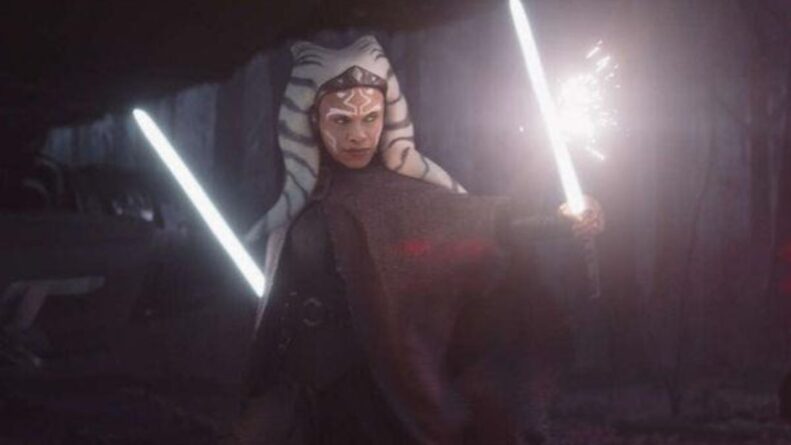
F’s victory is, in a way, a tribute to Ahsoka. It says: here is what this kind of strength and love looks like when the story is free to go where it needs to go. Ahsoka Tano Replacement honors Ahsoka’s journey by imagining its most healing possible conclusion.
Fans Finally Saw a Dream Fulfilled
There is something profound about finally seeing a version of a story you’ve hoped for come true — even if it’s in a parallel continuity, even if it doesn’t “count.” For loyal fans, who have been following the storyline of Ahsoka since 2008 and hoping to see that growing annoying kid sidekick into one of the franchise’s greatest characters.
The grief was real. The frustration of the unresolved duel with Vader was real. And now, in a small anthology episode with a runtime of under 30 minutes, that grief was given something it rarely gets in franchise storytelling: an answer.
Read More:- Supergirl: Woman of Tomorrow’s Five Planets Explained: Every Alien World Kara Visits
What This Means for the Future of Star Wars
The success of F’s story in Visions opens up a conversation about what Star Wars can do when it stops being afraid of its own continuity.
The main canon has always been cautious — understandably so. The Original Trilogy is sacred. The events leading up to A New Hope must play out in specific ways. Characters like Ahsoka exist in a creative strait-jacket, able to grow but never able to truly alter the course of the larger story.
But Visions has demonstrated something valuable: there is enormous emotional power available to Star Wars when it allows its stories to exist freely. F’s arc was only possible because the writers weren’t constrained by what had to happen next. That freedom produced storytelling of Ahsoka Tano Replacement that arguably hit harder than much of what the main canon has offered in recent years.
With Ahsoka Season 2 still in development and expected sometime in the latter half of 2026, there is renewed interest in whether the live-action series will give its lead character the kind of emotional resolution that canon has always denied her. F’s victory hasn’t changed what Ahsoka’s story is — but it may have changed what fans now dare to hope for.
Why Fans Are Divided on the Comparison
Not everyone in the Star Wars community is entirely comfortable with the framing of F as Ahsoka’s “replacement” or “successor.” And honestly, that pushback has merit.
The main reason to be careful is that F comes from a non-canon anthology, so the comparison of both isn’t really equal as Ahsoka didn’t fail because she was weak or unwilling. She failed to stop Vader because she existed within a story that had already decided Vader’s fate. That’s a very different kind of failure than a character flaw.
There’s also the sheer volume of what Ahsoka accomplished that F has not. Ahsoka has been part of 17 years of Star Wars stories, across The Clone Wars, Rebels, The Mandalorian, and her own live-action series. A character so deeply embedded in the Star Wars mythos that for many fans, Ashley Eckstein’s voice is the true voice of Ahsoka. F has two episodes. The comparison, some argue, is fundamentally unfair in both directions.
And they’re not wrong. F’s victory is specific and extraordinary precisely because of the freedom Visions afforded. Transplant those same stakes into the main canon, and the narrative would have to find a way to preserve everything that comes after. The same victory would be impossible — not because F is somehow more capable than Ahsoka, but because the story surrounding her is different.
The most honest reading is this: F didn’t beat Ahsoka. F completed the story that Ahsoka’s narrative could never tell — and in doing so, she became something that stands alongside Ahsoka rather than above her.
Read More:- DC Chapter 2: The Future of Batman, Superman, and Wonder Woman
Conclusion
Star Wars has always been about the relationship between masters and apprentices — the passing of wisdom, the weight of legacy, and the tragedy of what happens when that chain of love and mentorship is broken by darkness. Ahsoka Tano’s story is the most human exploration of that theme the franchise has ever produced. And her inability to stop Vader — a man she called master, a man she loved is the wound at the centre of everything she is.
F’s story in Star Wars: Visions didn’t heal that wound for Ahsoka. Canon doesn’t bend that easily. But it showed that the healing was possible. That a Padawan who loses her master to the dark side, who carries that grief across years of hiding and survival, can face that fallen master and find a way to end the chapter. Ahsoka Tano Replacement is not really a replacement. It’s more like a reflection that lets others see the clarity.
Whether you become a fan of Ahsoka’s 2008 or live-action series, it succeeded with one of the most meaningful moments in a small anthology episode that served Star Wars history ever. Not because it changes anything. Because it proves that this kind of ending was always possible.
Ahsoka’s story isn’t finished yet. Season 2 is coming. And maybe the galaxy will finally give Anakin’s Padawan the ending she deserves.
Fandomfans delivers updates from movies, series, and celebrities. We focus on deeper theories on franchise.