A Knight of the Seven Kingdoms: The Story Fans Didn’t Know They Needed
Explore why A Knight of the Seven Kingdoms is the Game of Thrones story fans didn’t know they needed, with rich lore, memorable characters, and timeless adventures.
People were expecting to see political conflicts and brutal wars in Westeros when the announcement was made to release A Knight of the Seven Kingdoms Season 1. But this series honors the franchise core dynamic value of centuries before the dragons. A story of a hedge knight and his squire, both wandering around the streets and arguing about coin and honor. And now it seems that this is exactly the story which fans needed to watch.
An Adaptation of George R.R. Martin’s Tales of Dunk and Egg novellas, follows a different narrative-style than cruel noble families of Game of Thrones or House of the Dragon, that’s the main reason of receiving success.
The series is set long before the Daenerys Targaryen era or dragons war, so long before the time of Robert Rebellion. Martin wrote the different side of Westeros where the story explores the lives of ordinary people instead of just queens, and noble families. So he built a story from the ground up instead, borrowing heavily from the class tensions and chivalric culture of 14th-century England under Edward III.
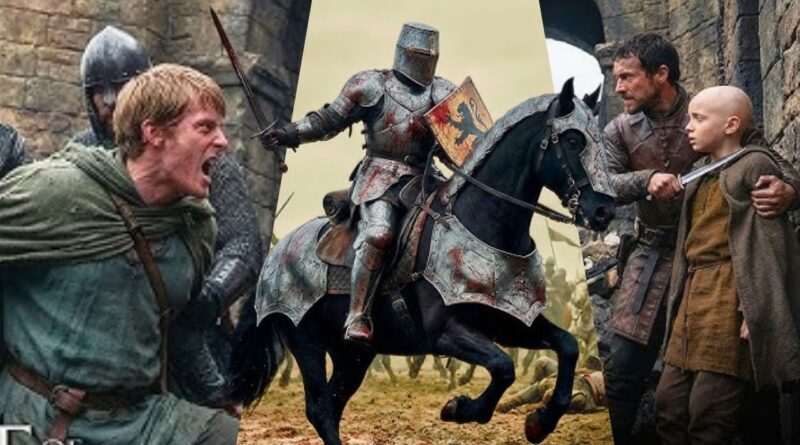
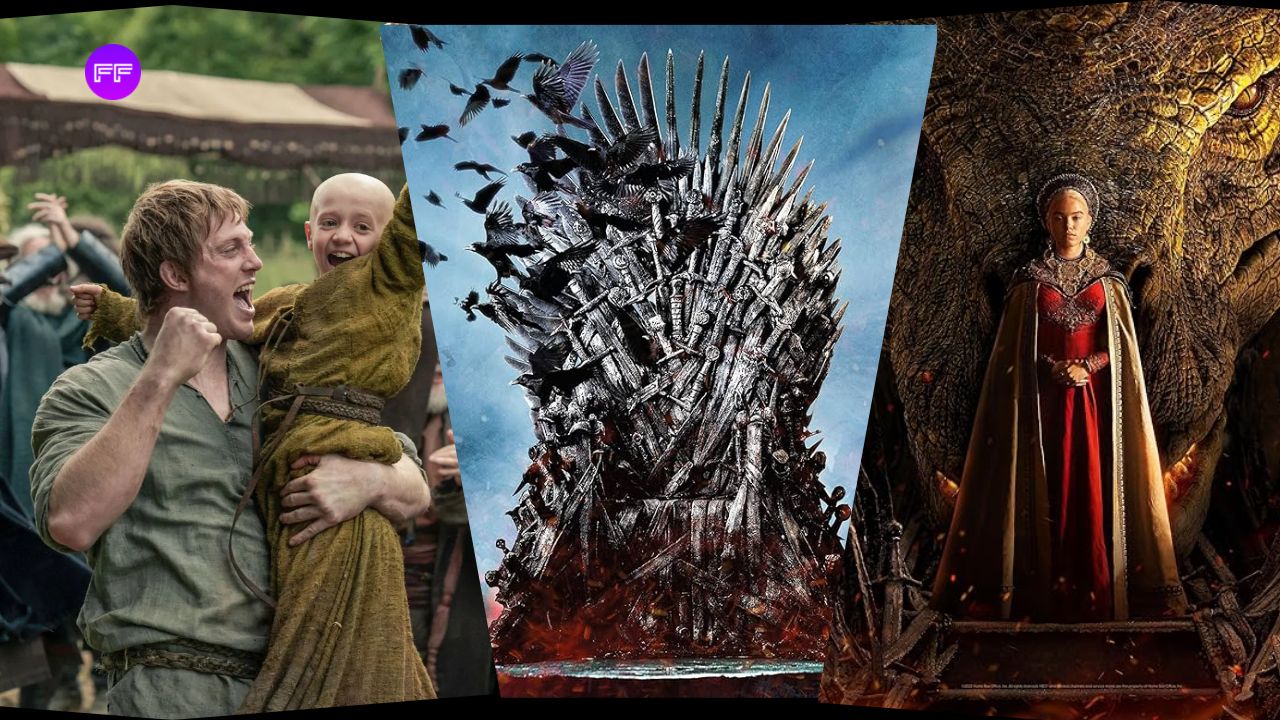
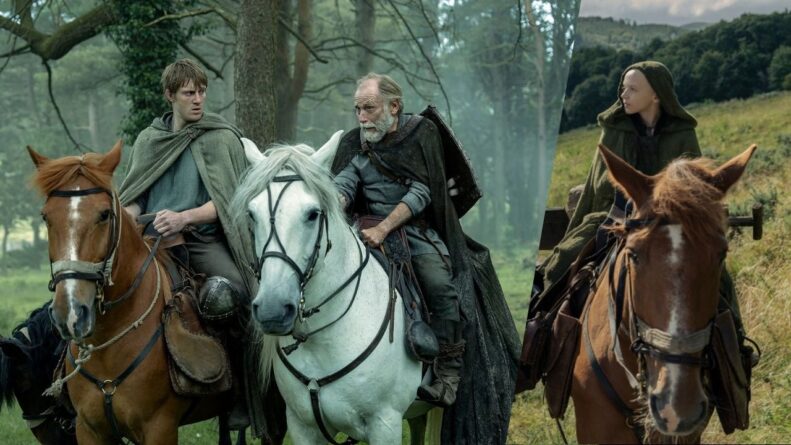
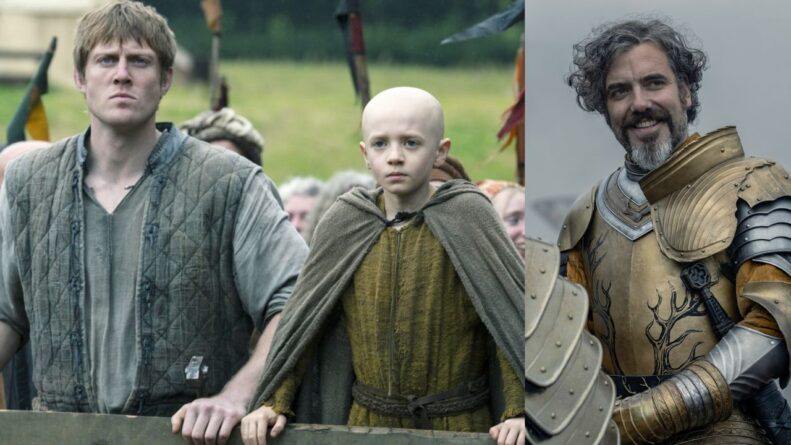
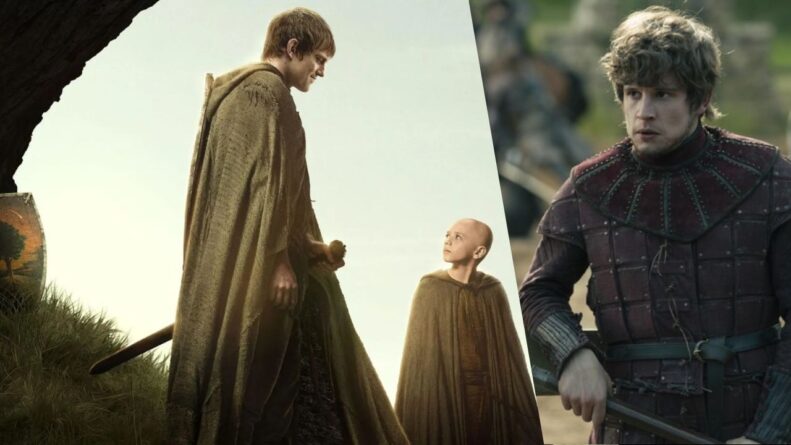
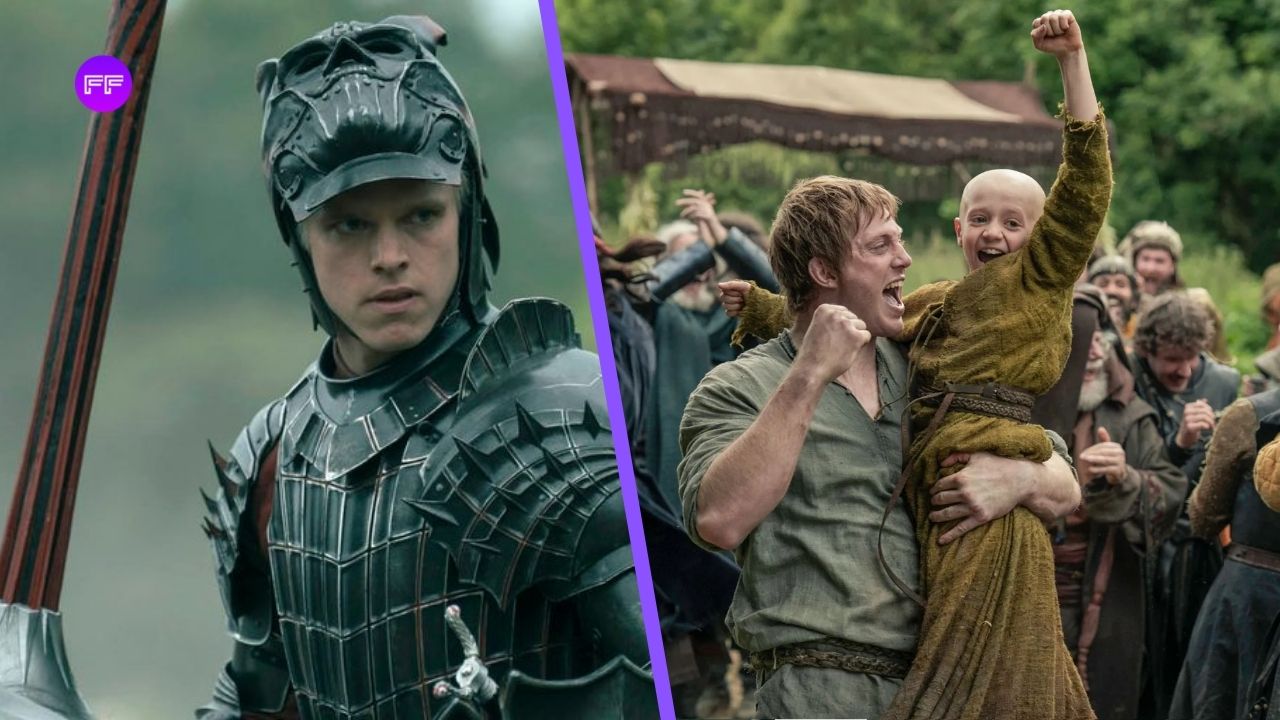
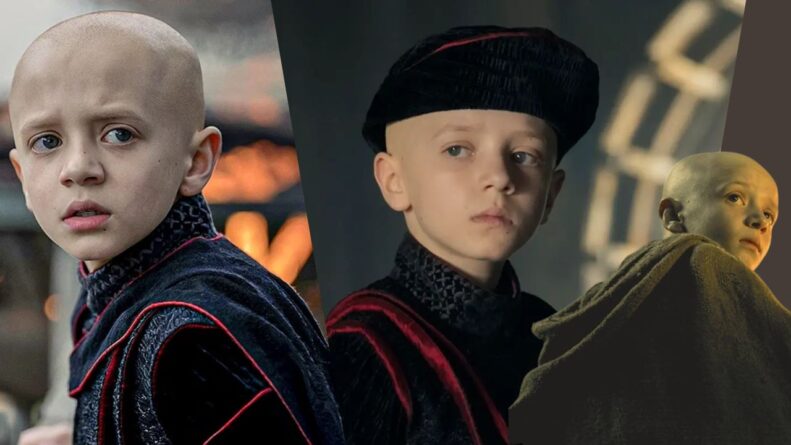
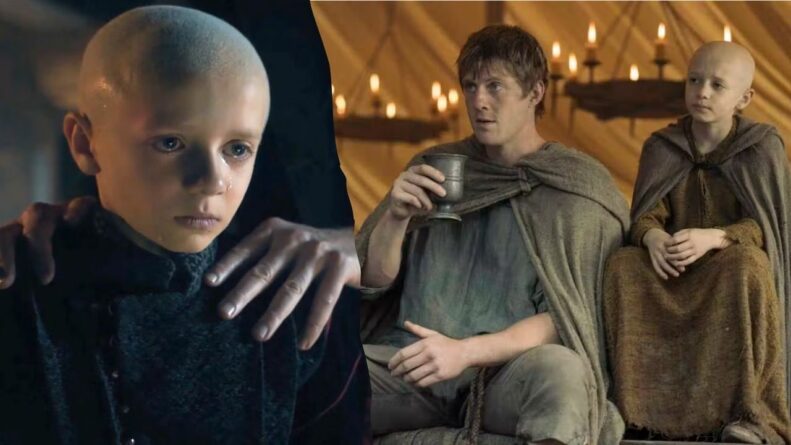
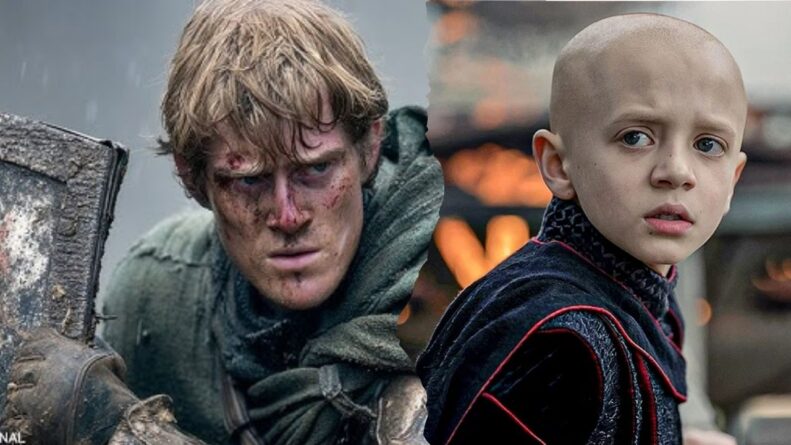
At the center of it all is Ser Duncan the Tall — a hedge knight, meaning he’s technically part of the martial nobility but has none of the money, land, or status that usually comes with it. He has his squire, Egg, a noble prince Aegon Targaryen who keeps his real identity hidden and disguises himself as an ordinary boy by removing his silver-gold hair.
This duo is capturing attention with a unique plot of friendship and their mutual understanding to keep standing for the right thing.
The story has shown us one best thing that truly wins the audience’s hearts, it shows the hard life of someone like Duncan. He does not belong to any noble families but he is also not a poor farmer. He is just an ordinary person who is trying to survive and wants to do the right thing like a true knight, even though he could barely afford his armour. It shows that a single man who has decency is more deserving than an armoured man to be a hedge knight. And hedge knights are paid mostly in food, a roof for the night, and the occasional coin.
When the fighting stops, lords forget their names fast. There’s a moment early on where Duncan’s old mentor, Ser Arlan of Pennytree, is barely remembered by the lords he once served — his years of loyalty erased the second he stopped being useful.
That precariousness is the engine behind almost everything that happens to Duncan. It’s why so many hedge knights slide into banditry during hard winters. That’s also what makes every tournament feel like a bet he can’t lose. And that’s why when he finally does break the rules, the repercussions could have been deadly.
Read More 👉 Westeros Is Not Done Yet: A Knight of the Seven Kingdoms Brings a New Legacy
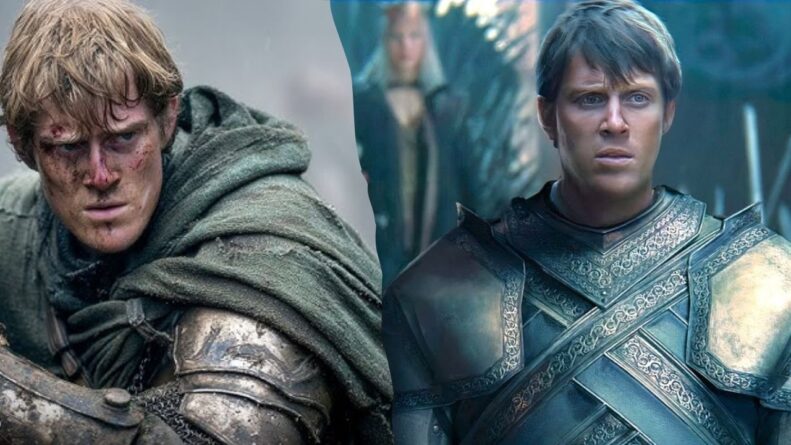
The turning point of the first novella comes when Prince Aerion Targaryen — a genuinely cruel, unstable young royal — assaults a puppeteer named Tanselle simply because her performance wounded his pride. He breaks her fingers without a second thought, and nobody so much as blinks, because that’s simply how impunity works for the highborn in Westeros.
Duncan doesn’t let it go. He strikes back, physically, against a prince — an act that would normally cost a commoner a hand and a foot. He only survives because he happens to be an anointed knight, and stripping a knight of his right to trial by combat would set a precedent no noble house wants to set. In other words, Duncan isn’t saved by justice. He’s saved by the fact that the system needs to protect its own rules, even when applying them to a hedge knight it otherwise treats as disposable.
That single legal technicality kicks off the Ashford Tourney arc, which culminates in something called a Trial of Seven — a full melee of seven champions per side instead of a simple duel. Duncan’s side is built entirely out of people who’ve been wronged in one way or another by the system Aerion represents, while Aerion’s side is stacked with sycophants and men bound by obligation rather than conviction. It becomes less a fight over one puppeteer’s broken fingers and more a referendum on what chivalry is actually worth in this world.
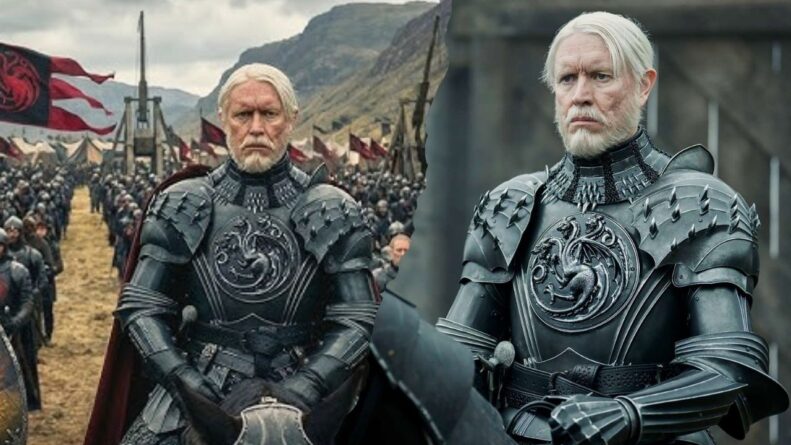
The real gut-punch of the Ashford storyline is Prince Baelor Breakspear’s decision to champion Duncan. Baelor is, by every account, the best possible future king Westeros could ask for — capable, fair, diplomatically gifted. And he dies in that melee, killed accidentally by his own brother’s mace.
It’s a brutal reminder of something Martin does again and again across his work: doing the honorable thing doesn’t guarantee a good outcome. Baelor’s death, followed soon after by the loss of his two sons to sickness, throws the line of succession into chaos and eventually hands the crown to the scholarly, disengaged Aerys I. That single vacuum in leadership opens the door to decades of instability, a rising surveillance state, and the eventual Blackfyre Rebellions that haunt the rest of the timeline. One knight’s decision to stand up for a hedge knight quietly reroutes the fate of an entire kingdom.
The Sworn Sword is the second novella that follows the royal court swaps for the impoverished countryside, and it’s arguably even bleaker. Westeros is in the grip of the Great Spring Sickness, a plague reminiscent of the Black Death, along with an exhausting several-year drought. Regions that closed their borders early, like Dorne and the Vale, come through mostly unscathed. Places that kept trade routes open, like King’s Landing, lost tens of thousands of people, including the king himself.
Against that backdrop, a feud breaks out between Ser Eustace Osgrey and Lady Rohanne Webber — the “Red Widow” — over the damming of a river called the Chequy Water. What starts as a genuine dispute about water and survival slowly curdles into pure aristocratic ego, two noble houses squaring off more over pride than over anything the smallfolk actually need. It takes Duncan, once again the outsider who actually understands what’s at stake for ordinary people, to defuse things — this time by taking the violence onto his own body in a judicial duel rather than letting untrained villagers be dragged into a pointless fight.
Both stories run beneath the shadow of the Blackfyre Rebellion, where a line of legitimized Targaryen bastards tried to seize the throne — a conflict that echoes the real Jacobite uprisings against the British crown. What makes this thread so compelling isn’t just the war itself, but how people remember it afterward.
Ser Eustace Osgrey, a defeated Blackfyre loyalist, spends the second novella romanticizing that lost cause, sanding down its brutality into a noble legend. At one point he keeps misremembering the name of a peasant executed for sheep-stealing — swapping it for someone else entirely while somehow remembering every detail of the rebellion’s “finest” moments with total clarity. It’s a quietly devastating look at how the losing side of a war rewrites its own history to survive the loss.
By the time The Mystery Knight rolls around, that old rebellion is trying to reignite itself at a wedding tourney, with conspirators attempting to manufacture a myth around a weak claimant by rigging the jousting brackets in his favor. Duncan ends up unraveling the whole scheme, and the man secretly investigating everything from the inside — disguised as another hedge knight — turns out to be Lord Brynden “Bloodraven” Rivers, the Hand of the King and de facto ruler of the realm through fear, informants, and rumored dark magic. It’s a chilling look at a surveillance state that’s brilliant at crushing internal dissent and completely blind to real external threats, like the Ironborn raids happening on the coast the entire time.
Read More 👉 A Knight of the Seven Kingdoms: The Rise of a New Legend in Westeros
For all the political scheming, the real reason people fall for this story is the relationship between Duncan and Egg. A future king being mentored not by scholars or septons, but by a giant, penniless hedge knight who insists he sleep in ditches and groom horses like anyone else — that’s the whole thesis of the series in one image. Duncan wants Egg to actually understand what hardship feels like, unlike his brothers, who were ruined by growing up with nothing but comfort.
Egg eventually becomes King Aegon V, and his attempts to implement reforms that benefit the smallfolk will be met with fierce resistance that drives him to the tragedy at Summerhall. The fire that kills both him and Duncan. That knowledge sits quietly under every lighthearted moment in these stories, lending even the most hilarious moments a tinge of melancholy.
HBO’s adaptation, created by Ira Parker with Martin, premiered on January 18, 2026, and it leans fully into that smaller, character-first scale rather than fighting it. No CGI dragons, no continent-spanning battles — just the kind of mismatched-pair road trip energy that made early seasons of Game of Thrones so memorable.
Peter Claffey plays Duncan with a sincerity that carries the whole show, while Dexter Sol Ansell brings a sharp, watchful intelligence to Egg. Finn Bennett’s Aerion is quietly unsettling, and Bertie Carvel gives Baelor exactly the gravitas his tragic arc needs. The first season adapts The Hedge Knight across six episodes, taking its time with Duncan’s financial desperation before shifting gears into a tense political thriller as the Ashford melee approaches.
The response has been so positive that HBO renewed the show for a second season prior to the premiere of the first, with The Sworn Sword anticipated in 2027 and The Mystery Knight in 2028. Maze, while Martin is said to have provided full outlines for completely new narratives, including a Stark succession crisis in the North and a Riverland feud (between Houses Bracken and Blackwood) where Egg is said to meet his future wife.
For a series that once seemed all about scale, A Knight of the Seven Kingdoms shows that Westeros can be worth watching even when it’s not at war. Sometimes it’s enough to have a down-on-his-luck knight, a prince in disguise, and a road that never really takes you somewhere safe.
Read More 👉 House Of The Dragon Season 3: Release Date, Plot Details Explained, Cast & Characters
A Knight of the Seven Kingdoms succeeds by telling a quieter, more personal story. It follows the friendship of a hedge knight who can do anything for the right and Egg who disguises himself as a bald boy and hides his noble identity. The series explores the lives of ordinary people, the struggles of hedge knights, and the political tensions that shape Westeros long before the events of Game of Thrones.
This refreshing new perspective of Westeros led A Knight of the Seven Kingdoms to prepare for season 2 to release soon.
Dive deeper into the plot details of new movies, series and characters at Fandomfans.

The world of Game of Thrones is getting bigger with The Mad King prequel. Discover young Ned Stark, Harrenhal tourney and what HBO has in mind for a new show.

Since the original Game of Thrones series ended, HBO has painstakingly adapted George R.R. Martin’s A Song of Fire and Ice universe into a sprawling, multigenerational television empire. With House of the Dragon riding its breakout success, the highly-anticipated A Knight of the Seven Kingdoms, and the confirmed Aegon’s Conquest feature film, this franchise has never had more on its plate. And yet amid the dragons and the Targaryen civil wars and the hedge knights, the fandom’s heart often wanders back, nostalgically, to the ice and snow of the courtyards of Winterfell and the man who held the entire saga together, the heart of it all: Lord Eddard Ned Stark.
Today, however, the Game of Thrones world was once again ignited by news of a new prequel project titled Game of Thrones: The Mad King. Opening as a play in the summer of 2026 at the Royal Shakespeare Theatre, the story is racing back to the infamous Tourney at Harrenhal — a time when Ned Stark was nothing more than a young man on the cusp of a bigger, far more perilous world. With HBO allegedly considering bringing this stage production to TV, the question of the day quickly became: Who will wear the direwolf on their chest?
You need to understand the character’s colossal influence behind the excitement of Ned Stark’s comeback in the new movie of Game of Thrones. In 2011, when the series first aired, Sean Bean played an honourable lord and moral beacon of the show who is betrayed by political treachery and ethical uncertainty.

Ned Stark was the ultimate undercutting the typical fantasy protagonist. He was a good man and a decent man who’s played by the rules until he learns that in King’s Landing, playing by the rules means getting your head mounted on a spike.
Sean Bean’s portrayal was the foundation upon which the whole North was built in terms of tone and sound. At the pilot’s read-through, it was Bean who instinctively used his native Yorkshire accent. The producers loved it so much, they declared it the official dialect of the North and every actor playing a Stark — from Kit Harington to Maisie Williams, had to learn Bean’s cadence.
Ned Stark hovering its shadow in the entire show for the last season, though he was dead in the season 1 episode 9. After his death, his children’s paths were totally different and defined by their father’s teaching.
For years, fans wondered about the ghosts of his past, namely his role in Robert’s Rebellion and the question of Jon Snow’s parentage. This deep-seated fascination led to the character’s first “return” to the screen, not via resurrection, but through the mystical sight of the Three-Eyed Raven.
Game of Thrones Season 6 revealed the biggest secret of Robert’s Rebellion through Bran Stark’s power of vision which took back the audience. There, we saw a young Ned Stark returning from war, arriving at the Tower of Joy in Dorne.
Following Sean Bean’s trail was no easy task, but a little-known actor by the name of Robert Aramayo stepped into the role with rather impressive accuracy. Aramayo didn’t simply imitate Bean’s Yorkshire accent, he embodied the simmering grief, the weight of responsibility and relentless battle skill of a young lord cast into a war he never sought.

Aramayo’s sequence beyond the Tower of Joy, dueling with the legendary Ser Arthur Dayne, the Sword of the Morning is among the most iconic sword fights ever captured on television. Yet it was the restrained moments that solidified his performance. The scale of the destruction evident in Aramayo’s eyes as he at last comes face to face with his dying sister, Lyanna Stark, and gives the fateful pledge to hide her infant son, Jon Snow, reshaped the whole series for him emotionally.
Aramayo is currently playing a high-profile role of elf Elrond in the Lord of the RIngs: The Rings of Power after he finished his successful moment that propelled him to the top tier of fantasy television. But he never left Westeros and never will be.
Return of Ned Stark talk has been reignited by George R.R. Martin’s latest and most ambitious expansion: the stage. Game of Thrones: The Mad King will run from 20 July – 5 Sept 2026 at the historic Royal Shakespeare Theatre in Stratford-upon-Avon. 
Written by the award-winning playwright Duncan Macmillan and directed by Dominic Cooke, the production delves into one of the greatest and most romanticised events in Westeros history — The Great Tourney at Harrenhal. The play is set some 15 years before the original TV series and has a very strong “star-crossed lovers” vibe.
Prince Rhaegar Targaryen after winning the joust, he placed a crown of blue roses in Lyanna Stark’s lap who was already promised to Robert Baratheon and ignored his own wife. That’s where the Robert’s Rebellion started the Tourney at Harrenhal.
The play promises to feature younger versions of beloved characters, including:
Eddard “Ned” Stark: The head of the Stark family and the second son. A naturally serene and reserved man, this is a man who has watched the politics of the realm for decades.
Robert Baratheon: The powerful Stormlord and warrior hailed from his strength of war hammer. He is a crude but good-natured Ned Starks’ best friend.

Jaime Lannister: A budding yet extremely talented and arrogant knight. He is loyal to his family, and soon to be Kingsguard, which path that will shape his destiny.
Varys: A wily and secretive master of spies, newly come to the court. It is also very well informed on the state of the realm, and its information it puts to good use, and frequently it knows more than it reveals.
Director Dominic Cooke has hinted that although the medium is theatre, it wouldn’t shy away from the trademark brutality of the franchise, with a “theatrical way” of showing violent fight sequences.
With HBO’s aggressive expansion plan, insiders expect The Mad King to become the backdoor pilot for a TV adaptation of Robert’s Rebellion. Just like we’ve seen Stranger Things: The First Shadow similar approach by Netflix. If HBO orders a “Robert’s Rebellion” limited series, the first hurdle will be casting.
With chatter of a possible Harrenhal or Robert’s Rebellion series spinning off, ScreenRant got the chance to talk with Robert Aramayo on the press tour for his new film. Of course, he was asked if he might wear the Stark armor again.
Could he return as Ned Stark if HBO turns The Mad King into a show?
Aramayo’s reply was one of profound respect for the franchise and a realistic view of the passage of time.
“Wow! It’s never been asked before, I can say that was my amazing part of life. I loved the character and playing it great. And I was so excited to work in Game of Thrones. Since it was one of my first roles. I have great memories of it, even though it was a long time ago.”
He did appreciate the role in his statement and mentioned the attachment to the character but he cleared the smoke by saying he’s ready for a new gig. Aramayo also admitted to how much he’s changed since he shot those Season 6 flashbacks almost ten years ago.

There is a very good logistical reason for his hesitation. In the flashbacks, Aramayo plays Ned Stark in his 20s at the end of Robert’s Rebellion. The Mad King and the Tourney at Harrenhal occur before the war starts, so the character would need to be younger, technically.
Since Aramayo is now a good few years past the time when he portrayed the younger Ned Stark in Game of Thrones, moving back even further in the timeline would be a step too far, even with Hollywood’s wonder de-aging tech.
There is a difficult time phase with the status of Aramayo in the Game of Thrones universe which is against the static timelines of George R.R. Martin’s lore.
Interestingly, this is not the first time a Ned Stark actor weighs on a potential return. Years ago,
Larry King asked Sean Bean if he would ever return to Westeros. Bean famously quipped that he would love to come back for flashbacks, joking that he could just “have a shave, make myself look a bit younger.”
However, Bean later told The Hollywood Reporter that returning to the role in a prequel would be tricky because—
“They’re going backwards, I’d be younger. Now, we all look a little bit older.”
| Production Era | Actor | Storyline Focus | Character Age |
| Game of Thrones (Season 1) | Sean Bean | The Hand of the King | Mid 40s |
| Game of Thrones (Season 6) | Robert Aramayo | End of Robert’s Rebellion | Early 20s |
| Game of Thrones (Season 6) | Sebastian Croft | Childhood at Winterfell | Early Teens |
| The Mad King (2026 Play) | To Be Announced | Tourney at Harrenhal | Late Teens / Early 20s |
If HBO does bring The Mad King to the series, they’ll no doubt need to cast a new actor (most likely a fresh face) as the teenage Lord of Winterfell. Aramayo has simply outgrown the time.
Also, there is the “Elrond Factor.”
Aramayo is currently committed to a multi-year deal with Amazon’s The Lord of the Rings: The Rings of Power. With Season 3 recently finishing production and set to release in late 2026, and the show already being confirmed for a 5-season run, Aramayo is immensely busy.
As an immortal elf, his character is almost certainly going to survive the show, so putting together a giant, muddy medieval war show for a rival network is almost inconceivable.
If Aramayo doesn’t return, his remarks are a bittersweet nod to how sprawling the Game of Thrones TV universe has become. Fantasy television in 2026 (yes, we’re this far into the future in our timeline, dear readers) bears almost no resemblance to when Sean Bean first warned us that “Winter is Coming.”
As of now, HBO’s schedule is filled with Westerosi content:
House of the Dragon: Focusing on the House of Targaryen, especially Dance of the Dragons that brought about the end because of the politics and greed in the family.

A Knight of the Seven Kingdoms: Specifically focusing on Ser Duncan the Tall and his young squire, Egg adventures and miserable life, set in the early years.
Aegon’s Conquest: The newly announced Warner Bros. feature written by Beau Willimon, adapting the original Targaryen invasion of Westeros for the big screen in 2027.
It is still trying to find its north star as the series obsessives will tell you: a show only about Robert’s Rebellion continues to elude them. It is the connective tissue between the high-fantasy dragon battles of the past and the gritty political maneuvering of the original show.
While George R.R. Martin has commented that he thought a Robert’s Rebellion series was unnecessary as the original books and series show all of its secrets, the development of The Mad King stage play indicates a slight softening of that stance.

By staging the Tourney at Harrenhal, Martin is developing new ways to examine the lore without interfering with the established television canon. Should a television adaptation materialize, it will be the closest the timeline has come to the events of Game of Thrones Season 1.
Read More:- Footage Revealed Depressed Peter Parker in Spider-Man: Brand New Day
Robert Aramayo’s gentle but firm confirmation that he’s hung up his Westerosi cloak is a tough pill to swallow for those who were fans of his young lord. He got lucky, but he also captured lightning in a bottle as he embodied Sean Bean’s baseline performance while bringing a youthful desperation to the pivotal moments in the history of the Stark family.
With Game of Thrones: The Mad King set to debut in the UK this summer, a new actor will no doubt be stepping into the grey and white raiment of House Stark. They’re going to have to play a man who doesn’t yet know what tragedies lie waiting for him in the south.
While Aramayo is swapping the snows of the North for the golden leaves of Lindon, his place in the Game of Thrones mythology remains firmly established. The actors may grow old, the spinoffs may proliferate, and the mediums may shift from the television screen to the theatrical stage, but one truth in Westeros is unchanging: Ned Stark’s legacy is, and always will be, the beating heart of A Song of Ice and Fire.
Fandomfans is a platform where you can get every update from movies, series and celebrities.
A Game of Thrones movie might bring back classic sequences such as the Red Wedding or Cersei’s ascent. Find out what fans would like to see in the cinema..!

Game of Thrones movie isn’t just a series, it’s an era which redefined television storytelling with highly remarkable characters and twists in a political war of seven kingdoms. The series’ pop culture pop-offs ranged from brutal betrayals to subtle power plays. Now, with speculations for Game of Thrones movie, fans are crossing their fingers that they’ll be able to relive some of these Iconic GOT Scenes but this time on the big screen.
Be it the bone-chilling political mind-games, or the emotionally heart-shattering betrayals, these very moments already have the power to captivate fans all over, and maybe this time around they’ll have an additional layer of depth, superior execution, and fresh eyes.
Another masterclass in political dialogue is in the Season 2 opening, where Cersei Lannister meets with Littlefinger about the definition of power. Cersei gives the order for Littlefinger to be arrested and executed after he slyly threatens her in the form of “knowledge is power,” but then has a change of heart and tells them to let him go.

She fixes Baelish with a glance of cold superiority and sets him straight: “Power is power”. This somewhat brief and bland scene is touted as the ultimate character moment (it demonstrates how plots and blackmail are useless when power wields blunt-force trauma).
Nothing is more thrilling and twisted than the Red Wedding in Season 3, “The Rains of Castamere.” The music itself is a dangerous symbolization of tragedy as it fits the slaughter of Robb Stark, Catelyn Stark, and the pregnant Talisa was a total inversion of the traditional hero’s revenge story.
By seeing Robb’s seriousness in the series, viewers had been waiting for Robb to avenge his father’s death and win the war. But his heart gets attached to Talisa and he breaks a political marriage pact with Walder Frey which leads the entire family to face the consequences. This scene may relive in the Game of Thrones movie.

It’s a masterclass in building tension and psychological terror in the scene. The heavy wooden doors closing and locking, then Director David Nutter shifts the musical impact to the sinister Lannister tune “The Rains of Castamere,” Catelyn’s shocked reaction on her face is everything we can see the next few guesses.
After she senses Roose Bolton’s chainmail under his garments to shift the mood from a celebration meal to a slaughterhouse. The entire scene and reaction of everyone’s faces is something that makes it notable for its relentless savagery, particularly the dramatic, sadistic slashing of Talisa’s pregnant stomach.
The trial of combat between Oberyn Martell and The Mountain in Season 4’s The Mountain and the Viper ends in a different but equally brutal subversion, this time of the David vs Oberyn, representing Tyrion Lannister, has the advantage of speed, agility and a poisoned spear, and begins picking apart the hulking, heavily armoured opponent. But his emotional craving for a confession for the rape and murder of his sister makes his arrogance overpower his warrior’s discipline.

The surprise, horrifying twist when the Mountain trips Oberyn, pulverizes his teeth, and drives his thumbs into his eye sockets until his head crumbles, is often cited as one of the goriest moments on television which can also make Game of Thrones movie remarkable.
It answers to the show’s brutal credo — that having confidence in yourself and being morally right doesn’t make you invulnerable, and that Westeros really does kill you for having too much of an attitude. It robs the plot of a satisfying revenge storyline and turns the audience into a shared trauma in seconds.
The beginning of the Season 6 finale, “The Winds of Winter,” is generally regarded as the greatest cinematic sequence of the series, characterized by its gradual pace and explosive conclusion.
Cersei Lannister, who is being put on trial by the religious fanatic High Sparrow, does not trust the justice system and blows up underground stores of highly flammable “wildfire” under the Great Sept. It is an undeniable scene that could be rebooted in the Game of Thrones movie.

The sequence is a masterpiece of editing and suspense, culminating in Cersei’s revenge with a “mushroom cloud of wildfire” that exterminates all of her domestic rivals at once, among them the Tyrells and the Faith Militant.
It is the absolute osmosis between Cersei’s interior chaos and the world around her, changing the balance of power in King’s Landing forever, and showing that in the game of thrones, cutting one’s own throat is often the best way to keep breathing.
A classic scene plays out at a roadstop tavern in Season 4, where The Hound, tired of the sanctimonious knavery of knights, goes toe to toe in a vicious brawl over a chicken.

Basic survival and his own harsh code of ethics replace feudal politeness in Sandor when he crankily says,
“I will eat every bonny chicken in this room.”
The emotional scene of The Hound where he is sacrificing himself to kill his monstrous brother in the fiery Cleganebowl during the destruction of King’s Landing gives a tragic yet fitting symmetry to his lifelong terror of fire.
Theon Greyjoy’s fall is perfectly encapsulated in a moment where he must kill Ser Rodrik Cassel. The comically disastrous execution, which requires Theon to inflict multiple ax blows, helps to highlight just how much he is over his head as a tyrannical ruler.

Theon Greyjoy save Bran Stark in the final season is somewhat character redemption after a long-term torture by Ramsay Bolton and completely selfish acts he did to save himself. Now saving a Stark is like he owns them so much and finally pays it back that it becomes most interesting scene of the series
The most hilarious and outstanding scene of Daenerys Targaryen where she tricks The Unsullied owners into thinking she can’t speak High Valyrian, and then she tells her dragon to incinerate all the leaders and slave owners with the now iconic line, “Dracarys,” shows the power and intelligence of Mother of Dragons. The raining fire on the Unsullied ranks without losing a single dragon scene alters her whole character arc in terms of natural disposition and makes a lot of viewers her fans.
The other scene is also remarkable where the annihilation of the Lannister loot train in the “Battle of the Goldroad” is the bone-chilling confirmation of Targaryen dominance. And by the time she rains death down on the laid down civilian population of King’s Landing in “The Bells” with her dragon, the base building blocks for her megalomania are in place.

It makes viewers confront the terrifying truth that the liberator they cheered for had become the ultimate despot, proving that the quest for a “better world” can justify infinite atrocities in the mind of an invader. But critics and fans stated that this makes the show down and the image of dragon queen is messed up because of this scene. Now fans are waiting for Season 8 with better scripting in the Game of Thrones movie.
They also acknowledge the justification of fulfilling her promise to her best friend Missandei after Cersei cut her head off in front of her eyes and not willing to give the throne to her. Cersei’s own demands create a destruction of the Kind’s Landing. Daenerys Targaryen traveled so far and won over every battle to take the throne which is rightfully hers (technically) before the revelation of Jon Snow true self.
If killing the Night King was about protecting the future, the slaughter at House Frey was about avenging the past. This is the ultimate Red Wedding “catharsis” in a scene. Arya didn’t just kill Walder Frey, she fed him his own sons, Black Walder and Lothar, encased in a pie. This was a nod to the “Rat Cook” story from Westerosi mythology — a tale about a cook who was cursed by the gods not for killing, but for violating the Laws of Hospitality (injuring a guest within your home).

Arya clowns up with her Braavosi nun friends and gets hold of one of their faces to be a servant girl in the hall. This is the best application of her Braavosi training. Instead of only assassinating the leader, she systematically eliminates the entire male line of the family that betrayed her brother and mother.
As the beating ends and Arya exit the hall, the camera pans to show multiple men dropping as they lay round her. Her finality to the survivor is chilling:
“Now, when people ask you what happened here, say: The North remembers. Tell them Winter came for House Frey.”
That was the Stark line that the Stark family had retaken its power and the Frey alliance was now finished. The scene itself is a chilling context that everyone wants the scenes like this in the Game of Thrones movie.
Read More:- James Gunn Rebuilding DC Universe by Learning From Marvel’s Biggest Mistakes
A Game of Thrones movie has a chance to go back and re-explore what made the original series so great as well as brushing up some of those moments that divided fans. The Red Wedding, Cersei’s heartless climb, Arya’s retribution — they aren’t just scenes that stick in your mind, they are foundational pillars of modern television.
Their adaptation for a feature film may increase their emotional and visual power, allowing aficionados and new audiences alike to once again taste the magic of Westeros. Properly executed, it won’t just be a nostalgic callback — it might be a stunning reawakening for one of the greatest storytelling universes ever crafted.
Dive into the world of entertainment with these iconic scenes of Game of Thrones movie on Fandomfans, our goal is to deliver fact based theories to you.