What’s Next for Marvel After the Multiverse Saga? Future Plans Explained
Explore Marvel’s plans after the Multiverse Saga, including new MCU storylines, upcoming heroes, Avengers projects, and future phases.
Published: June 25, 2026, 1:06 pm

Explore Marvel’s plans after the Multiverse Saga, including new MCU storylines, upcoming heroes, Avengers projects, and future phases.
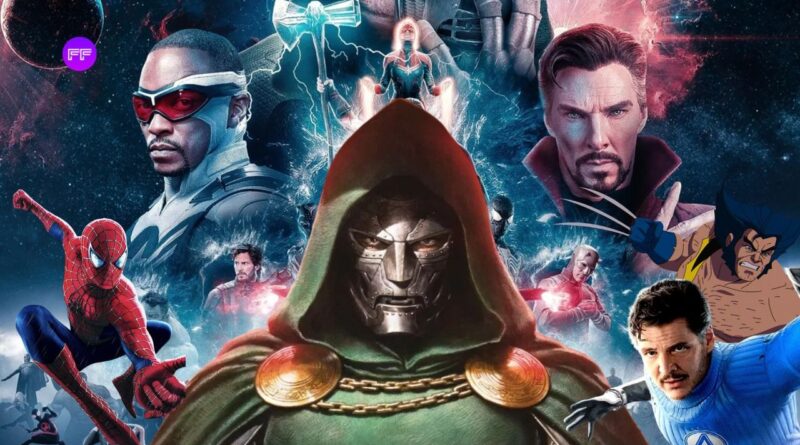
Marvel gave us powerful superheroes stories for years, now the Multiverse Saga has expanded the MCU into the new world by introducing alternate timelines, parallel universes, returning legacy characters, and stakes. One question is hovering among fans: what comes next for Marvel after the multiverse?
But as thrilling as those prospects have been, they’ve also left a lot of viewers wondering what direction Marvel can go next. With Avengers: Secret Wars anticipated to be the conclusion of the current era, stares are already turning to what comes next. From the much-anticipated introduction of the X-Men to a renewed emphasis on grounded storytelling and supernatural adventures, Marvel’s post-Multiverse future might just reimagine the franchise for an all-new generation of fans.
Secret Wars is genuinely the pillar of multiverse saga as it destroys a collapsing multiverse and then mends the surviving shards together into a unified, coherent reality.
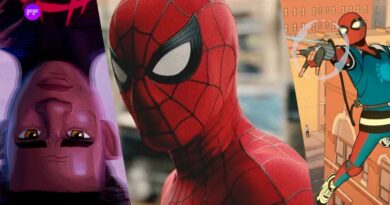
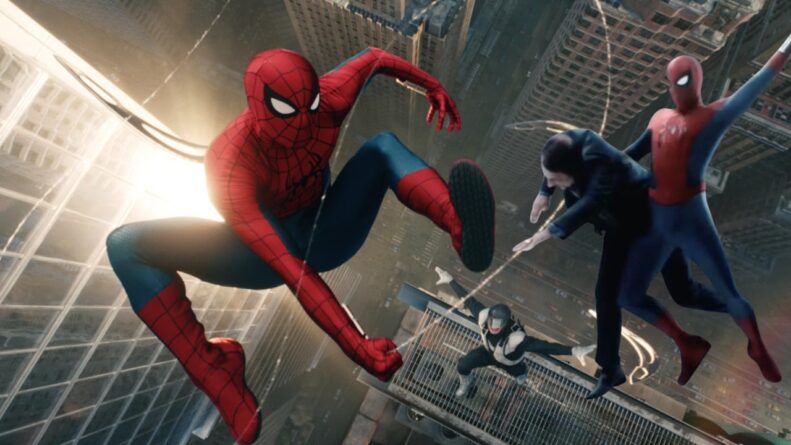
Marvel Studios is highly likely to follow this exact blueprint. Let’s face it—the Multiverse Saga has given us unforgettable moments (hello, three Spider-Men sharing the screen), but it also brought a heavy dose of “variant fatigue.” When any deceased character can just pop up from an alternate Earth, the emotional weight of character choices can start to feel a little cheap.
The stakes worked of Infinity Saga because everything occurred on a single timeline. The Multiverse Saga expanded the sandbox, but it watered down the tension. Avengers: Secret Wars will serve as a narrative “soft reboot,” giving Feige the opportunity to merge different universes, retire aging heroes with grace, and introduce a brand new, streamlined timeline where everyone coexists.
No more explaining complex timeline mechanics to casual moviegoers. No more multiverse rulebooks. Just one universe, one shared history, and a clean slate.
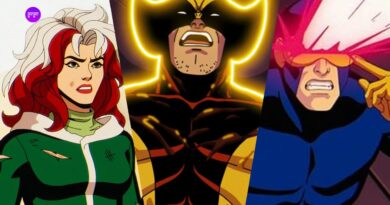
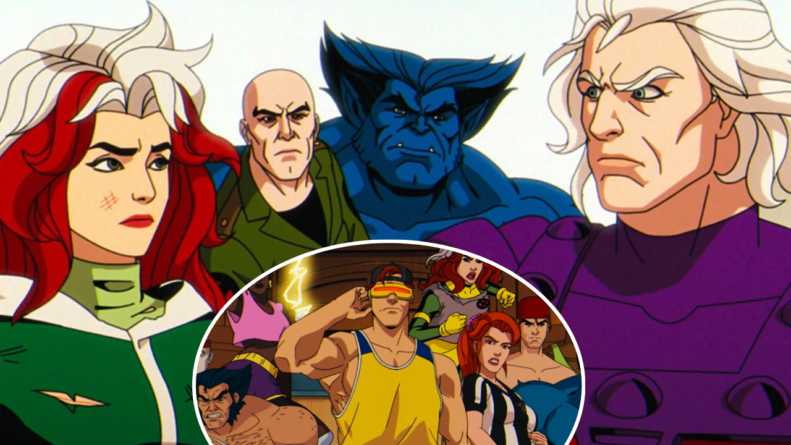
There are signs that suggest the third chapter would be the Mutant Saga because Spider-Man: Brand New Day also shows the physical mutation of Peter Parker and Wolverine resurrection in X-Men’ 97, all signs indicate towards it.
For years, fans have been wondering when the X-Men would officially integrate into the main MCU. We’ve had teasing appetizers—Professor X in Multiverse of Madness, Beast in The Marvels, and the glorious R-rated chaos of Deadpool & Wolverine. But Phase 7 is where the mutants stop being multivariate cameos and start running the show.
Let’s mention all the signs that suggests Marvel’s mutant-focused future plans:
With the original Avengers largely retired, passed on, or scattered across space, the post-Endgame MCU has occasionally felt a bit leaderless. The post-multiverse era will finally establish the new narrative pillars of the franchise. Instead of Iron Man, Captain America, and Thor, the next grand saga will likely be anchored by a new trinity:
One of the loudest critiques of recent Marvel phases was that the scale got too big, too fast. We went from street-level heroes fighting arms dealers to cosmic entities holding up the sky, leaving the universe feeling fragmented.
Marvel’s post-Multiverse direction suggests a conscious effort to pull things back down to Earth. Marvel has already started scaling back its yearly output by tightening its creative strategy with strong characters, coherent storytelling, and the upcoming Phase 7 slate reflects a return to focused, character-driven storytelling.
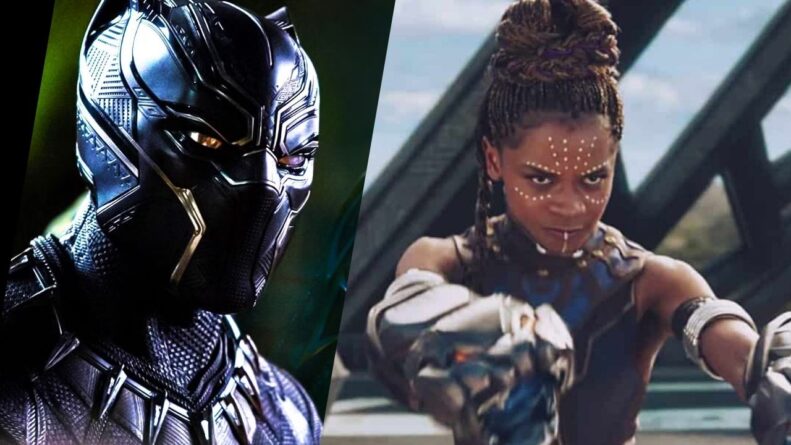
Ryan Coogler is reportedly developing the next chapter of the Black Panther saga, which is heavily suggested to be one of the very first movies to kick off the post-multiverse era in 2028. After the massive, reality-altering events expected to define Secret Wars, a return to the political intrigue, rich culture, and grounded stakes of Wakanda is exactly what the MCU will need to recalibrate its tone.
Destin Daniel Cretton is still widely expected to return for Shang-Chi 2 after a long wait. A post-multiverse MCU could be the better space to grow the characters that are so compelling with mythology and hidden mystical corners of Marvel’s world. Exploring martial-arts underworld of the MCU without having to worry about a timeline collapsing overhead.
While the mutants handle the sci-fi and political drama, Marvel has another long-gestating corner ready to explode: the supernatural.
We’ve seen pieces of this puzzle scattered around for years—Moon Knight, Werewolf by Night, and the mystical underbelly of Agatha All Along. While certain projects like the Blade reboot have famously taken their time in development, Marvel hasn’t given up on its darker side.
Many industry insiders believe Phase 7 will finally deliver the Midnight Sons—a team of supernatural anti-heroes handling the magical, occult threats that the Avengers are entirely unqualified to fight. A team consisting of Blade, Moon Knight, Ghost Rider, and perhaps a magic-weary Doctor Strange would offer a completely different tonal flavor to the franchise, swapping out the colorful cosmic playground for gothic, high-stakes horror.
Read More:- Spider-Man: Brand New Day Settles the Debate: Peter Parker Has What Jean Grey Never Could
Change is hard, and saying goodbye to an era defined by endless, chaotic possibilities can feel bittersweet. But the end of the Multiverse Saga isn’t a funeral for the MCU; it’s a graduation.
By closing the book on alternating timelines, Marvel is giving itself—and the audience—the greatest gift possible: consequences. When there is only one universe left standing, death matters again. Actions have permanent weight. We get to stop staring at the sky wondering which nostalgic portal is going to open next, and start looking at the characters standing right in front of us. Whether you are counting down the days for the X-Men to finally suit up in yellow spandex or you just want to see a straightforward detective story on the streets of Manhattan, the future of Marvel is shaping up to be more focused, more grounded, and incredibly exciting.
The next chapter for Marvel looks like it dedicates less of its time to making the universe bigger and more making the universe stronger. The likely reset following Secret Wars gives Marvel a rare opportunity to streamline its storytelling, to usher in new flagship heroes, and finally bring iconic teams like the X-Men into the heart of the MCU.
But the character focus Black Panther 3, Shang-Chi 2 and potentially supernatural tales signals a return to character-based stories with more razor-sharp stakes and emotional payoffs. When the next era is officially announced, one thing is clear: Marvel is getting ready to move beyond multiverse saga and create a more unified, focused universe—one that could very well lead us for another decade of blockbuster storytelling.
Dive into the world of entertainment with fandomfans to get deeper details and theories of your favorite character, movies, and series.

The official Spider Man Brand New Day synopsis has been revealed, teasing major villain details and new challenges for Peter Parker in the MCU.
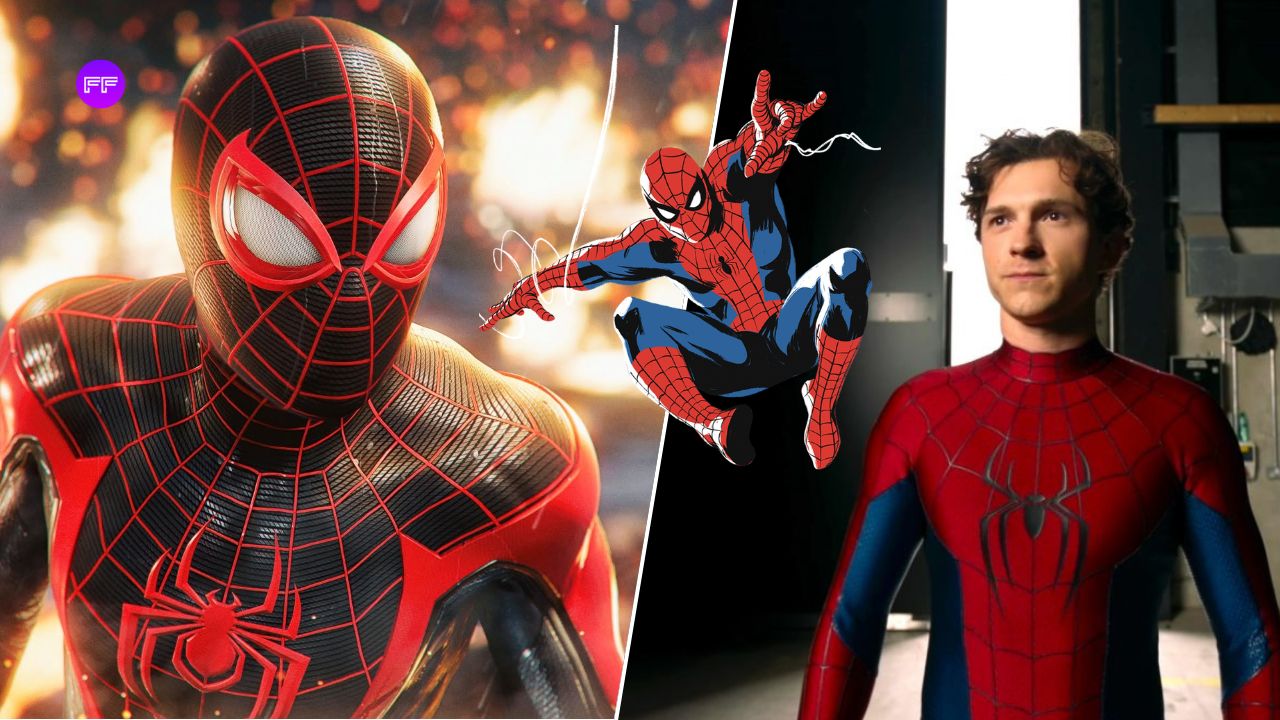
Spider Man Brand New Day official synopsis revealed very few details, recently Marvel revealed major villain details just weeks before the July 31, 2026 release. The main villain is someone or something that no one can physically see is actually creating excitement and frustration at the same time among fans.
It was a smarter tease than any CGI-heavy trailer could have been. Let’s look into the Tom Holland Spider-Man Brand New Day updates.
The film opens wide on July 31, 2026, being released by Sony Pictures and Marvel Studios through Columbia Pictures and will be the fifth film in the MCU’s Phase Six as well as the 38th movie in the Marvel Cinematic Universe.
This is also Tom Holland’s fourth Spider-Man adventure, arriving a few months before Avengers: Doomsday. There’s another big change behind the scenes as well. Destin Daniel Cretton, best known for directing Shang-Chi and the Legend of the Ten Rings, took over from Jon Watts, to direct Peter Parker’s next chapter, a different feel from the previous trilogy.
Spider Man Brand New Day plot revealed by Marvel and Sony’s own synopsis, four years have passed since Doctor Strange’s spell erased the world’s memory of Peter Parker at the end of No Way Home. Peter is now an adult, living completely alone, having voluntarily cut himself off from everyone who once knew him. He’s spending his days as a full-time, anonymous vigilante in a New York that has no idea who he is.
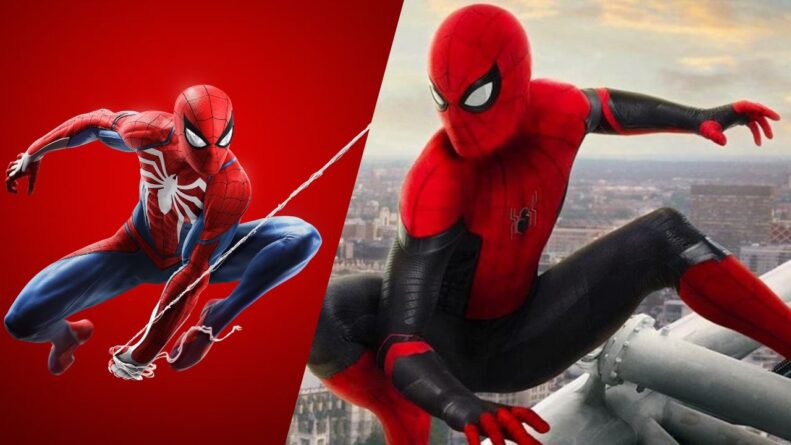
That isolation isn’t just a sad backdrop — it’s the engine of the story. The pressure of carrying the secret alone, paired with watching people like Ned and MJ build lives without him, triggers as new synopsis confirms — a surprising physical evolution in Peter that Peter “may not have the power to control.” At the same time, a new and unusually powerful threat is emerging in the city — one the official synopsis pointedly describes as a villain “no one can even see.”
That’s the skeleton of the Spider Man Brand New Day plot revealed by Marvel is clearly building toward a mutation arc here, which ties directly into the wider MCU’s post-Secret Wars push toward mutants entering the mainstream.
Spider Man Brand New Day is following a comic storyline of 2008 Amazing Spider Man Brand New Day. The story is written by Dan Slott, Marc Guggenheim, Bob Gale, and Zeb Wells and shows Peter’s life after the One More Day arc. It is a soft reboot after a memory wipe and continuing the film’s story after No Way Home by introducing new street-level villains.
Read More 👉 What Could Make It Marvel’s Next Big Hit in X-Men ’97 Season 2 ?
The confirmed lineup includes:
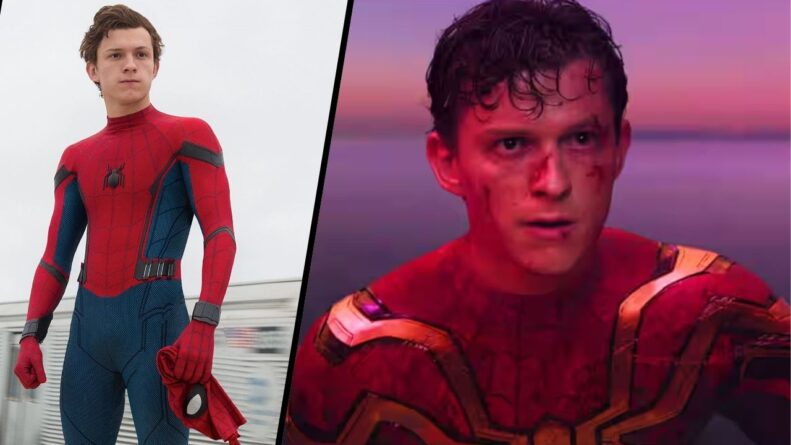
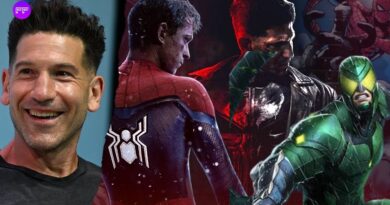
Punisher and Scorpion give a strong hint in the Tom Holland Spider Man Brand New Day updates that this film is leaning into grounded, street-level threats rather than another multiversal team-up — which tracks with the comic arc it’s named after.
Scorpion and Punisher are the only adversarial roles studios have actually put on the record. Beyond that, online breakdowns have floated a much bigger rogues’ gallery — names like Mister Negative, Spider Queen, and a mind-controlling cult drawing directly from the comic run’s villain roster.
What the Spider Man Brand New Day official synopsis tells us is specific enough to be useful: the villain is powerful, they create “a strange new pattern of crimes,” and no one can see them.
Three names from the comics fit that description well enough to be taken seriously.
You Know 👉 Why X-Men ’97 Season 2 Could Be Marvel’s Biggest Animated Hit
Proteus (Kevin MacTaggert) is a reality-warping mutant who has no physical body of his own. He possesses hosts, burns through them, and moves on — which means you are never actually looking at him when you see him. If Sadie Sink is playing Jean Grey (still officially unconfirmed), a Proteus appearance would make structural sense: he’s historically tied to the X-Men’s world, and Jean Grey has personal history with him in the comics.
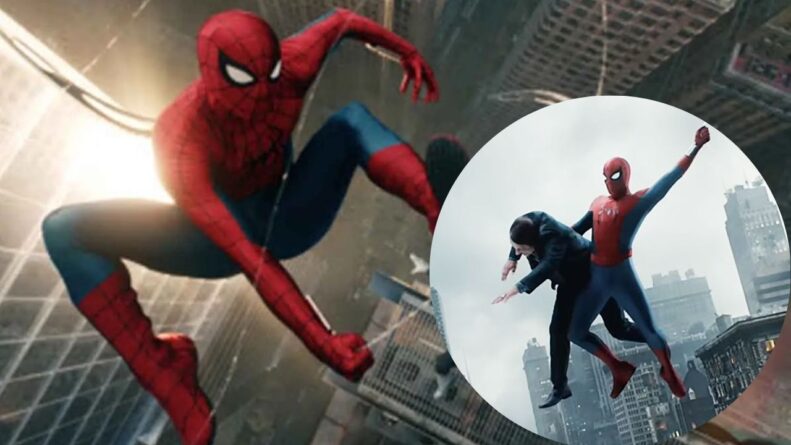
The trailer showed what appears to be body-hopping or possession-style behaviour — something Jean Grey is not traditionally known for, but Proteus absolutely is. Multiple ScreenRant shared Tom Holland Spider Man Brand New Day updates which flagged this in the comments almost immediately after the synopsis dropped.
This is where the Spider Man Brand New Day plot revealed details get genuinely interesting. Sadie Sink’s role has been officially confirmed, but her character has not been named. The working fan theory — and it’s a strong one — is Jean Grey making her MCU debut.
Bill Metzger’s anti-mutant militia is targeting her character specifically. That is not a plotline you write for a random original character — it’s a plotline for an X-Men.
That framing — two people hunting the same enemy from opposite sides — would explain why she appears antagonistic toward Peter early in the trailer, before they presumably align. It also sets up the MCU’s X-Men introduction in a way that doesn’t require a dedicated solo film first. Peter Parker crossing paths with Jean Grey is a much softer landing than dropping a full X-Men team movie cold.
If the unseen villain is Proteus, and Proteus is Jean’s problem to begin with, then this whole film might be Marvel quietly setting the table for Phase 6’s mutant expansion with a Spider-Man movie as the delivery vehicle. That’s a smarter move than it sounds.
See Also 👉 X-Men ’97 Season 2: Marvel’s Legendary Mutants Return
Spider-Queen (Adriana Soria) is a lesser-known Spider-Man villain who has psionic control over anyone who’s been bitten by a spider — which includes Peter Parker himself. She can trigger a forced mutation arc in him, which maps perfectly onto what the synopsis describes as “a change in Peter he may not have the power to control.” She also operates invisibly through mental manipulation rather than direct confrontation. No casting for this character has been announced.
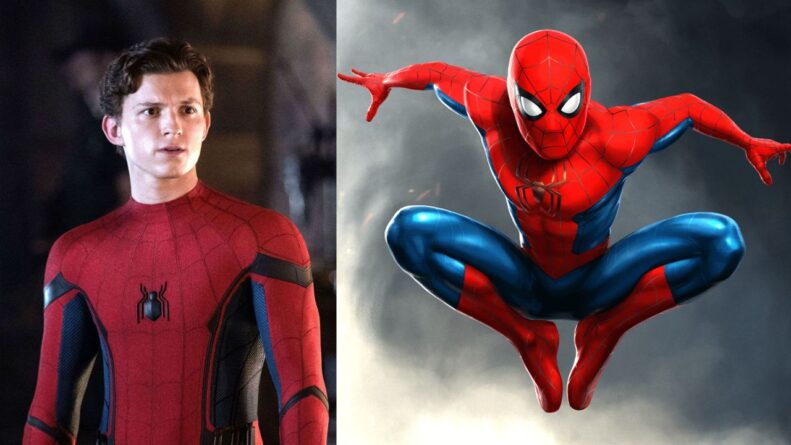
Martin Li, aka Mister Negative, operates through corruption — turning good people evil and using a shadowy criminal underworld that literally can’t be pinned to him publicly. “A powerful threat no one can even see” could be read as figurative rather than literal — the puppet master pulling strings from behind a respectable public face. He’s also one of the most prominent Spider-Man villains who has never appeared in any live-action film. No confirmation either way yet.
Unlike Boomerang, Tarantula is a far more dangerous and ruthless opponent whose spiked, drug-laced boots make him a serious threat to anyone who gets in his way. Because he represents the darker side of the criminal underworld, Tarantula is highly susceptible and operates with brutal efficiency to being permanently neutralized by the Punisher or executed by Tombstone for a failure in the field.
Portrayed by Eman Esfandi, MJ’s new love interest exists primarily as a narrative roadblock. In Marvel superhero storytelling, removing the romantic rival through tragic collateral damage forces the female lead back into the hero’s orbit. If the villains deduce that Spider Man still has feelings for MJ, they could use this attachment to attack Spider Man. MJ’s new boyfriend is highly likely to be caught in the crossfire, becoming an unintended target of a melancholic reunion between Peter and MJ.
The institutional overreach of the Department of Damage Control must be resolved by the film’s conclusion. Metzger’s cruelty toward mutants and his relentless hunt for Spider Man make him a character who seems destined for a major downfall. If the film chooses to kill him off, it could also serve a larger purpose in the story. Killing off the corrupt bureaucrat serves as a clean narrative reset for the agency, allowing a more sympathetic figure to take control in future installments.
Mac Gargan holds the highest probability of death in Brand New Day. First teased in 2017, his nine-year arc demands a spectacular, high-stakes conclusion. As the primary physical antagonist, his mechanized armor and intense hatred for Peter Parker will drive the film’s most brutal combat sequences. To demonstrate the severity of Spider Man’s new reality and the lethal consequences of street-level warfare, Scorpion is the prime candidate to suffer a fatal defeat, serving as a grim milestone in Spider-Man’s transition into adulthood.
The Spider Man Brand New Day villain details buried in the official synopsis — a powerful threat that’s invisible, tied to a mutation arc in Peter, and connected to a character being hunted by anti-mutant militia add up to a film that’s doing double duty. It’s closing the chapter on the Holland trilogy’s emotional arc while opening the MCU’s mutant era through a side door.
The “villain no one can see” is a clever piece of writing because it works on multiple levels: literally, as in a character with no physical body; thematically, as in systemic forces like prejudice, isolation, and identity erasure — all things Peter Parker has lived for four years.
With over ten villains, a likely X-Men introduction, a mutation plotline, a Savage Hulk, and a Punisher moral conflict running simultaneously, Brand New Day is either going to be the most ambitious Spider Man film ever made or the most overstuffed one. Given that Destin Daniel Cretton made Shang-Chi work with a similarly heavy load, there’s real reason for cautious optimism.
Catch-up with your favorite character from movies and series on Fandomfans, we deliver the latest updates of the entertainment world.
Will Spider Man Brand New Day reunite Peter Parker with MJ and Ned? Discover the latest rumors, story possibilities, and what fans can expect.
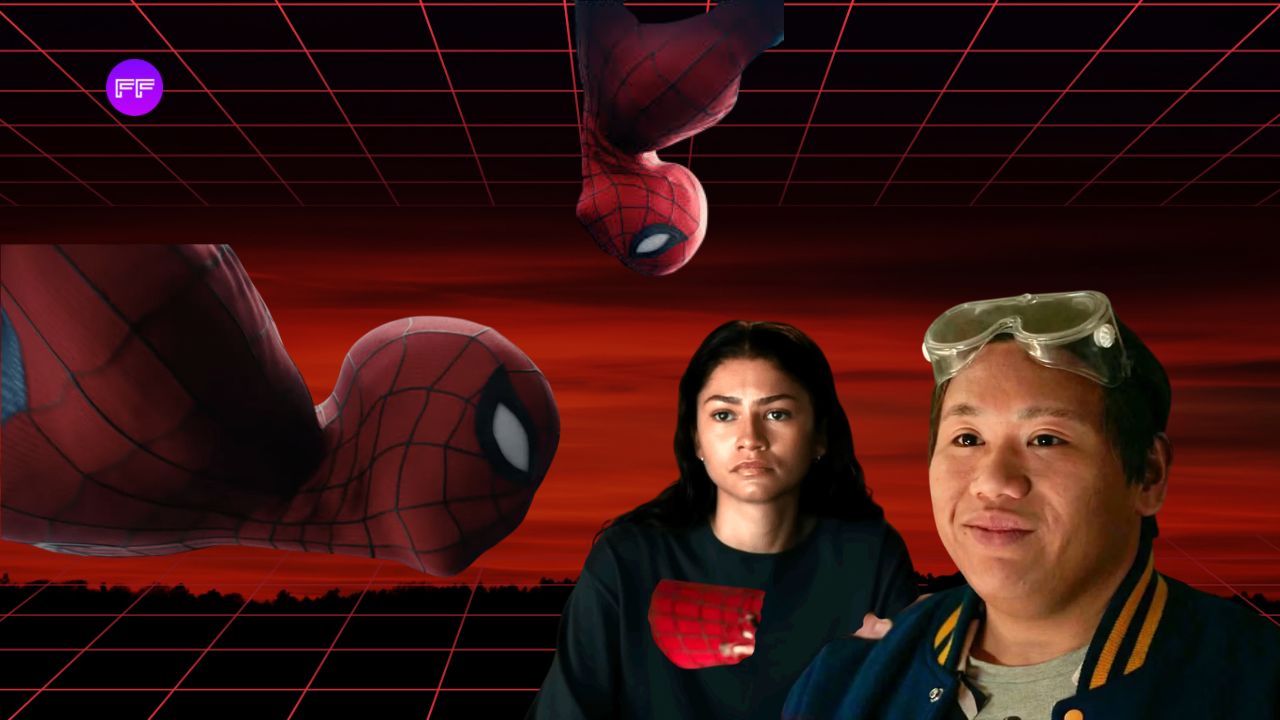
Two days before Spider Man Brand New Day swings into theaters on July 31, 2026, fans are more curious, does MJ and Ned come back? After No Way Home ended with Peter Parker erasing himself from the memory of everyone he loves — MJ and Ned included. That question has hung over the sequel since its first teaser dropped. The short answer is yes.
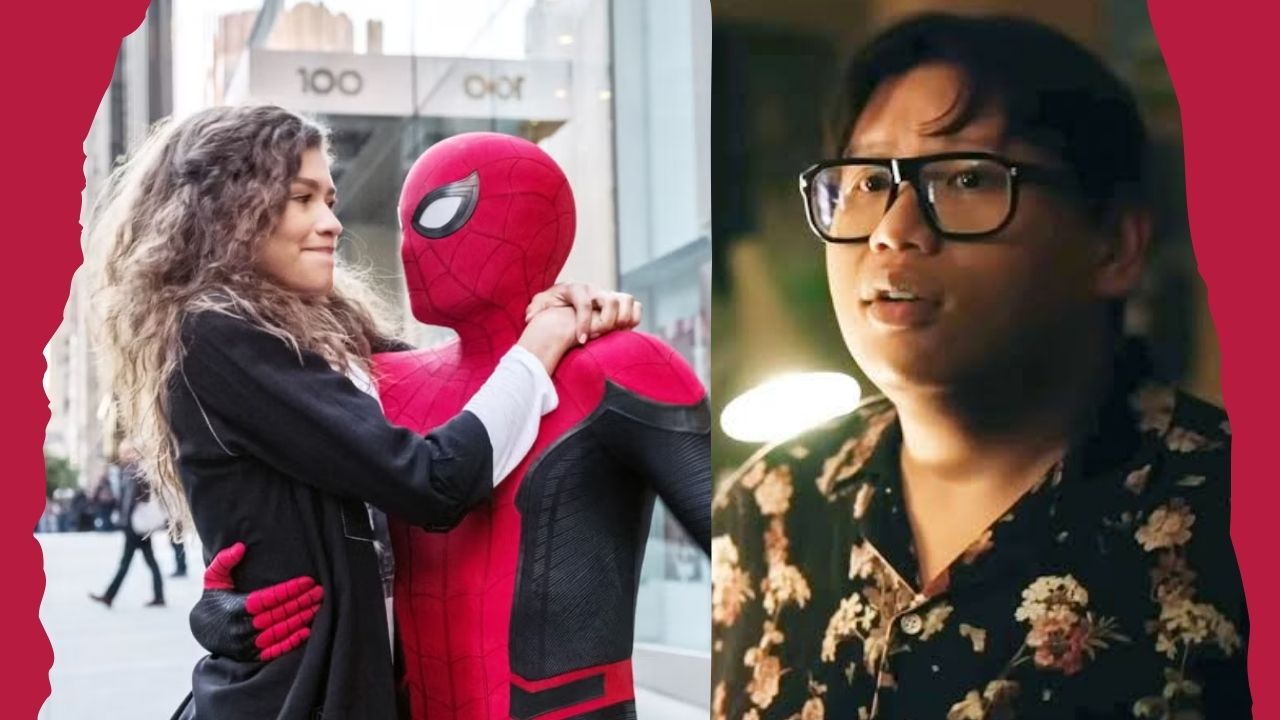
Zendaya and Jacob Batalon are both back for Spider Man Brand New Day — but the MJ and Ned reunion isn’t what you’d expect.
Deadline reported Zendaya would return as Michelle “MJ” Jones-Watson, and THR also confirmed later that Jacob Batalon’s return as Ned Leeds. So the MJ and Ned reunion is officially announced that sparks the excitement and builds suspense around a whole year. That increased the fans’ curiosity and spread the theories on social media about the relationship in Spider-Man: Brand New Day.
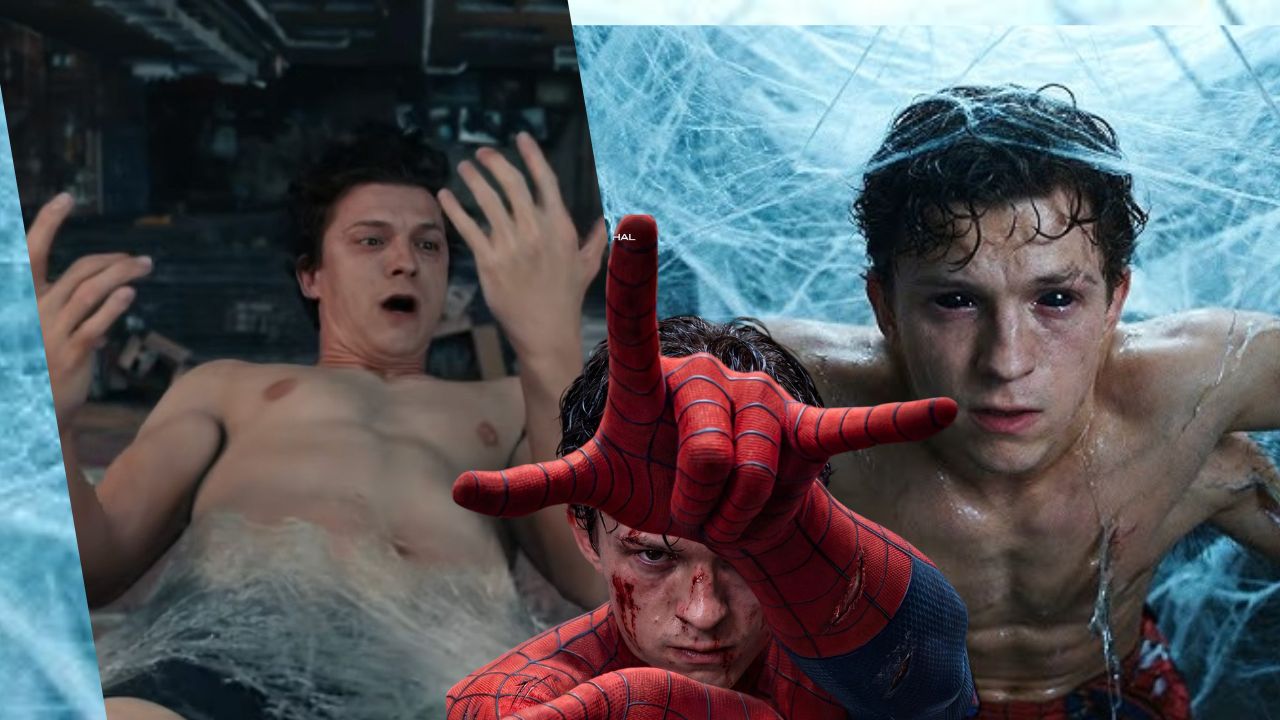
Later in September 2025, set photos revealed the trio — Tom Holland, Zendaya, and Batalon together on a scene where streets dressed like New York for shoot. They are standing in costumes for the first time since No Way Home. However, one tiny detail captured Batalon wearing an MIT shirt in that photo. That means he ends up in there with MJ.
The final scene of No Way Home where Doctor Strange cast a spell that erased Peter Parker from everyone’s memory including MJ and Ned. Spider Man Brand New Day picks up four years later and no one remembers Spider-Man’s identity.
MJ and Ned are back and on her way to MIT. Since No Way Home he’s reportedly built something called the “Spidey Tracker” app — he remembers being saved by Spider-Man once, he just doesn’t know the guy behind the mask used to be his best friend.
So when the trailer cuts to Ned and MJ, they’re not walking back into Peter’s life as “MJ and Ned.” As far as the story’s concerned, they’re strangers to him, standing in the same city he’s still protecting.
That’s a harder note than most Spider-Man sequels play, and it’s the right one. A clean “the gang’s back together” reunion would’ve undercut the entire point of what Peter chose to do at the end of No Way Home. Making MJ and Ned present but unreachable is what keeps that sacrifice from feeling weightless three movies later.
Raed More 👉 Why Marvel Comics Launching the Midnight Universe Variant Cover Program?
Peter Parker spends this movie alone by choice. The official synopsis describes him as an adult “living entirely alone, having voluntarily erased himself from the lives and memories of those he loves,” fighting crime in a New York that no longer knows his name. That’s the real engine of Brand New Day — more than any single villain.
Jon Bernthal’s Punisher and Michael Mando’s Scorpion give Peter something to physically fight; Mark Ruffalo’s Hulk gives him someone to talk to about the “physical evolution” his spider-DNA is apparently going through, which the trailer frames as an actual threat to his life, not just a power-up. Marvin Jones III’s Tombstone rounds out a genuinely stacked rogues’ gallery for a movie that’s ultimately about isolation, not team-ups.
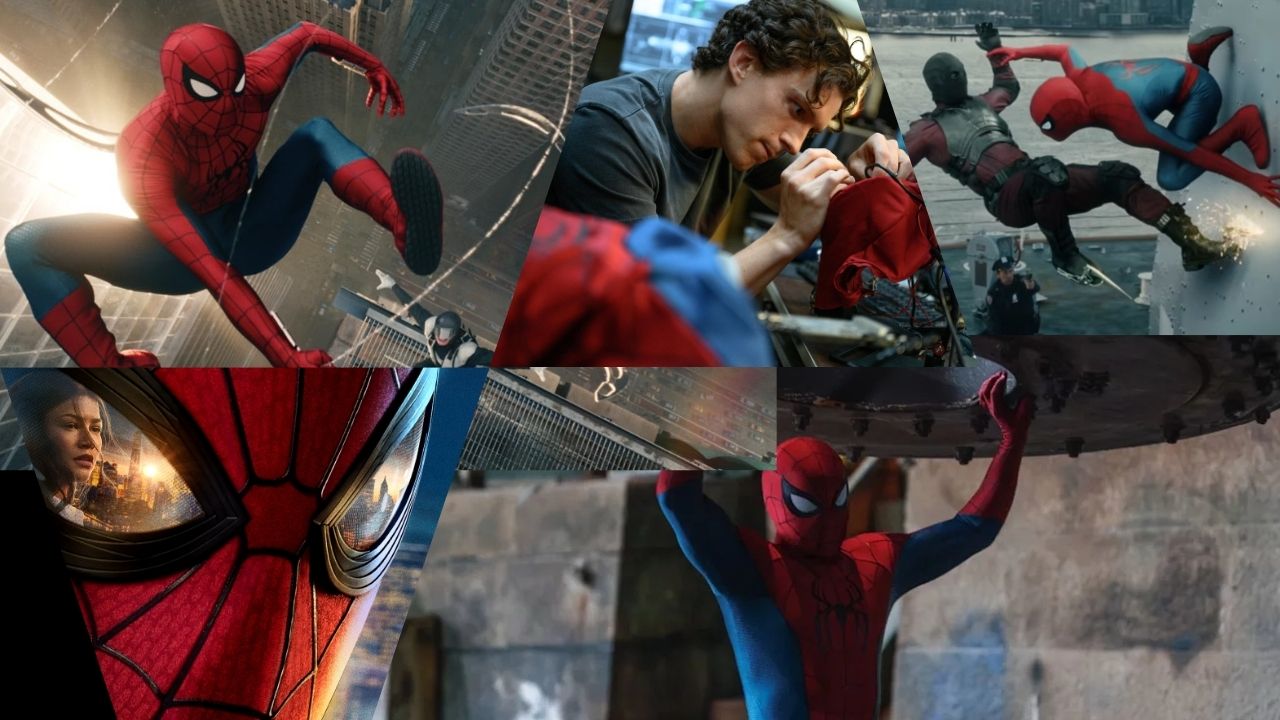
MJ and Ned are the emotional stakes in that structure, not the action ones. The real tension isn’t whether Peter survives Scorpion or the Punisher — it’s whether cutting himself out of their lives actually protected them, or just cost him something for nothing.
Whether the film lets that reunion happen in any real way, and how far it goes, hasn’t been spelled out in any official synopsis or trailer. Anyone giving you specifics on an actual Peter-MJ-Ned reunion scene right now is guessing — same as the rest of us two days out.
There’s a second reason MJ and Ned’s memory loss matters, and it has nothing to do with Peter’s love life. Brand New Day is the last Phase Six movie before Avengers: Doomsday hits theaters on December 18, 2026 — a five-month gap, not the usual year-plus wait between MCU event films.
Kevin Feige, alongside producer Amy Pascal, confirmed in a Collider interview that Spider Man Brand New Day takes place chronologically before Doomsday, though Feige stopped short of confirming any direct story link between the two. That silence has only fueled more speculation. Spider-Man is notably absent from Doomsday’s officially announced cast, despite Holland appearing in both Infinity War and Endgame, and that gap is exactly why fans keep floating theories about a secret Peter Parker role in December’s ensemble film.
None of that is confirmed by Marvel so treat any specific claims about a Doomsday tie-in or post-credits reveal as fan speculation until Sony or Marvel says otherwise.
If you wanted MJ and Ned to sprint back into Peter’s arms in act one, Spider-Man: Brand New Day is built to disappoint you on purpose and that’s the correct choice.
Tom Holland’s Spider-Man trilogy was only focused on the relationship of Peter and his suit while growing up learning the cost of being a hero. Facing the consequences of his choices — memory-wipe sacrifice and a straightforward reunion that defines mistakes don’t hold in the MCU.
The relationship of MJ and Ned is somehow the source for Peter’s change. That’s why if MJ and Ned are back, it really means that Spider-Man: Brand New Day will be expanding its story for the bigger MCU rather than just quietly retracting it.
Read More 👉 Why Chris Evans Was Chosen as Captain America
If you’re deciding whether to see Spider Man Brand New Day specifically for the MJ-and-Ned angle: both actors are in it, confirmed, no asterisk. What you shouldn’t walk in expecting is a tidy “gang’s back together” moment in the first twenty minutes.
This is a movie about the cost of Peter’s choice at the end of No Way Home, and MJ and Ned are proof of exactly what that cost looks like — two people living full, separate lives a few subway stops away from him, with no idea he exists.
Whether Brand New Day gives them their memories back, or leaves that door open for whatever comes next, is the one thing genuinely worth watching for once you’re in the seat on July 31.
Dive deeper into the details of new movies, series, and celebrities on Fandomfans. Stay tuned to get the latest updates.