Read Before You Watch: The Official XMen 97 Season 2 Comics Guide
Get ready for XMen 97 Season 2 with the official Marvel comics guide. Discover the essential prelude series and key storylines to read before watching.
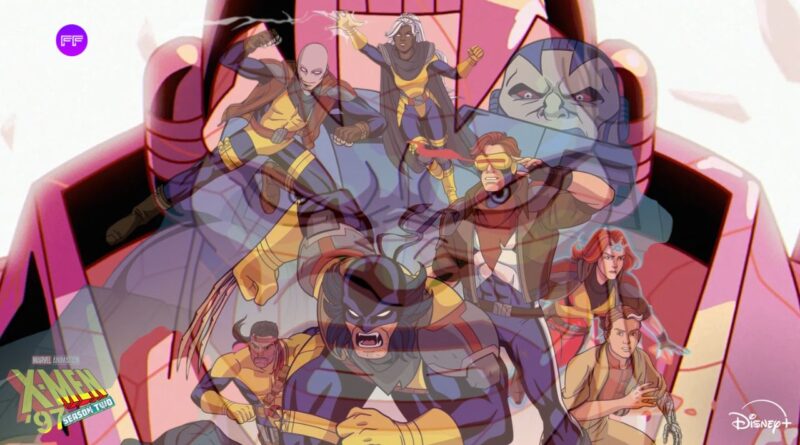
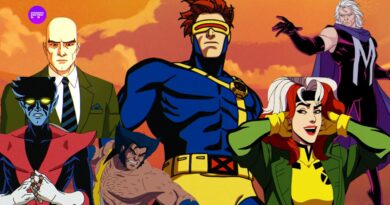
A few classic XMen comics that are worth diving into first before watching XMen 97 Season 2. Not because the series demands it, but to understand the depth of these stories that make the new season even more rewarding. When you are going to watch the new season knowing why Rama-Tut is terrifying, the complicated origins of Cable, Cyclops and Jean’s heartwrenching journey of raising a kid is going to wreck you emotionally before the season even hits its stride.
Marvel designed a guide around this season along with the nine new episodes. This makes you understand as Season 2 doesn’t play it safe with a single timeline. Characters are scattered in three different eras — past, present, and future. Ancient Egypt era where everything is started, future nightmare that is almost finished off the world, and present day that’s trying to hold itself together without its most powerful heroes.
Each of those threads is rooted in a specific chunk of 1990s and early 2000s comic lore, and if you go in blind, you’re going to miss half the emotional weight the writers spent years building. So let’s dive into the depth of the comic guide before watching XMen 97 Season 2.
Before getting into the comics, it helps to remember where Season 1 left off. The finale, now referred to in the show’s canon as Extinction Day or E-Day, ended with Magneto’s orbital sanctuary, Asteroid M, getting caught in a nuclear strike after Bastion weaponized it using Cable’s stolen time-travel technology. The explosion didn’t just destroy the asteroid — it tore open a temporal singularity that swallowed the surviving XMen whole.
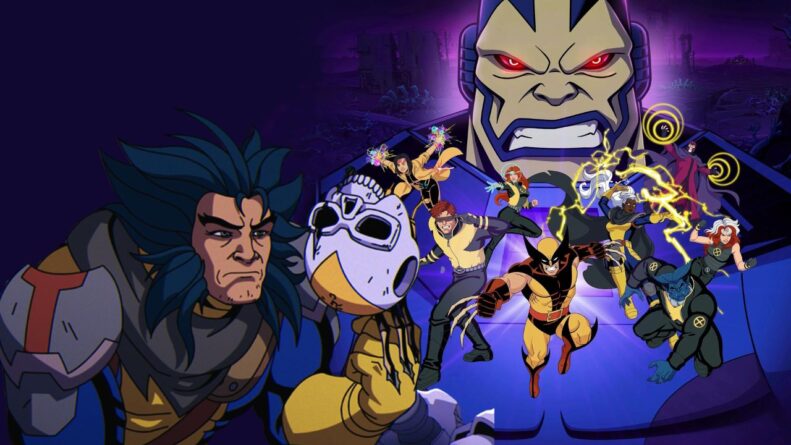
To the world of 1997, the team is dead. Martyrs who sacrificed themselves to save a species that spent years hunting them. In reality, they’re scattered across time, and that scattering is the entire engine of XMen 97 Season 2. Rogue, Nightcrawler, Beast, Magneto, and Xavier land in 3000 B.C. Cyclops and Jean Grey get thrown nearly two millennia into the future. And back in the present, Forge, Jubilee, Sunspot, Bishop, and an adult Cable are left to figure out how to defend a world that no longer has its XMen.
You just have to understand the structure that isn’t random. And you know it after looking at it like a blueprint.
If there’s one book you actually shouldn’t skip, it’s this one. The Adventures of Cyclops and Phoenix, a four-issue miniseries from 1994 written by Scott Lobdell with art by Gene Ha, is the emotional backbone of the entire future timeline in Season 2.
If we look at its Season 1, Cyclops and Jean have to send their little son Nathan forcibly into the future while trying to save him from a techno-organic virus. That infection is injected into the Mister Sinister before he could realise it. That separation broke something between them. Now, in Season 2, they land in that same future — a wasteland ruled by Apocalypse — and they’re reunited with Nathan, who’s being sheltered by a resistance movement called Clan Askani.
This is where the comic becomes essential reading. It’s not just about Cyclops and Jean surviving a hostile future. It’s about them getting an almost unbearable second chance: raising the son they thought they’d lost, knowing the whole time that his destiny is to become Cable and eventually travel back to fight a war against Apocalypse that never really ends. There’s also a deeper layer here if you dig into the lore — Mother Askani, the leader sheltering them, is in the comics an aged version of Rachel Summers, an alternate-reality daughter of Cyclops and Jean. That’s the kind of detail that turns a “oh that’s a nice reunion” scene into something that quietly gutting once you know what’s underneath it.
Read this one before Episode 1. It’ll change how you watch every scene between Scott, Jean, and young Nathan.
Read More 👉 What’s Next for Marvel After the Multiverse Saga? Future Plans Explained
The second must-read is Rise of Apocalypse, a 1996 series that traces En Sabah Nur’s origins as an orphaned rebel rescued by the nomadic Sandstormers tribe and raised under the oppressive rule of Rama-Tut, a time-displaced version of Kang the Conqueror.
Season 2 leans hard into this. When Magneto, Xavier, Rogue, Beast, and Nightcrawler land in 3000 B.C., they don’t stumble into a fully formed tyrant. They meet a young, marginalized warrior fighting for survival against Rama-Tut’s forces — someone they instinctively want to protect. The series is clearly building one of the most thought-provoking ideas: what if X-Men act of goodness is actually the reason that pushes En Sabah Nur on the path to becoming Apocalypse?
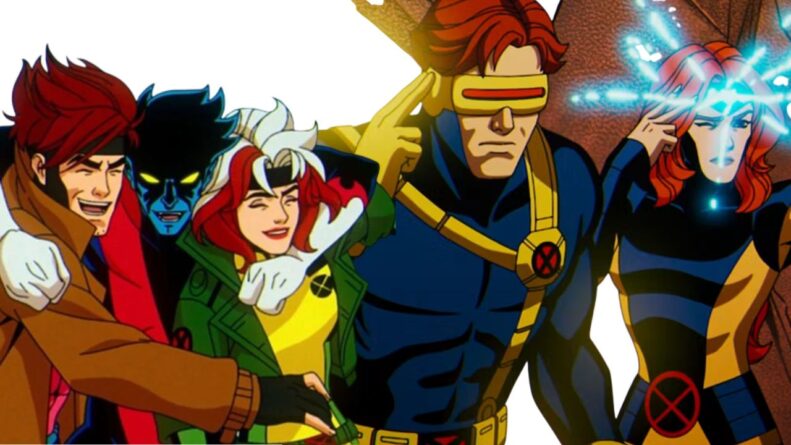
That question is much more impactful if you have read the source material, as “Rise of Apocalypse” dedicates actual time — and page count, really — to making him more human before his Darwinian “survival of the’’fittest” ethos hardens into something monstrous. Watching Magneto, of all people, end up in a position to mentor him adds a whole other layer, given Magneto’s own history as a genocide survivor turned militant. This isn’t a book you need to memorize, but understanding the broad strokes will make the ancient Egypt storyline land as more than just “cool desert battles with a future villain.”
As Xavier is not present in the timeline so the burden of protecting mutantkind shifts to Cable. XMen 97 Season 2 has him forming the X-Force group that favors decisive, lethal defense over diplomacy and approaches hook that traditionally defined XMen.
If you read Rob Liefeld and Fabian Nicieza’s original X-Force run from 1991 then you could understand the tonal shift of this series. The nature of the story is heavily leaned towards aggressive and cold action, suggesting that peaceful coexistence isn’t always realistic when the world keeps trying to kill you. You don’t need to read the whole run cover to cover — even flipping through the first handful of issues will give you a feel for why Cable operates the way he does, and why characters like Archangel and Psylocke fit so naturally into this rougher, more combat-focused unit.
It also helps explain the tension the show is clearly building between Cable and Jubilee, who’s trying to hold onto Xavier’s original dream in a present day that increasingly doesn’t have room for it.
Read More 👉 X-Men ’97 Season 2: Marvel’s Legendary Mutants Return
The series is more focused on visual directions rather than the specific plot. Grand Morrison and Frank Quitely’s New X-Men crafting its heroes in a new look from bright colorful costumes of the 90’s. The expectation of updated designs in X Men 97 Season 2 could be more practical and understated than before that matches the tone of the series.
If you have seen any XMen 97 Season 2 promotional images, you would have noticed that they’re drawing clear inspiration from this influential era of the comics. A less primary-color superhero is a direct visual nod to this run.
You don’t have to read all of it, but even just scrolling through the art will give you a sense of the aesthetic direction the show is heading. Thematically, it seems to be turning into a rougher, more realistic time period for mutants which goes hand in hand with everything else we’re seeing this season.
Marvel released a five-issue prelude comic, written by Steve Foxe with art by Salva Espin, that was developed in direct coordination with Marvel Studios Animation. This isn’t a loosely connected tie-in. It’s built to fill in the gaps between the two seasons, focusing on Forge, Jubilee, Bishop, and Sunspot as they deal with a terrified public in the immediate aftermath of E-Day.
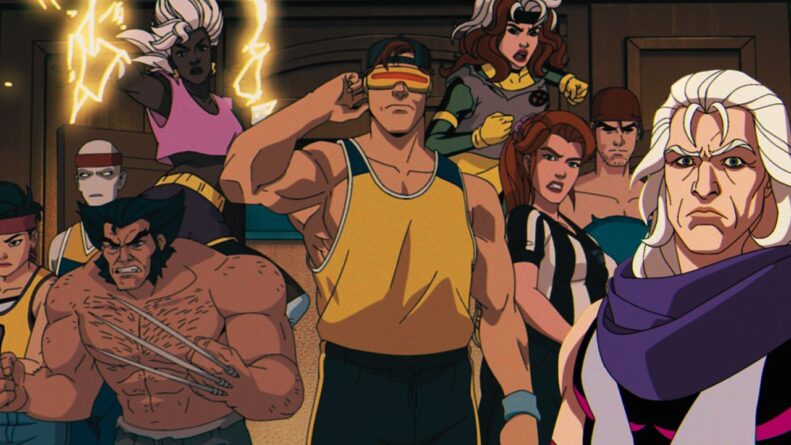
Because animated episodes only have so much runtime, a lot of connective tissue simply couldn’t fit on screen. This comic is where that missing context lives. It covers how the mutant population processes losing its most visible protectors, and it sets the emotional and political temperature for the present-day storyline you’ll see play out with X-Force and X-Factor. If you only have time for one book on this list, honestly, this is the one that most directly sets up what you’re about to watch.
Some shows throw comic references in as easter eggs for longtime readers. X Men 97 Season 2 is doing something more deliberate. The show went through a genuinely turbulent production period — original showrunner Beau DeMayo was removed before Season 1 even premiered, and Matthew Chauncey stepped in to lead a significant restructuring of scripts that had already been written. Despite that shake-up, the creative team clearly leaned even harder into comic accuracy rather than pulling away from it, likely to keep the storytelling grounded while so much else behind the scenes was in flux.
That’s part of why this reading list isn’t just marketing fluff. The show is adapting real, specific arcs, not just borrowing character names. Knowing where Cable actually comes from, why Apocalypse isn’t just a generic big bad, and what X-Force represents philosophically will genuinely change how you experience these nine episodes.
If a full reading list feels like a lot before July 1, prioritize in this order:
The XMen 97 Season 2 prelude comic first, since it’s the most directly connected to what you’re watching. Then The Adventures of Cyclops and Phoenix, because the future timeline hits differently once you know Mother Askani’s identity and the weight of what Cyclops and Jean are being given a second chance at. After that, a quick skim of Rise of Apocalypse will do more for your understanding of the 3000 B.C. storyline than any recap video could.
XForce and New XMen are the optional extras — great for context, not essential for following the plot.
Whatever you manage to get through, one thing’s clear: this isn’t a season built for casual viewing. It’s built for people who want to sit with these characters across five thousand years of history and come out the other side understanding exactly why the X-Men’s story never really lets them rest.
Read More 👉 X-Men ’97 Season 2: What Could Make It Marvel’s Next Big Hit?
XMen 97 Season 2 isn’t just continuing the animated series, it’s expanding the timeline of Marvel storytelling. From character arcs to costume choices, everything is rooted in comic history. That’s why you should read a few comics before starting watching this series.
You will understand the dangerous villain Apocalypse’s tragic beginnings and Cyclops and Jean’s emotional reunion with Nathan that adds depth to the show when you watch it only by reading a handful of key stories. You don’t need to read every comic. And that’s exactly what makes XMen 97 Season 2 feel like more than a nostalgic revival.
Dive deeper into the depth of the series, movies, and characters to understand your favorite stories. Enter into the world of entertainment with Fandomfans.

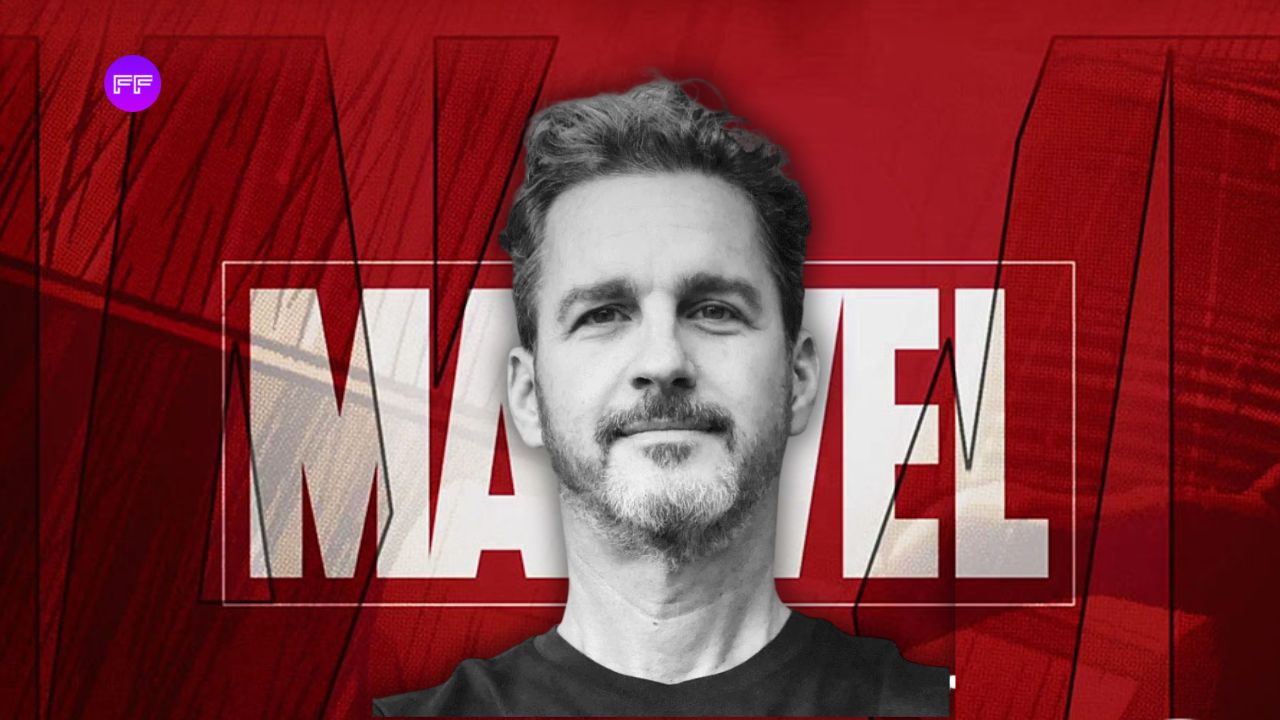
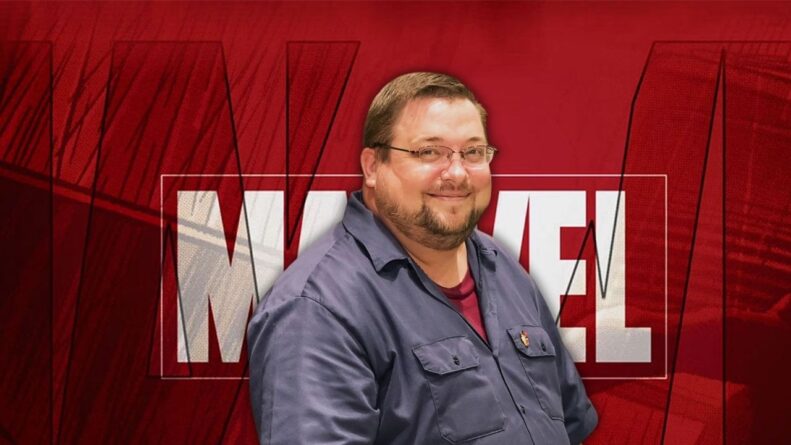
Stephen Wacker is the new Editor-in-Chief of Marvel Comics. Learn about his career, achievements, and vision for Marvel's next chapter.

Marvel announced Stephen Wacker Marvel Comics Editor-in-Chief recently who previously worked on successful projects including Spider-Man, Hawkeye, and Ms. Marvel. This recent development created a lot of buzz among Marvel fandom and Marvel Comics is packing up its nearly nine-decade-old New York operation and moving to Burbank, California, right next to Marvel Studios.
However, taking a deeper look at what piece of work he brings along with him and the future of Marvel comics after Stephen Wacker officially becomes editor-in-chief.
The announcement about Stephen “Steve” Wacker becoming new Editor-in-Chief came before San Diego Comic-Con. He takes over from C.B. Cebulski. Brad Winderbaum, who now oversees Marvel’s Television, Animation, Comics, and Franchise operations, made the call, and Wacker will report directly to him. That reporting line alone tells you something — Marvel’s publishing arm now formally sits under the same umbrella as its screen and franchise business, rather than running as its own separate division.
Wacker isn’t a new name to anyone who’s followed Marvel’s output since the mid-2000s. He started out on the DC side of the industry before crossing over to Marvel, where he spent well over fifteen years in various roles — editor, then eventually VP of Creative & Content — before stepping away to run other ventures.
He’s the kind of editor whose name shows up in the letters pages and back-matter of some genuinely beloved runs, which is a big part of why this appointment landed as a “welcome home” moment rather than a surprising outsider hire.
Wacker already spent years at DC Comics editing before joining Marvel, he also got titles like JLA, JSA, Legion of Super-Heroes, Jonah Hex, Villains United, and the critically praised weekly title 52 at DC. That experience running a high-output weekly book turned out to be good training for what came next. He joined Marvel as an editor in 2006 and spent about seven years steering some of the publisher’s most divisive and most celebrated stories at once — proof that a single editor can be both praised and criticized loudly by the same fandom in the same year.

Around 2013–2014, his career shifted toward Marvel’s television and animation side, and by 2019 he’d risen to VP of Creative & Content. He eventually left Marvel altogether to become Editor-in-Chief of 3W3M, Jonathan Hickman’s independent worldbuilding project, before co-founding the entertainment studio Stone Kite, where he served as SVP of Media. Now, he’s back at the company where he built his reputation — this time running the whole show.
During his first run at Marvel, Wacker wore two very different hats. As a senior editor, he oversaw the comics side — the Spider-Man office, plus a run of acclaimed creator-driven books. Wacker later expanded into Marvel’s animation and digital media projects after working in comics, he co-producing the Emmy-nominated Rocket & Groot shorts.

He proved his outstanding work which takes him in co-executive producer’s position for Avengers Assemble, Ultimate Spider-Man, and Guardians of the Galaxy. And expanded to the Marvel’s Wastelanders audio drama series.
Wacker’s overall cross-format experience by working comics-to-screen in Marvel before leaving is what actually Marvel comics need right now.
The entire work journey of Stephen Wacker is a breakthrough, as the editor of Amazing Spider-Man, he guided major storylines like One More Day, Brand New Day, and Superior Spider-Man for which he got huge appreciation. That’s not enough, he fluently edited on other fan-favorite projects like Hawkeye and Daredevil, both got praised by critics and readers.

Wacker also helped in the launch of Kamala Khan (Ms. Marvel), who is one of the most important Marvel superheroes and developed alongside Sana Amanat. Captain Marvel and some Venom storylines were edited by Wacker, so it is proved that he can handle both blockbusters, superheroes and character-driver stories.
Winderbaum’s own framing gives away most of the reasoning: he called Wacker someone who understands that Marvel Comics is “the source code” of the entire Marvel enterprise. Translation — the company wants an EIC who treats the comics not as a standalone print business, but as the idea factory feeding movies, shows, and games.
Wacker’s mixed background in both comics editing and screen production makes him an unusually good fit for that framing, especially with publishing now folded into Winderbaum’s TV, animation, and franchise division rather than operating independently. It’s less “we found the best pure editor” and more “we found someone fluent in both languages.”
Read More 👉 Official Spiderman Brand New Day Merchandise | Shop Marvel Spidey Must-Haves
Former editor-in-chief of Marvel comics isn’t fired but C.B. Cebulski served his role since November 2017 which makes him the 3rd longest-serving Editor-in-Chief. Cebulski is simply stepping into a new role: Editor at Asia Originals. He relocated to Tokyo where he will lead Marvel’s original manga and graphic fiction across the region with Japanese creators and publishers as his relations are good over there.

It’s a notable full-circle assignment given his own complicated history with Japanese comics — years before becoming EIC, he’d written Marvel comics under the pseudonym “Akira Yoshida,” posing as a Japanese writer, a story he only confirmed publicly in 2017. Cebulski and Wacker talked about the transition and both spoke warmly about their new positions.
Wacker shows his excitement and nostalgia through his statement.
it “a full-circle moment,” —Wacker
He also shared his first thing which sparked his love for comics — reading an issue of Marvel Two-in-One as a kid. It seems that his return is meaningful.

Wacker’s own statement leaned nostalgic and ambitious at once. He said returning to Marvel felt like “a full-circle moment,” recalling that picking up a Marvel Two-in-One issue as a kid is what turned him into a comics fan in the first place. He’s framed his goals around building on the work of Marvel’s founding generation while insisting the publisher’s best stories are still ahead of it — his words were about wanting to add “new floors to the House of Ideas.”
It’s early, so specifics haven’t been laid out yet, but the tone suggests a mix of respect for legacy runs and appetite for new creator-driven swings, not unlike the mix he championed the first time he held an editorial chair at Marvel.
This appointment doesn’t exist in a vacuum. It’s the latest move in a publishing shake-up that’s been building since spring 2026, when longtime publisher Dan Buckley exited and Disney Music Group’s David Abdo came over as general manager of comics and franchise. That period also saw layoffs that removed sales chief David Gabriel and several Marvel editors, alongside cuts to the Studios side’s in-house visual development team.
Combine that with the physical relocation of Marvel Comics from Manhattan to Burbank over the next year, and the direction seems clear: Marvel wants its comics division sitting physically and organizationally closer to its film, TV, and franchise machinery.
Whether that tightens creative coordination between comics and screen projects, or just streamlines corporate overhead, will likely become clearer once the move is complete and Wacker’s first slate of editorial decisions starts rolling out.
Wacker already worked with many creators and they all expressed their overwhelmingly warm excitement. Writer Zac Thompson called him one of the best editors in the business, while Declan Shalvey praised his taste and editorial vision.
Chris Cross, who’s worked with him at both DC and Marvel, described him as consistently fair and sharp. G. Willow Wilson, who co-created Kamala Khan alongside Wacker, joked on social media about the upside of Marvel’s move to the West Coast — no more brutal 2 p.m. East Coast deadlines.
Deniz Camp, Eisner-nominated writer endorse Wacker for this role as he is one of the finest editors in Marvel history. After the announcement, comic outlets dug Wacker’s old forum posts and poked jokes on daily challenges at being an Editor-in-Chief. While industry professionals are sharing positive excitement with enthusiasm rather than skepticism.
Since this is a fresh appointment, Marvel hasn’t detailed a specific slate of titles or storylines tied directly to Wacker yet — his editorial priorities as EIC will likely become clearer once the Burbank relocation is underway and San Diego Comic-Con conversations settle. What’s reasonable to expect, based on his track record, is a continued mix of flagship Spider-Man storytelling alongside space for smaller, creator-owned-feeling books in the Hawkeye or It’s Jeff! mold.
Anyone hoping for an early announcement will want to keep an eye on Marvel’s Comic-Con panels and press notes over the coming months rather than assuming anything is locked in yet.
Read More 👉 Marvel First Family & Doctor Doom Are Friends Until Doomsday
Stephen Wacker’s return to Marvel as Editor-in-Chief closes a loop that started with a kid buying a Marvel Two-in-One issue off a spinner rack. It also opens a new one — a Marvel Comics division physically relocating to Burbank, reporting into the same leadership as the studios, with an editor at the helm who’s spent time on both sides of that divide.
Cebulski’s move to Tokyo isn’t an ending so much as a reassignment, and the broader restructuring around this appointment suggests Marvel is betting on tighter integration between its comics and its screen output. Whether that pays off in the actual books on shelves is the part fans will be watching for next.
Dive deeper into the details of movies, comics and series with Fandomfans to get the latest updates.
The official Spider Man Brand New Day synopsis has been revealed, teasing major villain details and new challenges for Peter Parker in the MCU.

Spider Man Brand New Day official synopsis revealed very few details, recently Marvel revealed major villain details just weeks before the July 31, 2026 release. The main villain is someone or something that no one can physically see is actually creating excitement and frustration at the same time among fans.
It was a smarter tease than any CGI-heavy trailer could have been. Let’s look into the Tom Holland Spider-Man Brand New Day updates.
The film opens wide on July 31, 2026, being released by Sony Pictures and Marvel Studios through Columbia Pictures and will be the fifth film in the MCU’s Phase Six as well as the 38th movie in the Marvel Cinematic Universe.
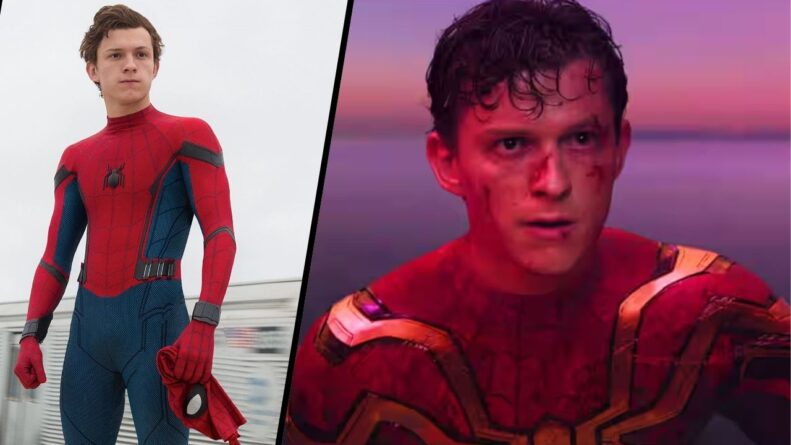
This is also Tom Holland’s fourth Spider-Man adventure, arriving a few months before Avengers: Doomsday. There’s another big change behind the scenes as well. Destin Daniel Cretton, best known for directing Shang-Chi and the Legend of the Ten Rings, took over from Jon Watts, to direct Peter Parker’s next chapter, a different feel from the previous trilogy.
Spider Man Brand New Day plot revealed by Marvel and Sony’s own synopsis, four years have passed since Doctor Strange’s spell erased the world’s memory of Peter Parker at the end of No Way Home. Peter is now an adult, living completely alone, having voluntarily cut himself off from everyone who once knew him. He’s spending his days as a full-time, anonymous vigilante in a New York that has no idea who he is.

That isolation isn’t just a sad backdrop — it’s the engine of the story. The pressure of carrying the secret alone, paired with watching people like Ned and MJ build lives without him, triggers as new synopsis confirms — a surprising physical evolution in Peter that Peter “may not have the power to control.” At the same time, a new and unusually powerful threat is emerging in the city — one the official synopsis pointedly describes as a villain “no one can even see.”
That’s the skeleton of the Spider Man Brand New Day plot revealed by Marvel is clearly building toward a mutation arc here, which ties directly into the wider MCU’s post-Secret Wars push toward mutants entering the mainstream.
Spider Man Brand New Day is following a comic storyline of 2008 Amazing Spider Man Brand New Day. The story is written by Dan Slott, Marc Guggenheim, Bob Gale, and Zeb Wells and shows Peter’s life after the One More Day arc. It is a soft reboot after a memory wipe and continuing the film’s story after No Way Home by introducing new street-level villains.
Read More 👉 What Could Make It Marvel’s Next Big Hit in X-Men ’97 Season 2 ?
The confirmed lineup includes:

Punisher and Scorpion give a strong hint in the Tom Holland Spider Man Brand New Day updates that this film is leaning into grounded, street-level threats rather than another multiversal team-up — which tracks with the comic arc it’s named after.
Scorpion and Punisher are the only adversarial roles studios have actually put on the record. Beyond that, online breakdowns have floated a much bigger rogues’ gallery — names like Mister Negative, Spider Queen, and a mind-controlling cult drawing directly from the comic run’s villain roster.
What the Spider Man Brand New Day official synopsis tells us is specific enough to be useful: the villain is powerful, they create “a strange new pattern of crimes,” and no one can see them.
Three names from the comics fit that description well enough to be taken seriously.
You Know 👉 Why X-Men ’97 Season 2 Could Be Marvel’s Biggest Animated Hit
Proteus (Kevin MacTaggert) is a reality-warping mutant who has no physical body of his own. He possesses hosts, burns through them, and moves on — which means you are never actually looking at him when you see him. If Sadie Sink is playing Jean Grey (still officially unconfirmed), a Proteus appearance would make structural sense: he’s historically tied to the X-Men’s world, and Jean Grey has personal history with him in the comics.

The trailer showed what appears to be body-hopping or possession-style behaviour — something Jean Grey is not traditionally known for, but Proteus absolutely is. Multiple ScreenRant shared Tom Holland Spider Man Brand New Day updates which flagged this in the comments almost immediately after the synopsis dropped.
This is where the Spider Man Brand New Day plot revealed details get genuinely interesting. Sadie Sink’s role has been officially confirmed, but her character has not been named. The working fan theory — and it’s a strong one — is Jean Grey making her MCU debut.
Bill Metzger’s anti-mutant militia is targeting her character specifically. That is not a plotline you write for a random original character — it’s a plotline for an X-Men.
That framing — two people hunting the same enemy from opposite sides — would explain why she appears antagonistic toward Peter early in the trailer, before they presumably align. It also sets up the MCU’s X-Men introduction in a way that doesn’t require a dedicated solo film first. Peter Parker crossing paths with Jean Grey is a much softer landing than dropping a full X-Men team movie cold.
If the unseen villain is Proteus, and Proteus is Jean’s problem to begin with, then this whole film might be Marvel quietly setting the table for Phase 6’s mutant expansion with a Spider-Man movie as the delivery vehicle. That’s a smarter move than it sounds.
See Also 👉 X-Men ’97 Season 2: Marvel’s Legendary Mutants Return
Spider-Queen (Adriana Soria) is a lesser-known Spider-Man villain who has psionic control over anyone who’s been bitten by a spider — which includes Peter Parker himself. She can trigger a forced mutation arc in him, which maps perfectly onto what the synopsis describes as “a change in Peter he may not have the power to control.” She also operates invisibly through mental manipulation rather than direct confrontation. No casting for this character has been announced.

Martin Li, aka Mister Negative, operates through corruption — turning good people evil and using a shadowy criminal underworld that literally can’t be pinned to him publicly. “A powerful threat no one can even see” could be read as figurative rather than literal — the puppet master pulling strings from behind a respectable public face. He’s also one of the most prominent Spider-Man villains who has never appeared in any live-action film. No confirmation either way yet.
Unlike Boomerang, Tarantula is a far more dangerous and ruthless opponent whose spiked, drug-laced boots make him a serious threat to anyone who gets in his way. Because he represents the darker side of the criminal underworld, Tarantula is highly susceptible and operates with brutal efficiency to being permanently neutralized by the Punisher or executed by Tombstone for a failure in the field.
Portrayed by Eman Esfandi, MJ’s new love interest exists primarily as a narrative roadblock. In Marvel superhero storytelling, removing the romantic rival through tragic collateral damage forces the female lead back into the hero’s orbit. If the villains deduce that Spider Man still has feelings for MJ, they could use this attachment to attack Spider Man. MJ’s new boyfriend is highly likely to be caught in the crossfire, becoming an unintended target of a melancholic reunion between Peter and MJ.
The institutional overreach of the Department of Damage Control must be resolved by the film’s conclusion. Metzger’s cruelty toward mutants and his relentless hunt for Spider Man make him a character who seems destined for a major downfall. If the film chooses to kill him off, it could also serve a larger purpose in the story. Killing off the corrupt bureaucrat serves as a clean narrative reset for the agency, allowing a more sympathetic figure to take control in future installments.
Mac Gargan holds the highest probability of death in Brand New Day. First teased in 2017, his nine-year arc demands a spectacular, high-stakes conclusion. As the primary physical antagonist, his mechanized armor and intense hatred for Peter Parker will drive the film’s most brutal combat sequences. To demonstrate the severity of Spider Man’s new reality and the lethal consequences of street-level warfare, Scorpion is the prime candidate to suffer a fatal defeat, serving as a grim milestone in Spider-Man’s transition into adulthood.
The Spider Man Brand New Day villain details buried in the official synopsis — a powerful threat that’s invisible, tied to a mutation arc in Peter, and connected to a character being hunted by anti-mutant militia add up to a film that’s doing double duty. It’s closing the chapter on the Holland trilogy’s emotional arc while opening the MCU’s mutant era through a side door.
The “villain no one can see” is a clever piece of writing because it works on multiple levels: literally, as in a character with no physical body; thematically, as in systemic forces like prejudice, isolation, and identity erasure — all things Peter Parker has lived for four years.
With over ten villains, a likely X-Men introduction, a mutation plotline, a Savage Hulk, and a Punisher moral conflict running simultaneously, Brand New Day is either going to be the most ambitious Spider Man film ever made or the most overstuffed one. Given that Destin Daniel Cretton made Shang-Chi work with a similarly heavy load, there’s real reason for cautious optimism.
Catch-up with your favorite character from movies and series on Fandomfans, we deliver the latest updates of the entertainment world.