Robert De Niro, Robert Pattinson & Michael B. Jordan Redefine Acting Brilliance
Robert De Niro gives a brilliant dual performance in "Alto Nights", proving once again why he is a timeless legend in American cinema.
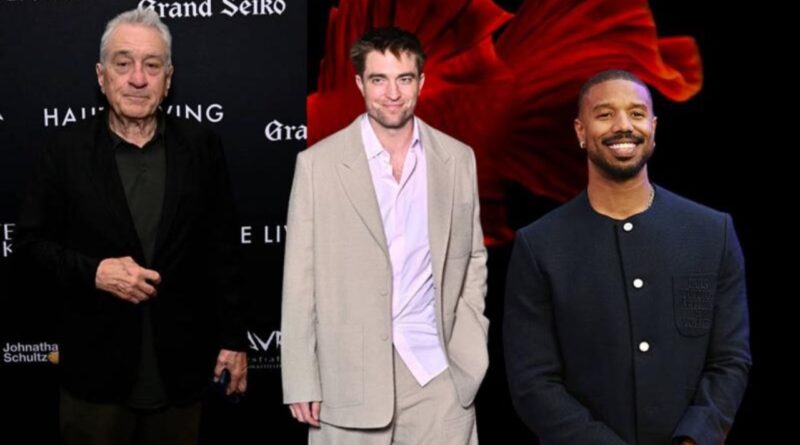
The year 2025 has turned out to be transformative for actors playing two roles — a craft that requires not only technical skill but the creative nimbleness to make each character distinct, memorable, and meaningful. Very few actors have ever pulled such a stunt with the confidence of Robert De Niro in “Alto Knights”, Robert Pattinson in Bong Joon Ho’s mind-bending “Mickey 17” or Michael B. Jordan in Ryan Coogler’s slick “Sinners.” Critics have praised all three performances, deeming them some of the greatest dual performances seen on screen in recent times.
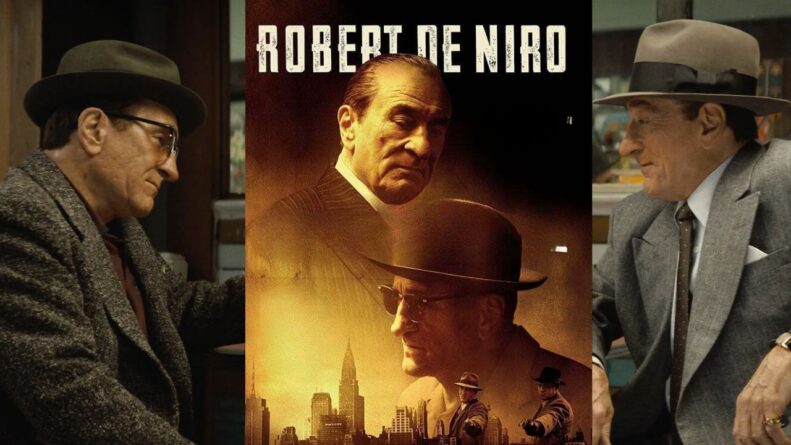
Robert De Niro’s place in American cinema is defined by his tendency to dwell so far into a character that the actor becomes indistinguishable from the role. In Alto Knights, the Barry Levinson film, De Niro brings this artistry to yet another dimension by playing not one but two legendary mob bosses: Frank Costello and Vito Genovese. This is not only a parade of makeup, costume, and accent changes, but an examination in fine shades of difference—each character is distinguished not just by voice and mannerism, but by the moral and social landscapes they occupy.

According to The Hollywood Reporter, The narrative tracks Costello and Genovese, old friends–turned enemies, as their aspirations collide in the changing landscape of 1950s New York. De Niro’s Costello is cool and calculating, monkishly business— a sharp suit, walnut-lined lobbies, and the weight of years spent scrabbling between politics and criminality. Genovese, on the other hand, is temperamental and paranoid, consumed with returning to his former position of power and testing the limits of violence and vice.
Critics note that Levinson’s direction is not a reinvention of the mob genre, and can be derivative at times, but it is De Niro’s talent to bring to life two very different characters that is what really gives the film its backbone. Even when the story stalls in exposition or tiresomely repeats mob lore, De Niro’s subtle work anchors “Alto Knights” as a showcase for his undiminished artistry.
That’s not the only exciting thing about Bong Joon Ho’s Mickey 17, which will also be a showcase for Robert Pattinson’s most extreme screen skills yet. USAToday mentioned, Adapted from the book by Edward Ashton, the movie depicts a future in which disposable laborers (dubbed “Mickeys”) are cloned and resurrected multiple times to provide humanity’s needs. Pattinson, who must portray a series of character variants of Mickey as the story progresses, embraces the challenge.

The American critics said Pattinson’s performance was “gonzo, gleefully deranged”, and that the fact each of his clones gives him a slight trace of individuality—somewhat hopeful, somewhat world-weary, makes the film both humorous and touching. Bong Joon Ho – who fuses biting social commentary with genre thrills – utilizes Pattinson’s liable performance to pose questions of identity, labor and what it means to have a soul.The actor’s comic abilities, physical energy, and readiness to infuse his character with a smidgeon of existential dread led to some of the most memorable and praised performances from “Good Time” and “The Lighthouse,” but “Mickey 17” is where his bravura range really converges.
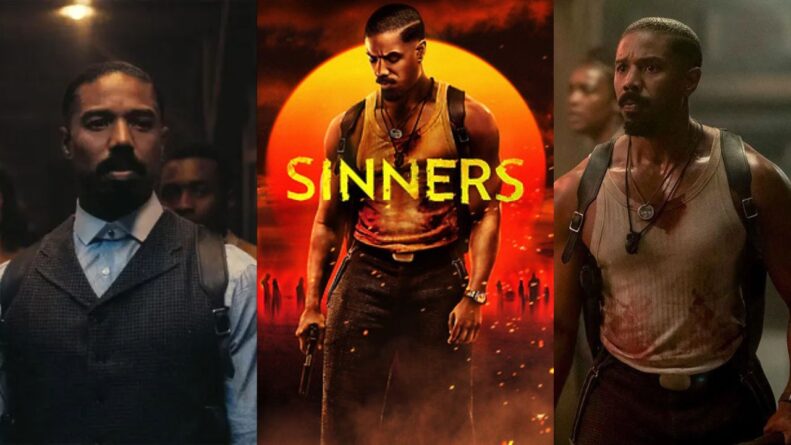
As NYpost, Michael B. Jordan doubles up in the drama “Sinners”—as Smoke and Stack, brothers divided by everything imaginable, caps a year that has seen him reach for the stars in terms of challenge and scope. Ryan Coogler’s script provides Jordan with ample material, telling a gothic Southern vampire story with a slick spin, but it is Jordan who elevates the movie.

Variety has praised Jordan’s unique talent to both physically and emotionally embody each twin. Smoke is all brooding menace, while Stack exudes a wounded charm—a divide not just of wardrobe and posture, but of energy, trauma, and hope. The skill involved in their interactions — fighting, arguing, even fleeting tenderness — pulls you into what seems like a genuine, lived experience between them. Jordan’s decisions do not trail off into the cliched, if anything they are careful in how both twins are made unique but symbiotic, amplifying the tragic sweep of the film and, occasionally, bringing it surprising grace.
What explains the outpouring of affection for these actors, aside from the basic fact that they’re all very big stars:
By 2025, the challenge of playing two roles has evolved from a cinematic feature to a crucible for the best actors in the world, a place where technical virtuosity can be measured against emotional profundity.
Read More 👉 Chris Hemsworth’s Extraction 3 Officially in the Works — Delay Reasons, Story Details & More
The triumphs of plugins such as “Alto Knights,” “Mickey 17,” and “Sinners” are already shaping a new generation of American filmmakers. The best sales agents, casting directors and studios now feel emboldened to take a chance on multi-role scripts, confident that modern visual effects and acting skill can create truly memorable storytelling. For fans and critics alike, these performances are a reminder of cinema’s ability to reinvent itself – even in genres that might feel otherwise spent.
This year has truly been the blast of the double act, but playing two parts in a film is more than just a cinematic trick — it’s a challenge that can say a lot about an actor’s courage and range. From Robert De Niro’s layered mob legends in Alto Knights to Robert Pattinson’s fearless experimentation in Mickey 17 and Michael B. Jordan’s emotional duality in Sinners, these performances are setting a new gold standard for what it means to be versatile in today’s cinema. As storytelling changes, such double performances serve as reminders that great acting is still at the core of unforgettable filmmaking.
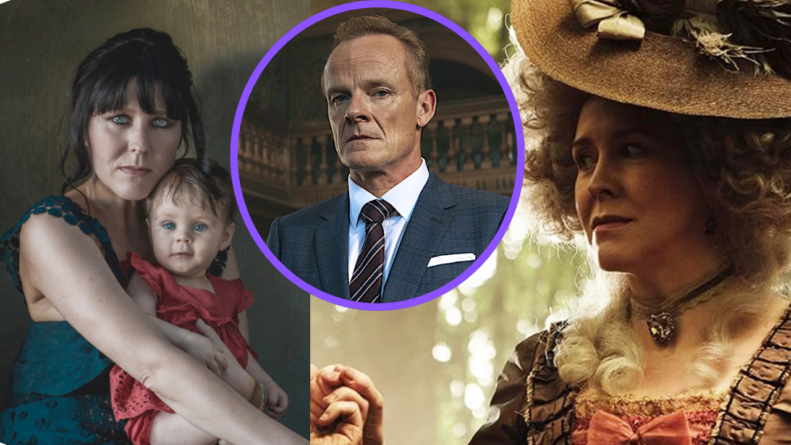
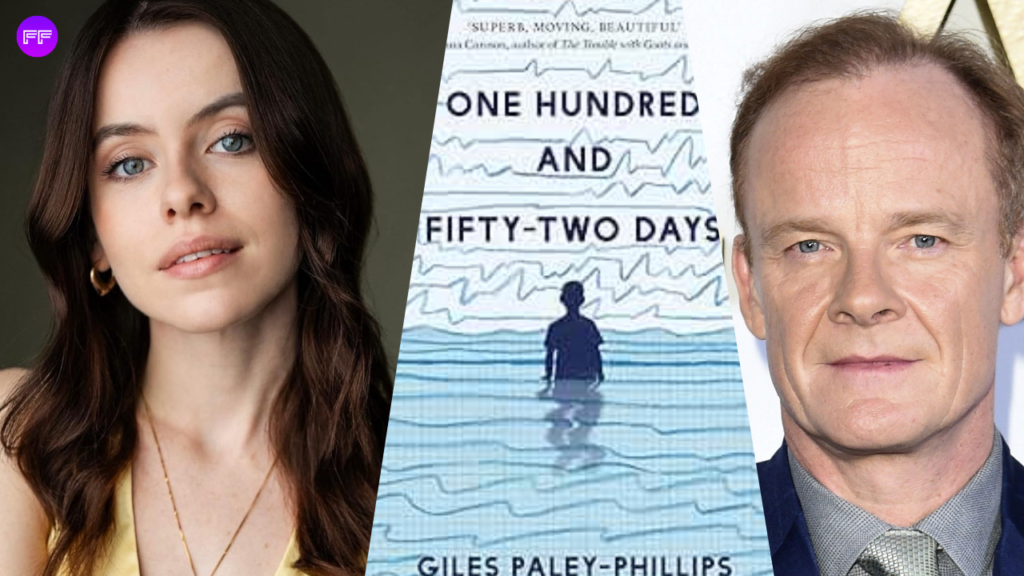
Outlander star Rosie Day makes her powerful directorial debut in One Hundred and Fifty-Two Days with Alistair Petrie and Roman Griffin-Davis. Full details here.

Outlander Star Rosie Day is making her directorial debut with One Hundred and Fifty-Two Days, a powerful British cinema project. There’s a particular kind of enchantment that takes place when an actor who has been poked and prodded and told what to do for most of their life steps behind the camera. They don’t just make a movie, they curate a performance. British cinema, 2026 appears to be staking out the title of year of the actor-auteur. First up was Outlander Star Rosie Day. If you don’t know her by that name, then you will know her as the tough Mary Hawkins in Outlander or the quietly brutal lead in The Seasoning House.
But now, Outlander Star Rosie Day is swapping the corset for the director’s monitor to make her feature directorial debut with One Hundred and Fifty-Two Days – it seems less a debut and more a manifesto. Starring powerhouse talent such as Alistair Petrie (The Night Manager), Roman Griffin-Davis (Jojo Rabbit), and Alice Lowe (Timestalker) this isn’t just another indie drama — it’s a “a sucker punch to the heart.”
Outlander Star Rosie Day career has been shaped by parts that require her to be emotionally and physically tough. Mary Hawkins in Starz’s Outlander Star Rosie Day, which made her deal with complex trauma, sexual assault and historical repression. Likewise, The Seasoning House (her starring role) allowed Gara to express deep emotions with very little verbal exchange.
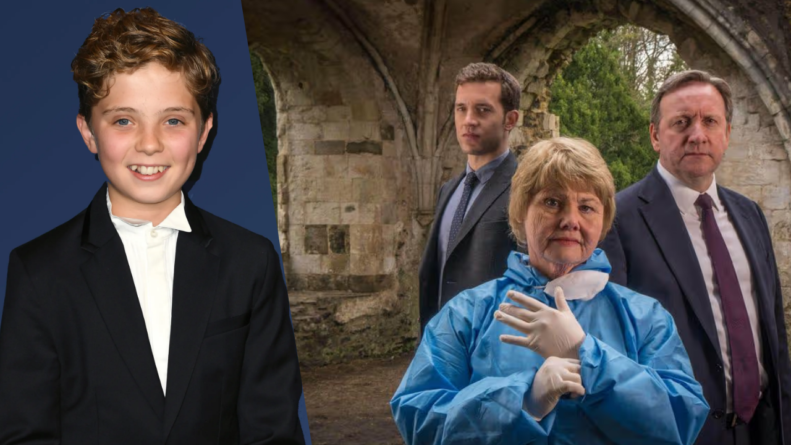
Outlander Star Rosie Day has never been afraid to explore the darker corners of human life. Acting, writing her hit book Instructions for a Teenage Armageddon – her goal has always been to “give the microphone back” to young people.
Statement on the production Day described the visceral impact of the script:
“One Hundred and Fifty Two Days is a deeply moving and powerful piece, with its hilarious moments perfectly balanced by tears. There’s a rarely seen screenplay that makes you experience so many feelings and turns that I can tell you this is a very moving experience.”
That quote is indicative of the film’s tone. This is not to imply that Day is turning out a grim melodrama. “Laughing” could indicate she’s embracing the absurdity of grief—strange encounters along the way, the dark comedy of hospitals and, yes, the grandmother figure. She added further about her excitement to ensemble:
“It’s going to be an amazing ride to watch, and I can’t wait to see where it goes!”
An otherwise undisclosed member of the writing duo, Giles Paley-Phillips (involved from the outset) has co-written the screenplay. He has spoken of the journey as being:
“I’m so grateful to be on this amazing journey working with such an incredible team and creative minds to tell this story. This is really rewarding on a personal level, and I’m very lucky to be doing it.”
The “personal” nature of this may be that it is autobiographical to some extent: Paley-Phillips has openly talked about losing his mother and how grief has influenced his life and his work. When a writer films their own story, especially one involving personal trauma, there is usually greater truth to the emotional story.
The pairing with Elizabeth Morris is a strategic one, Morris presumably grounds Paley-Phillips’s poetic tendencies with the requisite structural discipline of screenwriting.
The narrative of One Hundred and Fifty-Two Days is almost sadly poetic.

He must mourn from afar, stuck in medical limbo. It’s a story about the 152 days that define a life — a “blank” moment during which everything stops, yet everything changes.
The casting of One Hundred and Fifty-Two Days demonstrates a conscious effort to mix star appeal with proven character-actor skill.
| Actor | Known For | Narrative Archetype | Key Plot |
| Roman Griffin | Jojo Rabbit, Silent Night | The Boy (Protagonist) | After Jojo Rabbit, we know he can hold the weight of a film’s soul on his shoulders. |
| Alistair Petrie | The Night Manager, Sex Education | The Father (Likely) | Specializes in repressed authority figures. Perfect for a father who uses silence and rigidity (or alcohol) as a shield against grief. |
| Alice Lowe | Timestalker, Prevenge | Physiotherapist / Relative | Known for dark comedy. Will likely inject the “laugh” element Rosie Day mentioned, preventing the film from becoming maudlin. |
| Annette Badland | Ted Lasso, Outlander | The Grandmother (Likely) | A veteran character actress capable of great warmth and steel. A former colleague of Day from Outlander. |
| Paterson Joseph | Wonka, Peep Show | Doctor / Mentor | brings a charismatic gravitas. Can play the “institutional face” of the hospital or a supportive family friend. |
Both the book and its later film version are profoundly resonant with our collective experience of the COVID-19 pandemic, though they were imagined well before its arrival. Its portrayal of a respiratory disease that causes isolation and separation is uncannily reminiscent of what people around the world are experiencing. This link lets viewers infuse their own recollections of lockdown, loss, and resilience into the story.
Under Outlander Star Rosie Day direction, the film turns into a bittersweet portrayal of shared trauma, affirming the anguish of separation and the emotional impact of medical crises on people and families as a whole.
The film is about grief and the male frailty and it subverts all the expected ones. By introducing the character of the “whimsical grandmother” as a vehicle for the grieving process being non-linear, it suggests the presence of life and death simultaneously and encourages the main character to live while losing. This say-turning laughter and tears up the complexity of loss. And the fact that they’re allowed to be vulnerable men and that is important in itself.
The Boy’s vulnerability and need for guidance stand in stark contrast to the Father’s repressed emotions, represented by his struggle with alcoholism. These aspects serve to demonstrate that mental health care, and particularly that of teenage boys and men, can be treated with compassion and realism — before our very eyes, in true Day fashion.
Outlander Star Rosie Day and Alistair Petrie, in fairness, aren’t just colleagues, they have a professional shorthand. Previously seen together at industry functions such as The Uninvited screening last year, it’s probably a safe assumption that their relationship brings a sense of trust on set that you can’t just make up.
When a director and their lead actor “speak the same language”, the performance is usually ten times stronger.
Read More 👉 ‘A Knight of the Seven Kingdoms’ Episode 5 Hailed as a Masterpiece in the Game of Thrones Universe
Don’t expect your typical “hospital movie.” Since the original book was written in free verse, expect the film to rely on silence and visual metaphors rather than heavy dialogue.
Rosie Day’s previous short films, like Tracks, have told us she’s a filmmaker who can make the most of every moment on screen. In One Hundred and Fifty-Two Days, she is transposing poetry’s “white space” to the “quiet space” of cinema.
Verdict: This is a film about male vulnerability, the absurdity of grief, and the odd people (an “erratic” grandmother or a no-nonsense physiotherapist) who reel us back into the living world.
One Hundred and Fifty-Two Days would undoubtedly be a milestone in British film making when it is completed in 2027. This film elevates the basic tenets of the best-seller adaptation formula with an organic synthesis of art and commerce.
Outlander Star Rosie Day, making the leap from in front of the camera, applies her “teenage armageddon” concept to a sensitivity study of male frailty. Alistair Petrie assumes a role that questions his hardline authoritarian identity, with the pandemic shadowing, highlighting themes of solitude and reflection.
What makes the project unique, however, is its subtle narrative — about a boy fighting for breath — told by a director who is dedicated to telling the stories of young people. Should Day get her wish and meld emotional grit with comic relief, she’ll be further established as a sensitive auteur reflecting on the mess of being.
Production is underway on Britain’s craggy northern shoreline for what could be another classic of modern British social realism.
Get all the details from the latest upgradation and evolution in FandomFans is a digital publication to share, engage, and inspire from movies, TV shows, webseries, and celebrities. Get reliable, accurate, and insightful updates, reviews, and details crafted for the entertainment enthusiast

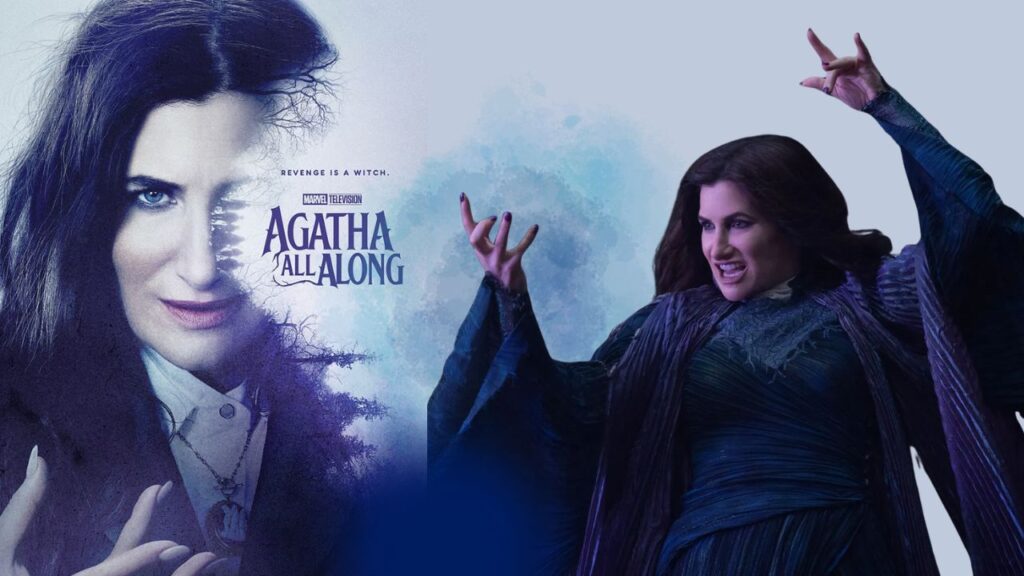
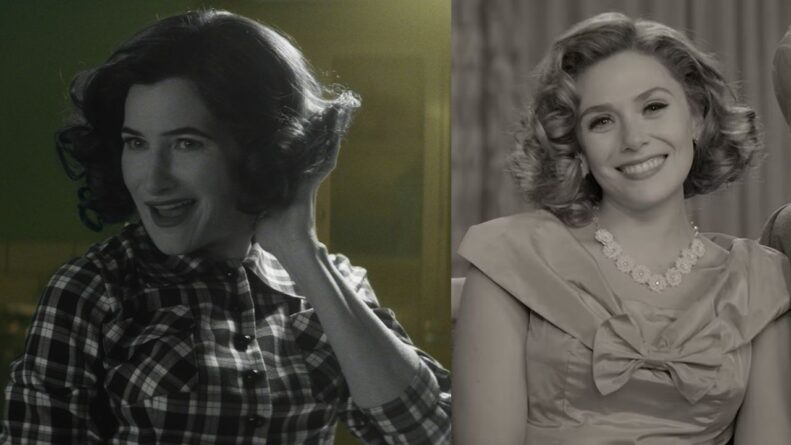
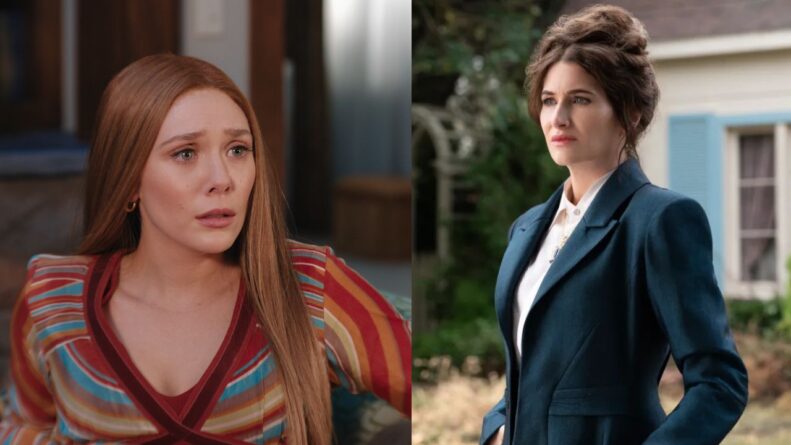
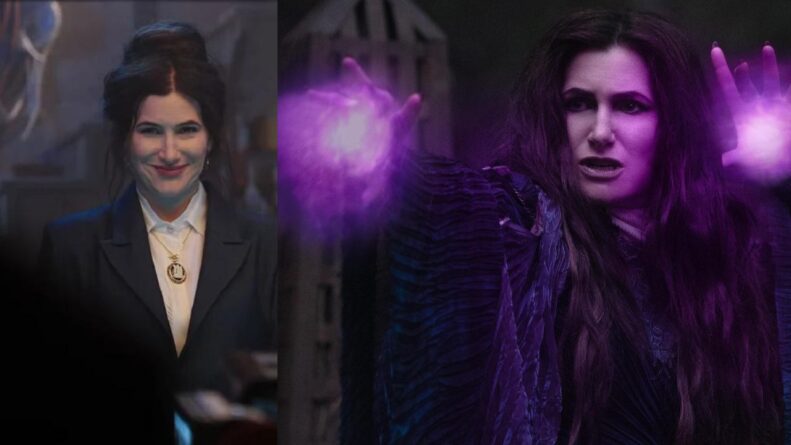
Discover Agatha Harkness MCU evolution, Kathryn Hahn’s standout performance, and how her ghostly mentorship guides the next generation of Marvel heroes.

When WandaVision initially brought Agatha Harkness in as the giddy, nosey neighbor, it seemed unlikely that she would end up as one of the MCU’s most complex and emotionally satisfying characters. Yet with Agatha All Along, Marvel didn’t only give a fan-favorite villain a moment of grandeur—it redefined her entire role in the franchise. By the time the credits start rolling, Agatha is defying life and death. She becomes something much more compelling: a spirit with loose ends to tie up, wit as sharp as ever, and a future somehow brighter than before.
I know we have unfinished business, but I hope we can team up again.
—Hahn said
She lived for centuries by sucking the life force out of other people. Backstabbed by her coven, disowned by her mother, and shattered by the death of her son Nicholas Scratch, she was made merciless because survival required it. It doesn’t exonerate her crimes, but it at last accounts for them. In this context, her final decision is to sacrifice herself to save Billy Maximoff — isn’t just shocking, but powerfully earned.

Death is where Marvel plays with expectations. Kathryn Explained, Agatha doesn’t disappear into heroic glory. Instead, she lingers. Bound to the mortal plane by guilt and fear—namely the fear of seeing her son in the afterlife, she comes back as a ghost. This “Ghost Agatha” twist is a narrative masterstroke. It lets her pay a cost for her past, while continuing to be active, opinionated and dangerously smart.
She balances the camp humor with real grief, and Agatha’s never allowed to become either too soft or too monstrous. Agatha will not be sanctified, not even in death. She’s still snarky, still conniving, still wildly human. That’s what makes her ghostly mentorship of Billy Maximoff so compelling. And their “Coven Two” dynamic inverts the classic mentor trope: Billy is the young one with all the raw, reality-bending power, while Agatha brings centuries of knowledge, cynicism, and hard-won survival instincts. Power can be taken away, she tells him but you can’t take away knowledge.

This turn also beautifully matches Marvel Comics history where Agatha is famously Wanda Maximoff’s mentor from beyond the grave. The MCU takes that concept and brings it into today, reimagining Agatha as a spiritual leader for the next generation. In a universe full of gods and geniuses, Agatha holds a special place: the grey witch who plays by the rules because she’s broken all of them.
Thematically, Agatha’s arc taps into a few pressure points the MCU frequently mishandles. She epitomizes layered female villainy not driven by domination, but by loss and survival. Her storyline runs parallel to Wanda’s — both defined by grief, motherhood, and unthinkable decisions. Having her and Billy, a son in search of family, come together adds an emotional symmetry to the narrative that seems more intentional than convenient.
Yes I do. I love Joe Locke. Who knows what comes next? To me it was like a beautiful, complete way to say goodbye to that wonderful character I had played.
—Hahn said
Suggesting that she wants to look forward to playing this character because it’s an end is really a part of the new and exciting beginning for the next chapter.

And just as crucial is Agatha’s place in queer representation. Her tragic romance with the Death figure, Rio Vidal, is not played for a trick. Their “Kiss of Death” is personal, agonizing and definitive – a rare instance in which the arc of a major MCU villain ends through queer love, rather than violence alone. Not even Agatha’s identity is wiped away or softened in death.
A definite What If…? appearance, strong narrative connections to Vision Quest, and her organic role as a mentor figure for a Young Avengers team all suggest long-term involvement. Comic precedent even allows for a return from the dead. Ghosthood is, after all, hardly ever permanent in Marvel.
Read More:- HBO Hard Launches 2026: Euphoria S3, House of the Dragon S3, Dune: Prophecy & More
Agatha Harkness has become what the MCU so desperately needs: a mythic throughline in its supernatural corner. She’s proof that a story does not end in death — it can be distilled by it. A ghostly mother to confused witches and stray children, Agatha is not disappearing into the shadows. She’s haunting the future, and she’s doing it with a grin.
Stay with Fandomfans for more updates on MCU and Agatha All Along along with its lead roles.