No Next Life: The K-Drama That Turns Midlife Chaos into Courage
No Next Life is a K-drama about three 40-something women who rediscover strength, friendship, and purpose amid life's turmoil.
Published: November 13, 2025, 10:33 am

No Next Life is a K-drama about three 40-something women who rediscover strength, friendship, and purpose amid life's turmoil.

No Next Life is a Korean drama of three women in their 40s that explores the themes of friendship, strength, and accepting imperfect life. Starring Kim Hee-sun, Han Hye-jin, Jin Seo-yeon, it has touched the hearts of the viewers with its realistic yet humorous story-telling. The Korean version airs on TV Chosun every Friday at 8:50 p.m. The series is also available on Netflix, you can watch according to the time zone release.
The series borrows a unique South Korean concept term, bulhok, which defines turning forty as the “age of no doubts.” The irony, of course, is that these women are riddled with doubt. They are sick of the hamster-wheel lives, the childcare battles and the omnipresent feeling that maybe they took a wrong turn somewhere down the road.
Need to talk about former star show host Jo Na-jeong (Kim Hee-sun). She was the gyeongdan-nyeo, the mother who had to let go of her career for years – a mother who gave up her high-powered job to raise her two boys. Her sense of emptiness was extreme, she confesses she thought she was living life on TV, as in watching life go by.
We did get to see her fight back in Episode 3, at long last. She wows the interviewers, even employing “Emotional Marketing” — making the pain of her past work for her in a professional pitch. She deserved victory. She was ecstatic, at long last texting her husband, Noh Won-bin, with the good news.



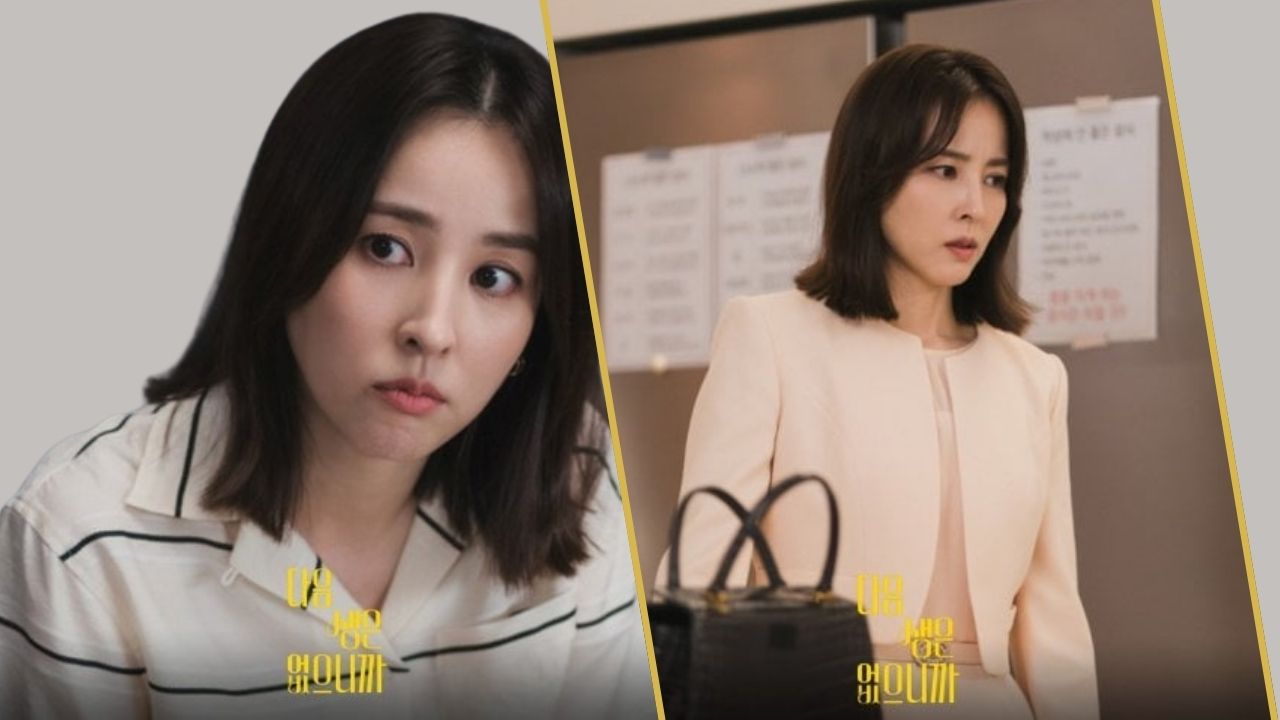
But sometimes, the universe rounds up a win for you, then wildly pulls your feet out from under your balance. Just as Na-jeong is enjoying her comeback, she sees Won-bin sitting awkwardly with a woman who is weeping, across the café.
Envy suspected of infidelity. The ultimate, cruelest irony: the second she validates her value outside the context of her marriage, the marriage itself is revealed to be (is always?) rotten.
Episode 4 also promises to delve into the struggles and changes the women undergo as they give in to their wishes to change. Rediscovering themselves along the way and taking back control of their lives may cause them to bump heads and lock horns, demonstrating that it’s never too late (even after a few detours) to find your way again and get your joy back.

In the 4th episode that attention must have shifted to the emotional and practical nightmare at home. Her new passion and source of strength will have to go on the backburner as she undergoes the healing stage after betrayal.
The story effect is obvious: the energy Na-jeong had invested in reclaiming her career will now be focused on changing her life story. This confrontation is necessary for the ”inner growth and transformation” that reconfirms who she is and enables her to at last “live her life fully” rather than living in a routine and in compromises.
Read More 👉 Why Millie Bobby Brown is Ready to Trade the Upside Down for Enola Holmes 3
No Next Life is not just another midlife drama that follows three 40-something women, demonstrating to audiences that every ending can be a beginning. Featuring stellar performances by Kim Hee-sun, Han Hye-jin and Jin Seo-yeon, the series delicately portrays the everyday emotional battles of love, identity and purpose.
It’s messy, it’s emotional, and it’s quintessentially human — a testament that hitting 40 doesn’t mean slowing down, it means showing up for yourself, at last, recklessly and without fear.
Welcome to Fandomfans — your source for the latest buzz from Hollywood’s creative underworld. Here, we explore the art of filmmaking, knowing about how visionary directors, designers, and actors shape the worlds we escape into.
We believe great stories like No Next Life — deserve to be discussed, celebrated, and felt. Get more updates, reviews, and more on this entertainment website.

Discover the hidden struggles of The Vampire Diaries cast—from casting battles and on-set tension to pay gaps and physical pain that shaped the iconic series.
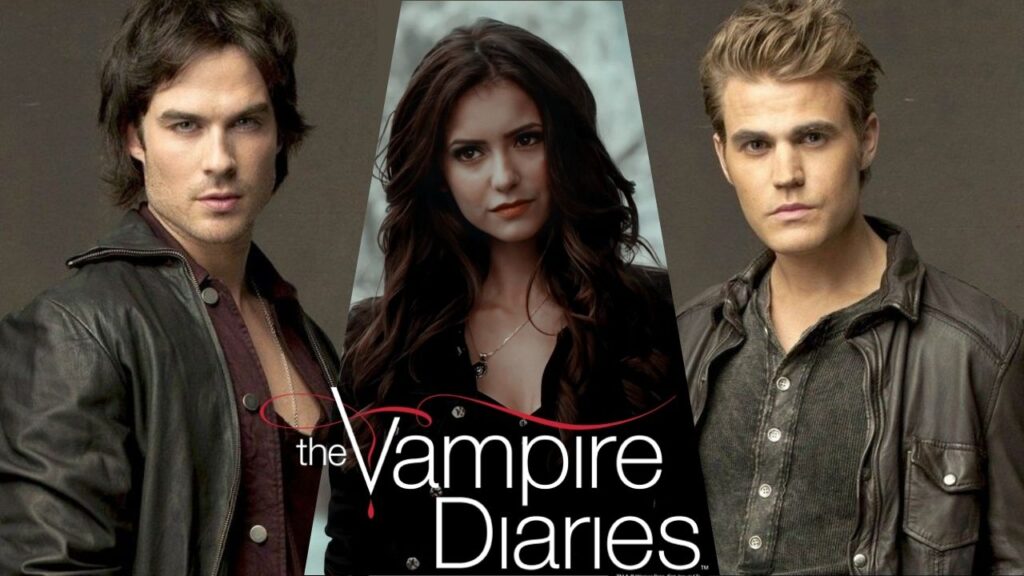
If we were to look back at the late 2000s television was dominated by a particular thirsty appetite. It was the era of supernatural frenzy, when vampires stop being terrifying monsters and become tragic, romantic anti-heroes. But cut through the barrage of genre hits and there was The Vampire Diaries (TVD), a rarity, a high-concept mythology that felt understated and more like a character-driven drama.
To the audience, the magic of Mystic Falls was seamless. We observed the fierce, magnetic tension between Elena Gilbert and the Salvatore brothers and took it as fate caught on film. But when you view the series as a business – considering the cost-cutting, the negotiating, and the personality power plays – a different tale emerges. The indestructibility of The Vampire Diaries was not magic, it was the result of an exhausting, frenetic, and sometimes painful process of architecture by three young actors on the brink.
The series simply wouldn’t be the same without the core three — Nina Dobrev, Paul Wesley and Ian Somerhalder. The makeup of this cast, though, was almost conceived on an entirely different plane.
Back then, the network prioritizing immediate marketability was aggressively pushing for big-name pop stars. There were major discussions about casting Ashlee Simpson or Ashley Tisdale as Elena Gilbert. The studio wanted to follow the source material’s description of a “blonde-haired, blue-eyed” protagonist, a demographic type that was considered key to success then.
Technically, Nina Dobrev’s entry into this equation was a failure. Battling a rare disease during her initial audition, she turned in what co-creator Julie Plec harshly called an “unmemorable” performance. It was only by dint of Dobrev’s sheer professional determination – sending in a self-taped audition from home afterwards, that she made the studio change its mind. She didn’t just win the role, she recalibrated the character entirely.
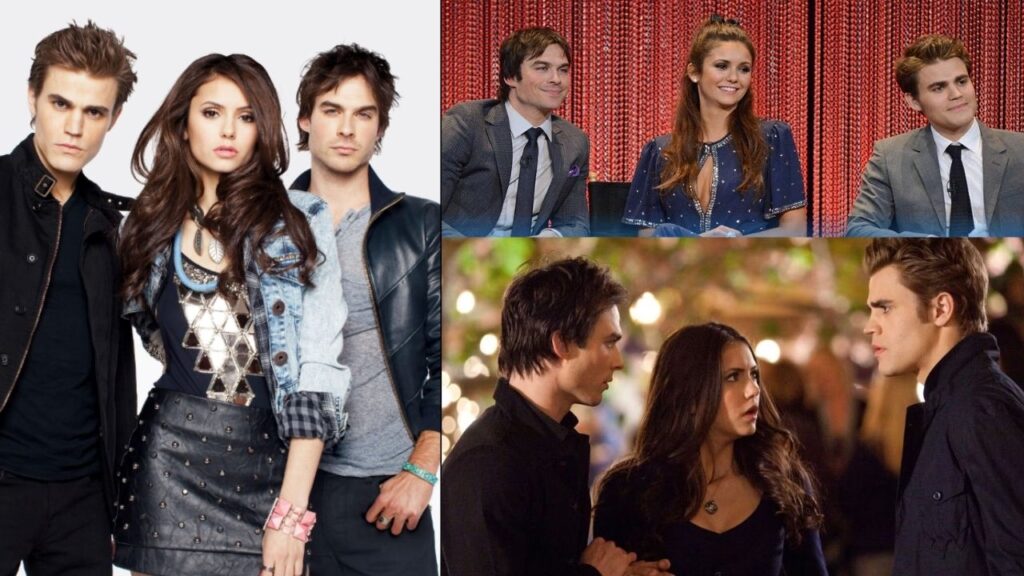
Paul Wesley had to endure almost fifteen auditions before he was told no, the reason was literally that he was “too old.” He landed the part of Stefan after his chemistry test with Nina Dobrev won over the creators. Ian Somerhalder was also iffy – he was so nervous during the network test that he nearly lost the role of Damon.
Nailing this trio had an immediate effect. The series finale drew in 4.9 million viewers, the most ever for The CW. But under this success, everything was not so calm.
There’s a pervasive myth within TV Fandom that romantic chemistry on screen can only be achieved through romantic affection behind the scenes. The first season of TVD is the ultimate rebuttal to this.
Nina Dobrev and Paul Wesley, the anchors of the show’s central love story, antagonized each other during the first five months of shooting. Dobrev has admitted that they ”despised each other” at times. This wasn’t simply a personality clash, this was the tension of eighteen-hour days and the burden of carrying a franchise.
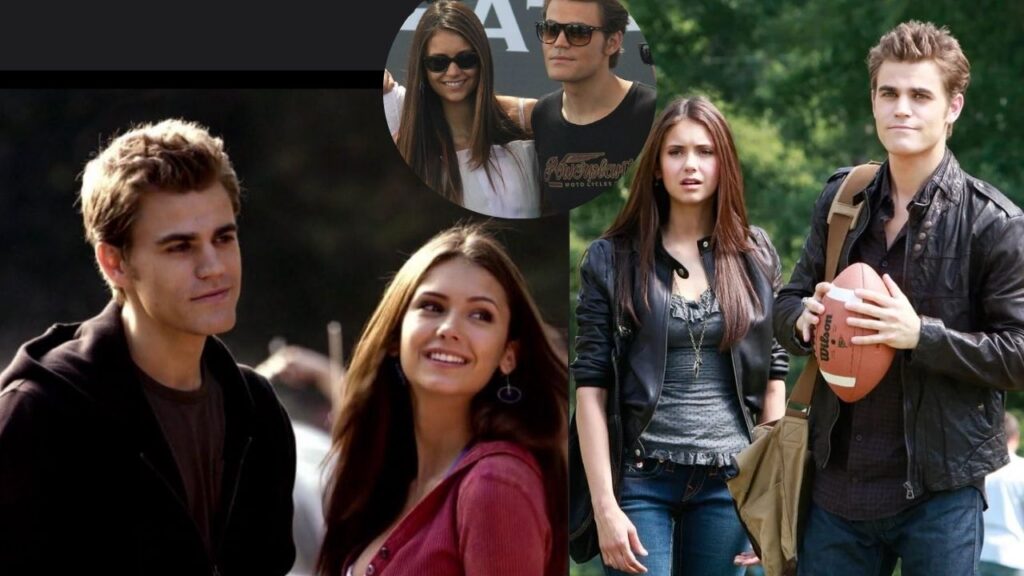
Yet, from the professional side, this disdain became a motivator. They had a lot of technical discipline, so they were able to direct their frustration into what Dobrev referred to as “a very thin line between love and hate.” The crowd interpreted this tension as deep passion. It is a credit to their acting that they can make love while playing against the absence of a personal connection.
Ironically, Wesly had foreseen the result of this tension. During the pilot, he told Dobrev that they would be best friends in ten years. He was right: the two have since forged a “marriage-like” professional relationship, demonstrating that the most powerful partnerships in Hollywood are sometimes formed in the heat of initial discord.
Read More 👉 Welcome to Derry : Makes the Same Horror Mistake That Nearly Killed the Franchise
As the actors battled with one another, they also battled the writers. Ian Somerhalder fought an interesting creative battle for the soul of Damon Salvatore.
Somerhalder guarded Damon’s volatility. During Season three when the writers started “softening” Damon to make him a potential love interest for Elena, Somerhalder was so unhappy he considered quitting the series. He was concerned that the character was turning into a “one-trick pony” of love rather than the scary thing the audience adored.
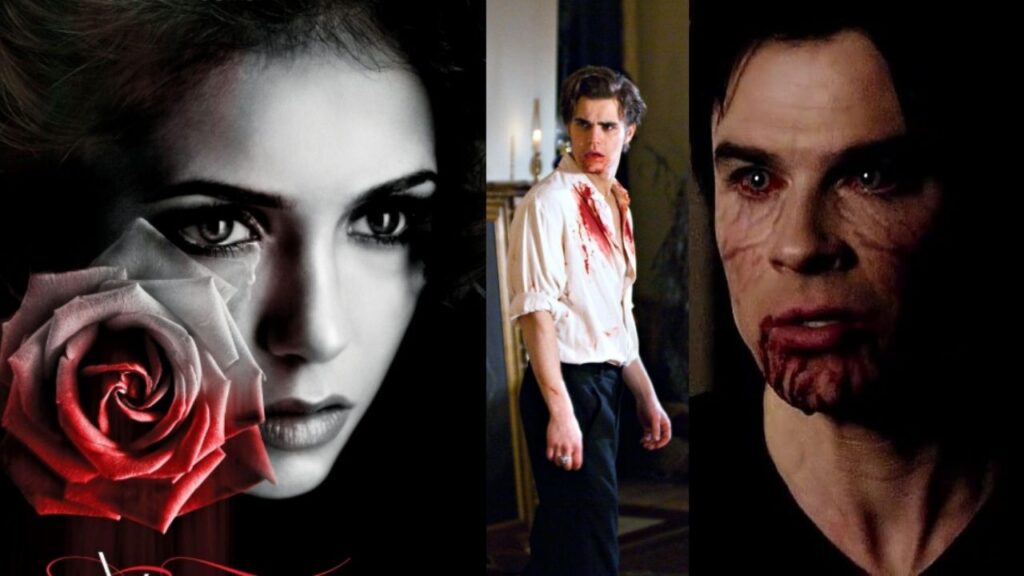
That all came to a head during the shooting of the death of the character Rose. Somerhalder battled “tooth and nail” with showing Damon’s humanity because he felt it would diminish the character’s edge. Yet that sequence — when Damon offers Rose a tranquil, manipulated dream as she dies — was one of the actor’s favorite moments.
It demonstrated the kind of character development (necessary for a show to last eight seasons) that represents the balance an actor must find between their own urge to protect the character, and the show runner’s vision for that character on a longer arc.
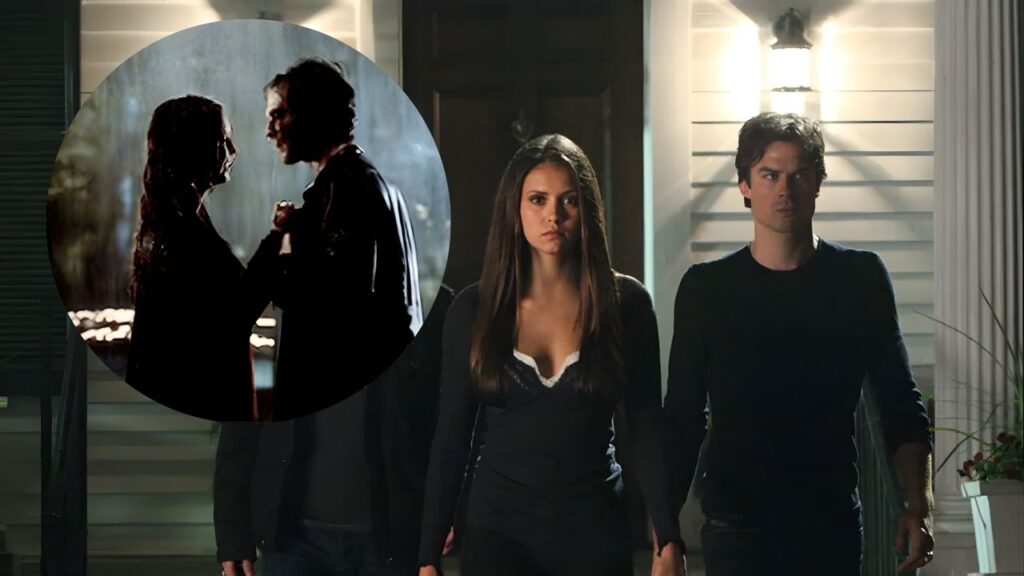
Among the most overlooked aspects of The Vampire Diaries is how uncomfortable filming really was, even when the scenes looked magical on screen. The iconic ”Delena Rain Kiss,” one of the series’ most romantic moments, is a prime example of this dichotomy.
The scene was shot in Georgia, in freezing temperatures. The rain machines were basically spraying icy water. Ian Somerhalder later shared that his jaw muscles froze so tightly he could barely speak and Nina Dobrev got sick right after the shoot.
Then there’s the weather, and the actors are really out there. Wesley shot in a medical boot for a twisted ankle, necessitating stunt doubles for simple carrying scenes. Dobrev, who had to play both Elena and her doppelganger Katherine Pierce, created the “Binder Method” – carrying different heavy binders to maintain the psychological consistency of two separate characters at the same time.
And that brings us to the most crucial professional realization: the economics of stardom. Although she has the strain of two workloads and is the main protagonist, Dobrev received lower pay than her male co-stars for most of her tenure. The studio declined to match her salary “on principle.” This systemic nonrecognition of her work was one of the motivations for her leaving after Season 6.
She didn’t get pay parity until the series ended, and even then she had to turn down the first low-ball offer to get it. It was a fitting, if sobering reminder that in the Hollywood system, value is often something that has to be grabbed, hard.
Read More 👉 The Unexpected Recasting Drama Behind ‘The Last of Us’ Season 3
Nina Dobrev’s exit necessitated the show to transform itself structurally. The original plan, according to Julie Plec, was for both Salvatore brothers to die saving Elena, seeing her live a human life as ghosts.
However, reality intervened. With Dobrev’s departure, the narrative center of gravity moved away from the romantic triangle and toward the fraternal bond shared by Stefan and Damon. The change saved the show. By the time the finale, “I Was Feeling Epic,” was broadcast, the actors had become less adversarial and more cooperative. Paul Wesley advocated for Stefan’s death in order to have his redemption arc completed, and Somerhalder campaigned not to have the last romantic reunion over the brothers.
The Vampire Diaries isn’t a legacy just because of its plot twists or its shipping wars. It’s a case study in how to keep working professionally. It is the tale of three actors who survived physical hypothermia, creative infighting and systemic pay inequity to create a pop culture juggernaut.
When we watch old episodes today, we can see that chemistry and glamour. Yet the real blueprint for its immortality is in the muck, in the negotiations, and the onerous, all-too-human labor that went down off camera. They didn’t just play vampires who lived forever, they built a legacy that will.
Dive deeper into your favorite TV shows character with Fandomfans. Our goal is to provide simple conclusions on series & movies.

Before Darth Maul Shadow Lord on Disney+, read Shadow of Maul. The Star Wars prequel comic reveals the crime underworld & key characters behind the new series.
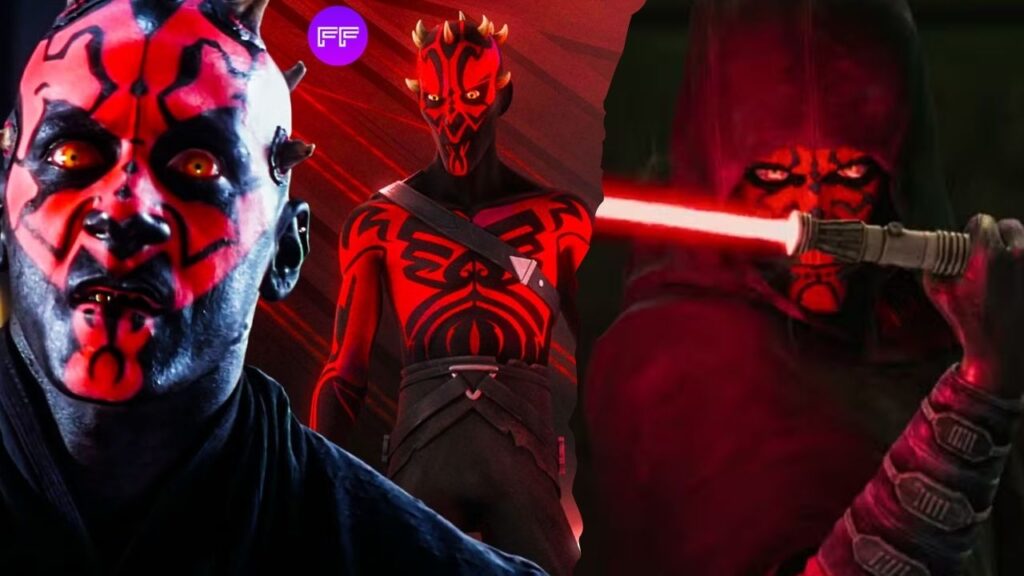
When Star Wars at last decides to bestow the spotlight upon a beloved character, there’s a certain electricity in the air. For years Darth Maul has been this strange figure hovering in between icon and enigma— a villain whose image burned into our consciousness with nothing but his menacing look, his acrobatic fighting style, and about three lines of dialogue in The Phantom Menace.
We saw him survive being bisected, mutate into a cyborg spider, become a crime lord, apparently die in Rebels, and then defy death like the true star (literally) of the show he is. The ex-Sith Lord will at last be the central character in his own series with Star Wars: Maul – Shadow Lord, coming to Disney+ on 6 April 2026.
But here’s the problem with Star Wars storytelling nowadays: the galaxy is so interconnected and tied together that walking into the big show without preparation is rapidly becoming like showing up to a movie in the middle of it. Lucasfilm knows this. They’ve perfected the transmedia prelude and now with Shadow Lord, they have created something that isn’t just companion material —it’s essential viewing.
Enter Star Wars: Shadow of Maul, a five-issue comic miniseries from Marvel that isn’t a cynical cash-in tie-in, but a real narrative cornerstone that will change the way you watch the forthcoming animated show.
When Marvel revealed Shadow of Maul at the end of 2025, the premise appeared fairly straightforward: a prequel comic taking place in the world and featuring characters from the upcoming Disney+ series. Standard Star Wars fare by now. However, after getting more information regarding the creative team and their take, it was evident this was a different ball game.
Former writer of Darth Maul, Benjamin Percy had already been creative with Black, White & Red anthology in the character that is going to change with specific creative purpose: to tell a gritty crime-noir tale set the seamy underworld of Janix—the same world Maul will once again seek to establish power in and regain its hold. Percy himself has been refreshingly candid about the way he writes.
“It’s a sci-fi story, but it’s also a crime story, with cops and criminals that are based on the land where many sins and secrets are buried.” he told Marvel in the official announcement.
That description alone should be enough to grab the attention of anyone who thought The Book of Boba Fett never quite got off the ground as a crime lord story. Where that show never seemed quite sure of its tone, vacillating between underworld politicking and Saturday-morning cartoons chauvinism, Shadow of Maul knows exactly what it wants to be from page one.
The first issue, dated March 4, 2026, has us Meet Captain Brander Lawson and his droid partner Two Boots. These aren’t your typical Star Wars protagonists. Lawson is a sheriff attempting to impose law on a region that laughs at the notion, a detective on a planet so far from the Empire that it hasn’t even tried to take hold.
Two Boots, voiced by stone cold comedy gold Richard Ayoade in the up-coming series, is a dry sardonic foil to Lawson’s weary resolve. Their chemistry is instantly lived-in, like partners in crime and life, who have been disappointed and killed together.
Required reading usually means “homework you need to shovel through in order to get to what you really want to consume.” We’ve all been there, gritting our teeth through some so-so comic or novel because the mainline product assumes we’ve done the prep work. Shadow of Maul easily avoids this pitfall because it is genuinely interesting in its own right.
Madibek Musabekov’s art, however, needs a special shout out. Now under his own name, Musabekov offers a grittier, more grounded visual style than what we’re used to seeing in the galaxy far, far away.
Janix isn’t the clean, bright light of Coruscant or Tatooine’s desert minimalist — it’s a neon-drenched hive of shadows and secrets, a place where the very lighting informs that nothing good comes after dark. The noir overtones aren’t just in the story telling, that’s in the dna of the show. Every panel could be a still from a classic detective movie, just there are more aliens and laser fire.
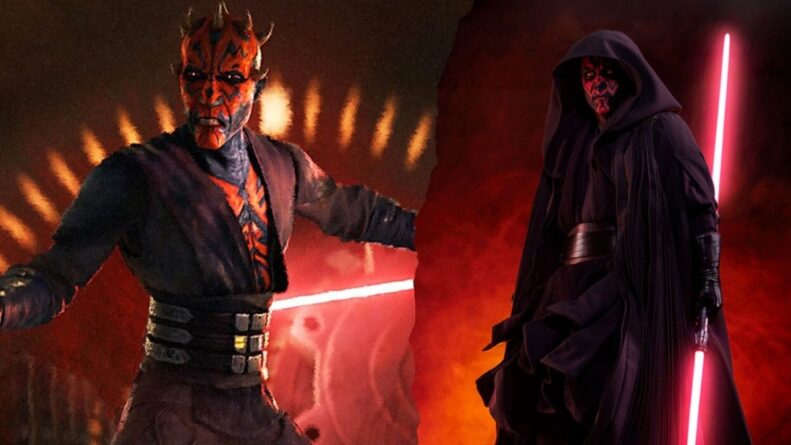
But what makes Shadow of Maul stand out from “good comic” to “must-have prequel” is what it does with its titular character. Maul doesn’t rule the first issue, he threatens. We feel his presence before we feel him, feel his presence in the void of criminal power that he is moving to occupy.
It’s the Jaws approach to villainy, and it’s perfect for a character whose entire appeal revolves around his aura of menace. When Maul does appear, it is significant.The comic realizes that in a series named after him, less is far, far more.
There’s a practical purpose to this restraint as well. Shadow of Maul is introduced to the power brokers on Janix, the criminal infrastructure Maul hopes to co-opt if not crush. Without that context, the cartoon series would have to use up precious time just telling us who these folks are and why we should care if they die. By having the world-building work already done in comics form, Shadow Lord can open right up and zero in on Maul’s character journey rather than exposition dumps.
What is interesting about Shadow of Maul is its close tie in with the production of the animated series. Percy’s not been working in a vacuum, deciphering ideas secondhand. He and Musabekov have been in direct contact with Lucasfilm, reading scripts and watching episodes of Shadow Lord as they developed the comic.This isn’t retrofitting a backstory; it’s true co-operative storytelling across mediums.
The comic presents Janix as a world “the Empire never set foot on,” a wild frontier where Maul thinks he can get his business done with no Imperial interruptions. That right there is the stakes for the animated series. We know from Solo and Rebels that Maul ultimately becomes the head of Crimson Dawn, but Shadow Lord covers the chaotic and brutal steps he takes to establish that power.
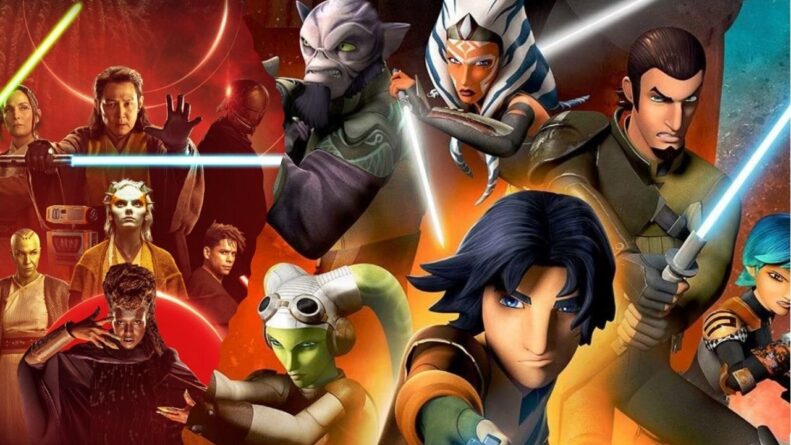
The comic gives us the “before” — the criminal syndicates which believe they hold dominion over Janix, the local law enforcement seeking to maintain order, and the ordinary citizens merely trying to scrape by in the shadows.
Captain Lawson, especially, appears to be a significant baller in the show. Voiced By: Wagner Moura — (NARCOS) Lawson is the latest iteration of the nuanced villains that Star Wars has been cultivating as of late. He’s not bad, he’s just trying to bring law to a lawless place, but he’s never going to agree with Maul’s goals.
The comic allows us to see where he’s coming from, to buy into his partnership with Two Boots, before the animated series presumably places them on a path of confrontation with the former Sith Lord .
For fans that have followed Maul’s path into The Clone Wars and Rebels, Shadow Lord hold a bittersweet resonance. We know where this road eventually takes us: a last meeting with Obi-Wan Kenobi on Tatooine, a death that at last allows peace to a life shaped by fury and retribution.
But the era between the Clone Wars and that final duel, has been somewhat of a no-man’s land.We caught snippets in Solo, saw he was establishing Crimson Dawn, but the “how” and “why” were obscured.
Shadow of Maul and the animated sequel seem set to fill that void with real character development over plot devices. Sam Witwer, who has voiced Maul since The Clone Wars, said Shadow Lord delves into Maul’s own existential dilemma. “What does he think about his whole life?” Witwer asked for interviews, implying more introspection than the character has ever shown. This is Maul when he is at his lowest point stripped of his criminal empire, his brother, his purpose – and must not only rebuild his power base but his very sense of self.
The comic’s noir setting is ideal for this purpose. Film noir has historically been concerned with protagonists caught up in corrupt systems, but those characters have generally been troubled souls themselves. Maul, whose past is riddled with self-destructive obsession, is the most fitting example.
Shadow of Maul introduces the physical place where he’ll be conducting business, but it also provides the mental backdrop issue for a man trying to convince himself he actually matters in a galaxy that now knows all.
There’s an almost old-school vibe to how Lucasfilm is handling Shadow Lord, both with the comic and the game. Since Disney took over the rights in the past decade, the franchise has undergone a host of transmedia storytelling experiments with somewhat inconsistent results.
Sometimes comics and novels really feel like afterthoughts to the brand rather than part of a comprehensive narrative, like optional extras for the truly devoted. At other times, they hold vital information that explains why the films and shows are so bewildering.
Shadow of Maul holds a different balance. It gets the best part of the experience by just watching the cartoon, but it does add viewers to the Shadow Lord experience. You don’t have to read the comics to follow the show, but if you want a deeper insight into Janix, its characters, and the shifting power play between them, it’s a good idea.
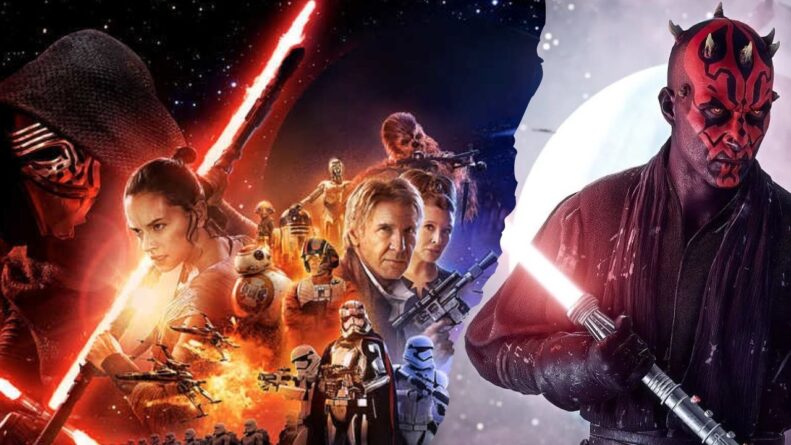
It’s the Star Wars version of reading the book before you see the movie — and you get the full backdrop, the subtle callbacks, the emotional weight behind characters that might otherwise just seem like werewolves.
Now, with Shadow of Maul coming out on March 4, 2026 and the animated series debuting on April 6, there’s a purposeful gap for fans to get a taste of the comic’s world-building before the show is released. Apparently, the comic will continue on even after the show starts issues will be released throughout and after Shadow Lord’s run, which ends on May 4 (Star Wars Day, naturally) . This seems to imply that the comic could delve into repercussions or side stories that the animated series simply doesn’t have time for, rather than dumping all its setup in one place.
Read More:- Real Reason Critics Are Split on Christian Bale’s ‘The Bride’ R-Rated Monster Film
With the countdown to April 6 on, the hype for Darth Maul – Shadow Lord is so real. The trailers display animation that is an evolution of the Clone Wars style, with a more stylized, cinematic look that suits the darker tone. Return of Sam Witwer to voice Maul also brings continuity to Maul’s prior animated appearances, and the creation of new characters such as Devon Izara— a disillusioned Jedi Padawan whom Maul seeks to recruit points towards new paths for the character’s story.
But if you really want to have the full experience, if you really want to see the full breadth of what Lucasfilm is building with this little corner of the galaxy, Star Wars: Shadow of Maul is not optional—it’s the opening chapter. It elevates the animated show from a self-contained adventure to the climax of a larger storyline, one that takes advantage of comics’ special abilities to lay the groundwork in ways that animation can’t.
In an age when franchise narratives frequently feel like they need to be produced in bulk, it’s a genuine thrill when a project actually gets to breathe and build its world. Shadow of Maul is Star Wars at its slow, moody, path juncture-lockstep best, so bent on telling us that the journey is as important as the destination. Before you see Maul regain his strength as the shadow lord, you should check out the shadows he’s been lurking in. The galaxy far, far away has never looked, sounded or moved quite like this and not a single panel should be missed.
Stay in the world of cinema with Fandomfans to get all the latest updates from movies, series and celebrities.