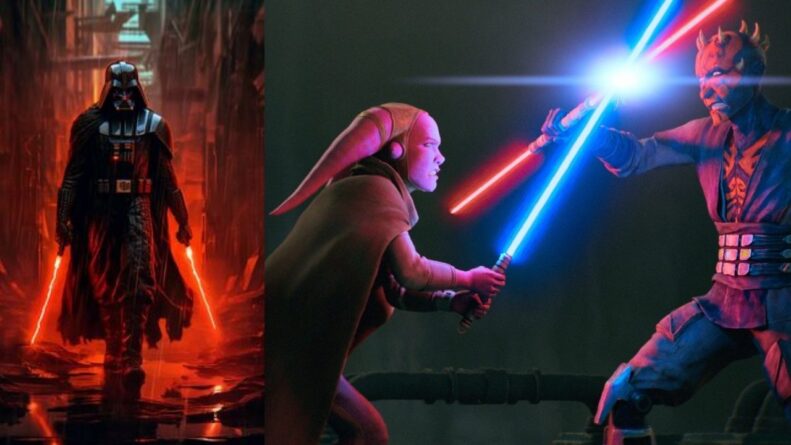
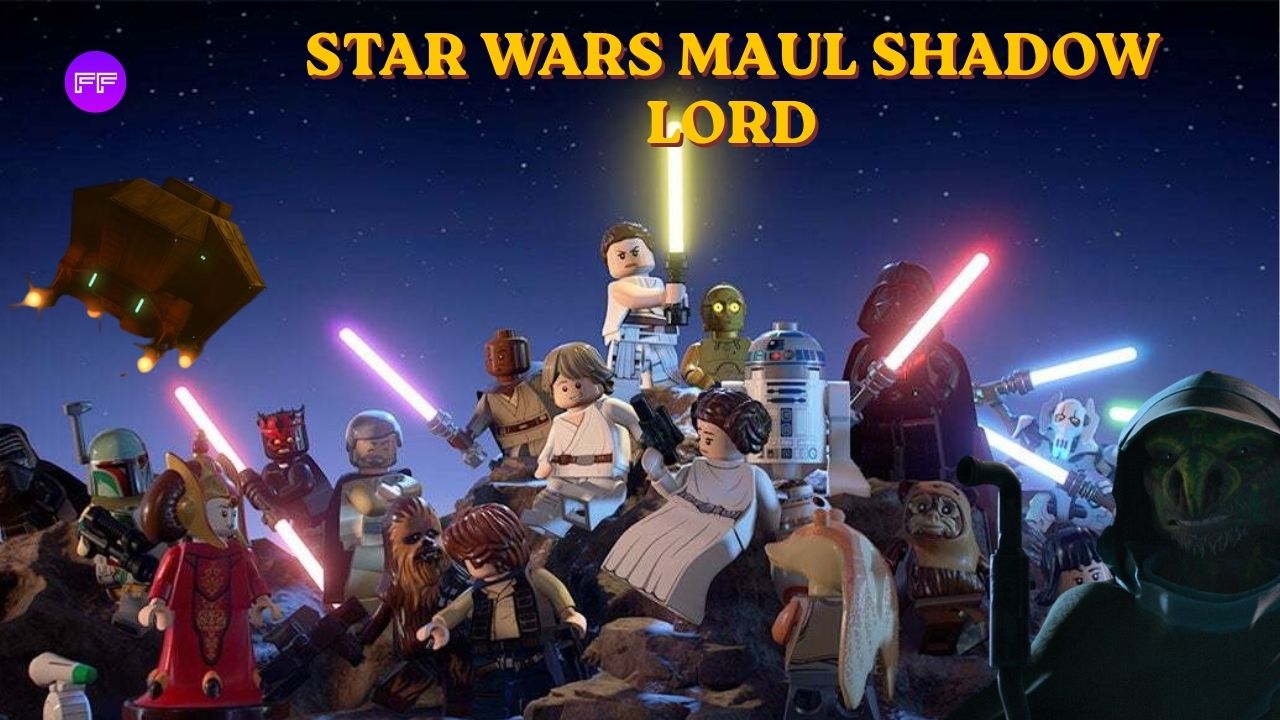
Star Wars: Maul – Shadow Lord: Darkest Chapter Is Only Getting More Dangerous
Star Wars Maul Shadow Lord Episodes 3 and 4 Release Date, Plot, Cast, and Full Schedule What’s Up with Darth Maul? Find out what is next for Darth Maul.
After the explosive two-part opening of Star Wars: Maul – Shadow Lord, the galaxy is abuzz. We’ve seen Maul “dusting himself off” in the wake of the fall of the Republic, leaving behind the grand battlefields of the Clone Wars for the seedy, neon-drenched back alleys of the criminal underworld. If you’re currently pacing your living room with a plastic lightsaber eager for the next chapter, you’re in the right place.
And now, here’s the scoop on Star Wars: Maul – Shadow Lord Episodes 3 and 4, the nebula-borne plot twists ahead, and why this is the roughest show in a galaxy far away, right now.
Disney+ is keeping to a “double-feature” release schedule for this series, which is a blessing for those of us that have absolutely no patience. The April 6 premiere is followed by the next batch coming in hot.
| Release Date | Episode | Title |
| Monday, 13/April/2026 | 3 | Whispers in the Unknown |
| Monday, 13/April/2026 | 4 | Pride and Vengeance |
The series is scheduled to run for ten episodes, ending on—May 4th (Star Wars Day). Releasing two episodes at a time, Lucasfilm maintains pace, lending it a weekly cinematic event vibe versus your average procedural.
In case you need to be reminded, Shadow Lord is set in the nebulous “Early Empire” period. Maul may no longer be Darth Sidious’ puppet, but he is certainly not a hero. He’s been dispatched back to the new world Janix, which the Empire is still in the air when it comes to surveying, at least.

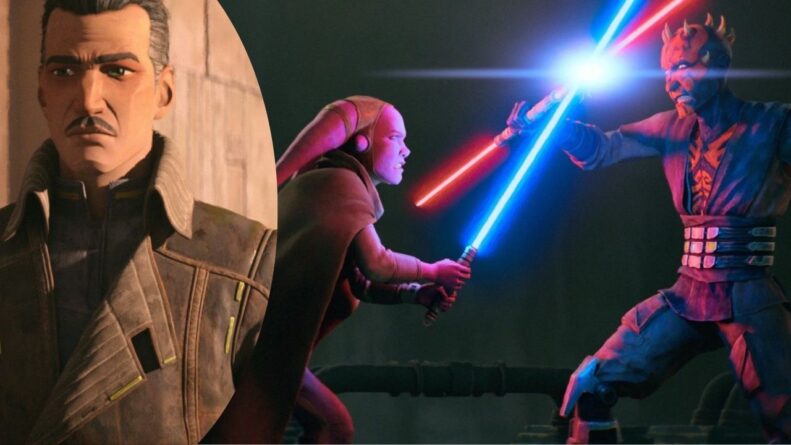
Maul was front and center in the first two episodes and we were treated to him at his best (or rather worst): Extremely dramatic and extremely deadly. He’s after the underworld boss mobsters that double-crossed the Shadow Collective, and now he’s being hunted — by a very pissed off detective named Brander Lawson (voiced by the brilliant Wagner Moura).
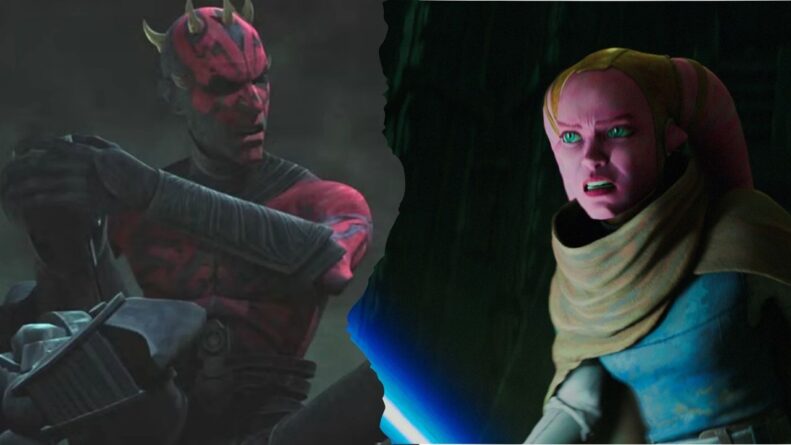
Maul wants someone to whom he can teach and raise as his own apprentice. Maul thinks he is seeing Devon Izara, a former Padawan who lost her path to Jedi.
“Whispers in the Unknown” will be much bigger in scale. The first two episodes were kind of a ‘noir’ crime thriller, Episode 3 is supposed to go more into the mystical, creepy aspects of the Force.
The Seduction of Devon: Maul isn’t just seeking a bodyguard, but a legacy. We anticipate him attempting to crush Devon’s will, telling her that the Jedi “indoctrinated” her and that the Dark Side is the only means of survival in an Imperial galaxy.

New Faces: Listen for Richard Ayoade as the droid “Two-Boots.” We’ve been given only glimpses of him so far, but Episode 3 should serve us more of that dry, robotic wit to even out Maul’s brooding.
The Empire’s Shadow: So far, the Empire has been a shadowy menace. This episode might just be our first real “Whispers,” as the Inquisitors learn of Force-activity on Janix.
Star Wars: Maul – Shadow Lord Episode 3 becoming darker and episode 4 can be more mind-game battle.
Maul vs The Syndicates: Maul is methodically breaking his rivals down. We’ve already witnessed him eliminate a boss, Episode 4 will probably have the rest of the syndicates (the Pykes or Black Sun remnants) learn that The Shadow is back and trying to get them before they get him.

Breaking Point for Captain Brander Lawson: One of the most relatable characters on the show is Lawson. He’s a “workaholic cop” who just wants to do his job as his personal life is gradually crumbling around him. Look for his hunt for Maul to get personal. You often get bitten when you’re chasing a monster.
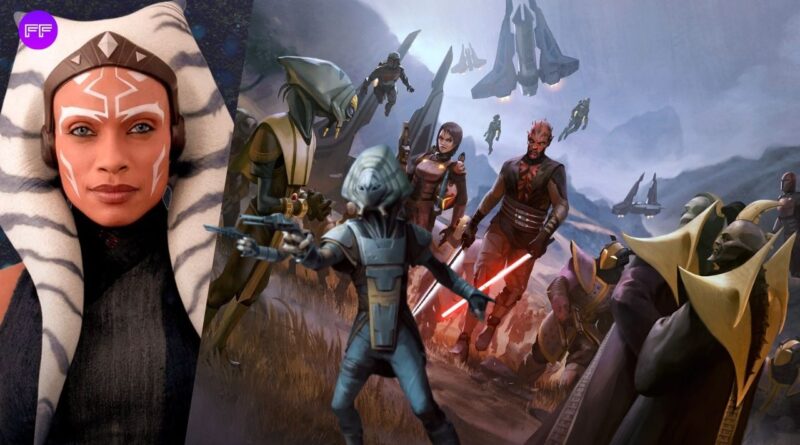
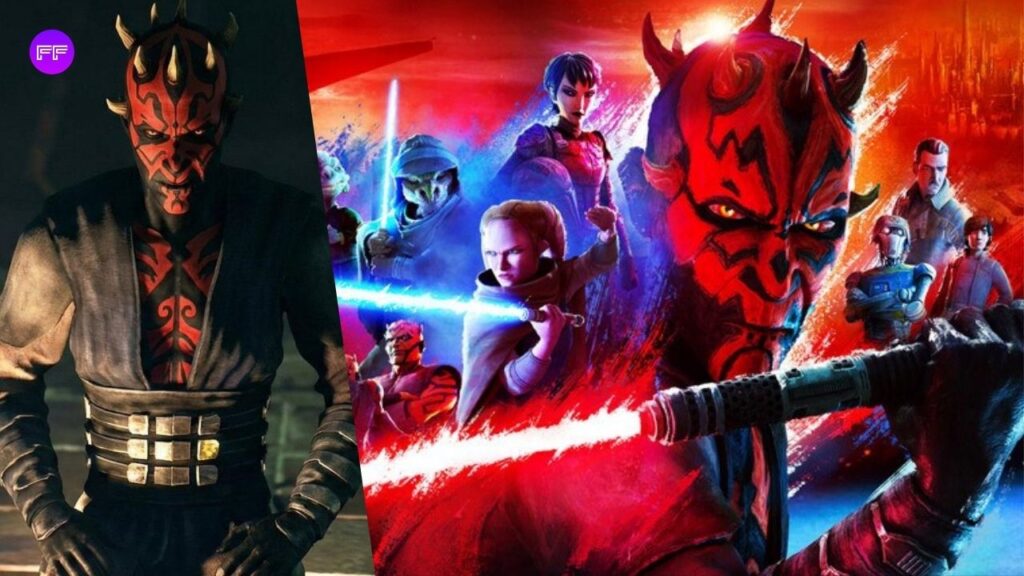
The “New” Shadow Collective: We can expect to see more of Maul’s new cadre of allies, which includes the Mandalorian Rook Kast (Vanessa Marshall) as well as the Zabraks Scorn and Icarus. Watching Maul command a squad once more — one that actually dreads and respects him — is going to be a moment.
Read More :- Star Wars ‘Maul: Shadow Lord’ Timeline: Where Do These Episodes Fit in the Star Wars Canon?
This series is currently the top on Disney+ and for good reason. It doesn’t look like a “kids’ cartoon.” Animation under Dave Filoni and Brad Rau is “stylized and violent” and with an unapologetically grim outlook.
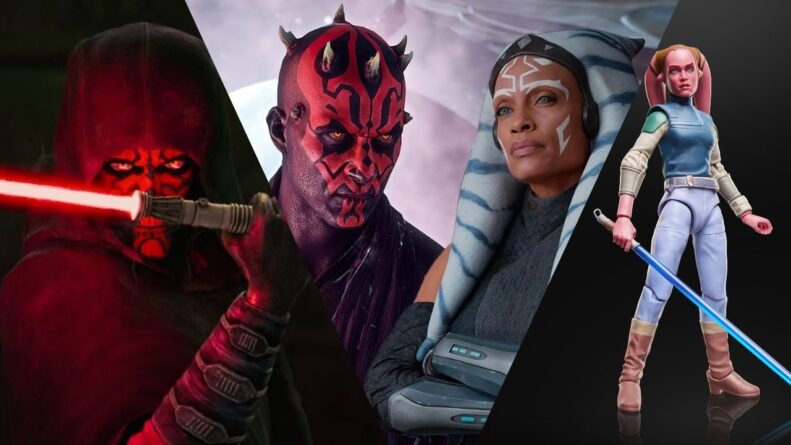
Sam Witwer, who voices Maul, described this period as Maul dusting himself off. This is where he’s most resourceful. He has none of the resources of a Sith Master, no armies of droids, just his mind, his hatred, and a very cool double-bladed lightsaber.
The relationship between Devon and Maul is equally a fresh take. It is not like the father-daughter relationship we saw between Vader and Ahsoka (albeit a perverted one) or the Master-Apprentice relationship of the Jedi, this is a hunter seeking its weapon. It’s uncomfortable, high-strung and mesmerizing to see.
Here’s the remaining schedule so you can clear your Mondays:
| Date | Episodes | Titles |
| April 13 | 3 & 4 | Whispers in the Unknown / Pride and Vengeance |
| April 20 | 5 & 6 | Inquisition / Night of the Hunted |
| April 27 | 7 & 8 | Call to the Oblivion / The Creeping Fear |
| May 4 | 9 & 10 (The Grand Finale) | – |
Star Wars: Maul – Shadow Lord isn’t simply updating Maul’s story—it’s rewriting it from the ground up. With Episodes 3 and 4 on the way, the show is plainly sliding from a gritty crime drama to something more profound and threatening, mixing psychological manipulation, dark side mysticism, and underworld-wide war. And with Maul regaining strength, the Empire tightening its grip, and Devon at a turning point between light and darkness, the threat keeps growing.
Part of what makes the show unique is its audacity, noir tone and the fact that it centers on a villain who just refuses to disappear. This isn’t a theme of redemption — it’s one of survival and control, and legacy. And with the energy of the first two episodes, Shadow Lord is looking to be one of the wildest Star Wars adventures we’ve seen in years.
Fandomsfans delivers latest updates from webseries, movies, and celebrities of biggest franchise.
A deep breakdown of Star Wars: Maul – Shadow Lord, exploring the coming betrayal, Mandalorian tensions, missing Darksaber, and Maul’s inevitable fall.

If you’ve not been watching Disney+ on Monday nights, well, you’re just going to be missing what’s quickly becoming the centerpiece of Dave Filoni’s animated world. Star Wars: Maul – Shadow Lord has taken the fandom by storm dropping us straight into the dirty, ruthless galactic underworld just a year following the disastrous events of Revenge of the Sith. This iteration of Maul is “half damaged, and half terrifying, desperately trying to rebuild his broken Shadow Collective out on the grimy world of Janix.
And even though it’s exhilarating to watch Sam Witwer completely consume every syllable of dialogue as the legendary ex Sith Lord, the series’ real world heat isn’t just rising through his conflict with the local syndicates or the growing shadow of the Galactic Empire. It’s coming from within his own house.
Six episodes in, the writing is officially on the wall. Maul – Shadow Lord is carefully laying the groundwork for a huge, devastating betrayal from within Maul’s inner circle and if you’ve been following his Mandalorian agents, you already know the fuse has been lit.
In order to see why a mutiny is coming, we need to take a look at the Maul’s mindset as of now. Survival and revenge have been the defining characteristic of Maul from the moment in Maul – Shadow Lord he was introduced. And currently, that rage is focused sharply on those who have betrayed him. At the very top of that list is his one time master and teacher Darth Sidious, but also a few opportunistic crime lords who cut and run when the Republic crumbled.

Maul – Shadow Lord had a reason for choosing the planet Janix. It’s a place in the galactic underworld where a master manipulator can ply his trade unseen by the ever-present eyes of Emperor Palpatine. It was supposed to be a refuge where he could leave and quietly re-gather his power and forces. And for a moment, it worked. He has tooth and nail terrified local crime bosses into submission, like the Aleena crime lord Looti Vario, and he’s even begun training what looks like his next apprentice in the former Jedi, Devon Izara.
But Maul – Shadow Lord is making a classic villain error: his personal vendettas are clouding his strategic thinking. By the time we reach the mid-season, Janix is no longer flying under the radar. The Empire has been summoned to the planet. Town Marshal Brander Lawson is overwhelmed, the Imperials are poking around, and the heat is rising by the day.
What’s the smart move for the brains behind a covert criminal organization? But Maul will not go.
Now that’s starting to crack, especially with his so-called top enforcers. Maul had effectively taken over Mandalore during the Clone Wars and had won over the loyalty of the Mandalorian super commandos. These are warriors who value strength, intellect, and not wasting their energy. They have no reverence for a leader who consents to see them all burn just so they can get revenge on one man.
As Maul buries his nails in Janix, putting his focus on finding an apprentice and petty revenge rather than the well-being of his syndicate, his Mandalorian agents such as his fiercely loyal but realistic Rook Kast are starting to doubt his leadership. The camera rests just a hair too long on the masked faces of his goons. The mute negotiations, the reluctant acquiescence; the animators have nailed showing us that the blind devotion Maul once enjoyed is on its last legs.

Maul’s two goals cannot be achieved concurrently. There’s no way to operate a clandestine, galaxy-wide criminal syndicate and also attract massive Imperial scrutiny just to get at your old boss. His Mandalorian followers are coming to the realization that Maul’s crusade is a suicide pact, and Mandalorians aren’t known for going down with a sinking ship unless it’s for a cause they really love. Enduring the rage of Darth Vader and the Empire is a full-time job, watching a vindictive ex-Sith who won’t change is a liability.
Adding fuel to this already boiling question is one of the darkest, brightest mysteries the show yet: Where is the Darksaber?
After all, longtime fans know the timeline. During the Clone Wars, Maul defeated Pre Vizsla in a duel for possession of the iconic black-bladed lightsaber and, therefore, the leadership of Mandalore’s Death Watch. The weapon remained his, even after he was captured by Sidious and then rescued. In fact in canon, Maul doesn’t let go of the blade until much closer to the time of Star Wars Rebels, which is set years after Maul – Shadow Lord.
However, six episodes in, the Darksaber is yet to be seen. Maul, on the other hand, has been smoking a reconstructed portion of his signature double-bladed lightsaber.

This omission is not just a fun trivia to compare with, but it poses a very serious political problem for Maul. The Darksaber is more than just a weapon. It is an ancient and highly revered symbol of unconditional Mandalorian rule. “For fighters who are already questioning Maul’s unpredictable leadership on Janix, the fact that he’s not wielding the very thing that gives him the right to command them could not be a bigger red flag. It cunningly erodes his legitimacy. When he doesn’t have the Darksaber to hand, Maul is just a dark sider who is barking orders at a group of very dangerous mercenaries. The longer he lives without employing it, the more they disdain him.
What secures Maul – Shadow Lord’s grip on its readers is its embrace of the pace of a high-stakes psychological thriller. It’s not just lightsaber dueling though Maul’s terrifying game of cat and mouse with Devon Izara in the dark is a masterful sequence. Rather, it ratchets tension with the quiet inexorable dismantling of Maul’s fragile empire.
We now know Maul makes it out of this era. We do know he winds up stranded and alone on Malachor years later. It’s that dramatic irony that is the engine of the show. We’re seeing a slow-motion train wreck unfold, and wondering just precisely who is going to be the one to cut the brake lines. Will it be Looti Vario, at long last, mustering the courage to fight back? Will it be his new “apprentice” Devon Izara, who’s come to realize she’s switched one dogma for a far deadlier one?

But all signs point to his Mandalorians. A betrayal by his best-armed and most strategically capable allies would not be a mere setback for him, it would be exactly the tipping point needed to break the Shadow Collective once and for all. It would drive Maul from the shadows and alter the very basis upon which he operates in the galaxy ever after.
While heading to the end of season, Dave Filoni and head scribe Matt Michnovetz have their lead chased into a corner. Maul is a betrayal character. He was betrayed by his master, the death of his brother betrayed him, and he betrays those who serve him on a regular basis. It is fitting that his desperate attempt to reclaim his former greatness should be frustrated by the ones he thought he’d broken.

The pressure on Janix is mounting. The Empire is tightening its stranglehold, the syndicates express unease, and Maul’s hold on his mind continues to fray as his obsession intensifies. When the betrayal does occur and it will, it’s going to be brutal, cold and completely Maul’s own fault. Star Wars: Maul – Shadow Lord isn’t just illustrating the manner Maul rebuilt his empire; it is carefully drawing us precisely why he should be stripped of it all again.
Read More:- Clayface 2026 Horror Movie Plot, Trailer & DC’s Dark Horror Reboot Explained
Star Wars: Maul – Shadow Lord isn’t merely recounting how Maul regains his power, it’s revealing why that power was always going to collapse. “Everything he’s doing with Janix is edging him closer to the brink.” His obsession with revenge and his increasingly tenuous grip on the Mandalorians (that’s weakening, not strengthening) are ultimately leading him to the same place. The lost Darksaber, the escalating Imperial pressure, and the suspiciousness growing deep within his own ranks are not a handful of different antagonists, they’re the fragments of the same fatal blow.
What makes the series so compelling is that we already know where Maul ends up. The suspense isn’t about if he will fall but how he will fall.
And when the betrayal comes because it will then it won’t just break his empire. It will redefine him and take away all he sought to rebuild, sending him down a lonely, desperate path to be seen in Star Wars Rebels.
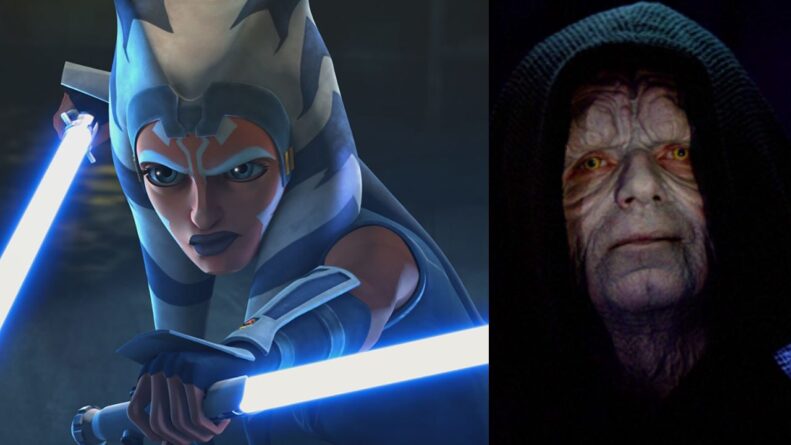
Star Wars' Ahsoka Tano replacement achieved something Anakin's former Padawan never could. Here's why this success changes Ahsoka's legacy forever.

There are some stories in Star Wars that never get a proper ending. Even our beloved characters’ victories become impossible due to the weight of canon. Ahsoka Tano Replacement succeeded where Ahsoka never could win. F won from her dark-side master but not without sacrifice. She is Anakin Skywalker’s most beloved, first and last Padawan in the entire franchise.
But before her sacrifice, F survived Order 66 then walked away from the Jedi Order but she failed to stop her fallen master and it’s devastating for her. The moment of confronting the darkness that consumed the man who trained her, always escapes from her hand. She was first introduced in Star Wars: Visions.
Star Wars brings a yellow-lightsaber-wielding Jedi from Star Wars: Visions to fulfill the fans wish which Ahsoka never could. Continue reading to know everything about Ahsoka Tano Replacement who meant a lot to Star Wars fandom.
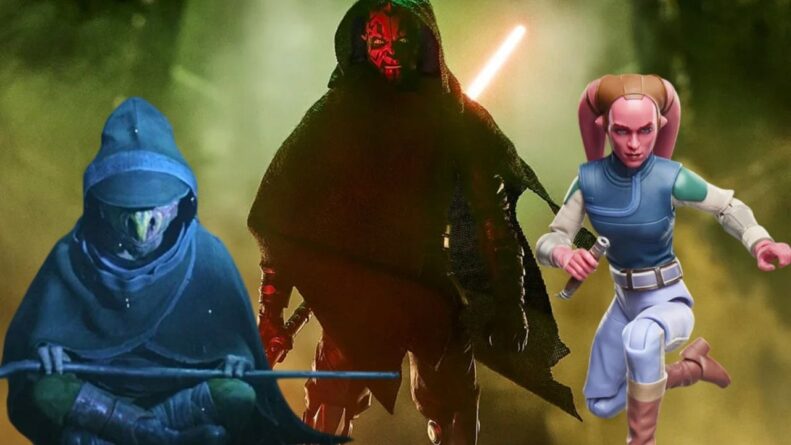
F is a Jedi Padawan who appears in Star Wars: Visions Volume 1 and Volume 3. It is one of the Disney+ anthology series that lets different animation studios tell unique Star Wars stories. F’s first appearance was in “The Village Bride,” then returned in episode “The Lost Ones.” She became the most loved character of the entire franchise and voiced by Karen Fukuhara.
Ahsoka Tano Replacement is not a canon character in the traditional sense — Visions occupies a unique space in the Star Wars universe, telling stories that are inspired by the galaxy far, far away without being bound to its continuity. But that creative freedom is exactly what makes F so fascinating.

We can see the similarities in both characters. Like Ahsoka, F also survived the fall of the Republic and the horror of Order 66. Like Ahsoka, she carries uniquely coloured lightsabers — yellow for F, white for Ahsoka. Like Ahsoka, she has an unconventional relationship with the Force and the Jedi Order itself. And the biggest pain they both had, their masters turned into darkness.
The difference is they didn’t end up the same.
F’s victory becomes so overrated that you must understand Ahsoka’s journey and burden to understand what raises the stakes.
Ahsoka Tano first look was in the 2008 Clone Wars animated film and there, her journey started as Anakin Skywalker’s apprentice. She grew in those seven years into something extraordinary — she was a bold and strong Jedi who walked away from the Jedi Order because they failed her first.
Order put her down by accusing her for bombing the Jedi Temple. Masters who were close to her stood by when she was on a trial for the crime she didn’t commit. And when she was finally exonerated, no one truly made it right. So she left.
That decision defined the rest of her story. Without the rank or title of a Jedi, Ahsoka navigated the Dark Times mostly alone. She became an operative of Rebel intelligence – Fulcrum. She didn’t even survive encounters with Inquisitors and Imperial forces, she also helped heroes like Kanan Jarrus and Ezra Bridger.
But the shadow of Anakin never fully lifted.
When she finally faced Darth Vader in Star Wars Rebels — in the iconic two-part episode “Twilight of the Apprentice” — the confrontation was everything fans had waited years to see. And yet, it wasn’t a victory. It wasn’t a defeat either, technically. Ezra Bridger pulled Ahsoka into the World Between Worlds and saved her life before the duel could reach its conclusion. Vader continued his reign of terror. Nothing changed.

Ahsoka never faced Vader again. He died in Return of the Jedi, redeemed by his son Luke Skywalker — not stopped by the apprentice who had known him longest.
Here’s where the structural problem becomes clear: Ahsoka could never defeat Vader because Star Wars’ own canon wouldn’t allow it.
If Ahsoka had stopped Vader, truly stopped him — the entire trajectory of the Original Trilogy would need to be rewritten. Anakin Skywalker’s redemption arc, Luke’s belief in the good in his father, the Emperor’s eventual fall — all of it hinges on Vader surviving until Return of the Jedi. Ahsoka was always playing within a story that had already been written. The ending was predetermined.
This isn’t a criticism of the storytelling. It’s actually a fascinating creative constraint. Ahsoka’s failure isn’t about weakness or lack of heart — it’s about the weight of continuity. She was a new character inserted into a timeline where the big beats were already fixed. She could grow, suffer, and inspire, but she could never change the central tragedy she was connected to.
The era she existed in made certain victories structurally impossible.
F didn’t have those limitations. Star Wars: Visions gave Ahsoka Tano Replacement something Ahsoka never had: a story with no predetermined outcome.
Because Visions exists outside the main continuity, F’s story could go anywhere. There were no downstream consequences to protect. No Original Trilogy to preserve. The writers could actually let her win — and in “The Lost Ones,” they did exactly that.
In the episode, F is helping refugees escape a planet being destroyed by uncontrolled carbonite gas clouds. When the Empire intercepts the refugee ship, F is handed over — and brought face to face with her former master, Shad-Rah, a Jedi who had turned to the dark side and was now working for the Empire.

The confrontation is everything the Rebels duel between Ahsoka and Vader could never fully be. There was no safety net, no time-travel escape hatch, no canon to protect. Just F, her yellow lightsaber, and a fallen master who had become something monstrous.
What makes F’s character so compelling is that she seems to have internalised lessons that Ahsoka was still wrestling with during her darkest moments. F clearly understands that the master she knew and the dark side servant standing before her are two different people. She thinks of Zero (her master’s former self) and Shad-Rah (what he became) as entirely separate — much like the distinction fans have always drawn between Anakin Skywalker and Darth Vader.
This clarity of perspective is something Ahsoka agonised over for years. The grief of losing Anakin to Vader was a wound that never fully healed. Ahsoka Tano Replacement, drawing on a similar tragedy, appears to have found a way to honour the person she loved without being paralysed by who that person became. That emotional maturity is what allowed her to act.
F lost the duel physically — Shad-Rah cut off three of her limbs in a moment that eerily echoes Anakin’s fate on Mustafar. But before she fell, she planted a carbonite bomb on him. He was frozen aboard a crashing star destroyer. He could never hurt anyone again. She didn’t use a blade to win but her ingenuity, determination, and reluctance to win.
Read More 👉 DC Chapter 2 Latest Update: What Is James Gunn’s New Plan?
One of the most emotional moments in all three volumes of Star Wars: Visions is “The Lost Ones” and it earned it. Why? Because it answers a question Ahsoka Tano’s story left unanswered.
What if Anakin’s Padawan had stopped him?
F’s victory is essentially an alternate telling of that story — one where the Padawan gets to do what the narrative of the main canon would never permit. Ahsoka faced Vader and walked away (or was pulled away) without resolution. F faced Shad-Rah and ensured he could never cause more suffering.
The emotional logic is airtight. Both women were trained by masters they loved. Both watched those masters fall. Both carried the grief of that fall across years of survival in a galaxy that had turned against the Jedi. But only one of them got a real ending to that chapter.
In a sense, F’s victory retroactively gives Ahsoka’s story a kind of emotional closure it could never have achieved in canon — not because it changes anything in the main timeline, but because it proves the arc was always possible. The Padawan facing the fallen master, and winning, is a story Star Wars was capable of telling. It just had to step outside its own continuity to do it.
“Twilight of the Apprentice” duel likely left an emotional impact on everyone and it still does. It’s one of the best and saddest scenes in all of Star Wars animation. It’s also one of the most heartbreaking, precisely because of how unresolved it is.
So when F’s story gave fans what Ahsoka never could, the response was quietly devastating — in the best possible way.
F doesn’t replace Ahsoka. Nothing in Visions pretends to be the “real” Star Wars. But by mirroring Ahsoka’s journey so deliberately — the survival, the yellow lightsaber, the fallen master, the unconventional relationship with the Jedi path — the story is clearly in conversation with everything Ahsoka represents.

F’s victory is, in a way, a tribute to Ahsoka. It says: here is what this kind of strength and love looks like when the story is free to go where it needs to go. Ahsoka Tano Replacement honors Ahsoka’s journey by imagining its most healing possible conclusion.
There is something profound about finally seeing a version of a story you’ve hoped for come true — even if it’s in a parallel continuity, even if it doesn’t “count.” For loyal fans, who have been following the storyline of Ahsoka since 2008 and hoping to see that growing annoying kid sidekick into one of the franchise’s greatest characters.
The grief was real. The frustration of the unresolved duel with Vader was real. And now, in a small anthology episode with a runtime of under 30 minutes, that grief was given something it rarely gets in franchise storytelling: an answer.
Read More:- Supergirl: Woman of Tomorrow’s Five Planets Explained: Every Alien World Kara Visits
The success of F’s story in Visions opens up a conversation about what Star Wars can do when it stops being afraid of its own continuity.
The main canon has always been cautious — understandably so. The Original Trilogy is sacred. The events leading up to A New Hope must play out in specific ways. Characters like Ahsoka exist in a creative strait-jacket, able to grow but never able to truly alter the course of the larger story.
But Visions has demonstrated something valuable: there is enormous emotional power available to Star Wars when it allows its stories to exist freely. F’s arc was only possible because the writers weren’t constrained by what had to happen next. That freedom produced storytelling of Ahsoka Tano Replacement that arguably hit harder than much of what the main canon has offered in recent years.
With Ahsoka Season 2 still in development and expected sometime in the latter half of 2026, there is renewed interest in whether the live-action series will give its lead character the kind of emotional resolution that canon has always denied her. F’s victory hasn’t changed what Ahsoka’s story is — but it may have changed what fans now dare to hope for.
Not everyone in the Star Wars community is entirely comfortable with the framing of F as Ahsoka’s “replacement” or “successor.” And honestly, that pushback has merit.
The main reason to be careful is that F comes from a non-canon anthology, so the comparison of both isn’t really equal as Ahsoka didn’t fail because she was weak or unwilling. She failed to stop Vader because she existed within a story that had already decided Vader’s fate. That’s a very different kind of failure than a character flaw.
There’s also the sheer volume of what Ahsoka accomplished that F has not. Ahsoka has been part of 17 years of Star Wars stories, across The Clone Wars, Rebels, The Mandalorian, and her own live-action series. A character so deeply embedded in the Star Wars mythos that for many fans, Ashley Eckstein’s voice is the true voice of Ahsoka. F has two episodes. The comparison, some argue, is fundamentally unfair in both directions.
And they’re not wrong. F’s victory is specific and extraordinary precisely because of the freedom Visions afforded. Transplant those same stakes into the main canon, and the narrative would have to find a way to preserve everything that comes after. The same victory would be impossible — not because F is somehow more capable than Ahsoka, but because the story surrounding her is different.
The most honest reading is this: F didn’t beat Ahsoka. F completed the story that Ahsoka’s narrative could never tell — and in doing so, she became something that stands alongside Ahsoka rather than above her.
Read More:- DC Chapter 2: The Future of Batman, Superman, and Wonder Woman
Star Wars has always been about the relationship between masters and apprentices — the passing of wisdom, the weight of legacy, and the tragedy of what happens when that chain of love and mentorship is broken by darkness. Ahsoka Tano’s story is the most human exploration of that theme the franchise has ever produced. And her inability to stop Vader — a man she called master, a man she loved is the wound at the centre of everything she is.
F’s story in Star Wars: Visions didn’t heal that wound for Ahsoka. Canon doesn’t bend that easily. But it showed that the healing was possible. That a Padawan who loses her master to the dark side, who carries that grief across years of hiding and survival, can face that fallen master and find a way to end the chapter. Ahsoka Tano Replacement is not really a replacement. It’s more like a reflection that lets others see the clarity.
Whether you become a fan of Ahsoka’s 2008 or live-action series, it succeeded with one of the most meaningful moments in a small anthology episode that served Star Wars history ever. Not because it changes anything. Because it proves that this kind of ending was always possible.
Ahsoka’s story isn’t finished yet. Season 2 is coming. And maybe the galaxy will finally give Anakin’s Padawan the ending she deserves.
Fandomfans delivers updates from movies, series, and celebrities. We focus on deeper theories on franchise.