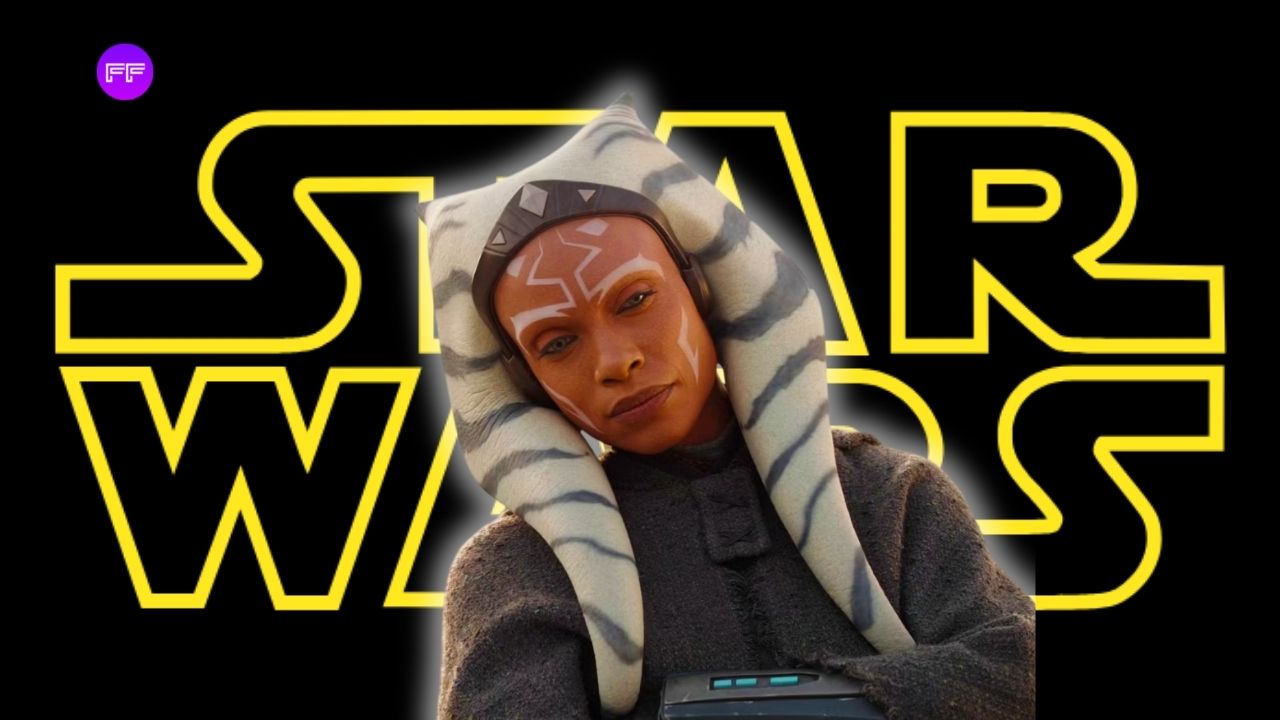
Why Star Wars Needed an Ahsoka Tano Replacement Season 2
Why does Star Wars need an Ahsoka Tano Replacement in Season 2? Explore the narrative challenges, potential successors, and what it means for the franchise's future.
Ahsoka Tano is the most loved and surviving character in the Star Wars franchise. Her debut as Anakin Skywalker’s eager Padawan catched many hearts in The Clone Wars (2008). Later she came back in Rosario Dawson’s live-action series which was a big success for the Star Wars franchise. So when people started talking about an Ahsoka Tano Replacement, the internet, predictably, lost its mind.
However, Star Wars didn’t introduce a replacement character because she’s been the emotional heartbeat of an entire era of the franchise. They never sideline Ahsoka, just replace because the franchise needed a new generation of storytelling and a new entry point. Let’s break down exactly why Ahsoka Tano Replacement was necessary, what it means for Season 2, and why Devon Izara might actually be a brilliant move rather than a betrayal.
The character Ahsoka was already in the Star Wars canon for 15 years until Season 1 of Ahsoka aired in 2023. Her arc — from bright-eyed Padawan to disillusioned exile to seasoned, grey-area warrior was essentially complete. Ahsoka’s journey began from disappointment from her masters that caused her departure from the Jedi Order. She then survived Order 66 and built the Rebellion, and emerged on the other side of the Galactic Civil War carrying years of experience and emotional struggles along the way.
Ahsoka Season 1 doubled down on this. It brought back Sabine, Ezra, Thrawn, and Hera — practically the entire Rebels cast — and ended on a massive, multi-threaded cliffhanger. Ahsoka was stranded on Peridea. Thrawn had returned to the known galaxy. Baylan Skoll was chasing something ancient and cosmic near the Mortis God statues. It was a setup for an enormous second act.
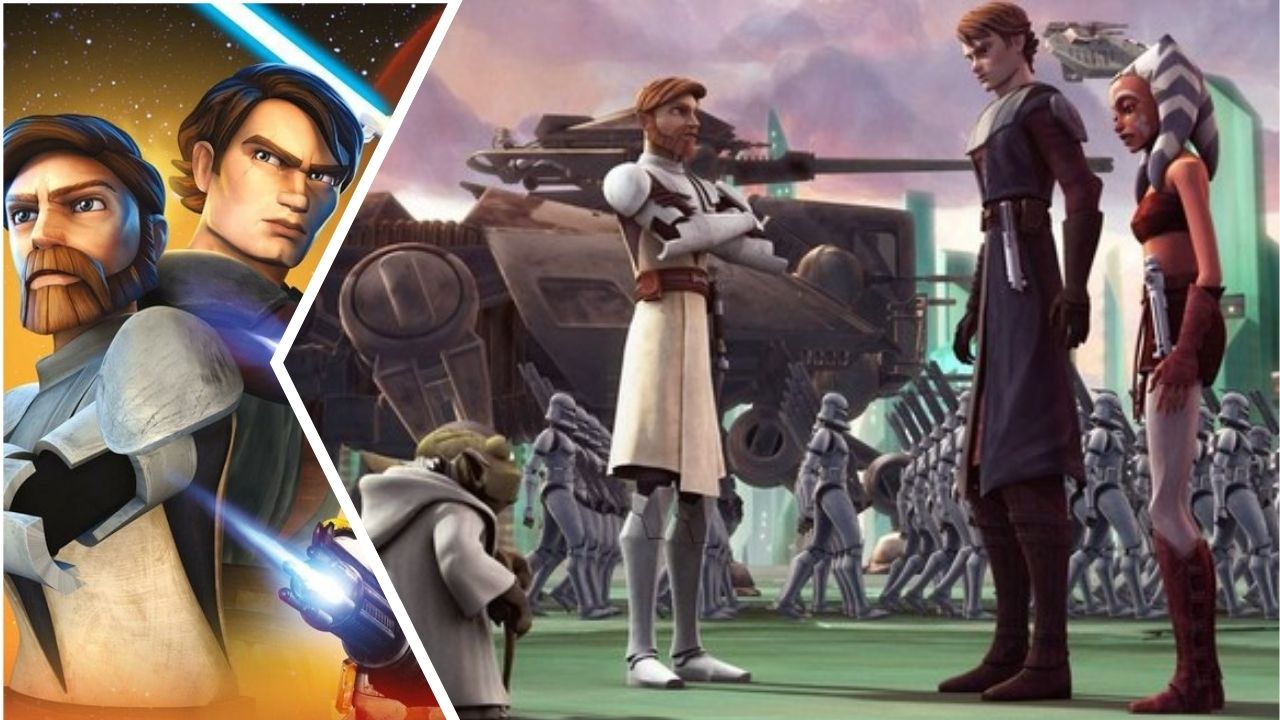
But that setup also revealed the problem that led to Ahsoka Tano Replacement: with so many returning characters, so much pre-existing lore, and Ahsoka herself carrying 15 years of character development, new audiences didn’t really have a door to walk through. The show was deeply rewarding with Ahsoka Tano Replacement for fans who knew the Rebels continuity and somewhat alienating for everyone else.
Then tragedy struck. Ray Stevenson, who had delivered what many fans called the single best performance in any Disney+ Star Wars show, passed away in May 2023 — three months before Ahsoka even premiered. His character, Baylan Skoll, was left mid-arc, literally standing on a statue of the Father on Peridea, apparently on the verge of unlocking something tied to the Mortis Gods.
Lucasfilm took the decision to recast the role, with Game of Thrones actor Rory McCann stepping in for Season 2. He did what he had to because Baylan’s story couldn’t just be abandoned and its creative decision but the recast also signalled that the franchise was willing to change faces when the story demanded it.
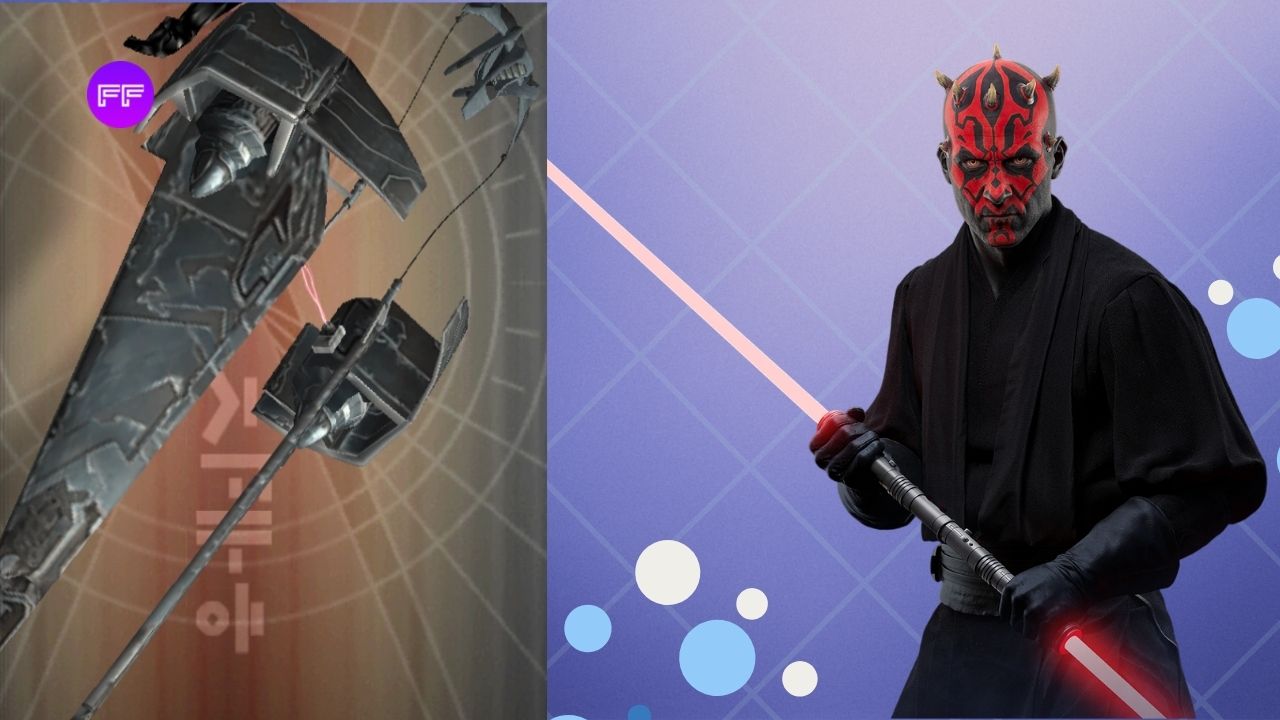
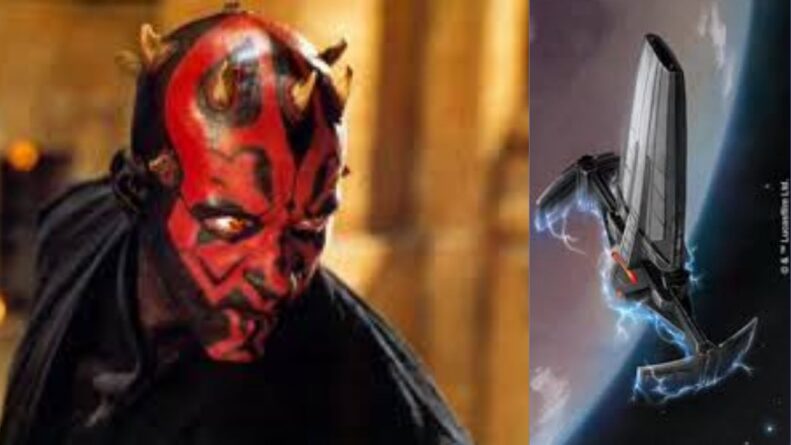
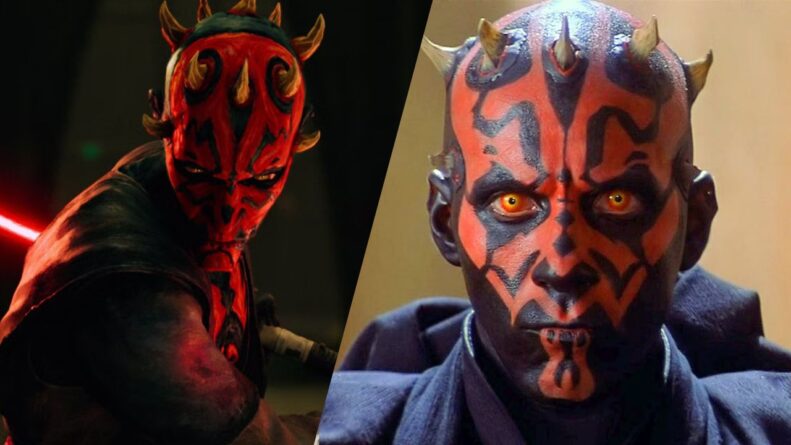
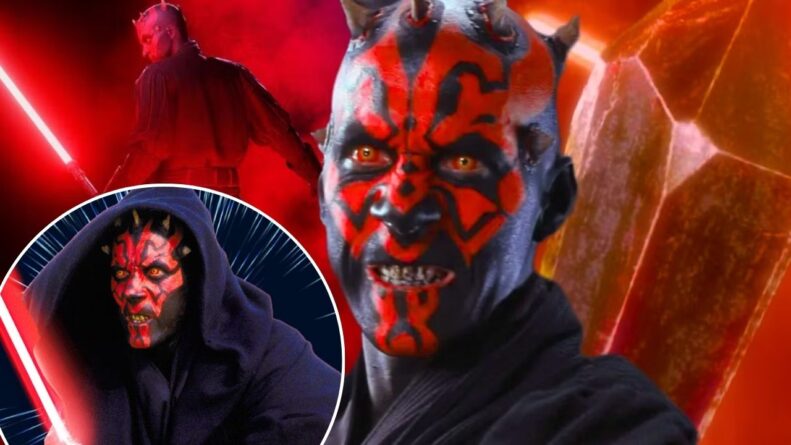
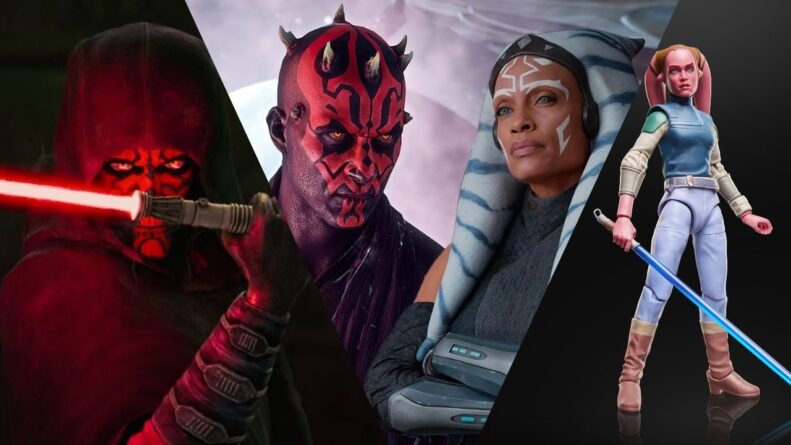
The Baylan recast, the Klothow departure, and the general creative shake-up heading into Season 2 created an opening — and Lucasfilm used it wisely. Rather than plug the gaps with more legacy characters, they built a new pipeline entirely, launching Maul — Shadow Lord on Disney+ in April 2026 and introducing the character who everyone is now calling the true Ahsoka Tano replacement: Devon Izara.
Read More 👉 Beyond Earth: Why ‘Supergirl 2026’ is Not Your Average Superhero Movie
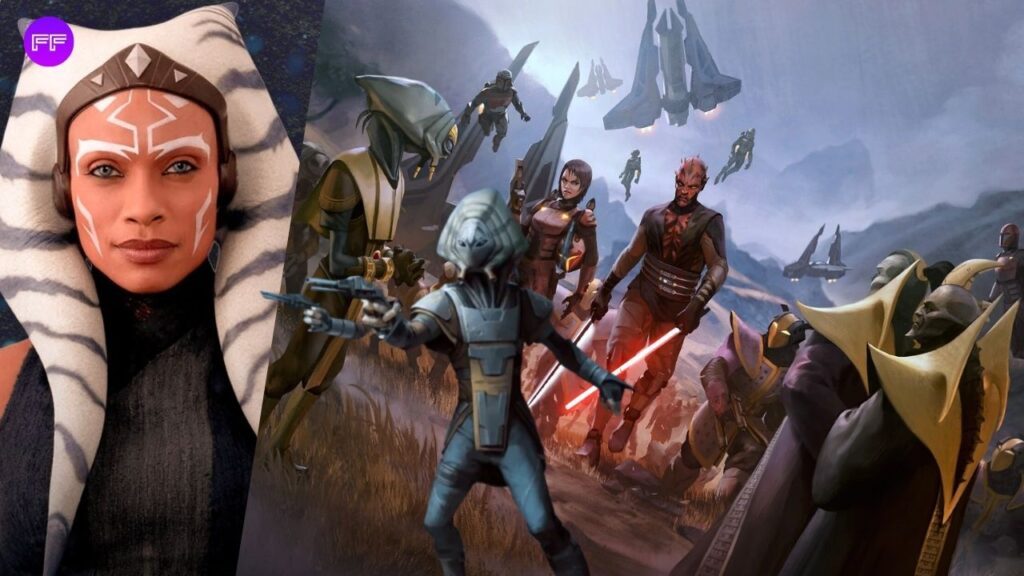
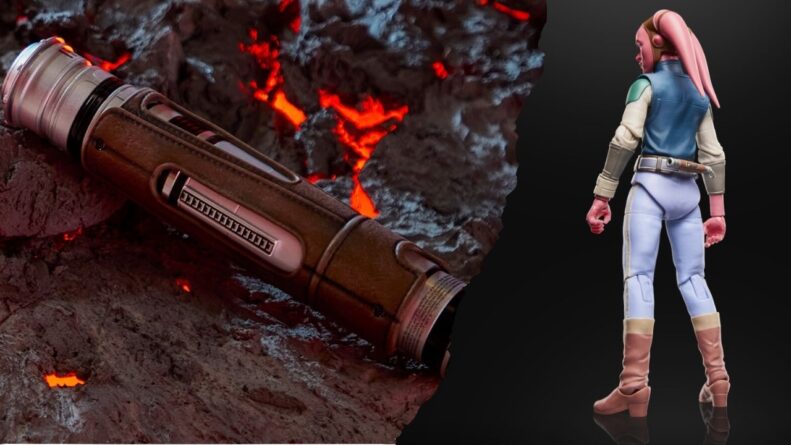
Devon Izara is a Twi’lek Jedi Padawan, voiced by Gideon Adlon, who survives Order 66 and finds herself hunted in the early years of the Empire. She’s introduced in Maul — Shadow Lord alongside her Master, Eeko-Dio-Daki (voiced by Dennis Haysbert). On paper, Ahsoka Tano replacement parallels to young Ahsoka are immediately obvious — alien Padawan, uncertain future, powerful Force sensitivity. But Devon’s story has a darker edge from the very beginning.
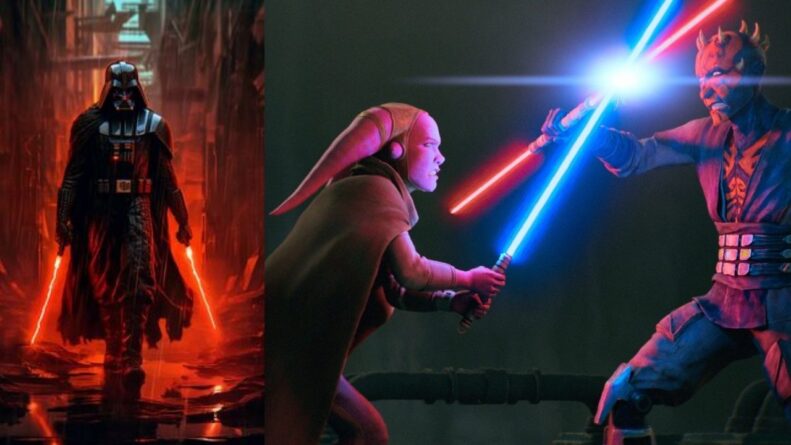
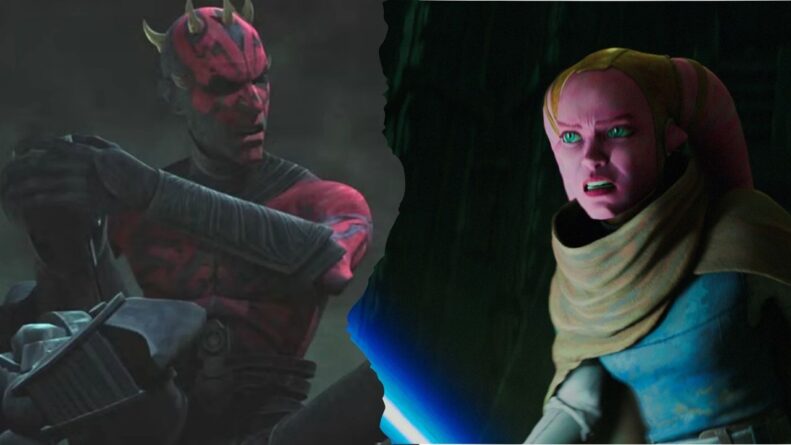
Where Ahsoka entered the Clone Wars as an eager, optimistic apprentice, Devon begins her story already broken. She was expecting a future as a Jedi Knight that no longer exists. Her Order is gone. Her world is ash. And into that vacuum steps Darth Maul, who sees in her exactly the kind of raw, traumatised potential he wants to mould into something dangerous.
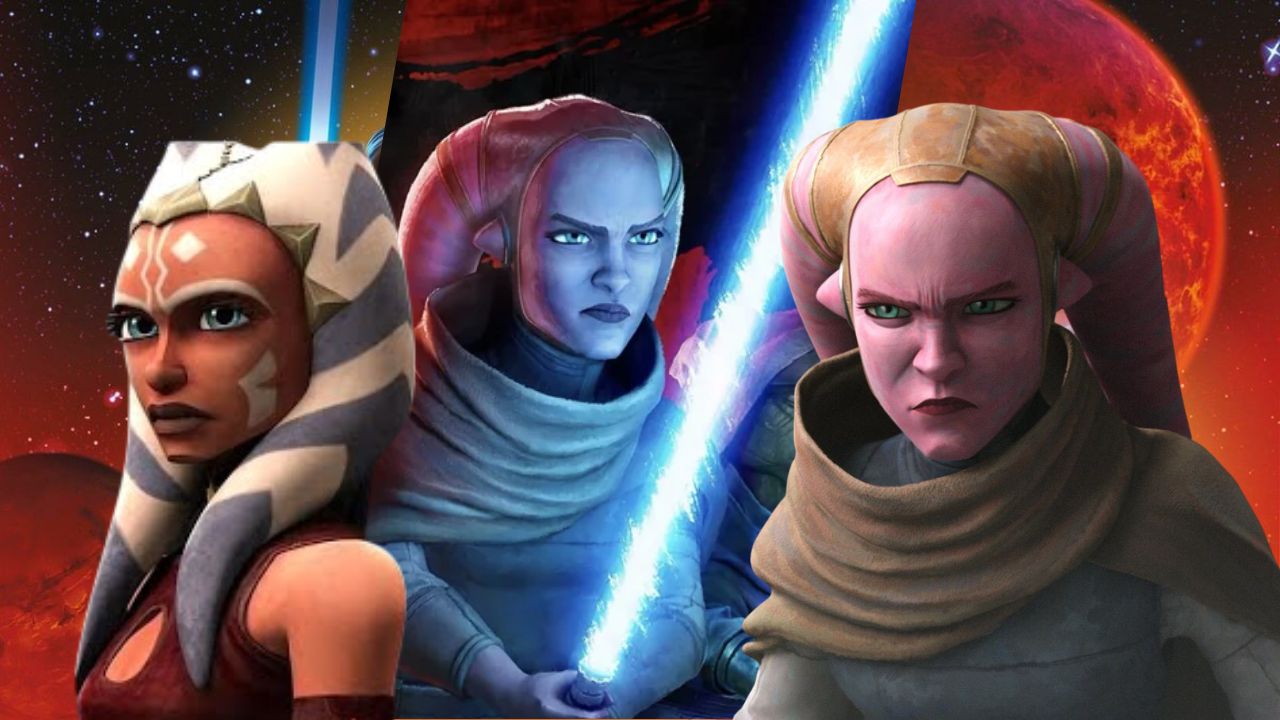
Showwriter Matt Michnovetz described Devon as “a young person realising that the future she expected to have as a Jedi is no longer possible” — someone who must adapt or be consumed. That’s a genuinely different emotional starting point from Ahsoka, and it gives Devon space to go places Ahsoka never went.
The Star Wars franchise in the transition phase after The Skywalker Saga era ended. The Sequel Trilogy left a complicated legacy. The Disney+ era has been wildly uneven in quality. Andor was acclaimed. The Book of Boba Fett was messy. Obi-Wan Kenobi was divisive.
And people have to watch the entire franchise to enjoy Ahsoka Season 1, despite its 85% Rotten Tomatoes score.
Lucasfilm introduces Ahsoka Tano Replacement, a new character to carry the new generation into the franchise. They can feel close and grow with the character if any mistake happens then the franchise will fall apart. Ahsoka did that beautifully for fans who discovered her in 2008. But she can’t do it again; she’s too far along her arc, too mythologised, too complete as a figure. The franchise needs a new entry point, and Devon Izara is the most deliberate, most structurally sound answer they’ve offered yet.
Devon’s potential arc — from surviving Jedi to possible Sith apprentice — also gives the franchise something Ahsoka’s story never quite delivered: genuine moral uncertainty with no clear safety net. The theory that Devon could eventually become Darth Talon, a George Lucas-approved dark side warrior from the Legends continuity, adds a layer of real narrative stakes that Ahsoka’s story, with her clear heroic alignment, could never quite achieve.
Read More 👉 Why Supergirl Could Be DC’s Biggest 2026 Movie
None of this means Ahsoka Tano is being erased. Ahsoka Season 2 brings back Rosario Dawson front and centre, alongside Hayden Christensen’s Anakin, Lars Mikkelsen’s Thrawn, and a host of returning Rebels favourites. Hera Syndulla is getting a more prominent role. Chopper is apparently doing something genuinely chaotic. Dathomir — Maul’s home world — is making its live-action debut. The Mortis Gods are expected to appear in the flesh. This is a season designed to pay off everything Season 1 set up.
But the existence of Devon Izara running parallel to this in animation is clever franchise architecture. It means younger viewers who discovered Star Wars through Maul — Shadow Lord will have a character they’re already emotionally invested in before they ever sit down with Ahsoka Season 2. It replicates exactly what The Clone Wars did for an earlier generation — it gives new fans their own hero to follow.
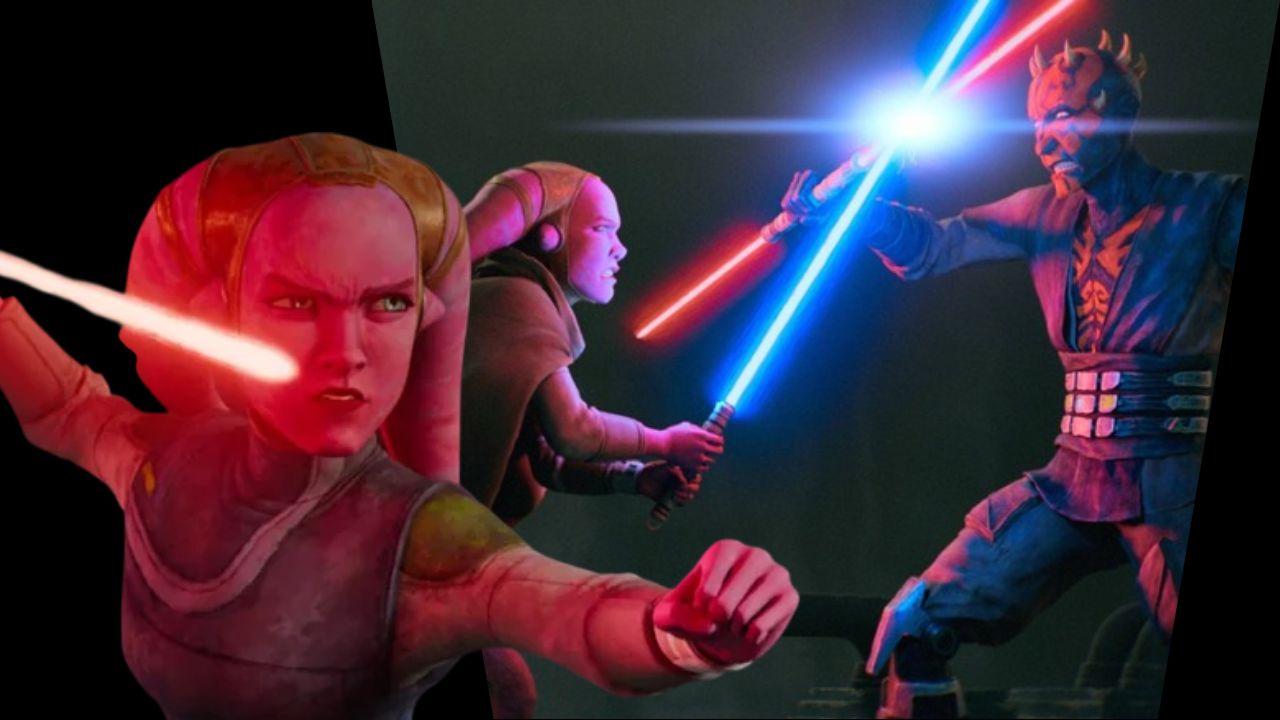
The Ahsoka Tano Replacement conversation is, ultimately, the wrong frame. Devon isn’t replacing Ahsoka any more than Ahsoka replaced Anakin. She’s the next link in a chain of characters who carry the emotional truth of Star Wars — that ordinary people, confronting impossible choices in impossible circumstances, can define what the Force means for an entire era.
Star Wars has always been generational. Luke gave way to Leia, who gave way to Ahsoka, who shaped an entire generation of fans. Now Devon Izara waits in the wings — more complicated, more morally precarious, and perhaps more interesting than anyone who came before. That’s not a loss. That’s exactly how the story is supposed to work.
Ahsoka Tano Replacement doesn’t mean that she is being erased. Instead, Devon Izara represents the next generation of Star Wars storytelling, giving a new generation of fans to grow with the franchise while Ahsoka’s own journey moves into its final chapters. Ahsoka journey, already active for 15 years in the story, introducing a younger Jedi with a different path allows the franchise to explore new themes and keep the galaxy feeling fresh. Rather than replacing Ahsoka entirely from her place, Devon expands the universe and ensures that Star Wars continues to evolve for a new generation of viewers.
Stay tuned with the Fandomfans to get latest updates from the movies, series and celebrities.
Focus keyword: Ahsoka Tano replacement
Star Wars: Maul - Shadow Lord New Twist changes the theory which defines Maul years ago. Now it has become one of the best villain arcs in all of Star Wars.

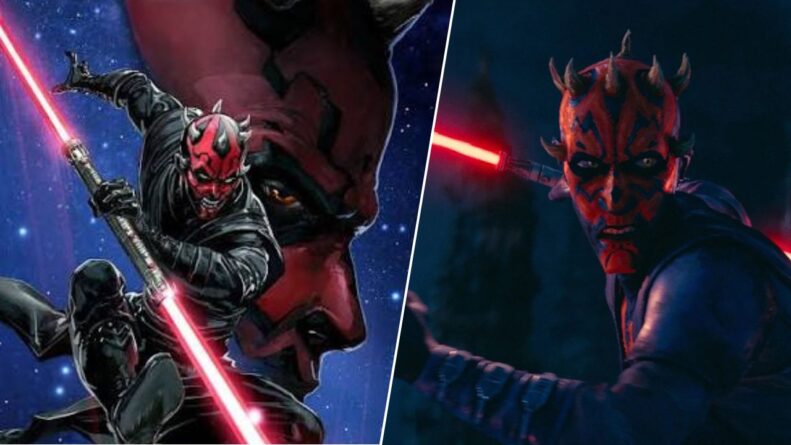
Since its eagerly awaited debut on Disney+ in April 2026, Star Wars: Maul – Shadow Lord has been tearing down everything we thought we knew about its titular antagonist. Developed by Dave Filoni and head writer Matt Michnovetz, the series takes Maul out of the Clone Wars wreckage and into the neon-drenched, grimy underworld of the planet Janix. But in addition to the breathtaking animation and heart-stopping action sequences, the show has come up with a narrative turn that fundamentally rewrites Maul’s psychology: his obsessive search for a Jedi Padawan to take as his apprentice.
For a character whose whole being was forged in the fires of anti-Jedi resentment, this decision is absolutely revolutionary. It is a deep ideological division that compels us to question what it means to be a Sith exile in a galaxy dominated by the Empire. Let’s break down why Maul’s hunt for the fallen Twi’lek Jedi, Devon Izara, is the most brilliant and subversive twist in contemporary Star Wars narratives.
To grasp the magnitude of Maul’s decision, we first must consider the board on which he is playing. The series takes place roughly a year after the issuing of Order 66. The Empire dominates the core worlds, but the planet Janix is still a wild frontier — an ideal nest for a splintered crime lord trying to reconstitute his syndicate.

Shadow Lord is more a space pulp story with shades of noir, rather than the grand sweeping space opera of the Skywalker saga. Here is the TDF – a somewhat jaded but resolute captain Brander Lawson (wonderfully voiced by Wagner Moura) partnered with a droid that takes everything literally, Two-Boots (Richard Ayoade) – that runs local law enforcement completely separate from the Empire. Lawson’s desperate struggle to keep the Imperial forces out of Janix and at the same time contend with the brewing gang fighting builds a tense, claustrophobic mood.
Maul entered into this powder keg. Stripped of his official capacity and betrayed by his former Shadow Collective allies, he is a man on a road of unadulterated, unvarnished vengeance. But revenge was going to require resources, and, even more importantly, it was going to require power of a kind that ordinary mercenaries just didn’t have.
The Sith are founded by radical opposite of the Jedi lidar. But it’s not just philosophy — it’s part the Dark Side’s very DNA. Maul was trained by Darth Sidious to be a blunt instrument of the destruction of the Jedi. He had been brought up to see them not simply as foes, but as a scourge that needed to be wiped from the galaxy.

Which is why his obsession with Devon Izara (Gideon Adlon) in Maul – Shadow Lord is such a brilliant bit of character development.
Devon is a young Twi’lek Jedi Padawan running for her life, her whole worldview shattered by the clones turning against the Republic and the fall of the Republic. She has been separated from her master, the fugitive Jedi Eeko-Dio Daki (Dennis Haysbert), and trying to survive in a criminal underworld that feeds on the helpless. When Maul intersects with her, he does not turn on his lightsaber to kill her. Instead, he sees potential. He sees a weapon.
Sam Witwer, who remains the iconic voice of the character has remarked Maul is now viewing the galaxy “with a frightening new pragmatism.” Now it takes more than just raw power to stand up to the Empire’s relentless machinery under Palpatine. He needs someone who has a special connection to the Force. He needs a Jedi.
This turn is a huge divergence from normal Star Wars villainy. It makes Maul face the paradoxes of his own being. On the one hand, everything inside him rejected the thought of teaming up with a Jedi. The Jedi are why he was trained so harshly; they are the reason for the suffering he went through under Sidious.

On the flip side, Maul is a survivor if nothing else. His time on Lotho Minor, his seizure of Mandalore, and his eventual leadership of the Crimson Dawn all demonstrate that he can make the best of worst situation. In trying to take Devon Izara as his apprentice, Maul is discarding the last vestiges of Palpatine’s conditioning. He’s not playing by Sith rules anymore. He’s innovating his own paradigm.
The brilliance of this dynamic is that it’s predatory. Maul is not trying to redeem himself, he is not inviting Devon toward the light. He is using her trauma. It’s what he thinks, seeing that Devon is disenchanted, that the future that the Jedi Order had promised her is gone. Maul provides her with a new raison d’être, and she channels her weakness into becoming a tool of his vengeance against the Emperor. It’s mind games at its finest, and serves to remind us that Maul’s mind is as lethal as his double-bladed lightsaber.
To hard-core fans of Star Wars lore, the twist has a meta-narrative weight that makes it all the more satisfying. George Lucas had previously revealed his original plans for the Star Wars sequel trilogy which would have had Maul as the main villain, serving as a Godfather-figure over a vast criminal syndicate. In Lucas’s notes, Maul was to be accompanied by a Twi’lek apprentice named Darth Talon.

How those foundational ideas were interpreted and realized in the sequel trilogy was something completely different, but Filoni and Michnovetz are expertly reusing “special agents in secret wars.” With the introduction of Devon Izara—a Twi’lek force-user Maul seeks to corrupt and train, Maul – Shadow Lord pays tribute to George Lucas’s original concepts while anchoring them seamlessly within the pre-existing canon of the Imperial age. It’s a great chunk of connective tissue that helps raise the series from a simple spin-off to an essential chapter of the larger saga.
Bringing a fallen Jedi to his cause is still just one aspect of Maul’s big picture. The series also excels in its portrayal of the galactic underworld. As demonstrated in the explosive fourth episode, “Pride and Vengeance,” Maul – Shadow Lord is methodically tying up loose ends in his life.
Opportunistic bottom-feeders and freely criminal lords make up the Janix underworld, the largest of course being Looti Vario (Chris Diamantopoulos). Vario has become a fan favorite for his fast-talking, double-crossing nature that added some much-needed dark humor to the gritty storyline. Vario’s trip to Oba Diah to arrange a meeting with the Pyke Syndicate ends with one of the most stunning moments in Star Wars animation, ever.
Maul’s kill on the Pyke boss, Marg Krim, a loose end from The Clone Wars shows how terrifyingly good he is. By wiping out Krim, and placing a puppet captain of his own, Maul – Shadow Lord isn’t just looking for small-scale revenge and he’s making a power grab. He is amassing a hidden force, one the Empire will have trouble locating. And at the head of that army, he says, he plans to place a fallen Jedi.
The suspense in Maul – Shadow Lord is based on nothing but that ticking-clock. Captain Lawson’s desperate bids to manage the syndicate wars from within have now been conclusively proven futile. With Two-Boots covertly bypassing his partner to summon the Galactic Empire, Janix is no longer isolated.

An Imperial Star Destroyer looms over the planet, shadowing an unstoppable and violent confrontation. With Maul – Shadow Lord episode titles now bringing the Inquisitorius, Maul’s time to sway Devon Izara is running out. The Inquisitors are on the trail of Jedi survivors, and Devon is right in their sights. Maul must now defend what he was formerly sworn to annihilate – all for the sake of his own stake.
Read More:- Star Wars: 8-Part Fantasy Series ‘Ahsoka’ Is One Of Its Best Classic Stories
Star Wars: Maul – Shadow Lord shows that a character introduced as a mute, intimidating henchman in 1999’s The Phantom Menace can grow into the most complicated, heart-breaking and thoroughly captivating character in today’s narrative storytelling.
In turning the established Sith dogma on its head and by making Maul join forces with a jaded Jedi Padawan, the series brings new energy to the franchise’s examination of the Force. Maul – Shadow Lord questions tough subjects such as survival, trauma, and the distance from which one might pursue vengeance. Backed by great voice performances especially Witwer’s chilling, complex performance and Adlon’s very grounded take on a wayward youth, the show is a demonstration of what animated storytelling can achieve.
Maul is no longer just a Sith. He’s a shadow lord, breaking the dark side rules of the dark side cult one smashed dogma at a time. And with the Empire moving on Janix, we can but gape as he’s about to reveal his startling, paradoxical vision to the galaxy.
Read More:- Star Wars: 8-Part Fantasy Series ‘Ahsoka’ Is One Of Its Best Classic Stories
At best, Star Wars: Maul – Shadow Lord is not content to add to Maul’s story, it recontextualizes it in its entirety. Instead of killing a fallen Jedi Padawan, he finds her, and uses her, turning the very spine of Sith ideology on its head. There is no redemption, and there is no tradition either. It’s evolution rather than threatening.
Set in the harsh, wildspace environment of Janix, the series mixes crime drama, psychological warfare, and classic Star Wars suspense into a story that seems new and exciting while still feeling firmly grounded in the familiar elements of the saga. Maul – Shadow Lord’s evolution into a tactician who prioritizes control over chaos shows us that he’s more than just a tool of the dark side — he’s a power player who makes the rules.
But as the Empire tightens its grip and the risks grow, there’s one thing that’s obvious: Maul has his eyes on a far bigger prize than mere vengeance. And if Shadow Lord follows through, we may have one of the best villain arcs in all of Star Wars.
Dive deeper into the world of cinema with Fandomfans to get recent updates from movies, series, and celebrities.
A deep breakdown of Star Wars: Maul – Shadow Lord, exploring the coming betrayal, Mandalorian tensions, missing Darksaber, and Maul’s inevitable fall.

If you’ve not been watching Disney+ on Monday nights, well, you’re just going to be missing what’s quickly becoming the centerpiece of Dave Filoni’s animated world. Star Wars: Maul – Shadow Lord has taken the fandom by storm dropping us straight into the dirty, ruthless galactic underworld just a year following the disastrous events of Revenge of the Sith. This iteration of Maul is “half damaged, and half terrifying, desperately trying to rebuild his broken Shadow Collective out on the grimy world of Janix.
And even though it’s exhilarating to watch Sam Witwer completely consume every syllable of dialogue as the legendary ex Sith Lord, the series’ real world heat isn’t just rising through his conflict with the local syndicates or the growing shadow of the Galactic Empire. It’s coming from within his own house.
Six episodes in, the writing is officially on the wall. Maul – Shadow Lord is carefully laying the groundwork for a huge, devastating betrayal from within Maul’s inner circle and if you’ve been following his Mandalorian agents, you already know the fuse has been lit.
In order to see why a mutiny is coming, we need to take a look at the Maul’s mindset as of now. Survival and revenge have been the defining characteristic of Maul from the moment in Maul – Shadow Lord he was introduced. And currently, that rage is focused sharply on those who have betrayed him. At the very top of that list is his one time master and teacher Darth Sidious, but also a few opportunistic crime lords who cut and run when the Republic crumbled.

Maul – Shadow Lord had a reason for choosing the planet Janix. It’s a place in the galactic underworld where a master manipulator can ply his trade unseen by the ever-present eyes of Emperor Palpatine. It was supposed to be a refuge where he could leave and quietly re-gather his power and forces. And for a moment, it worked. He has tooth and nail terrified local crime bosses into submission, like the Aleena crime lord Looti Vario, and he’s even begun training what looks like his next apprentice in the former Jedi, Devon Izara.
But Maul – Shadow Lord is making a classic villain error: his personal vendettas are clouding his strategic thinking. By the time we reach the mid-season, Janix is no longer flying under the radar. The Empire has been summoned to the planet. Town Marshal Brander Lawson is overwhelmed, the Imperials are poking around, and the heat is rising by the day.
What’s the smart move for the brains behind a covert criminal organization? But Maul will not go.
Now that’s starting to crack, especially with his so-called top enforcers. Maul had effectively taken over Mandalore during the Clone Wars and had won over the loyalty of the Mandalorian super commandos. These are warriors who value strength, intellect, and not wasting their energy. They have no reverence for a leader who consents to see them all burn just so they can get revenge on one man.
As Maul buries his nails in Janix, putting his focus on finding an apprentice and petty revenge rather than the well-being of his syndicate, his Mandalorian agents such as his fiercely loyal but realistic Rook Kast are starting to doubt his leadership. The camera rests just a hair too long on the masked faces of his goons. The mute negotiations, the reluctant acquiescence; the animators have nailed showing us that the blind devotion Maul once enjoyed is on its last legs.

Maul’s two goals cannot be achieved concurrently. There’s no way to operate a clandestine, galaxy-wide criminal syndicate and also attract massive Imperial scrutiny just to get at your old boss. His Mandalorian followers are coming to the realization that Maul’s crusade is a suicide pact, and Mandalorians aren’t known for going down with a sinking ship unless it’s for a cause they really love. Enduring the rage of Darth Vader and the Empire is a full-time job, watching a vindictive ex-Sith who won’t change is a liability.
Adding fuel to this already boiling question is one of the darkest, brightest mysteries the show yet: Where is the Darksaber?
After all, longtime fans know the timeline. During the Clone Wars, Maul defeated Pre Vizsla in a duel for possession of the iconic black-bladed lightsaber and, therefore, the leadership of Mandalore’s Death Watch. The weapon remained his, even after he was captured by Sidious and then rescued. In fact in canon, Maul doesn’t let go of the blade until much closer to the time of Star Wars Rebels, which is set years after Maul – Shadow Lord.
However, six episodes in, the Darksaber is yet to be seen. Maul, on the other hand, has been smoking a reconstructed portion of his signature double-bladed lightsaber.

This omission is not just a fun trivia to compare with, but it poses a very serious political problem for Maul. The Darksaber is more than just a weapon. It is an ancient and highly revered symbol of unconditional Mandalorian rule. “For fighters who are already questioning Maul’s unpredictable leadership on Janix, the fact that he’s not wielding the very thing that gives him the right to command them could not be a bigger red flag. It cunningly erodes his legitimacy. When he doesn’t have the Darksaber to hand, Maul is just a dark sider who is barking orders at a group of very dangerous mercenaries. The longer he lives without employing it, the more they disdain him.
What secures Maul – Shadow Lord’s grip on its readers is its embrace of the pace of a high-stakes psychological thriller. It’s not just lightsaber dueling though Maul’s terrifying game of cat and mouse with Devon Izara in the dark is a masterful sequence. Rather, it ratchets tension with the quiet inexorable dismantling of Maul’s fragile empire.
We now know Maul makes it out of this era. We do know he winds up stranded and alone on Malachor years later. It’s that dramatic irony that is the engine of the show. We’re seeing a slow-motion train wreck unfold, and wondering just precisely who is going to be the one to cut the brake lines. Will it be Looti Vario, at long last, mustering the courage to fight back? Will it be his new “apprentice” Devon Izara, who’s come to realize she’s switched one dogma for a far deadlier one?

But all signs point to his Mandalorians. A betrayal by his best-armed and most strategically capable allies would not be a mere setback for him, it would be exactly the tipping point needed to break the Shadow Collective once and for all. It would drive Maul from the shadows and alter the very basis upon which he operates in the galaxy ever after.
While heading to the end of season, Dave Filoni and head scribe Matt Michnovetz have their lead chased into a corner. Maul is a betrayal character. He was betrayed by his master, the death of his brother betrayed him, and he betrays those who serve him on a regular basis. It is fitting that his desperate attempt to reclaim his former greatness should be frustrated by the ones he thought he’d broken.

The pressure on Janix is mounting. The Empire is tightening its stranglehold, the syndicates express unease, and Maul’s hold on his mind continues to fray as his obsession intensifies. When the betrayal does occur and it will, it’s going to be brutal, cold and completely Maul’s own fault. Star Wars: Maul – Shadow Lord isn’t just illustrating the manner Maul rebuilt his empire; it is carefully drawing us precisely why he should be stripped of it all again.
Read More:- Clayface 2026 Horror Movie Plot, Trailer & DC’s Dark Horror Reboot Explained
Star Wars: Maul – Shadow Lord isn’t merely recounting how Maul regains his power, it’s revealing why that power was always going to collapse. “Everything he’s doing with Janix is edging him closer to the brink.” His obsession with revenge and his increasingly tenuous grip on the Mandalorians (that’s weakening, not strengthening) are ultimately leading him to the same place. The lost Darksaber, the escalating Imperial pressure, and the suspiciousness growing deep within his own ranks are not a handful of different antagonists, they’re the fragments of the same fatal blow.
What makes the series so compelling is that we already know where Maul ends up. The suspense isn’t about if he will fall but how he will fall.
And when the betrayal comes because it will then it won’t just break his empire. It will redefine him and take away all he sought to rebuild, sending him down a lonely, desperate path to be seen in Star Wars Rebels.