Home > Celebrity News > Peacemaker Season 2 Finale Explained: Why Jennifer Holland..
Peacemaker Season 2 Finale Explained: Why Jennifer Holland Calls the Ending “Heartbreaking in Retrospect”
Find out how Peacemaker Season 2 ends on a heartbreaking note. Jennifer Holland reveals the emotional finale that sets up James Gunn's new DC Universe.
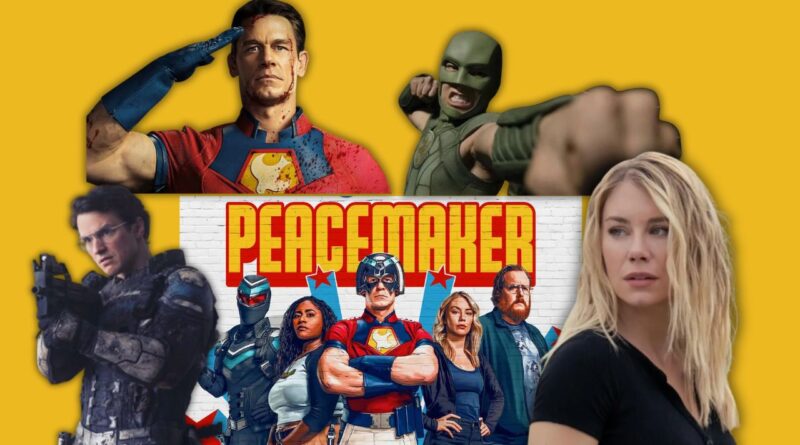
Peacemaker Season 2 Episode 8 Full Nelson brought a rare achievement in genre TV, it provided a gratifying emotional payoff for the central characters that also ended with an apocalyptic, brink- of- war cliffhanger with ramifications for the entire DC Universe. This narrative paradox is exactly the reason why star Jennifer Holland, who plays Emilia Harcourt, referred to everything as “heartbreaking in retrospect”. Her appraisal captures the uneasy duality of James Gunn’s filmmaking in which real emotional breakthroughs are all too often punished by the brutal requirements of survival and franchise restructuring.
The Emotional Fallout: The Complex Bond Between Harcourt and Peacemaker
While the final episode was more focused on “smaller, character moments” that were designed to provide emotional closure, it also featured critical, major revelations that shaped the DCU. The perceived heartbreak is because Holland’s character, Emilia Harcourt, and her team, the “11th Street Kids” believe Chris Smith/Peacemaker (John Cena) gave himself up to A.R.G.U.S.. Holland later spoke about the emotional torment of this scenario, in particular discussing the “heartbreak of none of them knowing that Chris was kidnapped”.
The resulting effect is one of supreme narrative irony. The season expertly resolved the emotional complexity between Chris and Harcourt. Harcourt, who is defined by her trauma and fear of intimacy, actually exposed herself. But the external story cruelly supplants that hard won trust with the heavy gravity of perceived abandonment. The team manages to bail Chris out of prison, only to learn he’s already gone. They are to surmise that Chris went and left them immediately after their connecting on such an emotional level. This isn’t the grief of mourning a death, but the pain of a betrayal, maximizing the tragic payoff, and ensuring that Harcourt’s future arc will be driven by this unexpurgated pain and misunderstanding.
A Heartbroken & Devastating Ending of Season 1
The near-fatal shooting Harcourt suffered in the Season 1 finale (during the battle with the Butterflies at Coverdale Ranch) left the character deeply scarred both physically and mentally, setting up her complicated return in Season 2. “The Harcourt and Peacemaker tension is very personal trauma,” Holland explained. After her near-death experience, Harcourt came back, according to Holland, “not operating the way she” was, still pushing people away as a mental defense mechanism. The whole of season 2 was about gradually tearing those walls down to nothing, so the final banishment is a particularly vitriolic reward for her emotional journey.
The Truth Behind the “Night on the Boat” Flashback Explained
Now, in a flashback sequence, the storyline finally gave us the truth about the hinted-at “night on the boat,” which served as crucial motivation behind their secretive relationship. The sequence allowed Chris and Harcourt, as DC Comics rivals, to commiserate over professional frustrations at the DC Comics sandwich shop Big Belly Burger, and together they stumble upon a bizarre 90s rock trivia question: a “rock cruise” with the band Nelson. Two enjoyed what was called a “magical, world-shattering, panoramic kiss.” This was, without a doubt, a “pivotal turning point” for their relationship.
James Gunn’s Vision: How the Finale Sets Up the New DCU Chapter One
The finale’s structure was ultimately defined by the necessity of setting up DCU Chapter One: Gods and Monsters. Regarding a potential third season, Gunn was clear it was not planned “at the moment,” stating: “This is about the wider DCU and other stories this will play out right now.”
Gunn said the Season 2 finale specifically aims to “set up the world of the 2027 DCU cinematic feature, Man of Tomorrow“. As DC Studios co-CEO, Gunn said his focus is “propping up and maintaining and repositioning the big diamond properties that DC has,” like Batman and Superman, but also taking lesser-known characters such as Peacemaker — and creating new “diamond properties” within the franchise.
Will There Be a Peacemaker Season 3?
This demand was why the final episode felt like an “extended teaser” or “backdoor pilot for other DCU projects,” as some critics observed. The narrative goal of the end of Season 2 was assimilation, not resolution. Tying up the Salvation cliffhanger in a third season of the TV show may have conflicted with or undermined the timeline set out in the slate of movie. When they left Chris to perish, his rescue, and what that would mean for him, had to happen in a big DCU event, and that meant the TV series prologue to the films. Although Gunn is still tight-lipped on whether Peacemaker will make an appearance in Man of Tomorrow or Supergirl, he has dropped a hint that Chris Smith’s next outing in the cinematic universe is a safe bet.
Conclusion
Jennifer Holland’s characterization of the Peacemaker Season 2 finale as “heartbreaking in retrospect” is a wonderful encapsulation of the narrative needs the series is forced to cater to with the wider franchise restructuring. The heartbreak is not just the breach of physical separation between Peacemaker and Harcourt but that their emotional walls are torn down only for the new connection to be severed by perceived betrayal. While Peacemaker Season 3 is on hold, the characters’ narratives—now driven by Harcourt’s grief and resolve—are officially at the center of the upcoming cinematic universe.
Alpana
Articles Published :
167
Alpana is Fandomfans Senior Editor across all genres of entertainment. She evolved in the media industry since a very long time, she manages the content strategy and editing of all the blogs. Her focus on story development, review analysis, and research is well-equipped that ensures every article meets the standards of accuracy and depth.
Everything About Anthony Mackie | The Marvel’s latest Captain America
Discover Anthony Mackie’s journey from theater to Hollywood, his rise in the MCU as Captain America, and his impact on film, TV, and stage. Learn more...!
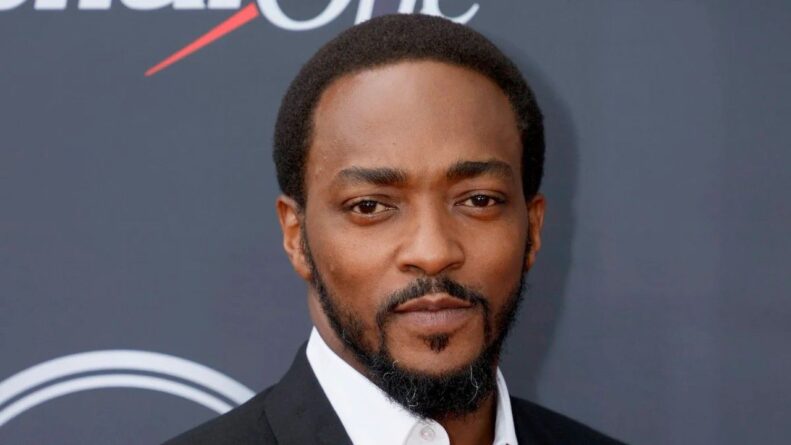
Anthony Mackie was born on September 23, 1978. He is an American actor and producer. People love his work in movies and TV shows. He acts in both small films and big superhero movies.
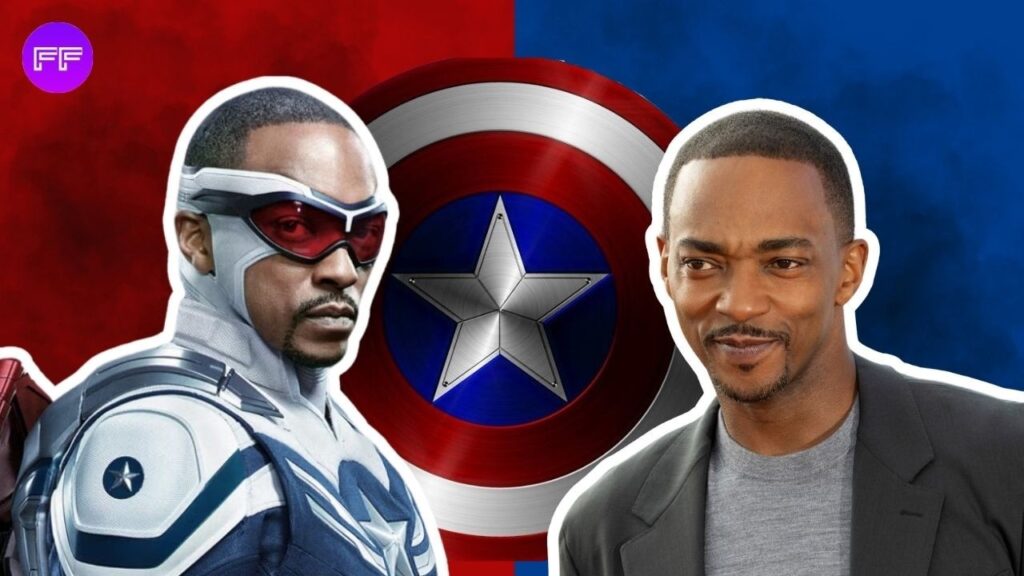
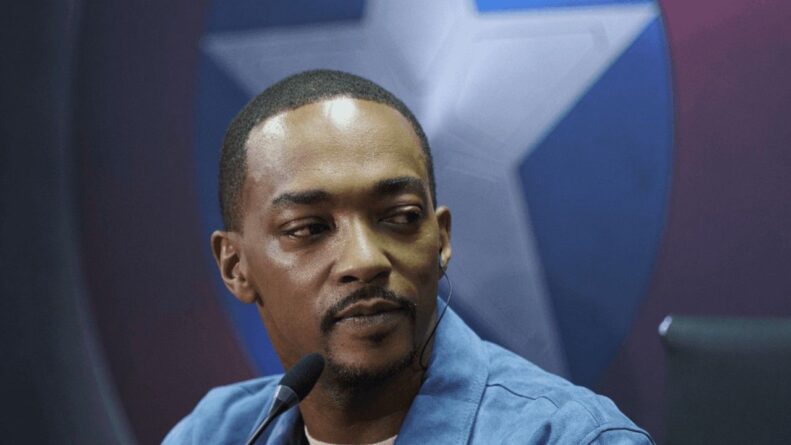
Many fans know him as Sam Wilson, also called Falcon. He later became Captain America in the Marvel movies. He is talented and hardworking. His journey from stage to Hollywood is truly inspiring.
Anthony Mackie Early Life and Career Beginnings
Anthony Mackie was born in New Orleans, Louisiana. He started acting at 14 at the New Orleans Center for Creative Arts. He later studied at New York University’s Tisch School of the Arts.
He performed in many plays, including Broadway and Off-Broadway productions. In 2002, he worked as an understudy for Don Cheadle in Topdog/Underdog. That same year, he won an Obie Award for his role in Talk, a play by Carl Hancock Rux.
Mackie made his film debut in 2002. He played Papa Doc, a rival to Eminem’s character in 8 Mile. In 2003, he got his first starring role in Brother to Brother. He played Perry, a young Black artist struggling with his identity.
His performance earned him a nomination for the Independent Spirit Award for Best Actor. In 2004, he starred in Million Dollar Baby, which won an Academy Award. That same year, he worked with Spike Lee in She Hate Me. His career kept growing from there.
Anthony Mackie kept building his career in the mid-2000s. He acted in Half Nelson (2006), Crossover, and We Are Marshall. In March 2008, he performed in three plays by August Wilson. These plays were Ma Rainey’s Black Bottom, Fences, and Jitney. The performances took place at the John F. Kennedy Center in Washington, D.C.
In 2009, Mackie played Tupac Shakur in Notorious. He later starred in Night Catches Us (2010). In 2011, he appeared in The Adjustment Bureau and Real Steel. His big break came in 2014 when he joined the Marvel Cinematic Universe.
Image Credit: Deadline
He played Sam Wilson, also known as Falcon, in Captain America: The Winter Soldier. He returned for many MCU films, including Avengers: Endgame.
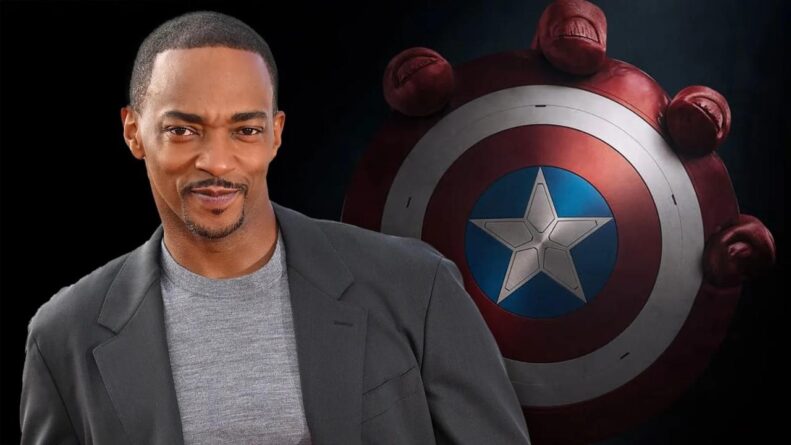
In 2021, Mackie officially became Captain America in The Falcon and the Winter Soldier. He will star as Captain America in Captain America: Brave New World. The movie is set to release in 2025.
Anthony Mackie Early Roles and Breakthrough Performances
Anthony Mackie got his first big role in Brother to Brother (2003). He played Perry, a young Black artist. Perry struggled with his identity as a gay man. Mackie’s performance impressed many people. He earned a nomination for the Independent Spirit Award for Best Actor. This was a big moment in his career.
In 2004, Mackie starred in major films. He appeared in Million Dollar Baby, directed by Clint Eastwood. The film won the Academy Award for Best Picture. Mackie also worked with Spike Lee in She Hate Me.
His role in Million Dollar Baby showed he could handle big studio films. His work with Spike Lee proved his passion for independent films. That same year, he starred in The Manchurian Candidate.
Mackie kept building his career in the mid-2000s. He starred in Half Nelson (2006), Crossover, and We Are Marshall. These films showed his versatility. He took on different roles. He proved himself as a talented and dependable actor.
Anthony Mackie has always loved performing on stage. He has returned to theater many times in his career. Live performance is important to him. In March 2008, he starred in three plays by August Wilson. He performed at the John F. Kennedy Center in Washington, D.C.
The plays included Ma Rainey’s Black Bottom, Fences, and Jitney. These performances were part of “August Wilson’s 20th Century.” The event featured staged readings of Wilson’s Century Cycle.
Image Credit: IndieWire
In mid-2009, Mackie played Pentheus in The Bacchae. The play was part of Shakespeare in the Park in New York City. In February 2010, he starred on Broadway. He performed in A Behanding in Spokane with Christopher Walken.
Mackie has never left theater behind. He continues to explore different roles on stage. His love for acting drives him to return to live performances. His work in theater proves his passion for the craft.
Rise to Global Recognition: The Marvel Cinematic Universe
Anthony Mackie’s career changed when he joined the Marvel Cinematic Universe (MCU). In 2014, he played Sam Wilson, also known as Falcon. He first appeared in Captain America: The Winter Soldier.
Audiences quickly loved his performance. His role in the MCU grew. He played Falcon in several Marvel films. He appeared in Avengers: Age of Ultron (2015) and Captain America: Civil War (2016). He continued in Avengers: Infinity War (2018) and Avengers: Endgame (2019).
Image Credit: TheWrap
In 2021, his character’s journey reached a major moment. He starred in The Falcon and the Winter Soldier on Disney+. In the show, Sam Wilson became the new Captain America. This moment was a big step in the MCU. It also made Mackie a top star in the superhero world.
Mackie will continue as Captain America. He will lead Captain America: Brave New World in 2025. Fans are excited to see his next adventure in the MCU.
Anthony Mackie Net Worth
As of February 2025, Anthony Mackie’s net worth is estimated at $8 million, though it’s expected to increase after his role in Captain America: Brave New World.
Image Credit: Dayton247
Explanation of Net Worth
Mackie’s role as Sam Wilson in Captain America: Brave New World is expected to earn him $10 million, which would significantly increase his net worth.
In the film, Wilson takes on the mantle of Captain America and becomes the new leader of the Avengers.
Mackie’s role in the Marvel Cinematic Universe (MCU) has increased in prominence since he first joined the franchise.
He reportedly earned $475,000 per episode of Altered Carbon, which would total $3.8 million.
Mackie originally intended to become an engineer, but he was drawn to acting and attended the New Orleans Center for Creative Arts. He married his childhood sweetheart, Sheletta Chapital, in 2014, but they divorced in 2018.
Anthony Mackie kept pushing himself after his success in the MCU. He took on many different and challenging roles. He starred in Detroit (2017), a period crime film. He played an important role in The Hate U Give (2018). In 2019, he appeared in the horror film Synchronic.
He also starred in The Banker (2020). These movies show his passion for meaningful stories and different genres. He also played Martin Luther King Jr. in All the Way (2016) on HBO.
Mackie also explored television. In 2020, he starred as Takeshi Kovacs in Altered Carbon on Netflix. In 2023, he took on a new role in the Peacock series Twisted Metal. He played the lead character, John Doe.
This role allowed him to mix action and comedy. His performance proved his versatility and charm. He continues to take on exciting projects and impress audiences with his talent.
Frequently Asked Question
Q.1. Who is Anthony Mackie?
Anthony Mackie is an American actor and producer known for roles in movies and TV shows, especially as Sam Wilson (Falcon) in the MCU.
Q.2. Where was Anthony Mackie born?
He was born on September 23, 1978, in New Orleans, Louisiana.
Q.3. What was Mackie’s first major movie role?
His first major film role was in 8 Mile (2002), where he played Papa Doc.
Q.4. When did Anthony Mackie join the Marvel Cinematic Universe?
Mackie joined the MCU in 2014, playing Sam Wilson (Falcon) in Captain America: The Winter Soldier.
Emma
Articles Published :
36
Emma Miller is an entertainment enthusiast who is focusing on crafting storytelling blogs across all genres. Her special focus is build up around superheroes, thrillers, & historical dramas and movies. Her experience of delivering sharp review analysis and interview podcasts is helping fans to get transparency about their favorite cinema.
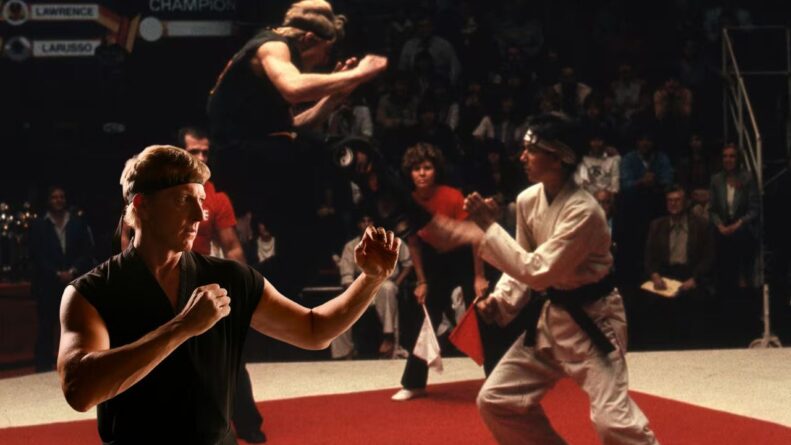
That antagonist kids love to hate, the iconic rival in The Karate Kid (1984), Johnny Lawrence, has made an iconic comeback with his Cobra Kai series. He quietly worked in the background to make not only his wealth but a career that became a legacy. William Zabka Net Worth is estimated at $4 million from his on-screen performances and production.
Zabka is not only an actor but a producer and director too who made Oscar-nominated production work and his successful Cobra Kai revival. He spent years being remembered as the classic movie bully then he built a career defined by resilience and reinvention. Take a closer look at his net worth breakdown, biography, and life journey.
Who Is William Zabka?
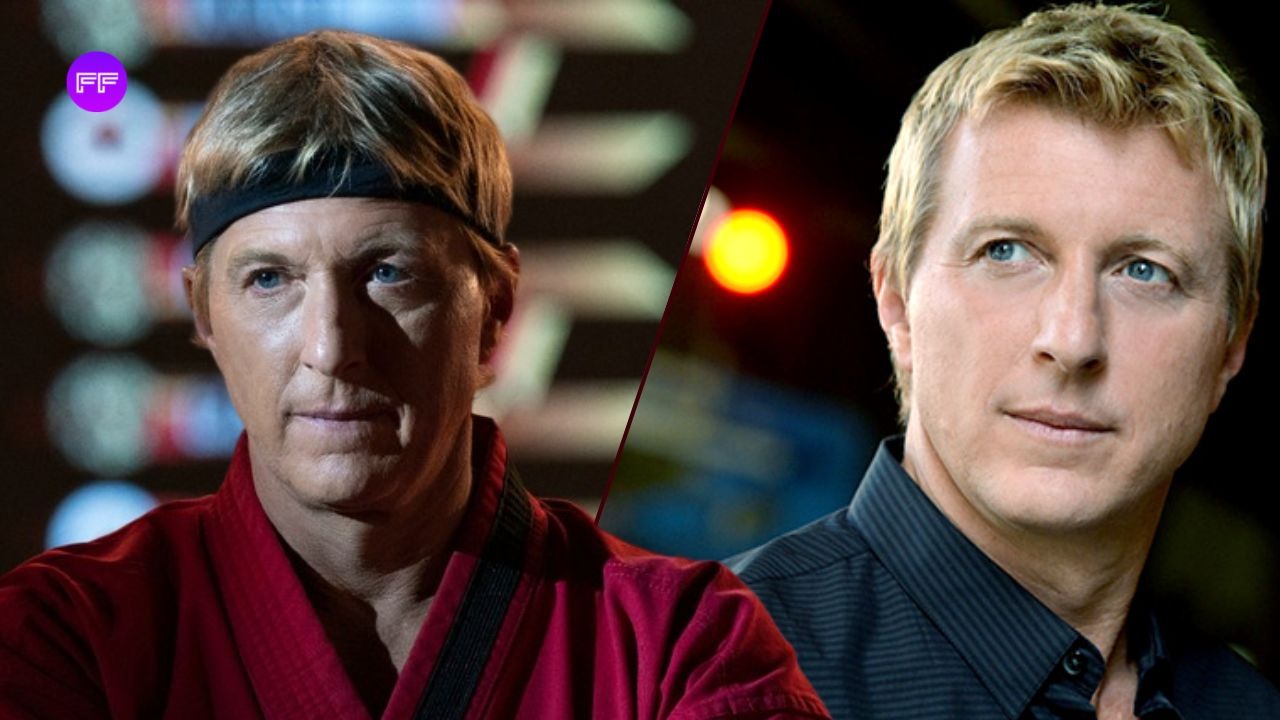
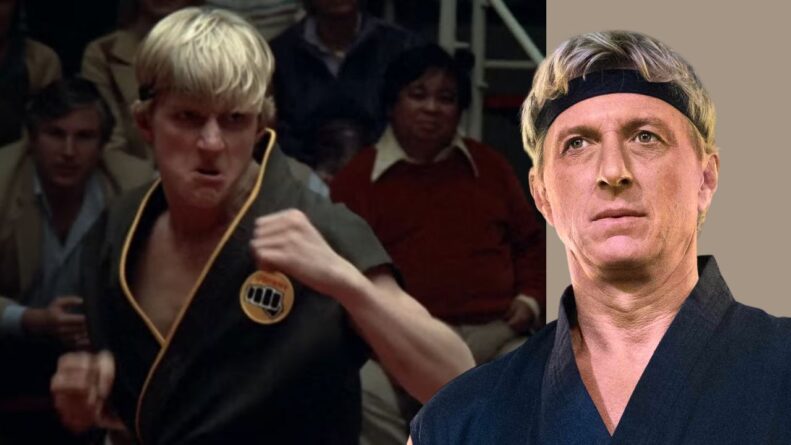
Most people met William Zabka as the enemy. Blond hair, black gi, sneer locked in place — Johnny Lawrence walked into The Karate Kid (1984) and immediately became the face every ’80s kid loved to hate. But that role nearly destroyed his career before it ever really started. And what he did next — across thirty quiet years of struggle, reinvention, and sheer stubborn patience is far more interesting than the movie that made him famous.
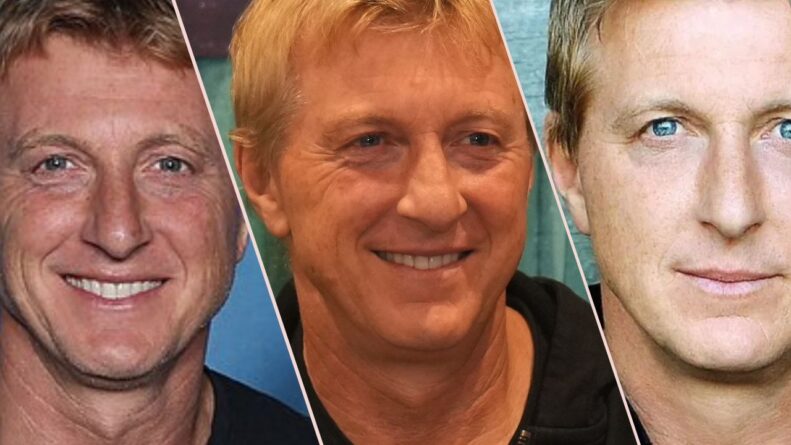
William Zabka is an American actor, writer, and director with an estimated net worth of $4 million — built not on a single lucky break, but on decades of grinding through Hollywood’s forgetting machine and coming out the other side.
Early Life Journey of William Zabka
William Zabka’s family have a strong connection to the entertainment industry as his father was a director and mother was a stage performer. In New York, Zabka was born on October 20, 1965, and grew up in this cultural environment, watching his father working behind the scenes of The Tonight Show. He began to love arts from a young age.
Zabka studied film from California State University, Northridge, but left early when his acting career began to take off. Travelling from California to New York and vice versa was included in his daily routine so he observed these two different creative worlds very deeply.
The entertainment industry wasn’t a dream for young William, it was just Tuesday at home. That background gave him something most child actors lack, how the system works behind the scene.
What it didn’t give him was a martial arts background. When the first role offered by showrunner of The Karate Kid, William Zabka did not know karate. He learned and practiced at the age of 18 and carried the entire antagonist weight of a film.
The Breakthrough: Johnny Lawrence and the Weight of a Villain
In 1984, The Karate Kid became a cultural earthquake. Daniel LaRusso was the heart. Mr. Miyagi was the soul. And Zabka’s role of Johnny Lawrence was the wall every kid in the audience wanted demolished. The film worked because Johnny’s character played by Zabka was genuinely threatening and became a global evil face card.
He also worked in other films including 1985 Just One of the Guys and 1986 Back to School. But mostly known for his breakthrough character Johnny Lawrence. Every casting director who looked at him saw the bully, Antagonist. The guy audiences root against. For an actor with real range, that’s a cage.
Rather than chase roles that weren’t coming, Zabka did something smart — he went behind the camera. He directed music videos. He wrote and produced them too. He built skills instead of waiting for the roles to come, that’s the reason he built himself at this level.
He also made a short film Most in 2004 (both co-produced and acted by himself) that earned him an Academy Award nomination. An Oscar nomination. Not for acting in a blockbuster but for a short film he helped make because he refused to wait for Hollywood to remember him.
He also made guest appearances on various TV shows, including a notable role as himself in How I Met Your Mother — a self-aware wink at his own pop culture status that showed Zabka had developed the ability to laugh at his own mythology.
William Zabka Comeback in Cobra Kai
Cobra Kai released on a global platform (YouTube) in 2018 where it got full exposure and received a large number of audience for its story. They put this series later on Netflix and it became a cultural event. The premise was audacious — flip the original film’s morality. Explore Johnny Lawrence not as a villain, but as a broken man trying to find redemption. Give the bully a soul.
Zabka reportedly earned $100,000 per episode for seasons 1 and 2, with undisclosed increases for later seasons. With six seasons and 60 total episodes, the math on his Cobra Kai earnings alone is significant.
But what Zabka brought to this wasn’t just acting — he was also a co-executive producer. He shaped the show’s direction. He understood that Johnny Lawrence’s redemption required exploring the character’s foundational trauma — specifically the parking lot incident from The Karate Kid Part II where sensei Kreese physically attacked Johnny. Zabka noted this became “the thorn in Johnny’s soul” that explained 30 years of failure.
William Zabka Net Worth Breakdown
Current estimates put William Zabka’s net worth at around $3 million to $4 million as of 2025–2026, with some sources (Celebrity Net Worth) citing approximately $4 million.
Acting income — Working in the Hollywood industry for years, from The Karate Kid franchise which made a blockbuster success at that time to recent episodes Cobra Kai that receive massive paychecks around $100K-per-episode, form the foundation that lasted forever.
Production and writing — His behind-the-scenes work on Cobra Kai as co-executive producer added a revenue stream most actors never develop.
Real estate — Zabka real estate is worth around $1 million which he bought in 1996 for $256,000 in Burbank, California. He also owned another home in Brentwood, Tennessee, he paid $1.025 million for a home six years ago.
The hard part — In January 2025, Zabka lost a house in the LA area Palisades/Eaton fires — a painful real-world blow that likely impacted his asset portfolio significantly.
His $3–4 million net worth is modest by A-list Hollywood standards, but it reflects something more valuable: sustainability. He built a career that lasted, not one that flared and faded.
In 2008, Zabka started a family by marrying Stacie Zabka and brought two children together into this world. But he always kept his family away from the media or controversies which is a very conscious choice that speaks to his character off-screen.
He’s close friends with Ralph Macchio, his on-screen nemesis turned genuine ally. Their real-life camaraderie is the emotional engine that made Cobra Kai work — two men who spent decades being defined by a single film together, choosing to reclaim it on their own terms.
What Comes Next
Zabka most recently starred in and co-produced the final season of Cobra Kai and continues to work in film, directing and developing new projects. With Cobra Kai concluded after six seasons, he steps into the next chapter carrying something most actors spend entire careers chasing — genuine creative credibility, on both sides of the camera.
Conclusion
William Zabka Net Worth of $4 million net worth is the outcome, not the story. The real story is started by The Karate Kid’s Johnny Lawrence whose face becomes a horror to many kids in high school. That evil face card earned a lot of hate but he owned that one-dimensional villain role at 18, refused to let that be his whole biography, spent two quiet decades building skills Hollywood never asked him for, and then waited until the culture was ready to see his character differently.
He didn’t reinvent himself. He deepened himself and gave the audience another page of the story of the same villain who they hated for years in Cobra Kai. That something quite bigger for a single character, like a redemption. And from that journey he made a fortune of millions.
Stay connected with Fandomfans to get details from movies, series and celebrities of the biggest entertainment industry.
Alpana
Articles Published :
167
Alpana is Fandomfans Senior Editor across all genres of entertainment. She evolved in the media industry since a very long time, she manages the content strategy and editing of all the blogs. Her focus on story development, review analysis, and research is well-equipped that ensures every article meets the standards of accuracy and depth.