Everything You Missed From ‘Spider-Man: Brand New Day’ 

Discover everything you missed from Spider-Man: Brand New Day, including key details, hidden clues, major reveals, characters, and important moments you may have overlooked.

Published: August 27, 2026, 12:22 pm

Spider-Man: Brand New Day crossed a billion dollars worldwide in under a week, which means a lot of people have already seen it once and are gearing up for round two. That’s usually where the real fun starts with a Marvel movie everything you missed from Spider-Man: Brand New Day will catch up in the second viewing, when you’re not white-knuckling the plot and can actually clock the comic-book cover recreations, the villain cameos buried in a three-minute montage, and the one line of dialogue that quietly rewrites everything you thought you knew about the film’s antagonist. 

Destin Daniel Cretton’s take on Peter Parker’s post-“No Way Home” life is stuffed with that kind of detail, and a lot of it moves fast enough that even attentive fans are catching up on second and third watches.

A Suit Built From Three Spider-Men

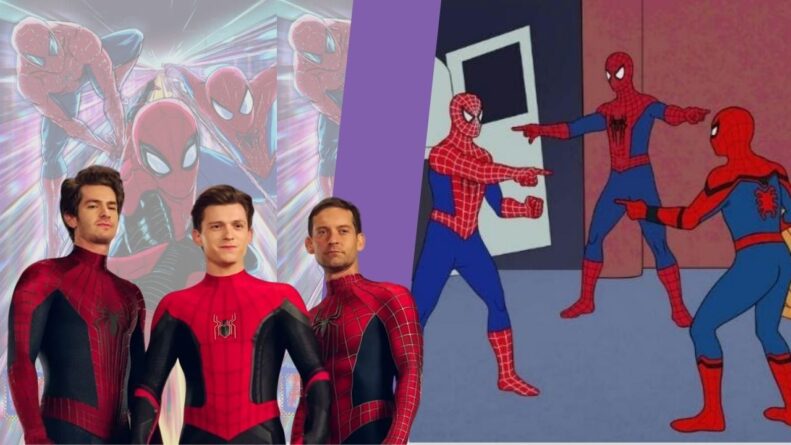
The most obvious change in Brand New Day is also the one with the deepest backstory. Tom Holland’s new red-and-blue costume ditches the Stark-tech panels and metallic trim that defined his earlier suits in favor of something closer to the comics’ classic look — bigger chest emblem, brighter colors, simpler webbing. That’s not a random redesign. 
Spider-Man: Brand New Day

Holland and Cretton have both said the suit was built as a deliberate blend of Tobey Maguire’s and Andrew Garfield’s costumes, since this version of Peter has now actually met both of those men. Holland described it as pulling from “Tobey’s and Andrew’s designs” to create something like a spider-child of all three suits. It’s a subtle way of saying the movie takes Peter’s multiversal reunion in “No Way Home” seriously — that meeting his older, wiser variants changed something in him, down to the way he dresses for work. 

The costume swap also lines up with a bigger story beat: Peter’s lost access to his old Stark-built tech entirely, so the downgrade in gadgets is baked into the visual downgrade in suit design.

Comic Panels Hidden in Plain Sight

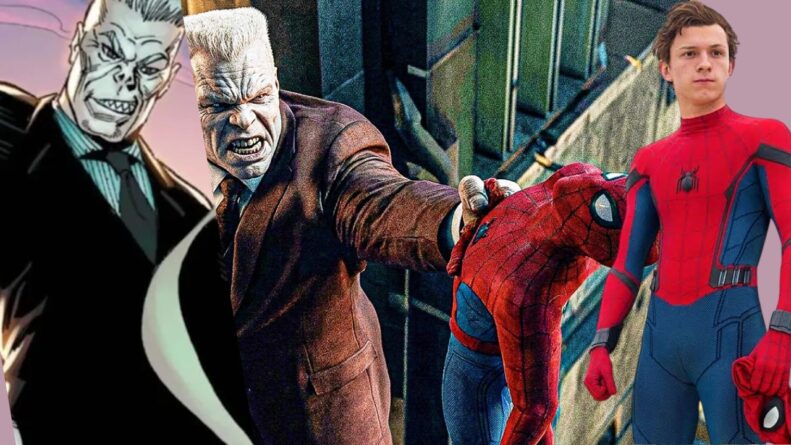
Spider-Man: Brand New Day leans harder into direct comic-panel recreation than any prior Holland movie. The opening montage where Spider-Man carrying a thug echoes Amazing Fantasy #15, his first-ever appearance, and there’s a full recreation of the Spectacular Spider-Man #142 cover with Tombstone dangling him off a rooftop. 

Later shots pull from The Spectacular Spider-Man #1 and Amazing Spider-Man #221. None of this is background noise — the film frames the whole montage around a crime board in Peter’s apartment, “great power comes with great responsibility” pinned above case files on the criminals he’s been quietly working through, including Scorpion and Tombstone by name. 

It’s a nice visual shorthand for a Peter who’s been operating alone and methodically for years, treating crimefighting less like heroics and more like a caseload.

Read More 👉 Linkedin Games Answers Today (26 August 2026): All Puzzle Solutions

Villains Pulled Straight Off the Page

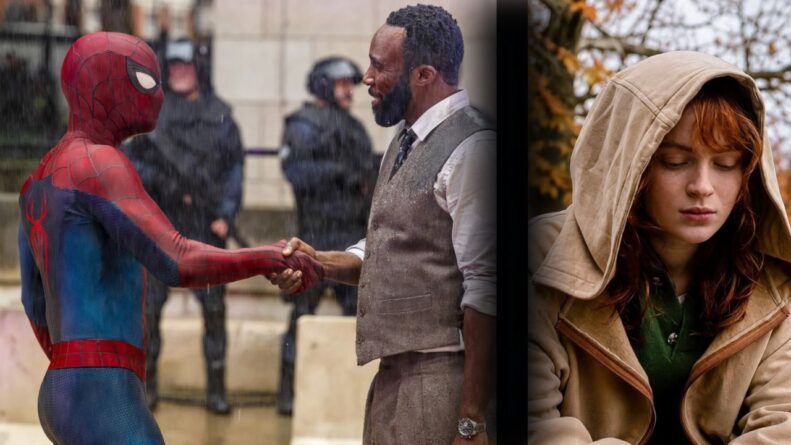
That opening montage is doing more legwork than it looks like on a first watch. Tombstone, played by Marvin Jones III, gets his few seconds of screen time as a nod to the character’s 1988 debut in Web of Spider-Man #36 — and Jones has actually played the role before, voicing Tombstone in “Into the Spider-Verse.” 

Boomerang and Tarantula also flash through the same sequence. The Hand shows up fighting Spider-Man early on too, which is a strange left turn for characters usually tied to Daredevil, until the film reveals Bill Metzger has since “rehabilitated” them into a security force working for the Department of Damage Control.
Villains Pulled Straight

Scorpion gets more to do here than he ever did in “Homecoming.” Michael Mando returns as Mac Gargan with two real fight sequences, the second of which — Scorpion under Jean Grey’s mind control, battling a Spider-Man losing his own grip on his unstable powers is one of the film’s better action beats. 

There’s also a smaller, deeper cut for comics readers: Frank Castle hiding out on a decommissioned boat is a direct pull from Spectacular Spider-Man #141, where the Punisher used a boat called the “Golden Girl” to stash weapons, in a Gerry Conway and Sal Buscema arc that also involved Tombstone.

The DODC is Quietly Setting Up The X-Men — Bill Metzger Isn’t Just a Bureaucrat

Tramell Tillman’s Department of Damage Control director looks like a fairly ordinary company-man role for most of the runtime, but his comic history says otherwise. Metzger led the Anti-Mutant Militia and fought the X-Men directly in the miniseries “X-Men: Children of the Atom.” 

The film changes his role considerably, but the anti-mutant thread is still there if you’re watching for it — and once Jean Grey’s identity is confirmed, his hostility toward her reads very differently on a second viewing. This is a deliberate setup for future mutant-focused storytelling rather than a coincidence, though neither Sony nor Marvel has confirmed anything beyond what’s on screen.

Read More 👉 Lanterns Episode 1 Sets Hidden Batman-Gotham Connection

The Jean Grey Reveal — A Mind Jumping Villain Introduced X-Men New Hero

The film keeps its central antagonist masked in mystery for roughly the first half, before confirming that Sadie Sink is playing Jean Grey — one of the original X-Men, here introduced as a mind-jumping villain rather than a hero. Her motivation, once it lands, is genuinely sympathetic: she’s searching for her sister Sara Grey, a fellow telepath who died in Damage Control custody, and the only thing Jean has left of her is a hair scrunchie. 

Cretton has said the film built Jean and Peter as mirrors of each other — both defined by traumatic loss, the difference being that Peter still has a community around him while Jean’s community was reduced to one person, then taken from her too.

It’s a genuinely strong character idea, and it’s part of why reviewers have singled Sink out as the best part of the movie. But the marketing-driven secrecy around her identity has also drawn real criticism. 

Post-Credits Scene

Some critics have argued the mystery-villain approach — withholding her name and powers for marketing purposes — actually drained tension rather than building it, comparing it to the much-derided “Star Trek Into Darkness” reveal. 

There’s also a fair critique that her body-count during the mind-control rampage sits awkwardly next to her eventual redemption arc, since several people are shown getting seriously hurt, if not killed, while she’s in control of them. Whether that tension gets addressed head-on in a future film or just quietly smoothed over is genuinely unclear right now.

Yelena Belova’s “Big Potato Stuff” Short Cameos Lead Another Path

Florence Pugh’s Yelena Belova shows up in a smaller but pointed scene, where she references the Red Room training program from “Black Widow” while comparing notes with Peter on mind control, and needles him by calling his caseload “small potatoes” next to what the New Avengers are currently handling — a fun bit of connective tissue for anyone keeping up with the post- “Thunderbolts” team. 

Street-Level Villains You Might Have Clocked in Passing

The film sends a mind-controlled Scorpion via helicopter to Bellevue Hospital, a location with a long history in Marvel comics stretching back through Daredevil and Thor stories. And in a much quieter callback, Peter spots a LEGO Chewbacca in Ned’s room during a party scene — presumably from the same Death Star set Ned was building back in “No Way Home.” 

If you’re rewatching specifically to hunt easter eggs, keep an eye on Bruce Banner’s scenes too; there’s an Empire State University detail tucked into the background that’s easy to miss on a first pass.

Read More 👉 Lanterns Episode 1 Ending Explained: Who Killed Hal Jordan?

The Post-Credits Scene Nobody Can Fully Explain

Unlike some recent Marvel entries, Spider-Man: Brand New Day saves its one bonus scene for after the full credits roll, and it’s deliberately sparse: no actors, just Ned’s homemade Spider-Man tracker app. The interface, styled like an old pixelated video game map, shows Spidey’s usual New York City location before glitching and zooming out — past the Moon, into deep space where the tracker pings him somewhere off-world. Marvel’s “Spider-Man will return” card follows, without naming the project.

The obvious read is that this sets up “Avengers: Doomsday,” releasing December 18, 2026. But that film’s multiversal conflict, as far as anyone knows, doesn’t take place in space, which has led some outlets to argue the scene is actually pointing toward the still-uncast “Secret Wars” instead — a film widely rumored, but not officially confirmed, to reunite Holland with Maguire and Garfield. 

Fan theories have also floated the idea that the off-world signal belongs to one of those other Peter Parkers rather than Holland’s own. Andrew Garfield was asked directly about it and gave a deliberately unhelpful non-answer, joking that it could just as easily be Miles Morales making his live-action debut. 

Given that Garfield spent years publicly denying his “No Way Home” cameo before it happened, fans aren’t exactly taking his denial at face value but as of now, nothing about the scene’s actual meaning has been confirmed by Sony or Marvel.

Spider-Man: Brand New Day Was Clearly Built to Rewatch For Catching Up Everything

Spider-Man: Brand New Day was clearly built to rewatch the crime board, the comic-cover restagings, and the Metzger foreshadowing all work better once you already know where Jean Grey’s story is headed. 
Spider-Man

If you’re going back in, skip past the obvious trailer easter eggs and watch for the smaller stuff instead: the scrunchie, the Empire State University signage, the “small potatoes” line. Whatever “Spider-Man will return” ends up meaning, this version of Peter Parker has earned enough goodwill and box office that Sony isn’t likely to let this be his last grounded outing before things go multiversal again.

Conclusion

Taken together, none of this reads as filler. The secondary mutation, the DODC’s anti-mutant undertones, Jean Grey’s introduction, and that final shot of Spider-Man drifting off into space are all pointing in the same direction: toward a much larger, more cosmic chapter of the MCU that’s already queued up with Avengers: Doomsday and Secret Wars. 

Spider-Man: Brand New Day works as a self-contained story about a guy trying to figure out who he is without anyone around to remind him — but it’s also very clearly laying track for what comes next, one Easter egg at a time.

Alpana

Articles Published : 165

Alpana is Fandomfans Senior Editor across all genres of entertainment. She evolved in the media industry since a very long time, she manages the content strategy and editing of all the blogs. Her focus on story development, review analysis, and research is well-equipped that ensures every article meets the standards of accuracy and depth.

Leave a Comment

Your email address will not be published.

Why Marvel Comics Launching the Midnight Universe Variant Cover Program?

Discover why Marvel Comics is launching the Midnight Universe Variant Cover Program, its purpose, featured creators, and what it means for fans and collectors.

Written by: Alpana
Published: July 25, 2026, 8:13 am
Marvel Comics

Walk into the comic shop on October 7 and ask for a copy of Midnight X-Men #1. The clerk isn’t going to just hand you one. They’re going to ask which one — because Marvel built it that way on purpose. The Marvel Comics Midnight Universe Variant Cover Program locks in five recurring covers, labeled A through E, on every issue of the publisher’s new horror imprint, and it’s the most structured collector play Marvel has run in years. 

If you’ve ever walked out of a shop annoyed that your favorite artist’s variant sold out before you got there, this is Marvel’s attempt to fix that — or, depending on how you look at it, to make sure you’re buying five books instead of one.

What Is the Marvel Comics Midnight Universe Variant Cover Program?

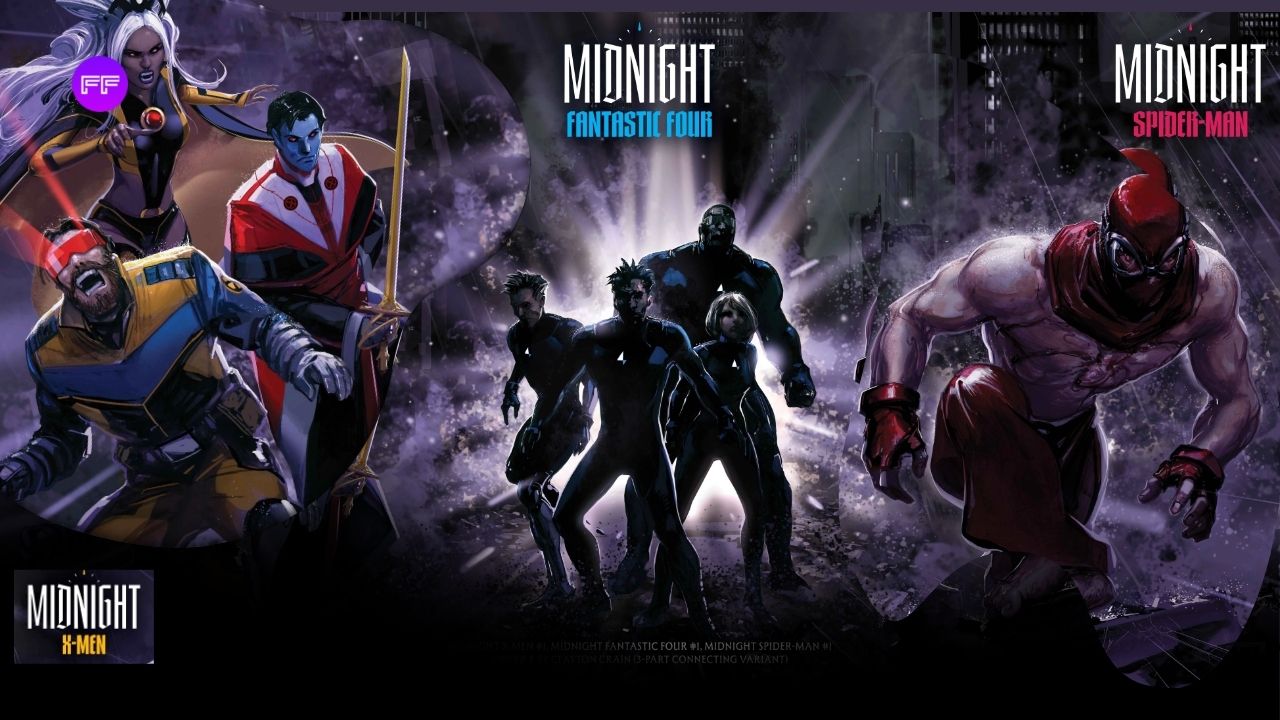
Marvel announced the program in mid-July, ahead of the Midnight line’s October 7 launch, and it applies across all three debut titles: Midnight Spider-Man, Midnight Fantastic Four, and Midnight X-Men. Instead of one-off variant covers that show up whenever a shop feels like ordering them, every issue in the line gets the same five-cover structure, month after month:

  • Cover A – Regular: the standard cover, wrapped in the “Cloaked Midnight” trade dress that gives the whole line its unified look.
  • Cover B – Midnight Bloodbath Variant: blood-soaked art built around the horror side of the line.
  • Cover C – Midnight Special Variant: spotlight covers reimagining classic Marvel heroes, old and new, through the Midnight lens.
  • Cover D – Midnight Horror Homage Variant: covers styled after iconic horror imagery — think classic slasher and creature-feature poster homages.
  • Cover E – Midnight Gallery Variant: prestige, painted covers meant to look like gallery pieces rather than newsstand art.

On top of the A-through-E system, Marvel is also running three-part connecting variant covers by artist Clayton Crain across the launch titles, and a “Cloaked Cover” gimmick that hides the actual art until a shop unwraps or scans it — a wrinkle aimed squarely at people who like the mystery-box side of collecting.

The stated goal, according to Marvel’s own announcement of Marvel Midnight Universe Variant Cover Program, is consistency: shops can predict what their regulars want every month instead of guessing at one-off variants, and readers know exactly what they’re getting into before they walk in. That’s a real, practical retail problem Marvel is solving here — variant cover chaos has been a running complaint from shop owners for years, and a fixed A-E system is a genuine attempt to standardize ordering across an entire imprint rather than issue by issue.

The same-day release piece matters more than it sounds like on paper. Ordering three separate books on three separate schedules, each with its own one-off variant lineup, means a shop’s owner is juggling three different sets of Diamond or Lunar order forms with three different deadlines and three different guesses about demand. 

Marvel Midnight Universe

Collapsing that into one October 7 launch, with one shared cover structure across all three titles, turns three separate ordering headaches into one. That’s the kind of unglamorous back-office fix that never makes a splashy press release on its own — which is probably why Marvel bundled it with a horror-flavored variant program dramatic enough to actually get written up.

Marvel isn’t inventing the concept of a themed variant program from scratch — publishers have run alphabet-labeled variant systems before, usually tied to a single event or anniversary. What’s different here is duration and scope. This isn’t a six-week promotional push around one crossover; it’s the permanent cover architecture for three separate ongoing titles, meant to stay in place issue after issue rather than fade out once the launch hype dies down. 

That’s a bigger commitment than most variant programs make, and it’s also a bigger bet — if sales dip by issue #4 or #5, Marvel has locked itself into printing five covers a month for books nobody’s talking about anymore.

Read More 👉 How Did Wolverine Get His Adamantium Skeleton in X-Men ’97? Explained

Marvel’s New Era Begins With These Three Books 

The Marvel Midnight Universe Variant Cover Program only matters if the books underneath it are worth chasing, so here’s what’s actually launching on October 7.

Midnight X-Men: Vampires vs. Mutants

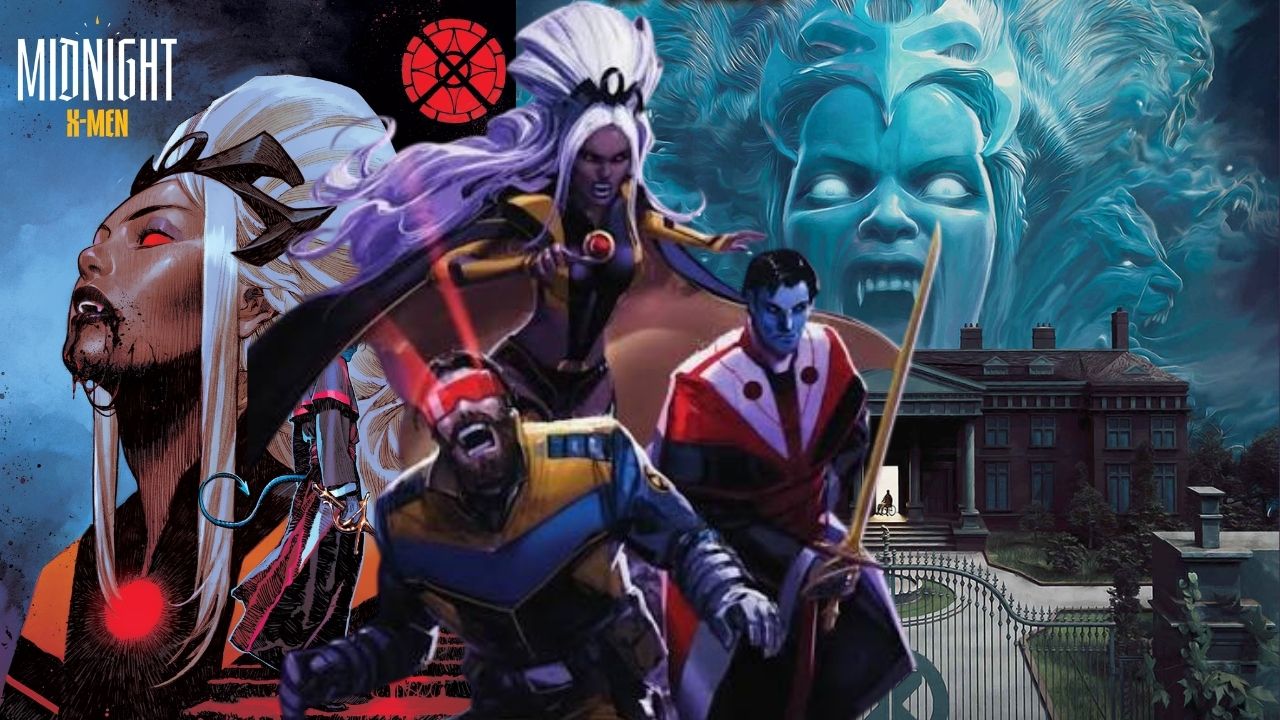
Written by Jonathan Hickman with art by Matteo Della Fonte, Midnight X-Men reimagines New York as contested ground between vampires and what Marvel is calling “mutant empires.” The two factions are holding an uneasy peace that’s already cracking by issue #1 — early previews show Storm and Nightcrawler apparently turned into vampires themselves, which tells you how fast that peace is falling apart. 

Hickman has been vocal about how much he’s enjoying the project, saying at one point that it’s the most excited he’s been about a book in years. Issue #2, already solicited for November, puts Cyclops front and center as a vampire hunter, which suggests Marvel has real long-term plans for this book rather than a one-and-done horror gimmick.

For a franchise that’s spent the better part of a decade on Krakoa-era politics and mutant nation-building, dropping the X-Men into a straight-up vampire war is a genuine tonal swing. Della Fonte, whose prior Marvel work includes Nova: Centurion, is drawing a book that leans hard into gore and body horror rather than the sleek sci-fi look X-Men readers got used to under the Krakoa banner — early preview pages already show Storm feasting on Phoenix, which tells you Marvel isn’t holding back to protect anyone’s sacred cows.

Midnight Fantastic Four: Cosmic Body Horror

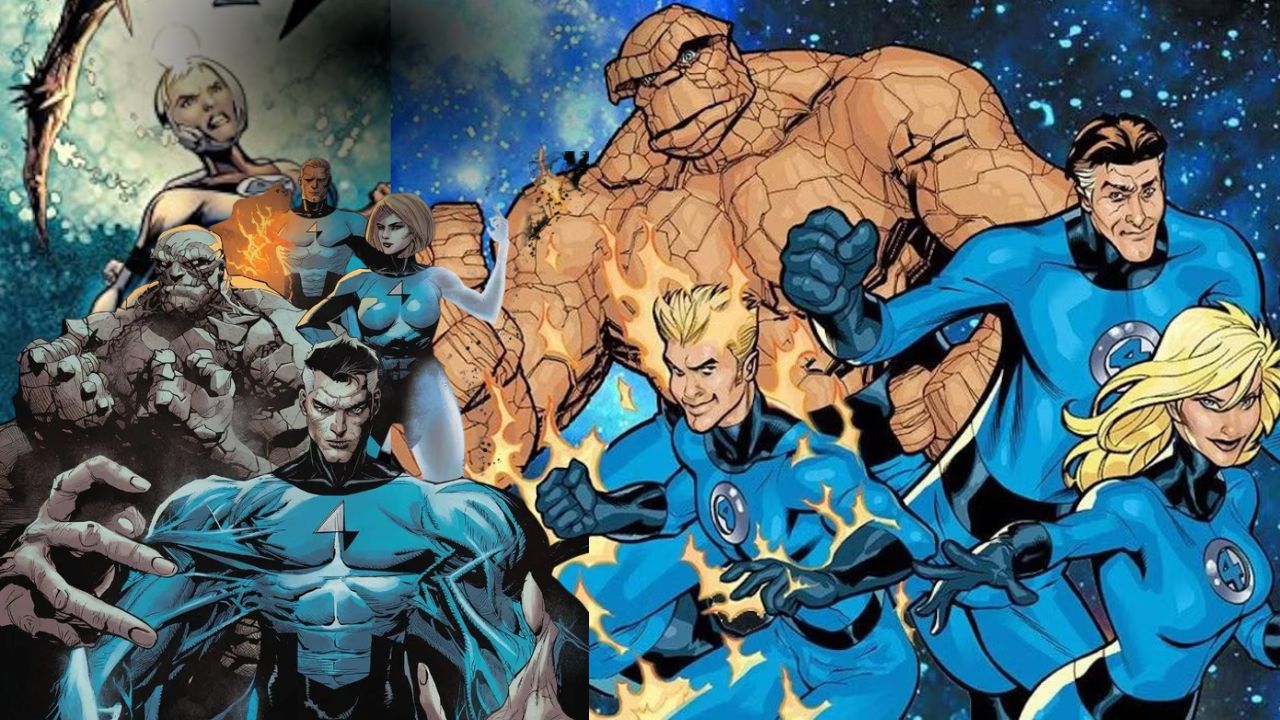
Benjamin Percy writes, with Kev Walker on art. Marvel’s own synopsis describes a scientist’s curiosity accidentally unleashing ancient terrors on the world while transforming himself and three others in “strange and horrifying ways” which is about as close as you can get to a body-horror take on the FF’s classic origin without spelling it out panel by panel. 

Cosmic Body Horror

Percy has built a career on horror-adjacent Marvel work — Wolverine and X-Force runs that leaned into body horror and paranoia long before Midnight existed so this pairing tracks. Walker’s art has the kind of jagged, unsettling linework that suits cosmic horror better than a straight superhero book, which matters here since the FF’s power set is getting rewritten around dread rather than wonder.

Midnight Spider-Man: Something Monstrous

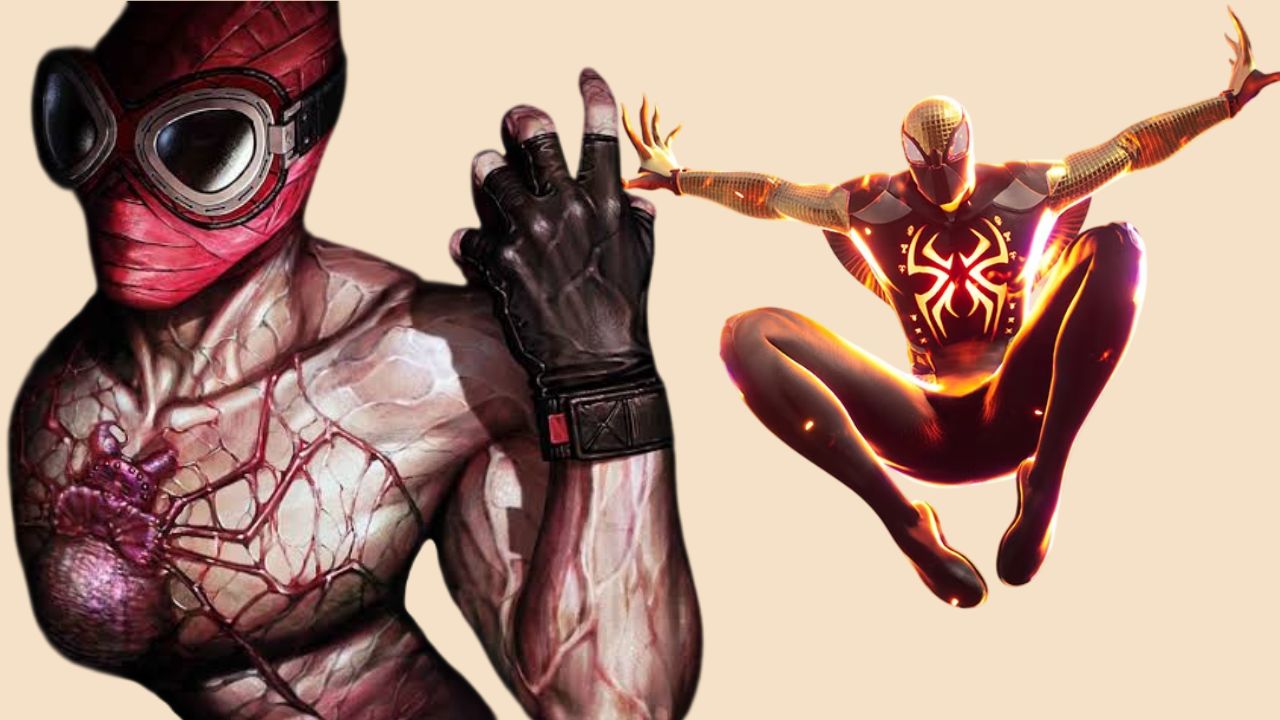
Phillip Kennedy Johnson writes, with ScieTronc on art. Marvel’s official line teases that Spider-Man discovers “with great power… comes something monstrous” — intentionally vague, and Marvel hasn’t confirmed specifics beyond that. You’ll see some outlets already floating a specific transformation tied to Oscorp; treat that as speculation until Marvel or the creative team confirms it directly, because it hasn’t shown up in any official synopsis yet. 

What Marvel has confirmed is the pairing itself — Johnson coming off high-profile Marvel writing work, paired with ScieTronc’s art, on the book carrying the line’s most recognizable face. Of the three launch titles, Midnight Spider-Man is the one Marvel has said the least about, which either means they’re holding the twist close or that it’s still being locked down this close to release. Worth watching for a fuller synopsis as October gets closer.

Why Marvel Is Launching This Initiative Now

The first question — why does this specific Marvel Midnight Universe Variant Cover Program exist has a confirmed answer: Marvel wants predictable, line-wide ordering for retailers and a same-day release for all three titles instead of a staggered rollout. In fact, Marvel had originally planned to stagger the three books starting in August, then restructured the whole thing into a single mega-launch on October 7 so all three debut together. The variant program is part of that same restructuring — one unified system instead of three separate ordering headaches.

The second question — why is Marvel launching an entire horror-themed alternate universe in the first place does not have an officially confirmed answer, no matter how many outlets frame it that way. What’s actually happened is that DC’s Absolute Universe line, which launched in October 2024 with Absolute Batman and built out from there, has had a genuinely strong critical and commercial run, and a wide swath of comics press — Screen Rant, Den of Geek, Bleeding Cool, Inverse, and others has openly speculated that Midnight is Marvel’s answer to it. 

That’s a reasonable read given the timing and the tonal overlap: both lines take a “darker, altered reality” approach to flagship characters. But Marvel itself has never said “we built this because of DC,” and treating that connection as confirmed fact rather than industry analysis is the kind of thing that gets an article fact-checked into embarrassment later. It’s a fair theory. It’s not a quote.

Read More 👉 Who Is the New Editor-in-Chief of Marvel Comics? Stephen Wacker Explained

Is the Variant Program Actually Good for Collectors?

Depends which side of the shop counter you’re on. For retailers, this is close to a win across the board — a fixed five-cover system across three ongoing titles is dramatically easier to order for and stock than the usual scattershot of surprise variants that show up whenever an artist has a slow week. For readers who like completing a set, it’s also genuinely appealing: you know exactly what you’re chasing every single month, across all three books, instead of finding out after the fact that a shop got one copy of the cover you wanted and it’s long gone.

Something Monstrous

The catch is the math. Five official covers times three ongoing monthly titles is fifteen covers a month if you’re a completionist, before you even factor in the Clayton Crain connecting covers or any one-off exclusives Marvel layers on top later. The Cloaked Cover gimmick is fun the first time and expensive the tenth time, especially if you’re the kind of reader who wants to know what you’re buying before you buy it rather than treating every issue like a scratch ticket. Consistency is good for planning your spending. It doesn’t automatically mean you’ll spend less.

There’s also a longer-term collector risk worth naming plainly: alphabet-labeled variant systems only hold their value if the underlying books keep selling. If Midnight Fantastic Four or Midnight Spider-Man cools off by the fall while Midnight X-Men carries the line on Hickman’s name alone, expect Cover E gallery pieces on the weaker titles to become easy back-issue-bin finds within a year, no matter how nice the paint job is. A five-cover system doesn’t create demand by itself — it just makes it easier to see exactly how much demand exists, issue by issue, once the initial launch rush wears off.

Conclusion 

If you’re picking up Midnight X-Men, Midnight Fantastic Four, or Midnight Spider-Man on October 7, decide your cover strategy before you walk in, not at the register. Cover A alone gets you the story and the “Cloaked Midnight” trade dress that’s meant to define the whole line’s identity — that’s the same baseline if you’re budget-conscious. 

If you’re chasing art specifically, Cover E’s painted gallery style is the one most likely to hold value as a standalone piece, since prestige painted covers tend to age better than gimmick Marvel Midnight Universe Variant Cover Program once the initial hype cools off.

Dive into the deeper details with Fandomfans based on the latest updates from movies, series, and celebrities.

Alpana

Articles Published : 165

Alpana is Fandomfans Senior Editor across all genres of entertainment. She evolved in the media industry since a very long time, she manages the content strategy and editing of all the blogs. Her focus on story development, review analysis, and research is well-equipped that ensures every article meets the standards of accuracy and depth.

Leave a Comment

Your email address will not be published.

How Did Wolverine Get His Adamantium Skeleton in X-Men ’97? Explained

Discover the story behind Wolverine's Adamantium Skeleton in X-Men '97, how it impacts the series, and what it means for Logan's future.

Written by: Alpana
Published: July 23, 2026, 5:34 am
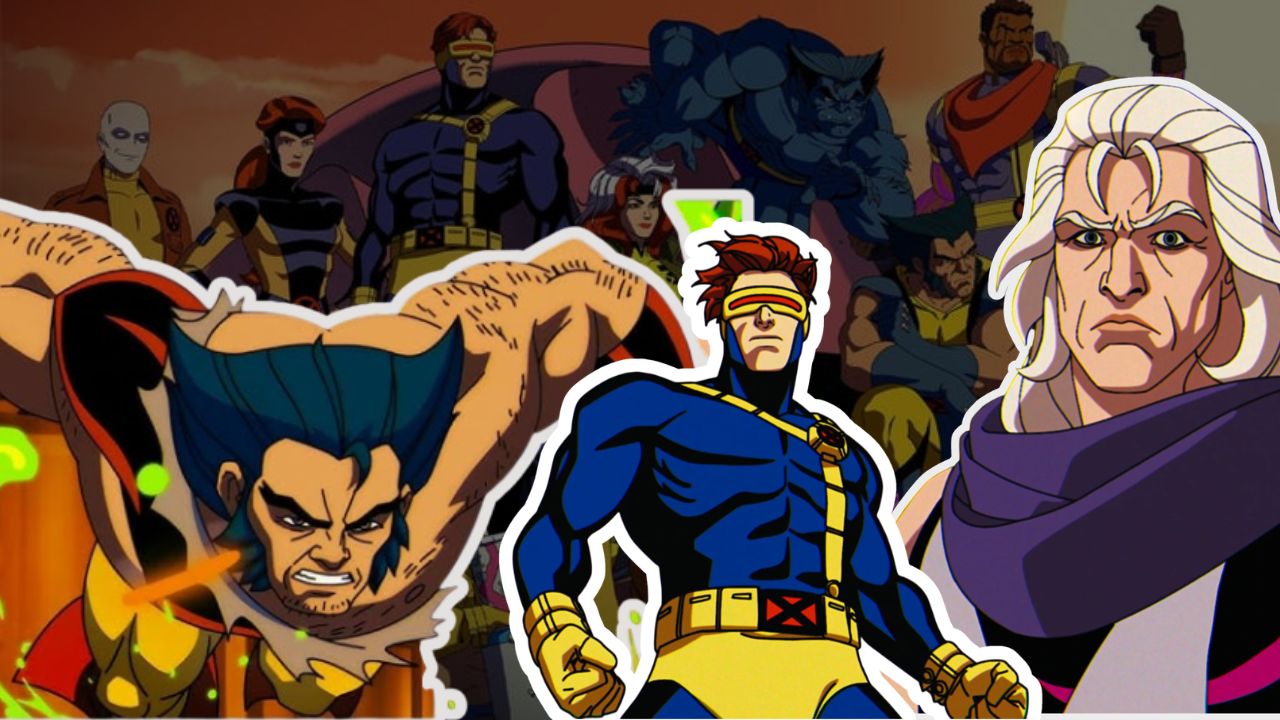
Wolverine's Adamantium Skeleton in X-Men '97

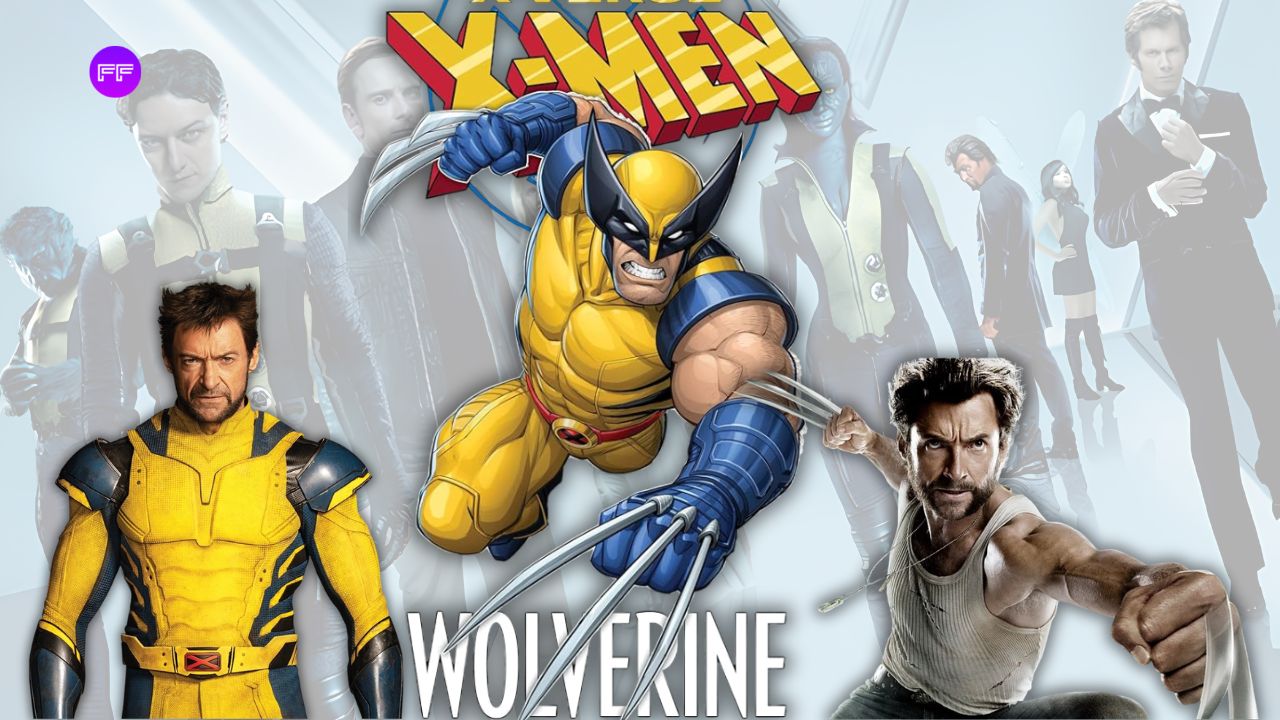
Marvel introduced Wolverine’s Adamantium Skeleton in X-Men ’97 but there is only a glimpse of how he got it in the first place. Since they already made Wolverine origin stories before so they avoid repetition. X-Men longtime fans already know his origin but the new viewers didn’t know much. The show heavily leans on decades of X-Men comic history so it’s essential to understand ‘how did Wolverine get his adamantium skeleton.’

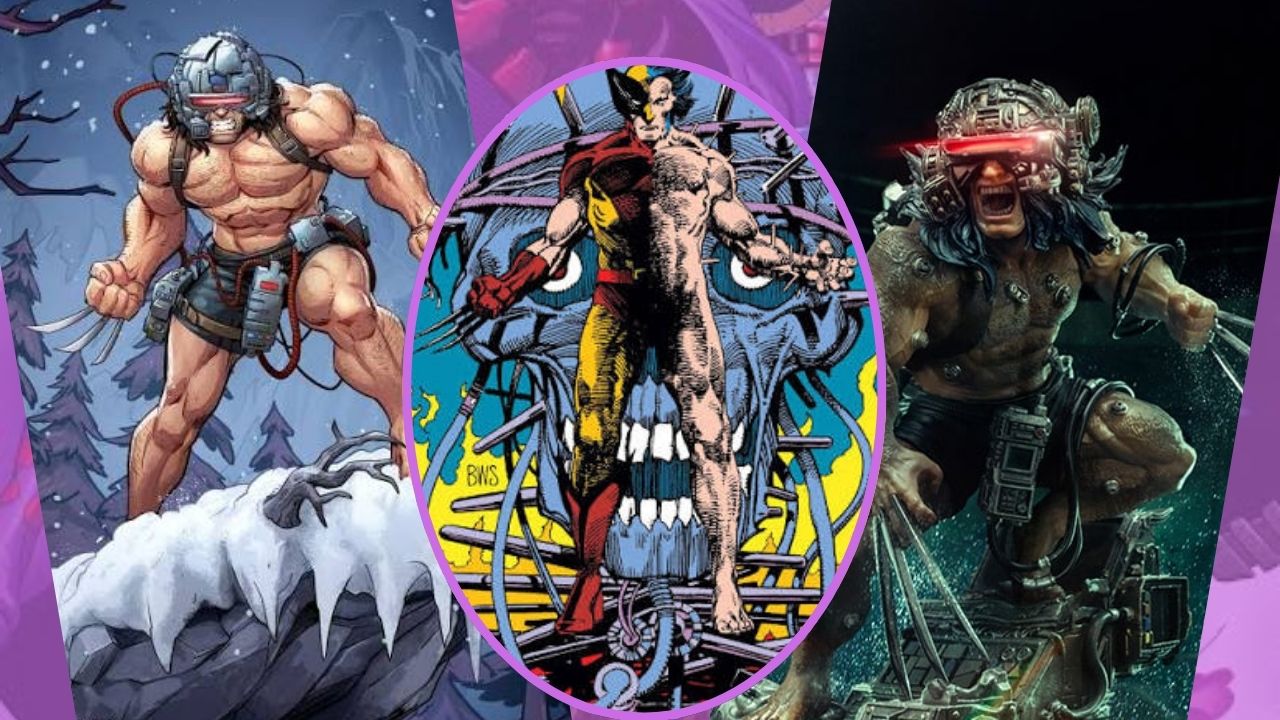
Wolverine, a mutant who is born with healing ability and natural bone claws never asked for adamantium skeleton. It was forcibly given to him during a covert government program, his entire skeletal structure is bonded with the indestructible metal adamantium that turns him into a living weapon. The show treats it as a backstory rather than dramatized from scratch as it happened long before the events of X-Men ’97. 

The Origin of Wolverine’s Adamantium Skeleton in X-Men ’97

The Wolverine’s origin traces back to Weapon X, a black-ops program that saw an opportunity, catches and uses Logan as their test subject. Weapon X scientists fuse adamantium (indestructible metal alloy) directly onto his skeleton to create a nearly unkillable soldier who could heal from almost anything. He is already a mutant with retractable bone claws and a mutant healing ability which quickly heals him and that’s the reason he survived that experiment. 

Wolverine's Adamantium Skeleton in X-Men '97

The procedure of Wolverine’s Adamantium Skeleton in X-Men ’97 is very brutal as liquid Adamantium bonded to his bones through an excruciating procedure. It blended the physical trauma with psychological conditioning and made Logan lose his memory. Wolverine spent so many years afterwards without knowing his own past or who he used to be that essentially made him a weapon with no clear sense.

Why Logan Was the Only One Who Could Survive It 

In Marvel lore, Adamantium is an indestructible, man-made steel alloy, Weapon X scientists fuse and turn it into a liquid form which is stronger than anything found in nature. But bonding it to a living body could clearly kill anyone because the metal itself is inherently toxic to human tissue. 

During the Weapon X experiment, Logan was injected with molten adamantium which bonded with his bones at a molecular level. Any human being would have been killed in this procedure because either of sheer trauma or from slow metal poisoning afterward. Logan survived due to only reason: his mutant healing ability. That works 24/7 to fight off the toxic effects of having metal fused into his skeleton.

Survive It

Before Weapon X ever touched him, Logan had natural bone claws that move out and in on their own. So adamantium just coated those claws into blades capable of slicing through almost anything. It indicates that a metal skeleton is not his superpower but a physical burden his body is constantly working to survive, and always will be.

How X-Men ’97 Series Treats Wolverine’s Adamantium Skeleton 

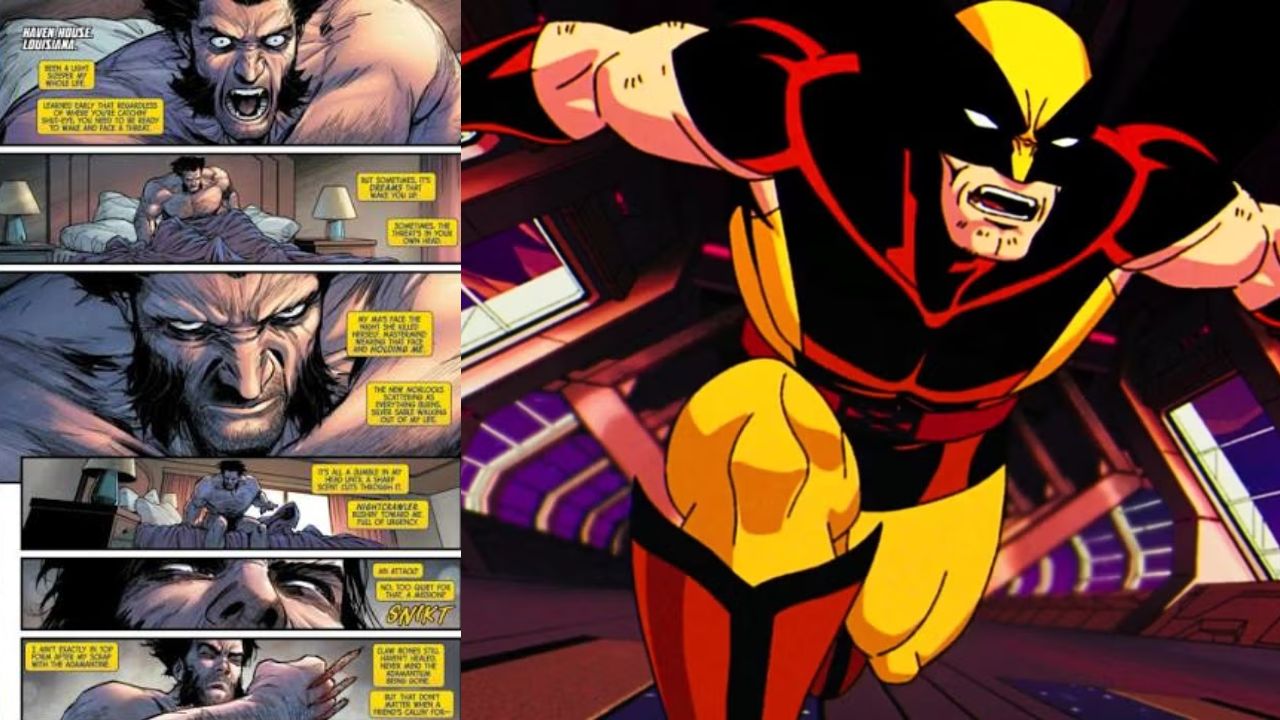
Marvel didn’t waste time to explain Wolverine’s Adamantium Skeleton in X-Men ’97 in detail because it already exists in the original animated series & wider X-Men mythology. The Wolverine’s adamantium skeleton and claws has been treated as a part of Wolverine in a show, making occasional references to his mysterious past and the fragmented memories that continue to haunt him. Fans who read comics or watch 90s cartoons already recognize this reference.

The show is focusing on Logan’s character and what he became after the Weapon X brutal experiment rather than telling a procedure. The past trauma shaped his nature — he distances himself from everyone, guarding his founding family X-Men, and stops himself turning into a monster.

Read More:- Who Is the New Editor-in-Chief of Marvel Comics? Stephen Wacker Explained

Why the Metal Skeleton is Wolverine’s Biggest Weakness in X-Men ’97

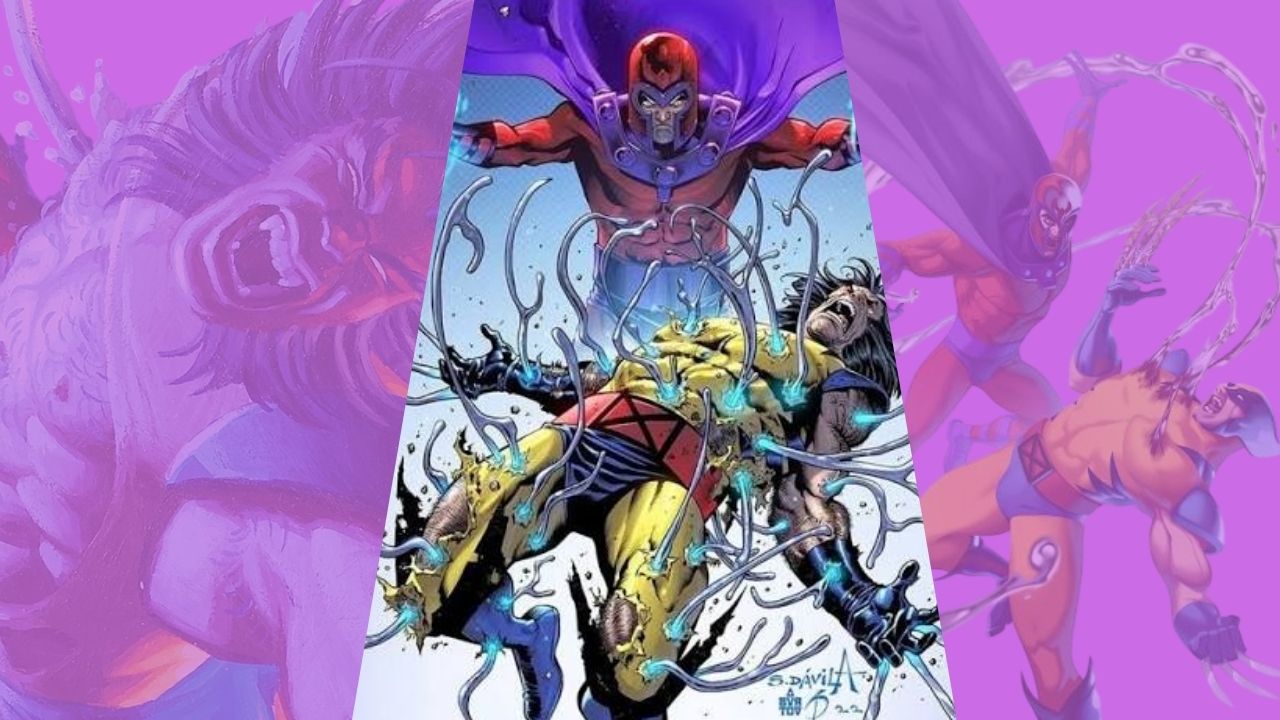
The twist that made Wolverine’s Adamantium Skeleton in X-Men ’97 origin story more interesting, his body has become the ultimate guarded shield to protect him but in the world of mutants, it also makes Logan vulnerable towards Magneto. 

The 1993 Fatal Attractions arc shapes the tone of X-Men ’97 right now. X-Men ‘97 season 2 showed Magneto using his magnetic ability to violently extract the adamantium out of Wolverine’s body in one of the character’s most brutal moments. Viewers get shocked because it flips Logan’s greatest strength into his greatest exposure. 

Wolverine's Adamantium Skeleton in X-Men '97

The thing that makes Wolverine indestructible becomes his greatest weakness, the show keeps the storyline sword dangling over his head any time Magneto enters the conflict. It is more than just a rivalry, Wolverine’s Adamantium Skeleton in X-Men ’97 indicating a bigger threat to every superhero who uses adamantium and wider the stakes of future X-Men.

The Glimpse of Origin Still Going to Show in X-Men ’97 

What makes this backstory endure across decades of adaptations is that it’s not just a cool power-up. The adamantium bonding is framed as violation, not enhancement. They did this experiment forcibly to make him indestructible but he never wanted this. This resonance makes him what he is, someone who stops at every edge to become a weapon. 

Wolverine's Adamantium Skeleton in X-Men '97

If future seasons of X-Men ’97 continue building on this thread, viewers can expect more moments from Weapon X. This slow burn approach keeps the backstory intriguing without revealing everything at once. 

Conclusion

Wolverine’s Adamantium Skeleton in X-Men ’97 is not new for longtime fans as Logan origin story already existed before the events of X-Men ’97, Logan was forced into the Weapon X program, which causes trauma and fragmented memories that still shape the character’s identity. 

If viewers want to know the origin story they can watch animated series or 90s cartoons because the show is interested in telling how his brutal experiment and experiences impacts on his relationships and decisions. 

As the series moves forward, fans can expect more Weapon X era glimpses, slowly revealing how Logan became one of Marvel’s most enduring heroes. 

Get the deeper details from the movies, series, and comics of your favorite character and stories on Fandomfans.

Alpana

Articles Published : 165

Alpana is Fandomfans Senior Editor across all genres of entertainment. She evolved in the media industry since a very long time, she manages the content strategy and editing of all the blogs. Her focus on story development, review analysis, and research is well-equipped that ensures every article meets the standards of accuracy and depth.

Leave a Comment

Your email address will not be published.