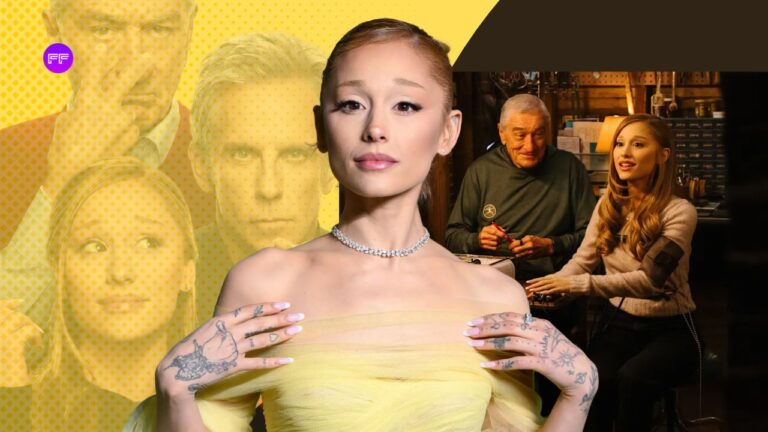
Every Avengers: Doomsday Post-Credits Scenes (IMAX), In Order

Discover every Avengers: Doomsday post-credits scene in order, including IMAX bonus scenes, major Marvel reveals, hidden details, and connections to Secret Wars.

Published: Nov 21, 2026, 4:41 AM
Last Updated: Nov 23, 2026, 5:11 AM

Avengers Doomsday

Marvel has woven Avengers: Doomsday Post-Credits Scenes together in a long breadcrumb trail and this is where those breadcrumbs will finally lead in Avengers: Doomsday. Every scene, from the Ten Rings’ strange signal via the Doctor Doom who has put together his mask, quietly continues to the multiverse’s biggest catastrophe. 

The “IMAX” version, especially refers to the extended footage showcased in IMAX and Infinity Vision theatres as part of Avengers: Endgame Encore. The typical premiere got about two minutes of additional footage, but the entire first 4 ones in the IMAX and Infinity Vision editions are around 5 to 6 minutes of new footage. 

Avengers Doomsday

That means some fans who caught Endgame: Encore in a basic theater never encountered the TVA bit or Doom’s mask revealing himself. These absent pieces are, among the clearest set up scenes for Doomsday. 

The Avengers: Doomsday All Post-Credit Scenes, in Order

# Source What happens Why it matters
1 Shang-Chi and the Legend of the Ten Rings The Ten Rings send an unidentified signal. Suggests powerful forces are trying to contact Earth. 
2 Doctor Strange in the Multiverse of Madness Reed Richards explains incursions to Strange. Establishes that colliding universes can destroy one another.
3 The Marvels Monica Rambeau wakes in another universe and meets Beast. Confirms heroes can travel between realities, opening the door to X-Men stories.
4 Captain America: Brave New World A warning says, “They are coming.” Signals an approaching, larger-than-villain threat.
5 The Fantastic Four: First Steps Doctor Doom visits young Franklin Richards. Hints at Doom’s major plan involving a powerful young character.
6 Thunderbolts* The team is branded the “New Avengers.” Creates a new Avengers lineup before a universe-level crisis.
7 Avengers: Endgame Encore — Scene 1 Loki visits Steve Rogers and Peggy Carter, offering help. Suggests Loki may protect or relocate them as timelines destabilize. 
8 Avengers: Endgame Encore — Scene 2 A green portal opens near Bruce Banner; an unseen figure says, “I’ve come to collect you.” Strongly implies Doctor Doom is targeting Banner. 
9 Avengers: Endgame Encore — Scene 3 At the TVA, monitors show universes colliding; Ouroboros says the multiverse is collapsing. Makes the multiverse collapse the central Doomsday threat. 
10 Avengers: Endgame Encore — Scene 4 Doctor Doom’s mask is forged. Mirrors Tony Stark building Iron Man, positioning Doom as a major new threat. 
11 VisionQuest — Episode 8 Wanda Maximoff is pulled from the rubble of Mount Wundagore. Her return makes her a potential major player in Doom’s story.

The through-line is straightforward: the multiverse is collapsing, and Doctor Doom is readying himself for it. The first pages show the clues of strange signals, universe-travel, incursions, and warnings; the Endgame Encore pages take things a step further, bringing the danger into focus as entire universes begin collapsing and Doom starts gathering his forces.

Doctor Doom

Loki is particularly crucial. He isn’t just Thor’s mischievous sibling anymore, he is the one keeping the timelines together and that’s the reason he’s present in Steve and Peggy’s house when the multiverse starts to collapse.

The most symbolic moment of the Avengers: Doomsday Post-Credits Scenes is Doom’s forge. It intentionally echoes Tony Stark’s first Iron Man forge, but where Stark was making armor to protect people, Doom is making himself a shape to survive in.

Avengers Doomsday its emotional

That contrast is what gives Avengers: Doomsday its emotional hook: The MCU isn’t just battling another super-powered antagonist; it’s combating a more nightmarish version of its most recognizable symbol of justice.

Read More 👉 VisionQuest Ending Explained: How the Finale Sets Up Avengers: Doomsday

Conclusion

The most enjoyable aspect of Avengers: Doomsday Post-Credits Scenes is they are no longer simply a series of haphazard Easter eggs. They are beginning to appear more like a series of chapters in a single story on a rising path: something is wrong with the world, influential individuals are being assembled, and Doctor Doom is prepared to take action.

Comments

Leave a Comment

Your email address will not be published.

Alpana

Articles Published: 184

Alpana is Fandomfans Senior Editor across all genres of entertainment. She evolved in the media industry since a very long time, she manages the content strategy and editing of all the blogs. Her focus on story development, review analysis, and research is well-equipped that ensures every article meets the standards of accuracy and depth.

View Profile ↗

The Gosling Effect in Star Wars Starfighter – A New Era for Space Opera

Gosling joins Star Wars Starfighter Obey your thirst. Discover how the Gosling-Levy pairing might reshape the genre of space opera when it arrives in 2027. 

Published: Mar 6, 2026, 10:45 AM
Last Updated: Apr 14, 2026, 11:58 AM

There is a strange buzz that fills the air when Ryan Gosling appears on set. It’s not the orchestrated buzz of a marketing strategy, it’s the quiet assurance of a performer who knows that film is as much about what you don’t say as what you do. When Gosling was officially announced to be joining Star Wars Starfighter with Shawn Levy at Star Wars Celebration Tokyo in April 2025, the news was more than a simple casting win for Lucasfilm. It was something far more fragile: a possible course correction for a franchise that’s been failing for focus for the better part of a decade.  

The Rise of Skywalker ended the Skywalker Saga, and since then, Star Wars has felt less like one shared universe and the galaxy has become multiple tossed captains in the ship. But “The Mandalorian and Grogu” restored faith and The Book Boba Fett got things all mixed up, Andor demonstrated maturity and seriousness in Star Wars storytelling, and The Acolyte explained how far off that can fly. 

Through it all, one question looms over Kathleen Kennedy’s leadership: what the hell is Star Wars Starfighter in 2027?

Now, enter the Gosling–Levy pair — not so much a studio double feature as two filmmakers connected by the same childhood dreams and creative vision, returning with something that actually feels personal once again. 

Family Dynamics Might Save Star Wars

Here we’re getting into speculation, Star Wars Starfighter focuses on Gosling as not a smuggler, not a Jedi, but a very real trader in an uncle outraged into protecting his Force-sensitive nephew from dark side hunters in a galaxy still recovering from Palpatine’s final death, in which Amy Adams is said to be the boy’s mother, and possibly a Jedi herself who gives her brother (Gosling) the son’s protection as she goes to meet the galactic threats elsewhere. 

Starfighter 2027 movie

If this is the case and screenwriter Jonathan Tropper has been as characteristically tight-lipped as always then this setup is genius in its simplicity. For four decades, Star Wars has weighed fathers and sons, masters and apprentices, the burden of blood and destiny. An uncle-nephew relationship allows for a genuinely horizontal dynamic: chosen responsibility as opposed to inherited burden. Gosling wouldn’t be wrestling with the sins of his father—he’d be leaping into danger for love of his sister and her child.

This turns the whole hero’s journey on its head. Luke Skywalker became a legend because of who his father was. Gosling’s character, let’s call him Kael for the sake of our theory, would be a hero for who he chooses to be. That has a very modern ring to it, in a time when a found family often trumps blood ties. 

The “Bokken Jedi” Connection: Why Gosling’s Character Breaks the Mold

There’s another theory made that mentioned by CBR that’s worthy of your attention, one which links Star Wars Starfighter to the wider weave of today’s Star Wars narrative. 

Baylan Skoll references the Bokken Jedi in Ahsoka, Force users who trained outside of the Now I’m watching Ahsoka. They are survivors, self-made warriors who cobbled together knowledge from legends, ancient holocrons, and fragments of lore rather than being expert practitioners. Crude, authentic, and defined by loss rather than tradition. 

But what if Baylan is one of them? A former student of Luke Skywalker’s temple who escaped Ben Solo’s massacre — someone who saw friends die, chose survival over heroism, and vanished rather than standing and fighting. That kind of background would explain everything about who he is now. Five years Post-Exegol, the galaxy doesn’t need another chosen one. It needs a broken man who relearns how “to be whole” by protecting someone else.

That would explain the “Star Wars Starfighter” titles even better than a simple aesthetic reason. He is flying a starfighter, literally, because he is on the run. Now action sequences become character beats — every evasive dive through an asteroid field isn’t just spectacle, it’s a man dodging his past until he can no longer. The ship becomes a metaphor: run-down, cobbled together, but still capable of amazing things when properly captained. 

The Shawn Levy Contribution also Effects Star Wars Starfighter

Shawn Levy, the director of the new Star Wars movie is really important to this equation. Levy is not a visionary auteur in the conventional sense. He’s not Denis Villeneuve drawing with shadows and silence, or Christopher Nolan stretching time like taffy.

Levy’s talent is subtler, and perhaps more challenging: He makes tentpole movies feel intimate. Free Guy shouldn’t have worked as a comedy about an NPC gaining self-awareness in a video game that sounds like algorithmic nightmare fuel. And yet Levy injected it with such happy earnestness that even Ryan Reynolds’ blue-shirted everyman seemed worth rooting for. 

Ryan Gosling Star Wars

Then there was Deadpool & Wolverine, and that could’ve been a cynical IP soup concoction.  But Levy approached Wolverine’s mourning with sincere respect all the while delivering the R-rated mayhem fans desired. He understands that the most successful blockbusters function on two or three different frequencies simultaneously: the visual, emotional and, in the case of the sense of irreverent humor. 

For Star Wars Starfighter, this approach is just right - it’s fun without feeling like a drag and you get a sense of accomplishment for each stage you complete. The sequel series always felt embarrassed to be Star Wars, constantly trying to upend expectations until there were none left to upend.

Levy is not a subversion, he is an embrace. He’ll give us the trench run homage, the cantina scene, the binary sunset moment – he’ll give us all of those things, but he’ll earn them through character work rather than nostalgia triggers. 

The Five Years Timeline Tightrope

Star Wars Starfighter movie appearance five years after The Rise of Skywalker is something that builds hope to open up interesting story possibilities while closing others. 

This is a galaxy being rebuilt. The New Republic that was decapitated by the destruction of Hosnian Prime that the First Order killed is either in the process of rebuilding or has fractured into various regional powers. The First Order’s remnants haven’t simply vanished but they’ve likely sprouted as warlords, marauders, or desperate holdouts.

And the Jedi? Rey is probably off training her first students somewhere, but the Force-sensitive populace hasn’t suddenly exploded in size. If anything, parents are likely keeping their children’s talents under wraps, taking heed of how the last regime treated “Force-wielding terrorists. 

Star Wars Skywalker

As IGN mentioned, This adds poignancy to Gosling’s role as the overprotective uncle. He’s not just running from dark side hunters, he’s trying to navigate a hideous bureaucratic system in which signing up a Force-sensitive kid for school could very well be handing him or her over to a government that wants to stop another Palpatine. The film might delve into the paranoia of the post-war generation, the way its trauma reverberated through organizations even after it won.

There’s also the prospect of legacy characters turning up that don’t overwhelm the story. Daisy Ridley’s Rey makes a cameo not as a savior, but as a distant hope, a legend that Kael doesn’t believe in until she sees for herself. The Starfighter vs. the sequel trilogy, however, would be scale: Rey is not the main character in this one, She’s not in this world, She’s is in another dimension, a parallel story. 

Why This Matters for Gosling’s Legacy

What interesting is about the path Ryan Gosling’s career has taken. He’s also one of the few actors to flex his star power between indie bona fides (The Nice Guys, Blade Runner 2049, First Man) and blockbuster draw (Barbie, La La Land) without ever really feeling like he’s slumming in either realm. He has never led a franchise this large, this culturally laden.

There’s danger here. Star Wars has chewed up bright futures before, just look at the Solo cast, or the skilled actors buried beneath sequel trilogy exposition. But there’s also an unprecedented opportunity. If Starfighter works, Gosling doesn’t just get one big movie, he gets ownership of a new corner of the galaxy. 

Gosling is the right age for this at 46 as he can convey gravitas, yet be around for multiple films, and is savvy enough to know when to fight for creative input.

But more than that, he adds an element of the audience that doesn’t usually think about Star Wars. The Barbie crowd, the Drive lovers, the Oscar-season crowd who tip it to his nominations, they will come to this galaxy, enlarging the base beyond the faithful who gauge midi-chlorian counts on Reddit. 

“No Legacy Characters” Is Actually Revolutionary

In January 2026, screenwriter Jonathan Tropper made a comment that should have attracted more attention: 

“Star Wars Starfighter is truly standalone, there are no secret cameos from legacy characters. Interview In a day and age where all blockbusters are secretly backdoor pilots for ten other projects, this is radical.”

No Legacy Characters

What that means is the film has to be able to stand on its own. You don’t just play John Williams’ Force Theme to make you cry, you have to earn it through new themes. It can’t just take the outline of Darth Vader to create menace — it must introduce new villains (Matt Smith and Mia Goth, according to casting rumours) that feel as iconic. This is Lucasfilm betting on storytelling over brand recognition, and that confidence is contagious. 

It’s not trying to sound legendary — it’s practical, almost humble. A name that can function as a job, a vehicle, and just a way to get around, instead of a symbol burdened with the weight of mythology. It implies a movie about people at work—hazardous, urgent work rather than destiny congealing in the veins. 

Conclusion

If Star Wars Starfighter is successful as early executive reactions indicate that it could rewrite the Star Wars rule book entirely. No more trilogies in the works before the first film debut. No more mystery boxes that go nowhere. Just filmmakers with passion projects, actors with real chemistry, and stories that just happen to take place in space. 

For Ryan Gosling, success means showing that he can bear the impossible load of fan expectations and still come out on the other side as a fully realised artist. For Shawn Levy, it’s proof that his particular brand of warm-hearted blockbuster filmmaking can survive in the most closely parsed sandbox in cinema. What they really want is for the original 1977 Star Wars to feel real again — not because of twists or surprises or retcons, but because that film had heart. And it made people feel, and that’s what we haven’t had.

Speculation, set visits and Star Wars Starfighter trailer dissections over the past 18 months have been propelled by that one hope that Star Wars will discover its soul again. Release was then scheduled for May 28, 2027, for the new film. But in years now, that excitement really does feel deserved rather than manufactured. Because somewhere in a London editing suite, Ryan Gosling is learning to fly, and the galaxy is at last becoming large enough for new stories once again. 


Dive into the world of cinema with Fandomfans to get deeper updates from upcoming movies, series and celebrities.

Comments

View comments and join the discussion

Alpana

Articles Published: 184

Alpana is Fandomfans Senior Editor across all genres of entertainment. She evolved in the media industry since a very long time, she manages the content strategy and editing of all the blogs. Her focus on story development, review analysis, and research is well-equipped that ensures every article meets the standards of accuracy and depth.

View Profile ↗

The Batman: Part II – Matt Reeves Brings Emmy-Winning Designer Luke Hull to Rebuild Gotham

The Batman: Part II brings together Matt Reeves and Emmy-winner Luke Hull to redesign Gotham City with a darker, more realistic style starring Robert Pattinson.

Published: Nov 4, 2025, 10:22 AM
Last Updated: Nov 11, 2025, 11:43 AM

Matt Reeves’ hotly anticipated The Batman: Part II has reached an exciting new high with the reveal of its production designer, an Emmy-winning artist whose lineages in cinematic world-building is unparalleled. As the city of Gotham prepares for another trip to the theater, the film’s scope has been expanded to include Luke Hull, known for his revolutionary work on Disney+’s Andor and HBO’s Chernobyl. 

Bringing Hull Showrunner Matt Reeves on board to direct, Reeves looks to create more grounded and immersive Gotham. According to Collider, He’s known for his meticulous attention to large, practical sets. He built entire worlds for Andor using a blend of traditional Japanese designs, minimalist Nordic styles and rugged Scottish strongholds. This fusion breathed new life into the Star Wars landscapes. His acclaimed sets for Chernobyl constructed an entire power plant. He emphasized gritty, authentic details that would add substance to the story’s emotions and themes.

What This Means for ‘The Batman: Part II’

Fans in DC and Star Wars communities have already been singing praises of Hull’s casting. They appreciate his knack for making locations into important characters.

This Means for 'The Batman Part II’

Gotham is at the heart of Batman’s story. It will darken and become more deeply felt inside. Hull’s previous work indicates a city that depicts Bruce Wayne’s battle against its decay and moral drop. 

Returning Cast and Production Details

Besides this major offscreen change, the film also brings back the core cast: Robert Pattinson as Batman, Colin Farrell as Oz Cobblepot/The Penguin, Jeffrey Wright as Commissioner Gordon, and Andy Serkis. Production is set to begin in January next year. The script is done.

Returning Cast and Production Details

The story begins immediately following the hit HBO max series The Penguin. It provides a consistent pace and intensity for fans of the original film and the complete Gotham narrative. 

Visual Style Differences Between The Batman and The Batman Part II

In comparing the look of The Batman to that of the forthcoming The Batman: Part II, there are notable differences in the production design, as well as in Gotham City’s artistic direction. Part II wants to take world-building even further and perhaps embrace more traditional comic book iconography while the first film is celebrated for its mood, desaturated, neo-noir look. 

The Batman (2022) The Batman: Part II (2027)
Palette of Colors and Atmosphere: Muted/desaturated to the extreme on all levels, consisting of a very limited desaturated palette composed mainly by dusty deep tones with occasional pops of red, or orange.  Color Scheme and World-Building: There will be deeper colours, with more shades, but a dark intention. This is the plain and old-fashioned places of Hull. Gotham’s architecture will be more defined: There will be windows, and roofs on some of the buildings, as CBR says.
Cinematography: A close, tactile camera feel was achieved through the use of Arri ALFA lenses. It focused on harsh reality and silhouette imagery a-la Roger Deakins. Visual Ideas: Initial discussions on Reddit are that the next movie will be even more strongly influenced by vintage Batman comics. There are also shots of him on gargoyles and grand, bold scenes. The camera is close and intimate but non-pornographic.
Urban Environment: The streets always appeared wet, to suggest perpetual rain and a somber mood. The city pressed down hard and felt harsh. Night scenes gave Gotham a gritty feel and Bruce Wayne’s secretive nature. Production Designer Swap: Andor and Chernobyl’s Luke Hull takes over duties from James Chinlund. Everything He Touches Turns to Real, Physical Space He excels at creating real, tangible, physical worlds, with sets you can touch. This transformation gives a whole new perspective to the buildings, and overall feel, in Gotham.
Symbolism: It conveyed desolation and little optimism, at times portraying Batman as a creature of the darkness. Warm orange from the flares lightened the colors only in a few places, such as the end. This was hope arising out of loss. Comic Tribute: Sequel looks to snatch iconic comic book panels for Batman’s look. That against the muted truth of the first film in picked classic poses.
Riffing: Some of your crew spots may change, but Matt Reeves keeps close-to-the-vest stories and tailspin tone. Hull’s elegant set pieces will elevate it.

In Short, The Batman is distinguished by its muted colors, wet surfaces, and urban stress forged in shadows.

The Batman to that of the forthcoming The Batman

The Batman: Part II is to expand upon Gotham’s style through Luke Hull’s immersive, practical sets. It could be a tribute to vintage comic illustrations too. This gives a fresh spin which remains just as moody for the cape-wearing hero. 

Conclusion

The fact that Matt Reeves went out and hired Luke Hull means that Matt Reeves wants literally every person in Gotham to be filled with the inner pain and dark thoughts that is at the core of Batman’s world. Hull has demonstrated that he can make locations come to life on the page in stories such as Star Wars’ Chandrila or the Chernobyl plant, where setting is integral to plot.

His Gothamville is in decline and ready to roar on October 1, 2027 as the making of the film starts in 2026. The Batman: Part II holds the promise of a film trip that the long wait will make all too right. 

Read More 👉 Die My Love: Jennifer Lawrence & Robert Pattinson’s New Film

About Us 

Welcome to FandomFans — your source for the latest buzz from Hollywood’s creative underworld. Here, we explore the art of filmmaking, knowing about how visionary directors, designers, and actors shape the worlds we escape into. Today we break down Matt Reeves’ ambitious direction for The Batman: Part II, Emmy-winner Luke Hull (Andor, Chernobyl) steps in to reinvent Gotham’s shadowy skyline for its next cinematic evolution.

Comments

View comments and join the discussion

Alpana

Articles Published: 184

Alpana is Fandomfans Senior Editor across all genres of entertainment. She evolved in the media industry since a very long time, she manages the content strategy and editing of all the blogs. Her focus on story development, review analysis, and research is well-equipped that ensures every article meets the standards of accuracy and depth.

View Profile ↗

‘The Dreadful’ (2026): Release Date, Cast, Plot & Gothic Horror Explained

The Dreadful (2026) blends Gothic and folk horror. Explore release date, cast, plot, themes, and why Sophie Turner’s film is a must-watch.

The Dreadful Movie in 2026 has witnessed a resurgence of the Gothic mode, with one of its leading exponents emerging as a project that promises to be as unsettling as it is historic. The Dreadful isn’t your typical horror flick; it’s an elegant meeting point between period drama and supernatural terror. Drawing on the immense cultural capital of its legendary leads, the film plunges into the murkier realms of human survival and moral complexity.

For fans of prestige television, the movie marks a pointed and bold next step for Sophie Turner and Kit Harington. Departing from the sprawling, high-fantasy politics of Westeros, they have swapped iron thrones for the claustrophobic, psychologically crushing domain of “misty forests and crushing dread.” This is a tale in which the mood is as leaden as the secrets its players harbour.

The Vision: From Japanese Masterpieces to English Soil

The metaphysical core of The Dreadful is based upon a wish to orient the themes of classic international cinema in the savage reality of English history. Writer-director Natasha Kermani is inspired by Kaneto Shindō ’s 1964 Japanese cult classic, Onibaba. In the process, she has created a storytelling model around a small, isolated community with its members’ interrelations just as deadly as the supernatural elements hiding in the forest.

From Japanese Masterpieces to English Soil

This is in keeping with the “folk horror” motif, where the land becomes a sort of other foe. The film, meanwhile, is a groundbreaking achievement for independent horror, combining the art house virtues of auteur-directed filmmaking with the marketing muscle of Lionsgate. With Sophie Turner in the lead role and also producer, there is a definite sense of creative ownership that should keep the “emotional heart” of the film beating from start to finish. 

Release Date & Availability

The Dreadful release is positioned to take advantage of the early 2026 market. The Dreadful release date is perfect to capitalize on the late-winter audience that enjoys moody thrillers, and wide-release is scheduled for February 20, 2026. 

TerritoryRelease DatePrimary PlatformFormat
United States20/February/2026Theaters & DigitalWide / Day-and-Date
United Kingdom20/February/2026TheatricalWide (True Brit)
IndiaQ1 2026Lionsgate PlayStreaming Premiere
Global Digital20/February/2026VOD / Amazon / AppleDigital Purchase/Rent

A World of Roses and Regret: Genre, Theme & Setting

The Dreadful’s aesthetic is dominated by its 15th-century setting: the Wars of the Roses. This period of English history (1455–1487) was marked by violent civil war between two rival houses, the House of Lancaster and the House of York.

The Wars as a Thematic Catalyst

The Red Rose–White Rose rivalry is more than mere window dressing; it drives the characters to desperate acts. In a world where central authority has disintegrated, people such as Anne and Morwen are abandoning the edges of civilization.

Faction / ElementHistorical BasisNarrative Implication
House of LancasterRed Rose SymbolismAssociated with the “war” Anne’s husband attends.
House of YorkWhite Rose SymbolismRepresents the broader political chaos.
Ostracized LivingOutskirts of SocietyHeightens the vulnerability of the protagonists.
15th CenturyTransition to Tudor EraA time of deep superstition and radical change.

The Synthesis of Gothic and Folk Horror

From both sides of the conflict, the film adopts elevated perspectives. While the film is Gothic horror at its core—defined by crumbling homes and buried family secrets—it is also very much a work of folk horror. Director Natasha Kermani delves into fear, desire, and regret through a visceral medieval aesthetic. The “English countryside,” with its mud, rain, and cold nights, becomes a character in its own right. The supernatural elements are implied to arise from the land itself, and the “curse” may be read as a projection of the characters’ moral failings.

The Creative Powerhouse: Director & Crew

The Dreadful is, brilliantly, entirely in Natasha Kermani’s hands. Known for pushing genre boundaries in films such as Imitation Girl and Lucky, Kermani applies a layered “Three Keys” approach on set: forming a trusted team, drawing on her short-film experience, and turning to classical texts.

A Collaborative Framework

The production is a partnership between the independent studios Black Magic and Redwire Pictures. Sophie Turner’s role as a producer is particularly vital, signalling a shift toward more equitable power relations among lead performers.

Director / Writer: Natasha Kermani (the visionary behind the film’s transposition of Onibaba)
Director of Photography: Julia Swain (capturing the film’s “mud and rain” aesthetic)
Editor: Jeff Betancourt (shaping the film’s slow-burn suspense)

The Plot: When Men Walk Like Demons

The story of The Dreadful is a brutal account of survival. We follow Anne (Sophie Turner), who lives in isolation in the countryside with her overbearing mother-in-law, Morwen (Marcia Gay Harden), as she waits for a husband taken by the wars.

The Plot When Men Walk Like Demons

This stasis is shattered by the arrival of Jago (Kit Harington), a figure from Anne’s past. He brings news of death while reviving erotic tensions—both sexual and homicidal—that imperil the household. As Jago infiltrates their lives, a “mysterious knight” emerges: the materialization of a curse that feeds on their sin.

Cast & Characters: A Powerhouse Trio

The Dreadful movie cast is small, yet the film’s triumph lies in this tiny ensemble, which somehow carries immense psychological weight.

Sophie Turner as Anne: the film’s emotional heart. Turner portrays a woman whose strength is forged through solitude in a cruel world.

Kit Harington as Jago: a figure of ambiguity. Harington is equal parts puppy-eyed vulnerability and latent darkness.

Marcia Gay Harden as Morwen: the ruthless mother-in-law. She grounds the supernatural in a very real human desperation.

The reunion everyone is talking about 

The on-screen reunion of Turner and Harington is the film’s biggest marketing hook. Having portrayed siblings for ten years, their evolution into lovers has been described by the actors as both “weird” and “igniting.” This discomforting tension feeds directly into the movie’s atmosphere of dread, allowing the audience to viscerally sense the boundary-crossing.

Production Prowess: Technical Details

Shot on location amidst the craggy hills of Cornwall, the production embodies environmental naturalism. Cinematographer Julia Swain employs a visual language reminiscent of The Green Knight, emphasizing misty and eerie hues.

The supernatural elements are deliberately restrained, designed to feel earned rather than “cheap.” The film has received an MPA-R rating for “violence, gory images, and sexual references,” a rating crucial to presenting a medieval nightmare without compromise.

Read More:- ‘Vanished’ (2026) – Mystery Thriller Series Release Date, Cast & Plot

Distribution and Fan Sentiment

The participation of Lionsgate guarantees extensive coverage, with True Brit Entertainment concentrating on the horror legacy of the UK.

What are the fans saying? The response on places like Reddit is electric. Although some are uneasy with the transition from “sibling-to-lover,” it has ignited a viral discussion that goes far beyond horror. Industry Insiders say the film is likely to become a cult hit, a consistent moneymaker that confirms that Natasha Kermani is a force to be reckoned with. 

Conclusion

The Dreadful Movie isn’t just a horror movie – it’s a celebration of the Gothic tradition. It asks us to confront the demons that arise from our own histories — all the while cloaked in the lovely, horrifying mists of 15th-century England. 

Fandomfans is a platform where you can find all the latest details from movies review, webseries review, and television shows that are worth watching.

Comments

View comments and join the discussion

Alpana

Articles Published: 184

Alpana is Fandomfans Senior Editor across all genres of entertainment. She evolved in the media industry since a very long time, she manages the content strategy and editing of all the blogs. Her focus on story development, review analysis, and research is well-equipped that ensures every article meets the standards of accuracy and depth.

View Profile ↗

Mystery TV Shows Get Cancelled After Season 4 — Westworld, Manifest & The Sinner Explained

Explore why Mystery TV Shows hook audiences early but struggle long-term. Learn how complex plots, high costs, and viewer fatigue lead to cancellations.

There is a particular kind of heartbreak unique to the viewer of television in the 21st century. It’s that feeling, typically experienced somewhere around the start of a show’s fourth season, when you begin to realize that the Mystery TV Shows you used to be a rabid fan of—one that spawned a million fan theories—is starting to feel like work.

Insiders in the industry refer to this as the “Fourth Season Curse.” In a contracting “Peak TV” era, with streaming behemoths slashing their libraries, the four-season mark is becoming a brutal natural selection point. This is especially true for “mystery box” shows: the high-concept series that trade in secrets and puzzles and delayed gratification.

But what is it that makes the fourth season the breaking point? And what can the rise and fall of hits like Westworld, Manifest and The Sinner tell us about the future of how we watch TV? 

The Complexity Debt: When the Bill Comes Due

The “mystery box” format, made popular by J.J. Abrams, is an interesting narrative tool that involves curiosity and waiting. It hooks us with a “hook” (the mystery) and then gets us addicted to a “fix” (the answers). Still, creators often rack up what critics call “complexity debt”. Each time a writer reveals a new mystery without answering an old one, they are taking out a loan on the audience’s patience. By Season 4, the debt is usually too high. If the answers don’t live up to decades of fan speculation, the audience doesn’t just get bored—they get angry. 

Feature of Mystery BoxThe Risk Factor
Information WithholdingSpeculative fatigue; the “IQ test” feeling
Non-linear StorytellingNarrative opacity and total viewer confusion
The “Gotcha” TwistPrioritizing shock over character growth

To understand how this curse manifests, we have to look at three very different shows that hit the same wall.

1. Westworld: The Failure of Over-Engineering

Westworld was scripted to be the next Game of Thrones. Instead it turned into a cautionary tale. The showrunners got so obsessed with, I would say, “outsmarting” the internet that the plot evolved into a dense forest of timelines and philosophical gobbledygook.

Westworld
Image Credit: Fandomfans

By season 4, it lost 81% of its viewers. It wasn’t just that it was confusing; it had lost its heart. When a show treats its characters like chess pieces in a logic puzzle, audiences eventually stop cheering for the players. 

2. Manifest: The Survival of the “Netflix Bump”

Manifest is the exception on both counts. The scripted series was canceled by NBC after three seasons when live ratings dropped but then got a second life on Netflix. Why? Because mystery boxes are wonderful to binge-watch, even when they don’t work as appointment viewing.

Manifest The Survival of the Netflix Bump
Image Credit: Fandomfans

By compressing a planned six-season arc into a final, 20-episode fourth season, the showrunners had to cut all the fat and actually ratify. It demonstrated that a “forced ending” is in fact the best antidote to a narrative slump 

3. The Sinner: The Death of the Venue

In contrast to the rest, The Sinner was an anthology. Each season was a new “why-dunnit.” Yet, it still fell victim to the curse. This time the “curse” was financial.

The Sinner The Death of the Venue
Image Credit: Fandomfans

As networks such as USA move away from scripted dramas and toward less expensive reality TV, mid-budget series—no matter how prestige they seem are the first to be cut. 

The Economics of Exhaustion

The Fourth Season Curse isn’t simply the result of shoddy writing; it has to do with the profit motive. In 2025, a mid-tier drama is priced at $4 million to $6 million per episode.

Contract raises: By Season 4 the cast and crew are pricier.

Viewer Attrition: Audiences traditionally, well, went down every year.

The “New” Factor: What streamers are willing to pay for and find value in — is $50 million for a brand-new “hit,” not for continuing an aging series with a niche viewership. 

Read More 👉 Percy Jackson Characters Upgradation Explained: Power, Trauma & Growth

How to Break the Curse

If we want better TV, the creators need to alter how they make their boxes. The most durable shows – for example Breaking Bad or Succession are all character-centric. The “mystery” is just the backdrop; the “show” is the people.

Critics are now claiming “Magic Show” storytelling is superior. Rather than hide certain pieces of information (the Mystery Box), creators should disclose information and allow us to observe as characters react to the consequences. This makes for a sustainable emotional hook as opposed to a maddening intellectual one. 

Conclusion

The age of the “ever-show” is ever-show is over. As budgets tighten and our attention spans splinter, the most successful shows of tomorrow will be those with a defined, limited scope. Ending is just as – it’s just as important to know when to end as it is to know how to begin. 

Dive into the world of entertainment with Fandomfans, our goal is to deliver updates from movies, shows, and interviews.

Comments

View comments and join the discussion

Mariyam

Articles Published: 93

Mariyam Khan is Fandomfans Content Writer and providing reports and reviews on Movie Celebrities, and Superheroes particularly Marvel & DC. She is covering across multiple genres from more than 4+ years, experience in delivering the timely updates.

View Profile ↗

Avengers The Kang Dynasty Not Only Changes Its Title But Also Superheroes Powers

Avengers The Kang Dynasty is now Avengers: Doomsday, featuring major X-Men redesigns, Magneto getting powered up, and massive multiverse changes in the MCU.

Published: Feb 26, 2026, 8:12 AM
Last Updated: Feb 27, 2026, 5:46 AM

Avengers The Kang Dynasty is now known as the upcoming biggest Marvel movie Avengers: Doomsday. The massive powers shift revelation comes from the Two Superheroes – Professor Charles Xavier (Patrick Stewart) and Erik Lehnsherr, aka Magneto (Ian McKellen) appearance with different costumes. 

If you’re expecting the same X-Men mutants then forget about the mutants we met in early 2000s, Marvel Studios has engineered a radical visual and narrative redesign for these icons. Combining classic comic book flair with sharp, modern storytelling, these brand-new looks are more than just a cosmetic upgrade as they represent the characters’ psychological journeys, their crushing histories, and the strategies Avengers The Kang Dynasty adopted as they face a future of total multiversal annihilation. 

After the confirmation that Doctor Doom is not coming alone in Avengers: Doomsday but gathering up legacy X-Men and Avengers for the biggest multiversal war which leads to the Avengers: Secret Wars.

What Magneto’s Kingly New Look Really Means

Magneto’s visual update in Avengers: Doomsday (Avengers The Kang Dynasty) is undoubtedly the most stunning design leap we’ve ever witnessed in superhero cinema. But for the past two decades, Magneto in live-action has been largely confined to drab tactical gear or somber armors. Doomsday throws that completely out the window. This time around, we have a fully comic-book accurate Magneto who looks equal part regal, weary, and apocalyptically scary. 

Back to the Red and Purple Roots

Promotional art confirmed Magneto with classic red and purple attire for a fan and also most of it is storytelling. 

Back to the Red and Purple Roots

  • The Armor and Cape: That streamlined red hard-shell armor looks like he’s prepared to be smacked around the universe. He’s not just a lonely fringe dweller in the shadows now: he’s a ruler — a reality-defending sovereign. Throw in that giant, theatrical purple cape and he exudes a level of imperial power that we’ve simply never seen in any of the other movies.
  • The War Mask: Her new headpiece is the most eye-catching feature. It’s cleaner, heavily geometric, and borders his face with what looks like an ancient, intimidating war mask. It fully embodies his evolution from a mutant rebel to a battle-scarred king who has no interest in playing defense. 

The Floating Throne of Magnetism

Want to know how the scale of Magneto’s power is now? Just watch how he moves. Concept art shows him holding court on a streamlined, high-tech floating throne emblazoned with a large “X” insignia.

It’s a great visual flex. It demonstrates his seemingly effortless mastery of magnetism in its absolute form, while lifting him above both friends and foes. It’s the ultimate power move but he’s not just destroying the system, he is ruling within it. The art’s background detail alludes to a man with a burdened past. Amid brutal and unforgiving choices to protect his species, Magneto is weighed down by the burden of his past losses. 

Influence of X-Men ‘97

That’s the design being really smart. Despite his armor appearance to be very modern and futuristic looking, Magneto himself looks as though he’s been through it.

Based on the X-Men ’97 cartoon he now has long, messy white hair and a thick beard which describes him – a former warrior with years of pain, who fought battles and thinking that he left that war but only to be pulled back in for one last war. 

That contrast is brought home with chilling effect by his haunting monologue in the teaser trailer: 

“Death comes for us all.. It’s the only thing I know for sure… The question isn’t “Are you ready to die?” The question is “Who will you be when you close your eyes?” 

A slop of unkempt hair resting atop the immaculate armor makes a striking and tragic dichotomy. Erik Lehnsherr, meanwhile, is completely drained inside. But on the outside? A very brief shout out to this unyielding force of nature. 

What Makes Erik Lehnsherr in Avengers: Doomsday

In order to know what makes Magneto so intense and behave in the way he does in Avengers: Doomsday you need to know what’s holding inside his head. Although the comics didn’t add that detail until 1981, it is now the defining factor for Magneto in the films. His powerful character is shaped by an extraordinary amount of personal tragedy: he survived the Holocaust. 

The Promise of “Never Again”

Magneto’s views were not just acquired from reading—it was forged in the heart of a nightmare. Having lived through the horrors of the concentration camp, he knows how cruel people can be and how fast a government can move to exterminate a people. That experience left him with one simple, ironclad rule that he abides by every day: “Never Again.” 

That makes his response to the threat in Doomsday (also known Avengers The Kang Dynasty) completely predictable and terrifying. In the latest teaser, the X-Mansion is attacked by Sentinels — titanic, robotized extermination units built to hunt mutants. (If you noticed the giant Sentinel foot crushing the earth behind a screaming Cyclops, then you know Earth-10005 is living an apocalyptic dream). When you point extermination machines at Magneto’s people, his answer isn’t diplomacy; it is ruthless, deadly force. 

From Separatism to Survival

Pop culture has long adored equating the ideological conflict of Professor X and Magneto with Dr. Martin Luther King Jr. and Malcolm X. While comic historians will undoubtedly tell you that is an imperfect, somewhat reductive comparison—Magneto’s comic-book extremes go far beyond Malcolm X’s actual historical platform, the films have very much played up this peaceful integration vs. militant separatism dynamic.

Separatism to Survival

But Doomsday changes the game. We’re no longer talking about simple earth politics, we’re talking about the end of the multiverse. In this film, Magneto isn’t simply the “villain” because he’s trying to stay alive. The reason is he’s been through, his instinct is to hit first, get his people out of danger. To him, the Avengers are not heroes but rather a menace to his world. It’s a grim state of affairs when he’s willing to make himself the bad guy if that’s the price to pay to keep mutants surviving. 

Professor X’s Radical New Vibe in Avengers The Kang Dynasty

If the new look for Magneto is just preparing to wage war on the planet, Professor Charles Xavier’s redesign is doing something much more subtle and, at the risk of sounding disrespectful, a bit more rebellious. 

Patrick Stewart’s comeback to Professor X is giving the “stiff academic” look we’ve gotten since the early 2000s the boot. Instead we’re getting a Charles who ditches his suits for something that looks like a mix of utter comfort, and high-tech wizardry born out of the current Krakow era of the comics. 

Why Professor Charles Xavier is ditching the “Respectability” look

Just think of all those X-Men films—Charles was nearly always dressed to the nines in that perfectly tailored business suit. That was more than a fashion statement but it was a statement of politics. He was attempting to appear “respectable” to humans, to make the case that mutants were not a danger and had a place in the boardroom.

In Avengers: Doomsday, that’s over. Charles is now wearing a Blue and Green Soft Fabric Jacket in a Casual Style. What’s interesting is there’s a big red and black x-men logo right smack on the front. 

It’s the signal of a leader that has ceased to play the “respectability politics” game. He’s not trying to blend in or apologize for being different to placate a human establishment that had let down his people. In wearing a logo previously reserved only for his students, he is expressing full solidarity with his team. He’s opting for real-world comfort and mutant pride, rather than corporate diplomacy. 

Professor Charles Xavier Left The Vibranium Hoverchair

Xavier’s mobility device has also gotten a major glow-up. No more standard issue medical wheelchairs. Now, he’s rolling in an ultra-futuristic hoverchair that seems like a cross-over wish.

Professor Charles Xavier

  • The Tech: Designed with a Vibranium alloy shell, the gold-and-black base can… It’s a nice little nod to how technology is crossing paths in the Marvel multiverse.
  • The “X” Factor: A subtle “X” on the front pulses with light whenever he taps into his telepathy so you know exactly when the most powerful mind in the world is at work. 

Cerebro Goes Mobile

Finally, the redesign pulls a page directly out of the current House of X run. Charles is seen wearing a sleek silver helmet with a blue “X” visor. This is a mobile Cerebro, not an illusion.

In a film about “incursions” and universes crashing into each other, Charles has to be able to travel between dimensions. This helmet allows him to do that, but it also remains a symbolic mask. It implies the massive magnitude of what he is seeing that is the psychic equivalent of watching entire worlds confront termination.

When you watch Charles and Erik do battle across a telekinetically manipulated chess board in the promos, it’s more than just a game. They are having their final debate. 

Why the New Outfits of Professor Charles Xavier and Magneto Matter for MCU

Magneto and Professor X’s new looks are not just happening in a vacuum. They are included among the many changes being made for the entire X-Men team. We’re seeing a big change in how these characters look on screen, moving from “boring and realistic,” to “bold and comic-book accurate hellish look.” 

The End of the “Black Leather” Era

Back in 2000, the first X-Men film outfitted everyone the same way: head-to-toe black leather. Movie studios thought that bright superhero costumes would be perceived as “silly” or “too cartoony” by audiences at the time. They wanted the X-Men to look like they could be part of a movie like The Matrix. There’s even a classic bit where Cyclops ridicules the thought of donning “yellow spandex.”

But times have changed! So Marvel decided to upgrade these superheroes’ look as they also receive huge appreciation for Hugh Jackman in a classic yellow-and-blue Wolverine costume in Deadpool & Wolverine. 

The “Doomsday” Costumes are Lit

Avengers: Doomsday (Avengers The Kang Dynasty) is, without a doubt, putting an end to the era of boring outfits. Here are the major upgraders:

The Doomsday Costumes are Lit

  • Cyclops: In the new trailers James Marsden at long last returns to his iconic bright blue suit, complete with the giant yellow “X” chest straps. It’s a great combination of retro and contemporary.
  • Rogue: She’s apparently swapping the leather for her iconic green-and-yellow costume, with her iconic white streaked hair.
  • Gambit: Channing Tatum is back, in the purple pants, hooded jacket and wielding his glowing kinetic chains. 

Avengers Character Look in Avengers The Kang Dynasty

Character The “Old” Look (Early 2000s) The “New” Look (2026) Why it Matters
Magneto Dull grey/black suits. Bright red armor and a giant purple cape. He’s no longer hiding; he’s acting like a King.
Professor X Strict business suits. A casual jacket and a high-tech hoverchair. He’s stopped trying to “fit in” with humans.
Cyclops All-black leather. Bright blue suit with yellow “X” straps. He is finally proud to lead the X-Men as a superhero.
Rogue Dark clothes, tiny bit of white hair. Green and yellow clothes, bold white hair. She looks exactly like the fan-favorite 90s version.
Gambit Plain trench coat. Purple pants and a hooded blazer. He finally looks like the “Cajun Rogue” fans love.

Switching outfits is not solely about making things look pretty for fans. The narrative is also changed with costumes showing that the X-Men are no longer apologizing for being mutants. It looks exactly like they changed from It’s titled — Avengers The Kang Dynasty to Avengers: Doomsday, so it’s also a matter of storytelling.

Read More 👉 Dunk and Eggs Deliver the Perfect Ending in The Morrow

Is Magneto Getting More Powers in Doomsday?

Magneto doesn’t just have a cool new look, he also has a massive power boost. In Avengers: Doomsday (Avengers The Kang Dynasty), he’s not just a guy with an opinion but he’s a “world-ender.”

The Mistake That Was Heard ‘Round the World’

We actually saw how dangerous Magneto is as a result of a comical mistake. Today Sir Ian McKellen (Magneto) was discussing how much easier it is to shoot movies with CGI now at a recent interview. He inadvertently dropped a massive spoiler when he said: 

“These things now look this way – I smashed up New Jersey a couple of days ago.” 

Then he realized instantly he’d messed up, but the secret was out of the bag! Magneto is going to do something so big that they “wipe out a whole American state.” 

Inspired by a Dark Comic Story

Avengers The Kang Dynasty appears to be stealing elements from a well-known (and frightening) comic book story entitled Ultimatum. In that narrative, Magneto is devastated and enraged and with his magnetic powers he shifts the Earth’s poles. This results in a tsunami that floods lower Manhattan, wiping out New York City and killing millions.

Inspired by a Dark Comic Story

It appears the movie is doing its own spin on the “mega-disaster,” concentrating the destruction on New Jersey, not Manhattan. 

How does Magneto Increase His SuperPowers?

Magneto will be more powerful than ever in Avengers The Kang Dynasty film. A wild theory has even emerged that he could use his magnetic powers to “hijack” Thor’s hammer Mjolnir. If he can manipulate the weather with the power of the hammer through magnetism, he can summon massive storms, floods and so on. So, Magneto is the greatest “wild card” in the multiverse war. 

Conclusion

Avengers: Doomsday (Avengers The Kang Dynasty) is far more than a visual overhaul – it’s a narrative reset for the whole Marvel Cinematic Universe. Legendary modern-gen X icons are brought to life like never before with greater depth, comic-accurate designs and multiversal stakes, making old legends into new forces of destiny. With Robert Downey Jr.’s brilliant Doctor Doom leading the mayhem alongside the mutants of Earth-10005 who redefine heroism and survival, so it’s evolution rather than nostalgia. They’re not revisiting the past, they’re writing the future in the MCU. 

Dive into the world of the Biggest movie franchise with Fandomfans, get daily updates from the movies, webseries, and celebrities news.

Comments

View comments and join the discussion

Alpana

Articles Published: 184

Alpana is Fandomfans Senior Editor across all genres of entertainment. She evolved in the media industry since a very long time, she manages the content strategy and editing of all the blogs. Her focus on story development, review analysis, and research is well-equipped that ensures every article meets the standards of accuracy and depth.

View Profile ↗

The Sinister Six That Never Was: How a Cyberattack Killed Drew Goddard’s Spider-Man Dream

Find out why the 2014 Sony hack resulted in the cancellation of Drew Goddard's Sinister Six and ended the possibilities for future Spider-Man spinoff films. 

There is a strange kind of sadness in learning that films once existed which never did. Not the kind of ones that died in development hell after years upon years of false starts, or the ones that crashed under the weight of their own ambition but the ones that were this close to actually happening. The ones where the script was written, the director was hired, the studio was on board, and then something completely beyond the realm of filmmaking blew them out practically.

Drew Goddard’s Sinister Six movie has long been one of those ghost projects. And until very lately, the complete explanation as to why this soaring Spider-Man spin-off never took flight was enveloped in the type of mystery that inspires internet speculation. Bad test screenings? Creative differences? The complex Sony/Marvel rights dance?

The reality, as Goddard recently disclosed, was much more dramatic – and far more mundane in its corporate callousness. It was killed by a cyberattack. Specifically, the notorious Sony hack of 2014, a breach that reverberated throughout Hollywood and, as it turns out, right into Goddard’s office window. 

The Perfect Storm of Talent and Timing

To grasp what we lost, you need to know who Drew Goddard was in 2014. This wasn’t some studio hack getting handed a franchise because he knew how to meet deadlines. Drew Goddard became famous for his hard work and creative talent as a writer with real genre cred. He maintained his directing work successful with The Cabin in the Woods, and many others like Buffy the Vampire Slayer, Angel, Lost, and Alias. 

He was a writer-director who knew mythology, played fan service and actual emotional stakes, and had a bit of a gift for telling stories about ensembles. In other words, he was the ideal man for Sinister Six — Spider-Man’s most infamous group of villains, a revolving door of baddies who have been teaming up to take down the web-slinger since 1964. 

The Perfect Storm of Talent and Timing

The six legendary storyline line-up including Doctor Octopus, Electro, Sandman, Mysterio, Vulture and Kraven the Hunter are the, changes depending on the era you’re reading but Sinister Six was a nod to comic book readers. This ultra-high-concept crossover makes studio execs’ heads spin in the post-“Avengers” era, where shared universes are the Zenith of Franchise Filmmaking. 

Sony, which owns the rights to the film version of Spider-Man and was eager to construct its own cinematic universe akin to Marvel’s, revealed plans for a Sinister Six movie in 2013. Goddard was set to write and direct. The project was developed as a spin-off of the Andrew Garfield-led The Amazing Spider-Man series, with the second film in particular establishing the villain team-up. Remember that shot of the man in the hat who mysteriously walks by the Vulture’s wings and Doctor Octopus’s tentacles? That was supposed to be the connective tissue leading to Goddard’s film.

Everything was moving forward. The script was being written but there was a breach by ‘Guardians of Peace’ on Sony’s computer systems and wreaked havoc on 24 Nov, 2014 that jeopardized Sinister-Six that were in Pre-Production Phase. 

The Day the FBI Poured Into the Lot

Goddard’s recent comments to Variety describe a scenario that is somewhat cinematic in its surreal intensity. 

“I had a really big Spider- Man movie that was sort of Sinister Six-based that I had planned, but none of that went through because of the Sony hack, My office was right there on the lot, so I watched it all happen — the FBI storming in and helicopters hovering over the studio. It was bizarre.” —he said.

Just be in that office. You are someone who can shape the entire storyline, character development and make absolute narrative arcs. Your biggest professional dream is so close you can taste it— you’re going to make a Spider-Man movie, you’re going to bring these iconic villains to life, you’re going to leave your mark on one of pop culture’s most enduring mythologies. Then you look outside and see feds running onto the studio lot with helicopters overhead like it’s the climax of an action movie. 

But this isn’t a movie. This is real life, and the film studio that should have been guiding your movie out into the world is instead scrambling for survival. 

The Day the FBI Poured Into the Lot

The hack on Sony was unparalleled in humiliation and scale. The attackers, who were later attributed to North Korea (although that is disputed), released a trove of sensitive emails, employee social security numbers, unreleased films and business documents. Private correspondence among studio executives was made public. Comp s and salary data leaked online. Hollywood’s deal-making was exposed to the world, warts and all. 

For Sony, the problem wasn’t merely technical—a full-blown crisis was under way. The leadership was rattled, and Amy Pascal ultimately resigned from Sony Pictures Entertainment. It cost a lot of money for close coordination with the main Spider-Man franchise and long-term strategic planning might have been an easy casualty. 

The Death of a Universe

What makes the Sinister Six cancellation particularly tragic is that it wasn’t just one movie dying – it was the collapse of a whole interconnected universe before it got off the ground. Sony had big plans for its Spider-Man properties beyond the core series. In addition to Sinister Six, there was the notion of a Venom movie (which eventually came to pass, years later, separated from the Spider-Man narrative) and other offshoots to keep the franchise rolling even when not telling a Peter Parker story.

The hack did more than kill Goddard’s film, it changed the way Sony handled the Spider-Man property. The studio, reeling and desperate, ultimately made the unprecedented deal with Marvel Studios that brought Spider-Man into the Marvel Cinematic Universe, beginning with Captain America: Civil War. Tom Holland replaced Andrew Garfield. The “Amazing Spider-Man” timeline was right out. 

The Death of a Universe

Goddard’s Sinister Six was of a particular time—a time when Sony was attempting to create its own thing, its own line that could exist without the crutch of Marvel. The hack shattered that moment, and when the dust cleared, the terrain had shifted so dramatically that there was no turning back.

“I was sad about it, but there was literally nothing I could do to change the course of events,” —Goddard said. 

There’s a hint of resignation in that—that at times you are simply swept up in something bigger than yourself, no matter how talented, prepared, or dedicated you are to that cause. Her narrative, casting, and look are in the director’s hands. They have no say in international cyberwarfare, which is above them. 

What Could Have Been

To be sure, the compelling question is: what would Goddard’s Sinister Six be? We do know a few things from a number of interviews and leaks over the years. Goddard called the picture a “big movie,” and that it would be a heist movie with a large budget and scope. The filmmaker had previously said that he wanted to make something different from the typical superhero movie template, where the villains are the lead characters as opposed to being social menaces for Spider-Man. 

There are a few things we can reasonably deduce about Goddard’s take on The Cabin in the Woods from both his earlier work on The Cabin in the Woods and his subsequent success with Daredevil (he is the creator of the Netflix series and wrote its first two episodes). Entirely too much pick-me-up energy here to realistically expect he wouldn’t enjoy all these characters genuinely weird powers and motivations, tragic pasts and grand delusions. A Goddard Sinister Six could have looked, structurally, punched up creatively and humorously in weird ways, and emotionally moving under the spectacle. 

Would it have been good? We’ll never find out. But the lineage implied it would have been, at least, interesting— which is more than can be said for a lot of the superhero films that do get made.

Casting is also an issue. The Amazing Spider-Man 2 had already announced Dane DeHaan already casted as Harry Osborn/Green Goblin and Jamie Foxx as Electro for the Amazing Spider-Man 2 movie. The film teased Vulture’s wings and Doctor Octopus’s tentacles. Goddard’s film presumably would have featured some elements of these performers, and possibly included new individuals to complete the group. It’s a cast that, looking back, seems almost unbelievably packed with talent. 

The Long Road to Now

Post Sinister Six debacle, and Drew Goddard didn’t disappear on the contrary, he has been busier than ever. He also penned Ridley Scott’s film version of Andy Weir’s best-selling novel The Martian, which was a financial and critical success and won him a nomination for an Academy Award for Adapted Screenplay. 

Michael Schur and he also co-executive produces The Good Place, from which he is co-creator. His own smart, philosophical comedic voice is overt.

After the cult success of his neo-noir Bad Times at the El Royale, he’s now heading back into mind-bending sci-fi for Project Hail Mary. The new adaptation of Andy Weir’s novel will star Ryan Gosling in a blend of intriguing personas and tales that evolve imagination, a concoction that fans of both Goddard and Weir will undoubtedly look forward to. 

The Long Road to Now

The plot revolves around an amnesiac astronaut who might be the last best chance for humanity, and it’s a return to the kind of audacious, imaginative sci-fi moviemaking that some think Hollywood has strayed from in recent years. 

In a way, it’s appropriate that Goddard has returned to big-screen spectacle via an entirely different route. Sinister Six door closed, but other doors opened. That’s the nature of the business, especially for a guy with Goddard’s range and name.

But the Spider-Man movie stands as a singular pet project “what if” in his filmography—and testament to how fleeting even the most high-potential productions can be. 

“It’s probably better than them not liking the script,” said Drew Goddard 

Attempting to find a small glimmer of a silver lining in the situation. In a strange way, it softened the blow — not because the project crumbled for reasons entirely outside his control and because no one believed in his vision. 

The Legacy of the Lost

Since the demise of the Sinister Six, we’ve had other tries for villain-centric superhero narratives. Suicide Squad (in its various versions) established that people would come to see villain team-ups, for bad guy team-ups, no matter how mixed the reaction was. Sony ended up making their Venom movies, which have been money-makers despite the meh critical responses. The animated Spider-Verse films have proven that Spider-Man adjacent properties can truly transcend when given to the right creative teams. 

Best of all, Spider-Man’s rogue gallery has materialized in some shape or form throughout the MCU. Michael Keaton’s Vulture from Homecoming. Jake Gyllenhaal’s Mysterio in Far From Home. The multiverse-bending No Way Home even brought back previous cinematic iterations of villains, including Alfred Molina’s Doctor Octopus and Willem Dafoe’s Green Goblin, as a sort of cosmic analog for all the team-ups we never got to see in standalone films.

These, however, are not Goddard’s Sinister Six. None of them have the particular auteurist DNA of a filmmaker with something to prove and a distinctive way of doing so. 

The 2014 Sony hack has been all but forgotten by the public, superseded by more recent scandals and crises. The movie business, as ever, has moved on. But for enthusiasts who track such things, who care about where commerce meets creativity, who know that films are the products of particular moments and particular people, the tale of Drew Goddard’s cancelled Spider-Man movie still makes for a compelling case study.

Read More:- ‘High Potential Season 2’ Episode 15 Pie in the Sky High Stakes Review

Acclaimed directors don’t always get to helm their passion projects. Sometimes, it’s not the quality of the script, or the enthusiasm of the fans — it’s whether a studio’s email servers are hacked by a particularly vengeful group of cyberterrorists. 

Drew Goddard seems to have made peace with it. He has found his own way, establishing a very good career telling the sorts of stories that genuinely interest him without having to twist his arm to take on big franchise expectations. Up until now, it is for him in 2014, when helicopters buzzed over the Sony lot and his Spider-Man dreams evaporated like so many deleted files, that he has to remind himself when he looks out the window, now from whatever office he is occupying.

The Sinister Six will eventually pop up in a movie, probably. Hollywood has an insatiable appetite for known IP, and the concept is just too tempting to be allowed to languish for ever. But it will not be Goddard’s version. It won’t be the movie that almost was, the one that died not of creative failure but of corporate chaos. 

And that’s the true tragedy not only that we never got to see a film but the fact that it was a particular vision and a certain way of looking at these characters through the lens of a director who really got them. In the age of algorithm-based content and safe bets, the loss of something risky and personal is keenly felt.

Drew Goddard’s Sinister Six now lives only on hard drives and in memories, in the “what if” conversations of fans and the odd wistful interview. It is a ghost movie, lurking at the edges of superhero cinema history, a reminder that even in the era of the never-ending franchise, there are stories that are stubbornly, eternally untold. 

Dive into the world of entertainment with Fandomfans to get details from the movies and series which makes you forget the real world.

Comments

View comments and join the discussion

Mariyam

Articles Published: 93

Mariyam Khan is Fandomfans Content Writer and providing reports and reviews on Movie Celebrities, and Superheroes particularly Marvel & DC. She is covering across multiple genres from more than 4+ years, experience in delivering the timely updates.

View Profile ↗

Comedy Movies to Watch with Friends: Unleash a Friend-Fueled Laughter Movie Night

Discover the best comedy movies to watch with friends, from timeless classics to modern hits, perfect for laughter-filled movie nights.

There’s a certain magic when you’re surrounded by your best friends, the lights dim and you press play on an actually hilarious movie. Synchronized gasps, booming laughters, inside jokes that come out – it’s an experience that seals friendships and makes unforgettable memories. In a life where you may feel things are a little too serious, a good Comedy Movies to Watch with Friends is the perfect antidote. It’s a call to throw caution to the wind, embrace the ridiculous and sample the pure, simple joy of laughter.

I’ve rounded up a selection of absolute gems – from all-time classics to modern wonders – that will secure a night of laughter until your sides hurt.  

The Classic Comedy: Timeless Laughs That Never Get Old

The following are comedies which have been proven to stand the test of time, demonstrating that what is funny comes true in all generations. Share these with friends who may not have ever had the pleasure, or revisit them with your debutante debauchery partners for old-times-sake laughs. 

Overview of Classic Comedies

Movie TitleYearKey Comedic StylePerfect For…
Monty Python and the Holy Grail1975Exaggerated Comedy, Playful, Visual HumorFriends who appreciate random humor and tongue-in-cheek historical humor
Airplane!1980Fast-Paced Parody, Witty DialogueLovers of rapid-fire jokes and good storyline.
When Harry Met Sally…1989Romantic-ComedyRomantic story with good humour.
Ferris Bueller’s Day-Off1986Teen ComedyWho are fantasizing about carefree rebellion and getting away with it.
Ghostbusters1984Supernatural Comedy, EnsembleWitty & Perfect blend of sci-fi & horror

Monty Python & the Holy-Grail (92%)

Monty Python & the Holy-Grail (92%)
Image Credit: Fandomfans

If you haven’t watched Monty Python & the Holy-Grail yet then drop everything and round up your friends now. This film is a great demonstration of the logic behind absurdist humor, constantly parodying King Arthur myth with infinitely memorable lines and scenes (the Black Knight!) and an absurdity level that is literally unmatched. You’ll be quoting it for weeks. 

Airplane! 

Airplane
Image Credit: Fandomfans

Brace yourself for nonstop gags, puns and visual jokes. This film alone is what defined parody. Every frame is stuffed with something funny — from background shenanigans to deadpan delivery of the dumbest lines. It’s a comedy offensives, but in the best sense. 

When Harry Met Sally… 

When Harry Met Sally…
Image Credit: Fandomfans

A romantic-comedy with some actual laughs, thanks to Nora Ephron’s witty script and the perfect chemistry of Billy Crystal and Meg Ryan. It’s a smart commentary on friendship, romantic love, and the age-old question of whether men and women can really be just “friends.” That diner scene alone is legendary.  

Ferris Bueller’s Day–Off (Comedy & Drama)

Ferris Bueller's Day–Off (Comedy & Drama)
Image Credit: Fandomfans

It’s the ultimate celebration of teen defiance and carpe diem. Ferris Bueller is the charming King Beaureaucrat we all wanted to be, gracefully gliding through a day of playing truant with confidence, charisma, and an endless array of slick schemes. It’s just pure joyous escapism.  

Ghostbusters

Ghostbusters
Image Credit: Fandomfans

The ultimate mix of ghostly terror and comedic brilliance. The brilliance between Bill Murray, Dan Aykroyd, Harold Ramis and Ernie Hudson is plain to see. It’s clever, eerie and completely hilarious – what more could you want from a slightly scary but mostly funny movie night? 

Modern Comedy Movies That Hit Different

The last several decades have been a new wave of comedic talent and fresh perspectives. These movies regularly challenge norms, tap into relatable contemporary fears or just take advantage of styles of comedy that the current audience just happen to love.  

Overview of Modern Comedies:

Movie TitleYearKey Comedic StylePerfect For…
Bridesmaids2011Ensemble, Gross-out, Rom-ComGroups who appreciate strong female leads and cringe humor.
The Hangover2009R-rated, Buddy Comedy, MysteryFriends who enjoy chaotic bachelor party gone wrong scenarios.
21 Jump Street2012Action-Comedy, Buddy CopGood Dialogues & Unpredictable humour
Anchorman2004Wild Humor, focused on character, Social SatireAnyone who loves quotable lines and highly stylized humor.
Booksmart2019Teen ComedyCenter upon female friendships & sharp dialogues.

Bridesmaids 

Bridesmaids
Image Credit: Fandomfans

A trailblazing movie that showed women could be at the helm of raunchy, side-splitting comedies as much, if not more, than men. Kristen Wiig, Melissa McCarthy, and the rest of the cast are perfectly pitched in a film that’s as hysterically gross as it is genuinely heartfelt. 

The Hangover

The Hangover
Image Credit: Fandomfans

There’s no better “what happened last night?” movie. This movie is a lesson in spiraling out of control, as four pals attempts to retrace their steps after a disastrous bachelor party in Vegas. The mystery, the absurd situations and the memorable characters turn it into a roller coaster from beginning to end. 

21 Jump Street 

21 Jump Street
Image Credit: Fandomfans

Channing Tatum and Jonah Hill make an improbable but ultimately brilliant pairing in this very clever, very self-aware reboot. It’s an action-comedy that really knows how to get laughs at its cost, runs the premise a bit too seriously, and surprises you with character moments that are surprisingly strong and really rattle your cage. 

Anchorman: The Legend of Ron Burgundy

Anchorman The Legend of Ron Burgundy
Image Credit: Fandomfans

Will Ferrell’s Ron Burgundy is a cultural icon and this film is packed with lines and scenes that you can shout and remember for all time. It’s a fantastic send-up of ’70s male chauvinism and news, climaxing in an environment so wildly surreal you can’t help but laugh. 

Booksmart 

Booksmart
Image Credit: Fandomfans

A gut-bustingly hilarious and flat-out intelligent tell all about two nerds who find they’ve been so busy studying they forgot to do any of that high school stuff. It’s a to girl friendship film, with razor sharp dialogue, an array of relatable anxieties and a real heart which means it’s funny and emotional. 

Read More:- HBO Max’s ‘The Pitt’ Real-Time Medical Drama Renowned For Season 3

Conclusion

The best part of Comedy Movies to Watch with Friends after all isn’t just the writing or the performances—it’s the ambiance. It’s that shared roar of laughter that echoes in the room, the friendly arguments over who was the funniest character and how a single line from a movie can become an inside joke that lasts for years.

Laughter is one of the easiest and most accessible points of connection among humans. Whether you’re wincing collectively at a painfully awkward moment in Bridesmaids or racing to keep up with the lightning-fast wordplay in Airplane!, you’re forming a shared history. 

Dive into the comedy genre with this movie list created by Fandomfans, our goal is to deliver details from movies & series.

Comments

View comments and join the discussion

Mariyam

Articles Published: 93

Mariyam Khan is Fandomfans Content Writer and providing reports and reviews on Movie Celebrities, and Superheroes particularly Marvel & DC. She is covering across multiple genres from more than 4+ years, experience in delivering the timely updates.

View Profile ↗

The Surprising Cancellation of Peacemaker Season 3: What’s Next for the DC Universe?

Peacemaker Season 3 has been cancelled. Find out why DC ended the show and what's next in James Gunn's DC Universe.

In a surprising twist, it was revealed on Friday that “Peacemaker” is not coming back for Season 3. After two seasons of blow it up funny, surprisingly heartfelt, and John Cena’s no-holds-barred performance as the anti-hero, the series ending so suddenly marks a stark turn in DC’s narrative approach. With James Gunn now at the helm of the DCU, the emphasis is shifting and — Peacemaker’s exit might just be the first ripple in a much larger shift. But what does it say about the future of the DC Universe? Let’s look into the reports and speculation about the new DC era.

The Reasons Behind the Cancellation

Why “Peacemaker” Season 2 ends is pretty clear. The Full Nelson story ends with Chris being captured and taken to an ARGUS black site. They dump him straight into the metahuman prison world that Flag chose. The DC Universe, after all, is evolving rapidly under new leadership. That means new focuses for their shows. James Gunn is in charge of the DCU now and he’s very focused on a very specific blueprint for what comes next. That effort may have taken precedence over the foxhunting “Peacemaker,” much to the delight of its fans. 

The Reasons Behind the Cancellation

“Peacemaker” had established quite the following, but DC’s overlords may have decided it was no longer in their vision moving forward. Gunn verified at a press conference that it’s titled Salvation (again, we’ll get to that in just a moment). 

Teasing the Man of Tomorrow

As “Peacemaker” wraps up, attention turns to the next big thing: the “Man of Tomorrow” movie. It promises to upend Superman’s role and story in the DC Universe. With the cancellation of “Peacemaker,” this one could open doors to a new story for viewers. That story may incorporate elements of the Peacemaker. 

Teasing the Man of Tomorrow

Reports show Man of Tomorrow follows Superman’s journey on a new, contemporary path. The character is evolved in more depth of themes like optimism, responsibility, and the challenging aspects of being a hero in today’s world. The film is aiming to connect with both nostalgic fans and new viewers. That’s a big part of Gunn’s DCU plan. The opportunities for team-ups and cross-overs with other characters, say ones from ”Peacemaker,” are really building up the buzz for this flick. 

Deadpool’s Potential Crossover

Along with the buzz surrounding “Man of Tomorrow,” reports say how Deadpool might make his way into the DC Universe. They’ve always longed for that wise-cracking anti-hero to DC stars. The cheerful tone of “Peacemaker” makes it all feel so right. Deadpool belongs to Marvel, sure. Put him in a DC show? That’s some real curiosity-sparking, now that “Peacemaker” got axed.  

Deadpool’s Potential Crossover

Deadpool’s arrival in the DCU could shake things up. Reports led to imagine him crossing paths with Peacemaker or Superman. That sort of team-up could generate chuckles and new story ideas combining the two worlds. With Gunn at the helm for the DC Universe, surprise appearances like this remain exciting. 

As everyone wonders what the characters and the DC world have in store for us next. The excitement over “Man of Tomorrow” and possibly Deadpool appears is a bright spot for those who have lost their go-to show. The cancellation of “Peacemaker” may signal the end of an era, but it also makes room for a new storyline for the next DC film that might alter what’s possible within superhero stories.

Read More:- Peacemaker Season 2 Finale Explained: Why Jennifer Holland Calls the Ending “Heartbreaking in Retrospect”

Conclusion

The finale of “Peacemaker” marks a major turning point for the DC Universe story. Fans swear farewell to John Cena’s hard-as-nails anti-hero. They yearn for “Man of Tomorrow” and surprise team-ups. That includes the buzz about Deadpool making an appearance. Changing feels hard sometimes. But it’s a gateway to new opportunities and fun twists. James Gunn takes the DCU in a different direction. 

Comments

View comments and join the discussion

Alpana

Articles Published: 184

Alpana is Fandomfans Senior Editor across all genres of entertainment. She evolved in the media industry since a very long time, she manages the content strategy and editing of all the blogs. Her focus on story development, review analysis, and research is well-equipped that ensures every article meets the standards of accuracy and depth.

View Profile ↗