Home > TV Shows > Understand A Knight Of The Seven Kingdoms’ Targaryen..
Understand A Knight Of The Seven Kingdoms’ Targaryen Family Tree
Explore the Targaryen family and key characters in HBO's A Knight of the Seven Kingdoms, the thrilling Game of Thrones prequel. Learn more visit website...!
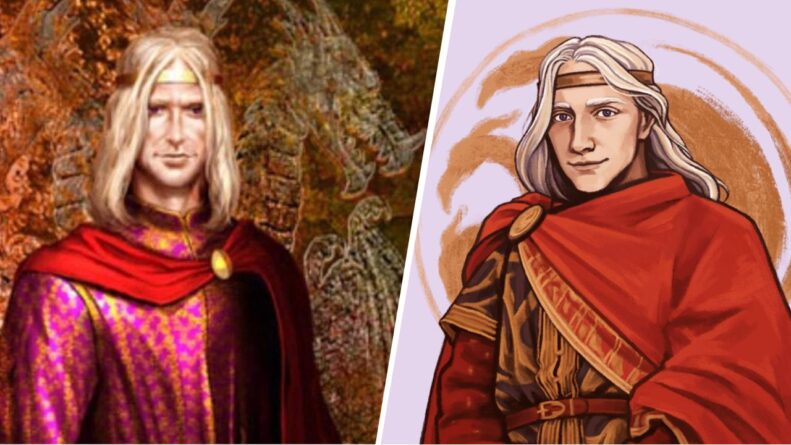
HBO’s new prequel of Dunk & Egg after the House of Dragon set to release soon with a good storyline of Aegon Targaryen “Egg” the price belongs to the lineage of Rhaenyra. A Knight Of The Seven Kingdoms is set in the era 90 years before Game of Thrones, in the time of King Daeron II. Actually, young Egg is the great-great-great-grandson of Rhaenyra by way of her son Viserys II.
So the A Knight Of The Seven Kingdoms directly connected to people from GoT and House of the Dragon. Daeron II – Egg’s grand-uncle and the series’ ruling king – would gain the epithet “Daeron the Good”.
Aegon V “Egg” Targaryen
Dexter Sol Ansell is cast as Aegon V Targaryen, “Egg”, the young prince in the trailer. Egg is introduced as a boy prince of House Targaryen, the fourth son of Prince Maekar. He is a brave, compassionate, and intelligent young man in Martin’s novels.
He shaves his head and wears a loose cap to conceal his silver-gold hair, so as not to be recognized by common men. For those of you who can’t imagine him, imagine Iggy Pop with silver gold hair. People say of him that even as a grown man he was warm and easy to approach, and loved by the smallfolk.
The trailer shows Egg with large, pure eyes and a fast smile, just as the kind and clever boy from the novels.
Prince Aerion “Brightflame” Targaryen
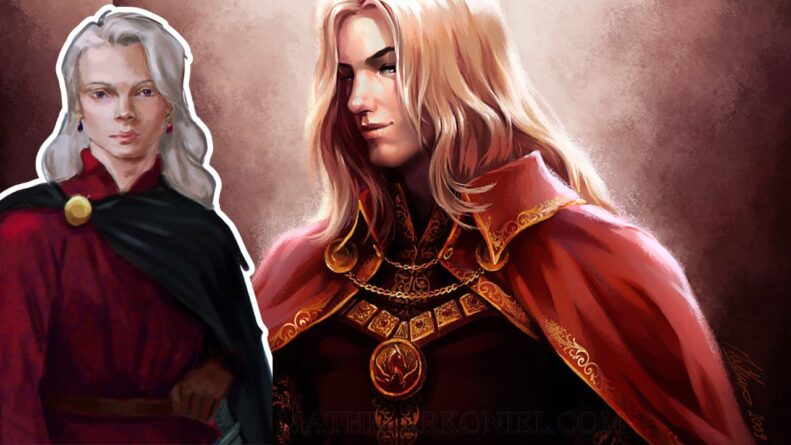
Finn Bennett as Aerion “Brightflame” Targaryen, Egg’s older brother with platinum hair. In the books, Aerion is pure evil. He was portrayed as The Monstrous Aerion due to his cruel and arrogant nature. He actually believes he’s a dragon trapped in a man’s body, according to Westeros, One synopsis tags him as ‘a classic case of Targaryen family madness’, In the Dunk & Egg stories, he dabbles in evil magic and bullies Egg—such as by throwing Egg’s pet cat in a well.
Bennett’s version has a helmet clad in metal flames inspired by his fire-loving ego. Aerion is, at the end of the day, the show’s crazy prince. The trailer nails his wild, sneering vibe that suits his brutal, flame-loving nature.
Prince Daeron “The Drunken” Targaryen
Henry Ashton plays Prince Daeron Targaryen, the elder brother of Egg and Aerion. Daeron is Maekar’s eldest – in fact, the official notes describe him as “the eldest son of Maekar, I… the prince of Westeros”
The following Maekar he would have been next in line to sit on the throne. His sobriquet “the Drunken” reflects his method of dealing with two prophetic visions: in the novels Daeron drinks wine to numb family tension in the Targaryen brood is a family secret. The Direct also confirms Daeron’s identity: he “is the son of Maekar I, and is… the prince of Westeros, and the crown’s next-in-line after Maekar”
From Ashton’s Daeron grin and swagger it is immediately clear that this Daeron is a roguish and charismatic man of mystery. We only see him for a moment in the trailer, but the “Drunken” prince has a lot more going on than you’d think.
Prince Aemon Targaryen
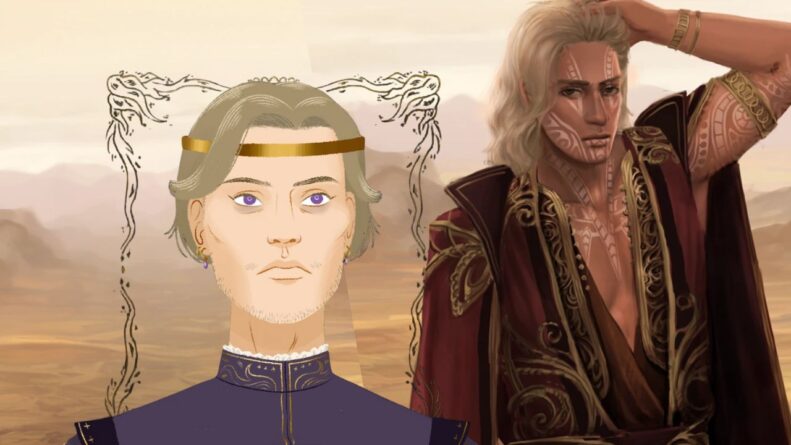
Aemon Targaryen is Egg’s eldest brother. He appears later in life as Maester Aemon in Game of Thrones. He is not going to show up in the Dunk & Egg series. At this stage, young Aemon already is in the Citadel. Still, he waits in the wings. Aemon was the elder brother of Egg. He became a maester and then joined the Night’s Watch. In the Dunk & Egg tales, Aemon dubs his brother the nickname “Egg.”
He really looks up to him. In the Game of Thrones deathbed, Maester Aemon has visions of Egg. Martin’s background says young Aemon saw Egg’s “sweetness and innocence.” So, while scholar Aemon never takes the stage, he is family. He quietly shaped Egg’s beginnings, if never announced himself to modern readers.
Prince Maekar I Targaryen
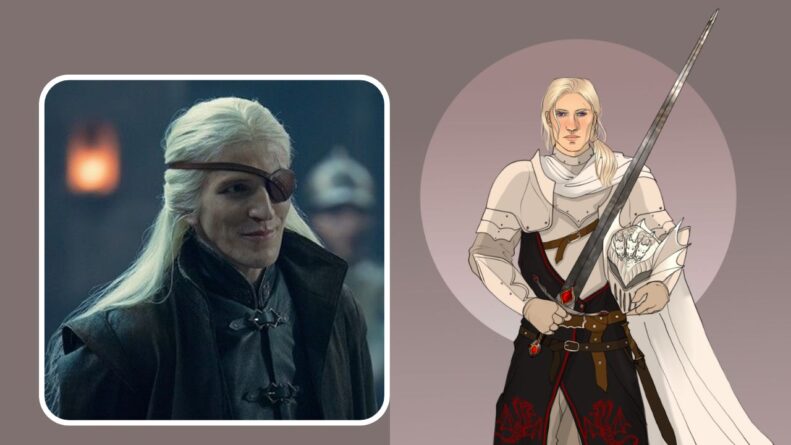
Sam Spruell is cast as Prince Maekar, the father of Aerion, Daeron, Aemon, and Egg. Take a look at him. The trailer shows him as a no-nonsense military leader. Soap Central mentioned Maekar fought terribly hard in the Blackfyre Rebellions. He was dubbed “the Anvil” because he held his ground in the midst of chaos. Maekar is a strong and grumpy in the attitude. The books say he is irritable and impatience, difficult man with a sharp tongue and who was too quick to find fault or to punish. After killing his brother Baelor by accident in a tourney, he becomes even more severe. But he loved his children in his rugged way. In The Hedge Knight, he allows Egg to be squire to Ser Duncan. He lays down the laws: keep out of sight and look meek. No locking Egg up instead. So Spruell’s Maekar should be strict, but with a heart. A proud Targaryen dad worries about his wild boys.
Bertie Carvel is cast as Prince Baelor Targaryen. He is the uncle of Egg and the eldest son of Daeron II. In the stories, Baelor is the quintessential heroic prince. His moniker is well-earned – he gave Daemon Blackfyre’s spear a good snapping in a tournament. Then he was Hand of the King. His mercy and Knightly life was beloved of the people. An ancient writing says it all: “It is beyond question that Baelor Breakspear would make an excellent king. He was chivalrous and had a good mind.”
King Daeron II Targaryen
King Daeron II never appears on screen, but he sired a lot of these characters. Known as “Daeron the Good,” he reigned with wisdom and prudence in negotiations. He married Princess Myriah Martell and had four sons: Baelor, Aerys, Rhaegel, and Maekar. Baelor, Maekar, and even Egg, all come back to Daeron’s Targaryen line. This line goes from Viserys II to Rhaenyra’s line, and connects the princes to the Targaryens of House of the Dragon. Daenerys from “Game of Thrones?” She’s just formed one part of one side line from Egg’s great-great- granddaughter.
Princes such as the brave Baelor and the volatile Aerion share blood with the Dragon Queen. Their stories contribute to the larger Targaryen narrative.
Recap & Series Cast Details
HBO A Knight of the Seven Kingdoms: The Hedge Knight “traces the exploits of Ser Duncan the Tall and a youthful Aegon V Targaryen”. The cast announcement solidifies a near 50/50 split between knights and Targaryens.Peter Claffey is cast as Ser Duncan the Tall, and Dexter Ansell as Egg.
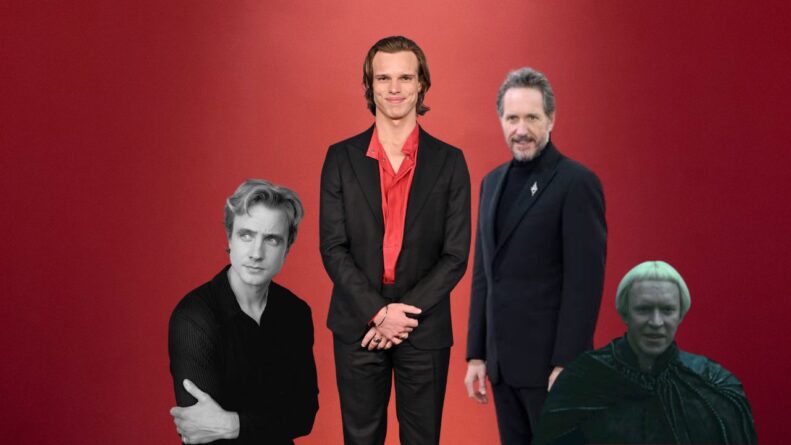
For the Targaryens, the announced cast includes Finn Bennett (Aerion), Henry Ashton (Daeron), Sam Spruell (Maekar) and Bertie Carvel (Baelor). Note that not every face on the show is a dragonborn. However, the royal family does get most of the spotlight.
Conclusion
fans are at last getting a peek in person at these Targaryen princes and kings. Aegon the Unlikely (Egg) is the kindhearted protagonist, Aerion is the prideful “Brightflame” fiend, Daeron is the clandestine malcontent, Maekar is the hard line father-king, Baelor is the knightly heir, and far off Aemon is even shadowing at the brink of the tale.
But the show So by laying out this family tree and the traits of the princes, you can keep track of who’s who in the Dragon family. So when the hedges darken with mystery and the dragons rattle beneath the surface, we can see exactly how these young royals slot into the grand tapestry of Westeros history.
Alpana
Articles Published :
156
Alpana is Fandomfans Senior Editor across all genres of entertainment. She evolved in the media industry since a very long time, she manages the content strategy and editing of all the blogs. Her focus on story development, review analysis, and research is well-equipped that ensures every article meets the standards of accuracy and depth.
If you’ve been watching tv for the last ten years, you’ve definitely had several heated discussions about which supernatural thriller really tugs at your heartstrings. The conversation always seems to get brought up—especially when someone tries to claim Stranger Things as the definitive sci-fi/horror juggernaut.
But here’s the thing a lot of fans are beginning to realize: Stranger Things, for all its nostalgic warmth and attractive production value, pales in comparison to the show that preceded it. Allow me to explain why series such as The Vampire Diaries, Game of Thrones, The 100, Dark, Lucifer and Fringe have established legacies that are and will be miles beyond that of Netflix’s darling creation.
The Nostalgia Trap: When Good Production Isn’t Enough
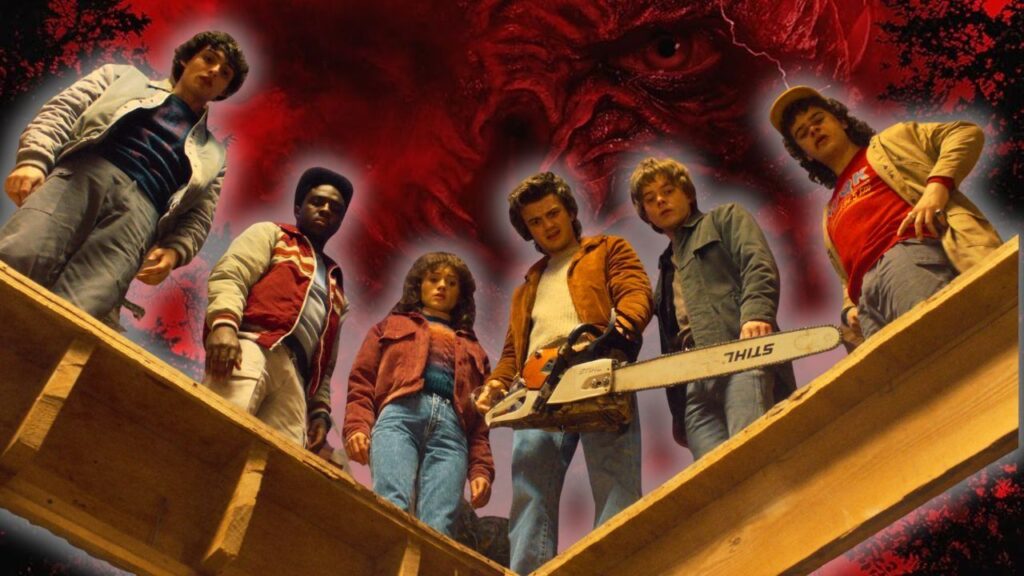
Stranger Things landed just in time for the right cultural wave. It was nostalgia for the ’80s at a time when that style was making a comeback, but repackaged it all in Spielbergian goo and added a dash of supernatural mystery to keep us guessing. The numbers are certainly staggering 404.10 million viewing hours for all four seasons in the first half of 2025— but that’s where we have to separate true artistic accomplishment from commercial success.
“Popcorn entertainment, enjoyable once, does not really have any depth.”
The above quote is just stating what Stranger Things is as opposed to what it pretends to be. You watch, you smile, you move on. Yet Dark, which boiled an incomprehensibly elaborate time-travel narrative down to three seasons — keeps an 8.9/10 on IMDb, thanks to its philosophizing and character work.
Image Credit: Fandomfans
Dark expected its viewers to pay attention and to grapple with paradoxes, and to ponder deeply whether indeed humans can exercise free will within a system dictated by an immutable notion of causality. Stranger Things sometimes fakes aspirations like that, but it mostly clings to emotional beats and ’80s nostalgia.
The Vampire Diaries: Passion, Character Depth, and the Courage to Evolve
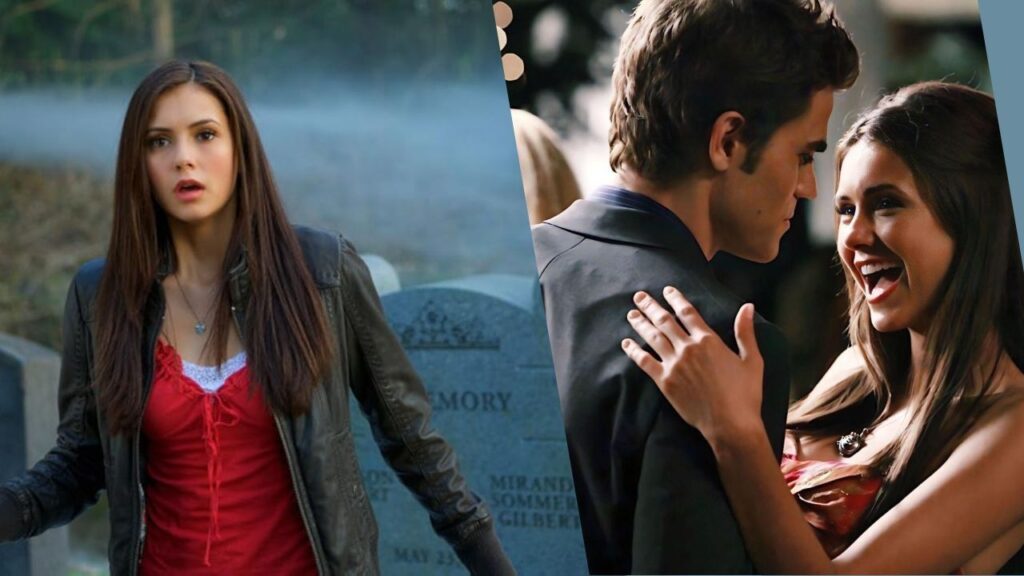
When The Vampire Diaries made its debut back in 2009, a lot of viewers wrote it off as ‘Twilight for television.’ Those who stuck around after the first ten episodes broke above something entirely different. This was a show that knew how to generate chemistry between characters — the kind where it wasn’t possible to just root for one couple because every romantic pairing had real emotional stakes.
The early seasons (especially 1-3) are truly amazing, and more importantly, they understood something that Stranger Things frequently forgets: audience will forgive you for screwing with the narrative if they’re emotionally invested in the characters doing the screwing.
Image Credit: Fandomfans
Damon Salvatore from TVD was such an iconic character because the show let characters be morally ambiguous. They can be horrible at one point and then sympathetic at another, like real people. That nuance, that unwillingness to make anyone just a villain or just a hero, is missing in Stranger Things, where characters pretty much fall into neat little categories.
The Originals, a spinoff series, was very popular and, in the opinion of many fans, was better than the original show in terms of story telling, characterisation, and general “watch-ability”.
Game of Thrones: The Show That Changed the Imagination of Fantasy Series
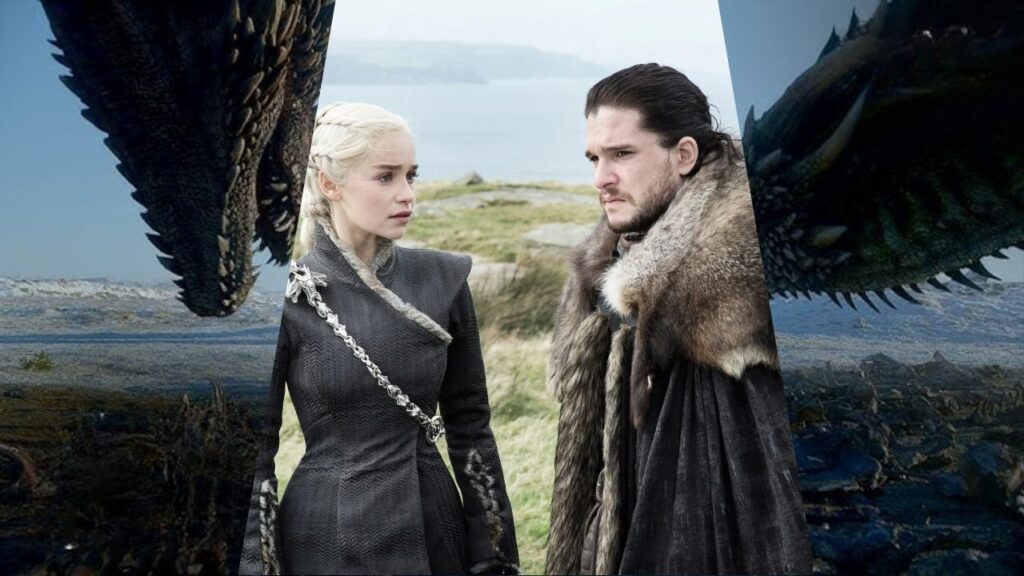
The final season of Game of Thrones was a dumpster fire. The hurried pace, the way characters acted out of character, the feeling that everyone’s elaborate six-season journey suddenly hadn’t meant anything—yeah, it was a letdown. But here’s the thing: Game of Thrones changed the way the entire entertainment industry thinks about television. It demonstrated that elaborate, political, morally grey fantasy narratives could draw and hold a global audience.
Image Credit: Fandomfans
Prior to Game of Thrones, fantasy was consigned to black-and-white dualities. In the wake of its success, all the big streaming players started snapping up big-budget fantasy projects. How the show shaped the way we watch television, the way we discuss stories online, the way we share fictional worlds?—That’s immeasurable.
It established appointment viewing in the streaming era. It made fan theory-crafting a mainstream activity. It inspired academic discourse about storytelling and character arcs.
Dark: The Masterclass in Narrative Complexity
Want to see what it’s like when a show actually respects its viewers? Watch Dark. This German show did something almost unprecedented: it developed one of the most densely packed narratives in all of science fiction television — in just three seasons and 26 episodes.
Image Credit: Fandomfans
The Show Plot & Storyline is pretty simple: kids disappear in a small town. But what ensues is a treatise on free will, determinism, quantum physics, metaphysics and time’s cyclical nature. Even better, it managed to stay emotionally resonant. Despite the mind-bending complexity of the show, readers say that the emotional core was strong enough to keep them engaged.
Dark’s dialogue is exceptional—it’s a “study in itself,” and the writers toy with philosophical ideas, quantum physics, and engineering before boiling these concepts down into pithy, memorable lines. Contrast with Stranger Things’ incessant pop-culture references and eighties period dialogue that does your thinking for you instead of making you think along with it.
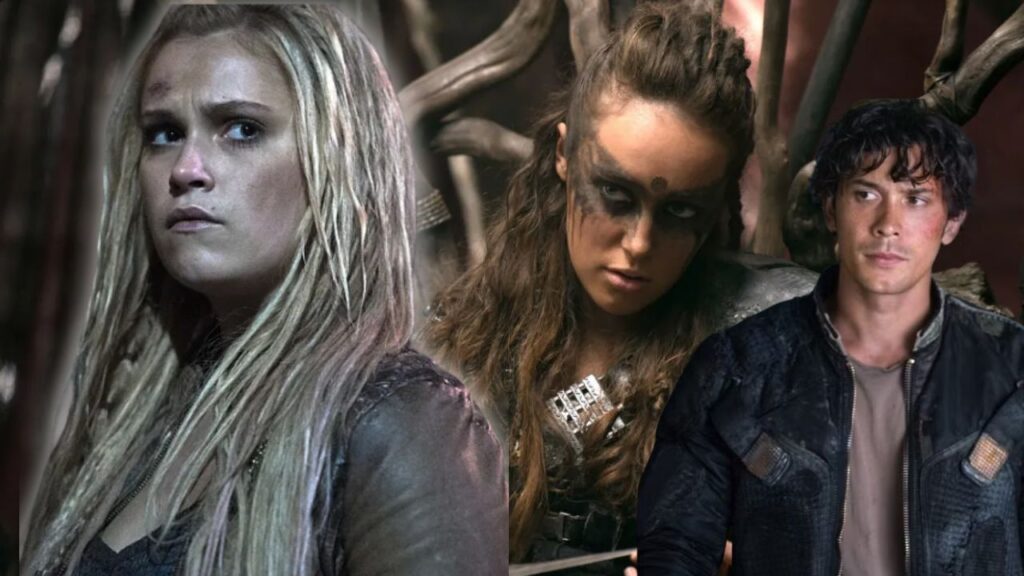
The 100 began as a CW series that frankly shouldn’t be nearly as good as it was. It gained a 93% rating on Rotten Tomatoes by the time it reached its fourth season. The show was posing genuinely tough questions: How far will human beings go to survive? Is tribalism inevitable? Can we break cycles of violence? These are from the sorts of narratives that hug you for hours after you’ve seen them.
Image Credit: Fandomfans
Where The 100 ultimately faltered was in its execution in the final seasons, most notably with divisive character deaths that didn’t feel consistent with what had been established in arcs. But even at its worst, the show was endeavoring to do meaningful stuff. It was attempting to communicate something about humanity and morality.” Much Stranger Things, by contrast, is frequently happy simply to entertain — without much commenting or consequence.
Lucifer: Building a Global Fanbase Through Authenticity
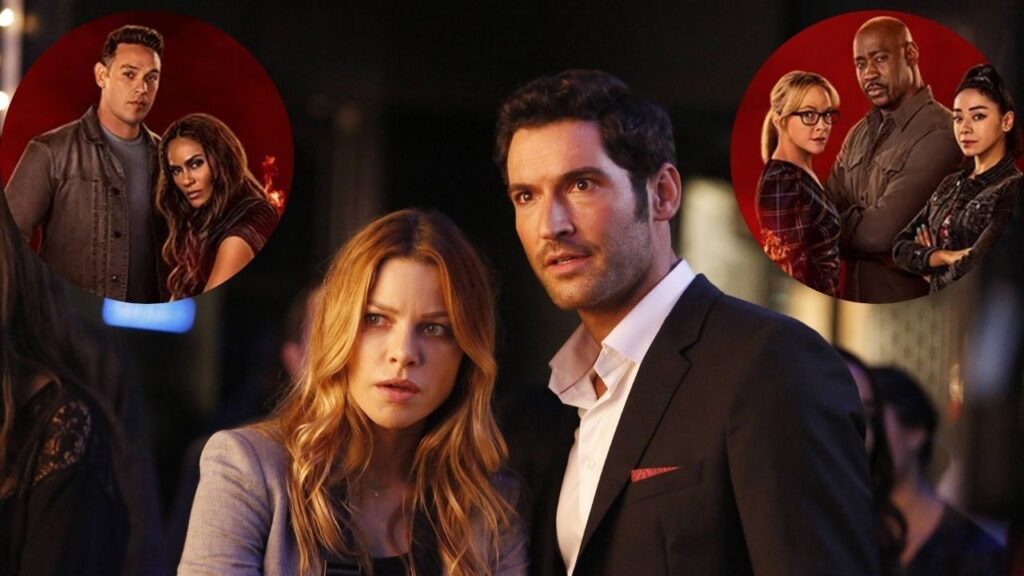
Lucifer may be the outlier here—a procedural about the devil himself running a nightclub—but it did something extraordinary: it cultivated such a passionate fan following that when Fox canceled it after Season 3, fans organized on social media and Netflix saved it for three more seasons. The series achieved international acclaim, with versions dubbed in Turkish, Japanese and German.
Image Credit: Fandomfans
Why? Because Lucifer was about character-driven storytelling. It made its main character human enough that viewers could see themselves in a literal divine being. It had the good sense to realize the viewers probably cared more about the characters’ relationships than the who-killed-who of the week. That’s not to say Lucifer never stumbled as later seasons veered away from what made the show so exceptional but at its core it never lost sight of what kept people coming back.
Fringe: The Cult Classic That Should’ve Been Mainstream
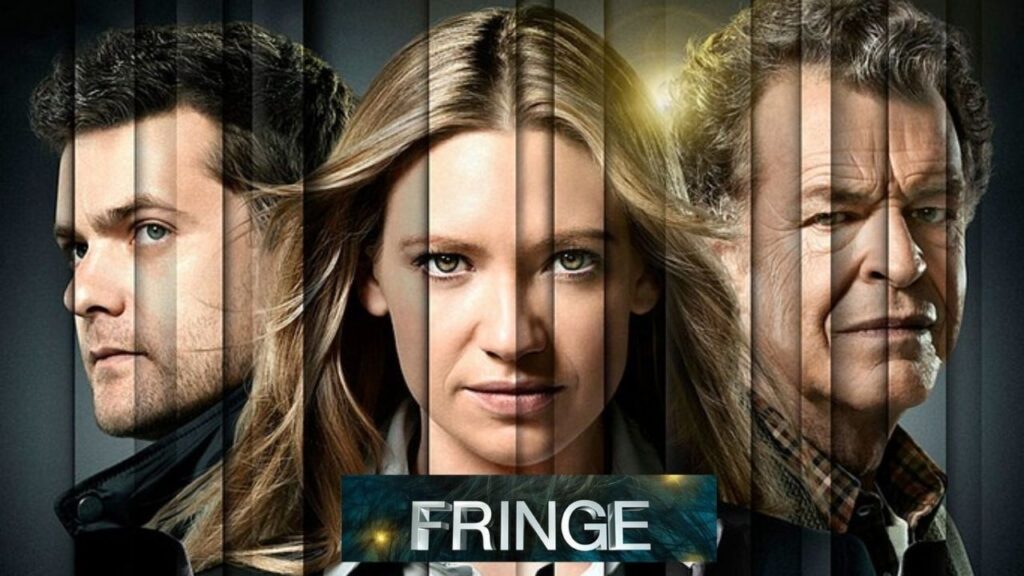
If there is a tragedy in TV, it is that Fringe never received the mainstream acclaim it deserved even while, amongst many serious science fiction fans, it was considered the best sci- fi show ever produced. Moved to the notoriously low-rated “Friday night death slot” and fighting dismal ratings, Fringe gained a passionate fanbase simply because it worked, plain and simple.
Image Credit: Fandomfans
Fringe currently has a 91% critical score and 80% audience score on Rotten Tomatoes — a “uncommon feat for a show that only got more complicated as time went on.” Its characters were real developed, its mythology was meticulously laid out, and its penchant for parallel universes and alternate timelines led to some genuinely “wow” moments that, unlike most of that sort of thing, really felt earned. Whereas Stranger Things sometimes comes across like it is dutifully ticking off plot points because Netflix knows what plays well to Gen-Z nostalgia audiences, Fringe actually trusted the smarts of sci-fi fans.
Conclusion
Here’s what it really takes to make Stranger Things different: purpose. Game of Thrones was purposely going to change the way television was made. Dark was purposely shaping a perfect narrative puzzle. The Vampire Diaries was deliberately constructing a multi-layered world. Lucifer was intentionally toting the human side of the supernatural. Fringe was consciously pushing the boundaries of what science could do.
Stranger Things, by contrast, is in on the joke — it’s selling nostalgia and entertainment. There’s nothing wrong with providing “entertainment value.” But it’s not the same level of art that lasts.
The recent Season 5 Volume 2 reviews are all you need to know. Fans are already comparing Stranger Things unfavorably to Game of Thrones Season 8 is literally the punchline to every conversation about awful television conclusions. Once you’ve become as despised as that, then you can admit that whatever Stranger Things was, it most certainly wasn’t what these other series achieved.
The above iconic series aren’t just better television, they are different television. They took risks. They trusted their audiences. They developed worlds and characters that became touchstones for whole generations of viewers. Stranger Things is comfortable being popular. These shows were deemed important. And that’s the difference — that difference, above all else, is why Stranger Things will never beat them.
Fandomfans is focusing on bringing a list of tv shows and movies that are still worth watching for you.
Alpana
Articles Published :
156
Alpana is Fandomfans Senior Editor across all genres of entertainment. She evolved in the media industry since a very long time, she manages the content strategy and editing of all the blogs. Her focus on story development, review analysis, and research is well-equipped that ensures every article meets the standards of accuracy and depth.
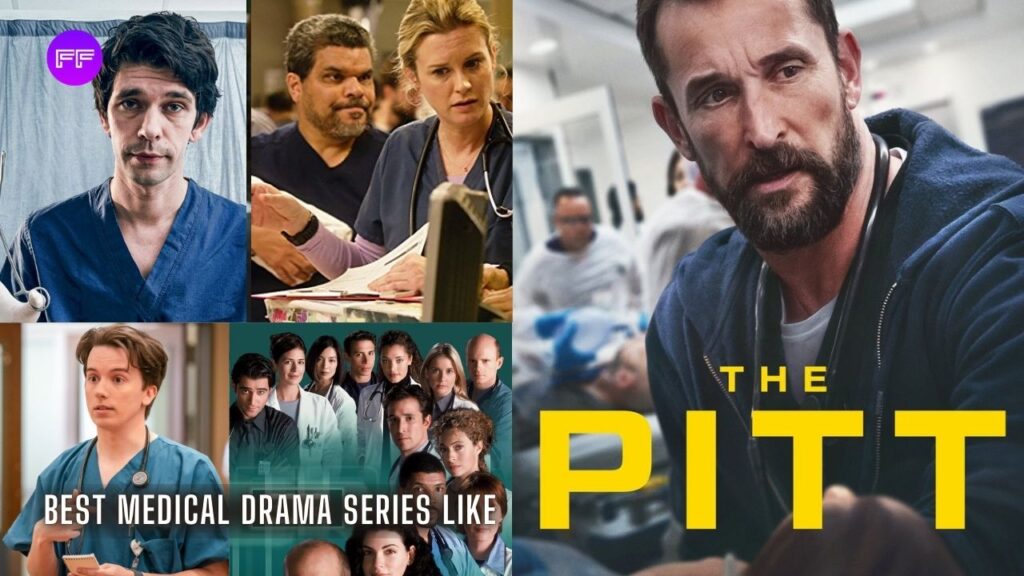
Best Medical Drama Series Like ‘The Pitt’ to Binge Watch in 2026
Love The Pitt? Discover the best medical drama series like The Pitt to binge in 2026, with intense hospital stories and realistic, high-pressure cases.
The Best Medical Drama Series like The Pitt has found its time in the sun again, late January 2026. This type of programming has historically been our group therapy — a place to examine our fears around our own health, our mortality and the organizations that are meant to save us. At the forefront of this revival is HBO Max’s The Pitt, an adaptation that has not only revived Noah Wyle’s career but shattered the conventions of the genre.
Now in the second series with the harrowing fourth episode, “Code Black,” just aired last night – it has clearly captured our attention by virtue of its “real-time” approach and uncompromising view of a medical system in chaos. But there is a catch. The very structure which makes The Pitt so exhilarating — its weekly Thursday release creates a breaking-point for contemporary viewers conditioned to the “binge” model. We want to get lost in it, uninterrupted.
If the countdown to next Thursday has you climbing the walls, you’re in good company. You want Best Medical Drama Series Like ‘The Pitt’ that mimics that particular pressure in the air, complexity in the ethics and energy in the kinetics. The following guide is a handpicked rundown of the best streaming services that are currently available that will analyze the “DNA” of medical TV to help you find your ideal match.
Why ‘The Pitt’ Is Redefining Modern Medical Dramas
To find an alternative, we must begin by asking ourselves what we are substituting. The Pitt isn’t just a series about doctors, it’s a survival horror tale taking place in a hospital.
Real-Time Pressure: The series through its gameplay segments simulates a nonstop flow of time. There’s no decompression. The characters’ stress becomes your stress.
The “Noah Wyle” Factor: Wyle now stars as Dr. “Robby” Robinavitch not the idealistic student he was in the 90s, but a “haunted” veteran. He’s the old guard in a shattered world, trying to uphold standards.
Systemic Critique: This is a post-pandemic world. The hospital isn’t a refuge – it’s staff shortages and violence, a war zone.
Any good alternative has to tick these boxes: high velocity, flawed heroes, and systemic realism.
‘The Pitt’ Alternatives to Binge Watch
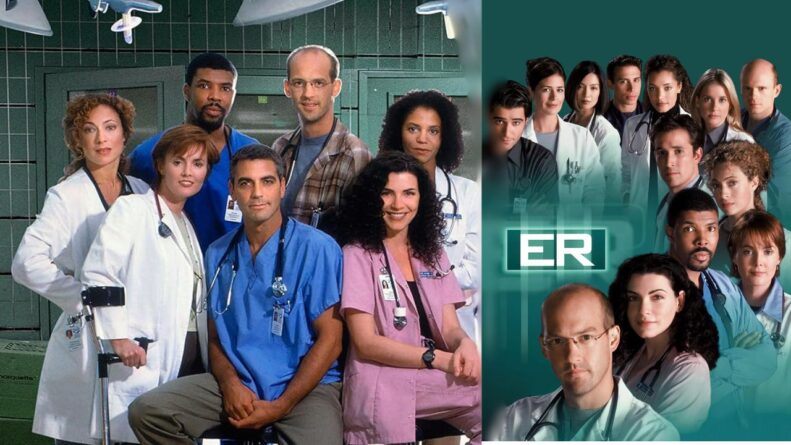
The Progenitor: ‘ER’ (1994–2009)
If The Pitt represents the modern masterpiece, ER is the gospel. Any fan of the present show needs to watch ER, as nothing is quite mandatory enough for a television show still in production. It is the genetic progenitor, with the same creators, producers, and, naturally, its leading star.
The Genealogical Connection: The Pitt is in many ways a spiritual successor — what critics have dubbed “ER: Pittsburgh.” It borrows the visual language ER created: the walk and talk, the Steadicam whizzing down corridors, the overlapping dialogue that assembles into a symphony of chaos.
Watching ER in 2026 provides a unique meta-experience. You get to see the origin story of the actor behind Dr. Robby. In ER, Wyle is John Carter, who begins as a novice doubling over at the sight of blood and matures into a seasoned commander. Catching the ghosts of John Carter in Robby’s tired eyes adds a layer of meaning to your viewing experience.
Where to Watch: ( Seamless switching between The Pitt and ER) HBO Max.
Plan/Approach: Concentrate on the “Golden Age” (S1-8) to discern the blueprint The Pitt is constructed on.
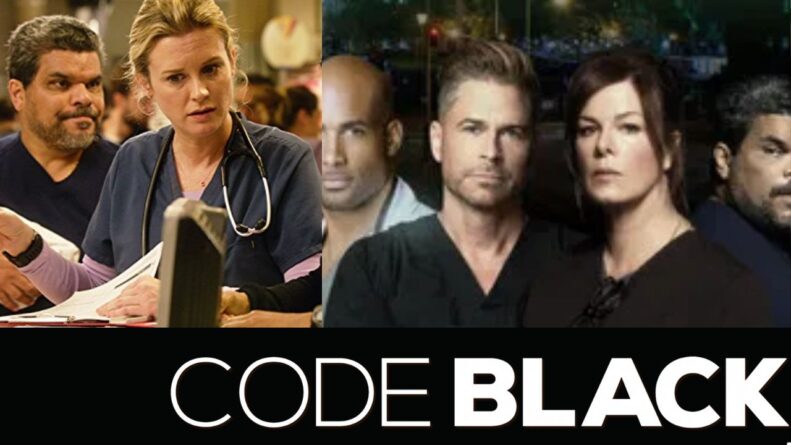
The Direct Sibling: ‘Code Black’ (2015–2018)
If ER is the father, Code Black is the sibling separated at birth. If you find ER a bit old-fashioned, this is your high-octane contemporary option.
The Concept: The name is a nod to a condition in which patient intake overwhelms resources — the same “Code Black” crisis we witnessed earlier in The Pitt. Both series are fixated on the physics of overcrowding: hallway medicine, no beds, and savage triage.
Visual Chaos Code Black sets its action in “Center Stage,” a trauma zone that replicates the “fishbowl” experience of The Pitt’s trauma bays. The camera spins around the doctors, providing a 360 theater of trauma. She also has a powerful mentor figure in Dr. Leanne Rorish (Marcia Gay Harden), who is a mirror to Robby’s role as the rule-breaking, intense leader.
Where to Watch: Prime Video.
Commitment: 3 Seasons (47 Episodes). Great for a quick binge.
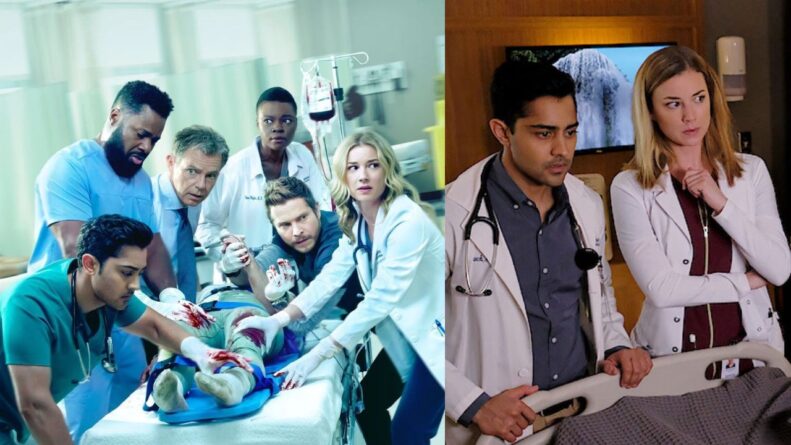
The Systemic Critic: ‘The Resident’ (2018–2023)
If The Pitt is about the floor chaos, The Resident is about the boardroom corruption that leads to it.
The Corporate Villain Set at Chastain Park Memorial, this program overtly positioning hospital management as the villains. It is perfectly in keeping with The Pitt’s obsession with quantifiable medicine. Despite the melodramatic nature of The Resident—sometimes slipping into thriller-type suspense—it does offer a rewarding “hero vs. suit” dynamic. One of the most fascinating arcs in recent TV history is that of Dr. Bell’s transformation from villain to patient advocate.
Where to Watch: Hulu and Disney+.
Vibe: Darker, conspiratorial and cynical.
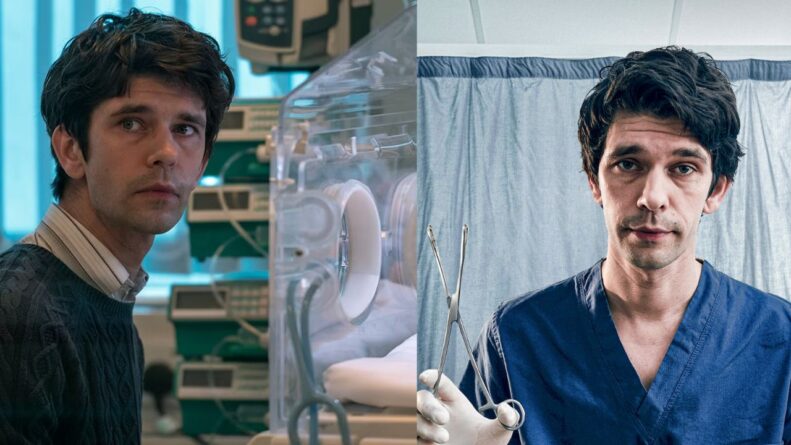
The Unflinching Realist: ‘This Is Going to Hurt’ (2022)
For the viewer who says they watch The Pitt “for the realism” and emotional sincerity, this British miniseries is the best they’ll get.
The Anti-Glamour Drawing on Adam Kay’s memoirs, this series strips off the adrenaline to reveal the fatigue. Taking place in an NHS maternity ward, it shows the immense pressure of responsibility within a failing system. The hero isn’t a superhero, he’s exhausted, prickly, and makes mistakes. It’s a tougher watch often referred to as “brutal” — but that mental-health crisis among medical workers is portrayed more powerfully than anywhere else on TV.
Available on: AMC+ and Apple TV.
Commitment: Only 7 episodes.
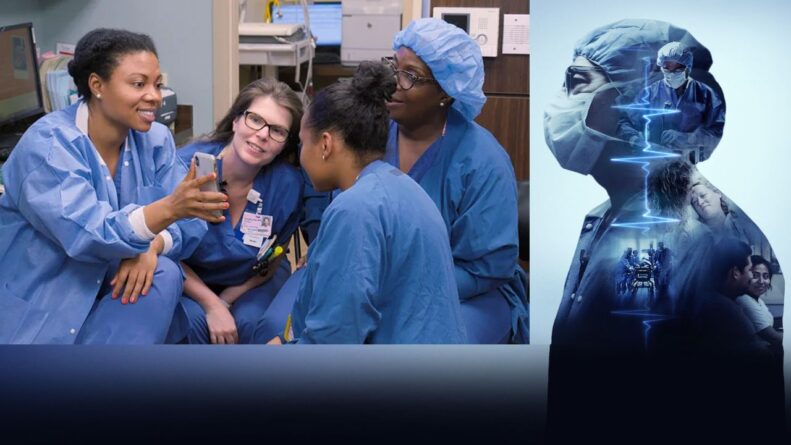
Non-Fiction — ‘Lenox Hill’
But even at its most punchy, fiction can’t always capture the power of real life. The Pitt, for all its documentary feel, Lenox Hill is the real thing.
Actual Doctors, Actual Patients All Four Doctors are Real followed four real doctors in NYC, offering insight into the realities of patient care without that old standby, manufactured drama. The standalone ninth episode, “Pandemic,” chronicles the onset of COVID-19 in NYC. It is a prequel to the world of The Pitt and reveals the precise moment the system broke, as well as the events that led to the cynicism that fictional doctors assume today.
Watch here: Netflix.
Satire & Dark Comedy Dramas
Today’s trauma needs you to be looking after you, too.
St. Dennis Medical (2024–Current): The Office meets an under-resourced hospital in Oregon. (It validates the frustrations of the system — bureaucracy, burnout, lack of resources but plays them for laughs.) A necessary release valve. (Streaming on Peacock).
Nurse Jackie (2009–2015): Edie Falco’s Jackie Peyton is the quintessential flawed protagonist. She’s excellent at her job but addicted, and she reflects Dr Robby’s “risky behavior” but from the perspective of the nurses who conduct the ground war. (Streaming on Netflix)
The Best Medical Drama Series Like ‘The Pitt’ at a Glance
If you want…
Watch this…
Streaming On
The Direct Ancestor
ER (Seasons 1-8)
HBO Max
Pure Adrenaline
Code Black
Prime Video
Systemic Conspiracy
The Resident
Hulu
Brutal Realism
This Is Going to Hurt
AMC+
The True Story
Lenox Hill
Netflix
Conclusion
The dominance of The Pitt in 2026 is a sign that the comfort-food style of glossy medical dramas is no longer enough to satisfy viewers. We want intensity and truth, and stories that recognize those systems of life-saving have cracks in them. The Pitt treats the hospital as a pressure cooker — ethical, emotional, and institutional — and that clearly has resonated.
Until the next episode drops, these alternatives don’t just help pass the time; they expand the experience. Through the foundational chaos of ER, the relentless velocity of Code Black, the corporate warfare of The Resident, the bruising honesty of This Is Going to Hurt, or the rawness of Lenox Hill, each series reveals a different shade of the same reality: medicine is heroics in an environment that makes it unsustainable.
Binge-watching The Best Medical Drama Series Like The Pitt in 2026 doesn’t make The Pitt seem smaller, it makes it seem bigger. They show us that terror, fatigue and ethical degradation aren’t tricks of genre. They’re byproducts of a system that’s always teetering.
Find the best dramas list from Fandomfans to make your weekends entertaining and happy.
Alpana
Articles Published :
156
Alpana is Fandomfans Senior Editor across all genres of entertainment. She evolved in the media industry since a very long time, she manages the content strategy and editing of all the blogs. Her focus on story development, review analysis, and research is well-equipped that ensures every article meets the standards of accuracy and depth.