Star Trek History Sparks lighting on “Trials and Tribble-ations” After Leonard Nimoy’s Simple Response

Discover the Star Trek history behind Trials and Trible-ations and Leonard Nimoy’s legendary response that made it one of the greatest episodes ever. Read more.

Published: April 1, 2026, 12:59 pm

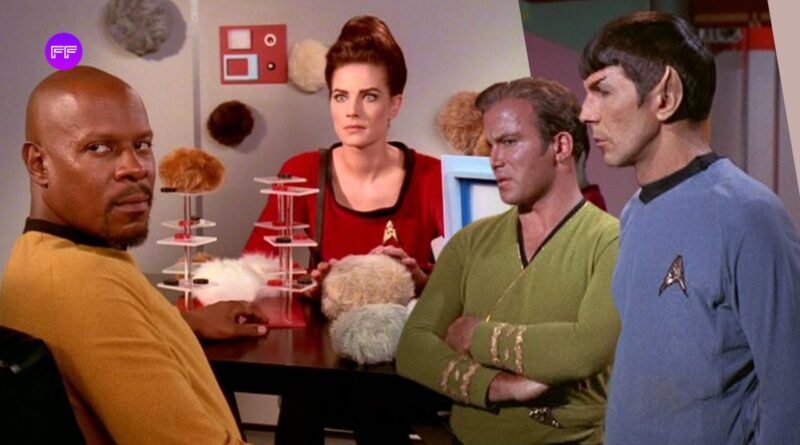
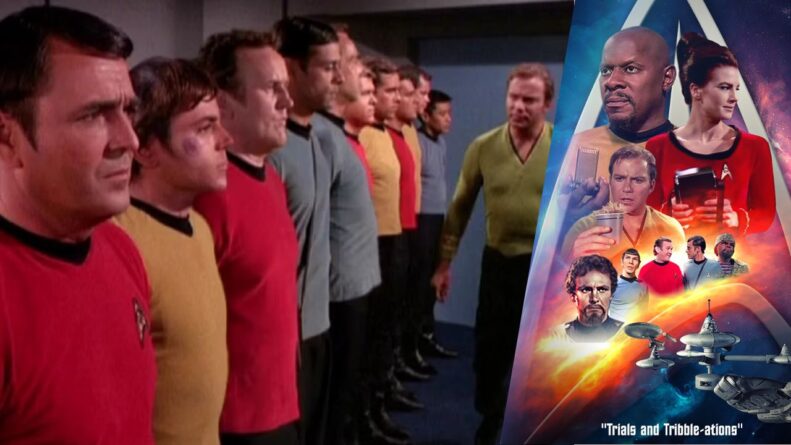
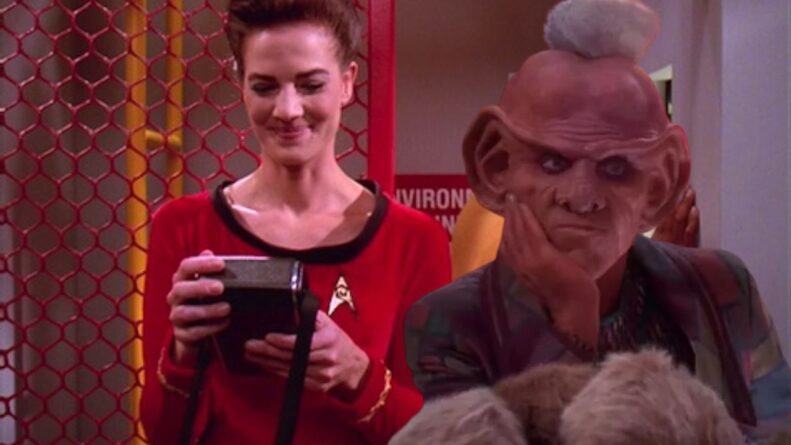
There are some episodes in the long, Star Trek history of the franchise that are “good,” and then there are those that transcend the screen to become iconic moments of pop-culture history. One such occasion is the fifth-season Star Trek: Deep Space Nine tour de force, “Trials and Tribble-ations”.

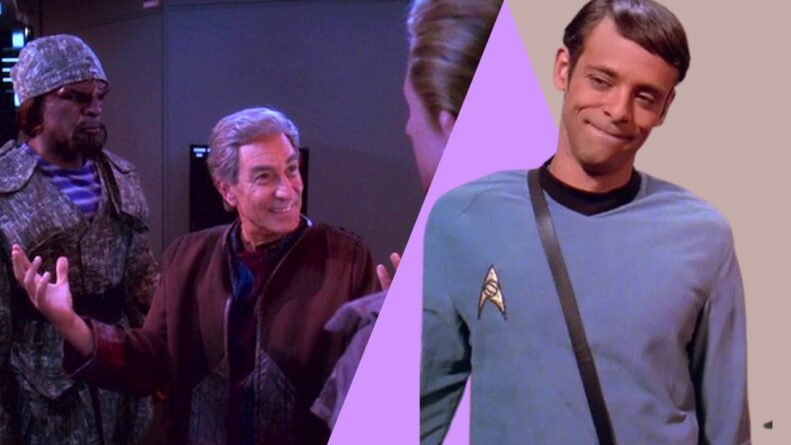
To fans it was a technical marvel –a 1996 love letter to the 30th anniversary of the franchise that merged the grim, 24th-century reality of Captain Sisko with the bright, primary-colored 1960s look of Captain Kirk. But off-camera the episode was a political quagmire.

Why “Trials and Tribble-ations” Became an Iconic Star Trek Episode

New details from executive producer Ira Steven Behr at the Trek Talks 5 fundraiser have provided clarity to a moment that could have turned out very differently: the phone call to the late, great Leonard Nimoy. 

In order to understand what made Rick Berman (then the franchise lead) so nervous about calling Nimoy, you just have to go back to the 1994 “Generations” debacle.

Trials and Tribble-ations

At this time, Leonard Nimoy wasn’t only an actor, he was the filmmaker who had rescued the motion picture series with his two films, The Search for Spock and The Voyage Home. When it was time to transition the Original Series (TOS) cast to The Next Generation (TNG) cast in the movie Star Trek Generations, Star Trek history, Paramount, they naturally looked to Nimoy to direct. 

Tension Behind the Call to Leonard Nimoy

Yet Nimoy notoriously disparaged the script. He believed the story had holes, but more significantly he was offended by the “cameo” status of Spock’s part in the prologue. He wasn’t content to be just a name on the screen; he wanted to be involved in writing and directing as well. When Paramount would not be swayed from the script, Nimoy walked out. The Nimoy-Rick Berman dynamic grew frosty, “getting us into a different place…not exactly on the same page.” 

When the concept for “Trials and Tribble-ations” was raised an episode that would cheekily insert footage of Nimoy from the 1967 classic “The Trouble with Tribbles” — the legal and professional obstacles seemed too great to overcome. Berman, perhaps anticipating a rebuke or a sermon, informed Ira Steven Behr that he was the one who should make the call. 

“What Took You So Long?” Moment Explained

Behr characterizes the moment with a tension usually only found in a Romulan standoff. He phoned Nimoy, prepared for a “prickly” meeting, and pitched the idea: DS9 was going to utilize digital technology to place their actors within the original film footage.

What Took You So Long

Following a lengthy and suspenseful pause that probably felt like a lifetime to Behr, Nimoy said simply in five words:

“What took you so long?” 

It was more than just a “yes.” But it was the evolution of the franchise that earned the fans’ energetic thumbs-up. Although Nimoy had guarded Spock’s dignity in the films, it is clear that he had a deep love for the fans and the legacy that show came to have. He wasn’t into holding a grudge against a creative homage; he was stunned it hadn’t come sooner. 

How DS9 Pulled Off a Groundbreaking TV Experiment

With Nimoy’s blessing, the writers and producers of DS9 put together what many consider the definitive “gimmick” episode in television history. Here’s why the Star Trek history and Nimoy’s blessing of it — remains so important:

Technological Pioneering: Well in advance of “de-aging” technology being a standard Hollywood practice, DS9 employed forest-green screens and precise lighting to emulate the grain and shade of 30-year-old motion picture film. 

The “Forrest Gump” Effect: Watching Bashir and O’Brien chatting in the TOS commissary, or Sisko on the bridge of the original Enterprise gave us a grounding that made the universe of Trek feel “whole” in a way it never had before.

Humor, Nostalgia, and the Magic of Star Trek

The episode was not ridiculing the 60s, it was loving them. The joking about the changing Klingon foreheads (“We do not discuss it with outsiders”) to the sight of Sisko autographing a Kirk book – it was every fan’s dream. 

Why Nimoy’s Reaction Matters Today

In a time when “toxic fandom” and “creative differences” were shaping much of the news, Nimoy’s response is a grounding reminder of what Star Trek history is meant to be.

Nimoy’s Reaction

Nimoy recognized the difference between a corporate mandate (the Generations script) and a creative homage (the DS9 tribute). He may have been “hard to work with” in fulfillment of his view of the character of Spock, but he was exceedingly generous when artists sought to pay tribute to the work. 

Star Trek history Blessing

Perspective Reaction to “Trials & Tribble-ations”
Rick Berman Fearful of litigation and personal friction.
Ira Steven Behr Nervous, but hopeful for a creative win.
Leonard Nimoy Enthusiastic, viewing it as a long-overdue celebration.

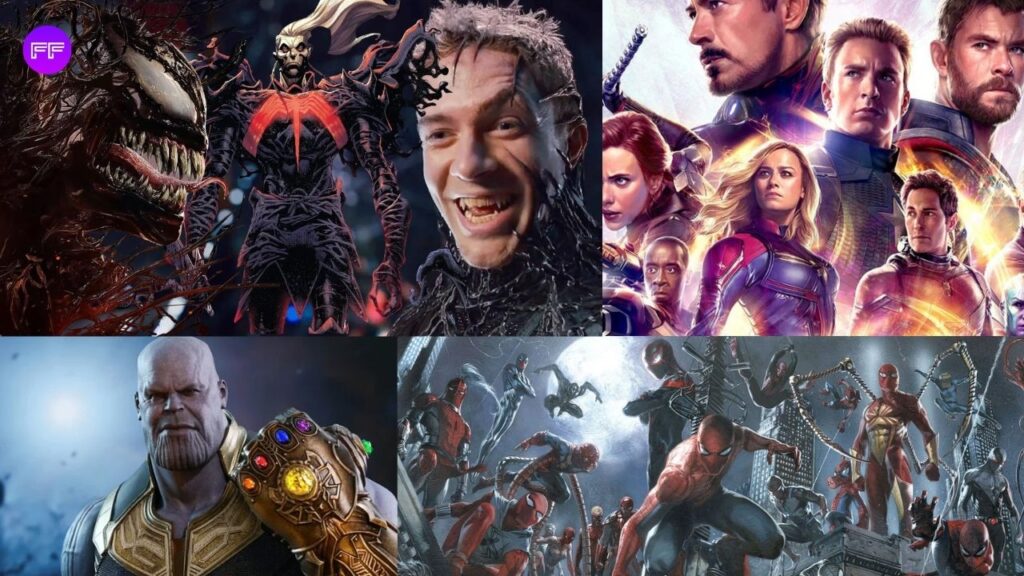
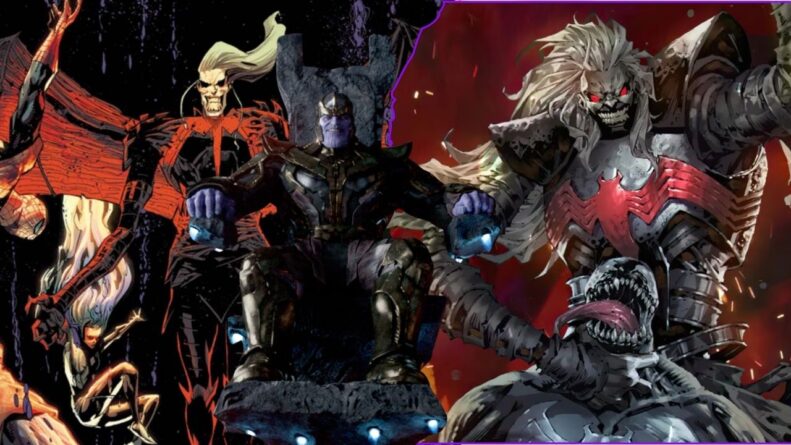
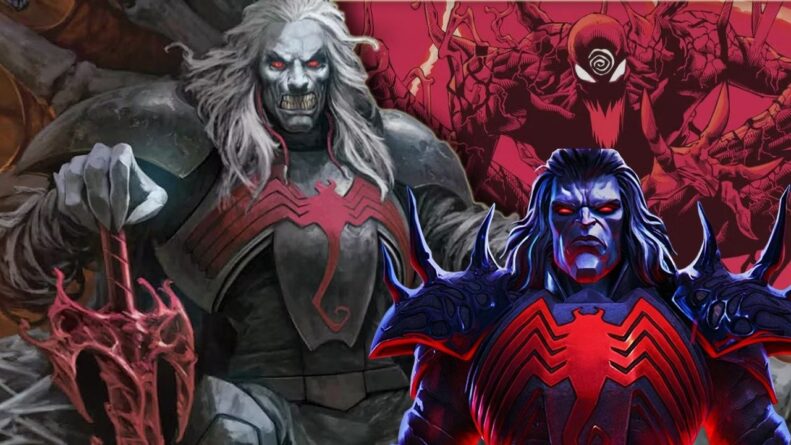
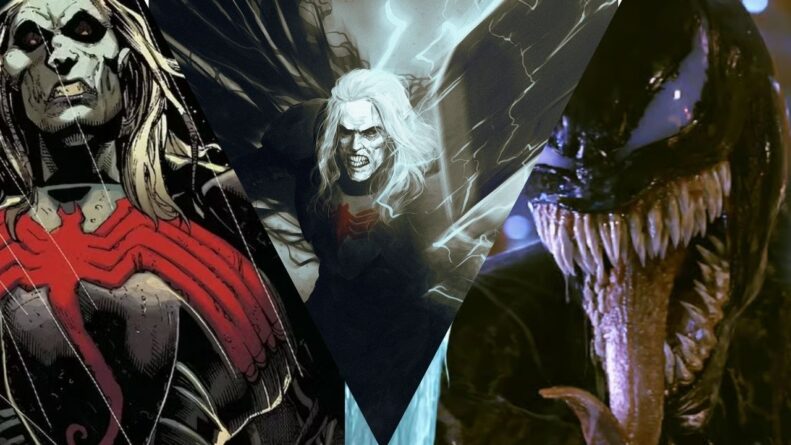
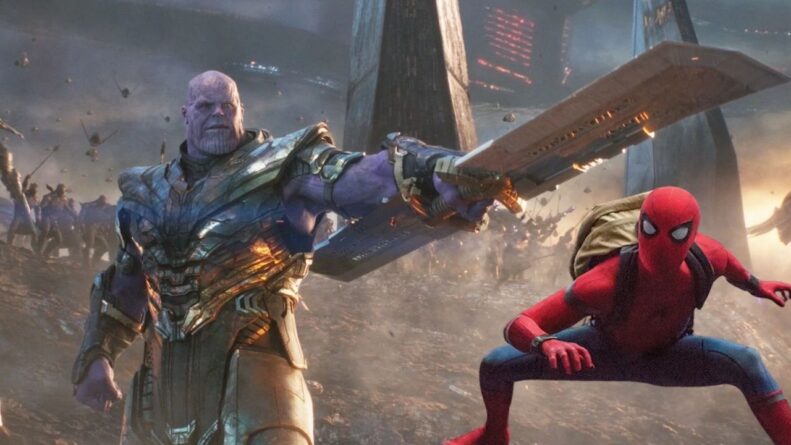
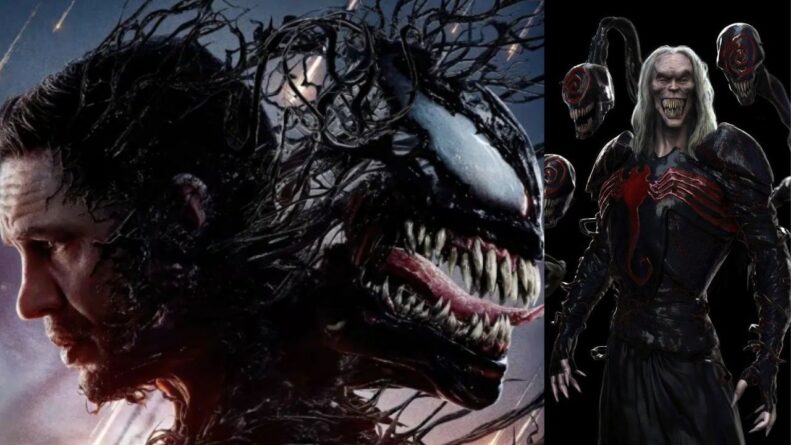
Read Also:- Marvel Supervillains: Knull vs Thanos Are Officially in the Battleground

A Perfect Bridge Between Two Generations of Star Trek

In the end, Nimoy didn’t return to the “Berman-era” of Trek ever again after that. His subsequent involvement with the character of Spock wouldn’t come again until the 2009 reboot directed by J.J. This just makes his support for the DS9 ep even stronger. It was his way of saying that while I’m sure he had some issues with the suits in the front office, his love for the world of Star Trek and the fans who kept it alive was unconditional. 

“Trials and Tribble-ations” is a transitional episode. It’s a bridge spanning 1966 to 1996, bridging the gap between the film stock of yesteryear and that of the digital future, and—thanks to a surprisingly genial phone call—it’s a bridge between a legendary actor and the franchise he helped build.

As 2026, the year the episode took place in, marks the 30th anniversary of that episode, Nimoy’s statement rings true. What took them so long? The magic has always been there in Star Trek history, it just needed to be rediscovered and reclaimed. 

Conclusion

Ultimately, “Trials and Tribble-ations” isn’t just a cool crossover episode—it’s a love note to everything that makes Star Trek great. From its bold use of technology to its sentiment-based tribute to the original series, the episode managed to unite generations of fans as few programs ever have. 

But the thing that really takes it to another level is Leonard Nimoy’s reaction. His simple yet profound assent—“What took you so long?”—lent a much-needed element of calm in a time when infighting within the franchise could well have scuttled the notion. It revealed that above all the contract issues and creative differences, there still was an immense respect for the legacy and the fans.

More than 20 years later, the episode serves as a testament that Star Trek is best when it looks back upon its roots even as it looks forward. And then, the Star Trek history isn’t the miracles that matter that get arranged in time, so much as the sudden glance of grace that’s unlooked for but remembered. 

Fandomfans deliver detailed responses from celebrities to their movies and series. Stay connected to receive more.

Alpana

Articles Published : 106

Alpana is Fandomfans Senior Editor across all genres of entertainment. She evolved in the media industry since a very long time, she manages the content strategy and editing of all the blogs. Her focus on story development, review analysis, and research is well-equipped that ensures every article meets the standards of accuracy and depth.

Leave a Comment

Your email address will not be published.

Absolute Universe DC Comics Bombshells from ComicsPRO That Will Reshape 2026

ComicsPRO 2026 Absolute Universe DC reveals game-changing new developments, bold stories, character twists, and plans for the future of the multiverse DC.

Written by: Alpana
Published: February 24, 2026, 5:10 am
Absolute Universe DC

Absolute Universe DC Comics made big news for Absolute Universe at the February 2026 ComicsPRO meeting. The company demonstrated that it is finished playing it safe. Instead, DC announced plans to overhaul how it produces comics across three distinct categories of books. These changes will be for both new readers and veteran Absolute Universe DC fans.

The conference was held February 19-22 in Glendale, California. This is the news that comic book stores get when they find out what the publishers hold for the next year. DC took the opportunity to prove it has a plan solidified for growth after sweeping changes in late 2024 and 2025. 

The Three Main Plans

DC has three ways to publish comics in 2026:

  • The Absolute Universe – Familiar heroes but new takes, no complex backstory
  • DC Next Level – Top talent reimagines obscure characters
  • DC Vertigo – Adult tales.

Different strategies appeal to different readers. Taken together, they demonstrate that DC is intent on expanding its fans and fitting the hobbies of existing fans better. 

The Absolute Universe DC: Where Heroes Are Underdogs and Billionaires Are Prey

The Absolute Universe started as an experiment. The concept was straight forward: Take well-known DC heroes, and take away all of their advantages. Batman doesn’t have money. Superman was not raised in Kansas. Wonder Woman has no royal family.

This world has previously sold more than eight million copies. Readers love watching heroes rise from zero in a world where villains already rule.

The villains in ‘this world’ had their own “Justice League.” This team includes:

  • Ra’s al Ghul
  • Veronica Cale
  • Hector Hammond
  • Elenore Thawne
  • A new version of the Joker

These baddies are on the lookout for newfound super folks through means of something called the “Mirror World.” They also take a few new recruits along. In this world, Lex Luthor is just a happy farmer. Hawkman betrayed his fellow heroes to the government in the 1950s.  

3 Biggest DC Comics Bombshells at ComicsPRO 

Absolute Green Arrow

Absolute Green Arrow debuts on May 20, “experimental” is a major understatement. Pornsak Pichetshote winner of The Sandman Universe: Nightmare Country Eisner-pairs off with Rafael Albuquerque to deliver what DC is literally calling I Know What You Did Last Summer for billionaires. But somebody slasher isn’t the baddie here. Or is he?

Here’s the delicious twist: Oliver Queen is already dead. Murdered. The green-arrow wielding “Absolute Hunter” who eliminates corrupt billionaires could be a successor, an apparition, or who knows what. Dinah Lance is now reworked as an “executive protection specialist” as opposed to a costumed crime-fighter that must track a cadre of archers, all linked to the late Queen, through her list of suspects. No trick arrows. No fortune. Just urban horror and class warfare clothed in hunter’s green. 

Absolute Catwoman

Then it’s Absolute Catwoman on June 10th, and DC are just playing a whole different game. Batman and Superman are the underdogs in this world and Selina Kyle came out on top. She’s the “Absolute Apex Predator,” the greatest thief of all time and who has access to technology that makes Batman’s gadgets look like kid’s toys.Scott Snyder co-writes with Che Grayson and Selina is the establishment figure while Bruce Wayne is the guy living on the fringes. The reversal in power is so delicious it ought to be illegal. 

The First BIG Crossover Event 

Absolute Universe DC also revealed the first big event in the Absolute Universe. It is scheduled for release in late 2026. The story will be a crossover with Absolute Wonder Woman, Absolute Superman and Absolute Batman. 

The event is designed to be accessible without needing to buy other books. Fans have speculated the heroes may also create their own team to battle the villain “Justice League.” Some speculate they call themselves the Legion of Doom. This is the book most likely to be the big seller of the holiday season. 

DC Next Level: The B-List Becomes the A-Game

Condensing what the Absolute Edition was offering up to readers new to the material, “DC Next Level” = pure obsessiveness excellence. This is the victory lap for Scott Snyder and Joshua Williamson — a creator-firstline where talent gets to pick its characters, not the other way around. 

The idea is pretty straightforward: Let amazing creators pick the characters they love, even if those characters are relatively obscure. Snyder described these books as “big swings” and “passion projects.” 

The March rollout gave us a taste of this with Lobo by Skottie Young (cosmic violence meets psychological evaluation), Batwoman by Greg Rucka’s triumphant return to Kate Kane, and Deathstroke: The Terminator by Tony Fleecs. But the summer announcements? That’s where things get genuinely disruptive.

Barbara Gordon: Breakout

Barbara Gordon: Breakout may well be the most politically resonant superhero comic set for 2026. Mariko Tamaki (just fresh off her Eisner win) is sending Barbara to Supermax. Not as a visitor. As an inmate.

Barbara Gordon Breakout
Commissioner Vandal Savage (let that title roll off the tongue) has constructed a prison for Gotham’s vigilantes and babs is trapped inside, without her tech and surrounded by criminals she helped capture. Orange Is the New Black meets The Shawshank Redemption as Oracle tries to make it through on brainpower. The survival thriller structure is so perfect for Barbara’s skill set that you wonder why no one did it sooner. 

The Deadman

Then there is The Deadman, which wins my subjective prize for “comic I am most likely to reread on the spot.” W. Maxwell Prince and Martín Morazzo, the creators of the existential terror masterpiece Ice Cream Man are now bringing their unique vision to Boston Brand in a six-issue miniseries about “ghostly derangement.” The DC K.O. event broke down walls between the living and the dead (comic book events have the best collateral damage), and now souls are stuck in spirals of spiritual turbulence. Deadman must inhabit humans and metahumans alike in a race to repair the afterlife before the fabric of reality tears apart. If you know Ice Cream Man you are aware that Prince writes horror that whispers in your ear long after the last page. 

Essentially DC saying: “Sure, we can do Vertigo-quality horror in the mainline universe.” 

A revamp of the Teen Titans 

Kyle Higgins and Daniele Di Nicuolo, the creator and illustrator team that revolutionized the Power Rangers comics are taking the franchise to a place it’s never been. Jason Todd runs the show meaning Red Hood is heading the Teen Titans. 

Not Dick Grayson giving wholesome guidance or Damian Wayne putting on a team-player front. This is Jason Todd lethal, traumatized, controversial investigating a plot surrounding disappeared superpowered teens and rounding up a team of “plugged-in, hyper-capable young heroes” to blow open systemic lies.

A revamp of the Teen Titans

The lineup features Cheshire Cat, Flatline and Fairplay – as well as two mysterious new characters including what looks like a Gen-Z construction worker with powers related to building. 

This isn’t your nostalgia-bait Titans This is Absolute Universe DC realizing the coolest stories come from breaking the toys, then giving them to creators willing to play from a different place. 

The Return of Vertigo

Hiding in the big blockbuster announcements was possibly DC’s most culturally significant move and bringing back the Vertigo imprint in full. Not as a nostalgia line, but as a destination for mature readers with real creative freedom.

What is salient here is that Vertigo was not simply a label—it was a mindset. Sandman, Preacher, Transmetropolitan, Y: The Last Man — these were comics that showed the medium could be literature for grownups without the spandex. 2026 DC’s slate suggests they’re taking a page from that lesson. 

While no specific Vertigo titles were mentioned in the ComicsPRO presentation, the dedication to ”mature-reader demographics” and the hiring of talent such as Prince and Morazzo definitely signals intent. The Deadman mini-series is really Vertigo horror dressed up in DC costume. Look for announcements at San Diego Comic-Con that will get the literary comics crowd talking. 

How These Three Publishing Strategies Take DC to the Next Level

For years the publisher seemed caught between pursuing after Marvel’s cinematic synergy and placating a direct market that was terrified of change. The 2026 slate is a different animal—three distinct publishing strategies working in tandem, each with clear creative mandates and focuses.

Absolute Universe are the onboarding ramps: continuity-free, high concept, visually arresting entry points for readers who have lapsed from the mainline or for newcomers. DC Next Level is the love project nursery, where familiar creators can get weird with underutilized characters. Vertigo (or whatever the mature line transforms into) is your prestige level, your evidence that comics can hold its own with HBO dramas and literary fiction. 

DC to the Next Level

A refined understanding that the direct market is not dying—it is just starving for more worthwhile products to collect. Those tiered prices for Absolute Catwoman aren’t greedy, they’re smart. They understand that comic book collecting is now experiential retail, where the tactile experience matters as much as the story on the inside.

All of this took its cues from the DC K.O. story arc. This concludes the five-issue mini-series of March 2026. A new “King Omega” will be established for this cosmic battle tournament to face Darkseid. 

The aftermath of that event is a shattered world of Absolute Universe DC Next Level. Spiritual realms are in disarray. Hero teams are fragmented. This allows writers to tell all kinds of new stories without negating what came before. 

Read More 👉 ‘Spiderman 4’ Official Synopsis Revelation of Theme of “Peter Parker is no more”

Conclusion

Absolute Universe DC Comics started 2026 with its intentions clear. The company has stopped waiting for Hollywood movies to make its characters popular. DC is producing comics worth paying attention to on their own terms.

From horror-tinged Green Arrow stories to prison survival tales with Barbara Gordon, from Jason Todd leading the Titans to Deadman fixing the afterlife, these books take chances. They trust readers to keep up with weird ideas.

DC’s three-tier approach is Absolute for newcomers, Next Level for fans, Vertigo for adults that suggests Absolute Universe DC knows its buyers. The company recognizes that its readers are not all the same. DC wants to do both — grow by adding to those disaffected consumers while keeping existing readers happy.

2026 may be the year when Absolute Universe DC demonstrates that audacious comics can capture massive audiences. The plans are set. The creators are hired. Now the books must deliver on these big promises. 

Get all the updates on Fandomfans from your favorite franchise and movies/series and celebrity news. Our goal is simple, focusing on the marvel and dc theories to provide you stories. 

Alpana

Articles Published : 106

Alpana is Fandomfans Senior Editor across all genres of entertainment. She evolved in the media industry since a very long time, she manages the content strategy and editing of all the blogs. Her focus on story development, review analysis, and research is well-equipped that ensures every article meets the standards of accuracy and depth.

Leave a Comment

Your email address will not be published.

Legacy of Monsters Season 2 Episode 7 Become High-Octane in Monsterverse World

A review and a breakdown of the ending to ‘Monarch: Legacy of Monsters’ Season 2 Episode 7 Time travel twist, Titan X tracker, and Monsterverse impact. Visit!

Written by: Alpana
Published: April 15, 2026, 4:50 am
Legacy of Monsters

The secrets of the Hollow Earth, its vast subterranean empire and the complex symbiotic relationships between human and giant monsters native to the planet itself are further explored in the series Monarch: Legacy of Monsters Episode 7 of Season 2. Tensions and relationships are shattered as the Monarchsquad is caught trying to cope with some shocking news.

The title “String Theory” refers to the idea that the past and the present are mysteriously intertwined at a fundamental level. That doesn’t stop this episode from building a strong sense of anticipation for a powerful finalé that will pack some punch visually, in action, and in emotional moments. 

When Monarch: Legacy of Monsters season 2 aired in February 2026, we were all expecting some wild times. The bar? Higher, Godzilla was even being considered as a character option, and the shadows of Skull Island were bigger than ever. But I honestly don’t think any of us were ready for the MonsterVerse to do this kind of reality warping. Time dilation, okay, actual manipulation of the timeline in real time? 

Let’s take a deep dive into the recap, review, and analysis of the final moments and this game-changing official ending and keep this your official spoiler alert. No need to go any further if you haven’t seen Legacy of Monsters episode 7! 

The Setup: Stranded in 1962

To grasp the magnitude of String Theory, we have to talk about the chilling solitude of Axis Mundi. The episode begins by taking us back to 1962. Young Lee Shaw (Wyatt Russell, perfectly cast) and his Operation Hourglass team have come to this strange, unfriendly world. 

The look of Axis Mundi is still as eerie and atmospheric as ever, but the meat and potatoes here is survival. Things go south fast. By day six, Lee is calling mission control in the blind, telling them he just buried Burke. Fast forward to day 15, and he’s realised what he’s got himself into. His rations are gone. His crew is dead. He is wholly, completely alone on a planet full of nightmare fuel — including a gigantic, hideous centipede that makes you want to look under your couch. 

Stranded in 1962

Wyatt Russell fully grounds these initial moments. You witness the moment the arrogant, assured military officer crumples into a person who knows he may never lay eyes on Hiroshi or Keiko again. It’s gritty, it’s emotional and it leads into absolute madness thereafter. 

Legacy of Monsters: The Russell Resonance

Then, the magic happens. At least that’s what Dr. Suzuki is doing with his experimental “Titan phone,” a phone that uses signals bounced off enormous Titans to track them. But rather than tuning in to a monster’s frequency, the radio picks up an old, ghostly signal from Operation Hourglass.

The radio crackles in the past. Young Lee wakes up, desperate, and answers. “Control, can you read me? “Over.”

On the other end of the line? Older Lee Shaw (portrayed by the legendary Kurt Russell). Let’s just stop and appreciate what the showrunners accomplished here. To have a real-life father and son portray the same character in different timelines was already a brilliant move in Legacy of Monsters Season 1. 

But actually have them talk to each other — acting opposite themselves across decades? This is a monumental moment in television. 

The exchange begins utterly tense. Young Lee gave his name and pleaded for an extraction, Older Lee stared at the radio in utter disbelief. For a moment, Old Lee makes a generic Monarch officer act, telling his younger self that they’re working on getting him home. But as the talk turns up, the mask falls. 

It’s human, emotional, story telling and not just a gimmick. An older Lee has lived a life of regrets. He is well aware of the hell his younger self is going through, and Kurt Russell carries that heavy burden wonderfully. He’s hearing his own youth ful desperation, aware of the torturing decades of wait­ing that await him. 

Read More:- The MCU ‘X-Men Reboot’ is Finally Happening: Major Details Dropped

The Butterfly Effect: Scars and Changing the Past

Now this is where Monarch: Legacy of Monsters goes full opposite on the MonsterVerse lore. We were aware time was altered in Axis Mundi, but in reality Legacy of Monsters episode 7 brings us a real time timeline, in which we can interact. 

While young Lee is making his dangerous way through the lethal terrain of Axis Mundi, he is brutally slashed across the face. At that very moment in “the now,” Older Lee instantly gets an aged, weathered scar on his cheek—a scar that never existed in the series before that very moment. 

This materialization of altered history proves the mind-boggling truth of their linked-ness: everything Young Lee does in 1962 ripples through timestreams, instantly rewriting the present. It’s the Butterfly Effect, but with Kaiju. 

As the Older Lee reveals himself to Young Lee, the emotional floodgates open. Young Lee, understanding he is talking to his future self, immediately wants to know the unthinkable: Could he make things right? Could he save Keiko? 

It’s probably the biggest tearjerker moment of the series yet. Wyatt Russell’s voice cracks with hope, as Kurt Russell’s eyes hold inescapable sadness. Older Lee tries vainly to talk him out of it. He understands that interference in the events around Keiko could cause a rip in their reality, that such a rip could erase the lives of the people they ultimately fought to protect. It’s a devastating awareness that even with the ability to alter the past some tragedies have to stay frozen in time for the good of the future. 

Legacy of Monsters Ending Explained: The Titan X Tracker

So, if Keiko is beyond saving, what does that leave them to do with this miraculous connection? This leads us to the episode’s climax and ending, which serves as a teaser for the rest of Legacy of Monsters Season 2.

Older Lee shifts into tactical mode. He asks his younger self if he sights any MUTO activity. Young Lee mentions the horrifying centipede, and the creature that killed his crew. But Old Lee is hunting for one thing in particular. He asks if Godzilla is here. Young Lee hasn’t seen him. 

Then, Old Lee recalls an important part of the puzzle: Godzilla wasn’t in that very quadrant of Axis Mundi in 1962, but Titan X was.

Legacy of Monsters Ending Explained

For the last few episodes of Legacy of Monsters Monarch has been badly hamstrung by not having a way to track this new, massive threat. But Old Lee realizes they have a literal time machine: a radio signal. If Young Lee can tag Titan X in the past, the tracker’s signal will reverberate through time, and that will lead Suzuki and Monarch to the beast’s location in the present. 

Dr. Suzuki snatches the mic with lightning speed. In a beautifully tense, MacGyver-style sequence, he guides Young Lee as they strip the entry vehicle’s electronics for parts to fashion a basic, high-frequency tracking unit.

Legacy of Monsters episode 7 is a high-octane final sequence. Young Lee prowls the neon bathed, rainy landscape of Axis Mundi and at last comes eye to eye with the sheer, mind-boggling size of Titan X. In a bold move that exemplifies the character’s foolhardy courage, he gets the jury-rigged tracker onto the beast’s thick hide before disappearing. 

What Does This Mean for the MonsterVerse?

Let’s break down why this matters so much for the overarching plot:

The Tactical Benefit: Legacy of Monsters Season 2 Titan X has been a ghost smashing things, but completely off the grid. By connecting the past with the present, Monarch can monitor the creature’s movements in real time. It’s the setup for a colossal showdown in the next episodes. 

The Kong Connection: If you recall the teasers for Legacy of Monsters Season 2, we were treated to shots of a savage battle between Kong and Titan X. Now that Monarch can track the monster, they will likely try to bait it toward Skull Island or maybe Godzilla himself—and let the Titans duke it out. 

The Rules of Time: The MonsterVerse has just unleashed Pandora’s Box. If a radio signal into the past can change appearances and monitor monsters, what else can it do? Could this technology fall into the wrong hands? Imagine APEX Cybernetics obtaining a “Titan phone” that can rewrite history. The possibility for future stories is endless. 

The Tragedy of Lee Shaw: This is the Legacy of Monsters episode that really nailed Lee Shaw as one of the series’ most tragic leading men. He was required to consciously choose to not save the woman he loved for the sake of the timeline, even though he had saved the world (again). For the rest of the season, it’s Kurt Russell’s disbelieving character who is put through the most surreal ordeal by that choice. 

Conclusion

“String Theory” is not only the best episode of Monarch: Legacy of Monsters Season 2, it might be among the best MonsterVerse media we’ve had to date. It was a perfect blend of high-concept, sci-fi, terrifying monster encounters and deep, character-driven emotional stakes.

Embracing the time-twisting conceits of Axis Mundi proved to be a sound creative choice, elevating the show beyond mere “monster of the week” procedural fare. The dynamic (and you can call it that) between Wyatt and Kurt Russell is the beating heart of the show and this episode makes full use of them both. 

There are only three episodes left until the season ends, and all the pieces are on the board. We’ve got a tracker on Titan X, Godzilla is roaming the oceans, and Kong is standing by. The collision course is set; and if the rest of the episodes are as anywhere near as good as “String Theory,” then we’re going to have an unforgettable finale of Legacy of Monsters. 

Fandomfans is focusing on the latest episodes of new series and movies which bring unexpected turns in the cinematic world.

Alpana

Articles Published : 106

Alpana is Fandomfans Senior Editor across all genres of entertainment. She evolved in the media industry since a very long time, she manages the content strategy and editing of all the blogs. Her focus on story development, review analysis, and research is well-equipped that ensures every article meets the standards of accuracy and depth.

Leave a Comment

Your email address will not be published.