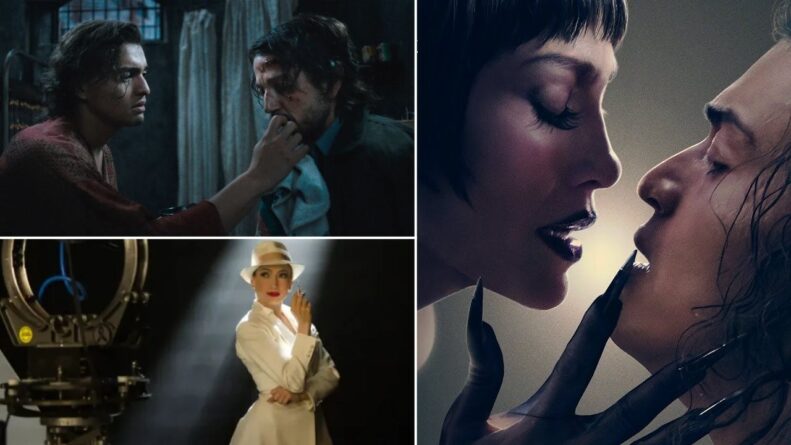
In the middle of all the superhero sequels and shadow-future tales in movies this year, Kiss of the Spider Woman lands as almost unbearably real and human. Bill Condon’s new direction wins the audience over with breathtaking visuals, emotional potential in the storyline and a new way to see how art can heal wounded souls. Jennifer Lopez shines bright here. Diego Luna and Tonatiuh both give great performances. The film is a love story. It also shouts for freedom.
A Story Behind Prison Walls
To the framework of Argentina’s savage “Dirty War” in the ’70s and ’80s, according to LAtimes the film adds two men caught up in very different ways by the conflict. Valentín (Diego Luna) is a hardened political revolutionary, and Luis Molina (Tonatiuh) is an extravagant window dresser convicted of indecency due to his sexuality. In the beginning, their cell feels like a cage separating two different realities – worldview vs. imagination. But slowly, with shared stories and dreams, it becomes a place of transformation.
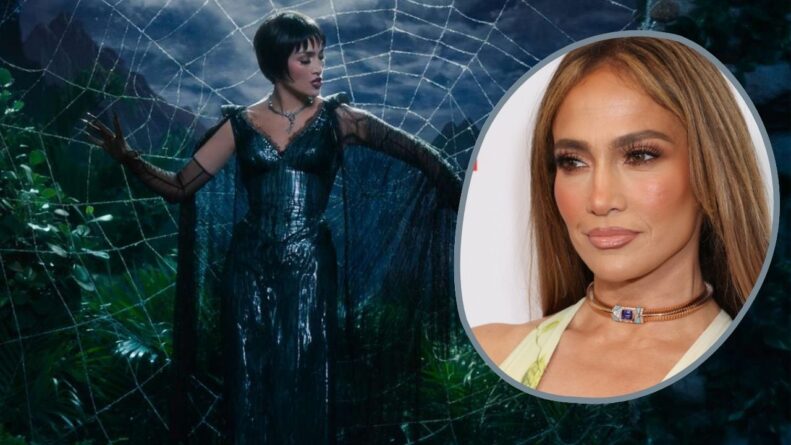
According to Rollingstone, Molina finds an escape from his bleak reality through colorful reenactments of his favourite movie scenes – especially those from the story told in Kiss of the Spider Woman, featuring Jennifer Lopez as the glamorous actress Ingrid Luna. Within these invented scenarios, Lopez is both the blindingly bright film actor and the legendary Spider Woman — a creature whose kiss delivers death, but can also liberation. Molina’s dreams empower him to see through illusions; illusions that allow him to find humanity in both men.
A Musical That Feels Like a Dream
Bill Condon (best known for Dreamgirls) makes the heartrending story of this year’s Oscar-nominated best picture into a dazzling visual and musical feast. The numbers of Lopez, in particular, sparkle with the spirit of the golden age of MGM - with sweeping camera moves and glittering costumes. Every dance, from the sultry cabaret routines to the chilling final duet, conveys desire and freedom.
Critics have noted how these musical interludes stand in stark contrast to the grim reality of the jail. The cuts are clean — we hear the clanging of prison gates; then we’re whisked into a world of color, sequins and song. It’s old hat in terms of story structure, yes, but intentionally so. The musical style is not simply an aesthetic choice, it is an analogy for survival. In a society where repression mutes uniqueness, art is both a weapon and a sanctuary.
Performances That Illuminate
Jennifer Lopez’s turn as Ingrid Luna/Spider Woman is easily the most thrilling thing she’s done in years. Dressed in sequined gowns, blonde waves and bold red lipstick, she is the image of a woman whose beauty conceals a tragic life. Her show isn’t only a look to behold — it’s emotionally infused, making us feel the pain behind the glitz. Critics have described her musical sequences as “transcendent,” highlighting her growth not only as a performer, but as a storyteller.
Diego Luna adds a softer depth to Valentín, portraying a man caught between idealism and fragility. Meanwhile, in a breakout performance, Tonatiuh is brilliant as Molina — warm, comical, and devastatingly courageous. Their chemistry anchors the film, turning it from a tale about two inmates to a ballad for acceptance, bravery, and love.
The film confidently tackles issues of identity, gender and desire and yet remains emotionally truthful. This theme set an absolute new era in cinema history which shows Kiss of the Spider Woman escapism not as denial but escapism as resistance to reality.
It offers a challenge to the spectators, asking how much reality is within fantasy. For Molina, narrating is a means of survival in a system that would rather not see him. For Valentín, fantasy is a newly discovered language of empathy. As a result, they learn from each other that to imagine is to be alive — even in a cell.
Why the Buzz Feels Earned
This film created excitement well in advance of its release, and with good reason. Its Sundance premiere resulted in standing ovations, and each and every screening since has left audiences buzzing. Some of the excitement comes from Lopez’s much-anticipated comeback to musical film, but beyond star wattage is the film’s emotional scope.
John Kander and Fred Ebb’s score is full of sweeping dramatic crescendos and heartfelt melodies that express the desires of the characters. The blend of Tobias Schliessler’s rich cinematography to Condon’s empathetic direction gives Kiss of the Spider Woman new turn that makes it more than just a movie.
Conclusion
Ultimately, Jennifer Lopez’s new movie Kiss of the Spider Woman just created a hype among the fans and received critics praise for its achievement of delivering an iconic and unique storyline to audiences. It just proved beauty and suffering go side-by-side. Jennifer Lopez shines as the spirit and specter. Diego Luna and Tonatiuh bring heart and truth, and the three of them forge something hauntingly unforgettable.
Alpana
Articles Published :
156
Alpana is Fandomfans Senior Editor across all genres of entertainment. She evolved in the media industry since a very long time, she manages the content strategy and editing of all the blogs. Her focus on story development, review analysis, and research is well-equipped that ensures every article meets the standards of accuracy and depth.
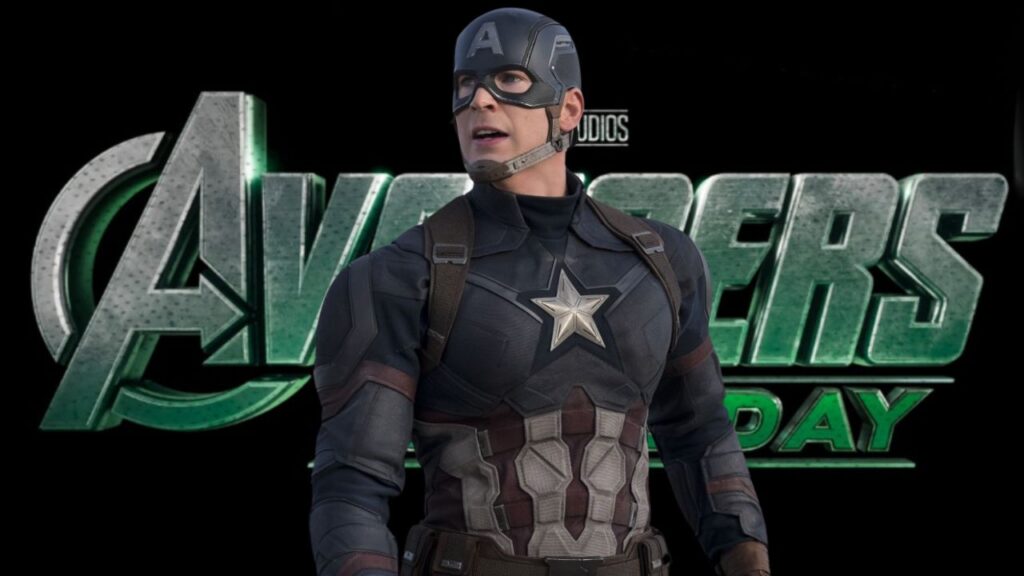
The Marvel Cinematic Universe (MCU) is now experiencing fundamental change at the executive level. What was once considered to be a steady industry growing is now pivoting into a “hail mary” to bring back the cultural and financial peak from the Infinity Saga. Changing the subtitle for the fifth Avengers movie from The Kang Dynasty to Avengers: Doomsday is not just a branding adjustment, it represents a complete overhaul of the franchise’s core narrative.
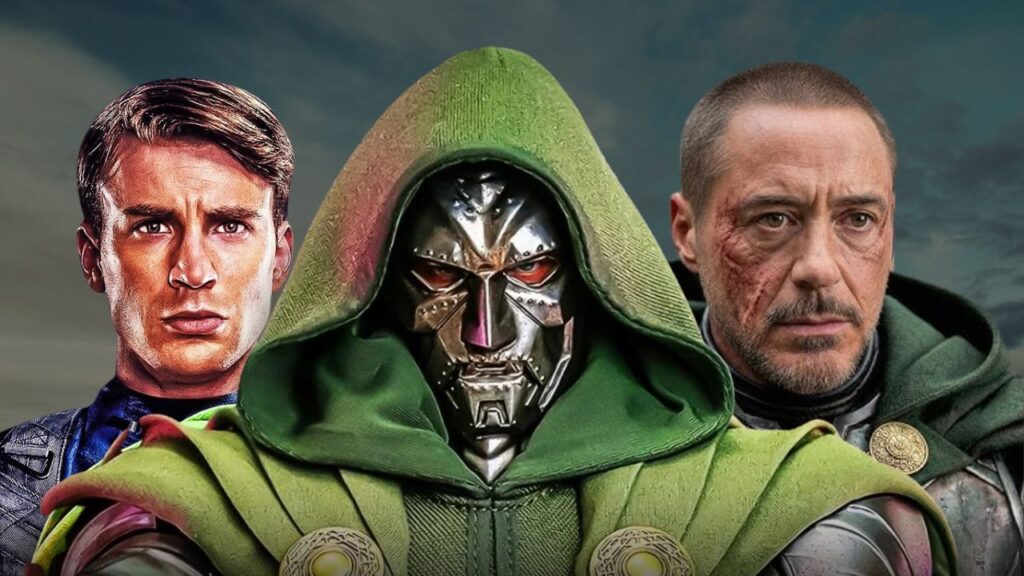
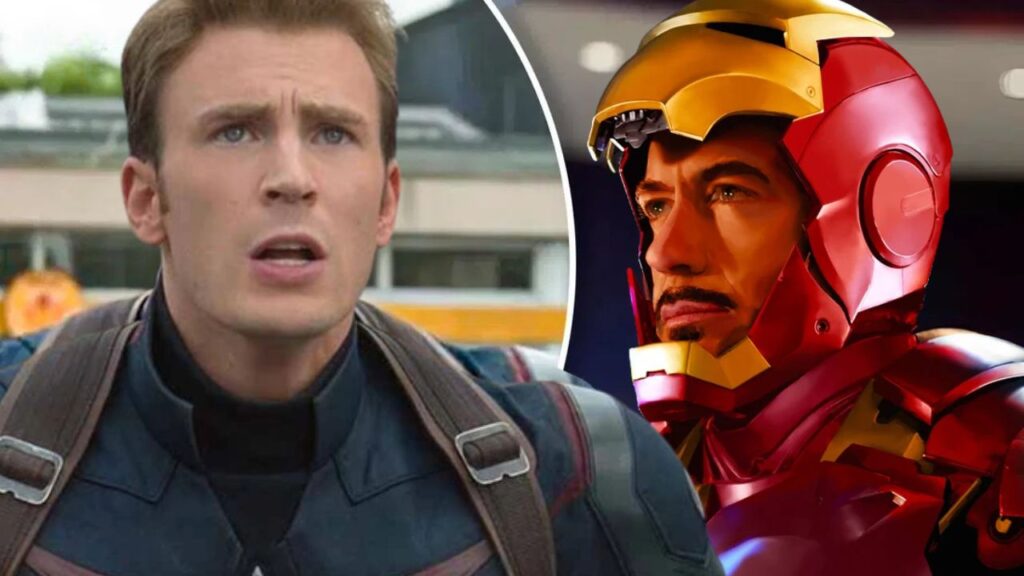
By recasting Robert Downey Jr. (RDJ) as Victor Von Doom and Chris Evans as Steve Rogers, Marvel is gambling $1.5 billion that the foundations of the past will hold the weight of the future.
A Pivot Born of Necessity
The shift to “Doomsday” comes out of an era of unparalleled chaos. Post Avengers: Endgame, Marvel has had trouble keeping a lid on its sprawling Multiverse Saga. The disappointment of Ant-Man and the Wasp: Quantumania confirmed that Kang the Conqueror despite Jonathan Majors’ performance wasn’t gelling as a Thanos-tier menace.
Marvel brass feared even before Majors’ legal troubles that Kang “wasn’t big enough,” according to IGN. Among the new additions is the return of the Russo Brothers and writer Stephen McFeely—the “old guard” responsible for the MCU’s biggest hits—to guide the way to Doctor Doom.
Strategic Component
Original Multiverse Plan
The Doomsday Realignment
Primary Antagonist
Kang the Conqueror
Doctor Doom (RDJ)
Main Anchor
New Generational Heroes
Legacy “Anchor Beings”
Creative Leadership
Fluctuating Directors
The Russo Brothers
The Robert Downey Jr Enigma: Hero, Sovereign, or Variant?
The news that Robert Downey Jr would be returning as Victor Von Doom rocked the fandom. He’s playing Doom, after all, but the narrative implications of the face are impossible to ignore. This has given rise to the “Anchor Being” theory based on Stark’s death in Endgame earth-616 has been “deteriorating”, the multiverse may be supplying an “dark mirror” alternative.
Screenrant suggests a 1970 Retcon. “In Endgame, when Tony goes to 1970, the timing of Maria Stark’s pregnancy seems a bit wonky.” The buzz is that the “real” Tony Stark was actually an adopted Von Doom. In this case, RDJ is not playing a variant of Tony, but instead playing the man Tony was always meant to be before he was a Stark.
The Return of Steve Rogers
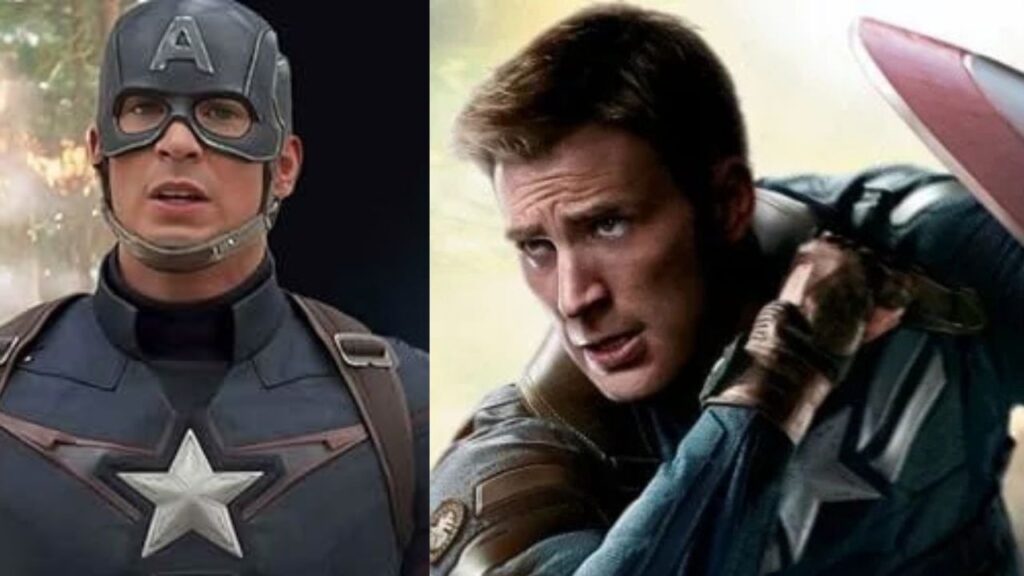
Doomsday (presumably appearing next to Avatar: Fire and Ash) teasers were leaked that confirmed that Chris Evans is back. But this isn’t the Captain America we know. In the footage, Rogers is seen in a domestic situation that looks like the 1950s and he’s a father, presumably retired, living with Peggy Carter.
This “Nomad” paradigm is a creative challenge. So how does Marvel get Steve Rogers back without undercutting Anthony Mackie’s Sam Wilson?
The Sacrifice Play:Comicbookmovie that Rogers is going to get the “Loki treatment” — dying early in Doomsday to drive home how dangerous Doom is.
The Mentor Role: Rogers could be cast as an inter-dimensional tactician, with Sam Wilson holding on to the shield and the mantle of Captain America.
Was This Always the Plan?
The most contentious issue is whether this was “planned all along.” While the Kang-to-Doom shift was brought forward by outside influences, the breadcrumbs are there. In Age of Ultron, Tony’s vision of the fallen Avengers brought Steve Rogers saying,
“You could have saved us. Why didn’t you do more?”
In Doomsday, a Stark-faced Doom could be the man who ultimately takes the leap and decides to “do more” out of a genuine desire to save not just his world but all realities alike. Kevin Feige’s revelation that he talked through the Doom idea with RDJ long before the Kang story stalled suggests that Marvel always kept this “In Case of Emergency” glass box ready to break.
Avengers: Doomsday is an admission that the post-Endgame approach should be abolished. By casting the man who began the MCU to be the man who might end it, Marvel has ensured Doomsday will be the most scrutinized superhero film in history.
With the release in 2026 looming, the MCU finds itself in a bit of a crossroads. It has to show that it can borrow nostalgia to tell a new, deep story, or be remembered as a franchise that ran away into its own shadow because it was too scared of a murky future.
Fandomfansis delivering detailed theories on celebrity joining the blockbuster films. We are focusing on Marvel, DC, and big hits to give you the latest updates.
Alpana
Articles Published :
156
Alpana is Fandomfans Senior Editor across all genres of entertainment. She evolved in the media industry since a very long time, she manages the content strategy and editing of all the blogs. Her focus on story development, review analysis, and research is well-equipped that ensures every article meets the standards of accuracy and depth.
There is no question that 1999 was a blockbuster year for movies, with countless groundbreaking films that have defined popular culture. Here is 90s Movies List from the mind-boggling visual effects and philosophical musings of The Matrix to the shattering shock and surprisingly heartfelt emotional payoff of The Sixth Sense and the ferocious, anarchic spirit of Fight Club, each movie redefined the genre it was working in and spoke to its own particular audience. It was also a year in which directors and producers took a few chances and the final fruits of their risky labors continue to be enjoyed more than 25 years later. Truly, 1999 set a high bar for what cinema could be.
Why 1999 Changed Everything
The last year of the last century was more than just a date on a calendar. It was a tectonic shift in Hollywood: the old guard of cinema collided with a new class of filmmakers who didn’t aren’t run the rulebook. Stanley Kubrick and Steven Spielberg still commanded respect (along with the likes of Francis Ford Coppola and Martin Scorsese), but a new generation was emerging — Spike Jonze, Sofia Coppola, M. Night Shyamalan, David Fincher, Paul Thomas Anderson — and rewriting what a movie could be. The year seemed like the zenith of everything the 1990s had been building toward — indie films gaining mainstream legitimacy, blockbusters getting smart, and moviegoers revved to engage with difficult, out-of-the-way tales.
And there was something else in the cultural air that year. The approaching millennium, and the year 2000, or Y2K, brought with it a sense of collective existential dread that many filmmakers sought to channel— albeit while celebrating the liberating spirit of the past. The upshot: it was a year that not only produced fine films, but fine films of, it seems, every possible genre and style.
Best 90s Movies List That Defined 1999
1. The Matrix
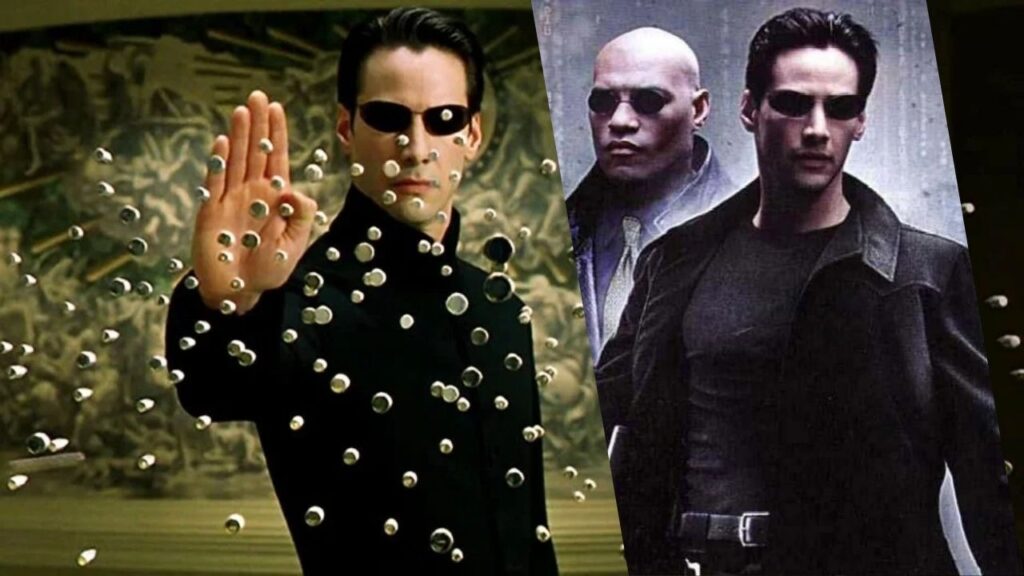
When the Wachowskis’ The Matrix opened in March, they hadn’t simply made a movie — they’d changed the language of action cinema forever. Featuring revolutionary “bullet-time” visual effects and questions about the nature of reality, kung fu, science-fiction, and existential philosophy, The Matrix was like nothing anyone had seen before.
Keanu Reeves’ quietly assured turn as Neo has become iconic, with Laurence Fishburne and Carrie-Anne Moss also excellent. The film made $466 million worldwide and continues to inspire filmmakers today. What was remarkable wasn’t just the new technology — it was how that new technology allowed for the expression of high-level ideas about free will and reality that were easy to grasp.
2. The Sixth Sense
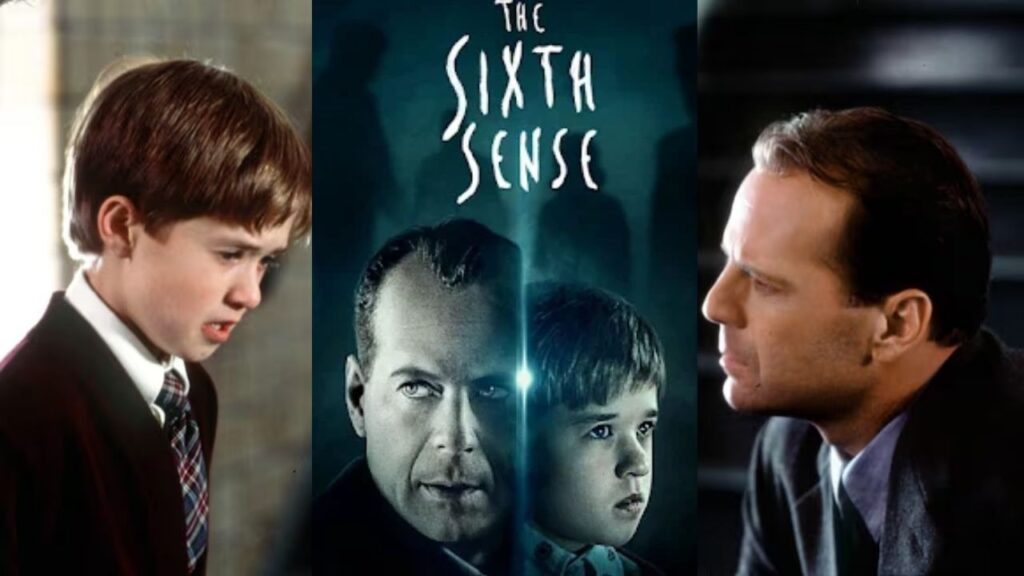
M. Night Shyamalan made a striking debut with a psychological thriller that turned into a cultural touchstone. Bruce Willis, making a bid for dramatic respectability, was a perfect match for nine-year-old Haley Joel Osment in a movie that was really just a series of linked ghost tales. The movie’s legendary twist is one of film’s best kept surprises — an ending that rereads everything you’ve seen.
But the most important thing about the twist is that it didn’t come off as a cheap trick – it is earned, powerfully, through carefully-crafted screenwriting and emotional veracity. The Sixth Sense grossed $672.8 million worldwide to be the second-highest grossing film of 1999, and it still holds up as a tender thriller that’s all in suggestion, not blood.
3. Fight Club
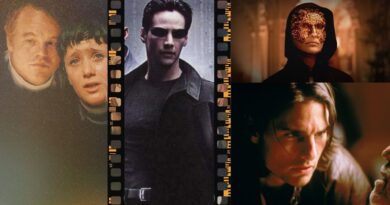
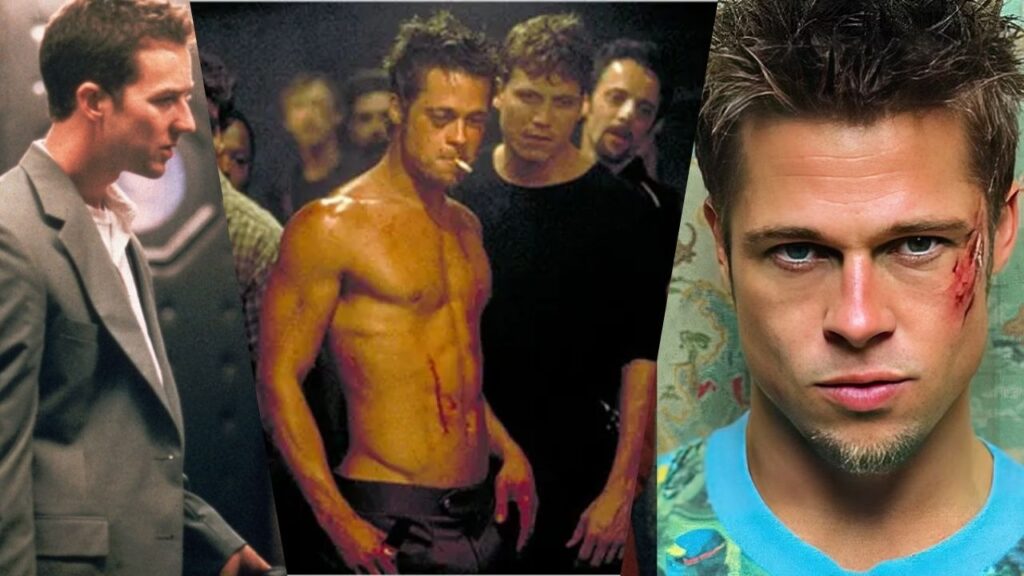
David Fincher’s adaptation of Chuck Palahniuk’s novel was not only one of the most violently thought-provoking movies of the year. It was, paradoxically, one of its most rewarding experiences. What is discomfiting at first becomes addictive at second, third, and even fourth viewings. As the insomniac, crumbling narrator Edward Norton struggles not to fall under the spell of charismatic Tyler Durden, Brad Pitt dive bombs into a ferocious satire of consumerism, fragmented masculinity, and contemporary rebellion.
That film’s twist is quieter and morally ambivalent, and works by revealing a narrator’s split mind. With an IMDb rating of 8.8, Fight Club has risen above the backlash that it received at its release and has been seen as a film of true artistic merit masquerading as mindless entertainment that causes conversations about meaning and social critique.
4. American Beauty
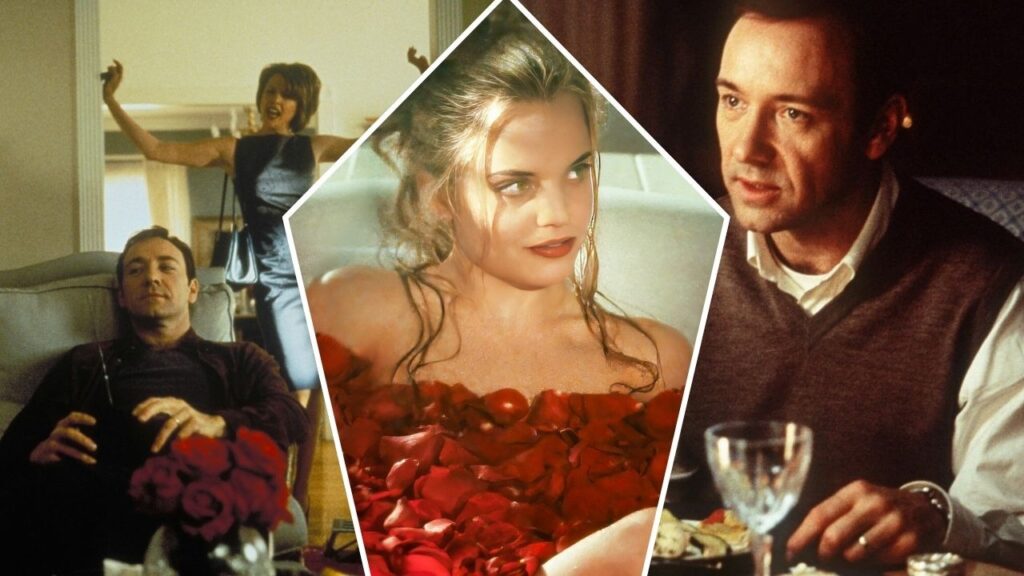
Mendes (Bond) debuted behind the camera on features with the year’s Oscar darling, taking home five Academy Awards, among them Best Picture and Best Actor for Kevin Spacey. Darkly satirical about suburban American culture, the trend was immediately established – Mendes and screenwriter Alan Ball were revealing the emptiness behind Middle America’s perfectly trimmed lawns.
It was one of the rarest of things in Hollywood: a critics hit that also became a box office giant, raking in more than $350 million on an unassuming $15 million budget. That’s not to say that the film’s reputation hasn’t been reconsidered in recent years, though its impact on cinema is certainly undeniable.
5. Eyes Wide Shut
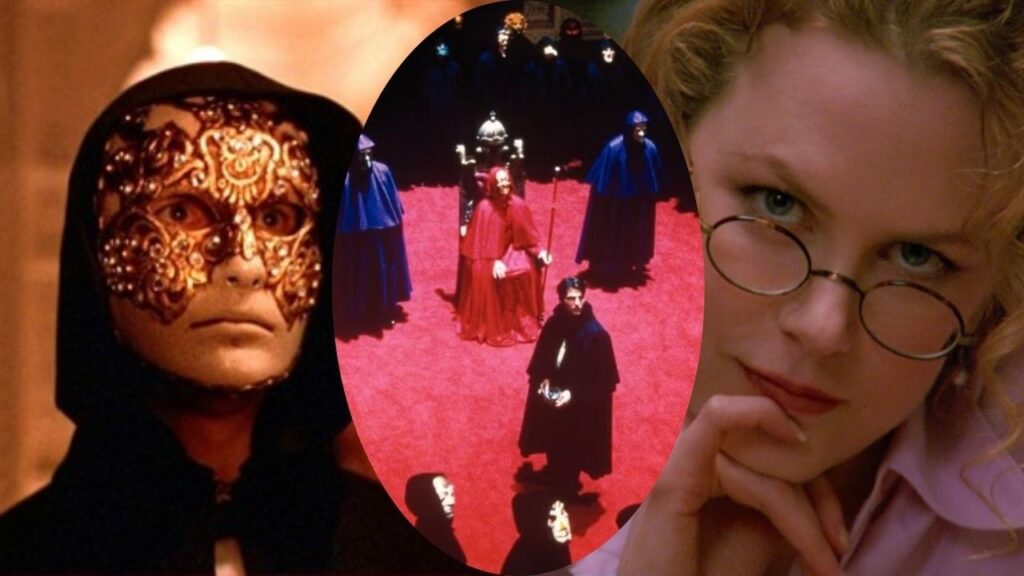
The last film of Stanley Kubrick was meant to be his big comeback. What the viewers were offered was something much richer: a relationship drama hiding behind the trappings of a thriller, a farcical, sexual black comedy, and a reflective film on marriage and desire.
Tom Cruise and Nicole Kidman gave raw performances, and Kubrick’s obsessive direction turned a well-worn story line into something truly disturbing and thought-provoking .
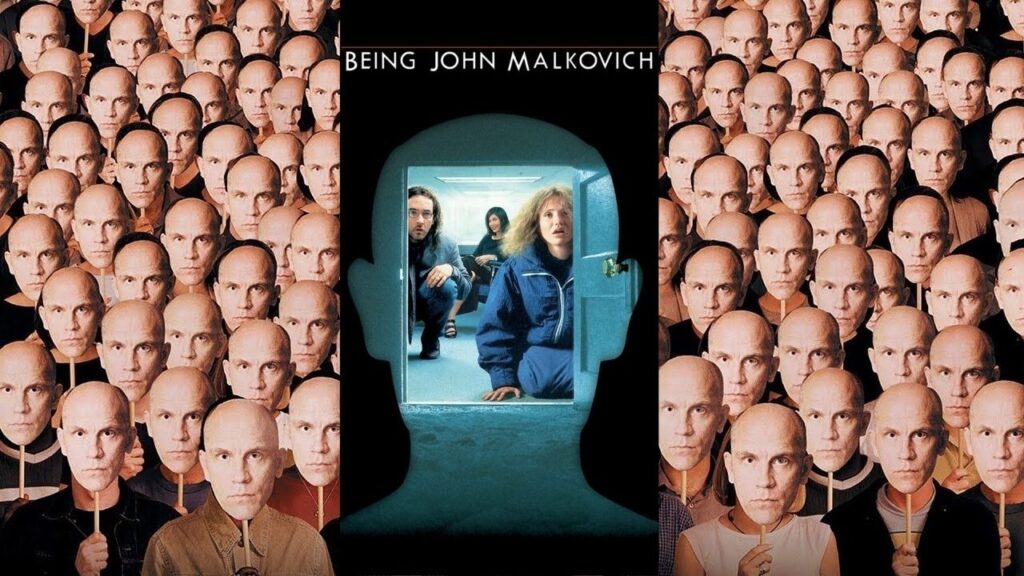
6. Being John Malkovich
Spike Jonze’s first feature film’s concept, a portal into the thoughts of actor John Malkovich might have been a novelty, but Jonze uses it to examine identity, obsession and the nature of consciousness itself. Cameron Diaz, John Cusack, and Catherine Keener give surprisingly profound performances in what easily could have been a straightforward comedy.
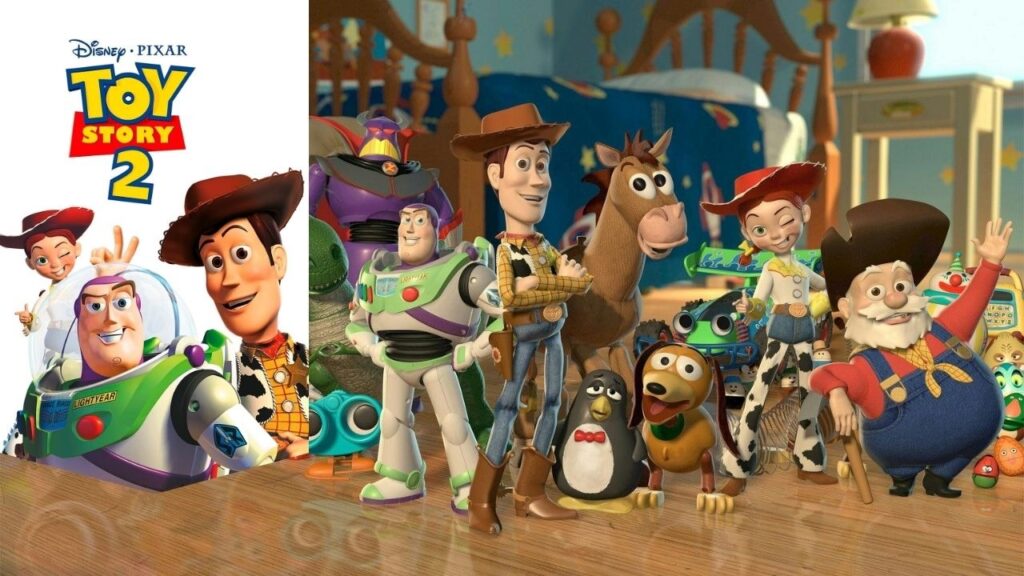
7. Toy Story 2
Toy Story 2 showed that animated sequels could say something artistically, rather than just being financial grabs. It helped establish Pixar as a studio that treats its adult intelligence and emotions—and it remains one of the most powerful films in Pixar’s entire library.
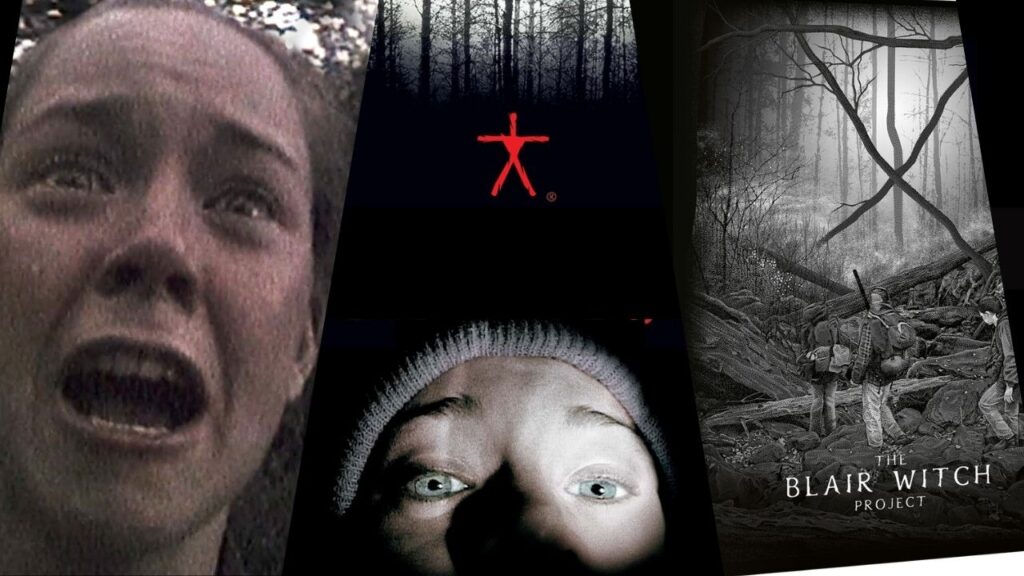
8. The Blair Witch Project
When it hit theaters in 1999, it revolutionized the horror genre with its use of found-footage style narration, minimal production costs, and a genius marketing strategy that obscured fact and fiction.
The Blair Witch Project become the excessive horror which success demonstrated that people could be entertained simply by a story and a mood, without elaborate special effects or movie stars.
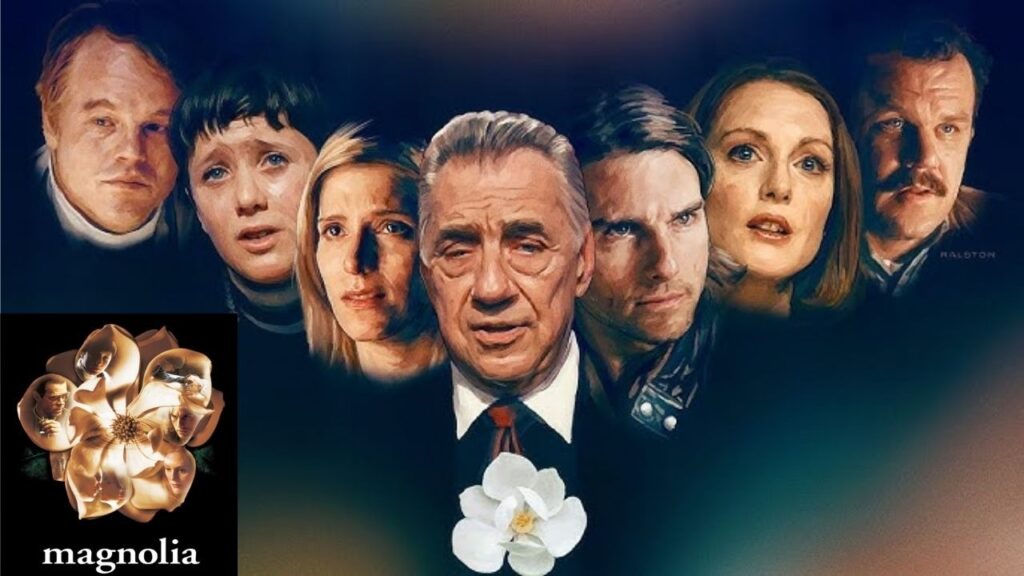
9. Magnolia
Magnolia interlaces a number of connected stories throughout the day and night. At its heart, the film is about guilt, forgiveness, regret, trauma, coincidence and connection between people. The various characters’ lives intersect in small (and occasionally stunning) ways, leading up to one of the most-discussed finales in contemporary film.
Magnolia is now considered a cult classic, and is often regarded as one of the best films of 1999 and one of the best ensemble films ever. It’s flawed and difficult, and so human — all of which is why it continues to provoke discussion more than twenty years on.
10. The Best Man
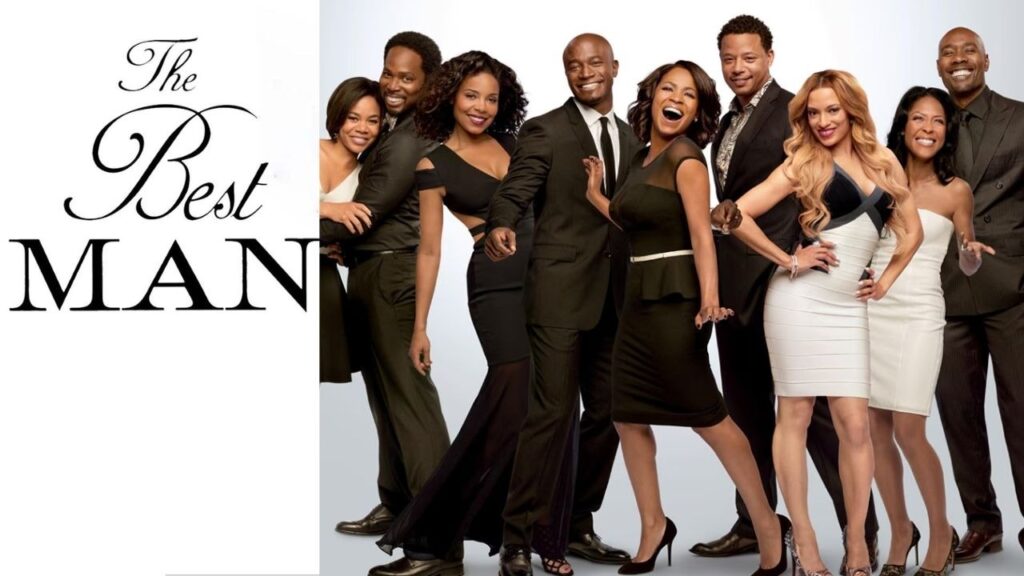
The “Best Man” (1999), directed by Malcolm D. Lee, is a romantic comedy that rode the wave of popularity of the genre back then. With a predominantly Black cast, the movie is about a group of college friends coming back together for a wedding. Taye Diggs is a rising novelist whose latest book causes trouble — it’s a roman à clef that draws on their own lives.
Warm, funny and sexy, the film was a box office hit and managed to distinguish itself without crass commercial exploitation or without being too blatantly positioned as a “milestone” in Black representation. Executive produced by Spike Lee, who is also the director’s cousin, “The Best Man” continues to hold a treasured place in the romcom canon.
What is interesting is that 1999 itself was not universally hailed as the best year in the 90s Movies List. American Beauty took the Oscar, but Being John Malkovich was more highly lauded. Fight Club divided opinions upon its release. It was a long time before audiences and critics as a whole realized what they had experienced that year: They’d been treated to something extraordinary—an entire year in which the movies seemed vital, even dangerous, and endlessly inventive.
In an era when blockbuster culture reigns and original concepts have a hard time securing funding, 1999 stands as a powerful testament to what can be achieved. It was the year that arthouse brains met Hollywood brawn, when first-time filmmakers could become auteurs overnight, and when a movie didn’t have to come from a known property to become culturally significant. Looking back, 1999 was not just a great year for movies — it was the year that movies proved that they still mattered.
Dive into the world of 90s movie list with Fandomfans and get every detail from your movies, series and celebrity.
Mariyam
Articles Published :
76
Mariyam Khan is Fandomfans Content Writer and providing reports and reviews on Movie Celebrities, and Superheroes particularly Marvel & DC. She is covering across multiple genres from more than 4+ years, experience in delivering the timely updates.