Everything We Know About A Knight of the Seven Kingdoms Till Now

All you need to know about A Knight of the Seven Kingdoms, the HBO miniseries- including the release date, cast, episodes, plot, timeline and where to stream.

Published: February 6, 2026, 12:47 pm

The anticipation for the Dance of the Dragons to ember up again is quite real. HBO is bringing us back to Westeros for something quieter, cozier and delightfully, disarmingly different. Suspend the bloodthirsty politics of King’s Landing and the impending doomsday. A Knight of the Seven Kingdoms turns down the spectacle level and turns up the soul, swapping thrones and prophecies for dusty roads, tavern fare and the relationship between a travelling knight and his sharp-tongued squire.

It’s smaller in scope but bigger in heart—it’s an intimate, endearing, and perfectly timed reminder that you don’t always need dragons to spin a great tale in Westeros. 

Release Schedule & Availability

If you can’t wait to get your grimy Westeros fix without dragons hogging all the attention, A Knight of the Seven Kingdoms is your next binge. This HBO gem began airing on January 18, 2026, and believe me, it’s already got everyone talking—especially now that we’re half-way through the season on February 5. 

Episode Release Date on HBO/Max
1 18/Jan/2026
2 25/Jan
3 1/Feb 
4 8/Feb 
5 15/Feb 
6 22/Feb

A Knight of the Seven Kingdoms Genre and Theme 

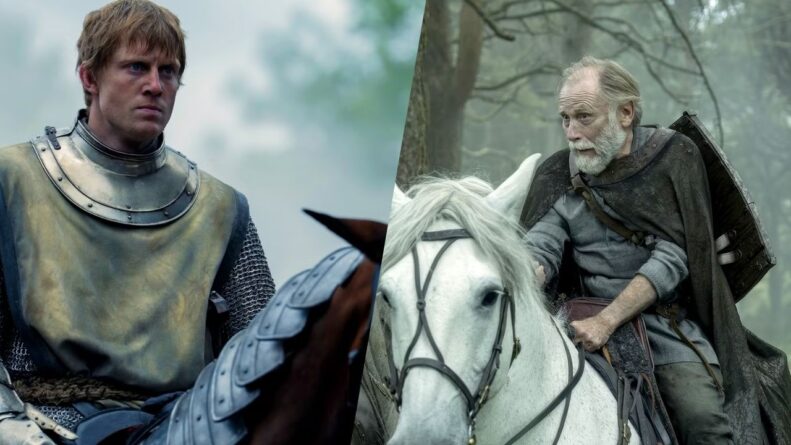
Though Game of Thrones was a high fantasy political epic and House of the Dragon is a Shakespearean family tragedy, A Knight of the Seven Kingdoms plays in the Adventure/Buddy Comedy genre wrapped in the grimdark medieval world.
A Knight of the Seven Kingdoms Genre and Theme

  • Background: The storyline is set about 70–80 years after the events of House of the Dragon and 90 years prior to the events of the original series. The last dragons are becoming myth, and the Targaryens remain proudly perched on the Iron Throne. 
  • Themes: At its core, that’s a story about chivalry. what it really takes to be a “true knight” in a culture that is often mean, unfair and decidedly un-knightly. It’s a look at the master/student relationship, and the secret & apparent nobility of ordinary existence. 

Director, Writer & Creative Team

As writer and executive producer, George R.R. Martin keeps the “Dunk and Egg” novella spirit alive.

  • Showrunner/Lead Writer: Ira Parker (House of the Dragon) is at the helm.
  • Talent Behind Camera: Owen Harris (the classic Black Mirror episode “San Junipero”) is among the identified directors for a number of episodes as well as the pilot. Given his involvement, they are likely a more character-driven, moody visual style, as opposed to the epic, giant army episodes of the previous series.
  • Executive Producer: Ryan Condal (House Of The Dragon showrunner), Vince Gerardis also confer to bring consistency to the “Westeros Cinematic Universe.” 

Plot Overview: The Hedge Knight’s Tale

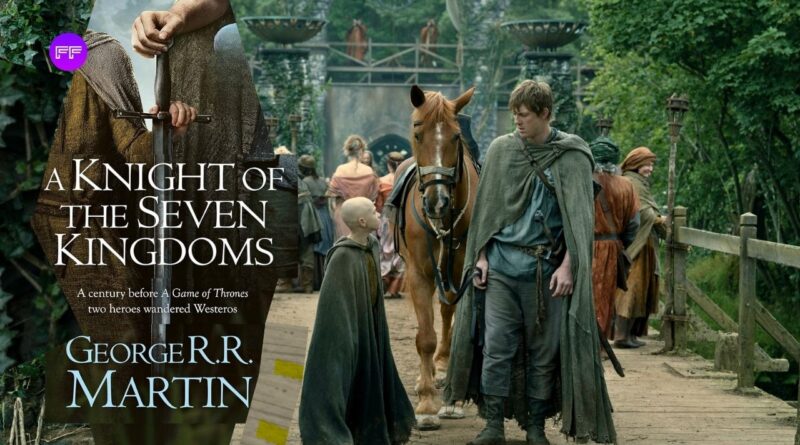
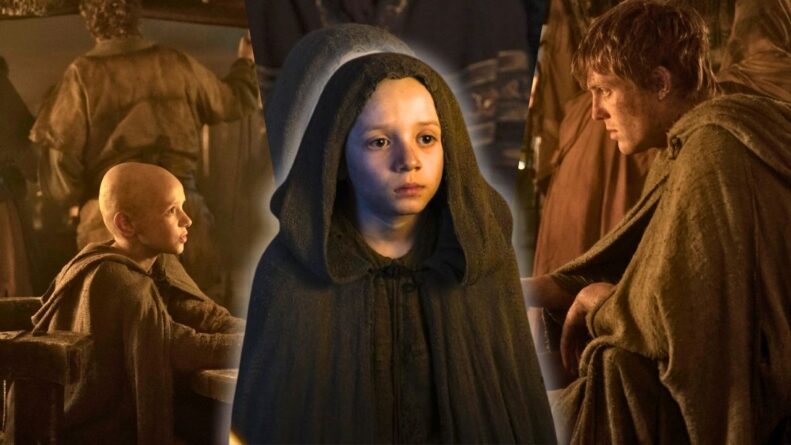
“The Hedge Knight,” the first novella, was the basis for Season 1. He is Ser Duncan the Tall, a huge, lumbering “hedge knight“—a knight who has no lord and has no fixed abode.

Dunk elects to enter a tournament at Ashford Meadow to win a little money and maybe some honor following the death of his lord. There, too, he meets Egg, a baleful, fiery, childish monk who persists in trying to be his squire. 
The Hedge Knight’s Tale

What is a simple quest to win a tournament for glory soon becomes one of the biggest political scandals of the time. Dunk, through a series of interactions, also accidentally ends up at odds with several Targaryen prince’s, precipitating a trial by combat that will alter the course of Westerosi history. Unlike the existential stakes of all these other series, the ”conflict” is intensely personal, and operating within the laws of the land. 

Cast & Characters

Character Actor Description
Ser Duncan the Tall Peter Claffey A former rugby player standing at 6’5″, Claffey embodies Dunk’s physical prowess and “thick as a castle wall” sincerity.
Egg Dexter Sol Ansell The enigmatic, bald squire, who has a quick wit and a concealed lineage, is played by the 9-year-old breakout star. 
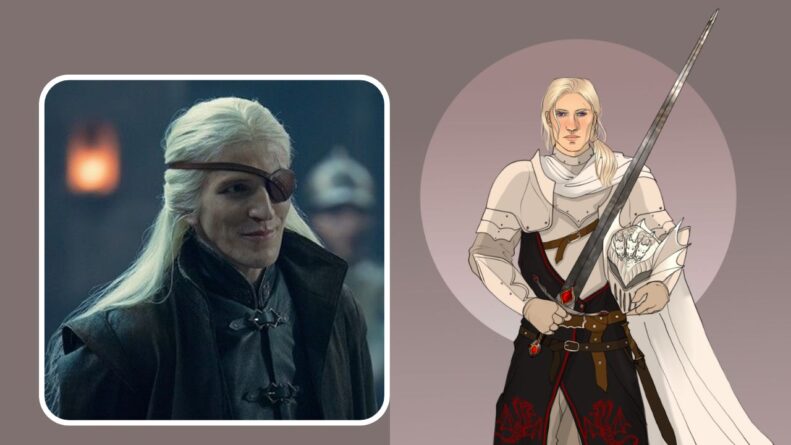
Aerion Targaryen Finn Bennett The ruthless and prideful prince who acts as the main antagonist of season 1. 
Baelor “Breakspear” Targaryen Bertie Carvel The finest of the Targaryen line is the noble Hand of the King and heir to the throne. 

Collab and Key Points of A Knight of the Seven Kingdoms

The small-scale is one of the most exhilarating parts of this production. There are no giant dragon battles (yet), so the money bags are going toward costume design, practical sets, and good writing.

The producers and George R.R. Martin is said to have been very hands-on. Fans are especially enthusiastic for the “Trial of Seven,” a peculiar aspect of Westerosi justice in which fourteen knights battle at once. This scene’s choreography has been a significant technical achievement for the production and should give us a form of battle we haven’t seen in the franchise before.  

Production Details

Production was based mostly in Northern Ireland, returning to the “home” of the original Game of Thrones series. This series, however, has the advantage of a more centralized production, giving it a cohesive, rustic look as opposed to the multi-country shoots of House of the Dragon (Spain, Portugal, UK).
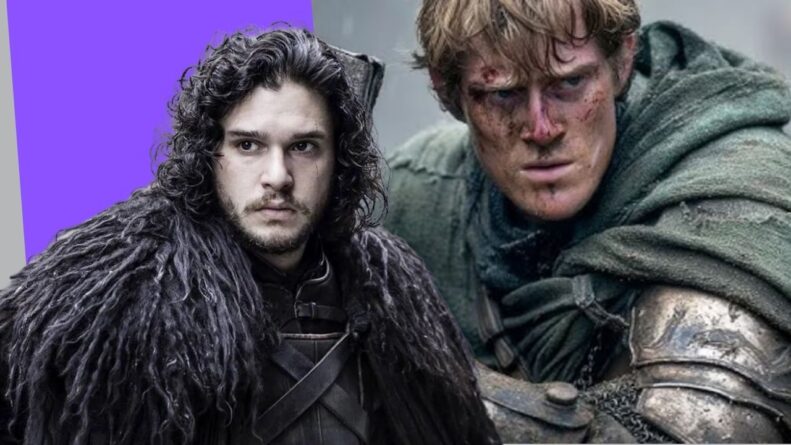
Production Details

The series is anticipated to be six episodes in length for season one. This recipe for fewer episodes likely means a lean, focused narrative without the “filler” that’s so common in today’s streaming series. 

A Knight of the Seven Kingdoms Rating & Certification

A Knight of the Seven Kingdoms has a TV-MA rating for its depiction of violence, language, sexual content and subject matter—standard HBO grittiness, nothing you’d want your kids to see. It’s rated 18+ in such countries as Argentina, Ireland and Canada (18+), with the likes of MA15+ (Australia, New Zealand) and 16 (Germany/Finland) equivalents. 

Critical Acclaim

Critics adore its fresh, character-driven version of Westeros, garnering a 90%+ on Rotten Tomatoes – the highest first-season score in the Thrones franchise, outranking Game of Thrones (89%) and House of the Dragon (87%). 
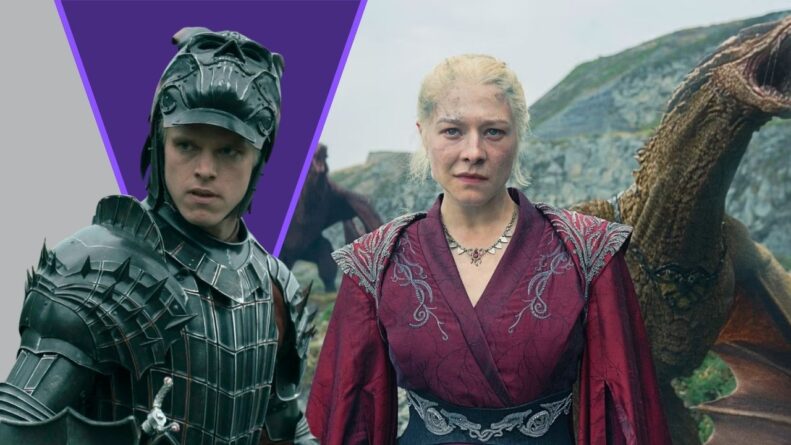
Critical Acclaim

User reviews from Metacritic have similar scores with an average of about 8/10, citing strong leads, chemistry, and wholesome heroism even with the slower pace. 

Audience Buzz

Viewers are divided: 72-77% on Rotten Tomatoes Popcornmeter, with Episode 1 at 8.5/10 on IMDb, many enjoy the lighter tone and heart of the show, but some complain about the lack of big battles, slow pacing, or toilet humor. It’s dominated the HBO Max rankings, showing Martin’s world continues to reign. 

Read More:- Latest Hollywood Movies to Binge Watch in 2026

Distribution & Platform Details

If you’re wondering where to see A Knight of the Seven Kingdoms, it’s HBO’s gem — streaming only on HBO and Max globally, with convenient add-ons for your favorite e-tailers. To date, all four episodes are out and you can watch them on February 5, 2026. 

Region-Wise Streaming A Knight of the Seven Kingdoms

Country Main Platforms Details 
US HBO, Max (standalone or via Prime/YouTube TV) 10 PM ET Sundays; free trials via YouTube TV
UK Sky Atlantic, NOW Early AM GMT; bundles from £15/month
India JioHotstar Next day at 8:30 AM IST; recharge with ₹149/month plan to get access
Canada Crave HBO add-on available
Australia Max/Foxtel AU$11.99+/month, next-day drops

Conclusion

A Knight of the Seven Kingdoms is a welcome change of air for the World of Ice and Fire. It is the tale of the smallfolk, the honorable defeated, and the flashes of sudden valor that take place leagues beneath the Red Keep. Whether you’re a devoted reader who’s been longing for two decades to see “Dunk and Egg” brought to the screen or a casual fan looking for another adventure, this series looks like it will be a journey well worth taking. 

Fandomfans is a platform where you can get everything from your favorite shows and movies.

Babita

Articles Published : 25

Babita is Fandomfans Editor, experience in managing content. Her focus in general movies and web series. She is having a deep interest in TV shows and 90s movies - particularly Lord of the Rings, Harry Potter, & Rom-Com. Babita also covers psychological thrillers and major releases in current time and concern with deep interest in them.

Leave a Comment

Your email address will not be published.

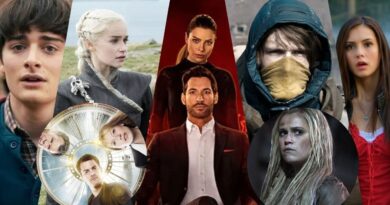
Stranger Things Can Never Beat These Iconic Series—And Here’s Why

Stranger Things may be popular, but iconic series like Dark, Game of Thrones, The Vampire Diaries, Lucifer & Fringe left deeper, lasting legacies.

Written by: Alpana
Published: January 2, 2026, 7:10 am
Stranger Things Can Never Beat These Iconic Series

If you’ve been watching tv for the last ten years, you’ve definitely had several heated discussions about which supernatural thriller really tugs at your heartstrings. The conversation always seems to get brought up—especially when someone tries to claim Stranger Things as the definitive sci-fi/horror juggernaut.

But here’s the thing a lot of fans are beginning to realize: Stranger Things, for all its nostalgic warmth and attractive production value, pales in comparison to the show that preceded it. Allow me to explain why series such as The Vampire Diaries, Game of Thrones, The 100, Dark, Lucifer and Fringe have established legacies that are and will be miles beyond that of Netflix’s darling creation. 

The Nostalgia Trap: When Good Production Isn’t Enough

Stranger Things landed just in time for the right cultural wave. It was nostalgia for the ’80s at a time when that style was making a comeback, but repackaged it all in Spielbergian goo and added a dash of supernatural mystery to keep us guessing. The numbers are certainly staggering 404.10 million viewing hours for all four seasons in the first half of 2025— but that’s where we have to separate true artistic accomplishment from commercial success. 

“Popcorn entertainment, enjoyable once, does not really have any depth.” 

The above quote is just stating what Stranger Things is as opposed to what it pretends to be. You watch, you smile, you move on. Yet Dark, which boiled an incomprehensibly elaborate time-travel narrative down to three seasons — keeps an 8.9/10 on IMDb, thanks to its philosophizing and character work.

The Nostalgia Trap
Image Credit: Fandomfans

Dark expected its viewers to pay attention and to grapple with paradoxes, and to ponder deeply whether indeed humans can exercise free will within a system dictated by an immutable notion of causality. Stranger Things sometimes fakes aspirations like that, but it mostly clings to emotional beats and ’80s nostalgia. 

The Vampire Diaries: Passion, Character Depth, and the Courage to Evolve

When The Vampire Diaries made its debut back in 2009, a lot of viewers wrote it off as ‘Twilight for television.’ Those who stuck around after the first ten episodes broke above something entirely different. This was a show that knew how to generate chemistry between characters — the kind where it wasn’t possible to just root for one couple because every romantic pairing had real emotional stakes.

The early seasons (especially 1-3) are truly amazing, and more importantly, they understood something that Stranger Things frequently forgets: audience will forgive you for screwing with the narrative if they’re emotionally invested in the characters doing the screwing. 

The Vampire Diaries
Image Credit: Fandomfans

Damon Salvatore from TVD was such an iconic character because the show let characters be morally ambiguous. They can be horrible at one point and then sympathetic at another, like real people. That nuance, that unwillingness to make anyone just a villain or just a hero, is missing in Stranger Things, where characters pretty much fall into neat little categories.

The Originals, a spinoff series, was very popular and, in the opinion of many fans, was better than the original show in terms of story telling, characterisation, and general “watch-ability”.

Game of Thrones: The Show That Changed the Imagination of Fantasy Series

The final season of Game of Thrones was a dumpster fire. The hurried pace, the way characters acted out of character, the feeling that everyone’s elaborate six-season journey suddenly hadn’t meant anything—yeah, it was a letdown. But here’s the thing: Game of Thrones changed the way the entire entertainment industry thinks about television. It demonstrated that elaborate, political, morally grey fantasy narratives could draw and hold a global audience.

Game of Thrones
Image Credit: Fandomfans

Prior to Game of Thrones, fantasy was consigned to black-and-white dualities. In the wake of its success, all the big streaming players started snapping up big-budget fantasy projects. How the show shaped the way we watch television, the way we discuss stories online, the way we share fictional worlds?—That’s immeasurable.

It established appointment viewing in the streaming era. It made fan theory-crafting a mainstream activity. It inspired academic discourse about storytelling and character arcs.

Dark: The Masterclass in Narrative Complexity

Want to see what it’s like when a show actually respects its viewers? Watch Dark. This German show did something almost unprecedented: it developed one of the most densely packed narratives in all of science fiction television — in just three seasons and 26 episodes.

Dark
Image Credit: Fandomfans

​The Show Plot & Storyline is pretty simple: kids disappear in a small town. But what ensues is a treatise on free will, determinism, quantum physics, metaphysics and time’s cyclical nature. Even better, it managed to stay emotionally resonant. Despite the mind-bending complexity of the show, readers say that the emotional core was strong enough to keep them engaged. 

Dark’s dialogue is exceptional—it’s a “study in itself,” and the writers toy with philosophical ideas, quantum physics, and engineering before boiling these concepts down into pithy, memorable lines. Contrast with Stranger Things’ incessant pop-culture references and eighties period dialogue that does your thinking for you instead of making you think along with it. 

Read More 👉 The Vampire Diaries Cast Struggle and Pain That Shared Later

The 100: Ambition Meets Heartbreak

The 100 began as a CW series that frankly shouldn’t be nearly as good as it was. It gained a 93% rating on Rotten Tomatoes by the time it reached its fourth season. The show was posing genuinely tough questions: How far will human beings go to survive? Is tribalism inevitable? Can we break cycles of violence? These are from the sorts of narratives that hug you for hours after you’ve seen them.

The 100
Image Credit: Fandomfans

Where The 100 ultimately faltered was in its execution in the final seasons, most notably with divisive character deaths that didn’t feel consistent with what had been established in arcs. But even at its worst, the show was endeavoring to do meaningful stuff. It was attempting to communicate something about humanity and morality.” Much Stranger Things, by contrast, is frequently happy simply to entertain — without much commenting or consequence. 

Lucifer: Building a Global Fanbase Through Authenticity

Lucifer may be the outlier here—a procedural about the devil himself running a nightclub—but it did something extraordinary: it cultivated such a passionate fan following that when Fox canceled it after Season 3, fans organized on social media and Netflix saved it for three more seasons. The series achieved international acclaim, with versions dubbed in Turkish, Japanese and German.

Lucifer
Image Credit: Fandomfans

Why? Because Lucifer was about character-driven storytelling. It made its main character human enough that viewers could see themselves in a literal divine being. It had the good sense to realize the viewers probably cared more about the characters’ relationships than the who-killed-who of the week. That’s not to say Lucifer never stumbled as later seasons veered away from what made the show so exceptional but at its core it never lost sight of what kept people coming back. 

Fringe: The Cult Classic That Should’ve Been Mainstream

If there is a tragedy in TV, it is that Fringe never received the mainstream acclaim it deserved even while, amongst many serious science fiction fans, it was considered the best sci- fi show ever produced. Moved to the notoriously low-rated “Friday night death slot” and fighting dismal ratings, Fringe gained a passionate fanbase simply because it worked, plain and simple.

Fringe
Image Credit: Fandomfans

​Fringe currently has a 91% critical score and 80% audience score on Rotten Tomatoes — a “uncommon feat for a show that only got more complicated as time went on.” Its characters were real developed, its mythology was meticulously laid out, and its penchant for parallel universes and alternate timelines led to some genuinely “wow” moments that, unlike most of that sort of thing, really felt earned. Whereas Stranger Things sometimes comes across like it is dutifully ticking off plot points because Netflix knows what plays well to Gen-Z nostalgia audiences, Fringe actually trusted the smarts of sci-fi fans. 

Conclusion

Here’s what it really takes to make Stranger Things different: purpose. Game of Thrones was purposely going to change the way television was made. Dark was purposely shaping a perfect narrative puzzle. The Vampire Diaries was deliberately constructing a multi-layered world. Lucifer was intentionally toting the human side of the supernatural. Fringe was consciously pushing the boundaries of what science could do.

Stranger Things, by contrast, is in on the joke — it’s selling nostalgia and entertainment. There’s nothing wrong with providing “entertainment value.” But it’s not the same level of art that lasts.

The recent Season 5 Volume 2 reviews are all you need to know. Fans are already comparing Stranger Things unfavorably to Game of Thrones Season 8 is literally the punchline to every conversation about awful television conclusions. Once you’ve become as despised as that, then you can admit that whatever Stranger Things was, it most certainly wasn’t what these other series achieved. 

The above iconic series aren’t just better television, they are different television. They took risks. They trusted their audiences. They developed worlds and characters that became touchstones for whole generations of viewers. Stranger Things is comfortable being popular. These shows were deemed important. And that’s the difference — that difference, above all else, is why Stranger Things will never beat them. 

Fandomfans is focusing on bringing a list of tv shows and movies that are still worth watching for you.

Alpana

Articles Published : 129

Alpana is Fandomfans Senior Editor across all genres of entertainment. She evolved in the media industry since a very long time, she manages the content strategy and editing of all the blogs. Her focus on story development, review analysis, and research is well-equipped that ensures every article meets the standards of accuracy and depth.

Leave a Comment

Your email address will not be published.

Game of Thrones Star Sophie Turner Says Sansa Stark Got a Perfect Ending 

Game of Thrones Star Sophie Turner confessed about returning in a GOT Sequel as she is the only performer who is happy with season 8 ending

Written by: Mariyam
Published: January 7, 2026, 12:13 pm
Game of Thrones

Sophie Turner, who grew up on screen as Sansa Stark, recently confessed she felt like she was “one of the only” performers happy with her ending. Her point of view gives a fascinating look into why the finale worked for the Queen in the North, but froze pretty much everyone else. 

HBO has also released its Game of Thrones production calendar for years to come, with content scheduled yearly until 2028, including additional seasons of House of the Dragon and Knight of the Seven Kingdoms. 

How Sansa Stark Become The Queen in the North

The Queen in the North

To know why Turner was happy, you have to see where Sansa started. She was just a pawn — a naive girl hoping for a fairytale wedding in the viper pit of King’s Landing. She was battered, bartered and brainwashed over eight seasons.

For Turner, Sansa’s ending wasn’t about power; it was about safety. The actress has stated that 

Sansa ceased wanting that throne once she saw the poison that came with it. Her journey was about taking back her home, not taking over the world. 

One moment in the finale that stuck out for Turner was when Sansa interrupts her uncle Edmure with a biting “Uncle, please sit down,” that moment was a standout for Turner. It was a woman who was finished with the posturing of men who played war games as her people starved and froze. Sansa winning Northern independence made sense. It was, as Turner said, “earned.”  

The Most Heartbreaking Game of Thrones Character Reactions

However, Turner’s happiness makes the desperation of the other characters quite serious. If Sansa’s outcome was a straight line, everyone else’s was a scribble.

Emilia Clarke Get Shock When Daenerys’ Ending Felt Like a Betrayal

Game of Thrones Character Heartbreaking Reactions

The most heartbreaking response belongs to Emilia Clarke. When she was handed the scripts at Heathrow airport, she didn’t just read them but she went into a crisis. Clarke remembers walking around London for five hours – 

“I had blisters on my feet”

— Clarke said 

She also acknowledged that her character, a feminist icon and liberator, could become a genocidal tyrant within just a couple of episodes is a shock. Clarke’s fear extended beyond the character herself to the fans (and icons like Beyoncé) who find inspiration and strength in Daenerys. 

Conleth Hill and the Fall of Varys

Then there was Conleth Hill (Varys). Through the documentary The Last Watch you can track the moment his soul seems to vacate his body. Varys, the Master of Whispers, was executed for a botched, brazen betrayal that ran counter to his character’s intelligence. Hill confessed to being “inconsolable”, as he thought his character had been made “peripheral” and dumb. 

GOT Season 8

Isaac Hempstead Wright Thought That Script Was a Prank

Isaac Hempstead Wright (Bran Stark) didn’t feel pride when he read that Bran would become King, he thought it was a prank. He genuinely believed that showrunners had sent fake scripts to everyone in which the characters each took the throne to see who would leak it. That response is indicative of the confusion among the audience – if the actor believes it’s a joke, the story build-up clearly wasn’t there.  

Kit Harington on Burnout in GOT Season 8 Making

Kit Harington (Jon Snow) has admitted that the cast was “f—ing exhausted.” The final season was 11 months in the making. The “Long Night” battle required 55 nights of shooting in a row in freezing mud. When all was said and done, the actors were physically and emotionally drained. They did not have the strength to question character logic, they just wanted to make it out of production. 

Read More :- 90s Movies List: That Proved 1999 Was Best Year for Movies

Sophie Turner’s Satisfaction Says Everything

The Direct had the chance to talk to Sophie Turner while on a press tour for Amazon Prime Video’s Steal, and of course, the subject of Game of Thrones came up. When asked if she would be interested in reprising her role as Sansa Stark in an HBO sequel, Turner was torn, commenting on how it “would be really hard but also incredible:” 

Sophie Turner’s satisfaction is valid because Sansa’s storyline’s one of the few that endures scrutiny of her choices. But her confession that “nobody else was really happy” just confirms what we have all suspected. The Game of Thrones cast didn’t blow us away in the finale – they left us utterly split, the audience confused, and a Queen in the North who is definitely feeling herself. 

Turner didn’t rule out a return in an HBO follow-up at all, by telling she’d have to read the script before making any decisions.

“Coming back could be either a really joyful thing or you’re trying to recapture something special that maybe isn’t there to be recaptured — and for me, that all comes down to the strength of the script,”

she said

Some Game of Thrones Endings Still Hurt

Game of Thrones Endings Still Hurt

The contrast is stark. The Starks “won”—Sansa got the North, Arya got freedom, Bran got the world but morally ambiguous characters like Jaime Lannister and Daenerys were reduced to tropes. Seasoned actors like Charles Dance (Tywin Lannister) waited on the sidelines, bewildered as the show’s intricate political chess became checkers.

Conclusion 

Sophie Turner’s satisfaction was never about being first but it was about what makes the best storytelling. Sansa Stark was all about survival, evolving and steely resilience. She wasn’t after glory, she reclaimed her home. Then she was Queen in the North, the ending felt earned.

That much clarity simply highlighted how inconsistent the rest of the finale was. Daenerys’ precipitous descent, Varys’ errors in judgment, Bran’s meteoric ascent, and Jon Snow’s impasse as a romantic lead left not just fans, but actors, discombobulated.

Game of Thrones didn’t collapse — it broke. And in that broken ending, Sansa Stark was still one of the few characters whose story actually made sense. 

Fandomfans is a platform where you can get every detail about your fictional character arc. Our focus is to provide updates.

Mariyam

Articles Published : 69

Mariyam Khan is Fandomfans Content Writer and providing reports and reviews on Movie Celebrities, and Superheroes particularly Marvel & DC. She is covering across multiple genres from more than 4+ years, experience in delivering the timely updates.

Leave a Comment

Your email address will not be published.