The Evolution of Rob Lowe: From Brat Pack Star to Iconic Actor
Rob Lowe: From Brat Pack heartthrob to Emmy-nominated actor! Discover surprising facts about his career, family history, and more...
Published: February 10, 2025, 6:44 am

Rob Lowe: From Brat Pack heartthrob to Emmy-nominated actor! Discover surprising facts about his career, family history, and more...
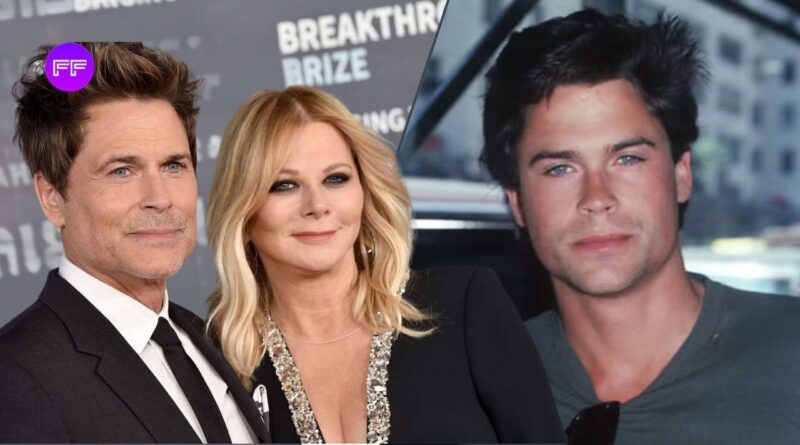
Rob Lowe is a name known for his charm and skill. He has been a part of movies and TV shows for over 40 years. He started his career as a teen idol and has grown into a respected actor and producer.
Lowe’s career has had many successes and some challenges. This article looks at his journey and impact on the entertainment world.
Robert Hepler Lowe was born on March 17, 1964, in Charlottesville, Virginia. His childhood was full of moves because of his parents’ jobs. At ten years old, Lowe discovered his love for acting after seeing a live production of “Oliver!“. After his parents’ divorce, he moved to Los Angeles with his mother and brother, Chad. This move set the stage for his acting career.
Lowe’s early career began with TV commercials. He then got his first major role in the ABC sitcom “A New Kind of Family” (1979-1980). His role in the TV movie “Thursday’s Child” (1983) earned him a Golden Globe nomination.
However, it was his portrayal of Sodapop Curtis in “The Outsiders” (1983) that really put him in the spotlight. This role marked the start of his rise to fame.
Read More👉 Top 14 Milly Alcock Movies and TV Shows
After “The Outsiders” success, Lowe became a key member of the “Brat Pack,” a group of young actors. This group defined teen movies in the 1980s. He starred in films like “St. Elmo’s Fire” (1985) and “About Last Night…” (1986).
His good looks and acting skills made him a popular star. Audiences and critics admired him. These films showed his talent for playing charming, yet complicated characters. Lowe’s roles strengthened his position in Hollywood.
Career Challenges and Setbacks
Despite his early success, Lowe faced serious setbacks in his career. In 1988, a scandal involving a sexually explicit tape with a minor almost ruined his reputation. This incident led to intense public scrutiny and a drop in his career opportunities.
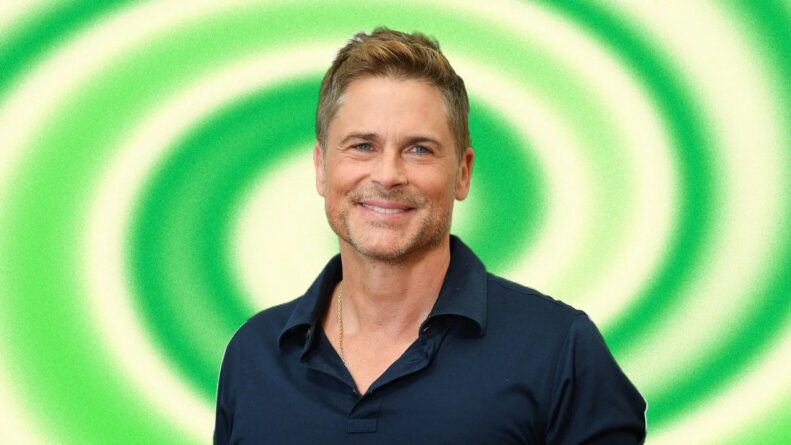
However, Lowe showed resilience. He worked hard to rebuild his image. He made successful film appearances in “Wayne’s World” (1992), “Contact” (1997), and “Austin Powers: The Spy Who Shagged Me” (1999). Slowly, he regained the public’s trust.
Lowe made a true comeback in 1999 when he joined the popular TV drama “The West Wing.” He played Sam Seaborn, the Deputy Communications Director. His role earned him widespread recognition. Lowe’s portrayal of Seaborn showcased his skill in playing a charismatic and sincere political figure.
After leaving “The West Wing,” Lowe kept his success going with roles in shows like “Brothers & Sisters,” “Parks and Recreation,” and “The Grinder.” In “The Grinder,” he earned a Golden Globe nomination for his comedic talent. Lowe also starred in “Code Black” and returned to “The West Wing” for its final episodes, reprising his beloved role as Sam Seaborn.
Read More 👉 Jenna Ortega: Rising Star, Trailblazer, and Hollywood Icon
Rob Lowe Net Worth
Rob Lowe has an estimated net worth of $100 million. He earns money through acting, producing, writing, endorsements, and real estate investments. He gained fame by starring in popular films and TV shows like The West Wing, Parks and Recreation, St. Elmo’s Fire, Wayne’s World, The Invention of Lying, and Behind the Candelabra.
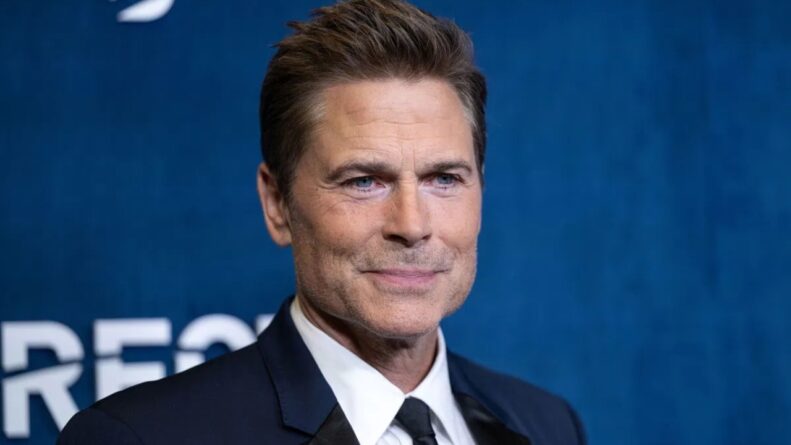
Besides acting, he has worked as a television producer. Lowe is also a successful writer, with memoirs like Stories I Only Tell My Friends (2011) and Love Life (2014). He has earned additional income from brand endorsements and partnerships. Lowe has also invested in real estate, including a Beverly Hills home he purchased with his wife, Sheryl Berkoff.
Rob Lowe has found happiness and stability in his personal life. He married Sheryl Berkoff in 1991. They have two sons, Matthew and John Owen. Lowe often talks about how important his family is to him. He believes they have given him the support and stability needed throughout his successful career.
Rob Lowe is not just an actor. He is also active in giving back to the community. He supports many charities and causes. His philanthropic efforts show his values. He aims to make a positive impact on the world through his work.
Read More 👉 Jenna Burgess: Rising TV Star, Career Highlights, and Promising Future
Rob Lowe is an actor and producer known for his roles in movies and TV shows spanning over 40 years. He gained fame as a teen idol and later became a respected Hollywood figure.
The Brat Pack refers to a group of young actors in the 1980s, including Rob Lowe, who starred in iconic teen movies like “St. Elmo’s Fire” and “The Outsiders.”
In 1988, Rob Lowe faced a scandal involving a sexually explicit tape with a minor, which hurt his reputation and career opportunities.
Rob Lowe made a successful comeback in 1999 with his role as Sam Seaborn on the TV series “The West Wing,” regaining public trust and recognition.
Read More👉 10 Jaw-Dropping Facts About Tom Cruise That Prove Why He’s the Unstoppable King of Hollywood
Rob Lowe started as a teen heartthrob and became a respected Hollywood icon. His talent, resilience, and determination helped him succeed. He faced challenges but kept reinventing himself. He found success in both film and television. His charm and versatility captivate audiences.
Rob Lowe is known for his work as an actor, producer, and philanthropist. He continues to inspire people and leave a lasting impact on the entertainment industry. His journey shows how dedication leads to success.

Disney confirms Teagan Croft and Milo Manheim for the live-action Tangled. Explore cast details, release timeline, and Disney’s big franchise plan.
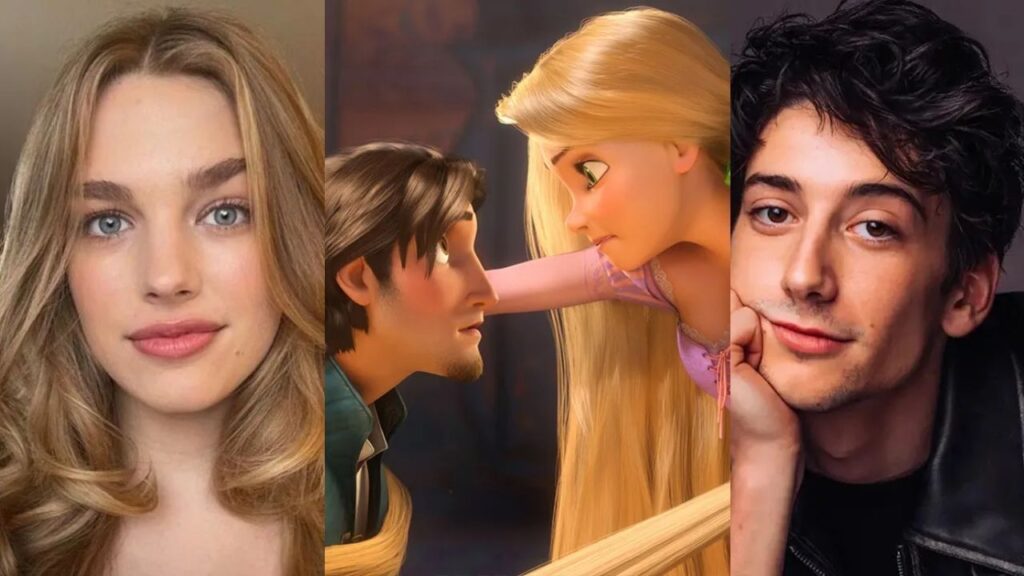
The whole studio is behind the Tangled franchise, and the announcement from Walt Disney Pictures yesterday that Teagan Croft and Milo Manheim have been cast as Rapunzel and Flynn Rider in the live-action adaptation of Tangled is just the icing on the cake.
The project, which has survived a tumultuous development process that has included long periods of dormancy and a reshuffling of the workforce, is now being advertised as the cornerstone of Disney’s theatrical lineup for the late 2020s. Directed by Michael Gracey (The Greatest Showman) and written by Jennifer Kaytin Robinson (Do Revenge), the film will be an adaptation of the 2010 animated classic to a “high-stakes musical event” exclusively for theatrical release.
The selection of Croft and Manheim comes after an extensive international search and a number of intense screen tests held in London in the month of December 2025. This represents a clear and marked shift in the direction of casting actors who have solid musical theatre credentials and meaningful experience in the genre.
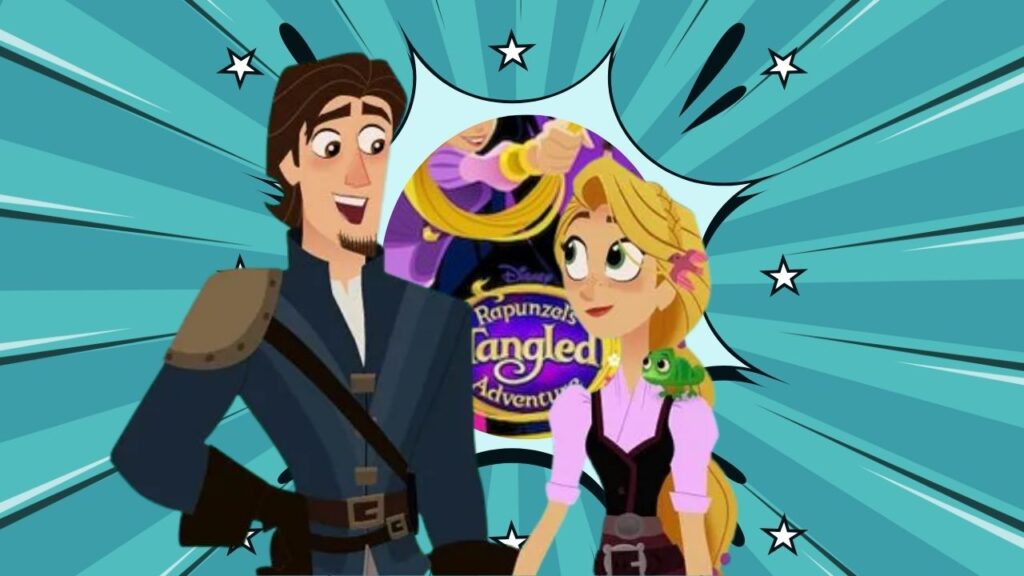
As Disney contends with the post-pandemic box office environment and the complicated legacy of its prior live-action remakes, the Tangled film comes not only as a nostalgic gambit, but a shrewd bid to attract the rising Gen-Z and millennial audiences who consider the original movie a key cultural touchstone.
The path of the live-action Tangled is impossible to trace without placing it in the context of the financial situation for Walt Disney Studios as a whole. Entering late 2024 and into 2025, the studio was introspective, after a string of financial disappointments on key titles, most especially the live-action Snow White. Industry analysts noted a waning in public interest in remakes of early 20th century classics, which fueled speculation that projects such as Tangled had been put on hold indefinitely as to prevent any further risk.
But the tides turned with the live-action Lilo and Stitch theatrical debut in May-2025. With a worldwide gross of over $1 billion, Lilo and Stitch demonstrated that remakes of “modern classics” (films originally released during the Disney Renaissance in the 2000s) had their own draw. This success restored corporate trust in the Tangled brand.
With a theatrical-only release, Disney is making clear that Tangled is to be a major cinematic event for the brand, rather than a direct-to-streaming filler. This strategy mirrors that of the upcoming Moana live action, set for release in July 2026, and maximum theatrical revenue before coming to Disney+.
| Film Title | Release Date | Original Animated Gross | Key Strategic Driver |
| Snow White | March/2025 | $418M (Adj.) | Re-evaluating early classics after underperformance. |
| Lilo and Stitch | May/2025 | $273M | The $1B success that revived the remake pipeline. |
| Moana | July 10, 2026 | $643M | Leveraging modern IP and star power. |
| Tangled | Prod. June 2026 | $592.5M | Targeting Gen-Z nostalgia and musical theater fans. |
The hunt for Rapunzel and Flynn Rider was all-consuming and ended in chemistry tests in London just before the holiday season of 2025. In contrast to earlier casting calls which were geared towards attracting A-list celebrity names to serve as marketing anchors, the Tangled production team was looking for vocal performers who could capture the emotional complexity of the characters and who had the vocal endurance to perform Alan Menken’s -folk-rock score.
Teagan Croft is a young Australian actress of 21 years old, who was chosen from a multitude of finalists. Her previous work as Rachel Roth (Raven) on the DC show Titans was key to her casting. To play Raven, Croft had to grapple with isolation and secret empowerment—narrative beats that, surprisingly, mirror those Rapunzel undergoes as a prisoner of Mother Gothel.
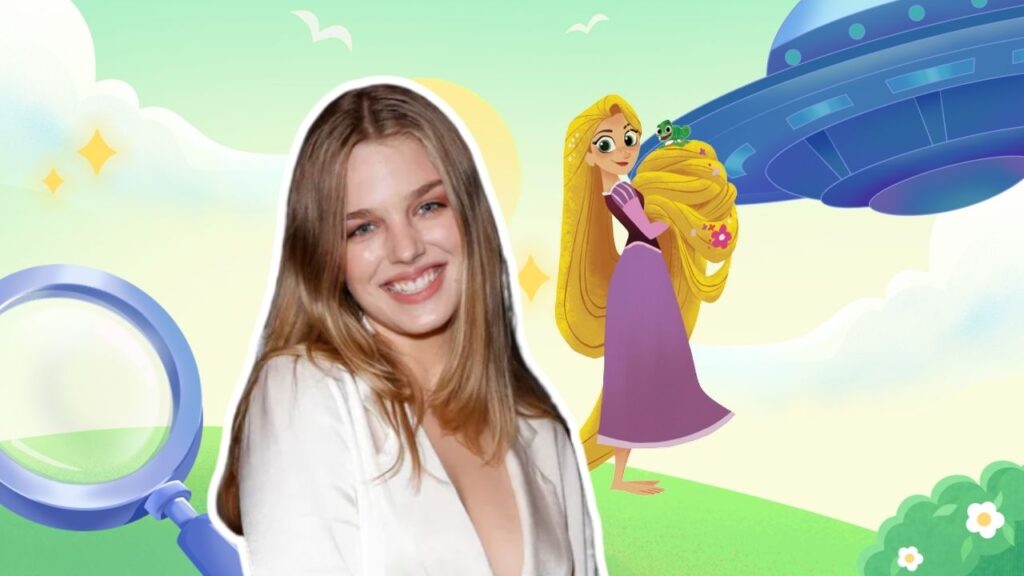
Additionally, Croft’s turn in Netflix’s True Spirit showcased her ability to head a family-friendly survival film. From the very beginning, Rapunzel isn’t a typical princess with “Tangled”: she’s a bohemian dreamer and inquisitive teenager who’s been living as an insanely long tag-along to Mother Gothel for eighteen years. Croft’s talent for encompassing “wonder, grit, and curiosity” all at once made her the obvious choice.
According to THR, the casting of Milo Manheim as Flynn Rider (aka Eugene Fitzherbert) is celebrated in the Disney fandom. Manheim is a “Disney-native” talent, with seven years leading the Zombies franchise. From this, he gained an insight into the mechanics of the musical storytelling of the studio like no other.
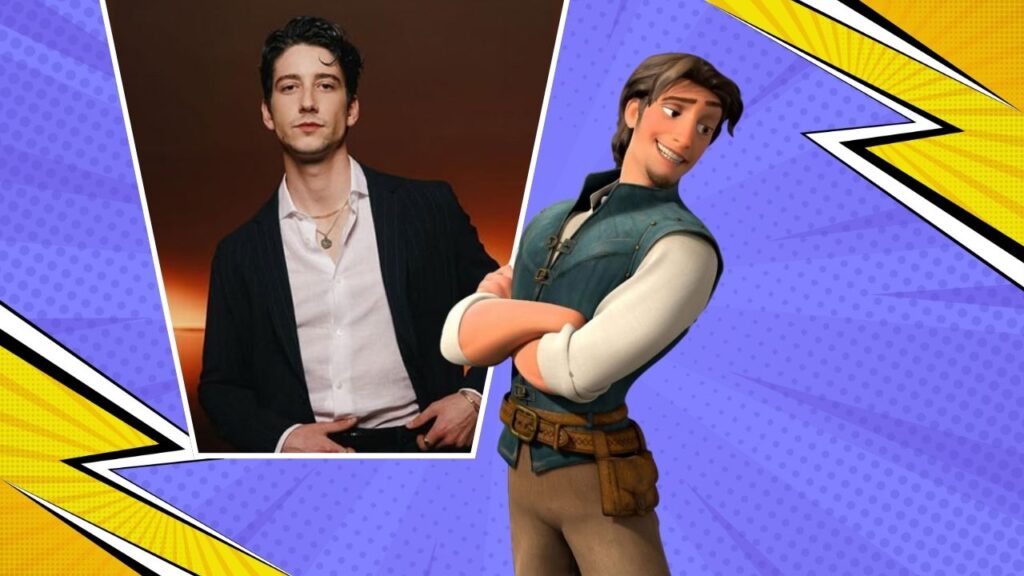
Aside from his Disney Channel background, Manheim has made a name for himself as a powerhouse stage actor, most recently starring in Little Shop of Horrors off-Broadway. The role of Flynn Rider is notoriously difficult to nail down—it’s a very specific type of arrogance you have to convey paired with sincerity– the “smolder” has to be hilarious but the eventual vulnerability has to be real. Manheim’s previous Dancing with the Stars tenure further guarantees he has the nimble body necessary for swashbuckling action sequences.
Read More :- Game of Thrones Star Sophie Turner Says Sansa Stark Got a Perfect Ending
Michael Gracey’s selection as director suggests a certain aesthetic for the film. Gracey, known for The Greatest Showman, is known for fusing modern musical tastes with the traditional theater spectacle. This one-size-fits-all template is especially curious when applied to Tangled, whose Alan Menken original score was a “folk-rock” departure from Broadway norms.
The director’s approach to films tend to focus on a “heightened reality.” For Tangled, this probably means that the Kingdom of Corona will be realized in tangible settings, rather than relying on the sterile “blue-screen” method. Backing Gracey is screenwriter Jennifer Kaytin Robinson, whose keen dialogue in Do Revenge indicates that the live-action script will keep the animated film’s sharp, current humor.
While the leads have been disclosed, the Mother Gothel part is still very much up for grabs. Early reports suggested that Scarlett Johansson was attached, but she departed the project due to schedule conflicts. So there’s a gap to fill now, for the heart and soul of the film.
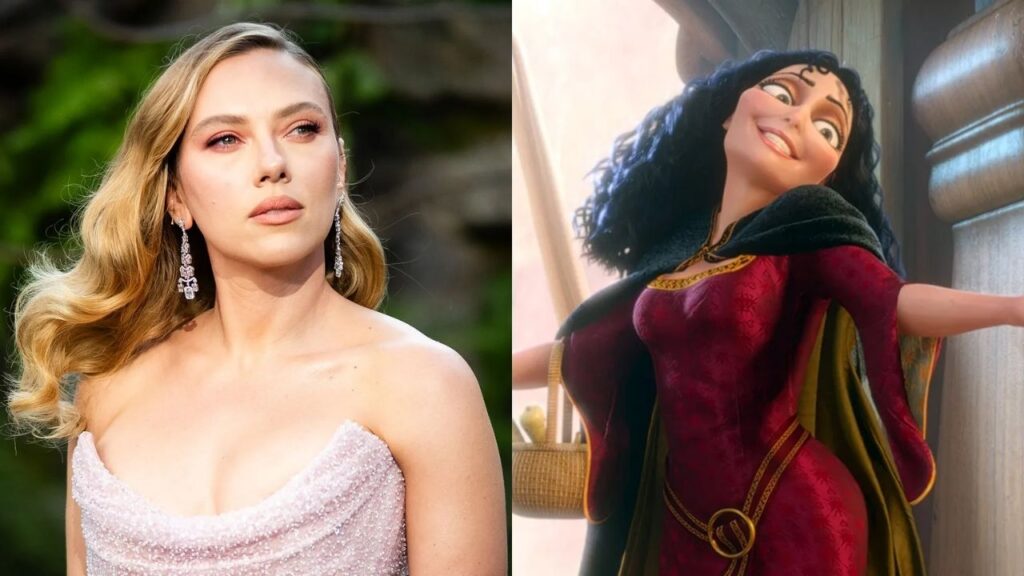
Fans have made their support for Donna Murphy – the original voice actress, to come back to the role heard far and wide, and others have brought up Kathryn Hahn as a potential replacement for charismatic, manipulative roles.
Production is scheduled to start in June 2026, indicating an arrival just for the big screen in late 2027 or 2028. The schedule provides ample time for the complex post-production work needed for the tricky physics of Rapunzel’s hair along with the environmental VFX.
The signing of Teagan Croft and Milo Manheim is more than just a headline, it is the first step in a massive multi-year plan to revive the Kingdom of Corona. The world awaits the lantern launch, and for the first time in years, the “dream” of a viable live action Rapunzel transition seems attainable.
Dive into the entertainment world with Fandomfans to get the latest update from movies, series, and celebrities with deeper details.

Discover the untold story behind Pierce Brosnan’s $500,000 “Earplugs” painting and how James Bond, recovery, courage and Marina Acton’s memories connect.
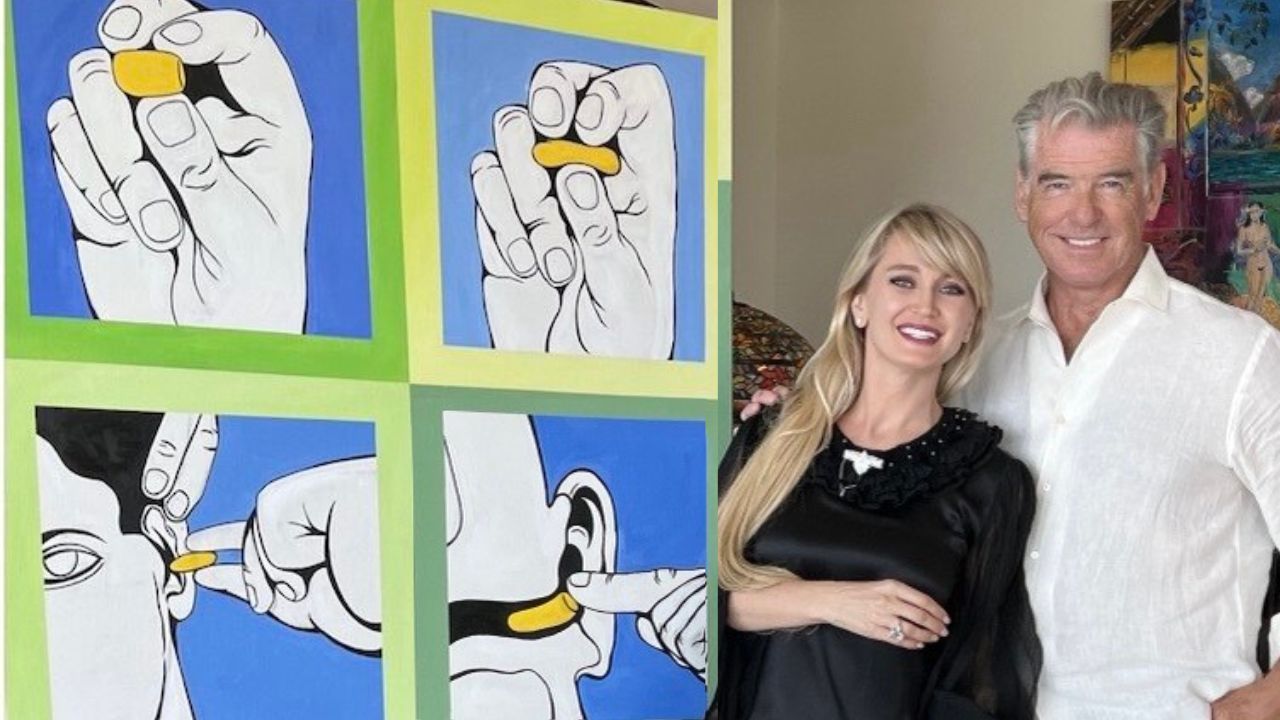
Pierce Brosnan painting “Earplugs” is admired by the memory it carries. For Marina Acton, a pair of yellow earplugs in the painting is not something ordinary but holds a value that reminds her of something unforgettable.
Earplugs painting carries a meaningful memory and story that connects James Bond, Recovery, and Courage to hold on to life while it’s trembling you apart. Pierce Brosnan who played James Bond has explained to Acton that experiences on the set of Bond films inspires him for the painting.
Production holds a lot of noises, explosions, and powerful sound effects so while working in an action-packed film force him to wear earplugs to protect his ears from intense noises.
While Earplugs painting has entirely different meaning for Marina Acton, when she is recovering from a brain surgery in 2019, routine MRI check-ups after that are painful since the machine carries an irritating sound. She is given yellow earplugs to help protect her hearing from the noise before each scan at Stanford.
The painting resembles that moment, it represents the peace and silence in a chaotic surrounding. For Brosnan, it represented the important element to control chaos of a Hollywood film set for Brosnan.
When Acton encountered the painting, she immediately recognized that connection. The yellow earplugs become something extraordinary, become a visual connection between two different stories.
Acton reached out and offered Brosnan $500,000 for the original artwork, and he agreed to sell it, allowing Acton to make it part of her own collection.
Exclusive: Marina Acton later spoke directly with FandomFans, providing documentation of the purchase and the painting’s provenance to support the purchase of Pierce Brosnan’s original Earplugs painting. Acton shared the evidence of the transaction related to the $500,000 purchase and details on how the painting came to change hands. The materials she provided help confirm both the sale itself, backing up the reported story that Acton acquired the original “Earplugs” from Brosnan.
The original “Earplugs” painting is not meant to be purchased to sit in a collection piece. It is planned to be displayed at Acton’s forthcoming longevity medical center on Wilshire Boulevard in Beverly Hills. There are visitors and patients who can get an opportunity to see the work in person.
The Earplugs value does not come from the connection to a Hollywood star or a price, but for Acton it is a memory that shares an important period of her life. It serves not only as an art, but a reminder that something ordinary can become extraordinary.
That may be one of the most interesting things about art where an artist creates something from their own experience, but once someone else encounters it, the work can take on an entirely new meaning.
In this case, a simple pair of yellow earplugs brought together two worlds that would otherwise have little connection — Hollywood and medicine, James Bond and Beverly Hills, filmmaking and personal recovery.
And that unexpected connection is what makes Brosnan’s “Earplugs” much more than just another painting in a collection.
Read More 👉 Pierce Brosnan Teaming Up With His Son in an Art Exhibition at Art Basel