Star Trek History Sparks lighting on “Trials and Tribble-ations” After Leonard Nimoy’s Simple Response

Discover the Star Trek history behind Trials and Trible-ations and Leonard Nimoy’s legendary response that made it one of the greatest episodes ever. Read more.

Published: April 1, 2026, 12:59 pm

There are some episodes in the long, Star Trek history of the franchise that are “good,” and then there are those that transcend the screen to become iconic moments of pop-culture history. One such occasion is the fifth-season Star Trek: Deep Space Nine tour de force, “Trials and Tribble-ations”.

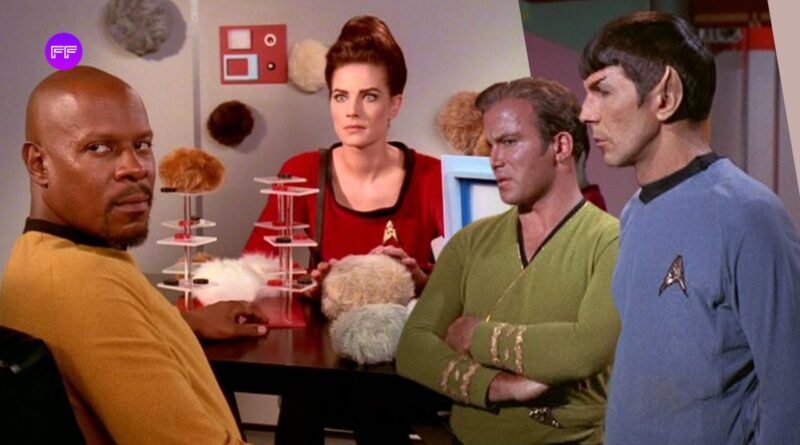
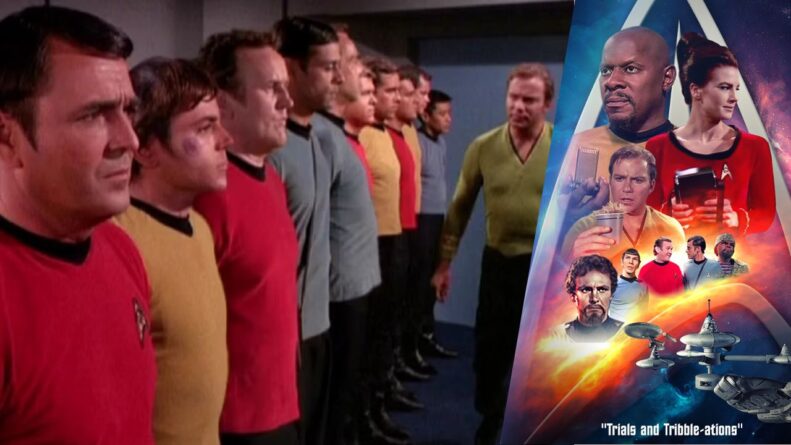
To fans it was a technical marvel –a 1996 love letter to the 30th anniversary of the franchise that merged the grim, 24th-century reality of Captain Sisko with the bright, primary-colored 1960s look of Captain Kirk. But off-camera the episode was a political quagmire.

Why “Trials and Tribble-ations” Became an Iconic Star Trek Episode

New details from executive producer Ira Steven Behr at the Trek Talks 5 fundraiser have provided clarity to a moment that could have turned out very differently: the phone call to the late, great Leonard Nimoy. 

In order to understand what made Rick Berman (then the franchise lead) so nervous about calling Nimoy, you just have to go back to the 1994 “Generations” debacle.

Trials and Tribble-ations

At this time, Leonard Nimoy wasn’t only an actor, he was the filmmaker who had rescued the motion picture series with his two films, The Search for Spock and The Voyage Home. When it was time to transition the Original Series (TOS) cast to The Next Generation (TNG) cast in the movie Star Trek Generations, Star Trek history, Paramount, they naturally looked to Nimoy to direct. 

Tension Behind the Call to Leonard Nimoy

Yet Nimoy notoriously disparaged the script. He believed the story had holes, but more significantly he was offended by the “cameo” status of Spock’s part in the prologue. He wasn’t content to be just a name on the screen; he wanted to be involved in writing and directing as well. When Paramount would not be swayed from the script, Nimoy walked out. The Nimoy-Rick Berman dynamic grew frosty, “getting us into a different place…not exactly on the same page.” 

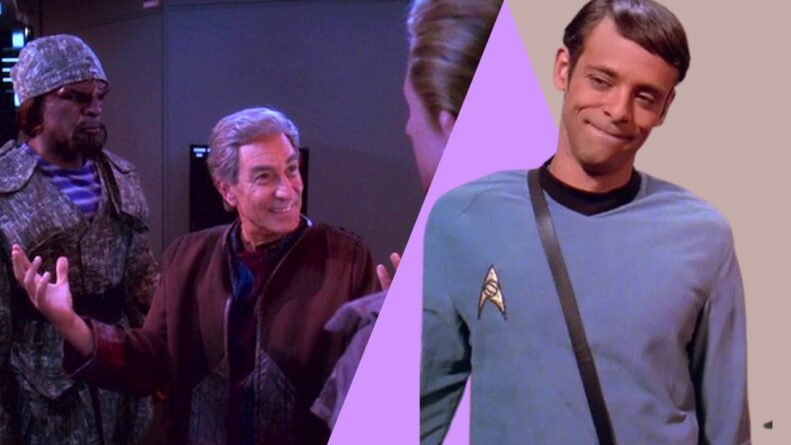
When the concept for “Trials and Tribble-ations” was raised an episode that would cheekily insert footage of Nimoy from the 1967 classic “The Trouble with Tribbles” — the legal and professional obstacles seemed too great to overcome. Berman, perhaps anticipating a rebuke or a sermon, informed Ira Steven Behr that he was the one who should make the call. 

“What Took You So Long?” Moment Explained

Behr characterizes the moment with a tension usually only found in a Romulan standoff. He phoned Nimoy, prepared for a “prickly” meeting, and pitched the idea: DS9 was going to utilize digital technology to place their actors within the original film footage.

What Took You So Long

Following a lengthy and suspenseful pause that probably felt like a lifetime to Behr, Nimoy said simply in five words:

“What took you so long?” 

It was more than just a “yes.” But it was the evolution of the franchise that earned the fans’ energetic thumbs-up. Although Nimoy had guarded Spock’s dignity in the films, it is clear that he had a deep love for the fans and the legacy that show came to have. He wasn’t into holding a grudge against a creative homage; he was stunned it hadn’t come sooner. 

How DS9 Pulled Off a Groundbreaking TV Experiment

With Nimoy’s blessing, the writers and producers of DS9 put together what many consider the definitive “gimmick” episode in television history. Here’s why the Star Trek history and Nimoy’s blessing of it — remains so important:

Technological Pioneering: Well in advance of “de-aging” technology being a standard Hollywood practice, DS9 employed forest-green screens and precise lighting to emulate the grain and shade of 30-year-old motion picture film. 

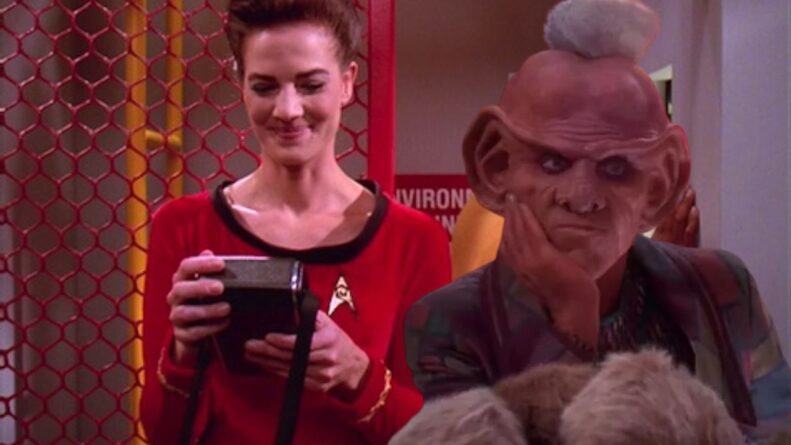
The “Forrest Gump” Effect: Watching Bashir and O’Brien chatting in the TOS commissary, or Sisko on the bridge of the original Enterprise gave us a grounding that made the universe of Trek feel “whole” in a way it never had before.

Humor, Nostalgia, and the Magic of Star Trek

The episode was not ridiculing the 60s, it was loving them. The joking about the changing Klingon foreheads (“We do not discuss it with outsiders”) to the sight of Sisko autographing a Kirk book – it was every fan’s dream. 

Why Nimoy’s Reaction Matters Today

In a time when “toxic fandom” and “creative differences” were shaping much of the news, Nimoy’s response is a grounding reminder of what Star Trek history is meant to be.

Nimoy’s Reaction

Nimoy recognized the difference between a corporate mandate (the Generations script) and a creative homage (the DS9 tribute). He may have been “hard to work with” in fulfillment of his view of the character of Spock, but he was exceedingly generous when artists sought to pay tribute to the work. 

Star Trek history Blessing

Perspective Reaction to “Trials & Tribble-ations”
Rick Berman Fearful of litigation and personal friction.
Ira Steven Behr Nervous, but hopeful for a creative win.
Leonard Nimoy Enthusiastic, viewing it as a long-overdue celebration.

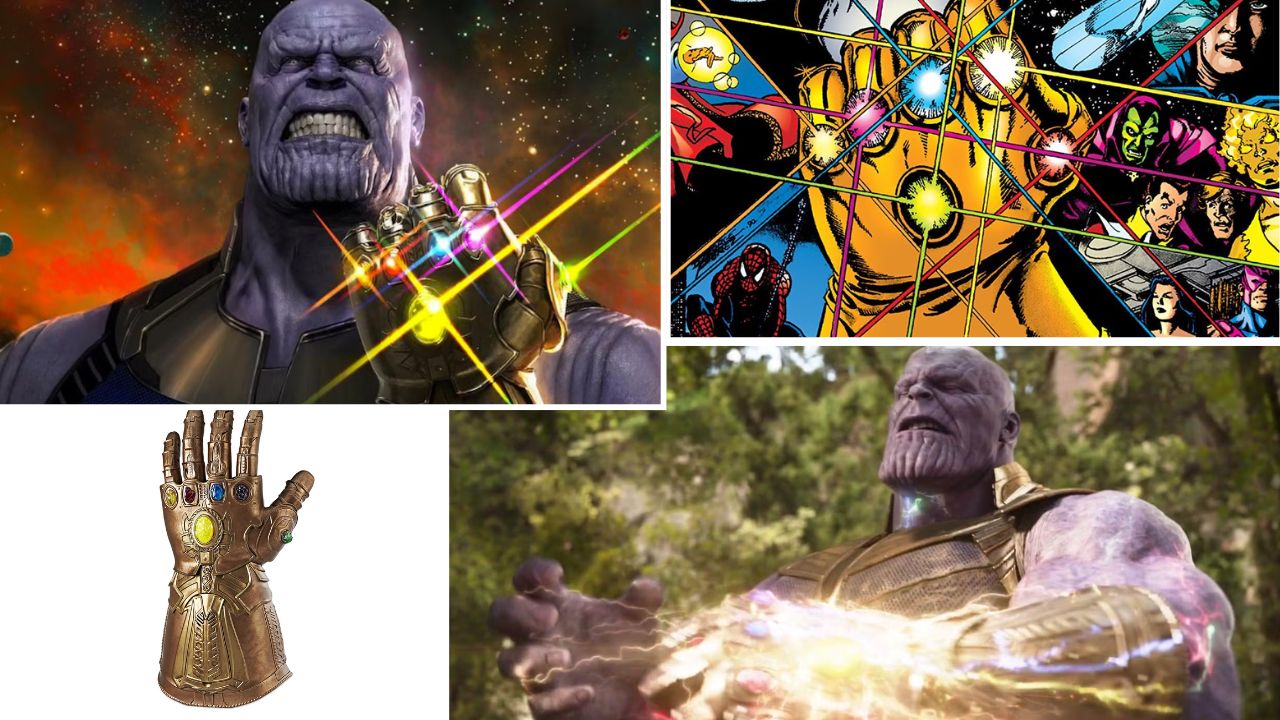
Read Also:- Marvel Supervillains: Knull vs Thanos Are Officially in the Battleground

A Perfect Bridge Between Two Generations of Star Trek

In the end, Nimoy didn’t return to the “Berman-era” of Trek ever again after that. His subsequent involvement with the character of Spock wouldn’t come again until the 2009 reboot directed by J.J. This just makes his support for the DS9 ep even stronger. It was his way of saying that while I’m sure he had some issues with the suits in the front office, his love for the world of Star Trek and the fans who kept it alive was unconditional. 

“Trials and Tribble-ations” is a transitional episode. It’s a bridge spanning 1966 to 1996, bridging the gap between the film stock of yesteryear and that of the digital future, and—thanks to a surprisingly genial phone call—it’s a bridge between a legendary actor and the franchise he helped build.

As 2026, the year the episode took place in, marks the 30th anniversary of that episode, Nimoy’s statement rings true. What took them so long? The magic has always been there in Star Trek history, it just needed to be rediscovered and reclaimed. 

Conclusion

Ultimately, “Trials and Tribble-ations” isn’t just a cool crossover episode—it’s a love note to everything that makes Star Trek great. From its bold use of technology to its sentiment-based tribute to the original series, the episode managed to unite generations of fans as few programs ever have. 

But the thing that really takes it to another level is Leonard Nimoy’s reaction. His simple yet profound assent—“What took you so long?”—lent a much-needed element of calm in a time when infighting within the franchise could well have scuttled the notion. It revealed that above all the contract issues and creative differences, there still was an immense respect for the legacy and the fans.

More than 20 years later, the episode serves as a testament that Star Trek is best when it looks back upon its roots even as it looks forward. And then, the Star Trek history isn’t the miracles that matter that get arranged in time, so much as the sudden glance of grace that’s unlooked for but remembered. 

Fandomfans deliver detailed responses from celebrities to their movies and series. Stay connected to receive more.

Alpana

Articles Published : 135

Alpana is Fandomfans Senior Editor across all genres of entertainment. She evolved in the media industry since a very long time, she manages the content strategy and editing of all the blogs. Her focus on story development, review analysis, and research is well-equipped that ensures every article meets the standards of accuracy and depth.

Leave a Comment

Your email address will not be published.

Star Wars ‘Maul: Shadow Lord’ Timeline: Where Do These Episodes Fit in the Star Wars Canon?

Explore where Maul Shadow Lord timeline in Star Wars canon, from Clone Wars to Crimson Dawn and Solo timeline. Full breakdown & timeline guide. Read more visit! 

Written by: Babita
Published: April 8, 2026, 7:55 am
Maul Shadow Lord timeline

Maul Shadow Lord timeline Star Wars stories have always been like individual tiles in a mosaic, but few fan contributions have captured the collective imagination of the fandom quite like Maul: Shadow Lord. In an age when high-budget official releases occasionally feel safe, this series came out of nowhere with gritty, hyper-stylized animated visuals that seem like a tribute to the Clone Wars heritage while going to much darker levels. 

The “Shadow Lord” stage is a Maul we’ve seen but never fully dwelt with—the crime lord who isn’t just a Sith castaway, but a crime boss. There’s nothing new about the hyperactive swordplay of Episodes 1 and 2; the reason for the craze is more about the mood. It is moody, it’s visceral and it really answers a “Maul-shaped” hole in the timeline that fans have been itching to explore for years. 

Picking Up the Pieces from Mandalore

To get an idea of when Maul Shadow Lord timeline starts, all you have to do is see where “Official” Maul ended in The Clone Wars Season 7. We last glimpsed Maul at his most desperate and deadliest. Captured by Ahsoka Tano and barely surviving the Siege of Mandalore, Maul’s world and his vision for the future was obliterated by Order 66.

Pieces from Mandalore

He escaped from the Venator-class Star Destroyer Tribunal in the middle of an explosion of kinetic energy, a trail of dead clones and shattered bulkheads left behind him. But he’s more than just running from the Empire, he’s running into a void. He had no army, no master, and no clear path forward. This change is key. Maul went from a galactic player with a seat at the Mandalore throne to a ghost in the shadows. 

The trauma of Sidious’s betrayal and the rise of the Empire left him with a singular, cold realization: if he could not rule the galaxy through the Force then he would rule its sewers through fear and commerce. This brings you to the Crimson Dawn period, the era Shadow Lord so vividly gives full expression to. 

The Shadow Lord Era: Year 1 of the Empire

Maul Shadow Lord timeline is set during what many lore historians consider to be Year 1 of the Empire. That era was an unruly nightmare of galactic events. The Jedi are gone, the Senate is a vacant shell, and the Imperial war machine is still in its “aggressive expansion” period. Darth Vader is off pursuing the last Jedi survivors, but the criminal underworld is now seeing a huge power vacuum. 

Now in this era Maul is no longer “Darth Maul.” He has renounced the Sith title, considering them his greatest enemies. But he’s not a hero. He is laying the groundwork for Crimson Dawn. 

The Shadow Lord Era

During this first year, Maul is traveling the Outer Rim, consolidating power in the absorption of smaller syndicates often through extreme violence. The sobriquet “Shadow Lord” is quite fitting: he is a specter lurking at the edges of the Empire. He fills in the gaps, areas where the Stormtroopers have yet to arrive, and he can make lawless worlds into his own private realms.  

It’s a time to rebuild, not just a criminal empire, but his own shattered soul. He is adapting his fighting style, moving more towards his mechanical nimbleness and double-bladed saber expertise, playing a long game against the Emperor. 

Deep Dive into Janix: The Lawless Frontier

The Maul – Shadow Lord Episode 1 and 2 welcome us to the planet Janix, and frankly it’s all that we could ask for from a Star Wars underworld environment. Janix is the ideal microcosm for the “Shadow Lord” period. It’s not a bright core world or a lush forest moon; it’s a rough, hard-edged industrial frontier that could feel like a mix of Blade Runner and a Western.

Janix is a center for the “under the table” economy. It is the dumping ground for the Empire’s waste, and where the most desperate people in the galaxy go to vanish. In Maul Shadow Lord timeline, Janix is a city of changeable loyalties. Maul’s being on Janix isn’t only a question of concealment; it’s a question of power. 

The series takes advantage of grim up-north to trace Maul’s transformation into a mastermind. He doesn’t just walk into a room and kill everyone (he certainly can, but that’s not his specialty), he plays the local politics. The worldbuilding is layered here and reveals to us the predicament of the common people living in the looming boot of the Empire and the iron fist of the Maul: Shadow Lord. 

Devon Izara vs Darth Talon

The Debut of Devon Izara as Maul’s apprentice is attracting lot of fans because of the relevant experience with the apprenticeship in the star wars story, (mainly among fans comparing her Darth Talon hailing from the Star Wars Legends) 

Although Devon Izara has the same “lethal warrior” aesthetic as Talon, she is more grounded in the current canon. She’s not a Sith in the old style sense because Maul is no longer a Sith. She embodied Maul’s desire for a legacy that was not tied to Sidious. She embodies Maul’s ambition to have a legacy that wasn’t connected to Sidious. 

Devon Izara vs Darth Talon

Talon was the blade of a cult, and Devon a creature of the Empire’s cruelty—a survivor who carved-out a mentor in the galaxy’s most lethal man. Her dynamic with Maul is fascinating because it’s laid on a shared disdain for the way things are, so she is a far more “humanized” antagonist than the near-robotic devotion seen in Talon in the comics. 

Where Do Maul – Shadow Lord Fit in the Star Wars

In Star Wars now, Maul’s bounce up and down trajectory is pretty predictable. He flees to Mandalore in the final days of the war in The Clone Wars Season 7, and this signifies a major turning point for him. In Maul Shadow Lord timeline, he is at the height as he attempts to exert influence through the fledgling Crimson Dawn crime syndicate while the Empire is establishing its presumed worldwide reach. 

By the time of Solo: A Star Wars Story, Maul is the dark power behind the curtain as the secret leader of the Crimson Dawn. The much more chaotic and desperate Star Wars Rebels sees Maul stranded on Malachor, where he fights his final battle with Obi-Wan Kenobi. For one thing, this timeline makes it clear when in the timeline Maul’s saga took place within the Star Wars universe. 

So Maul Shadow Lord timeline is set post-Clone Wars, but way pre-Solo. It is set before the Obi-Wan Kenobi series. In Shadow Lord, Maul is still the absolute physical pinnacle, in both power and ambition. He’s not the broken hermit of Malachor yet, John is a shark in the water, carving his kingdom while the galaxy is distracted by the transition from Republic to Empire. 

Read More:- Disney’s ‘Paradise Season 2’ is the Sci-Fi Thriller You Need to Binge This Weekend

Conclusion:- Maul Shadow Lord timeline

Maul Shadow Lord timeline illustrates the strength of a Dark Side-focused narrative, especially when accompanied by breathtaking artwork. Taking place between the prequels and the original trilogy, the show redefines Maul — he’s as lethal and intense as ever, but also multi-dimensional and unexpectedly relatable.

Whether it opens the door to more official tales delving into the galaxy’s shadowy depths or is simply held aloft as a beacon for fan creations, one thing is clear: Maul Shadow Lord timeline has made a lasting impression on Star Wars. 

Dive deeper with Fandomfans to get theories on the latest series of the biggest franchise of movies, series, and celebrities. 

Babita

Articles Published : 25

Babita is Fandomfans Editor, experience in managing content. Her focus in general movies and web series. She is having a deep interest in TV shows and 90s movies - particularly Lord of the Rings, Harry Potter, & Rom-Com. Babita also covers psychological thrillers and major releases in current time and concern with deep interest in them.

Leave a Comment

Your email address will not be published.

Clayface 2026 Horror Movie Plot, Trailer & DC’s Dark Horror Reboot Explained

DC’s bold R-rated Clayface 2026 body horror film featuring a tragic Batman villain. Discover how it became the best Reboot, cast, plot details, and teaser breakdown of this dark psychological thriller.

Written by: Alpana
Published: April 24, 2026, 11:35 am
Clayface 2026

We’ve waited for one of the most eagerly awaited films in the new DC Universe to be an R-rated, full-on body horror movie about a giant mud-man. And here we are. It’s April 2026 the Clayface 2026 teaser trailer just dropped and it’s completely, utterly and terrifyingly sold. 

It’s pretty clear that the new DC Universe being overseen by James Gunn and Peter Safran isn’t looking to tiptoe. Centering on a classic Batman villain after Superman and Supergirl with a dark, psychological thriller is a massive swing. But given the pedigree of the filmmakers and the disturbingly intense footage we just saw, Clayface 2026 could be exactly the jolt of energy the comic book movie breed needs right now. 

Are you ready? Because we’re diving into everything you need to know about the Clayface 2026 movie.

The Horror Maestro Meets Gotham

From the brilliant modern horror mind of Mike Flanagan (The Haunting of Hill House, Doctor Sleep) and Hossein Amini’s comes the fantastic script for the Clayface movie.

Myth is that Gunn didn’t even have a Clayface film on his DCU whiteboard. But when Flanagan came calling with a tragic, terrifying, stand-alone horror movie, Gunn just couldn’t say no. Although Flanagan is not directing – that duty goes to James Watkins, the director of the disturbing English-language remake of Speak No Evil – this is unmistakably Flanagan. 

Peter Safran has likened it to David Croneberg’s cult 1986 film The Fly, suggesting that the producers are indeed leaning into the body horror aspect. It’s unpredictable, what could make you feel ill at ease from the start if that doesn’t. This is no campy CGI slugfest. It’s a down to earth, visceral, and downright soul-crushing psychological spiral of madness. 

Clayface 2026 Plot: A Hollywood Nightmare

From what you describe, Clayface 2026 movie sounds like nothing but the classic “A Feat of Clay” that aired on ‘Batman: The Animated Series’ should have been extended into a movie. It’s evidently a visually gorgeous and heartbreaking story about Matt Hagen, a former up and comer in Hollywood whose life takes a nosedive when he is disfigured in an attack by a mobster.

His frenzied attempts to recover himself scientifically come in the form of Dr. Caitlin Bates, a revolutionary and mysterious woman whose brilliance is only matched by the contentious nature of her practices.

Batman The Animated Series

This arrangement is poised to yield an intriguing blend of tragedy, transformation, and moral ambiguity while paying homage to the spirit of the original series with a touch more cinematic flair.  

Hagen is a human test subject for her experimental drug. And, predictably, horror-style, things go very wrong. The procedure goes horribly wrong and not only does it dehumanize Hagen, it alters his entire cell makeup, turning him into a clay-like being who can assume any form. 

Rather than a conventional origin where the character learns to use their powers for good, Clayface is a tragedy about a man losing himself, becoming a casualty of unhealthy love, and eventually turning into a monster hellbent on revenge. 

Who’s Playing Who in Clayface 2026?

The cast of Clayface 2026 is full of heavy-hitters with real cred, rather than your typical blockbuster A-list, which works perfectly for the movie’s lean, $40 million indie-horror style budget. 

Tom Rhys Harries will portray Matt Hagen / Clayface in the upcoming series. The trailer of Clayface 2026 already shows him expressing panic and anger at a high level so we know we are going to genuinely care about this guy right before his terrifying transformation.

Tom Rhys Harries

Naomi Ackie as Dr. Caitlin Bates: Ackie is the “fringe” scientist that activates Hagen’s mutation. And, interestingly, she’s also framed as Hagen’s love interest, bringing a majorly twisted, co-dependent dynamic to the creation of the monster. 

Max Minghella as a Gotham City Detective: Minghella is a detective who is dating Dr. Bates. You need not be a screenwriting major to know that this love triangle is going to end in the biggest disaster. 

Rounding out the cast: There are also some fantastic character actors Eddie Marsan and David Dencik in as of yet undisclosed roles. 

Is This the DCU or the Matt Reeves ‘Batman’ Universe?

This is when casual fans definitely become confused, but the studios have made it surprisingly clear. Clayface 2026 is 100% absolutely in the mainline James Gunn DCU. It is the third film in the series, lined up with David Corenswet’s Superman

However Matt Reeves (The Batman) is also heavily involved as a producer. It’s like a joint effort. By bringing Clayface into the core DCU, it also opens the door for Tom Rhys Harries’ terrifying monster to one day face off with the DCU’s next Batman (whoever that ends up being in The Brave and the Bold). 

Breaking Down the Clayface 2026 Teaser Trailer 

If you didn’t catch the Clayface 2026 CinemaCon short trailer that released online yesterday, go watch it right now. 

The trailer has no talk. With foreboding, bass-tinged music and truly repellent horror soundtracks, it’s a masterclass in visual storytelling. Hagen’s Hollywood heyday, the savage alley beating that disfigures his face and the torturous sojourn he spends under the ministrations of Dr. Bates are all fleetingly and shockingly revealed to us. 

CinemaCon short trailer

Then, the money shot was a brief, shadowy view of Hagen in an alley. His face is very malleable, melting and contorting in the dark before he transforms his fist into a huge, lead mace and smashes it onto someone off screen. It’s brutal. It’s raw. It shows that DC isn’t just going to hand us a guy with a little bit of goo on his face; they’re going full monster. 

Fixing the Villain Movie Curse

Villain solo movies in comic books are dreadful right now. From the stunning box office flop of Joker: Folie à Deux to Sony’s puzzling Spider-Man-less villain universe (Morbius, Madame Web), the notion of putting a bad guy front and center in a film is wearing out audiences. The problem? Studios are just too scared to let their villains actually be villains. 

They’re always making them into sympathetic anti-villains who are in some ways worse than the villain, or who are fighting an even worse villain. 

Clayface 2026 looks hell-bent on making that mistake right. From all the statements made so far by Gunn, Safran and Watkins, Matt Hagen is not a secret hero. He is a very flawed, violent, traumatized person who runs full speed into his dark side once the clay takes hold. By rooting the film in the horror world, the filmmakers have the flexibility to allow the villain to be the monster within his own tale. 

Read More:- Game of Thrones Expands Again: New “Mad King” Prequel Brings Focus Back to Ned Stark

Conclusion 

Mark your calendars, horror fans and nerds of all kinds. Clayface 2026 will hit theatres and IMAX on October 23, 2026.

To put out a genuine comic book body horror movie smack dab in the middle of the Halloween season is just brilliant marketing. It’s a giant tonal shift from the bright, hopeful skies of Superman, showing us that this new DC Universe is going to be enormous, diverse and unpredictable. 

If you’re a hardcore Batman comic reader or just a fan of no-holds-barred cinema, Clayface 2026 is turning out to be one of the most compelling experiments in recent Hollywood history. Marvel, it’s your turn.

Fandomfans deliver the latest updates of upcoming movies and series, get all the details from us.


Alpana

Articles Published : 135

Alpana is Fandomfans Senior Editor across all genres of entertainment. She evolved in the media industry since a very long time, she manages the content strategy and editing of all the blogs. Her focus on story development, review analysis, and research is well-equipped that ensures every article meets the standards of accuracy and depth.

Leave a Comment

Your email address will not be published.