Marvel Supervillains: Knull vs Thanos Are Officially in the Battleground
Marvel Supervillains biggest fight of Knull vs Thanos steals fans' hearts as the God of Symbiotes is becoming more powerful than before.
Published: March 31, 2026, 12:48 pm

Marvel Supervillains biggest fight of Knull vs Thanos steals fans' hearts as the God of Symbiotes is becoming more powerful than before.
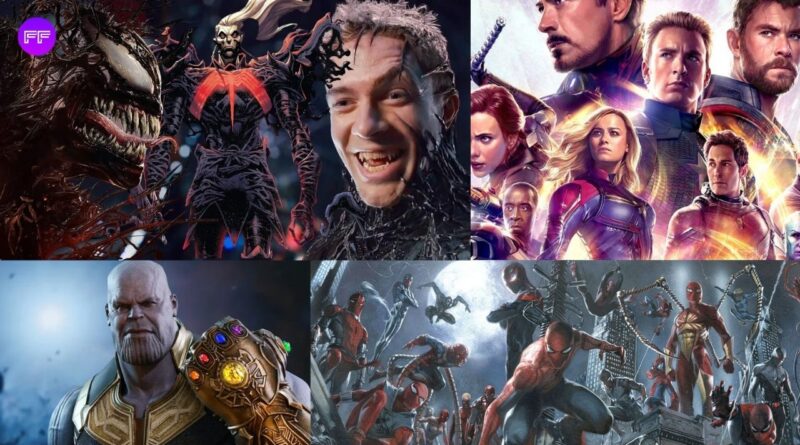
Thanos is the legendary Marvel Supervillains that fans believed yet because the guy wiped out half the universe with one snap. That alone made him a legend. But if you’ve read the comics, you know Marvel’s universe goes much, much further than what we saw in the movies. And then there are much older and scarier creatures – ones that make Thanos look almost diminutive by comparison. One of them is the god of the symbiotes known as Knull who can beat up Thanos.
The Question is: If they go down on the ground then who wins the battle? So, in Knull #3 (Ewing and Waltz, art by Juanan Ramirez), Marvel brings us this very battle and officially confirms who comes out on top.
And trust me, you’re not going to see the ending of this fight.
This bloody nitty gritty epic clash between Marvel Supervillains is the most awaited moment to the marvel fans because we have Thanos, the Mad Titan. He is a tactical genius, formidable strength and fully merciless. Thanos has even squared off against the Hulk, Thor, and groups of Avengers without the help of the Infinity Stones. His warped agenda animates him and doesn’t have second thoughts about stamping over whoever hopes to stop him.
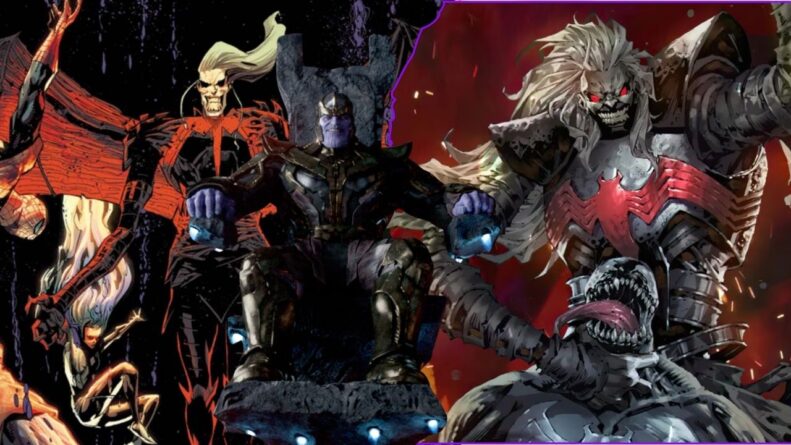
On the Other side, we have Knull, the God of the Void. You may not know about him but Comic Book mentioned Knull as an ancient, dark god who created the extraterrestrial species such as Venom and Carnage are also known as Symbiotes. Why Ancient? Because he was one who dwelt in darkness before the light of the universe was.
Knull almost obliterates the Earth with the 2020 mammoth King in Black comic storyline before he is defeated at last by Eddie Brock. It is an ancient evil, pure darkness that commands a horde of dragons and monsters.
A quick look at these two heavyweights Marvel Supervillains might lead you to think that it will become a long and hotly contested, feel-good war. But that’s not the way it turned out. In Knull series, the self-styled God of Symbiotes was never in a position of strength. He was outnumbered, and not at the peak of his power, in fact.
The King in Black event shows that Knull gets the devastating defeat that makes him completely destroyed. But in comics, you can never keep a good villain down permanently. He was just recently resurrected after Venom relinquished his King in Black title. But there was a major catch — Knull was recovered in a significantly diminished state. To make matters worse, he wound up as a miserable captive of the Asgardian Goddess of Death.
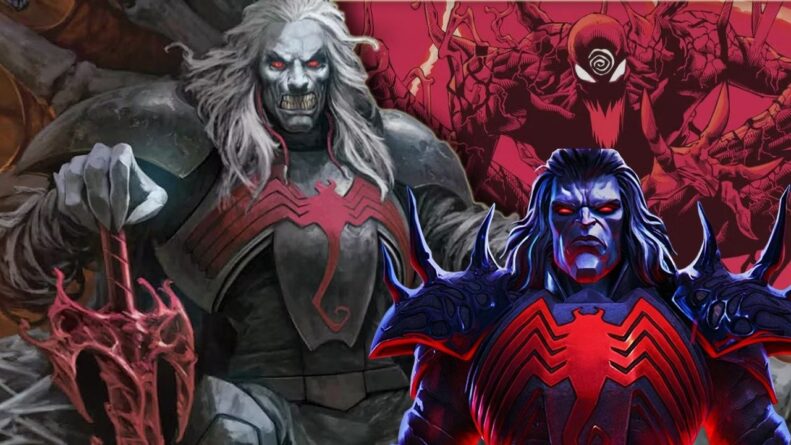
Hela being the power-hungry goddess she was, desired to steal Knull’s dark powers for herself. For her grand plan, she also brought in a familiar face, her ex-boyfriend: Thanos.
To rub even more salt in Knull’s wounds, Thanos was heavily armed. He carried the Spear of Light (also called the All-Light), a mythical and potent weapon that was once wielded by Knull’s cosmic antithesis. So, the stage was set for a nearly powerless Knull, cut off from his normal source of power shadows to square off against an all-powerful Thanos wielding a weapon created of pure light. From just reading the name, Thanos was supposed to win this fight easily.
As the Marvel Supervillains battle began, it appeared exactly as it should have. The Mad Titan was the clear favorite. Thanos wielded the cruel physical force and blinding might of the Spear of Light to drive the debilitated Symbiote God back. But Knull isn’t just powerful, he is ancient, intelligent and absolutely terrifying.
Since Thanos bright weapon was illuminating the battle field, Knull couldn’t use his shadowy and dark related weapons. But Knull soon learned that there was at least one place the light couldn’t reach: the darkness within Thanos.
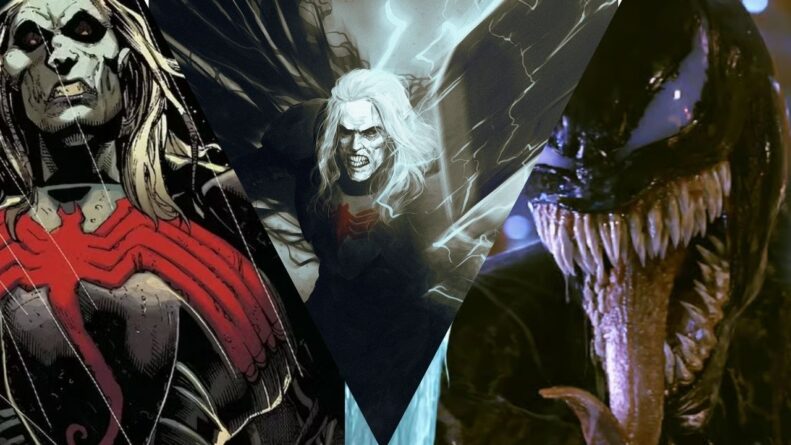
In a cruel, horrifying turn of events, Knull weaponized the dark essence of Thanos’ own body against him. Knull suddenly explodes from Thanos, unexpectedly. The scene is so graphic and brutal. It finishes with the almighty, unbeaten Thanos collapsing to the ground with his organs in his hands, as the most devastating defeat physically, and emotionally, he has ever known.
If that entire “Knull annihilates Thanos from the inside” thing sounds strangely familiar to you, that’s because it is. Just before Avengers: Endgame came out in 2019, a gross fan theory went viral on the internet.
Fans also joked that the simplest way to stop Thanos would be to have Scott Lang (Ant-Man) to shrink down, get inside him and then expand out again — taking out the Mad Titan from within. It was silly, over the top, and for some reason became one of the most talked about jokes in the fandom back then.
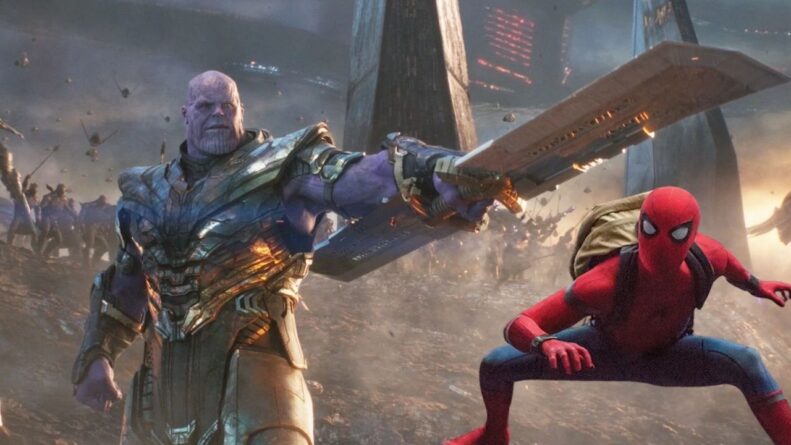
While Knull’s dark magic technique from the comic is not quite the same (and oh so much less bizarre), the heart of it definitely remains. He got inside Thanos and destroyed him from the inside out. You can’t help but wonder if the creative minds at Marvel borrowed a little bit from that iconic Internet meme to give Thanos his most brutal defeat yet. It’s the sort of brutal finisher you’d expect from the God of the Void.
What makes Marvel Supervillains victory all the more impressive is that Knull was at his absolute weakest. He didn’t just defeat Thanos in a fistfight, he humiliated him and destroyed then left with the Spear of Light.
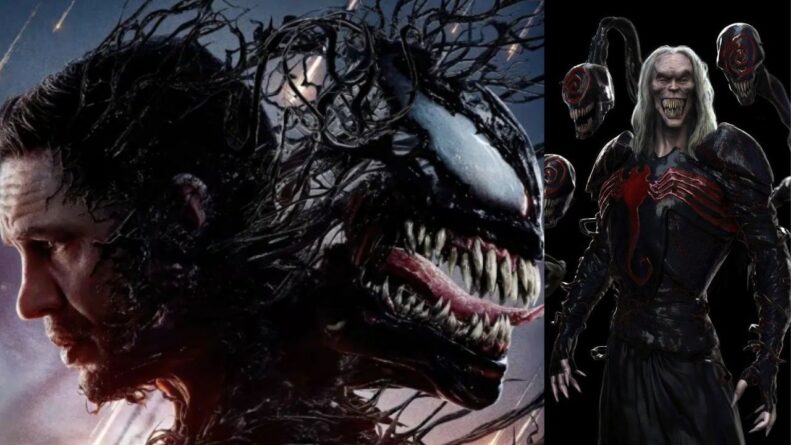
And then he also took full control of Thanos’ brutal Outrider army. It’s quite clear now that the God of the Void has no more games to play. In short, he is taking the weapons and armies of his enemies to become again the most powerful thing ever, and the rest of the Marvel Universe really should be shaking in their boots about what he does next.
Read More:- ‘Dark Winds’ Season 4, Episode 7 Review: Ghosts, Guilt, and a Heart-Stopping Cliffhanger
Now that it is established that Knull is stronger than Thanos in comics, the question is: Will this legendary rivalry ever make it to the big screen?
To be blunt, it’s somewhat confusing right now. Thanos has a significant edge in this department when it comes to the movies. After years of development through MCU storytelling, he’s become a household name.
Knull isn’t exactly new to everyone, as he made his debut in Sony’s 2024 movie Venom: The Last Dance. While Andy Serkis portrayed the character, we let a quick look at him captive on Klyntar, the symbiote homeworld. Fans were clearly left wanting more, but it was a fun little nod to the comics.
Given all the noise about reboots and major changes coming to Sony’s Spider-Man universe, where that leaves Knull on the big screen is anyone’s guess. Drag if that is all for his live-action story before it really started. The King in Black has all the ingredients needed to be a frightening, universe-ending villain in the movies, just as dynamic and evil as Thanos himself.
Comic Book readers can rejoice for the ultimate Marvel Supervillains Knull has joined the MCU finally. In a cosmic villain throwdown, Knull the Symbiote God reigns supreme, crushing a fallen Mad Titan in a pool of blood. As the new Knull comic series progresses, there is no telling what the God of the Void will do next with his newly stolen powers.
Dive deeper into the world of entertainment with Fandomfans to bring theories that get you excited for new characters from movies and series.

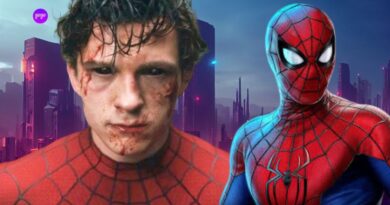
Greatest Marvel's Amazing Spider-Man #1000 comic that shaping future MCU with great storyline and villains, releasing after Brand New Day
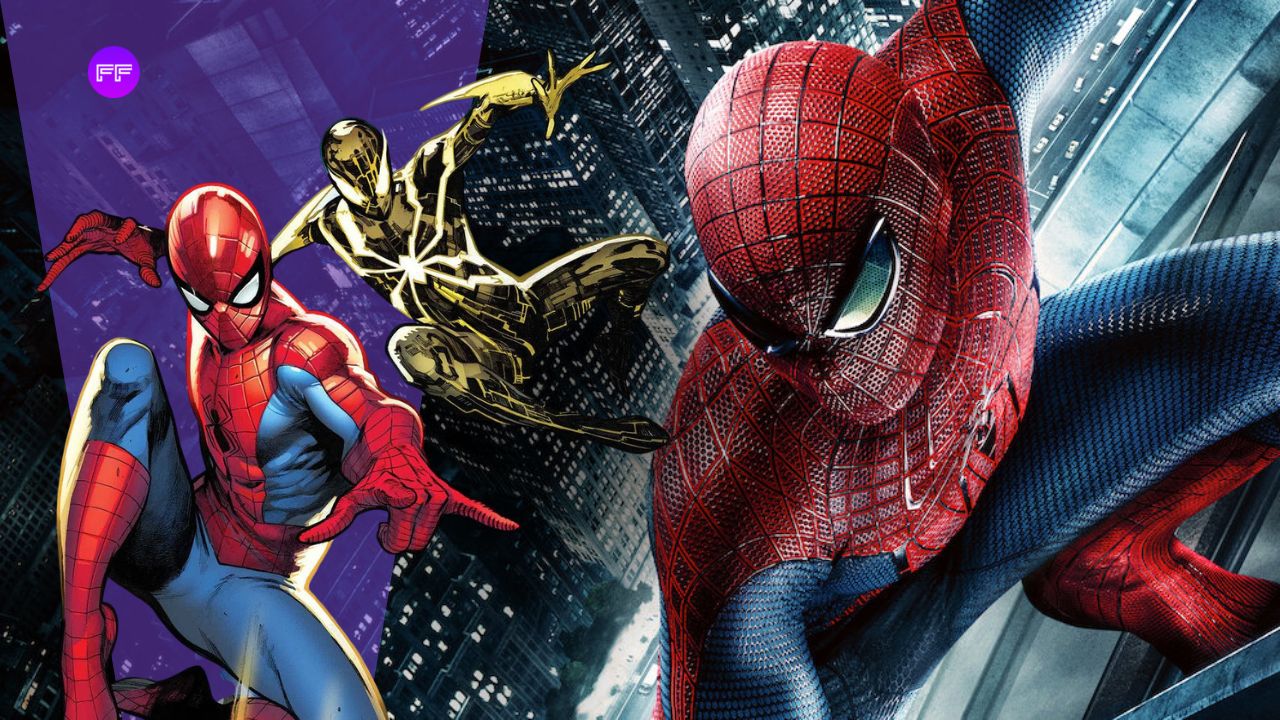
Marvel has been leading up to this moment for months, and now it’s almost here. On Sep 16, 2026, Amazing Spider-Man #1000 will be released, one of the biggest issues to ever hit shelves for the character. This is being laid out as a major turning point for Spider-Man that will open new storylines, new threats, and a creative team that will scale the event. It’s a bona fide event book, the kind Marvel only does once a decade.
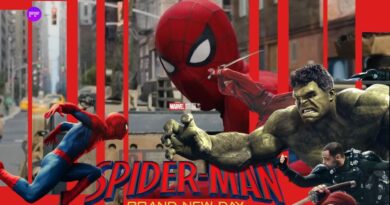
The release is coming as well when excitement for Spider-Man is building once more, fueled by the arrival of Spider-Man: Brand New Day in theaters. Peter Parker is having a moment.
There are not many superhero comics that ever make it to issue #1000, but Spider-Man is about to join that select group. For Spider-Man, the milestone represents decades of stories, untold creative teams, and generations of fans. Even though the current run is just at issue #36, Marvel’s legacy numbering takes into account the entire publishing history going all the way back to the original Amazing Spider-Man series that was first published back in 1963, so this has the potential to be one of the biggest issues the title has ever produced.
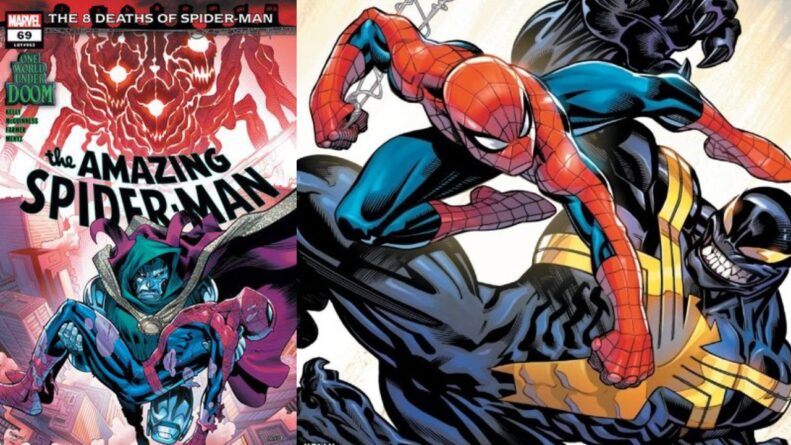
The book is being led by writer Joe Kelly and artist Pepe Larraz, the current creative team on Amazing Spider-Man, in a story titled “Ravaged.” This isn’t a stand-alone tribute story disconnected from the ongoing plot — it’s described as both a culmination of Kelly and Larraz’s run so far and the launchpad for whatever comes next. In other words, if you’ve been following the current arc, #1000 pays it off. If you haven’t, it’s designed to work as an entry point too.
The centerpiece of the issue introduces a brand-new villain, and Marvel has been fairly blunt about the intent behind him. Kelly described the character as engineered specifically to “terrify and enrage and torture Peter at maximum potential,” aiming for the kind of antagonist readers end up loving to hate. Larraz, who designed Ravage’s look, wanted something Spider-Man readers hadn’t seen before — the early art shows a black-and-yellow costume with red boots and gauntlets, a fur cape, a Black Knight-style helmet, and a sharpened gold chain as his signature weapon.
What makes Ravage dangerous isn’t just brute strength. The solicitations frame this as one of Spider-Man’s most personal battles yet, with the villain’s power forcing Peter to question his own legacy which is a fairly loaded thing to say about a character debuting in an anniversary issue. Preview pages show Spider-Man fighting Ravage across the skyline before cutting to Peter racing through a hospital emergency room, intercut with flashbacks to his childhood with Aunt May and Uncle Ben. That’s not incidental framing. Marvel is clearly setting Ravage up to hit close to home.
Fan theory worth watching: several corners of the fandom believe Ravage’s secret identity connects to Mr. Crane, a mysterious character recently introduced as a possible son of Ben and May Parker. If that theory holds, Ravage wouldn’t just be a new rogue in the gallery — he’d be family, which would recontextualize everything about “his most personal battle yet.”
Beyond the main story, the Amazing Spider-Man #1000 is stacked with short anniversary tales from a genuinely unusual mix of Spider-Man legends and newcomers. Dan Slott and Marcos Martin revisit the night Uncle Ben died in a story called “Now I Can Rest.” Brian Michael Bendis reunites with artist Stuart Immonen for a team-up between Spider-Man and the Avengers titled “The Gesture.”
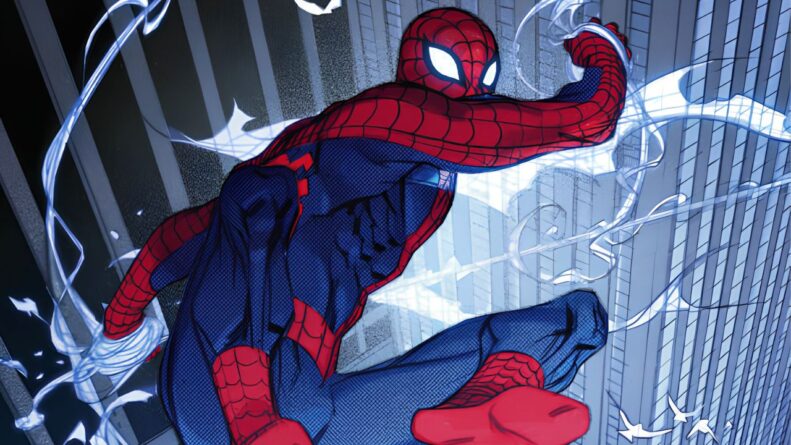
Frank Miller teams up with Peach Momoko for the first time on “Tears of the Spider-Queen,” pitting Spidey against the ninjas of the Hand. J.M. DeMatteis and Humberto Ramos reunite on “Requiem of a Goblin,” and even Larry Lieber — one of the last living creators from Marvel’s earliest era — contributes a story called “Of Webs and Six-Guns.”
Perhaps the most unexpected name on the list is Noah Hawley, the showrunner behind Fargo, Legion, and Alien: Earth, making his comic book writing debut in this very issue. That’s not a small detail for fans tracking Marvel’s growing overlap between its comics, streaming, and film divisions, pulling in a prestige TV writer for a Spider-Man anniversary book signals how much weight Marvel is putting behind this release.
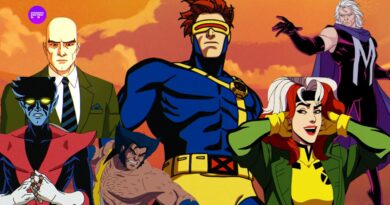
Read More 👉 XMen 97 Season 2 Episodes 1-3: Who Really Sent the XMen Through Time?
Marvel gave the Amazing Spider-Man #1000 two main covers instead of the usual one — a painted collaboration between John Romita Jr. and Paolo Rivera, and a separate piece by current series artist Pepe Larraz. Editor Nick Lowe explained the decision was about bringing together as many iconic Spider-Man artists as possible for a book this significant.
On top of that, the variant program has turned into its own event, with contributions from Alex Ross, Mark Bagley, Skottie Young, J. Scott Campbell, and a Steve Ditko homage cover, among dozens of others.
One variant in particular matters more than the rest for movie fans: a cover officially branded for Marvel Studios’ Spider-Man: Brand New Day. Marvel doesn’t usually spend a variant slot cross-promoting a film unless it wants readers making the connection deliberately.
The timing here is not a coincidence. Spider-Man: Brand New Day, directed by Destin Daniel Cretton and starring Tom Holland, releases in theaters on July 31, 2026 — just weeks before the comic hits shelves. The film picks up four years after No Way Home, with Peter Parker living entirely alone, having erased himself from the memories of everyone he loves. He’s fighting crime full-time in a city that no longer remembers him, and the pressure of that isolation triggers what’s being described as a physical transformation he can’t fully control, just as a new and unusually powerful threat starts to emerge.
The title ‘Brand New Day’ suggests the most iconic storyline of Amazing Spider-Man, which was written by Dan Slott, following the ‘One More Day’ event. In that comic, The storyline returned Peter to a simpler life because he is being erased from everyone’s memories after a spell cast in ‘No Way Home’. He made a deal with Maphesto to not marry MJ in order to save Aunt May’s life, he was back living with Aunt May. The movie is clearly leaning on that same emotional architecture — a Peter Parker stripped of the support system he built across three films, forced to rebuild his identity from the ground up.
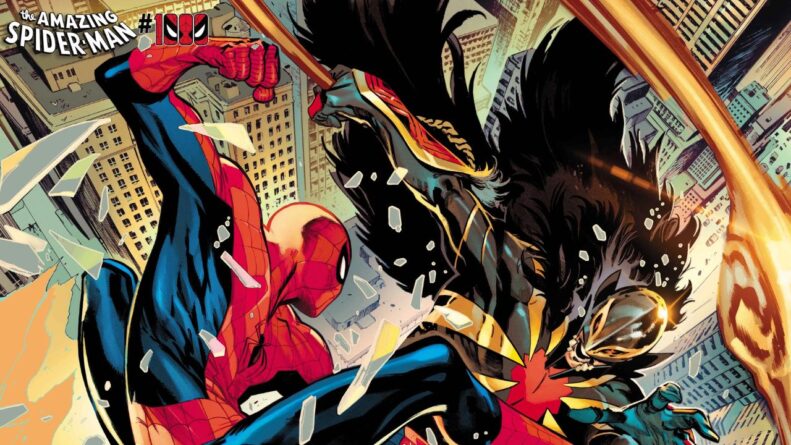
Both Amazing Spider-Man #1000 and Spider-Man: Brand New Day follow different stories but exploring the same thing. Who is Spider-Man now after losing everything he had, there’s nothing left to lean on and the only thing left is the choice to keep going anyway. Ravage forcing Peter to “question his very legacy” in the comic, and movie-Peter rebuilding his life from scratch in total anonymity, are two versions of the same gut-punch. Marvel putting a Brand New Day variant cover on the anniversary issue isn’t just marketing synergy — it’s Marvel pointing at both stories and saying, look, this is the theme right now.
Anniversary issues happen periodically — #700, #800, #900 all had their moment. What makes #1000 different converges are happening around it. It’s landing during the biggest theatrical Spider-Man push since 2021, with Quorum audience tracking reportedly showing Brand New Day as the highest-interest tentpole of the summer. It’s introducing a villain explicitly designed to have long-term consequences rather than a one-issue cameo. It’s pulling in a Hollywood showrunner for his comics debut, which reads like Marvel building bridges between its publishing arm and its screen ambitions. And it’s doing all of this while explicitly tying its cover art to a movie in theaters at the same time.
It’s not Marvel simply celebrating where Spider-Man has been. This is Marvel indicating where he’s going next, in comics and on screen. At the very moment that mainstream audiences are starting to pay attention again, by using the character’s most iconic number.
Readers picking up Amazing Spider-Man #1000 should go in expecting more than a nostalgia lap. Ravage is being positioned as a villain meant to stick around, not a milestone gimmick. The anniversary stories give long-time fans real emotional payoffs — Uncle Ben’s death, the Hand, an Avengers team-up without needing the main plot to carry all of it. And for fans coming in fresh off Brand New Day at the theater, this issue offers something the movie can’t: eight-plus decades of context for why Peter Parker rebuilding his life, alone, still means something.
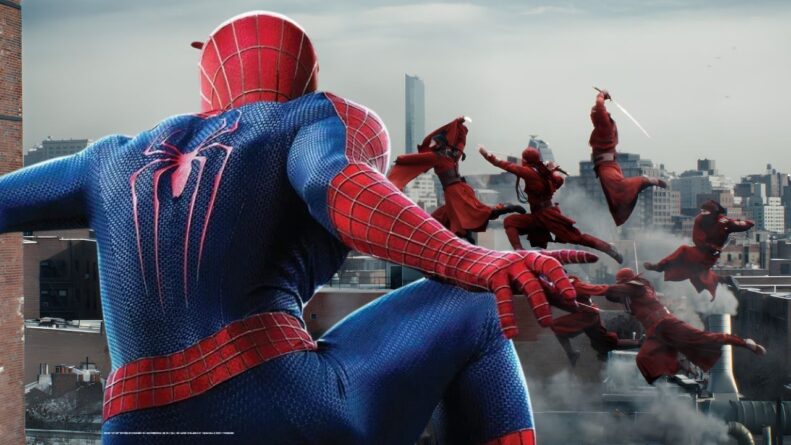
Whatever Ravage ends up being whether the Mr. Crane theory holds up or Marvel has something else up their sleeves, one thing is already clear from the buildup: This issue is supposed to make a difference for the next thousand, not just look good sitting on a shelf.
Read More 👉 XMen 97 Reading Guide: Every Marvel Comic You Need to Read
A once-in-a-lifetime event like Amazing Spider-Man #1000 will happen only one time, but what makes this issue special isn’t the number on the cover. Instead, the fact that Marvel is using it to push Spider-Man forward rather than just celebrate the past. Between Ravage’s introduction, an all-star lineup of creators, and the obvious thematic connection to Spider-Man: Brand New Day, the anniversary issue is less about a victory lap and more about the beginning of Peter Parker’s next defining chapter.
Whether you’ve followed Amazing Spider-Man for decades or you’re returning to the character after the new film, #1000 is shaping up to be one of the most significant Spider-Man comics in years. If Marvel makes good on its promises, and they are, readers won’t recall this issue because it was a historic milestone—they’ll recall it as the issue where Spider-Man’s future changed in a big way.
Dive deeper into the details and theories of movies, series, and characters on Fandomfans.

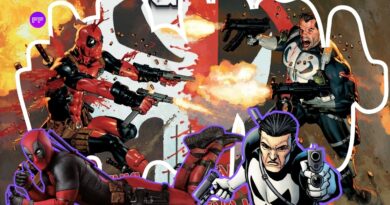
Deadpool & Punisher Big Guns Crossover brings Marvel’s deadliest heroes together in an explosive action-packed collectible adventure.
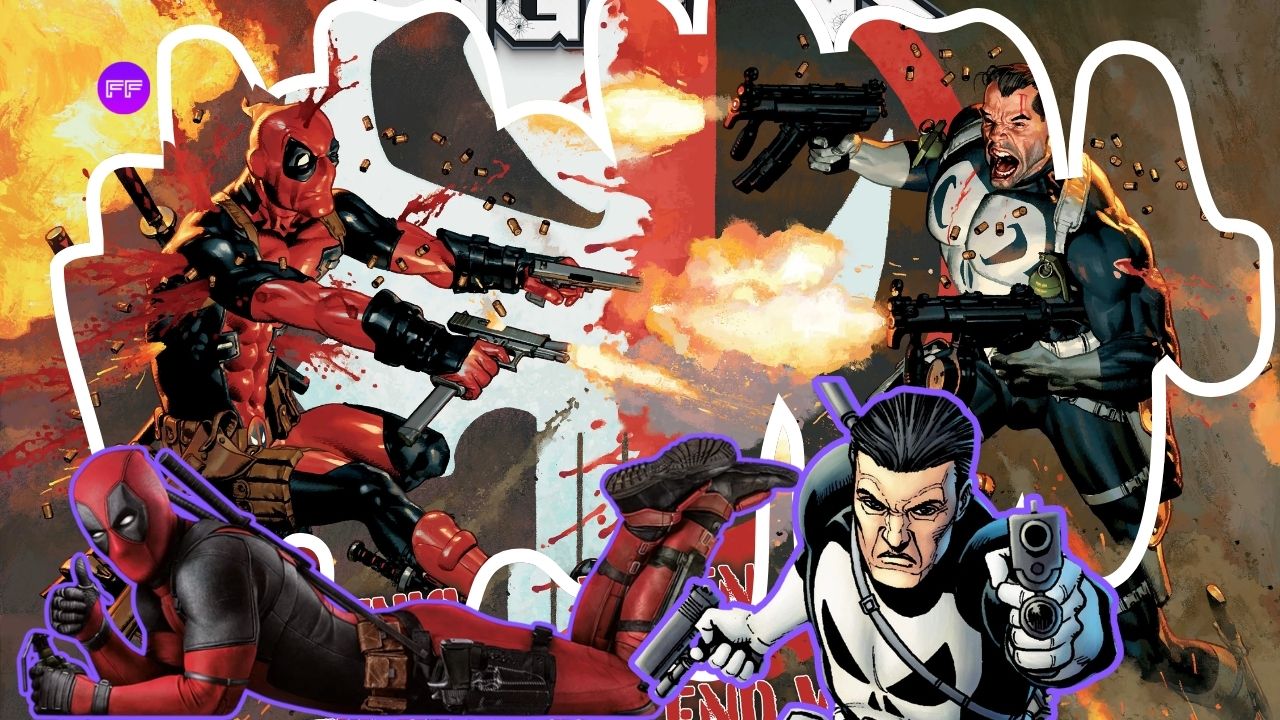
This September, Deadpool & Punisher Big Guns Crossover bring two superheroes together. This one comic event offers an action-packed performance of two heroes with completely different natures. Dark humour of Wade Wilson who thrives on making his fans laugh, whereas the Punisher barely cracks a smile. A combo of epic collide promises explosive brutal fights and humour that deliver unforgettable moments that marvel fans don’t wanna miss.
Big Guns arrives at a time when both Deadpool and Punisher solo series have trended toward grittier, more grounded narratives, and that’s likely why this collision seems less like a stunt and more like something bigger.
Mark your calendars, because Marvel isn’t dragging this one out. The carnage kicks off September 2, 2026 with Wade Wilson: Deadpool #8, drawn by Geoff Shaw. A week later, on September 9, Punisher #8 hits shelves with art from José Luis Soares, picking up right where Wade left things burning. The story wraps in October with Wade Wilson: Deadpool #9 and Punisher #9, though Marvel hasn’t locked in exact dates for those yet.
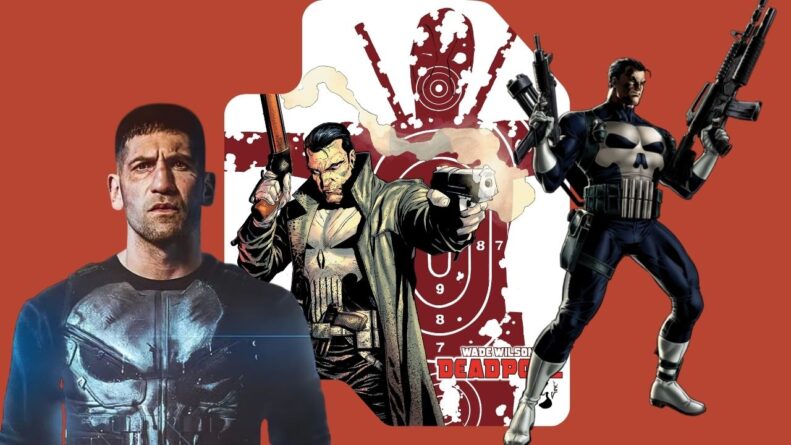
Marvel decided to reveal all of this on June 16th — “616 Day,” the publisher’s annual tribute to Earth-616, the main Marvel universe. It’s a small thing but it’s a sign of how much Marvel is playing this as a flagship-style street-level event and not a side story.
Geoff Shaw handles the main cover for issue #8 of Deadpool, while David Marquez takes the art duties on Punisher #8’s cover. Josemaria Casanovas is also doing a four-part connecting variant set across all four issues, so anyone hunting that full picture across covers will want to track down each part as it drops.
Read More 👉 Spider-Man: Brand New Day Official Synopsis Reveals Major Villain Details
This isn’t just a brief cameo of the Punisher or Deadpool. It’s a massive four-part event that weaves directly through the current ongoing series of both characters. The chaos kicks off in Wade Wilson: Deadpool and bleeds over into Punisher.
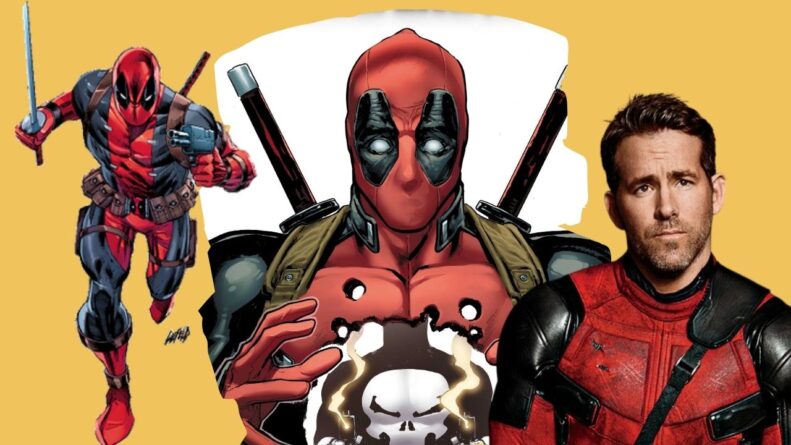
The story has a classic and exciting setup. Deadpool makes a massive mess because things get out of control on one of the biggest mercenary jobs of his life. It attracts The Punisher’s attention who is brutal and known for his serious behaviour. Both are caught up in a single path that sets the stage for a relentless clash where neither man is walking away without a few extra holes in them.
Benjamin Percy is currently writing for both the Deadpool and Punisher solo series. He perfectly balances the crazy humor with high-stake action in Deadpool & Punisher Big Guns Crossover.
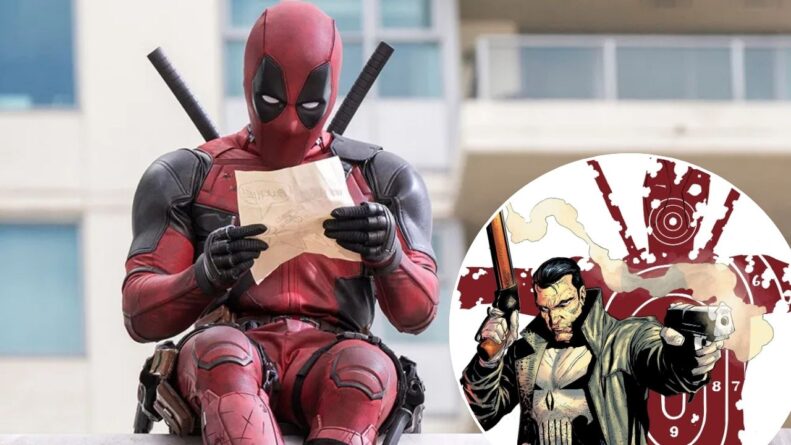
Percy recently noted that putting these two together was simple math. They are two heavily armed, street-level characters with completely opposite personalities. To bring this violent vision to life, Marvel tapped artists Geoff Shaw (handling the Deadpool issues) and José Luis Soares (drawing the Punisher chapters). According to Percy, they are “the best pens drawing the biggest guns.”
Read More 👉 X-Men ’97 Season 2: Marvel’s Legendary Mutants Return
If watching Frank Castle get increasingly frustrated by Wade Wilson’s endless talking isn’t enough to sell you, Marvel has promised some massive additions to the 616 universe in Deadpool & Punisher Big Guns Crossover run.
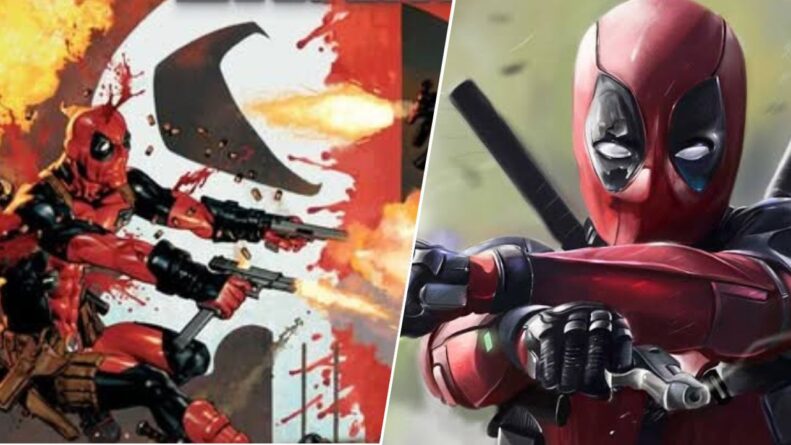
Whether you are here for the intricate plot or just want to see two of Marvel’s most lethal anti-heroes tear each other apart, the Deadpool and Punisher: Big Guns Crossover is shaping up to be the spectacle of the fall.
Read More 👉 The MCU ‘X-Men Reboot’ is Finally Happening: Major Details Dropped
Deadpool & Punisher Big Guns Crossover has all the ingredients for a classic Marvel team-up – high-octane action, violent slugfests, black comedy, and a mystery with implications that could reverberate throughout the Marvel Universe for years to come.
With Benjamin Percy writing and some of the best artists in the business illustrating the chaos, this four-part event will be about more than your run-of-the-mill hero vs hero skirmish. If you’ve been laughing along at Deadpool’s unpredictable brand of humor, or wondering how things got so dark with the Punisher’s brutal version of justice, Big Guns is lining up to be one of the biggest comics events for Marvel in 2026 and a must-read for anyone who enjoyed explosive superhero storytelling.
Dive into the world of entertainment with Fandomfans to get the latest updates from movies, series, and celebrities.