Marvel Supervillains: Knull vs Thanos Are Officially in the Battleground
Marvel Supervillains biggest fight of Knull vs Thanos steals fans' hearts as the God of Symbiotes is becoming more powerful than before.
Published: March 31, 2026, 12:48 pm

Marvel Supervillains biggest fight of Knull vs Thanos steals fans' hearts as the God of Symbiotes is becoming more powerful than before.
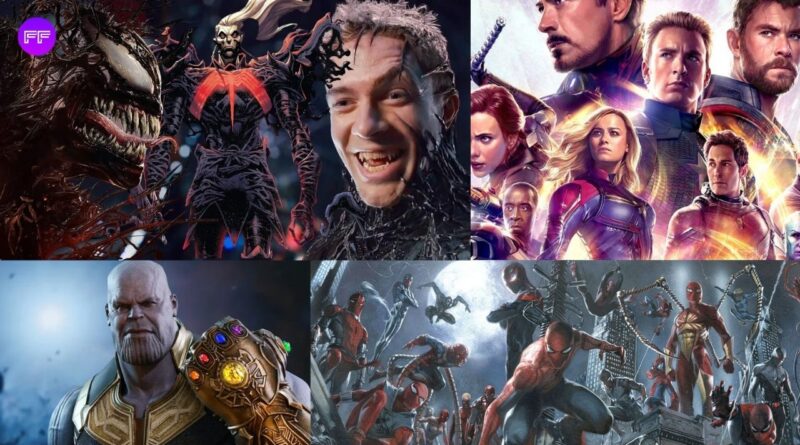
Thanos is the legendary Marvel Supervillains that fans believed yet because the guy wiped out half the universe with one snap. That alone made him a legend. But if you’ve read the comics, you know Marvel’s universe goes much, much further than what we saw in the movies. And then there are much older and scarier creatures – ones that make Thanos look almost diminutive by comparison. One of them is the god of the symbiotes known as Knull who can beat up Thanos.
The Question is: If they go down on the ground then who wins the battle? So, in Knull #3 (Ewing and Waltz, art by Juanan Ramirez), Marvel brings us this very battle and officially confirms who comes out on top.
And trust me, you’re not going to see the ending of this fight.
This bloody nitty gritty epic clash between Marvel Supervillains is the most awaited moment to the marvel fans because we have Thanos, the Mad Titan. He is a tactical genius, formidable strength and fully merciless. Thanos has even squared off against the Hulk, Thor, and groups of Avengers without the help of the Infinity Stones. His warped agenda animates him and doesn’t have second thoughts about stamping over whoever hopes to stop him.
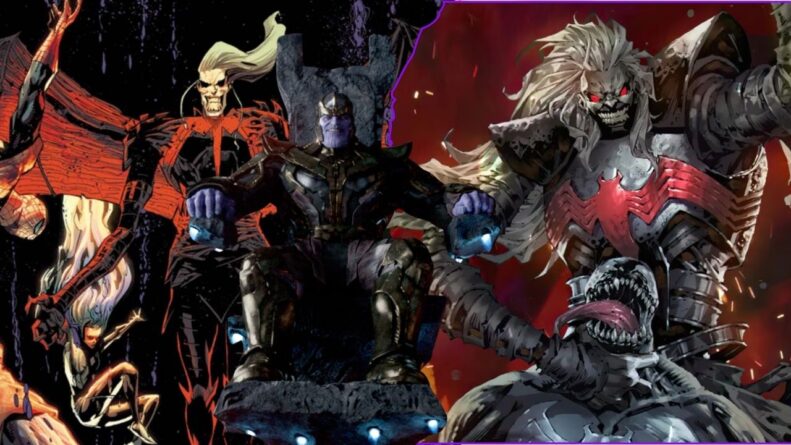
On the Other side, we have Knull, the God of the Void. You may not know about him but Comic Book mentioned Knull as an ancient, dark god who created the extraterrestrial species such as Venom and Carnage are also known as Symbiotes. Why Ancient? Because he was one who dwelt in darkness before the light of the universe was.
Knull almost obliterates the Earth with the 2020 mammoth King in Black comic storyline before he is defeated at last by Eddie Brock. It is an ancient evil, pure darkness that commands a horde of dragons and monsters.
A quick look at these two heavyweights Marvel Supervillains might lead you to think that it will become a long and hotly contested, feel-good war. But that’s not the way it turned out. In Knull series, the self-styled God of Symbiotes was never in a position of strength. He was outnumbered, and not at the peak of his power, in fact.
The King in Black event shows that Knull gets the devastating defeat that makes him completely destroyed. But in comics, you can never keep a good villain down permanently. He was just recently resurrected after Venom relinquished his King in Black title. But there was a major catch — Knull was recovered in a significantly diminished state. To make matters worse, he wound up as a miserable captive of the Asgardian Goddess of Death.
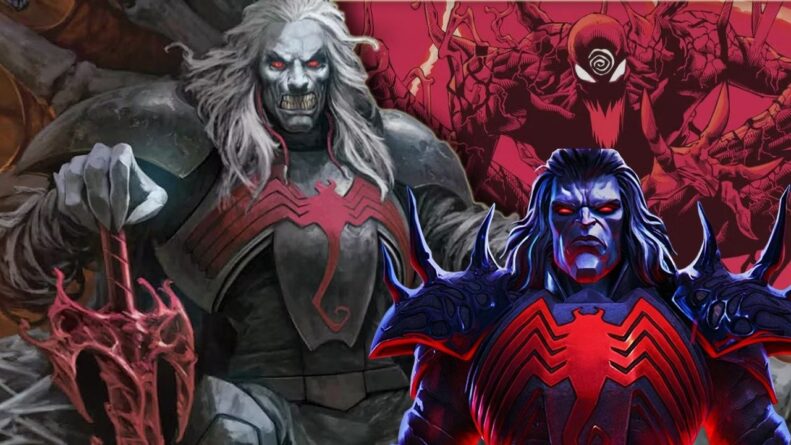
Hela being the power-hungry goddess she was, desired to steal Knull’s dark powers for herself. For her grand plan, she also brought in a familiar face, her ex-boyfriend: Thanos.
To rub even more salt in Knull’s wounds, Thanos was heavily armed. He carried the Spear of Light (also called the All-Light), a mythical and potent weapon that was once wielded by Knull’s cosmic antithesis. So, the stage was set for a nearly powerless Knull, cut off from his normal source of power shadows to square off against an all-powerful Thanos wielding a weapon created of pure light. From just reading the name, Thanos was supposed to win this fight easily.
As the Marvel Supervillains battle began, it appeared exactly as it should have. The Mad Titan was the clear favorite. Thanos wielded the cruel physical force and blinding might of the Spear of Light to drive the debilitated Symbiote God back. But Knull isn’t just powerful, he is ancient, intelligent and absolutely terrifying.
Since Thanos bright weapon was illuminating the battle field, Knull couldn’t use his shadowy and dark related weapons. But Knull soon learned that there was at least one place the light couldn’t reach: the darkness within Thanos.
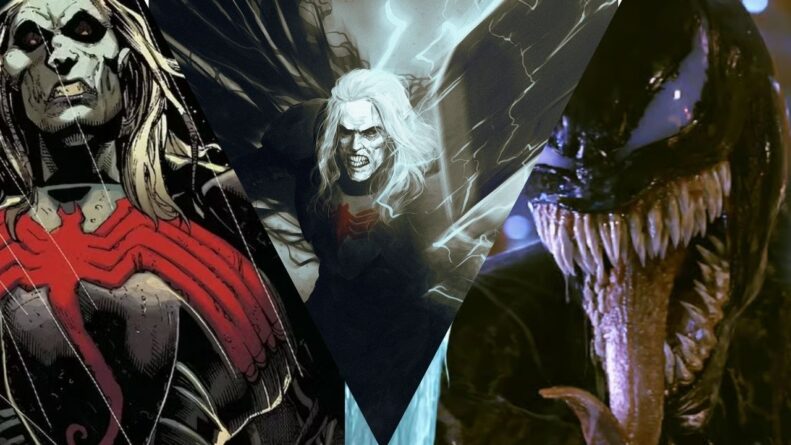
In a cruel, horrifying turn of events, Knull weaponized the dark essence of Thanos’ own body against him. Knull suddenly explodes from Thanos, unexpectedly. The scene is so graphic and brutal. It finishes with the almighty, unbeaten Thanos collapsing to the ground with his organs in his hands, as the most devastating defeat physically, and emotionally, he has ever known.
If that entire “Knull annihilates Thanos from the inside” thing sounds strangely familiar to you, that’s because it is. Just before Avengers: Endgame came out in 2019, a gross fan theory went viral on the internet.
Fans also joked that the simplest way to stop Thanos would be to have Scott Lang (Ant-Man) to shrink down, get inside him and then expand out again — taking out the Mad Titan from within. It was silly, over the top, and for some reason became one of the most talked about jokes in the fandom back then.
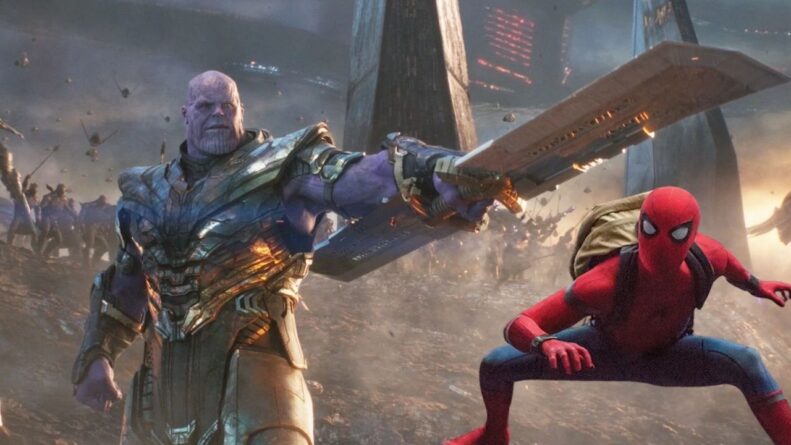
While Knull’s dark magic technique from the comic is not quite the same (and oh so much less bizarre), the heart of it definitely remains. He got inside Thanos and destroyed him from the inside out. You can’t help but wonder if the creative minds at Marvel borrowed a little bit from that iconic Internet meme to give Thanos his most brutal defeat yet. It’s the sort of brutal finisher you’d expect from the God of the Void.
What makes Marvel Supervillains victory all the more impressive is that Knull was at his absolute weakest. He didn’t just defeat Thanos in a fistfight, he humiliated him and destroyed then left with the Spear of Light.
And then he also took full control of Thanos’ brutal Outrider army. It’s quite clear now that the God of the Void has no more games to play. In short, he is taking the weapons and armies of his enemies to become again the most powerful thing ever, and the rest of the Marvel Universe really should be shaking in their boots about what he does next.
Read More:- ‘Dark Winds’ Season 4, Episode 7 Review: Ghosts, Guilt, and a Heart-Stopping Cliffhanger
Now that it is established that Knull is stronger than Thanos in comics, the question is: Will this legendary rivalry ever make it to the big screen?
To be blunt, it’s somewhat confusing right now. Thanos has a significant edge in this department when it comes to the movies. After years of development through MCU storytelling, he’s become a household name.
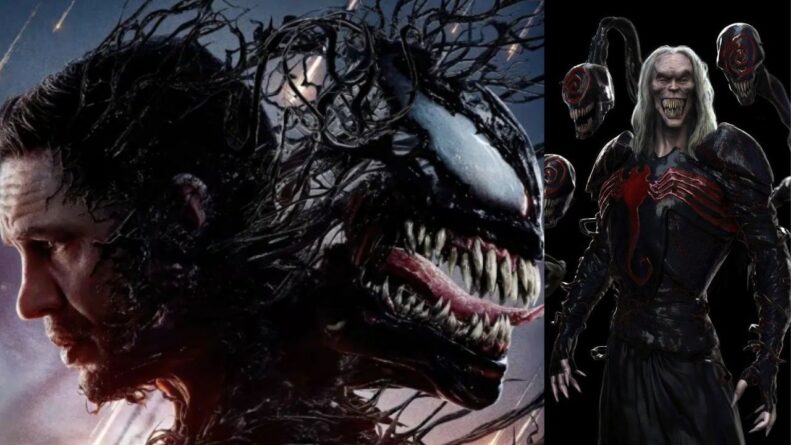
Knull isn’t exactly new to everyone, as he made his debut in Sony’s 2024 movie Venom: The Last Dance. While Andy Serkis portrayed the character, we let a quick look at him captive on Klyntar, the symbiote homeworld. Fans were clearly left wanting more, but it was a fun little nod to the comics.
Given all the noise about reboots and major changes coming to Sony’s Spider-Man universe, where that leaves Knull on the big screen is anyone’s guess. Drag if that is all for his live-action story before it really started. The King in Black has all the ingredients needed to be a frightening, universe-ending villain in the movies, just as dynamic and evil as Thanos himself.
Comic Book readers can rejoice for the ultimate Marvel Supervillains Knull has joined the MCU finally. In a cosmic villain throwdown, Knull the Symbiote God reigns supreme, crushing a fallen Mad Titan in a pool of blood. As the new Knull comic series progresses, there is no telling what the God of the Void will do next with his newly stolen powers.
Dive deeper into the world of entertainment with Fandomfans to bring theories that get you excited for new characters from movies and series.

Discover why Chris Evans Captain America casting was the perfect choice. Learn what made him the ideal actor to portray Marvel's iconic superhero.
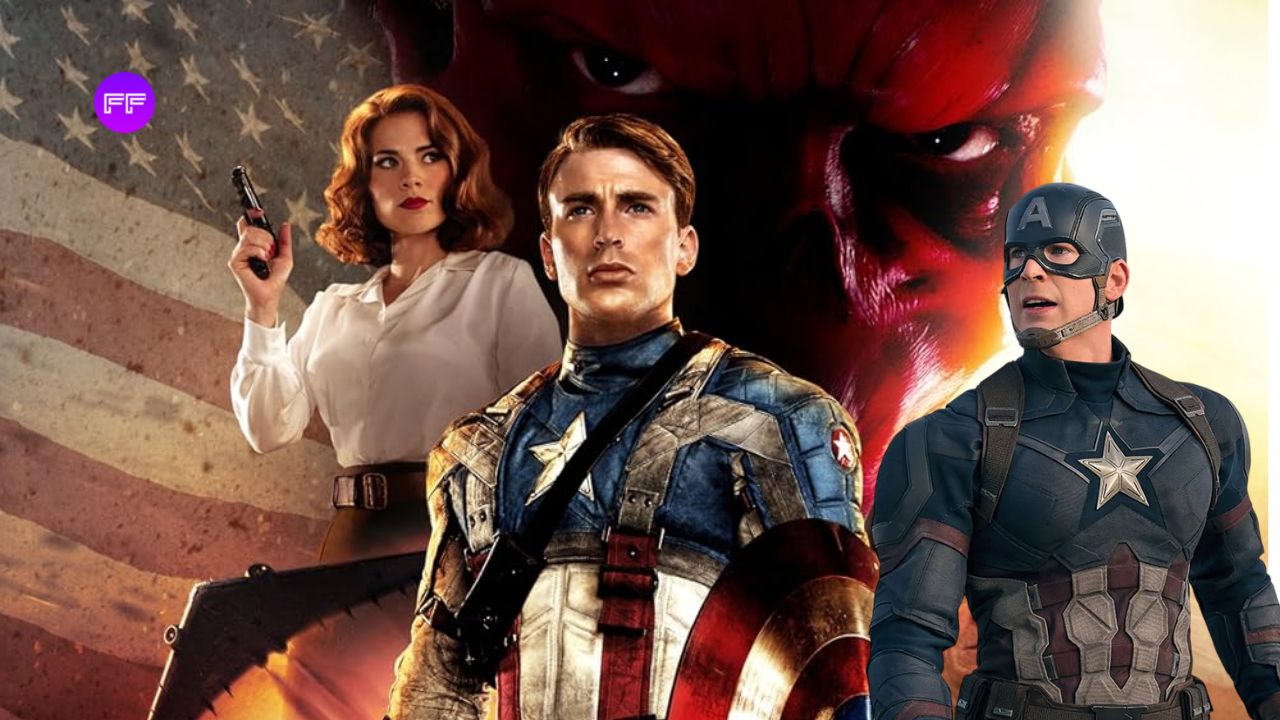
The actor who became the most obvious casting choice in Marvel history almost wasn’t cast at all. The Chris Evans Captain America role isn’t a simple casting. He is an actor who turned down this role but the studio didn’t take no for an answer. Casting directors bend down their rules to make it happen.
Looking back now, it’s hard to remember that the actor destined to define Steve Rogers had no interest in picking up the shield. And Marvel Studio just proved, casting really matters as Hollywood comeback could anchor a superhero blockbuster, Robert Downey Jr. back into the MCU as Doctor Doom is an example.
Casting director Sarah Halley Finn ran a genuinely exhausting search for Captain America. She sat through round after round of screen tests that just didn’t land. The specific blend of old-classic style decency and body structure is hard to see in anyone. And Even isn’t in that line up because he already played a Marvel character, Johnny Storm.
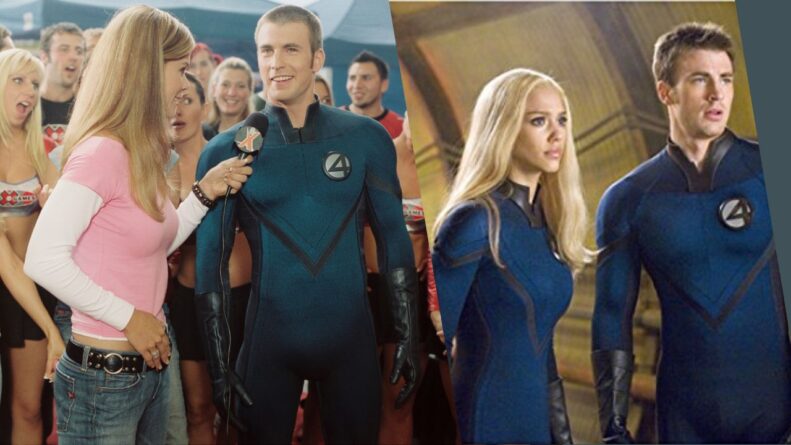
Yeah, that Sue Storm’s brother in the Fantastic Four movies from 2005 and 2007. And there was a rule in Marvel Studio at the time that the same actor can’t play the two different comic-book roles. It muddies the brand. Finn knew Evans might fit Steve Rogers, but she sat on that instinct because of the rule.
It took a string of underwhelming screen tests before she finally said it out loud in a casting meeting:
Why not consider Chris Evans?
The room agreed almost instantly. People already liked him as an actor. They’d seen the work. And enough of what makes Chris Evans Captain America tick — earnestness, a kind of stubborn decency — was already visible in how Evans carried himself on-screen. Marvel broke its own rule for him.
Two names come up constantly when fans dig into the Captain America casting search, and neither of them ended up wearing the suit.
John Krasinski was in serious contention. Years later, he’d say he heard through his agent that Marvel had gone with Chris Evans Captain America instead and his reaction wasn’t bitterness, it was recognition. He basically said the same thing every fan says now:
Of course it’s him, look at the guy.
Sebastian Stan came even closer, in a stranger way. He sent in three audition tapes for Steve Rogers, then canceled a trip home to Romania to fly back for an in-person Marvel meeting. He didn’t get the part. What he got instead was Bucky Barnes — a role that turned into a decade-plus career inside the MCU, arguably richer and stranger than Cap’s arc ever was.
But Stan is happy because losing that role turned out to be the better outcome for him. He got a more satisfying job that he deserved.
Evans said no. More than once because the commitment terrified him. Marvel’s initial offer was a nine-picture deal. It eventually got negotiated down to six, but even six films was an enormous chunk of a career to hand over to a single character, with no real way to predict how the movies — or his life — would turn out.
Evans’ reason to say no for the role isn’t the heavy work and action but he knows after signing it would permanently change his life in ways he couldn’t take back.
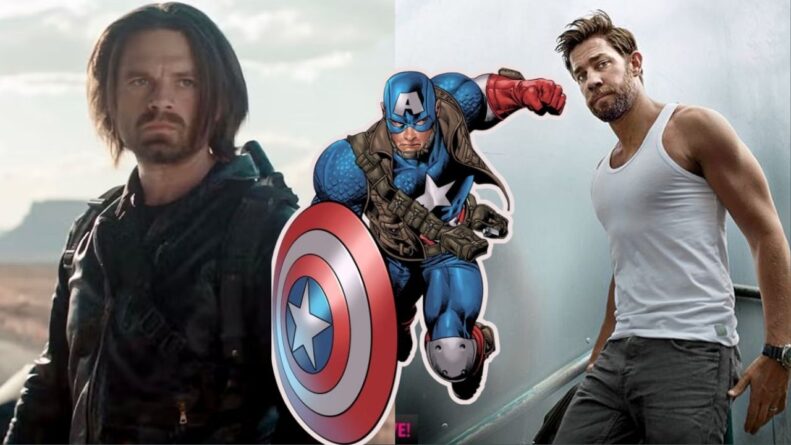
There was also something more personal underneath it. Evans has since described dealing with anxiety around fame and public attention, and the jump from “working actor” to “face of a global franchise” was the exact kind of exposure that made him uneasy. Turning down Captain America wasn’t a business calculation. It was closer to self-preservation.
Marvel didn’t let it go. Kevin Feige and director Joe Johnston brought Evans back in for a second meeting, and this time they didn’t just pitch a contract — they pitched the actual story. The character’s arc of Chris Evans Captain America across the franchise is a real concept art. This is not a job for Evans, director said:
Here’s the character we think only you can play.
Evans has said he took the weekend to think it over, and that it was one of the hardest decision-making stretches of his life. He said yes anyway. And in interviews since, he’s called it the best professional decision he ever made — which is a fairly remarkable thing to hear from someone who almost walked away from it entirely.
Read more 👉 Who Is the New Editor-in-Chief of Marvel Comics? Stephen Wacker Explained
Finn and Feige were searching for qualities in an actor who can bring the genuinely kind, quietly confident, and grounded enough on the screen to make audiences believe he was an ordinary kid from Brooklyn before he ever became Captain America. It is more important for them rather than the shield, costume and the super-soldier physique. Evans captured those qualities in a way that couldn’t be taught or faked.
His hesitation actually worked in his favor. Finn has said the reluctance itself became a kind of evidence — an actor who didn’t chase fame for its own sake was exactly the temperament they wanted radiating off a character whose entire identity is putting the mission ahead of himself.
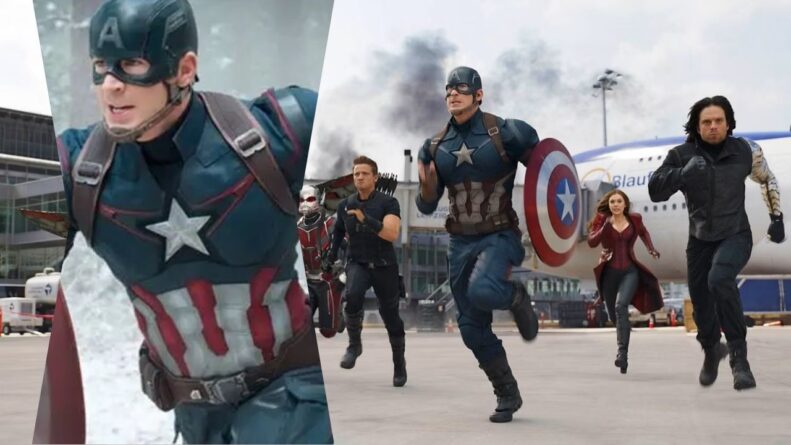
There was also a practical acting challenge nobody talks about enough. Steve Rogers is really two roles stitched into one performance: the fragile, undersized guy from the pre-serum scenes, and the peak-physical-condition soldier after. Johnston was blunt about it at the time — whatever the visual effects team did to sell the “before” version, the performance itself, the internal logic of the character, had to be Evans from start to finish.
That’s not a small ask. It’s asking one actor to make an audience believe in the same soul wearing two very different bodies.
Captain America: The First Avenger landed in theaters in July 2011, with no guarantee Steve Rogers would resonate with audiences but Evans made Steve Rogers heart of the MCU forever. He wasn’t just delivered an outstanding performance but he actually turned into the franchise’s emotional backbone. Marvel took that risk and delivered The Avengers, both Captain America sequels, and eventually Avengers: Endgame in 2019.
What made the casting work wasn’t that Evans looked the part. Plenty of actors look the part. It’s that his real hesitation — the anxiety, the reluctance, the fear of losing himself to the role — is basically the same internal conflict Steve Rogers wrestles with across ten years of movies. A guy who never wanted the spotlight, carrying a responsibility he didn’t ask for, because it mattered more than his own comfort. Marvel didn’t just cast an actor who could play that. They cast an actor who, at least for one nerve-wracking weekend, actually lived a smaller version of it.
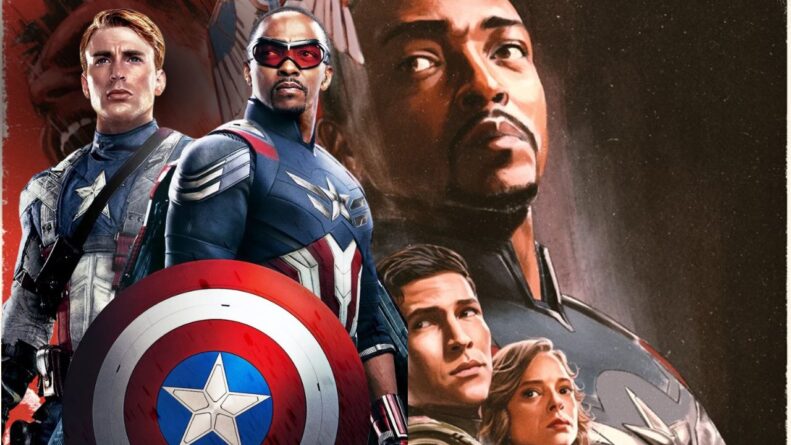
Even after stepping away from the shield, Evans hasn’t distanced himself from the character. When Anthony Mackie took over as Captain America following Sam Wilson’s arc in the comics and MCU timeline, Evans publicly backed the change, saying flatly that Sam Wilson is Captain America now. That’s not the reaction of someone who resents the role he almost turned down. It’s the reaction of someone who understood, eventually, exactly what he’d said yes to.
The next time someone says a casting choice of Chris Evans Captain America was “obvious,” it’s worth remembering this one wasn’t obvious at all. It was rejected, reconsidered, nearly given to two other actors, and only worked because Marvel refused to accept the first no.
Read More 👉 Why Marvel Comics Launching the Midnight Universe Variant Cover Program?
The casting of Chris Evans Captain America was not the obvious choice people recall today—it was a risk that nearly didn’t get taken. Between Marvel contravening its own casting rule, Evans saying no to the part multiple times, and various other actors almost being cast, the path to Steve Rogers was far from easy.
Ultimately, Marvel didn’t just find a guy who looked like Captain America — they found an actor who captured his humility, bravery, and selflessness. That move helped make Steve Rogers the emotional center of the MCU and stands as one of the best casting wins in superhero movie history.
Fandomfans delivers latest updates from movies, series, and celebrities to you directly.

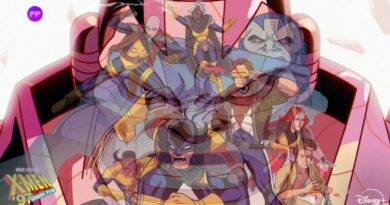
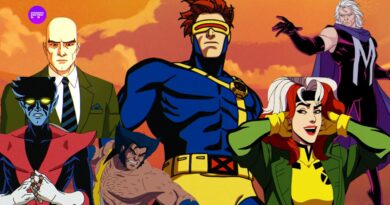
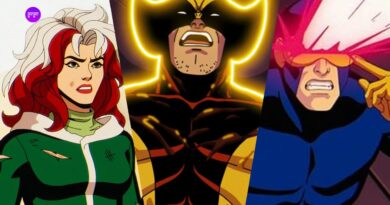
Get ready for XMen 97 Season 2 with the official Marvel comics guide. Discover the essential prelude series and key storylines to read before watching.
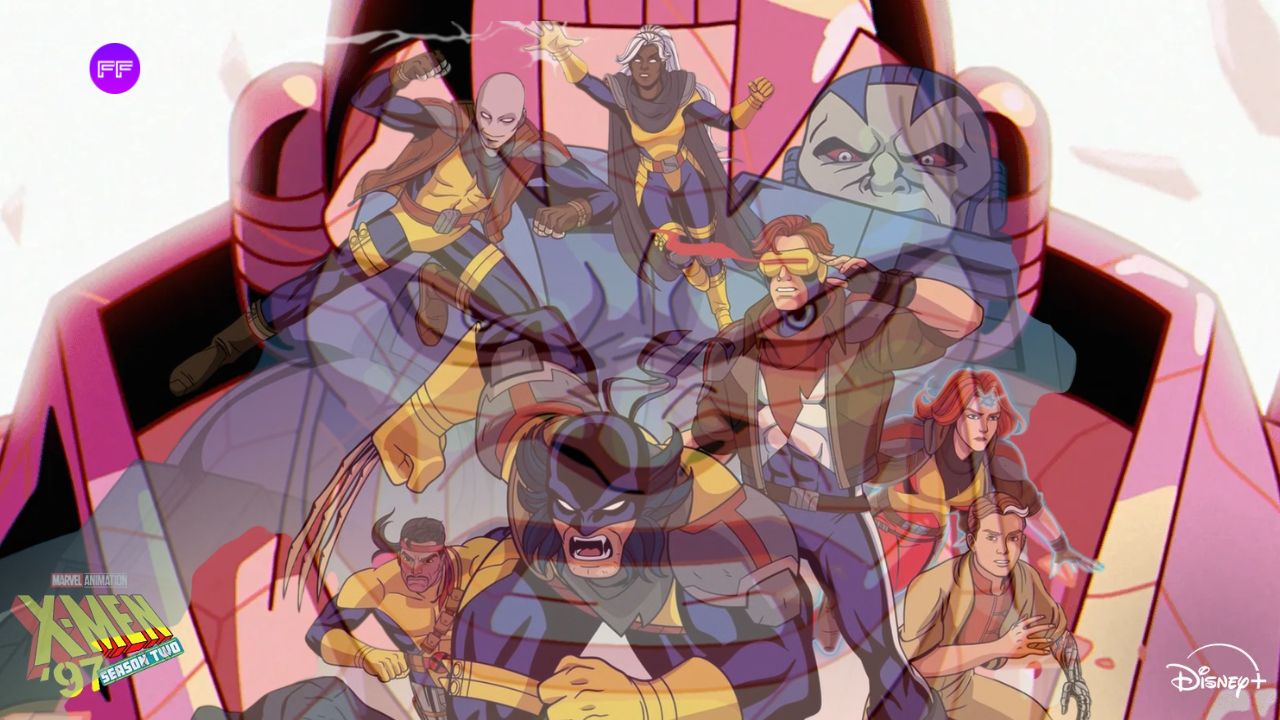
A few classic XMen comics that are worth diving into first before watching XMen 97 Season 2. Not because the series demands it, but to understand the depth of these stories that make the new season even more rewarding. When you are going to watch the new season knowing why Rama-Tut is terrifying, the complicated origins of Cable, Cyclops and Jean’s heartwrenching journey of raising a kid is going to wreck you emotionally before the season even hits its stride.
Marvel designed a guide around this season along with the nine new episodes. This makes you understand as Season 2 doesn’t play it safe with a single timeline. Characters are scattered in three different eras — past, present, and future. Ancient Egypt era where everything is started, future nightmare that is almost finished off the world, and present day that’s trying to hold itself together without its most powerful heroes.
Each of those threads is rooted in a specific chunk of 1990s and early 2000s comic lore, and if you go in blind, you’re going to miss half the emotional weight the writers spent years building. So let’s dive into the depth of the comic guide before watching XMen 97 Season 2.
Before getting into the comics, it helps to remember where Season 1 left off. The finale, now referred to in the show’s canon as Extinction Day or E-Day, ended with Magneto’s orbital sanctuary, Asteroid M, getting caught in a nuclear strike after Bastion weaponized it using Cable’s stolen time-travel technology. The explosion didn’t just destroy the asteroid — it tore open a temporal singularity that swallowed the surviving XMen whole.
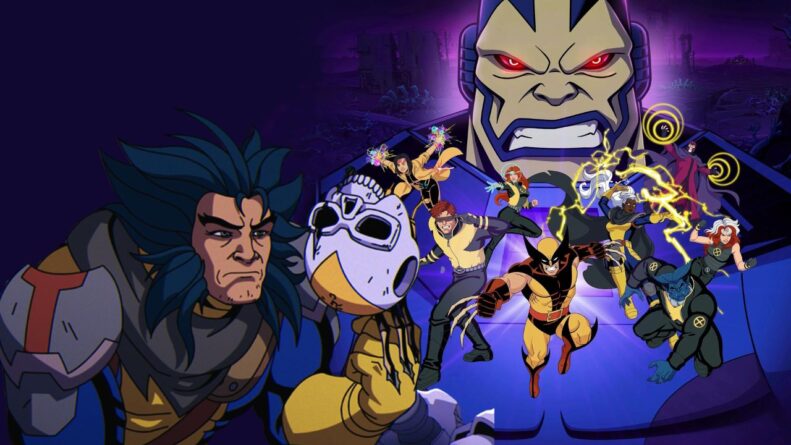
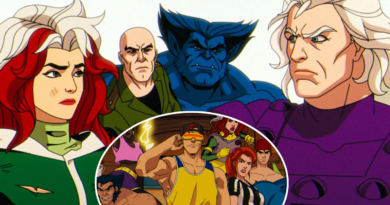
To the world of 1997, the team is dead. Martyrs who sacrificed themselves to save a species that spent years hunting them. In reality, they’re scattered across time, and that scattering is the entire engine of XMen 97 Season 2. Rogue, Nightcrawler, Beast, Magneto, and Xavier land in 3000 B.C. Cyclops and Jean Grey get thrown nearly two millennia into the future. And back in the present, Forge, Jubilee, Sunspot, Bishop, and an adult Cable are left to figure out how to defend a world that no longer has its XMen.
You just have to understand the structure that isn’t random. And you know it after looking at it like a blueprint.
If there’s one book you actually shouldn’t skip, it’s this one. The Adventures of Cyclops and Phoenix, a four-issue miniseries from 1994 written by Scott Lobdell with art by Gene Ha, is the emotional backbone of the entire future timeline in Season 2.
If we look at its Season 1, Cyclops and Jean have to send their little son Nathan forcibly into the future while trying to save him from a techno-organic virus. That infection is injected into the Mister Sinister before he could realise it. That separation broke something between them. Now, in Season 2, they land in that same future — a wasteland ruled by Apocalypse — and they’re reunited with Nathan, who’s being sheltered by a resistance movement called Clan Askani.
This is where the comic becomes essential reading. It’s not just about Cyclops and Jean surviving a hostile future. It’s about them getting an almost unbearable second chance: raising the son they thought they’d lost, knowing the whole time that his destiny is to become Cable and eventually travel back to fight a war against Apocalypse that never really ends. There’s also a deeper layer here if you dig into the lore — Mother Askani, the leader sheltering them, is in the comics an aged version of Rachel Summers, an alternate-reality daughter of Cyclops and Jean. That’s the kind of detail that turns a “oh that’s a nice reunion” scene into something that quietly gutting once you know what’s underneath it.
Read this one before Episode 1. It’ll change how you watch every scene between Scott, Jean, and young Nathan.
Read More 👉 What’s Next for Marvel After the Multiverse Saga? Future Plans Explained
The second must-read is Rise of Apocalypse, a 1996 series that traces En Sabah Nur’s origins as an orphaned rebel rescued by the nomadic Sandstormers tribe and raised under the oppressive rule of Rama-Tut, a time-displaced version of Kang the Conqueror.
Season 2 leans hard into this. When Magneto, Xavier, Rogue, Beast, and Nightcrawler land in 3000 B.C., they don’t stumble into a fully formed tyrant. They meet a young, marginalized warrior fighting for survival against Rama-Tut’s forces — someone they instinctively want to protect. The series is clearly building one of the most thought-provoking ideas: what if X-Men act of goodness is actually the reason that pushes En Sabah Nur on the path to becoming Apocalypse?
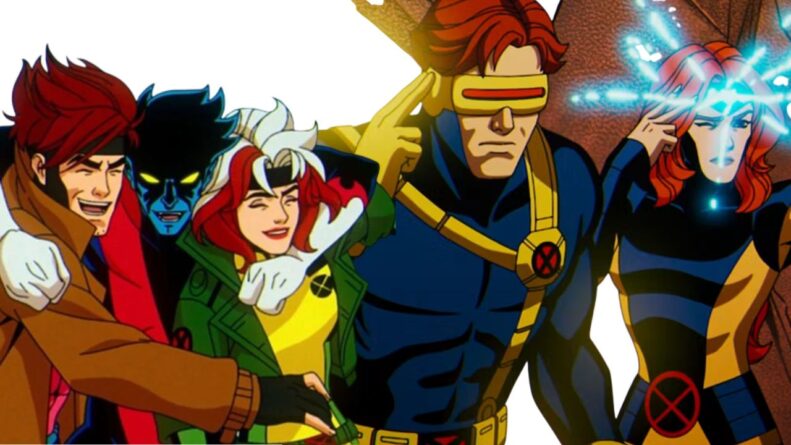
That question is much more impactful if you have read the source material, as “Rise of Apocalypse” dedicates actual time — and page count, really — to making him more human before his Darwinian “survival of the’’fittest” ethos hardens into something monstrous. Watching Magneto, of all people, end up in a position to mentor him adds a whole other layer, given Magneto’s own history as a genocide survivor turned militant. This isn’t a book you need to memorize, but understanding the broad strokes will make the ancient Egypt storyline land as more than just “cool desert battles with a future villain.”
As Xavier is not present in the timeline so the burden of protecting mutantkind shifts to Cable. XMen 97 Season 2 has him forming the X-Force group that favors decisive, lethal defense over diplomacy and approaches hook that traditionally defined XMen.
If you read Rob Liefeld and Fabian Nicieza’s original X-Force run from 1991 then you could understand the tonal shift of this series. The nature of the story is heavily leaned towards aggressive and cold action, suggesting that peaceful coexistence isn’t always realistic when the world keeps trying to kill you. You don’t need to read the whole run cover to cover — even flipping through the first handful of issues will give you a feel for why Cable operates the way he does, and why characters like Archangel and Psylocke fit so naturally into this rougher, more combat-focused unit.
It also helps explain the tension the show is clearly building between Cable and Jubilee, who’s trying to hold onto Xavier’s original dream in a present day that increasingly doesn’t have room for it.
Read More 👉 X-Men ’97 Season 2: Marvel’s Legendary Mutants Return
The series is more focused on visual directions rather than the specific plot. Grand Morrison and Frank Quitely’s New X-Men crafting its heroes in a new look from bright colorful costumes of the 90’s. The expectation of updated designs in X Men 97 Season 2 could be more practical and understated than before that matches the tone of the series.
If you have seen any XMen 97 Season 2 promotional images, you would have noticed that they’re drawing clear inspiration from this influential era of the comics. A less primary-color superhero is a direct visual nod to this run.
You don’t have to read all of it, but even just scrolling through the art will give you a sense of the aesthetic direction the show is heading. Thematically, it seems to be turning into a rougher, more realistic time period for mutants which goes hand in hand with everything else we’re seeing this season.
Marvel released a five-issue prelude comic, written by Steve Foxe with art by Salva Espin, that was developed in direct coordination with Marvel Studios Animation. This isn’t a loosely connected tie-in. It’s built to fill in the gaps between the two seasons, focusing on Forge, Jubilee, Bishop, and Sunspot as they deal with a terrified public in the immediate aftermath of E-Day.
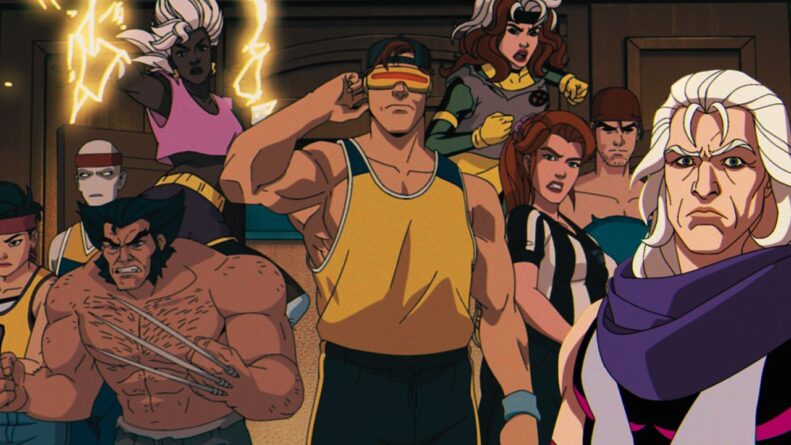
Because animated episodes only have so much runtime, a lot of connective tissue simply couldn’t fit on screen. This comic is where that missing context lives. It covers how the mutant population processes losing its most visible protectors, and it sets the emotional and political temperature for the present-day storyline you’ll see play out with X-Force and X-Factor. If you only have time for one book on this list, honestly, this is the one that most directly sets up what you’re about to watch.
Some shows throw comic references in as easter eggs for longtime readers. X Men 97 Season 2 is doing something more deliberate. The show went through a genuinely turbulent production period — original showrunner Beau DeMayo was removed before Season 1 even premiered, and Matthew Chauncey stepped in to lead a significant restructuring of scripts that had already been written. Despite that shake-up, the creative team clearly leaned even harder into comic accuracy rather than pulling away from it, likely to keep the storytelling grounded while so much else behind the scenes was in flux.
That’s part of why this reading list isn’t just marketing fluff. The show is adapting real, specific arcs, not just borrowing character names. Knowing where Cable actually comes from, why Apocalypse isn’t just a generic big bad, and what X-Force represents philosophically will genuinely change how you experience these nine episodes.
If a full reading list feels like a lot before July 1, prioritize in this order:
The XMen 97 Season 2 prelude comic first, since it’s the most directly connected to what you’re watching. Then The Adventures of Cyclops and Phoenix, because the future timeline hits differently once you know Mother Askani’s identity and the weight of what Cyclops and Jean are being given a second chance at. After that, a quick skim of Rise of Apocalypse will do more for your understanding of the 3000 B.C. storyline than any recap video could.
XForce and New XMen are the optional extras — great for context, not essential for following the plot.
Whatever you manage to get through, one thing’s clear: this isn’t a season built for casual viewing. It’s built for people who want to sit with these characters across five thousand years of history and come out the other side understanding exactly why the X-Men’s story never really lets them rest.
Read More 👉 X-Men ’97 Season 2: What Could Make It Marvel’s Next Big Hit?
XMen 97 Season 2 isn’t just continuing the animated series, it’s expanding the timeline of Marvel storytelling. From character arcs to costume choices, everything is rooted in comic history. That’s why you should read a few comics before starting watching this series.
You will understand the dangerous villain Apocalypse’s tragic beginnings and Cyclops and Jean’s emotional reunion with Nathan that adds depth to the show when you watch it only by reading a handful of key stories. You don’t need to read every comic. And that’s exactly what makes XMen 97 Season 2 feel like more than a nostalgic revival.
Dive deeper into the depth of the series, movies, and characters to understand your favorite stories. Enter into the world of entertainment with Fandomfans.