Star Wars ‘Maul: Shadow Lord’ Timeline: Where Do These Episodes Fit in the Star Wars Canon?

Explore where Maul Shadow Lord timeline in Star Wars canon, from Clone Wars to Crimson Dawn and Solo timeline. Full breakdown & timeline guide. Read more visit! 

Published: April 8, 2026, 7:55 am

Maul Shadow Lord timeline Star Wars stories have always been like individual tiles in a mosaic, but few fan contributions have captured the collective imagination of the fandom quite like Maul: Shadow Lord. In an age when high-budget official releases occasionally feel safe, this series came out of nowhere with gritty, hyper-stylized animated visuals that seem like a tribute to the Clone Wars heritage while going to much darker levels. 

The “Shadow Lord” stage is a Maul we’ve seen but never fully dwelt with—the crime lord who isn’t just a Sith castaway, but a crime boss. There’s nothing new about the hyperactive swordplay of Episodes 1 and 2; the reason for the craze is more about the mood. It is moody, it’s visceral and it really answers a “Maul-shaped” hole in the timeline that fans have been itching to explore for years. 

Picking Up the Pieces from Mandalore

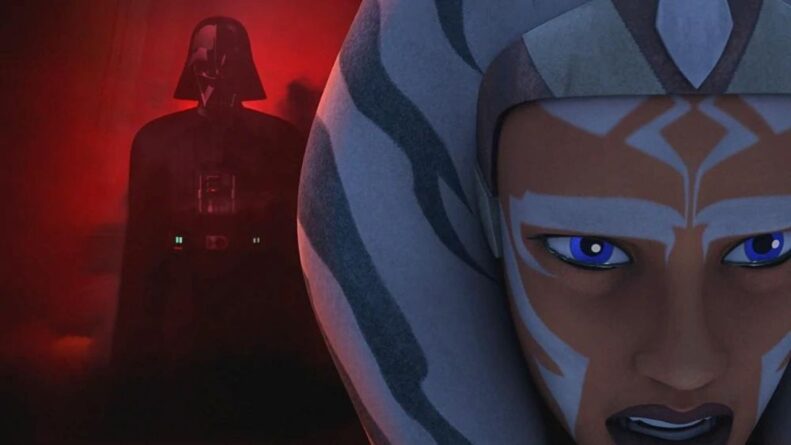
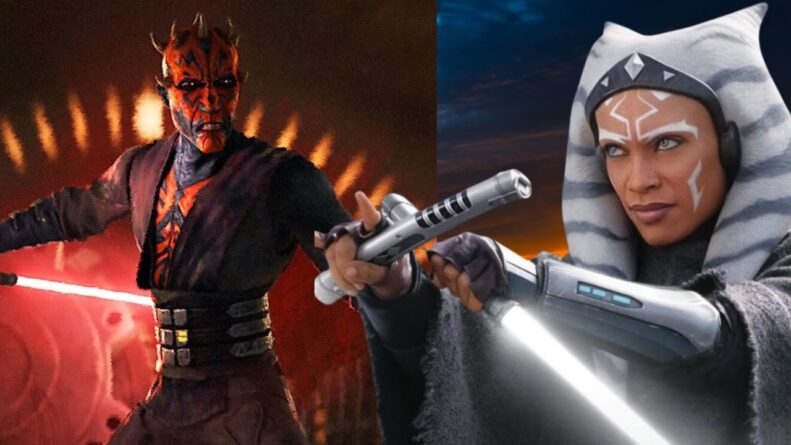
To get an idea of when Maul Shadow Lord timeline starts, all you have to do is see where “Official” Maul ended in The Clone Wars Season 7. We last glimpsed Maul at his most desperate and deadliest. Captured by Ahsoka Tano and barely surviving the Siege of Mandalore, Maul’s world and his vision for the future was obliterated by Order 66.

Pieces from Mandalore

He escaped from the Venator-class Star Destroyer Tribunal in the middle of an explosion of kinetic energy, a trail of dead clones and shattered bulkheads left behind him. But he’s more than just running from the Empire, he’s running into a void. He had no army, no master, and no clear path forward. This change is key. Maul went from a galactic player with a seat at the Mandalore throne to a ghost in the shadows. 

The trauma of Sidious’s betrayal and the rise of the Empire left him with a singular, cold realization: if he could not rule the galaxy through the Force then he would rule its sewers through fear and commerce. This brings you to the Crimson Dawn period, the era Shadow Lord so vividly gives full expression to. 

The Shadow Lord Era: Year 1 of the Empire

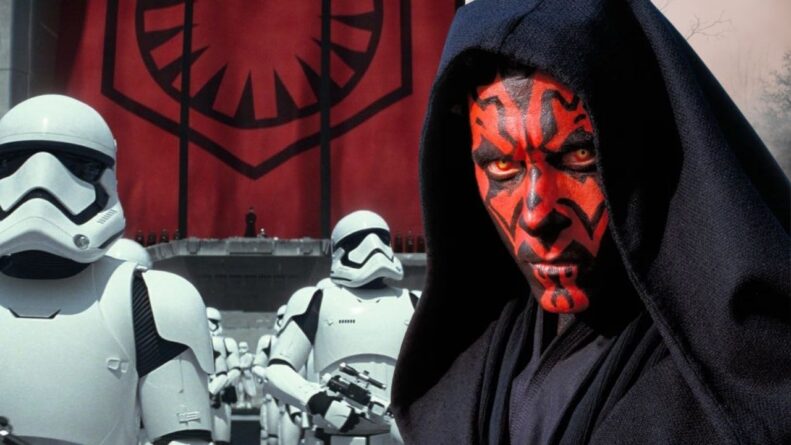
Maul Shadow Lord timeline is set during what many lore historians consider to be Year 1 of the Empire. That era was an unruly nightmare of galactic events. The Jedi are gone, the Senate is a vacant shell, and the Imperial war machine is still in its “aggressive expansion” period. Darth Vader is off pursuing the last Jedi survivors, but the criminal underworld is now seeing a huge power vacuum. 

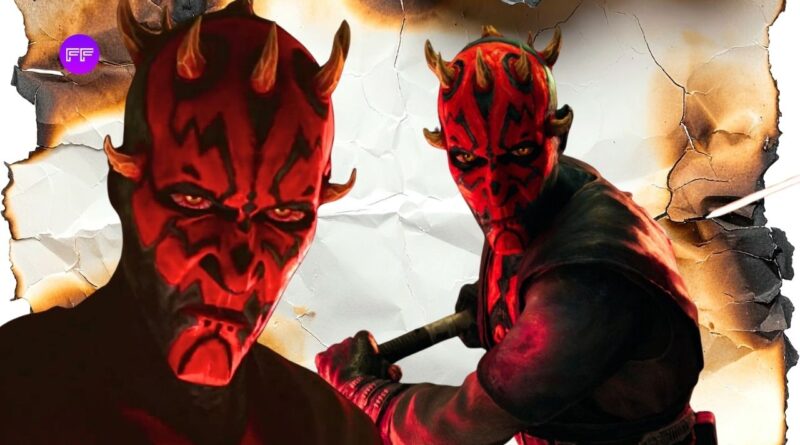
Now in this era Maul is no longer “Darth Maul.” He has renounced the Sith title, considering them his greatest enemies. But he’s not a hero. He is laying the groundwork for Crimson Dawn. 

The Shadow Lord Era

During this first year, Maul is traveling the Outer Rim, consolidating power in the absorption of smaller syndicates often through extreme violence. The sobriquet “Shadow Lord” is quite fitting: he is a specter lurking at the edges of the Empire. He fills in the gaps, areas where the Stormtroopers have yet to arrive, and he can make lawless worlds into his own private realms.  

It’s a time to rebuild, not just a criminal empire, but his own shattered soul. He is adapting his fighting style, moving more towards his mechanical nimbleness and double-bladed saber expertise, playing a long game against the Emperor. 

Deep Dive into Janix: The Lawless Frontier

The Maul – Shadow Lord Episode 1 and 2 welcome us to the planet Janix, and frankly it’s all that we could ask for from a Star Wars underworld environment. Janix is the ideal microcosm for the “Shadow Lord” period. It’s not a bright core world or a lush forest moon; it’s a rough, hard-edged industrial frontier that could feel like a mix of Blade Runner and a Western.

Janix is a center for the “under the table” economy. It is the dumping ground for the Empire’s waste, and where the most desperate people in the galaxy go to vanish. In Maul Shadow Lord timeline, Janix is a city of changeable loyalties. Maul’s being on Janix isn’t only a question of concealment; it’s a question of power. 

The series takes advantage of grim up-north to trace Maul’s transformation into a mastermind. He doesn’t just walk into a room and kill everyone (he certainly can, but that’s not his specialty), he plays the local politics. The worldbuilding is layered here and reveals to us the predicament of the common people living in the looming boot of the Empire and the iron fist of the Maul: Shadow Lord. 

Devon Izara vs Darth Talon

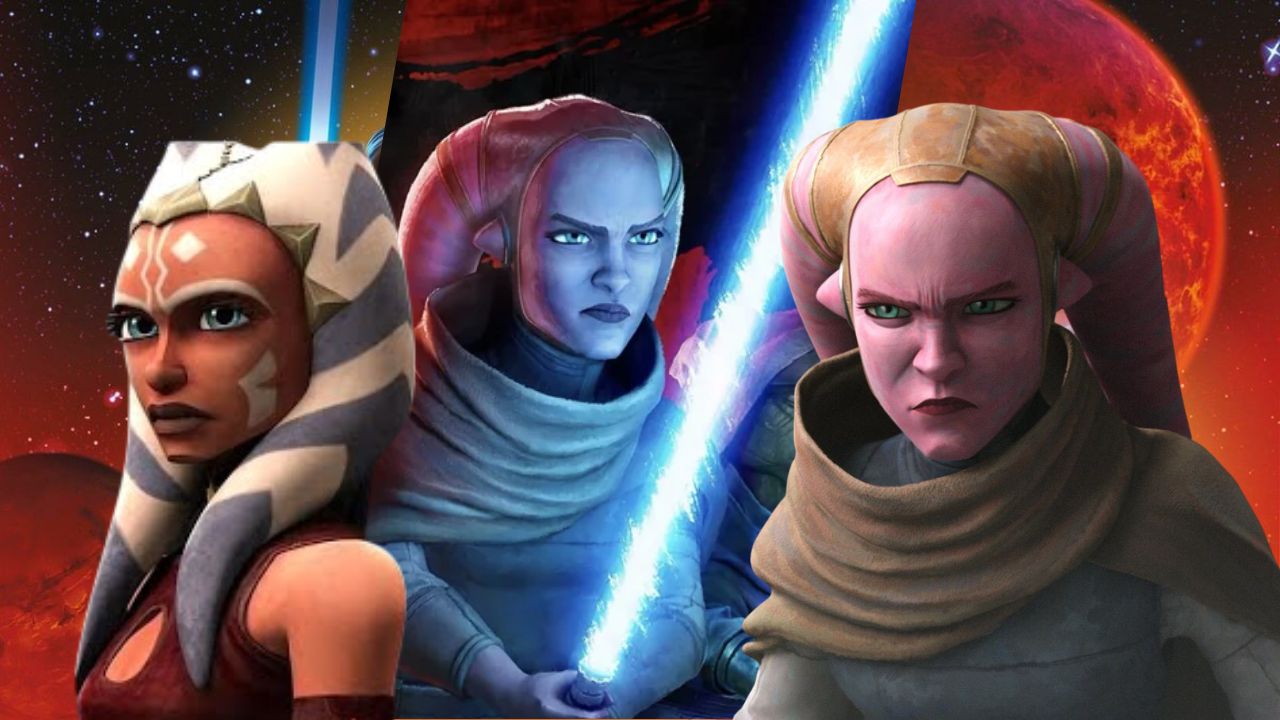
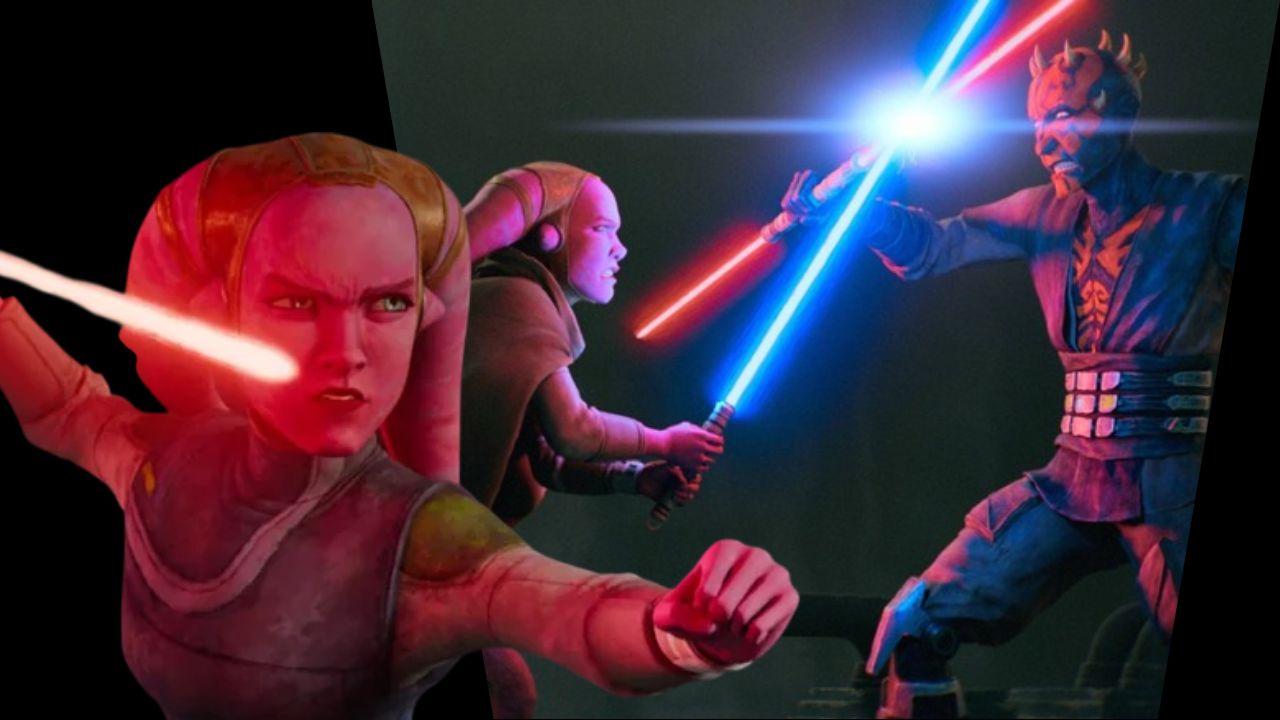
The Debut of Devon Izara as Maul’s apprentice is attracting lot of fans because of the relevant experience with the apprenticeship in the star wars story, (mainly among fans comparing her Darth Talon hailing from the Star Wars Legends) 

Although Devon Izara has the same “lethal warrior” aesthetic as Talon, she is more grounded in the current canon. She’s not a Sith in the old style sense because Maul is no longer a Sith. She embodied Maul’s desire for a legacy that was not tied to Sidious. She embodies Maul’s ambition to have a legacy that wasn’t connected to Sidious. 

Devon Izara vs Darth Talon

Talon was the blade of a cult, and Devon a creature of the Empire’s cruelty—a survivor who carved-out a mentor in the galaxy’s most lethal man. Her dynamic with Maul is fascinating because it’s laid on a shared disdain for the way things are, so she is a far more “humanized” antagonist than the near-robotic devotion seen in Talon in the comics. 

Where Do Maul – Shadow Lord Fit in the Star Wars

In Star Wars now, Maul’s bounce up and down trajectory is pretty predictable. He flees to Mandalore in the final days of the war in The Clone Wars Season 7, and this signifies a major turning point for him. In Maul Shadow Lord timeline, he is at the height as he attempts to exert influence through the fledgling Crimson Dawn crime syndicate while the Empire is establishing its presumed worldwide reach. 

By the time of Solo: A Star Wars Story, Maul is the dark power behind the curtain as the secret leader of the Crimson Dawn. The much more chaotic and desperate Star Wars Rebels sees Maul stranded on Malachor, where he fights his final battle with Obi-Wan Kenobi. For one thing, this timeline makes it clear when in the timeline Maul’s saga took place within the Star Wars universe. 

So Maul Shadow Lord timeline is set post-Clone Wars, but way pre-Solo. It is set before the Obi-Wan Kenobi series. In Shadow Lord, Maul is still the absolute physical pinnacle, in both power and ambition. He’s not the broken hermit of Malachor yet, John is a shark in the water, carving his kingdom while the galaxy is distracted by the transition from Republic to Empire. 

Read More:- Disney’s ‘Paradise Season 2’ is the Sci-Fi Thriller You Need to Binge This Weekend

Conclusion:- Maul Shadow Lord timeline

Maul Shadow Lord timeline illustrates the strength of a Dark Side-focused narrative, especially when accompanied by breathtaking artwork. Taking place between the prequels and the original trilogy, the show redefines Maul — he’s as lethal and intense as ever, but also multi-dimensional and unexpectedly relatable.

Whether it opens the door to more official tales delving into the galaxy’s shadowy depths or is simply held aloft as a beacon for fan creations, one thing is clear: Maul Shadow Lord timeline has made a lasting impression on Star Wars. 

Dive deeper with Fandomfans to get theories on the latest series of the biggest franchise of movies, series, and celebrities. 

Babita

Articles Published : 25

Babita is Fandomfans Editor, experience in managing content. Her focus in general movies and web series. She is having a deep interest in TV shows and 90s movies - particularly Lord of the Rings, Harry Potter, & Rom-Com. Babita also covers psychological thrillers and major releases in current time and concern with deep interest in them.

Leave a Comment

Your email address will not be published.

Star Wars’ New Villain Series Maul Shadow Lord Breaks the Franchise’s Biggest Rule

Star Wars’ Maul Shadow Lord breaks tradition with a villain-led story. Explore how this bold series challenges redemption and reshapes the galaxy’s future.

Written by: Alpana
Published: March 28, 2026, 1:02 pm
Maul Shadow Lord

Maul Shadow Lord, a beat of Star Wars storytelling that fans have come to anticipate after almost six decades. The hero’s journey. The down and up that even the blackest hearts can find their way to the light, and that everyone has the potential to be redeemed. It runs through every trilogy, spin-off and animated escapade as the franchise’s lifeblood. Anakin Skywalker becomes Darth Vader and back to Anakin. Having annihilated all he loves, Kylo Ren finds himself through Rey.  Boba Fett – the former ruthless bounty-hunter, turned protective daimyo. 

What Happens When Star Wars Breaks Its Own Rules?

Enter Maul Shadow Lord, The Star Wars Galactic Battlegrounds fans are at a loss for words with this absurdly ambitious project. This isn’t just a story about how a homeopathic bad guy is actually quite charming all things considered. This is something else entirely — a plunge into raw, unadulterated villainy, and a challenge to all Star Wars has taught us about good, evil, and the space between. 

The Shadow Lord Rises

Maul Shadow Lord set right after Revenge of the Sith, the title character finds himself at an interesting crossroads. The new Galactic Empire has exiled Darth Maul, the former Sith apprentice of Darth Sidious

Anakin Skywalker

He is no longer a Sith Sidious replaced him with Count Dooku, and now Anakin Skywalker — but he is not done. Instead, Maul is building a new power base, a space crime syndicate built around his vendettas against Obi-Wan Kenobi and the Jedi Order, which he holds responsible for destroying his life. 

Maul Shadow Lord Story After Revenge of the Sith

The premise is not revolutionary. We’ve had crime stories in Star Wars before, like The Book of Boba Fett and Solo: A Star Wars Story.

Maul Shadow Lord Story

What makes Shadow Lord so revolutionary is that it keeps Maul’s immorality intact. This is a man who comes into the series as a villain and will leave as one. No final minute change of heart. No sentimental conclusion to his error of judgement. No sacrifice by the good guys to save the day and receive condolences in death. Maul is already despicable when we get to know him, and he’ll always be despicable. 

A Villain Who Refuses to Change

That likely goes without saying for those who have ventured far enough beyond the confines of the comic book and superhero film bubble. It doesn’t have to all be about redemption. There are bad guys who are just bad and looking at that mentality can be as fun as seeing them evolve. But Star Wars has never worked that way.

Star Wars storytelling

The franchise is themed around hope — it’s literally the title of the first anthology film. The notion that darkness can be defeated, that people can change, that the light side always finds a way to prevail isn’t just a thematic element; it’s the structural keystone of Star Wars storytelling.

Maul Shadow Lord is tearing that foundation down for good, and the possibilities are most interesting. 

Why Redemption Is Core to Star Wars DNA

You have to understand how central DNA redemption narratives are in Star Wars to know why this matters. Anakin Skywalker’s fall and redemption was the central theme of George Lucas’s original story. Whereas the original trilogy suggested the monster had some decency, the prequels reveal how a nice guy became a monster. The trip was game-changing not just for one character – it set the bar. 

From Vader to Kylo Ren: A Repeating Pattern

The sequel trilogy repeated this pattern with Kylo Ren, whose whole arc was a meditation on whether the Skywalker bloodline’s darkness could indeed be broken. Escape even the pull of redemption, it seems, is rare for villains of a lesser sort. Asajj Ventress, Dooku’s assassin, is now an unwelcome ally to the Jedi. Boba Fett, the bounty hunter who hands Han Solo to Jabba the Hutt becomes a crime boss you can believe in with a code of honor. 

From Vader to Kylo Ren

First Order officer General Hux becomes a traitor in order to save himself and his ally the Resistance. Even Grand Admiral Thrawn, in recent stories, has been presented with a sufficient degree of ambivalence that fans wonder if he is truly evil or merely peddling an alternate view of order. 

How Recent Anthologies Started Shifting the Trend

The anthology Maul Shadow Lord Tales on Disney+ has started to buck this trend. Tales of the Jedi provided us with the origin story for Count Dooku without justifying his crimes. Tales of the Empire traced Morgan Elsbeth’s descent into radicalisation but offered her no salvation. Tales of the Underworld dealt with Cad Bane’s cold-blooded professionalism without dumbing down his character. 

But these were six-episode miniseries, and crucially, these tales were split between villains and heroes. Dooku’s episodes were paired with Ahsoka Tana’s. Elsbeth’s narrative paralleled Barriss Offee’s redemption. The balance remained intact.

Maul Shadow Lord tosses the balance out the window. 

Why Maul? Why Now?

The selection of the protagonist here is important. Darth Maul has always held a special place in star wars fiction. Introduced in The Phantom Menace as a mute, frightening henchman—more tool than personality—he was apparently killed off right in his first outing, bisected by Obi-Wan Kenobi and plummeting down a reactor shaft. It was The Clone Wars that brought him back to life, in every sense of the word, gave him depth. We learned of his brutal upbringing on Dathomir, his connection to his brother Savage Opress, his hatred for Obi-Wan that buoyed him through the power of will.  

The Clone Wars and Rebels Evolution – Maul Shadow Lord

However The Clone Wars (and later Star Wars Rebels) established one crucial fact: Maul is always a villain. He has moments of vulnerability. He makes real connections, especially with Ezra Bridger on Rebels, where he’s briefly a dark mentor type. He suffers loss and pain that humanize him. Yet he never turns into a hero.

The Clone Wars and Rebels

His final moments in Rebels, dying in Obi-Wan’s arms on Tatooine after their final duel, are utterly without redemption. He dies still seeking vengeance, still consumed with hatred, still basically the same broken thing who came out of the darkness of Naboo so many years ago.

Shadow Lord occupies a place in between those timeline points – where Maul’s criminal empire is established, but before his ultimate defeat. We know where he ends up. Maul Shadow Lord isn’t baiting us with transformation. Rather than that, it is giving us something far rarer: a character study of someone who cannot change, and a rumination on the significance of that pain.  

Maul Shadow Lord bet on Star Wars

This is a bet on Star Wars. It was all in the — family-friendly, inherently optimistic heaving and inspiring. Maul Shadow Lord about an irredeemable villain who is building a criminal empire, driven entirely by revenge and personal ambition, challenges that identity. It wonders if Star Wars can support actual darkness without the crutch of eventual light.

Lessons from Breaking Bad and The Sopranos

It’s not the first time that has happened in other media. Breaking Bad mapped Walter White’s descent from everyman teacher to monster drug kingpin, without turning away. None of Tony’s violence was ever excused by The Sopranos, but it made us care about his mind—and his family’s. 

Jimmy McGill’s transformation into Saul Goodman was documented in Better Call Saul. These were tales of characters going down the dark path, not upward — and both were widely praised television of their day. 

Balancing Mythology with Mature Storytelling

But Star Wars is not prestige cable ding-dong drama. It is space opera, mythic storytelling, crafted to function for kids as well as adults. The issue isn’t whether a story centered on a villain could work—it obviously can. The question is, can it still feel like Star Wars when it abandons the franchise’s central philosophical tenet.

Star Wars

It appears the creative team has that tension in mind. The animation style, said to be similar in look to The Clone Wars and Rebels, retains visual continuity with the series’ most emotionally nuanced storytelling. The emphasis on Maul’s criminal empire makes possible a kind of world-building that enlarges the galaxy’s underbelly without demanding moral about-face from its hero. And the revenge plot on Sidious — Maul’s former master who discarded him — adds narrative drive that doesn’t rely on character growth. 

Read More:- Robert Picardo’s Emotional Farewell Highlights Uncertain Future

What This Means for the Future

If Maul Shadow Lord works, it opens up avenues. Star Wars has been hampered in recent years by a feeling of déjà vu, as if every story must eventually turn on the same themes of family, redemption and the light side’s ultimate triumph. Such a test case for really villainous protagonists would be as varied storytelling as you could imagine.

Potential for More Villain-Led Narratives

When I say just “Tarkin,” think young Grand Moff Tarkin working his way up the Imperial chain, ruthless, brilliant, never sympathetic, but always compelling. And a crime drama within the Hutt cartels, where political expediency is the reality of all the players, and salvation is not something any of these people expect, or even want. And maybe in the future, a tale that takes place when the Sith are at their peak, exploring the philosophy of the dark side without the narrative need that it must end up failing. 

Conclusion

Maul Shadow Lord is a test of whether Star Wars can be big enough for both. In a series that has always assured that things will improve, it has the nerve to introduce us to a person for whom they never could. It’s not Just a narrative play – It’s a creative faith statement: Star Wars can grow larger and still be Itself.  

So we will see if that confidence was justified when the series premieres on April 6. But whatever the result, it is the effort that matters. After telling us “there is no one that can’t be redeemed” for close to 50 years, Star Wars is now curious about what happens when someone is. In a galaxy that has always signaled hope, Shadow Lord dares to say: understanding without forgiveness, empathy without salvation, and a villain who stays villainous until the very end.

Sometimes the most interesting narratives aren’t about how people change. They’re about how they don’t. 


Fandomfans delivers latest updates from movies, series, and celebrities directly to you.

Alpana

Articles Published : 117

Alpana is Fandomfans Senior Editor across all genres of entertainment. She evolved in the media industry since a very long time, she manages the content strategy and editing of all the blogs. Her focus on story development, review analysis, and research is well-equipped that ensures every article meets the standards of accuracy and depth.

Leave a Comment

Your email address will not be published.

Star Wars: ‘Maul – Shadow Lord’ Redefines What It Means to Be a Sith

Star Wars: Maul - Shadow Lord New Twist changes the theory which defines Maul years ago. Now it has become one of the best villain arcs in all of Star Wars.

Written by: Alpana
Published: April 20, 2026, 11:26 am
Maul - Shadow Lord

Since its eagerly awaited debut on Disney+ in April 2026, Star Wars: Maul – Shadow Lord has been tearing down everything we thought we knew about its titular antagonist. Developed by Dave Filoni and head writer Matt Michnovetz, the series takes Maul out of the Clone Wars wreckage and into the neon-drenched, grimy underworld of the planet Janix. But in addition to the breathtaking animation and heart-stopping action sequences, the show has come up with a narrative turn that fundamentally rewrites Maul’s psychology: his obsessive search for a Jedi Padawan to take as his apprentice. 

For a character whose whole being was forged in the fires of anti-Jedi resentment, this decision is absolutely revolutionary. It is a deep ideological division that compels us to question what it means to be a Sith exile in a galaxy dominated by the Empire. Let’s break down why Maul’s hunt for the fallen Twi’lek Jedi, Devon Izara, is the most brilliant and subversive twist in contemporary Star Wars narratives. 

The Crime-Filled Planet Where Maul – Shadow Lord Rises Again

To grasp the magnitude of Maul’s decision, we first must consider the board on which he is playing. The series takes place roughly a year after the issuing of Order 66. The Empire dominates the core worlds, but the planet Janix is still a wild frontier — an ideal nest for a splintered crime lord trying to reconstitute his syndicate. 

Skywalker saga

Shadow Lord is more a space pulp story with shades of noir, rather than the grand sweeping space opera of the Skywalker saga. Here is the TDF – a somewhat jaded but resolute captain Brander Lawson (wonderfully voiced by Wagner Moura) partnered with a droid that takes everything literally, Two-Boots (Richard Ayoade) – that runs local law enforcement completely separate from the Empire. Lawson’s desperate struggle to keep the Imperial forces out of Janix and at the same time contend with the brewing gang fighting builds a tense, claustrophobic mood. 

Maul entered into this powder keg. Stripped of his official capacity and betrayed by his former Shadow Collective allies, he is a man on a road of unadulterated, unvarnished vengeance. But revenge was going to require resources, and, even more importantly, it was going to require power of a kind that ordinary mercenaries just didn’t have. 

Biggest Twist in Star Wars: Why Maul Wants a Jedi Apprentice?

The Sith are founded by radical opposite of the Jedi lidar. But it’s not just philosophy — it’s part the Dark Side’s very DNA. Maul was trained by Darth Sidious to be a blunt instrument of the destruction of the Jedi. He had been brought up to see them not simply as foes, but as a scourge that needed to be wiped from the galaxy. 

Star Wars

Which is why his obsession with Devon Izara (Gideon Adlon) in Maul – Shadow Lord is such a brilliant bit of character development.

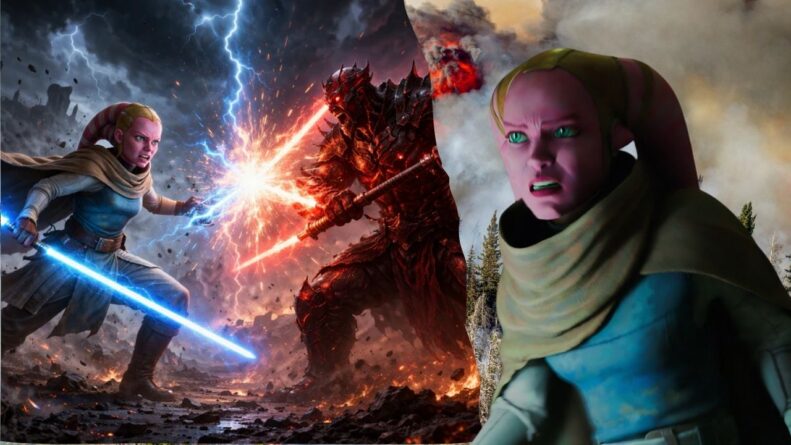
Devon is a young Twi’lek Jedi Padawan running for her life, her whole worldview shattered by the clones turning against the Republic and the fall of the Republic. She has been separated from her master, the fugitive Jedi Eeko-Dio Daki (Dennis Haysbert), and trying to survive in a criminal underworld that feeds on the helpless. When Maul intersects with her, he does not turn on his lightsaber to kill her. Instead, he sees potential. He sees a weapon. 

Sam Witwer, who remains the iconic voice of the character has remarked Maul is now viewing the galaxy “with a frightening new pragmatism.” Now it takes more than just raw power to stand up to the Empire’s relentless machinery under Palpatine. He needs someone who has a special connection to the Force. He needs a Jedi. 

Maul Breaks Sith Rules: A Shocking Character Evolution

This turn is a huge divergence from normal Star Wars villainy. It makes Maul face the paradoxes of his own being. On the one hand, everything inside him rejected the thought of teaming up with a Jedi. The Jedi are why he was trained so harshly; they are the reason for the suffering he went through under Sidious. 

Maul Breaks Sith Rules

On the flip side, Maul is a survivor if nothing else. His time on Lotho Minor, his seizure of Mandalore, and his eventual leadership of the Crimson Dawn all demonstrate that he can make the best of worst situation. In trying to take Devon Izara as his apprentice, Maul is discarding the last vestiges of Palpatine’s conditioning. He’s not playing by Sith rules anymore. He’s innovating his own paradigm. 

How Maul Manipulates a Fallen Jedi for Power

The brilliance of this dynamic is that it’s predatory. Maul is not trying to redeem himself, he is not inviting Devon toward the light. He is using her trauma. It’s what he thinks, seeing that Devon is disenchanted, that the future that the Jedi Order had promised her is gone. Maul provides her with a new raison d’être, and she channels her weakness into becoming a tool of his vengeance against the Emperor. It’s mind games at its finest, and serves to remind us that Maul’s mind is as lethal as his double-bladed lightsaber.  

Hidden Connection to George Lucas’ Original Star Wars Plans

To hard-core fans of Star Wars lore, the twist has a meta-narrative weight that makes it all the more satisfying. George Lucas had previously revealed his original plans for the Star Wars sequel trilogy which would have had Maul as the main villain, serving as a Godfather-figure over a vast criminal syndicate. In Lucas’s notes, Maul was to be accompanied by a Twi’lek apprentice named Darth Talon. 

George Lucas’ Original Star Wars

How those foundational ideas were interpreted and realized in the sequel trilogy was something completely different, but Filoni and Michnovetz are expertly reusing “special agents in secret wars.” With the introduction of Devon Izara—a Twi’lek force-user Maul seeks to corrupt and train, Maul – Shadow Lord pays tribute to George Lucas’s original concepts while anchoring them seamlessly within the pre-existing canon of the Imperial age. It’s a great chunk of connective tissue that helps raise the series from a simple spin-off to an essential chapter of the larger saga. 

Rebuilding the Shadow Collective

Bringing a fallen Jedi to his cause is still just one aspect of Maul’s big picture. The series also excels in its portrayal of the galactic underworld. As demonstrated in the explosive fourth episode, “Pride and Vengeance,” Maul – Shadow Lord is methodically tying up loose ends in his life. 

Opportunistic bottom-feeders and freely criminal lords make up the Janix underworld, the largest of course being Looti Vario (Chris Diamantopoulos). Vario has become a fan favorite for his fast-talking, double-crossing nature that added some much-needed dark humor to the gritty storyline. Vario’s trip to Oba Diah to arrange a meeting with the Pyke Syndicate ends with one of the most stunning moments in Star Wars animation, ever. 

Maul’s kill on the Pyke boss, Marg Krim, a loose end from The Clone Wars shows how terrifyingly good he is. By wiping out Krim, and placing a puppet captain of his own, Maul – Shadow Lord isn’t just looking for small-scale revenge and he’s making a power grab. He is amassing a hidden force, one the Empire will have trouble locating. And at the head of that army, he says, he plans to place a fallen Jedi. 

Empire vs Maul: The Battle That’s About to Explode

The suspense in Maul – Shadow Lord is based on nothing but that ticking-clock. Captain Lawson’s desperate bids to manage the syndicate wars from within have now been conclusively proven futile. With Two-Boots covertly bypassing his partner to summon the Galactic Empire, Janix is no longer isolated. 

Empire vs Maul

An Imperial Star Destroyer looms over the planet, shadowing an unstoppable and violent confrontation. With Maul – Shadow Lord episode titles now bringing the Inquisitorius, Maul’s time to sway Devon Izara is running out. The Inquisitors are on the trail of Jedi survivors, and Devon is right in their sights. Maul must now defend what he was formerly sworn to annihilate – all for the sake of his own stake. 

Read More:- Star Wars: 8-Part Fantasy Series ‘Ahsoka’ Is One Of Its Best Classic Stories

Maul’s Dark Transformation Explained

Star Wars: Maul – Shadow Lord shows that a character introduced as a mute, intimidating henchman in 1999’s The Phantom Menace can grow into the most complicated, heart-breaking and thoroughly captivating character in today’s narrative storytelling. 

In turning the established Sith dogma on its head and by making Maul join forces with a jaded Jedi Padawan, the series brings new energy to the franchise’s examination of the Force. Maul – Shadow Lord questions tough subjects such as survival, trauma, and the distance from which one might pursue vengeance. Backed by great voice performances especially Witwer’s chilling, complex performance and Adlon’s very grounded take on a wayward youth, the show is a demonstration of what animated storytelling can achieve. 

Maul is no longer just a Sith. He’s a shadow lord, breaking the dark side rules of the dark side cult one smashed dogma at a time. And with the Empire moving on Janix, we can but gape as he’s about to reveal his startling, paradoxical vision to the galaxy. 

Read More:- Star Wars: 8-Part Fantasy Series ‘Ahsoka’ Is One Of Its Best Classic Stories

Conclusion

At best, Star Wars: Maul – Shadow Lord is not content to add to Maul’s story, it recontextualizes it in its entirety. Instead of killing a fallen Jedi Padawan, he finds her, and uses her, turning the very spine of Sith ideology on its head. There is no redemption, and there is no tradition either. It’s evolution rather than threatening. 

Set in the harsh, wildspace environment of Janix, the series mixes crime drama, psychological warfare, and classic Star Wars suspense into a story that seems new and exciting while still feeling firmly grounded in the familiar elements of the saga. Maul – Shadow Lord’s evolution into a tactician who prioritizes control over chaos shows us that he’s more than just a tool of the dark side — he’s a power player who makes the rules. 

But as the Empire tightens its grip and the risks grow, there’s one thing that’s obvious: Maul has his eyes on a far bigger prize than mere vengeance. And if Shadow Lord follows through, we may have one of the best villain arcs in all of Star Wars. 

Dive deeper into the world of cinema with Fandomfans to get recent updates from movies, series, and celebrities.

Alpana

Articles Published : 117

Alpana is Fandomfans Senior Editor across all genres of entertainment. She evolved in the media industry since a very long time, she manages the content strategy and editing of all the blogs. Her focus on story development, review analysis, and research is well-equipped that ensures every article meets the standards of accuracy and depth.

Leave a Comment

Your email address will not be published.