XMen 97 Reading Guide: Every Marvel Comic You Need to Read
Discover every Marvel comic you need to read before and after XMen 97. Explore the essential storylines, characters, and iconic issues that inspired the series.
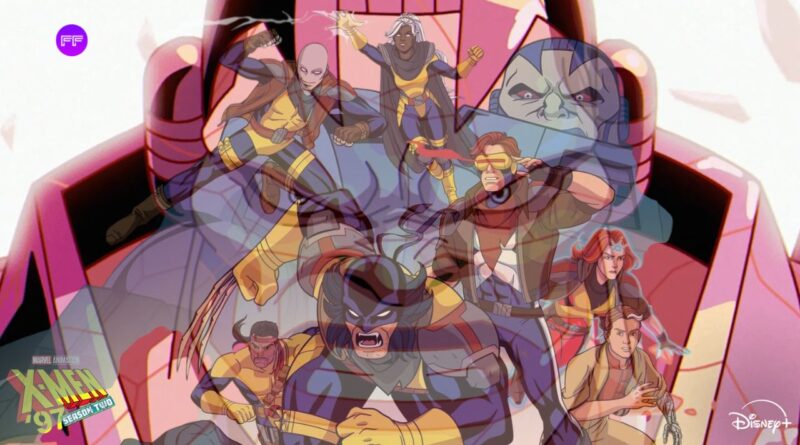
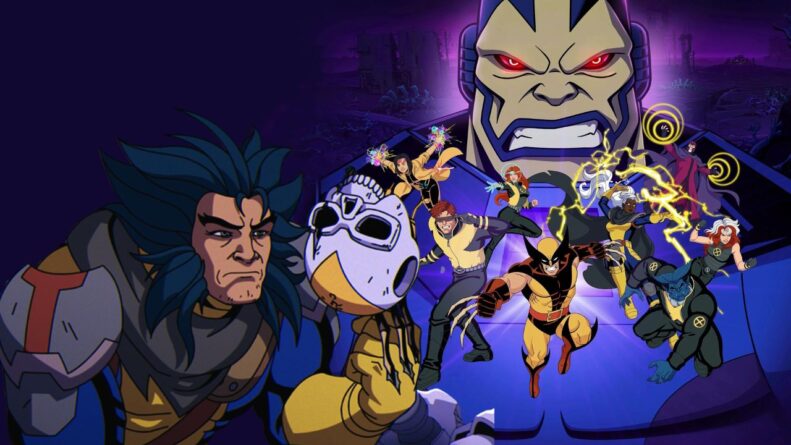
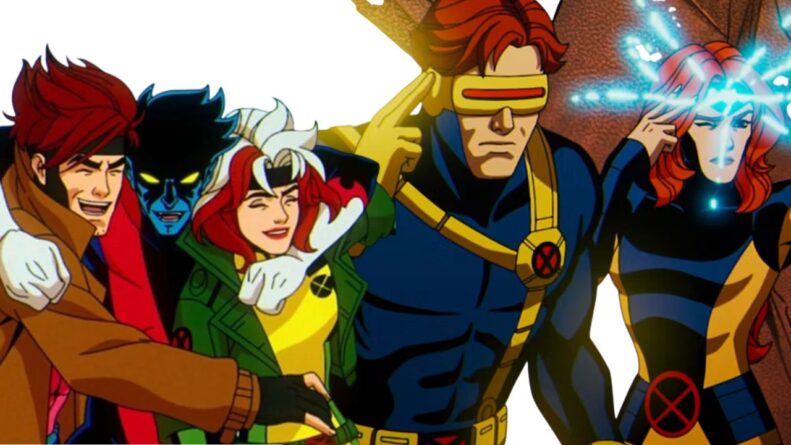
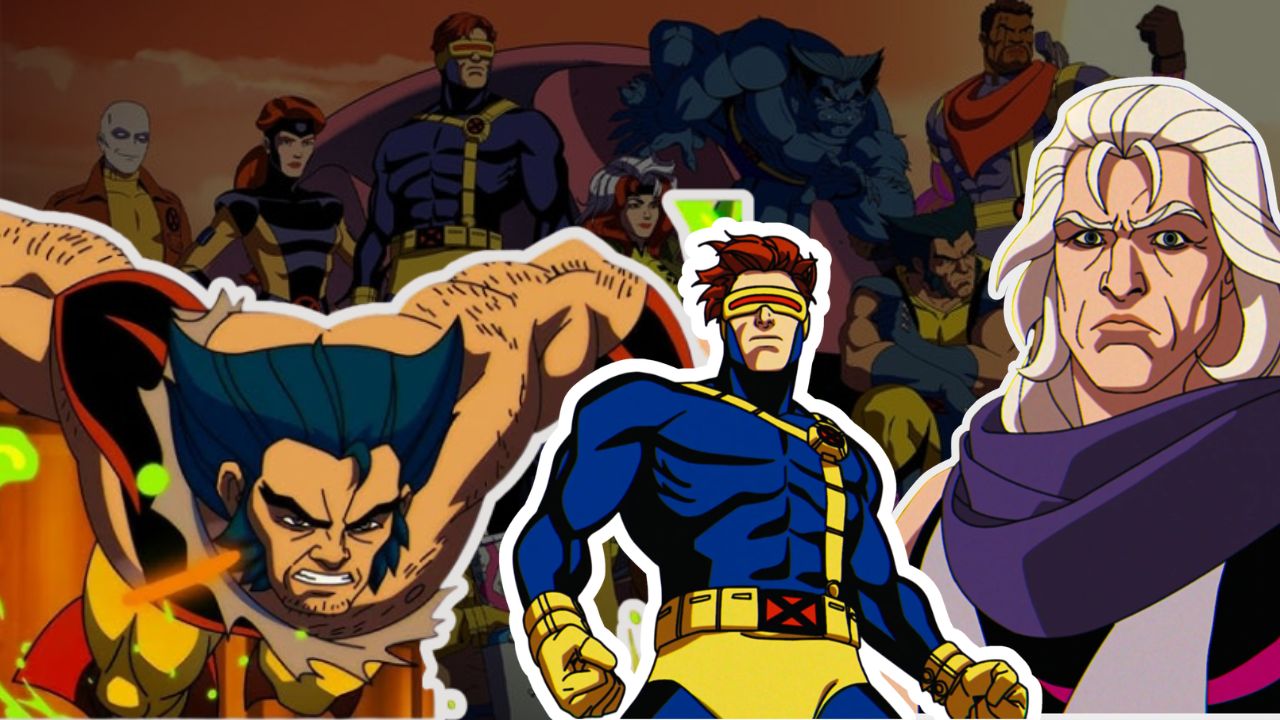
If you are currently watching XMen 97 and want to go deeper as it doesn’t come from nowhere. The show’s most exciting moments borrow straight from the Marvel comics, some of them are truly amazing. Writers take a comic arc that ran for a year and compress it into twenty minutes making it the most iconic show ever.
If you want to understand where this version of the XMen actually comes from, follow the list and start reading important XMen 97 comics in order. Everything started to make sense, but you must have patience for that.
This is the most essential comic that builds the character’s arc of Jean Grey, her transformation into the Phoenix that becomes the emotional backbone of the entire show. If you want to know which comic is still considered one of the greatest superheroes then pick Dark Phoenix Saga — Chris Claremont and John Byrne wrote this back in 1980.
The show brings back this story as unfinished business since fans didn’t like the original ending. This is what makes people go crazy about the show so read this first to know what happened to Jean on the moon.
This XMen epic collection is already running and introduced modern XMen before Dark Phoenix Saga even happens. This 70’s comic is the origin of Wolverine, Storm, and the team dynamic arc. Once you read it, you will understand why in the show they talk like they are the real family. Every relationship, joke, and grudge in XMen 97 was built here first.
God Loves, Man Kills is a short comic written by Claremont that actually gave the world the “mutants as a metaphor for prejudice” which every XMen adaptation follows and pulls back this tone and this one becomes a moral spine of the entire franchise from 1982.

XMen 97 pulls directly from this book’s tone whenever it deals with anti-mutant hysteria, and Magneto’s arc across the season only makes sense if you’ve read how his philosophy was originally built here.
The show’s early handling of Genosha as a haven for mutants, and everything that goes wrong there, has roots in a comic arc where the island nation was actually a slave state built on mutant labor. If you are watching the show then you should have been thinking that Genosha’s fate hit hard but if you read the comic the tone is darker.
The massive destruction of thousands of mutants on that island was a heartbroken tragedy that the show didn’t even fully present yet.
Read More 👉 Read Before You Watch: The Official XMen 97 Season 2 Comics Guide
Mister Sinister dispatches the Marauders to slaughter the Morlocks — a group of mutants living beneath the streets of New York City, resulting in one of the bloodiest massacres in XMen history. XMen 97 really doesn’t explain all the reasons why Mister Sinister is so scary. The storyline in this comic will tell you why. It reveals just how ruthless and dangerous he truly is rather than being a mysterious evil.
Take a time for this one because it is the bigger storyline, originally spanning four different comic series. XMen 97 draws on several elements from this crossover, it will help you fully understand about the time travel and Summers family legacy.

This narrative helps explain one of the more bewildering aspects of XMen mythos. If you’re looking for answers on exactly how Cable, Stryfe, Cyclops are related, this book has them. The epic feud between Cable and Stryfe culminates, and the convoluted, time-travel riddled past of the Summers family is revealed.
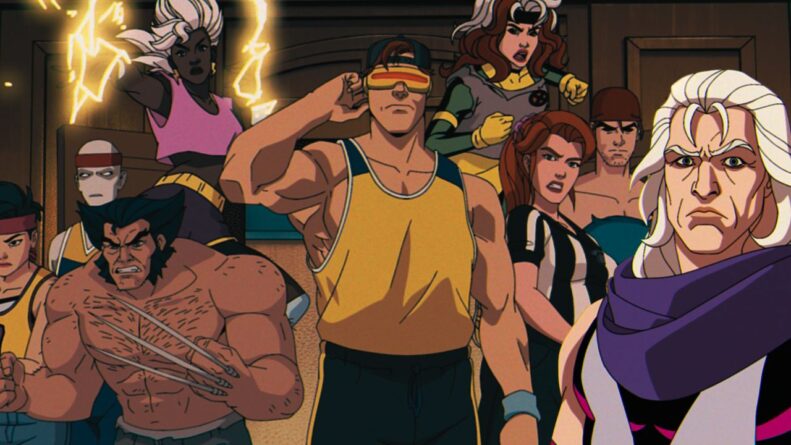
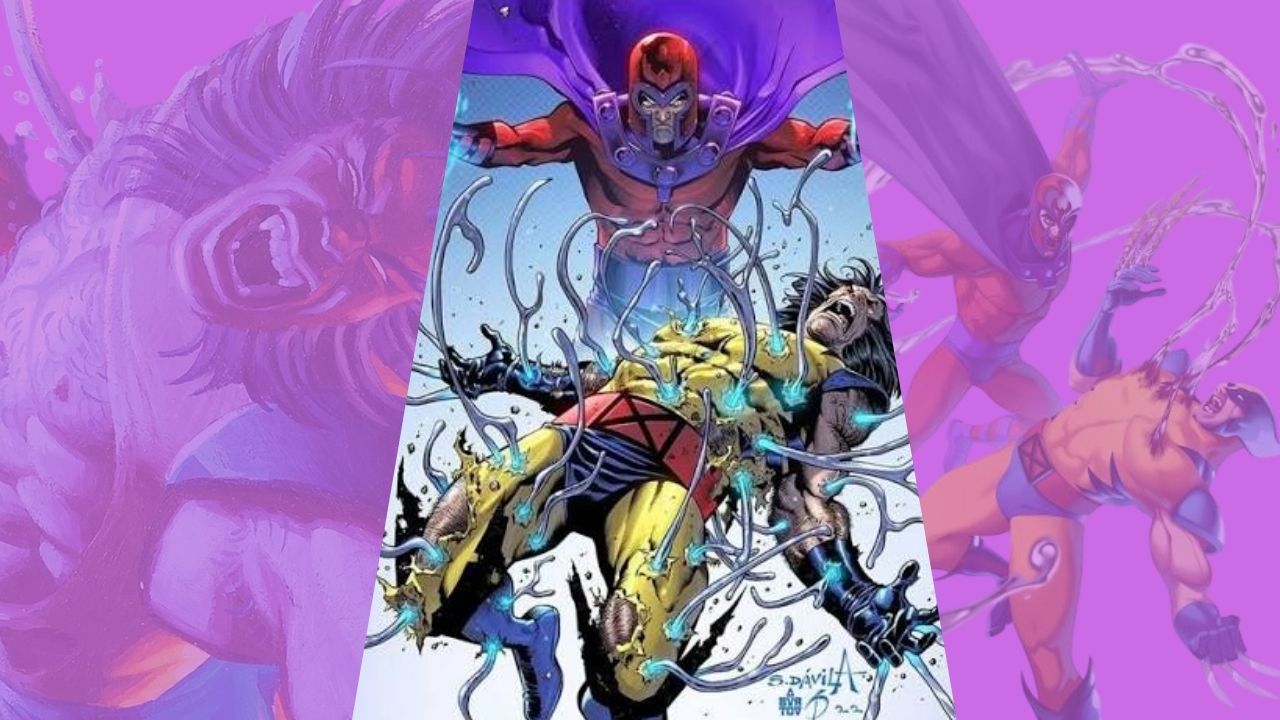
This story arc shocks everyone because it turned the both character’s arc. Since XMen 97 places so much emphasis on Magneto’s redemption, this arc gives a clear understanding on how low their trust goes that any chance of reconciliation becomes impossible. The moment where Magneto tears the adamantium from Wolverine’s skeleton marks the history in the entire franchise of XMen.
Based on how the first season of XMen 97 ends, everyone can guess that Onslaught will play a role in the future. The 1996 crossover event introduced Onslaught which created Xavier’s suppressed rage and trauma and became one of the most dangerous threats the XMen and Avengers have ever faced together.

If you want to understand how powerful Xavier’s psychology is, this one will surely help you. This is where the show is headed.
The entire essence of Bishop is that he has survived a mutant genocide in the future that hasn’t taken place yet and that fear is exactly what he brings to every encounter in the show. This is the arc where his history, as well as a fixation with stopping a specific kind of betrayal, are first described, and it puts a lot of his paranoia in the show into context.
A quick note for readers confused about Morph — the character barely existed in the comics under that name and role. Most of Morph’s presence in XMen 97 is original to the animated continuity, built from a character called Changeling who died early in Marvel history. There’s no single comic to point you to here, and that’s fine. Not every emotional gut-punch in the show has a comic-book receipt.
Read More 👉 A Knight of the Seven Kingdoms: The Story Fans Didn’t Know They Needed
The show is built to work without any comic knowledge at all. This guide is for viewers who finished an episode and wanted to go deeper, not a prerequisite. The most important comic is The Dark Phoenix Saga which is an absolute emotional and narrative center of the entire franchise.
This XMen 97 Marvel Comics guide will help you understand the deeper narrative that already lived in comics. You can read them one-by-one and they are all available on Amazon.
Stay tuned to Fandomfans for more guides and updates from movies, series, celebrities.
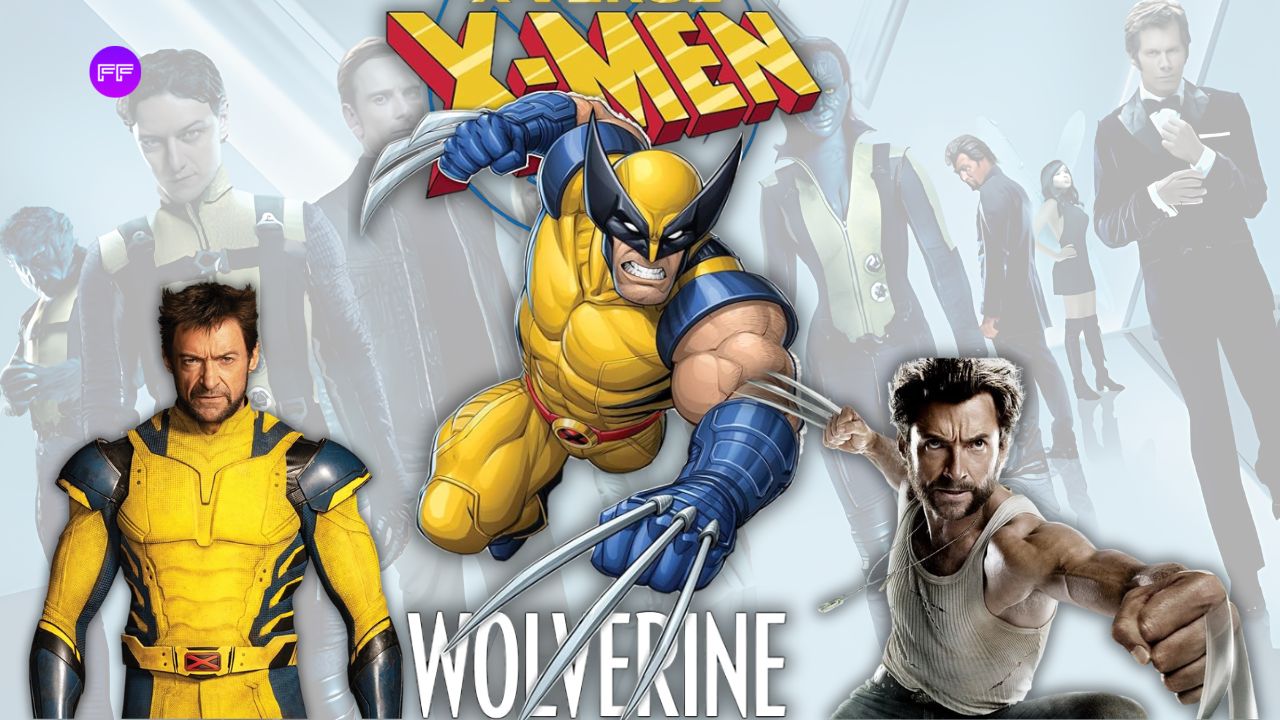
Discover the story behind Wolverine's Adamantium Skeleton in X-Men '97, how it impacts the series, and what it means for Logan's future.

Marvel introduced Wolverine’s Adamantium Skeleton in X-Men ’97 but there is only a glimpse of how he got it in the first place. Since they already made Wolverine origin stories before so they avoid repetition. X-Men longtime fans already know his origin but the new viewers didn’t know much. The show heavily leans on decades of X-Men comic history so it’s essential to understand ‘how did Wolverine get his adamantium skeleton.’
Wolverine, a mutant who is born with healing ability and natural bone claws never asked for adamantium skeleton. It was forcibly given to him during a covert government program, his entire skeletal structure is bonded with the indestructible metal adamantium that turns him into a living weapon. The show treats it as a backstory rather than dramatized from scratch as it happened long before the events of X-Men ’97.
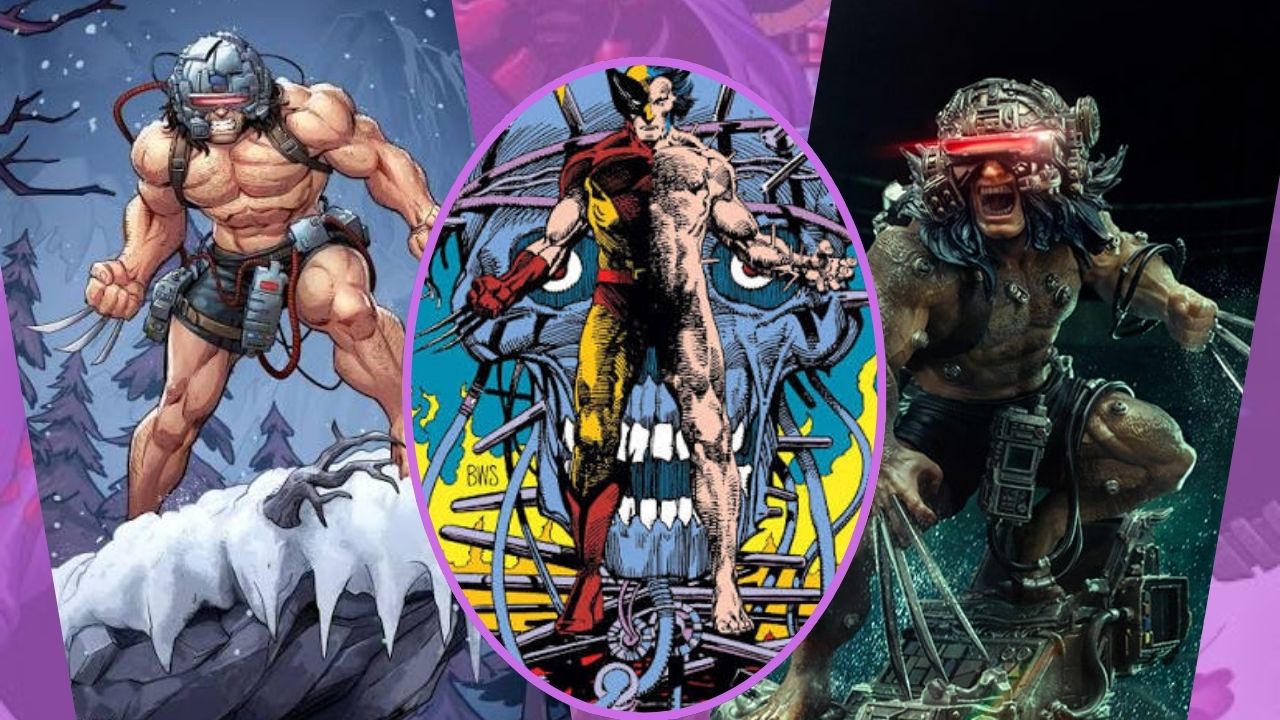
The Wolverine’s origin traces back to Weapon X, a black-ops program that saw an opportunity, catches and uses Logan as their test subject. Weapon X scientists fuse adamantium (indestructible metal alloy) directly onto his skeleton to create a nearly unkillable soldier who could heal from almost anything. He is already a mutant with retractable bone claws and a mutant healing ability which quickly heals him and that’s the reason he survived that experiment.

The procedure of Wolverine’s Adamantium Skeleton in X-Men ’97 is very brutal as liquid Adamantium bonded to his bones through an excruciating procedure. It blended the physical trauma with psychological conditioning and made Logan lose his memory. Wolverine spent so many years afterwards without knowing his own past or who he used to be that essentially made him a weapon with no clear sense.
In Marvel lore, Adamantium is an indestructible, man-made steel alloy, Weapon X scientists fuse and turn it into a liquid form which is stronger than anything found in nature. But bonding it to a living body could clearly kill anyone because the metal itself is inherently toxic to human tissue.
During the Weapon X experiment, Logan was injected with molten adamantium which bonded with his bones at a molecular level. Any human being would have been killed in this procedure because either of sheer trauma or from slow metal poisoning afterward. Logan survived due to only reason: his mutant healing ability. That works 24/7 to fight off the toxic effects of having metal fused into his skeleton.

Before Weapon X ever touched him, Logan had natural bone claws that move out and in on their own. So adamantium just coated those claws into blades capable of slicing through almost anything. It indicates that a metal skeleton is not his superpower but a physical burden his body is constantly working to survive, and always will be.
Marvel didn’t waste time to explain Wolverine’s Adamantium Skeleton in X-Men ’97 in detail because it already exists in the original animated series & wider X-Men mythology. The Wolverine’s adamantium skeleton and claws has been treated as a part of Wolverine in a show, making occasional references to his mysterious past and the fragmented memories that continue to haunt him. Fans who read comics or watch 90s cartoons already recognize this reference.
The show is focusing on Logan’s character and what he became after the Weapon X brutal experiment rather than telling a procedure. The past trauma shaped his nature — he distances himself from everyone, guarding his founding family X-Men, and stops himself turning into a monster.
Read More:- Who Is the New Editor-in-Chief of Marvel Comics? Stephen Wacker Explained
The twist that made Wolverine’s Adamantium Skeleton in X-Men ’97 origin story more interesting, his body has become the ultimate guarded shield to protect him but in the world of mutants, it also makes Logan vulnerable towards Magneto.
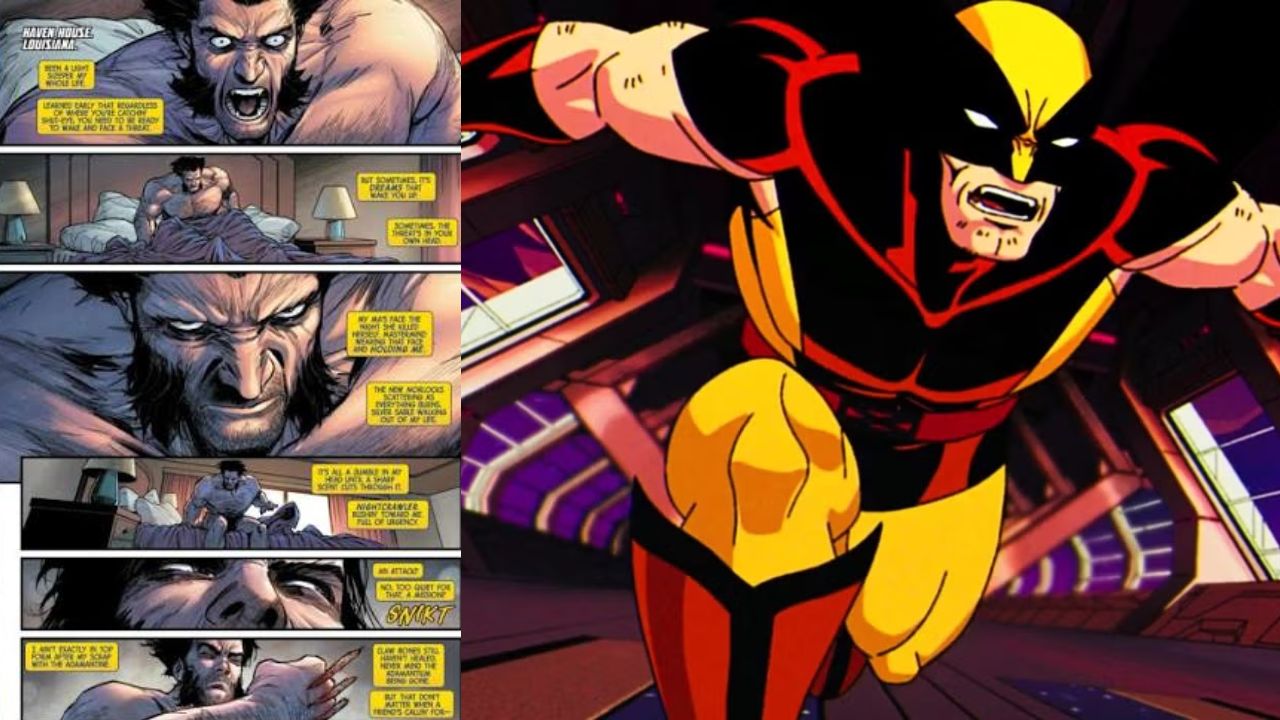
The 1993 Fatal Attractions arc shapes the tone of X-Men ’97 right now. X-Men ‘97 season 2 showed Magneto using his magnetic ability to violently extract the adamantium out of Wolverine’s body in one of the character’s most brutal moments. Viewers get shocked because it flips Logan’s greatest strength into his greatest exposure.

The thing that makes Wolverine indestructible becomes his greatest weakness, the show keeps the storyline sword dangling over his head any time Magneto enters the conflict. It is more than just a rivalry, Wolverine’s Adamantium Skeleton in X-Men ’97 indicating a bigger threat to every superhero who uses adamantium and wider the stakes of future X-Men.
What makes this backstory endure across decades of adaptations is that it’s not just a cool power-up. The adamantium bonding is framed as violation, not enhancement. They did this experiment forcibly to make him indestructible but he never wanted this. This resonance makes him what he is, someone who stops at every edge to become a weapon.

If future seasons of X-Men ’97 continue building on this thread, viewers can expect more moments from Weapon X. This slow burn approach keeps the backstory intriguing without revealing everything at once.
Wolverine’s Adamantium Skeleton in X-Men ’97 is not new for longtime fans as Logan origin story already existed before the events of X-Men ’97, Logan was forced into the Weapon X program, which causes trauma and fragmented memories that still shape the character’s identity.
If viewers want to know the origin story they can watch animated series or 90s cartoons because the show is interested in telling how his brutal experiment and experiences impacts on his relationships and decisions.
As the series moves forward, fans can expect more Weapon X era glimpses, slowly revealing how Logan became one of Marvel’s most enduring heroes.
Get the deeper details from the movies, series, and comics of your favorite character and stories on Fandomfans.
Stephen Wacker is the new Editor-in-Chief of Marvel Comics. Learn about his career, achievements, and vision for Marvel's next chapter.

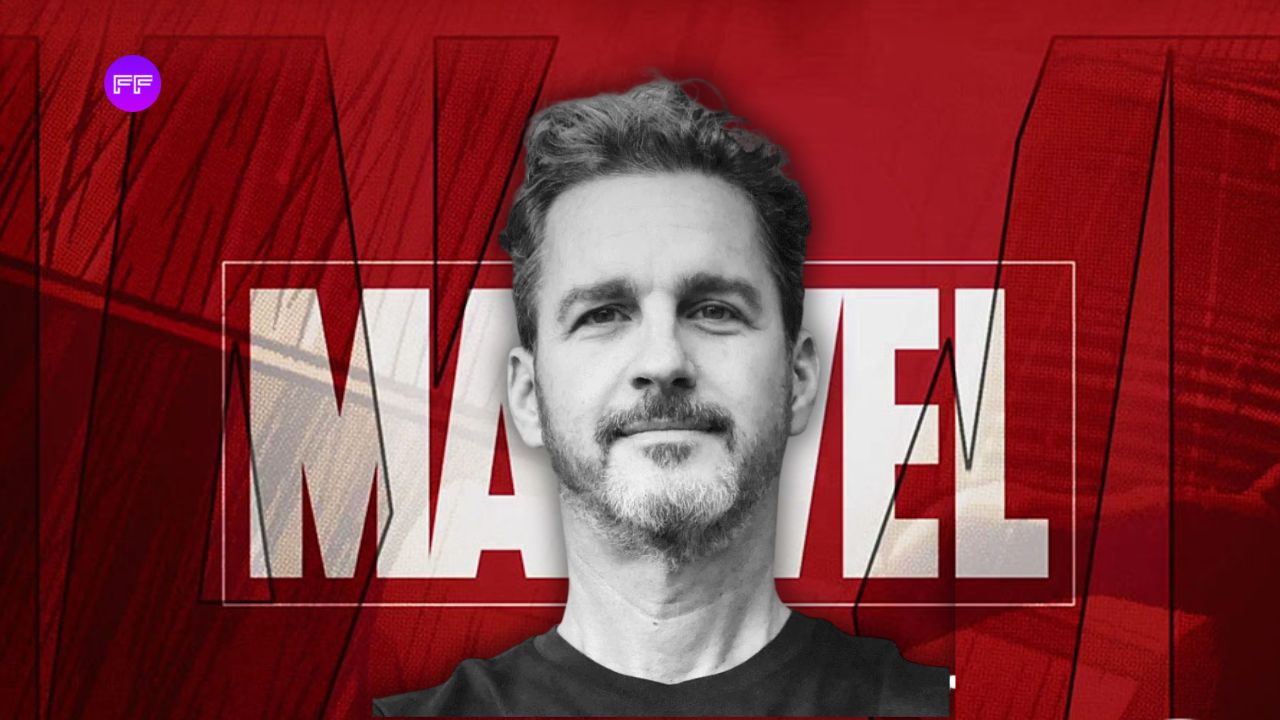
Marvel announced Stephen Wacker Marvel Comics Editor-in-Chief recently who previously worked on successful projects including Spider-Man, Hawkeye, and Ms. Marvel. This recent development created a lot of buzz among Marvel fandom and Marvel Comics is packing up its nearly nine-decade-old New York operation and moving to Burbank, California, right next to Marvel Studios.
However, taking a deeper look at what piece of work he brings along with him and the future of Marvel comics after Stephen Wacker officially becomes editor-in-chief.
The announcement about Stephen “Steve” Wacker becoming new Editor-in-Chief came before San Diego Comic-Con. He takes over from C.B. Cebulski. Brad Winderbaum, who now oversees Marvel’s Television, Animation, Comics, and Franchise operations, made the call, and Wacker will report directly to him. That reporting line alone tells you something — Marvel’s publishing arm now formally sits under the same umbrella as its screen and franchise business, rather than running as its own separate division.
Wacker isn’t a new name to anyone who’s followed Marvel’s output since the mid-2000s. He started out on the DC side of the industry before crossing over to Marvel, where he spent well over fifteen years in various roles — editor, then eventually VP of Creative & Content — before stepping away to run other ventures.
He’s the kind of editor whose name shows up in the letters pages and back-matter of some genuinely beloved runs, which is a big part of why this appointment landed as a “welcome home” moment rather than a surprising outsider hire.
Wacker already spent years at DC Comics editing before joining Marvel, he also got titles like JLA, JSA, Legion of Super-Heroes, Jonah Hex, Villains United, and the critically praised weekly title 52 at DC. That experience running a high-output weekly book turned out to be good training for what came next. He joined Marvel as an editor in 2006 and spent about seven years steering some of the publisher’s most divisive and most celebrated stories at once — proof that a single editor can be both praised and criticized loudly by the same fandom in the same year.
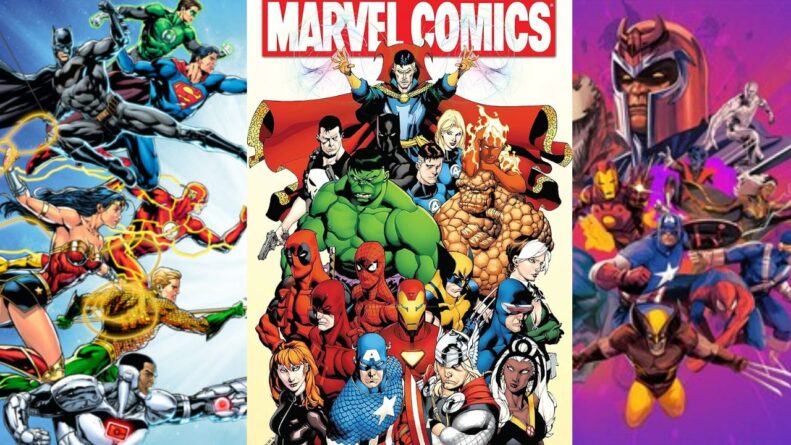
Around 2013–2014, his career shifted toward Marvel’s television and animation side, and by 2019 he’d risen to VP of Creative & Content. He eventually left Marvel altogether to become Editor-in-Chief of 3W3M, Jonathan Hickman’s independent worldbuilding project, before co-founding the entertainment studio Stone Kite, where he served as SVP of Media. Now, he’s back at the company where he built his reputation — this time running the whole show.
During his first run at Marvel, Wacker wore two very different hats. As a senior editor, he oversaw the comics side — the Spider-Man office, plus a run of acclaimed creator-driven books. Wacker later expanded into Marvel’s animation and digital media projects after working in comics, he co-producing the Emmy-nominated Rocket & Groot shorts.
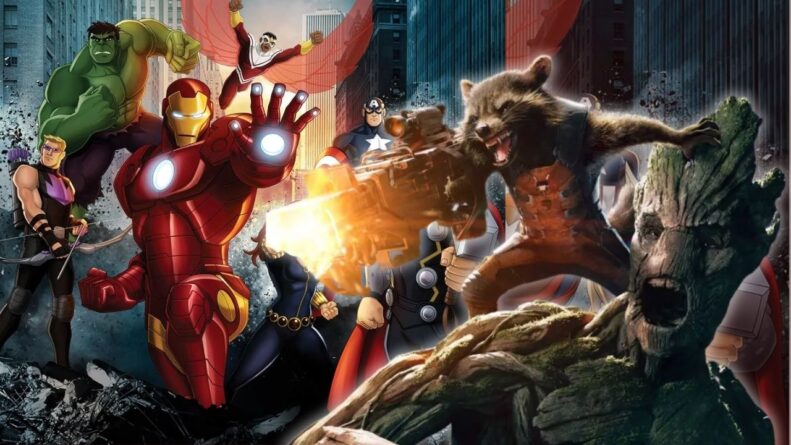
He proved his outstanding work which takes him in co-executive producer’s position for Avengers Assemble, Ultimate Spider-Man, and Guardians of the Galaxy. And expanded to the Marvel’s Wastelanders audio drama series.
Wacker’s overall cross-format experience by working comics-to-screen in Marvel before leaving is what actually Marvel comics need right now.
The entire work journey of Stephen Wacker is a breakthrough, as the editor of Amazing Spider-Man, he guided major storylines like One More Day, Brand New Day, and Superior Spider-Man for which he got huge appreciation. That’s not enough, he fluently edited on other fan-favorite projects like Hawkeye and Daredevil, both got praised by critics and readers.
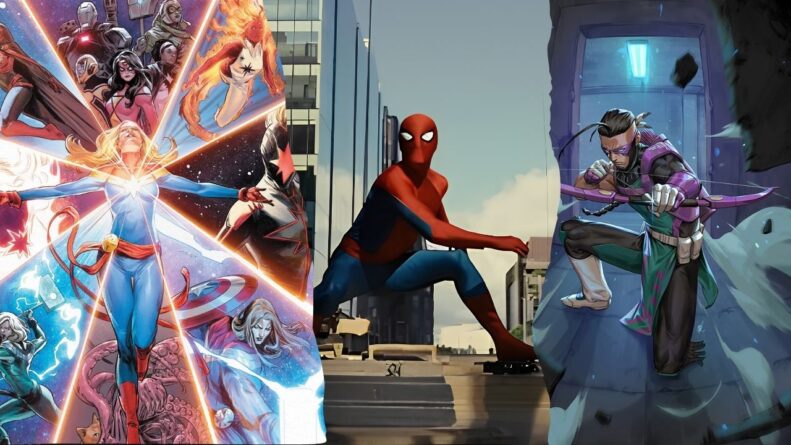
Wacker also helped in the launch of Kamala Khan (Ms. Marvel), who is one of the most important Marvel superheroes and developed alongside Sana Amanat. Captain Marvel and some Venom storylines were edited by Wacker, so it is proved that he can handle both blockbusters, superheroes and character-driver stories.
Winderbaum’s own framing gives away most of the reasoning: he called Wacker someone who understands that Marvel Comics is “the source code” of the entire Marvel enterprise. Translation — the company wants an EIC who treats the comics not as a standalone print business, but as the idea factory feeding movies, shows, and games.
Wacker’s mixed background in both comics editing and screen production makes him an unusually good fit for that framing, especially with publishing now folded into Winderbaum’s TV, animation, and franchise division rather than operating independently. It’s less “we found the best pure editor” and more “we found someone fluent in both languages.”
Read More 👉 Official Spiderman Brand New Day Merchandise | Shop Marvel Spidey Must-Haves
Former editor-in-chief of Marvel comics isn’t fired but C.B. Cebulski served his role since November 2017 which makes him the 3rd longest-serving Editor-in-Chief. Cebulski is simply stepping into a new role: Editor at Asia Originals. He relocated to Tokyo where he will lead Marvel’s original manga and graphic fiction across the region with Japanese creators and publishers as his relations are good over there.
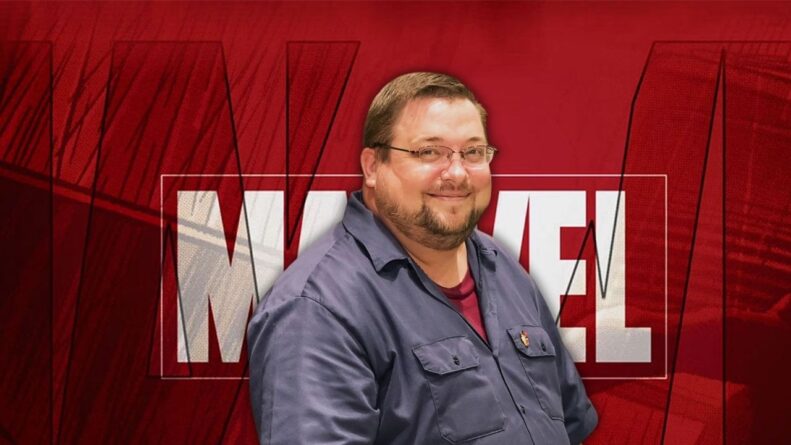
It’s a notable full-circle assignment given his own complicated history with Japanese comics — years before becoming EIC, he’d written Marvel comics under the pseudonym “Akira Yoshida,” posing as a Japanese writer, a story he only confirmed publicly in 2017. Cebulski and Wacker talked about the transition and both spoke warmly about their new positions.
Wacker shows his excitement and nostalgia through his statement.
it “a full-circle moment,” —Wacker
He also shared his first thing which sparked his love for comics — reading an issue of Marvel Two-in-One as a kid. It seems that his return is meaningful.
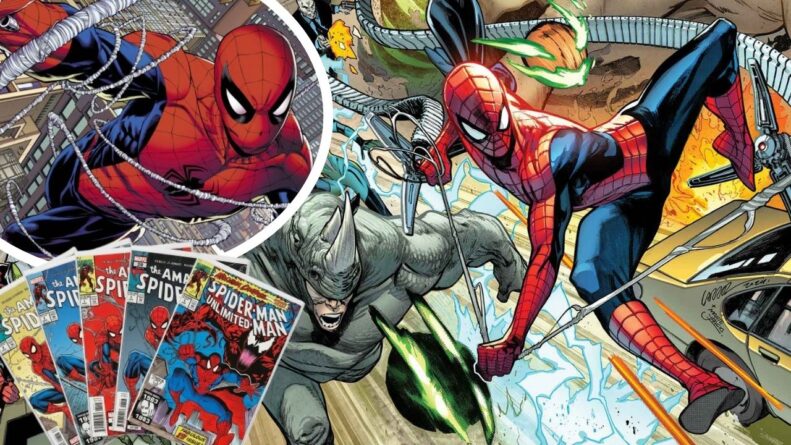
Wacker’s own statement leaned nostalgic and ambitious at once. He said returning to Marvel felt like “a full-circle moment,” recalling that picking up a Marvel Two-in-One issue as a kid is what turned him into a comics fan in the first place. He’s framed his goals around building on the work of Marvel’s founding generation while insisting the publisher’s best stories are still ahead of it — his words were about wanting to add “new floors to the House of Ideas.”
It’s early, so specifics haven’t been laid out yet, but the tone suggests a mix of respect for legacy runs and appetite for new creator-driven swings, not unlike the mix he championed the first time he held an editorial chair at Marvel.
This appointment doesn’t exist in a vacuum. It’s the latest move in a publishing shake-up that’s been building since spring 2026, when longtime publisher Dan Buckley exited and Disney Music Group’s David Abdo came over as general manager of comics and franchise. That period also saw layoffs that removed sales chief David Gabriel and several Marvel editors, alongside cuts to the Studios side’s in-house visual development team.
Combine that with the physical relocation of Marvel Comics from Manhattan to Burbank over the next year, and the direction seems clear: Marvel wants its comics division sitting physically and organizationally closer to its film, TV, and franchise machinery.
Whether that tightens creative coordination between comics and screen projects, or just streamlines corporate overhead, will likely become clearer once the move is complete and Wacker’s first slate of editorial decisions starts rolling out.
Wacker already worked with many creators and they all expressed their overwhelmingly warm excitement. Writer Zac Thompson called him one of the best editors in the business, while Declan Shalvey praised his taste and editorial vision.
Chris Cross, who’s worked with him at both DC and Marvel, described him as consistently fair and sharp. G. Willow Wilson, who co-created Kamala Khan alongside Wacker, joked on social media about the upside of Marvel’s move to the West Coast — no more brutal 2 p.m. East Coast deadlines.
Deniz Camp, Eisner-nominated writer endorse Wacker for this role as he is one of the finest editors in Marvel history. After the announcement, comic outlets dug Wacker’s old forum posts and poked jokes on daily challenges at being an Editor-in-Chief. While industry professionals are sharing positive excitement with enthusiasm rather than skepticism.
Since this is a fresh appointment, Marvel hasn’t detailed a specific slate of titles or storylines tied directly to Wacker yet — his editorial priorities as EIC will likely become clearer once the Burbank relocation is underway and San Diego Comic-Con conversations settle. What’s reasonable to expect, based on his track record, is a continued mix of flagship Spider-Man storytelling alongside space for smaller, creator-owned-feeling books in the Hawkeye or It’s Jeff! mold.
Anyone hoping for an early announcement will want to keep an eye on Marvel’s Comic-Con panels and press notes over the coming months rather than assuming anything is locked in yet.
Read More 👉 Marvel First Family & Doctor Doom Are Friends Until Doomsday
Stephen Wacker’s return to Marvel as Editor-in-Chief closes a loop that started with a kid buying a Marvel Two-in-One issue off a spinner rack. It also opens a new one — a Marvel Comics division physically relocating to Burbank, reporting into the same leadership as the studios, with an editor at the helm who’s spent time on both sides of that divide.
Cebulski’s move to Tokyo isn’t an ending so much as a reassignment, and the broader restructuring around this appointment suggests Marvel is betting on tighter integration between its comics and its screen output. Whether that pays off in the actual books on shelves is the part fans will be watching for next.
Dive deeper into the details of movies, comics and series with Fandomfans to get the latest updates.