Why Chris Evans Was Chosen as Captain America

Discover why Chris Evans Captain America casting was the perfect choice. Learn what made him the ideal actor to portray Marvel's iconic superhero.

Published: July 27, 2026, 12:43 pm

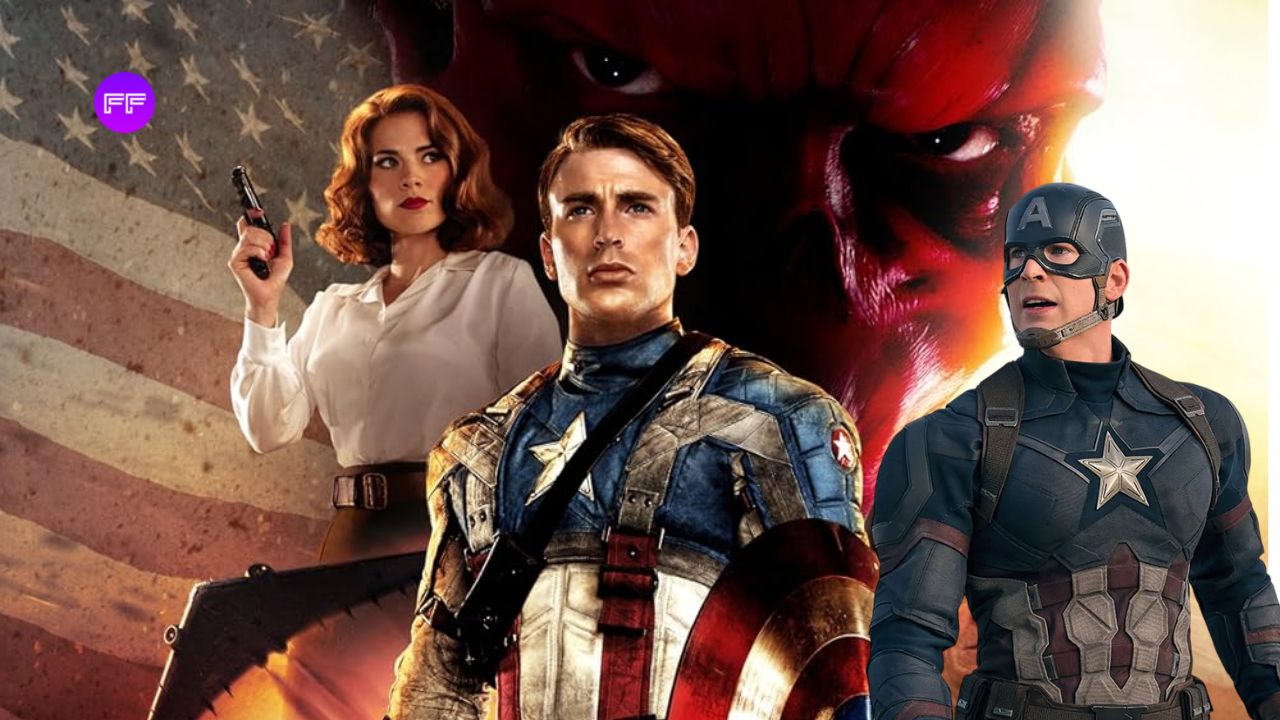
The actor who became the most obvious casting choice in Marvel history almost wasn’t cast at all. The Chris Evans Captain America role isn’t a simple casting. He is an actor who turned down this role but the studio didn’t take no for an answer. Casting directors bend down their rules to make it happen.

Looking back now, it’s hard to remember that the actor destined to define Steve Rogers had no interest in picking up the shield. And Marvel Studio just proved, casting really matters as Hollywood comeback could anchor a superhero blockbuster, Robert Downey Jr. back into the MCU as Doctor Doom is an example. 

The Steve Rogers Search That Almost Ended Without Chris Evans 

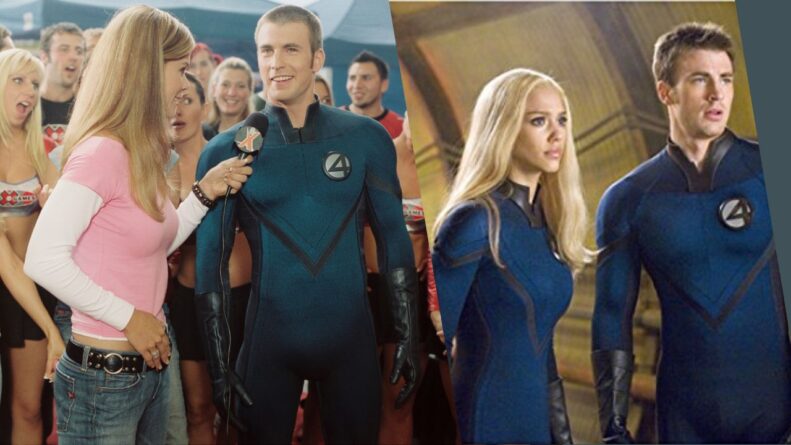
Casting director Sarah Halley Finn ran a genuinely exhausting search for Captain America. She sat through round after round of screen tests that just didn’t land. The specific blend of old-classic style decency and body structure is hard to see in anyone. And Even isn’t in that line up because he already played a Marvel character, Johnny Storm.
The Steve Rogers

Yeah, that Sue Storm’s brother in the Fantastic Four movies from 2005 and 2007. And there was a rule in Marvel Studio at the time that the same actor can’t play the two different comic-book roles. It muddies the brand. Finn knew Evans might fit Steve Rogers, but she sat on that instinct because of the rule.

It took a string of underwhelming screen tests before she finally said it out loud in a casting meeting: 

Why not consider Chris Evans? 

The room agreed almost instantly. People already liked him as an actor. They’d seen the work. And enough of what makes Chris Evans Captain America tick — earnestness, a kind of stubborn decency — was already visible in how Evans carried himself on-screen. Marvel broke its own rule for him.

The Finalists Who Nearly Became Captain America

Two names come up constantly when fans dig into the Captain America casting search, and neither of them ended up wearing the suit.

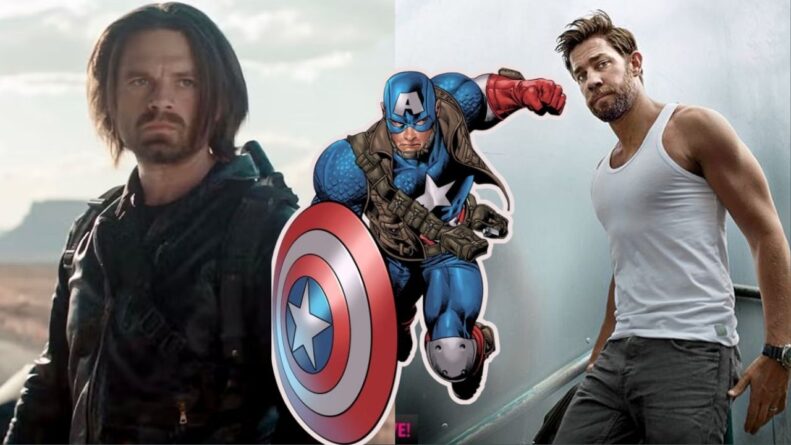
John Krasinski was in serious contention. Years later, he’d say he heard through his agent that Marvel had gone with Chris Evans Captain America instead and his reaction wasn’t bitterness, it was recognition. He basically said the same thing every fan says now: 

Of course it’s him, look at the guy.

Sebastian Stan came even closer, in a stranger way. He sent in three audition tapes for Steve Rogers, then canceled a trip home to Romania to fly back for an in-person Marvel meeting. He didn’t get the part. What he got instead was Bucky Barnes — a role that turned into a decade-plus career inside the MCU, arguably richer and stranger than Cap’s arc ever was. 

But Stan is happy because losing that role turned out to be the better outcome for him. He got a more satisfying job that he deserved. 

Why Becoming Captain America Scared Chris Evans

Evans said no. More than once because the commitment terrified him. Marvel’s initial offer was a nine-picture deal. It eventually got negotiated down to six, but even six films was an enormous chunk of a career to hand over to a single character, with no real way to predict how the movies — or his life — would turn out. 

Evans’ reason to say no for the role isn’t the heavy work and action but he knows after signing it would permanently change his life in ways he couldn’t take back.
Captain America Scared Chris Evans

There was also something more personal underneath it. Evans has since described dealing with anxiety around fame and public attention, and the jump from “working actor” to “face of a global franchise” was the exact kind of exposure that made him uneasy. Turning down Captain America wasn’t a business calculation. It was closer to self-preservation.

The Conversation That Changed Evans’ Mind 

Marvel didn’t let it go. Kevin Feige and director Joe Johnston brought Evans back in for a second meeting, and this time they didn’t just pitch a contract — they pitched the actual story. The character’s arc of Chris Evans Captain America across the franchise is a real concept art. This is not a job for Evans, director said: 

Here’s the character we think only you can play.

Evans has said he took the weekend to think it over, and that it was one of the hardest decision-making stretches of his life. He said yes anyway. And in interviews since, he’s called it the best professional decision he ever made — which is a fairly remarkable thing to hear from someone who almost walked away from it entirely.

Read more 👉 Who Is the New Editor-in-Chief of Marvel Comics? Stephen Wacker Explained

What Marvel Actually Saw in Him

Finn and Feige were searching for qualities in an actor who can bring the genuinely kind, quietly confident, and grounded enough on the screen to make audiences believe he was an ordinary kid from Brooklyn before he ever became Captain America. It is more important for them rather than the shield, costume and the super-soldier physique. Evans captured those qualities in a way that couldn’t be taught or faked. 

His hesitation actually worked in his favor. Finn has said the reluctance itself became a kind of evidence — an actor who didn’t chase fame for its own sake was exactly the temperament they wanted radiating off a character whose entire identity is putting the mission ahead of himself.
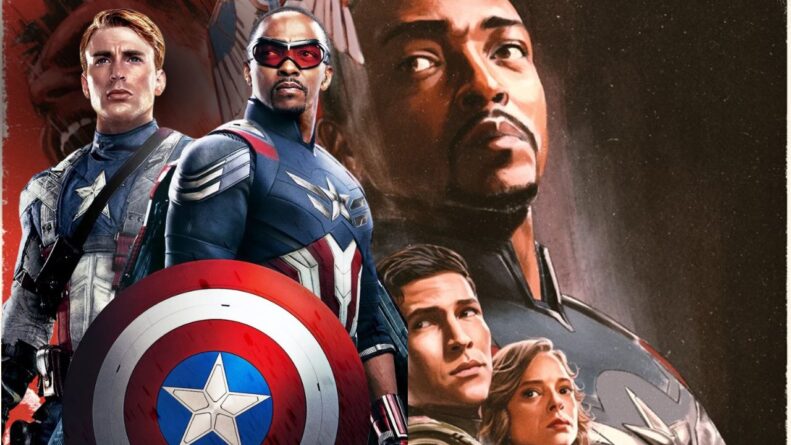
Marvel Actually Saw

There was also a practical acting challenge nobody talks about enough. Steve Rogers is really two roles stitched into one performance: the fragile, undersized guy from the pre-serum scenes, and the peak-physical-condition soldier after. Johnston was blunt about it at the time — whatever the visual effects team did to sell the “before” version, the performance itself, the internal logic of the character, had to be Evans from start to finish. 

That’s not a small ask. It’s asking one actor to make an audience believe in the same soul wearing two very different bodies.

How Chris Evans Became the Heart of the MCU 

Captain America: The First Avenger landed in theaters in July 2011, with no guarantee Steve Rogers would resonate with audiences but Evans made Steve Rogers heart of the MCU forever. He wasn’t just delivered an outstanding performance but he actually turned into the franchise’s emotional backbone. Marvel took that risk and delivered The Avengers, both Captain America sequels, and eventually Avengers: Endgame in 2019.

What made the casting work wasn’t that Evans looked the part. Plenty of actors look the part. It’s that his real hesitation — the anxiety, the reluctance, the fear of losing himself to the role — is basically the same internal conflict Steve Rogers wrestles with across ten years of movies. A guy who never wanted the spotlight, carrying a responsibility he didn’t ask for, because it mattered more than his own comfort. Marvel didn’t just cast an actor who could play that. They cast an actor who, at least for one nerve-wracking weekend, actually lived a smaller version of it.
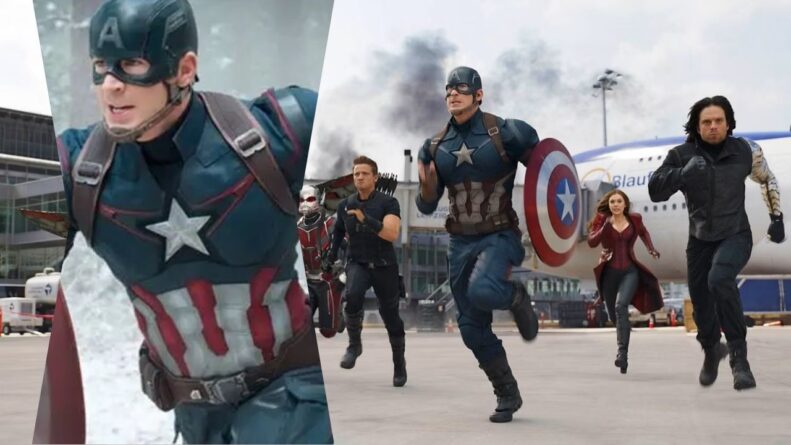
Captain America The First Avenger

Even after stepping away from the shield, Evans hasn’t distanced himself from the character. When Anthony Mackie took over as Captain America following Sam Wilson’s arc in the comics and MCU timeline, Evans publicly backed the change, saying flatly that Sam Wilson is Captain America now. That’s not the reaction of someone who resents the role he almost turned down. It’s the reaction of someone who understood, eventually, exactly what he’d said yes to.

The next time someone says a casting choice of Chris Evans Captain America was “obvious,” it’s worth remembering this one wasn’t obvious at all. It was rejected, reconsidered, nearly given to two other actors, and only worked because Marvel refused to accept the first no.

Read More 👉 Why Marvel Comics Launching the Midnight Universe Variant Cover Program?

Conclusion 

The casting of Chris Evans Captain America was not the obvious choice people recall today—it was a risk that nearly didn’t get taken. Between Marvel contravening its own casting rule, Evans saying no to the part multiple times, and various other actors almost being cast, the path to Steve Rogers was far from easy. 

Ultimately, Marvel didn’t just find a guy who looked like Captain America — they found an actor who captured his humility, bravery, and selflessness. That move helped make Steve Rogers the emotional center of the MCU and stands as one of the best casting wins in superhero movie history. 

Fandomfans delivers latest updates from movies, series, and celebrities to you directly.

Mariyam

Articles Published : 76

Mariyam Khan is Fandomfans Content Writer and providing reports and reviews on Movie Celebrities, and Superheroes particularly Marvel & DC. She is covering across multiple genres from more than 4+ years, experience in delivering the timely updates.

Leave a Comment

Your email address will not be published.

Why Marvel Comics Launching the Midnight Universe Variant Cover Program?

Discover why Marvel Comics is launching the Midnight Universe Variant Cover Program, its purpose, featured creators, and what it means for fans and collectors.

Written by: Alpana
Published: July 25, 2026, 8:13 am
Marvel Comics

Walk into the comic shop on October 7 and ask for a copy of Midnight X-Men #1. The clerk isn’t going to just hand you one. They’re going to ask which one — because Marvel built it that way on purpose. The Marvel Comics Midnight Universe Variant Cover Program locks in five recurring covers, labeled A through E, on every issue of the publisher’s new horror imprint, and it’s the most structured collector play Marvel has run in years. 

If you’ve ever walked out of a shop annoyed that your favorite artist’s variant sold out before you got there, this is Marvel’s attempt to fix that — or, depending on how you look at it, to make sure you’re buying five books instead of one.

What Is the Marvel Comics Midnight Universe Variant Cover Program?

Marvel announced the program in mid-July, ahead of the Midnight line’s October 7 launch, and it applies across all three debut titles: Midnight Spider-Man, Midnight Fantastic Four, and Midnight X-Men. Instead of one-off variant covers that show up whenever a shop feels like ordering them, every issue in the line gets the same five-cover structure, month after month:

  • Cover A – Regular: the standard cover, wrapped in the “Cloaked Midnight” trade dress that gives the whole line its unified look.
  • Cover B – Midnight Bloodbath Variant: blood-soaked art built around the horror side of the line.
  • Cover C – Midnight Special Variant: spotlight covers reimagining classic Marvel heroes, old and new, through the Midnight lens.
  • Cover D – Midnight Horror Homage Variant: covers styled after iconic horror imagery — think classic slasher and creature-feature poster homages.
  • Cover E – Midnight Gallery Variant: prestige, painted covers meant to look like gallery pieces rather than newsstand art.

On top of the A-through-E system, Marvel is also running three-part connecting variant covers by artist Clayton Crain across the launch titles, and a “Cloaked Cover” gimmick that hides the actual art until a shop unwraps or scans it — a wrinkle aimed squarely at people who like the mystery-box side of collecting.

The stated goal, according to Marvel’s own announcement of Marvel Midnight Universe Variant Cover Program, is consistency: shops can predict what their regulars want every month instead of guessing at one-off variants, and readers know exactly what they’re getting into before they walk in. That’s a real, practical retail problem Marvel is solving here — variant cover chaos has been a running complaint from shop owners for years, and a fixed A-E system is a genuine attempt to standardize ordering across an entire imprint rather than issue by issue.

The same-day release piece matters more than it sounds like on paper. Ordering three separate books on three separate schedules, each with its own one-off variant lineup, means a shop’s owner is juggling three different sets of Diamond or Lunar order forms with three different deadlines and three different guesses about demand. 

Marvel Midnight Universe

Collapsing that into one October 7 launch, with one shared cover structure across all three titles, turns three separate ordering headaches into one. That’s the kind of unglamorous back-office fix that never makes a splashy press release on its own — which is probably why Marvel bundled it with a horror-flavored variant program dramatic enough to actually get written up.

Marvel isn’t inventing the concept of a themed variant program from scratch — publishers have run alphabet-labeled variant systems before, usually tied to a single event or anniversary. What’s different here is duration and scope. This isn’t a six-week promotional push around one crossover; it’s the permanent cover architecture for three separate ongoing titles, meant to stay in place issue after issue rather than fade out once the launch hype dies down. 

That’s a bigger commitment than most variant programs make, and it’s also a bigger bet — if sales dip by issue #4 or #5, Marvel has locked itself into printing five covers a month for books nobody’s talking about anymore.

Read More 👉 How Did Wolverine Get His Adamantium Skeleton in X-Men ’97? Explained

Marvel’s New Era Begins With These Three Books 

The Marvel Midnight Universe Variant Cover Program only matters if the books underneath it are worth chasing, so here’s what’s actually launching on October 7.

Midnight X-Men: Vampires vs. Mutants

Written by Jonathan Hickman with art by Matteo Della Fonte, Midnight X-Men reimagines New York as contested ground between vampires and what Marvel is calling “mutant empires.” The two factions are holding an uneasy peace that’s already cracking by issue #1 — early previews show Storm and Nightcrawler apparently turned into vampires themselves, which tells you how fast that peace is falling apart. 

Hickman has been vocal about how much he’s enjoying the project, saying at one point that it’s the most excited he’s been about a book in years. Issue #2, already solicited for November, puts Cyclops front and center as a vampire hunter, which suggests Marvel has real long-term plans for this book rather than a one-and-done horror gimmick.

For a franchise that’s spent the better part of a decade on Krakoa-era politics and mutant nation-building, dropping the X-Men into a straight-up vampire war is a genuine tonal swing. Della Fonte, whose prior Marvel work includes Nova: Centurion, is drawing a book that leans hard into gore and body horror rather than the sleek sci-fi look X-Men readers got used to under the Krakoa banner — early preview pages already show Storm feasting on Phoenix, which tells you Marvel isn’t holding back to protect anyone’s sacred cows.

Midnight Fantastic Four: Cosmic Body Horror

Benjamin Percy writes, with Kev Walker on art. Marvel’s own synopsis describes a scientist’s curiosity accidentally unleashing ancient terrors on the world while transforming himself and three others in “strange and horrifying ways” which is about as close as you can get to a body-horror take on the FF’s classic origin without spelling it out panel by panel. 

Cosmic Body Horror

Percy has built a career on horror-adjacent Marvel work — Wolverine and X-Force runs that leaned into body horror and paranoia long before Midnight existed so this pairing tracks. Walker’s art has the kind of jagged, unsettling linework that suits cosmic horror better than a straight superhero book, which matters here since the FF’s power set is getting rewritten around dread rather than wonder.

Midnight Spider-Man: Something Monstrous

Phillip Kennedy Johnson writes, with ScieTronc on art. Marvel’s official line teases that Spider-Man discovers “with great power… comes something monstrous” — intentionally vague, and Marvel hasn’t confirmed specifics beyond that. You’ll see some outlets already floating a specific transformation tied to Oscorp; treat that as speculation until Marvel or the creative team confirms it directly, because it hasn’t shown up in any official synopsis yet. 

What Marvel has confirmed is the pairing itself — Johnson coming off high-profile Marvel writing work, paired with ScieTronc’s art, on the book carrying the line’s most recognizable face. Of the three launch titles, Midnight Spider-Man is the one Marvel has said the least about, which either means they’re holding the twist close or that it’s still being locked down this close to release. Worth watching for a fuller synopsis as October gets closer.

Why Marvel Is Launching This Initiative Now

The first question — why does this specific Marvel Midnight Universe Variant Cover Program exist has a confirmed answer: Marvel wants predictable, line-wide ordering for retailers and a same-day release for all three titles instead of a staggered rollout. In fact, Marvel had originally planned to stagger the three books starting in August, then restructured the whole thing into a single mega-launch on October 7 so all three debut together. The variant program is part of that same restructuring — one unified system instead of three separate ordering headaches.

The second question — why is Marvel launching an entire horror-themed alternate universe in the first place does not have an officially confirmed answer, no matter how many outlets frame it that way. What’s actually happened is that DC’s Absolute Universe line, which launched in October 2024 with Absolute Batman and built out from there, has had a genuinely strong critical and commercial run, and a wide swath of comics press — Screen Rant, Den of Geek, Bleeding Cool, Inverse, and others has openly speculated that Midnight is Marvel’s answer to it. 

That’s a reasonable read given the timing and the tonal overlap: both lines take a “darker, altered reality” approach to flagship characters. But Marvel itself has never said “we built this because of DC,” and treating that connection as confirmed fact rather than industry analysis is the kind of thing that gets an article fact-checked into embarrassment later. It’s a fair theory. It’s not a quote.

Read More 👉 Who Is the New Editor-in-Chief of Marvel Comics? Stephen Wacker Explained

Is the Variant Program Actually Good for Collectors?

Depends which side of the shop counter you’re on. For retailers, this is close to a win across the board — a fixed five-cover system across three ongoing titles is dramatically easier to order for and stock than the usual scattershot of surprise variants that show up whenever an artist has a slow week. For readers who like completing a set, it’s also genuinely appealing: you know exactly what you’re chasing every single month, across all three books, instead of finding out after the fact that a shop got one copy of the cover you wanted and it’s long gone.

Something Monstrous

The catch is the math. Five official covers times three ongoing monthly titles is fifteen covers a month if you’re a completionist, before you even factor in the Clayton Crain connecting covers or any one-off exclusives Marvel layers on top later. The Cloaked Cover gimmick is fun the first time and expensive the tenth time, especially if you’re the kind of reader who wants to know what you’re buying before you buy it rather than treating every issue like a scratch ticket. Consistency is good for planning your spending. It doesn’t automatically mean you’ll spend less.

There’s also a longer-term collector risk worth naming plainly: alphabet-labeled variant systems only hold their value if the underlying books keep selling. If Midnight Fantastic Four or Midnight Spider-Man cools off by the fall while Midnight X-Men carries the line on Hickman’s name alone, expect Cover E gallery pieces on the weaker titles to become easy back-issue-bin finds within a year, no matter how nice the paint job is. A five-cover system doesn’t create demand by itself — it just makes it easier to see exactly how much demand exists, issue by issue, once the initial launch rush wears off.

Conclusion 

If you’re picking up Midnight X-Men, Midnight Fantastic Four, or Midnight Spider-Man on October 7, decide your cover strategy before you walk in, not at the register. Cover A alone gets you the story and the “Cloaked Midnight” trade dress that’s meant to define the whole line’s identity — that’s the same baseline if you’re budget-conscious. 

If you’re chasing art specifically, Cover E’s painted gallery style is the one most likely to hold value as a standalone piece, since prestige painted covers tend to age better than gimmick Marvel Midnight Universe Variant Cover Program once the initial hype cools off.

Dive into the deeper details with Fandomfans based on the latest updates from movies, series, and celebrities.

Alpana

Articles Published : 156

Alpana is Fandomfans Senior Editor across all genres of entertainment. She evolved in the media industry since a very long time, she manages the content strategy and editing of all the blogs. Her focus on story development, review analysis, and research is well-equipped that ensures every article meets the standards of accuracy and depth.

Leave a Comment

Your email address will not be published.

The MCU ‘X-Men Reboot’ is Finally Happening: Major Details Dropped

MCU X-Men reboot confirmed! Meet the new writers, a fresh approach to the story, and the way mutants will be introduced into the Marvel Cinematic Universe. 

Written by: Alpana
Published: April 13, 2026, 12:00 pm
MCU X-Men

Marvel fans have been clamoring for one thing for a long time: the inclusion of the X-Men in the MCU. Rumors have been swirling on the web since Disney took over 20th Century Fox and rights to Marvel’s much loved mutants were reverted. We got a few teasers for the blockbuster Deadpool & Wolverine, Doctor Strange in the Multiverse of Madness. In a raft of interviews, director Jake Schreier, currently directing Marvel’s Thunderbolts team movie revealed some big, long-awaited news about the X-Men Reboot

This is the news you’ve been waiting for if you love Marvel’s mutants. Here’s what Schreier actually said about the film director/writer and why the MCU could benefit from this “new start.”  

Who is Writing the MCU X-Men?

One of the largest questions around the new X-Men film was who Marvel President Kevin Feige would deem worthy to pen it. The X-Men aren’t just another superhero team, they have decades of intricate comic history, social commentary, and fan expectations.

Jake Schreier has also officially confirmed that the script is now with an amazing, Emmy-winning duo – Lee Sung Jin and Joanna Calo. 

the MCU X-Men

If these names seem familiar, that’s because they are the masterminds behind a few of the best TVs you’ve watched these past couple years. For The Beefdown, it is original showrunner Lee Sung Jin, an award-winning maker recognized for his dark comedy and seismic character dynamics. Bear co-showrunner and writer Joanna Calo is a critically lauded FX series that artfully captures tension, collaboration and fraught emotional trauma. 

Why This Writing Team is a Perfect Match

You might be wondering: Why bring on the writers of character-rich emotional TV dramedies True Blood and Six Feet Under to pen the screenplay for a sprawling superhero movie? 

The explanation is simple: the MCU X-Men are basically a superpowered soap opera. 

At their heart, the X-Men aren’t really about fighting giant robots or alien inva sions to save the world. They’re found family, They’re discrimination and personal trauma and they’re different kinds of people learning to accept who they are. The great X-Men comics (and there are very many, this list is by no means exhaustive) mine the relationships, rivalries and romances among the characters in the X-Mansion. 

Marvel is showing its intentions with the teaming up of the minds behind Beef and The Bear. Rather than just having a bunch of big-scale computer generated images, they want the next X-Men to be more about character growth and emotional subtlety. 

Leaving the Fox Universe Behind

Maybe the most exciting thing Jake Schreier gave away was the direction the team is heading creatively. He said that they’re deliberately trying to take a “less-trodden path.”

What does that mean? So what that means is, they just don’t want to do what the 20th Century Fox movies have already done.

Fox Universe Behind 

The X-Men line of films from Fox, which began in 2000 and ended its run with Dark Phoenix and The New Mutants, really treated us with some wild goodness. Hugh Jackman’s Wolverine and Patrick Stewart’s Professor X are iconic. Yet, for twenty years, the series was defined by the very same characters and themes. Magneto vs. Professor X, we’ve seen that debate play out several times. We even got to see the Dark Phoenix saga twice. We saw Wolverine take centre stage in just about every film.

The MCU reset will be a clean slate, Schreier says. They’re delving into X-Men lore in a way that’s never before been seen on the big screen. 

What Could a “Fresh Start” Look Like?

If Marvel is steering clear of the “beaten path,” we could see some big differences from the previous films. Here are just a few ways they could make this reboot feel completely new:

A Different Villain: Instead of positioning Magneto as the chief antagonist right off the bat, the MCU might introduce classic villains that we’ve never really seen done justice. Mister Sinister, the Hellfire Club, or even the Purifiers would be fantastic, terrifying adversaries for the latest generation of mutants. 

A Completely New Team: Rather than starting with the same team from the 2000 film, Marvel could bring on fan-favorite mutants who never really got their moment in the sun, such as Jubilee, Gambit, Emma Frost, or a version of Cyclops that’s properly comic-accurate and actually gets to lead the team.

The School Dynamic: The Fox movies regularly used the Xavier’s School for Gifted Youngsters as a backdrop. The MCU could play it like a real school and tell stories about the day-to-day lives, drama & struggles of young mutants trying to control their powers. 

Balancing Action and Emotion: The Marvel’s Thunderbolts Connection

Jake Schreier’s inclusion here is no accident. He is helming Thunderbolts, a further film dealing with a scrappy, problematic team of super-powered people.

Schreier stressed this balance in these group films in his latest drafts. Marvel fans are familiar with big, exhilarating set piece scenes, but you also need those quiet, emotional moments where the characters interact. 

Balancing Action and Emotion

Balancing an ensemble cast (a film with multiple leads) is notoriously hard. You need to give every character a full story arc, and they don’t all do that then just kind of fade away into the background. Schreier’s previous direction of the Thunderbolts lineup including Yelena Belova, Bucky Barnes, and Red Guardian will definitely offer a great take on how the X-Men should be treated.

If the writing team nailing the emotional heft of a show like The Bear is able to combine that with the superhero spectacle the MCU is known for, fans are in for a masterpiece. 

How Will the X-Men Fit Into the Current MCU Timeline?

Although we now know who the writing team is and how they plan to generally tackle it, one gigantic question mark remains: how and when will mutants be brought into the MCU?We are currently now at the tailend of the “Multiverse Saga” in the MCU, which will end with Avengers: Secret Wars.There are two main theories about how the X-Men will be introduced: 

They Are From Another Universe

Deadpool & Wolverine dealt extensively in the multiverse, leading some fans to speculate that the MCU X-Men will come from an alternate timeline. In the course of Secret Wars, their universe could potentially be brought into contact with the primary MCU timeline (known as Earth-616), potentially leading to the surviving mutants making the world of the Avengers their home. 

They Have Been Here All Along

There are also some fans who want to see things that are a bit more grounded. Due to this line of reasoning mutants have always existed in the MCU but either they were extremely rare or Professor X wiped their memories so they wouldn’t be able to remember being mutants in a society that would hate and fear them. For better or worse, a global incident activates the “X-Gene” in thousands of adolescents around the world, bringing mutants out of hiding and into the light of day. 

Either way, it sounds like whatever path Marvel goes down, they are setting themselves up for a “fresh start”, giving them the ability to shape the mutant corner of the universe exactly how they want to, unencumbered by the past movie continuity. 

Why This is the Most Important Movie for Marvel’s Future

The Marvel Cinematic Universe has been the butt of jokes for a few years now after waiting for the fall of Avengers: Endgame. Sure there have been huge hits like Spider-Man: No Way Home and Guardians of the Galaxy Vol. 3 but there have also been some financial flops and fan grumbles. The X-Men are the golden ticket for Marvel Studios. 

Movie for Marvel's Future

The mutant heroes are perhaps the most popular and relatable heroes in all of Marvel’s catalog. The Marvel slate is only getting better by accepting the realities of modern storytelling and the best ones to take advantage of that are shows like Lee Sung Jin and Joanna Calo’s strain on familiar characters that is a whole new, character-focused vision – Marvel is clearly indicating they are taking this reboot seriously.

Maybe Phase 6 of the MCU, and after, will just be the MCU X-Men. If successful, it will mean that audiences will come back to theaters for another ten years of crazy, wonderful storytelling. 

Read More:- The End of Star Trek on Paramount+: A Bittersweet Goodbye to a Streaming Era

Conclusion

The news coming out of Jake Schreier’s mouth is exactly what the fans really needed to know ahead of time. The MCU X-Men reboot isn’t just a rumor anymore, it’s actually being drafted by some of the most talented creators in Hollywood today.

By focusing on a “clean slate” and getting to the deep, emotional core of what makes the mutants so special, Marvel is clearing the decks for something really incredible. The path to the new MCU X-Men film may still be a few years off, but knowing it lies in the hands of writers that really get character drama makes the wait more than worthwhile. 

Alpana

Articles Published : 156

Alpana is Fandomfans Senior Editor across all genres of entertainment. She evolved in the media industry since a very long time, she manages the content strategy and editing of all the blogs. Her focus on story development, review analysis, and research is well-equipped that ensures every article meets the standards of accuracy and depth.

Leave a Comment

Your email address will not be published.