Who Is the New Editor-in-Chief of Marvel Comics? Stephen Wacker Explained
Stephen Wacker is the new Editor-in-Chief of Marvel Comics. Learn about his career, achievements, and vision for Marvel's next chapter.
Published: July 21, 2026, 10:16 am

Stephen Wacker is the new Editor-in-Chief of Marvel Comics. Learn about his career, achievements, and vision for Marvel's next chapter.
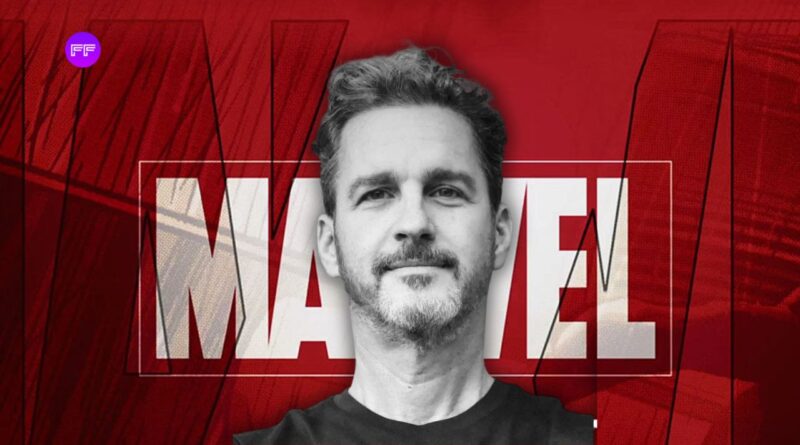
Marvel announced Stephen Wacker Marvel Comics Editor-in-Chief recently who previously worked on successful projects including Spider-Man, Hawkeye, and Ms. Marvel. This recent development created a lot of buzz among Marvel fandom and Marvel Comics is packing up its nearly nine-decade-old New York operation and moving to Burbank, California, right next to Marvel Studios.
However, taking a deeper look at what piece of work he brings along with him and the future of Marvel comics after Stephen Wacker officially becomes editor-in-chief.
The announcement about Stephen “Steve” Wacker becoming new Editor-in-Chief came before San Diego Comic-Con. He takes over from C.B. Cebulski. Brad Winderbaum, who now oversees Marvel’s Television, Animation, Comics, and Franchise operations, made the call, and Wacker will report directly to him. That reporting line alone tells you something — Marvel’s publishing arm now formally sits under the same umbrella as its screen and franchise business, rather than running as its own separate division.
Wacker isn’t a new name to anyone who’s followed Marvel’s output since the mid-2000s. He started out on the DC side of the industry before crossing over to Marvel, where he spent well over fifteen years in various roles — editor, then eventually VP of Creative & Content — before stepping away to run other ventures.
He’s the kind of editor whose name shows up in the letters pages and back-matter of some genuinely beloved runs, which is a big part of why this appointment landed as a “welcome home” moment rather than a surprising outsider hire.
Wacker already spent years at DC Comics editing before joining Marvel, he also got titles like JLA, JSA, Legion of Super-Heroes, Jonah Hex, Villains United, and the critically praised weekly title 52 at DC. That experience running a high-output weekly book turned out to be good training for what came next. He joined Marvel as an editor in 2006 and spent about seven years steering some of the publisher’s most divisive and most celebrated stories at once — proof that a single editor can be both praised and criticized loudly by the same fandom in the same year.
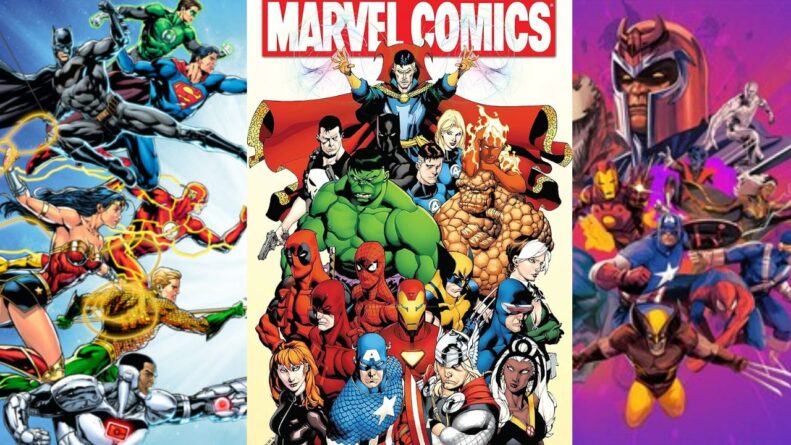
Around 2013–2014, his career shifted toward Marvel’s television and animation side, and by 2019 he’d risen to VP of Creative & Content. He eventually left Marvel altogether to become Editor-in-Chief of 3W3M, Jonathan Hickman’s independent worldbuilding project, before co-founding the entertainment studio Stone Kite, where he served as SVP of Media. Now, he’s back at the company where he built his reputation — this time running the whole show.
During his first run at Marvel, Wacker wore two very different hats. As a senior editor, he oversaw the comics side — the Spider-Man office, plus a run of acclaimed creator-driven books. Wacker later expanded into Marvel’s animation and digital media projects after working in comics, he co-producing the Emmy-nominated Rocket & Groot shorts.
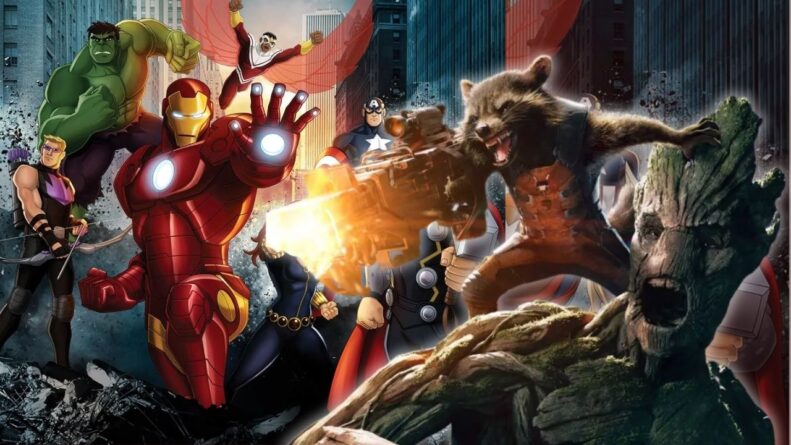
He proved his outstanding work which takes him in co-executive producer’s position for Avengers Assemble, Ultimate Spider-Man, and Guardians of the Galaxy. And expanded to the Marvel’s Wastelanders audio drama series.
Wacker’s overall cross-format experience by working comics-to-screen in Marvel before leaving is what actually Marvel comics need right now.
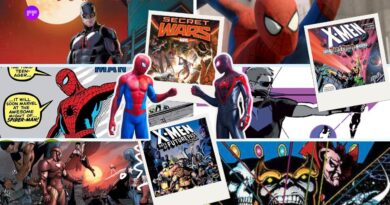
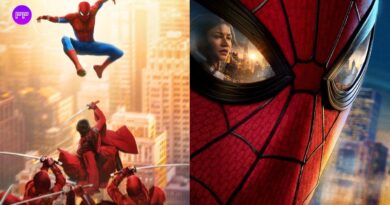
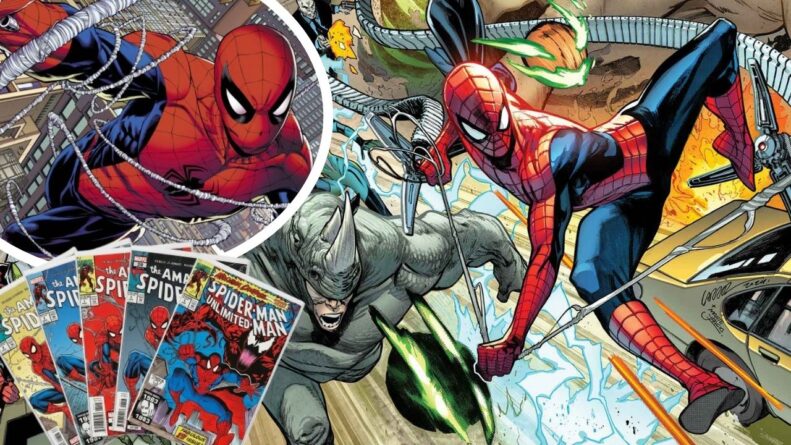
The entire work journey of Stephen Wacker is a breakthrough, as the editor of Amazing Spider-Man, he guided major storylines like One More Day, Brand New Day, and Superior Spider-Man for which he got huge appreciation. That’s not enough, he fluently edited on other fan-favorite projects like Hawkeye and Daredevil, both got praised by critics and readers.
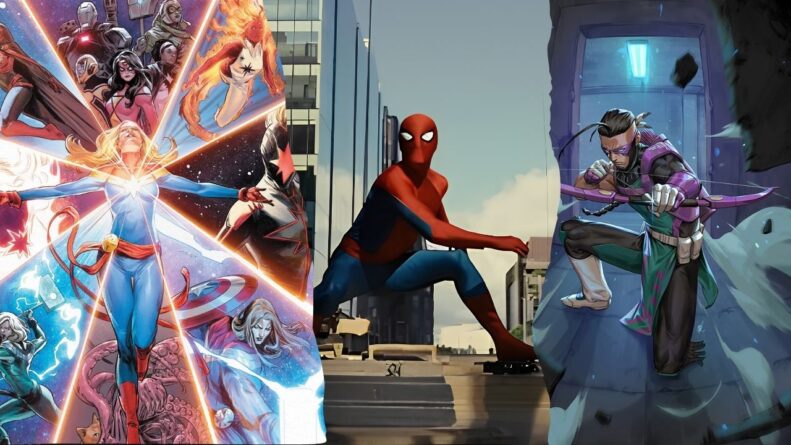
Wacker also helped in the launch of Kamala Khan (Ms. Marvel), who is one of the most important Marvel superheroes and developed alongside Sana Amanat. Captain Marvel and some Venom storylines were edited by Wacker, so it is proved that he can handle both blockbusters, superheroes and character-driver stories.
Winderbaum’s own framing gives away most of the reasoning: he called Wacker someone who understands that Marvel Comics is “the source code” of the entire Marvel enterprise. Translation — the company wants an EIC who treats the comics not as a standalone print business, but as the idea factory feeding movies, shows, and games.
Wacker’s mixed background in both comics editing and screen production makes him an unusually good fit for that framing, especially with publishing now folded into Winderbaum’s TV, animation, and franchise division rather than operating independently. It’s less “we found the best pure editor” and more “we found someone fluent in both languages.”
Read More 👉 Official Spiderman Brand New Day Merchandise | Shop Marvel Spidey Must-Haves
Former editor-in-chief of Marvel comics isn’t fired but C.B. Cebulski served his role since November 2017 which makes him the 3rd longest-serving Editor-in-Chief. Cebulski is simply stepping into a new role: Editor at Asia Originals. He relocated to Tokyo where he will lead Marvel’s original manga and graphic fiction across the region with Japanese creators and publishers as his relations are good over there.
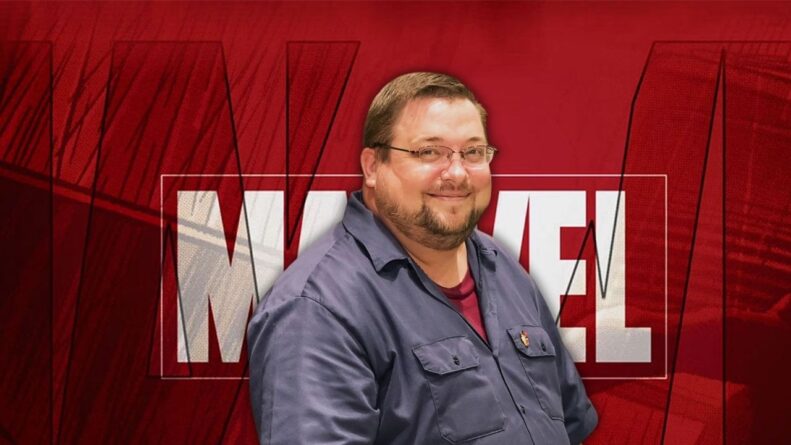
It’s a notable full-circle assignment given his own complicated history with Japanese comics — years before becoming EIC, he’d written Marvel comics under the pseudonym “Akira Yoshida,” posing as a Japanese writer, a story he only confirmed publicly in 2017. Cebulski and Wacker talked about the transition and both spoke warmly about their new positions.
Wacker shows his excitement and nostalgia through his statement.
it “a full-circle moment,” —Wacker
He also shared his first thing which sparked his love for comics — reading an issue of Marvel Two-in-One as a kid. It seems that his return is meaningful.
Wacker’s own statement leaned nostalgic and ambitious at once. He said returning to Marvel felt like “a full-circle moment,” recalling that picking up a Marvel Two-in-One issue as a kid is what turned him into a comics fan in the first place. He’s framed his goals around building on the work of Marvel’s founding generation while insisting the publisher’s best stories are still ahead of it — his words were about wanting to add “new floors to the House of Ideas.”
It’s early, so specifics haven’t been laid out yet, but the tone suggests a mix of respect for legacy runs and appetite for new creator-driven swings, not unlike the mix he championed the first time he held an editorial chair at Marvel.
This appointment doesn’t exist in a vacuum. It’s the latest move in a publishing shake-up that’s been building since spring 2026, when longtime publisher Dan Buckley exited and Disney Music Group’s David Abdo came over as general manager of comics and franchise. That period also saw layoffs that removed sales chief David Gabriel and several Marvel editors, alongside cuts to the Studios side’s in-house visual development team.
Combine that with the physical relocation of Marvel Comics from Manhattan to Burbank over the next year, and the direction seems clear: Marvel wants its comics division sitting physically and organizationally closer to its film, TV, and franchise machinery.
Whether that tightens creative coordination between comics and screen projects, or just streamlines corporate overhead, will likely become clearer once the move is complete and Wacker’s first slate of editorial decisions starts rolling out.
Wacker already worked with many creators and they all expressed their overwhelmingly warm excitement. Writer Zac Thompson called him one of the best editors in the business, while Declan Shalvey praised his taste and editorial vision.
Chris Cross, who’s worked with him at both DC and Marvel, described him as consistently fair and sharp. G. Willow Wilson, who co-created Kamala Khan alongside Wacker, joked on social media about the upside of Marvel’s move to the West Coast — no more brutal 2 p.m. East Coast deadlines.
Deniz Camp, Eisner-nominated writer endorse Wacker for this role as he is one of the finest editors in Marvel history. After the announcement, comic outlets dug Wacker’s old forum posts and poked jokes on daily challenges at being an Editor-in-Chief. While industry professionals are sharing positive excitement with enthusiasm rather than skepticism.
Since this is a fresh appointment, Marvel hasn’t detailed a specific slate of titles or storylines tied directly to Wacker yet — his editorial priorities as EIC will likely become clearer once the Burbank relocation is underway and San Diego Comic-Con conversations settle. What’s reasonable to expect, based on his track record, is a continued mix of flagship Spider-Man storytelling alongside space for smaller, creator-owned-feeling books in the Hawkeye or It’s Jeff! mold.
Anyone hoping for an early announcement will want to keep an eye on Marvel’s Comic-Con panels and press notes over the coming months rather than assuming anything is locked in yet.
Read More 👉 Marvel First Family & Doctor Doom Are Friends Until Doomsday
Stephen Wacker’s return to Marvel as Editor-in-Chief closes a loop that started with a kid buying a Marvel Two-in-One issue off a spinner rack. It also opens a new one — a Marvel Comics division physically relocating to Burbank, reporting into the same leadership as the studios, with an editor at the helm who’s spent time on both sides of that divide.
Cebulski’s move to Tokyo isn’t an ending so much as a reassignment, and the broader restructuring around this appointment suggests Marvel is betting on tighter integration between its comics and its screen output. Whether that pays off in the actual books on shelves is the part fans will be watching for next.
Dive deeper into the details of movies, comics and series with Fandomfans to get the latest updates.

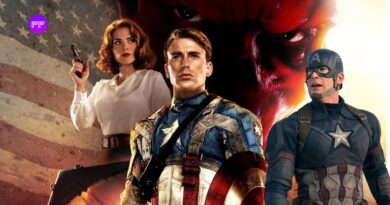
Discover why Chris Evans Captain America casting was the perfect choice. Learn what made him the ideal actor to portray Marvel's iconic superhero.
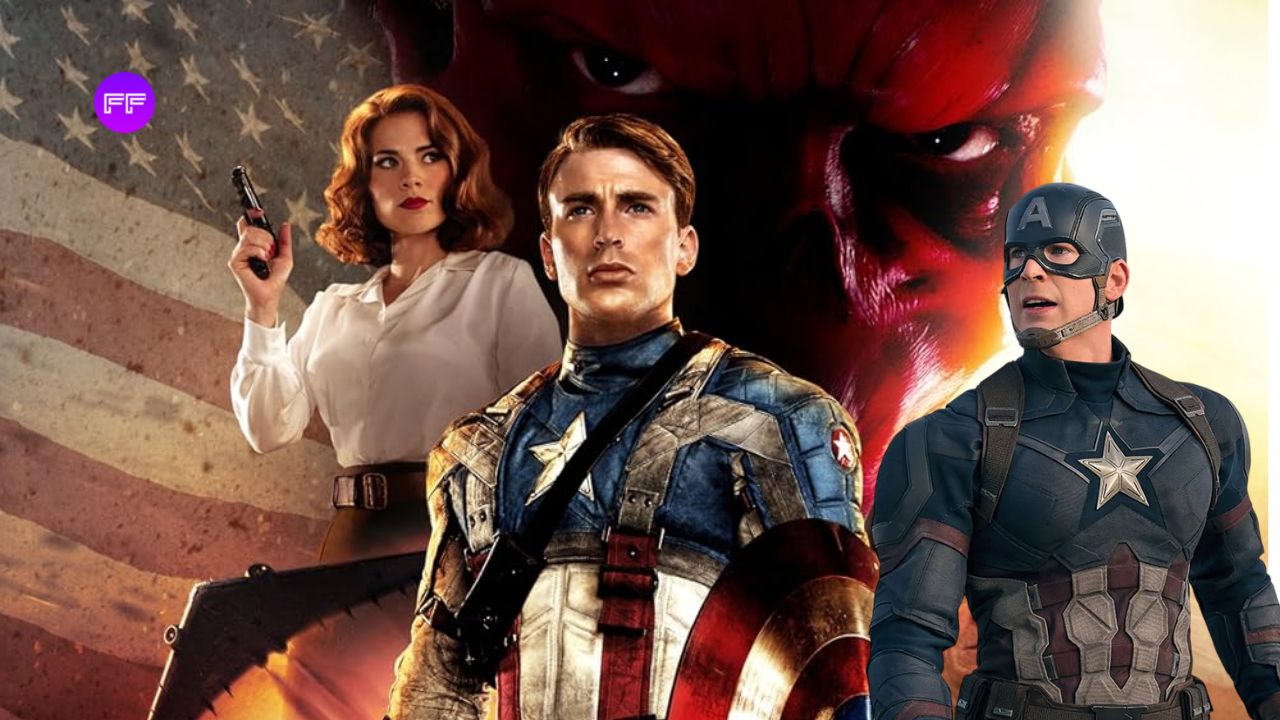
The actor who became the most obvious casting choice in Marvel history almost wasn’t cast at all. The Chris Evans Captain America role isn’t a simple casting. He is an actor who turned down this role but the studio didn’t take no for an answer. Casting directors bend down their rules to make it happen.
Looking back now, it’s hard to remember that the actor destined to define Steve Rogers had no interest in picking up the shield. And Marvel Studio just proved, casting really matters as Hollywood comeback could anchor a superhero blockbuster, Robert Downey Jr. back into the MCU as Doctor Doom is an example.
Casting director Sarah Halley Finn ran a genuinely exhausting search for Captain America. She sat through round after round of screen tests that just didn’t land. The specific blend of old-classic style decency and body structure is hard to see in anyone. And Even isn’t in that line up because he already played a Marvel character, Johnny Storm.
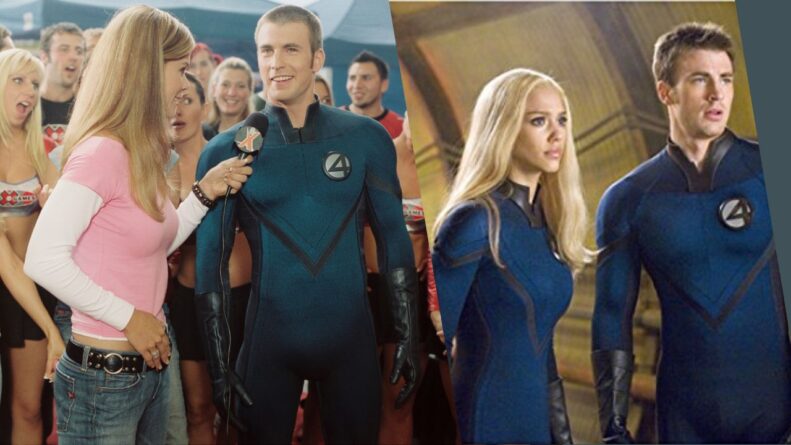
Yeah, that Sue Storm’s brother in the Fantastic Four movies from 2005 and 2007. And there was a rule in Marvel Studio at the time that the same actor can’t play the two different comic-book roles. It muddies the brand. Finn knew Evans might fit Steve Rogers, but she sat on that instinct because of the rule.
It took a string of underwhelming screen tests before she finally said it out loud in a casting meeting:
Why not consider Chris Evans?
The room agreed almost instantly. People already liked him as an actor. They’d seen the work. And enough of what makes Chris Evans Captain America tick — earnestness, a kind of stubborn decency — was already visible in how Evans carried himself on-screen. Marvel broke its own rule for him.
Two names come up constantly when fans dig into the Captain America casting search, and neither of them ended up wearing the suit.
John Krasinski was in serious contention. Years later, he’d say he heard through his agent that Marvel had gone with Chris Evans Captain America instead and his reaction wasn’t bitterness, it was recognition. He basically said the same thing every fan says now:
Of course it’s him, look at the guy.
Sebastian Stan came even closer, in a stranger way. He sent in three audition tapes for Steve Rogers, then canceled a trip home to Romania to fly back for an in-person Marvel meeting. He didn’t get the part. What he got instead was Bucky Barnes — a role that turned into a decade-plus career inside the MCU, arguably richer and stranger than Cap’s arc ever was.
But Stan is happy because losing that role turned out to be the better outcome for him. He got a more satisfying job that he deserved.
Evans said no. More than once because the commitment terrified him. Marvel’s initial offer was a nine-picture deal. It eventually got negotiated down to six, but even six films was an enormous chunk of a career to hand over to a single character, with no real way to predict how the movies — or his life — would turn out.
Evans’ reason to say no for the role isn’t the heavy work and action but he knows after signing it would permanently change his life in ways he couldn’t take back.
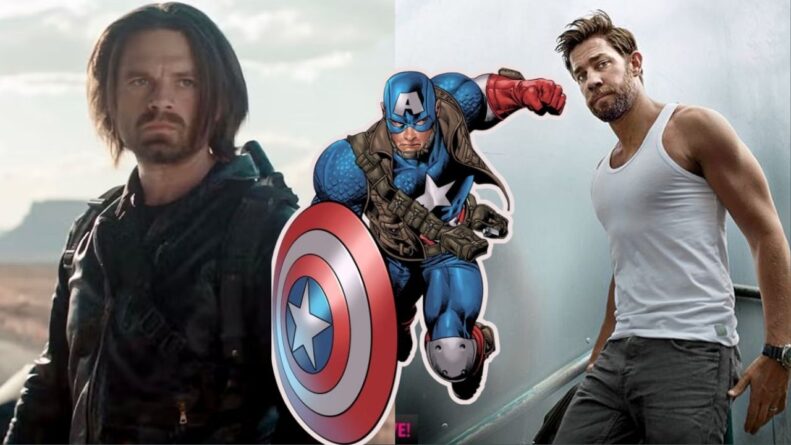
There was also something more personal underneath it. Evans has since described dealing with anxiety around fame and public attention, and the jump from “working actor” to “face of a global franchise” was the exact kind of exposure that made him uneasy. Turning down Captain America wasn’t a business calculation. It was closer to self-preservation.
Marvel didn’t let it go. Kevin Feige and director Joe Johnston brought Evans back in for a second meeting, and this time they didn’t just pitch a contract — they pitched the actual story. The character’s arc of Chris Evans Captain America across the franchise is a real concept art. This is not a job for Evans, director said:
Here’s the character we think only you can play.
Evans has said he took the weekend to think it over, and that it was one of the hardest decision-making stretches of his life. He said yes anyway. And in interviews since, he’s called it the best professional decision he ever made — which is a fairly remarkable thing to hear from someone who almost walked away from it entirely.
Read more 👉 Who Is the New Editor-in-Chief of Marvel Comics? Stephen Wacker Explained
Finn and Feige were searching for qualities in an actor who can bring the genuinely kind, quietly confident, and grounded enough on the screen to make audiences believe he was an ordinary kid from Brooklyn before he ever became Captain America. It is more important for them rather than the shield, costume and the super-soldier physique. Evans captured those qualities in a way that couldn’t be taught or faked.
His hesitation actually worked in his favor. Finn has said the reluctance itself became a kind of evidence — an actor who didn’t chase fame for its own sake was exactly the temperament they wanted radiating off a character whose entire identity is putting the mission ahead of himself.
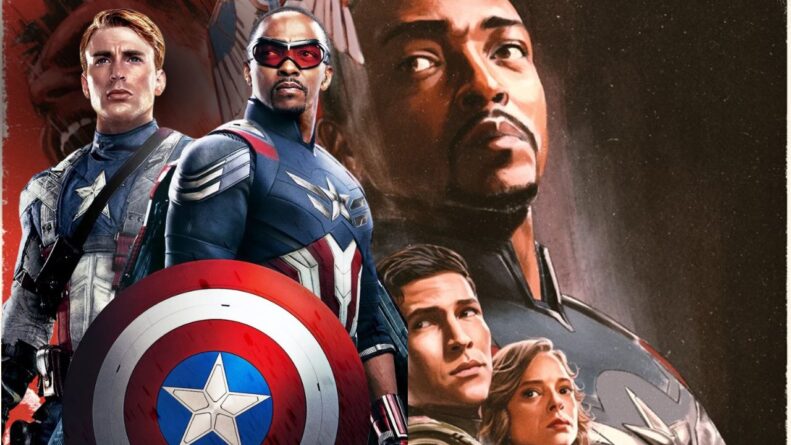
There was also a practical acting challenge nobody talks about enough. Steve Rogers is really two roles stitched into one performance: the fragile, undersized guy from the pre-serum scenes, and the peak-physical-condition soldier after. Johnston was blunt about it at the time — whatever the visual effects team did to sell the “before” version, the performance itself, the internal logic of the character, had to be Evans from start to finish.
That’s not a small ask. It’s asking one actor to make an audience believe in the same soul wearing two very different bodies.
Captain America: The First Avenger landed in theaters in July 2011, with no guarantee Steve Rogers would resonate with audiences but Evans made Steve Rogers heart of the MCU forever. He wasn’t just delivered an outstanding performance but he actually turned into the franchise’s emotional backbone. Marvel took that risk and delivered The Avengers, both Captain America sequels, and eventually Avengers: Endgame in 2019.
What made the casting work wasn’t that Evans looked the part. Plenty of actors look the part. It’s that his real hesitation — the anxiety, the reluctance, the fear of losing himself to the role — is basically the same internal conflict Steve Rogers wrestles with across ten years of movies. A guy who never wanted the spotlight, carrying a responsibility he didn’t ask for, because it mattered more than his own comfort. Marvel didn’t just cast an actor who could play that. They cast an actor who, at least for one nerve-wracking weekend, actually lived a smaller version of it.
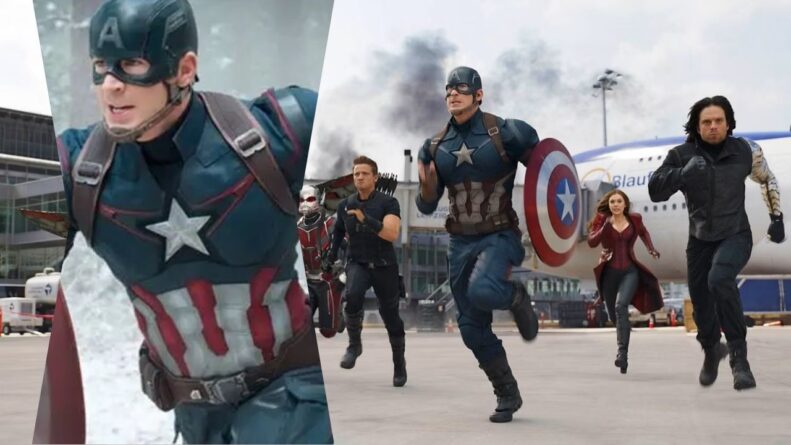
Even after stepping away from the shield, Evans hasn’t distanced himself from the character. When Anthony Mackie took over as Captain America following Sam Wilson’s arc in the comics and MCU timeline, Evans publicly backed the change, saying flatly that Sam Wilson is Captain America now. That’s not the reaction of someone who resents the role he almost turned down. It’s the reaction of someone who understood, eventually, exactly what he’d said yes to.
The next time someone says a casting choice of Chris Evans Captain America was “obvious,” it’s worth remembering this one wasn’t obvious at all. It was rejected, reconsidered, nearly given to two other actors, and only worked because Marvel refused to accept the first no.
Read More 👉 Why Marvel Comics Launching the Midnight Universe Variant Cover Program?
The casting of Chris Evans Captain America was not the obvious choice people recall today—it was a risk that nearly didn’t get taken. Between Marvel contravening its own casting rule, Evans saying no to the part multiple times, and various other actors almost being cast, the path to Steve Rogers was far from easy.
Ultimately, Marvel didn’t just find a guy who looked like Captain America — they found an actor who captured his humility, bravery, and selflessness. That move helped make Steve Rogers the emotional center of the MCU and stands as one of the best casting wins in superhero movie history.
Fandomfans delivers latest updates from movies, series, and celebrities to you directly.

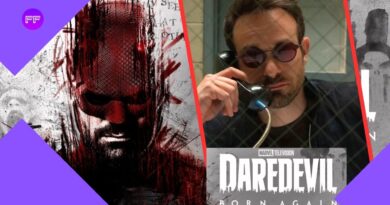
Daredevil Born Again returns Matt Murdock to the MCU. Check out crossovers, Kingpin’s ascension, courtroom showdowns and Daredevil’s new street-level legacy.
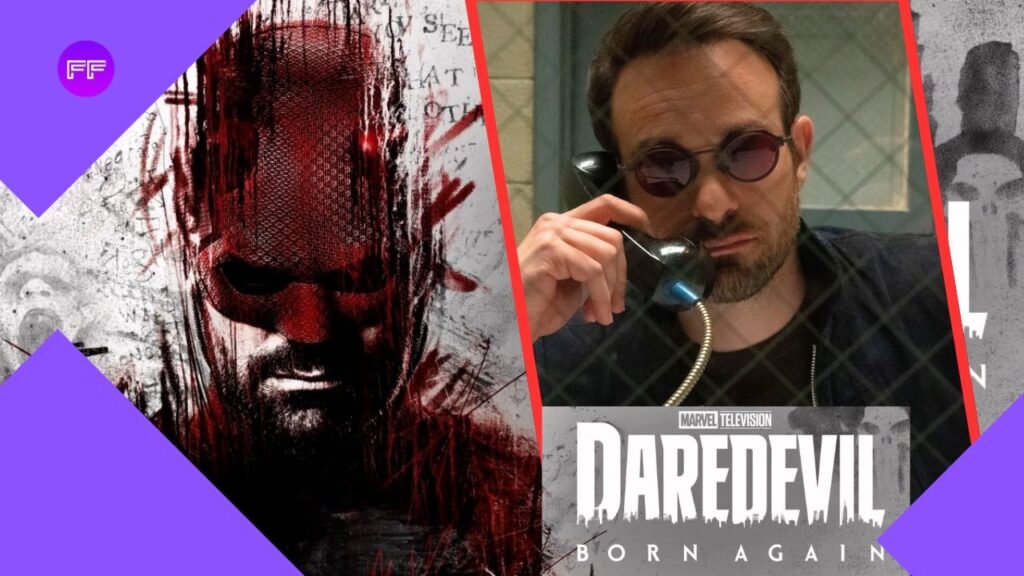
Matt Murdock’s ascent as the ultimate TV comeback tale with Daredevil Born Again. After his grim Netflix show was axed after three seasons in 2018, it seemed like the “Devil of Hell’s Kitchen” might be out of luck for good. Instead, Marvel pulled a master class in character rehabilitation.
Splitting him (and his arch-enemy, Kingpin) across four very distinct series — Spider-Man, She-Hulk, Hawkeye, and Echo — Marvel connected the dots between his grim, street-level beginnings and the bigger, flashier MCU.
Daredevil Born Again neighborhood hero became more than that now. He’s been raised to the ethical and legal foundation of the whole franchise. It’s not just a Season 4; it’s a character study of a man caught between the law and the mask, searching for justice in a New York still grooving to the chaos of the Blip.
The Road to Daredevil Born Again is a meticulously crafted “what-have-you-done-for-me-lately?” Marvel made four deliberate cameos to convince us that Matt Murdock could leave his first dark, solitary Netflix pocket and step out into the wider, stranger battlefield of the Avengers and then get his own show again.
The Movie Star Moment (Spider-Man: No Way Home): This was the “official” handshake. Catching a brick and standing in for Peter Parker, Matt demonstrated that he and Marvel live in the same universe as the Avengers. It presented him as a “really good lawyer” who still had keen super-senses and was ready for the big leagues.
The Vibe Check (She-Hulk): That was our first time seeing Matt—cute, fun, and draped in a throwback yellow suit. It showed him as more than “a brooding guy in a hallway” but an experienced warrior who could square off against beings like “Hulk-level” villains and still maintain his composure.
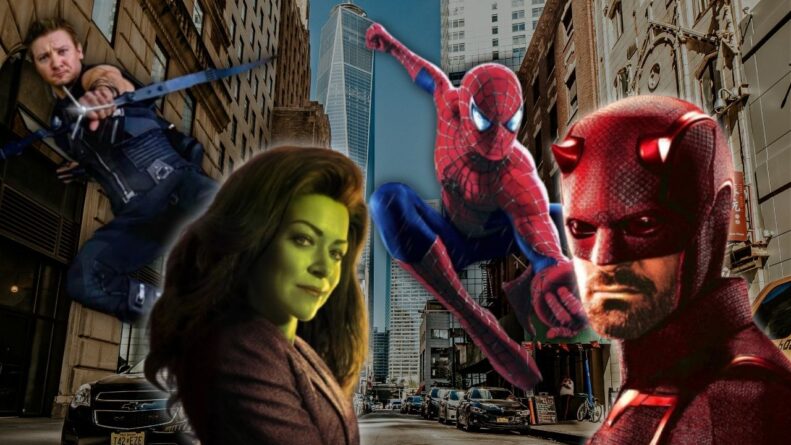
The Villain Upgrade (Hawkeye): This focused on Wilson Fisk. Raising the stakes Marvel elevated the stakes by making Kingpin durable against explosions and car crashes. Now he wasn’t just a mob boss he was a “global threat,” and his shadow stretched over the whole city.
The Final Link (Echo): Daredevil Born Again brought everything full circle. In a savage battle and an extended view into Fisk’s history, it served as a reminder that Matt didn’t stop fighting during the “Snap” years. It culminated with Fisk’s bid for Mayor, which paved the way nicely for the new series.
For ages fans were fretting that Marvel was going to force a “reset button” on Daredevil Born Again, retconning everything that made the Netflix show great. But after a sweeping creative shakeup at the top, Marvel made a pivot that encompassed everything: they were going to look to the past instead of running away from it.
The “Hard Continuation” Victory: Although Daredevil Born Again was going to be a “soft reboot.” However, Marvel replaced the original creative team with a new showrunner to continue as a direct sequel to the original three seasons. Matt’s past – his scars, his faith, his feud with Fisk – still matters. We already are into the deep end of the main story where it originated.
Matt survival from Thanos: It turns out that both Matt and Wilson Fisk survived Thanos’s Snap. With the Avengers either off-planet or mourning, Hell’s Kitchen was unraveling. This gap of five years is the “secret sauce” of the new story. It gave Fisk a chance to reestablish himself as a power in the collapsing world, turning his criminal empire upside down and presenting himself as a “savior” for a broken city.
A New Kind of Crisis: For Matt the Blip wasn’t just a simple logistical nightmare, it was a spiritual one. Daredevil Born Againcompounded his “crisis of faith.” If the laws of nature can just extinguish half the population, how is a blind lawyer supposed to believe in the “rule of law” on Earth? He’s starting this new chapter in his life with what has been the heaviest burden of a decade’s worth of ups and downs.
Daredevil Born Again renders stark reality in its depiction of a disease-ridden, drug-addled Matt Murdock that no one could ever forget. He has laid down the brass knuckles and picked up the gavel in his election as mayor of New York City, and is now using the entire city government as a weapon against Matt Murdock.
The “Kingpin Squeeze”: Fisk isn’t just dispatching thugs to Matt’s home anymore. He’s making being a hero illegal through the Anti-Vigilante Task Force (AVTF). By painting Daredevil as a public menace, he’s employed the “rule of law” to chase his nemesis with a badge and a siren.
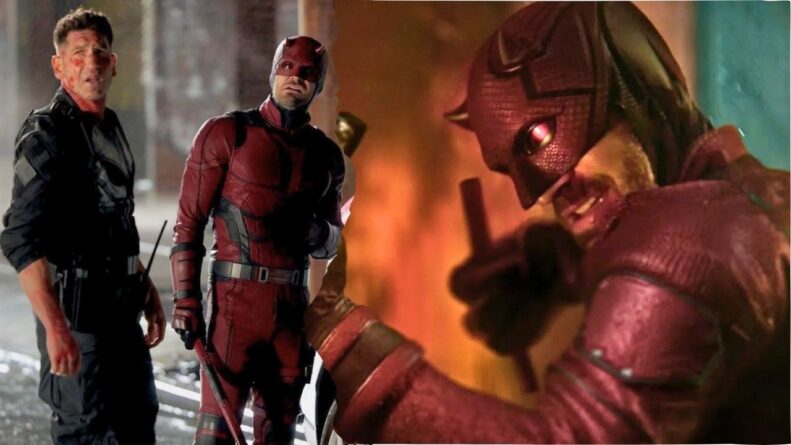
The Ultimate Strongman: Fisk’s ascent is a masterclass in manipulation. He preys on the anxieties of regular New Yorkers who feel the city has deserted them, not the Avengers. He presents himself as the only person who can restore order in a post-Blip world, and is taking advantage of “good optics” — even as he’s blackmailing the police commissioner and threatening martial law.
A Criminal “State-Within-a-State”: Behind the scenes of Daredevil Born Again, Fisk is working on the “Free Port,” in Red Hook. He’s attempting to establish a special-trade zone outside federal reach. If he pulls it off, he will have created a legal “black hole” through which the Five Families can move whatever they want without the law’s pesky interference.
Matt Murdock is basically a man serving two masters, and Daredevil Born Again, that strain is at last beginning to break. He’s a lawyer who takes an oath to uphold the law by day, but at night, he’s a vigilante who violates just about every ethical rule in the book. This isn’t just a “cool secret identity” this is a deep professional and moral crisis.
Here is what the “legal nightmare” Matt is facing right now:
The Threat of Disbarment: If a Bar Association in the real world got wind of what Matt does by night, he would be disbarred immediately. Rule 4.2 prohibits Attorney from communicating with a “represented party” without the party’s attorney being present. Anytime he has a Daredevil pin a criminal and punch the truth out of them, Lawyer-Matt is making a huge ethical error. He is basically using his mask to violate the legal rights which he is obliged to honor.
The Conflict of Interest: Matt frequently represents clients not to aid them but to gather intelligence for his missions. This makes it a “material risk” that he isn’t acting in the best interests of his client — which is the worst thing you can do as a lawyer.
The Hector Ayala Meltdown: This firestorm touches off Matt’s meltdown. To exonerate Hector (the White Tiger) from a murder charge, Matt stakes everything: he unmasks Hector in court to prove his innocence. It works—they win the case but what’s the victory but a hollow victory. Hector is assassinated by a corrupt cop right after leaving the courtroom.
The transition to the main MCU is not just a change of location; it’s a solidifying of Matt Murdock’s world. The people around him aren’t simply ”background characters”—they are the scars and the fuel for his new mission.
Here’s how the inner circle has changed in this “older and harder” reality:
The Heartbreak: The Death of Foggy Nelson. Foggy wasn’t just Matt’s law partner; he was his moral anchor. His death at the hands of Bullseye (by order of Vanessa Fisk) is the ruthless “catalyst” for the series as a whole. It shatters the “Nelson, Murdock & Page” trinity forever, and sends Matt into a year-long tailspin. In fact, he temporarily retires the mask, worried that his rage might make him a murderer.
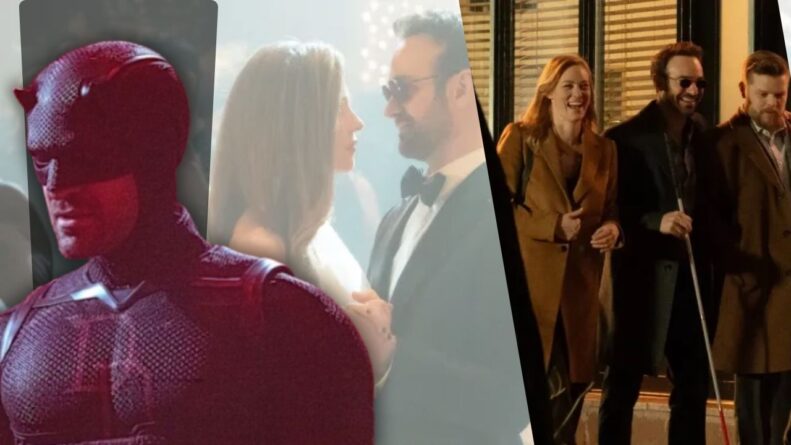
The Evolution: Karen Page as a Peer. Karen is a long way from, you know, the secretary. Daredevil Born Again she’s basically a lawyer in her own right, a professional equal who challenges Matt to be better. She’s the one who pulls him back into the fight, with her investigation skills, she digs to what was left by Foggy. “She Feeds Matt his Humour-Detecting BS and Then Keeps Him Human“: As far as who the true Page is in the gloves is concerned, that would be Karen Page.
The Dark Mirror: Frank Castle (The Punisher). The two used to spend all their time arguing about the “morality of killing.” Now they’re a “reluctant duo. The rupturing effect of Foggy’s death and the city’s decay soup on Matt is so palpable (NOT in the traditional sense!) that he is seriously considering Frank’s brutal approach. This is a heartbreaking indication of how much Matt has dropped, he cannot have a flawless sense of morality in a world that seems to be inherently rigged.
Now that the MCU is blasting off to space and multiverse madness, Matt Murdock is becoming the man who keeps the franchise’s feet planted firmly on the ground. He’s gone from “that blind guy in Hell’s Kitchen” to a cornerstone of Phase 5 and 6—essentially the Captain America of the Streets.
Here’s how Matt is assembling his “Street-Level Avengers”:
The Strategic Lead: The Avengers may deal with cosmic gods, but Matt makes the most sense to head up an organized opposition to Wilson Fisk. His legal brilliance, his “human lie detector” talent, and his tactical expertise make him the MCU’s connection from the city’s merciless truth to its sky-high heroics.
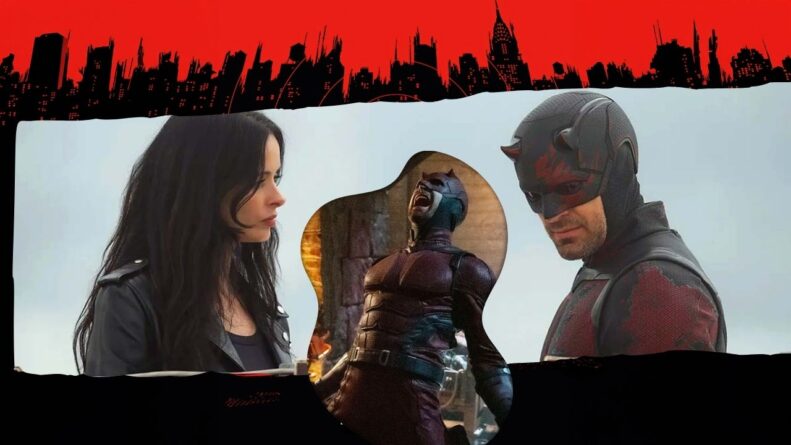
Mentoring Spider-Man: This is the partnership that everyone is eager to see. Following their short encounter in No Way Home, Matt now has the perfect place to show Peter Parker that you can’t just win every war with webs. He is the mentor Peter needs to survive in a world where the bad guy (Fisk) has a law degree and a mayor’s office.
The “Grounded” Anchor: Amid a world of magic and aliens, Matt ensures the stakes stay Earth-bound. He lets us know that though the galaxy is locked down, the block still might be rotting from within.
Matt Murdock isn’t just a supporting character now — he’s the head of a spin-off narrative arm that delves into corruption, systemic breakdown, and what it really means to be a “neighborhood” hero in a world buzzing with superheroes.
Read more:- The Green Lantern’s Guy Gardner Became the Heart of James Gunn’s New DC Universe
Ultimately, Matt Murdock’s story is not just about a hero returning: it’s about him coming home as the MCU’s streets’ cornerstone. He’s graduated from being a “neighborhood outlier” on Netflix to the moral compass of the entire franchise.
The cameos were the warm-up, Daredevil Born Again is the headliner. It is a definitive declaration that the Man Without Fear is exactly where he belongs right in the middle of the battle for the soul of the Marvel Cinematic Universe.
Dive deeper into the world of cinema with Fandomfans to get all the latest updates from movies, series, and celebrities.