
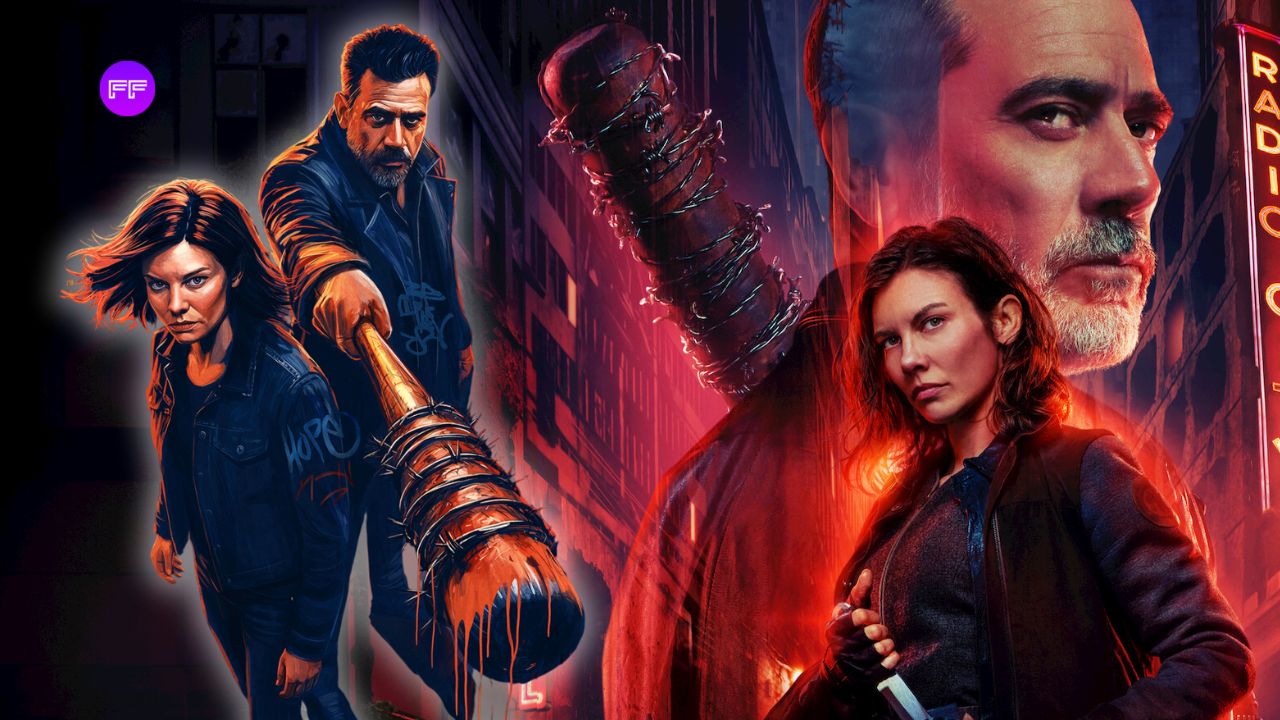
Maggie Rhee spent the Season 3 premiere of The Walking Dead: Dead City handing Negan a knife and telling him to use it. This is something she hasn’t done in three seasons. That’s the scene that opens “Trillium,” and it tells you everything about where her head is at as this show tries letting these two people actually be at peace which is something that never quite pulled off before. If you’re catching up after the July 26 premiere and wondering what happened to Maggie in The Walking Dead: Dead City Season 3.
So here’s the full rundown — what went down in the season opener, what it means for her going forward, and what AMC has already confirmed for the episodes still to come.
Where Dead City Left Maggie After Season 2
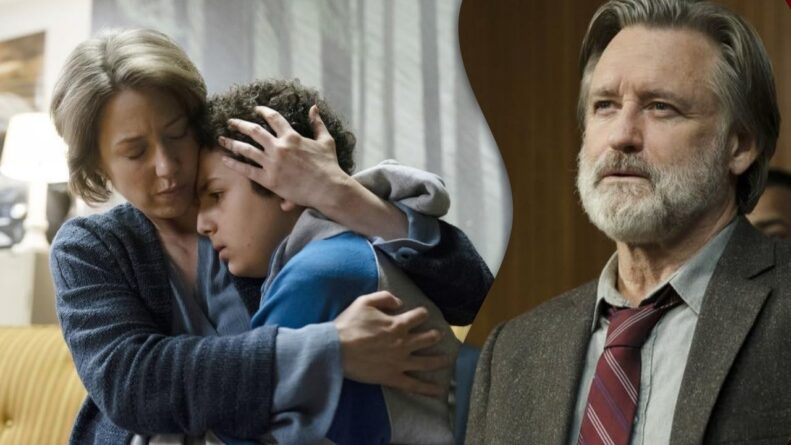
Seasons 1 and 2 of Dead City built Maggie and Negan’s relationship around a debt neither of them wanted to owe. Season 1 was about finding her kidnapped son Hershel (Logan Kim), who Negan helped rescue despite being the man who killed her husband Glenn.
Season 2 dragged that arrangement into a war over Manhattan’s methane supply, with the New Babylon Federation and a mysterious power broker called the Dama pulling strings from the shadows. By the finale, the feud between Maggie and Negan had cooled into something more like exhausted tolerance than trust, and the Dama’s people had seized control of the city’s methane facility — the resource everyone in Manhattan needs to survive.
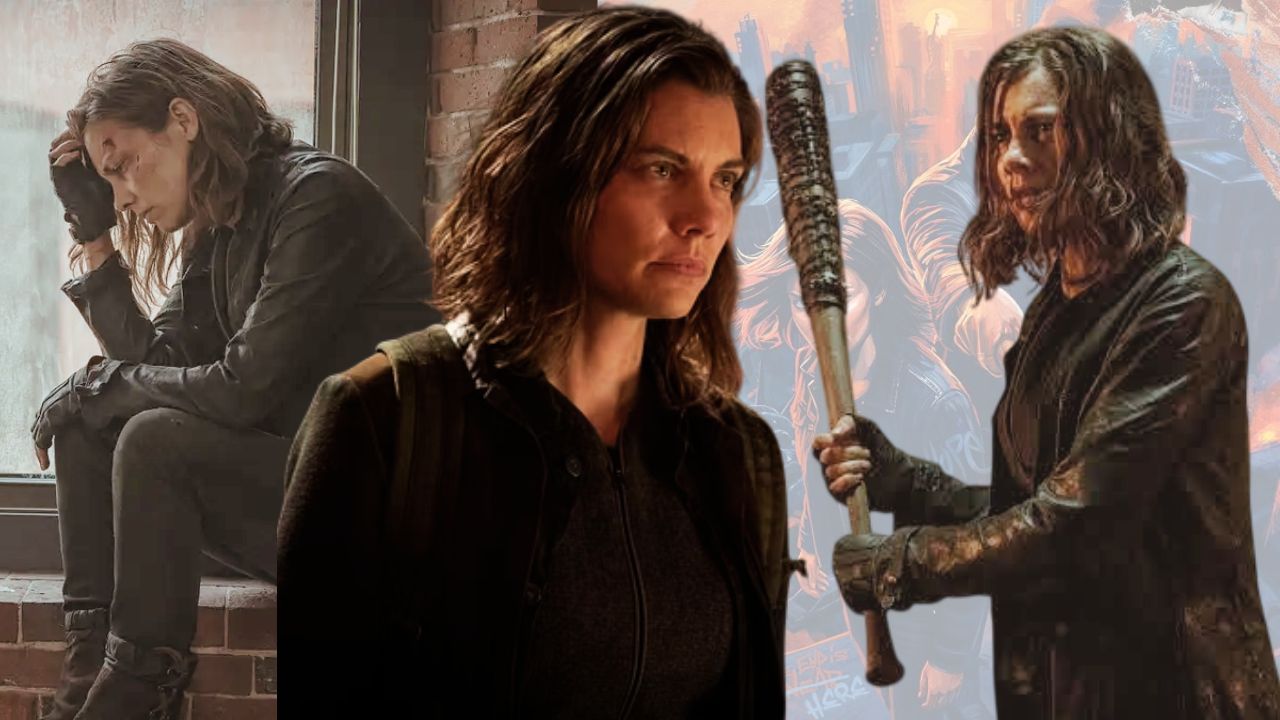
The Dama herself has been the show’s most persistent mystery since Season 1 — a shadowy leader running New Babylon’s operation from a distance, using the Croat as her enforcer on the ground. Maggie spent most of Season 2 caught between protecting Hershel and getting pulled deeper into that power struggle, and the finale left the Dama’s larger plan unresolved even as her people took the methane facility.
That’s the wreckage Season 3 opens on. And it’s also where the show’s biggest behind-the-scenes shift comes in: Seth Hoffman took over as showrunner heading into this season, and both Lauren Cohan and Jeffrey Dean Morgan have been vocal in press about how different the tone feels as a result. Cohan described it simply as a “new vibe” going on, and that shift is obvious from the first ten minutes of the premiere.
What Happened to Maggie in The Walking Dead Season 3 Premiere, “Trillium”
The episode, which aired July 26, 2026, wastes no time putting Maggie back at the emotional center of the show.
The Grave and the Knife
“Trillium” opens with Maggie digging a grave for Ginny, the young girl whose death at the end of Season 2 has left Negan hollowed out. He finds her mid-dig and reads it as another betrayal — he wasn’t there, wasn’t consulted, and he’s furious about it. What follows is the same argument this show has been having since Season 1: Glenn’s murder, Ginny’s death, years of blame neither of them can fully let go of.
Except this time, Maggie doesn’t defend herself. She tells Negan she’d undo it if she could, admits she can’t, and then does something new — she hands him a knife and dares him to finish what their history has been building toward since he killed her husband.
He doesn’t take it. Not because the show chickens out, but because Renata and Luis, two new survivors, interrupt before he has to decide. It’s a genuinely tense beat, and it works precisely because the show has spent two seasons convincing you it might not end any other way.
Hershel Comes Back — and So Does the Croat’s Storyline
The interruption isn’t just a plot device. Renata and Luis run a small hospital community and need help recovering a stolen methane tank to power an incubator for a newborn. Maggie agrees to help make up their numbers, and her son Hershel shows up in the middle of the chaos, having finally turned on the Dama after she ordered him to kill his own mother. That’s a meaningful shift for Hershel’s arc — he ended Season 2 still loyal to the Dama’s cause, and this premiere closes that door for good.
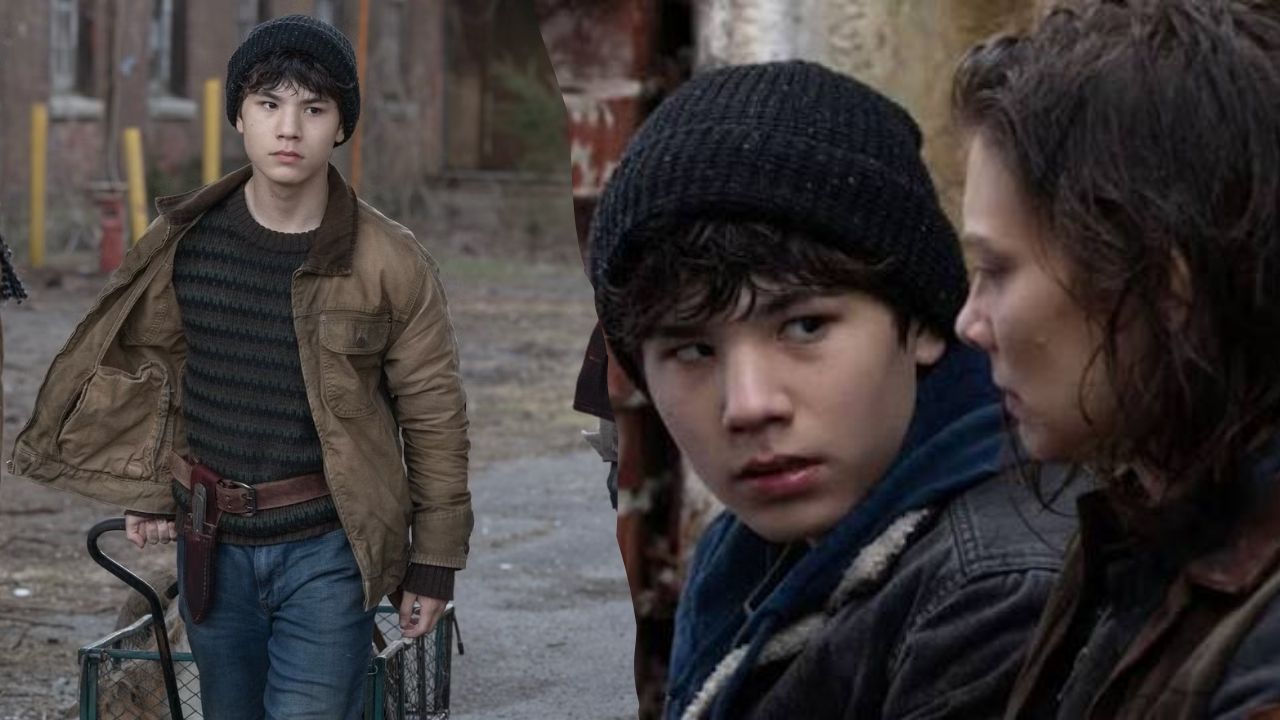
The episode also puts a bow on the Croat (Željko Ivanek), the season-long antagonist whose menace defined much of Season 2. Renata and Luis capture him mid-episode and discover he’s been bitten. Flashbacks fill in how he terrorized their community using tactics he picked up serving under Negan — a detail that lands harder given who’s standing next to him when he dies. By the episode’s end, it’s Negan himself who puts the Croat out of his misery, closing out a storyline that had run since the start of the show.
Read More 👉 Westeros Is Not Done Yet: A Knight of the Seven Kingdoms Brings a New Legacy
Negan Finds Dillard
While Maggie is dealing with Renata’s group, Negan wanders off and stumbles into a fully intact bar run by a survivor named Dillard, played by Jimmi Simpson. Dillard has somehow kept a functioning watering hole running through the apocalypse, complete with two walkers he’s defanged and tethered to bar stools for company. It’s the strangest new element the show has introduced in three seasons, and it gives Negan somewhere to retreat to when Ginny’s death gets too heavy. Dillard chooses to stay behind at the bar rather than join the group, but given how much screen time Simpson gets in the trailer for future episodes, this almost certainly isn’t the last we see of him.
By the time the pregnant woman and her baby are safely rescued and the methane tank secured, Maggie and Negan end the episode somewhere neither of them has been before — actually laughing together. Negan even tells her,
“I don’t think I’ve ever seen you smile. It suits you.”
It’s a small moment, but after two seasons of these two barely tolerating each other, it’s the clearest signal yet of what Season 3 is trying to do differently.
What Maggie and Negan’s New Alliance Actually Means
Dead City has always worked best when it treats Maggie and Negan’s relationship as unresolved rather than fixed, and the premiere seems to understand that too. The show doesn’t pretend Glenn’s murder is forgiven. Negan still can’t fully let Maggie off the hook for Ginny. What’s changed is that both of them seem to have run out of energy for the fight — which is a more honest place for this story to land than a clean redemption arc would’ve been.
AMC’s own synopsis for the season backs this up directly: Maggie and Negan are trying to build the first genuinely thriving community in Manhattan since the outbreak, with the central question being whether they’ve actually learned from their history or whether it’s going to sink the whole city with them.
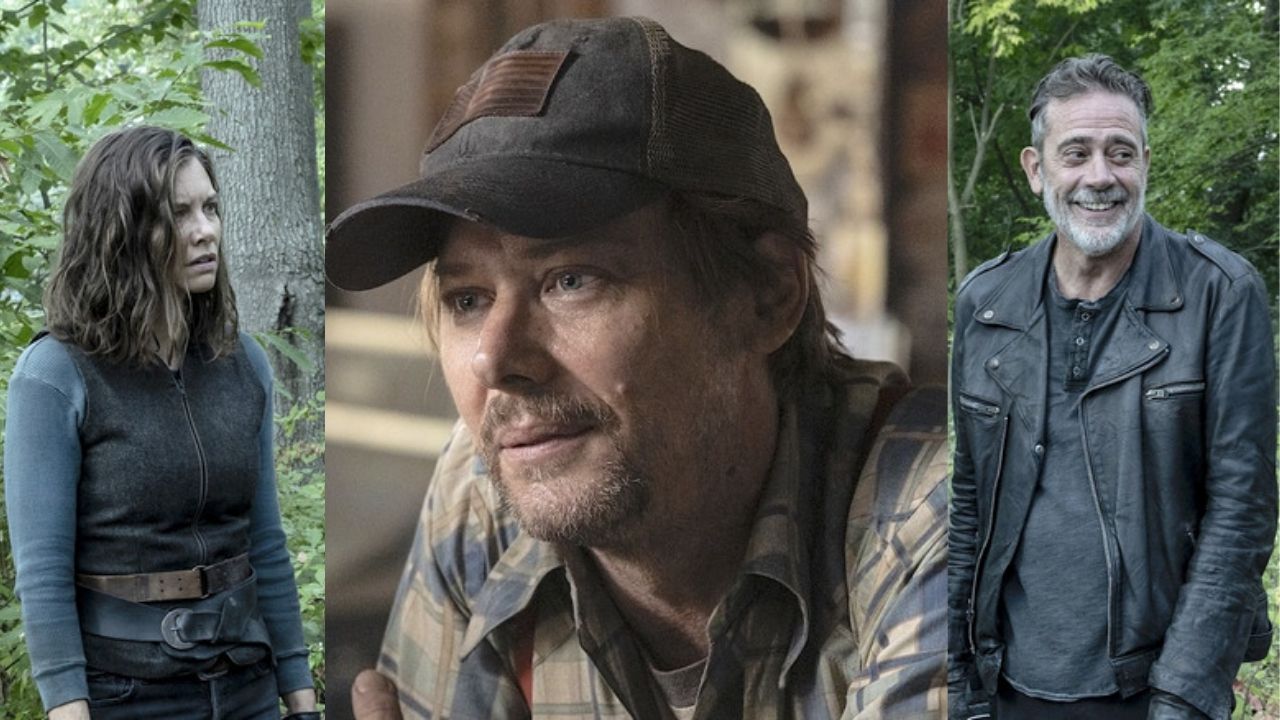
Jeffrey Dean Morgan has been blunt in interviews that this is the best season of the show yet, calling the dynamic between the two characters fundamentally different from anything in the first two seasons. Whether that holds up past the honeymoon period of episode one is the real test — and it’s worth remembering the Dama is still out there, and Season 2 already proved how fast this show can pull the rug out from under a fragile peace.
How Fans and Critics Are Reacting
Fans are curious about what happened to Maggie in The Walking Dead? Early reaction to “Trillium” has landed somewhere between warm and skeptical, which tracks with how divisive Season 2 turned out to be. Some coverage has embraced the softer, more hopeful direction — framing it as the first time the show has let Maggie actually be happy rather than just surviving.
Other critics have pushed back on the pacing, arguing the Maggie-and-Negan argument-then-reconciliation structure is starting to feel repetitive after three seasons of the same emotional beats. What both camps agree on is that Jimmi Simpson’s Dillard is the premiere’s biggest new asset, and that closing out the Croat’s storyline was the right call heading into a season that clearly wants to move past Season 2’s unfinished business.
For what it’s worth, that split reaction might actually work in the show’s favor. Dead City has never been the flashiest corner of the Walking Dead universe, but it’s also never pretended Maggie’s arc is simple — and a fanbase arguing over whether she’s earned this peace is a healthier sign than one that’s stopped caring.
Read More 👉 The Witcher 3: Nobody Can Agree on Geralt’s Greatest Line
What’s Next for Maggie in The Walking Dead: Dead City Season 3
The Walking Dead: Dead City Season 3 Episode 2, titled “Haven,” is confirmed to air Sunday, August 2, 2026, exactly one week after the premiere, continuing the show’s usual weekly Sunday rollout on AMC at 9 p.m. ET, with early access on AMC+. Plot specifics for “Haven” haven’t been detailed yet, but early previews suggest the show intends to keep experimenting with format and structure as the season goes — a notable departure for what’s historically been the most straightforward entry in the Walking Dead universe.
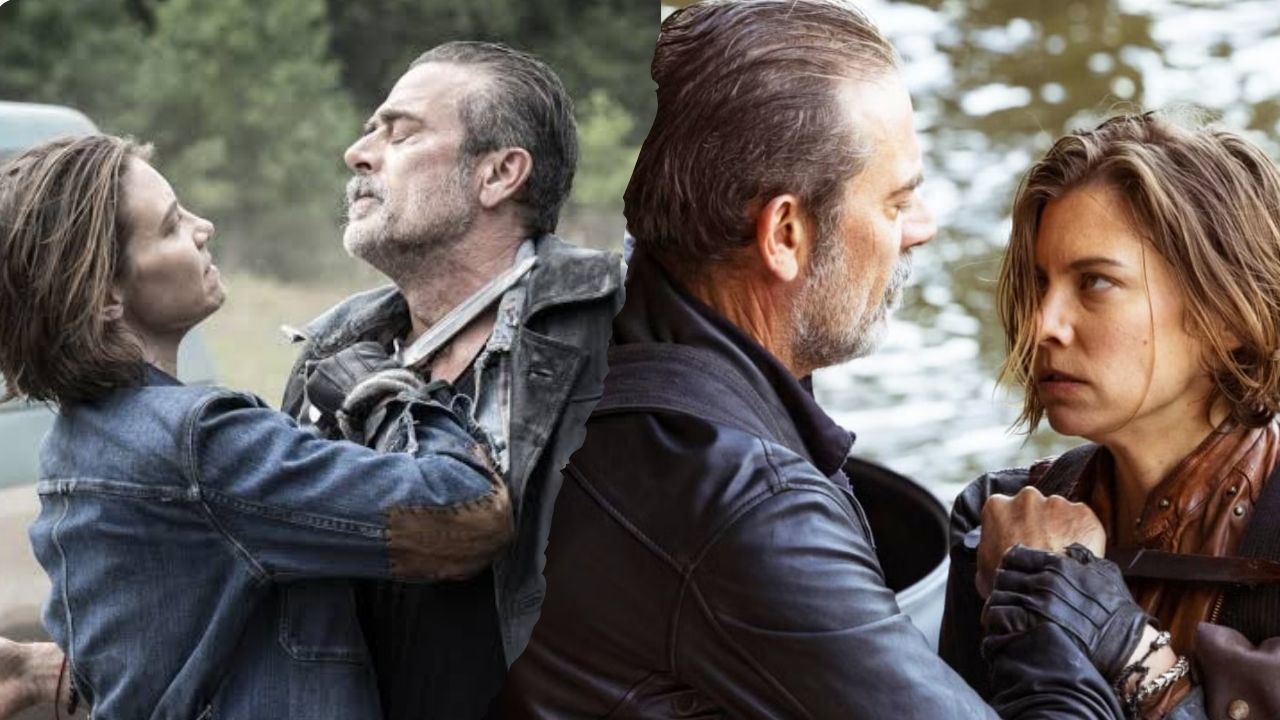
The trailer released after the premiere shows Maggie working to bring her people from the Bricks across the water into Manhattan to build a life alongside Hershel, alongside teases of a major walker invasion threatening both Renata’s hospital community and the group’s expanded territory. It also hints that tensions inside the new alliance, not just outside threats — are going to test whether Maggie and Negan’s truce actually holds.
AMC hasn’t officially confirmed the total episode count for Season 3 the way it did for Season 2’s eight-episode run. Some outlets have projected the season running into mid-September based on the weekly release pattern, but until AMC confirms a finale date, treat that as an estimate rather than a fact. It’s hard for fans to wait to know what happened to Maggie in The Walking Dead but it’ll be worth it.
Cast and Where to Watch Dead City Season 3
Dead City Season 3 brings back Lauren Cohan as Maggie and Jeffrey Dean Morgan as Negan, alongside Logan Kim as Hershel, whose shift away from the Dama makes him one of the premiere’s more consequential storylines.
New to the main cast this season are Jimmi Simpson as Dillard, the bar-owning survivor who’s turned companionship with defanged walkers into a coping mechanism; Aimee Garcia as Renata, the leader of the hospital community who becomes Maggie’s new confidante; and Raúl Castillo as Luis, Renata’s brother and the group’s doctor. Michael Emery also joins the ensemble this season.

Filming took place in Boston, Massachusetts, standing in for a post-apocalyptic Manhattan, with production starting in fall 2025 — the first season to shoot without the Croat actor’s storyline still open, since Željko Ivanek’s arc wraps in the premiere itself.
New episodes of The Walking Dead: Dead City Season 3 stream early on AMC+ each week, with the cable broadcast following on AMC at 9 p.m. ET / 8 p.m. CT on Sundays.
Conclusion
If you’re catching up, the short version of what happened to Maggie in The Walking Dead: Dead City Season 3 so far is this: she’s chosen partnership over grief, at least for now, and the show is finally letting her and Negan exist as something other than adversaries.
Whether that survives contact with the Dama and whatever’s coming for Renata’s community is the question The Walking Dead Season 3 is clearly building toward and with “Haven” landing August 2, we won’t have to wait long to find out.
Get the latest details from movies, series, and celebrities on Fandomfans and stay connected for more deeper theories.