Home > TV Shows > Death by Lightning Review: A Brilliant Yet Hollow..
Death by Lightning Review: A Brilliant Yet Hollow Historical Drama That Ends Too Soon
Death by Lightning review: The Netflix drama offers entertaining performances from Michael Shannon and Matthew Macfadyen, but suffers from rushed storytelling.
In Netflix’s latest dive into historical catastrophe masquerading as tragic comedy, the miniseries Death by Lightning, will focus on how President James A. Garfield’s short but significant term was cut short by the deranged Charles Guiteau. Adapted from Candice Millard’s acclaimed non-fiction book, the series has all the prestige hallmarks – a stellar cast (Michael Shannon, Matthew Macfadyen) and backing from Game of Thrones creators David Benioff and D.B. Weiss.
Yet despite all its technical sheen and mesmerizing performances, the four-episode political drama cuts off oddly, a dazzling flash of promise that dissipates too quickly, leaving the audience with the feeling that the substance is severely undercooked in the narrative execution.
Stellar Performances by Michael Shannon and Matthew Macfadyen
According to Collider, The series would not be what it is without its central performances. Michael Shannon brings a surprising depth of compassion and complexity to James A. Garfield. He is the unwilling, good man thrust into the nation’s highest office with a sincere dedication to civil service reform and battling the period’s widespread corruption. His political battle against the spoils system and his dream for a greater America provide the spine of the tale.
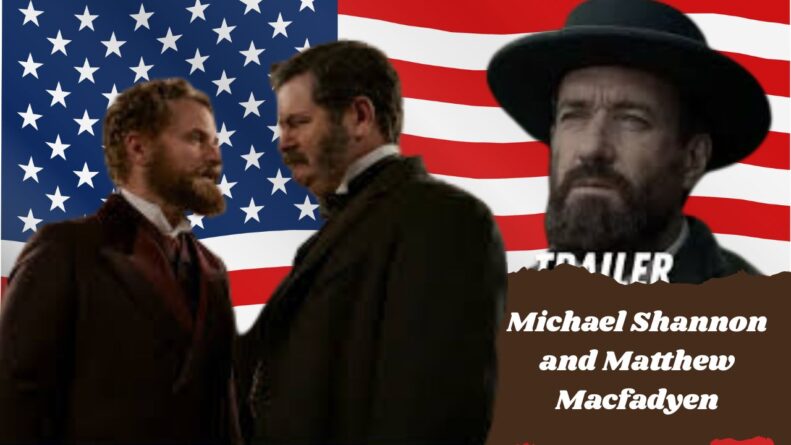
Michael Shannon and Matthew Macfadyen
Likewise, Macfadyen as the mentally deranged assassin Charles Guiteau is an exercise in rattling restraint. Rather than barking like a lunatic, he gives us a chillingly believable narcissist whose grandiose delusions become deadly after he believes he’s been slighted by the government. Both Times Square and Ballet Mécanique are definitive performances by artists of the highest caliber and when these two extraordinary actors share even a few brief scenes, it electrifies the room.
A Story Rushed Through History
Yet the very brevity that allows the series to have a tight focus ultimately becomes its undoing. With only four episodes, the drama speeds through Garfield’s volatile ascent; the political fights, the assassination, and the tragic fallout. The intricate, sleazy post–Civil War American political landscape which Garfield was frantically trying to clean up, seems drawn in rather than drawn out.
Crucial political and personal story lines are hurried, not allowing viewers to fully process the scope of Garfield’s vision and the pervasive institutional problems he confronted. Although the plot conforms to historical facts, it seems to be moving along a highlight reel, thus depriving the momentous events of their authentic emotional and intellectual weight.
Missed Opportunities in Exploring Tragedy and Reform
The tragic thing about the Garfield story is not just the bullet but the subsequent, excruciating medical malpractice that resulted in his death months later—a detail beautifully and painfully unpacked in the source material.
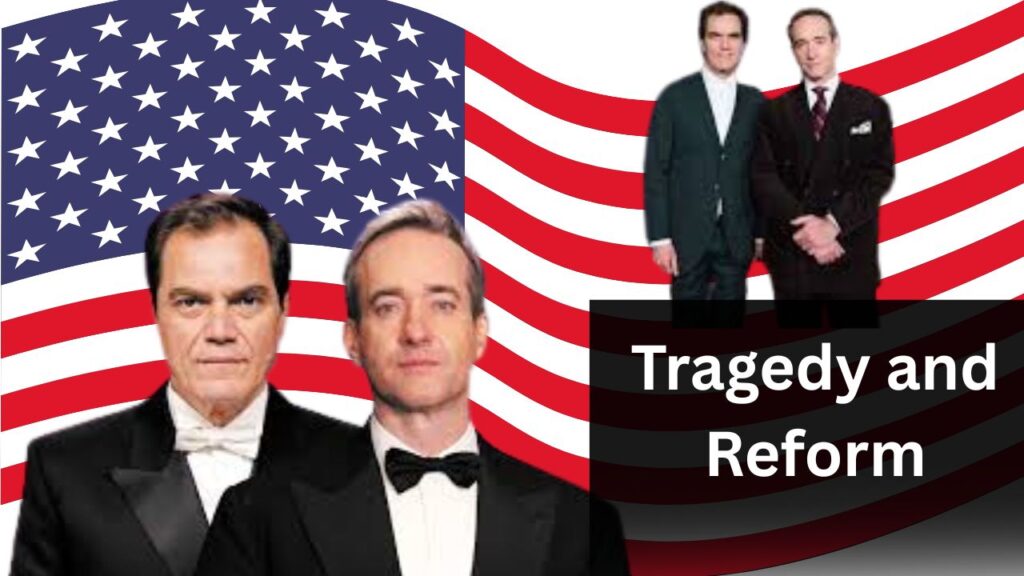
Exploring Tragedy and Reform
The series nods to this, but its truncated format means the horror and absurdity of the medical ignorance doesn’t fully register. It’s in these pivotal, enduring moments that a genuine political drama finds its voice – revealing the systemic failures that magnified a personal tragedy.
A Brilliant Flash That Fades Too Quickly
Death By Lightning is a casualty of its brevity. It’s an effective (albeit superficial) flashback to a chapter in American history largely forgotten, and the work of its two stars makes it unforgettable.
But a story of this scope involving a president’s assassination, political corruption and the tragic crossroads of American determination requires more than a boiled-down treatment.
As report says, Beautifully shot and superbly acted, it’s less like a finished, fully resonant drama and more like a powerful, introductory prologue, a brilliant flash in the dark that leaves you wanting the narrative equivalent of a full tempest.
Conclusion
Death by Lightning is a show that glistens with stellar acting and pristine production values but doesn’t quite grant its narrative the depth it merits. But Michael Shannon and Matthew Macfadyen give strong performances that humanize and energize the limited four-episode format that does not allow the political and emotional strands to fully unravel.
What might have been a deep dive into ambition, tragedy, and systemic collapse, instead comes across as a beautifully staged synopsis of a much bigger narrative. Ultimately Death by Lightning isn’t just gorgeous and intermittently stirring but cuts too suddenly, leaving its viewers haunted, not by what has been seen, but by what’s been left unsaid.
About Us
Welcome to FandomFans — your source for the latest buzz from Hollywood’s creative underworld. Here, we explore the art of filmmaking, knowing about how visionary directors, designers, and actors shape the worlds we escape into.
Today we break down on How Death by Lightning turns out both beautiful and at times touching but it runs out too soon. It is thus that his viewers are unsettled, not for what they see, but what goes unsaid.
Alpana
Articles Published :
156
Alpana is Fandomfans Senior Editor across all genres of entertainment. She evolved in the media industry since a very long time, she manages the content strategy and editing of all the blogs. Her focus on story development, review analysis, and research is well-equipped that ensures every article meets the standards of accuracy and depth.
The new Lord of the Flies 4-part series on BBC/Netflix throws out the rulebook and critics can’t agree on whether that’s brilliant or a big mistake. If you have started watching this mini-series, you probably noticed that there is no main character. Still, the show received huge appreciation and 96% rating on rotten tomatoes for its bold storyline.
Famous William Golding’s 1954 novel showed Ralph as the main lead, he is a kind and honest kid who is trying not to lose its moral compass while everything falls apart. But the TV adaptation, written by screenwriter Jack Thorne, adds an impressive shift in the story where all four different boys get equal time and equal amount of potential in the series.
Old readers who read the original story and the new viewers of the film debate on this change and receive mixed reviews from critics. Let’s understand the narrative of the story and Jack Thorne’s bold move.
Overview of The Lord of the Flies Story
If you haven’t read the book, you never got the chance to know the original story. The story is about four schoolboys, their plane got crashed and the next minute, they get stranded on a remote jungle island. Left without adult supervision and no rescue on sight.
They started to build civilized society by making shelters, keeping an eye on signal fire and voting for a leader. But fear clouded their trust and turned them against each other. A civilized society fades away, tribal violence takes place. By the end, boys are being hunted and killed by other boys.
The story was simple and thrilling from Golding’s perspective, darkness in human nature exists in everyone, just wanting to come out and for that we don’t need someone to teach us to be cruel.
When And Where You Can Watch?
Lord of the Flies is a British mini series directed by Marc Munden and written by Jack Thorne with a unique aspect in story structure. You can watch it in the UK on BBC One and BBC iPlayer on February 8, 2026.
It became accessible globally later and received huge ratings after its release on Netflix on May 4, 2026.
The Four-Part Perspective
Each 60 minute episode shifts perspective in Jack Thorne’s adaptation to focus on the inner life and viewpoint of a different core character rather than one continuous story told from a single point of view:
Episode 1: Focuses on Piggy who is a smart but bullied outsider. But he is the one who sees the danger long before anyone else does.
Episode 2: Puts us inside the shoes of Jack, the choirboy who descends into tribal violence because of his hunger for control.
Episode 3: The most spiritual and quiet boy who seems to understand the island’s evil is Simon.
Episode 4: Then we came to Ralph, elected leader, who is trying to hold onto civilization and questions, is that even real.
This setup changes the entire view of the story as we get to see the island’s slow drop into chaos through four entirely different sets of eyes. At the end, Island collapses through three other pairs of eyes. The sadness and grief of Ralph which comes from his failure of civilized society hits differently.
Cast & Characters
Winston Sawyers as Ralph
David McKenna as Piggy
Lox Pratt as Jack
Ike Talbut as Simon
Is this Jack Thorne’s usual style?
Lord of the Flies is not a surprise as Thorne previous shows also hit differently for their unique aspects. Other thrillers like His Dark Material also deliver a fascinating story, co-wrote Harry Potter and the Cursed Child for the stage.
The pattern is the same for his projects, even Enola Holmes films are also as fascinating as others are. His work is outstanding and focuses on why people do what they do, not just what they do.
He perfectly defines the line — No one is born evil; they become it. He rarely writes a villain who is simply evil for no reason, there’s always a wound underneath the bad behaviour. The trauma that triggers evilness can be anything including the fear, the childhood hurt, the moment when things went wrong.
Splitting the story into four character studies is the most “Jack Thorne” thing Thorne could possibly have done.
Jack Thorne writes the character’s depth so well that it puts you into their shoes and see through their viewpoint. Piggy’s episode feels like being the last kid picked at school with its innocent glance.
Then intoxicating jack which starts as powerful and then right up until the moment it curdles into cruelty.
Why Critics Are So Divided
This series received mixed reviews from critics, some of them are impressed and the others are disappointed for altering the original story.
What People love
What People Criticise
It’s cinematography and an outstanding performance by the cast. A fresh perspective with every episode so it becomes unpredictable for book readers too.
Fading Golding’s point by adding backstories for the boys. The story stops being as warning for their cruelty and becomes a social work case study instead.
Golding’s original novel does not explain why the boys become violent. It showed people can do horrible things without any reason just by fearing to lose power and control. Evil does not happen because of something hit and causes to trigger evilness, it just happens to be there in everyone, even in the good ones too.
The 2026 Lord of the Flies shows the evilness in boys pushed by the experience in their actual life before the island. The show highlights everyone’s past flashbacks — Jack’s controlling father, of Piggy’s loneliness at home. But those who love the original story of the book argued about the shift that Thorne made because it seems smaller and less thrilling than Golding’s whole point was that there is no comfortable explanation in evilness.
Those who like Tv adaptation say that this is a perfect narrative for modern audiences, no one wants to take guidance. And spending real time inside each boy’s head showed everybody’s own perspective, making the story more devastating.
Conclusion
The 2026 Lord of the Flies is one of the best adaptations of the year, you can watch the show and never forget about it. The storyline keeps the viewers consumed in every character’s evilness and causes a bold shift from Golding’s novel. Whether it captures the book’s darkest idea, or quietly steps back from it, is the debating topic after the huge hit of the series.
Fandomfans deliver deep theories from movies, series, and celebrities, our focus is to provide you accurate and fact based theories in a simple way.
Babita
Articles Published :
25
Babita is Fandomfans Editor, experience in managing content. Her focus in general movies and web series. She is having a deep interest in TV shows and 90s movies - particularly Lord of the Rings, Harry Potter, & Rom-Com. Babita also covers psychological thrillers and major releases in current time and concern with deep interest in them.
2025 has been a surreal, wonderful, and completely hectic year in television. The breathless breath-holding of 2024 was behind us in 2025, and everyone could exhale—and wow did they have a lot to say. Let’s look into the list of Best TV shows of 2025 to binge watch on weekends.
There are: everything from the revival of the traditional hospital drama (hello, Noah Wyle) to sci-fi prequels that actually, somehow, lived up to the hype. There were hockey players falling in love, Seth Rogen mocking his own industry, and Vince Gilligan showing, yet again, that he views the world through lenses unlike the rest of us.
If your head is spinning from all the “Must-Watch” lists, just breathe. I’ve spent more hours on my couch this year than I care to admit, all of which went towards crafting this: a human, honest, spoiler-light guide to the absolute best TV shows of 2025.
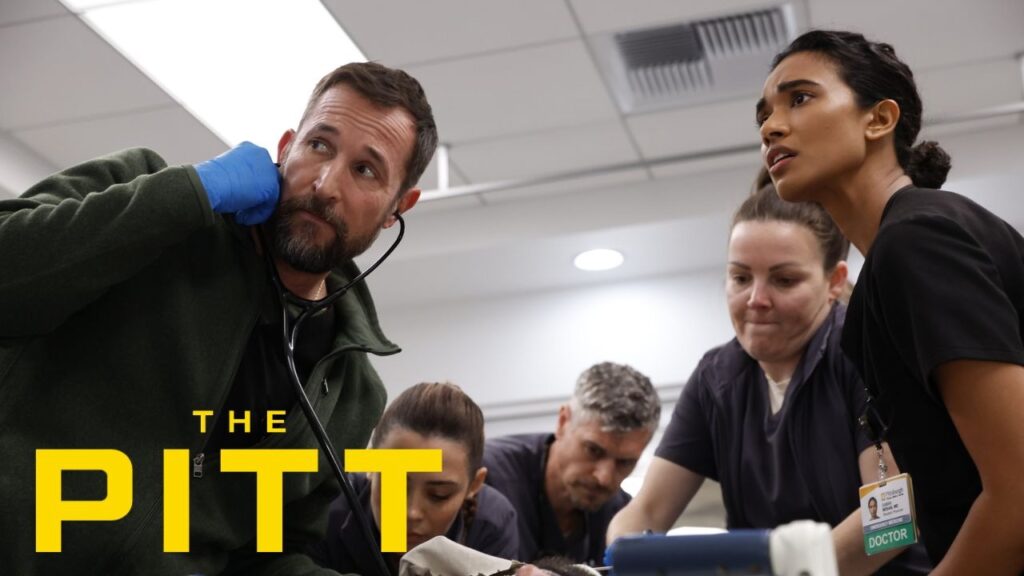
1. ‘The Pitt’ (HBO/Max)
Let’s be honest: none of us were getting enough 1990s ER adrenaline rush. We just didn’t realize how much until The Pit came crashing down. Noah Wyle back in medical scrubs was like a warm embrace from an old pal, but don’t let the nostalgia baiting fool this isn’t Dr. Carter 2.0.
Image Credit: Fandomfans
Wyle stars as Dr. Michael Robinavitch and there’s a more grimy, frantic and weary feel to the series than that of its spiritual predecessor. It expresses post-pandemic exhaustion of those in the medical field in a way that is almost tactile. The camera work is frantic, the dialogue is overlapping all the time, and you can feel the tension in your chest. It’s not just “good TV,” it’s, like, necessary TV. It’s a love letter to the people who keep us alive, written in blood, sweat and hospital cafeteria coffee.
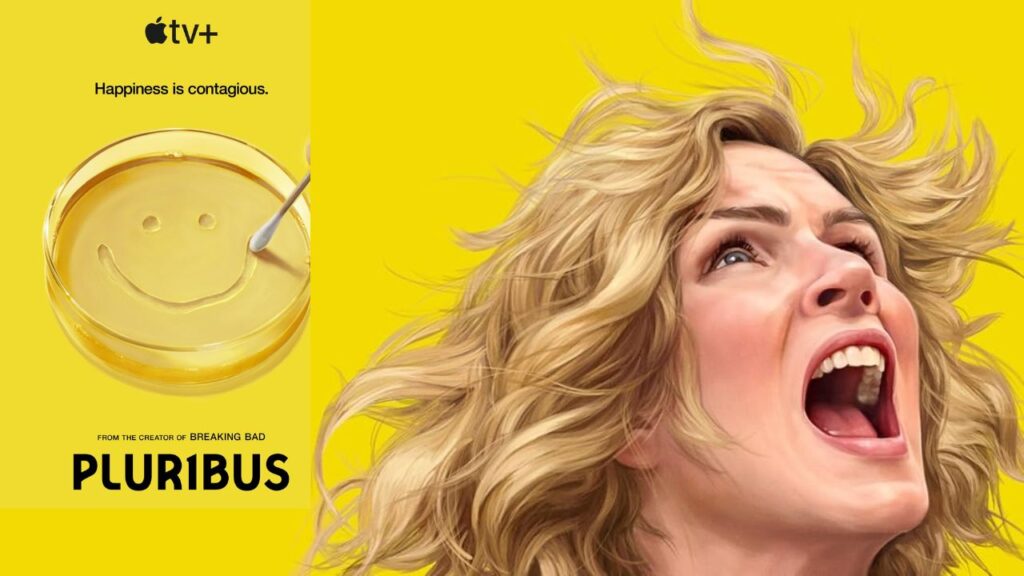
2. ‘Pluribus’ On Apple TV+
Vince Gilligan, of course, is the architect of such dazzling and trailblazing series as If “Pluribus” was a surprise, it probably means that he is doing something completely new and different, which is exciting. Leading the superb Rhea Seehorn (at last she’s getting her due!), the series centers on a cynical romance novelist, Carol, who is attempting to navigate a world altered by a bizarre alien virus.
Image Credit: Fandomfans
It’s insane sci-fi-sounding, but in typical Gilligan style it’s really about people. “It’s about loneliness, artificial intelligence and what it means to be ‘human’ when humanity is facing its own demise.’’ Seehorn is magnetic—she can do more with a silent stare than most actors can do with a monologue. It’s strange, it’s silent, and it will be lingering in your mind for DAYS. If you enjoyed the character-driven suspense of Better Call Saul, this is your newest obsession.
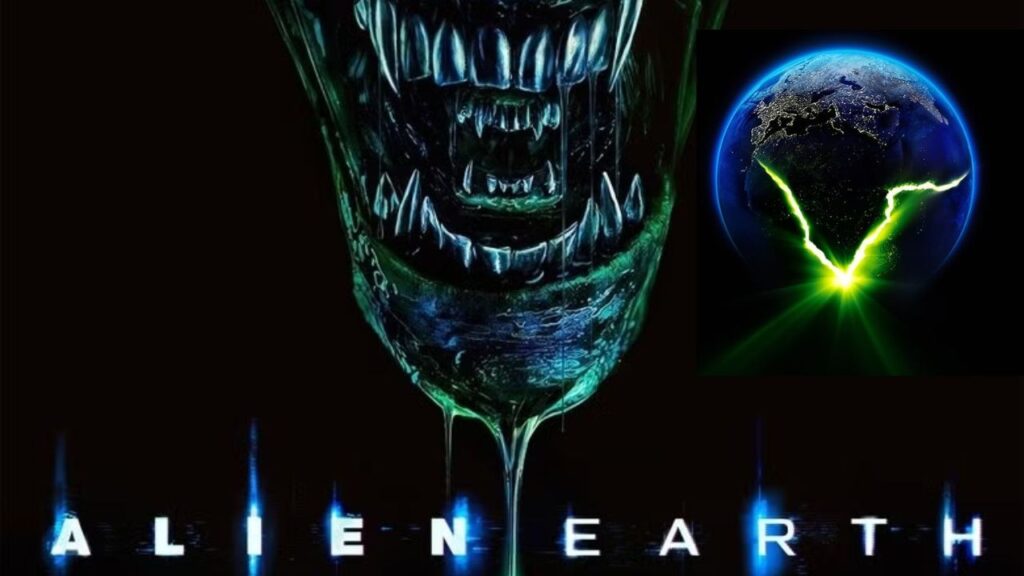
3. ‘Alien: Earth’ (Hulu/FX)
I was skeptical. We all were. Another Alien movie, do we really need it? Noah Hawley (Fargo, Legion) saw our doubts and pulverized them with a xenomorph tail.
Image Credit: Fandomfans
Obviously set on Earth, and years before Ripley ever boarded the Nostromo, this series takes the horror home — literally. It combines the Weyland-Yutani corporate greed with the visceral terror of a creature that simply should not be on this planet. The special effects are Hollywood quality, but what makes it work is the patience. Hawley allows the dread to build slowly to the point that you’re yelling at your TV. It’s the first time in decades the franchise has been scary rather than just gross.
4. ‘Black Rabbit’ (Netflix)
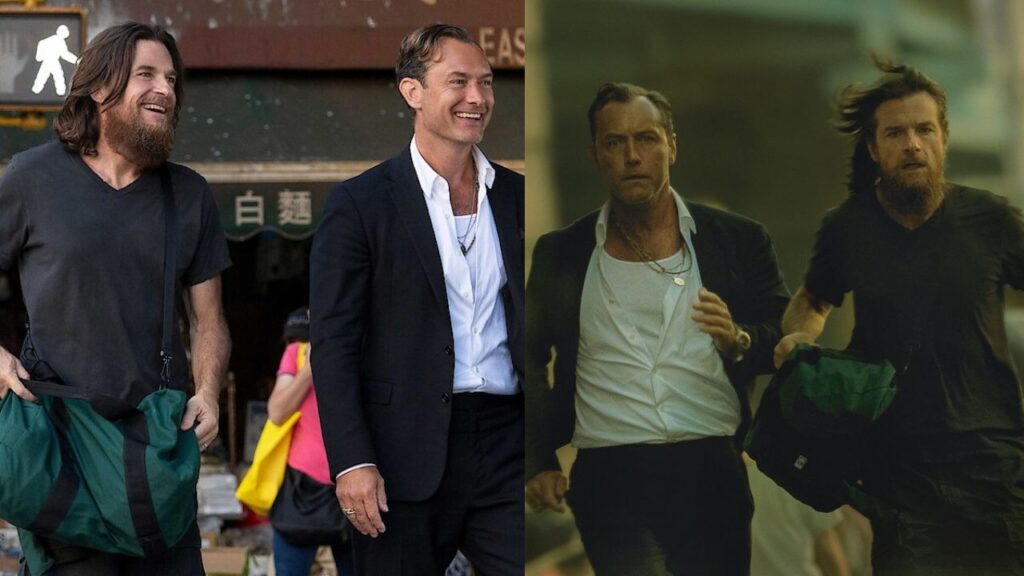
Black Rabbit does none of that — though, to be clear, that’s not a criticism — but what it does deliver is a darkly funny, taut little drama in which two of Hollywood’s most magnetic stars go head to head in two-hander theatre. Jason Bateman and Jude Law star as siblings – one a responsible restaurant owner, the other a chaotic agent of destruction – caught up in the New York criminal underworld.
Image Credit: Fandomfans
It’s classic noir territory, made perfect. Bateman plays against type as the “screwup” brother (Vince), and Law is the straight man (Jake) trying to keep it all together. The best way to describe the tension is to say that it’s suffocating. It’s a slow burn that explodes in the final episodes, reminding us that family is often the most dangerous thing of all.
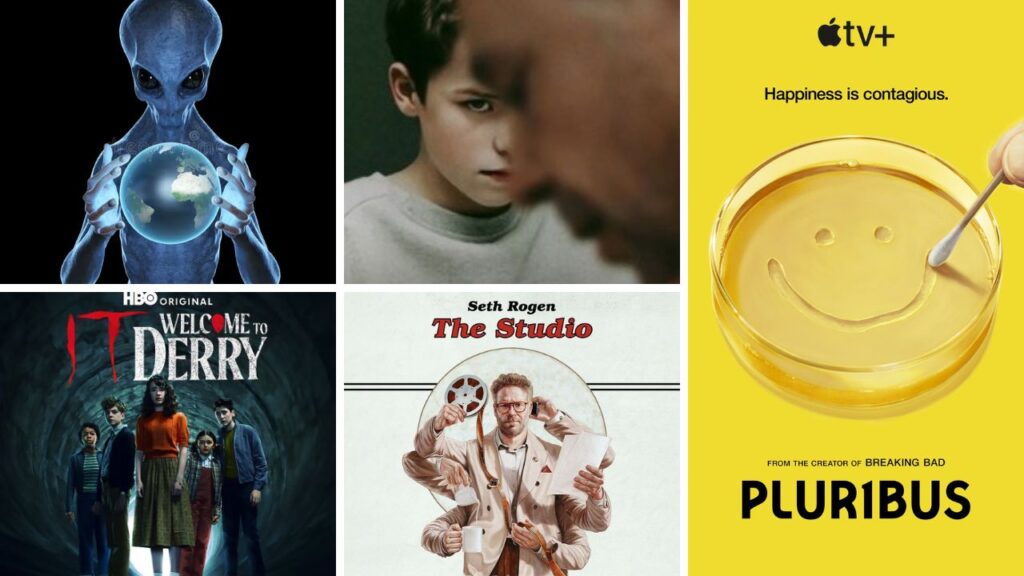
5. ‘IT: Welcome to Derry’
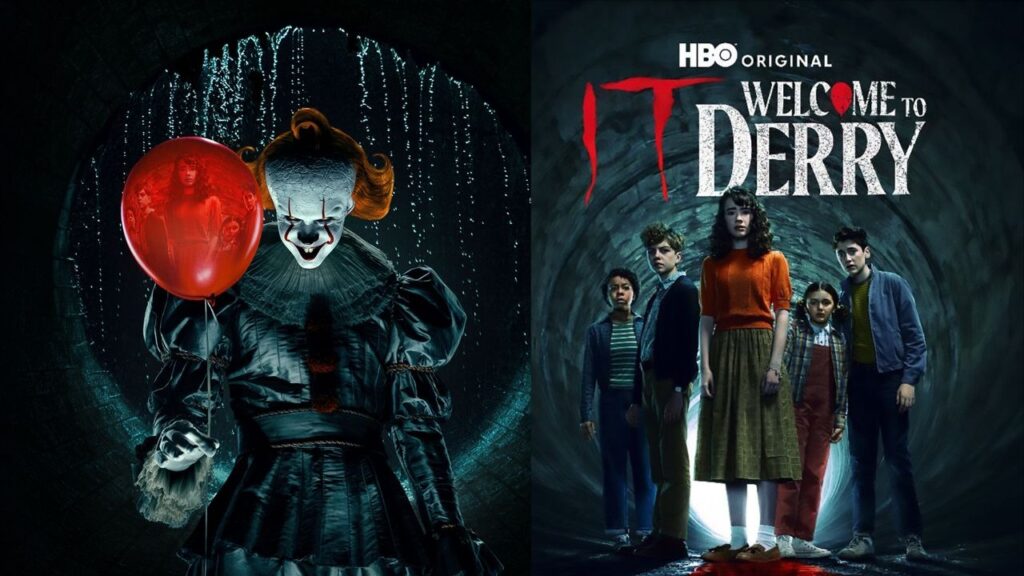
IT: Welcome to Derry is one of the 2025’s best horror series, bringing Stephen King’s terrifying universe to new horizons full of scares and lore. Set in 1962 Derry, Maine, the HBO Max prequel exploresPennywise’s origins and the town’s cursed history through a new group that stops aside the original Losers’ Club.
Image Credit: Fandomfans
The series centers on a group of new kids—Teddy, Phil, Lilly and Ronnie—probes into missing children and strange occurrences four months after one of their classmates goes missing. Military tension is added with Major Leroy Hanlon arriving at Derry Air Force Base amid icy treatment and top-secret missions. Episodes lurk in dread through psychological horror and social undercurrents of small-town America — and with glimpses of Pennywise’s influence — and slow-burn suspense with shocking reveals.
6. ‘Adolescence’ (Netflix)
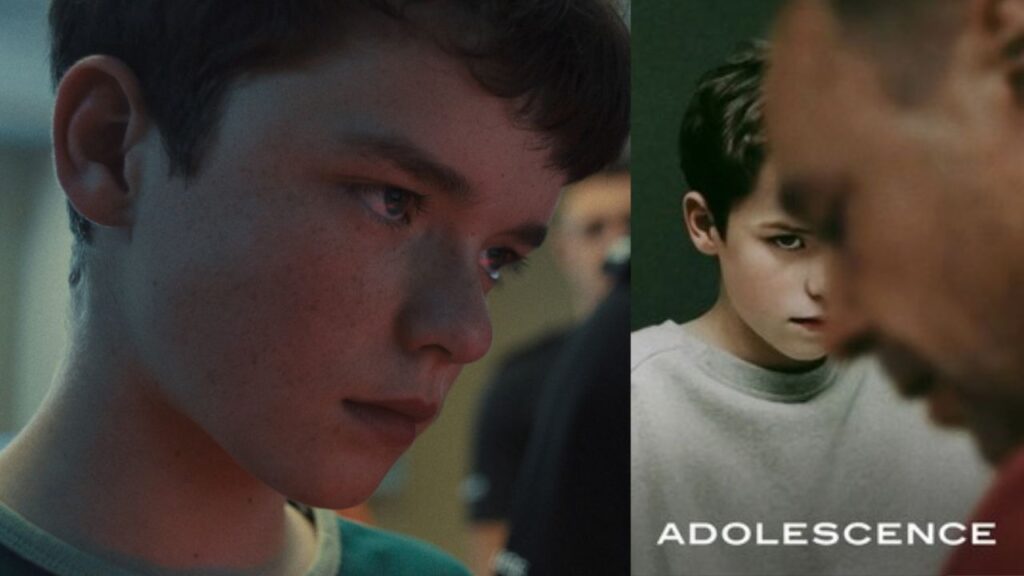
“Adolescence,” a heartbreaking miniseries on teen violence, family breakdown, and social abandonment, had its world premiere on Netflix in 2025. Following 13-year-old Jamie Miller who is arrested for stabbing a classmate, the four-part drama from Jack Thorne and Stephen Graham is told through raw, single-take episodes that are uncomfortably real.
Image Credit: Fandomfans
With each hour-long episode taking place over a single uninterrupted day in real time – like a stage play on steroids – the perspective shifts to various other consequences: the mayhem at the police station, the family disintegration, psychological tests, and courtroom brinkmanship. Stephen Graham commands as dad Eddie, a policeman whose world crumbles; rising star Owen Cooper (actually 15) as Jamie seizes scenes with his explosive cocktail of charm, rage, and lost-child fragility. It’s called “TV perfection” for its emotional economy and refusal of easy answers.
7. ‘The Studio’ (Apple TV)
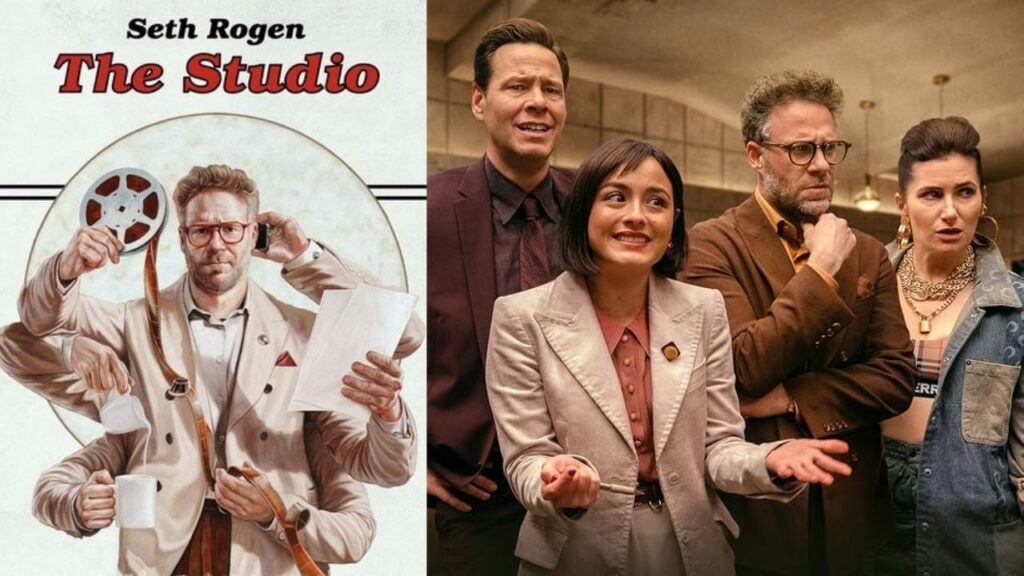
The Studio Apple TV+ show centers on neurotic Hollywood executive Matt Remick (Rogen), who is suddenly tasked with running Continental Studios, balancing money-making IP like a Kool-Aid Man movie with his dreams of art-house treasures with filmmakers like Scorsese.
Honorable Mentions
Andor Season 2 definitely set a new standard for Star Wars storytelling, turning in a finale that thrilled from beginning to end. The White Lotus season 3 blasted off its typical mayhem from Thailand and didn’t disappoint with how unpredictable and dramatic it would be. Meanwhile, Dexter: Resurrection takes a half-decent stab at righting a few of the show’s past missteps, and in doing so redeeming itself somewhat.
Whether it was aliens, doctors, or hockey players, the finest programming this year centered on relationships. They made us remember the reasons we watch: to be comforted in our solitude, to laugh at the absurdity of existence, and to see our own faces in the maelstrom. So get your remote, order some takeout and dive in.The golden age of TV isn’t over — it just evolved
Dive into the cinematic world where you can enjoy movies and TV shows updates with Fandomfans, our goal is to deliver a top shows list to end your long search.
Mariyam
Articles Published :
76
Mariyam Khan is Fandomfans Content Writer and providing reports and reviews on Movie Celebrities, and Superheroes particularly Marvel & DC. She is covering across multiple genres from more than 4+ years, experience in delivering the timely updates.