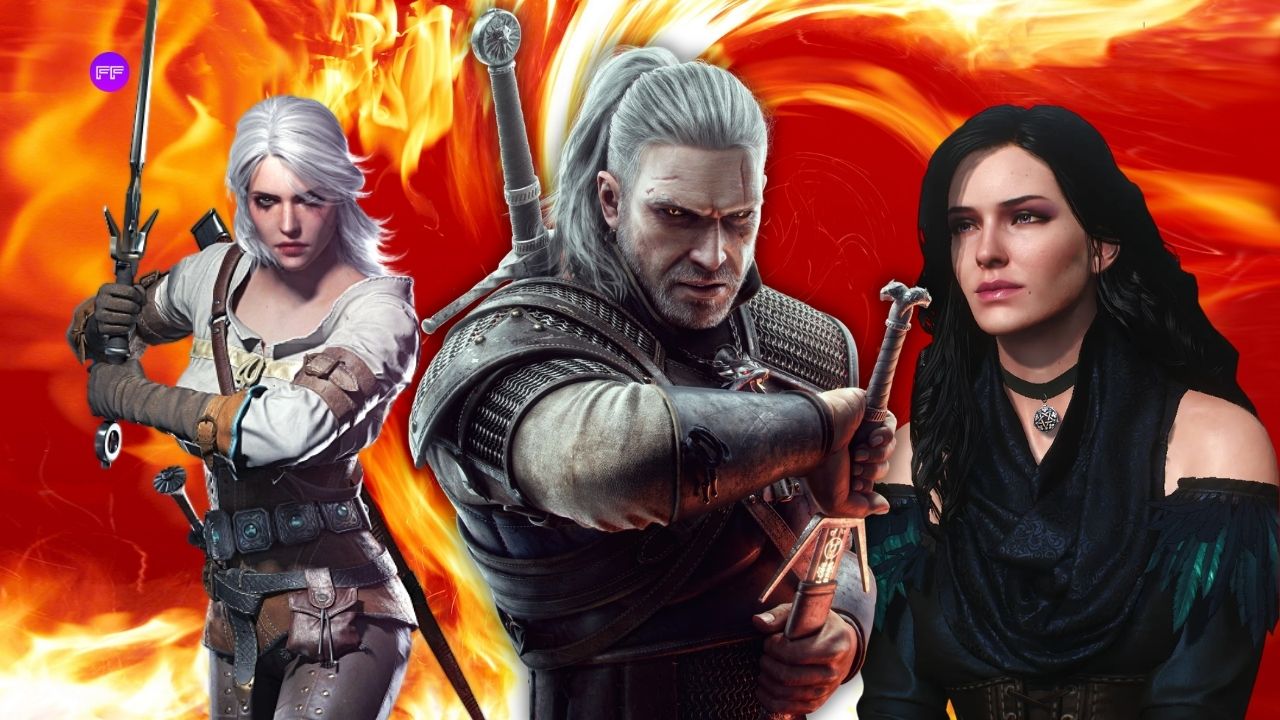
Discover why The Witcher 3: The Last Wish is the perfect prequel, exploring Geralt’s origins, key characters, and the story that sets the stage for his legendary journey.
CD Projekt Red revealed Songs of the Past this month at gamescom, The Witcher 3 expansion. There is also Ciri-led Witcher 4 already in production that sparked an online discussion about the book ‘The Last Wish’ which is the origin story – the Wild Hunt is built on. The book is a collection of short stories published in 1993.
There is a reason why fans talk about it now, it helps you understand the emotional history behind some of the biggest moments in the game. So some suggest reading it before playing a game or some say read it after so it will be more interesting.
Why The Witcher 3 Players Are Picking Up This Book
Wild Hunt released on May 19, 2015, and went on to win more than 250 Game of the Year awards. It’s still one of the most replayed RPGs on the market a decade later, which is exactly why CD Projekt Red keeps feeding it new content instead of letting it rest — Hearts of Stone and Blood and Wine both landed in 2015 and 2016, and now Songs of the Past is coming to close out the trilogy of expansions. For a game built almost entirely on the idea that your past choices and Geralt’s catch up with you, it makes sense that new players are asking where that past actually started.
It didn’t start with the game. Andrzej Sapkowski, a Polish former economist turned fantasy writer, published his first Geralt short story in 1986 and collected the earliest ones into The Last Wish (Ostatnie życzenie) in 1993 — more than twenty years before CD Projekt Red touched the material.
Gollancz published the UK edition in June 2007, with a US edition from Orbit following in 2008, translated by Danusia Stok. So when people call it “the perfect prequel,” they don’t mean Sapkowski wrote it as a companion piece to a video game that didn’t exist yet. They mean it’s the actual literary starting point of everything that follows — books, games, and the Netflix show alike.
The Witcher 3: The Last Wish Plot Explained
It’s six novella-length short stories, wrapped in a framing narrative called “The Voice of Reason,” which is itself split into seven short parts scattered through the book. The frame is simple: Geralt, badly wounded after a fight, is recovering at the Temple of Melitele under the priestess Nenneke, and each time the story cuts back to the temple, it triggers a flashback that becomes the next full story.
It’s a structure that rewards picking the book up in short sessions — you can read one story, stop, and not lose the thread, which is rare for fantasy fiction and part of why it works so well for people used to console gaming in bursts.
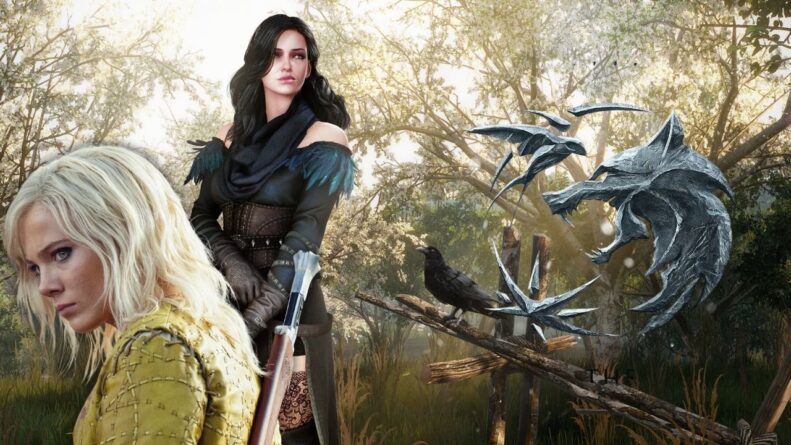
The six stories, in the order they appear, are:
- “The Witcher,”
- “A Grain of Truth,”
- “The Lesser Evil,”
- “A Question of Price,”
- “The Edge of the World,”
- and the title story, “The Last Wish.”
None of them require you to have read anything else first. That’s deliberate — this is Sapkowski introducing his own world to readers who’d never met Geralt before, which is precisely the position most The Witcher 3 players are in relative to the books.
The three stories not covered in detail below still matter. “The Witcher” is the striga contract at Wyzim that opens the book and establishes what Geralt’s job actually looks like day-to-day.
“A Grain of Truth” is a doomed romance with a cursed nobleman named Nivellen, closer to a Beauty and the Beast retelling than a monster hunt.
“The Edge of the World” sends Geralt into elven territory and does more to establish the tension between humans and the Elder Races than anything Wild Hunt shows directly.
None of the three are essential to understanding the game, but they’re short enough that skipping them saves almost no time.
A Small Publishing Twist Worth Knowing
Sword of Destiny actually printed in 1992, a full year before The Last Wish hit shelves in 1993. So chronologically inside the story, Last Wish comes first but it wasn’t published first in its original language.
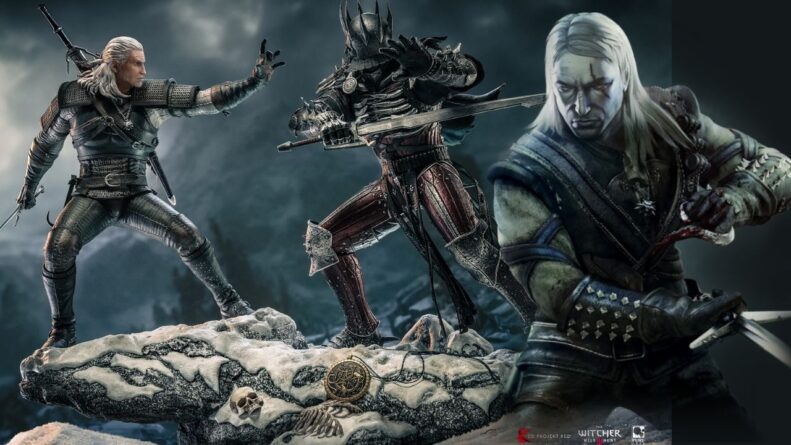
English readers dodge that confusion entirely, because Stok’s translation of The Last Wish arrived in 2007, while Sword of Destiny wasn’t translated into English until 2015. If you’re reading in English, you’re already getting the books in the “correct” story order without trying.
The Three Stories That Explain The Witcher 3’s Biggest Moments
You don’t need all six stories to understand why the book pairs so well with the game, but three of them do a specific job the game just assumes you already know.
“A Question of Price” — Where Ciri’s Fate Actually Starts
This is the story that introduces the Law of Surprise — the custom where a person saved from death owes their rescuer whatever they didn’t know they had at the time, whether that’s a sack of gold or an unborn child. Geralt invokes it almost as a formality at Pavetta and Duny’s betrothal feast at Cintra, not realizing what he’s just claimed. Wild Hunt spends dozens of hours on Geralt’s bond with Ciri, treating her as the daughter he never planned to have.
This story is the moment that bond gets created, on paper, years before Ciri is even born. Nothing in the game explains the Law of Surprise this clearly — you either already know it or you’re taking the game’s word for why Geralt cares this much.
Read More 👉 Spider-Man: Brand New Day Ending Explained – 6 Marvel Loose Threads
“The Last Wish” — Why Geralt and Yennefer Are Bound Together
The title story is where Geralt and the bard Dandelion free a djinn from a shattered vessel, and where Geralt first crosses paths with the sorceress Yennefer of Vengerberg. It’s a messy, funny, occasionally chaotic story — Yennefer manipulates Geralt into attacking a group of councilmen before the two of them team up to deal with the djinn itself and it ends with Geralt using his last wish to tie his fate to hers.
Wild Hunt shows you the relationship between them but the story shows you the moment it had all started. The game assumes you probably understand the deep connection and bond of Geralt and Yennefer which tied them together from the beginning, even when neither of them really realizes it.
“The Lesser Evil” — Geralt’s Whole Moral Code in One Story
One of the important stories where you understand what makes The Witcher 3’s choices feel different from other RPGs. Geralt had to make a difficult choice, kill Renfri, a woman who has suffered badly but has also killed people, or let her live to kill more people. Sapkowski ‘s entire point is that “the lesser evil” is still evil, and thinking otherwise is a lie, people telling themselves to feel better about hard decisions.
“Sometimes you have to live with your choices because there is no truly good option.”
That’s the exact philosophy behind almost every quest branch in Wild Hunt, from the Bloody Baron questline to the fate of Ciri at the very end. The game never states this philosophy outright. The book does, in one uncomfortable short story.
The Netflix Show Already Adapted This Book — Which Is Why Season 1 Felt Fragmented
If you came to Geralt through Netflix instead of the game, you’ve technically already met most of this book, just in the wrong order.
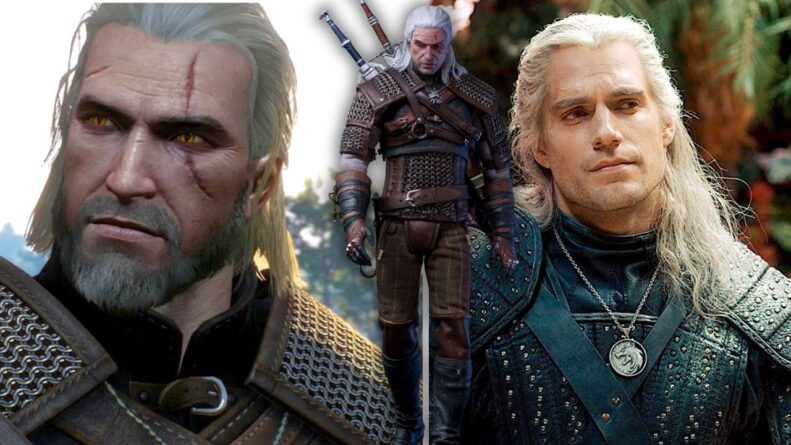
The Witcher Season 1 have eight episodes in which the first five adapted from:
- Betrayer Moon —- The Witcher
- Of Banquets, Bastards and Burials —- A Question of Price
- Four Marks — The Edge of the World
- Bottled Appetites —- The Last Wish
- From End’s Beginning —- The Lesser Evil
The remaining three episodes pull from Sword of Destiny instead. Showrunner Lauren Schmidt Hissrich chose to mix Geralt’s, Yennefer’s, and Ciri’s timelines together and present it on-screen for viewers but this choice made this season harder to understand without making each event clear during the story jumps across decades.
Reading The Last Wish doesn’t just prepare you for the game. It untangles exactly what confuses people about the show, because you’re seeing the same five stories told in a straight line instead of cut into pieces.
Should You Read It Before or After the Game?
You can read this book before playing the Wild Hunt because The Last Wish doesn’t spoil a single plot point from Wild Hunt because It’s set years before the game’s story, so there’s no spoilers. It just removes the distant feeling that many players experience in the first ten hours, where Geralt clearly has a history with Yennefer, Triss, and Ciri, and it references endlessly but never fully explains because CD Projekt Red thought that players had already read the books.
Reading it after finishing the game still works, and some players actually prefer it that way, because it reveals the part where you assume and then get surprised with the actual story behind it. So both options work so well.
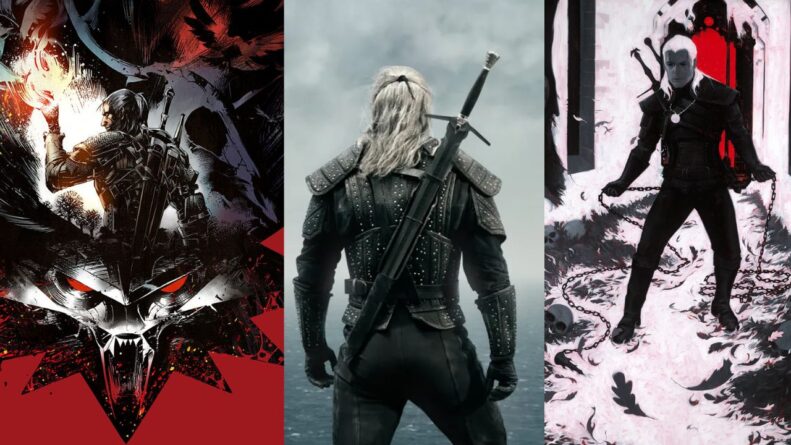
However, skipping it entirely and depending on the game’s codex entries won’t work to understand the story behind these relationships and make your interest loose.
If you want a low-effort entry point, the 2014 UK Audible production, narrated by Peter Kenny, runs a little over twelve hours — short enough to finish over a couple of weeks of commutes, and it’s the version most audiobook-first readers point to as the strongest performance of Geralt’s dry, deadpan voice.
Read More 👉 Top Superhero Comics: What Are the Best Superhero Books for Beginners?
Conclusion
If you’re one of the players jumping back into Wild Hunt because of the Songs of the Past reveal, or picking it up for the first time because Witcher 4 is putting Ciri in the lead role, The Last Wish is the single most efficient piece of reading you can do first. Skip Sword of Destiny and the five-book saga for now because none of that is required to enjoy the game, and it’s a much bigger time investment.
Read these six stories, pay close attention to “A Question of Price,” “The Last Wish,” and “The Lesser Evil,” and you’ll walk into Wild Hunt already understanding why Geralt fights as hard as he does to protect people he technically didn’t have to.
The Witcher 3 expanded context doesn’t just make the game make more sense — it makes the ending land harder, which is exactly what a good prequel is supposed to do.
Get connected with Fandomfans to receive updates and theories behind every movie, series, and celebrities.