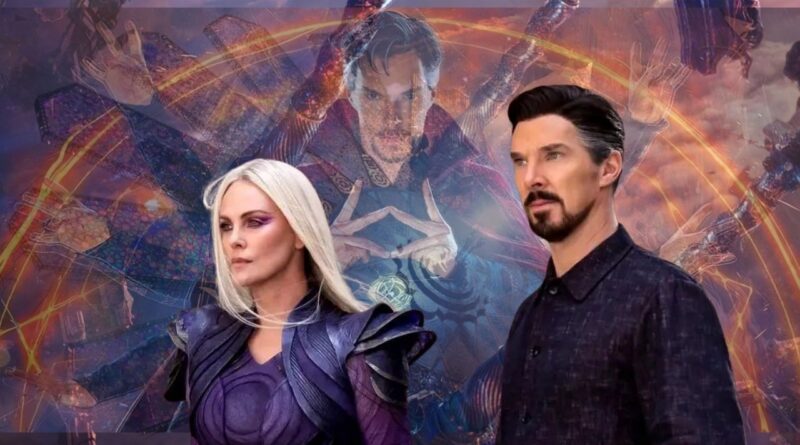
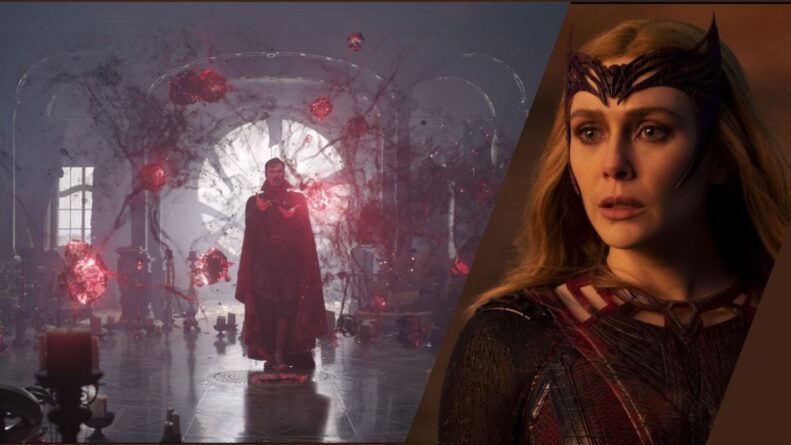
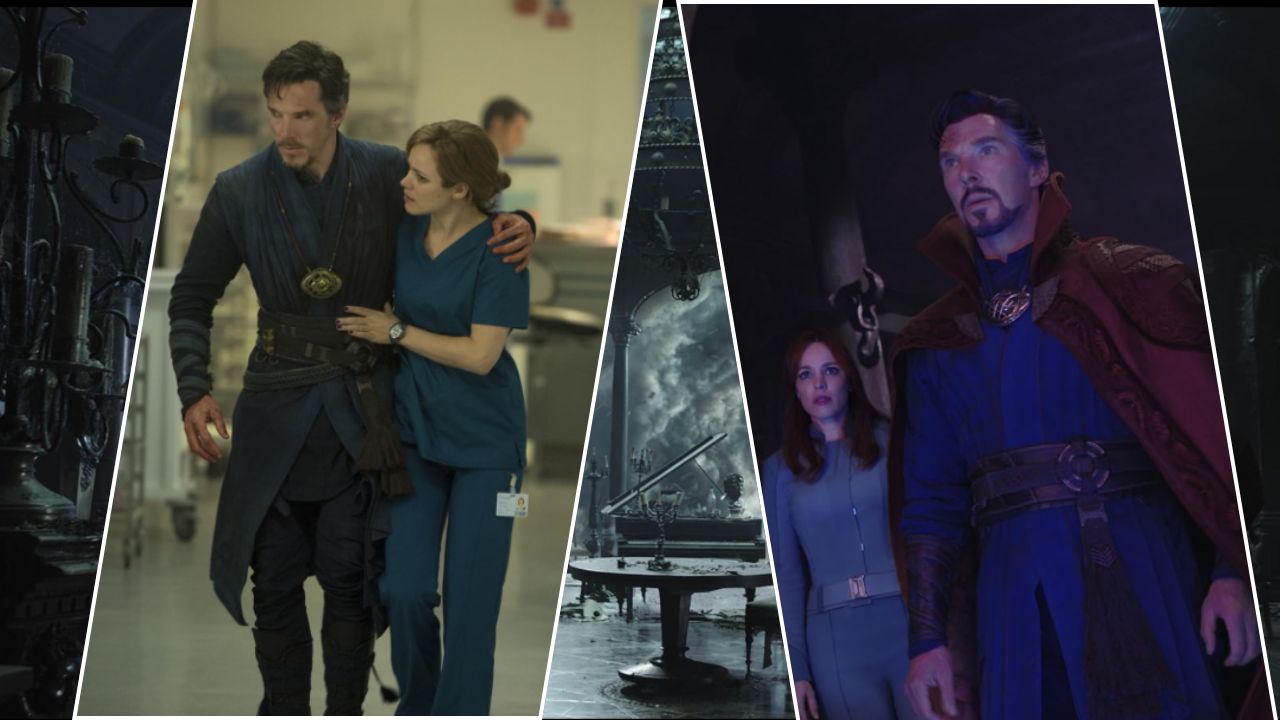
Benedict Cumberbatch has an extraordinary double billing in Hollywood right now. He’s in, a cornerstone, really, of Marvel’s almighty cinematic universe (MCU). On the flip side, he has a solid independent film career, as evidenced by his upcoming film, The Thing With Feathers. That balance of blockbuster dominance and arty experimentation speaks to his versatility, and the power of his star.
Reports indicate that the MCU is the financial foundation and global visibility for Cumberbatch, but projects like The Thing With Feathers are vital to keep his critical worth alive. This file claims the actor is now carrying out a “legacy management” approach, wielding clout to influence the creative direction of his blockbuster commitments and demonstrated by his producing role and director selection preferences while also going back to his experimental, literary roots in adaptations.
The Thing With Feathers
The Thing With Feathers is a departure from the visual effects-laden projects that Benedict Cumberbatch has been attached to of late. From acclaimed novelist Max Porter’s bestselling novella Grief Is the Thing with Feathers, the film preserves the book’s idiosyncratic, poetic form and surreal atmosphere.
The plot revolves around an unnamed London father (Dad) and his two sons as they struggle to survive in the wake of the sudden death of their wife and mother. Into their mourning home comes Crow— a frenzied, mythic character who says he’ll remain until the family no longer requires his presence. Crow is the physical manifestation of grief, so for Jack, it’s the personification of losing his wife.
Image credit: Fandomfans
Helmed by Dylan Southern, it employs a dreamlike non-linear narrative to bring Porter’s emotional, stream of consciousness novel to life on the screen, mixing stark household realism with surreal horror.
Cast Highlights
Benedict Cumberbatch as Dad – a profoundly raw portrayal of mourning, more in line with his work in Patrick Melrose than Doctor Strange.
David Thewlis as Crow – a sinister but bright, guardian and bully.
Richard and Henry Boxall play the brothers, and this is the one that really did engage me emotionally.
The movie doesn’t treat grief as hushed sorrow, but as frenetic, cluttered, and terrifying. Crow becomes the father’s Jungian shadow, making him face feelings he seeks to escape – turning the tale into a psychological thriller where the real beast is internal suffering.
Early reviews For The Thing With Feathers
Image credit: Fandomfans
Cumberbatch’s acting is considered to be one of the best if not the best. Praise for him speaks of him being in “terrific shape” and turning in a performance that is “confidential and emotional”. The Guardian also notes that:
“While the attention is on the home drama the film is involving and
affecting.”
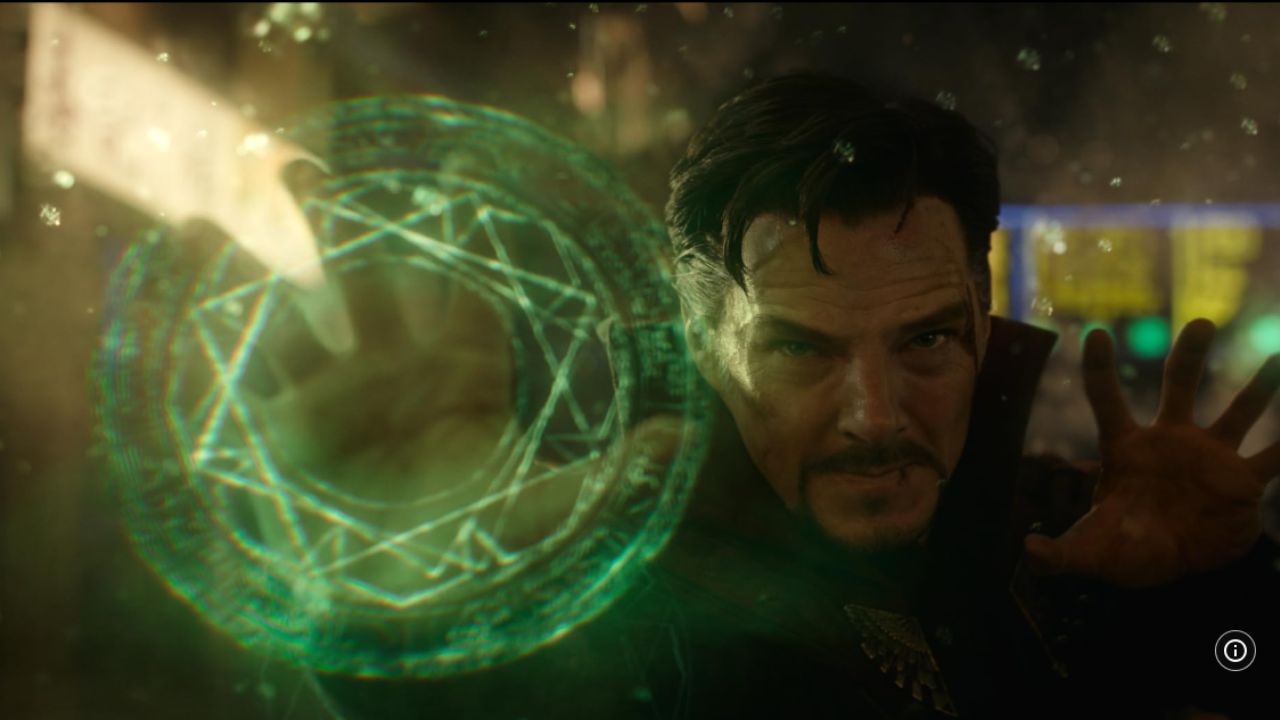
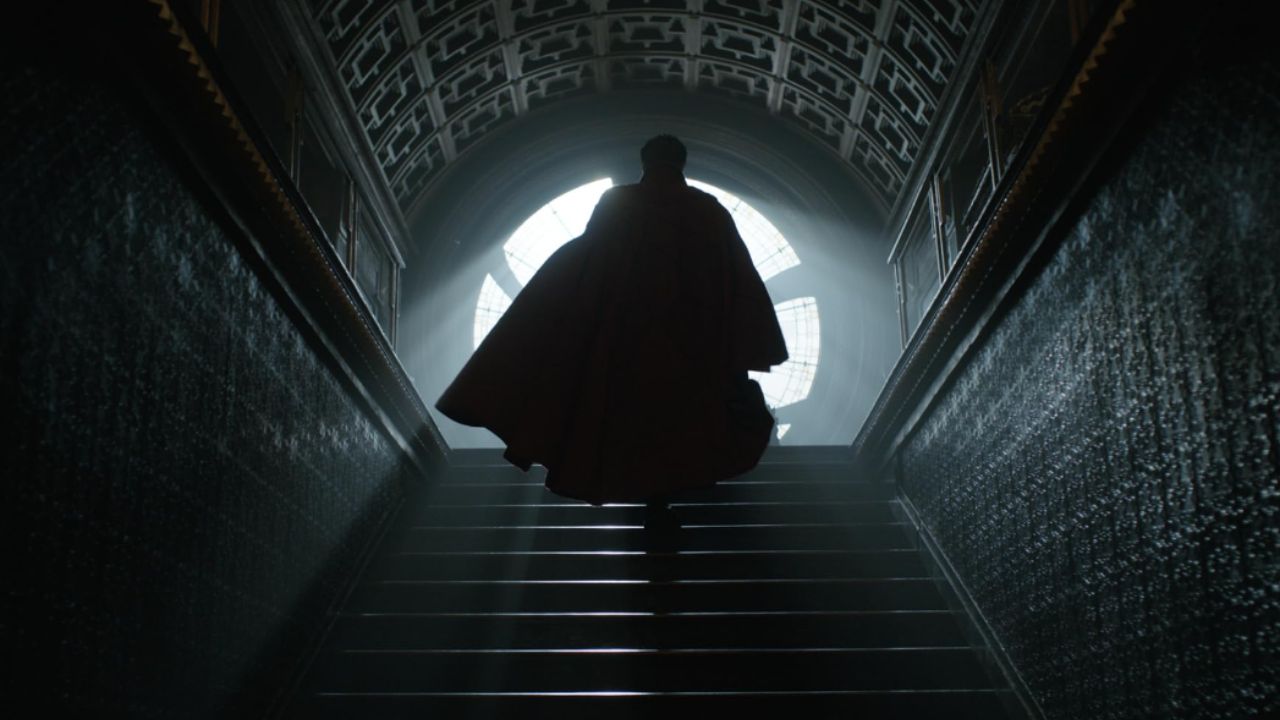
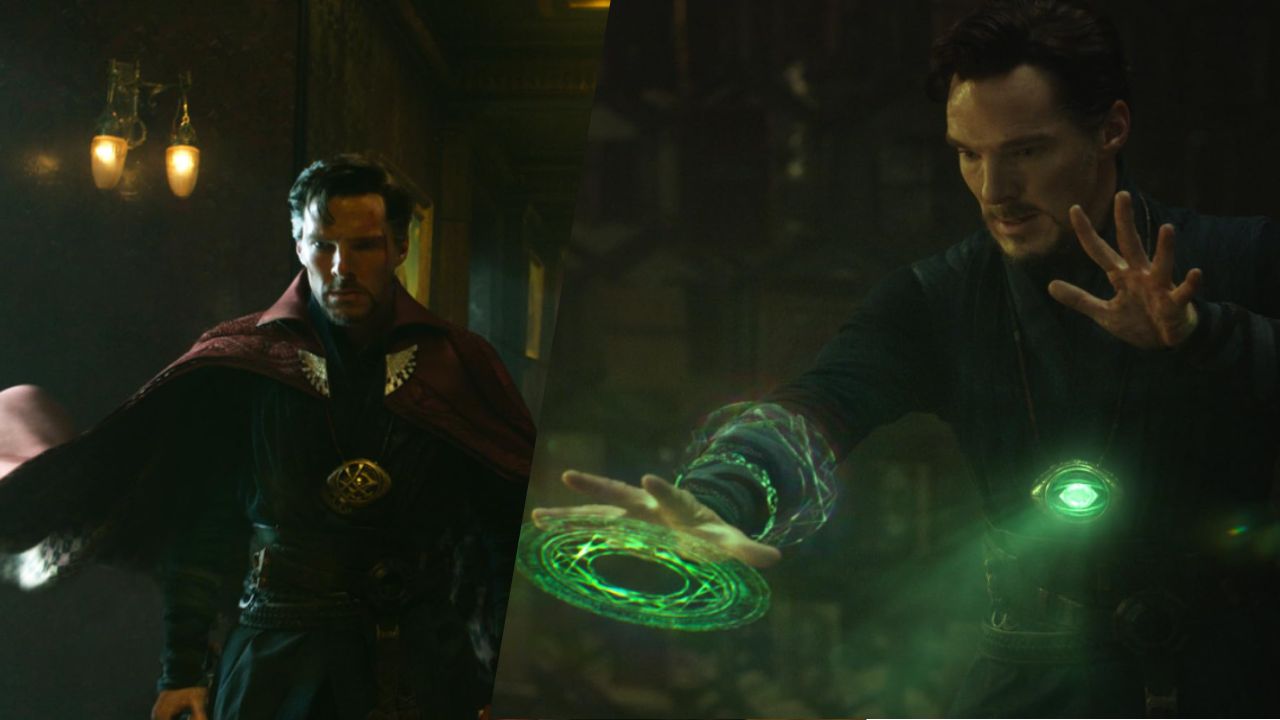
The creative leadership of Doctor Strange 3
Cumberbatch is reportedly taking a more “hands-on producerlike” role who will be able to handle the visual spectacle, with the film’s intellectual depth in the making of the film.
“very protective of the character and wants a director” —He said
The integration of Doctor Strange into the wider Avengers lineup
Cumberbatch gave an interview in early 2025 in the dance where she said she would not be appearing in Avengers: Doomsday (2026), sparking rumors that the character would be written out. However, in the The Thing With Feathers premiere at Sundance he flatly corrected reports.
“I got that wrong, I’m in the next one.” —Cumberbatch said and also joked to fans,
in reference to the tight Non-Disclosure Agreements (NDAs) and secrecy culture that Marvel instills, which frequently has its actors feed false information to the press to protect surprises.
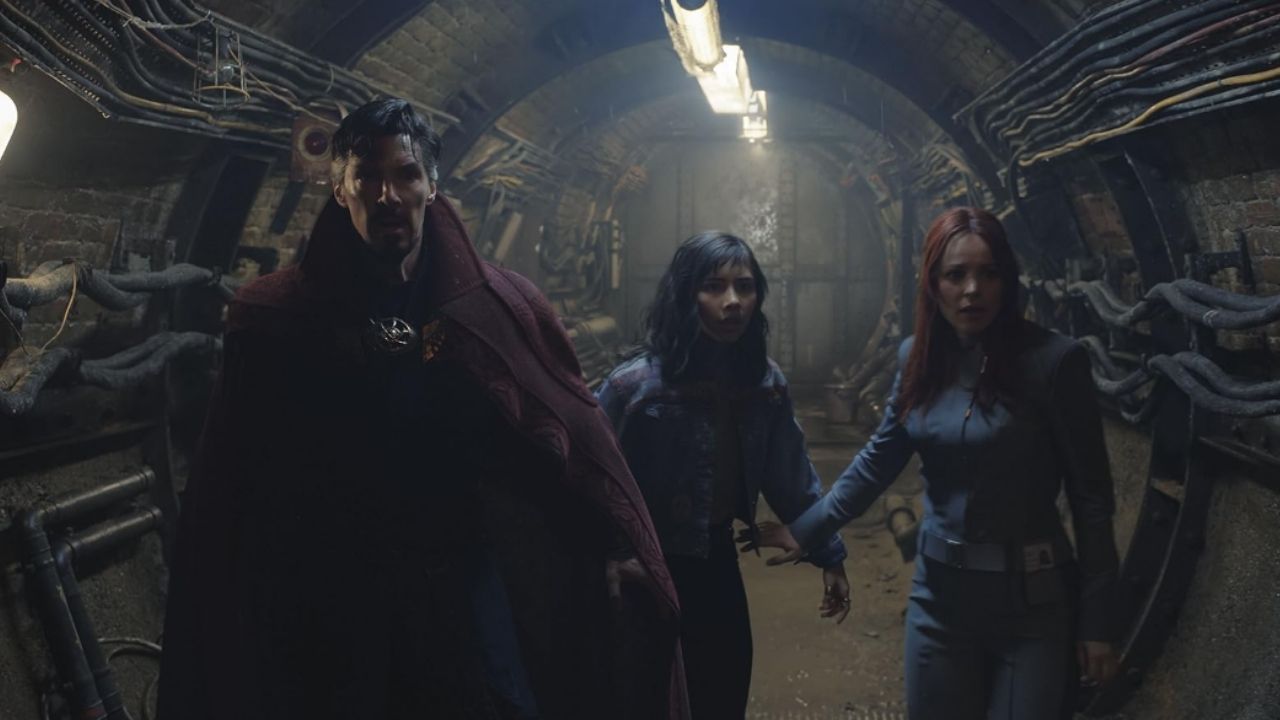
It is now confirmed that Doctor Strange will appear in Avengers: Doomsday (2026) and will have a “huge” role in Avengers: Secret Wars (2027).
Image credit: Fandomfans
Strange’s place in Secret Wars should be similar to his prominence in the comics, acting as second-in-command (“Sheriff of Agamotto”) to Doctor Doom, leader of the multiverse’s remains (Battleworld). Robert Downey Jr., reprising his role for the first time as Doctor Doom from the MCU, the dynamic between Cumberbatch and Downey Jr. (who also starred together as Sherlock Holmes and Iron Man, respectively) recently tops for the studio.
Conclusion
The next few years are crucial for Benedict Cumberbatch. In a London flat in “The Thing With Feathers” audiences will also get to see him unmasked and fighting a figurative crow. This part reconfirms his dramatic obama essay credentials and acts as a Salto dancer à la spectacle au lieu de suivant.
At the same time, the Marvel Cinematic Universe machine is turning toward him. The active development here is Doctor Strange 3, strongly based on the “Time Runs Out” storyline, and his already confirmed appearance in Avengers: Doomsday, marking him as the story lead of the Multiverse Saga’s concluding chapter. Bird-themed surrealist or multiversal terrors: on both, Benedict Cumberbatch is at the center of two vastly different though thematically connected cinematic universes.
Fandomfansis a platform to provide quick updates on entertainment, anime, reviews & celebrity news. Our goal is to bring you valuable and accurate information on your favorite entertainment buster.
Mariyam
Articles Published :
77
Mariyam Khan is Fandomfans Content Writer and providing reports and reviews on Movie Celebrities, and Superheroes particularly Marvel & DC. She is covering across multiple genres from more than 4+ years, experience in delivering the timely updates.
Mystery TV Shows Get Cancelled After Season 4 — Westworld, Manifest & The Sinner Explained
Explore why Mystery TV Shows hook audiences early but struggle long-term. Learn how complex plots, high costs, and viewer fatigue lead to cancellations.
There is a particular kind of heartbreak unique to the viewer of television in the 21st century. It’s that feeling, typically experienced somewhere around the start of a show’s fourth season, when you begin to realize that the Mystery TV Shows you used to be a rabid fan of—one that spawned a million fan theories—is starting to feel like work.
Insiders in the industry refer to this as the “Fourth Season Curse.” In a contracting “Peak TV” era, with streaming behemoths slashing their libraries, the four-season mark is becoming a brutal natural selection point. This is especially true for “mystery box” shows: the high-concept series that trade in secrets and puzzles and delayed gratification.
But what is it that makes the fourth season the breaking point? And what can the rise and fall of hits like Westworld, Manifest and The Sinner tell us about the future of how we watch TV?
The Complexity Debt: When the Bill Comes Due
The “mystery box” format, made popular by J.J. Abrams, is an interesting narrative tool that involves curiosity and waiting. It hooks us with a “hook” (the mystery) and then gets us addicted to a “fix” (the answers). Still, creators often rack up what critics call “complexity debt”. Each time a writer reveals a new mystery without answering an old one, they are taking out a loan on the audience’s patience. By Season 4, the debt is usually too high. If the answers don’t live up to decades of fan speculation, the audience doesn’t just get bored—they get angry.
Feature of Mystery Box
The Risk Factor
Information Withholding
Speculative fatigue; the “IQ test” feeling
Non-linear Storytelling
Narrative opacity and total viewer confusion
The “Gotcha” Twist
Prioritizing shock over character growth
To understand how this curse manifests, we have to look at three very different shows that hit the same wall.
1. Westworld: The Failure of Over-Engineering
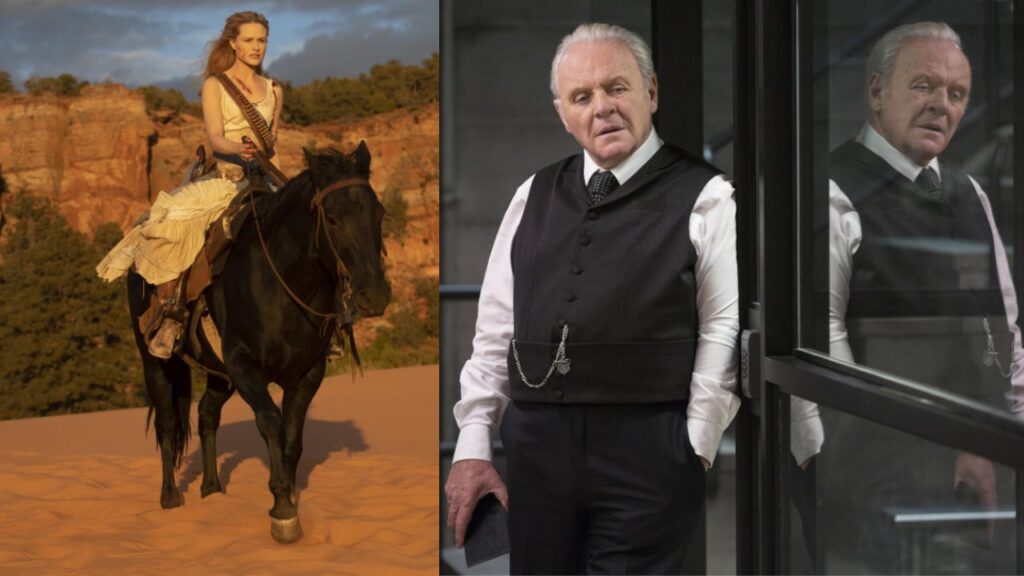
Westworld was scripted to be the next Game of Thrones. Instead it turned into a cautionary tale. The showrunners got so obsessed with, I would say, “outsmarting” the internet that the plot evolved into a dense forest of timelines and philosophical gobbledygook.
Image Credit: Fandomfans
By season 4, it lost 81% of its viewers. It wasn’t just that it was confusing; it had lost its heart. When a show treats its characters like chess pieces in a logic puzzle, audiences eventually stop cheering for the players.
2. Manifest: The Survival of the “Netflix Bump”
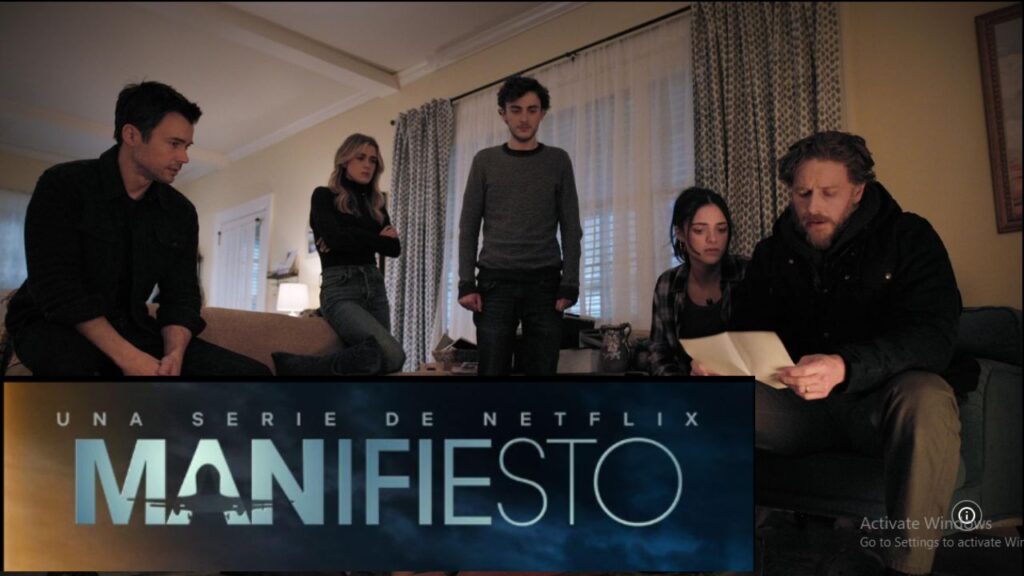
Manifest is the exception on both counts. The scripted series was canceled by NBC after three seasons when live ratings dropped but then got a second life on Netflix. Why? Because mystery boxes are wonderful to binge-watch, even when they don’t work as appointment viewing.
Image Credit: Fandomfans
By compressing a planned six-season arc into a final, 20-episode fourth season, the showrunners had to cut all the fat and actually ratify. It demonstrated that a “forced ending” is in fact the best antidote to a narrative slump
3. The Sinner: The Death of the Venue
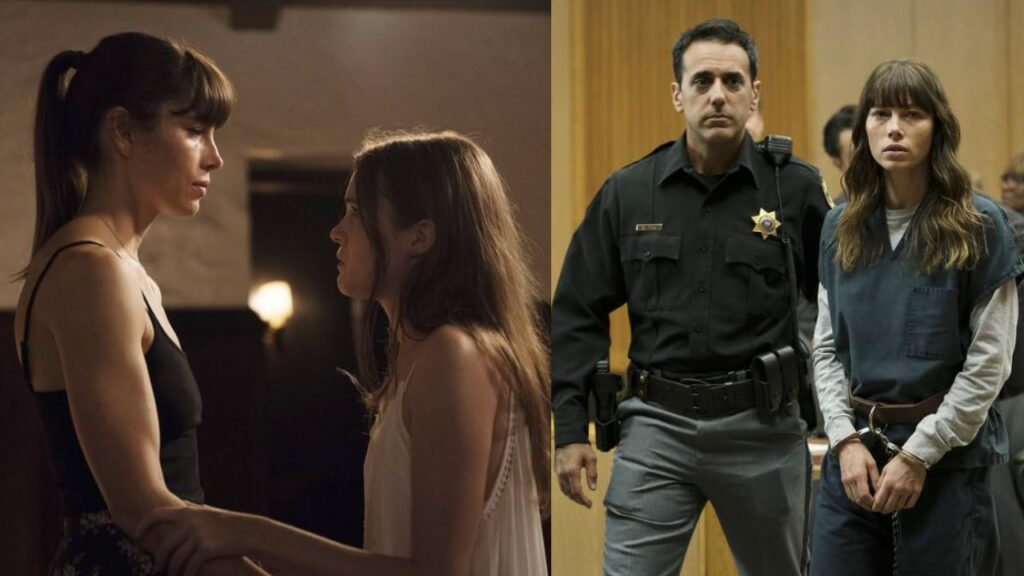
In contrast to the rest, The Sinner was an anthology. Each season was a new “why-dunnit.” Yet, it still fell victim to the curse. This time the “curse” was financial.
Image Credit: Fandomfans
As networks such as USA move away from scripted dramas and toward less expensive reality TV, mid-budget series—no matter how prestige they seem are the first to be cut.
The Economics of Exhaustion
The Fourth Season Curse isn’t simply the result of shoddy writing; it has to do with the profit motive. In 2025, a mid-tier drama is priced at $4 million to $6 million per episode.
Contract raises: By Season 4 the cast and crew are pricier.
Viewer Attrition: Audiences traditionally, well, went down every year.
The “New” Factor: What streamers are willing to pay for and find value in — is $50 million for a brand-new “hit,” not for continuing an aging series with a niche viewership.
If we want better TV, the creators need to alter how they make their boxes. The most durable shows – for example Breaking Bad or Succession are all character-centric. The “mystery” is just the backdrop; the “show” is the people.
Critics are now claiming “Magic Show” storytelling is superior. Rather than hide certain pieces of information (the Mystery Box), creators should disclose information and allow us to observe as characters react to the consequences. This makes for a sustainable emotional hook as opposed to a maddening intellectual one.
Conclusion
The age of the “ever-show” is ever-show is over. As budgets tighten and our attention spans splinter, the most successful shows of tomorrow will be those with a defined, limited scope. Ending is just as – it’s just as important to know when to end as it is to know how to begin.
Dive into the world of entertainment with Fandomfans, our goal is to deliver updates from movies, shows, and interviews.
Mariyam
Articles Published :
77
Mariyam Khan is Fandomfans Content Writer and providing reports and reviews on Movie Celebrities, and Superheroes particularly Marvel & DC. She is covering across multiple genres from more than 4+ years, experience in delivering the timely updates.
Paul Dano Joins Florian Zeller’s Psychological Thriller ‘Bunker’: An Exciting Development for 2026
Paul Dano joins Javier Bardem and Penelope Cruz in Florian Zeller's new psychological thriller Bunker, which will be a major cinematic release in 2026.
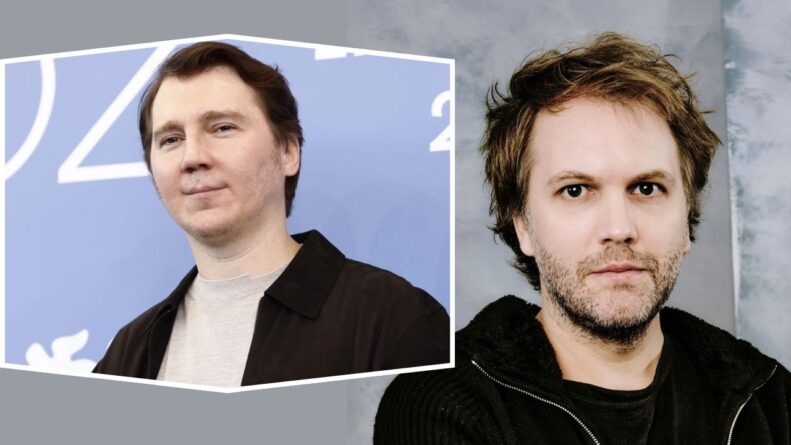
Paul Dano has been the subject of some, not all of it boring Dolby-drama-based Hollywood chat heat. After Quentin Tarantino’s inflammatory comments about the actor last week, the industry came out in support of Dano, showing that sometimes the loudest voices are not everyone’s. Instead of retreating from the public eye, the lauded actor is going straight into something truly extraordinary: Oscar-winning director Florian Zeller’s next film, the psychological thriller Bunker.
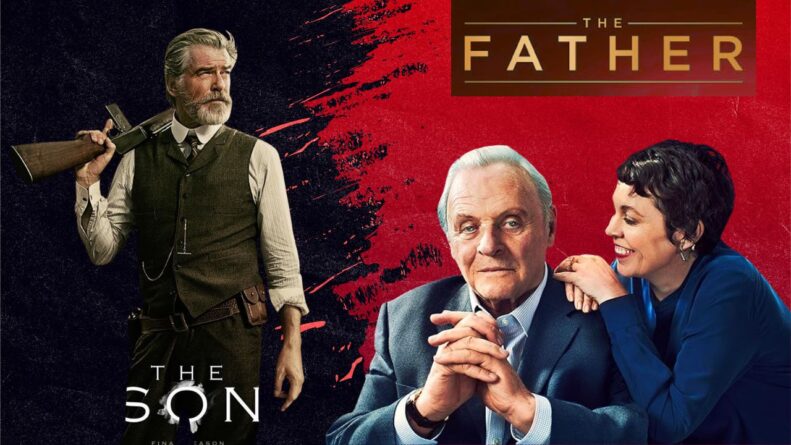
It’s worth taking a moment to appreciate what this casting actually is. Zeller, whose credentials include the beloved play The Father (which won Hopkins the Oscar for Best Actor and earned Zeller himself one for Best Adapted Screenplay), is renowned for getting the best out of his performers.
Image Credit: Fandomfans
His second film, The Son, may have divided critics, but it still garnered Hugh Jackman a Golden Globe nomination. Now, with Bunker, Zeller is putting together what can only be described as a powerhouse ensemble.
A Powerhouse Ensemble Cast
The cast is a veritable who’s-who among Hollywood stars. Dano is teaming with Oscar-winning real life couple Javier Bardem and Penélope Cruz, whose on and off-screen chemistry is already legendary.
Image Credit: Fandomfans
Stephen Graham, gritty, intense actor famous for his role in the television series “Justified,” and Patrick Schwarzenegger complete the cast. This is not some film being made under the radar — this is a prestige title that plans to make a splash in 2026 cinema.
What is The Bunker Really About?
Bunker follows an architect whose life and marriage are complicated when he takes on the design of a survival bunker for a wealthy tech tycoon. When this secretive building project starts to penetrate the family’s life, things begin to disintegrate. The premise alone indicates the psychological heights that Zeller has been known for.
Image Credit: Fandomfans
This is a director who knows that genuine tension is not a byproduct of jump scares or external threats — it’s born when relationships break down under duress, in probing the ethical compromises we make and examining how fear informs our decisions.
The director was inspired by their real-life nearly seventeen year marriage and he’s created a narrative that addresses the challenges of long term relationships in an increasingly volatile world. That type of writing intentionality leads to more real, strong performances. When Zeller spoke about recruiting Dano to the project, his words were effusive.
“From Little Miss Sunshine to There Will Be Blood, Paul has never ceased to surprise me as an actor,” –he said.
That’s not the kind of recommendation that is bandied about. This is a director who has directed some of the most acclaimed performances of recent film, and when he talks about working with Dano, he sounds genuinely excited.
“He has a remarkable singularity - something truly unique – and in that respect he is irreplaceable.” —He also said
Production and Industry Backing
The film is now in its second week of production, shooting in Madrid, and London. Blue Morning Pictures and the Spanish company MOD Producciones are producing, with international sales by Film Nation Entertainment. Everything about the set-up indicates a film that’s being treated as a substantial artistic effort and not just another genre piece.
Image Credit: Fandomfans
What that timing makes especially intriguing is how it positions Dano’s career going forward. Instead of being defined by recent controversy, he has attached himself immediately to an art house project and a director known for eliciting complex, nuanced performances. Take Tarantino’s assessment with a degree of salt if you want, but Dano is clearly in demand by the filmmakers who really matter.
Conclusion
As we approach 2026, Bunker is becoming another film to keep an eye on. With Zeller at the helm, a cast that strong, and a premise that insinuates genuine psychological depth, this very well could be the film that ignites discussions and the kind of performances that stick with audiences well beyond the credits.
Fandomfansprovides every detail on the upcoming movies and projects of the industries that keeps you evolving with the entertainment.
Mariyam
Articles Published :
77
Mariyam Khan is Fandomfans Content Writer and providing reports and reviews on Movie Celebrities, and Superheroes particularly Marvel & DC. She is covering across multiple genres from more than 4+ years, experience in delivering the timely updates.