Lanterns Episode 1 Ending Explained: Who Killed Hal Jordan?
Lanterns Episode 1 ending explained: Discover who killed Hal Jordan, what the shocking twist means, and how it sets up the mystery for the series.
Published: August 22, 2026, 8:24 am

Lanterns Episode 1 ending explained: Discover who killed Hal Jordan, what the shocking twist means, and how it sets up the mystery for the series.
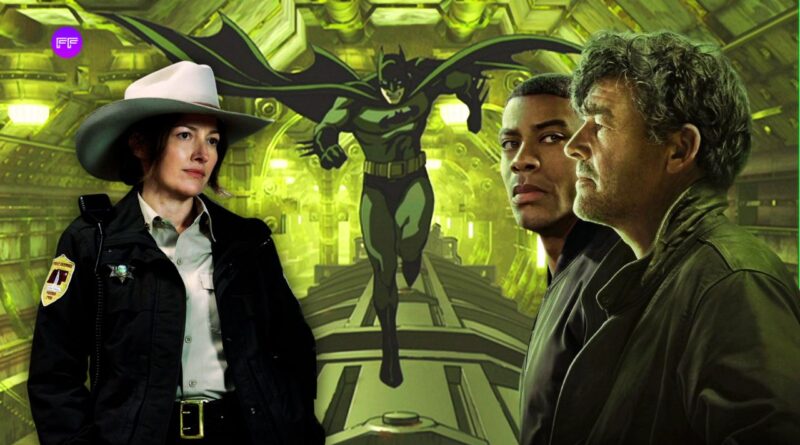
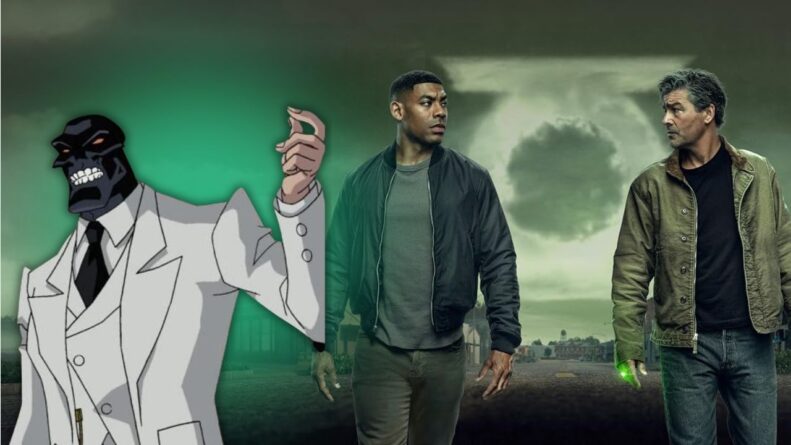
Hal Jordan is dead before Lanterns even makes it to episode two, and HBO isn’t in a hurry to say who did it. That’s the whole show now — not “will the Green Lantern Corps show work,” but “who put a bullet in a war-hardened intergalactic cop and left him on a Nebraska football field.”
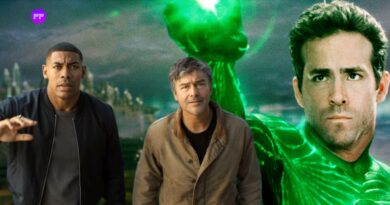
Lanterns splits its runtime across three timelines — a brief 1996 stretch establishing who Hal Jordan is, a 2016 arc where a burned-out Hal is training rookie John Stewart (Aaron Pierre) through an incident in Rushville, Nebraska, and a 2026 present-day thread that’s barely started.
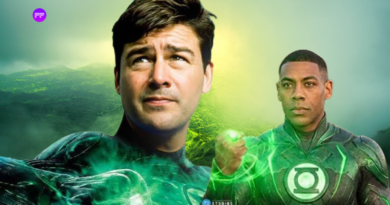
Episode 1 spends most of its runtime in 2016. Then, in its final minutes, it jumps forward a decade: John, now a full Green Lantern with a decade of hardening on him, gets pulled back to Rushville by Sheriff Kerry (Kelly Macdonald). She takes him to the bleachers of the same football stadium where their 2016 case played out. Hal Jordan is sitting there. Dead.
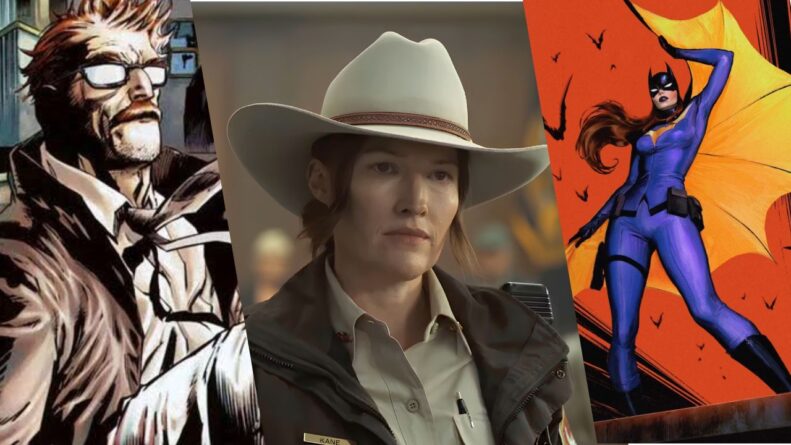
Nobody’s been named on-screen, so treat everything below as tracking, not prediction.
Read More 👉 Why Supergirl Could Be DC’s Biggest 2026 Movie
The ring’s absence is the detail I’d watch closest. If Green Lantern mythology is playing straight, the ring should have already found a new bearer near the body which raises the question of why Guy got it in a different city entirely, on a different timeline than John finding the corpse.
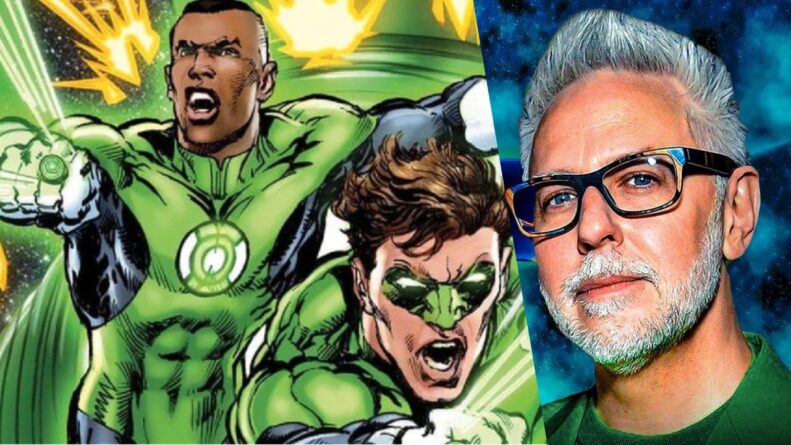
Something happened between the ring leaving Hal and it landing on Guy, and the show hasn’t shown us any of it.
Read More 👉 Tom King Has Broken Fans’ Hearts By Suggesting Hal Jordan’s Death in Lanterns
Lantern has already made Hal Jordan’s death the biggest mystery of the season, but Lanterns Episode 1 intentionally leaves viewers with more questions than answers. The Rushville tie, the missing power ring, Sinestro’s appearance and John’s mysterious fall from Green Lantern recruit to civilian all point to Hal’s death being connected to something far bigger than just a simple murder.
For now, the safest thing to do is to watch the clues rather than fixate on one suspect. Lanterns Episode 2 ought to start to fill the gap and perhaps tell us what happened to Hal from 2016 to 2026.
Get all the latest updates for every episode context and theories from series on Fandomfans.

Get the latest DC Chapter 2 update as James Gunn reveals new DCU plans, upcoming projects, story direction, and what fans can expect next.
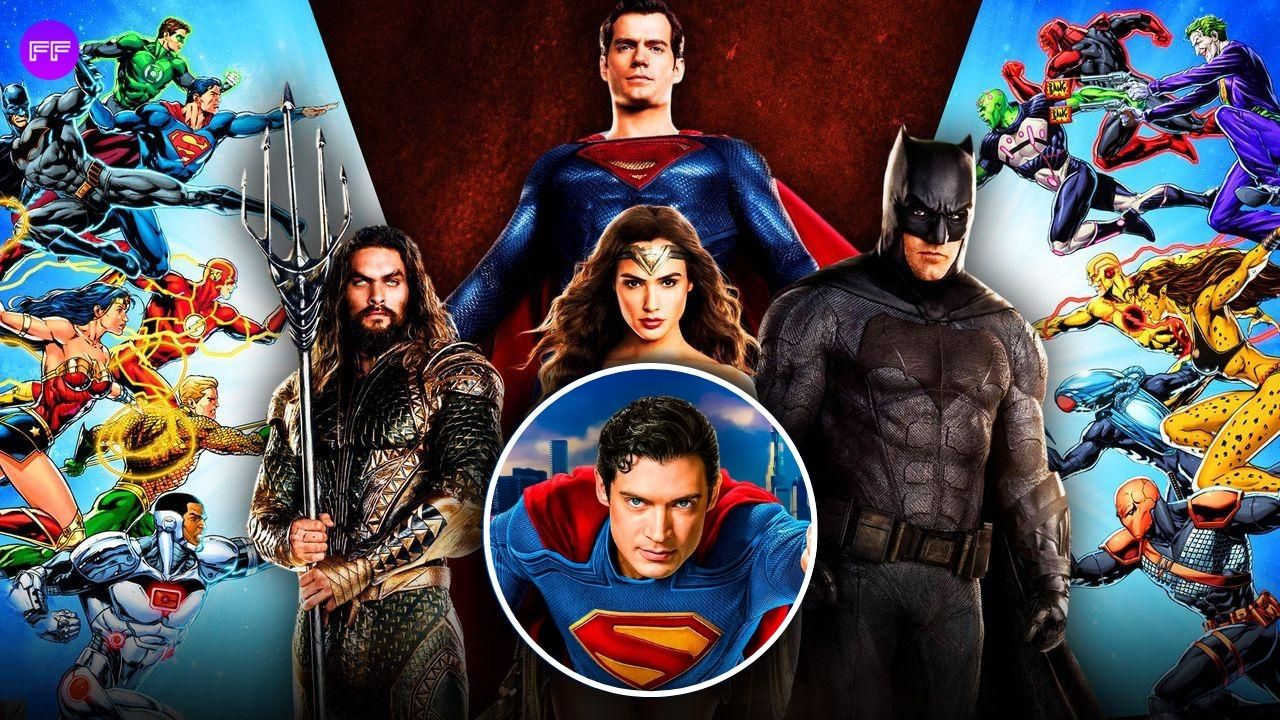
James Gunn’s vision for the DC Universe is becoming clearer with DC Chapter 2 latest updates. After starting the franchise with Chapter 1: Gods and Monsters, DC Studios is now preparing for an even bigger future. While the story of Superman is still in play, the Supergirl film gives a window to Batman, Wonder Woman, Teen Titans, and Darkseid. Gunn is constructing the universe from scratch in a new way.
Unlike previous attempts to create a shared DC franchise, Gunn’s new plan is more exciting and interesting with world-building, character evolution, and hidden history revelation for superhumans. DC Chapter 2: The Rise of the Trinity gathers up long gone DC’s fans with their favorite superheroes entry. Superman, Batman, and Wonder Woman are going to be the pillar of the franchise which means Chapter 2 is now more crucial than ever.
Here’s a detailed look at What is James Gunn’s plan for DC? The projects currently in development, and what fans can expect from the next era of DC storytelling.
When everyone thinks DC movies’ future is not going to recover after Eternals, James Gunn and Peter Safran are back to handle everything. But it wasn’t an easy task to build-up the universe from scattered ashes.
Since then they are quietly and methodically forming up the universe, what they’ve done is look like one of the most ambitious franchise restructurings in Hollywood history. Instead of chasing cool and powerful formats like Marvel, Gunn and Safran opted for thematic Chapters that build on each other the way volumes in a great novel series do.
Chapter 1 “Gods and Monsters,” is the introduction to the world where superhumans actually lived there for over 300 years. It was totally a genre-bending set up for upcoming chapters, Chapter 2 — “The Rise of the Trinity.” Gunn is building a foundation which can last for decades, DCU is being constructed Future of Batman Superman and Wonder Woman from scratch.
The 2025 release of Superman — directed by Gunn himself and starring David Corenswet — didn’t try to be a dark and gritty origin story. Instead, they introduced DC fans to the world which wrapped up over the years with history, politics, and a Clark Kent who wore his optimism like armor against a cynical world.
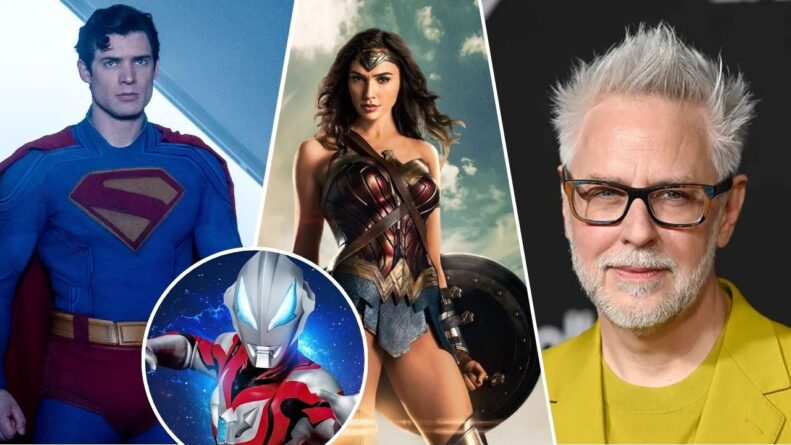
That grounded-but-fantastical approach set the tone for everything else. It wasn’t just a movie but a message from Gunn that DCU will feel different as It IS. The most fascinating piece of this new approach is “History of Metahumans” , which is something quite interesting. The San Diego Comic-Con in 2025 mural visually confirmed that superhumans have history with this world. They have always been a part of this world in different eras — the WWII-era Justice Society, medieval warriors, ancient magic users.
Gunn confirmed that two characters in the History of Metahumans mural are central to a script currently in development. Speculation points to figures like Wildcat, Sandman, Madame Xanadu, or Max Mercury — connecting the present DCU to centuries of legacy heroism.
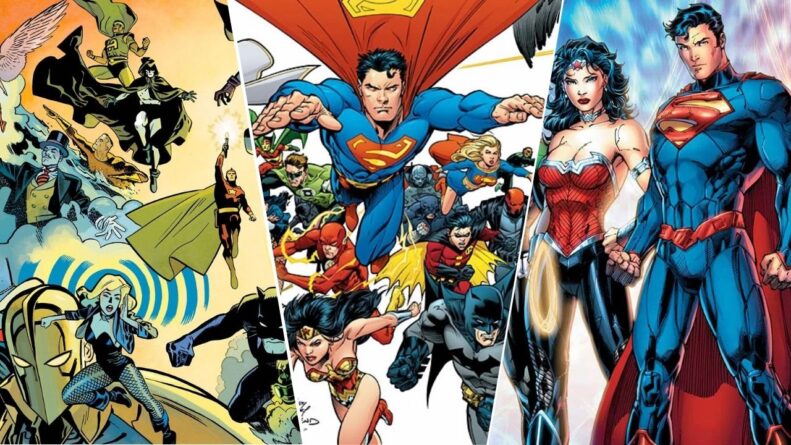
This isn’t background noise. It means every project in Chapter 2 will have pre-built weight behind it — a world that already carries scars, victories, and mythology long before any of our current heroes arrived.
Read more:- X-Men ’97 Season 2: What Could Make It Marvel’s Next Big Hit?
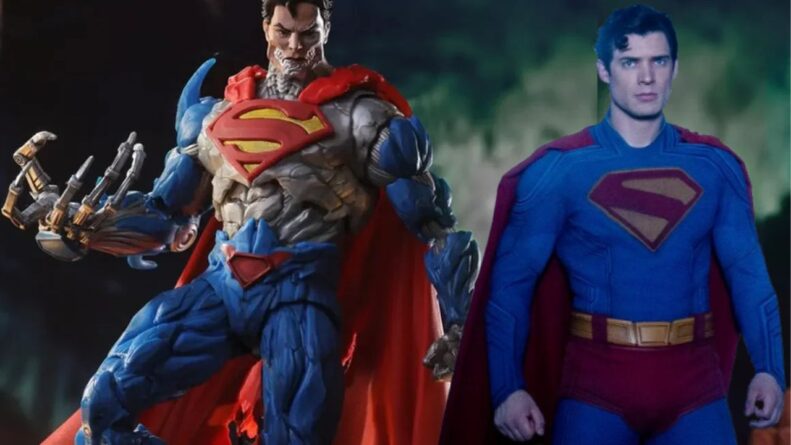
The Superman franchise is the spine of everything Gunn is building, and expansion of the Superman arc into DC Chapter 2: The Rise of the Trinity is a nod to Gunn’s long-lasting plan for DCU. Corenswet’s Clark Kent story will continue in the 2027 Man of Tomorrow according to Gunn. The two year gap literally gives a space for a character to involve cleverly into a storyline.
Filming has already begun under the working title “Exodus” (which is, frankly, an excellent portent of the story’s scale). The sequel pairs Superman with Nicholas Hoult’s Lex Luthor — this time suiting up in his full, comic-accurate Warsuit — against the arrival of Lars Eidinger’s Brainiac. Eidinger says his character is darker and more like an “incarnation of Satan,” indicating that this version of DC’s terrifying villain is going to lift the tone.
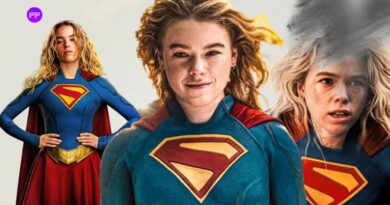
The leap between the two Superman films is filled with the Supergirl film which is directed by Craig Gillespie and starring Milly Alcock, landing in theaters on June 26, 2026. For a strategic purpose, this film is needed at this time to explore one of the closer characters in Superman’s world — Kara Zor-El’s brutal survival on a fragment of Krypton. So, fans would know the world of Clark before the arrival of Brainiac, making it a soft but essential chapter in the larger arc.
| Release Date | Title | Notes |
| July 2025 | Superman | David Corenswet establishes the moral compass of the DCU. A world of paranoia, metahuman history, and cautious optimism. |
| June 26, 2026 | Supergirl | Milly Alcock stars as Kara Zor-El. Set between the two Superman films; bridges the chronological gap and sets up Brainiac’s threat. |
| July 9, 2027 | Man of Tomorrow | Superman + Lex Luthor in his Warsuit vs. Brainiac. Two-year real-time jump. The stakes escalate dramatically. |
This is where Gunn’s approach genuinely impresses — and also where it requires the most patience from fans. Batman is arguably DC’s most valuable brand, and right now there are technically two Batmen in the public consciousness: Robert Pattinson’s brooding, detective-driven Dark Knight in Matt Reeves’ standalone universe, and the yet-to-be-revealed DCU version coming in The Brave and the Bold.
Rather than rushing to plant his flag, Gunn has deliberately held back. He’s said outright that he has no intention of casting the DCU’s Batman or beginning any promotional push until Reeves’ The Batman Part II (slated for 2027) has finished its theatrical run. His reasoning is simple but smart: he doesn’t want to “cloud the Batsphere.” He doesn’t want audiences comparing Batmen mid-sentence at the cinema.
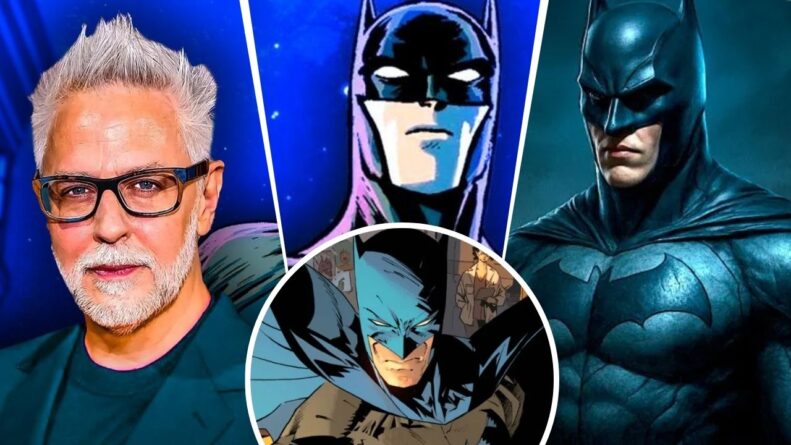
When The Brave and the Bold does arrive, it’ll feature a notably different take — a seasoned Bruce Wayne navigating his complicated relationship with Damian Wayne, his biological son, who becomes Robin in this story. It’s a version of Batman drawn from Grant Morrison’s seminal run, and it places Bruce in the role of flawed parent as much as vigilante hero. That’s genuinely new emotional territory for a live-action Batman film.
Director Andy Muschietti is attached, and the script is still being developed — a sign that DC Studios is holding firm on its script-first policy, which means nothing moves until the story is actually ready.
Wonder Woman’s path into DC Chapter 2: The Rise of the Trinity is perhaps the most intriguing of the three, because it’s being built simultaneously across both film and television — and neither project is rushing to deliver Diana Prince to the audience just yet.
On the TV side, Paradise Lost is an HBO prequel series set entirely on Themyscira, long before Diana is born. Despite rumors of cancellation circulating earlier in 2026, Gunn personally debunked them — the show is very much alive, and it’s being developed with the ambition of a political drama in the vein of Game of Thrones. Think power struggles between immortal women, shifting alliances, and moral complexity buried inside what most people assume is a paradise.
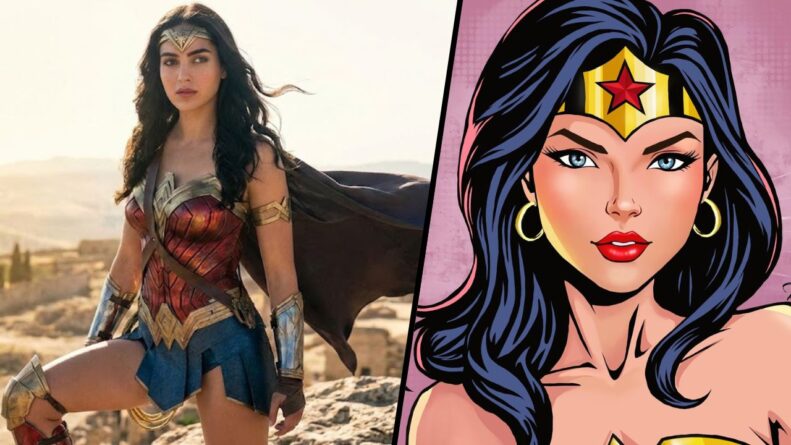
On the film side, screenwriter Ana Nogueira is actively writing the standalone Wonder Woman feature. The genius of this dual-track approach is that Paradise Lost does all the origin-story heavy lifting on television — by the time Diana arrives on the big screen, the audience already understands the world she came from. The film can skip the preamble and deliver a fully mythologized champion from frame one.
Read more:- Why X-Men ’97 Season 2 Could Be Marvel’s Biggest Animated Hit
Chapter 1 was about fracture. The DC world we’ve been introduced to is suspicious of its heroes — governments run black-ops programmes to police metahumans, Amanda Waller operates “Salvation” (a literal off-world prison planet for powered beings), and the default societal attitude is fear over admiration. How DC Chapter 2 Changes Everything— and something better gets built.
The Justice League isn’t going to be assembled by one powerful person handing out recruitment packets. It’s designed to form organically, as a necessary response to the collapse of government control systems. When Waller’s Salvation initiative fails, and when cosmic threats escalate beyond any one hero’s capacity to handle, the Trinity — Superman, Batman, Wonder Woman — will become the gravitational center of something new.
| Dimension | Chapter 1: Gods & Monsters | Chapter 2: Rise of the Trinity |
| Core Theme | Paranoia, control, moral ambiguity | Cohesion, hope, institutionalized heroism |
| Superman’s Role | Young, establishing his moral baseline | Seasoned leader, politically entangled |
| Batman’s Status | Off-screen, operating in shadows | Integrated into the Trinity, managing Bat-family |
| Wonder Woman | History being built via TV prequel | Fully realized mythological champion |
| Threat Scale | Localized corruption, early cosmic hints | Global crises, coordinated villainy, cosmic incursions |
| Narrative Mode | Fragmented, genre-diverse, experimental | Interconnected, event-driven, collaborative |
If you have been confused, what is James Gunn’s plan for DC? One of the smartest moves in Gunn’s playbook is how carefully he’s managing the introduction of DC’s heavy hitters. When asked about characters like General Zod, Doomsday, Darkseid, and Black Adam, he teased on Threads that audiences would see “two of them in not too long” — which is the kind of controlled reveal that builds anticipation without blowing the surprise.
The Lord of Apokolips won’t be arriving via a blockbuster film debut. Instead, Darkseid is set to first appear in Mister Miracle, an animated DCU series based on Tom King and Mitch Gerads’ acclaimed comic run — and crucially, it’s confirmed as DCU canon.
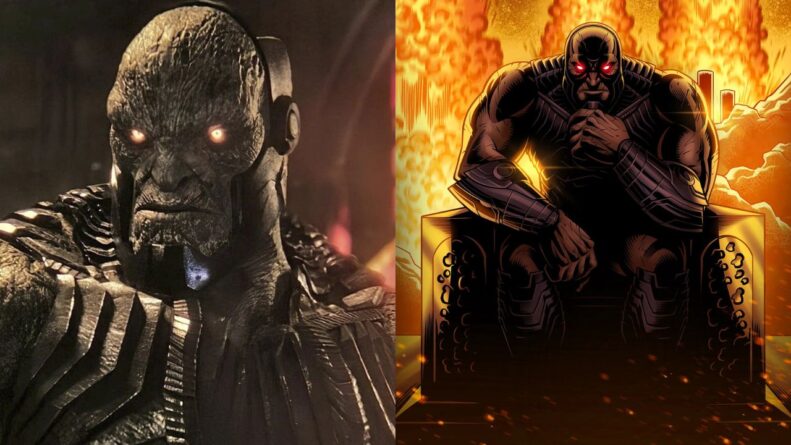
Using animation to establish Darkseid’s terror before transitioning to live-action is a genuinely clever piece of franchise engineering. By the time we see him in the flesh, we already know how dangerous he is.
In a fresh twist, Ultraman in the DCU isn’t an alternate-universe evil Superman — he’s a genetically engineered clone created by Lex Luthor.
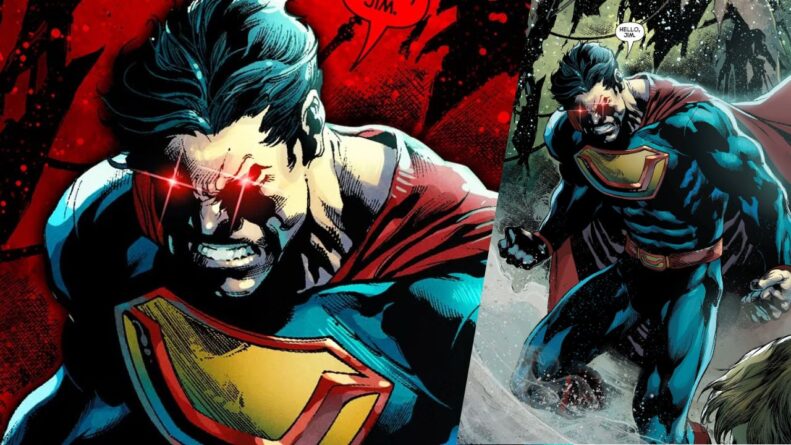
Last seen disappearing into a black hole, his eventual return sets up a deeply personal foil for Corenswet’s Clark Kent: a Superman without a conscience, twisted by the same science that made him possible.
Rather than repeating ground that’s been well-trodden in previous DC films, Zod is being positioned to appear through Kryptonian historical flashbacks or holographic records in either Supergirl or Man of Tomorrow. It’s a way of honoring the character’s importance to Kryptonian mythology without turning him into yet another present-day antagonist.
Chapter 2 isn’t just about the future of Batman Superman and Wonder Woman — they’re the center of gravity, but the galaxy around them is expanding rapidly.
A live-action Teen Titans film is in development, with a screenplay written by Ana Nogueira (also handling Wonder Woman — a sign of how much trust the studio is placing in her). The project is designed to follow The Brave and the Bold, establishing a generational pipeline within the DCU. The roster speculation is interesting too: Kid Flash (Wally West) appears to be the preferred speedster for the Justice League rather than Barry Allen, which neatly sidesteps audience fatigue with yet another Flash and gives Titans a built-in central figure.
Then there’s an untitled Bane and Deathstroke project, with Matthew Orton writing and Greg Mottola in early talks to direct. The concept appears to use the prison planet Salvation as its backdrop — placing two of DC’s most tactical villains in a brutal survival scenario that exposes the darkest consequences of Waller’s metahuman containment programme. Think Suicide Squad meets Escape from New York, but with genuinely dangerous characters.
Chapter 2 doesn’t just add more heroes. What’s next for DC after Gods and Monsters? asks what happens when heroism becomes the only surviving institution.
Read more:- Daredevil: Born Again Season 2 Ep7 Turns The Story Arc Into More Gritty Netflix Era
If you look at where DC was three years ago and where it is now, the answer — cautiously but clearly — is yes. There’s a coherent world being built here. A world with genuine historical weight, carefully managed brand boundaries, and a thematic arc that’s building toward something genuinely earned rather than manufactured.
Chapter 2 isn’t just a marketing rebrand. It represents a fundamental shift in what the DC Universe stands for narratively. Chapter 1 asked: what does the world look like when governments fear their own heroes? DC Chapter 2: The Rise of the Trinity is going to answer a much bigger question: How DC Chapter 2 Changes Everything.
With Superman already grounded in the cultural consciousness, Batman being protected until the timing is right, and Wonder Woman being mythologically constructed on two fronts simultaneously — the Trinity is being assembled with the kind of patience that franchise storytelling almost never affords itself. And when those three finally stand together on screen? It’s going to feel like it was always inevitable.
That’s the mark of genuinely good planning. James Gunn isn’t in a hurry. He’s building something to last.
Stay connected with Fandomfans to get latest updates from franchise’ movies, series and characters.
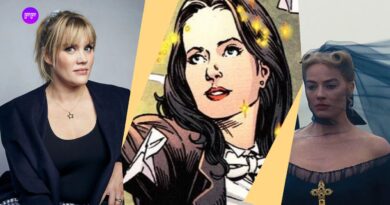
DC’s Lost Zatanna movie hit the dust- find out what Emerald Fennell’s dark, chic take on the character was and why Warner Bros abruptly ended production.
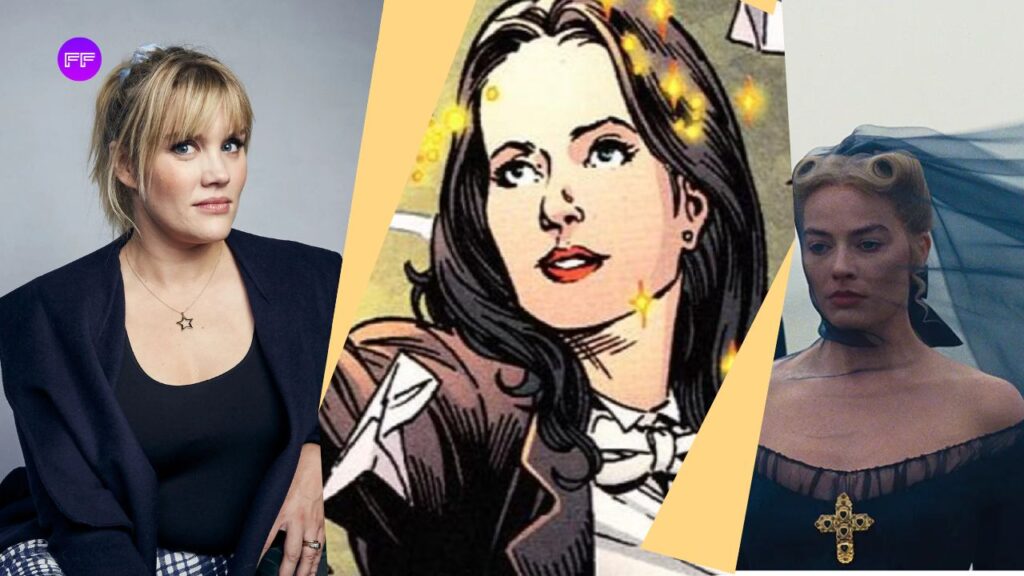
A special kind of heartbreak is reserved for the “best movies never made.” We preoccupy ourselves with Jodorowsky’s Dune and Del Toro’s At the Mountains of Madness, speculating on how they might have altered the cinematic terrain. In 2026, with Emerald Fennell on the press trail for her raw adaptation of Wuthering Heights, a new identity was officially added to that tragic pantheon: Zatanna.
For years, speculation has swirled about what the Oscar-winning writer/director of Promising Young Woman and Saltburn might do with DC’s best stage magician. Now, with Fennell’s recent frank interviews, we at last have a peek behind the curtain.
“It wasn’t a superhero flick, it was a fairly deranged saga about a nervous breakdown.”
–She says
Fennell depicted Zatanna around the time of a very strong personal and professional transition. Immediately following her Academy Award win, she was catapulted into the high-gloss Hollywood movie star — a world she didn’t quite recognize.
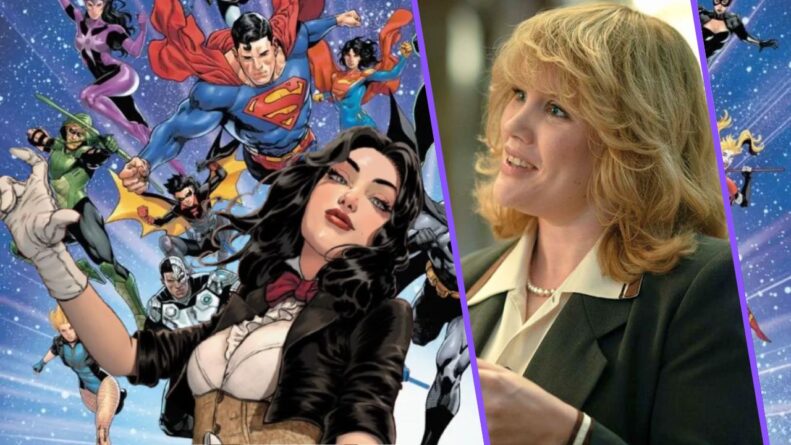
Feigen became the tool she used to filter her alienation through the script. Instead of a typical origin story in which a hero discovers how to use their powers to save the world, Fennell’s Zatanna is a woman coming undone.
I had this very simple question: “How do I make a superhero movie that I’m comfortable watching with my kids and that personally speaks to me?” I was a woman having a breakdown.
— Emerald Fennell
This wasn’t just “gritty” like we’ve grown accustomed to from DC, it was psychological terror. For a character like Zatanna, who practices Logomancy (speaking backwards to affect reality), a broken mind is a frightening weapon. When the magician loses her grasp on reason, reality itself starts to distort.
If you’ve seen Saltburn, you’re aware Fennell doesn’t do “palatable.” Her take on Zatanna would almost certainly have swapped clean CGI energy blasts for something more tactile and grotesque.
| Feature | The Traditional Heroine | Fennell’s Zatanna (The Archetype) |
| Mental State | Resilient & Stoic | Fractured & “Hysterical” |
| Relationship to Power | A Responsibility | An Addiction/Burden |
| Aesthetic | Clean & Heroic | Grotesque & Baroque |
This incarnation of the character was described as a “hard woman” — untidy, scary, and thoroughly human. It was a dismissal of the “cool girl” trope, instead dwelling on the bodily and cognitive toll of doing magic.
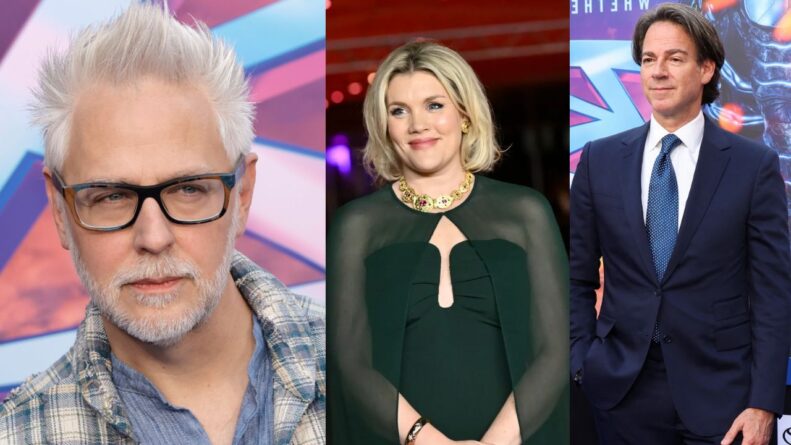
The removal of Fennell’s Zatanna exemplifies an escalating anxiety in contemporary film: the struggle between auteur ambition and franchise security. While Zatanna probably will debut in the new DCU (if not before in James Mangold’s Swamp Thing), she will unquestionably be a more “stable” version of the character.
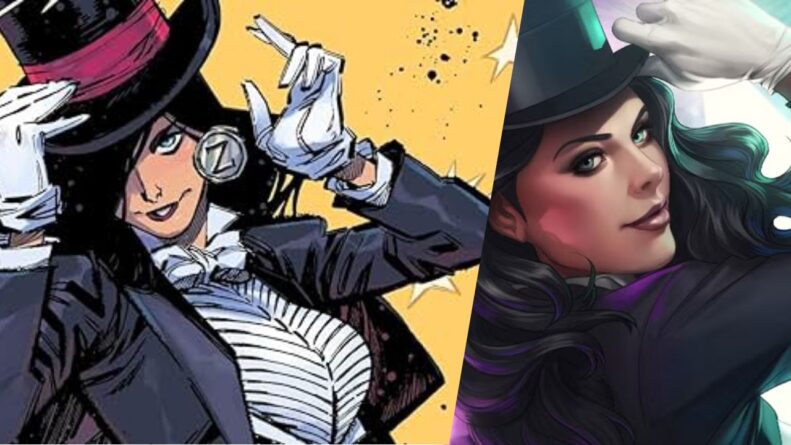
Fennell’s “lost” script is still an intriguing “what if” — a souvenir from a moment when the superhero genre nearly gripped something decidedly raw, unsettling, and revolutionary. It appears that in today’s blockbuster economy there’s a lot of room for monsters, but precious little for meltdowns.
Read More 👉 ‘Star Trek: Starfleet Academy’ Rebuilds Hope as Episode 6 is Turning Point
The still unproduced Emerald Fennell’s Zatanna is not merely a scrapped project, it’s an alarm that modern blockbuster cinema is too scared to ring. With all the sophistication as well as volatility of the mind, it tested safe franchise logic that was unthinking. What we lost was not a superhero movie, it’s a risk. And in today’s studio system, that may be a rarer magic than any other.
Fandomfans is a platform where you can get all the deeper details from the DC franchise about characters and movies.