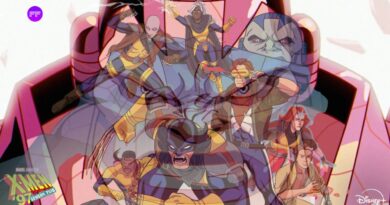
Why X-Men ’97 Season 2 Could Be Marvel’s Biggest Animated Hit
Discover why X-Men '97 Season 2 could become Marvel's biggest animated hit, from its acclaimed storytelling and fan-favorite characters to expanding the ....
Marvel Animation Studio confirmed to release X-Men ’97 Season 2 to continue the next chapter of the mutant saga on Disney+ on July 1, 2026. The time-shattering events of the first season left fans wondering about the storyline. After receiving a 99% Rotten Tomatoes score, an Emmy nomination, and widespread recognition as the best Marvel animated show in history. The wait is over, and the countdown begins for a darker and emotional packed season.
The overwhelming popularity of X-Men ‘97 Season 2 is continuously growing due to its retro charm and more darker narrative. The original 1990s cartoon laid down a solid foundation of X-Men but the revival managed to elevate the stakes with shifting its theme from cartoon to a heavy tragedy, political betrayal and systemic oppression series.
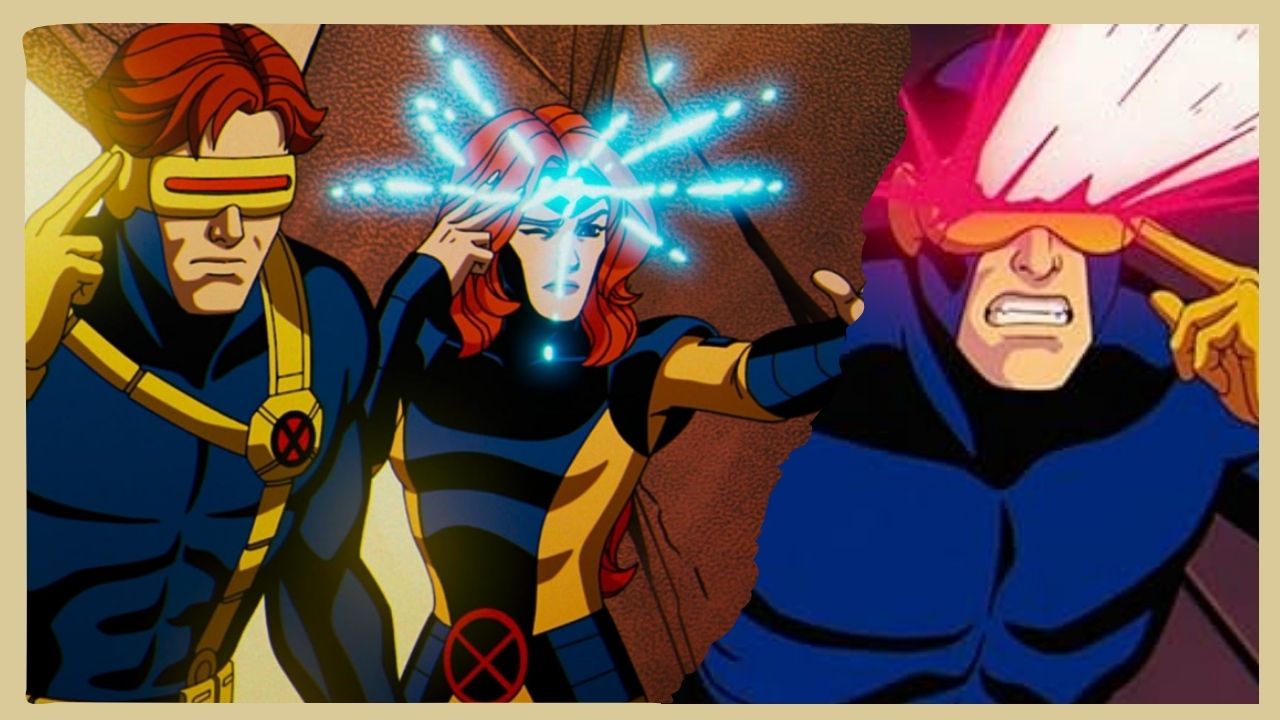
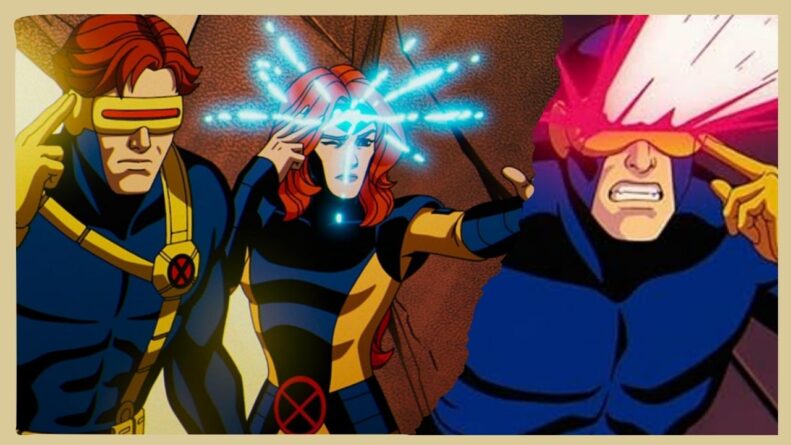
In the first season, The tragic destruction of the mutant haven Genosha raised the stakes and turned a narrative point, proving that the show was willing to go to devastatingly dark places. The visual is more intense with 3D action sequences that give battles a cinematic quality. Everything is so highlighted, even small details such as Cyclops’ optic beams reflecting off his visor to show emotion when his eyes are covered, that adds emotions and attention into the series.
This isn’t just about visuals of the series, the soundtracks are equally matched with the scenes. Taylor Newton Stewart and John Andrew Grush, known as the Newton Brothers put a soul in a series with an energetic version of the iconic theme song, many fans chose not to skip the intro.
Keeping the story moving while giving characters room to grow is a refreshing approach for fans who had seen the same approach in recent MCU series. With its highly-intense visuals, perfectly balanced soundtracks, emotional storytelling and heavy action has set the new standard for superhero adaptations.
Overall, the series premiered in May 2024 that it became so popular and made a huge fanbase. Now its second season is so popular because Marvel adds more exciting plot twists and emotional core to the series.
Marvel brings original X-Men: The Animated Series writers Eric and Julia Lewald, alongside original director Larry Houston, to executive producers for X-Men ‘97 Season 2. To keep the core identity of the franchise and serve a stable storyline Chase Conley and Emmett Yonemura are also back as directors to preserve the creative DNA of the show remains intact. And DeMayo is still credited as an executive producer and writer for the upcoming season.
The best Marvel animated show, X-Men ‘97 Season 2 narrative ends up after the fight against machine-hybrid Bastion and Operation: Zero Tolerance. But the team of X-Men are scattered across time in three distinct eras:
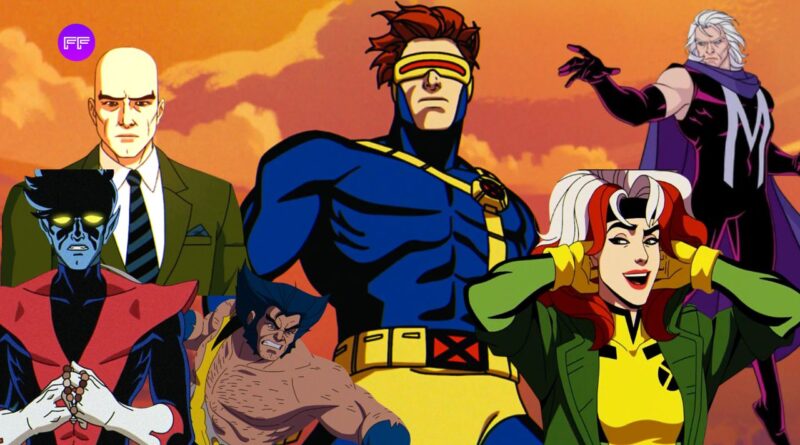
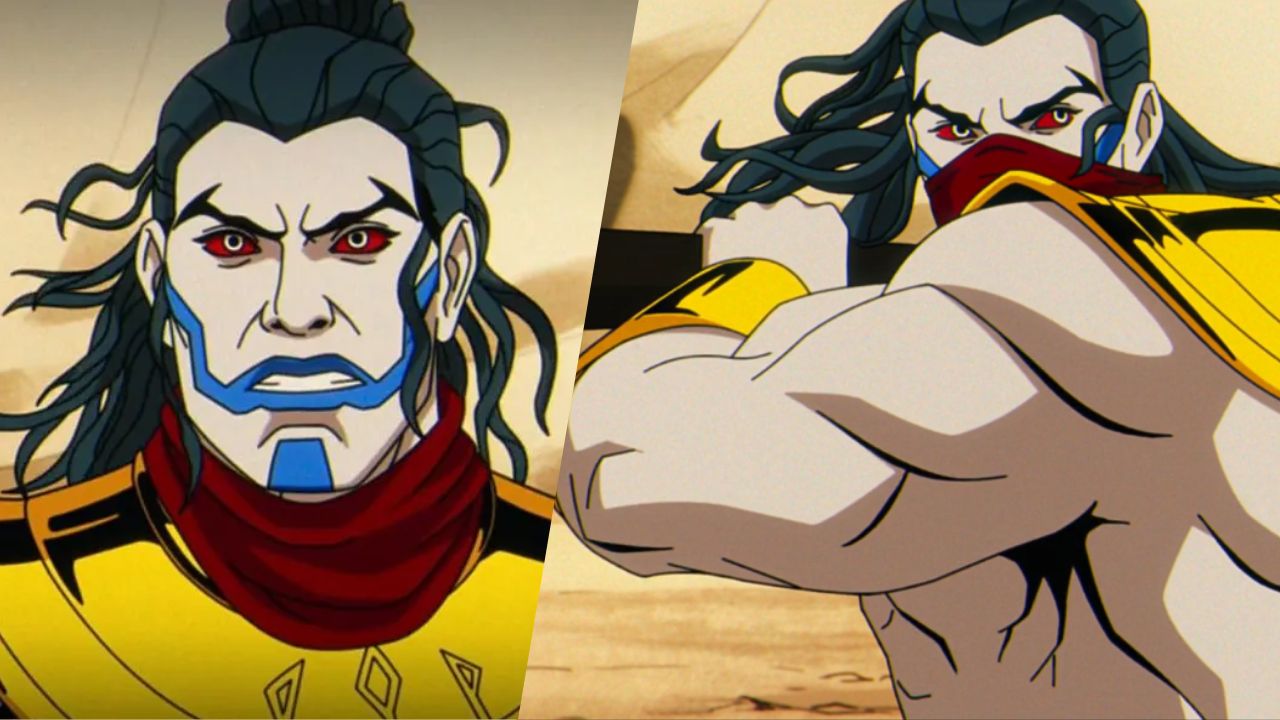
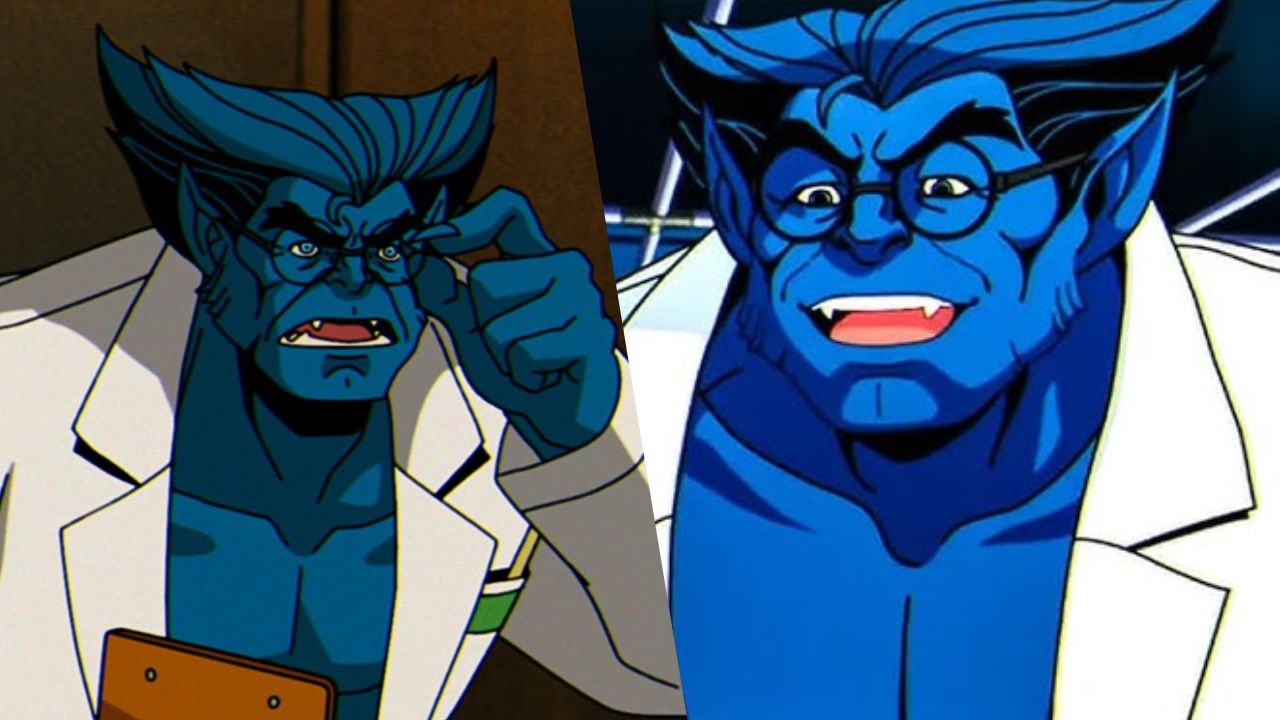
Ancient Egypt (3000 BC): Where Rogue, Magneto, Beast, Charles Xavier, and Nightcrawler got stuck and found Apocalypse, but a younger version alongside the Sandstormers. The tribe adopts him after his exile due to his grey skin and instills in him the belief that only the strong survive. This setup is fit to explore the past, present and future of Apocalypse who is the main villain in Season 2 and showing there was once a redeemable mutant before he armored himself in celestial technology.
The Desolate Future (3960 AD): Cyclops and Jean Grey reunite with their young son, Nathan Summers, who was sent forward in time to cure his techno-organic virus. Meanwhile Apocalypse is already growing with more power and supreme in this time. Mother Askani (who is actually an aged Rachel Summers from an alternate reality) trained Nathan along with Clan Askani. He was trained to control the virus which turning his flesh into organic steel, preparing him to become the temporal warrior Cable.
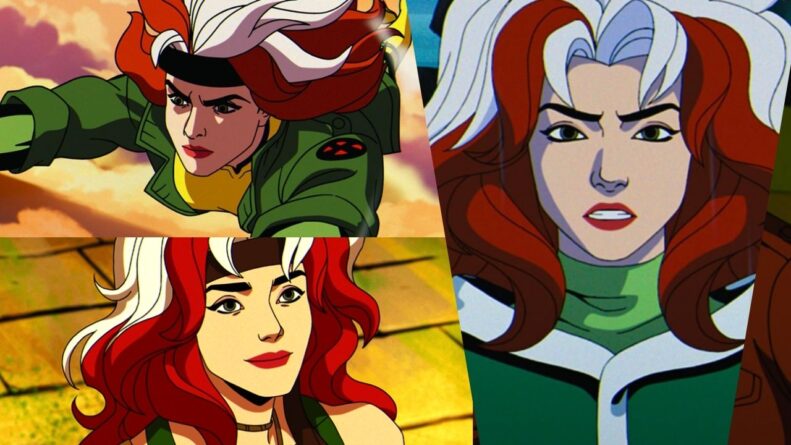
The Present Day (1990s): The team already gone away, anti-mutant threat is growing continuously. Bishop and Forge remain in the present, trying to figure out how to bring back everyone in a present timeline. Forge reorganizes a government-backed team of mutant protectors, in order to protect the world alongside remaining heroes like Jubilee and Sunspot. It also establishes a new lineup of X-Factor.
| Era / Timeline | Active Characters | Primary Narrative Focus & Conflicts | Comic Book Influence / Origin |
| 3000 BC (Ancient Egypt) | Rogue, Magneto, Beast, Xavier, Nightcrawler, En Sabah Nur | Apocalypse’s origin; the Sandstormers’ influence; the ideological battle for young En Sabah Nur. | Rise of Apocalypse & Ancient Egyptian Lore. |
| 1990s (Present Day) | Forge, Bishop, Jubilee, Sunspot, Polaris, X-Factor, Sabretooth | Forge’s struggle to find the lost team; rise of anti-mutant sentiment; mobilizing X-Factor. | X-Factor (Government-sponsored mutant team). |
| 3960 AD (Distant Future) | Cyclops, Jean Grey, Young Nathan, Mother Askani | Summers family reunion; Cable’s training to control the techno-organic virus under Clan Askani. | Clan Askani & Cable’s futuristic origins. |
What makes the upcoming season of X-Men ’97 highly anticipated is its unapologetic adaptation of some of the darkest, most complex storylines in Marvel Comics history.

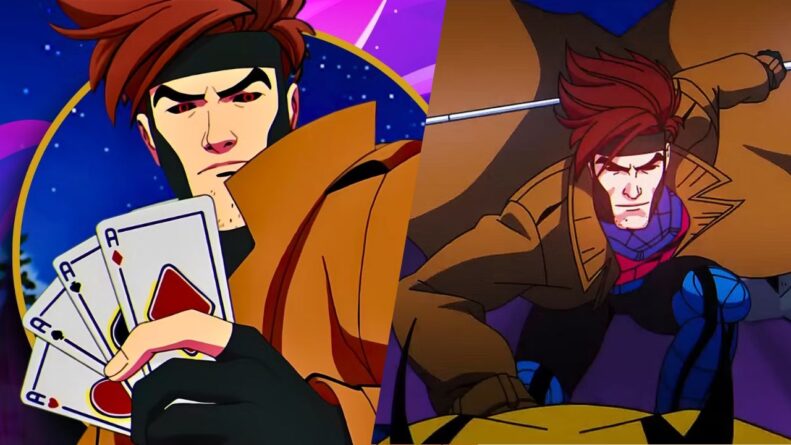
The setup centers upon the return of Apocalypse who plans to assemble his notorious Four Horsemen. The trailer strongly suggests that Apocalypse will resurrect Gambit and make him one of the four horsemen of Death. This setup will force Rogue to face the monster who looks like the man she loved.
Wolverine’s arc follows the “Fatal Attractions” comic storyline, After Magneto ripped the adamantium from his skeleton in the Season 1 finale, Logan enters his “Bone Claws” phase. He is in no shape to fight with his enemies like Sabretooth and Lady Deathstrike without his metal claws and bones.
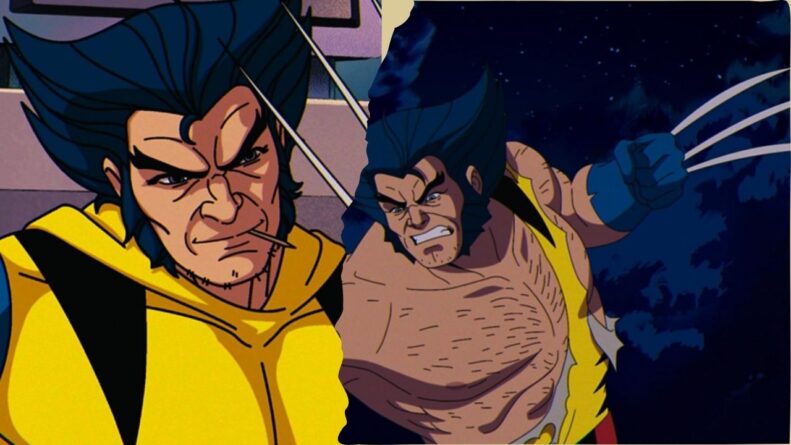
According to comics, whenever he loses his toxic metal, he also becomes more vulnerable, which makes him more wild and monstrous. Trailer shows his claws back with him suggesting he either makes a dark bargain with Apocalypse or receives the metal back as a remorseful gesture from Magneto.
The series connects to The Draco comic storyline which revealed Nightcrawler summoned powers from his biological father Azazel, an ancient mutant who inspired historical depictions of Satan.
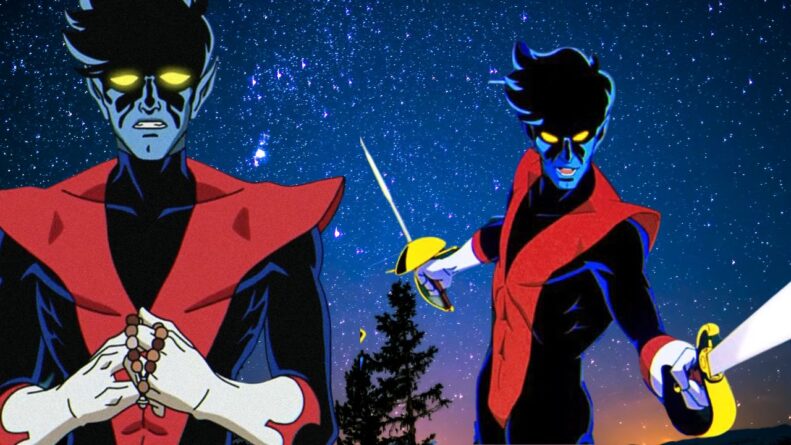
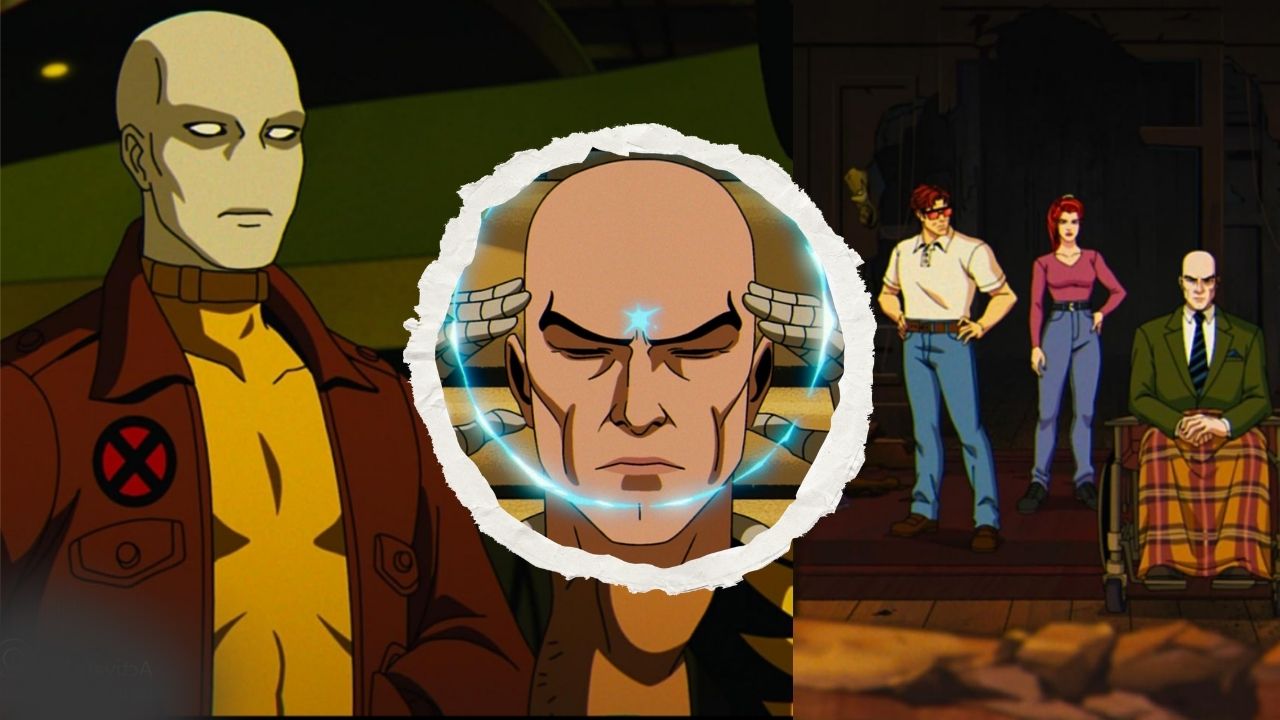
The series will feature Xavier’s Danger Room as a powerful robotic being, which becomes a dangerous living machine for X-Men. She adds a morally grey conflict by targeting X-Men’s students and exposing their secrets which Xavier hides from everyone.
Marvel is running a major campaign to ensure the series dominates the cultural conversation well before its premiere. The main trailer revealing during Comic Con Ontario created a excitement and buzz online among fans for its reference to comic, updated costumes, and a recreation of Frank Miller’s famous Wolverine #1 (1982) cover.
To directly bridge the narrative gap, Marvel Comics is releasing X-Men ’97: Season Two on June 3, 2026, the prequel reunites writer Steve Foxe, artist Salva Espin, and colorist Matt Milla. The comic expands the story by describing how the world is changing in X-Men disappearance and how Forge reorganizes the government-sponsored X-Factor with Bishop, Jubilee, and Sunspot to defend a world that “hunts and hates mutantkind”.
Read More 👉 X-Men ’97 Season 2: Marvel’s Legendary Mutants Return
X-Men ’97 Season 2 will continue the story which seems to have a tragic end in season one. The character’s arc will be more darker and emotional while facing a biggest threat that leads to too many deaths. It perfectly aligns with comic book lore.
The storyline is focused on time-traveling epic challenges which sets the standard boundaries of mainstream animation. The production and creative team prepared this series using high quality visuals and soundtracks which became popular with intense action and emotional packed narrative that bridges the gap between comic books and television.
If the series maintained its mainstream viewership for its season 2, it would not only solidify its reputation as the best Marvel animated show, but also redefine the approach for bringing back favorite mutant heroes in upcoming years.
Get updates on Fandomfans from upcoming movies & series, we also focus on delivering deeper details on characters and celebrities.

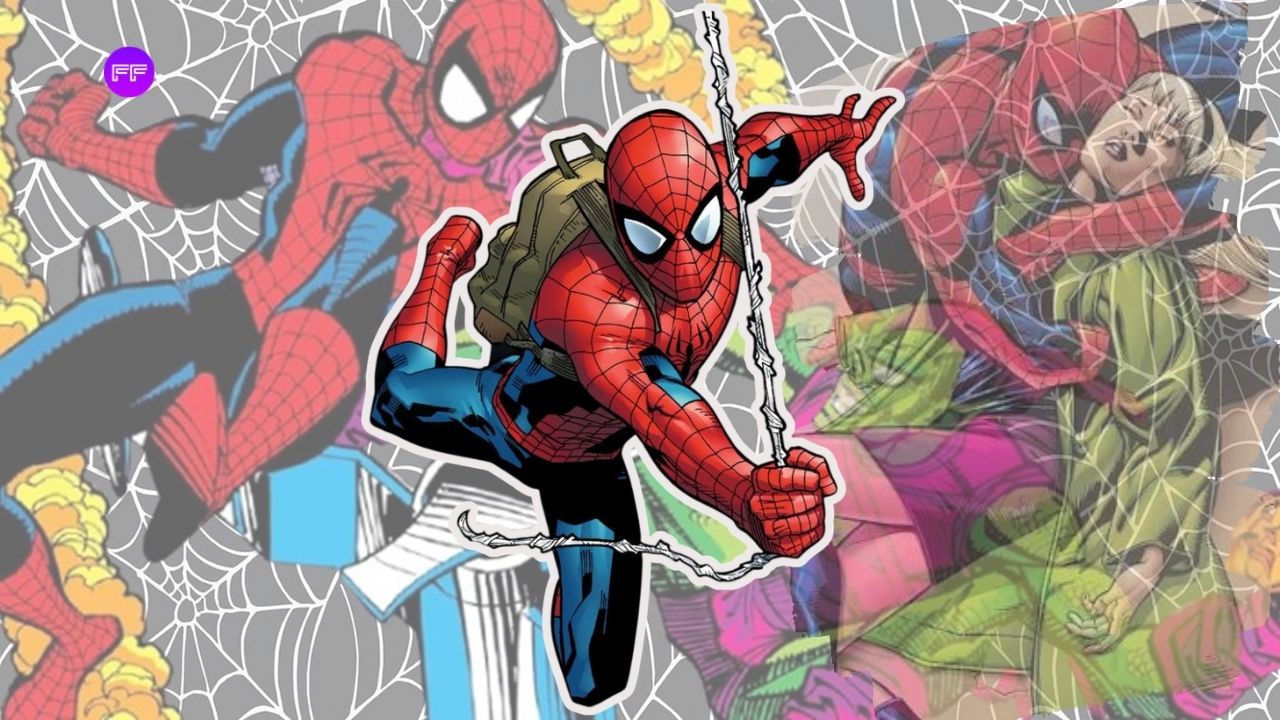
Discover the best Spider-Man Marvel comics for new readers, from iconic origin stories to must-read adventures, with beginner-friendly picks to start your journey.

You just watched a Spider-Man movie in theaters and you’re hyped, now you open a Marvel website to find “Amazing Spider-Man #1,000-something” and other sections featuring dozens of series with “Spider” in the title. That’s the moment most people get confused and close the tab. Once you look at a clean list of best Spider-Man Marvel Comics which is especially good for new readers, you’ll definitely own them.
Spider-Man has been published continuously since 1963, which means there are literally thousands of issues, and no one is expecting you to read all of them. You need maybe six comics to actually understand why this character has outlasted every trend in pop culture for over sixty years.
This is a guide to Spider-Man Marvel comics built specifically for people who have never picked one up. No filler, no “if you really want to go deep” tangents into 1990s clone sagas. Just the stories that made the character, in an order that won’t burn you out in week one.
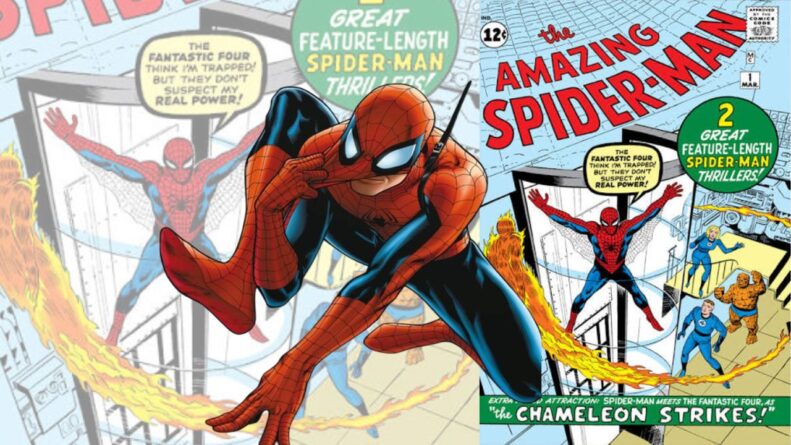
The one where issues starts is The Amazing Spider-Man #1 from 1963, if you are a new reader then start with this comic. Because it is the oldest and still so valuable to the Spider-Man fans. It carries stiff dialogues, different storytelling reminiscing nostalgia, and the different version of Peter Parker from the one you know in the movies. Comic readers mostly recommend toward “the beginning,” but that advice mostly exists because it’s easy to give, not because it works.

What actually works is starting with a story built to be an entry point — something written by people who knew a new generation of readers had zero patience for sixty years of backstory.
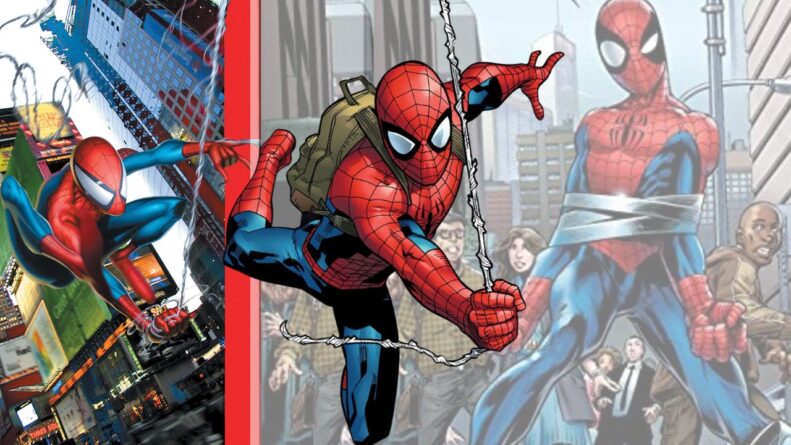
If you are still deciding whether you read or not then begin with Ultimate Spider-Man Vol. 1 which is written by Brian Michael Bendis, since it is a full retelling of Peter Parker’s origin from scratch. This isn’t any spin-off comic, it is prepared with art by Mark Bagley, stripped of decades of continuity Spider-Man introduction so it is best for readers who’d never touched a comic before.
Bendis and Bagley led this series for more than 100 issues in a row, which is a ridiculous, unheard of run length for two creators on one superhero book, and it’s part of why the world is so tightly built.
It hits the beats you already know — the radioactive spider bite, Uncle Ben, the “Great Responsibility comes with great power” lesson but it takes its time with Peter as an actual teenager dealing with actual teenage problems before the costume shows up. In movies, Peter Parker’s high-school version where he felt true to life —- the tone came from this book.
Read More 👉 Spider-Man: Brand New Day Latest Update: What’s Really Happening?
If you are new and scared to find more than 100 Marvel comics, don’t worry because you don’t need the full 1970s-1980s Spider-Man run. There are two main stories which you can read as a beginner and that’s worth your time.
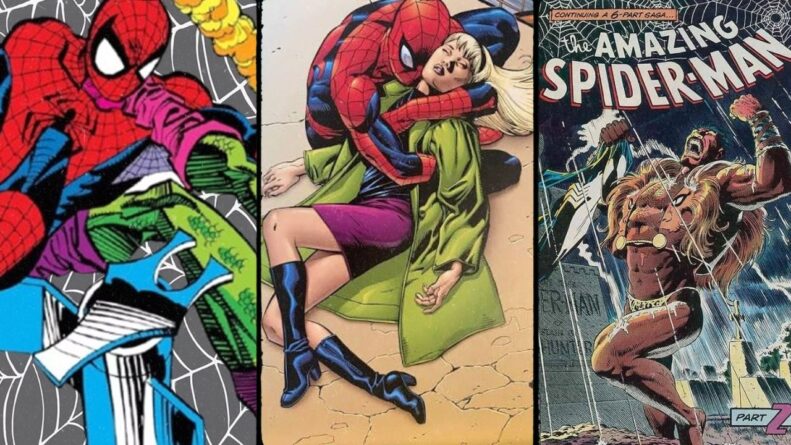
The Death of Gwen Stacy — This is the point where most comic historians reference about Superheroes doesn’t always get to win. Amazing Spider-Man #121-122 (1973), written by Gerry Conway follows the story, Spider-Man fails to save the person he loves. If you have watched Andrew Garfield’s Spider-Man then you probably understand the specific kind of grief the movie showed. That emotional heartbreaking tone came from this version, you’ll know once you read.

Kraven’s Last Hunt (1987) — J.M. DeMatteis and artist Mike Zeck crafted this six-issue saga, across three different Spider-Man titles of the era (Web of Spider-Man #31-32, Amazing Spider-Man #293-294, Spectacular Spider-Man #131-132). This is widely considered the single best Spider-Man story ever published, full stop. It’s dark, psychological, and doesn’t require you to know anything about Kraven the Hunter going in — the story tells you everything you need. Buried alive, replaced by his obsessive hunter, Spider-Man has to claw his way back to himself, literally and figuratively. It’s collected as one volume, so you’re not chasing three different comics.
Miles Morales wasn’t just a temporary replacement of Spider-Man because Brian Michael Bendis introduced him as a fully new version of Peter Parker after killing off the Ultimate universe’s Peter Parker in 2011. And now this character is running on-screen as Miles Morales: Spider-Man series in the main Marvel Universe (Earth-616), that shows Miles become Marvel’s core heroes.
If you discovered Miles through the Spider-Verse films, and came to read comics then you land on the right place because you don’t need to read a single Peter Parker comic first. The Miles storyline built on its own and the comics is the original source of the films. Miles’s book has a completely different tone with its own villains, his own family drama with his parents, and a fresh perspective on living up to a legacy he never expected to inherit.
Read More 👉 Will There Be Another Spider-Man Movie? Here’s Everything Confirmed So Far
Right now, the newest Marvel Comic published is The Amazing Spider-Man which is now on its 7th volume that launched in April 2025. It is written by Joe Kelly. The series is currently in the middle of the “Death Spiral” crossover, featuring Spider-Man with Venom and Mary Jane Watson is hosting a symbiote, against a serial killer known as Torment. This storyline has a heavier tone, following a grittier crime-thriller than any Spider-Man story before. This is co-written by Joe Kelly and Al Ewing.

Otherwise, if it is a finished modern story you seek rather than an ongoing, Essential Ultimate Spider-Man (2024) by Jonathan Hickman and artist Marco Checchetto just wrapped up in February 2026 after 24 issues — and unlike most superhero runs, it makes an end. This is a what if scenario where Peter Parker is older, married with two kids and just now came out as Spider-Man, which turns the typical “teenager learns responsibility” formula upside down. While the title may be similar, this is genuinely a different take than Bendis’ version above, so don’t get the two confused.
If you’re the type who wants the best Spider-Man Marvel Comics checklist instead of prose, here’s the actual order to read these in:
That’s five to six books, not five hundred are best Spider-Man Marvel Comics. You’ll walk away understanding why Spider-Man has survived every reboot, every costume change, and every “is this character still relevant” think piece since Kennedy was in office — and you’ll have done it without touching a single clone saga.
If you only pick up one Spider-Man comic this weekend, make it Kraven’s Last Hunt. It’s a self-contained narrative that doesn’t depend on years of continuity or encyclopedic Marvel knowledge, yet it encompasses everything that makes Spider-Man such a timeless character.
Read More 👉 How Did Wolverine Get His Adamantium Skeleton in X-Men ’97? Explained
More than 30 years on, it is still one of the most emotionally resonant and psychologically complex superhero comics ever written—and the best Spider-Man Marvel Comics most likely to have even non-comics readers agreeing that Spider-Man is a bit more than a wisecracking guy who wears a red and blue suit.
Stephen Wacker is the new Editor-in-Chief of Marvel Comics. Learn about his career, achievements, and vision for Marvel's next chapter.

Marvel announced Stephen Wacker Marvel Comics Editor-in-Chief recently who previously worked on successful projects including Spider-Man, Hawkeye, and Ms. Marvel. This recent development created a lot of buzz among Marvel fandom and Marvel Comics is packing up its nearly nine-decade-old New York operation and moving to Burbank, California, right next to Marvel Studios.
However, taking a deeper look at what piece of work he brings along with him and the future of Marvel comics after Stephen Wacker officially becomes editor-in-chief.
The announcement about Stephen “Steve” Wacker becoming new Editor-in-Chief came before San Diego Comic-Con. He takes over from C.B. Cebulski. Brad Winderbaum, who now oversees Marvel’s Television, Animation, Comics, and Franchise operations, made the call, and Wacker will report directly to him. That reporting line alone tells you something — Marvel’s publishing arm now formally sits under the same umbrella as its screen and franchise business, rather than running as its own separate division.
Wacker isn’t a new name to anyone who’s followed Marvel’s output since the mid-2000s. He started out on the DC side of the industry before crossing over to Marvel, where he spent well over fifteen years in various roles — editor, then eventually VP of Creative & Content — before stepping away to run other ventures.
He’s the kind of editor whose name shows up in the letters pages and back-matter of some genuinely beloved runs, which is a big part of why this appointment landed as a “welcome home” moment rather than a surprising outsider hire.
Wacker already spent years at DC Comics editing before joining Marvel, he also got titles like JLA, JSA, Legion of Super-Heroes, Jonah Hex, Villains United, and the critically praised weekly title 52 at DC. That experience running a high-output weekly book turned out to be good training for what came next. He joined Marvel as an editor in 2006 and spent about seven years steering some of the publisher’s most divisive and most celebrated stories at once — proof that a single editor can be both praised and criticized loudly by the same fandom in the same year.

Around 2013–2014, his career shifted toward Marvel’s television and animation side, and by 2019 he’d risen to VP of Creative & Content. He eventually left Marvel altogether to become Editor-in-Chief of 3W3M, Jonathan Hickman’s independent worldbuilding project, before co-founding the entertainment studio Stone Kite, where he served as SVP of Media. Now, he’s back at the company where he built his reputation — this time running the whole show.
During his first run at Marvel, Wacker wore two very different hats. As a senior editor, he oversaw the comics side — the Spider-Man office, plus a run of acclaimed creator-driven books. Wacker later expanded into Marvel’s animation and digital media projects after working in comics, he co-producing the Emmy-nominated Rocket & Groot shorts.

He proved his outstanding work which takes him in co-executive producer’s position for Avengers Assemble, Ultimate Spider-Man, and Guardians of the Galaxy. And expanded to the Marvel’s Wastelanders audio drama series.
Wacker’s overall cross-format experience by working comics-to-screen in Marvel before leaving is what actually Marvel comics need right now.
The entire work journey of Stephen Wacker is a breakthrough, as the editor of Amazing Spider-Man, he guided major storylines like One More Day, Brand New Day, and Superior Spider-Man for which he got huge appreciation. That’s not enough, he fluently edited on other fan-favorite projects like Hawkeye and Daredevil, both got praised by critics and readers.

Wacker also helped in the launch of Kamala Khan (Ms. Marvel), who is one of the most important Marvel superheroes and developed alongside Sana Amanat. Captain Marvel and some Venom storylines were edited by Wacker, so it is proved that he can handle both blockbusters, superheroes and character-driver stories.
Winderbaum’s own framing gives away most of the reasoning: he called Wacker someone who understands that Marvel Comics is “the source code” of the entire Marvel enterprise. Translation — the company wants an EIC who treats the comics not as a standalone print business, but as the idea factory feeding movies, shows, and games.
Wacker’s mixed background in both comics editing and screen production makes him an unusually good fit for that framing, especially with publishing now folded into Winderbaum’s TV, animation, and franchise division rather than operating independently. It’s less “we found the best pure editor” and more “we found someone fluent in both languages.”
Read More 👉 Official Spiderman Brand New Day Merchandise | Shop Marvel Spidey Must-Haves
Former editor-in-chief of Marvel comics isn’t fired but C.B. Cebulski served his role since November 2017 which makes him the 3rd longest-serving Editor-in-Chief. Cebulski is simply stepping into a new role: Editor at Asia Originals. He relocated to Tokyo where he will lead Marvel’s original manga and graphic fiction across the region with Japanese creators and publishers as his relations are good over there.

It’s a notable full-circle assignment given his own complicated history with Japanese comics — years before becoming EIC, he’d written Marvel comics under the pseudonym “Akira Yoshida,” posing as a Japanese writer, a story he only confirmed publicly in 2017. Cebulski and Wacker talked about the transition and both spoke warmly about their new positions.
Wacker shows his excitement and nostalgia through his statement.
it “a full-circle moment,” —Wacker
He also shared his first thing which sparked his love for comics — reading an issue of Marvel Two-in-One as a kid. It seems that his return is meaningful.

Wacker’s own statement leaned nostalgic and ambitious at once. He said returning to Marvel felt like “a full-circle moment,” recalling that picking up a Marvel Two-in-One issue as a kid is what turned him into a comics fan in the first place. He’s framed his goals around building on the work of Marvel’s founding generation while insisting the publisher’s best stories are still ahead of it — his words were about wanting to add “new floors to the House of Ideas.”
It’s early, so specifics haven’t been laid out yet, but the tone suggests a mix of respect for legacy runs and appetite for new creator-driven swings, not unlike the mix he championed the first time he held an editorial chair at Marvel.
This appointment doesn’t exist in a vacuum. It’s the latest move in a publishing shake-up that’s been building since spring 2026, when longtime publisher Dan Buckley exited and Disney Music Group’s David Abdo came over as general manager of comics and franchise. That period also saw layoffs that removed sales chief David Gabriel and several Marvel editors, alongside cuts to the Studios side’s in-house visual development team.
Combine that with the physical relocation of Marvel Comics from Manhattan to Burbank over the next year, and the direction seems clear: Marvel wants its comics division sitting physically and organizationally closer to its film, TV, and franchise machinery.
Whether that tightens creative coordination between comics and screen projects, or just streamlines corporate overhead, will likely become clearer once the move is complete and Wacker’s first slate of editorial decisions starts rolling out.
Wacker already worked with many creators and they all expressed their overwhelmingly warm excitement. Writer Zac Thompson called him one of the best editors in the business, while Declan Shalvey praised his taste and editorial vision.
Chris Cross, who’s worked with him at both DC and Marvel, described him as consistently fair and sharp. G. Willow Wilson, who co-created Kamala Khan alongside Wacker, joked on social media about the upside of Marvel’s move to the West Coast — no more brutal 2 p.m. East Coast deadlines.
Deniz Camp, Eisner-nominated writer endorse Wacker for this role as he is one of the finest editors in Marvel history. After the announcement, comic outlets dug Wacker’s old forum posts and poked jokes on daily challenges at being an Editor-in-Chief. While industry professionals are sharing positive excitement with enthusiasm rather than skepticism.
Since this is a fresh appointment, Marvel hasn’t detailed a specific slate of titles or storylines tied directly to Wacker yet — his editorial priorities as EIC will likely become clearer once the Burbank relocation is underway and San Diego Comic-Con conversations settle. What’s reasonable to expect, based on his track record, is a continued mix of flagship Spider-Man storytelling alongside space for smaller, creator-owned-feeling books in the Hawkeye or It’s Jeff! mold.
Anyone hoping for an early announcement will want to keep an eye on Marvel’s Comic-Con panels and press notes over the coming months rather than assuming anything is locked in yet.
Read More 👉 Marvel First Family & Doctor Doom Are Friends Until Doomsday
Stephen Wacker’s return to Marvel as Editor-in-Chief closes a loop that started with a kid buying a Marvel Two-in-One issue off a spinner rack. It also opens a new one — a Marvel Comics division physically relocating to Burbank, reporting into the same leadership as the studios, with an editor at the helm who’s spent time on both sides of that divide.
Cebulski’s move to Tokyo isn’t an ending so much as a reassignment, and the broader restructuring around this appointment suggests Marvel is betting on tighter integration between its comics and its screen output. Whether that pays off in the actual books on shelves is the part fans will be watching for next.
Dive deeper into the details of movies, comics and series with Fandomfans to get the latest updates.