9-1-1: Lone Star Season 5, Episode 10 Recap & Review
9-1-1: Lone Star Season 5, episode 10 is back after the winter break. The show feels like it’s hurrying to give everyone a happy ending.
Published: May 1, 2025, 10:09 am

9-1-1: Lone Star Season 5, episode 10 is back after the winter break. The show feels like it’s hurrying to give everyone a happy ending.
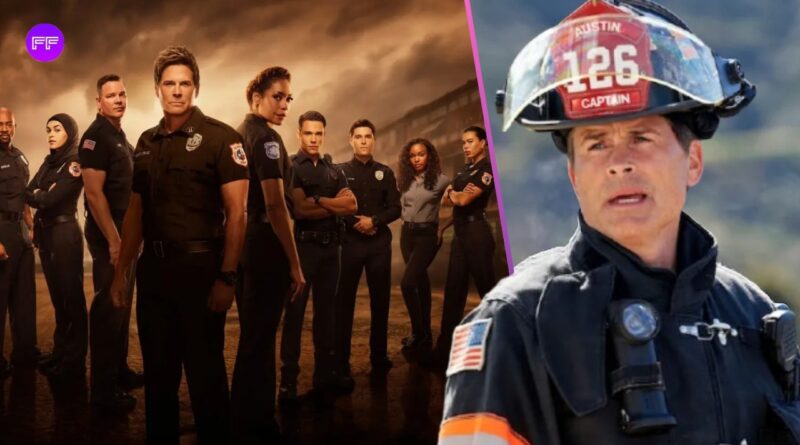
9-1-1: Lone Star Season 5, episode 10 is back after the winter break. The show feels like it’s hurrying to give everyone a happy ending. The new episode focuses on Judd’s recovery. Recovery isn’t easy or straightforward, and it requires honesty.
Judd isn’t being honest with himself or others. He has started drinking again, which shows he’s struggling deeply. Owen has moved into Judd’s house to make sure he isn’t left alone. But where is Judd’s daughter?
She’s staying with Grace’s parents, leaving Judd in an empty house. Grace is busy with her mission, which she feels is her calling. Judd feels completely alone without his family around. This isolation pushes him further toward alcohol.
The episode shows Judd at his lowest point. He seems close to having some very dark and troubling thoughts. His struggle is heart-wrenching to watch.
Read Also👉 Kingdom Come Deliverance 2 Release Date Is Out Now! Check Latest Updates of KCD2
He struggles with his faith and sobriety throughout the episode. He sends a 911 text to Grace, asking her to come home. However, the message doesn’t go through immediately, leaving him feeling even more abandoned.
At the end of the episode, the message finally reaches Grace. She replies, giving Judd the chance to talk to her. This moment becomes a turning point, offering him the support he needs.
Before this, Judd’s struggles reflect a deep feeling of loneliness. He feels as if God has left him. Many people of faith can relate to this experience. It reminds me of the story of Jesus and the footprints in the sand.
Sometimes, when people feel most alone, they forget the message of that story. Judd’s journey shows how faith can be tested but also renewed. When the pastor running the AA group gets into an accident, Judd feels even more abandoned by God.
Judd gets some relief when Owen and the 126 team save the pastor’s life. This storyline could have been more impactful with more time to develop. It feels rushed since it lasted only one episode. The final season of 9-1-1: Lone Star seems to include too many events at once. This leaves little room for deeper exploration.
With just two episodes left and a major world-ending event coming, the show feels crowded. Better planning or cutting down on subplots could have improved the pacing. This rushed approach might disappoint fans wanting meaningful storylines. The series needed to take its time and focus more on emotional depth.
Read Also👉 Marvel Rivals: Black Panther Guide to Abilities, Team Ups & Combos
Marjan’s surprise wedding in 9-1-1: Lone Star season 5, episode 10, shocked many fans. Honestly, I had forgotten about her boyfriend. The wedding felt rushed, like the series wanted to quickly give every character a happy ending.
However, I loved watching Marjan stand up to her parents. A call from a woman struggling with boundaries inspired her. The woman almost got hurt because she let her sister take advantage of her. Marjan realized she needed to take control of her life. She told her parents she was ready to marry. She wanted them there for her big day.
Read Also👉 Netflix’s Missing You (2025): A Must-Watch Mystery Thriller Series
This storyline could have been much bigger this season. A reminder about the boyfriend earlier would have helped. I completely forgot he existed. I even had to look online to remember how they met and who he was. The writing failed to keep him relevant. Marjan and her parents needed more conversations leading up to this moment. Her mom is surprised Marjan wants to rush the wedding. We needed to know she wanted a big one earlier.
Having the wedding in the firehouse was a nice touch, but it didn’t matter much to Marjan’s now-husband. TK and Carlos got an amazing buildup to their wedding. Marjan deserved the same attention and care for her story. This highlights how many characters in 9-1-1: Lone Star feel underused, especially in their personal storylines.
The episode didn’t feature many memorable emergencies. It focused more on the characters. However, it feels like the show is rushing its stories. This rush seems aimed at wrapping up the series quickly. I’m unsure how to feel about this. It might lead to a disappointing end for such a fun and lively show.

Watch now Monarch Legacy of Monsters Season 2 trailer. Apple TV+ airs a glimpse of Skull Island, a new Alpha Titan, timelines shift, and MonsterVerse ties.
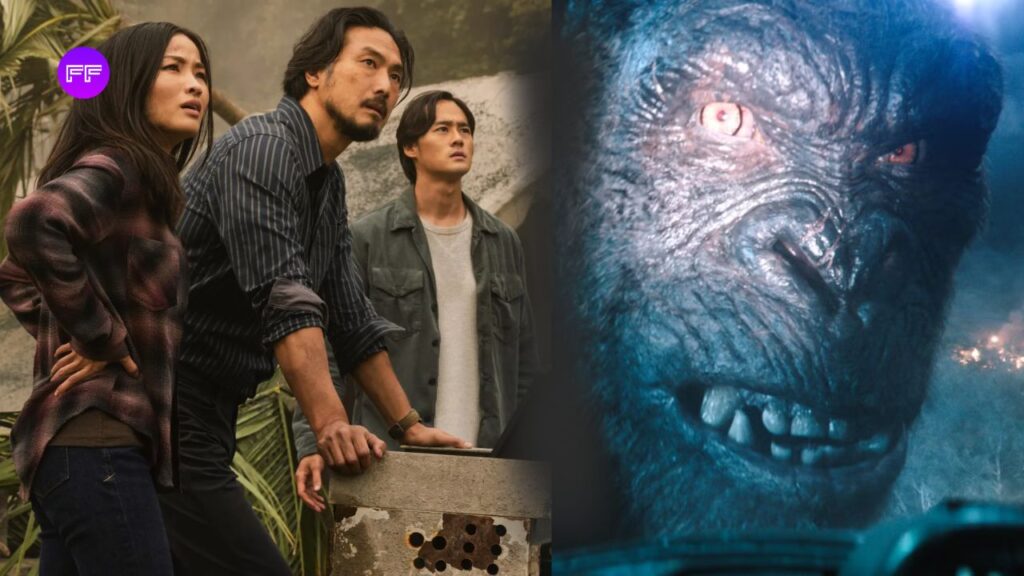
AppleTV+ has at last released the official trailer for Monarch Legacy of Monsters Season 2 at their Press Day event, and to say the MonsterVerse fanbase is going haywire would be an understatement.
The series has returned after a breakout first season that demonstrated you can blend high-prestige human drama with city-stomping kaiju. But this time, they’re not just holed up in bunkers, they’re going to the most dangerous place on Earth. With a new “Alpha” threat on the horizon and the timelines in flux, Season 2 looks to start to connect the dots between the small screen and the huge cinematic battles we know are coming in 2027.
The Monarch Legacy season itself starts with a world premiere on Friday, February 27, 2026, leading into what seems like a regular weekly obsession.
Over the course of 10 episodes, the story will be revealed one chapter at a time, with new episodes released every Friday. The journey ends on May 1, 2026; just enough time for fans to fan theories, argue online, and countdown between every reveal.
Genre: Fiction → science fiction, action-adventure, monster drama.
Theme: The main theme this season appears to go from “discovery” to “consequence.” The trailer shows a series of ripple effects of the past hitting the present. It’s about the trauma passed between generations of living in a world where “Gods” exist, and the corporate greed (hello, Apex Cybernetics) vying to control them.
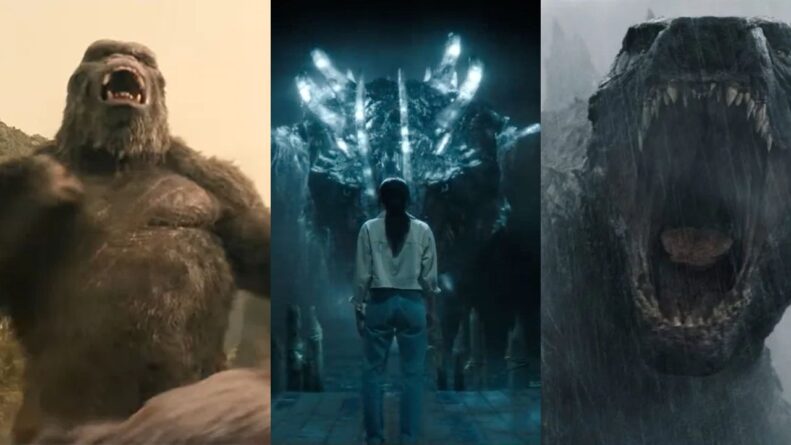
Setting: The story scope has gone through the roof. We are presented with a split timeline:
The original Monarch Legacy Season 1 hitmakers are back to captain the ship:
Showrunners: Chris Black (Severance) and comic book legend Matt Fraction. Their Presence assures we have that blend of bureaucratic realism and off-the-walls, comic-book heart.
Executive Producers: Joby Harold, Tory Tunnell, and Matt Shakman (director of WandaVision).
Studio Oversight: Toho Co., Ltd. continues to keep a close eye which is key. They are the keepers of the Godzilla legacy — making sure the Titans look and move exactly as they should.
Season 1 concluded with a massive cliffhanger, leaving our heroes stranded in the time-bending dimension of Axis Mundi. Season 2 is going to be piecing things back together. The timeline has jumped to 2017 and the Randa siblings (Cate and Kentaro) aren’t just searching for their father now – they are fighting to stay alive.
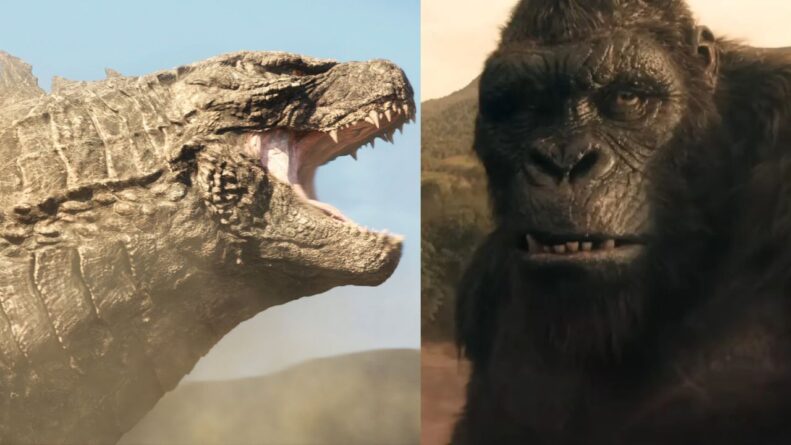
The trailer shows a “Titan Event” coming. Monarch is scrambling, but a rival group, Apex Cybernetics, is making a name for itself on Skull Island. The narrative will probably follow the race to discover “buried secrets” beneath the island that ties into the 1950s timeline, and a new, ancient danger emerges from the deep.
The casting for this show is still one of its best selling points, especially when it comes to the “Legacy” gimmick of the Russell father-son duo.
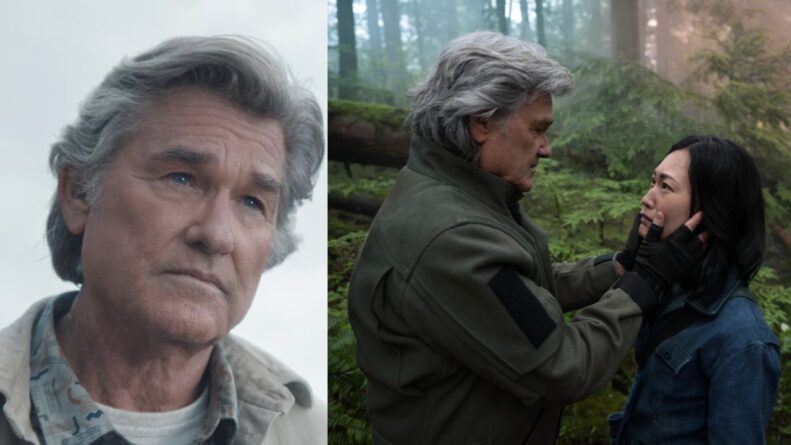
Kurt Russell as the elder Lee Shaw (the man who knows too much).
Wyatt Russell as the young Lee Shaw (1950s timeline).
Takehiro Hira as Hiroshi Randa.
Amber Midthunder (Prey): She adds to the cast as a character named “Isabel,” presumably an action-heavy part based on her past work.
Cliff Curtis: Role TBC, but reports say a senior villain or military leader.
Dominique Tipper reprises her role as Brenda Holland, the public face of Apex Cybernetics’ corporate dreams.
The most talked about thing out of the trailer was the announcement of a new Alpha: Titan X.
The New Monster: Titan X – Billed as a ”living cataclysm”, Titan X is an aquatic, tentacled drake with bioluminescent blue/red scales and “sideways 8” pupils. It can create huge storms.
The Rivalry: The trailer implies that the solution to stopping this thing is to throw Godzilla and Kong at it.
Crossovers: We’re really part of a slow burn this season and laying the groundwork for the international geopolitical muscle flexing that will really heat up in Godzilla x Kong: Supernova, and again we’re talking 2027.
Apple isn’t holding back the purse strings. The VFX for Titan X and the Skull Island sequences are feature-film quality.
Production: Location shooting for a tough approximation of Skull Island was extensive.
Sound Design: The trailer featured a particular acoustic weapon/sound emanating from Titan X that causes fear. The sound designers are weaponizing the audio in the narrative.
Read More 👉 Michael Biopic Trailer is Released: Most Long-Awaited Biopic of the King of Pop
The rating is expected to be TV-14, but it’s intense. With the Titan attacks, heavy psychological horror aspects, it’s really pushing the boundaries of the rating. Parents should be aware that while it’s not R-rated, danger seems very real.
Platform: Exclusively on Apple TV+.
Global Reach: The series will air simultaneously in over 100 countries worldwide, allowing the huge international fanbase — particularly in Japan and the US to watch together.
The bar is set very high this time. It’s not monster-sized battles fans want anymore—they want answers. The story is now scheduled to reveal the lore: how Apex Cybernetics went underground to become the creators of Mechagodzilla.
Questions about the time skip also hang heavily—what is Axis Mundi, really, and how long has Lee Shaw been gone?
Let’s not forget Skull Island, which also teases larger mysteries. Are we going to see a younger Kong learning his way, or is the titular “King” already grown up in 2017?
It’s all got that Lost-meets-Godzilla vibe, cloaked in secrecies, timelines and slow-burn revelations. Should the writers really nail the mystery side of things, they could easily be in the running for best sci-fi series of 2026. You can find these answers by watching the full series on Apple TV+ after its release.
Monarch Legacy of Monsters Season 2 appears to be leveling up from “spinoff” to “must-watch” pillar of the MonsterVerse. By relocating the action to Skull Island and bringing in a frightening new antagonist, Apple TV+ is upping the ante. The February 27 countdown is on.
Fandomfans is delivering every update from Hollywood Entertainment Industry directly to you

HBO’s A Knight of the Seven Kingdoms redefines the Targaryens story without dragons and shift towards high-political viewpoint
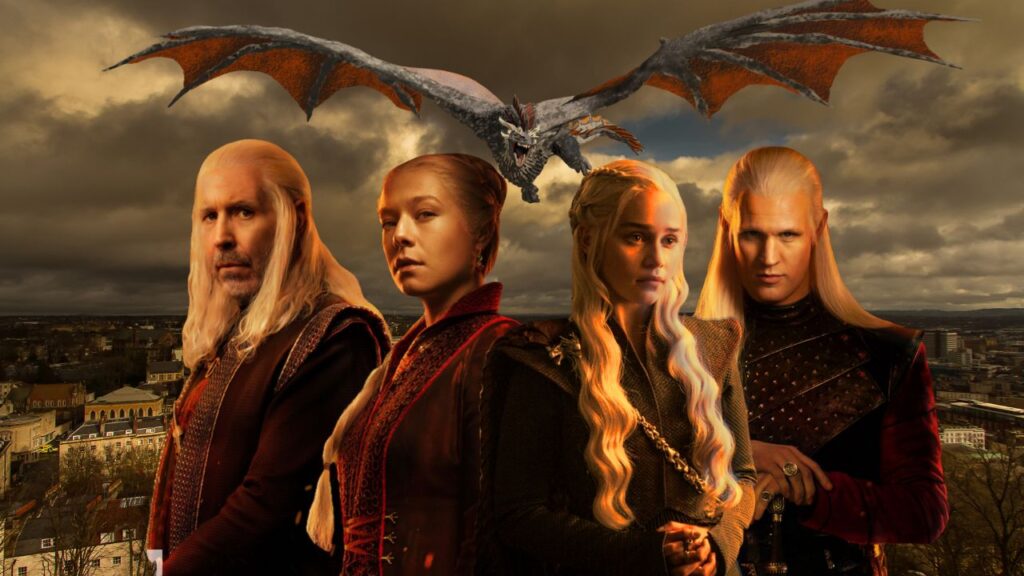
The delivery of the A Knight of the Seven Kingdoms (AKOTSK) confirms HBO’s prioritisation of a long-term expansion within the world of Game of Thrones. Adapted from George R. R. Martin’s The Tales of Dunk and Egg, the series marks a tonal and scale shift strategy-wise from its fellow travellers.
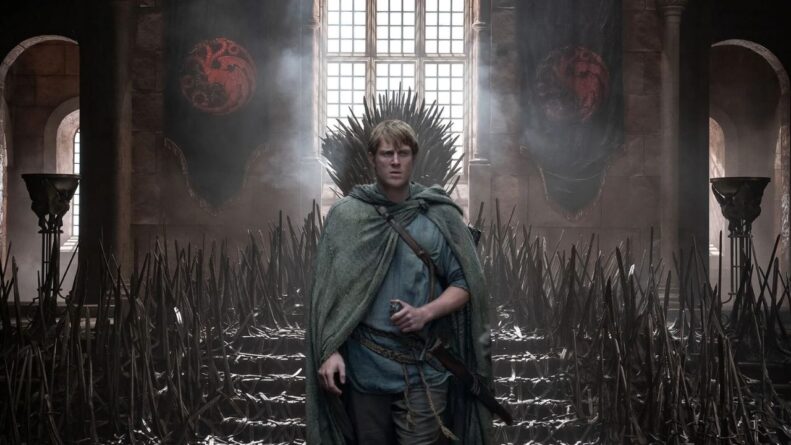
HBO has officially unveiled the very first teaser poster for the prequel series A Knight of the Seven Kingdoms. The related tagline, “A tall tale that became legend,” nicely hammers home the thematic core of the series. This decision indicates a story focused on the rise of a legendary figure, Ser Duncan the Tall, and his secret companion, as opposed to immediately going to the large dynastic struggles. This, again, is the switches the darkly political and dense promotional materials surrounding Game of Thrones and House of for a mythological framing. The premiere is confirmed for early January 2026.
A Knight of the Seven Kingdoms is an origin story set in the world of Game of Thrones, based on George R.R. Martin’s novellas, collectively known as the Dunk and Egg stories. It brings them into the first novella, The Hedge Knight.
The basic premise follows the pair’s exploits: Ser Duncan the Tall (Dunk) is an amateur knight who has no idea how to act like one and his squire, Aegon V Targaryen (Egg), is a sweet and neurotic miniature dragon waiting to take the throne. Egg, the younger brother of two princes in secret, wanders under the disguise as a vagabond under Dunk’s wing is a unique relationship axis that propels the narrative and anchors the tale in personal relationships as opposed to Targaryen-led continental warfare.
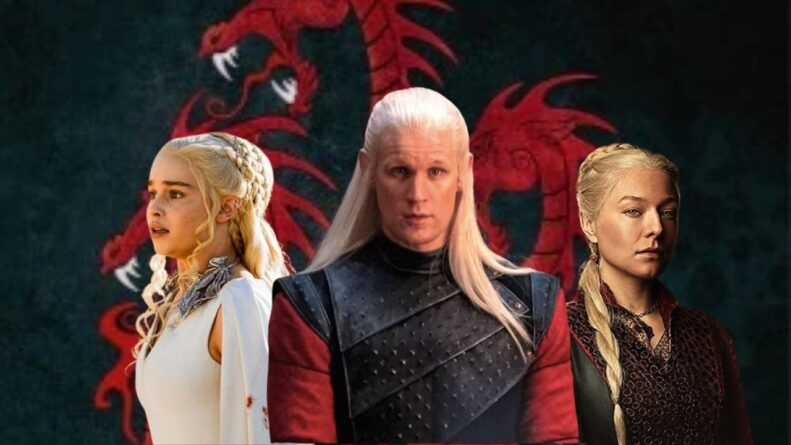
The late timing of A Knight of the Seven Kingdoms — after the highly anticipated second season of House of the Dragon (HOTD) — is a strategic business move on HBO’s part. The network intends to — while introducing more varied narratives — keep to Westeros for its ongoing cultural relevancy. By putting in a story that’s conceptually “smaller and more humorous”, HBO also counteracts the cumulative effects of visual and political fatigue that could come from regularly increasing the scope and grandeur of the hermetic epic scale that HOTD establishes. The show is written to allow for sustained fan engagement through a separate, character-focused subgenre and hold onto the dramatic potential of Targaryen civil war for a future season by recapturing the substantial creative and budgetary resources required to portray those later, high-drama conflicts.
Read More 👉 Keanu Reeves & Alex Winter Reunite on Broadway — and Tease Bill & Ted 4
The political climate is significantly influenced by the fact that the series is set approximately half a century after the last dragon died. Showrunner Ira Parker stressed that this placement in history was crucial, calling it a time when the Targaryens are “finally without the thing that put them in power”. The realm is regarded more as a “magic isn’t on anyone’s mind” era, resulting in the feeling of an older, grittier Middle Ages. The Targaryens remain on the Iron Throne (for now), with King Aerys I Targaryen reigning as the 13th monarch in the line.
EW got an exclusive sit-down with showrunner Ira Parker about the fundamental creative philosophy of the series. The outlet was key in verifying the reason for the aesthetic departures, mainly the dropping of the iconic opening titles as a way of mirroring Dunk’s “plain” and “simple” look. EW also covered the shift to common people (armorers, barmaids) rather than kings and queens, gave us the first official look at Peter Claffey as Ser Duncan and confirmed the casting of the critical Targaryen princes (Baelor, Maekar, Aerion).
Speaking with Entertainment Weekly, Parker described the show’s purpose as intentionally small-scale and grounded. The story deliberately eschews the standard high-political viewpoint, turning away from “the lords and ladies, the kings and queens”. It’s not like he’s off in space or anything, the story is very “rooted in the lower class of Westeros,” and is focused on characters Ser Duncan meets along the way: “the armorers, the performers, the barmaids, the whores, and the like”.
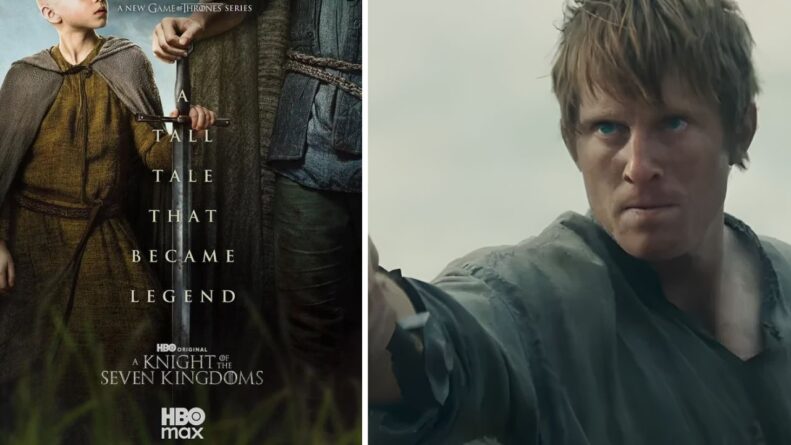
IGN noted Parker’s dedication to the simplistic title card as opposed to the orchestral animated map showing the production’s dedication to artistic economy and character centric storytelling.
The combined output of these reports largely comes down to A Knight of the Seven Kingdoms not feeling like filler, but rather a meticulously crafted creative act. It serves as a grounded counterpoint to the grand scale of House of the Dragon, using a more intimate, character-driven narrative to examine the human experience and the concept of honor in the medieval fantasy world of Westeros.
The analysis confirms The user’s question about the first poster is correct early January 2026 and the platform is indeed Max. The appointed information communicates a show that is firmly situated in the Game of Thrones world, as a conscious creative riposte to the high-stakes political turmoil currently consuming the franchise.
Show’s core identity is based on its “protagonist’s perspective,” the limited perspective of its main character (which explains why it’s grounded in the lower levels of society, is “more humorous,” and why it avoids the franchise’s signature animated title sequence). The logistics of production, all the way down to the use of Titanic Studios, and the beginning, literally immediate pre-production of Season 2, speak to a tight, unified, three-season vision to adapt the whole existing source material and to spinoff the long game viability of the Westeros IP.