Priyanka Chopra Jonas’ ‘The Bluff’ Inspired From The Real Life Pirate Queens
Priyanka Chopra Jonas’ The Bluff draws inspiration from real pirate queens like Grace O’Malley, Anne Bonny, and Ching Shih.
Published: January 9, 2026, 12:10 pm

Priyanka Chopra Jonas’ The Bluff draws inspiration from real pirate queens like Grace O’Malley, Anne Bonny, and Ching Shih.
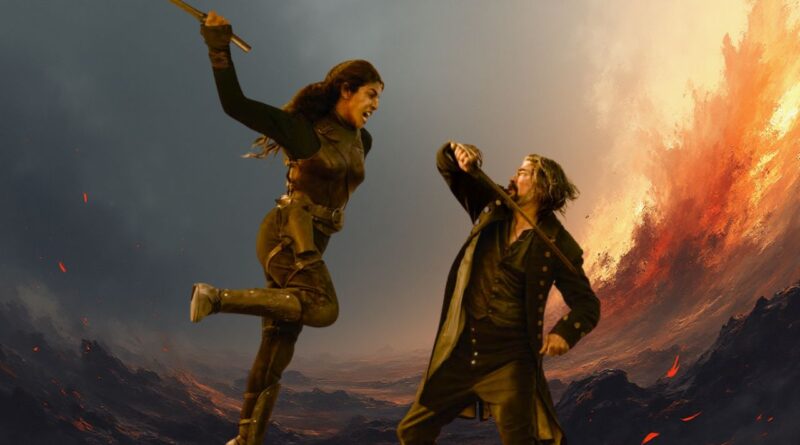
Hollywood’s depiction of a woman pirate was, for many years, a romanticized caricature-a corseted sidekick or the occasional option roguish lead surrounded by familiar hearth and home arcs. But as we get ready to see Priyanka Chopra Jonas step into the shoes of Ercell Bodden in The Bluff, the narrative is at long last shifting.
As anyone who bothers to look at history will tell you, women pirates didn’t just “go along for the ride.” These were ruthless, calculating, and sometimes more horrifying malevolent forces than the men they led. Chopra Jonas’s take on Ercell, a woman who must reclaim her “warrior identity,” and is inspired by four legendary women who genuinely ruled the waves.
If Ercell Bodden is defined by her “maternal ferocity,” she rests on the foundation of Grace O’Malley. But not only was O’Malley a pirate who had come to command a fleet at a title that made her the “Pirate Queen of Connacht,” she was the ruler of an empire.
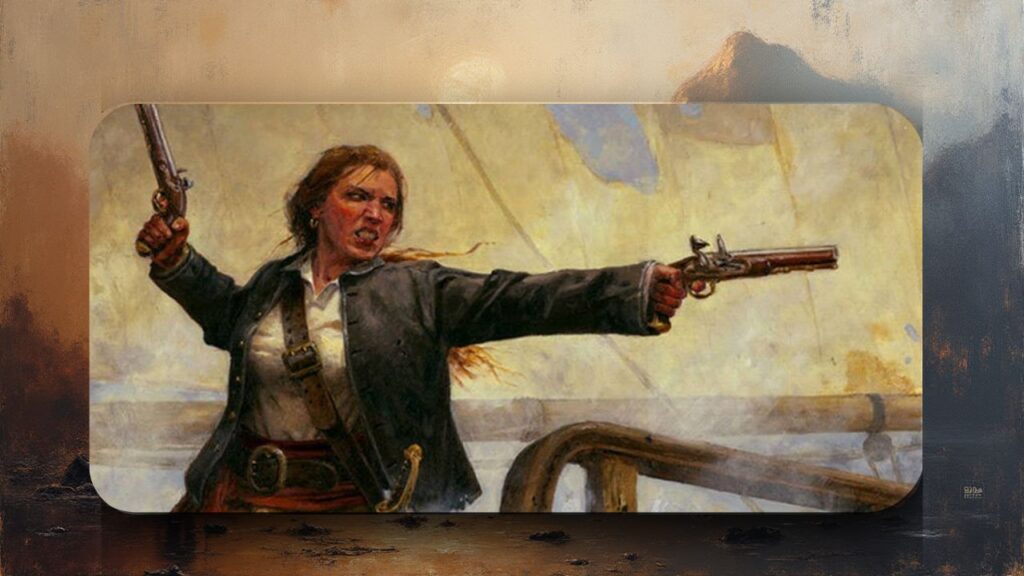
She reportedly gave birth on a ship and was back on deck a few hours later armed with a blunderbuss to help defend her men. Like Ercell, O’Malley was never really a greedy pirate – it was just about staving off hunger for her family and people. She even had a famous confrontation with Queen Elizabeth I, dispelling the myth that a pirate couldn’t be a canny political operator and a mother at the same time.
In The Bluff, we witness Ercell’s transformation from a deadly assassin to a suburban mom and the violent “unmasking” that follows. This is in the lives of Anne Bonny and Mary Read.
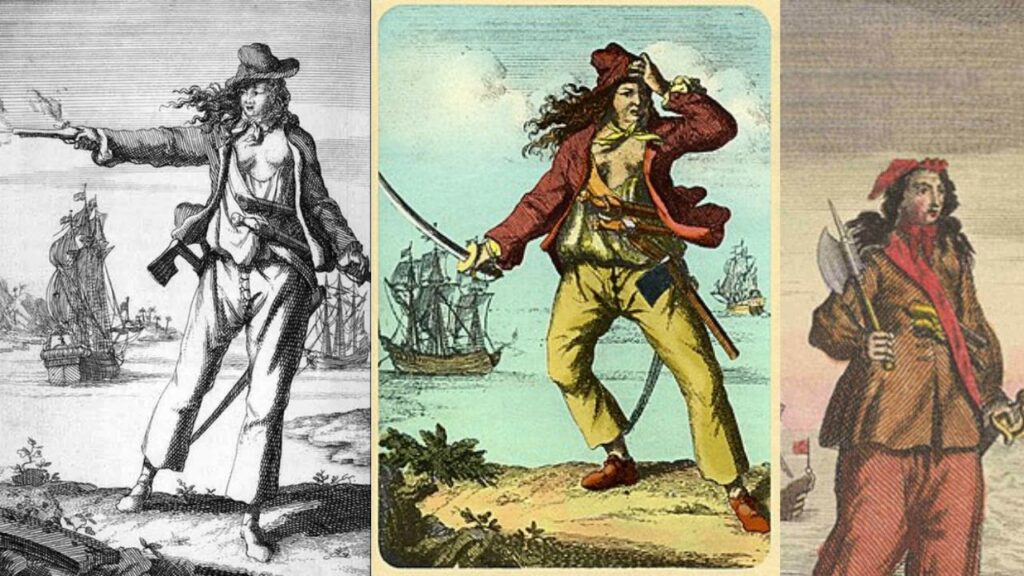
These 18th century pirates spent much of their lives passing as men, making their way in a world that offered them no place at the table. In the heat of battle they were said to be more “bloodthirsty” than the males. They are the “feral” energy Ercell must recapture to defend her home.
While Ercell battles on behalf of a tiny community in the Cayman Islands, her tactical prowess is a mirror image of Ching Shih (Madame Cheng). As the admiral of the Red Flag Fleet consisting of 1,500 ships and 80,000 pirates—Shih was perhaps the most prosperous pirate ever.

Significantly, she is also one of the few who actually managed to “retire” and live to tell the tale. That is the essential tension at the center of The Bluff: Ercell has found her peace, but as Ching Shih knew, your past is a shadow that never quite goes away.
Referred to as “Back from the Dead Red,” the biography of Jacquotte Delahaye is survival at its highest degree. faked her death to get away from the government, and then came back to the water with a vengeance.

This motif of “reanimation” is at The Bluff’s heart. Ercell is essentially “dead” to her former life until the wicked Captain Connor arrives and she must once again embrace her warrior spirit.
| Feature | Historical Reality | The Bluff (2026) |
| Weaponry | Improvised, heavy, and practical. | Conch shells, tactical traps, and “dirty” fighting. |
| Motivation | Political autonomy and family. | Maternal ferocity and redemption. |
| Outcome | Usually a short life or a quiet exile. | A focused, muscular 101-minute survival arc. |
The Bluff is more than just a survival thriller, it’s a celebration of women who survived against the odds in the face of the unforgiving ocean. Priyanka Chopra Jonas gives a portrayal that bleeds into fiction of the fiercest women in history.
Dive deeper into the world of Fandomfans, a platform where you can get the stories of inspiration behind the character

Paul Dano joins Javier Bardem and Penelope Cruz in Florian Zeller's new psychological thriller Bunker, which will be a major cinematic release in 2026.

Paul Dano has been the subject of some, not all of it boring Dolby-drama-based Hollywood chat heat. After Quentin Tarantino’s inflammatory comments about the actor last week, the industry came out in support of Dano, showing that sometimes the loudest voices are not everyone’s. Instead of retreating from the public eye, the lauded actor is going straight into something truly extraordinary: Oscar-winning director Florian Zeller’s next film, the psychological thriller Bunker.
It’s worth taking a moment to appreciate what this casting actually is. Zeller, whose credentials include the beloved play The Father (which won Hopkins the Oscar for Best Actor and earned Zeller himself one for Best Adapted Screenplay), is renowned for getting the best out of his performers.
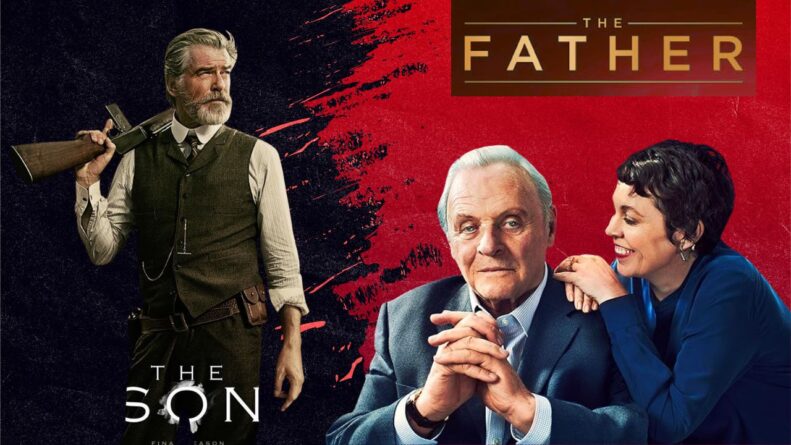
His second film, The Son, may have divided critics, but it still garnered Hugh Jackman a Golden Globe nomination. Now, with Bunker, Zeller is putting together what can only be described as a powerhouse ensemble.
The cast is a veritable who’s-who among Hollywood stars. Dano is teaming with Oscar-winning real life couple Javier Bardem and Penélope Cruz, whose on and off-screen chemistry is already legendary.
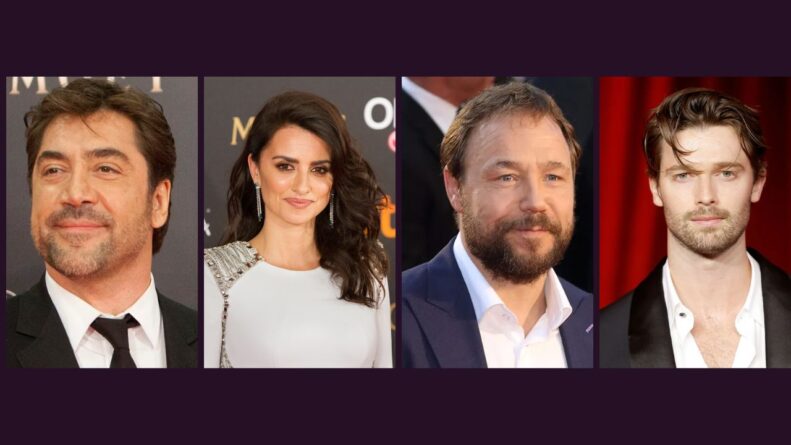
Stephen Graham, gritty, intense actor famous for his role in the television series “Justified,” and Patrick Schwarzenegger complete the cast. This is not some film being made under the radar — this is a prestige title that plans to make a splash in 2026 cinema.
Bunker follows an architect whose life and marriage are complicated when he takes on the design of a survival bunker for a wealthy tech tycoon. When this secretive building project starts to penetrate the family’s life, things begin to disintegrate. The premise alone indicates the psychological heights that Zeller has been known for.

This is a director who knows that genuine tension is not a byproduct of jump scares or external threats — it’s born when relationships break down under duress, in probing the ethical compromises we make and examining how fear informs our decisions.
Read More 👉 James Cameron Revealed About Avatar: Fire and Ash Scripting Details
The director was inspired by their real-life nearly seventeen year marriage and he’s created a narrative that addresses the challenges of long term relationships in an increasingly volatile world. That type of writing intentionality leads to more real, strong performances. When Zeller spoke about recruiting Dano to the project, his words were effusive.
“From Little Miss Sunshine to There Will Be Blood, Paul has never ceased to surprise me as an actor,”
–he said.
That’s not the kind of recommendation that is bandied about. This is a director who has directed some of the most acclaimed performances of recent film, and when he talks about working with Dano, he sounds genuinely excited.
“He has a remarkable singularity - something truly unique – and in that respect he is irreplaceable.”
—He also said
The film is now in its second week of production, shooting in Madrid, and London. Blue Morning Pictures and the Spanish company MOD Producciones are producing, with international sales by Film Nation Entertainment. Everything about the set-up indicates a film that’s being treated as a substantial artistic effort and not just another genre piece.
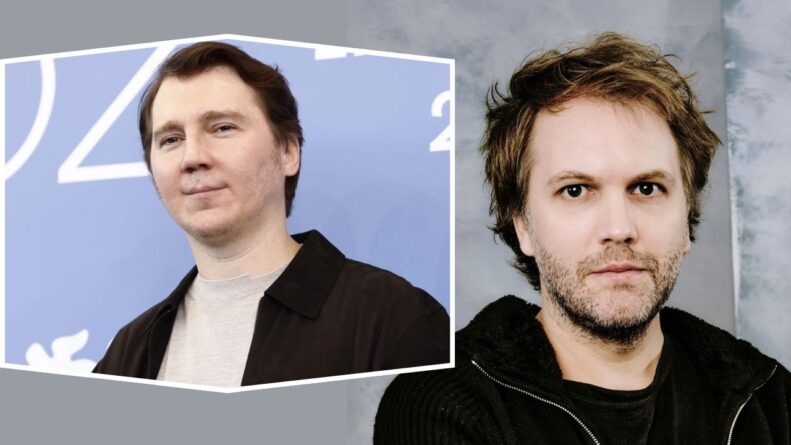
What that timing makes especially intriguing is how it positions Dano’s career going forward. Instead of being defined by recent controversy, he has attached himself immediately to an art house project and a director known for eliciting complex, nuanced performances. Take Tarantino’s assessment with a degree of salt if you want, but Dano is clearly in demand by the filmmakers who really matter.
As we approach 2026, Bunker is becoming another film to keep an eye on. With Zeller at the helm, a cast that strong, and a premise that insinuates genuine psychological depth, this very well could be the film that ignites discussions and the kind of performances that stick with audiences well beyond the credits.
Fandomfans provides every detail on the upcoming movies and projects of the industries that keeps you evolving with the entertainment.

‘The Mandalorian and Grogu’ will bring Star Wars back to theaters in 2026. Discover how Lucasfilm is redefining marketing, budgeting and fan expectations.
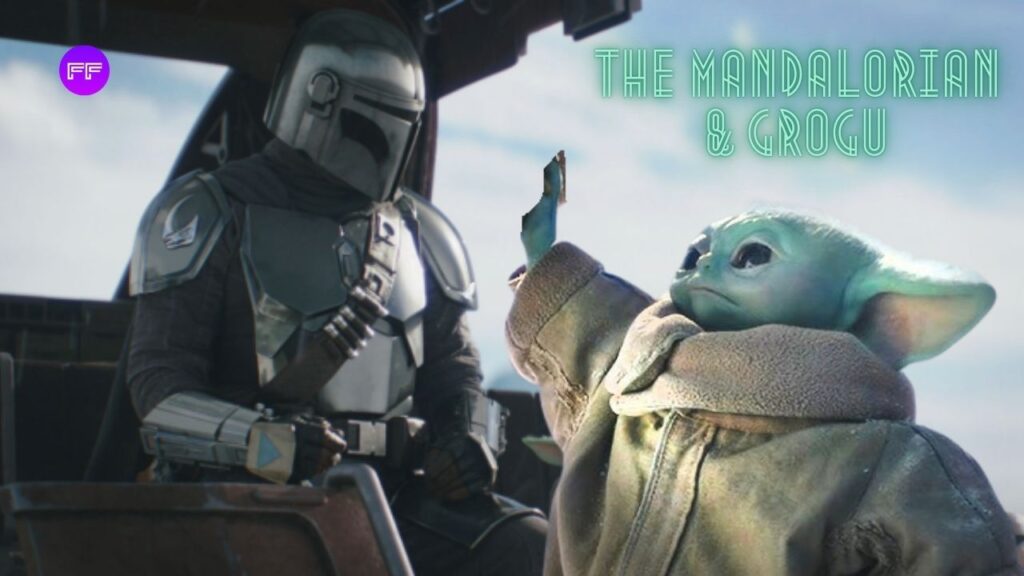
Star Wars’ return to the cinema should have felt like a galactic coronation. With the countdown to the release of The Mandalorian and Grogu (May 22, 2026) now well underway, here comes something rather unexpected — confusion.
It was a seven-year gap on the big screen, so people were expecting a “shock and awe” campaign. What they received in Super Bowl LX was a 30-second parody of a Budweiser commercial narrated by Sam Elliott’s gravelly voice that features Tauntauns pulling a sled. It was bold, it was weird, and it signaled a massive change in how Lucasfilm treats its most precious cargo.
Usually a $10 million Super Bowl spot is spent displaying “heavy artillery” — explosions, high-stakes drama and cinematic scale. Instead of a third wall-smashing joke, director Jon Favreau and new leadership team of Dave Filoni and Lynwen Brennan didn’t just shatter the mold; they pretended it didn’t exist.
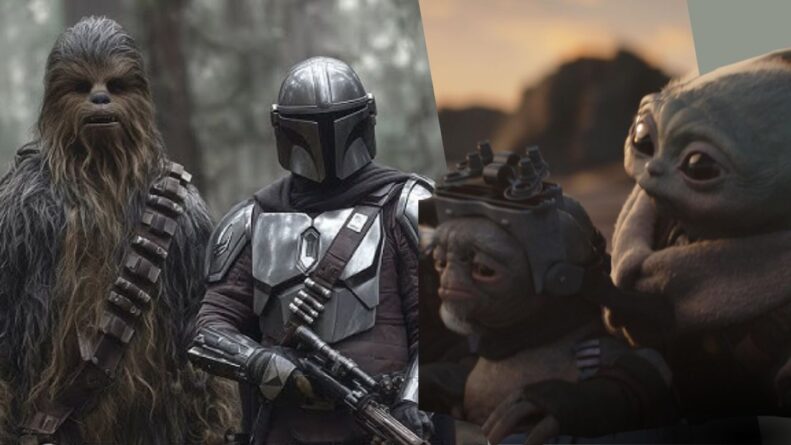
The commercial, “A New Journey Begins,” indulged full-force in “Comfort Marketing.” Rather than treating the movie as “there’s mythology behind everything, and you have to do your homework” (a common critique of the Sequel Trilogy era), the ad treated the characters as old friends. It puts its chips on the notion that Grogu is a worldwide icon who doesn’t need a plot summary to sell a ticket — he just needs to make people smile.
Industry watchers have been quick to note the “Solo-esque” red flags. Like 2018’s Solo: A Star Wars Story, this movie has a May release date and a somewhat late marketing push. But the internal economics are another story:
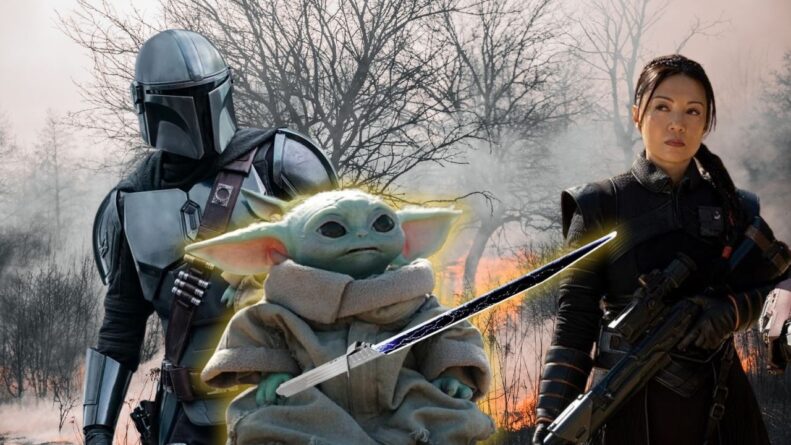
A global take of $500 million would have made The Mandalorian and Grogu a massive success, but it would have been a flop for The Rise of Skywalker. The marketing department was allowed to be “bizarre” about the Super Bowl this year on account of the diminished financial burden.
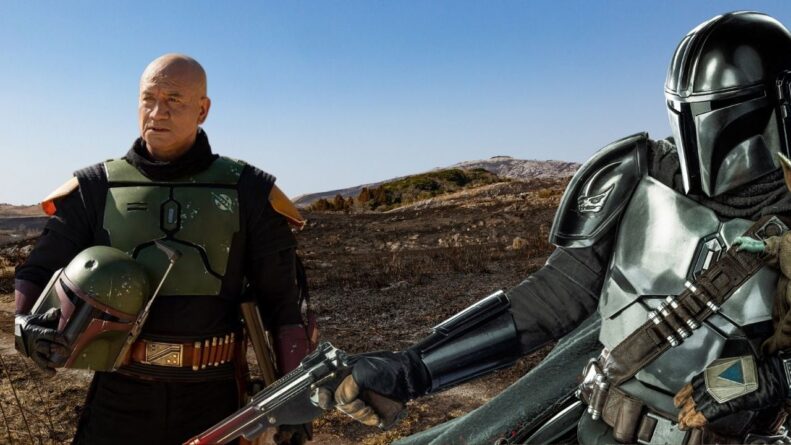
It’s also the creative debut for Dave Filoni. Filoni, the master of “deep cuts” into Star Wars lore, has brought a surprising cast to the table:
Read More 👉 Once Upon a Time in Hollywood: A Love Letter to a Bygone Era (and What Comes Next!)
The Mandalorian and Grogu Star Wars fans expecting as much darkness as Dune will probably find the “Budweiser Parody” off-key. But it is a reminder to the wider world that this franchise can be enjoyable.
Lucasfilm is betting that audiences are ready for a Space Western that values character over complexity after years of galaxy-ending crises. This May will tell if this “confusing” strategy works or ends up as a cautionary tale like Solo. With Sam Elliott narrating and a “swole” Hutt, one thing is certain: this isn’t the Star Wars of 2019. Something much more human.
Fandomfans delivers the latest updates from celebrities, movies and web series to catch up with your favorite characters.