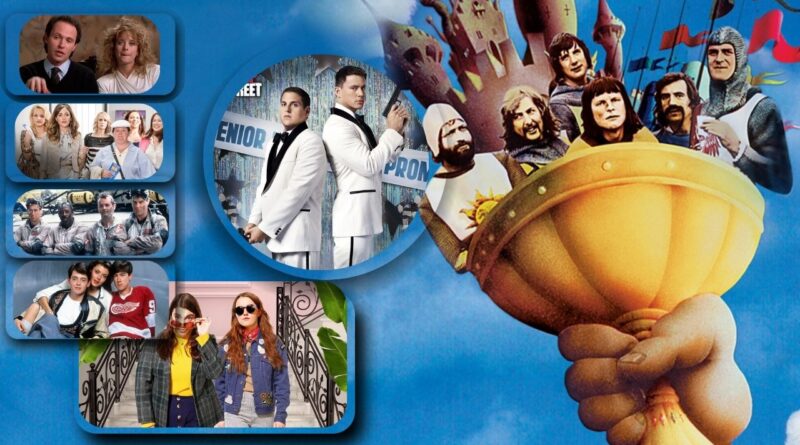
There’s a certain magic when you’re surrounded by your best friends, the lights dim and you press play on an actually hilarious movie. Synchronized gasps, booming laughters, inside jokes that come out – it’s an experience that seals friendships and makes unforgettable memories. In a life where you may feel things are a little too serious, a good Comedy Movies to Watch with Friends is the perfect antidote. It’s a call to throw caution to the wind, embrace the ridiculous and sample the pure, simple joy of laughter.
I’ve rounded up a selection of absolute gems – from all-time classics to modern wonders – that will secure a night of laughter until your sides hurt.
The Classic Comedy: Timeless Laughs That Never Get Old
The following are comedies which have been proven to stand the test of time, demonstrating that what is funny comes true in all generations. Share these with friends who may not have ever had the pleasure, or revisit them with your debutante debauchery partners for old-times-sake laughs.
Overview of Classic Comedies
Movie Title
Year
Key Comedic Style
Perfect For…
Monty Python and the Holy Grail
1975
Exaggerated Comedy, Playful, Visual Humor
Friends who appreciate random humor and tongue-in-cheek historical humor
Airplane!
1980
Fast-Paced Parody, Witty Dialogue
Lovers of rapid-fire jokes and good storyline.
When Harry Met Sally…
1989
Romantic-Comedy
Romantic story with good humour.
Ferris Bueller’s Day-Off
1986
Teen Comedy
Who are fantasizing about carefree rebellion and getting away with it.
Ghostbusters
1984
Supernatural Comedy, Ensemble
Witty & Perfect blend of sci-fi & horror
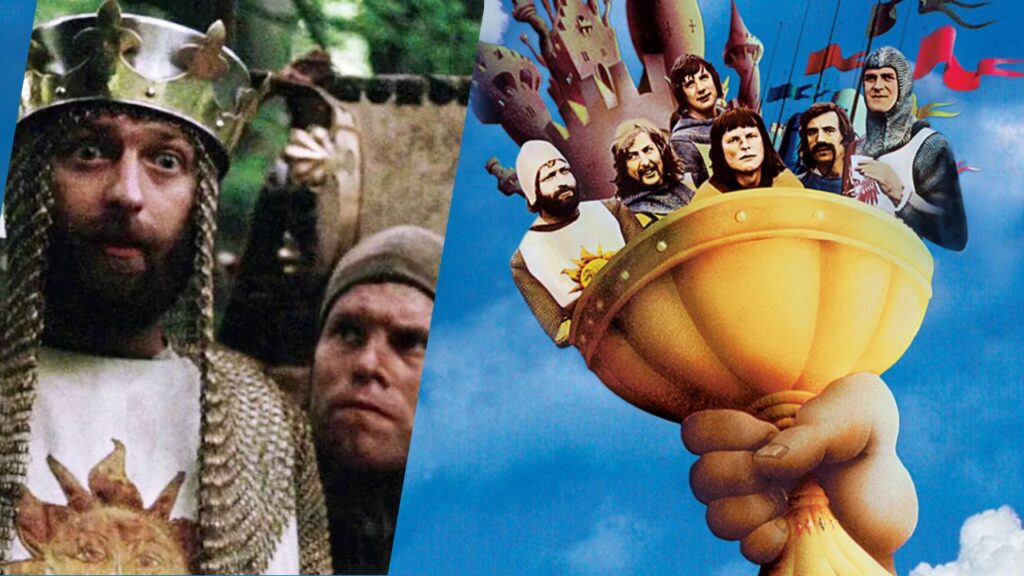
Monty Python & the Holy-Grail (92%)
Image Credit: Fandomfans
If you haven’t watched Monty Python & the Holy-Grail yet then drop everything and round up your friends now. This film is a great demonstration of the logic behind absurdist humor, constantly parodying King Arthur myth with infinitely memorable lines and scenes (the Black Knight!) and an absurdity level that is literally unmatched. You’ll be quoting it for weeks.
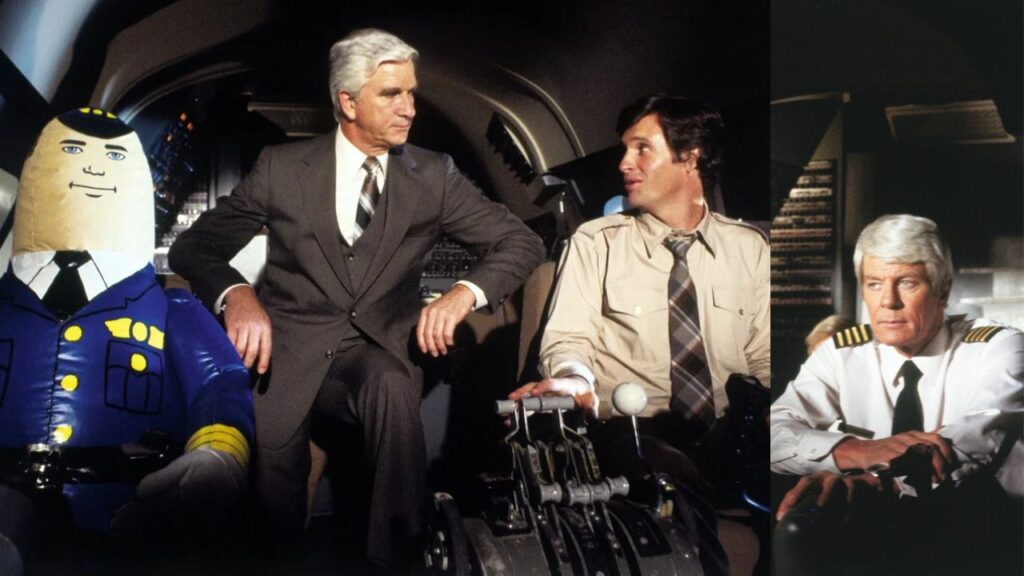
Airplane!
Image Credit: Fandomfans
Brace yourself for nonstop gags, puns and visual jokes. This film alone is what defined parody. Every frame is stuffed with something funny — from background shenanigans to deadpan delivery of the dumbest lines. It’s a comedy offensives, but in the best sense.
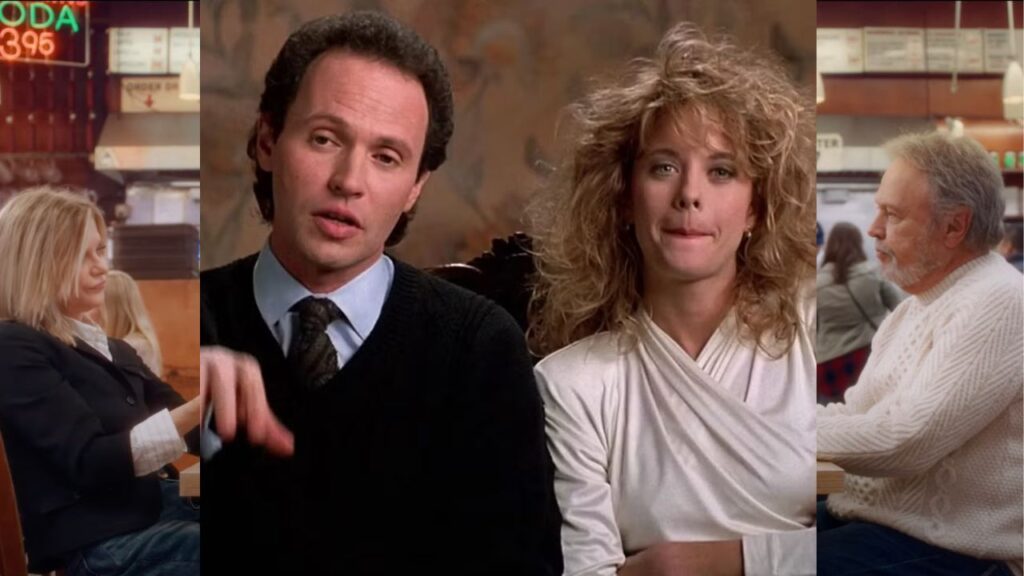
When Harry Met Sally…
Image Credit: Fandomfans
A romantic-comedy with some actual laughs, thanks to Nora Ephron’s witty script and the perfect chemistry of Billy Crystal and Meg Ryan. It’s a smart commentary on friendship, romantic love, and the age-old question of whether men and women can really be just “friends.” That diner scene alone is legendary.
Ferris Bueller’s Day–Off (Comedy & Drama)
Image Credit: Fandomfans
It’s the ultimate celebration of teen defiance and carpe diem. Ferris Bueller is the charming King Beaureaucrat we all wanted to be, gracefully gliding through a day of playing truant with confidence, charisma, and an endless array of slick schemes. It’s just pure joyous escapism.
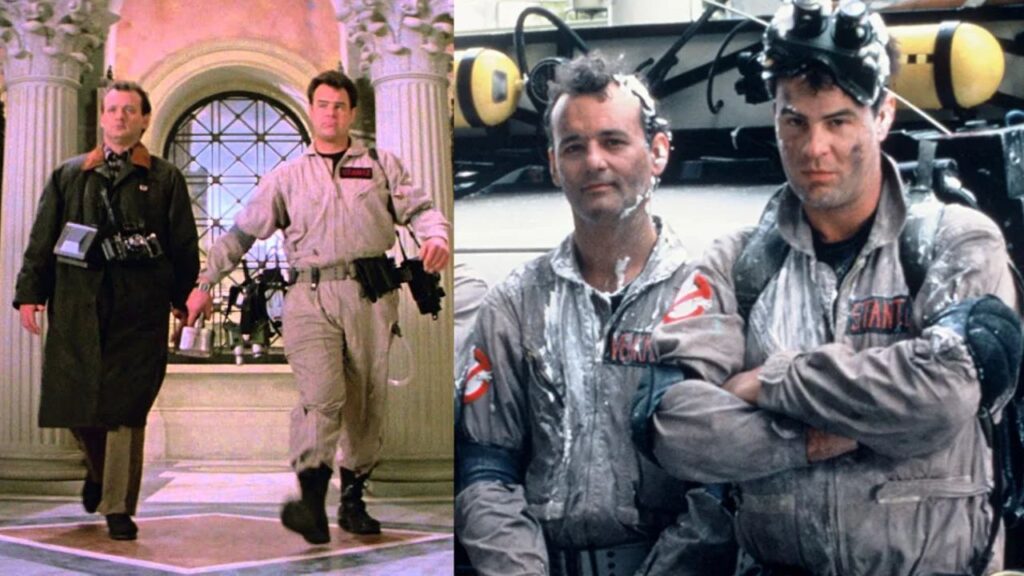
Ghostbusters
Image Credit: Fandomfans
The ultimate mix of ghostly terror and comedic brilliance. The brilliance between Bill Murray, Dan Aykroyd, Harold Ramis and Ernie Hudson is plain to see. It’s clever, eerie and completely hilarious – what more could you want from a slightly scary but mostly funny movie night?
Modern Comedy Movies That Hit Different
The last several decades have been a new wave of comedic talent and fresh perspectives. These movies regularly challenge norms, tap into relatable contemporary fears or just take advantage of styles of comedy that the current audience just happen to love.
Overview of Modern Comedies:
Movie Title
Year
Key Comedic Style
Perfect For…
Bridesmaids
2011
Ensemble, Gross-out, Rom-Com
Groups who appreciate strong female leads and cringe humor.
The Hangover
2009
R-rated, Buddy Comedy, Mystery
Friends who enjoy chaotic bachelor party gone wrong scenarios.
21 Jump Street
2012
Action-Comedy, Buddy Cop
Good Dialogues & Unpredictable humour
Anchorman
2004
Wild Humor, focused on character, Social Satire
Anyone who loves quotable lines and highly stylized humor.
Booksmart
2019
Teen Comedy
Center upon female friendships & sharp dialogues.
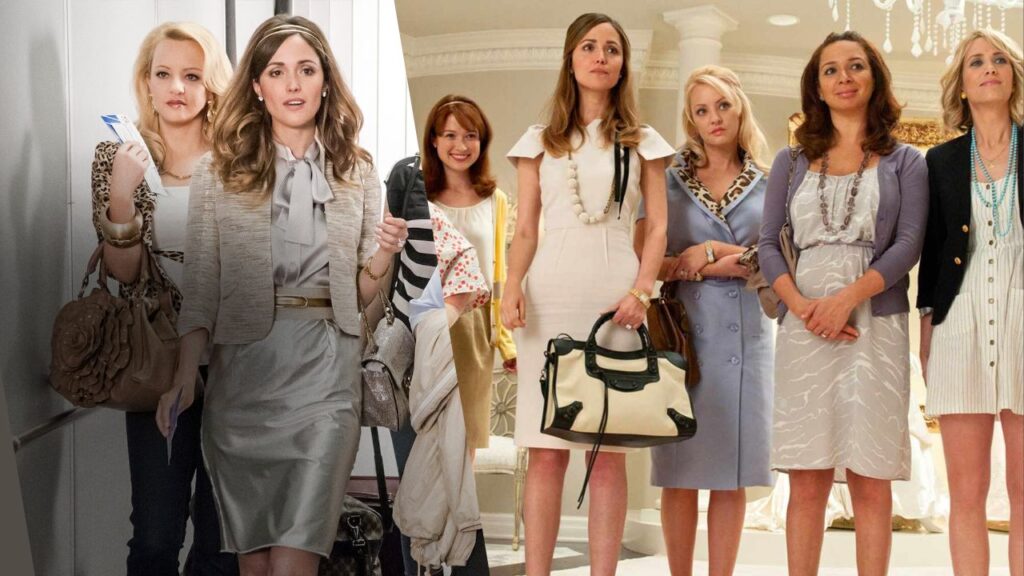
Bridesmaids
Image Credit: Fandomfans
A trailblazing movie that showed women could be at the helm of raunchy, side-splitting comedies as much, if not more, than men. Kristen Wiig, Melissa McCarthy, and the rest of the cast are perfectly pitched in a film that’s as hysterically gross as it is genuinely heartfelt.
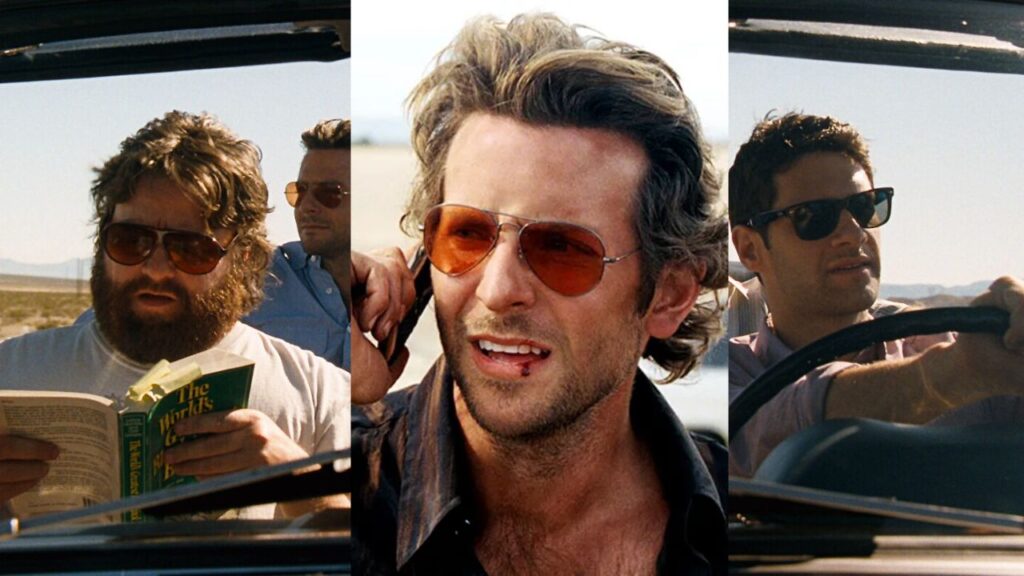
The Hangover
Image Credit: Fandomfans
There’s no better “what happened last night?” movie. This movie is a lesson in spiraling out of control, as four pals attempts to retrace their steps after a disastrous bachelor party in Vegas. The mystery, the absurd situations and the memorable characters turn it into a roller coaster from beginning to end.
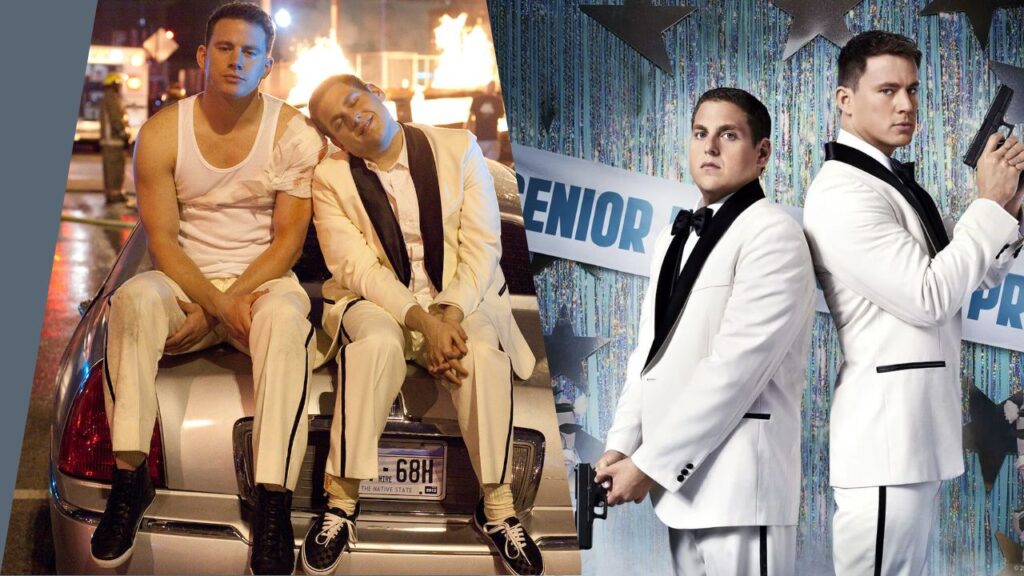
21 Jump Street
Image Credit: Fandomfans
Channing Tatum and Jonah Hill make an improbable but ultimately brilliant pairing in this very clever, very self-aware reboot. It’s an action-comedy that really knows how to get laughs at its cost, runs the premise a bit too seriously, and surprises you with character moments that are surprisingly strong and really rattle your cage.
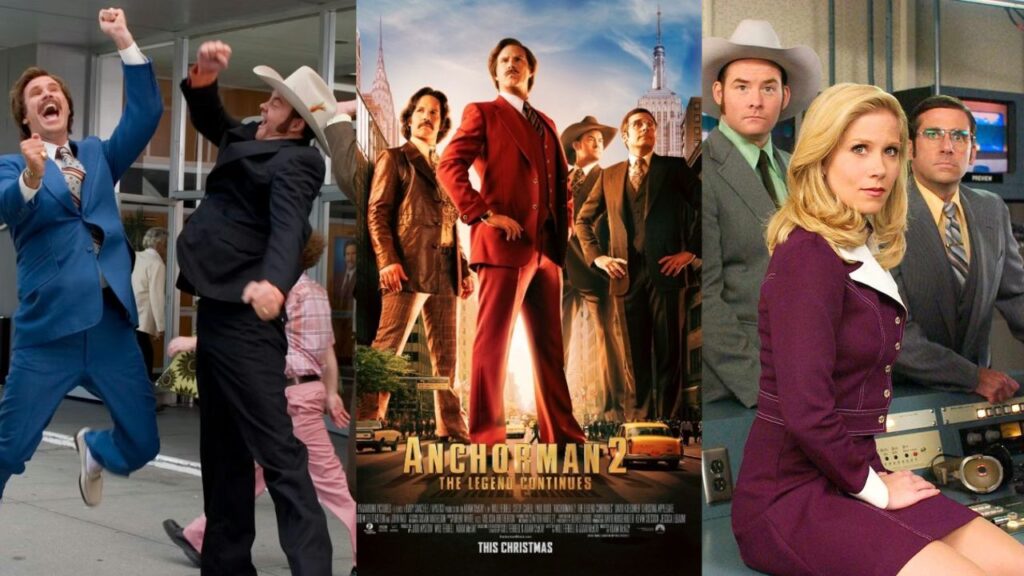
Anchorman: The Legend of Ron Burgundy
Image Credit: Fandomfans
Will Ferrell’s Ron Burgundy is a cultural icon and this film is packed with lines and scenes that you can shout and remember for all time. It’s a fantastic send-up of ’70s male chauvinism and news, climaxing in an environment so wildly surreal you can’t help but laugh.
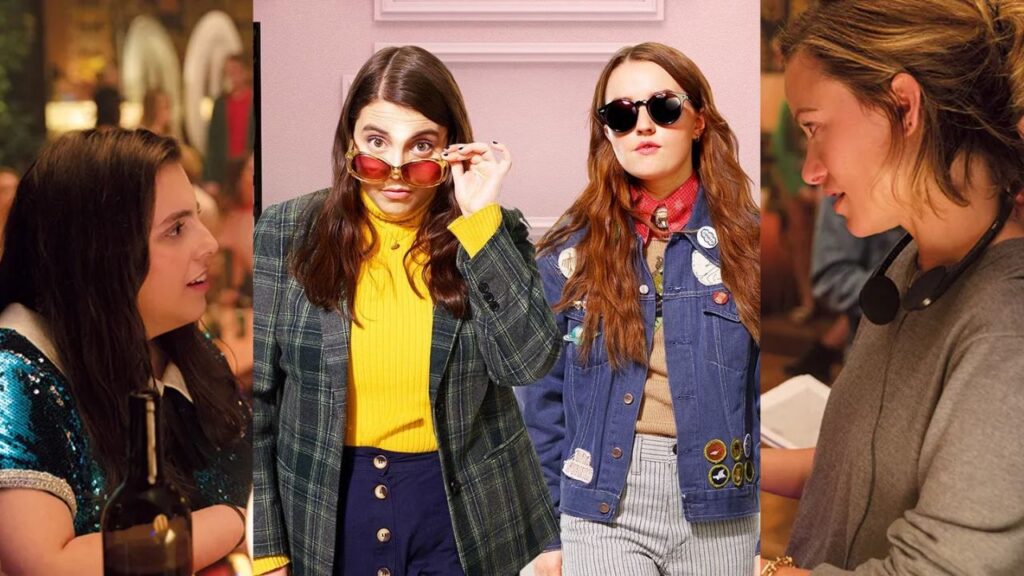
Booksmart
Image Credit: Fandomfans
A gut-bustingly hilarious and flat-out intelligent tell all about two nerds who find they’ve been so busy studying they forgot to do any of that high school stuff. It’s a to girl friendship film, with razor sharp dialogue, an array of relatable anxieties and a real heart which means it’s funny and emotional.
The best part of Comedy Movies to Watch with Friends after all isn’t just the writing or the performances—it’s the ambiance. It’s that shared roar of laughter that echoes in the room, the friendly arguments over who was the funniest character and how a single line from a movie can become an inside joke that lasts for years.
Laughter is one of the easiest and most accessible points of connection among humans. Whether you’re wincing collectively at a painfully awkward moment in Bridesmaids or racing to keep up with the lightning-fast wordplay in Airplane!, you’re forming a shared history.
Dive into the comedy genre with this movie list created by Fandomfans, our goal is to deliver details from movies & series.
Mariyam
Articles Published :
77
Mariyam Khan is Fandomfans Content Writer and providing reports and reviews on Movie Celebrities, and Superheroes particularly Marvel & DC. She is covering across multiple genres from more than 4+ years, experience in delivering the timely updates.
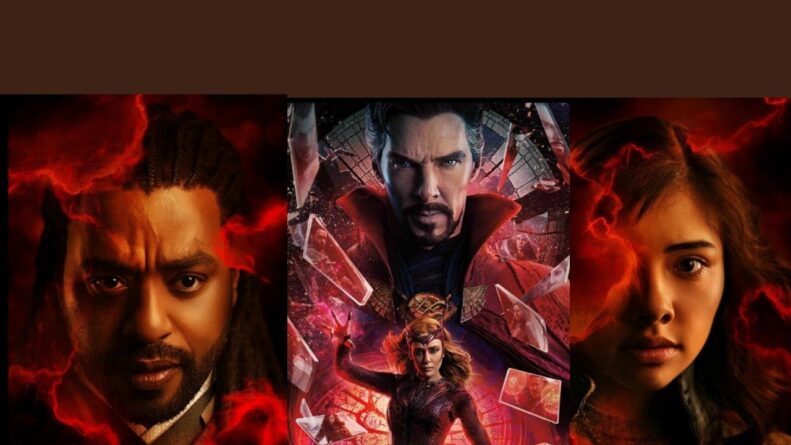
Benedict Cumberbatch has an extraordinary double billing in Hollywood right now. He’s in, a cornerstone, really, of Marvel’s almighty cinematic universe (MCU). On the flip side, he has a solid independent film career, as evidenced by his upcoming film, The Thing With Feathers. That balance of blockbuster dominance and arty experimentation speaks to his versatility, and the power of his star.
Reports indicate that the MCU is the financial foundation and global visibility for Cumberbatch, but projects like The Thing With Feathers are vital to keep his critical worth alive. This file claims the actor is now carrying out a “legacy management” approach, wielding clout to influence the creative direction of his blockbuster commitments and demonstrated by his producing role and director selection preferences while also going back to his experimental, literary roots in adaptations.
The Thing With Feathers
The Thing With Feathers is a departure from the visual effects-laden projects that Benedict Cumberbatch has been attached to of late. From acclaimed novelist Max Porter’s bestselling novella Grief Is the Thing with Feathers, the film preserves the book’s idiosyncratic, poetic form and surreal atmosphere.
The plot revolves around an unnamed London father (Dad) and his two sons as they struggle to survive in the wake of the sudden death of their wife and mother. Into their mourning home comes Crow— a frenzied, mythic character who says he’ll remain until the family no longer requires his presence. Crow is the physical manifestation of grief, so for Jack, it’s the personification of losing his wife.
Image credit: Fandomfans
Helmed by Dylan Southern, it employs a dreamlike non-linear narrative to bring Porter’s emotional, stream of consciousness novel to life on the screen, mixing stark household realism with surreal horror.
Cast Highlights
Benedict Cumberbatch as Dad – a profoundly raw portrayal of mourning, more in line with his work in Patrick Melrose than Doctor Strange.
David Thewlis as Crow – a sinister but bright, guardian and bully.
Richard and Henry Boxall play the brothers, and this is the one that really did engage me emotionally.
The movie doesn’t treat grief as hushed sorrow, but as frenetic, cluttered, and terrifying. Crow becomes the father’s Jungian shadow, making him face feelings he seeks to escape – turning the tale into a psychological thriller where the real beast is internal suffering.
Early reviews For The Thing With Feathers
Image credit: Fandomfans
Cumberbatch’s acting is considered to be one of the best if not the best. Praise for him speaks of him being in “terrific shape” and turning in a performance that is “confidential and emotional”. The Guardian also notes that:
“While the attention is on the home drama the film is involving and
affecting.”
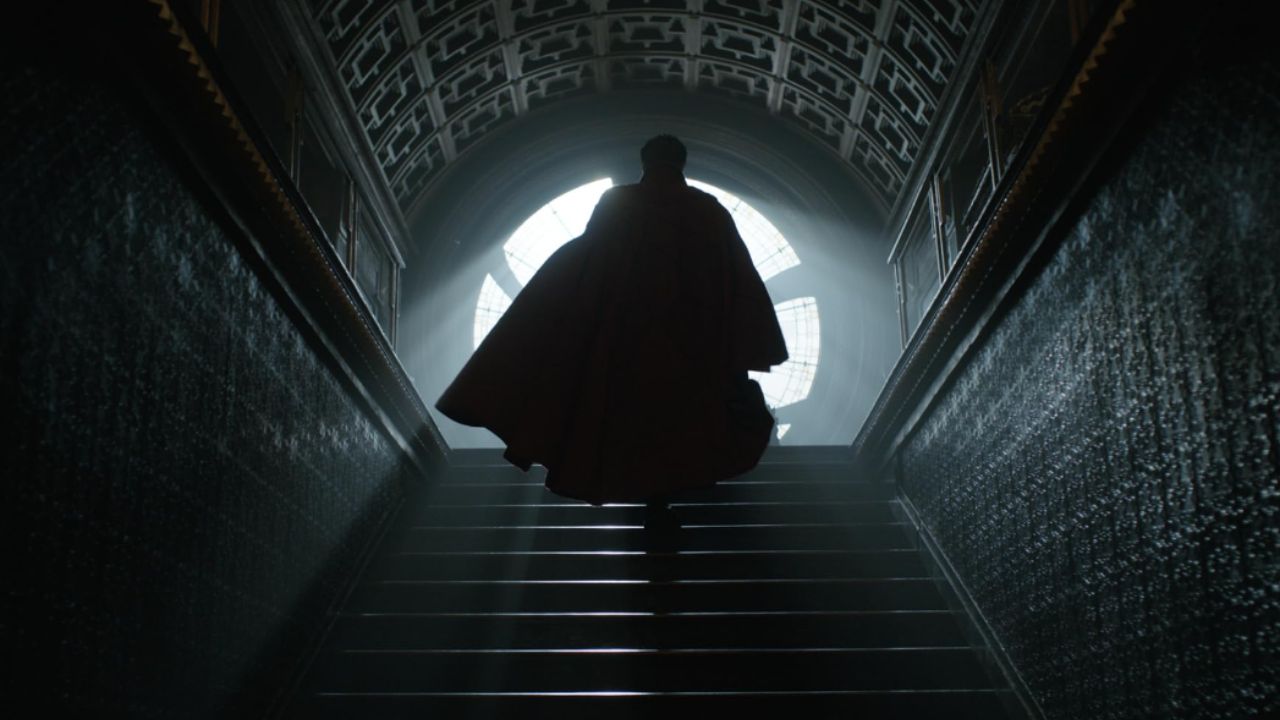
The creative leadership of Doctor Strange 3
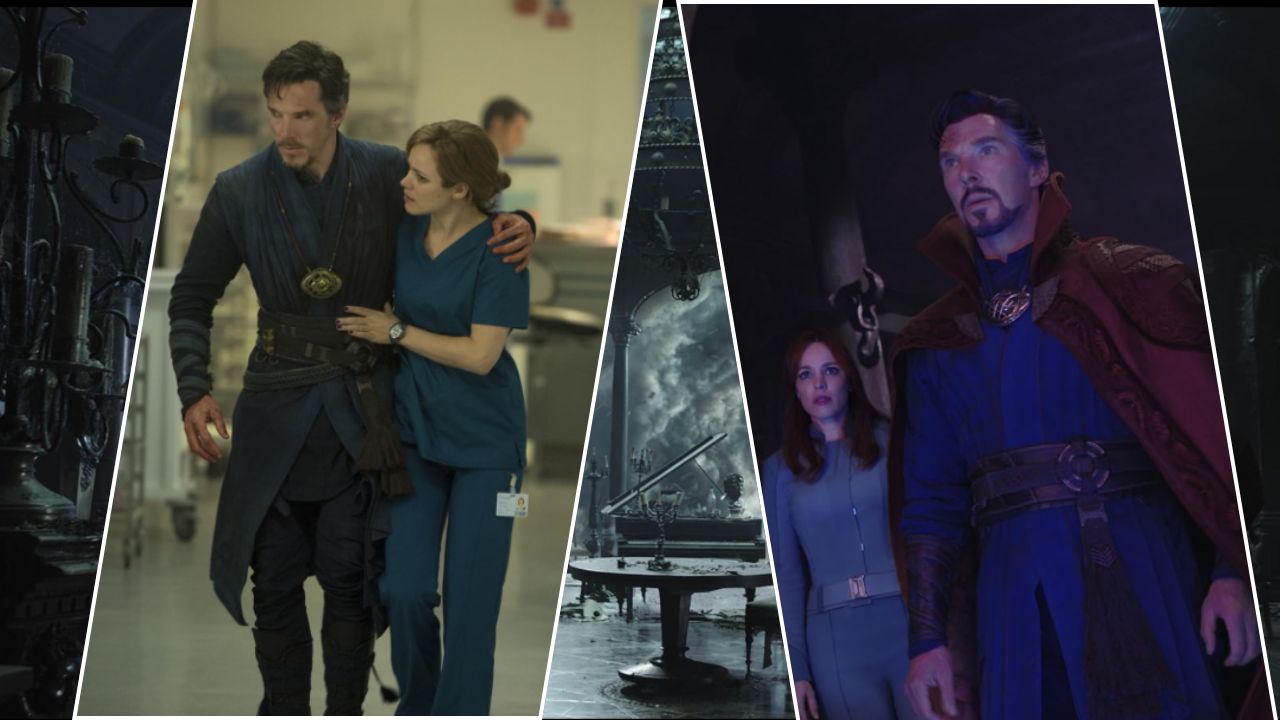
Cumberbatch is reportedly taking a more “hands-on producerlike” role who will be able to handle the visual spectacle, with the film’s intellectual depth in the making of the film.
“very protective of the character and wants a director” —He said
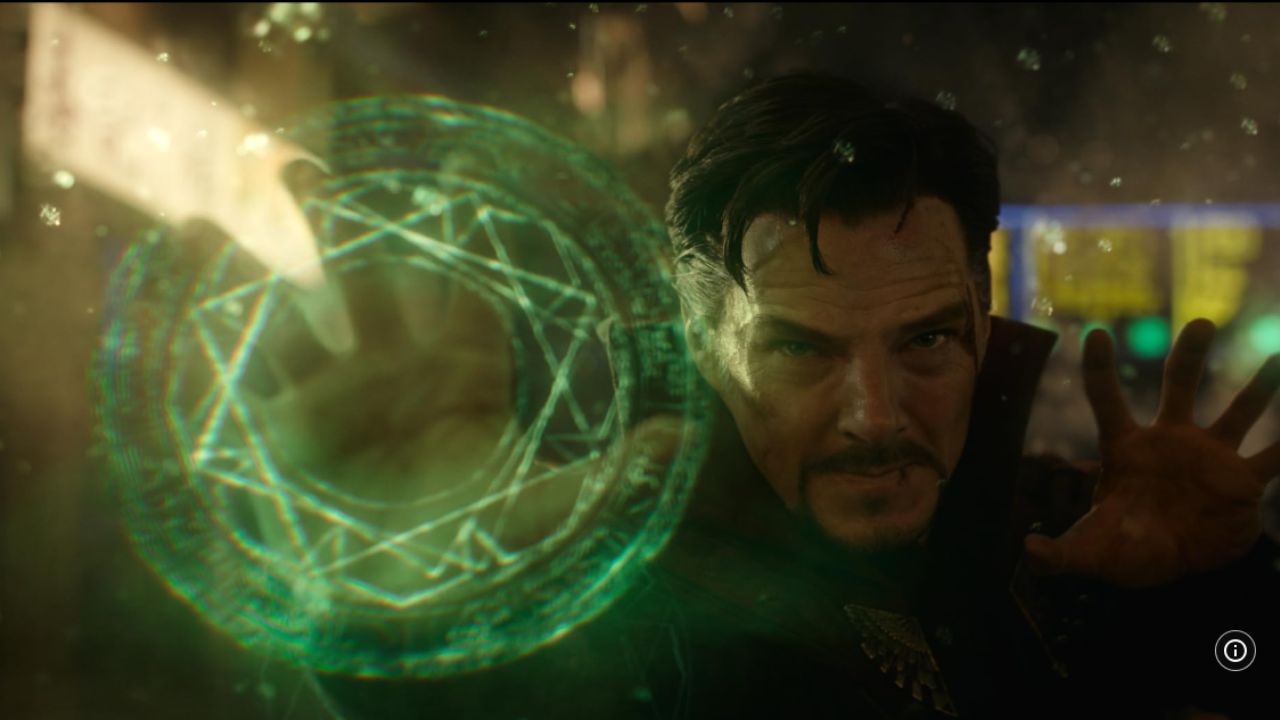
The integration of Doctor Strange into the wider Avengers lineup
Cumberbatch gave an interview in early 2025 in the dance where she said she would not be appearing in Avengers: Doomsday (2026), sparking rumors that the character would be written out. However, in the The Thing With Feathers premiere at Sundance he flatly corrected reports.
“I got that wrong, I’m in the next one.” —Cumberbatch said and also joked to fans,
in reference to the tight Non-Disclosure Agreements (NDAs) and secrecy culture that Marvel instills, which frequently has its actors feed false information to the press to protect surprises.
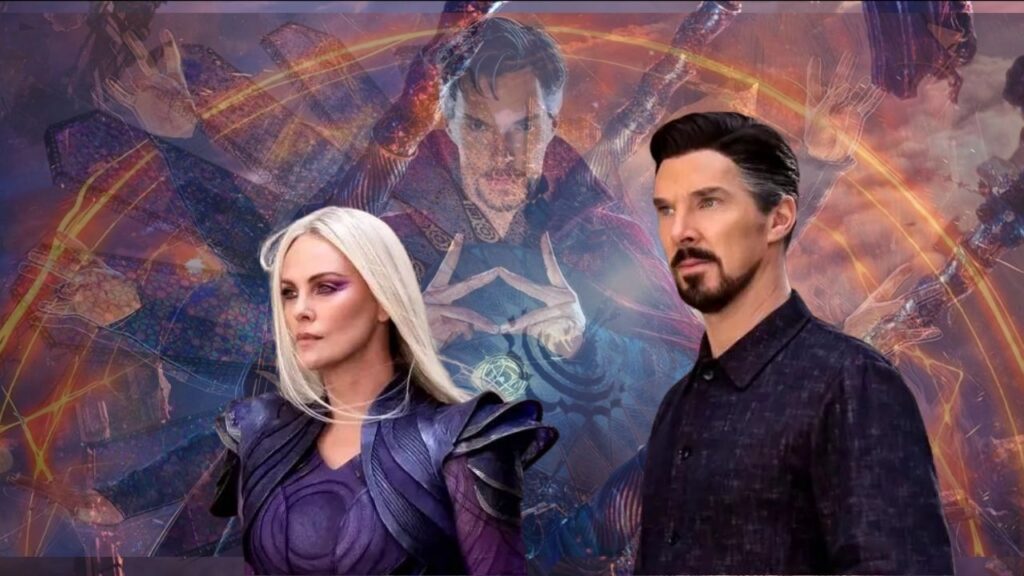
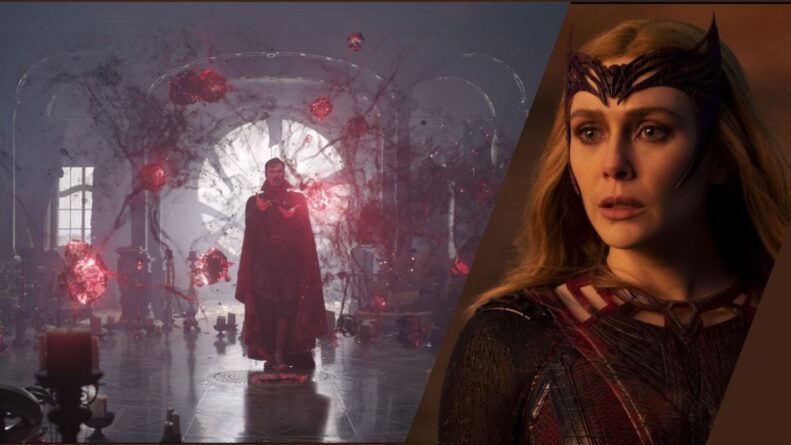
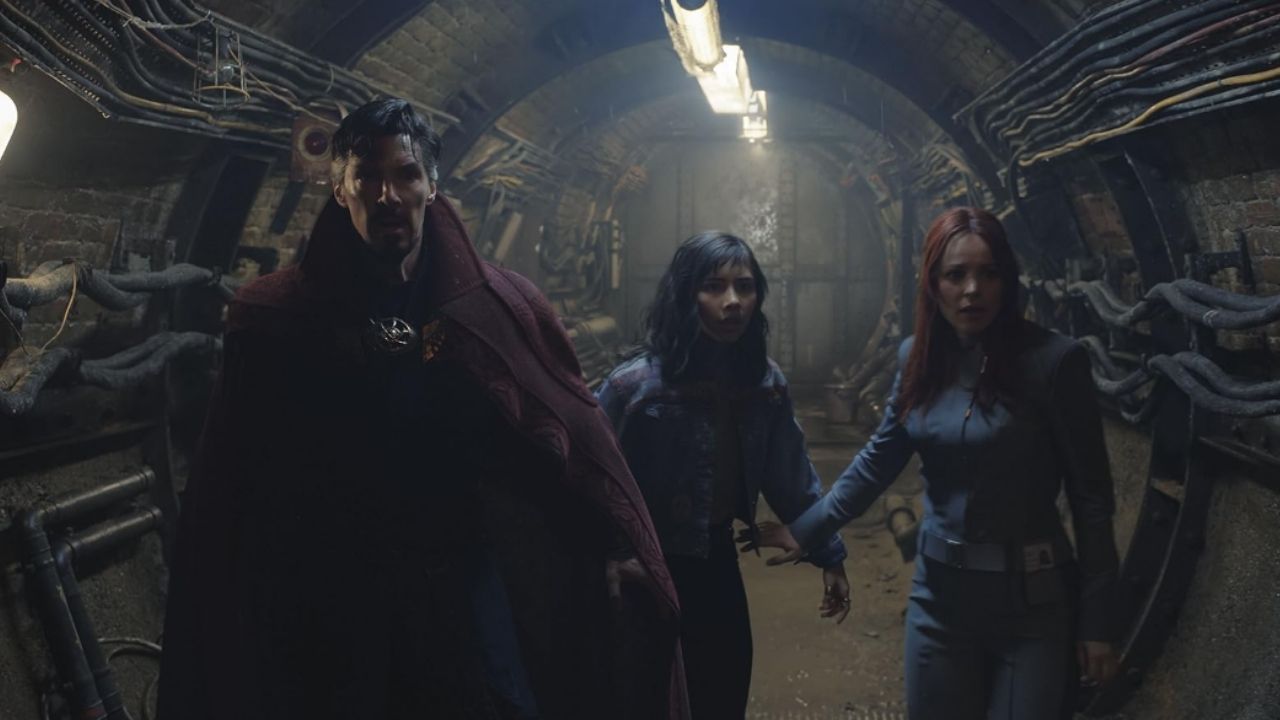
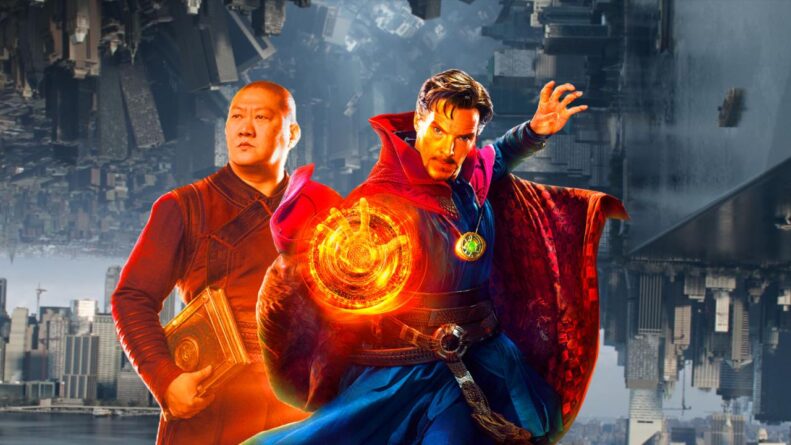
It is now confirmed that Doctor Strange will appear in Avengers: Doomsday (2026) and will have a “huge” role in Avengers: Secret Wars (2027).
Image credit: Fandomfans
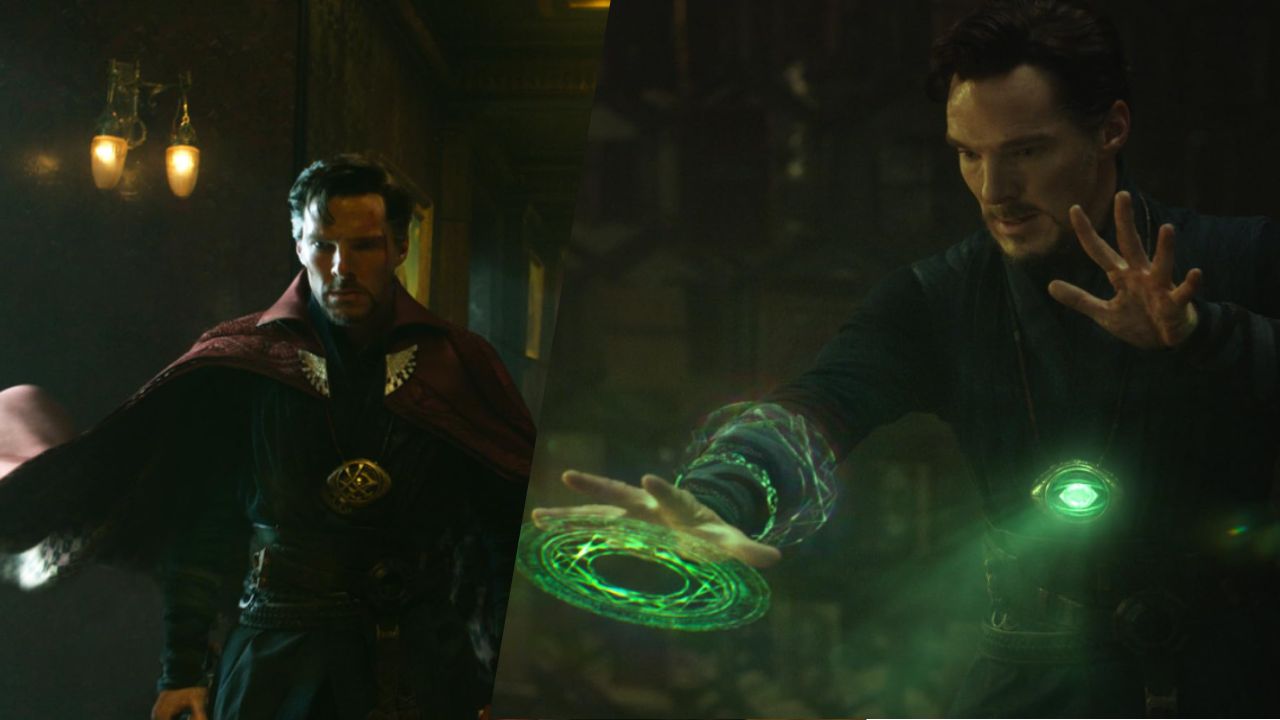
Strange’s place in Secret Wars should be similar to his prominence in the comics, acting as second-in-command (“Sheriff of Agamotto”) to Doctor Doom, leader of the multiverse’s remains (Battleworld). Robert Downey Jr., reprising his role for the first time as Doctor Doom from the MCU, the dynamic between Cumberbatch and Downey Jr. (who also starred together as Sherlock Holmes and Iron Man, respectively) recently tops for the studio.
Conclusion
The next few years are crucial for Benedict Cumberbatch. In a London flat in “The Thing With Feathers” audiences will also get to see him unmasked and fighting a figurative crow. This part reconfirms his dramatic obama essay credentials and acts as a Salto dancer à la spectacle au lieu de suivant.
At the same time, the Marvel Cinematic Universe machine is turning toward him. The active development here is Doctor Strange 3, strongly based on the “Time Runs Out” storyline, and his already confirmed appearance in Avengers: Doomsday, marking him as the story lead of the Multiverse Saga’s concluding chapter. Bird-themed surrealist or multiversal terrors: on both, Benedict Cumberbatch is at the center of two vastly different though thematically connected cinematic universes.
Fandomfansis a platform to provide quick updates on entertainment, anime, reviews & celebrity news. Our goal is to bring you valuable and accurate information on your favorite entertainment buster.
Mariyam
Articles Published :
77
Mariyam Khan is Fandomfans Content Writer and providing reports and reviews on Movie Celebrities, and Superheroes particularly Marvel & DC. She is covering across multiple genres from more than 4+ years, experience in delivering the timely updates.
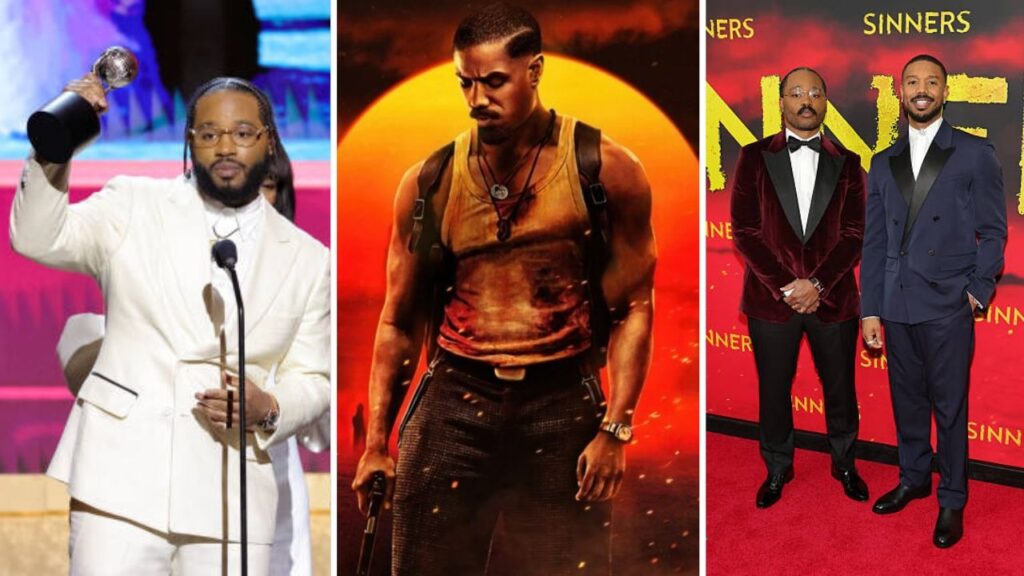
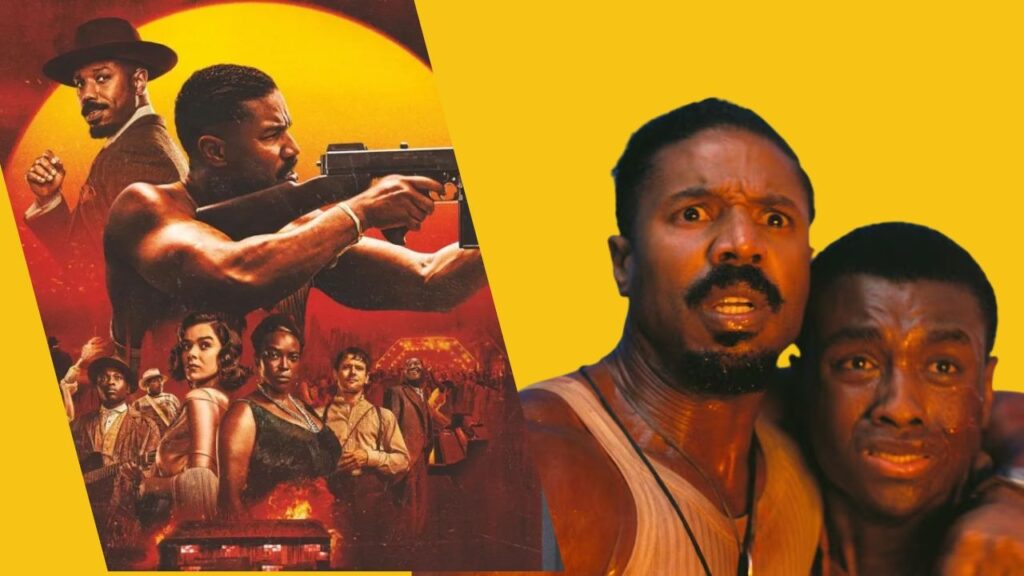
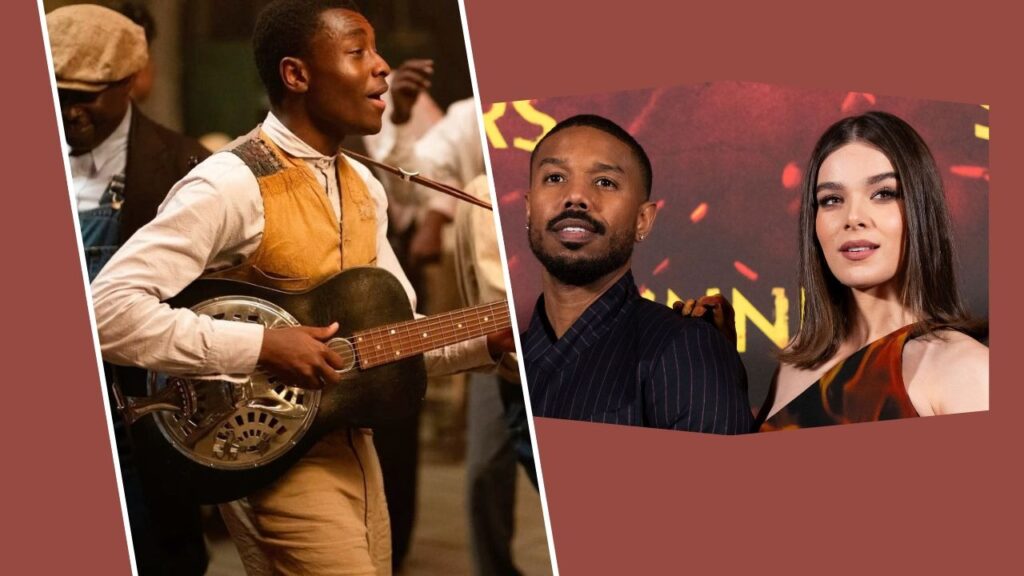
The narrative of ‘Sinners,’ a supernatural Southern Gothic tale from Michael B. Jordan and Ryan Coogler, is evolving further, and now, the hype is surrounding the music. The movie, which has already broken box office records and received high praise for its fearless delving into Black horror and spirituality, just managed to snag a historic five nominations at the 68th Annual Grammy Awards, solidifying its position as one of the most-nominated films in Grammy history.
This isn’t just about counting awards; it is a strong statement about the film’s sound ambition and how the music is integrated in the story telling of the film. The Grammy nods celebrate ‘Sinners’ in key visual media categories, showing that its influence goes well beyond the silver screen.
“Ryan and I, from the very beginning, wanted Sinners to sound like the South remembers — the pain, the hope, the hymns in the dark. These Grammy nods aren’t just for us; they’re for the generations whose voices built that sound. ” — Michael B. Jordan, in an interview with Variety.
A Soundscape That Haunts and Heals
Behind this achievement is the film’s music department, spearheaded by composer Ludwig Göransson. Göransson (who has worked with Coogler previously on Black Panther and Creed) also scored an individual nomination for Best Score Soundtrack for Film/TV. His work on Sinners has been called “haunting” (featuring a desperate gospel sound in the background connecting you into the 1930s Mississippi environment and channeling faith, sin, and survival with every note)The background music isn’t listening noise — it’s emotional, music character that defines the film.
Impact the film had on music is underscored further with three nominations for Best Song Written for Film/TV. The nominations highlight the extraordinary range of the soundtrack, which transitions seamlessly from raw, confessional spiritual blues to cinematic anthems and even poignantly emotional ballads such as I Lied to You.
This hat-trick of awards is a strong indication that the individual songs are connecting with audiences and critics both, and that they capture both the heart and feel of the film.
Also on the list is a nod for Best Compilation Soundtrack for Film/TV. This album is a powerful, generational statement that fuses traditional Southern music, gospel, blues, and contemporary voices.It’s a musical extension of the film’s world, providing a unique, culturally definitive sound rooted in the Black southern experience.
The blockbuster Grammy acknowledgement rounds out an amazing run for Sinners, which has effectively reimagined contemporary Black horror space and showcased where music, identity, and storytelling converge. It joins the ranks of legendary movies such as The Bodyguard and Purple Rain whose music outgrew their medium to become cultural landmarks.
With the 68th annual Grammy Awards coming up on 2/1/26, the pressure is all on Coogler and Jordan’s searing drama. No matter how many golden gramophone trophies it gathers, the film has already established itself as one of the sonically most ambitious and culturally significant works of its era.
At FandomFans, we believe ‘Sinners’ has done more than redefine horror and spirituality on screen — it’s transformed the way we hear them. With Ludwig Göransson’s hauntingly soulful score and a soundtrack that dares to blend genres, the film resonates with emotion and cultural depth far beyond the cinema. Its five Grammy nominations aren’t just recognition; they mark a shift in how Black narratives and music intertwine to express identity, struggle, and faith. Win or lose, ‘Sinners’ has already earned its place among culture-shaping films — one whose sound will echo long after the lights fade.
Mariyam
Articles Published :
77
Mariyam Khan is Fandomfans Content Writer and providing reports and reviews on Movie Celebrities, and Superheroes particularly Marvel & DC. She is covering across multiple genres from more than 4+ years, experience in delivering the timely updates.