Dark Winds Season 4 Episode 7: Welcome back to the Rez. We are now just one episode away from the Dark Winds Season 4 finale, and we have never been this on edge. Episode 7, “Nániikai (We Came Back)”, serves up a few servings of nervous energy, emotions, and solid storytelling.
This episode really draws you in. There’s a nonstop queuing-up of action in this movie from the start until the very end, and we filmmakers keep telling ourselves (and everyone else) how much these characters are having a hard time. Dark Winds excels at weaving crime and personal stories, but here it goes even further, pushing everybody to the brink.
Let’s get to the biggest moments in the episode, where the characters are now, and that shocking ending.
The Heartbreak of Joe and Emma
The season 2 tragedy of this Dark Winds is that Joe Leaphorn (Zahn McClarnon) and his wife, Emma (Deanna Allison), are quietly and agonizingly falling apart. They’ve been the emotional anchors of the show for three seasons, comforted one to the other in that unfathomable loss. But trauma can bond people, or slowly separate them, in strange ways.
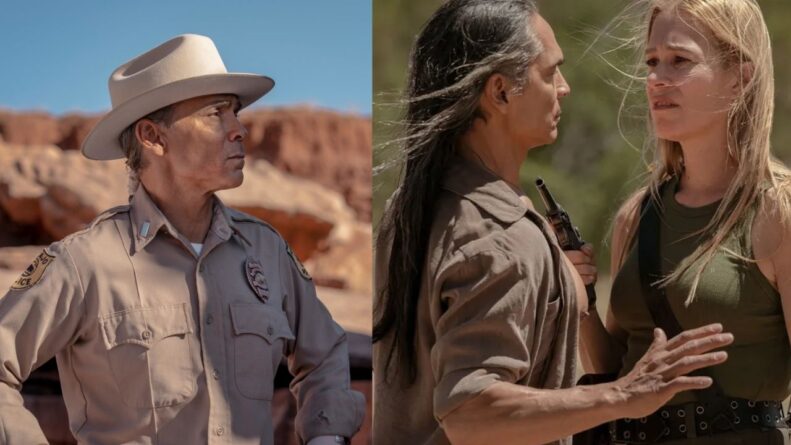
As Joe’s investigation in Los Angeles leads him back into Emma’s orbit, fans were praying for a romantic reunion that would lead her home to the Navajo Nation. Instead, the writers gave us something more along the lines of what the real world delivers, and which of course hurts even more.
- The LA Reality: Emma Adopts Los Angeles Life and she’s really happy in L.A. She has established a rhythm, a footing a little bit away from the specters of her past, and she wants to find out what she can make of it there.
- Deconstructing the Grief: The diner scene from earlier this season teed it up, but Dark Winds Season 4 Episode 7 really forces them to face those lingering shadows of their son’s death and BJ’s passing.
- The Good: Emma’s inability to forgive the betrayals, and the stifling grief related to their home, isn’t evil – it’s survival.
McClarnon and Allison’s performances are masterfully understated in this episode. Joe coming to understand that his world which he always thought would eventually contain Emma at his side has shifted forever is a hard truth to swallow. It encapsulates perfectly Leaphorn’s season-long question of identity: who is he outside the badge, and who is he without his wife?
Unpacking Jim Chee’s “Ghost Sickness”
Jim Chee (Kiowa Gordon) is in the physical and mental decline of his life for several weeks from a crippling “ghost sickness” that is causing him bruises and visions. If Dark Winds – even as it frequently taps the mystical and supernatural layers of Navajo culture – does a fantastic job of channeling those influences through psychological realism.
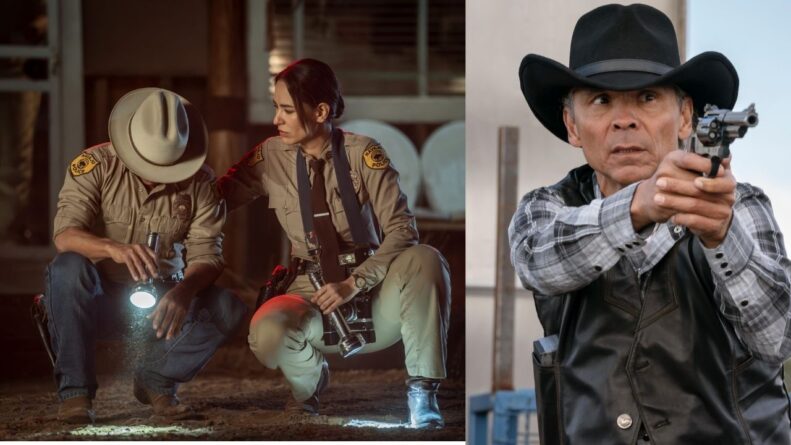
So it was pretty darn devastating when that finally aired, when it finally revealed why Chee was so ill. The most profound and secret regret of Chee’s heart had been touched by her ghost sickness, an illness that was not a matter of coincidence.
- The Confession: Chee finally breaks in a strikingly unpolished scene with Bernadette Manuelito (Jessica Matten). He says that his mother died of lung cancer when he was a college senior in Los Angeles.
- The guilt: Her death wish was to return to the reservation and die at home, but Chee never got her home.
- The Healing: His recovery begins when he tells Bern. The choice to hold a healing ceremony with longtime medicine woman Margaret Cigaret represents a huge milestone for his character.
Chee, a man who often conceals himself behind a mask of icy detachment, is faced with his own fragility, and it’s just so unbelievably refreshing. Bern’s confirmation that his picked family will be present for his rituals adds just the tiniest glimmer of hope to this unremittingly dark chapter.
Irene Vaggan and the Legacy of Evil
Meanwhile, Joe and Jim wrestled with their personal demons, and the real-world menace of Irene Vaggan (Franka Potente) escalated to horrifying new levels. Potente has been a revelation this season as Irene, not simply a mute tactical hitwoman, but as a profoundly troubled, obsessive force of nature.
In a move that mutates any residual sympathy we might’ve felt for her beyond recognition, Irene crosses the ultimate line: she kills her father, Gunthar.
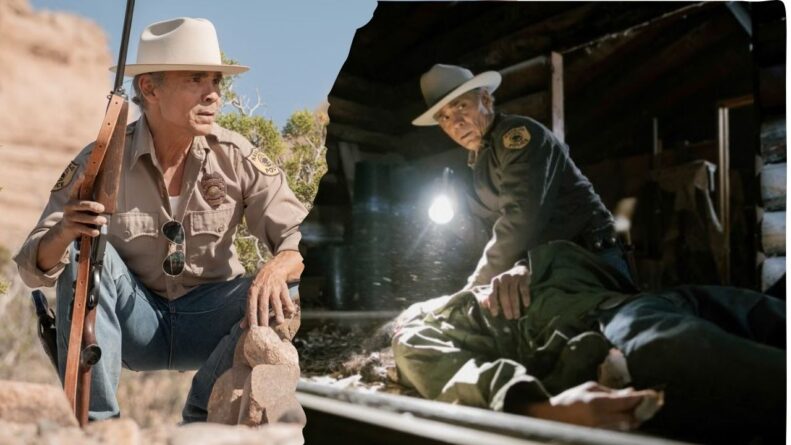
Udo Kier Tribute: The squad Dark Winds Season 4 Episode 7 ended on a heartfelt “In Memory of Udo Kier” title card, paying tribute to the iconic German actor who was Gunthar. Kier’s death adds a poignant air to his final moments.
- The Hostage Situation: It played out like a ballet of bullets as Irene fired on Joe and Bern—leading Mustache Man to end up knifed in the shoulder—in a superbly tight-paced action sequence.
- In taking the young Billie Tsosie (Isabel DeRoy-Olsen) hostage, Irene ensures that her freedom is in vain.
- The Motivation: Killing Gunthar was more than just taking out a loose end, it was clearing the board for her perverse, obsessive fantasy.
The Alpha Showdown: Leaphorn vs. McNair
Before the chaotic finale we have to talk about the tension-filled standoff between Joe Leaphorn and Dominic McNair (Titus Welliver). If Irene signifies the immediate physical threat, McNair is the institutional, beyond-reach corruption that Dark Winds has continually critiqued.
The wordplay in this particular scene was razor-sharp. Two tough guys, both unwilling to back down. McNair looks to Joe when McNair says with certainty that he will get out at his trial and adds, “Let me worry about you”—something Joe absolutely never wanted to hear.
Welliver is stunningly great at playing these uber-horny villains. It honestly seems like the show is lined up to make McNair a major pain in the side of the Navajo Tribal Police not just for the finale, but maybe for Season 5.
That Heart-Stopping Cliffhanger
As the Dark Winds Season 4 Episode 7 appeared to be ending, the writers added one more double twist which basically rewrites the main investigation for the season.
Leaphorn and Chee have been pursuing Leroy Gorman, a crucial witness, for weeks. Dark Winds Season 4 Episode 7 heaves a shocker: The entire time, Leroy Gorman has been dead.
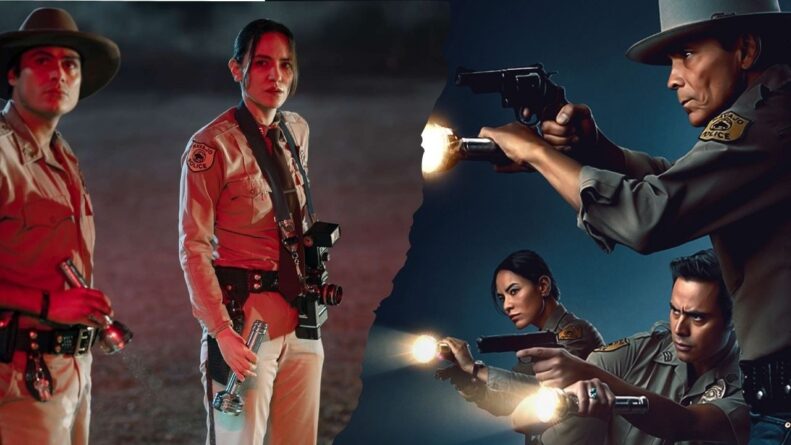
Things are as they’re supposed to when Bernadette sees via FBI photos that the slacker kid in the camper they talked to at the beginning of the season — Phillip Grayson was actually the real Leroy Gorman.
- The Trap: Joe finds the man he believes is Leroy and when the imposter makes a fatal error, confusing his aunt with his grandmother, Joe knows he has been baited into a trap but by then it is too late.
- The Capture: Emerging from the shadows, Irene chloroforms Joe. In the final, haunting moments of the show, she tosses an unconscious Leaphorn in the trunk of her car and says softly: “Now I have you, Joe.”
It is a fantastic hour of television writing. The whole “search” for Leroy was a staged wild-goose chase intended to draw Joe right into a trap set by Irene. Her fixation has led to an abduction, converging into a finale where the guy who ordinarily rescues everyone else will be in desperate need of being rescued.
Looking Ahead to the Finale
Everything is in place for a big finish with Episode 8, Ni’ Hodisxos (The Glittering World). Joe is trapped in a grotesque family life with a mad killer. Chee, on the brink of spiritual revival, will have to suspend his healing yet again to stand with his teacher. And Bern is being lined up to take the place of leader, a clear indication of Joe’s wish for her to succeed him.
It’s always a lot more than just a police procedure in Dark Winds. It is a horrific tale of historic tragedy, Indigenous survival and how far individuals will go to hold onto their place in the world. “Dark Winds” Season 4 has without a doubt been the best all along, and if this last episode is any indication, the finale will be unforgettable.
Read More:- Star Wars’ New Villain Series Maul Shadow Lord Breaks the Franchise’s Biggest Rule
Conclusion: Dark Winds Season 4 Episode 7
Dark Winds Season 4 Episode 7 has everything you could want from a penultimate episode — tensions at an all-time high, emotional complexity, and an unbelievable twist at the end that turns everything on its head. It all takes down the characters — Joe, grappling with loss and betrayal; Chee, with his past; Bern, who takes a leap into a bigger role.
The final moments leave you breathless, with Joe in captivity and the threat more real than ever. It produces a finale where the stakes are so personal, they seem to transcend the case, touching on survival and identity and justice.
If this episode is anything to go by, the final of Dark Winds Season 4 Episode 7 is going to be pretty damn intense, emotional and unforgettable.
Fandomfans is an entertainment focusing platform which provides latest reviews and details from movies, series, and celebrities.

















Pingback: Tom King Hints at Hal Jordan's Death in Lanterns