Home > Movies > The Housemaid (2025) Become a Paul Feig Successful..
The Housemaid (2025) Become a Paul Feig Successful Adaptation
The Housemaid (2025) review explores Paul Feig’s chilling adaptation, powerhouse performances, BookTok success, and the film’s dark take on power and control.
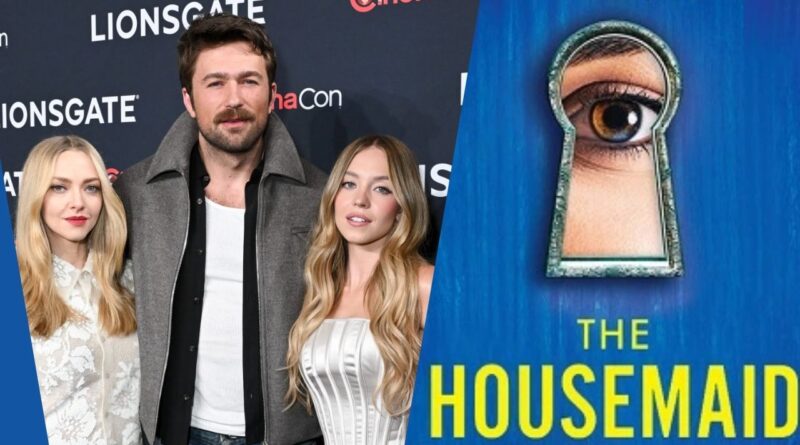
The Housemaid (2025), from director Paul Feig, channels that anxiety with laser accuracy, turning the dream of home life into a stifling mental institution. Based on Freida McFadden’s viral novel, Paul Feig’s adaptation of The Housemaid (2025) strips back the layers of wealth, beauty and privilege to reveal a much darker truth – where control, surveillance and survival intersect within the walls of an ostensibly perfect home.
Distributed in late 2025, The Housemaid, is more than just a film, it is a cultural moment. It’s the summit of the “BookTok-to-Big Screen” assembly line, adapting Freida McFadden’s viral 2022 novel into a “shlock-serious” cinematic extravaganza. Lionsgate got a desperately needed win at the box office, audiences got a deliciously dark holiday diversion that married high-brow psychological tension with the raw exuberance of a 90s erotic thriller.
A Tale of Two Cages
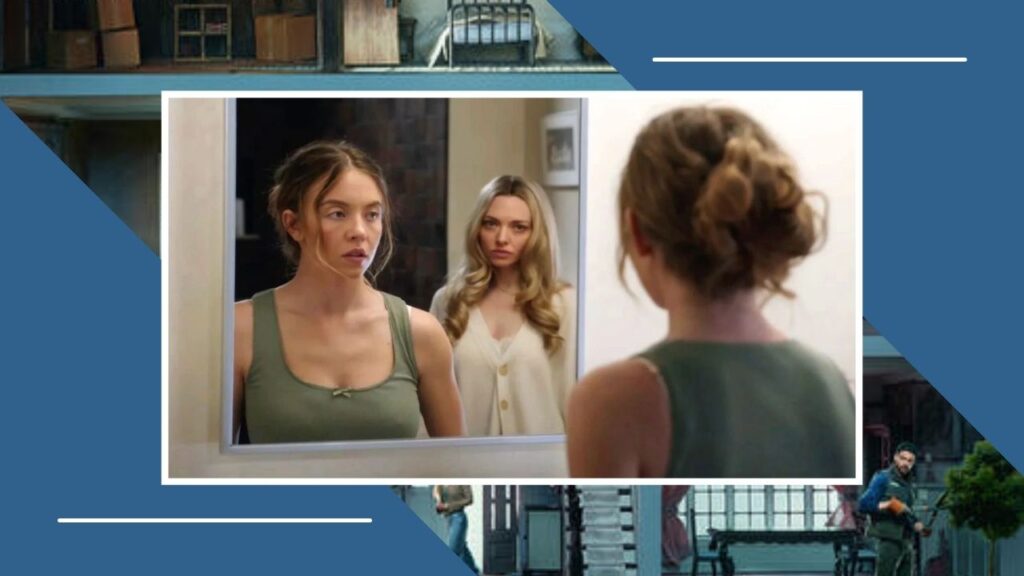
The story starts with a classic set-up: a stranger enters a closed off system. Sydney Sweeney as Millie Calloway, an ex-con who is so desperate for a job that she ends up at the Winchester estate in Great Neck, Long Island. For Millie, this isn’t just a paycheck—it’s the lifeline that keeps her out of prison.
Image Credit: Fandomfans
The Winchesters appear to be the dream employers. Nina (Amanda Seyfried) is the ethereal, if unpredictable, matriarch, and Andrew (Brandon Sklenar), the “perfect” husband who is charming, patient, and seemingly stuck in a marriage with a volatile woman. But the house itself tells a different tale. Millie is hidden away in an attic room that is the polar opposite of the mansion’s grandeur: a tiny room with a door that locks only from the outside.
What makes“ The Housemaid” so cruelly effective is its narrative architecture.
Just as we’re settling into our rhythm of feeling sorry for Andrew and being scared of Nina, Paul Feig pulls the rug out from under us. Midway through the movie, the point-of-view shift reveals that Nina’s “madness” is not a sign of instability, but a means of survival. The real monster is the one in the tailored suit and the charming smile.
Comedy director Paul Feig (Bridesmaids) demonstrates he has more strings to his bow.
It’s like “a Nancy Meyers movie that takes an unexpected dark twist” he said.
Through employing” huge rewind POV shifts”, Feig compels the viewers to question everything they know, just as we “dig deeper” into social media accounts to uncover the truth behind the filters.
Powerhouse Performances: Sweeney and Seyfried
The chemistry the two leads share, and the great contrast of their attitudes, goes a long way to making the film work.
Andrew transition from a handsome protector to a psychopathic abuser | Image Credit: Fandomfans
Sydney Sweeney achieves career-defining win as Millie. She undermines her “pinup” image, initially appearing as a defenseless girl-next-door and gradually revealing a merciless, “vigilante” streak honed in the heat of a decade-long prison term.
Amanda Seyfried is a force of nature. Moving away from her usual sympathetic roles, she embraces “female rage” with maniacal gusto. Her portrayal of Nina’s “Stepford-blond” exterior cracking under the weight of domestic terror is nothing short of hypnotic.
Brandon Sklenar provides the perfect foil as Andrew. His transition from a handsome protector to a psychopathic abuser is chilling, particularly in the film’s escalated, bloodier climax.
Character
Portrayed By
Narrative Role
Millie Calloway
Sydney Sweeney
The Protagonist, an ex-convict seeking survival.
Nina Winchester
Amanda Seyfried
The Employer; hiding trauma behind a mask.
Andrew Winchester
Brandon Sklenar
The Antagonist; a charismatic serial abuser.
From Page to Screen: Upping the Ante
Fans of the source material will be delighted that Feig didn’t shy away from the “luridly exploitative” aspects of the book. The novel’s penalties were mental, but the movie leans into bodily terror.
Rather than Millie being punished for leaving books on a table the film is focused on a broken heirloom plate, which triggers a terrifying scene of self-harm.
Sydney Sweeney, The Protagonist, an ex-convict seeking survival | Image Credit: Fandomfans
The ending, too, traded the book’s slow-burn dehydration for a high-octane staircase confrontation. And of course, there’s the “Taylor Swift factor.” Ending the film with “I Did Something Bad” wasn’t just a needle-drop, it was a manifesto of female retribution that set social media on fire.
Why It Matters
Aside from the excitement, The Housemaid delves into the “Domestic Panopticon” — the concept that our houses, which are supposed to be our safest spaces, can turn into places of total surveillance and control. It’s a razor-sharp satire of class hypocrisy, depicting how money can purchase a lovely cage, but it can’t always keep the secrets sealed up inside.
With a strong $19 million opening weekend and two sequel novels already written by McFadden, the “Millie Calloway saga” is just beginning. It’s a win for R-rated thrillers and a reminder that sometimes, the most entertaining thing you can watch is a “perfect” life falling spectacularly apart.
The Housemaid (2025) is effective when it plays on the twentieth-century fixation on façades — and then delightfully shreds them. Paul Feig adapts a viral thriller into a biting, disquieting satire of power, class and the lies we want to believe when a life looks “perfect.” Led by bold performances from Sydney Sweeney and Amanda Seyfried, the film mixes pulpy jolts with real psychological depth, showing Feig’s talent beyond comedy.
When its gore-soaked climax arrives, The Housemaid has long since made its point: behind every gleaming mansion is a locked door, behind every staged image is a truth ready to explode. It’s stylish and brutal and absolutely fun — precisely the sort of crowd-pleasing thriller that exists in your peripheral vision long after the filters come off.
Fandomfans is focusing on movies and shows deep concepts and providing you full details on your favorite entertainment.
Mariyam
Articles Published :
76
Mariyam Khan is Fandomfans Content Writer and providing reports and reviews on Movie Celebrities, and Superheroes particularly Marvel & DC. She is covering across multiple genres from more than 4+ years, experience in delivering the timely updates.
Michael Biopic Trailer is Released: Most Long-Awaited Biopic of the King of Pop
The Michael biopic trailer is out. Jaafar Jackson stars in the film, which follows Michael Jackson's ascent, his challenges, his music legacy and iconic shows.
Michael Biopic Trailer the long-awaited biopic of the King of Pop, and this is the first Lionsgate world paused for a moment as Lionsgate finally released the official trailer for Michael, the eagerly anticipated biopic of the King of Pop.
For decades, fans have muttered, speculated, and debated whether anyone could really go toe-to-toe with the lightning-in-a-bottle magic that was Michael Jackson. The answer to that seems to be an overwhelming “yes.”
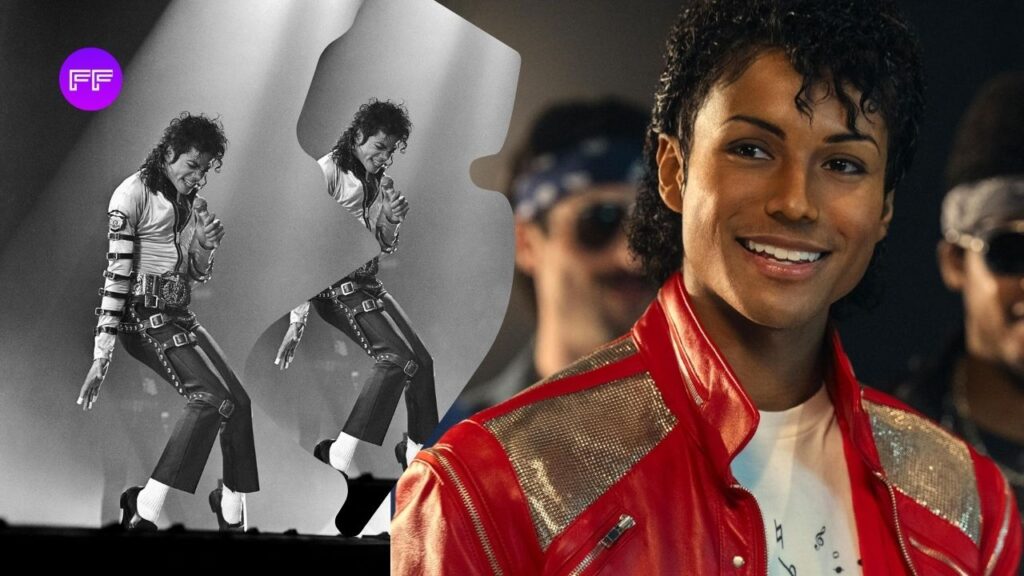
The Michael’s trailer introduces us to Jaafar Jackson, Michael’s nephew in real life, and whose likeness and vocals so chillingly accurate has set the internet alight.
This is not merely a movie – it’s a worldwide event that’s guaranteed to take us back to the moonwalks, the glove and the man behind the myth.
Michael Jackson’s Movie Release Date
Save the date and get your glitter gloves ready. Michael will light up the big screen on 24 April. The film will open wide, with a giant IMAX rollout, so that the concert scenes and larger-than-life music numbers will be seen and heard at full blast.
Theme of the Movie
The film is solidly grounded in the musical biopic and drama genres, covering decades of music history. From the soulful, gritty streets of Gary, Ind., the Jackson 5 were formed, to the breathtaking stadiums of the Bad and Dangerous world tours, the locale is as thrilling as the man himself. The key theme delves into the dualities of genius – the public superstar and the private (and often isolated) person.
Director, Writer & Creative Team
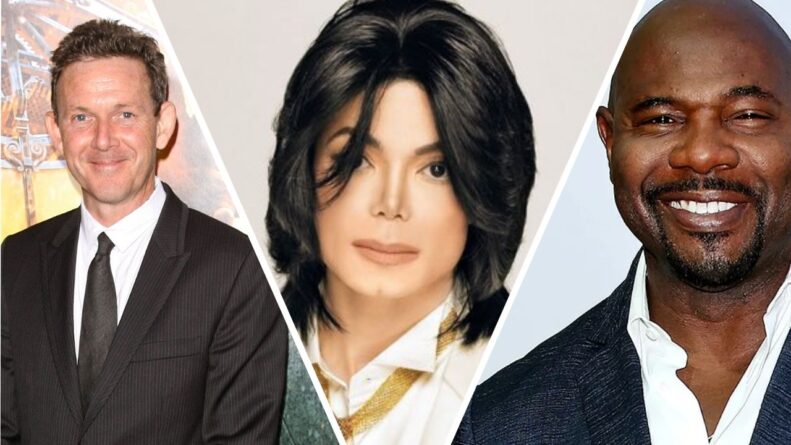
Antoine Fuqua (Training Day, The Equalizer) directs, who is renowned for gritty, intimate storytelling. Writing the screenplay is three-time Oscar nominated John Logan (Gladiator, The Aviator), the narrative is anticipated to be a true story beyond a Wikipedia page.
Image Credit: Fandomfans
Gary King of GK Films is producing the film, the producer who brought us the chart topping Bohemian Rhapsody, which certainly guarantees the musical numbers will be spectacular.
Michael the Long-Awaited Biopic Plot Details
Michael Biopic Trailer is an attempt to bring a breathtakingly honest and riveting portrayal of the charismatic, complex man who became the King of Pop. The trailer suggests a full arc, from the authoritarian hand of his father Joe Jackson to the stratospheric success of the Jackson 5 all the way to Michael’s domination of global pop culture. It claims to lift the curtain on his artistic process and personal pain, humanising a man who is often idolised or vilified.
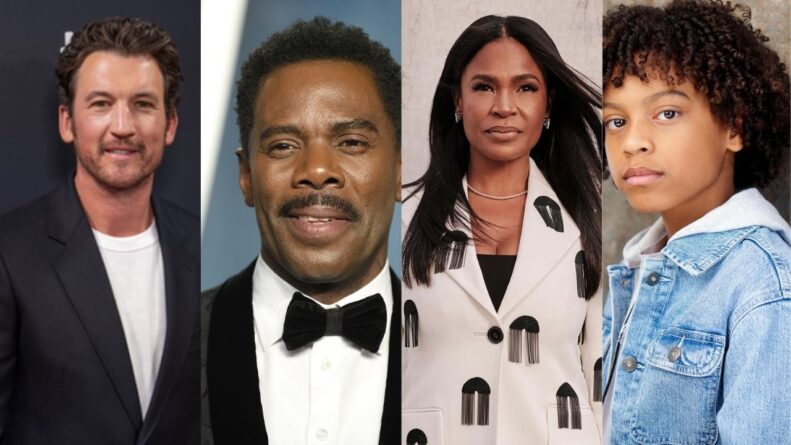
Jaafar Jackson as Michael Jackson (whose performance is already generating Oscar buzz).
Colman Domingo as the complicated patriarch, Joe Jackson.
Image Credit: Fandomfans
Nia Long is the warm but firm Katherine Jackson.
Miles Teller as Michael’s longtime manager and attorney, John Branca.
Juliano Krue Valdi as the young Michael, captures his early innocence and raw talent.
Michael Trailer Showed Us Highlights
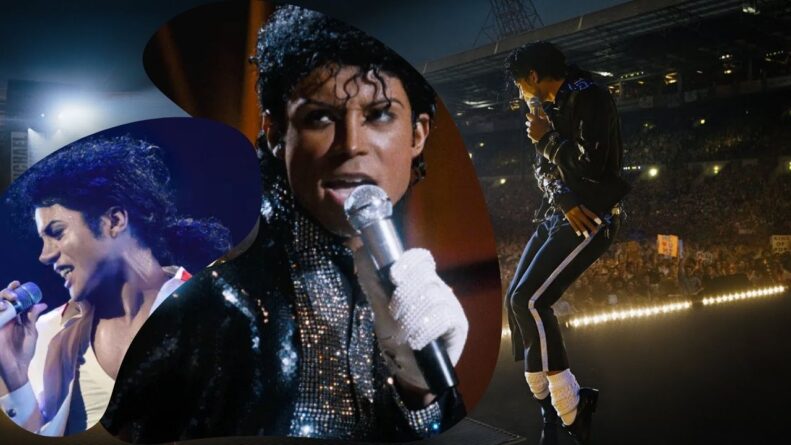
Probably the biggest team-up is that of the Michael Jackson Estate. The partnership allowed the producers unprecedented access to Michael’s music, clothing and personal archives. Among the highlights of the trailer are re-creations of the iconic “Thriller” video, the Motown 25 moonwalk and “Man in the Mirror” – all executed with historical accuracy.
Production Details
Production filmed throughout California and other significant locations in MJ’s life on an estimated $155 million budget. The production design and costumes are designed to represent the specific period of time in Michael’s life and runs from 70s afros and bell-bottom jeans to 90s military-style jackets.
Film’s Availability and Ratings Expectations
Although the official rating is now TBA, vanilla industry speculation is that it will be rated PG-13. This would keep the film available to younger audiences while dealing with the dark and violent subjects of Michael’s later years.
Image Credit: Fandomfans
Distribution & Platform Details
Universal is distributing in the US globally, Lionsgate in the US domestically. The film will head to major streaming platforms (perhaps Starz or Peacock first) once its theatrical run ends, no dates have been announced.
Audience Expectations from Michael
Expectations are stratospheric. The Michael Biopic Trailer has now shattered record viewership numbers for a biopic, showing that the demand for Michael Jackson’s story is as strong as ever worldwide. For the more than 40,000 people who are likely to see the concerts but also want to learn about the man being watched under the most rigorous microscope in history, it can help to comprehend what they are hoping for beyond tribute concerts.
Michael Biopic Trailer is shaping up to be the movie event of the year. Moonwalker devotees and casual film fans alike, Antoine Fuqua and Jaafar Jackson appear intent on once again Michael Biopic Trailer showcasing to the world why Michael Jackson is the greatest entertainer of all time. Be ready to watch this film in theatres on April 24.
Fandomfans gather reports to deliver conclusions from upcoming movies directly to you. Get more updates from here.
Mariyam
Articles Published :
76
Mariyam Khan is Fandomfans Content Writer and providing reports and reviews on Movie Celebrities, and Superheroes particularly Marvel & DC. She is covering across multiple genres from more than 4+ years, experience in delivering the timely updates.
Benedict Cumberbatch has an extraordinary double billing in Hollywood right now. He’s in, a cornerstone, really, of Marvel’s almighty cinematic universe (MCU). On the flip side, he has a solid independent film career, as evidenced by his upcoming film, The Thing With Feathers. That balance of blockbuster dominance and arty experimentation speaks to his versatility, and the power of his star.
Reports indicate that the MCU is the financial foundation and global visibility for Cumberbatch, but projects like The Thing With Feathers are vital to keep his critical worth alive. This file claims the actor is now carrying out a “legacy management” approach, wielding clout to influence the creative direction of his blockbuster commitments and demonstrated by his producing role and director selection preferences while also going back to his experimental, literary roots in adaptations.
The Thing With Feathers
The Thing With Feathers is a departure from the visual effects-laden projects that Benedict Cumberbatch has been attached to of late. From acclaimed novelist Max Porter’s bestselling novella Grief Is the Thing with Feathers, the film preserves the book’s idiosyncratic, poetic form and surreal atmosphere.
The plot revolves around an unnamed London father (Dad) and his two sons as they struggle to survive in the wake of the sudden death of their wife and mother. Into their mourning home comes Crow— a frenzied, mythic character who says he’ll remain until the family no longer requires his presence. Crow is the physical manifestation of grief, so for Jack, it’s the personification of losing his wife.
Image credit: Fandomfans
Helmed by Dylan Southern, it employs a dreamlike non-linear narrative to bring Porter’s emotional, stream of consciousness novel to life on the screen, mixing stark household realism with surreal horror.
Cast Highlights
Benedict Cumberbatch as Dad – a profoundly raw portrayal of mourning, more in line with his work in Patrick Melrose than Doctor Strange.
David Thewlis as Crow – a sinister but bright, guardian and bully.
Richard and Henry Boxall play the brothers, and this is the one that really did engage me emotionally.
The movie doesn’t treat grief as hushed sorrow, but as frenetic, cluttered, and terrifying. Crow becomes the father’s Jungian shadow, making him face feelings he seeks to escape – turning the tale into a psychological thriller where the real beast is internal suffering.
Early reviews For The Thing With Feathers
Image credit: Fandomfans
Cumberbatch’s acting is considered to be one of the best if not the best. Praise for him speaks of him being in “terrific shape” and turning in a performance that is “confidential and emotional”. The Guardian also notes that:
“While the attention is on the home drama the film is involving and
affecting.”
The creative leadership of Doctor Strange 3
Cumberbatch is reportedly taking a more “hands-on producerlike” role who will be able to handle the visual spectacle, with the film’s intellectual depth in the making of the film.
“very protective of the character and wants a director” —He said
The integration of Doctor Strange into the wider Avengers lineup
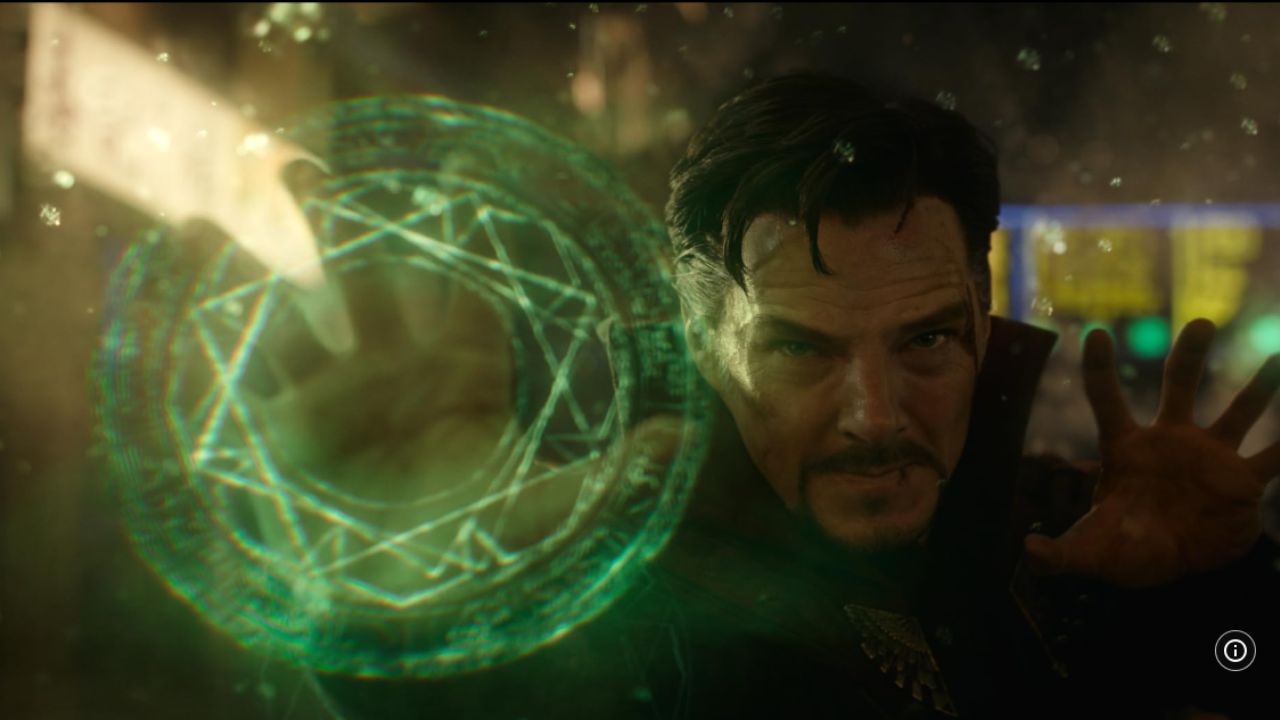
Cumberbatch gave an interview in early 2025 in the dance where she said she would not be appearing in Avengers: Doomsday (2026), sparking rumors that the character would be written out. However, in the The Thing With Feathers premiere at Sundance he flatly corrected reports.
“I got that wrong, I’m in the next one.” —Cumberbatch said and also joked to fans,
in reference to the tight Non-Disclosure Agreements (NDAs) and secrecy culture that Marvel instills, which frequently has its actors feed false information to the press to protect surprises.
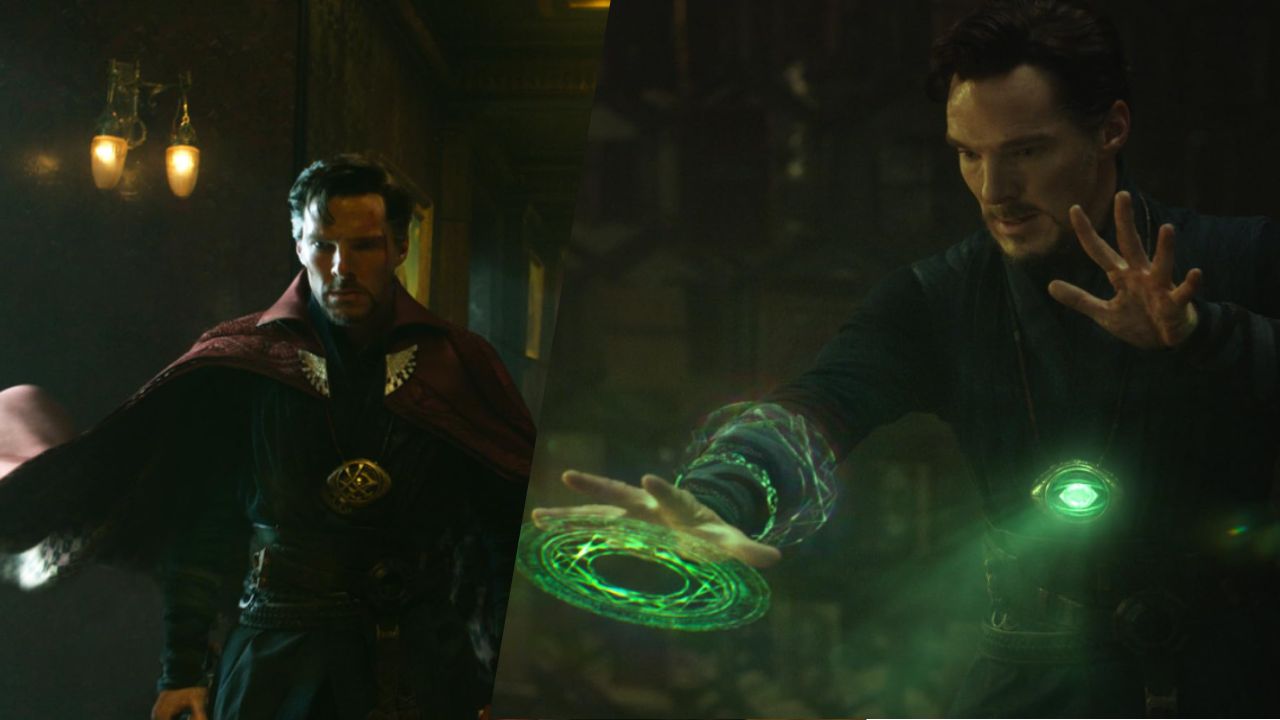
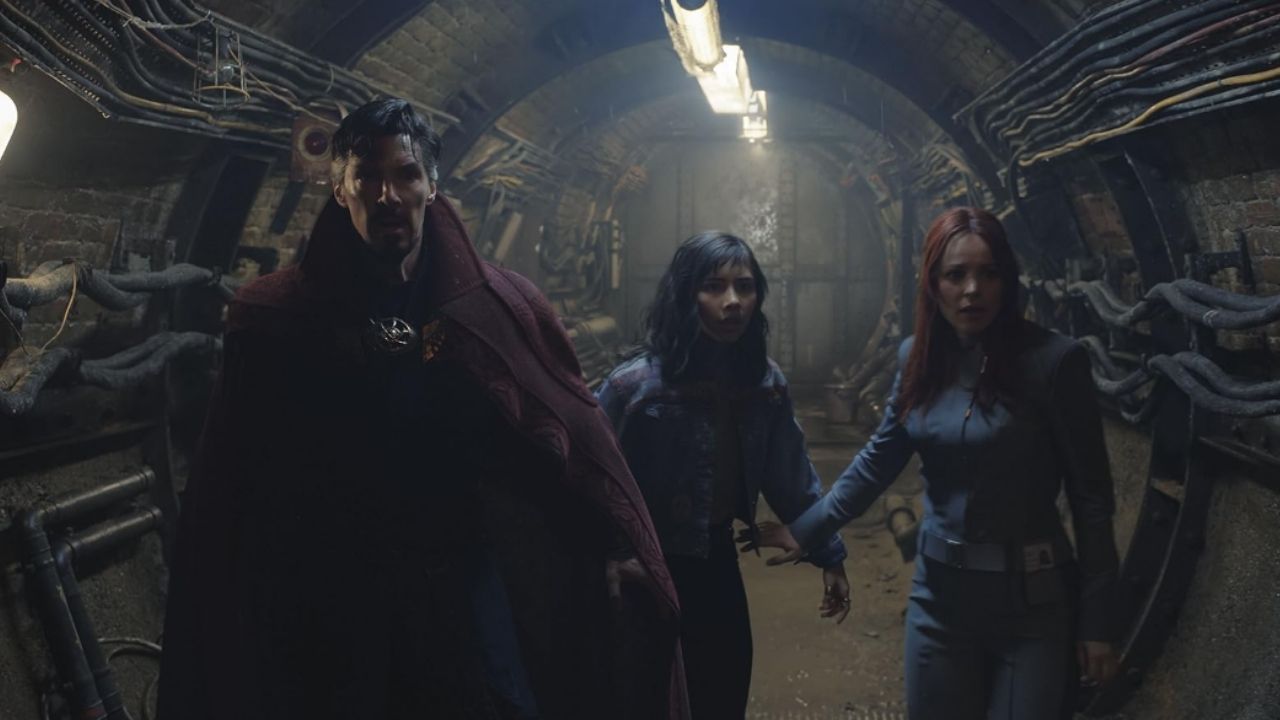
It is now confirmed that Doctor Strange will appear in Avengers: Doomsday (2026) and will have a “huge” role in Avengers: Secret Wars (2027).
Image credit: Fandomfans
Strange’s place in Secret Wars should be similar to his prominence in the comics, acting as second-in-command (“Sheriff of Agamotto”) to Doctor Doom, leader of the multiverse’s remains (Battleworld). Robert Downey Jr., reprising his role for the first time as Doctor Doom from the MCU, the dynamic between Cumberbatch and Downey Jr. (who also starred together as Sherlock Holmes and Iron Man, respectively) recently tops for the studio.
Conclusion
The next few years are crucial for Benedict Cumberbatch. In a London flat in “The Thing With Feathers” audiences will also get to see him unmasked and fighting a figurative crow. This part reconfirms his dramatic obama essay credentials and acts as a Salto dancer à la spectacle au lieu de suivant.
At the same time, the Marvel Cinematic Universe machine is turning toward him. The active development here is Doctor Strange 3, strongly based on the “Time Runs Out” storyline, and his already confirmed appearance in Avengers: Doomsday, marking him as the story lead of the Multiverse Saga’s concluding chapter. Bird-themed surrealist or multiversal terrors: on both, Benedict Cumberbatch is at the center of two vastly different though thematically connected cinematic universes.
Fandomfansis a platform to provide quick updates on entertainment, anime, reviews & celebrity news. Our goal is to bring you valuable and accurate information on your favorite entertainment buster.
Mariyam
Articles Published :
76
Mariyam Khan is Fandomfans Content Writer and providing reports and reviews on Movie Celebrities, and Superheroes particularly Marvel & DC. She is covering across multiple genres from more than 4+ years, experience in delivering the timely updates.