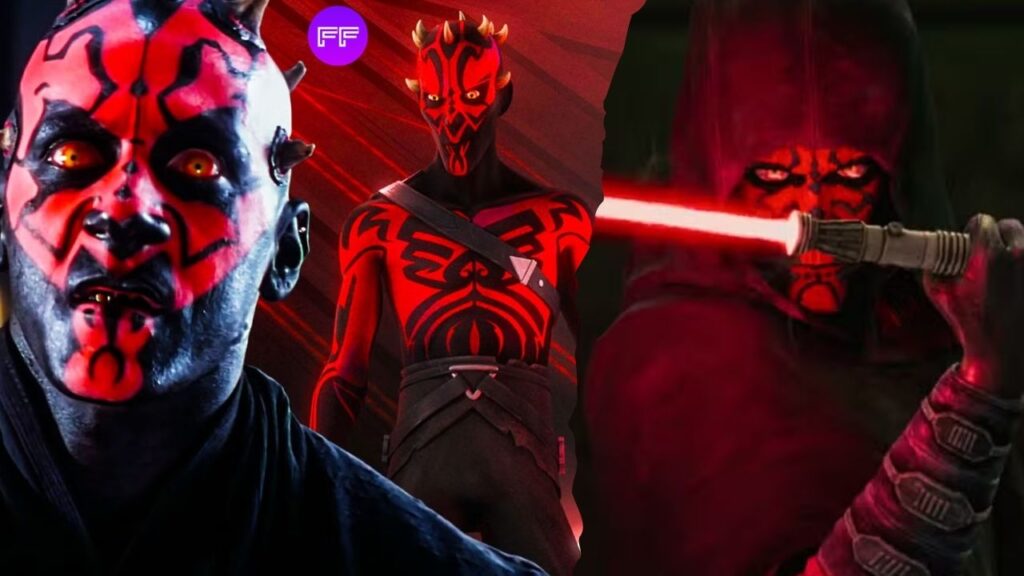
This One Prequel You Must Read Before Watching Darth Maul’s New Star Wars Series

Before Darth Maul Shadow Lord on Disney+, read Shadow of Maul. The Star Wars prequel comic reveals the crime underworld & key characters behind the new series.

Published: Mar 12, 2026, 12:15 PM
Last Updated: Apr 14, 2026, 11:51 AM

When Star Wars at last decides to bestow the spotlight upon a beloved character, there’s a certain electricity in the air. For years Darth Maul has been this strange figure hovering in between icon and enigma— a villain whose image burned into our consciousness with nothing but his menacing look, his acrobatic fighting style, and about three lines of dialogue in The Phantom Menace. 

We saw him survive being bisected, mutate into a cyborg spider, become a crime lord, apparently die in Rebels, and then defy death like the true star (literally) of the show he is. The ex-Sith Lord will at last be the central character in his own series with Star Wars: Maul – Shadow Lord, coming to Disney+ on 6 April 2026. 

But here’s the problem with Star Wars storytelling nowadays: the galaxy is so interconnected and tied together that walking into the big show without preparation is rapidly becoming like showing up to a movie in the middle of it. Lucasfilm knows this. They’ve perfected the transmedia prelude and now with Shadow Lord, they have created something that isn’t just companion material —it’s essential viewing.

Enter Star Wars: Shadow of Maul, a five-issue comic miniseries from Marvel that isn’t a cynical cash-in tie-in, but a real narrative cornerstone that will change the way you watch the forthcoming animated show. 

The Shadow Before the Lord

When Marvel revealed Shadow of Maul at the end of 2025, the premise appeared fairly straightforward: a prequel comic taking place in the world and featuring characters from the upcoming Disney+ series. Standard Star Wars fare by now. However, after getting more information regarding the creative team and their take, it was evident this was a different ball game.

Former writer of Darth Maul, Benjamin Percy had already been creative with Black, White & Red anthology in the character that is going to change with specific creative purpose: to tell a gritty crime-noir tale set the seamy underworld of Janix—the same world Maul will once again seek to establish power in and regain its hold. Percy himself has been refreshingly candid about the way he writes. 

“It’s a sci-fi story, but it’s also a crime story, with cops and criminals that are based on the land where many sins and secrets are buried.” he told Marvel in the official announcement. 

That description alone should be enough to grab the attention of anyone who thought The Book of Boba Fett never quite got off the ground as a crime lord story. Where that show never seemed quite sure of its tone, vacillating between underworld politicking and Saturday-morning cartoons chauvinism, Shadow of Maul knows exactly what it wants to be from page one. 

The first issue, dated March 4, 2026, has us Meet Captain Brander Lawson and his droid partner Two Boots. These aren’t your typical Star Wars protagonists. Lawson is a sheriff attempting to impose law on a region that laughs at the notion, a detective on a planet so far from the Empire that it hasn’t even tried to take hold. 

Two Boots, voiced by stone cold comedy gold Richard Ayoade in the up-coming series, is a dry sardonic foil to Lawson’s weary resolve. Their chemistry is instantly lived-in, like partners in crime and life, who have been disappointed and killed together. 

Why This Prequel Must Read Before Watching Darth Maul’s

Required reading usually means “homework you need to shovel through in order to get to what you really want to consume.” We’ve all been there, gritting our teeth through some so-so comic or novel because the mainline product assumes we’ve done the prep work. Shadow of Maul easily avoids this pitfall because it is genuinely interesting in its own right. 

Madibek Musabekov’s art, however, needs a special shout out. Now under his own name, Musabekov offers a grittier, more grounded visual style than what we’re used to seeing in the galaxy far, far away. 

Janix isn’t the clean, bright light of Coruscant or Tatooine’s desert minimalist — it’s a neon-drenched hive of shadows and secrets, a place where the very lighting informs that nothing good comes after dark. The noir overtones aren’t just in the story telling, that’s in the dna of the show. Every panel could be a still from a classic detective movie, just there are more aliens and laser fire. 
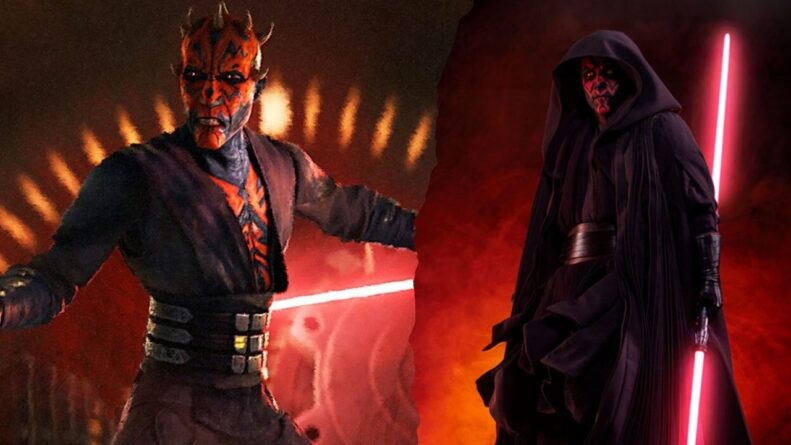
Watching Darth Maul’s

But what makes Shadow of Maul stand out from “good comic” to “must-have prequel” is what it does with its titular character. Maul doesn’t rule the first issue, he threatens. We feel his presence before we feel him, feel his presence in the void of criminal power that he is moving to occupy. 

It’s the Jaws approach to villainy, and it’s perfect for a character whose entire appeal revolves around his aura of menace. When Maul does appear, it is significant.The comic realizes that in a series named after him, less is far, far more.

There’s a practical purpose to this restraint as well. Shadow of Maul is introduced to the power brokers on Janix, the criminal infrastructure Maul hopes to co-opt if not crush. Without that context, the cartoon series would have to use up precious time just telling us who these folks are and why we should care if they die. By having the world-building work already done in comics form, Shadow Lord can open right up and zero in on Maul’s character journey rather than exposition dumps. 

The Transmedia Advantage

What is interesting about Shadow of Maul is its close tie in with the production of the animated series. Percy’s not been working in a vacuum, deciphering ideas secondhand. He and Musabekov have been in direct contact with Lucasfilm, reading scripts and watching episodes of Shadow Lord as they developed the comic.This isn’t retrofitting a backstory; it’s true co-operative storytelling across mediums. 

The comic presents Janix as a world “the Empire never set foot on,” a wild frontier where Maul thinks he can get his business done with no Imperial interruptions. That right there is the stakes for the animated series. We know from Solo and Rebels that Maul ultimately becomes the head of Crimson Dawn, but Shadow Lord covers the chaotic and brutal steps he takes to establish that power. 
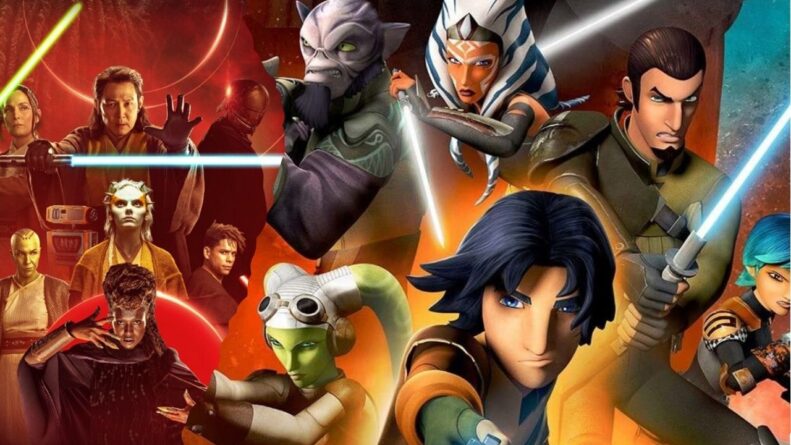
The Transmedia Advantage

The comic gives us the “before” — the criminal syndicates which believe they hold dominion over Janix, the local law enforcement seeking to maintain order, and the ordinary citizens merely trying to scrape by in the shadows. 

Captain Lawson, especially, appears to be a significant baller in the show. Voiced By: Wagner Moura — (NARCOS) Lawson is the latest iteration of the nuanced villains that Star Wars has been cultivating as of late. He’s not bad, he’s just trying to bring law to a lawless place, but he’s never going to agree with Maul’s goals. 

The comic allows us to see where he’s coming from, to buy into his partnership with Two Boots, before the animated series presumably places them on a path of confrontation with the former Sith Lord . 

The Missing Piece of Maul’s Legacy

For fans that have followed Maul’s path into The Clone Wars and Rebels, Shadow Lord hold a bittersweet resonance. We know where this road eventually takes us: a last meeting with Obi-Wan Kenobi on Tatooine, a death that at last allows peace to a life shaped by fury and retribution. 

But the era between the Clone Wars and that final duel, has been somewhat of a no-man’s land.We caught snippets in Solo, saw he was establishing Crimson Dawn, but the “how” and “why” were obscured. 

Shadow of Maul and the animated sequel seem set to fill that void with real character development over plot devices. Sam Witwer, who has voiced Maul since The Clone Wars, said Shadow Lord delves into Maul’s own existential dilemma. “What does he think about his whole life?” Witwer asked for interviews, implying more introspection than the character has ever shown. This is Maul when he is at his lowest point stripped of his criminal empire, his brother, his purpose – and must not only rebuild his power base but his very sense of self.

The comic’s noir setting is ideal for this purpose. Film noir has historically been concerned with protagonists caught up in corrupt systems, but those characters have generally been troubled souls themselves. Maul, whose past is riddled with self-destructive obsession, is the most fitting example. 

Shadow of Maul introduces the physical place where he’ll be conducting business, but it also provides the mental backdrop issue for a man trying to convince himself he actually matters in a galaxy that now knows all. 

A New Model for Star Wars Storytelling

There’s an almost old-school vibe to how Lucasfilm is handling Shadow Lord, both with the comic and the game. Since Disney took over the rights in the past decade, the franchise has undergone a host of transmedia storytelling experiments with somewhat inconsistent results.

Sometimes comics and novels really feel like afterthoughts to the brand rather than part of a comprehensive narrative, like optional extras for the truly devoted. At other times, they hold vital information that explains why the films and shows are so bewildering.

Shadow of Maul holds a different balance. It gets the best part of the experience by just watching the cartoon, but it does add viewers to the Shadow Lord experience. You don’t have to read the comics to follow the show, but if you want a deeper insight into Janix, its characters, and the shifting power play between them, it’s a good idea. 
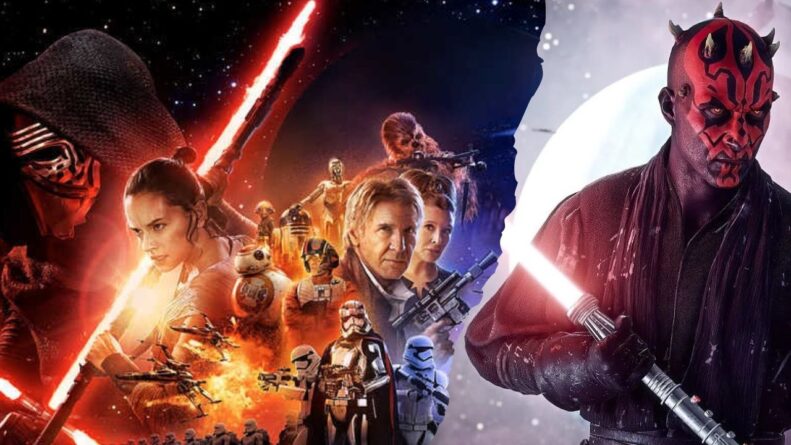
A New Model for Star Wars Storytelling

It’s the Star Wars version of reading the book before you see the movie — and you get the full backdrop, the subtle callbacks, the emotional weight behind characters that might otherwise just seem like werewolves. 

Now, with Shadow of Maul coming out on March 4, 2026 and the animated series debuting on April 6, there’s a purposeful gap for fans to get a taste of the comic’s world-building before the show is released. Apparently, the comic will continue on even after the show starts issues will be released throughout and after Shadow Lord’s run, which ends on May 4 (Star Wars Day, naturally) . This seems to imply that the comic could delve into repercussions or side stories that the animated series simply doesn’t have time for, rather than dumping all its setup in one place. 

Read More:- Real Reason Critics Are Split on Christian Bale’s ‘The Bride’ R-Rated Monster Film

Conclusion

With the countdown to April 6 on, the hype for Darth Maul – Shadow Lord is so real. The trailers display animation that is an evolution of the Clone Wars style, with a more stylized, cinematic look that suits the darker tone. Return of Sam Witwer to voice Maul also brings continuity to Maul’s prior animated appearances, and the creation of new characters such as Devon Izara— a disillusioned Jedi Padawan whom Maul seeks to recruit points towards new paths for the character’s story.

But if you really want to have the full experience, if you really want to see the full breadth of what Lucasfilm is building with this little corner of the galaxy, Star Wars: Shadow of Maul is not optional—it’s the opening chapter. It elevates the animated show from a self-contained adventure to the climax of a larger storyline, one that takes advantage of comics’ special abilities to lay the groundwork in ways that animation can’t. 

In an age when franchise narratives frequently feel like they need to be produced in bulk, it’s a genuine thrill when a project actually gets to breathe and build its world. Shadow of Maul is Star Wars at its slow, moody, path juncture-lockstep best, so bent on telling us that the journey is as important as the destination. Before you see Maul regain his strength as the shadow lord, you should check out the shadows he’s been lurking in. The galaxy far, far away has never looked, sounded or moved quite like this and not a single panel should be missed. 

Stay in the world of cinema with Fandomfans to get all the latest updates from movies, series and celebrities.

Comments

Leave a Comment

Your email address will not be published.

Alpana

Articles Published: 173

Alpana is Fandomfans Senior Editor across all genres of entertainment. She evolved in the media industry since a very long time, she manages the content strategy and editing of all the blogs. Her focus on story development, review analysis, and research is well-equipped that ensures every article meets the standards of accuracy and depth.

View Profile ↗

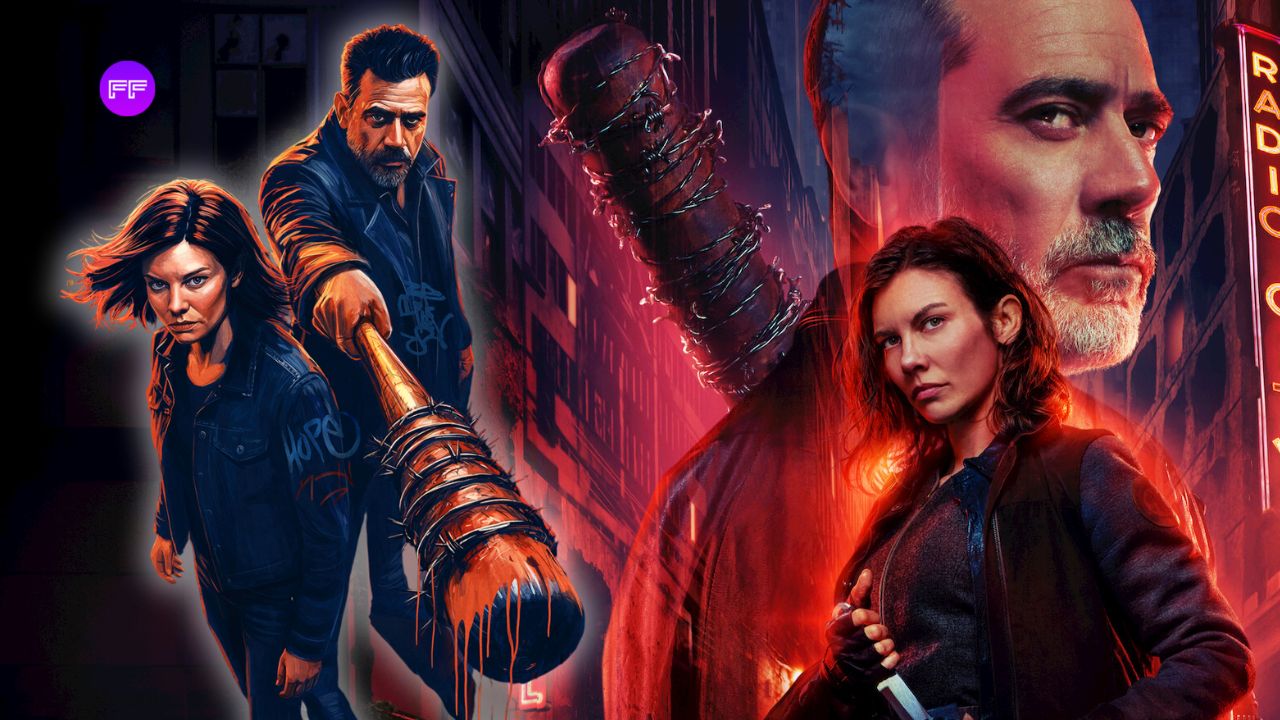
What Happened to Maggie in The Walking Dead: Dead City Season 3?

What happened to Maggie in The Walking Dead: Dead City Season 3? Explore her biggest challenges, shocking twists, and what lies ahead.

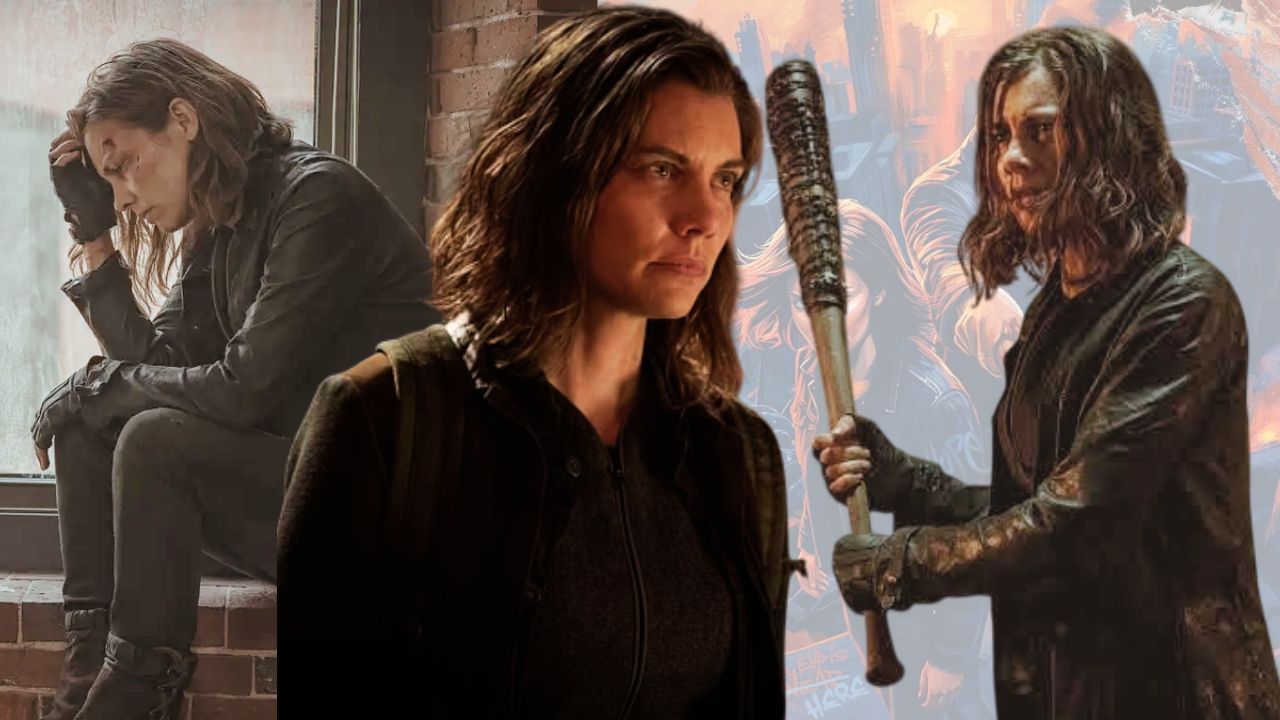
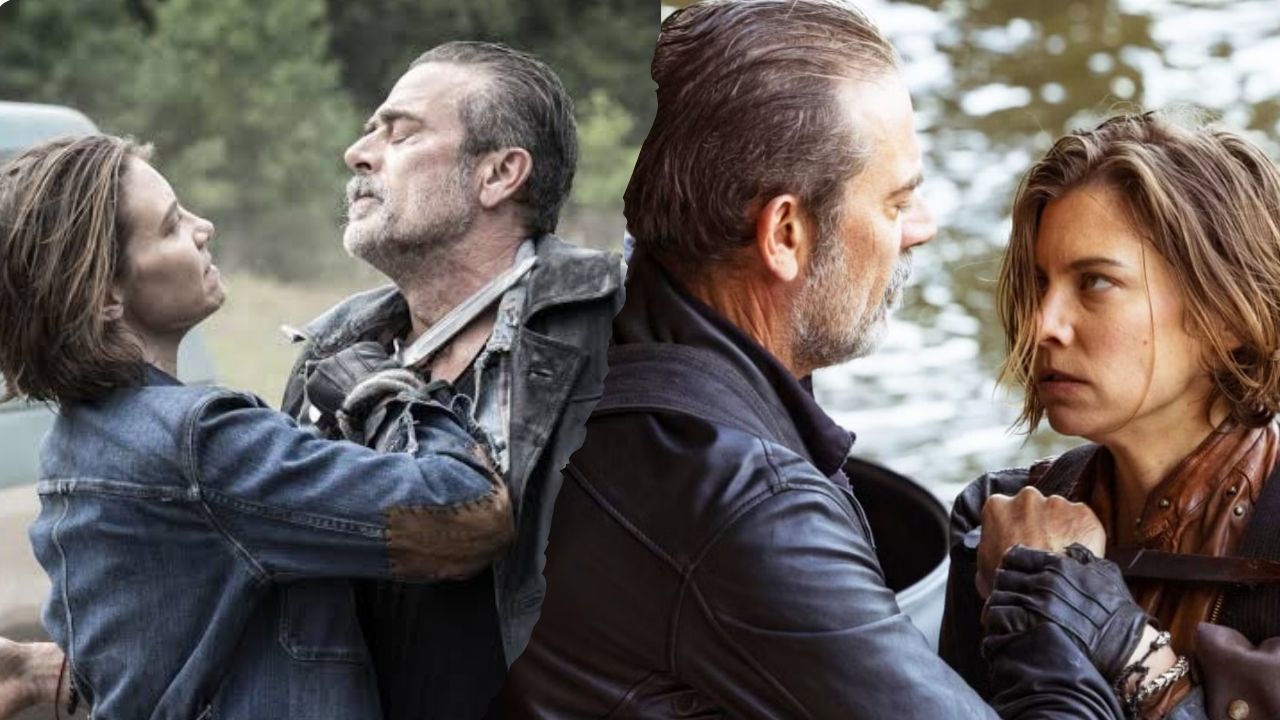
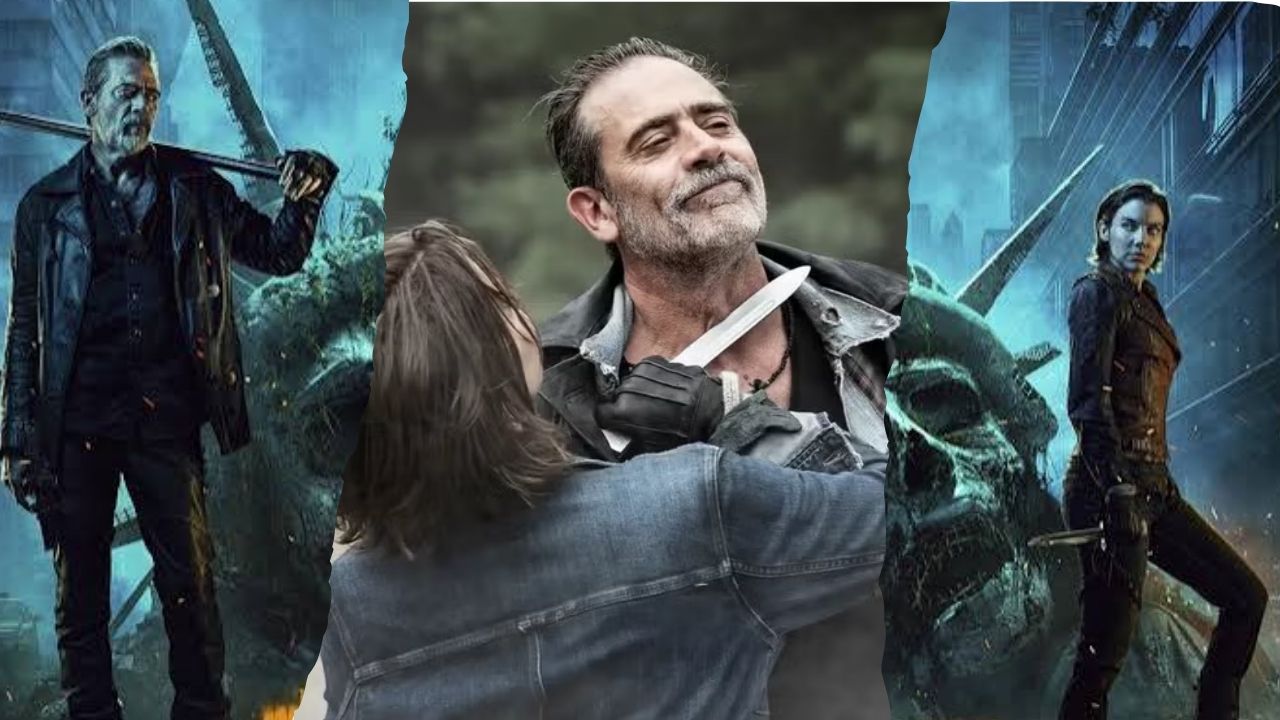
Maggie Rhee spent the Season 3 premiere of The Walking Dead: Dead City handing Negan a knife and telling him to use it. This is something she hasn’t done in three seasons. That’s the scene that opens “Trillium,” and it tells you everything about where her head is at as this show tries letting these two people actually be at peace which is something that never quite pulled off before. If you’re catching up after the July 26 premiere and wondering what happened to Maggie in The Walking Dead: Dead City Season 3.

So here’s the full rundown — what went down in the season opener, what it means for her going forward, and what AMC has already confirmed for the episodes still to come.

Where Dead City Left Maggie After Season 2

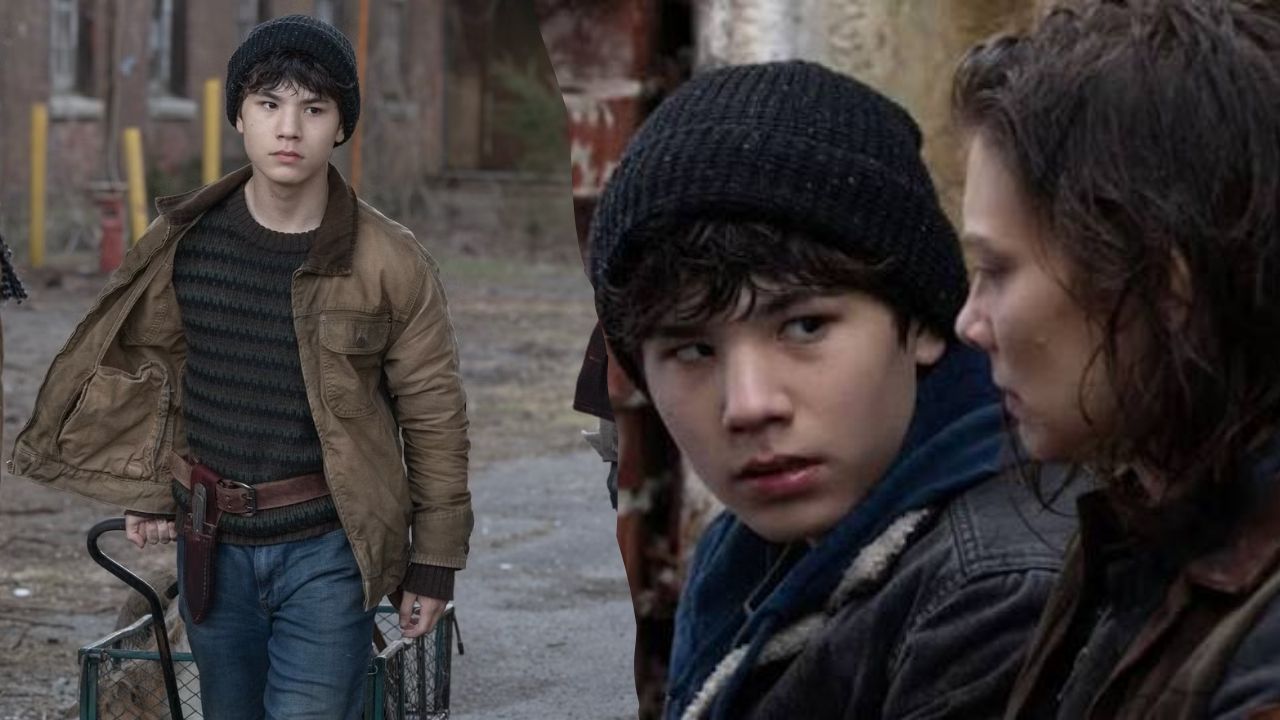
Seasons 1 and 2 of Dead City built Maggie and Negan’s relationship around a debt neither of them wanted to owe. Season 1 was about finding her kidnapped son Hershel (Logan Kim), who Negan helped rescue despite being the man who killed her husband Glenn. 

Season 2 dragged that arrangement into a war over Manhattan’s methane supply, with the New Babylon Federation and a mysterious power broker called the Dama pulling strings from the shadows. By the finale, the feud between Maggie and Negan had cooled into something more like exhausted tolerance than trust, and the Dama’s people had seized control of the city’s methane facility — the resource everyone in Manhattan needs to survive.

Maggie in The Walking Dead

The Dama herself has been the show’s most persistent mystery since Season 1 — a shadowy leader running New Babylon’s operation from a distance, using the Croat as her enforcer on the ground. Maggie spent most of Season 2 caught between protecting Hershel and getting pulled deeper into that power struggle, and the finale left the Dama’s larger plan unresolved even as her people took the methane facility.

That’s the wreckage Season 3 opens on. And it’s also where the show’s biggest behind-the-scenes shift comes in: Seth Hoffman took over as showrunner heading into this season, and both Lauren Cohan and Jeffrey Dean Morgan have been vocal in press about how different the tone feels as a result. Cohan described it simply as a “new vibe” going on, and that shift is obvious from the first ten minutes of the premiere.

What Happened to Maggie in The Walking Dead Season 3 Premiere, “Trillium”

The episode, which aired July 26, 2026, wastes no time putting Maggie back at the emotional center of the show.

The Grave and the Knife

“Trillium” opens with Maggie digging a grave for Ginny, the young girl whose death at the end of Season 2 has left Negan hollowed out. He finds her mid-dig and reads it as another betrayal — he wasn’t there, wasn’t consulted, and he’s furious about it. What follows is the same argument this show has been having since Season 1: Glenn’s murder, Ginny’s death, years of blame neither of them can fully let go of. 

Except this time, Maggie doesn’t defend herself. She tells Negan she’d undo it if she could, admits she can’t, and then does something new — she hands him a knife and dares him to finish what their history has been building toward since he killed her husband.

He doesn’t take it. Not because the show chickens out, but because Renata and Luis, two new survivors, interrupt before he has to decide. It’s a genuinely tense beat, and it works precisely because the show has spent two seasons convincing you it might not end any other way.

Hershel Comes Back — and So Does the Croat’s Storyline

The interruption isn’t just a plot device. Renata and Luis run a small hospital community and need help recovering a stolen methane tank to power an incubator for a newborn. Maggie agrees to help make up their numbers, and her son Hershel shows up in the middle of the chaos, having finally turned on the Dama after she ordered him to kill his own mother. That’s a meaningful shift for Hershel’s arc — he ended Season 2 still loyal to the Dama’s cause, and this premiere closes that door for good.

Maggie in The Walking Dead

The episode also puts a bow on the Croat (Željko Ivanek), the season-long antagonist whose menace defined much of Season 2. Renata and Luis capture him mid-episode and discover he’s been bitten. Flashbacks fill in how he terrorized their community using tactics he picked up serving under Negan — a detail that lands harder given who’s standing next to him when he dies. By the episode’s end, it’s Negan himself who puts the Croat out of his misery, closing out a storyline that had run since the start of the show.

Read More 👉  Westeros Is Not Done Yet: A Knight of the Seven Kingdoms Brings a New Legacy

Negan Finds Dillard

While Maggie is dealing with Renata’s group, Negan wanders off and stumbles into a fully intact bar run by a survivor named Dillard, played by Jimmi Simpson. Dillard has somehow kept a functioning watering hole running through the apocalypse, complete with two walkers he’s defanged and tethered to bar stools for company. It’s the strangest new element the show has introduced in three seasons, and it gives Negan somewhere to retreat to when Ginny’s death gets too heavy. Dillard chooses to stay behind at the bar rather than join the group, but given how much screen time Simpson gets in the trailer for future episodes, this almost certainly isn’t the last we see of him.

By the time the pregnant woman and her baby are safely rescued and the methane tank secured, Maggie and Negan end the episode somewhere neither of them has been before — actually laughing together. Negan even tells her, 

“I don’t think I’ve ever seen you smile. It suits you.” 

It’s a small moment, but after two seasons of these two barely tolerating each other, it’s the clearest signal yet of what Season 3 is trying to do differently.

What Maggie and Negan’s New Alliance Actually Means

Dead City has always worked best when it treats Maggie and Negan’s relationship as unresolved rather than fixed, and the premiere seems to understand that too. The show doesn’t pretend Glenn’s murder is forgiven. Negan still can’t fully let Maggie off the hook for Ginny. What’s changed is that both of them seem to have run out of energy for the fight — which is a more honest place for this story to land than a clean redemption arc would’ve been.

AMC’s own synopsis for the season backs this up directly: Maggie and Negan are trying to build the first genuinely thriving community in Manhattan since the outbreak, with the central question being whether they’ve actually learned from their history or whether it’s going to sink the whole city with them. 

Maggie in The Walking Dead

Jeffrey Dean Morgan has been blunt in interviews that this is the best season of the show yet, calling the dynamic between the two characters fundamentally different from anything in the first two seasons. Whether that holds up past the honeymoon period of episode one is the real test — and it’s worth remembering the Dama is still out there, and Season 2 already proved how fast this show can pull the rug out from under a fragile peace.

How Fans and Critics Are Reacting

Fans are curious about what happened to Maggie in The Walking Dead? Early reaction to “Trillium” has landed somewhere between warm and skeptical, which tracks with how divisive Season 2 turned out to be. Some coverage has embraced the softer, more hopeful direction — framing it as the first time the show has let Maggie actually be happy rather than just surviving. 

Other critics have pushed back on the pacing, arguing the Maggie-and-Negan argument-then-reconciliation structure is starting to feel repetitive after three seasons of the same emotional beats. What both camps agree on is that Jimmi Simpson’s Dillard is the premiere’s biggest new asset, and that closing out the Croat’s storyline was the right call heading into a season that clearly wants to move past Season 2’s unfinished business.

For what it’s worth, that split reaction might actually work in the show’s favor. Dead City has never been the flashiest corner of the Walking Dead universe, but it’s also never pretended Maggie’s arc is simple — and a fanbase arguing over whether she’s earned this peace is a healthier sign than one that’s stopped caring.

Read More 👉  The Witcher 3: Nobody Can Agree on Geralt’s Greatest Line

What’s Next for Maggie in The Walking Dead: Dead City Season 3

The Walking Dead: Dead City Season 3 Episode 2, titled “Haven,” is confirmed to air Sunday, August 2, 2026, exactly one week after the premiere, continuing the show’s usual weekly Sunday rollout on AMC at 9 p.m. ET, with early access on AMC+. Plot specifics for “Haven” haven’t been detailed yet, but early previews suggest the show intends to keep experimenting with format and structure as the season goes — a notable departure for what’s historically been the most straightforward entry in the Walking Dead universe.

Maggie in The Walking Dead

The trailer released after the premiere shows Maggie working to bring her people from the Bricks across the water into Manhattan to build a life alongside Hershel, alongside teases of a major walker invasion threatening both Renata’s hospital community and the group’s expanded territory. It also hints that tensions inside the new alliance, not just outside threats — are going to test whether Maggie and Negan’s truce actually holds.

AMC hasn’t officially confirmed the total episode count for Season 3 the way it did for Season 2’s eight-episode run. Some outlets have projected the season running into mid-September based on the weekly release pattern, but until AMC confirms a finale date, treat that as an estimate rather than a fact. It’s hard for fans to wait to know what happened to Maggie in The Walking Dead but it’ll be worth it.

Cast and Where to Watch Dead City Season 3

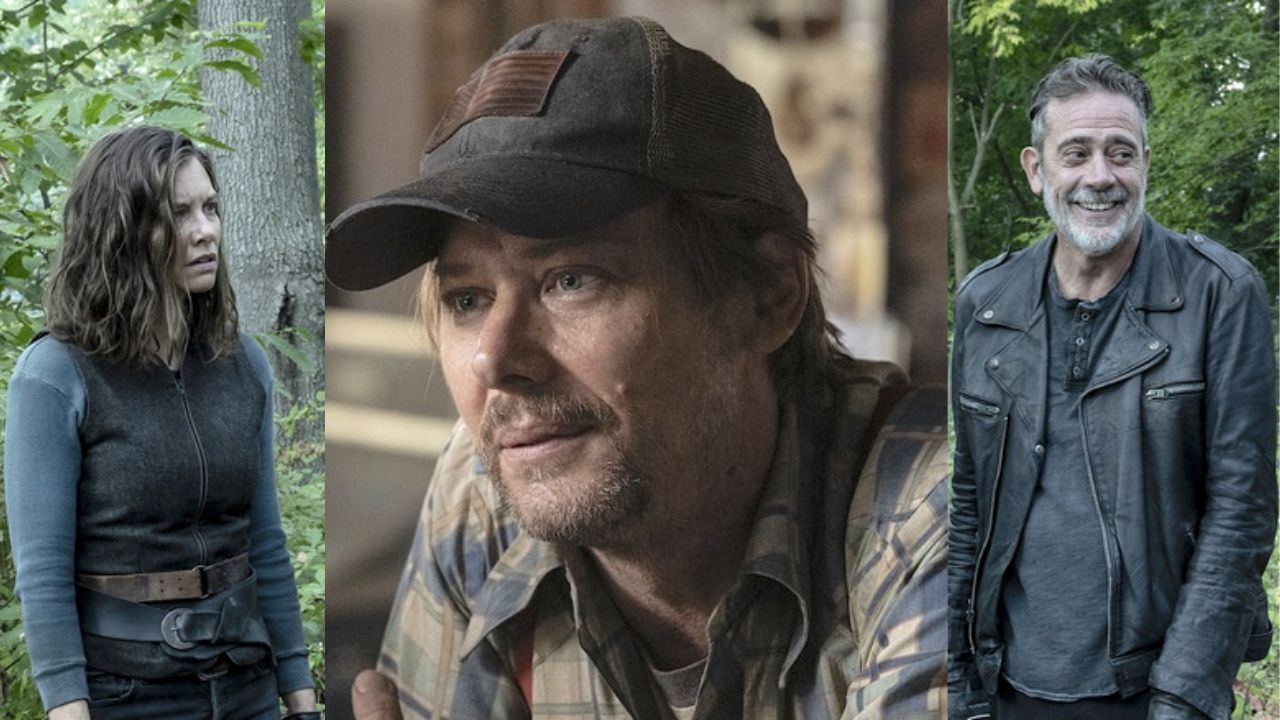
Dead City Season 3 brings back Lauren Cohan as Maggie and Jeffrey Dean Morgan as Negan, alongside Logan Kim as Hershel, whose shift away from the Dama makes him one of the premiere’s more consequential storylines. 

New to the main cast this season are Jimmi Simpson as Dillard, the bar-owning survivor who’s turned companionship with defanged walkers into a coping mechanism; Aimee Garcia as Renata, the leader of the hospital community who becomes Maggie’s new confidante; and Raúl Castillo as Luis, Renata’s brother and the group’s doctor. Michael Emery also joins the ensemble this season. 

What Happened to Maggie in The Walking Dead

Filming took place in Boston, Massachusetts, standing in for a post-apocalyptic Manhattan, with production starting in fall 2025 — the first season to shoot without the Croat actor’s storyline still open, since Željko Ivanek’s arc wraps in the premiere itself.

New episodes of The Walking Dead: Dead City Season 3 stream early on AMC+ each week, with the cable broadcast following on AMC at 9 p.m. ET / 8 p.m. CT on Sundays.

Conclusion 

If you’re catching up, the short version of what happened to Maggie in The Walking Dead: Dead City Season 3 so far is this: she’s chosen partnership over grief, at least for now, and the show is finally letting her and Negan exist as something other than adversaries. 

Whether that survives contact with the Dama and whatever’s coming for Renata’s community is the question The Walking Dead Season 3 is clearly building toward and with “Haven” landing August 2, we won’t have to wait long to find out.

Get the latest details from movies, series, and celebrities on Fandomfans and stay connected for more deeper theories.

Comments

View comments and join the discussion

Alpana

Articles Published: 173

Alpana is Fandomfans Senior Editor across all genres of entertainment. She evolved in the media industry since a very long time, she manages the content strategy and editing of all the blogs. Her focus on story development, review analysis, and research is well-equipped that ensures every article meets the standards of accuracy and depth.

View Profile ↗

‘Pluribus’ Episode 5 Review: “Got Milk” Puts Carol Sturka Alone

Pluribus Episode 5 Review: “Got Milk,” offers up sharp humor and complexity as Carol Sturka takes a daring solo turn that reimagines the Apple TV+ sci-fi show.

Published: Nov 26, 2025, 12:06 PM
Last Updated: Jan 24, 2026, 5:56 AM

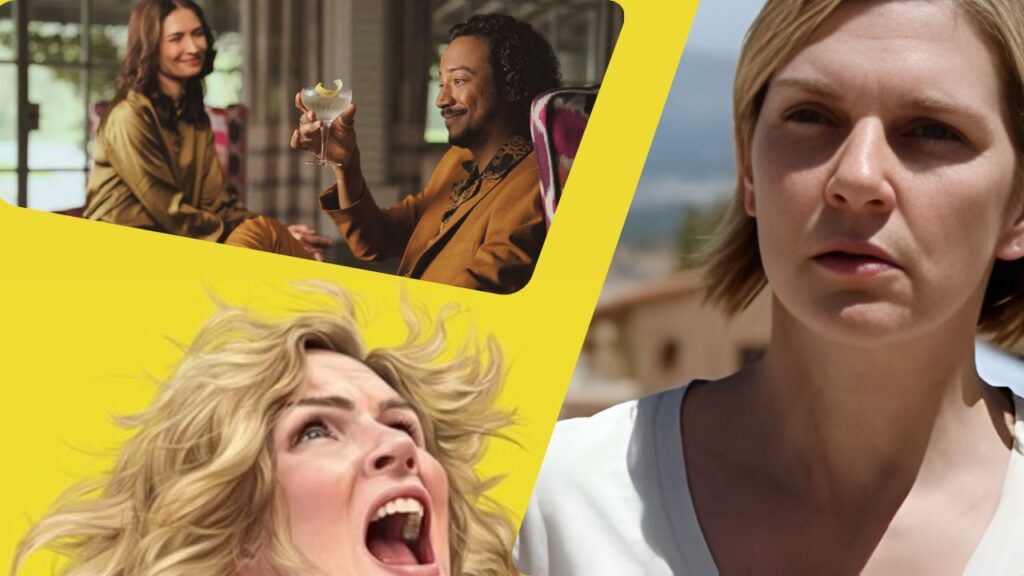
Pluribus Episode 5 Review, “Got Milk,” which is, without a doubt, the most unsettling and pivotal installment of the Apple TV+ sci-fi series yet. While the entire premise hinges on the glorious misery of anti-hero Carol Sturka, this episode stripped away her supporting cast. Got Milk is not only a great hour of television, but it is the fulcrum upon which the entire series revolves. It took the nebulous, disquieting tone of the series and distilled it into something frighteningly tangible. 

Carol Stands Alone

The first big transformation is structural. In the show’s first half, the cast has been reacting to the oddness of the Hive as a group. This episode rips that safety net away, as noted by The A.V. Club

weary of Carol’s “surly, chaotic energy” . 

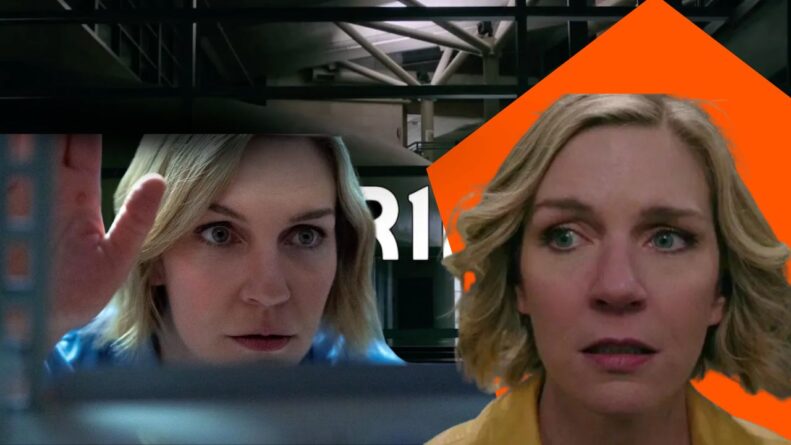
By dividing Carol from the rest of the cast, the writers have forced her to grow. She’s no longer merely a foot soldier in the mystery; she is driving the investigation on her own.

Carol Stands Alone
Image Credit: Fandomfans

A wave of fear and unease surrounds this seclusion. Seeing Carol lead this world without reinforcements cranks the tensions up right away. We understand that if she fumbles, there’s no one to hold things together. It’s a narrative master-stroke that ratchets up the tempo just when the season needed a kick in the teeth. 

Hello Carol “I just need some space after everything that happened”
—-Carol received a recorded message

Isolation Hits Harder Than Forced Happiness Ever Did

It’s a bizarre development. The woman who spent four episodes railing against forced happiness is finally alone, free of the oppressive, upbeat gaze of the collective. But instead of relief, we get an intensified sense of isolation. As Collider summarized, demonstrating a stunning range from existential dread to determined obsession. In one darkly comedic moment that speaks volumes about her state, she reaches for a book– Agatha Christie’s classic, And Then There Were None.

Read More 👉 Netflix’s The Sinner Remains the Ultimate Binge for Existential Dread

Carol’s Descent Into Detective Mode

The loneliness, however, proves to be a catalyst, forcing Carol to go “full detective mode,” as aptly described by Winter is Coming. Her investigation begins not with grand philosophy, but with the mundane horror of a post-human world– wolves trying to dig up her wife Helen’s grave and the massive piles of garbage left behind.

Carol’s Descent Into Detective Mode
Image Credit: Fandomfans

Following the mundane trash trail leads to the episode’s major breakthrough. Carol discovers an enormous, unexplained concentration of empty milk cartons from a local dairy. Her paranoia, which the Others always dismissed as misplaced anger, finally proves useful. She breaks into the dairy and finds that the facility isn’t producing cow’s milk at all, but a “strange fluid created from a bagged crystalline substance” 

According to the plot details reported by Screenrant, this disturbing discovery suggests the hive mind is sustained not by harmony, but by a very physical, very secret resource—potentially a synthesized nutrient or “psychic glue” required to maintain the collective consciousness.

Read More 👉 Benedict Cumberbatch in The Thing With Feathers and the Future of the MCU

The New Battleground

This turn of events redefines the question at the centre of the show. The argument is no longer “Is it worth it to be happy rather than have the misery of freedom?” which was an interesting, but very abstract, type of question raises in a carol mind’s—

“Can the sanctity of human life withstand the onslaught of mechanized efficiency?”

The writers have us cornered, brilliantly so. The Hive works. It brings peace. It addresses hunger. People just need to cross a couple of lines, a couple of moral lines, and lots of people are willing to do just that to keep the lights on. 

The New Battleground
Image Credit: Fandomfans

It’s a “non-malicious absolute moral compromise,” and that is an order of magnitude more terrifying than a monster jumping out of your closet.

“Got Milk” Transforms Carol Into Humanity’s Unlikely Last Hope

By the end of “Got Milk,” Carol Sturka is no longer just the world’s most miserable person, she is humanity’s reluctant, paranoid, and highly caffeinated last hope. She has uncovered a flaw in the collective’s seemingly perfect system. Now that she knows what the Others need, the question posed by this pivotal hour is clear for her — 

“Will the cure for happiness be found in a repurposed milk carton?”

Conclusion

Going into the final half of Season 1, the tone has permanently shifted. The games are done, we have a definition of the Hive now. The last few episodes are lined up not to explore but to escalate. Carol is aware, and the ethical imperative of the situation has reached a fever pitch.

“Got Milk” is a clinic on how to do a mid-season twist. It didn’t only push the narrative forward, It altered the genre of the series, from a psychological thriller into a survival horror movie where the adversary is efficient itself. 

Comments

View comments and join the discussion

Alpana

Articles Published: 173

Alpana is Fandomfans Senior Editor across all genres of entertainment. She evolved in the media industry since a very long time, she manages the content strategy and editing of all the blogs. Her focus on story development, review analysis, and research is well-equipped that ensures every article meets the standards of accuracy and depth.

View Profile ↗

Gen V Season 2: A Triumphant College Reunion That Sets the Stage for Epic Battles

Gen V Season 2 delivers thrilling action, emotional depth and powerful performances as Marie Morrow leads the next generation of heroes in The Boys universe.

Published: Oct 28, 2025, 7:21 AM
Last Updated: May 11, 2026, 6:11 AM

If you thought the rollercoaster of superhero college drama had ended, it certainly hasn’t. Gen V is back for its explosive second season and the hype for Amazon Prime’s The Boys’ hit spinoff has never been higher. Fresh on the heels of its season finale that was released on October 22, 2025, fans would love to know the next step for Marie Moreau and her motley crew of young supes. 

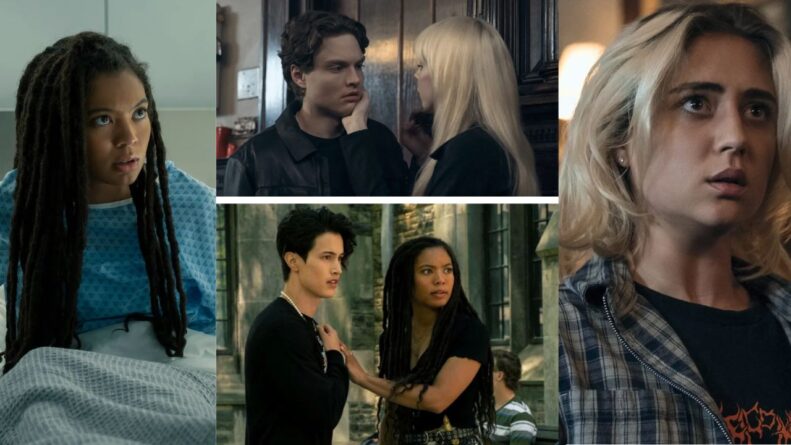
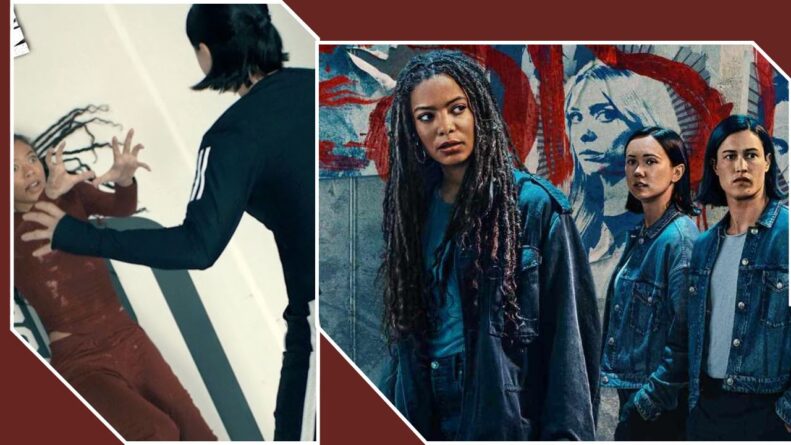
Reports says, the season ended with a bang literally. But Marie (Danielle Brooks) finally got a handle on her blood powers and took out the imposingly tall Thomas Godolkin (Wicked star Ethan Slater) in a showdown that proved she may truly be powerful enough to go up against heck, maybe even best Homelander himself. Starlight and A-Train then came through in the finale to pick the Guardians of Godolkin itself to join the resistance movement. That’s the kind of recruiting drive that would put any college career fair to shame. 

The Stellar Performances That Made This Season Shine

While the series focuses on a group of superpowered college students vying for a place in The Seven, it is the performances that truly made Season 2 one of this year’s best TV offerings. Both critics and audiences have been praising Hamish Linklater’s mesmerizing performance as Dean Cipher – he was not what appeared at first glance. His dual role as a shrewd manipulator and a marionette for the true antagonist, Thomas Godolkin, shown off a versatility that rendered him the breakout star of the season. 

Jaz Sinclair remained the backbone of the series with her layered portrayal of Marie navigating grief, guilt, and burgeoning power all with equal measures of vulnerability and strength. The rest of the ensemble – Lizze Broadway as Emma, London Thor and Derek Luh as Jordan, Maddie Phillips as Cate and Asa Germann as Sam – were equally impressive, finding chemistry that made their college antics feel real. 

A Heartfelt Tribute That Honored a Lost Friend

CBR suggests, The very real-life tragedy of the season 1 star Chance Perdomo is maybe the most difficult part about Season 2 to watch (he played Andre Anderson). Instead of recasting or pretending the character doesn’t exist, the writers made the brave decision to write Andre out, giving him a heroic death off-screen. But his presence loomed over every episode. 

A Heartfelt Tribute That Honored a Lost Friend

Showrunner Michele Fazekas said Perdomo’s death changed the ending of the season “dramatically.” She was very clear that there would be no other deaths among the main cast in the finale, telling “We’ve already had someone actually die in real life, and a character in the show die.I was very adamant that we’re not going to kill anybody else, because it just feels so trivial and inconsequential next to what actually happened.” 

The tribute extended beyond narrative choices. Broadway wore Andre’s gray sweatshirt all season long as a way to honor their fallen friend, making sure Perdomo’s memory “runs through every scene”. In the finale there were two especially emotional beats during which Doug and Polarity honor Andre’s fearlessness and heroism, doubling as an in-world farewell and an actual send off to Perdomo. 

Gen V Dominates Streaming Charts

The Wrap mentioned, Season 2 was the confirmation that lightning could strike twice. The premiere episodes were also the show’s highest Nielsen streaming win ever.

Gen V Dominates Streaming Charts

They raked in a massive 424 million viewing minutes for the week of Sept. 15. That surge stranded Gen V at No. 8 in the hottest streaming originals list. It took on heavyweights such as Only Murders in the Building, and won near top place.  

What’s Next for the Godolkin Gang?

Though Amazon has not yet officially ordered Season 3 of The Boys, creator Eric Kripke has said the team is already ahead of the game.” We have a plan for Gen V Season 3, and we are very excited about where it will take us, but we need a sufficient number of viewers to watch Season 2 in order to warrant a third season, Kripke told TheWrap. 

All signs are pointing to a renewal. With a season-over-season growing audience, consistently strong chart figures and The Boys concluding at Season 5, Gen V is set to be the flagship series within this growing universe. Kripke himself teased the exciting post, when he said, “I actually think the universe post, The Boys Season 5 is such an interesting universe, there’s a lot to do.” 

Read More :- Lambert Wilson Steps Into the Magical World as Nicolas Flamel in HBO’s Harry Potter Series

Why Gen V Matters Beyond The Boys

What sets Gen V apart is more than just its ties to The Boys, it’s in the themes the Gen V explores that The Boys can’t. The show delves into issues of identity crises, indoctrination, body dysmorphia, mental health, and what it means to be a hero when the system is stacked against you.

Gen V Matters Beyond The Boys

It’s a mix of coming-of-age storytelling and super-satirical superhero action that manages to feel new, even in a genre that’s been overpopulated with ideas. 

Conclusion

The series showed that you could pay respect to tragedy with dignity, make compelling villains who could stand alongside those from the main series, and assemble a team of heroes that was worth rooting for all while managing to deliver the dark humor and mouth-agape violence that fans expect from this universe. As the series looks to the future, one thing is clear: Gen V has solidified its position, and these young supes are ready to save the world on their own terms. 

Comments

View comments and join the discussion

Alpana

Articles Published: 173

Alpana is Fandomfans Senior Editor across all genres of entertainment. She evolved in the media industry since a very long time, she manages the content strategy and editing of all the blogs. Her focus on story development, review analysis, and research is well-equipped that ensures every article meets the standards of accuracy and depth.

View Profile ↗

‘Breaking Bad’ Creator Vince Gilligan’s Release a New Sci-Fi Series ‘PLURIBUS’ Trailer

Watch the trailer for Pluribus, a thrilling sci-fi drama from Breaking Bad creator Vince Gilligan. Starring Rhea Seehorn, streaming on Apple TV+from Nov, 2025.

Published: Oct 25, 2025, 4:59 AM
Last Updated: May 11, 2026, 5:54 AM

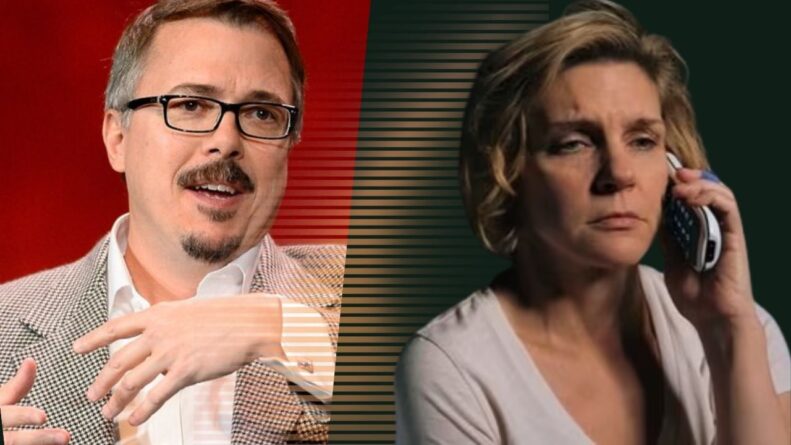
Apple TV+ has posted the trailer for PLURIBUS, the much anticipated new series from the Emmy Award-winning creator of Breaking Bad and Better Call Saul, Vince Gilligan. The nine-episode sci-fi drama, which is Gilligan’s first big project outside of the Breaking Bad universe in 17 years, will debut on November 7, 2025, and is already causing a stir within the US entertainment industry. 

Trailer Details and Plot Revelations

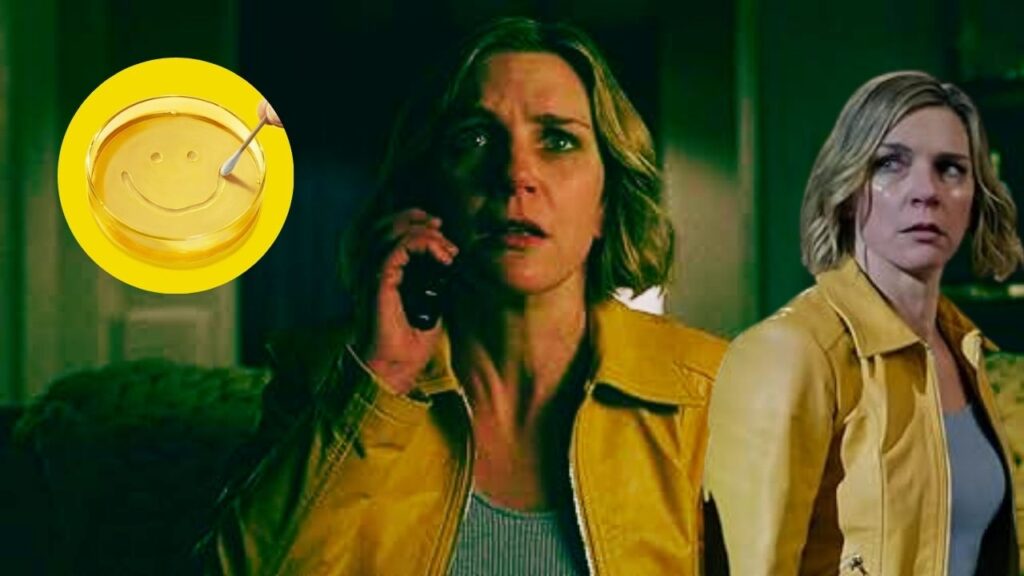
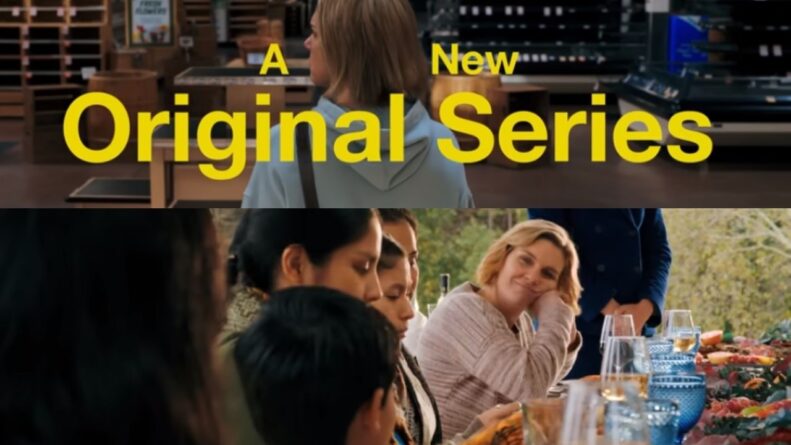
The two-minute official trailer, debuting October 21, 2025, gives a peek at an incredibly disturbing world revolving around Carol Sturka (Rhea Seehorn), who’s “the most miserable person on Earth” and has to “save the world from happiness.” The trailer shows that Carol is the only who appears to be immune to the virus, which has turned the entire global population into perpetually content, optimistic and unnervingly cheerful individuals. 

Trailer Details and Plot Revelations

The trailer shows the environment around Carol is unrealistic, everyone is enjoying an ultra level of joy and helpfulness that covers the entire horrible psychology under the wrap of positivity. US President (Peter Bergman) reaches out to Carol through television to turn her into one of them because she is the only one who wasn’t affected by the virus.

Thematic Suspense of Pluribus

As Deadline reports, the series is full of action with explosions, plane crashes, dead bodies, and chaos of marching hordes. The most captivating scene occurs in the 2 minute trailer — Carol asked for a grenade, bazooka, and tank from one of the DHL workers and he said “Oh, sure”. 

Thematic Suspense of Pluribus

Carol is alone in her misery and trying to reverse all of this but her head is full of confusing thoughts. It’s the kind of thing that messes with your head but keeps you hooked with its dark humor and sci-fi suspense.

What Bob Odenkirk of Breaking Bad Is Saying About The Series

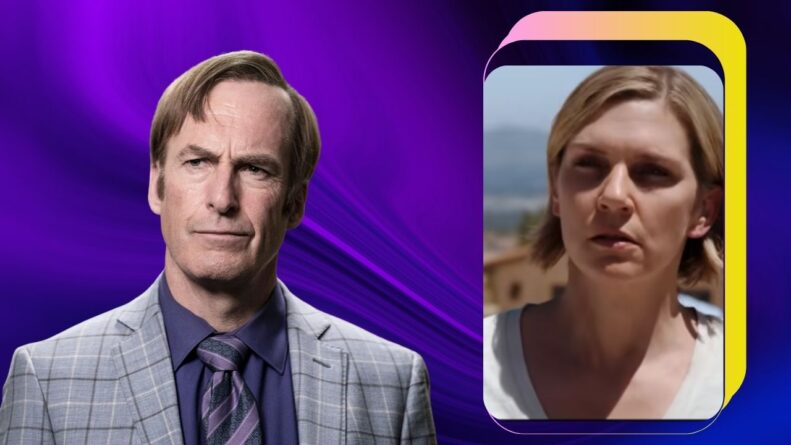
Bob Odenkirk is Gilligan’s trusted partner in crime, and the one who plays the great Saul Goodman in Breaking Bad and Better Call Saul. Screenrant mentioned Odenkirk told The Hollywood Reporter in an interview: “I don’t know a goddamn thing. But I know it’s going to be massive. Giant! It’s going to be the biggest thing, well, since sliced bread, but really since Game of Thrones.” 

Bob Odenkirk of Breaking Bad Is Saying About The Series

Odenkirk also compared PLURIBUS to the Apple TV+ prestige hit Severance, saying, “I think that [PLURIBUS] is going to be the next big show, and I can’t wait”.His excitement is especially interesting as he is not involved with the project at all, which implies honest belief in Gilligan’s vision. 

IndieWire also raved on Gilligan’s turn to Twilight Zone – and it asks if happiness is “actually a good thing when it’s universal and unquestioned. The series delves into themes of coerced conformity, the worth of genuine feeling and if the uniform happiness removes the need for humanity. 

Read More  👉  Keanu Reeves Constantine 2 Still Hasn’t Got Confirmation From James Gunn

Critical Reception Of The Trailer

Critics have praised the trailer as it delivers fascinating, strange sequences in the series. It shows the level of Gilligan’s signature cinematography once again after Breaking Bad.

Gilligan revealed the conceptual origins of PLURIBUS with Entertainment Weekly, Gilligan said the concept initially confused him: “I’m still not exactly sure what it means.” But the relevance of the concept to the divided society we live in today was obvious to him: “There’s no question that we live in a very divided nation. What I love about this series and that potential is the hope that people watching may say, ‘What would that be like, if we all got along?’ There’s probably an element of wish fulfillment in that idea.” 

Critical Reception Of The Trailer

Apple TV+ had already ordered two seasons prior to premiere—a rare move demonstrating extraordinary confidence in Gilligan’s vision. The early renewal can be taken as a sign that Apple sees PLURIBUS as a potential flagship show in the vein of Ted Lasso and Severance. 

Conclusion

“When you smile the whole world smiles with you— and Rhea Seehorn is finding out the reverse is also true.” This inversion of optimism into terror marks PLURIBUS as perhaps Gilligan’s most philosophically daring episode to date, posing the question of whether a reality devoid of suffering, strife and genuine feeling is one that deserves salvation—or if, through Carol, misery makes her the last real human being on the planet. 

This series will air on 7 November, 2025 on Apple TV with a total of nine episodes in one season. Rhea Seehorn, Karolina Wydra, and Carlos Manuel Vesga are lead actors in the series who take this one on the top of the list.

Comments

View comments and join the discussion

Alpana

Articles Published: 173

Alpana is Fandomfans Senior Editor across all genres of entertainment. She evolved in the media industry since a very long time, she manages the content strategy and editing of all the blogs. Her focus on story development, review analysis, and research is well-equipped that ensures every article meets the standards of accuracy and depth.

View Profile ↗

Fallout: How the Post-Apocalyptic Giant Is Still Ruling the Streaming World

Find out why Fallout is still dominating the global streaming charts with record viewership, growing fan excitement, and massive impact ahead of Season 2.

Published: Nov 22, 2025, 11:45 AM
Last Updated: Nov 22, 2025, 11:46 AM

Amazon Prime Video’s Fallout, developed by Graham Wagner and Geneva Robertson-Dworet, not only became a streaming sensation — it burst into a cultural and commercial powerhouse. It is six months since the series first aired, and it still rules the global charts as record-breaking and redefining what a video-game adaptation can be. What many saw as a dangerous experiment has turned into a model success narrative, bringing in millions of new audiences, breathing fresh life into a 27-year-old gaming franchise, and proving that the much ballyhooed “video-game adaptation curse” can be broken with the right vision. 

Why Fallout Is Still Vault-Dwellin’ on Top of the Streaming Charts

Half a year after Amazon Prime Video released all eight episodes of Fallout, the series isn’t just eking out a living in the streaming wasteland, it’s flourishing. It’s not just another post-apocalyptic show, it’s a global phenomenon and one of the biggest hits the platform has ever had. The question about Fallout isn’t whether the game was popular, but why it stayed as a chart staple so long after the initial binge had ended.  

The figures show an explosive story. Prime Video has confirmed that the series, worldwide, has now been seen by over 100 million viewers. Fallout is now in the same rarefied air as Amazon’s biggest fantasy property, The Lord of the Rings: The Rings of Power, if that helps put things into perspective. So it wasn’t just eyeballs that were being counted, we were seeing engagement. 

Fallout Is Still Vault-Dwellin
Image credit: IMDb

The series is the first non Netflix series ever to break 2 billion minutes viewed for two weeks in a row according to Collider. This high rate of consumption confirms that Amazon’s risky decision to greenlight the show was a commercial success, and that the show had an extraordinary ability to get viewers to binge, particularly in the highly sought-after 18-34  demographic. 

Most importantly for the platform itself, the show contributed to an 8% increase in Prime Video average daily viewership during its debut month and says a lot about the show if it drove a jump in average daily viewership, Fallout not only held the attention of existing subscribers, it attracted new users and growing platform engagement. 

So where exactly did Fallout go right to defy the “video game curse”? 

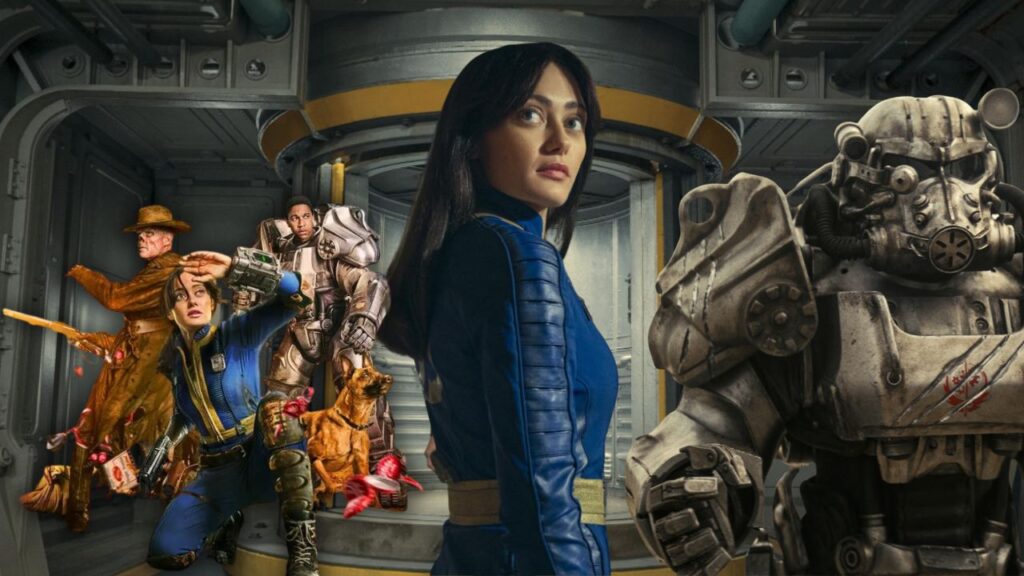
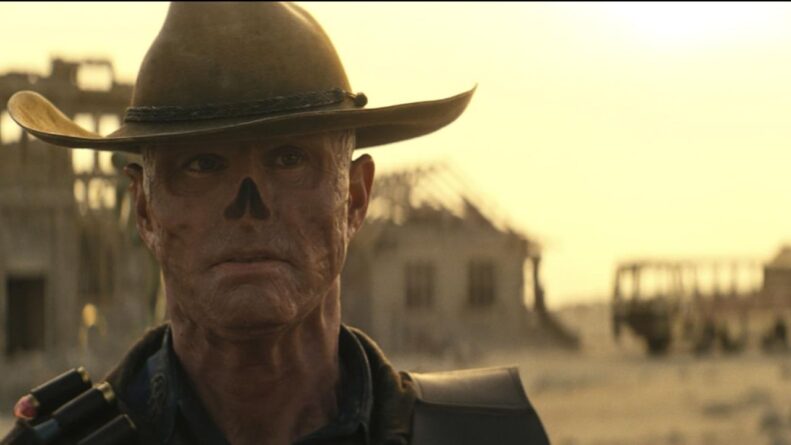
It struck just the right balance between creative fidelity and narrative inventiveness. The show perfectly encapsulated the series’ distinctive retro-futurist style and darkly satirical humour, garnering an outstanding 93% Certified Fresh rating from critics. But instead of retelling the story of a beloved game, showrunners Graham Wagner and Geneva Robertson-Dworet write an all-new, canonical adventure, centering on Lucy MacLean, Maximus, and the gloriously scenery-chewing Ghoul (Walton Goggins). This ground-up approach, taking advantage of the larger world rather than a specific storyline, appealed to long-time players, while welcoming new players to the franchise. 

Fallout go right to defy
Image credit: IMDb

And the best demonstration of its transmedia potency is the very real gold rush it inspired in games. The show became a massive, $80 million marketing bonanza for Bethesda. Player counts for the Fallout back catalogue, meanwhile, doubled overnight following the debut on platforms such as Steam. Even the 14-year-old classic New Vegas saw its concurrent players spike to 20,000. This amazing bonanza showed how an excellent adaptation can prolong the money-making lifecycle of an entire IP catalog forever. 

Read More :- Landman Season 2: Demi Moore & Ali Larter Explain How They Silence Taylor Sheridan’s Most Persistent Criticisms

Season 2 Hype — What Comes Next for Vault-Dwellers?

Now, it’s all about Season 2, and the buzz on forums like Reddit is palpable. The first season ended with our trio en route to New Vegas, one of the series’ most iconic locales. Fans are speculating about lively Deathclaw encounters as well as the return of the New California Republic (NCR). But the real stakes drama is that Justin Theroux is playing Mr. House. Reddit is already talking about the intense canonical tension this introduces, and whether the show will stay true to House’s character – a calculating isolationist who was obsessed with preventing the Great War or turn him into a Vault-Tec henchman. 

Season 2 Hype
Image credit: IMDb

IGN reports, To make sure that excitement endures, Amazon is going with a strategic shift: the Season 2 premiere will arrive on December 17, 2025, then the series will release weekly until the finale on February 4, 2026. This shift away from the Season 1 binge in its entirety is intended to drag discussion and retention along over weeks, and take advantage of the massive, proven global audience. 

Conclusion

Fallout is now more than just a popular show — it’s a multi-platform phenomenon that’s changing how studios consider adaptations, fan loyalty, and long-term engagement. From blistering ratings to the reinvigoration of a whole gaming franchise, the series speaks to the idea that staying true to a franchise’s heart while telling bold new stories can create historic success. And with much-anticipated Season 2 to be released weekly from December 17, 2025, the wasteland will soon be going wilder! One thing is for sure: Fallout is not going away from the charts anytime soon, it’s building an empire. 

Fandomfans love diving deep into the worlds that fans obsess over. We deliver breakdowns, character guides, reviews, and updates that help you stay ahead of the curve.

Comments

View comments and join the discussion

Emma

Articles Published: 36

Emma Miller is an entertainment enthusiast who is focusing on crafting storytelling blogs across all genres. Her special focus is build up around superheroes, thrillers, & historical dramas and movies. Her experience of delivering sharp review analysis and interview podcasts is helping fans to get transparency about their favorite cinema.

View Profile ↗

Duffer Brothers Emotional Tribute to ‘Stranger Things’ Season 5

Stranger Things Season 5 is said to be an epic Hawkins finale. Cast details, a plot synopsis, release information and a heartfelt Duffer tribute. Learn more!

Published: Nov 29, 2025, 8:11 AM
Last Updated: Jan 24, 2026, 7:10 AM

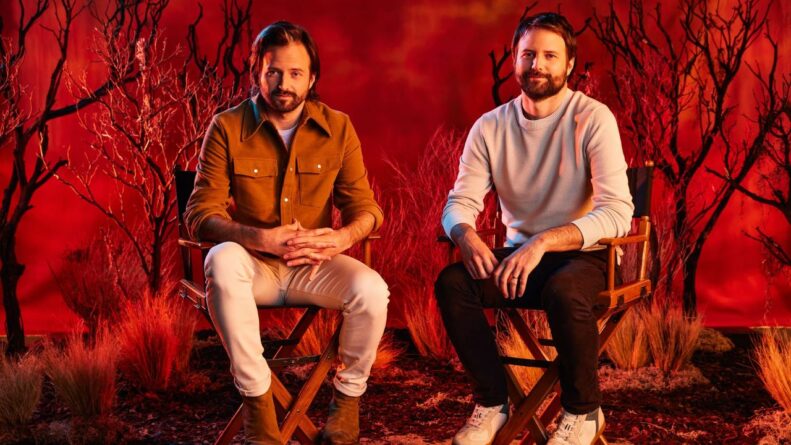
For more than eight years, Stranger Things Season 5 has been our shared time machine. It whisked us back to the warm flicker of neon arcade machines, the static on walkie-talkies and the spine-tingling excitement of ’80s horror. We’ve been picking apart the Duffer Brothers’ homages to Spielberg, King and Carpenter for years. But as we prepare to bid the series farewell in its fifth and final season of Stranger Things, the showrunners won’t be paying any more tributes to the pop culture that brought them up. They’re honoring the woman who actually raised them. 

In a move that has melted hearts across the internet, Ross Duffer recently revealed that the role of “Miss Harris” in Season 5 will be played by none other than Hope Hynes Love—the Duffer Brothers’ real-life high school drama teacher.

From High School Outcasts to Visionary Storytellers

In order to get a sense of why this casting is so powerful, we need to travel back in time to Durham, North Carolina, in the year 2000. Before they were Netflix royalty, Matt and Ross Duffer were just a couple of self-described “outcasts” scurrying the halls of Jordan High. They weren’t athletes, and by their own accounts, they were “awful actors.”

In the high school world where status is everything, the twins were outliers. Their obsession with film made them “weird.” They needed a sanctuary, and they found it in the drama department.

Hope Hynes Love Became the Duffer Brothers’ Creative Anchor

 Duffer Brothers’ Creative Anchor
Duffer Brothers: Producer of Stranger Things | Image credit: Stranger Things Wiki,

Enter Hope Hynes Love. She didn’t require them to be star performers. She operated on a philosophy of inclusivity, valuing enthusiasm over raw acting talent. As Ross shared in a vulnerable Instagram post, 

“High school was rough for me and my brother. But Hope saw something in us we didn’t see in ourselves.”

The “Tractor” Philosophy That Built the Stranger Things Creators

Hope didn’t just give them a safe space, she gave them a career blueprint. She famously told her students that to make it in the arts, they needed to be a “tractor”—a versatile machine capable of doing the heavy lifting, regardless of the terrain. She taught them that a creator must be able to write, direct, edit, and understand every angle of production.

“Let’s give it up for all the teachers who are just crushing it. And for the love of God, let’s put the arts back in schools.”
—Ross said 

She also indulged in what educators term “benevolent neglect.” When the brothers desired to make a documentary about the school musical, she released them. When that documentary was turned down by a film festival, she let them fail and that failure taught them how to cut, how to pace a story and how to have heart. She didn’t only instruct them in drama, she instructed them on how to survive the business. 

Read More :- Sidelined 2 Review: A Chaotic, Mindless, Yet Surprising Journey of Noah Beck

Miss Harris vs. Vecna

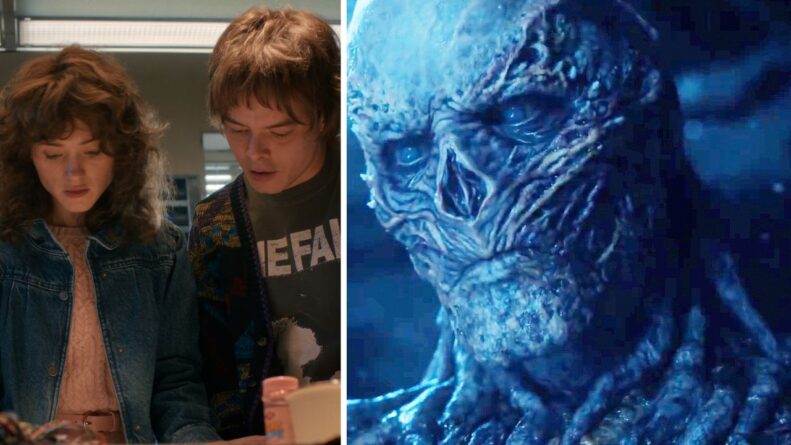
In Season 5, life will imitate art in the most poetic way possible. Duffer brother shared on Instagram as Deadline mentioned, Hope Hynes Love will portray Miss Harris, a teacher at Hawkins Elementary. But this is no walk-on cameo. The storyline drops her at the epicenter of the end of the world, shielding the most young and naïve characters (Mike and Nancy’s little sister, Holly) from the series’ biggest villain, Vecna.

Miss Harris vs. Vecna
Image credit: Fandomfans

There’s a whole profound metaphor to be had here. Two decades ago, Hope Hynes Love was the one who shielded Matt and Ross from the “monsters” that comprise adolescence – insecurity, doubt, and isolation. 

Now, the brothers have written her into their world as a guardian against the monsters of the Upside Down. She is the thematic linchpin of the finale: the teacher as the ultimate guardian. 

The Real Superpower of Stranger Things

While the casting is a sweet gesture, it carries a serious message. The Duffer Brothers are using the massive platform of Stranger Things to scream one thing from the rooftops: Prioritize the arts in schools.

The Real Superpower of Stranger Things
Image credit: Fandomfans

The multi-billion-dollar franchise we love today wouldn’t exist without a high school drama program in Durham. It wouldn’t exist without a teacher who saw potential in two quiet kids with a camcorder.

Conclusion

As we witness the last stand for Hawkins come to a head in 2025, look for Miss Harris. She is a reminder, though, that even though telekinesis is rad, the biggest superpower in the Stranger Things universe—and in real life—is a teacher who believes in you when you don’t believe in yourself. 

Fandomfans is delivering every update on Stranger Things, its cast and producer/director Duffer Brothers’ decision to the fans of the amazing thriller series.

Comments

View comments and join the discussion

Alpana

Articles Published: 173

Alpana is Fandomfans Senior Editor across all genres of entertainment. She evolved in the media industry since a very long time, she manages the content strategy and editing of all the blogs. Her focus on story development, review analysis, and research is well-equipped that ensures every article meets the standards of accuracy and depth.

View Profile ↗

Netflix’s One Piece Season 2 Introduced Early Cameo From Original Manga by Eiichiro Oda 

Netflix One Piece Season 2 teases fans with early appearances of Sabo, Brook, and Bartolomeo. Learn how Eiichiro Oda sanctioned the timeline twist.  Read more!

Published: Mar 16, 2026, 12:18 PM
Last Updated: Apr 14, 2026, 11:53 AM

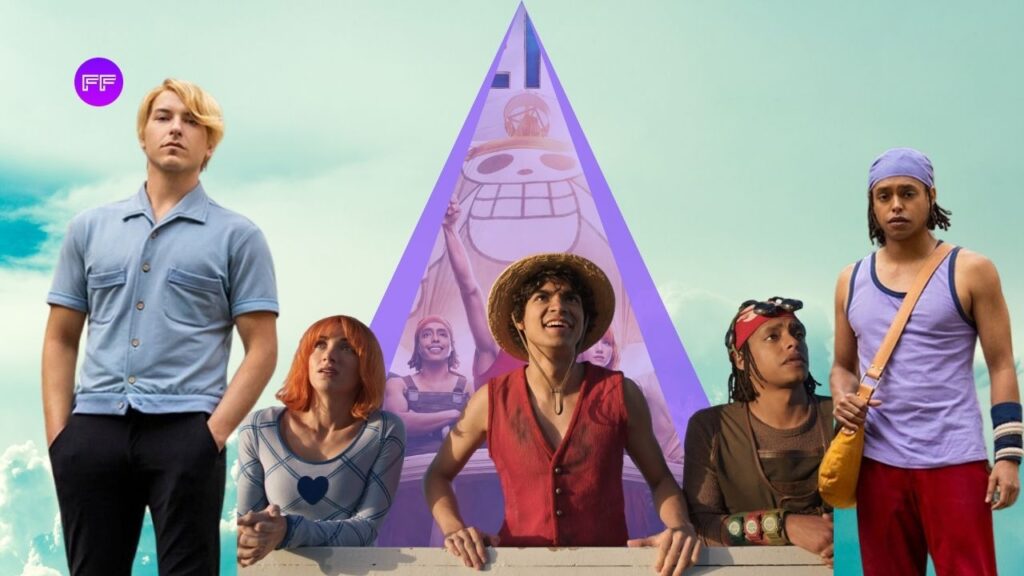
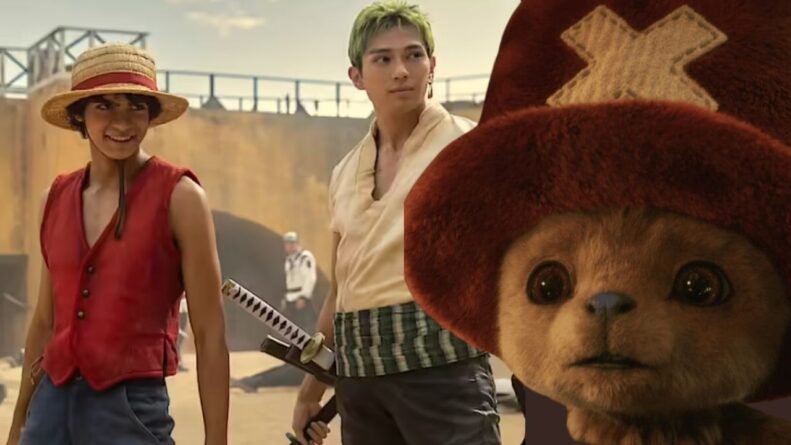
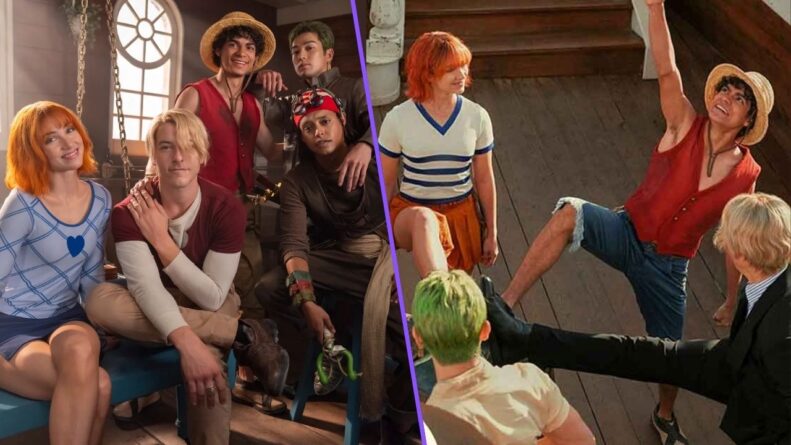
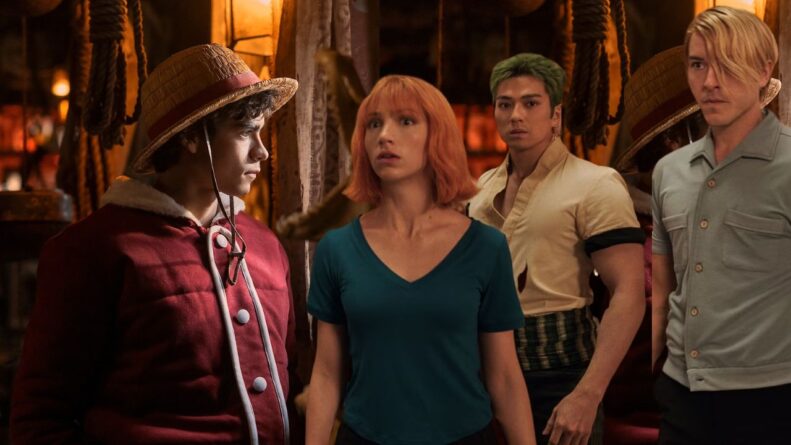
The team of One Piece Season 2 has stated that the quick-paced cameos of multiple characters were far more difficult to animate than fans would think. Sabo, Brook, Bartolomeo, and Yorki make brief appearances in Season 2. These characters make their actual appearance much later in the original manga, though the show used them early on in cameo roles.

From editor Eric Litman Such a jump of characters into the story early on was a lot of planning. The writers, producers and directors collaborated closely to ensure that these events embraced the narrative and would not contradict the source material written by Eiichiro Oda. 

For a long time, adapting manga and anime into Western live action was essentially a Disaster Waiting to Happen. Fans and critics even referred to it as a “curse.” Between the absolute disaster of Dragonball Evolution and the lukewarm reception of Cowboy Bebop, it just wasn’t in the industry’s stars. 

The problem, as usual, was that the executives wanted to “Westernize” the narratives, purging the strange, amazing soul of the originals so they could feel more “mainstream” like Netflix’s One Piece. 

By embracing the complete ridiculousness of Eiichiro Oda’s world instead of apologizing for it, the show changed everything. “Into the Grand Line,” the second season, proves the series wasn’t just a one-hit-wonder. It did the unthinkable, lived in a world where physics and logic didn’t exist — fleshing out a universe based on characters who were little more than sticks of gum. 

The Secret Sauce One Piece Season 2 Foreshadowing

One of the things that makes One Piece Season 2 so good is the way it goes about building its world. The showrunners rolled out a huge (but fantastic) gamble in unveiling characters like Sabo, Brook, Bartolomeo and Captain Yorki well in advance of their introduction in the original story. 

The Secret Sauce One Piece Season 2

These fan favorites never appeared in the manga for years. By incorporating them into the narrative now the show is accomplishing two things:

  • Rewarding Long-Time Fans: It gives the “die-hards” those “Leonardo DiCaprio pointing” moments of excitement.
  • Fixing the Timeline: It lets (hide) the world feel from connected and alive day one, rather than just introducing random people 50 episodes later.

This approach not only “corrects” the narrative, it respects Oda’s original vision by applying hindsight to make the live-action adaptation seem like a unified, epic jigsaw. 

How the Show Actually Works

The reasoning behind One Piece Season 2’s success can be attributed to a straightforward yet fortuitous  and probably unrepeatable  alignment between the showrunners and the original creator. In order to make those early character cameos work without shattering the story, all departments needed to be aligned perfectly. 

The Showrunner Vibe: “Stay Weird”

Co-showrunners Matt Owens and Joe Tracz have a few things to say about the old Hollywood way of doing things. Typically when a studio adapts a manga, the question is: “How do we make this less weird for our Western audience?”

Owens and Tracz went in the opposite direction. Their rule? Don’t change a thing. They made no apologies for the giant campy telepathic snails (Transponder Snails). 

  • They didn’t attempt to make the talking animals look “real” or gritty.
  • They had faith that if they were faithful to the internal logic of the world, the audience would be with them.

Since they embraced the absurdity, they could shove characters like Sabo or Brook into the background early on. To someone seeing it for the first time, these characters just feel like cogs in a huge, living world. But to the fan for years, they are massive “Easter eggs” that indicate the writers know exactly where the story is going. 

Eiichiro Oda: The Creative “Guard Dog”

One cannot discuss this series without discussing Eiichiro Oda, the man behind the One Piece Season 2 creator. Unlike the vast majority of authors who simply sign a contract and then get out of the way, Oda is the ultimate gatekeeper on this project.

Netflix and the studios established a “veto” policy: Nothing is released without approval from Oda. 

  • Canon Control: He ensures that making a character debut earlier linear don’t ruin the story ten seasons down the road.
  • Visual Accuracy: The producers take his original manga pages as the “bible” for how frames should look.
  • The “Vibe” Check: He has to approve the editing on Oda. If a sequence is too relaxed, or isn’t ticking with that frenzy manga adrenaline vibe, he orders them to reshoot it. 
Leader Role The Contribution
Eiichiro Oda The Creator The ultimate authority. He ensured to keep the story true to the manga.
Matt Owens Co-Showrunner The long-time superfan who fought to get this made and keeps the long-term story on track.
Joe Tracz Co-Showrunner The Season 2 addition who pushed the “unapologetic” philosophy—no censoring or watering down the fantasy.

Behind the Scenes Netflix’s One Piece Season 2

Most of the success of One Piece Season 2 was actually a product of the editing room, in large part thanks to Eric Litman. If you’re wondering who he is, he’s worked on big things including Marvel’s Agents of S.H.I.E.L.D. and the pirate drama Black Sails.

the Scenes Netflix’s One Piece Season 2

It was his expertise that helped the show find its footing, mixing heartfelt character moments with the big action and craziness that fans of One Piece are used to. 

Building the World Before the Cameras Roll

Since One Piece Season 2 relies so much on special effects, the editors couldn’t just wait for the footage to come in. They utilized something called Pre-Visualization (Previs) in essence a 3D animated storyboard to map out each scene well in advance.

This was huge for those “early cameos” we talked about. For instance, during the Loguetown scenes, Litman and the VFX crew had to work out how to hide characters such as Sabo or Bartolomeo in the background. 

  • They charted where Sabo could peek out of a doorway.
  • They calculated the exact moment when Bartolomeo would come into contact with Nami.
  • And the most important thing is that they made all this happen so it felt like a normal part of the world, as opposed to a jarring “Hey, look at me!” moment that distracted from Luffy. 

The “Giant” Problem: Scaling Up the Grand Line

Netflix’s One Piece Season 2’s biggest technical nightmare? The Giants. Episode 4 introduces Dorry and Brogy, two gigantic warriors from the island of Elbaph. If the proportions were ever skewed for a split second, the whole production would start looking like a cheap B-movie. Litman and his team had to become obsessed with “forced perspective” to ensure the math worked out:

  • When a human looks up at a giant, the eye contact has to be perfect.
  • The pace of the dialogue has to take into account that a minuscule person is talking to a 70-foot-tall warrior.

If the group can get you to believe in 70-foot Vikings, then a talking skeleton or a time-traveling revolutionary will be easy sells down the road. The technical triumph of the giants actually facilitates accepting the strangest parts of the tale. 

The Show is Playing The Long Game” by Moving Plot Twists

The showrunner of One Piece Season 2 understood that manga readers can wait a decade for a payoff, but television audiences have to have stakes now. To remedy that, they’ve moved the narrative from a “linear” timeline to a “layered” one. They brought in huge fan favorite characters like Bartolomeo and Sabo years before they were supposed to. This not only rewards the fans, it makes the world seem like one giant interconnected puzzle beginning with the first episode. 

Why These Cameos Matter

Bartolomeo: From Background Extra to Best Friend

In the original, Bartolomeo was just a random fan who witnessed Luffy survive an execution and rose to become his #1 fan. In One Piece Season 2, however, they made him a real character we actually care about.

These Cameos Matter

He begins life as a street rat who tries to pickpocket Nami. When the villains capture Luffy, Bartolomeo has to watch the six-pack execution from the front row. But now he really knows Luffy, so when the lightning blasts him and saves him, that miracle isn’t just some cool thing to happen in the world — it’s a soul-shaping event. He even picks up Luffy’s discarded hat in awe. 

Sabo: Finally Solving an Old Mystery

There has almost been a One Piece fan upheaval the size of Marineford following the appearance of a small silhouette that was in one single manga panel in the year of 1999. Many thought it might be Luffy’s supposedly “dead” brother Sabo, quietly watching from the shadows. That minor detail would lead to years of theories and speculation among the fan community. 

Finally Solving an Old Mystery

The Reveal: The series eventually confirmed it. In One Piece Season 2, a man in a top hat and goggles appears with Dragon.

Hunting for that twist: Fans know the story is going to end tragically at some point. He is literally standing there watching his brother escape, but he has no idea who Luffy is. 

Brook and the Ghost of Laboon

The show also connects with the story about Laboon, the giant whale that wait at the doorway of the Grand Line. We don’t learn who Laboon is waiting for in the manga until much later. In teasing the Rumbar Pirates and their skeleton musician Brook now, the series is making the world feel lived in and heartbreakingly real right from the jump. 

Aspect Original Manga Canon Netflix Adaptation Output
Initial Debut Chapter 705 (Dressrosa Arc) Season 2, Episode 1 (Loguetown) Narrative Establishes early season to grab interest 
Relationship to Luffy Passive spectator at the execution; retroactive “fanboy” Active participant; personal interaction prior to the execution. Deepens the emotional weight of his eventual loyalty; makes his motivation character-driven rather than coincidental.
Execution Scene Role Distant crowd member Forced to watch by Buggy from the “front seat”. Highlights the contrast between Luffy’s optimism and true villainy.
Symbolic Resolution Witnessed the lightning strike Picks up Luffy’s straw hat in awe. Provides a visual, cinematic anchor to his transition into piracy.

Eric Litman Receives Critical Appreciation for his Logic Twist

The silent cameos in One Piece Season 2 serves as an excellent payoff for longtime fans that reward Oda’s detailed pre-planning, and it doesn’t require any dialogue or context that might alienate curious non-fans. Some critics noted that in an era when movies are increasingly laden with heavy-handed cinematic universe cross-promotion, Sabo’s is a welcome bit of underplaying. 

It’s not a nod to the camera curt instructing the audience to know how important he is, to a new viewer, he’s just “some other weirdo in the background” of a bustling pirate city. For the fandom though it is a ground shaking event that spans decades of theorizing. 

Eric Litman Receives Critical Appreciation

Editor Eric Litman and the showrunners acknowledged that bringing in Brook sooner was essential to selling the emotional weight behind Laboon’s story. By turning the vague “lost crew” concept into concrete, highly sympathetic characters, the adaptation instantly elevates the emotional stakes. 

Most likely Oda when writing the Reverse Mountain arc back in the late 1990s did not have Brook or the Rumbar Pirates fully made up yet. The live-action series benefits from hindsight, and is able to integrate those elements from the beginning. 

One Piece Season 2 Hit The Streaming 

  • The Gender Split: The audience is 69% male.
  • The Age Gap: Actually most viewers are on the older side with 63% are aged 30 and up.

This indicates that the series had a very strong start, especially among the readers who were already familiar with the manga since 1997. Still, the audience can be drawn in by more complicated concepts of teamwork, leadership, and what it means to have a “found family,” instead of just keeping an eye out for punches and kicks. 

On the other hand, Two years later, on March 10, 2026, One Piece Season 2 was also a massive success. It regained the top spot in about 50 countries within a few days after release, including key markets such as Germany, Brazil, and Japan. Early reports indicate the viewership numbers are rising around 30% faster than they did in Season 1. 

The Critical Score

One Piece Season 2 is declared as a masterclass by critics because of its outstanding timeline twist. Season 2 received 9/5 Critics (so far), its high as Season 1 get 86% from Critics and 90% from the Audience.

The highest praise? The show “accidentally” manages to be a dense fantasy epic without turning your brain to mush. You don’t need to have watched a single episode of the anime to enjoy the show as a blockbuster. 

The Fan Debate

Even having all this success it seems that the hardcore community is split into two camps when it comes to those early character cameos.

The Hype Camp (The Majority)

Most fans with long memories are about to have a collective aneurysm. Spotting Sabo’s top hat or hearing Brook’s laugh for the first time were huge rewards for years of loyalty.

  • The Logic: These fans say that a 1:1 adaptation of the manga is not achievable for TV.
  • The “Oda” factor: Since the creator, Eiichiro Oda, approved of the changes, most fans trust the process. They’d rather have a world that feels “full” and connected right now. 

The Purist Camp (The Minority)

On the flip side, there are some purists who are a tad nervous. Their concerns are mostly pragmatic:

  • The “Reveal” Impact: Some argue that seeing Sabo or Bartolomeo now cheapens the impact they had when revealed in the original story years later.
  • Character Developments: In the manga, Bartolomeo is initially an utter jerk before we learn he’s a fanboy. The show makes him likable from the start, which some argue misses out on a neat character arc.
  • The “Aging” Issue: Will the actors still look the part if the series presents Brook or Sabo in 2026 But doesn’t require them for the “main” story until 2030?
  • The Cut Material: Some fans were rather attached to the wackier scenes— such as the doctor living inside a whale’s stomach—that the series removed in order to make the story a bit more “grounded.” 

At a Glance: Season 2 Reception

Metric Result Why?
Viewership 30% Growth High retention of old fans + new “mainstream” interest.
Critical Score 100% Flawless integration of complicated lore.
Main Audience 69% Male / 63% 30+ Taps into nostalgia and mature themes of leadership.
Fan Sentiment Mostly Positive “Easter eggs” are winning over the “purist” complaints.

Strategy to Save One Piece Season 2

The early appearance of characters like Bartolomeo, Sabo, Brook and Yorki isn’t just shallow pandering to the fans, it’s a deliberate structural engineering move. 

With guidance from executive producers showrunners Matt Owens and Joe Tracz and under the ultimate authority and blessing of Oda, through the painstaking editorial management of Eric Litman—these cameos serve to deepen the theme of the current story while setting up future sagas in an elegant fashion. 

Read More:- Monarch Season 2 Twist Explained: What It Means for the Monsterverse

Conclusion

The One Piece Season 2 is evidence that those surprise cameos weren’t just some random fan service. Characters such as Sabo, Brook, and Bartolomeo, were deliberately seeded earlier in the narrative to connect different story arcs and to expand the world.While collaborating closely with the manga written and illustrated by Eiichiro Oda, the production team was able to keep the adaptation faithful, yet still generate excitement for later seasons. 

Stay connected with Fandomfans to get the latest updates from movies, series and celebrities.
Comments

View comments and join the discussion

Mariyam

Articles Published: 83

Mariyam Khan is Fandomfans Content Writer and providing reports and reviews on Movie Celebrities, and Superheroes particularly Marvel & DC. She is covering across multiple genres from more than 4+ years, experience in delivering the timely updates.
View Profile ↗

Star Trek Strange New Worlds: Jess Bush Breaks Down the End of Spock & Chapel

Star Trek Strange New Worlds : explores the emotional breakup of Spock and Chapel, revealing how their split reshapes relationships and future storylines.

Published: Feb 10, 2026, 11:10 AM
Last Updated: May 11, 2026, 7:20 AM

If you have been watching the bridge of the USS Enterprise of late, then you are well aware that the halls of Star Trek Strange New Worlds have been a bit more “emotional” than your typical starship. Nurse Christine Chapel and Lieutenant Spock—the couple that fans cheered for, sobbed over, and then witnessed come apart in a way that is only describable as “peak awkward” was at the center of that cyclone.
At Farpoint 2026, however, Brock had to finally come to terms with the elephant in the room: that musical breakup. And her impression is just as brutally honest as the character she portrays. 

The Musical Breakup That Shook the Enterprise

We all know the scene. This season in the K/S musical “Subspace Rhapsody,” Christine Chapel not only ended it with Spock, she did so in a choreographed song-and-dance routine at work with their colleagues as backup dancers. It was tactile, it was rhythmical, and Spock was crushed by it.

When it came to the scene at Farpoint, Bush had no qualms, laughing and telling the audience:

“Look, I didn’t write it. I’ve gotta be honest, when I read the script for the musical, I was like, ‘Bill [Wolkoff], this is brutal. Like, what?”

This feeling is prevalent within a majority of the Trek fanbase. Watching Spock, a man who exemplifies the struggle of balancing logic and emotion receive his heart on a silver platter in an electrifying musical extravaganza is definitely a “a moment too agonizing to look at, too overwhelming to dismiss” moment of the ages. Bush said she was just as surprised as the fans when she initially viewed where the writers were going. 

The Reality of Modern Trek Storytelling

One of the greatest obstacles to the Spock–Chapel romance (often referred to as “Spapel” by fans) was the reality of modern television production. Strange New Worlds, on the other hand, has a slimmed down 10-episode schedule compared to the 26-episode seasons that were packaged in the 90s.

The Reality of Modern Trek Storytelling
Image Credit: Fandomfans

Due to this shortened format, their dating had to move from “will-they-won’t-they” to “full-blown romance” to “heartbreaking breakup” faster than the speed of light. Although Bush and Ethan Peck had undeniable chemistry, the narrative weight of the musical episode drove a wedge between them that seemed sudden to many. 

Where They Stand Now

Star Trek Strange New Worlds on Season 3 finds the dust settled but the terrain different:

  • Dr. Roger Korby: Chapel has progressed to her canonical future with the arrival of Dr. Korby (Cillian O’Sullivan).
  • La’an Noonien-Singh: Spock has uncovered a surprising new link with the Enterprise’s security chief.
They Stand Now Star Trek Strange New Worlds
Image Credit: Fandomfans
  • Cherry on the cake: chaos in ‘Wedding Bell Blues’ with the impish Trelane. 
  • Closure: The pair eventually received some much-needed closure at the end of the (infamous) ‘Wedding Bell Blues’ episode featuring the now-Trelane (Kirk’s nemesis as Starfleet Junkie) – but perversely tied up and almost undone in the process. 

Is This Really the End for Spock & Chapel?

Jess Bush at the pity party her commentary on the breakup really wasn’t the most exciting part of her appearance at the con was that it turned to what’s to come.

This Really the End for Spock & Chapel

The series ended shooting its fifth and final series in December 2025, but Bush teased there could be more to the story.

Bush alluded to the thought, “I think it was a very bad end, but maybe it is not the end.” 

With Season 4 and 5 yet to premiere on Paramount+, the question remains for fans of what “not the end” truly means. We know where these characters end up, eventually, in The Original Series—they’re still close colleagues, but the romantic flame seems to have waned into a mutual, if occasionally painful, respect. 

Can these last 16 episodes close the gap, or is there one more twist in the stars for the nurse and the Vulcan? 

Read More 👉 The Mandalorian and Grogu Strategy: Lucasfilm’s Star Wars Is Returning to Cinema Differently

Conclusion:- Star Trek Strange New Worlds

Jess Bush has been a standout in the Star Trek Strange New Worlds, making a character that was routinely sidelined in the 60s into a juggernaut of ambition, wit, and vulnerability. Even if she believes the split was “brutal,” the fact that she could sell that pain is precisely why we’re all still talking about it years later.

If you are Team Chapel, Team La’an, or just Team “Let Spock Have a Nap,” there’s one thing we can all agree on is this: Strange New World’s final two seasons are shaping up to be a real tearjerker. 

Comments

View comments and join the discussion

Alpana

Articles Published: 173

Alpana is Fandomfans Senior Editor across all genres of entertainment. She evolved in the media industry since a very long time, she manages the content strategy and editing of all the blogs. Her focus on story development, review analysis, and research is well-equipped that ensures every article meets the standards of accuracy and depth.

View Profile ↗