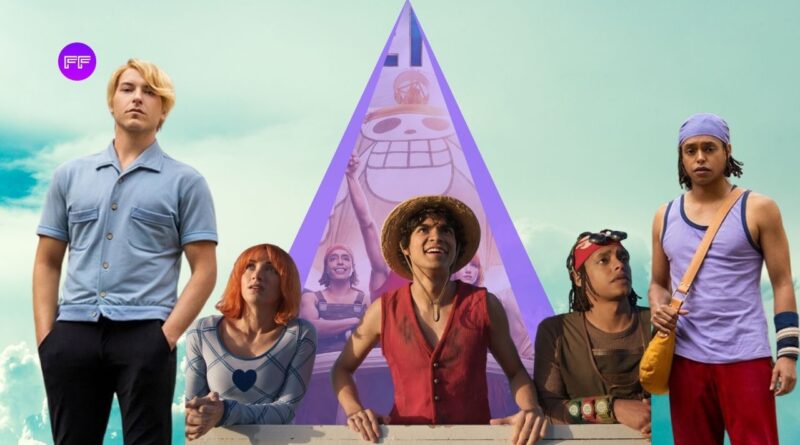
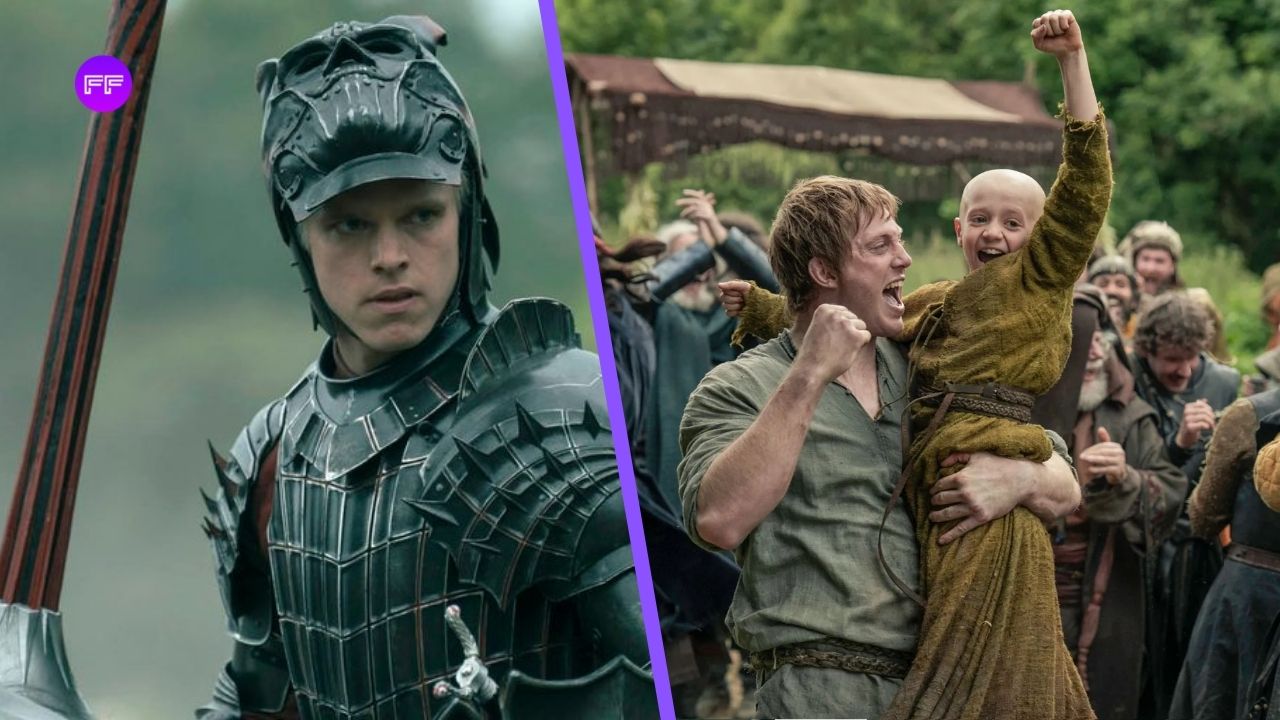
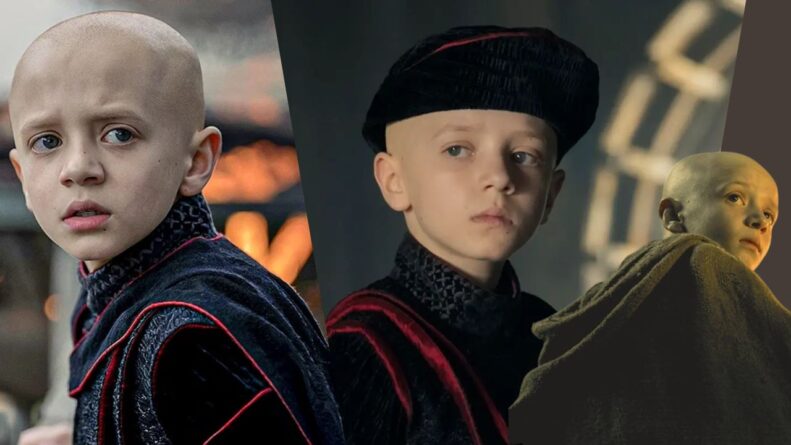
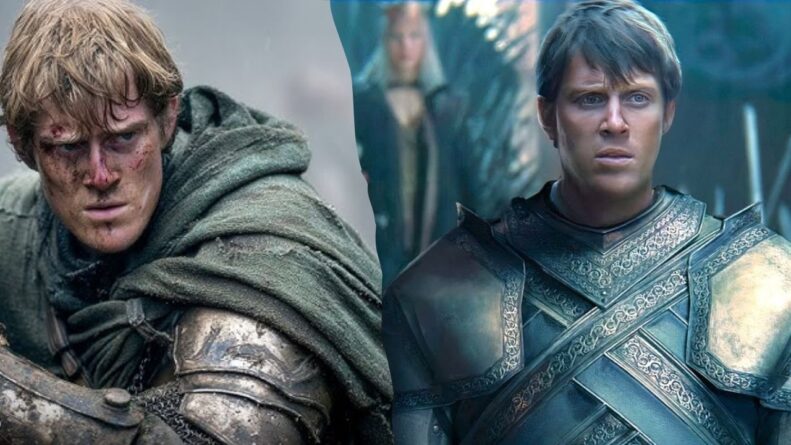
The team of One Piece Season 2 has stated that the quick-paced cameos of multiple characters were far more difficult to animate than fans would think. Sabo, Brook, Bartolomeo, and Yorki make brief appearances in Season 2. These characters make their actual appearance much later in the original manga, though the show used them early on in cameo roles.
From editor Eric Litman Such a jump of characters into the story early on was a lot of planning. The writers, producers and directors collaborated closely to ensure that these events embraced the narrative and would not contradict the source material written by Eiichiro Oda.
For a long time, adapting manga and anime into Western live action was essentially a Disaster Waiting to Happen. Fans and critics even referred to it as a “curse.” Between the absolute disaster of Dragonball Evolution and the lukewarm reception of Cowboy Bebop, it just wasn’t in the industry’s stars.
The problem, as usual, was that the executives wanted to “Westernize” the narratives, purging the strange, amazing soul of the originals so they could feel more “mainstream” like Netflix’s One Piece.
By embracing the complete ridiculousness of Eiichiro Oda’s world instead of apologizing for it, the show changed everything. “Into the Grand Line,” the second season, proves the series wasn’t just a one-hit-wonder. It did the unthinkable, lived in a world where physics and logic didn’t exist — fleshing out a universe based on characters who were little more than sticks of gum.
The Secret Sauce One Piece Season 2 Foreshadowing
One of the things that makes One Piece Season 2 so good is the way it goes about building its world. The showrunners rolled out a huge (but fantastic) gamble in unveiling characters like Sabo, Brook, Bartolomeo and Captain Yorki well in advance of their introduction in the original story.
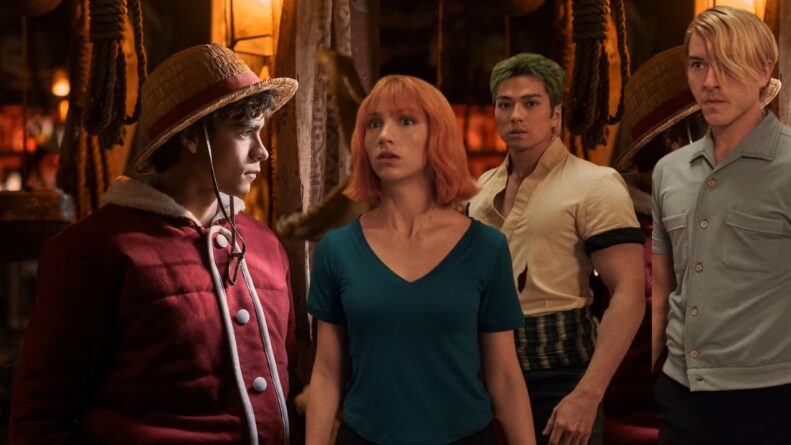
These fan favorites never appeared in the manga for years. By incorporating them into the narrative now the show is accomplishing two things:
- Rewarding Long-Time Fans: It gives the “die-hards” those “Leonardo DiCaprio pointing” moments of excitement.
- Fixing the Timeline: It lets (hide) the world feel from connected and alive day one, rather than just introducing random people 50 episodes later.
This approach not only “corrects” the narrative, it respects Oda’s original vision by applying hindsight to make the live-action adaptation seem like a unified, epic jigsaw.
How the Show Actually Works
The reasoning behind One Piece Season 2’s success can be attributed to a straightforward yet fortuitous and probably unrepeatable alignment between the showrunners and the original creator. In order to make those early character cameos work without shattering the story, all departments needed to be aligned perfectly.
The Showrunner Vibe: “Stay Weird”
Co-showrunners Matt Owens and Joe Tracz have a few things to say about the old Hollywood way of doing things. Typically when a studio adapts a manga, the question is: “How do we make this less weird for our Western audience?”
Owens and Tracz went in the opposite direction. Their rule? Don’t change a thing. They made no apologies for the giant campy telepathic snails (Transponder Snails).
- They didn’t attempt to make the talking animals look “real” or gritty.
- They had faith that if they were faithful to the internal logic of the world, the audience would be with them.
Since they embraced the absurdity, they could shove characters like Sabo or Brook into the background early on. To someone seeing it for the first time, these characters just feel like cogs in a huge, living world. But to the fan for years, they are massive “Easter eggs” that indicate the writers know exactly where the story is going.
Eiichiro Oda: The Creative “Guard Dog”
One cannot discuss this series without discussing Eiichiro Oda, the man behind the One Piece Season 2 creator. Unlike the vast majority of authors who simply sign a contract and then get out of the way, Oda is the ultimate gatekeeper on this project.
Netflix and the studios established a “veto” policy: Nothing is released without approval from Oda.
- Canon Control: He ensures that making a character debut earlier linear don’t ruin the story ten seasons down the road.
- Visual Accuracy: The producers take his original manga pages as the “bible” for how frames should look.
- The “Vibe” Check: He has to approve the editing on Oda. If a sequence is too relaxed, or isn’t ticking with that frenzy manga adrenaline vibe, he orders them to reshoot it.
| Leader |
Role |
The Contribution |
| Eiichiro Oda |
The Creator |
The ultimate authority. He ensured to keep the story true to the manga. |
| Matt Owens |
Co-Showrunner |
The long-time superfan who fought to get this made and keeps the long-term story on track. |
| Joe Tracz |
Co-Showrunner |
The Season 2 addition who pushed the “unapologetic” philosophy—no censoring or watering down the fantasy. |
Behind the Scenes Netflix’s One Piece Season 2
Most of the success of One Piece Season 2 was actually a product of the editing room, in large part thanks to Eric Litman. If you’re wondering who he is, he’s worked on big things including Marvel’s Agents of S.H.I.E.L.D. and the pirate drama Black Sails.
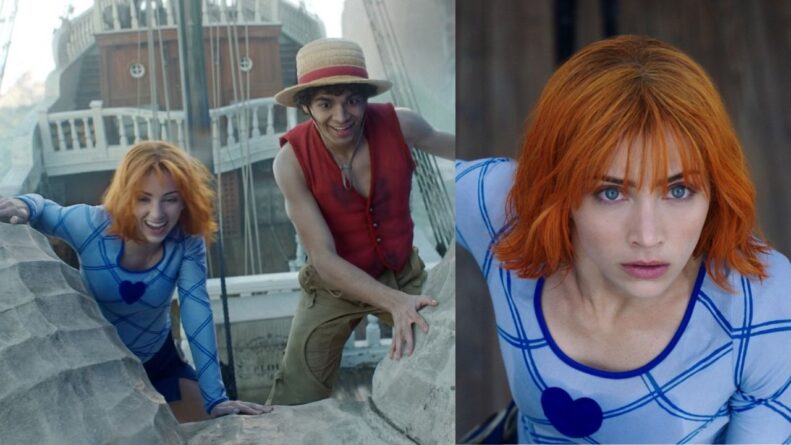
It was his expertise that helped the show find its footing, mixing heartfelt character moments with the big action and craziness that fans of One Piece are used to.
Building the World Before the Cameras Roll
Since One Piece Season 2 relies so much on special effects, the editors couldn’t just wait for the footage to come in. They utilized something called Pre-Visualization (Previs) in essence a 3D animated storyboard to map out each scene well in advance.
This was huge for those “early cameos” we talked about. For instance, during the Loguetown scenes, Litman and the VFX crew had to work out how to hide characters such as Sabo or Bartolomeo in the background.
- They charted where Sabo could peek out of a doorway.
- They calculated the exact moment when Bartolomeo would come into contact with Nami.
- And the most important thing is that they made all this happen so it felt like a normal part of the world, as opposed to a jarring “Hey, look at me!” moment that distracted from Luffy.
The “Giant” Problem: Scaling Up the Grand Line
Netflix’s One Piece Season 2’s biggest technical nightmare? The Giants. Episode 4 introduces Dorry and Brogy, two gigantic warriors from the island of Elbaph. If the proportions were ever skewed for a split second, the whole production would start looking like a cheap B-movie. Litman and his team had to become obsessed with “forced perspective” to ensure the math worked out:
- When a human looks up at a giant, the eye contact has to be perfect.
- The pace of the dialogue has to take into account that a minuscule person is talking to a 70-foot-tall warrior.
If the group can get you to believe in 70-foot Vikings, then a talking skeleton or a time-traveling revolutionary will be easy sells down the road. The technical triumph of the giants actually facilitates accepting the strangest parts of the tale.
The Show is Playing The Long Game” by Moving Plot Twists
The showrunner of One Piece Season 2 understood that manga readers can wait a decade for a payoff, but television audiences have to have stakes now. To remedy that, they’ve moved the narrative from a “linear” timeline to a “layered” one. They brought in huge fan favorite characters like Bartolomeo and Sabo years before they were supposed to. This not only rewards the fans, it makes the world seem like one giant interconnected puzzle beginning with the first episode.
Why These Cameos Matter
Bartolomeo: From Background Extra to Best Friend
In the original, Bartolomeo was just a random fan who witnessed Luffy survive an execution and rose to become his #1 fan. In One Piece Season 2, however, they made him a real character we actually care about.
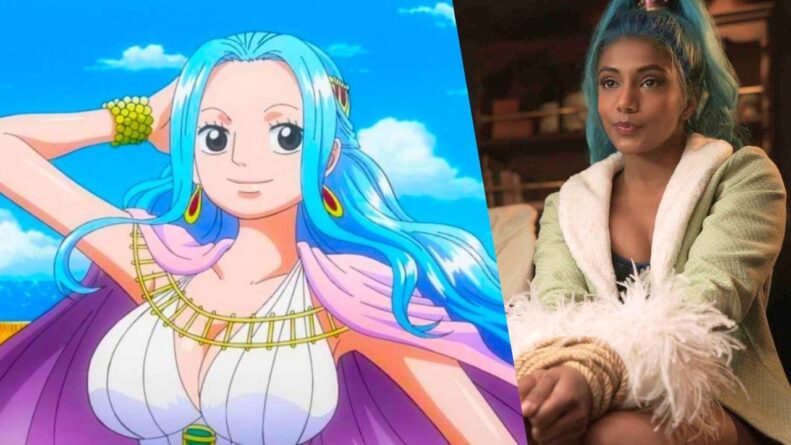
He begins life as a street rat who tries to pickpocket Nami. When the villains capture Luffy, Bartolomeo has to watch the six-pack execution from the front row. But now he really knows Luffy, so when the lightning blasts him and saves him, that miracle isn’t just some cool thing to happen in the world — it’s a soul-shaping event. He even picks up Luffy’s discarded hat in awe.
Sabo: Finally Solving an Old Mystery
There has almost been a One Piece fan upheaval the size of Marineford following the appearance of a small silhouette that was in one single manga panel in the year of 1999. Many thought it might be Luffy’s supposedly “dead” brother Sabo, quietly watching from the shadows. That minor detail would lead to years of theories and speculation among the fan community.
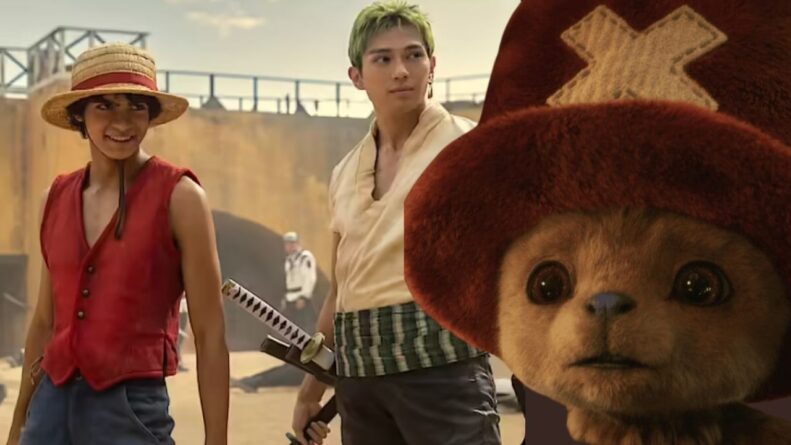
The Reveal: The series eventually confirmed it. In One Piece Season 2, a man in a top hat and goggles appears with Dragon.
Hunting for that twist: Fans know the story is going to end tragically at some point. He is literally standing there watching his brother escape, but he has no idea who Luffy is.
Brook and the Ghost of Laboon
The show also connects with the story about Laboon, the giant whale that wait at the doorway of the Grand Line. We don’t learn who Laboon is waiting for in the manga until much later. In teasing the Rumbar Pirates and their skeleton musician Brook now, the series is making the world feel lived in and heartbreakingly real right from the jump.
| Aspect |
Original Manga Canon |
Netflix Adaptation |
Output |
| Initial Debut |
Chapter 705 (Dressrosa Arc) |
Season 2, Episode 1 (Loguetown) |
Narrative Establishes early season to grab interest |
| Relationship to Luffy |
Passive spectator at the execution; retroactive “fanboy” |
Active participant; personal interaction prior to the execution. |
Deepens the emotional weight of his eventual loyalty; makes his motivation character-driven rather than coincidental. |
| Execution Scene Role |
Distant crowd member |
Forced to watch by Buggy from the “front seat”. |
Highlights the contrast between Luffy’s optimism and true villainy. |
| Symbolic Resolution |
Witnessed the lightning strike |
Picks up Luffy’s straw hat in awe. |
Provides a visual, cinematic anchor to his transition into piracy. |
Eric Litman Receives Critical Appreciation for his Logic Twist
The silent cameos in One Piece Season 2 serves as an excellent payoff for longtime fans that reward Oda’s detailed pre-planning, and it doesn’t require any dialogue or context that might alienate curious non-fans. Some critics noted that in an era when movies are increasingly laden with heavy-handed cinematic universe cross-promotion, Sabo’s is a welcome bit of underplaying.
It’s not a nod to the camera curt instructing the audience to know how important he is, to a new viewer, he’s just “some other weirdo in the background” of a bustling pirate city. For the fandom though it is a ground shaking event that spans decades of theorizing.
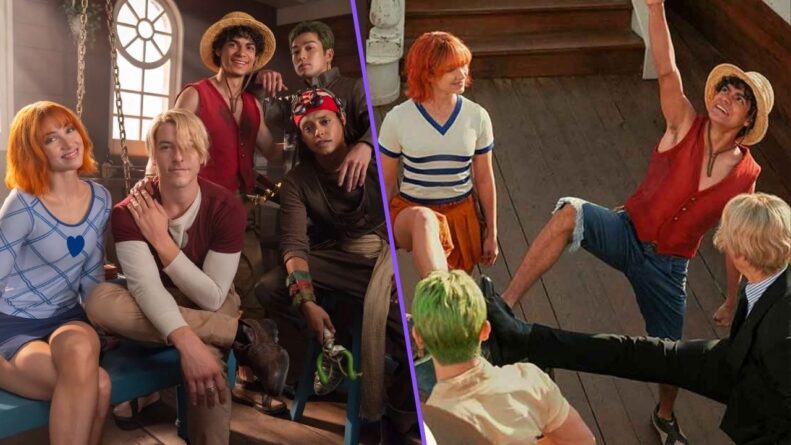
Editor Eric Litman and the showrunners acknowledged that bringing in Brook sooner was essential to selling the emotional weight behind Laboon’s story. By turning the vague “lost crew” concept into concrete, highly sympathetic characters, the adaptation instantly elevates the emotional stakes.
Most likely Oda when writing the Reverse Mountain arc back in the late 1990s did not have Brook or the Rumbar Pirates fully made up yet. The live-action series benefits from hindsight, and is able to integrate those elements from the beginning.
One Piece Season 2 Hit The Streaming
- The Gender Split: The audience is 69% male.
- The Age Gap: Actually most viewers are on the older side with 63% are aged 30 and up.
This indicates that the series had a very strong start, especially among the readers who were already familiar with the manga since 1997. Still, the audience can be drawn in by more complicated concepts of teamwork, leadership, and what it means to have a “found family,” instead of just keeping an eye out for punches and kicks.
On the other hand, Two years later, on March 10, 2026, One Piece Season 2 was also a massive success. It regained the top spot in about 50 countries within a few days after release, including key markets such as Germany, Brazil, and Japan. Early reports indicate the viewership numbers are rising around 30% faster than they did in Season 1.
The Critical Score
One Piece Season 2 is declared as a masterclass by critics because of its outstanding timeline twist. Season 2 received 9/5 Critics (so far), its high as Season 1 get 86% from Critics and 90% from the Audience.
The highest praise? The show “accidentally” manages to be a dense fantasy epic without turning your brain to mush. You don’t need to have watched a single episode of the anime to enjoy the show as a blockbuster.
The Fan Debate
Even having all this success it seems that the hardcore community is split into two camps when it comes to those early character cameos.
The Hype Camp (The Majority)
Most fans with long memories are about to have a collective aneurysm. Spotting Sabo’s top hat or hearing Brook’s laugh for the first time were huge rewards for years of loyalty.
- The Logic: These fans say that a 1:1 adaptation of the manga is not achievable for TV.
- The “Oda” factor: Since the creator, Eiichiro Oda, approved of the changes, most fans trust the process. They’d rather have a world that feels “full” and connected right now.
The Purist Camp (The Minority)
On the flip side, there are some purists who are a tad nervous. Their concerns are mostly pragmatic:
- The “Reveal” Impact: Some argue that seeing Sabo or Bartolomeo now cheapens the impact they had when revealed in the original story years later.
- Character Developments: In the manga, Bartolomeo is initially an utter jerk before we learn he’s a fanboy. The show makes him likable from the start, which some argue misses out on a neat character arc.
- The “Aging” Issue: Will the actors still look the part if the series presents Brook or Sabo in 2026 But doesn’t require them for the “main” story until 2030?
- The Cut Material: Some fans were rather attached to the wackier scenes— such as the doctor living inside a whale’s stomach—that the series removed in order to make the story a bit more “grounded.”
At a Glance: Season 2 Reception
| Metric |
Result |
Why? |
| Viewership |
30% Growth |
High retention of old fans + new “mainstream” interest. |
| Critical Score |
100% |
Flawless integration of complicated lore. |
| Main Audience |
69% Male / 63% 30+ |
Taps into nostalgia and mature themes of leadership. |
| Fan Sentiment |
Mostly Positive |
“Easter eggs” are winning over the “purist” complaints. |
Strategy to Save One Piece Season 2
The early appearance of characters like Bartolomeo, Sabo, Brook and Yorki isn’t just shallow pandering to the fans, it’s a deliberate structural engineering move.
With guidance from executive producers showrunners Matt Owens and Joe Tracz and under the ultimate authority and blessing of Oda, through the painstaking editorial management of Eric Litman—these cameos serve to deepen the theme of the current story while setting up future sagas in an elegant fashion.
Read More:- Monarch Season 2 Twist Explained: What It Means for the Monsterverse
Conclusion
The One Piece Season 2 is evidence that those surprise cameos weren’t just some random fan service. Characters such as Sabo, Brook, and Bartolomeo, were deliberately seeded earlier in the narrative to connect different story arcs and to expand the world.While collaborating closely with the manga written and illustrated by Eiichiro Oda, the production team was able to keep the adaptation faithful, yet still generate excitement for later seasons.
Stay connected with Fandomfans to get the latest updates from movies, series and celebrities.