Home > Web Series > ‘The Boys’ Season 5: “Scorched Earth” is Coming..
‘The Boys’ Season 5: “Scorched Earth” is Coming in 2026, and We’re Not Ready
The Boys season 5 titled "Scorched Earth" arrives in 2026 with an explosive final battle, dark twists and high stakes as Butcher and Homelander face off.
After all the years of being spectators to the cruelest, perhaps least moral superhero drama on any screen, small or big, we’re at last coming to an ending we didn’t know we desperately wanted. “The Boys” Season 5 (tentatively titled “Scorched Earth”) lands in 2026, and honestly, it’s never going to be the same for the world of superheroes.
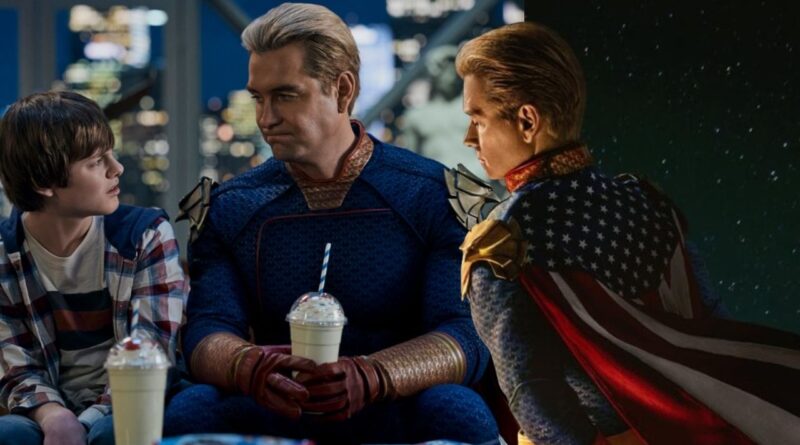
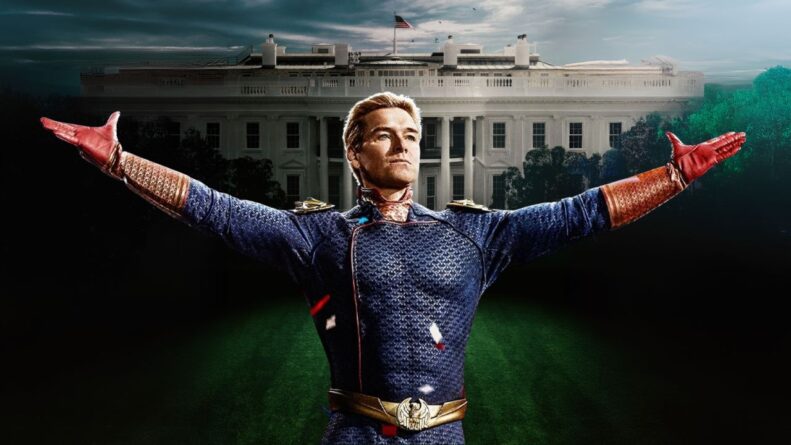
Let’s be honest, Season 4 ravaged us. According to Tomsguide, Billy Butcher has lost all humanity and is now a literal monster, who wants to kill every supe – bad or good, guilty or not. He’s stolen a virus that can kill superheros, and he’s embraced the darkest path possible. Meanwhile, Homelander has basically taken over the US government via martial law (and the majority of The Boys are in jail), and Homelander. What about all that positivity we latched onto in the earlier seasons? Gone. Obliterated. “Scorched Earth.”
When ‘The Boys’ Season 5 Release
Image Credit: Fandomfans
According to Deadline, Showrunner Eric Kripke has perfectly set the stage for a fluid final act. We don’t have a day for it just yet, but filming is complete and the team is halfway through post-production, which will consist of visual effects and color grading. Season 5 promises eight more episodes of pure, unadulterated chaos.
Why “Scorched Earth” Is the Perfect Title for the Final Season
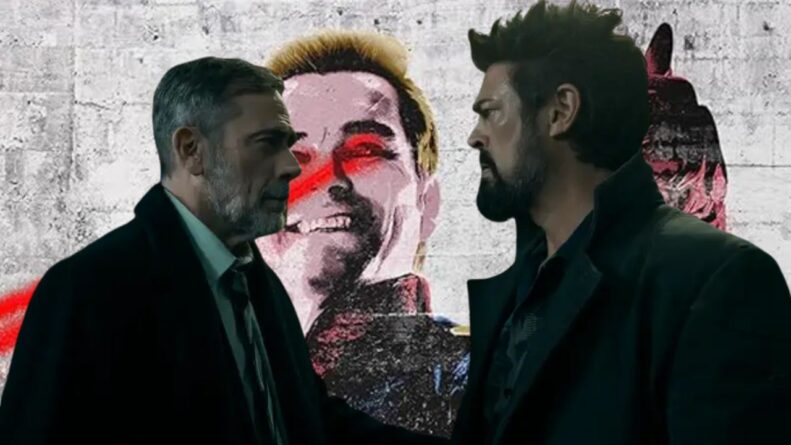
What makes Scorched Earth such a perfect title is that its meaning encapsulates the desperation that every character is feeling as they head into this finale. According to The Direct, Scarred and broken because of what he has been through, Butcher embodies the ‘scorched earth’ – wipe everything out, consequences be damned.
Karl Urban & Jeffrey Dean in The Boys |Image Credit: Fandomfans
Homelander, wielding even more power than before, is the authoritarian government that blossoms in the ashes. And The Boys? They’re smack-dab between two immovable objects and just trying to survive, not win.
Character Arcs of The Boys Season 5
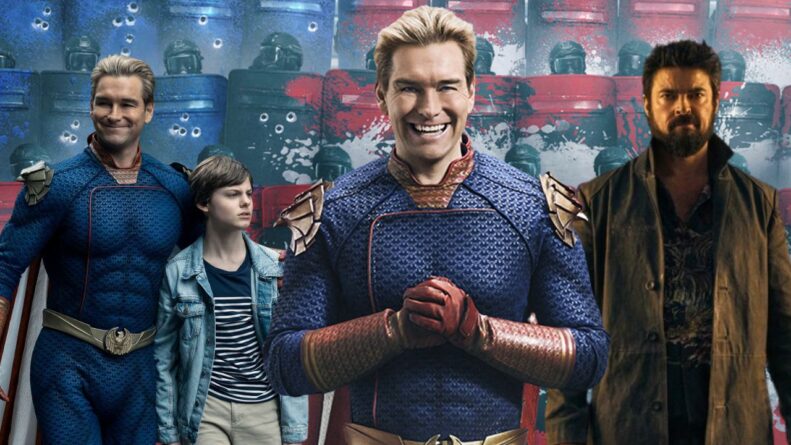
The thematic arc of The Boys has always been about: how power corrupts, how vengeance devours, and how even those heroes become the villains. According to IGN, Billy Butcher’s arc in particular is tragic, as we’ve seen him slowly strip away his humanity, the one thing his wife Becca made him vow to hold on to.
Character Arcs of The Boys Season 5 | Image Credit: Fandomfans
Kripke has teased that Hughie will “learn what it really means to be human” in season 5 and he also suggested Hughie might find redemption where Butcher has none.
What’s at Stake in Season 5
There are no higher stakes. Ryan appears to have sided with his father Homelander, which destroyed Butcher’s final hope. Sister Sage was the architect behind Homelander’s ascension with ruthless efficiency. Starlight got away from the cops and is the only member of THE BOYS still at large. Ashley actually got superpowers. And somewhere, amid all this warped terrain, maybe, there’s still a super virus that could do everything.
What we’re most looking forward to about ”Scorched Earth” isn’t just the prospect of an explosive final battle between Butcher and Homelander. It’s that anyone can come out on top with their humanity intact. In a series that has taken five seasons to delve deep into the darkness that lies within all of us, the final season might finally answer the question that’s been on our minds the entire time —- Can we be redeemed, or are we all just fated to burn?
Fandomfans keep eyeing every update about movies, films and industry decisions, to provide you with the fastest conclusion on the reports.
Alpana
Articles Published :
156
Alpana is Fandomfans Senior Editor across all genres of entertainment. She evolved in the media industry since a very long time, she manages the content strategy and editing of all the blogs. Her focus on story development, review analysis, and research is well-equipped that ensures every article meets the standards of accuracy and depth.
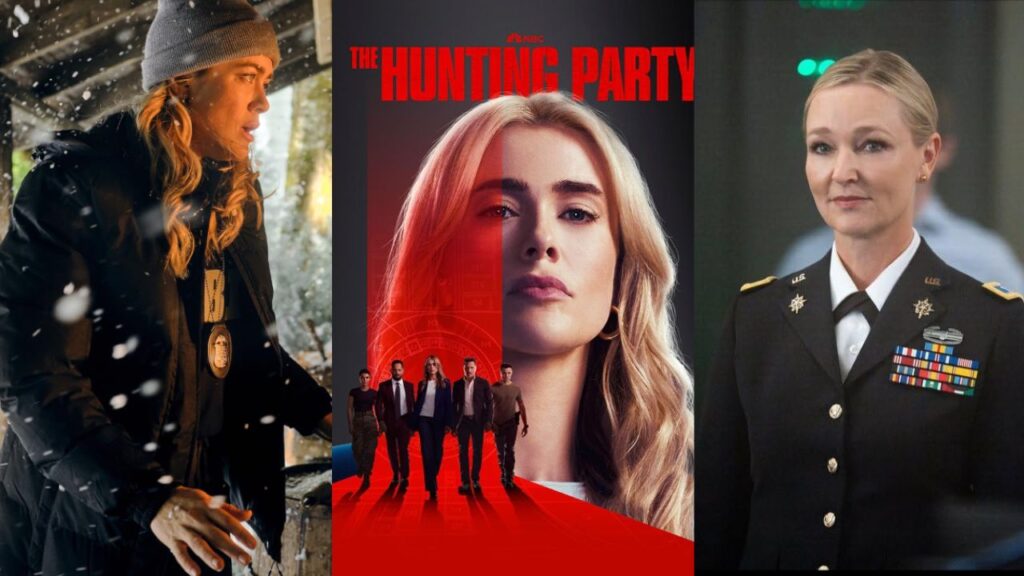
‘The Hunting Party’ Returns for Season 2 With Melissa Roxburgh
The Hunting Party Season 2: NBC’s The Hunting Party season 2 will come 2026 for the fans as Melissa Roxburgh responds to the reviews, Reddit opinions, more!
The Hunting Party Season 2: If you were on Reddit last year, you probably caught the headlines: NBC had a new thriller, and it was at a rare 0% on Rotten Tomatoes. For the majority of programmes, a score that is “perfectly bad” will mean the end. But The Hunting Party didn’t just survive—it thrived, amassing a devoted following that bolstered its ratings to the mid-4-million range and secured it a second season.
Now that the series is coming back to NBC (January 8, 2026), leading lady Melissa Roxburgh is at last addressing that bumpy beginning, and her perspective is refreshingly blunt.
Melissa Roxburgh on Critics: “It’s Not High Art”
In a recent sit-down with ScreenRant, Roxburgh (who plays FBI profiler Rebecca “Bex” Henderson) was unflinching about the critical planning. In fact, she laughed it off.
“Everything will get criticized, people are owners of opinions, But it’s “not like it’s high art.”
—-Roxburgh said.
Her philosophy shows that series stays “entertained” by serial killers and true crime genres. It’s a “spook before bed,” with killers who are, in her words, “weird as heck.”
In giving itself over to the campy, dark and often batshit crazy antics of its “super-predator” baddies, the show carved out a niche that professional reviewers initially overlooked.
Reddit’s Split Verdict — From Hate-Watching to Loyalty
The schism between the two camps could not be more clearly illustrated than here on r/television. Some users branded the first season “embarrassing” or a “bootleg version of Criminal Minds,” but as the season went on a small group of defenders began to coalesce.
Many fans said the series hits its stride around the fourth episode. On Reddit, popular threads on the show include:
The “So Bad It’s Good” Factor: Someone called it “Warehouse 13 but with serial killers,” pinning it as “dumb, but I like it.”
Stick with it for the first three episodes — that’s when the show finally finds its feet, and starts coming together.
The “Manifest” Vibes: Fans of Roxburgh’s previous hit, Manifest, have flocked to the series, defending her performance to detractors that labeled it “wooden.”
Season 2 Raises the Stakes With Stranger Killers and Bigger Mysteries
Season 1 concluded with the large question of what would happen to Oliver Odell (Nick Wechsler) and what exactly the Lazarus’ intentions were.
NBC has greenlit the second season of this drama with a larger episode order and production moving from Los Angeles to New York City. We can expect:
More ‘Odd’ Cases: Roxburgh teased that the killers are even more bizarre this season, noting
One case involves victims being “trapped in resin.”
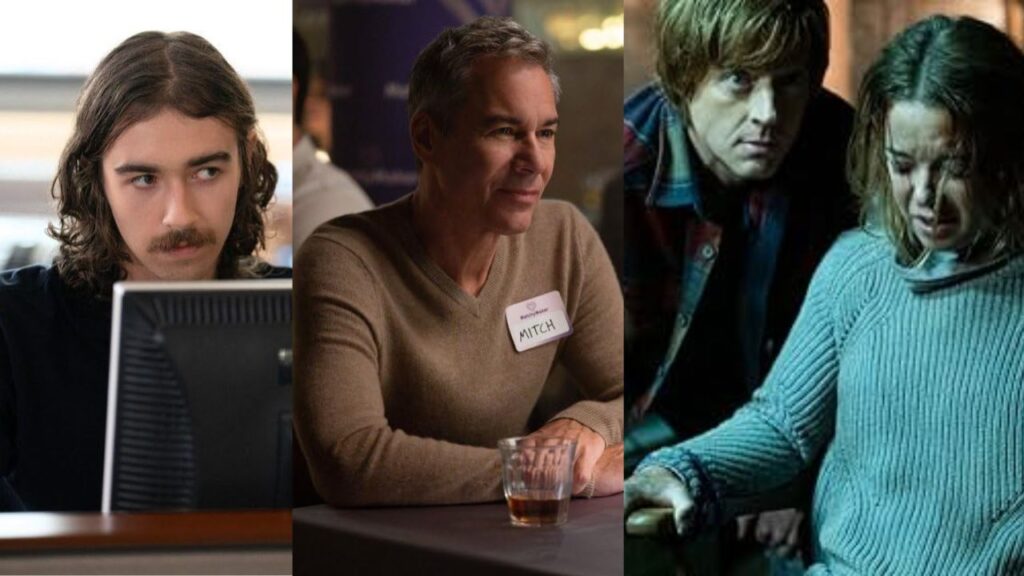
Star Power: Travelers and Will & Grace star Eric McCormack joins the cast as a serial killer who targets women seeking love.
The Mystery of “The Pit”: The would-be all out vigilante team is going more and more rogue to expose the secret prison that is at the heart of the government conspiracy.
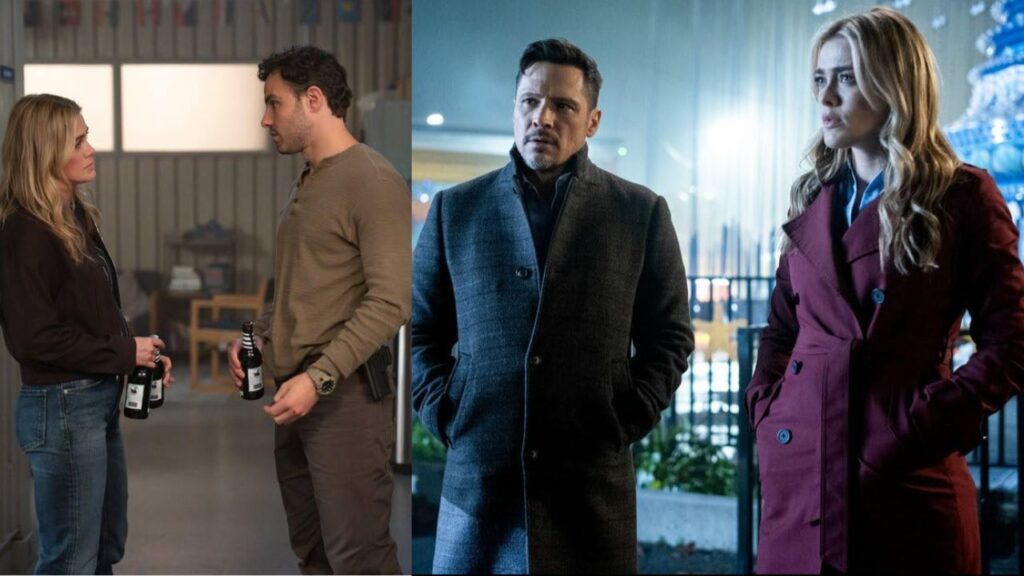
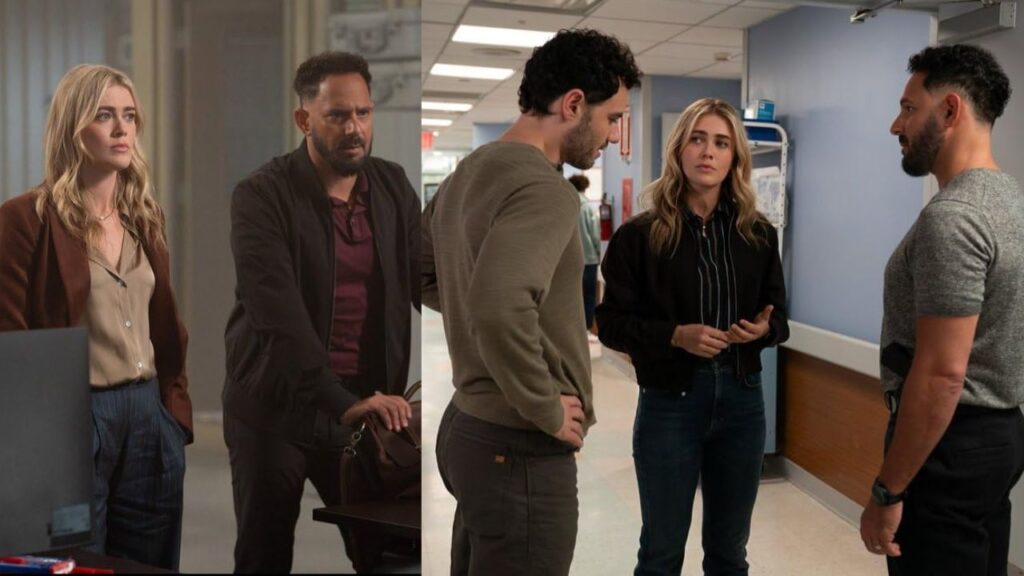
FBI Team in The Hunting Party
Whether The Hunting Party will ever win over the critics remains to be seen, but for the fans who love a good, creepy procedural, the hunt is just getting started.
Conclusion
The Hunting Party Season 2 would never be a darling among critics, but its survival and revival demonstrates audience connection means more than initial reviews. It found its audience by embracing its pulpy, true-crime-meets-camp identity and viewers were going to have to accept the show’s flaws and oddness. With an extended second season, weirder cases, and a further exploration of its central conspiracy, Season 2 can really cut what already works. For those who enjoy their dark procedurals with a bit of chaos on the side, the chase isn’t over — it’s just getting a little crazier.
Fandomfans provide all the latest updates from movies, series and celebrities directly to you.
Mariyam
Articles Published :
76
Mariyam Khan is Fandomfans Content Writer and providing reports and reviews on Movie Celebrities, and Superheroes particularly Marvel & DC. She is covering across multiple genres from more than 4+ years, experience in delivering the timely updates.
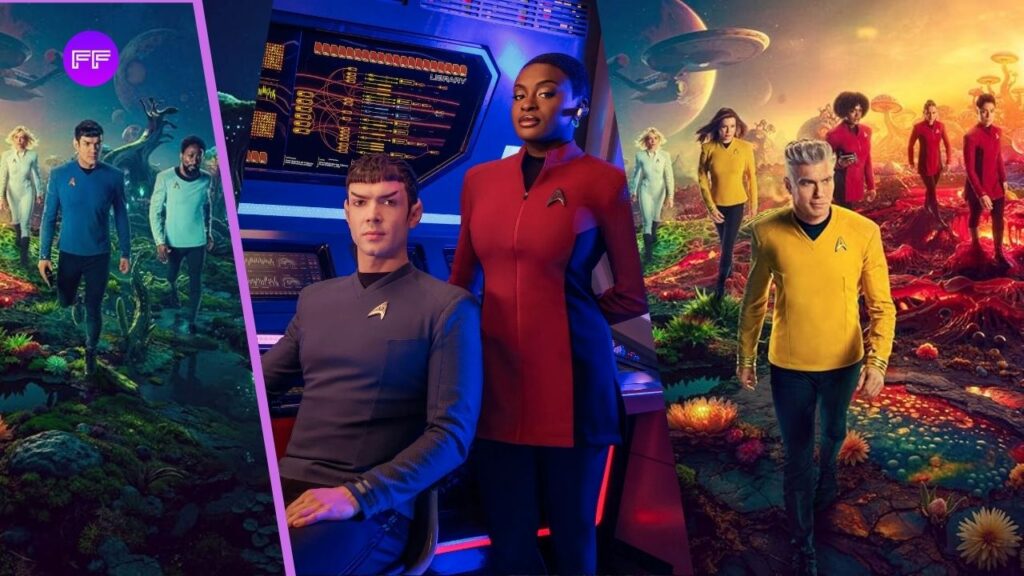
Star Trek Strange New Worlds: Jess Bush Breaks Down the End of Spock & Chapel
Star Trek Strange New Worlds : explores the emotional breakup of Spock and Chapel, revealing how their split reshapes relationships and future storylines.
If you have been watching the bridge of the USS Enterprise of late, then you are well aware that the halls of Star Trek Strange New Worlds have been a bit more “emotional” than your typical starship. Nurse Christine Chapel and Lieutenant Spock—the couple that fans cheered for, sobbed over, and then witnessed come apart in a way that is only describable as “peak awkward” was at the center of that cyclone.
At Farpoint 2026, however, Brock had to finally come to terms with the elephant in the room: that musical breakup. And her impression is just as brutally honest as the character she portrays.
The Musical Breakup That Shook the Enterprise
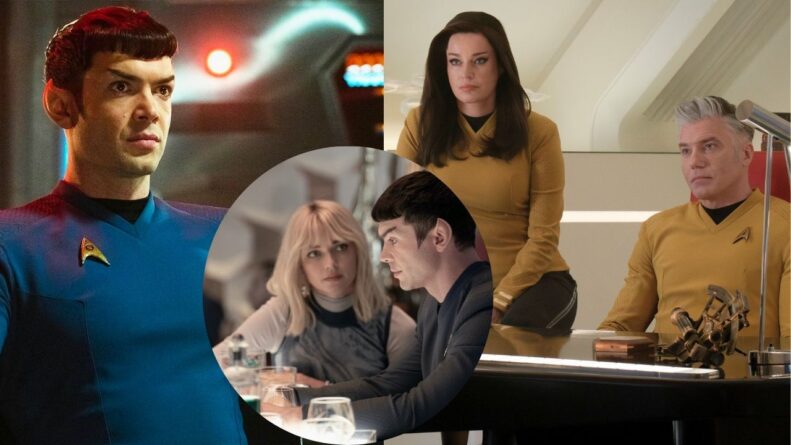
We all know the scene. This season in the K/S musical “Subspace Rhapsody,” Christine Chapel not only ended it with Spock, she did so in a choreographed song-and-dance routine at work with their colleagues as backup dancers. It was tactile, it was rhythmical, and Spock was crushed by it.
When it came to the scene at Farpoint, Bush had no qualms, laughing and telling the audience:
“Look, I didn’t write it. I’ve gotta be honest, when I read the script for the musical, I was like, ‘Bill [Wolkoff], this is brutal. Like, what?”
This feeling is prevalent within a majority of the Trek fanbase. Watching Spock, a man who exemplifies the struggle of balancing logic and emotion receive his heart on a silver platter in an electrifying musical extravaganza is definitely a “a moment too agonizing to look at, too overwhelming to dismiss” moment of the ages. Bush said she was just as surprised as the fans when she initially viewed where the writers were going.
The Reality of Modern Trek Storytelling
One of the greatest obstacles to the Spock–Chapel romance (often referred to as “Spapel” by fans) was the reality of modern television production. Strange New Worlds, on the other hand, has a slimmed down 10-episode schedule compared to the 26-episode seasons that were packaged in the 90s.
Image Credit: Fandomfans
Due to this shortened format, their dating had to move from “will-they-won’t-they” to “full-blown romance” to “heartbreaking breakup” faster than the speed of light. Although Bush and Ethan Peck had undeniable chemistry, the narrative weight of the musical episode drove a wedge between them that seemed sudden to many.
Where They Stand Now
Star Trek Strange New Worlds on Season 3 finds the dust settled but the terrain different:
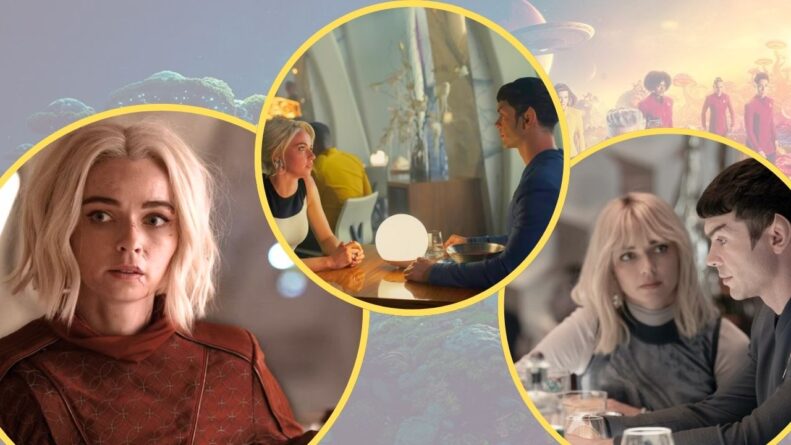
Dr. Roger Korby: Chapel has progressed to her canonical future with the arrival of Dr. Korby (Cillian O’Sullivan).
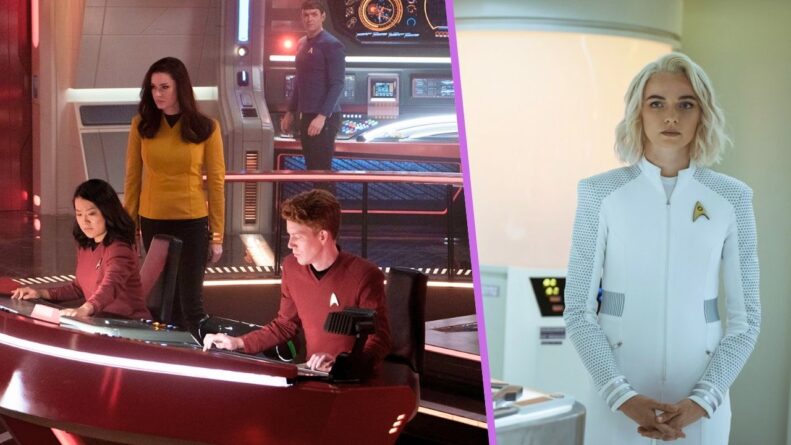
La’an Noonien-Singh: Spock has uncovered a surprising new link with the Enterprise’s security chief.
Image Credit: Fandomfans
Cherry on the cake: chaos in ‘Wedding Bell Blues’ with the impish Trelane.
Closure: The pair eventually received some much-needed closure at the end of the (infamous) ‘Wedding Bell Blues’ episode featuring the now-Trelane (Kirk’s nemesis as Starfleet Junkie) – but perversely tied up and almost undone in the process.
Is This Really the End for Spock & Chapel?
Jess Bush at the pity party her commentary on the breakup really wasn’t the most exciting part of her appearance at the con was that it turned to what’s to come.
The series ended shooting its fifth and final series in December 2025, but Bush teased there could be more to the story.
Bush alluded to the thought, “I think it was a very bad end, but maybe it is not the end.”
With Season 4 and 5 yet to premiere on Paramount+, the question remains for fans of what “not the end” truly means. We know where these characters end up, eventually, in The Original Series—they’re still close colleagues, but the romantic flame seems to have waned into a mutual, if occasionally painful, respect.
Can these last 16 episodes close the gap, or is there one more twist in the stars for the nurse and the Vulcan?
Jess Bush has been a standout in the Star Trek Strange New Worlds, making a character that was routinely sidelined in the 60s into a juggernaut of ambition, wit, and vulnerability. Even if she believes the split was “brutal,” the fact that she could sell that pain is precisely why we’re all still talking about it years later.
If you are Team Chapel, Team La’an, or just Team “Let Spock Have a Nap,” there’s one thing we can all agree on is this: Strange New World’s final two seasons are shaping up to be a real tearjerker.
Alpana
Articles Published :
156
Alpana is Fandomfans Senior Editor across all genres of entertainment. She evolved in the media industry since a very long time, she manages the content strategy and editing of all the blogs. Her focus on story development, review analysis, and research is well-equipped that ensures every article meets the standards of accuracy and depth.