Home > Web Series > Is Liam Hemsworth’s Geralt a Dull Copy or..
Is Liam Hemsworth’s Geralt a Dull Copy or an Amazing New Start?
Liam Hemsworth took over the role of Geralt in The Witcher season 4, bringing a new interpretation after Henry Cavill. Fans are divided, but story continues.
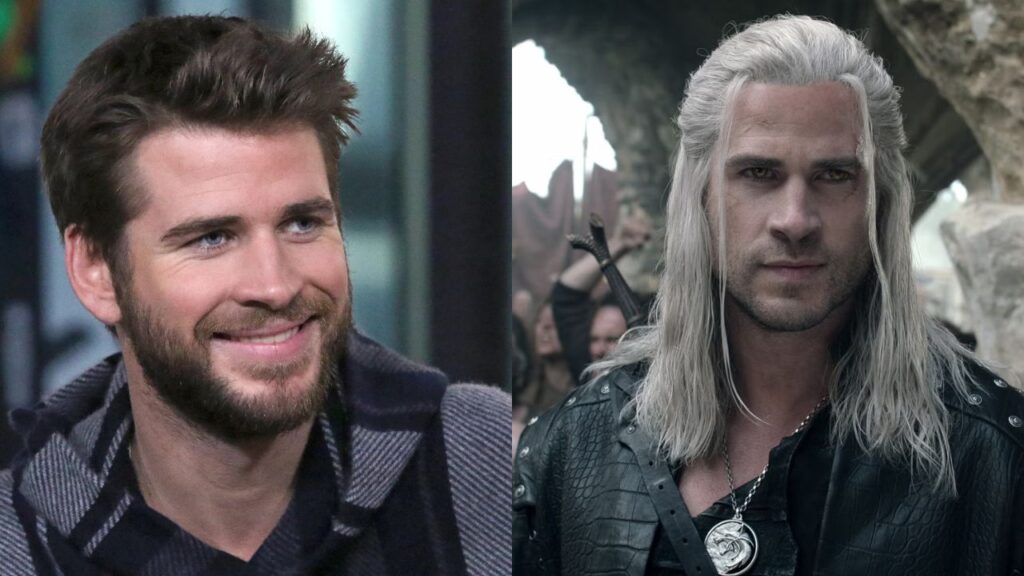
The first episode of The Witcher Season 4 came with one of the most controversial recastings in recent TV history, Liam Hemsworth taking on the legendary role of Geralt of Rivia, in place of Henry Cavill. For three seasons, Cavill was the series’ gravel-voiced, brooding centerpiece, turning the White Wolf into a towering physical symbol tied to his own performance. Unsurprisingly, the change was met with a seismic shift among fans, with numerous posting a craziest hate load well before episode one aired.
Now even the season is far more complicated than the verdict. Is the new Geralt doomed to be boring, cringing under the shadow of his ancestor, or is he buckling up for a great new road? It depends on how you define the character itself.
A Controversial Recasting That Shook The Witcher Fandom
Many reviews and fans alike agree that Hemsworth’s Geralt pales in comparison, not having the same gravitational charm that Cavill had as the character. So far, opinions are divided, some critics blistering, with new rendition dismissed as painfully one-note, less kindly, a bollard in a wig.
Why Fans Miss Cavill’s Geralt
While Cavill’s cold exterior seemed to belay a simmering fury beneath the surface that was just waiting to explode, to some, Hemsworth’s take amounts to nothing more than a listless impersonation.
Also the looks don’t make sense to ignore. Critics said that Hemsworth looks too young or too pretty, as if he’s a sad emo boy who got muscles rather than looking like a grizzled, hardened veteran. For fans who fell in love with the growl and tension of the first three seasons, not having that unmistakable superhero shape leaves a hole that all the mumbling and grunting can’t really fill. To them, this new Geralt is just plain boring – a pale imitation of the White Wolf they had.
But on closer inspection any dullness could actually be a conscious change and arguably one that follows the books more closely. Henry Cavill’s Geralt was very much the silent, grunting monster slayer. The Geralt of Season 4, adapted from the novel Baptism of Fire, is a different man.
He’s both physically and emotionally broken after what happened last season, and he’s desperate for revenge. Members of the show’s creative team and Hemsworth himself have suggested this will be a more vulnerable, heart-driven version of the Witcher.
According to Forbes, Hemsworth has discussed his excitement to play a Geralt who is at a crossroads, where he is motivated by love for his found family, Ciri and Yennefer, rather than his old mantra of neutrality. His arc is largely about his emotional evolution, as he reunites with a new traveling party that includes new characters like Regis.
Certain diehard readers even make the case that Hemsworth’s physical appearance and the way he plays a slightly more loquacious, a bit less invincible, wounded warrior version of the character is a more accurate representation of the character found in the novels by Andrzej Sapkowski. For these viewers, this fresh interpretation is a fantastic chance to take the show in the direction of a more loyal, complicated representation.
The Transition and The Show’s Evolving Focus
In the end, the new Geralt is not a spot-on copy nor is he a complete trainwreck. He’s a work-in-progress and the show has become a full ensemble. Yennefer and Ciri play leading roles in major, action-packed story arcs, taking the emphasis away from Geralt’s mountainous shoulders, softening the blow of the actor swap.
While fan consensus is still largely split at great disappointment and pleasantly surprised, Hemsworth should probably be commended for taking a nearly impossible task and running with it. If he is invisible to some, it is because he is now the quieter, transitional Geralt the story demands — a grounded figure who is his friends and adopted family on the way to their own journeys.
Whether his run ultimately ends up being amazing or boring will be decided by his ability to take a break and let a quieter, more emotional Geralt step back into the spotlight for season five, and the final season.
About Us
Welcome to FandomFans— your source for the latest buzz from Hollywood’s creative underworld. Here, we explore the art of filmmaking, knowing about how visionary directors, designers, and actors shape the worlds we escape into. Today we break down the difference between Old & New Geralt ov Rivia. Why Hemsworth receive negative review from the audience on the first episode of The Witcher.
Alpana
Articles Published :
156
Alpana is Fandomfans Senior Editor across all genres of entertainment. She evolved in the media industry since a very long time, she manages the content strategy and editing of all the blogs. Her focus on story development, review analysis, and research is well-equipped that ensures every article meets the standards of accuracy and depth.
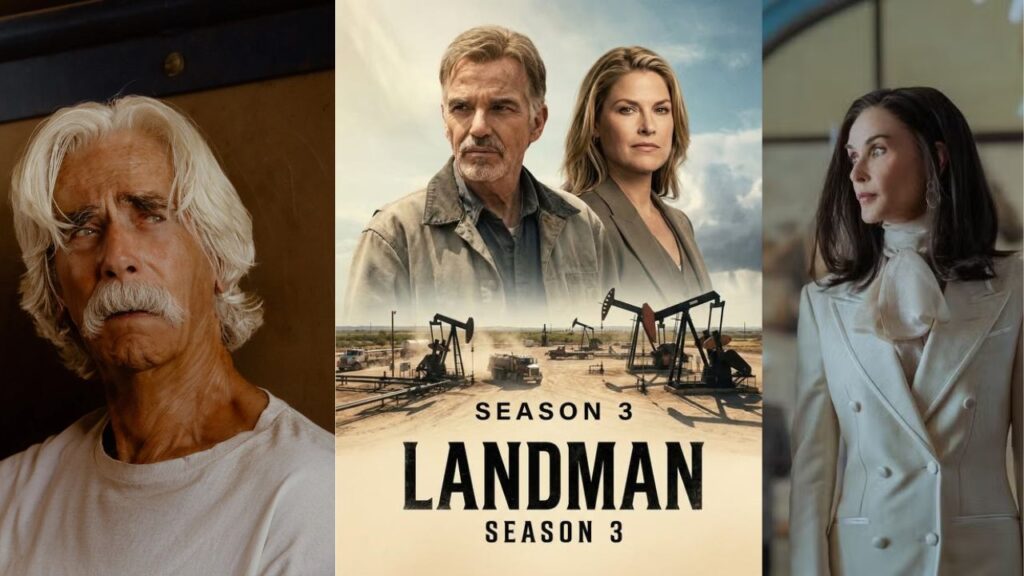
Landman has quickly become a can’t-miss series, capturing the tension of Yellowstone but focused on oil, dollars, and ever-growing boomtowns. The show has been a huge hit for Paramount+, ranking among its most watched series. Now, with all this success, we are wondering when we will be going to watch Landman Season 3.
There’s no official release date for Landman season 3 but it will eventually return in the late 2026 as official confirmation of its making.
Is Landman Season 3 Happening?
Yes, Landman has been officially renewed for a Landman Season 3.
After the Landman Season 2 launch was a smash hit, racking up 9.2 million streaming views in the past two days, Paramount+ didn’t wait around. The choice was obvious. The series has been able to “strike gold,” and the network is looking to capitalize on this momentum.
And while we wait for the next chapter, it’s worth noting: The show has continuously broken viewership records, perhaps making it the hottest ticket on the platform right now.
Landman Season 3 Release Date
Currently, April 2026, there’s no official release date for Landman Season 3. While Taylor Sheridan has a reputation for being an incredibly hard worker.
Season 1 aired November 2024.
Season 2 aired November 2025.
Production had settled into a comfortable fall-new-season rhythm. There’s nothing concrete yet, but the general feeling is a Fall 2026 release date for Season 3. Sheridan loves to keep fans waiting for years, and while the show is doing at least so far with this season’s success it means the cog wheels in the writers’ room are no doubt turning.
What Could the Plot of Landman Season 3 Look Like?
If you’ve been keeping up with the mayhem, you know that mute Tommy Norris and his M-Tex gang aren’t really options. The pressure had been cranked up to an almost unbearable volume by the end of Season 2.
The Rise of CTT Oil Exploration and Cattle
The biggest change for next season is the formation of CTT Oil Exploration and Cattle—the new corporation created by Tommy for his family and friends. This is not just a business decision, it is an act of declaring independence. But in West Texas oil, independence is expensive, very expensive.
The Cartel Shadow
Recall the deal with the cartel boss Gallino (Andy Garcia, coldly perfect)? While Tommy may have raised the money to get his job up and running, he’s still very much on the hook. Gallino, though, doesn’t seem like the kind of guy who lets a debt or a slight go uncollected. The big tension for Season 3 will likely be that the cartel is lurking, fingers poised to snatch if CTT so much as stumbles.
Personal Stakes
Outside the oil rigs, there’s the changing family layout. With Cami Miller taking the wheel at M-Tex and Tommy’s relationship with his father, T.L. (the iconic Sam Elliott), continuing to evolve, the family drama is shaping up to be as volatile as the boardroom battles. We’re also watching Cooper and his blossoming relationship with Ariana, which looks like it’s leading to marriage more personal complications for one of the most chaotic lives.
Landman Season 2 Plot That Powers the Stakes High
The Fall of M-Tex and Rise of a Rival
After the abrupt passing of its owner, Monty Miller, the season opens with a power vacuum at M-Tex. His wife, Cami (Demi Moore), is the new CEO. Cami and Tommy Norris (Billy Bob Thornton) clash right off the bat about the company’s financial disaster in particular, Monty’s embezzlement of money meant for gas wells in the Gulf of Mexico.
Cami fires Tommy from the company he helped build before turning around and asking him for help when he protests her reckless choices.
Rather than taking the comfortable road and working for Chevron, Tommy decides to start his own business. He lands a staggering $44 million deal with Danny ”Gallino” Morrell (Andy Garcia) an international drug cartel boss masquerading as an investor. Behind these cartel funds Tommy establishes CTT Oil Exploration and Cattle, LLC after he, his son Cooper, and his father T.L. named it.
Cooper’s Legal Battle
At the beginning of the season, the fiancée of Cooper’s, Ariana, is savagely attacked right outside a café. Cooper comes to her rescue, pounding the assailant in a now-viral video. When the assailant dies in the hospital, Cooper is charged with murder.
The Norris family enlists their formidable attorney, Rebecca Falcone, to take on the relentless detectives. In the end, Cooper is released after an autopsy shows that the assailant had died of an unconnected heart attack, but the close call with jail time alters and hardens Cooper. He moves up to become president of his father’s new firm, CTT.
Norris Family Dynamics Adds Emotional Narrative
Tommy’s elderly father, T.L. (Sam Elliott), escapes from his care home to come and stay with the family. Although T.L. and Tommy have a tense past, T.L. provides valuable, hard-learned oil field knowledge and starts to mend his relationship with his son and grandchildren.
Ainsley, Tommy’s daughter, goes to Texas Christian University (TCU) and wants to be a cheerleader. But nothing goes right as she can’t make the squad and she clashes with her stogy roommate, Paigyn. Over time, things change when Ainsley defends Paigyn from bullies, and they form an uneasy friendship. That shows Ainsley more confident, more independent.
Angela, Tommy’s ex-wife, remains a significant presence in his life. She is struggling with Ainsley leaving for college and with her complex feelings for Tommy, as she still has feelings for him.
Season 2 ends by laying the groundwork for an epic corporate and personal battle Cami’s M-Tex and Tommy’s fledgling CTT, both under the lethal gaze of cartel supervision.
Expected Cast Returning for Landman Season 3
While Paramount has not released an official Landman Season 3 cast list, its narrative format suggests that most of our favorites will return. As there have been no huge character “departures” to prevent them from coming back, you can certainly expect the main characters to be back:
Billy Bob Thornton as Tommy Norris: The guy who keeps everything running (just). He is the heart and soul of the show, and we can’t imagine Landman without that grizzled, cynical charisma.
Demi Moore as Cami Miller: Filling the power vacuum at M-Tex, her arc is probably one of the most fun to watch.
Sam Elliott as T.L.: Because a show about Texas, oil, and grit isn’t complete without Sam Elliott.
Jacob Lofland as Cooper Norris: We love cheering for him as he makes his way out of the oil patch and into the realm of running a business.
Paulina Chávez as Ariana: Her future with Cooper and where she fits in the family dynamic is certainly going to be a highlight.
Andy Garcia as Gallino: The ever-present menace that keeps us rattled.
There are definitely small characters who drift into the background — like Ainsley’s boyfriend on the show but the principal cast is feel like it’s here for the long haul.
Why Is Landman So Compelling?
If you’re attempting to explain to a friend why they need to binge before Season 3 releases, it truly comes down to the “Sheridan Factor.”
Taylor Sheridan has a gift for taking industries, the average person has no background in ranching, prisons, and now, the oil patch and turning them into adrenaline-filled soap operas. It’s not just a matter of the money or the politics, it’s about the people who live on the edges of these gigantic, earth-shaking industries.
Setting: West Texas is more than just the setting, it almost functions as a character. It’s hard, cruel, but still kind in a way.
Realism: Landman is a series that touches real problems like climate change, economic and global energy politics. That is what makes it feel real and believable.
Performances: Billy Bob Thornton’s solid acting is taking up the series so high, he earned that character.
Conclusion
Landman has established that this isn’t just a flash in the pan. It’s found its own place among the crowded field of streamers that offer prestige drama. With Landman Season 3 on the way, we know we’re getting more of the High-Stakes, Dusty Action that we’ve Come to Love.
As we await that still-to-be-confirmed official premiere date, the most important thing to keep in mind is that in the world of Landman, the status quo never remains quite long. Tommy Norris – still out there, still running a squeaky-tight racket while owing a dangerous debt, is gonna need all the help he can get next season rolls around
Dive deeper with Fandomfans for updates from movies, series, and celebrities to get ahead in the entertainment world.
Mariyam
Articles Published :
76
Mariyam Khan is Fandomfans Content Writer and providing reports and reviews on Movie Celebrities, and Superheroes particularly Marvel & DC. She is covering across multiple genres from more than 4+ years, experience in delivering the timely updates.
Fallout Season 2 Release Date: Narrative Shifts, Cast & Behind The Scene Details
Fallout Season 2 Release Date begins December 16, 2025 on Prime Video. Check release schedule, New Vegas story twists, cast news and BTS news! visit website!
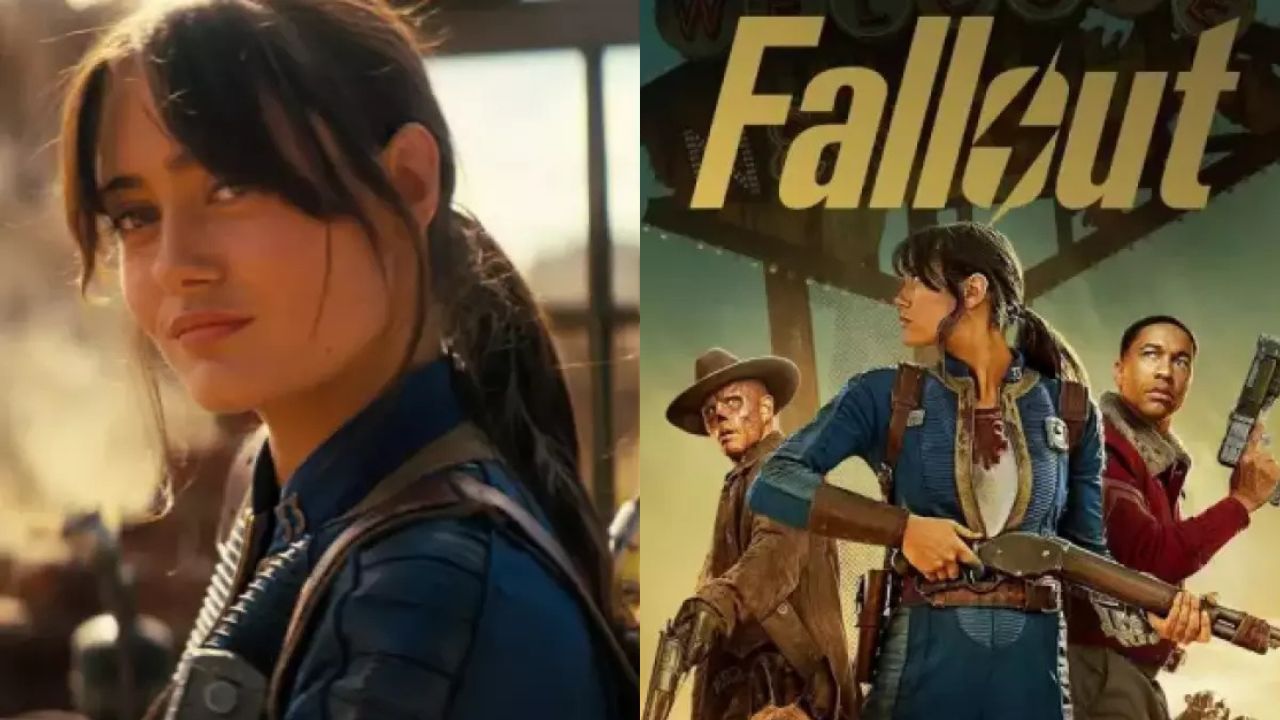
The availability of Fallout Season 2 Release Date will not only define the series, but also Amazon MGM Studios’ long-range franchise plan. Following a breakout first season that brought critical acclaim, 17 Emmy nominations and a reported audience of over 100 million viewers, the pressure is enormous on the sophomore season. Season 2 is being framed as more than a follow-up — it’s a “course correction,” doubling down on scale, ambition, and industrial intent.
Initially scheduled for December 17, 2025, the premiere has been moved up to Tuesday, December 16, 2025, 6:00 p.m. PT. While this sounds like a small change, it’s part of a strategic effort to capture the pre-holiday media cycle and ring in the most immediate eyeballs across U.S. time zones. Prime Video, meanwhile, has also shifted from releasing the entire first-season all at once to a weekly release, stretching viewer engagement until early 2026.
Amazon Revealed The New Premiere Date for Season 2
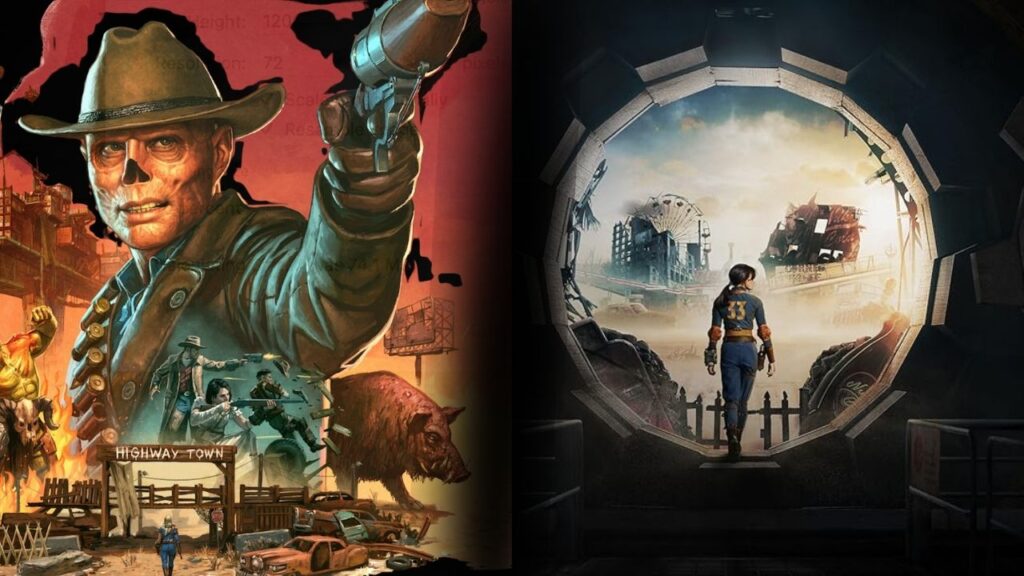
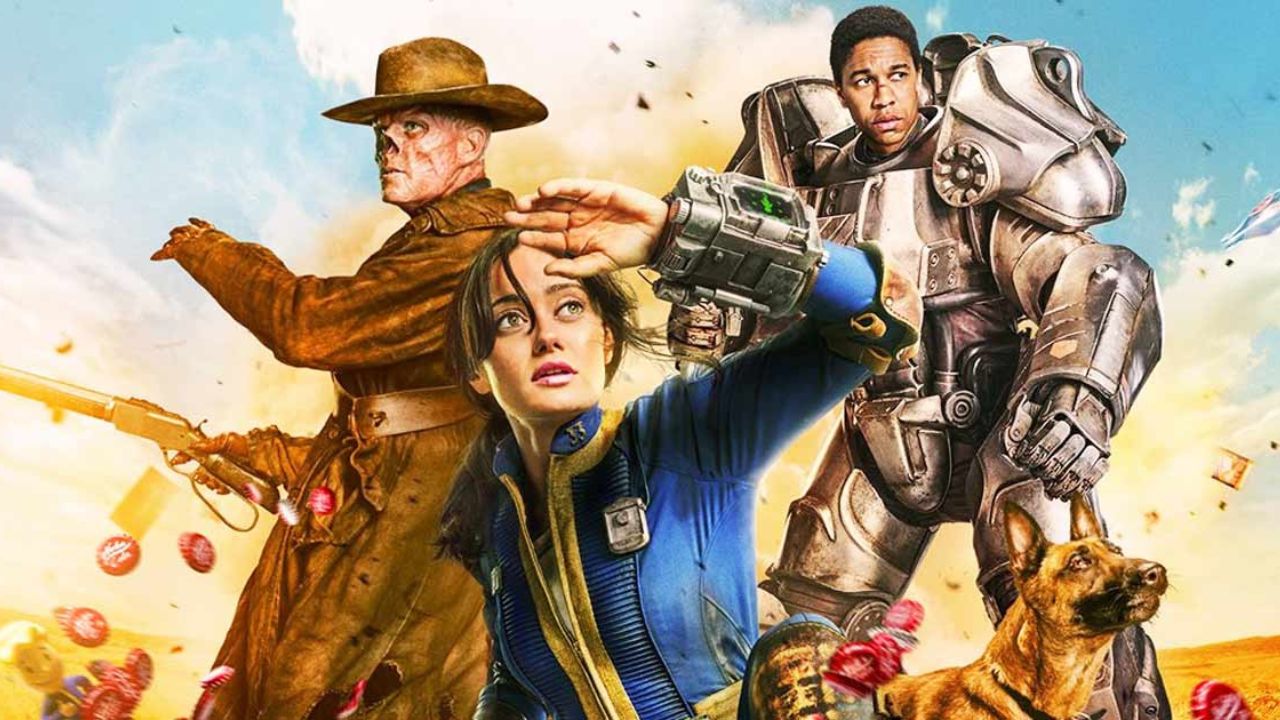
The promotional Season 2 campaign is just as brash and audacious. In a non-traditional manner, the new premiere date was announced by Amazon with a large scale activation at the Las Vegas Sphere. The building was turned into a post-apocalyptic snow globe containing Lucy MacLean, Maximus, and The Ghoul, which leads to the reveal of a massive Deathclaw and a Radscorpion swooshes away the old date and replaces it with December 16.
Image Credit: Fandomfans
The stunt accomplished a number of things, most notably that it tied the marketing directly to the show’s new New Vegas locale, generated serious social media buzz and confirmed that some of the series’ most iconic creatures are making their way back.
Fallout Season 2 Adopts a Synchronized Global Release
Distribution-wise Fallout Season 2 follows the model of global release day-and-date. The first episode will debut worldwide at the exact same time, 6:00 p.m. meaning international audiences will see the episode on December 17 due to time zone differences. After the season premieres, episodes will be made available weekly on Wednesdays through February 4, 2026, with the season consisting of eight episodes.
Image Credit: Fandomfans
In fact, Episode 2 and 3 will be released on Christmas Eve and New Year’s Eve respectively, indicating that Amazon is expecting the series to be big holiday counter-programming.
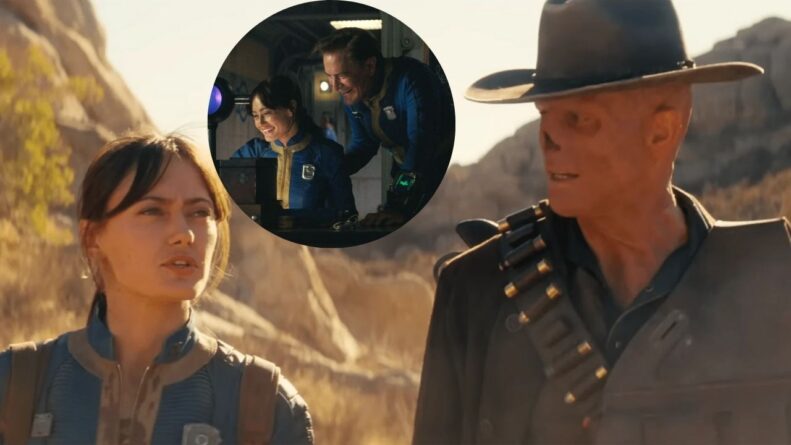
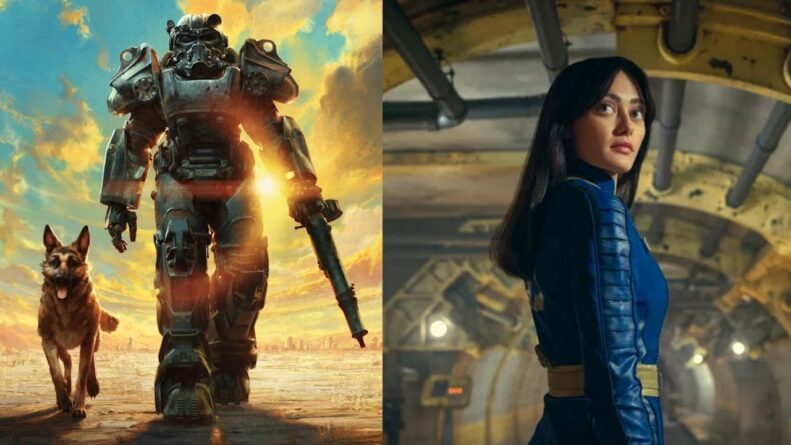
Season 2 takes a sharp turn narratively, moving from the ruins of Los Angeles to the Mojave Wasteland and New Vegas, where it confronts the legacy of Fallout: New Vegas. The designers use a “Fog of War” mentality to traverse the game’s many endings yet not negate player choice. No single faction’s triumph clearly marks the present after fifteen years following the events of the game.
Image Credit: Fandomfans
Image Credit: Fandomfans
Image Credit: Fandomfans
Ella Purnell in Fallout Season 1 | Credit: Prime Video
Rather, the Mojave is a fragmented, chaotic place where every faction imagines it has already won—and is now battling to reassert control. This setting creates an intricate political environment. Robert House, the Old World technological autocrat, is back, this time portrayed by Justin Theroux.
“That scene happened, but there’s a lot more in the pipeline from that moment until the bombs fall.” —Wagner said
Caesar’s Legion arrives as a violent, tightly ideological force, with Macaulay Culkincast as a “mad genius” type character. Cold Fusion technology enables the Brotherhood of Steel to be torn apart by civil war, meanwhile the New California Republic is a shadow of its former glory after previous destruction.
Cast Returning With More Darker Journey
The core cast returns with evolved arcs. Lucy MacLean tries to cling to her moral “Golden Rule” in a harsher world. The Ghoul maintains a balancing act of cynicism and buried humanity, Maximus is disillusioned within the Brotherhood.
Image Credit: Fandomfans
Hank MacLean’s story line connects the Vault-Tec conspiracy directly to New Vegas, and Norm is still in Vault 31, finding deeper institutional secrets.
Manufacturing was moved to California to take advantage of tax credits and film in Mojave-like terrain for enhanced visual authenticity. Despite concerns that devastating wildfires could interrupt work, the group persevered and brought forth their most visualized effort—including the much anticipated Deathclaw.
“Showrunner Geneva Robertson-Dworet revealed that a number of crew members were displaced by the fires, but kept going to finish the season.”
Conclusion
Fallout Season 2 is a tightly controlled-event. With its savvy scheduling, brazen marketing, its weekly storytelling, and its planned grand narrative, the series has made clear that it intends to be a long-term cultural and commercial force. As the narrative progresses into New Vegas, it returns to the franchise’s central question: In a world where everyone thinks they have already won, what do survival and rebuilding mean when war never changes?
Fandomfansis focusing on series, new episodes, narrative and cast members to provide you every detail you need to know.
Mariyam
Articles Published :
76
Mariyam Khan is Fandomfans Content Writer and providing reports and reviews on Movie Celebrities, and Superheroes particularly Marvel & DC. She is covering across multiple genres from more than 4+ years, experience in delivering the timely updates.