Dunk and Eggs Deliver the Perfect Ending in The Morrow
Dunk and Eggs are high in The Morrow’s conclusion of A Knight of the Seven Kingdoms, resulting in a sentimental closing note focused on honor and selection.
Published: February 25, 2026, 7:13 am

Dunk and Eggs are high in The Morrow’s conclusion of A Knight of the Seven Kingdoms, resulting in a sentimental closing note focused on honor and selection.
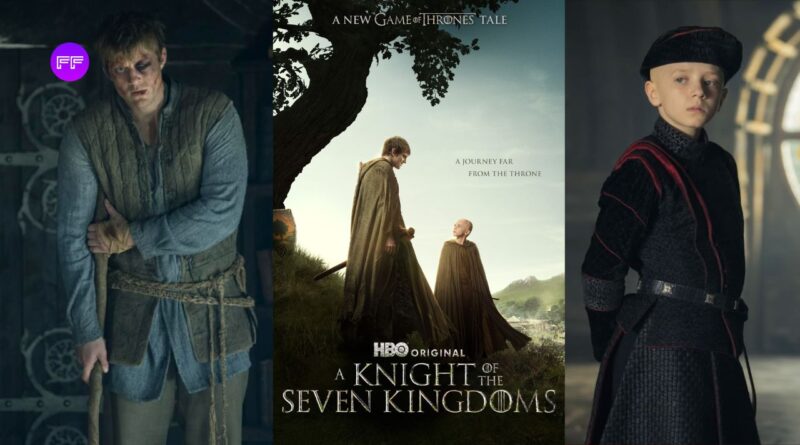
Halfway through A Knight of the Seven Kingdoms Episode 6, “The Morrow,” Dunk and Eggs is sitting opposite Prince Maekar Targaryen, and he declares with the sort of quiet conviction that can only come from having your understanding of the world dismantled and put back together across six weeks of television: “I think I’m done with princes.”
Five words. That’s all it takes. But in those five words you hear everything — the weight of Baelor’s death, the disillusionment with noble systems that warp children into monsters, and the blind, near-lunatic resolve of Dunk and Eggs to do what’s right even when the world rewards you for doing wrong.
The Guardians says, we’ve come to expect certain things from prestige fantasy television. The second to last episode turns up the spectacle—the battles, the killings, the “holy shit” moments. The series finale, while completing story arcs, sets up next season’s conflicts. There is usually a cliffhanger. There’s almost always a feeling of building momentum leading us to bigger, louder, more costly storytelling.
“The Morrow” does none of that. Which is exactly why it works.
The episode is basically 31 minutes of people talking. That’s it. No swords are drawn (save for the knife Egg considers using against his sleeping brother, which we’ll get to). No armies clash. The most violent thing that occurs is emotional. And yet, the viewer was drawn forward, utterly captivated, in a way as they had been in the earliest seasons of the original Game of Thrones, when dialogue resembled skirmishes and each character choice had the consequence of multiple kingdoms.
This is the show’s thesis, born out: being good isn’t what you are, it’s what you do. Repeatedly. Even when it costs you everything.
Peter Claffey’s Dunk facts for the season have been an exercise in making virtue compelling. It’s not easy to write a nice character that’s not boring. Our culture reveres the anti-hero, the morally complex operator, the person who commits bad acts for reasons that make sense to us. We’re trained to see all plain-spoken righteousness as either naïve or performative.
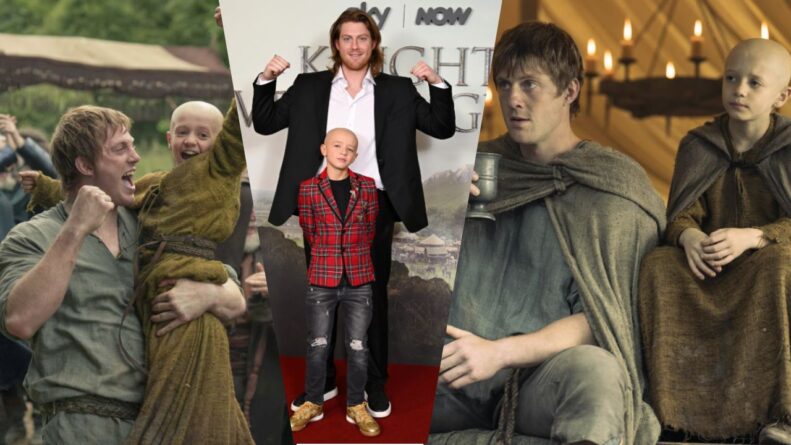
But Claffey treats Dunk’s morality as a conscious decision, rather than a baseline. Watch his face when Lyonel Baratheon offers him a life at Storm’s End — hunting, sailing, friendship, the sort of simple male bonding that would be the happy ending in any other story. You can see Dunk genuinely considering it. He wants it. Who wouldn’t? After a fortnight of sleeping in the mud and eating hard salt beef, the lure of comfort and companionship can’t be that strong.
But he says no. It’s not the offer he can’t afford, it’s just not what he wants to do. And he knows it.
This time it’s Maekar’s offer from Summerhall. When Maekar speaks of proper training and finishing what Arlan began you can see Claffey’s longing in his eyes. Dunk craves legitimacy. He wants to be the knight as he pretends to be. But when the price of this is Egg turning into just another Targaryen prince twisted to cruelty by the iron machinery of court life, he can’t bring himself to accept it.
The episode’s most powerful sequence is Dunk’s vision (memory? dream? hallucination?) of Ser Arlan of Pennytree. Their talk about the Pennytree tradition — hammering a copper penny into a tree when you leave, pulling it out when you come back, because “a good knight always finishes a story” — could be interpreted as symbolism too close to a cliche. But it doesn’t, because the show has earned its emotional moments over the course of six patient character episodes.
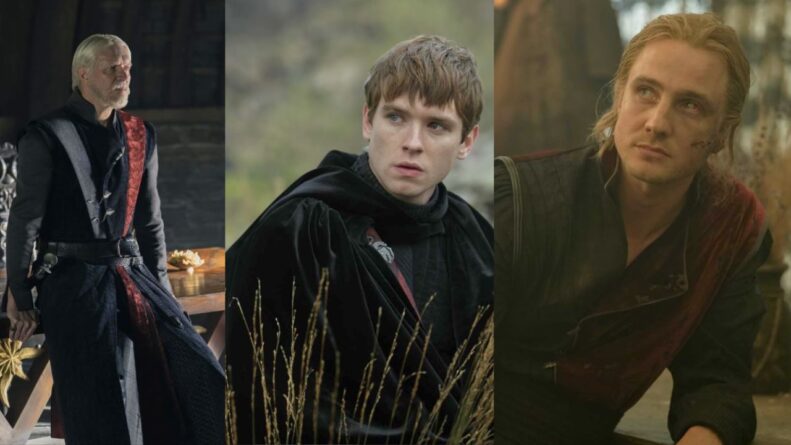
If Ser Arlan did in fact knight Dunk, then the source of Dunk’s legitimacy is a secret, private deathbed ceremony. But if Dunk has not been knighted after doing everything, then his authority is based solely on what he has done. The ceremony doesn’t matter.
Egg stood over his sleeping brother Aerion, knife in hand. It’s not righteous indignation but tragic temptation, which Dexter Sol Ansell plays. Watch his face when he looks in the mirror and sees his silver hair coming back. He said in Episode 4 that he hated his Targaryen traits. But here, behold his eyes. We see the violence and entitlement woven into that bloodline, reasserting itself.
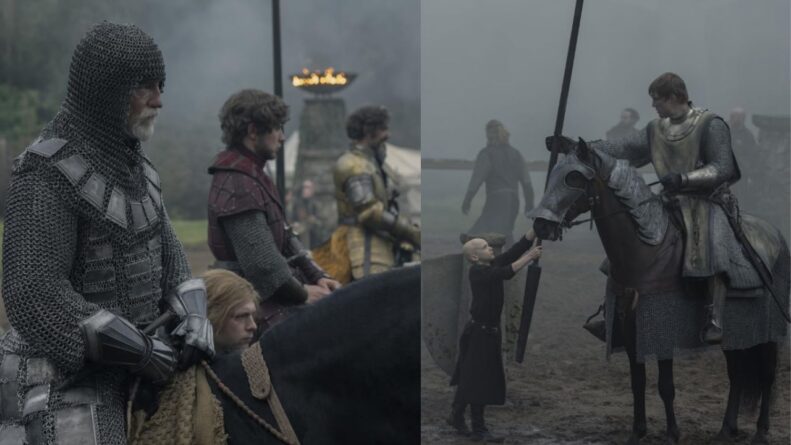
When Maekar catches his son—placing his hands gently on Egg’s shoulders rather than scolding him angrily—both Targaryens are crying. The work of Sam Spruell here is spectacular. He is aware of what could have been, too close for comfort, and what that means. He has good reason to believe Daeron was right: Aerion wasn’t born a monster. He was fashioned by the judicial machinery. And Egg has that as well, and always will, that same door hidden within himself, and what it takes to unlock that door.
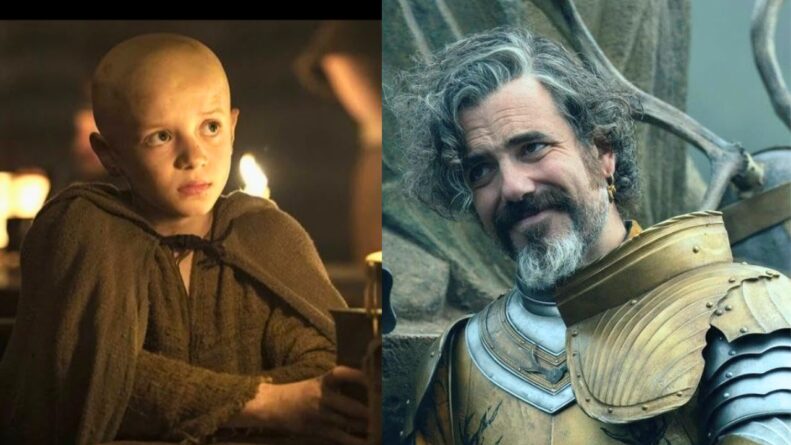
One of Maekar’s sons still lives who might not be broken by this throne. And when Dunk offers to take him to save him by ditches and hard salt beef and a life of no iron machinery, Maekar says no. He can’t picture life as dignified. He loves his son enough to weep with him over Aerion, but not enough to send him away.
And that’s the real tragedy of Dunk and Eggs “The Morrow.” Maekar wants to save his children and he has no idea how.
Egg has fibbed about having his father’s permission – a deviation from George R.R. Martin’s original novella in which Maekar actually gives his consent. Some fans will disagree, as in the book version, Maekar’s consent is a sign of growth, and repentance for killing Baelor, inadvertently. The show’s version undermines that character growth for a laugh and possible Season 2 drama as season gets 9.0/10 rating from IMDb.
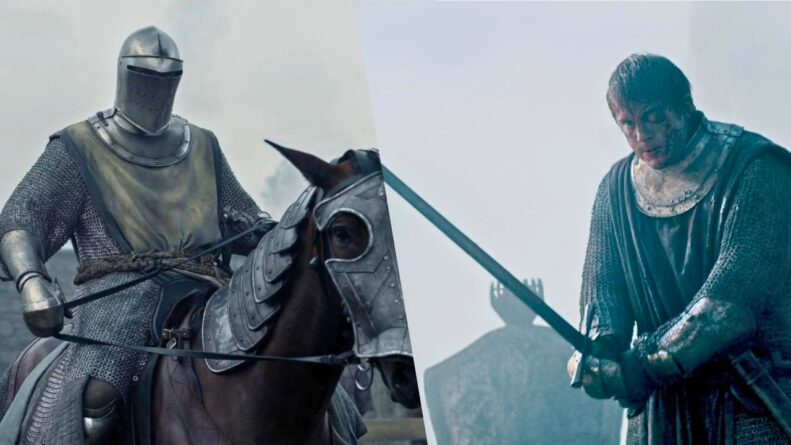
But even this choice is thematically defensible. The show is concerned with how difficult it is to select goodness. Egg (Pink Letter) lies and flees instead of accepting Maekar’s denial, losing his integrity. It robs Dunk of his assurance in Egg’s character when he comes upon the truth. It robs Maekar of his son. Doing what’s right is gonna cost something dearly for everyone.
The final shot where Arlan ghost riding off over a field of grass while Dunk and Eggs walk on down the road is grief made plain. Dunk is paying tribute to his mentor (the penny in the tree), applying his teachings (finish your story, keep your oaths), and moving beyond his need for Arlan’s approval. The question of being knighted is not relevant. It’s the road and the royal squire at his side that matters now.
Read More 👉 Absolute Universe DC Comics Bombshells from ComicsPRO That Will Reshape 2026
A Knight of the Seven Kingdoms Season 2 will explore George R.R. Martin’s second “Dunk and Eggs” novella, “The Mystery Knight.” Co-creator and showrunner Ira Parker spilled details on that direction in an interview with Variety. Also, Parker said one of the original titles for the series was nixed by Martin, but he didn’t reveal the reasoning or what the title was.
Season 2 can’t come fast enough but there was so much potential in that last shot of two figures on horseback riding off into the unknown, everything up in the air but their commitment to each other and to becoming better people. The show has demonstrated that tiny storytelling is viable in this universe, that you don’t need dragons and sprawling ensemble casts and constant escalation to justify your existence.
A Knight of the Seven Kingdoms has given the Game of Thrones universe new life in a way that seems almost miraculous. Dunk and Eggs makes us fall back in love with this world, not for the spectacle, but for the people. It’s because of the conviction that in a world that is structured to treasure self-interest and to punish kindness, the most radical thing that you can do is simply be good.
As Ser Arlan would say: A good knight always finishes a story. Dunk and Eggs are finishing this one and starting another. We just have to wait until then.
Dive into the world of dragons and dungeon politics with Fandomfans, our goal is to focus on recent updates and reviews from latest movies, series, characters, and interviews.

Discover everything about The White Lotus Season 4 — Paris setting, cast rumors, storyline, theme, and expected release in Spring 2027.

If you’re still recovering from the religious upheaval of Thailand in Season 3, why don’t you just pour yourself a glass of Pinot Noir and get comfortable. The information regarding The White Lotus Season 4 leaks slowly and a lot is pointing to the fact, this will be more than just another vacation gone wrong.
HBO announced the blockbuster series had been renewed for the second season in January 2025, but showrunner Mike White isn’t simply delivering more of the same. He is breaking the mold. With a confirmed Parisian location and a heavyweight behind-the-scenes change, Season 4 seems to be a radical makeover of the series.
We watch rich people fall apart in three seasons of tropical quarantine—Hawaii, Sicily, Thailand. Season 4 is abandoning the beach for the avenue. Production will be set in Paris and the French Riviera – swapping the “natural sublime” of the ocean with the “cultural sublime” of art and history.
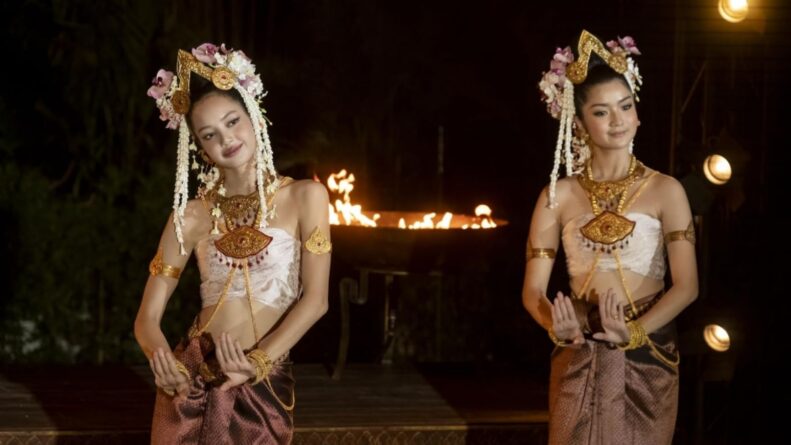
The theme is shifting too. In the event Season 1 was about Money, Season 2 was about Sex, Season 3 was about Death/Spirituality, and Season 4 is very much about Fame, Cinema, and the Arts. Rumors are circulating that the setting may be a film festival or some other major cultural occasion. Watch for the satire to move away from tech bros and heiresses and onto an aspirational cadre of actors, pretentiously intellectual directors, and the critics who eviscerate them. And it’s a meta move for Mike White, zooming the lens back on the very industry that salutes him.
Probably the biggest shock to the system is the production design. The series has reportedly ended its relationship with the hotel chain Four Seasons. What this means is that the uniform, corporate luxury we’d grown used to is no longer there. Instead the show is seeking out independent, historic icons such as Le Lutetia or The Ritz. The look is going be older, grittier and more menacing.
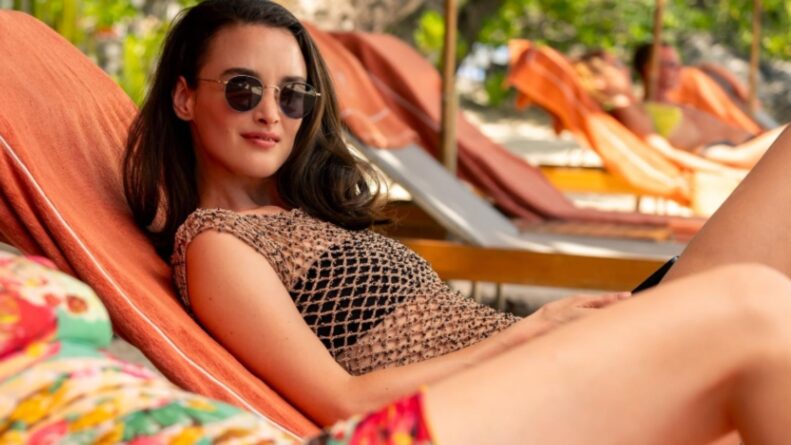
If you want to know what’s even more jarring? Cristóbal Tapia de Veer, the composer of the show’s plucky, nerves-rattling “ooh-loo-loo” theme, is no longer involved, having parted ways over creative differences. The show is losing its sonic heartbeat. The score will need to spin a new wheel — maybe that includes French Yé-yé pop, baroque strings — without turning off fans who cling to that signature whiff of impending doom.
There was no way to discuss The White Lotus without discussing the guests. The Biggest Whisper In Hollywood Is Laura Dern. She previously voiced Dominic’s furious wife in Season 2, and is the perfect avatar for a season about fame – possibly as a fading star or a power-broker agent.
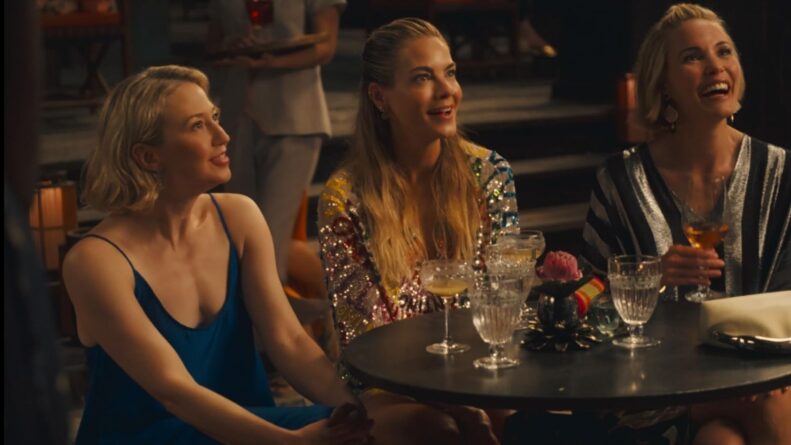
But the real narrative jolt is the arrival of Belinda (Natasha Rothwell). Having survived Tanya in Season 1 and the chaos of Season 3, word is that Belinda has “become Tanya.” She’s rich now. A once-fan-favorite employee now guest stars as an entitled snob in Paris — watching her navigate this particular first-class hypocrisy as a rich guest adds a delicious, tragicomic layer to the trip. Will the money corrupt her? Probably.
And let’s not forget Greg. The man behind Tanya’s death is still out there. The French Riviera is a natural hunting ground for a con of his caliber. A showdown between a wealthy Belinda and a lurking Greg is exactly the kind of justice we’re waiting for.
Read More 👉 Duffer Brothers Emotional Tribute to Stranger Things Season 5
And here is the bad news— You have to be patient. Because of the complicated European shooting and the writers wanting to perfect this new “meta” direction, it seems that cameras won’t roll before mid to late 2026.
Broadcast premiere is currently scheduled for the Spring of 2027. It’s a long gap, but if this strategic pivot pays off, White Lotus won’t just be a show about a vacation anymore — it’ll be a show about the art of spectacle itself.
The White Lotus Season 4 is shaping up to be the most daring rewrite of the series yet— a stylized jump from tropical mayhem to the cultural inferno of Paris and the French Riviera. With a new artistic theme, a darker, grittier visual style, an entirely reimagined score, and a cast comprised of homegrown favorites and Hollywood power players, this season seems poised to shake up its own formula in the very best way.
From Belinda’s dramatic return to a possible Greg clash to whispered Laura Dern casting to the turn toward fame and film, everything indicates that Mike White is guiding the series into riskier, more self-aware terrain.
Yes, the wait will be long — all the way to Spring 2027 — but if Season 4 is indeed a delivery on this ambitious creative reset, The White Lotus won’t just be critiquing luxury vacations anymore. It’ll tear down the spectacle, ego and artistry that build the entertainment industry.
Everything you need to know about The White Lotus is here, Fandomfans will get you all the updates regarding the series.

The Pitt Season 2 is set during the July 4th ER crisis in 2026. Cast updates, story theme is becoming darker, release date and more.
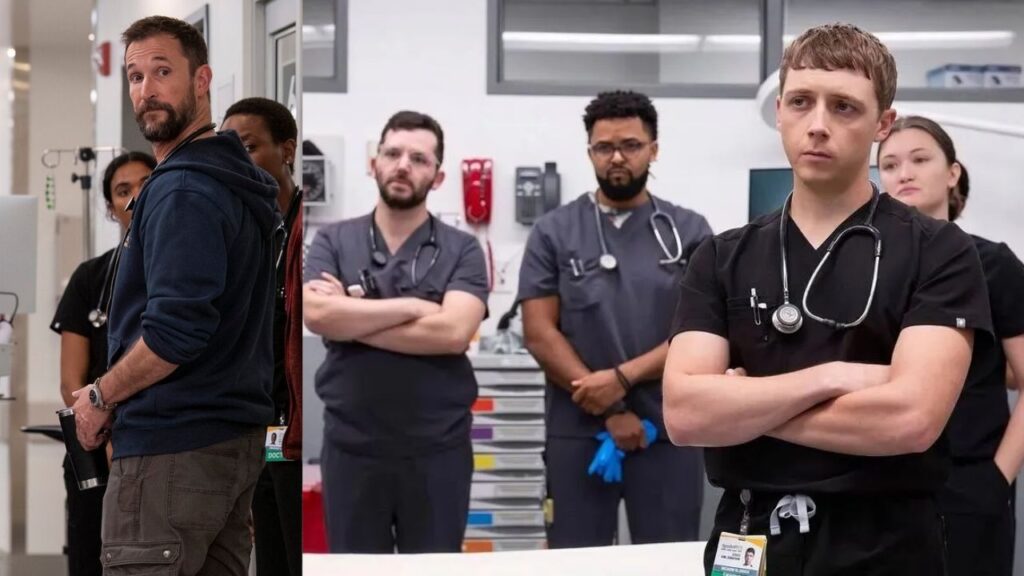
If you have been on social media at all recently, you probably know what “Anxiety TV” means. It’s a genre characterised by the non-stop, nail-biting tension of The Bear or Industry. But as we look ahead to January 2026, the undisputed king of this category is making a comeback: Max’s breakout medical hit, The Pitt Season 2.
Having dominated the 2025 Emmys — including a well-deserved Lead Actor win for Noah Wyle — the series prepares for a second season that promises to be even more powerful than the first. Here’s why The Pitt is the consummate post-pandemic drama and what to expect when the next shift starts.
Though the showrunner (Wells), executive producers (R. Scott Gemmill), and lead actor (Noah Wyle) from the legendary series ER have all come back to play a part this is a completely different animal. It’s not nostalgic, it’s raw and “real time” as it responds to a post-2020 healthcare system.
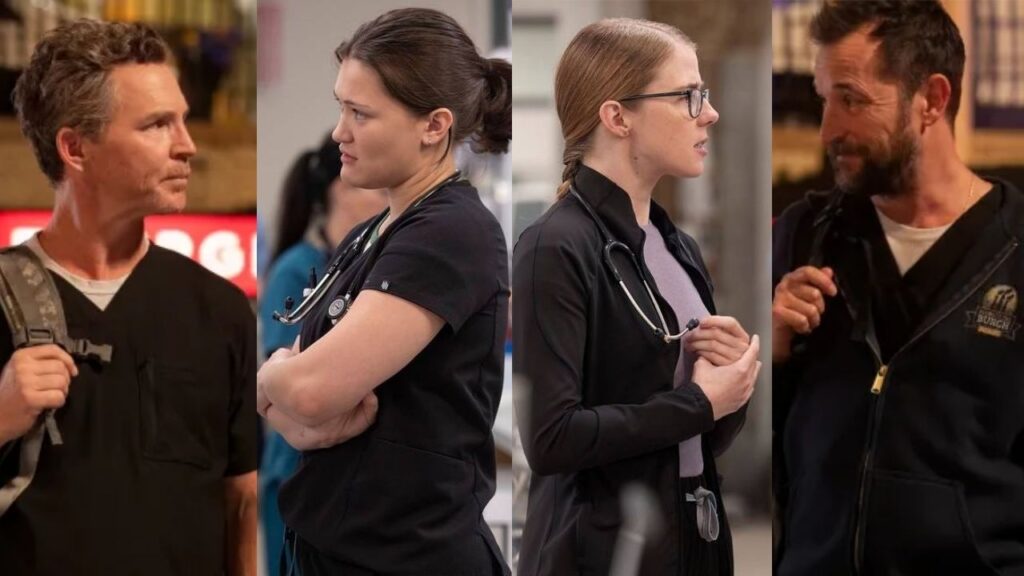
Noah Wyle has described the series as an “answered prayer” for the industry — a way to move beyond the “superhero” mythos of old med shows to examine how “moral injury” and burnout affects today’s frontline healthcare providers.
This is no mere hospital drama, it is a documentary-style takedown of the American safety net.
Season 2 (airing January 8, 2026) follows 10 months after the end of Season 1 with us now in the midst of a Fourth of July shift. But the boom isn’t the only issue.
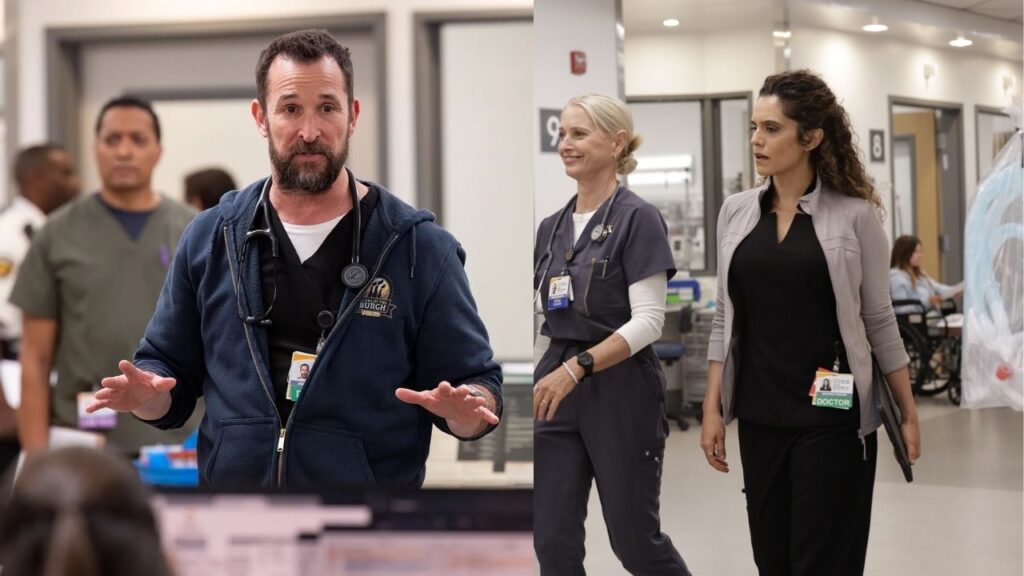
In a chillingly believable development, a cyber-attack necessitates the hospital to “go analog.” A modern ER without computers:
The PITT aren’t afraid to put in the headlines. This season plunges full tilt into the consequences of fictional federal Medicaid cuts (the “Big Beautiful Bill”).
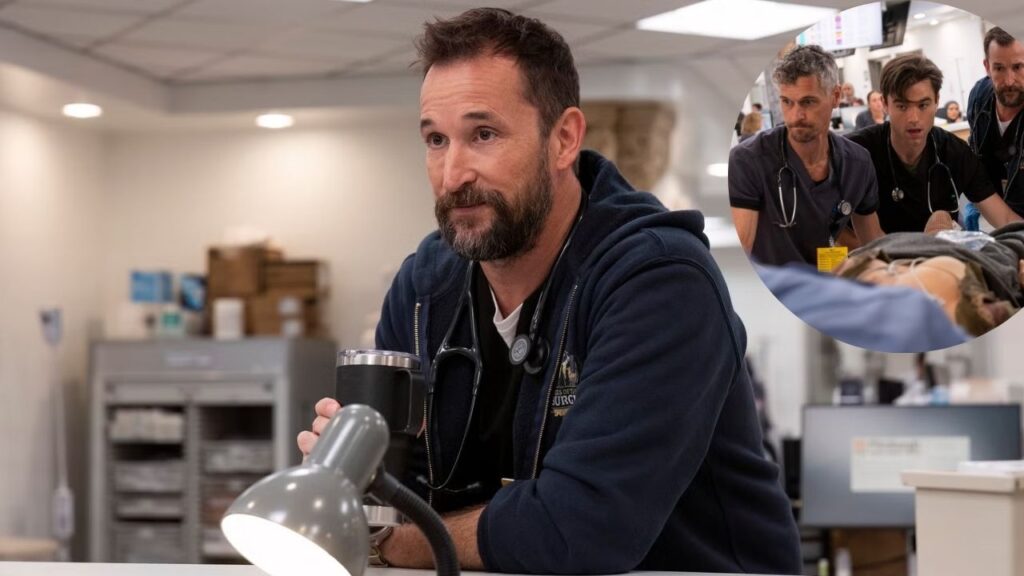
This is not supposed to be partisan; it’s just the logistical reality of the ER being the provider of last resort. When you cut out social services, the trauma center is the last place you have left to send people. —- Executive Producer John Wells said
It’s a daring narrative turn that lifts the series from a workplace drama to a work of urgent social comment.
Read More 👉 Oscar 2025 Shortlist Revealed: Best International Film Nominees
| Actor | Character | Role |
| Noah Wyle | Dr. Robby Robinavitch | Facing burnout; eyeing a “sabbatical.” |
| Sepideh Moafi | Dr. Baran Al-Hashimi | New regular; a metrics-driven foil to Robby. |
| Patrick Ball | Dr. Frank Langdon | Returning to triage after 30 days in rehab |
| Taylor Dearden | Dr. Mel King | Fan-favorite neurodivergent resident |
What really distinguishes The Pitt is its “No Music” rule. No violins descend on cue to prod you to sadness and no drums are summoned to stoke tension. The mood is conveyed all through the sounds of monitors, footsteps, and people’s breath. This dedication to accuracy—along with a wide new emphasis on Respiratory Therapists and Nurse Practitioners—indicates a production team that actually takes heed of real-world healthcare pros.
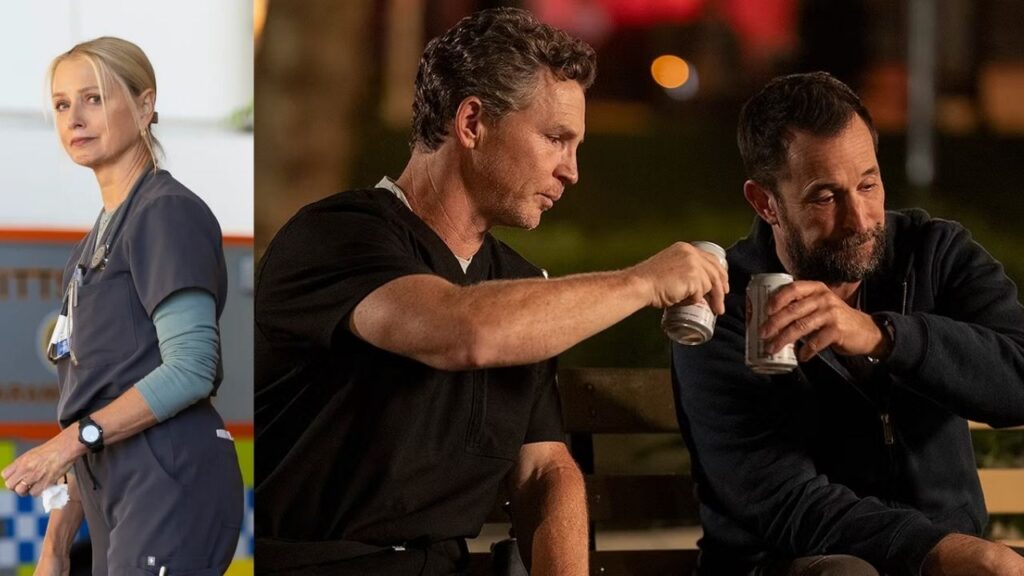
So, the showrunner of The Pitt is premiering some episodes from January 8, and The Pitt is no longer just a “doctor show.” It’s a mirror held up to our present world, showing that even in the midst of systemic collapse, there is still humor, dignity and a desperate, beautiful heart.
The Pitt Season 2 in 2026 not for comfort watching, but for a raw, panicked portrayal of contemporary healthcare. With its stripped-down realism, political commentary, and emotionally spent characters, the show demonstrates that it’s not just a medical drama — it’s a reflection of a system in crisis, and the people who continue to keep it.
Fandomfans is a platform where you can get the latest updates on the high rated shows, our goal is to provide accurate details in easy conclusion.