Home > Movies > Galactus and Lady Death: The Collision That Could..
Galactus and Lady Death: The Collision That Could Redefine the MCU Forever
Learn how Galactus and Lady Death could reshape the MCU with a cosmic Gothic era leading to Secret Wars, redefining Marvel's future beyond traditional villains.
If you feel the Marvel Cinematic Universe (MCU) was a bit all over the place lately, well, you’re not alone. With multiverse shenanigans, quantum realms and whatnot, things have become a bit messy. But there’s a pattern if you look at the Phase Six schedule along with Fantastic Four: First Steps and the latest spoilers in Agatha All Along. Marvel is turning its back on political thrillers and sci-fi brawls to focus on high-concept metaphysics and passion plays.
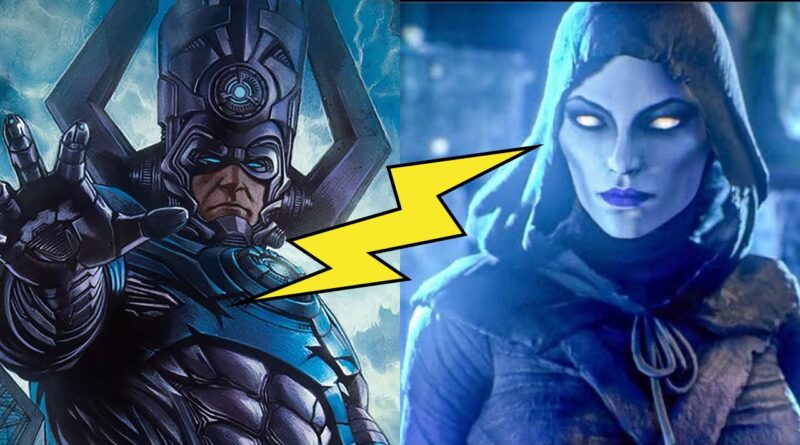
The two players at the center of this shift? Galactus, the Devourer of Worlds, and Mistress Death, now unveiled as the fierce and compelling Rio Vidal.
Casual fans might view them as two separate “Big Bads” (the first a sci-fi giant, the second a supernatural weird witch), but comic history and deep lore reports tell us they are really the “parents” of the next cosmic saga. If you want to know why their eventual encounter is going to change everything, read on!
Galactus & Death is More Than Just Villains
In order to understand why this matters, we need to examine the source material. Comics-wise, particularly the legendary Fantastic Four — the relationship of Galactus and Death is described in terms that boggle the mind.
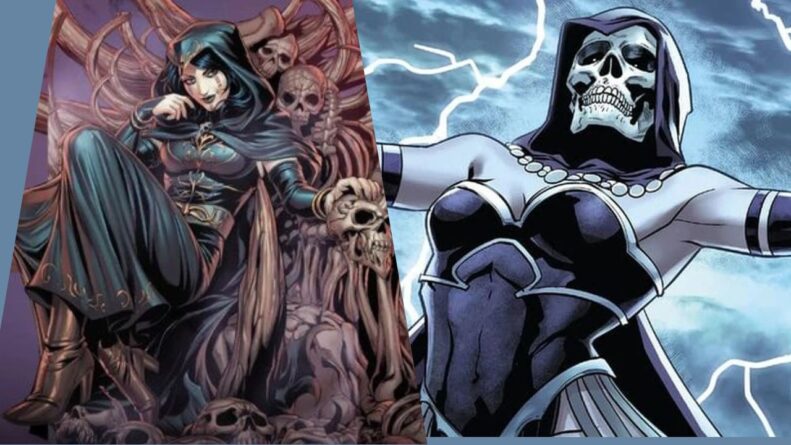
Death refers to Galactus as her “husband and father, brother and son.”
It seems like a contradiction, but it’s a statement of cosmic truth. They’re not enemies; they’re symbiotic. Galactus is the “Great Filter” of the universe. He isn’t randomly demolishing worlds because he’s malevolent; he’s doing it to tend the cosmic garden, so that life does not turn into a cancer on the face of existence.
Image credit: Fandomfans
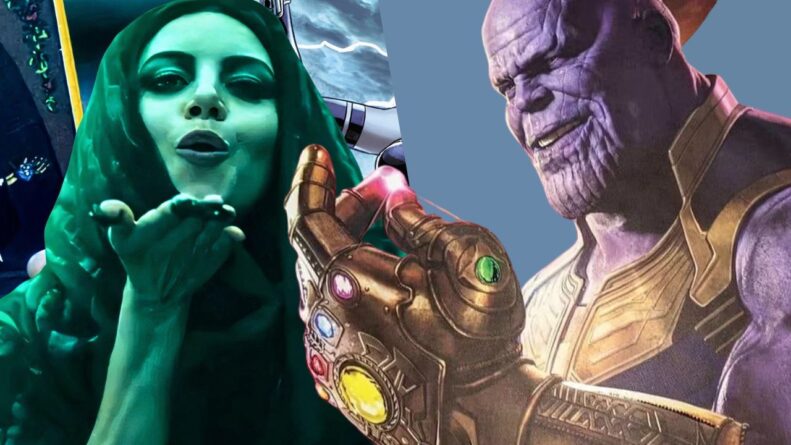
He makes the nutrition that feeds Death’s being. In an eternal, symbiotic dance, his job is to create and hers is to eat. They form a deep, quasi-sacred union, vastly more complex and profound than Thanos’s adolescent crush on Death that can best be described as a momentary juvenile fantasy.
The “Cosmic Gothic” Aesthetic
The MCU seems to be aiming for a particular aesthetic in this union: “Cosmic Gothic.” For one, we’ve got Ralph Ineson cast as Galactus. Known for his bone-chilling, folk horror work in The Witch, Ineson lends a weight that implies that Galactus will be more of an Old Testament god than a mechanical antagonist.
Image credit: Fandomfans
Then there’s Aubrey Plaza’s Rio Vidal. Rather than being the quiet skeleton featured in the comics, Plaza’s Death is loquacious, possessive, and chaotic. She is rooted in “Green Witch” tradition, seeing death as a natural return to the earth. When you combine Ineson’s golden, high-tech horror and Plaza’s rotting, totemic witchcraft, you end up with a cinematic mood we’ve never seen in Marvel.
The Franklin Richards Sparks This Theory
So how do they come together? The latest rumors about The Fantastic Four: First Steps suggest a particular catalyst: Franklin Richards.
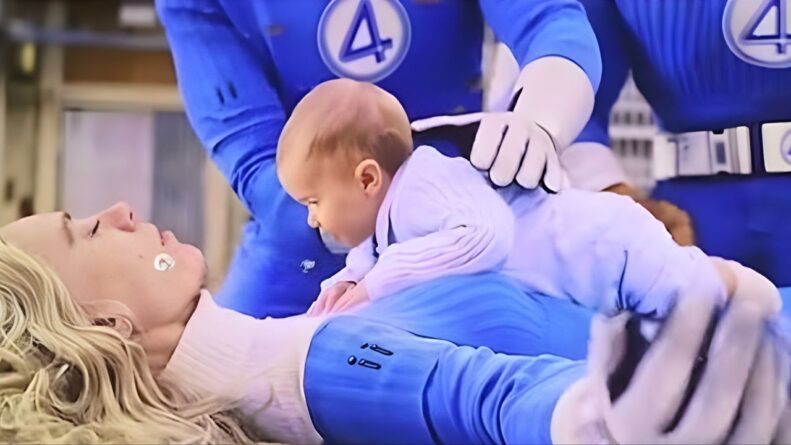
Galactus is arriving on Earth not for a bite but to enslave the reality-warping son of Reed and Sue Richards as a long-term power source, according to leaks. The speculation is that Sue Storm dies to stop Galactus and then that Franklin uses his god-like powers to bring her back to life.
Image credit: Youtube
This is where Rio Vidal enters the chat. As established in Agatha All Along, Rio hates when people cheat death. If Franklin tears a soul back from her domain, he is an enemy of nature. So you’ve got a really interesting three-way battle forming here: Galactus wants the boy for energy, Death wants the boy stopped for violating her rules, and the Fantastic Four are in the middle.
From Fantastic Four To Secret Wars
In the end, the union of Galactus and Death is what leads to Avengers: Secret Wars. As the multiverse shatters through “incursions,” the universe requires a means by which to cull expiring timelines in order to preserve others. Galactus and Death are more than villains to beat up, they’re the cosmic immune system.
We’re beyond the age when heroes battled to save a city. We are now living in a time of modern mythmaking where the basic drivers of reality, Hunger and Entropy have faces, names and story lines. When Ralph Ineson’s Galactus and Aubrey Plaza’s Death at last share the screen, it won’t just be a crossover, it will be the pulse of the new Marvel Universe.
Lady Death and Galactus are far from just two scary forces – they are the core of what Marvel’s next cosmic era is going to be. Their clash lays the groundwork for a deeper, darker and more mythic MCU, one in which the fabric of reality bends, souls are traded, and the heroes we know go toe-to-toe with adversaries older than time itself. If Marvel honestly commits to this “Cosmic Gothic” era, the MCU could finally begin telling the ambitious, cohesive stories fans have been clamoring for.
Fandomfanskeep your energy exciting with your favorite movie characters’ breakdowns of the biggest moments in movies, TV, and pop culture.
Mariyam
Articles Published :
76
Mariyam Khan is Fandomfans Content Writer and providing reports and reviews on Movie Celebrities, and Superheroes particularly Marvel & DC. She is covering across multiple genres from more than 4+ years, experience in delivering the timely updates.
There is no question that 1999 was a blockbuster year for movies, with countless groundbreaking films that have defined popular culture. Here is 90s Movies List from the mind-boggling visual effects and philosophical musings of The Matrix to the shattering shock and surprisingly heartfelt emotional payoff of The Sixth Sense and the ferocious, anarchic spirit of Fight Club, each movie redefined the genre it was working in and spoke to its own particular audience. It was also a year in which directors and producers took a few chances and the final fruits of their risky labors continue to be enjoyed more than 25 years later. Truly, 1999 set a high bar for what cinema could be.
Why 1999 Changed Everything
The last year of the last century was more than just a date on a calendar. It was a tectonic shift in Hollywood: the old guard of cinema collided with a new class of filmmakers who didn’t aren’t run the rulebook. Stanley Kubrick and Steven Spielberg still commanded respect (along with the likes of Francis Ford Coppola and Martin Scorsese), but a new generation was emerging — Spike Jonze, Sofia Coppola, M. Night Shyamalan, David Fincher, Paul Thomas Anderson — and rewriting what a movie could be. The year seemed like the zenith of everything the 1990s had been building toward — indie films gaining mainstream legitimacy, blockbusters getting smart, and moviegoers revved to engage with difficult, out-of-the-way tales.
And there was something else in the cultural air that year. The approaching millennium, and the year 2000, or Y2K, brought with it a sense of collective existential dread that many filmmakers sought to channel— albeit while celebrating the liberating spirit of the past. The upshot: it was a year that not only produced fine films, but fine films of, it seems, every possible genre and style.
Best 90s Movies List That Defined 1999
1. The Matrix
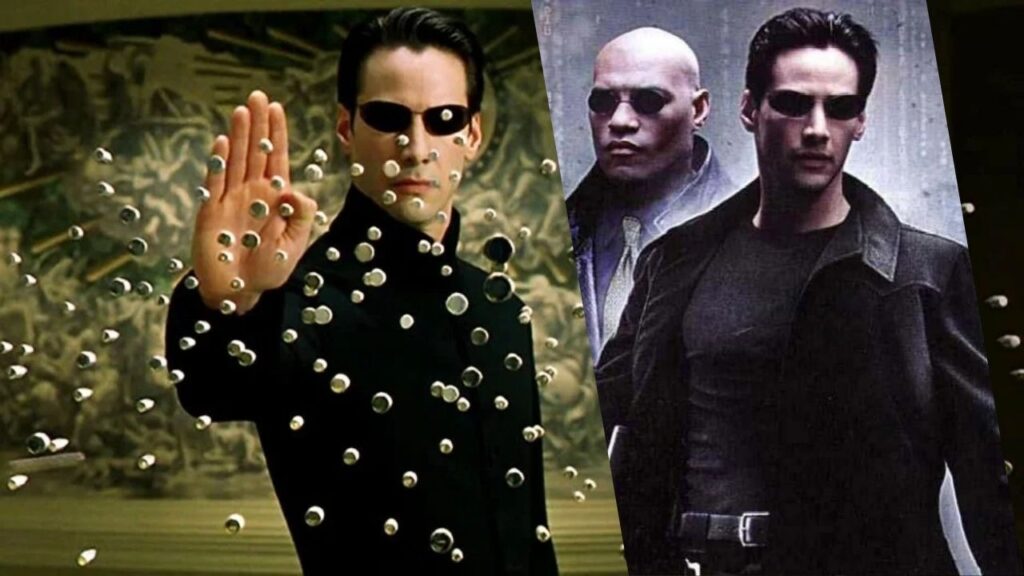
When the Wachowskis’ The Matrix opened in March, they hadn’t simply made a movie — they’d changed the language of action cinema forever. Featuring revolutionary “bullet-time” visual effects and questions about the nature of reality, kung fu, science-fiction, and existential philosophy, The Matrix was like nothing anyone had seen before.
Keanu Reeves’ quietly assured turn as Neo has become iconic, with Laurence Fishburne and Carrie-Anne Moss also excellent. The film made $466 million worldwide and continues to inspire filmmakers today. What was remarkable wasn’t just the new technology — it was how that new technology allowed for the expression of high-level ideas about free will and reality that were easy to grasp.
2. The Sixth Sense
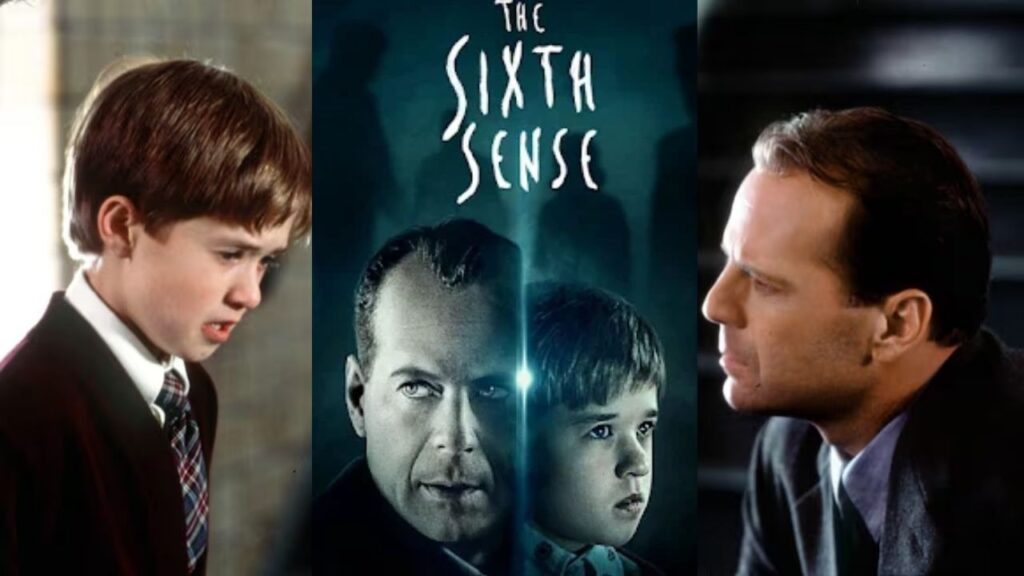
M. Night Shyamalan made a striking debut with a psychological thriller that turned into a cultural touchstone. Bruce Willis, making a bid for dramatic respectability, was a perfect match for nine-year-old Haley Joel Osment in a movie that was really just a series of linked ghost tales. The movie’s legendary twist is one of film’s best kept surprises — an ending that rereads everything you’ve seen.
But the most important thing about the twist is that it didn’t come off as a cheap trick – it is earned, powerfully, through carefully-crafted screenwriting and emotional veracity. The Sixth Sense grossed $672.8 million worldwide to be the second-highest grossing film of 1999, and it still holds up as a tender thriller that’s all in suggestion, not blood.
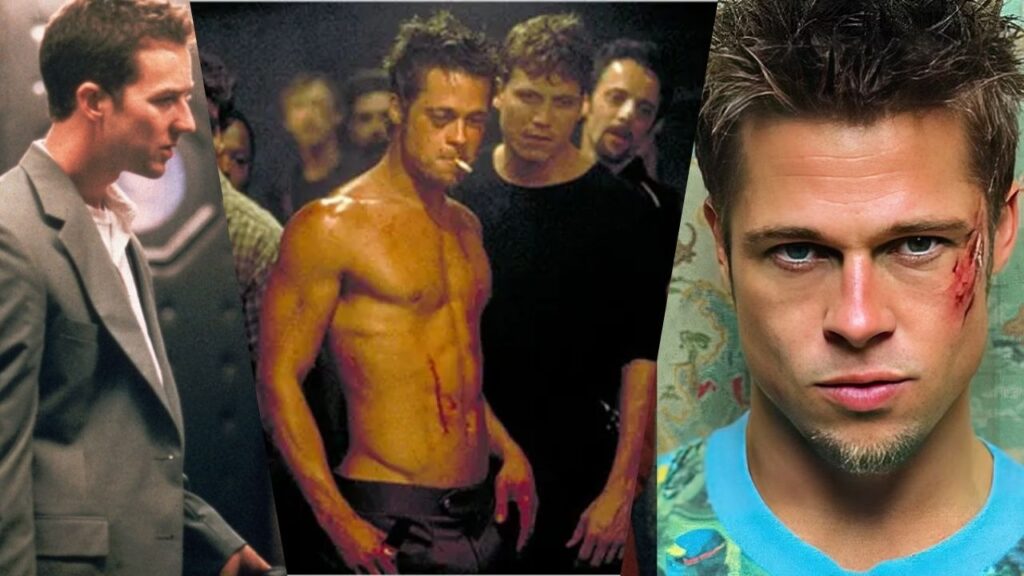
3. Fight Club
David Fincher’s adaptation of Chuck Palahniuk’s novel was not only one of the most violently thought-provoking movies of the year. It was, paradoxically, one of its most rewarding experiences. What is discomfiting at first becomes addictive at second, third, and even fourth viewings. As the insomniac, crumbling narrator Edward Norton struggles not to fall under the spell of charismatic Tyler Durden, Brad Pitt dive bombs into a ferocious satire of consumerism, fragmented masculinity, and contemporary rebellion.
That film’s twist is quieter and morally ambivalent, and works by revealing a narrator’s split mind. With an IMDb rating of 8.8, Fight Club has risen above the backlash that it received at its release and has been seen as a film of true artistic merit masquerading as mindless entertainment that causes conversations about meaning and social critique.
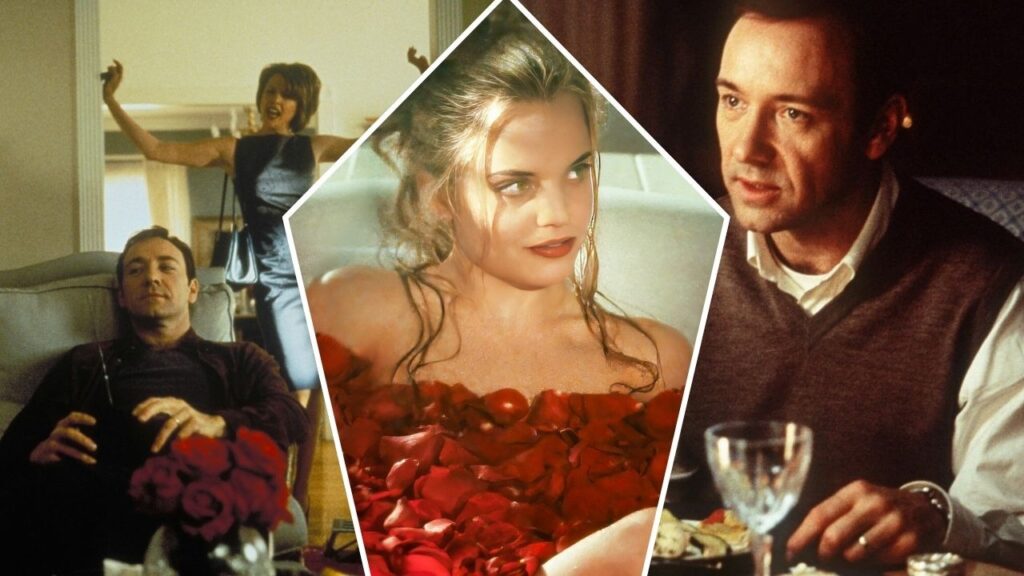
4. American Beauty
Mendes (Bond) debuted behind the camera on features with the year’s Oscar darling, taking home five Academy Awards, among them Best Picture and Best Actor for Kevin Spacey. Darkly satirical about suburban American culture, the trend was immediately established – Mendes and screenwriter Alan Ball were revealing the emptiness behind Middle America’s perfectly trimmed lawns.
It was one of the rarest of things in Hollywood: a critics hit that also became a box office giant, raking in more than $350 million on an unassuming $15 million budget. That’s not to say that the film’s reputation hasn’t been reconsidered in recent years, though its impact on cinema is certainly undeniable.
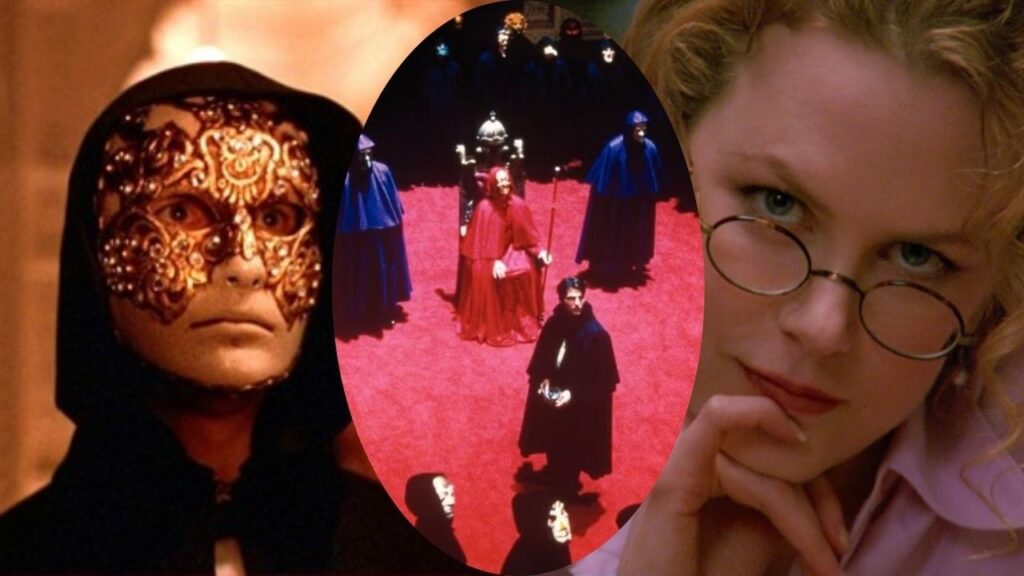
5. Eyes Wide Shut
The last film of Stanley Kubrick was meant to be his big comeback. What the viewers were offered was something much richer: a relationship drama hiding behind the trappings of a thriller, a farcical, sexual black comedy, and a reflective film on marriage and desire.
Tom Cruise and Nicole Kidman gave raw performances, and Kubrick’s obsessive direction turned a well-worn story line into something truly disturbing and thought-provoking .
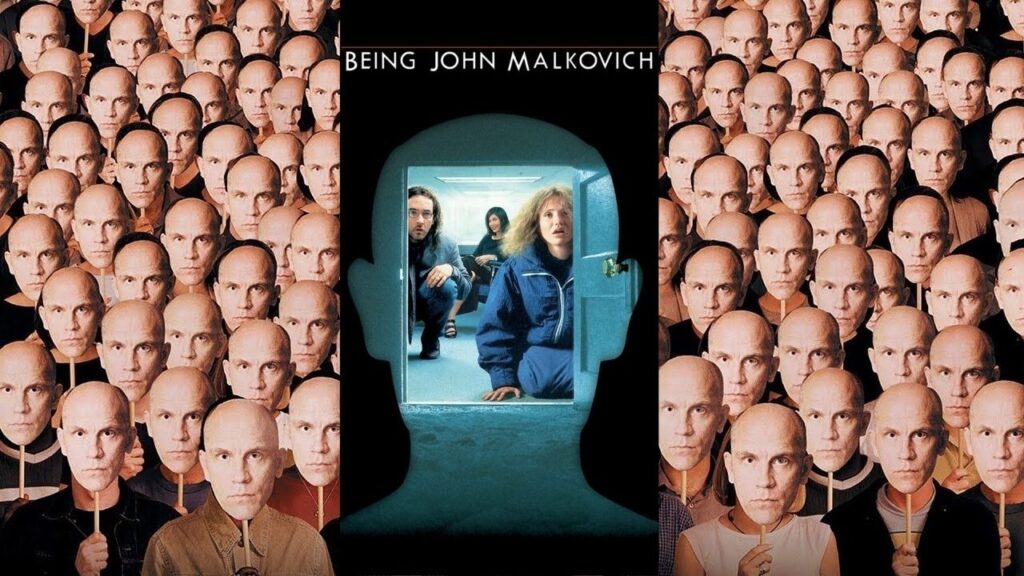
6. Being John Malkovich
Spike Jonze’s first feature film’s concept, a portal into the thoughts of actor John Malkovich might have been a novelty, but Jonze uses it to examine identity, obsession and the nature of consciousness itself. Cameron Diaz, John Cusack, and Catherine Keener give surprisingly profound performances in what easily could have been a straightforward comedy.
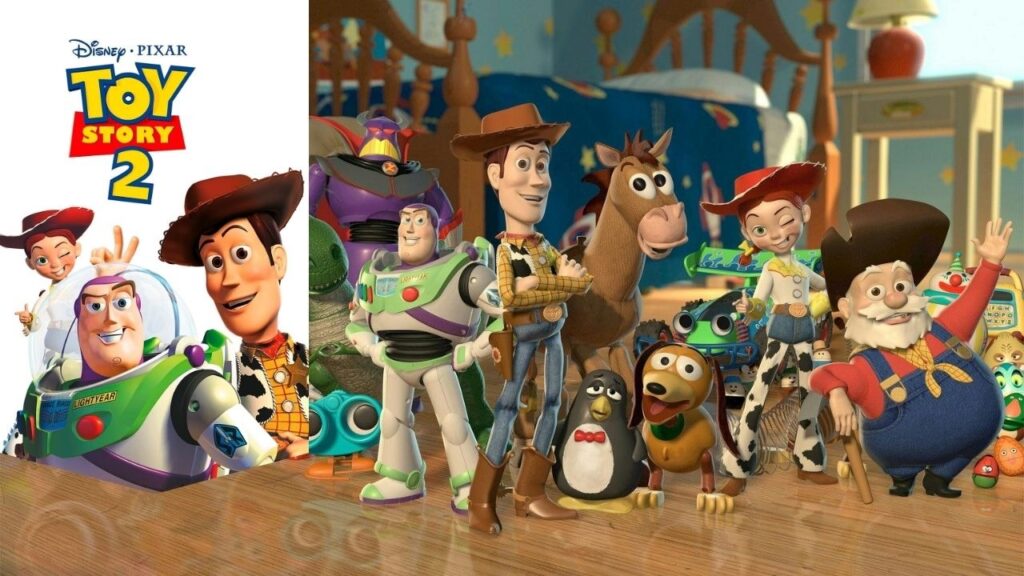
7. Toy Story 2
Toy Story 2 showed that animated sequels could say something artistically, rather than just being financial grabs. It helped establish Pixar as a studio that treats its adult intelligence and emotions—and it remains one of the most powerful films in Pixar’s entire library.
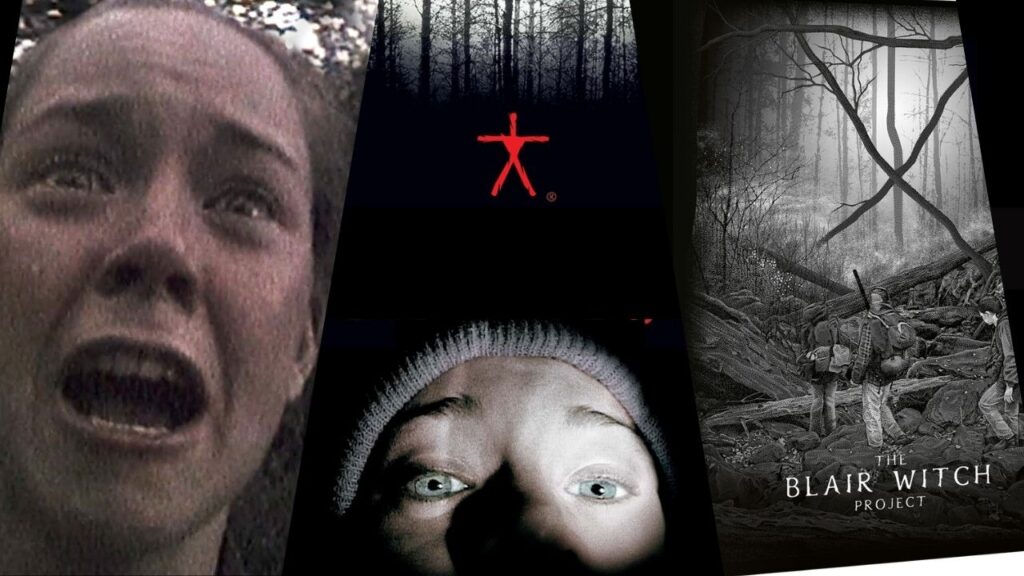
8. The Blair Witch Project
When it hit theaters in 1999, it revolutionized the horror genre with its use of found-footage style narration, minimal production costs, and a genius marketing strategy that obscured fact and fiction.
The Blair Witch Project become the excessive horror which success demonstrated that people could be entertained simply by a story and a mood, without elaborate special effects or movie stars.
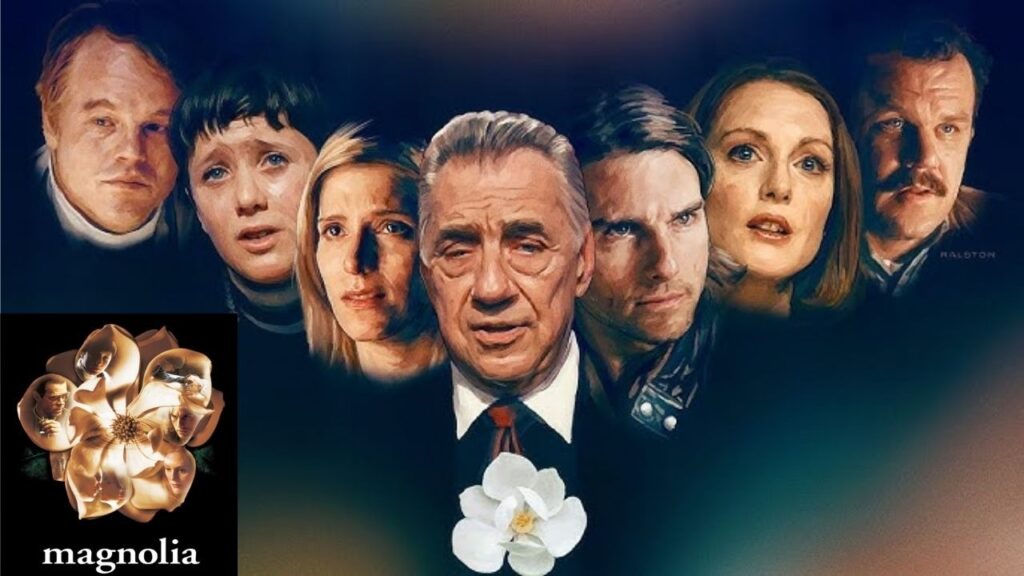
9. Magnolia
Magnolia interlaces a number of connected stories throughout the day and night. At its heart, the film is about guilt, forgiveness, regret, trauma, coincidence and connection between people. The various characters’ lives intersect in small (and occasionally stunning) ways, leading up to one of the most-discussed finales in contemporary film.
Magnolia is now considered a cult classic, and is often regarded as one of the best films of 1999 and one of the best ensemble films ever. It’s flawed and difficult, and so human — all of which is why it continues to provoke discussion more than twenty years on.
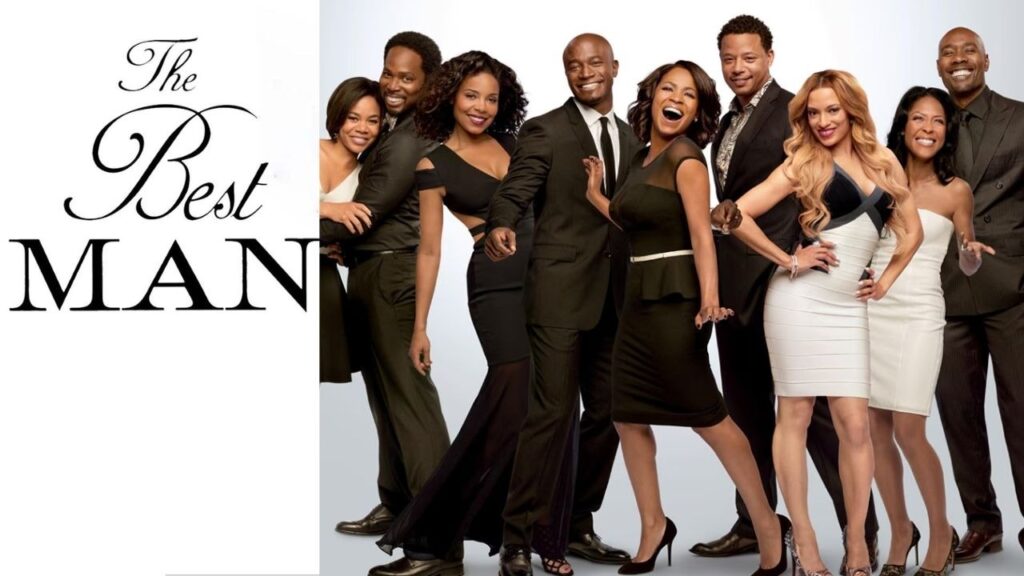
10. The Best Man
The “Best Man” (1999), directed by Malcolm D. Lee, is a romantic comedy that rode the wave of popularity of the genre back then. With a predominantly Black cast, the movie is about a group of college friends coming back together for a wedding. Taye Diggs is a rising novelist whose latest book causes trouble — it’s a roman à clef that draws on their own lives.
Warm, funny and sexy, the film was a box office hit and managed to distinguish itself without crass commercial exploitation or without being too blatantly positioned as a “milestone” in Black representation. Executive produced by Spike Lee, who is also the director’s cousin, “The Best Man” continues to hold a treasured place in the romcom canon.
What is interesting is that 1999 itself was not universally hailed as the best year in the 90s Movies List. American Beauty took the Oscar, but Being John Malkovich was more highly lauded. Fight Club divided opinions upon its release. It was a long time before audiences and critics as a whole realized what they had experienced that year: They’d been treated to something extraordinary—an entire year in which the movies seemed vital, even dangerous, and endlessly inventive.
In an era when blockbuster culture reigns and original concepts have a hard time securing funding, 1999 stands as a powerful testament to what can be achieved. It was the year that arthouse brains met Hollywood brawn, when first-time filmmakers could become auteurs overnight, and when a movie didn’t have to come from a known property to become culturally significant. Looking back, 1999 was not just a great year for movies — it was the year that movies proved that they still mattered.
Dive into the world of 90s movie list with Fandomfans and get every detail from your movies, series and celebrity.
Mariyam
Articles Published :
76
Mariyam Khan is Fandomfans Content Writer and providing reports and reviews on Movie Celebrities, and Superheroes particularly Marvel & DC. She is covering across multiple genres from more than 4+ years, experience in delivering the timely updates.
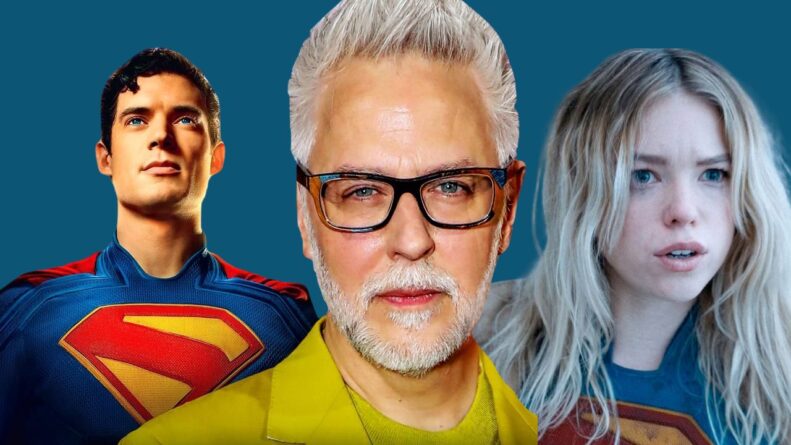
James Gunn Confirms: The Long-Awaited Supergirl Teaser Is Coming This Week!
James Gunn confirms a Supergirl teaser drops this week Millie Alcock is set to make her feature debut in the DC film, which is due in cinemas on June 26, 2026.
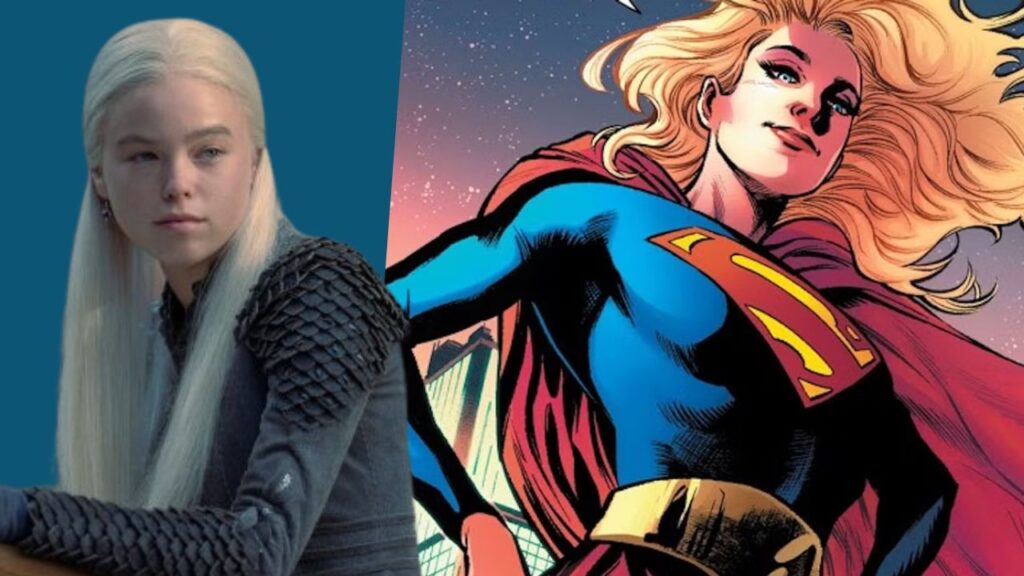
Now, the moment fans of the DC Universe have been waiting for is about to arrive. James Gunn, the visionary director and co-head of DC Studios, has just confirmed that the official Supergirl teaser trailer will be released this week. Following months of excitement after Milly Alcock’s shock debut in Superman, the Girl of Steel is ready to take centre stage.
The buzz surrounding this announcement is sky high. Ever since Alcock delivered that memorable cameo near the end of the Superman movie crashing into the Fortress of Solitude after flying on red-sun planets — fans have been begging for more. Her entrance immediately establishes the tone for a woman markedly different from her cousin, Clark Kent. Where Superman represents hope and positivity, Supergirl seems like a more layered, quixotic, even fascinating character.
Image Credit: Fandomfans
The “Look Out” marketing tag line is a pun on and a signpost to this departure from the “Look Up” Superman campaign, and it indicates that Kara Zor-El is the source of whatever new attitude is taking hold of the DC Universe.
Supergirl Release Date is Near
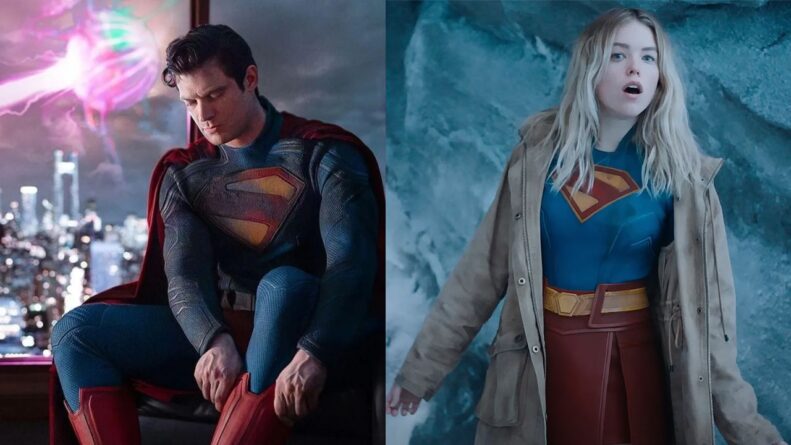
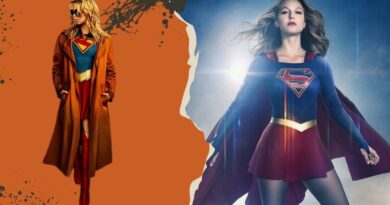
Gunn’s confirmation comes after a massive bombshell at WB’s CCXP25 where they previewed fans with Supergirl’s official costume as the world is built with themed vignettes.
Image Credit: Fandomfans
The studio certainly went all out to drum up excitement for the next big chapter in the franchise. In releasing the teaser trailer this week they are also tapping into that buzz and making sure people are talking as we get closer to the film’s release on June 26, 2026.
Supergirl’s character herself makes this announcement all the more amazing
The character has long lived in the shadow of Superman, playing a secondary role for much of its existence. However this new version of Supergirl, based on the acclaimed “Supergirl: Woman of Tomorrow” story arc, will be about giving Kara Zor-El her own adventure. From director Craig Gillespie (I, Tonya) — who is also co-writing the script alongside Zach Dean — this one is being described as a space adventure with emotional impact and complexity. James Gunn has also previously teased that Supergirl will be a cosmic journey fans have never seen before.
The teaser trailer was originally posted on social media, offering fans their first look at Milly Alcock as Kara Zor-El. Alcock, who won hearts with her portrayal in House of the Dragon, offers a new angle to the role. When she was cast, Gunn himself praised her ability, saying he was “blown away” by her auditions and screen tests.
Image Credit: Fandomfans
With an amazing cast led by Jason Momoa as anti-hero Lobo, Matthias Schoenaerts, Eve Ridley and more, this movie has the potential to be something really special. The arrival of Krypto, Superman’s super dog, offers one more connection to the broader Kryptonian lineage being developed in this new DC Universe.
Conclusion
The announcement that the Supergirl teaser is coming this week is the DC Universe revitalization moment. Milly Alcock as a fearless, emotionally layered Kara Zor-El, and James Gunn at the helm of the grand creative vision – it’s clear this franchise is priming itself for a new tonal shift. Whether it’s the CCXP25 costume reveal or the “Look Out!” tagline, everything points to a character and a movie that wants to live outside of Superman’s orbit and find her own place in the cosmos.Supergirl: Woman of Tomorrow could be one of DC’s best defining cinematic moments yet.
Mariyam
Articles Published :
76
Mariyam Khan is Fandomfans Content Writer and providing reports and reviews on Movie Celebrities, and Superheroes particularly Marvel & DC. She is covering across multiple genres from more than 4+ years, experience in delivering the timely updates.