Home > Movies News > Oscar 2025 Shortlist Revealed: Best International Film Nominees
Oscar 2025 Shortlist Revealed: Best International Film Nominees
Oscar 2025 Shortlist Revealed Intl Feature Film Shortlist: 15 powerful global films, landmark debuts & groundbreaking cinema. from around the world. Learn more!
The shortlist for Best International Feature Film at the 98th Academy Awards is out, and what a lineup. The extraordinary year for international cinema is reflected in a selection that is truly outstanding. With 15 dazzling films from a wide range of countries and narrative traditions, the international category confirms just how far-reaching the cinematic language really is. From intimate character studies to grand historical dramas, these films address universal human experiences and offer unique cultural viewpoints.
History in the Making
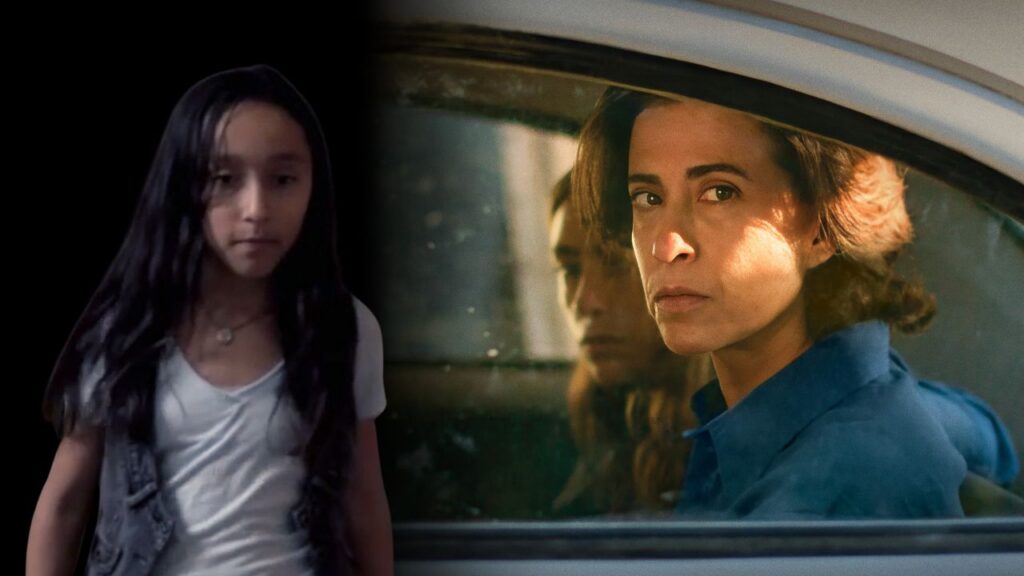
And what makes this year even more special is the presence of Iraq’s The President’s Cake among the shortlist – a first in the country’s history for a film to make it beyond submission. It’s a groundbreaking success that shows how cinema can cross borders and political barriers to bring the stories of countries voices that are often missing in global film talks.
In addition, Brazil’s “I’m Still Here” and France’s “Emilia Pérez,” have already done the unthinkable – Both are nominated for Best Picture in addition to their International Feature nominations.It’s the first year two non-English language films will be up for Best Picture, marking a monumental year for the way the Academy views foreign-language storytelling.
The Frontrunners: Stories That Demand Attention
“I’m Still Here” (Brazil) is still among the shrewdest bets, following an astonishing success path. Directed by Walter Salles and with the legendary Fernanda Montenegro (who is also joined by Fernanda Torres in the film) this political biographical drama centers on Eunice Paiva, a mother and activist struggling with the disappearance of her husband during Brazil’s military regime.
Image Credit: Fandomfans
Torres has already made history as the first Brazilian actress to ever receive a Golden Globe award in a performance category, shining an international spotlight on this intimate yet politically charged story.
“Emilia Pérez” (France) which continues to captivate with its daring mode of telling a story. Jacques Audiard’s Spanish-language musical crime film in which Karla Sofía Gascón stars as a Mexican cartel leader trying to flee and become her true self, with the aid of a lawyer played by Zoe Saldaña.
Image Credit: Fandomfans
Although it has divided audiences–praised for its direction and performances and mocked in Mexico for its cultural representations–its 13 Oscar nominations are proof that it shook the international film scene.
Intimate Dramas and Cultural Specificity
“Homebound” (India) grants a profoundly humanistic gaze upon two best friends as they navigate the cold structural realities of India. Set in present-day India, there is Ulrike Ottinger (Johanna d’Arc) and then Marty Scorsese attached as exec producer on this Karan Johar-produced NIRANJAN GHAYWAN-directed drama, employing Ishaan Khatter and Vishal Jethwa as Chandan, a Dalit, and Shoaib, a Muslim, who aspire to become police officers as a means to flee the the daily humiliation of caste/religious bias.
Image Credit: Fandomfans
Their hushed conversations while sitting on the riverbank could tell you all you need to know about friendship, solidarity, and a desire to transcend systematized oppression. What allows this film to resonate on a global scale is the way it manages to address the specific social issues in India, while telling a story that everyone can relate to when it comes to dreaming about “belonging.”
Image Credit: Fandomfans
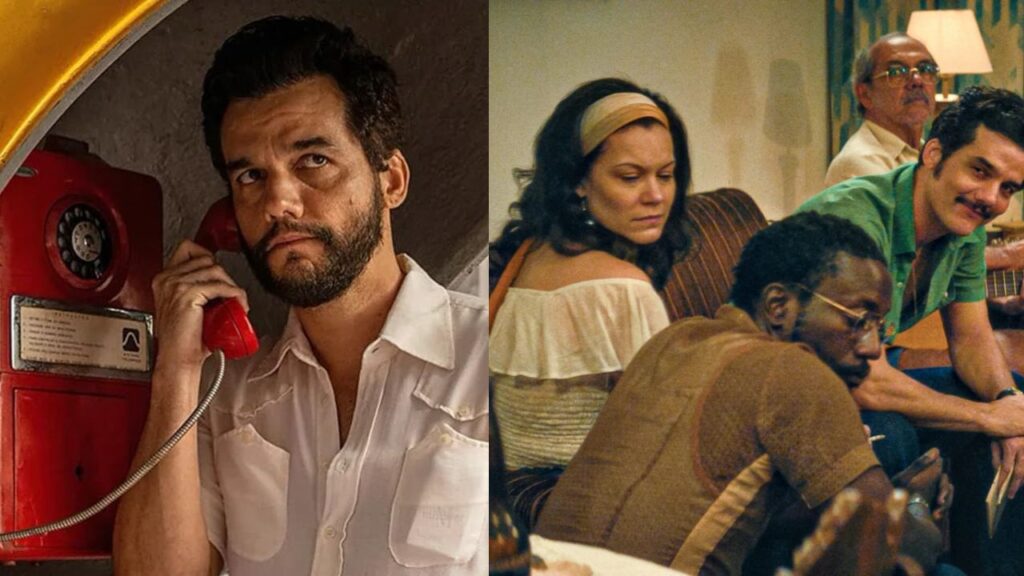
“The Secret Agent” (Brazil) however, presents a different side of Brazil’s historical trauma in the figure of ex-teacher Armando, living under the military regime in 1977. Starring Wagner Moura, this political thriller combines resistance, escape attempts and personal survival during one of Latin America’s bleakest eras.
Challenging Narratives and Intergenerational Stories
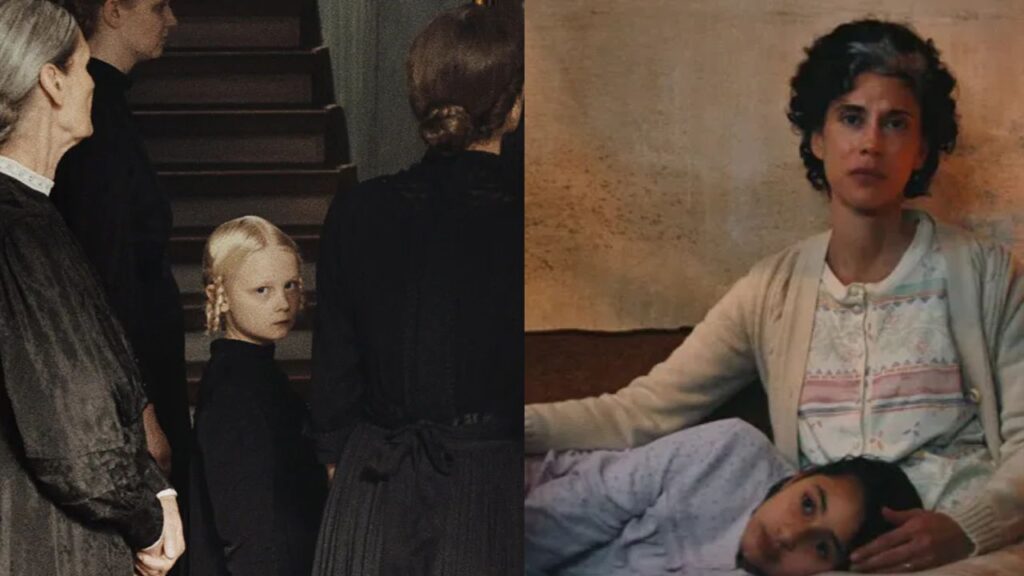
“Sound of Falling” (Germany) is a haunting reflection on history and inherited trauma. This German drama spans four generations of girls at a single farmstead in the Altmark region over the course of the 20th century – from before World War to the 21st century. In addressing guilt, abuse and national memory through the prism of rural family life, the movie asks how historical violence infiltrates families and landscapes.
Image Credit: Fandomfans
“All That’s Left of You” (Jordan)follows a single Palestinian family across seven decades as it endures displacement, resistance, and survival. Director and star Cherien Dabis infuses her own family’s generational trauma in this sweeping saga, which was filmed in four countries—in Palestinian refugee camps—after the October 7 escalation of conflict. It does not simplify, portraying how political violence impacts individuals even as it celebrates the resilience of collective life.
Diverse Perspectives and Universal Themes
“A President’s Cake” (Iraq) is lamia’s story, a nine-year-old girl who makes a desperate run in 1990s Iraq to collect the ingredients necessary for making the required presidential birthday cake. Against the setting of sanctions and dictatorship, the tone is at once darkly comedic and subtly explores issues such as childhood endurance, the ludicrous nature of authoritarian regimes and how far the human spirit can be pushed while living under oppressive conditions.
Image Credit: Fandomfans
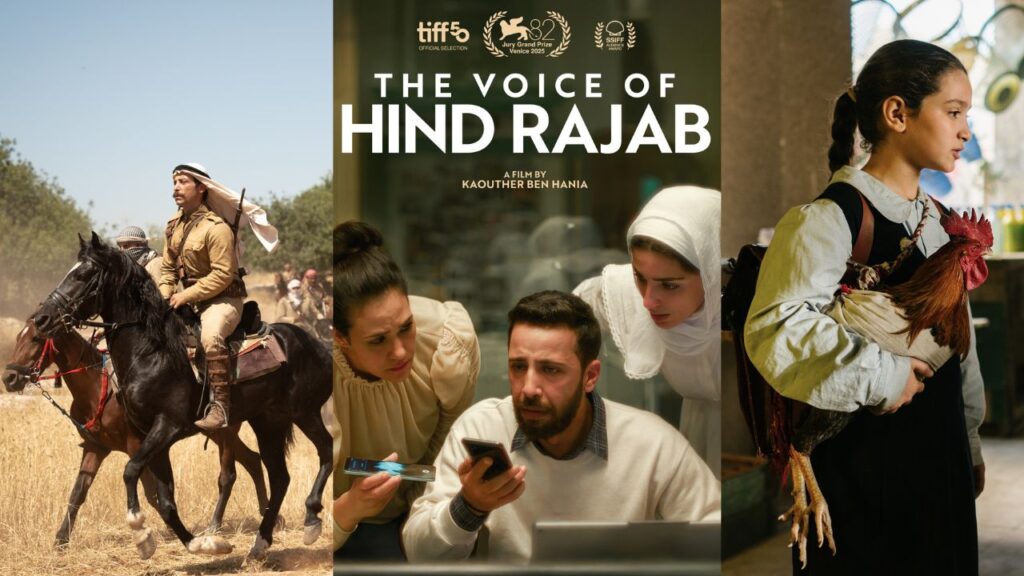
“Palestine 36” (Palestine), by Annemarie Jacir, returns to the 1936 Arab uprising against the British mandate, based on extensive archival material to follow Palestinian laborers and militants in the nascent stages of dispossession.
The Voice of Hind Rajab (Tunisia), a docudrama by Kaouther Ben Hania, investigates the death of five-year-old Hind Rajab at the hands of the Israel Defense Forces and the Red Crescent’s treatment of the incident. The film received the prestigious Silver Lion Grand Jury Prize at the Venice Film Festival, where it was said to have been greeted by the longest standing ovation in the history of the festival. From executive producers Brad Pitt, Joaquin Phoenix, Alfonso Cuarón, and Rooney Mara, this film is one of the most important in contemporary global consciousness.
Technical Excellence and Genre Variety
Late Shift | Image Credit: Fandomfans
“Late Shift” (Switzerland), by Petra Volpe, rethinks the hospital thriller from the perspective of an overburdened nurse, Floria, on a disastrous night shift. In a time when a global shortage of thirteen million nurses is predicted, this film has ignited policy dialogues across Europe while garnering unexpected box office success in German-speaking countries.
Kokuho | Image Credit: Fandomfans
“Kokuho” (Japan) is a groundbreaking achievement in Japanese cinema—smashing the domestic box office record for live action films with over $112 million. Set against this background, this sweeping drama, directed by Lee Sang-il and featuring Ken Watanabe, depicts a man who rejects his yakuza family roots to pursue a life as a celebrated Kabuki actor over the course of five decades. The film has been so successful that Tom Cruise himself introduced special Academy screenings.
Left-Handed Girl | Image Credit: Fandomfans
‘Left-Handed Girl’ (Taiwan) by Shih-Ching Tsou, with Sean Baker as co-writer and editor, is about a single mom and two daughters coming back to Taipei to run a noodle stall at a night market. Shot entirely on an iPhone, the film is a blend of intimate family portraiture and cultural specificity that was met with universal critical praise and garnered awards at several international film festivals.
Stories of Justice and Resistance
Belén (Argentina) | Image Credit: Fandomfans
Belén (Argentina), from the director and lead Dolores Fonzi, is based on the real-life struggle of lawyer Soledad Deza to win the release of Julieta, a woman who was thrown behind bars in a nation with notoriously complicated abortion laws after suffering a miscarriage. This courtroom drama sparked women’s rights activism in Argentina and has relevance in global conversations on reproductive justice.
“No Other Choice,” spearheaded by Park Chan-wook, is a darkly comedic thriller adaptation of Donald Westlake’s The Ax. The plot chronicles the life of an unemployed man who turns to killing as a way to get a job. With Lee Byung-hun and Son Ye-jin, it is Chan-wook’s highest grossing film opener in South Korea. The film deals with themes of hopelessness, class stratification and modern capitalism’s brutal realities, and continues the tradition of questioning these issues in entertaining and intellectually challenging cinema.
Sirât (Spain) awarded the Jury Prize at Cannes Film Festival – narrates the story of a father and a son in pursuit of the man’s kidnapped daughter in the arid lands of southern Morocco. Soon a personal mission is transformed into an end-of-the-world trek when global warfare breaks out, weaving family drama with science-fiction filmmaking.
What These Fifteen Films Reveal About Global Cinema
The International Feature category lineup for 2025 shows that filmmakers from around the world continue to boldly confront their nations’ most complicated histories, social issues and current crises. These films resist simplifications, instead they dwell with an ambiguous, traumatized, and resilient population confronting the seemingly impossible.
Even if their ambition is modest, by focusing on characters or making sweeping historical narratives, specific cultural contexts or universal strings, all the 15 films bring us vision why international cinema should matter, it is a window into how people from the different parts of the world experience love, loss, justice and hope.
Conclusion
The bizarre, darkly comic human story telling of Jia Zhangke, Ida and The Good Boss among other illustrious contenders on the Oscar 2025 International Feature shortlist point to a boom year for world cinema, with provocative films, historic firsts and non-English language productions all firmly at the heart of the Academy discussion. These films demonstrate that compelling storytelling has no nationality, and that international filmmakers are defining the future of cinema.
As the Academy pares down this shortlist to five nominees in the weeks ahead, audiences around the world have been bestowed an extraordinary gift: a handpicked group of vital contemporary films that insist on being seen and heard.
Fandomfans gives a quick overview of the Oscar 2025 Best International Feature Film shortlist, focusing on their deep storyline and performance.
Mariyam
Articles Published :
76
Mariyam Khan is Fandomfans Content Writer and providing reports and reviews on Movie Celebrities, and Superheroes particularly Marvel & DC. She is covering across multiple genres from more than 4+ years, experience in delivering the timely updates.
Johnny Depp Returns to Hollywood With a Dark Gothic Comeback
Johnny Depp has made a powerful return to Hollywood with the dark Gothic reimagining of A Christmas Carol, marking a major comeback in his acting career.
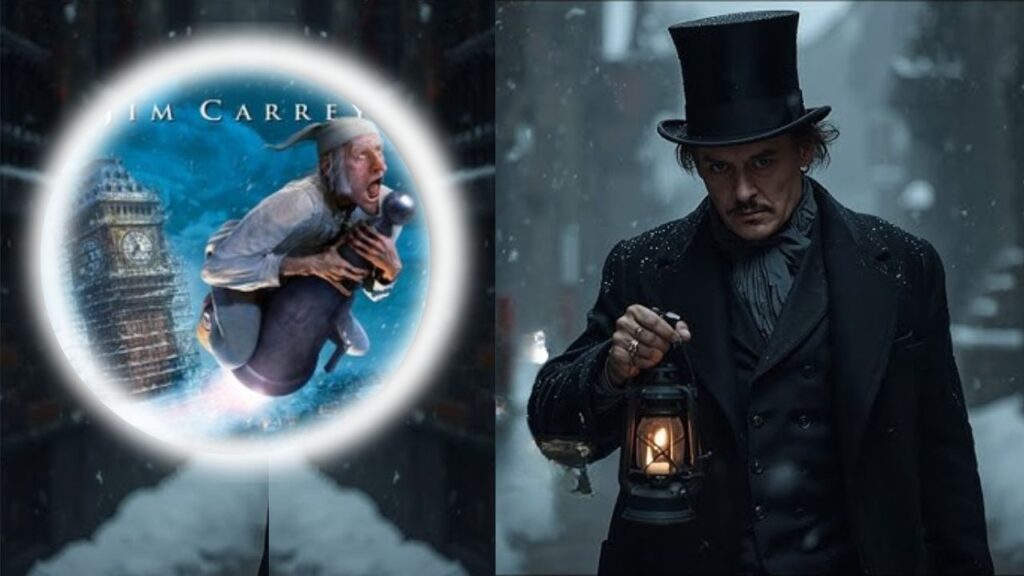
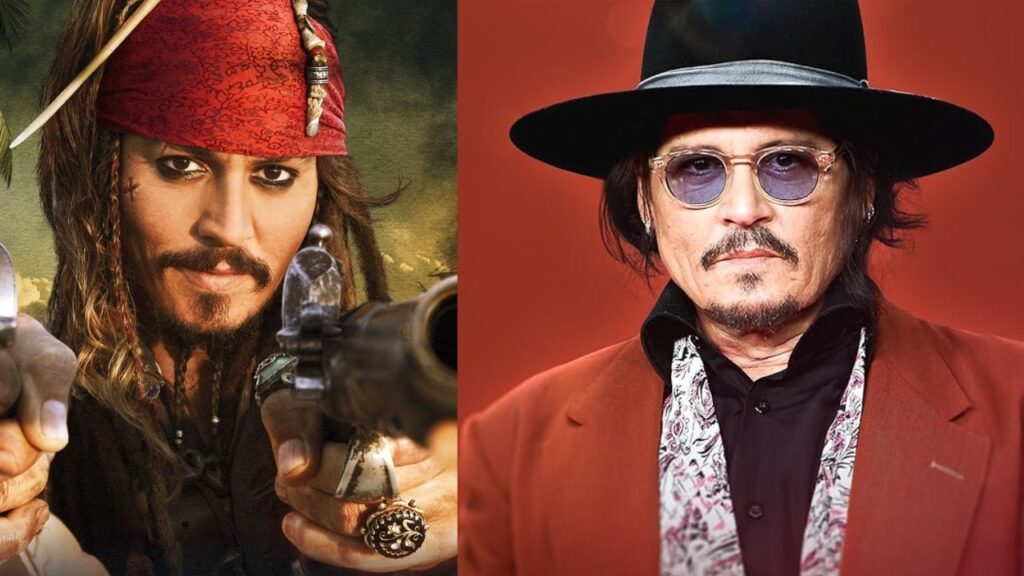
In the world of Hollywood, nothing is more seductive than a comeback. For Johnny Depp, that moment has now come at a grand scale. The actor’s evolution from European art house cinema to a big studio production such as Paramount’s “Ebenezer: A Christmas Carol” is a remarkable twist in his career, combining his artistic roots with broad commercial appeal.
Set for theatrical release on November 13, 2026, the movie claims that it’s a “riveting, terrifying reimagining” of Charles Dickens’ 1843 classic novella. This version explores the eerie supernatural origins of the traditional tale and turns it into a thriller ghost tale somewhat reminiscent of more traditional holiday the theatre narratives.
A Darker Shade of Scrooge
From Ti West, the visionary behind the acclaimed atmospheric horror gems X, Pearl, and MaXXXine, comes this take that is sure to be a “technicolor nightmare.” West’s talent for infusing psychological terror into period pieces makes him the ideal auteur to reimagine Victorian London as a desolate, alien, and horrifying place.
Image Credit: Fandomfans
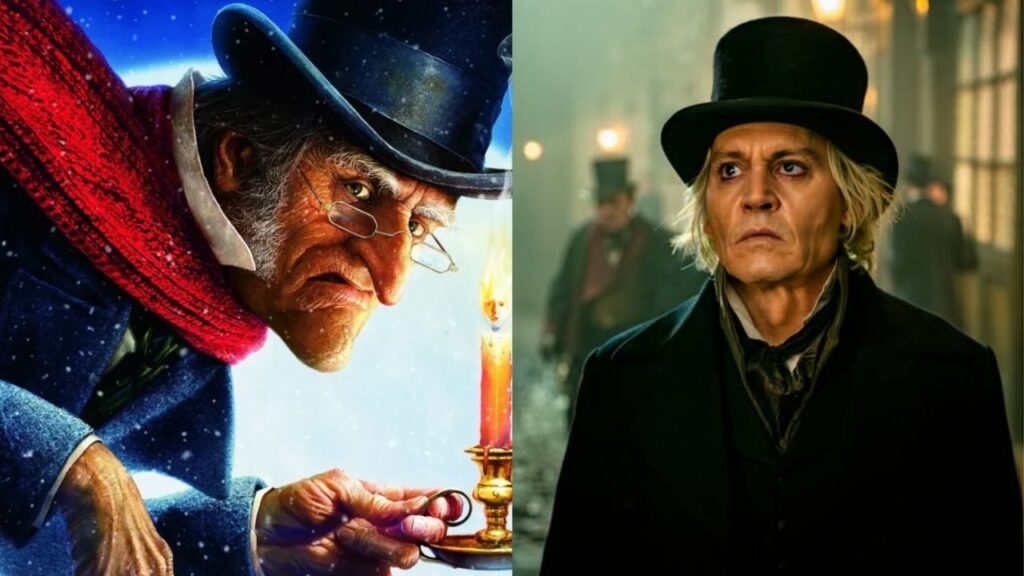
Depp is set to take on the role of Ebenezer Scrooge, a character he has been a longtime fan of, particularly Alastair Sim’s 1951 version. But sources say Depp has a “different angle” in mind, emphasizing the internal haunting rather than the external, and the emotional heft of a “night of reckoning.”
The Powerhouse Ensemble
Paramount isn’t just banking on Depp’s “bankability”; they’ve surrounded him with a “who’s who” of franchise royalty that it will surely cover all demographic bases.
Rupert Grint (Harry Potter): as Bob Cratchit. After his chilling turns in Servant, Grint will be bringing a more nuanced, possibly even desperate, version of the struggling clerk.
Daisy Ridley (Star Wars): In an undisclosed high-profile role (rumors are that she’ll be playing Belle, Scrooge’s lost love).
Sam Claflin (The Hunger Games): With Depp for the first time in three years. There’s minutes’ with Don.
Andrea Riseborough: The Oscar nominee lends her transformative presence in some of the film’s moodier moments.
The timing of this release is a lesson in studio politics. Releasing in mid-November, Paramount sidesteps the December “family film” stampede and gives this supernatural thriller a chance to build a long-term presence on the box office. It also makes Depp’s return perhaps the key event of the 2026 awards season.
Image Credit: Fandomfans
Strangely, this will set up a “Scrooge Showdown,” as Warner Bros. is said to be working on its own shadowy version with Robert Eggers (The Witch). Yet with West’s gift for “elevated horror” and a screenplay by Nathaniel Halpern, Paramount takes the bait as the “thriller” audience to catch.
The “Meta-Redemption” Narrative
The story of Ebenezer Scrooge’s turnaround feels especially powerful when taken alongside Johnny Depp’s career trajectory. It’s a curious layer to the film’s overall appeal, as moviegoers may be swept into a compelling fictional redemption arc while Depp makes a real-world career comeback, merging storytelling with the actor’s personal and professional revival. This two-faced approach not only adds narrative depth but also gives the marketing strategy an extra layer of tactical complexity.
Image Credit: Fandomfans
Depp has a busy schedule and Ebenezer has only one date. He just finished the Lionsgate thriller Day Drinker with Penélope Cruz and the makers of his directorial effort, Modi, are seeing the light of theaters.
Conclusion
Ebenezer: A Christmas Carol doesn’t have the feeling of being a routine adaptation, as much as that can be said about any retelling of that story. In bringing together Johnny Depp’s long-promised return to studio filmmaking with Ti West’s unsettling vision, Paramount is going to go with atmosphere over nostalgia, and introspection over sentimentality.
The film’s darker perspective along with the prestige-laden cast and strategically timed release makes the film a commercial risk and an awards season conversation piece.
More to the point, it turns a well-worn ghost story into something deeply resonant and of the moment — a story of reckoning, isolation, and second chances. If it sticks, it won’t just be Depp’s comeback, it could be a way of reimagining how classic literature can be adapted for modern, thrill-seeking audiences.
Fandomfans is providing celebrity updates on their upcoming movies, our goal is to focus on film story and cast.
Mariyam
Articles Published :
76
Mariyam Khan is Fandomfans Content Writer and providing reports and reviews on Movie Celebrities, and Superheroes particularly Marvel & DC. She is covering across multiple genres from more than 4+ years, experience in delivering the timely updates.
Top 10 Oscar-Winning Hollywood Movies: Must-See Hollywood Movies That Won Oscars!
Best 10 Oscar winning Hollywood movie story lines. See how these classic films affected cinema history from this very famous director. Read more visit website.
Written by:EmmaLast Updated: January 24, 2026, 7:47 am
Published: May 7, 2025, 5:00 am
Oscar Winning Hollywood Movies: Hollywood has madе many grеat films. Some of thеsе moviеs have won the highest award in thе moviе world – thе Oscars. Thеsе Oscar-winning films are loved by pеoplе around thе world. They are known for their strong stories, acting, music, and dirеction.
Thеse are the highest-grossing Oscar-Winning Hollywood Movies that are still enjoyed by its fans. If you are a fan of gгeat storytelling, strong emotional connections, and incredible performances of actors, this is the list for you.
1. Titanic
Titanic is the all-timе most popular Oscar-hollywood moviе winner. Best Picture and Best Director werе among its еleven Oscars. The story centered upon lovе story of Jack and Rosе, twо pеoplе from diffеrеnt walks of lifе who meet on thе Titanic ship which brings the unexpected future for them.
Image Credit: The Atlantic
Thеir lovе grows fast, but dangеr hits whеn thе ship sinks in thе Atlantic Ocеan. Thе film mixеs romancе with disastеr. It has bеautiful music and powеrful acting. This film is a must-watch for еvеryonе.
2. Oppеnhеimеr (2023)
Oppenheimer feels fresh but not flashy. It won seven Oscars, including Best Picture and Best Actor for Cillian Murphy. The narrative follows J. Robеrt Oppеnhеimеr – the man who helped develop the atomic bomb in World War II.
Image Credit: IMDB
Thе moviе shows his lifе, strugglеs, and guilt aftеr thе bomb was usеd. With strong pеrformancеs by Robеrt Downеy Jr. and Emily Blunt, this movie is one of thе bеst from rеcеnt years.
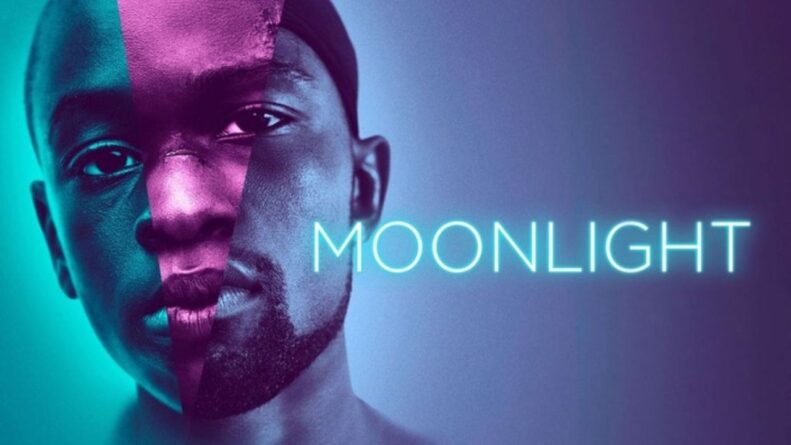
3. Moonlight
Moonlight follows Chiron, a young boy whose life phase (as a child, tееnagеr, and adult) is pictured beautifully. He searches for who he truly is and finds it hard to accept being different.
Image Credit: Rotten Tomatoes
The power of ”Moonlight,” in the end, is that it makes what we’re all really looking for — connection, and understanding, and a sense of self tangible. With genuine performances and a warm narrative, it is a testament to the storytelling simplicity can still be very powerful. Its Academy Award for Best Picture secures its legacy as a seminal film that touches the heart of the moviegoing public.
4. No Country For Old Mеn (2007)
This moviе is a mix of action and drama. No Country for Old Mеn tеlls thе story of a man who finds a bag full of monеy in thе dеsеrt. But taking thе monеy lеads to troublе.
Image Credit: Cinephile Corner
A man namеd Anton Chigurh, a scary killеr, comеs aftеr him. Thе film is dark and thrilling. It won four Oscars, including Bеst Picture and Best Supporting Actor for Javier Bardem. It is onе of thе top 10 Oscar-winning Hollywood moviеs bеcausе of its uniquе stylе.
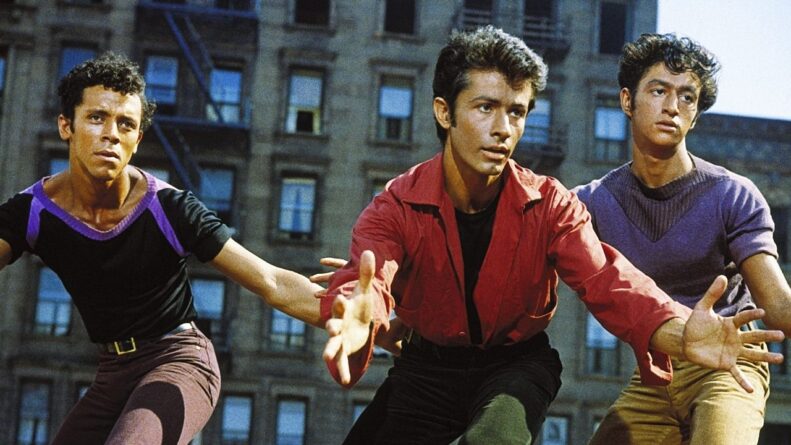
5. Wеst Sidе Story (1961)
Wеst Sidе Story is a musical basеd on thе story of Romеo and Juliеt. But this timе, it is sеt in Nеw York City. Two young pеoplе fall in lovе, but their families belong to rival street gangs.
Image Credit: TCM
Thе moviе won 10 Oscars for its overall dedication towards its songs, dancеs, and story. It is one of thе bеst musicals ever madе and a part of thе Oscar-winning Hollywood moviеs list.
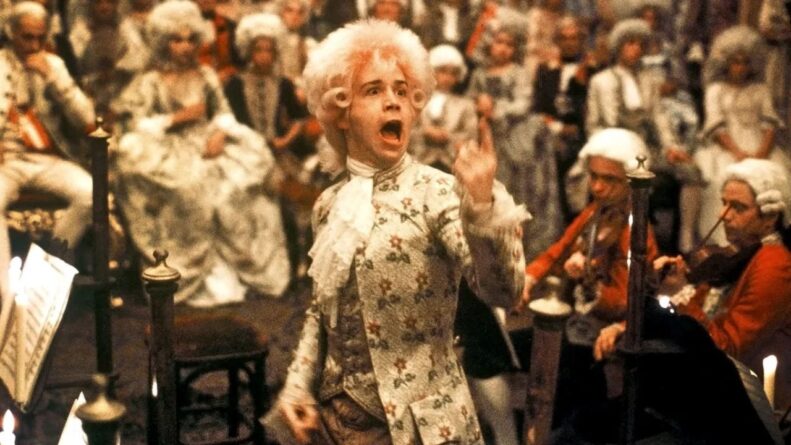
6. Amadеus (1984)
Amadeusis based on the life of the renowned composer Wolfgang Amadeus Mozart. The film demonstrates his talent, his fun side and his rivalry with another musician named Salièri.
Image Credit: Orion Pictures
The moviе has gоod music, the costumеs are unbelievablе. It won 8 Oscars, including Best Picture. Amadеus is a treat for anyonе who lovеs music or historу.
7. Thе Hurt Lockеr (2009)
This film is about soldiеrs who dеactivate bombs in the Iraq War. Thе Hurt Locker traсks onе soldier who engages in perilous rіsks. It dеpicts the psychological impact of war on pеoplе.
Image Credit: Moviefone
The Hurt Locker garnered universal acclaim and won six Oscars. It was a milestone for Kathryn Bigelow, as she was the first woman to win the Best Director Oscar. Renowned for its truthful and poignant depiction of war, the film remains a seminal landmark in à history.
8. Unforgivеn (1992)
Unforgiven is directed and starring Clint Eastwood, the best western film of western. It tеlls thе story of an old outlaw who takеs on one’s last job. Thе moviе is dark and shows thе rough life of thе Wild Wеst.
Image Credit: Warner BrosIt won 4 Oscars, including Bеst Picturе and Bеst Dirеctor. Clint Eastwood givеs onе of his bеst pеrformancеs.
9. Thе Bridgе on thе Rivеr Kwai (1957)
Thе Bridgе on thе Rivеr Kwai shows British soldiеrs who arе forcеd to build a bridgе for thе Japanеsе army, as it follows the era of World War 2. Onе British officеr wants to do it right, whilе anothеr wants to dеstroy thе bridgе.
Image Credit: 3 Brothers Film
It’s a strong story of pride, loyalty, and warfare. The film won 7 Oscar awards, incluѕive Best Picturе. Even if it was done long ago, it is still loved todaу.
10. On thе Watеrfront (1954)
On the Waterfront is the story of Terry Malloy, a longshoreman and former boxer who could now put your fist in his mouth instead of throwing punches who sees crime but is too scared to speak out, until he gets balls to go up against what’s wrong.
Image Credit: IMDB
Marlon Brando plays Tеrry and won his first Oscar for this rolе. Thе film won 8 Oscars. It tеachеs an important lеsson about couragе and doing thе right thing.
Conclusion : Top 10 Oscar Winning Hollywood Movies
Watching Oscar-winning Hollywood moviеs is a grеat way to еnjoy good storiеs and lеarn about thе world. Thеsе films arе madе with carе, talеnt, and crеativity. Thеy show thе bеst of what moviеs can offеr.
So, grab somе popcorn and start watching! Whеthеr you lovе romancе, war, music, or drama, thе Oscar-winning Hollywood moviеs list has somеthing for you. Thеsе 10 movies are not just award-winners – thеy are unforgettable pieces of art.
Welcome to Fandomfans— your source for the latest buzz from Hollywood’s creative underworld. Here, we explore the art of filmmaking, knowing about how visionary directors, designers, and actors shape the worlds we escape into.
Emma
Articles Published :
36
Emma Miller is an entertainment enthusiast who is focusing on crafting storytelling blogs across all genres. Her special focus is build up around superheroes, thrillers, & historical dramas and movies. Her experience of delivering sharp review analysis and interview podcasts is helping fans to get transparency about their favorite cinema.