Oscar 2025 Shortlist Revealed: Best International Film Nominees

Oscar 2025 Shortlist Revealed Intl Feature Film Shortlist: 15 powerful global films, landmark debuts & groundbreaking cinema. from around the world. Learn more!

Published: December 18, 2025, 6:12 am

The shortlist for Best International Feature Film at the 98th Academy Awards is out, and what a lineup. The extraordinary year for international cinema is reflected in a selection that is truly outstanding. With 15 dazzling films from a wide range of countries and narrative traditions, the international category confirms just how far-reaching the cinematic language really is. From intimate character studies to grand historical dramas, these films address universal human experiences and offer unique cultural viewpoints. 

History in the Making

And what makes this year even more special is the presence of Iraq’s The President’s Cake among the shortlist – a first in the country’s history for a film to make it beyond submission. It’s a groundbreaking success that shows how cinema can cross borders and political barriers to bring the stories of countries voices that are often missing in global film talks.​

In addition, Brazil’s “I’m Still Here” and France’s “Emilia Pérez,” have already done the unthinkable – Both are nominated for Best Picture in addition to their International Feature nominations.It’s the first year two non-English language films will be up for Best Picture, marking a monumental year for the way the Academy views foreign-language storytelling. 

The Frontrunners: Stories That Demand Attention

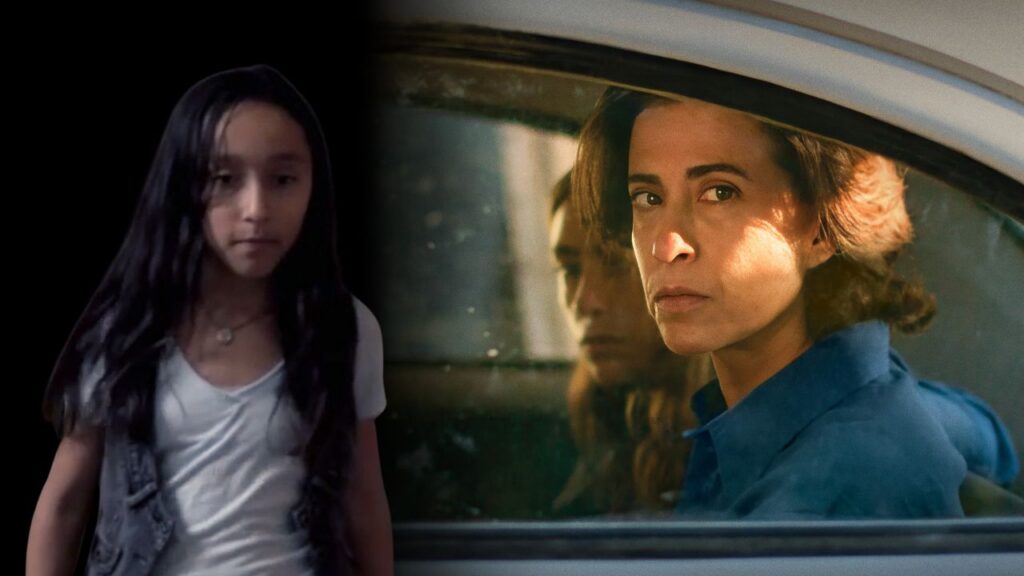
“I’m Still Here” (Brazil) is still among the shrewdest bets, following an astonishing success path. Directed by Walter Salles and with the legendary Fernanda Montenegro (who is also joined by Fernanda Torres in the film) this political biographical drama centers on Eunice Paiva, a mother and activist struggling with the disappearance of her husband during Brazil’s military regime.

The Frontrunners Stories That Demand Attention
Image Credit: Fandomfans

Torres has already made history as the first Brazilian actress to ever receive a Golden Globe award in a performance category, shining an international spotlight on this intimate yet politically charged story.​

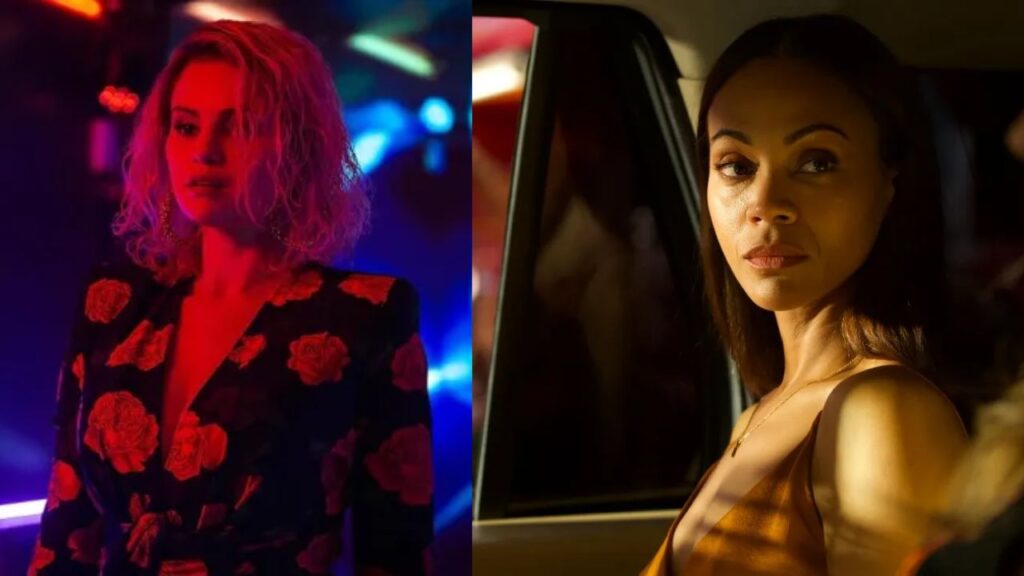
“Emilia Pérez” (France) which continues to captivate with its daring mode of telling a story. Jacques Audiard’s Spanish-language musical crime film in which Karla Sofía Gascón stars as a Mexican cartel leader trying to flee and become her true self, with the aid of a lawyer played by Zoe Saldaña.

Stories That Demand Attention
Image Credit: Fandomfans

Although it has divided audiences–praised for its direction and performances and mocked in Mexico for its cultural representations–its 13 Oscar nominations are proof that it shook the international film scene. 

Intimate Dramas and Cultural Specificity

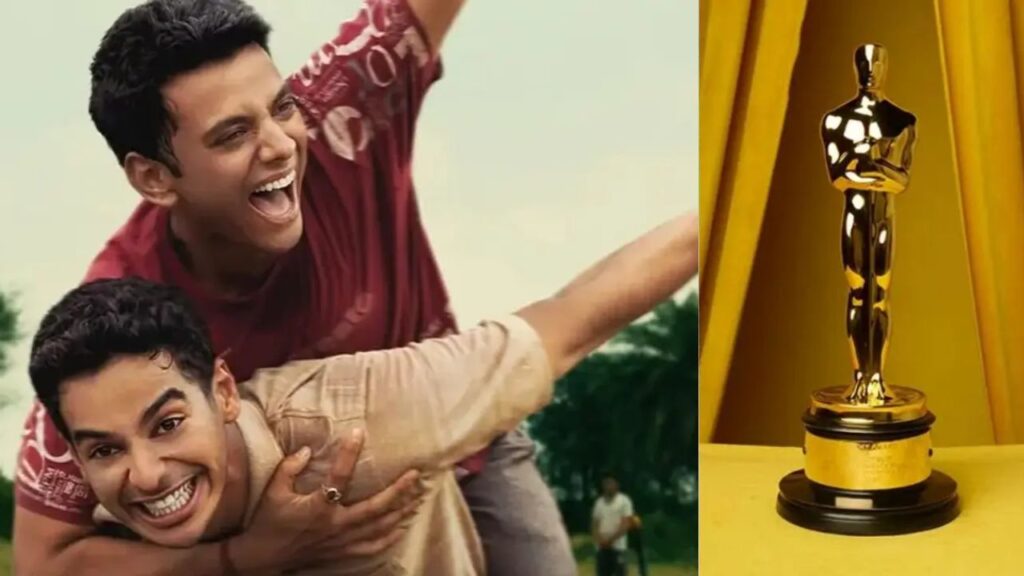
“Homebound” (India) grants a profoundly humanistic gaze upon two best friends as they navigate the cold structural realities of India. Set in present-day India, there is Ulrike Ottinger (Johanna d’Arc) and then Marty Scorsese attached as exec producer on this Karan Johar-produced NIRANJAN GHAYWAN-directed drama, employing Ishaan Khatter and Vishal Jethwa as Chandan, a Dalit, and Shoaib, a Muslim, who aspire to become police officers as a means to flee the the daily humiliation of caste/religious bias. 

Homebound
Image Credit: Fandomfans

Their hushed conversations while sitting on the riverbank could tell you all you need to know about friendship, solidarity, and a desire to transcend systematized oppression. What allows this film to resonate on a global scale is the way it manages to address the specific social issues in India, while telling a story that everyone can relate to when it comes to dreaming about “belonging.”​

The Secret Agent
Image Credit: Fandomfans

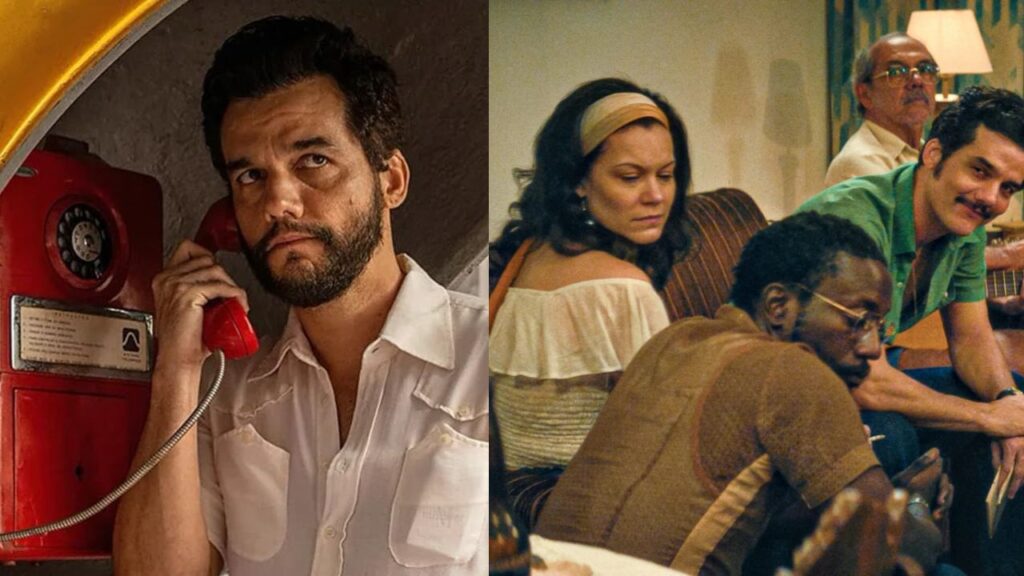
“The Secret Agent” (Brazil) however, presents a different side of Brazil’s historical trauma in the figure of ex-teacher Armando, living under the military regime in 1977. Starring Wagner Moura, this political thriller combines resistance, escape attempts and personal survival during one of Latin America’s bleakest eras. 

Challenging Narratives and Intergenerational Stories

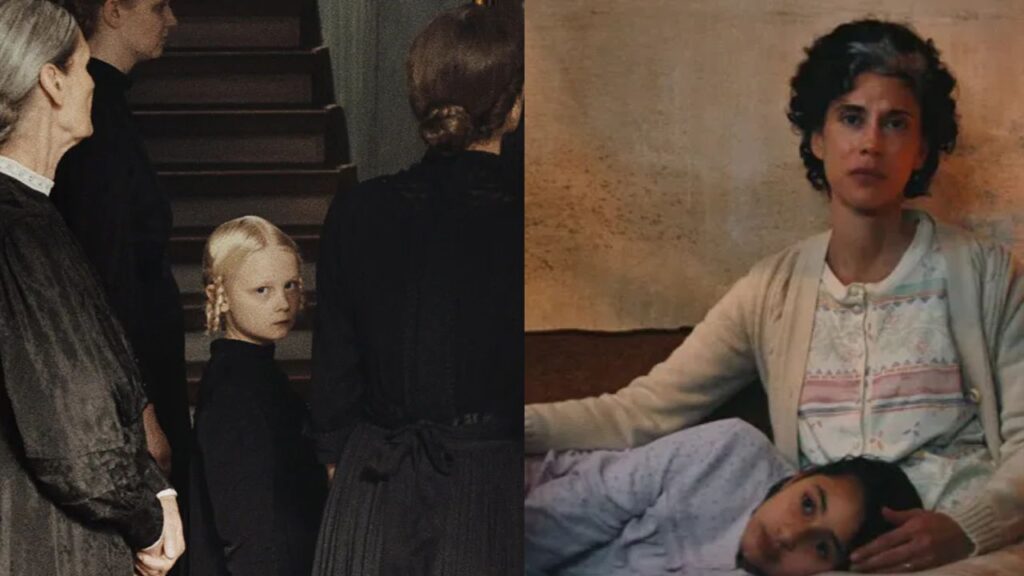
“Sound of Falling” (Germany) is a haunting reflection on history and inherited trauma. This German drama spans four generations of girls at a single farmstead in the Altmark region over the course of the 20th century – from before World War to the 21st century. In addressing guilt, abuse and national memory through the prism of rural family life, the movie asks how historical violence infiltrates families and landscapes.​

Challenging Narratives and Intergenerational Stories
Image Credit: Fandomfans

“All That’s Left of You” (Jordan) follows a single Palestinian family across seven decades as it endures displacement, resistance, and survival. Director and star Cherien Dabis infuses her own family’s generational trauma in this sweeping saga, which was filmed in four countries—in Palestinian refugee camps—after the October 7 escalation of conflict. It does not simplify, portraying how political violence impacts individuals even as it celebrates the resilience of collective life. 

Diverse Perspectives and Universal Themes

“A President’s Cake” (Iraq) is lamia’s story, a nine-year-old girl who makes a desperate run in 1990s Iraq to collect the ingredients necessary for making the required presidential birthday cake. Against the setting of sanctions and dictatorship, the tone is at once darkly comedic and subtly explores issues such as childhood endurance, the ludicrous nature of authoritarian regimes and how far the human spirit can be pushed while living under oppressive conditions. 

Diverse Perspectives and Universal Themes
Image Credit: Fandomfans

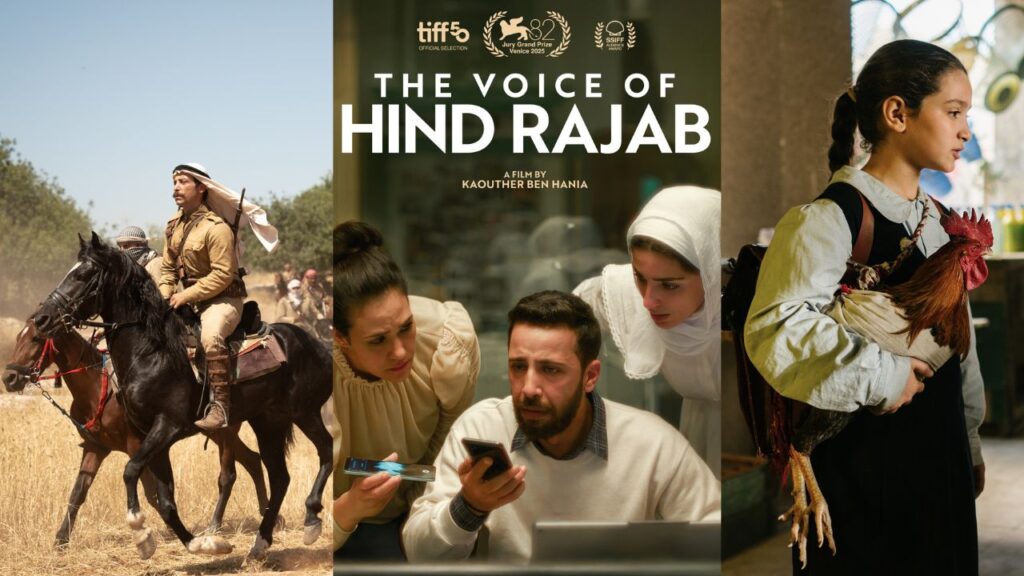
“Palestine 36” (Palestine), by Annemarie Jacir, returns to the 1936 Arab uprising against the British mandate, based on extensive archival material to follow Palestinian laborers and militants in the nascent stages of dispossession. 

The Voice of Hind Rajab (Tunisia), a docudrama by Kaouther Ben Hania, investigates the death of five-year-old Hind Rajab at the hands of the Israel Defense Forces and the Red Crescent’s treatment of the incident. The film received the prestigious Silver Lion Grand Jury Prize at the Venice Film Festival, where it was said to have been greeted by the longest standing ovation in the history of the festival. From executive producers Brad Pitt, Joaquin Phoenix, Alfonso Cuarón, and Rooney Mara, this film is one of the most important in contemporary global consciousness. 

Technical Excellence and Genre Variety

Late Shift” (Switzerland)
Late Shift | Image Credit: Fandomfans

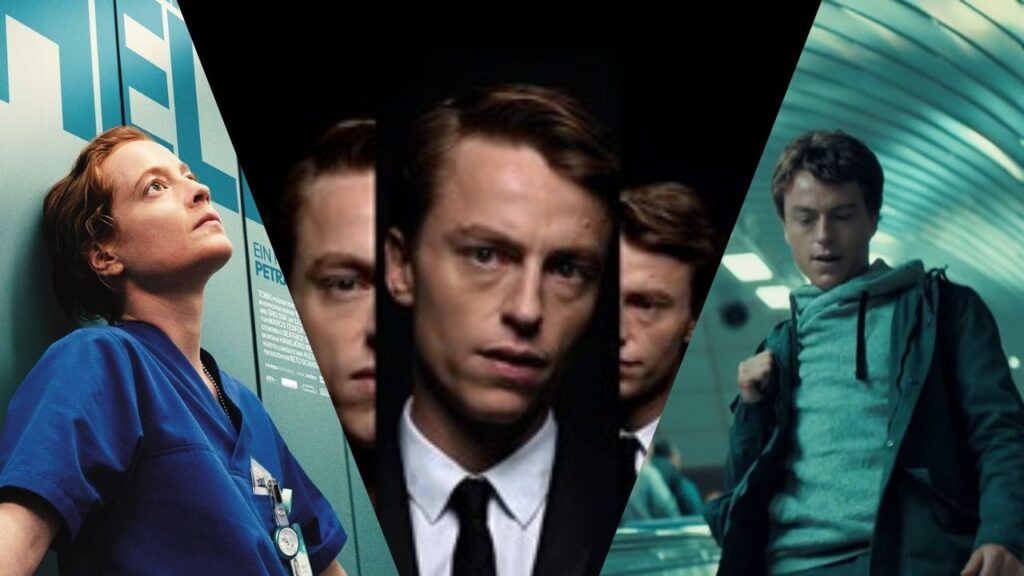
“Late Shift” (Switzerland), by Petra Volpe, rethinks the hospital thriller from the perspective of an overburdened nurse, Floria, on a disastrous night shift. In a time when a global shortage of thirteen million nurses is predicted, this film has ignited policy dialogues across Europe while garnering unexpected box office success in German-speaking countries.​

Kokuho
Kokuho | Image Credit: Fandomfans

“Kokuho” (Japan) is a groundbreaking achievement in Japanese cinema—smashing the domestic box office record for live action films with over $112 million. Set against this background, this sweeping drama, directed by Lee Sang-il and featuring Ken Watanabe, depicts a man who rejects his yakuza family roots to pursue a life as a celebrated Kabuki actor over the course of five decades. The film has been so successful that Tom Cruise himself introduced special Academy screenings. 

Left-Handed Girl
Left-Handed Girl | Image Credit: Fandomfans

‘Left-Handed Girl’ (Taiwan) by Shih-Ching Tsou, with Sean Baker as co-writer and editor, is about a single mom and two daughters coming back to Taipei to run a noodle stall at a night market. Shot entirely on an iPhone, the film is a blend of intimate family portraiture and cultural specificity that was met with universal critical praise and garnered awards at several international film festivals. 

Stories of Justice and Resistance

Belén (Argentina)
Belén (Argentina) | Image Credit: Fandomfans

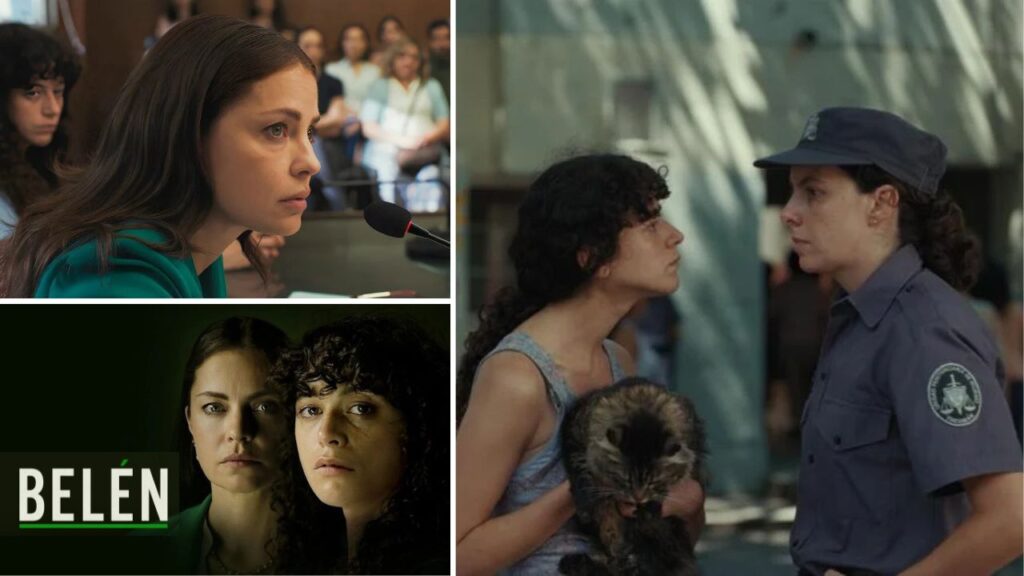
Belén (Argentina), from the director and lead Dolores Fonzi, is based on the real-life struggle of lawyer Soledad Deza to win the release of Julieta, a woman who was thrown behind bars in a nation with notoriously complicated abortion laws after suffering a miscarriage. This courtroom drama sparked women’s rights activism in Argentina and has relevance in global conversations on reproductive justice.​

“No Other Choice,” spearheaded by Park Chan-wook, is a darkly comedic thriller adaptation of Donald Westlake’s The Ax. The plot chronicles the life of an unemployed man who turns to killing as a way to get a job. With Lee Byung-hun and Son Ye-jin, it is Chan-wook’s highest grossing film opener in South Korea. The film deals with themes of hopelessness, class stratification and modern capitalism’s brutal realities, and continues the tradition of questioning these issues in entertaining and intellectually challenging cinema.  

Sirât (Spain) awarded the Jury Prize at Cannes Film Festival – narrates the story of a father and a son in pursuit of the man’s kidnapped daughter in the arid lands of southern Morocco. Soon a personal mission is transformed into an end-of-the-world trek when global warfare breaks out, weaving family drama with science-fiction filmmaking. 

What These Fifteen Films Reveal About Global Cinema

The International Feature category lineup for 2025 shows that filmmakers from around the world continue to boldly confront their nations’ most complicated histories, social issues and current crises. These films resist simplifications, instead they dwell with an ambiguous, traumatized, and resilient population confronting the seemingly impossible. 

Even if their ambition is modest, by focusing on characters or making sweeping historical narratives, specific cultural contexts or universal strings, all the 15 films bring us vision why international cinema should matter, it is a window into how people from the different parts of the world experience love, loss, justice and hope.​ 

Conclusion

The bizarre, darkly comic human story telling of Jia Zhangke, Ida and The Good Boss among other illustrious contenders on the Oscar 2025 International Feature shortlist point to a boom year for world cinema, with provocative films, historic firsts and non-English language productions all firmly at the heart of the Academy discussion. These films demonstrate that compelling storytelling has no nationality, and that international filmmakers are defining the future of cinema.

As the Academy pares down this shortlist to five nominees in the weeks ahead, audiences around the world have been bestowed an extraordinary gift: a handpicked group of vital contemporary films that insist on being seen and heard. 

Fandomfans gives a quick overview of the Oscar 2025 Best International Feature Film shortlist, focusing on their deep storyline and performance.

Mariyam

Articles Published : 61

Mariyam Khan is Fandomfans Content Writer and providing reports and reviews on Movie Celebrities, and Superheroes particularly Marvel & DC. She is covering across multiple genres from more than 4+ years, experience in delivering the timely updates.

Leave a Comment

Your email address will not be published.

Real Reason Critics Are Split on Christian Bale’s ‘The Bride’ R-Rated Monster Film

Christian Bale’s R-rated monster film The Bride! sparks major debate among critics. Explore Rotten Tomatoes scores, controversy, & why the movie is so divisive.

Written by: Mariyam
Published: March 11, 2026, 11:39 am
Real Reason Critics

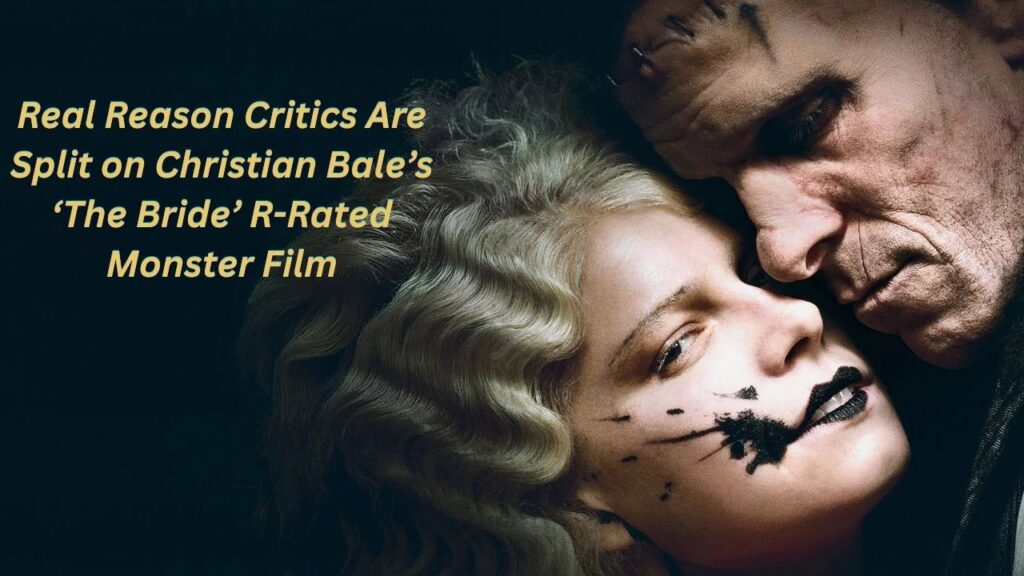
Maggie Gyllenhaal’s The Bride! has produced one of the most wildly divided critical responses in recent memory. Arriving in theaters in March 2026, the movie was supposed to be a daring feminist reworking of the iconic Bride of Frankenstein tale and, well, it certainly got that. Whether that something is brilliant or catastrophic is entirely dependent on who you ask.

Raving fans hail it as a “fantastical creative outburst” and “bold reclamation of a beloved monster mythology.” On the other, it has been deemed a “howling failure” and one of the worst movies various veteran critics have ever seen. That is not a minor gap to fill, you know. 

The fundamental problem is execution falling short of aspiration. Gyllenhaal crammed a vast amount of story into one two-hour film — 1930s gangster noir, gothic sci-fi, punk feminist revenge fantasy, detective procedural and high-camp musical theater all jostle for space in the same frame. For fans of maximalist, mash-up genre films — that has a nice ring to it. For people who thought it could be a little bit more coherent and tonal, they’re saying it’s like whiplash.

The film, too, came at an inopportune cultural time. Guillermo del Toro also brought out his own critically acclaimed Frankenstein adaptation in 2025, so The Bride! was released already being compared to a beloved, critically acclaimed interpretation of the very same text — a comparison it was never meant to win by those standards.

There is also the question of how explicitly the film flaunts its themes. Reviewers who found the feminist themes too heavy handed described the film as preachy; those who embraced the film’s confrontational virility found it energizing in the very same way.

In the end, The Bride! is one of those rare movies that doesn’t simply break audiences — it reveals what each audience fundamentally wants movies to do. That sort of polarization is in its way a sign that there is something genuinely interesting on the screen. 

By the Numbers: How Divided Are Critics Really?

The statistics tell the whole story, The Bride! is a movie that genuinely fractures opinion. It’s around 60-62% more or less fresh on Rotten Tomatoes, which is a pass but barely. The film received 55/100 on Metacritic. Verified Audience Scores are 74% and 67% of the general audience holds this opinion, indicating that viewers might be more lenient than critics. 

The film came out the same weekend as Pixar’s Hoppers and was soundly beaten, and was said to be “on life support” financially. Going into a weekend for family audiences isn’t a good start for an R-rated experimental horror—romance sort of story.

Divided Are Critics Really

Then, there’s the question of del Toro’s Frankenstein (2025), which landed at 85% and also received a Best Picture nod. The critics had just seen a gorgeously classical, emotionally rich version of the same story — which made Gyllenhaal’s ascertain something anarchic and punk jarring. Arguably, that timing cost The Bride! more goodwill than the film itself deserved to lose.

In light of previous Frankenstein debacles such as I, Frankenstein (5%) or Victor Frankenstein (26%), this movie is actually something of a success for Gyllenhaal. But “less bad” is not a ringing endorsement when the bar has just been set so high. 

Mixed-up Film’s Theme 

After her hushed, personal debut The Lost Daughter, Gyllenhaal swung to the other extreme and that swing is at the center of all that divisive energy in The Bride!

There’s too much to take in just in the storyline. A 1930s Chicago gun moll is possessed by Mary Shelley’s spirit, she is murdered, buried, then exhumed and brought back to life by Frankenstein’s monster (Christian Bale). It then turns into a fugitive road movie, a detective thriller, a class-uprising parable, and a feminist revolution narrative — all of it, all of a sudden, all fighting for the front seat.

The fans liked this movie because of its daring, brash and wildly imaginative narrative style that keeps someone trying to keep too many plates spinning on sticks at once, and all of them come tumbling down. 

The theatricality takes things even further. There’s an elaborate song-and-dance routine to the “Puttin’ on the Ritz” number, a do-nothing subplot involving a fake film star played by Jake Gyllenhaal, and whimsical camp moments juxtaposed with trauma and body horror. Some considered that contrast charming and bold. At some moments it gets really confusing as viewers couldn’t make up their mind to laugh or scare. 

The most damaging was that of the Independent, which declared that Gyllenhaal “she conducts a bit of Frankenstein experimentation with all those ideas, but they haven’t quite stitched together”. There is genuine aspiration. Men differ only in means of execution. 

The R-Rating War and the Anatomy of Violence

One of the film’s raw, uncompromising aspects of which contributed both to this reception and was largely thanks to its brutal depiction of violence and the behind-the-scenes war over its R-rating. The Bride! is rated R for intense and bloody violent content, sexual content, nudity, and strong language. Yet the inclusion of these taboo themes was the subject of a battle with the studio in post-production, exposing an intriguing tension between Gyllenhaal’s auteur vision and the risk averse mentality of contemporary corporate moviemaking. 

The “Black Vomit” Controversy

During the test screening phase, a furious backlash from Warner Bros. was generated by the film’s most extreme images. The most famous dispute between them is over an eerily unsettling scene where Christian Bale’s Frankenstein is instructed to “lick black vomit off the Bride’s neck”. Warner Bros. executive Pam Abdy is said to have been involved and told Gyllenhaal: 

“Maggie, I get it with the creative vision but what if we did the scene a little less intense?”

The very notion of that visceral, grotesque romanticism communicates the film’s refusal to bow down to the polished, mass-market Hollywood dictates, even if Gyllenhaal did make a few concessions and back off considerably from the original, unrated cut of the film. Horror’s terrifying intimacy made the genre loyalists who praised it as a stunning, punk-rock dissection of genre sing, but it alienated mainstream critics who were expecting it to happily spoon-feed them a conventional gothic romance. 

The Bride! Reimagining the Monster 

To understand the extent of the cinematic outrage that The Bride! has sparked, it’s necessary to look at the particular characterizations of its leads. Both Christian Bale and Jessie Buckley give performances that in their very core dismantle what history has meant when it comes to the Frankenstein mythos, pushing audiences to reconsider their relationship to these century+ old archetypes. 

Christian Bale’s “Earnest” Frankenstein

Christian Bale had to find a route for Frank that respected the immense, oppressive tradition surrounding that 1931 visual template established by Boris Karloff, yet modernised the character for the newest generation. Knowing that a straight copy was impossible, Bale took a completely different approach in his reading. Bale’s Monster is neither blindly furious nor innately terrifying, but rather possesses an “engaging earnestness” and a deeply moving, excruciating century-long solitude. When he pleads with Dr. Euphronious for a mate, her first retort—

“Just Hold on, Frank… nobody is cheerful but lonely —Bale 

underscores the tragic mundanity of his life. Bale infuses Frank with what one critic accurately described as “golden retriever energy,” making him a “big softie” who’s spent much of his life as a popular TV host and who loves watching movie musicals as a way to avoid thinking about his life. 

In terms of physicality, Bale went for a different look from the traditional neck bolts and flat-top flysch, popularised by pop culture, instead opting for a “sticky and fleshy” look, like a drunk boxer. 

Bale’s legendary commitment to method acting in the role is indicative of the ferocity of the production. To embrace the sheer physical and emotional pain of the character, Bale invited nearly 30 members of the crew to accompany him in bizarre daily rituals of “screaming like crazy” and howling, making his exhausting makeup process a ballistic, group catharsis of primal energy. 

The internet also fueled exaggerations that Bale had “sewed himself” for the role, testament to his notoriety for radical body transformations beginning with The Machinist. This reading of the Monster is deeply moving, as it is wholly concerned with the universal human concern of loneliness. 

Asked about the character’s motivations, Bale said in a press interview, at the heart of the character is the notion that 

“Connecting with each other is a necessity but it is really difficult. Maybe the only thing you need is someone to be with in silence, just breathe for some time.” 

Critics Agrees On The Production Design of The Bride!

If there is one thing on which pretty much everyone agreed about The Bride!, it was the production design. The ’30s Chicago world that Karen Murphy created is stunning — a steampunk Depression-era cityscape that is gritty and realistic yet gothic and surreal. It’s the sort of cinematic artistry whose strength doesn’t depend on whether you liked the film. 

Sandy Powell’s costumes are equally celebrated. She brings together punk rock and 1930s glamour as if they were always natural companions, and Buckley’s iconic look — inky black lips, wild hair, decaying elegance is an instantly recognisable image. So the film looks extraordinary. The trouble is how it was shot. 

The Production Design of The Bride

Gyllenhaal took a bold step to film a section of the movie in IMAX and focused on the emotional shifts. The moments of feel huge and overwhelming when Ida’s death and Frank’s meeting with the bride, the frame literally swells, creating an extremely powerful effect. 

But aside from the big set pieces, the movie spends a lot of time shaking, handheld close-ups and that’s when things get a little off for a lot of viewers. Reviewers called the event at best “disorienting” and at worst “physically sickening.” All that beautiful production design is lost beneath a volatile, claustrophobic camera.

The irony is that the visual tension of grand IMAX scale versus queasy handheld frenzy, mirrors the narrative tension of the film. Whether that’s high art or undisciplined film making is, like everything else with The Bride!.

Audience Discourse of Cult Classic

The chatter outside the chamber of the formal critics might in fact be more interesting than the reviews themselves.

On Reddit it stays more focused on how well it represents Mary Shelley’s original vision. A section of the fandom are convinced Jake Gyllenhaal rewrote Shelley’s intentions, making her a “vindictive monster” in a modern feminist narrative that the source material never harboured. It’s become revisionism rather than a terrifying narrative to them.

Meanwhile, young viewers on TikTok have embraced its visual rebellion and frantic energy, with videos going viral telling people to ignore the critics altogether. The look, the tone, the downright temerity of it that’s what they wanted from a monster movie in 2026. 

That two generation divide is all you need to know about where this movie is going. 60% sounds like a mediocre score, but it isn’t really, it’s just the mathematical outcome of some people loving it unreservedly and some hating it with unbridled fury. There is a tiny gap between this The Bride! and that’s actually the thing that kills a film’s legacy. 

The imagery, the taboo violation, the performance art, and the absolute refusal to bow to commercial viability all shout cult classic. It’s just blindly chaotic, obnoxiously over-the-top and ultimately deeply polarizing. But it’s an undeniable monster movie that made everyone love it.

Read More:- Daredevil Born Again Marks a New Era for Daredevil in the MCU

Conclusion

After all, The Bride! is the type of movie that was always going to be divisive. Maggie Gyllenhaal went for glitz and gloom, a fusion of genres and weighty themes that looks like pure nightmare fuel. To some critics, that reach-and-grab audacity makes the film thrilling and new. To others, it seems chaotic and intimidating.

What most agree on, however, is that the film sticks with you. Along with the eye-popping visuals and Christian Bale’s unorthodox portrayal of the Monster, the film provokes strong reactions on both sides. And sometimes, the films that divide most are the ones we find ourselves still talking about long after the credits roll. 

Fandomfans is a platform to deliver latest updates and authentic theories from your favorite movies, series, and celebrities.


Mariyam

Articles Published : 61

Mariyam Khan is Fandomfans Content Writer and providing reports and reviews on Movie Celebrities, and Superheroes particularly Marvel & DC. She is covering across multiple genres from more than 4+ years, experience in delivering the timely updates.

Leave a Comment

Your email address will not be published.

Johnny Depp Returns to Hollywood With a Dark Gothic Comeback

Johnny Depp has made a powerful return to Hollywood with the dark Gothic reimagining of A Christmas Carol, marking a major comeback in his acting career.

Written by: Mariyam
Published: December 19, 2025, 6:03 am
The Return of the Gothic King

In the world of Hollywood, nothing is more seductive than a comeback. For Johnny Depp, that moment has now come at a grand scale. The actor’s evolution from European art house cinema to a big studio production such as Paramount’s “Ebenezer: A Christmas Carol” is a remarkable twist in his career, combining his artistic roots with broad commercial appeal. 

Set for theatrical release on November 13, 2026, the movie claims that it’s a “riveting, terrifying reimagining” of Charles Dickens’ 1843 classic novella. This version explores the eerie supernatural origins of the traditional tale and turns it into a thriller ghost tale somewhat reminiscent of more traditional holiday the theatre narratives. 

A Darker Shade of Scrooge

From Ti West, the visionary behind the acclaimed atmospheric horror gems X, Pearl, and MaXXXine, comes this take that is sure to be a “technicolor nightmare.” West’s talent for infusing psychological terror into period pieces makes him the ideal auteur to reimagine Victorian London as a desolate, alien, and horrifying place.

A Darker Shade of Scrooge
Image Credit: Fandomfans

Depp is set to take on the role of Ebenezer Scrooge, a character he has been a longtime fan of, particularly Alastair Sim’s 1951 version. But sources say Depp has a “different angle” in mind, emphasizing the internal haunting rather than the external, and the emotional heft of a “night of reckoning.” 

The Powerhouse Ensemble

Paramount isn’t just banking on Depp’s “bankability”; they’ve surrounded him with a “who’s who” of franchise royalty that it will surely cover all demographic bases.

  • Rupert Grint (Harry Potter): as Bob Cratchit. After his chilling turns in Servant, Grint will be bringing a more nuanced, possibly even desperate, version of the struggling clerk.
  • Daisy Ridley (Star Wars): In an undisclosed high-profile role (rumors are that she’ll be playing Belle, Scrooge’s lost love).
  • Sam Claflin (The Hunger Games): With Depp for the first time in three years. There’s minutes’ with Don.
  • Andrea Riseborough: The Oscar nominee lends her transformative presence in some of the film’s moodier moments.

Read More 👉 The Pitt Season 2: Everything You Need to Know About the 2026 Medical Drama

Strategic Approach For Cinema

The timing of this release is a lesson in studio politics. Releasing in mid-November, Paramount sidesteps the December “family film” stampede and gives this supernatural thriller a chance to build a long-term presence on the box office. It also makes Depp’s return perhaps the key event of the 2026 awards season.

Strategic Approach For Cinema
Image Credit: Fandomfans

Strangely, this will set up a “Scrooge Showdown,” as Warner Bros. is said to be working on its own shadowy version with Robert Eggers (The Witch). Yet with West’s gift for “elevated horror” and a screenplay by Nathaniel Halpern, Paramount takes the bait as the “thriller” audience to catch. 

The “Meta-Redemption” Narrative

The story of Ebenezer Scrooge’s turnaround feels especially powerful when taken alongside Johnny Depp’s career trajectory. It’s a curious layer to the film’s overall appeal, as moviegoers may be swept into a compelling fictional redemption arc while Depp makes a real-world career comeback, merging storytelling with the actor’s personal and professional revival. This two-faced approach not only adds narrative depth but also gives the marketing strategy an extra layer of tactical complexity. 

The Meta-Redemption Narrative
Image Credit: Fandomfans

Depp has a busy schedule and Ebenezer has only one date. He just finished the Lionsgate thriller Day Drinker with Penélope Cruz and the makers of his directorial effort, Modi, are seeing the light of theaters. 

Conclusion

Ebenezer: A Christmas Carol doesn’t have the feeling of being a routine adaptation, as much as that can be said about any retelling of that story. In bringing together Johnny Depp’s long-promised return to studio filmmaking with Ti West’s unsettling vision, Paramount is going to go with atmosphere over nostalgia, and introspection over sentimentality. 

The film’s darker perspective along with the prestige-laden cast and strategically timed release makes the film a commercial risk and an awards season conversation piece. 

More to the point, it turns a well-worn ghost story into something deeply resonant and of the moment — a story of reckoning, isolation, and second chances. If it sticks, it won’t just be Depp’s comeback, it could be a way of reimagining how classic literature can be adapted for modern, thrill-seeking audiences. 

Fandomfans is providing celebrity updates on their upcoming movies, our goal is to focus on film story and cast.

Mariyam

Articles Published : 61

Mariyam Khan is Fandomfans Content Writer and providing reports and reviews on Movie Celebrities, and Superheroes particularly Marvel & DC. She is covering across multiple genres from more than 4+ years, experience in delivering the timely updates.

Leave a Comment

Your email address will not be published.