Home > Movies > The Hunger Games Love Birds Jennifer Lawrence and..
The Hunger Games Love Birds Jennifer Lawrence and Josh Hutcherson Are Back to Panem
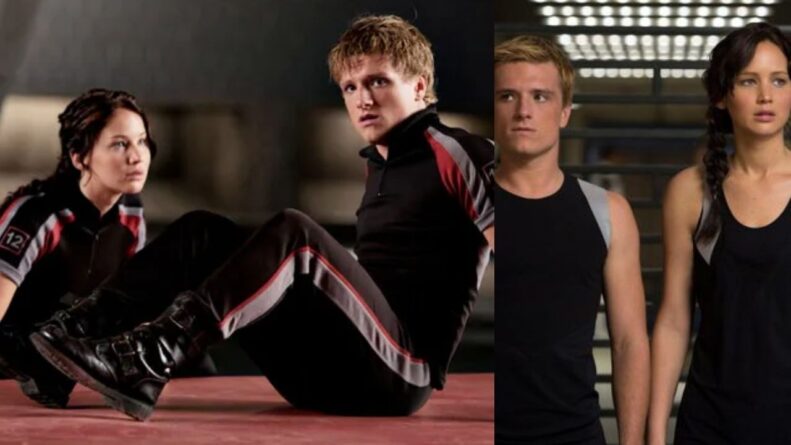
The Hunger Games love birds Jennifer Lawrence and Josh Hutcherson are reunited in the new prequel Sunrise at the Reaping, which will bring fans back to Panem.
The Hunger Games’ Jennifer Lawrence and Josh Hutcherson, the iconic duo who captured our hearts as Panem’s greatest rebels, are confirmed to be coming back to the franchise with The Hunger Games: Sunrise on the Reaping and we’re just not emotionally prepared for what this means.
The revelation was made on 10 December 2025, and it reverberated across the entertainment industry like a hovercraft. For more than 10 years, we’ve seen these two gifted performers breathe life into the characters created by Suzanne Collins, and seeing them in this new prequel feels like that chance encounter with an old friend that really throws you for a loop. While Jennifer Lawrence will be reprising her role as Katniss Everdeen and Josh Hutchersonas Peeta Mellark, there is a fun twist to this - they are not the main characters in this movie.
The Hunger Games: Sunrise on the Reaping is turning out to be something I don’t think we’ve seen from the series yet. Taking place 24 years prior to the original Hunger Games trilogy, the prequel follows a young Haymitch Abernathy, the surly yet surprisingly endearing mentor we are familiar with through Woody Harrelson’s version of the character.
Image Credit: Fandomfans
To those of you who read the novelization, Lawrence and Hutcherson are set to appear in a flash forward sequence near the end of the film, showing where our favorite characters ended. It’s that perfect kind of callback that makes longtime fans feel seen and appreciated.
The Reason Behind The Excitement
The extraordinary cast lined up for this prequel is the first reason for this excitement. Joseph Zada as young Haymitch, who confronts the terrifying 50th Hunger Games(the Second Quarter Quell) — where the stakes are doubled with 48 tributes instead of 24.
Image Credit: Fandomfans
That’s right, this isn’t just any Hunger Games, it’s a barbaric, monstrous edition that will tell us exactly how Haymitch became the shattered man who then leads Katniss through her own.
Notable Star-Studded Cast
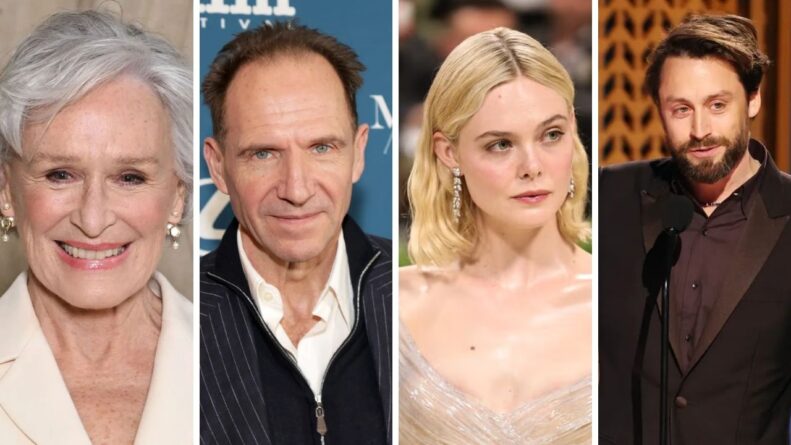
Backing up the extraordinary young talent is a star-studded cast that feels like a who’s who of Hollywood: Glenn Close, Ralph Fiennes (as a younger President Snow), Elle Fanning, KieranCulkin, Maya Hawke, and so many more incredible actors. Kieran Culkin, just coming off an Academy Award win for A Real Pain, will be taking over Stanley Tucci’s role as Caesar Flickerman, and Ralph Fiennes lends his gravitas to a youthful iteration of the tyrannical President Snow. This level of casting in this prequel is just jaw dropping.
Image Credit: Fandomfans
Francis Lawrence, having directed all but one of the Hunger Games movies since 2012, is back to lend his deft hand to this dark origin story. Billy Ray’s screenplay is a faithful, attentive adaptation of Collins’ novel, so those familiar with the books will pick out the key scenes, but the uninitiated gain a new, cinematic interpretation.
The enthusiasm What’s really exciting about this project is that it comes full circle for the Hunger Games franchise. Following the unprecedented popularity of The Ballad of Songbirds and Snakes in 2023, which gave a glimpse of a young Coriolanus Snow, Lionsgate are clearly interested in delving further back into this universe’ s past. The franchise has grossed $3.3 billion worldwide over five films, and with this star-packed cast and gripping story, Sunrise on the Reaping is set to be another blockbuster.
Image Credit: Fandomfans
The film is set to blaze its way into theaters on November 20, 2026, giving fans almost a year to speculate on what a Lawrence and Hutcherson cameo might entail, be it a fleeting appearance or a substantial chunk of the story, it’s unclear at the moment, but whatever it is: getting Katniss and Peeta back on the big screen – even in this unusual capacity, is a treat for the series’ fanatics.
To those of us who have grown up with these characters, this is like coming home. The Hunger Games world keeps expanding and surprising us, and with Lawrence and Hutcherson’s return, it’s clear why this franchise ever really captured our hearts.
Get your favorite characters and movies exciting updates on Fandomfans. Our goal is to deliver you celebrities, directors, and movie details based on deep insights.
Mariyam
Articles Published :
76
Mariyam Khan is Fandomfans Content Writer and providing reports and reviews on Movie Celebrities, and Superheroes particularly Marvel & DC. She is covering across multiple genres from more than 4+ years, experience in delivering the timely updates.
There is no question that 1999 was a blockbuster year for movies, with countless groundbreaking films that have defined popular culture. Here is 90s Movies List from the mind-boggling visual effects and philosophical musings of The Matrix to the shattering shock and surprisingly heartfelt emotional payoff of The Sixth Sense and the ferocious, anarchic spirit of Fight Club, each movie redefined the genre it was working in and spoke to its own particular audience. It was also a year in which directors and producers took a few chances and the final fruits of their risky labors continue to be enjoyed more than 25 years later. Truly, 1999 set a high bar for what cinema could be.
Why 1999 Changed Everything
The last year of the last century was more than just a date on a calendar. It was a tectonic shift in Hollywood: the old guard of cinema collided with a new class of filmmakers who didn’t aren’t run the rulebook. Stanley Kubrick and Steven Spielberg still commanded respect (along with the likes of Francis Ford Coppola and Martin Scorsese), but a new generation was emerging — Spike Jonze, Sofia Coppola, M. Night Shyamalan, David Fincher, Paul Thomas Anderson — and rewriting what a movie could be. The year seemed like the zenith of everything the 1990s had been building toward — indie films gaining mainstream legitimacy, blockbusters getting smart, and moviegoers revved to engage with difficult, out-of-the-way tales.
And there was something else in the cultural air that year. The approaching millennium, and the year 2000, or Y2K, brought with it a sense of collective existential dread that many filmmakers sought to channel— albeit while celebrating the liberating spirit of the past. The upshot: it was a year that not only produced fine films, but fine films of, it seems, every possible genre and style.
Best 90s Movies List That Defined 1999
1. The Matrix
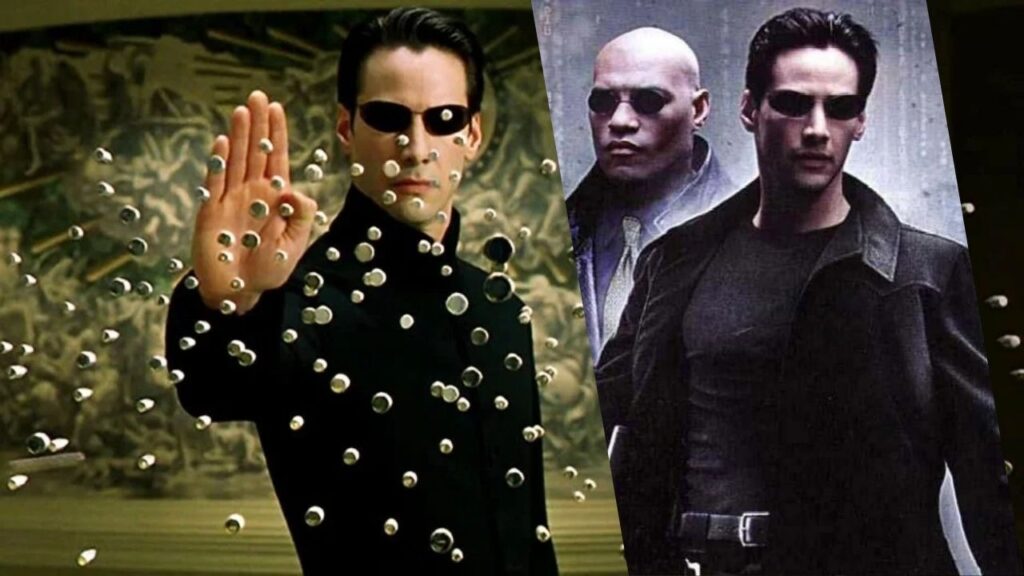
When the Wachowskis’ The Matrix opened in March, they hadn’t simply made a movie — they’d changed the language of action cinema forever. Featuring revolutionary “bullet-time” visual effects and questions about the nature of reality, kung fu, science-fiction, and existential philosophy, The Matrix was like nothing anyone had seen before.
Keanu Reeves’ quietly assured turn as Neo has become iconic, with Laurence Fishburne and Carrie-Anne Moss also excellent. The film made $466 million worldwide and continues to inspire filmmakers today. What was remarkable wasn’t just the new technology — it was how that new technology allowed for the expression of high-level ideas about free will and reality that were easy to grasp.
2. The Sixth Sense
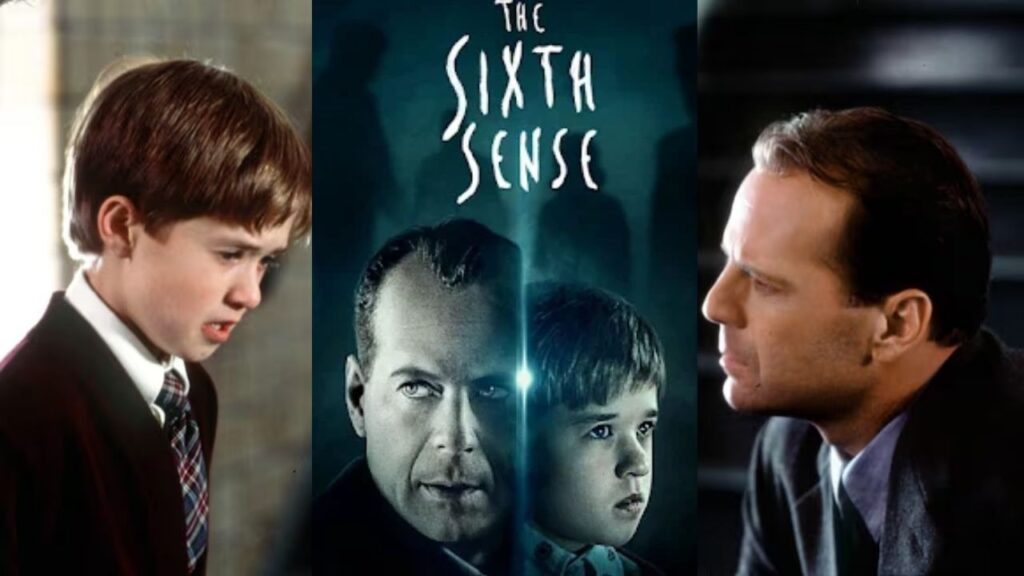
M. Night Shyamalan made a striking debut with a psychological thriller that turned into a cultural touchstone. Bruce Willis, making a bid for dramatic respectability, was a perfect match for nine-year-old Haley Joel Osment in a movie that was really just a series of linked ghost tales. The movie’s legendary twist is one of film’s best kept surprises — an ending that rereads everything you’ve seen.
But the most important thing about the twist is that it didn’t come off as a cheap trick – it is earned, powerfully, through carefully-crafted screenwriting and emotional veracity. The Sixth Sense grossed $672.8 million worldwide to be the second-highest grossing film of 1999, and it still holds up as a tender thriller that’s all in suggestion, not blood.
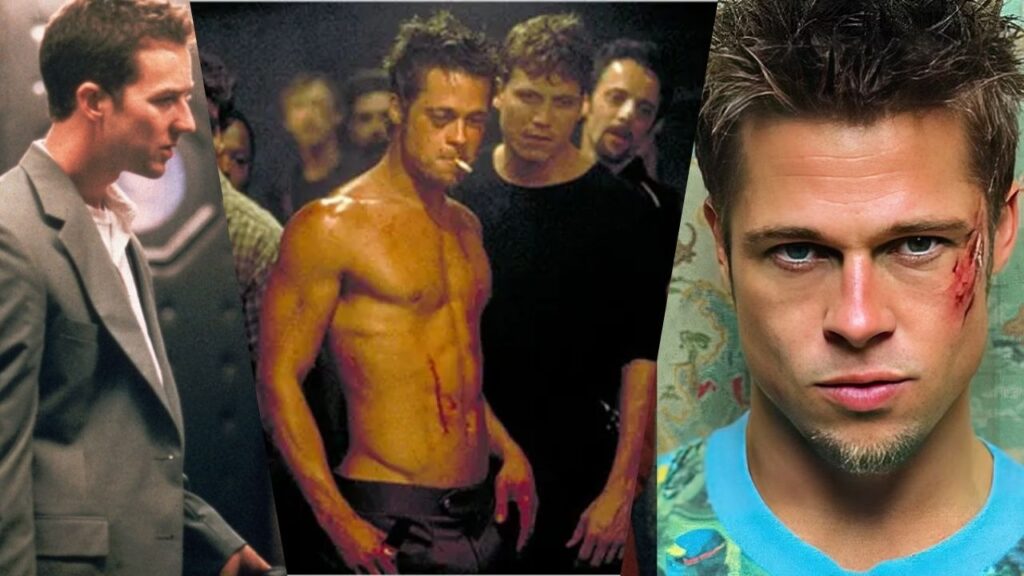
3. Fight Club
David Fincher’s adaptation of Chuck Palahniuk’s novel was not only one of the most violently thought-provoking movies of the year. It was, paradoxically, one of its most rewarding experiences. What is discomfiting at first becomes addictive at second, third, and even fourth viewings. As the insomniac, crumbling narrator Edward Norton struggles not to fall under the spell of charismatic Tyler Durden, Brad Pitt dive bombs into a ferocious satire of consumerism, fragmented masculinity, and contemporary rebellion.
That film’s twist is quieter and morally ambivalent, and works by revealing a narrator’s split mind. With an IMDb rating of 8.8, Fight Club has risen above the backlash that it received at its release and has been seen as a film of true artistic merit masquerading as mindless entertainment that causes conversations about meaning and social critique.
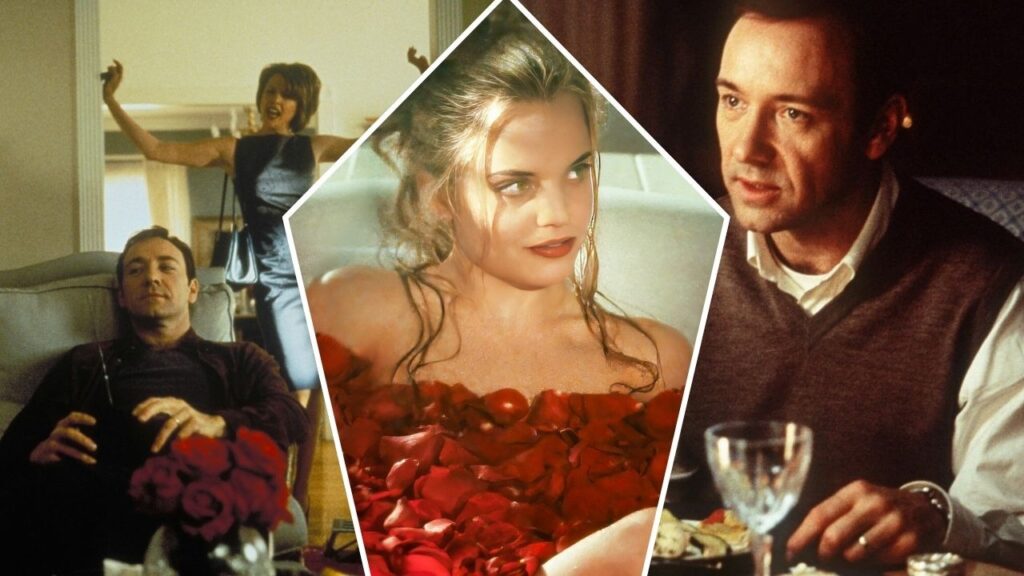
4. American Beauty
Mendes (Bond) debuted behind the camera on features with the year’s Oscar darling, taking home five Academy Awards, among them Best Picture and Best Actor for Kevin Spacey. Darkly satirical about suburban American culture, the trend was immediately established – Mendes and screenwriter Alan Ball were revealing the emptiness behind Middle America’s perfectly trimmed lawns.
It was one of the rarest of things in Hollywood: a critics hit that also became a box office giant, raking in more than $350 million on an unassuming $15 million budget. That’s not to say that the film’s reputation hasn’t been reconsidered in recent years, though its impact on cinema is certainly undeniable.
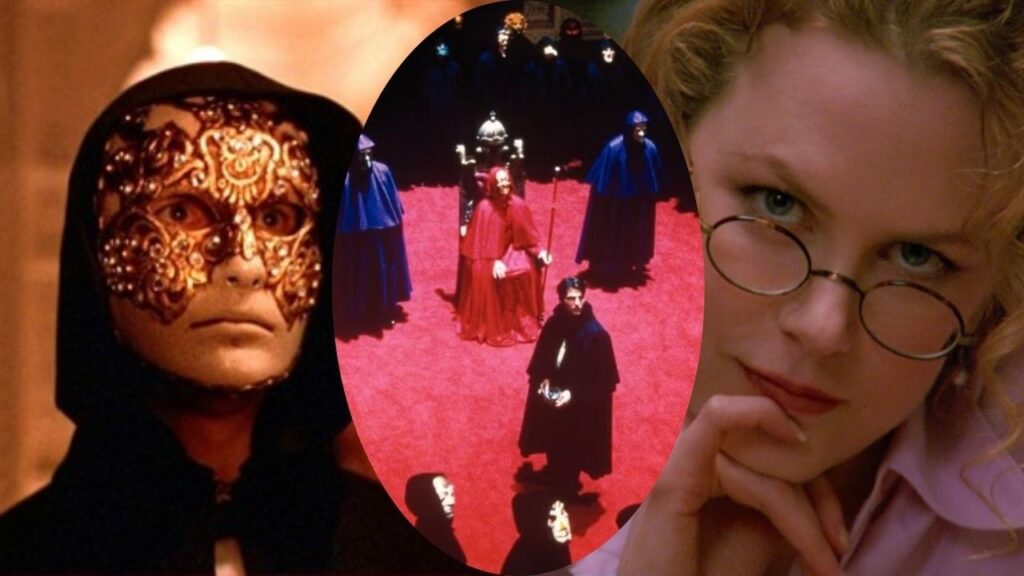
5. Eyes Wide Shut
The last film of Stanley Kubrick was meant to be his big comeback. What the viewers were offered was something much richer: a relationship drama hiding behind the trappings of a thriller, a farcical, sexual black comedy, and a reflective film on marriage and desire.
Tom Cruise and Nicole Kidman gave raw performances, and Kubrick’s obsessive direction turned a well-worn story line into something truly disturbing and thought-provoking .
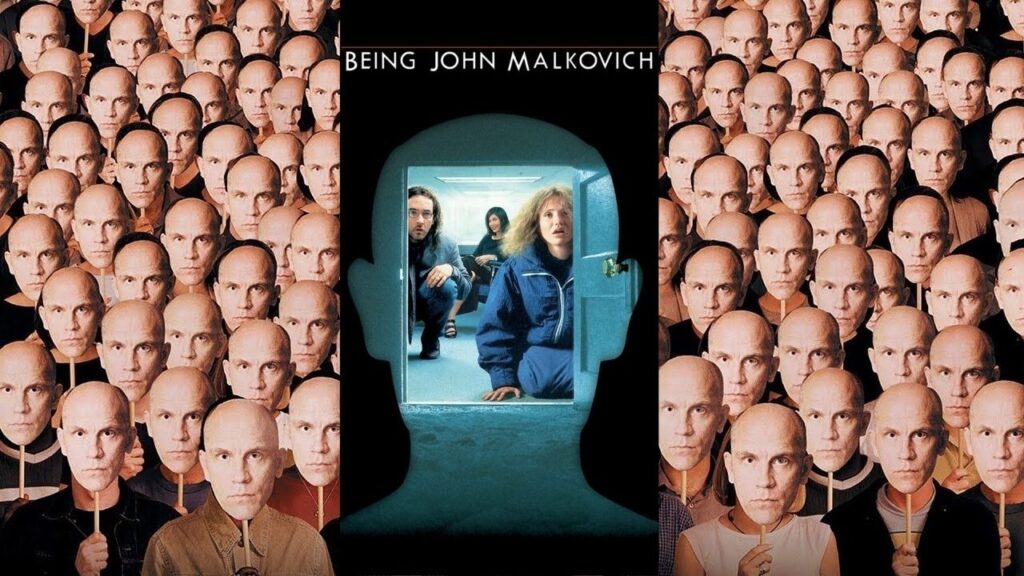
6. Being John Malkovich
Spike Jonze’s first feature film’s concept, a portal into the thoughts of actor John Malkovich might have been a novelty, but Jonze uses it to examine identity, obsession and the nature of consciousness itself. Cameron Diaz, John Cusack, and Catherine Keener give surprisingly profound performances in what easily could have been a straightforward comedy.
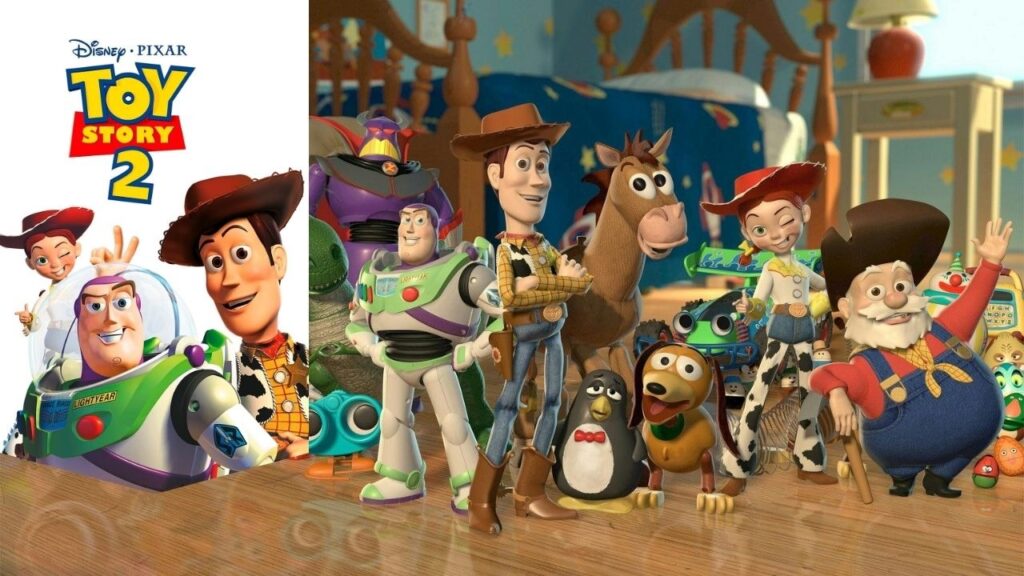
7. Toy Story 2
Toy Story 2 showed that animated sequels could say something artistically, rather than just being financial grabs. It helped establish Pixar as a studio that treats its adult intelligence and emotions—and it remains one of the most powerful films in Pixar’s entire library.
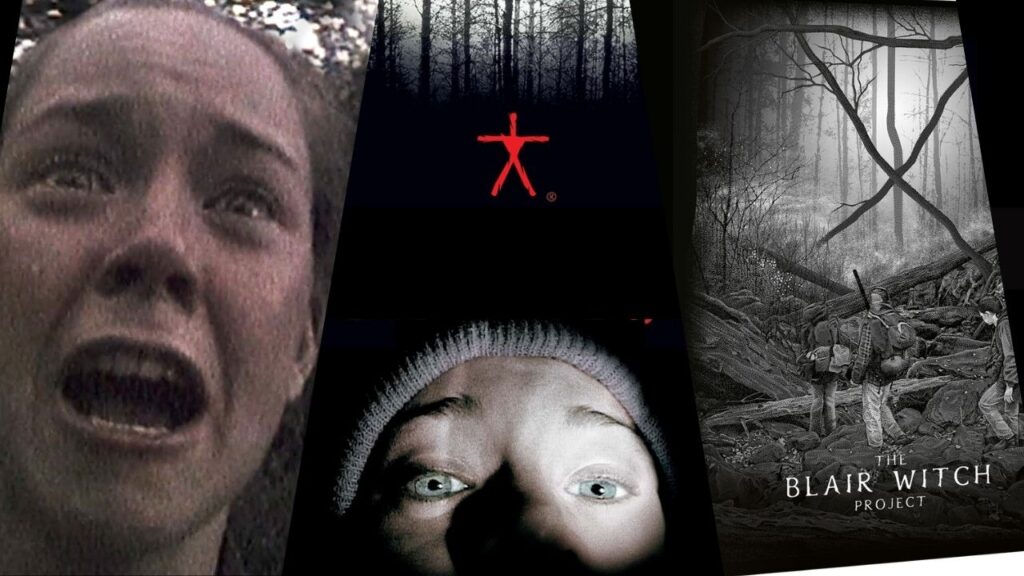
8. The Blair Witch Project
When it hit theaters in 1999, it revolutionized the horror genre with its use of found-footage style narration, minimal production costs, and a genius marketing strategy that obscured fact and fiction.
The Blair Witch Project become the excessive horror which success demonstrated that people could be entertained simply by a story and a mood, without elaborate special effects or movie stars.
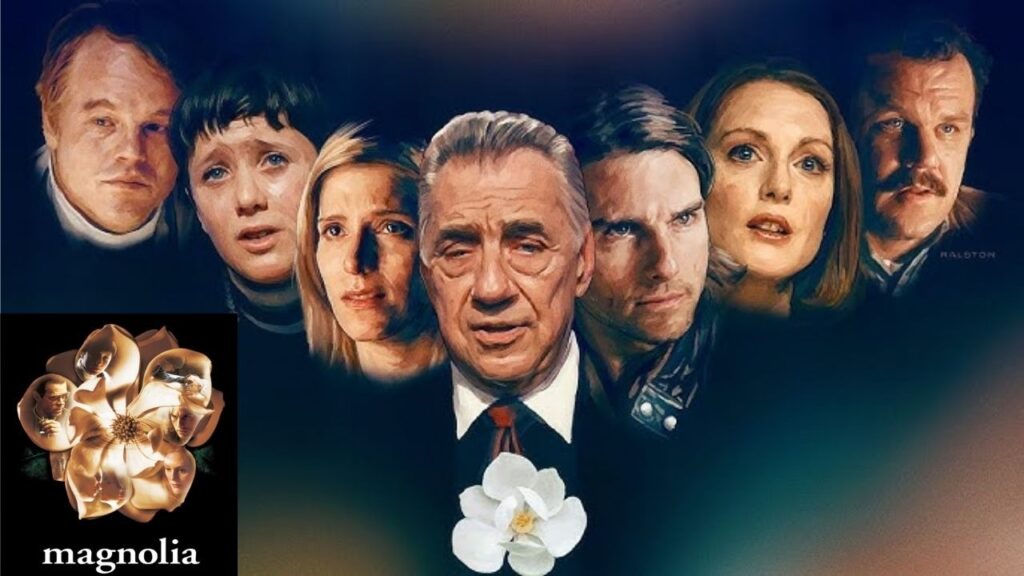
9. Magnolia
Magnolia interlaces a number of connected stories throughout the day and night. At its heart, the film is about guilt, forgiveness, regret, trauma, coincidence and connection between people. The various characters’ lives intersect in small (and occasionally stunning) ways, leading up to one of the most-discussed finales in contemporary film.
Magnolia is now considered a cult classic, and is often regarded as one of the best films of 1999 and one of the best ensemble films ever. It’s flawed and difficult, and so human — all of which is why it continues to provoke discussion more than twenty years on.
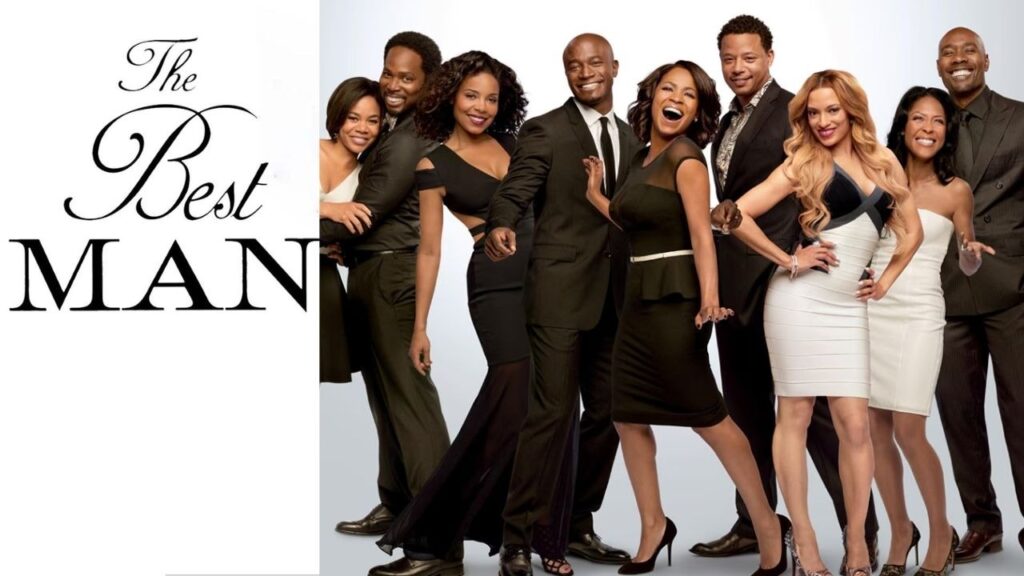
10. The Best Man
The “Best Man” (1999), directed by Malcolm D. Lee, is a romantic comedy that rode the wave of popularity of the genre back then. With a predominantly Black cast, the movie is about a group of college friends coming back together for a wedding. Taye Diggs is a rising novelist whose latest book causes trouble — it’s a roman à clef that draws on their own lives.
Warm, funny and sexy, the film was a box office hit and managed to distinguish itself without crass commercial exploitation or without being too blatantly positioned as a “milestone” in Black representation. Executive produced by Spike Lee, who is also the director’s cousin, “The Best Man” continues to hold a treasured place in the romcom canon.
What is interesting is that 1999 itself was not universally hailed as the best year in the 90s Movies List. American Beauty took the Oscar, but Being John Malkovich was more highly lauded. Fight Club divided opinions upon its release. It was a long time before audiences and critics as a whole realized what they had experienced that year: They’d been treated to something extraordinary—an entire year in which the movies seemed vital, even dangerous, and endlessly inventive.
In an era when blockbuster culture reigns and original concepts have a hard time securing funding, 1999 stands as a powerful testament to what can be achieved. It was the year that arthouse brains met Hollywood brawn, when first-time filmmakers could become auteurs overnight, and when a movie didn’t have to come from a known property to become culturally significant. Looking back, 1999 was not just a great year for movies — it was the year that movies proved that they still mattered.
Dive into the world of 90s movie list with Fandomfans and get every detail from your movies, series and celebrity.
Mariyam
Articles Published :
76
Mariyam Khan is Fandomfans Content Writer and providing reports and reviews on Movie Celebrities, and Superheroes particularly Marvel & DC. She is covering across multiple genres from more than 4+ years, experience in delivering the timely updates.
The beginning of Spider-Man’s “Brand New Day,” starting at the top of The Amazing Spider-Man #546 in January 2008, was a clean slate for the character. Following “One More Day,” this era re-envisioned Peter Parker’s life by moving him from his married adulthood back to his origins as a single man and an aspirant. This contentious choice was taken in order to make the character more relatable and timeless for future generations.
Though they were out to make the character viable for at least the next few decades, how they went about doing so provides a textbook example of both imaginative thinking and the dangers of heavy-handed editorial mandates.
The Devil in the Details: The OMD Foundation
To get “Brand New Day,” you have to start with the ruins of “One More Day” (OMD). To fix Peter’s public unmasking during Civil War, Marvel had Peter literally make a “deal with the devil.” To save Aunt May’s life, the demon Mephisto wiped out Peter’s marriage to Mary Jane Watson from history.
Image Credit: Fandomfans
This “Devil’s Bargain” erased two decades of continuity. For his part, Editor in Chief Joe Quesada has said that an older married Peter is too “aged” and in that sense less relatable. But it’s a forced regression — and it’s unearned, too. It was like a supernatural “undo” key, rather than traditional character development, and many fans felt it discounted their long-term investment in the series.
Innovation Through the “Brain Trust”
The most interesting thing about BND was not just the story, but the logistics. Marvel dropped several Spider-Man books to concentrate on one flagship title, The Amazing Spider-Man, three times monthly.
Image Credit: Fandomfans
This necessitated a “brain trust” of rotating writers (such as Dan Slott, Mark Waid and Zeb Wells) and artists. This method enabled the book to mimic the speed of serialized television. They could sow “slow-burn” seeds — such as the mystery of the ‘Spider-Tracer Killer’ that would pay off months or even years down the road.
A New (But Old) Supporting Cast
BND, however, also devoted a lot more attention to Peter’s life without the mask. Moving him back in with Aunt May and making him a freelance photographer once again Marvel played up “humanizing” the hero through urban hardship.
Return of Harry Osborn: Resurrecting Harry reintroduced a social mooring and a “best friend” dynamic that had been missing for years.
Image Credit: Fandomfans
New Rogues: The era was prolific in new villains. Mister Negative was the breakout, presenting a stark visual “negative” of the Peter/Spidey duality.
New Faces: New characters Carlie Cooper (a CSI forensics expert) and Vin Gonzales (Peter’s Spider-Man-hating roommate) were also added to capture a contemporary, pan-op/NYC feel.
Transmedia Legacy and the MCU
Controversial as it always was, BND’s DNA is stamped on everything today. The 2018 Marvel’s Spider-Man game took a lot of cues from this period, including Mister Negative and the F.E.A.S.T. shelter.
Image Credit: Fandomfans
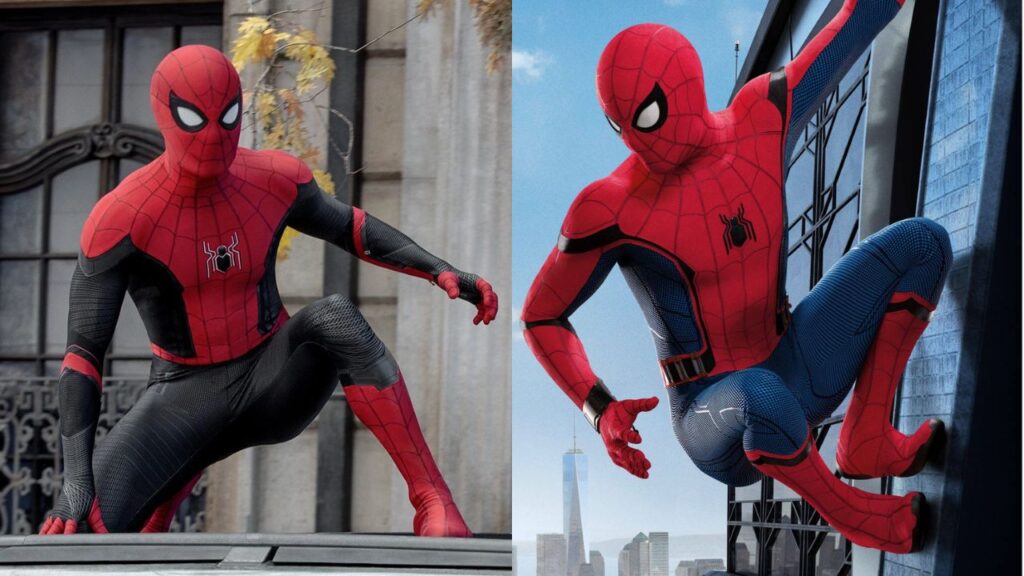
More importantly, the BND model is what the MCU is now following. Tom Holland’s Peter is, by the end of No Way Home, living in a small apartment, unknown to the world and devoid of his Stark tech. The 2026 film, apparently titled Spider-Man: Brand New Day, heralds a “fresh start” much like the 2008 relaunch – though presumably with a more heroic justification than a deal with Mephisto.
Conclusion
“Brand New Day,” was a radical rewrite designed to update the character by returning to his roots. Though it led to some of the best single stories in the character’s history, it also demonstrated that “narrative debt” is real. You can reset a character’s clock, but you can’t always reset the reader’s memory.
Fandomfansis a platform where you can find every update on movies, series, and celebrities. Our goal is to focus on deep concepts and character arcs.
Mariyam
Articles Published :
76
Mariyam Khan is Fandomfans Content Writer and providing reports and reviews on Movie Celebrities, and Superheroes particularly Marvel & DC. She is covering across multiple genres from more than 4+ years, experience in delivering the timely updates.