Presumed Innocent: The Legal Thriller Taking Over Apple TV+
Presumed Innocent is a gripping Apple TV+ legal thriller starring Jake Gyllenhaal. Read the full review, plot details, cast info, and season 2 updates.
Published: December 21, 2025, 6:07 am

Presumed Innocent is a gripping Apple TV+ legal thriller starring Jake Gyllenhaal. Read the full review, plot details, cast info, and season 2 updates.
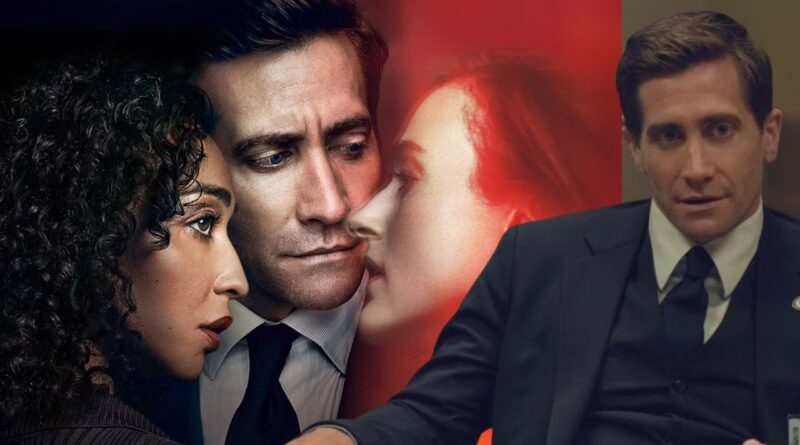
Presumed Innocent has solidified its place as one of the best legal thrillers of 2024, and if you haven’t dived into this tense series on Apple TV+ yet, it’s high time you discovered what all the buzz is about. This reworked version of Scott Turow’s seminal 1987 novel adds new urgency to the screen with Jake Gyllenhaal at the head of a superb ensemble through a whodunit that will keep you guessing until the last.
The narrative revolves around Rusty Sabich, an intelligent chief deputy prosecutor in Chicago who is caught in the worst possible trap when his colleague and ex-partner, Carolyn Polhemus, is savagely killed. Adding to the tragedy is the fact that Rusty is tasked with investigating her death—a jaw-dropping conflict of interest that quickly goes haywire. When his boss is successful election-wise and replaced with Nico Della Guardia, it’s a whole different ballgame. Rusty is taken off the case, and worse, he’s charged with the crime he was definitely doing it.
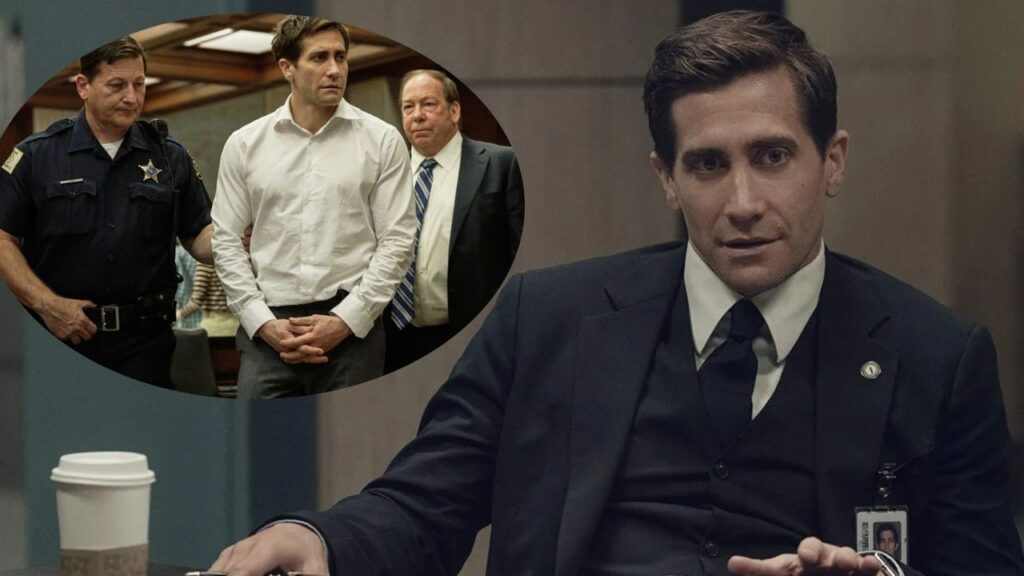
It’s a trial on steroids and at its core is obsession, betrayal, politics and the very nature of justice itself. The series expertly drops new leads and potential suspects in just about every episode, causing viewers to go through several iterations of who might have actually killed Carolyn.
Jake Gyllenhaal brings that intense presence to his new role as Rusty Sabich, giving a performance that critic after critic is describing as “endlessly watchable” and “stellar.” In contrast to Harrison Ford’s more sympathetic interpretation in the 1990 film version, Gyllenhaal’s Rusty is colder, more ambitious, and at times terrifyingly obsessive.
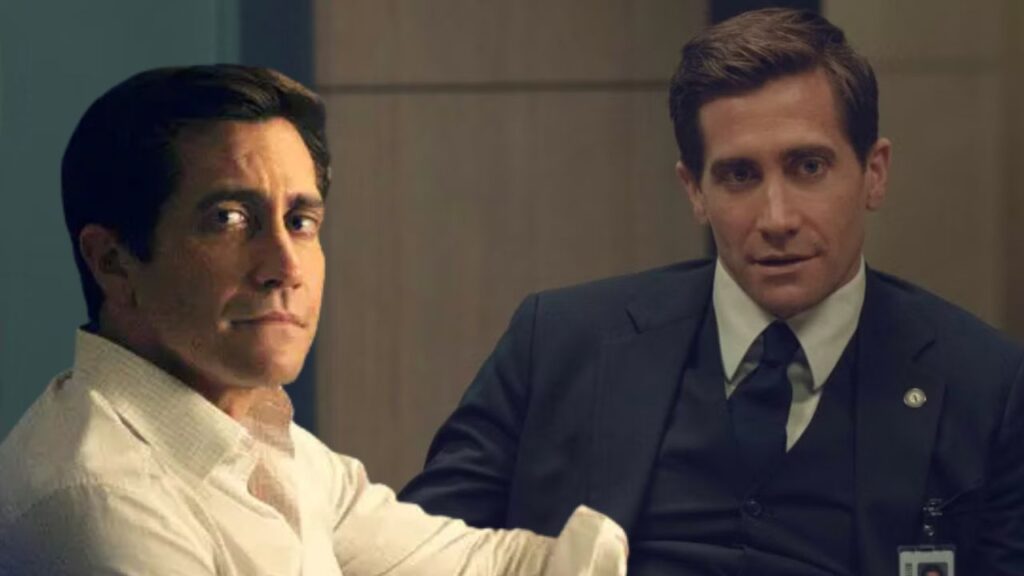
He’s a guy going through a separation, and balancing his family life, his legal defense, and his frantic need to hold on to some semblance of control — as the world is falling apart around him. That subtle play adds so much to the character and makes him a very interesting character to watch even when he’s being extremely unlikeable.
The series has an exceptional cast that makes each moment memorable. Barbara, Rusty’s wife (Ruth Negga), whose heartbreaking performances encompass the devastation of betrayal and the strength of a family unit. Peter Sarsgaard is thoroughly chilling as Tommy Molto the zealous prosecutor hellbent on nailing Rusty and Bill Camp infuses Raymond Horgan, Rusty’s ex-boss who turns unexpectedly into his staunch ally, with gravitas and nuance. The secondary cast are consistently outstanding across all eight episodes, delivering multi-faceted characters who come across as authentic and driven.
Read More 👉 Johnny Depp Returns to Hollywood With a Dark Gothic Comeback
What separates Presumed Innocent from the run-of-the-mill courtroom dramas is the speed and narrative design. According to THR, The eight-episode structure is ideal—each episode ratchets tension in a measured way while tossing new complications your way that challenge your assumptions. There are no time-wasting secondary plots in the series – every single scene works towards this bigger mystery. The trial form which the final episodes are virtually taken up with is indeed gripping, and unexpectedly unpredictable.

The series at times balances the courtroom drama with private family moments that reveal what Rusty and his family members have at stake. These quieter moments help make the legal fights feel truly consequential as opposed to simply procedural.
The first season is set to consist of eight episodes, which will be released weekly on Apple TV+ as of June 12, 2024, with the season finale on July 24. The ending is a shocking reveal that will have you reeling and instantly rewinding key moments to piece it all apart together.
Presumed Innocent will return for a second season on Apple TV+, the streamer’s hit legal thriller has been renewed by Apple TV+. However instead of continuing with Rusty’s story the series is now revolving into an anthology format where each season focuses on a different case and set of characters, as mentioned in Deadline.”That’s what keeps the show fresh and yet captures that legal thriller feel that made the first season so addictive.”
“Presumed Innocent” is a must-see for those who adore legal drama, character-learned narratives or just killer television in any format. It shows that the legal thriller genre still can be when crafted with the sort of excellence and lust for ambition as this one. Watch Presumed Innocent now on Apple TV+ and get ready to be thoroughly entertained.
Fandomfans is a platform where you can find every detail on legal thrillers story based Presumed Innocent series updates. Stay connected for all movie & series updates.

Discover why The Witcher 3: The Last Wish is the perfect prequel, exploring Geralt’s origins, key characters, and the story that sets the stage for his legendary journey.
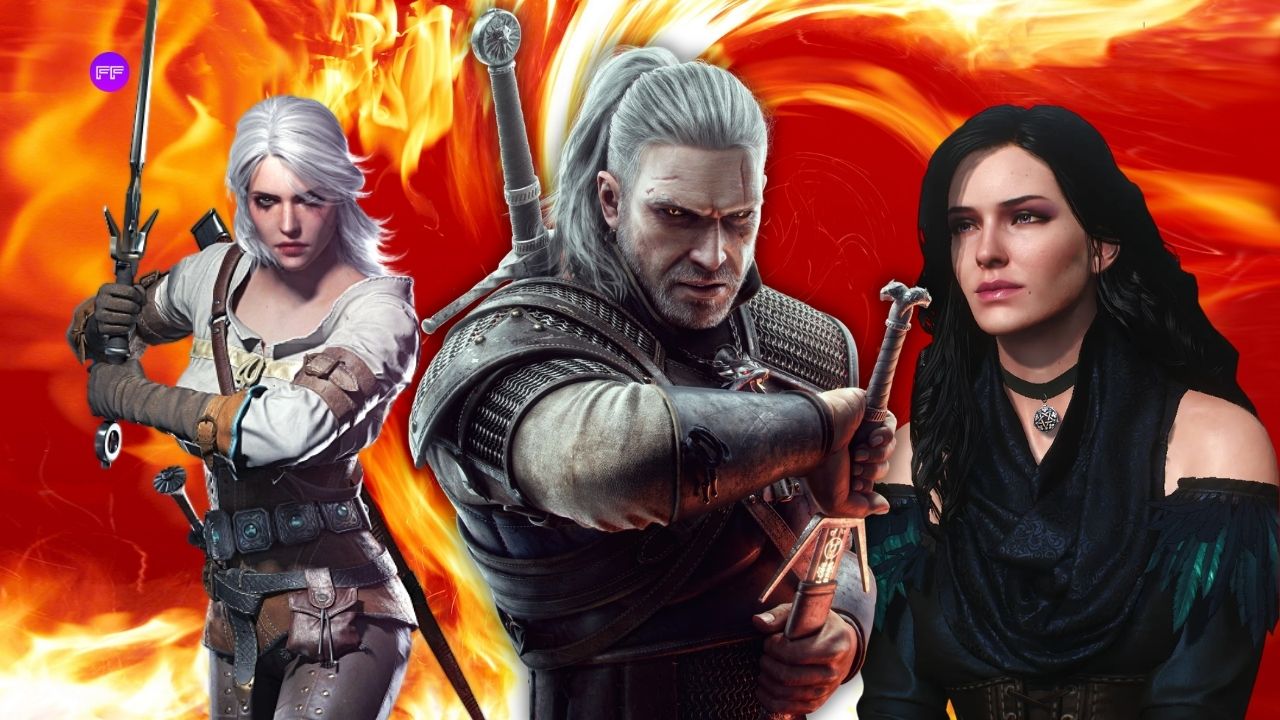
CD Projekt Red revealed Songs of the Past this month at gamescom, The Witcher 3 expansion. There is also Ciri-led Witcher 4 already in production that sparked an online discussion about the book ‘The Last Wish’ which is the origin story – the Wild Hunt is built on. The book is a collection of short stories published in 1993.
There is a reason why fans talk about it now, it helps you understand the emotional history behind some of the biggest moments in the game. So some suggest reading it before playing a game or some say read it after so it will be more interesting.
Wild Hunt released on May 19, 2015, and went on to win more than 250 Game of the Year awards. It’s still one of the most replayed RPGs on the market a decade later, which is exactly why CD Projekt Red keeps feeding it new content instead of letting it rest — Hearts of Stone and Blood and Wine both landed in 2015 and 2016, and now Songs of the Past is coming to close out the trilogy of expansions. For a game built almost entirely on the idea that your past choices and Geralt’s catch up with you, it makes sense that new players are asking where that past actually started.
It didn’t start with the game. Andrzej Sapkowski, a Polish former economist turned fantasy writer, published his first Geralt short story in 1986 and collected the earliest ones into The Last Wish (Ostatnie życzenie) in 1993 — more than twenty years before CD Projekt Red touched the material.
Gollancz published the UK edition in June 2007, with a US edition from Orbit following in 2008, translated by Danusia Stok. So when people call it “the perfect prequel,” they don’t mean Sapkowski wrote it as a companion piece to a video game that didn’t exist yet. They mean it’s the actual literary starting point of everything that follows — books, games, and the Netflix show alike.
It’s six novella-length short stories, wrapped in a framing narrative called “The Voice of Reason,” which is itself split into seven short parts scattered through the book. The frame is simple: Geralt, badly wounded after a fight, is recovering at the Temple of Melitele under the priestess Nenneke, and each time the story cuts back to the temple, it triggers a flashback that becomes the next full story.
It’s a structure that rewards picking the book up in short sessions — you can read one story, stop, and not lose the thread, which is rare for fantasy fiction and part of why it works so well for people used to console gaming in bursts.
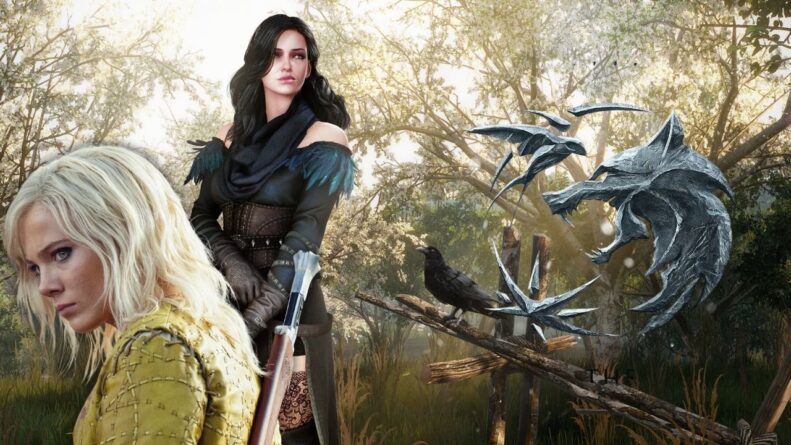
The six stories, in the order they appear, are:
None of them require you to have read anything else first. That’s deliberate — this is Sapkowski introducing his own world to readers who’d never met Geralt before, which is precisely the position most The Witcher 3 players are in relative to the books.
The three stories not covered in detail below still matter. “The Witcher” is the striga contract at Wyzim that opens the book and establishes what Geralt’s job actually looks like day-to-day.
“A Grain of Truth” is a doomed romance with a cursed nobleman named Nivellen, closer to a Beauty and the Beast retelling than a monster hunt.
“The Edge of the World” sends Geralt into elven territory and does more to establish the tension between humans and the Elder Races than anything Wild Hunt shows directly.
None of the three are essential to understanding the game, but they’re short enough that skipping them saves almost no time.
Sword of Destiny actually printed in 1992, a full year before The Last Wish hit shelves in 1993. So chronologically inside the story, Last Wish comes first but it wasn’t published first in its original language.
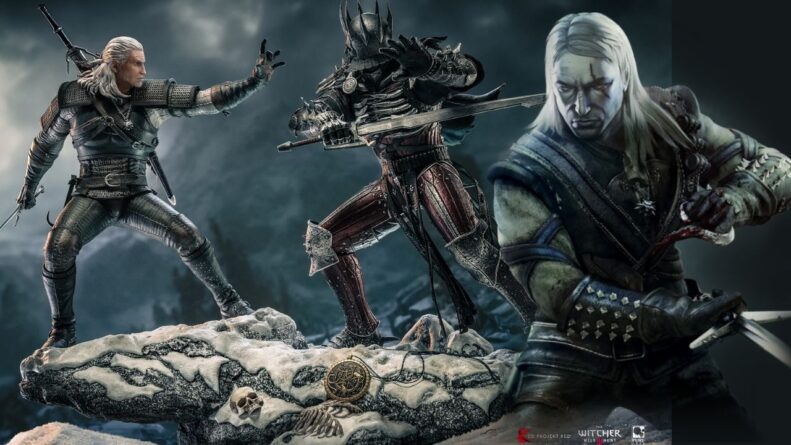
English readers dodge that confusion entirely, because Stok’s translation of The Last Wish arrived in 2007, while Sword of Destiny wasn’t translated into English until 2015. If you’re reading in English, you’re already getting the books in the “correct” story order without trying.
You don’t need all six stories to understand why the book pairs so well with the game, but three of them do a specific job the game just assumes you already know.
This is the story that introduces the Law of Surprise — the custom where a person saved from death owes their rescuer whatever they didn’t know they had at the time, whether that’s a sack of gold or an unborn child. Geralt invokes it almost as a formality at Pavetta and Duny’s betrothal feast at Cintra, not realizing what he’s just claimed. Wild Hunt spends dozens of hours on Geralt’s bond with Ciri, treating her as the daughter he never planned to have.
This story is the moment that bond gets created, on paper, years before Ciri is even born. Nothing in the game explains the Law of Surprise this clearly — you either already know it or you’re taking the game’s word for why Geralt cares this much.
Read More 👉 Spider-Man: Brand New Day Ending Explained – 6 Marvel Loose Threads
The title story is where Geralt and the bard Dandelion free a djinn from a shattered vessel, and where Geralt first crosses paths with the sorceress Yennefer of Vengerberg. It’s a messy, funny, occasionally chaotic story — Yennefer manipulates Geralt into attacking a group of councilmen before the two of them team up to deal with the djinn itself and it ends with Geralt using his last wish to tie his fate to hers.
Wild Hunt shows you the relationship between them but the story shows you the moment it had all started. The game assumes you probably understand the deep connection and bond of Geralt and Yennefer which tied them together from the beginning, even when neither of them really realizes it.
One of the important stories where you understand what makes The Witcher 3’s choices feel different from other RPGs. Geralt had to make a difficult choice, kill Renfri, a woman who has suffered badly but has also killed people, or let her live to kill more people. Sapkowski ‘s entire point is that “the lesser evil” is still evil, and thinking otherwise is a lie, people telling themselves to feel better about hard decisions.
“Sometimes you have to live with your choices because there is no truly good option.”
That’s the exact philosophy behind almost every quest branch in Wild Hunt, from the Bloody Baron questline to the fate of Ciri at the very end. The game never states this philosophy outright. The book does, in one uncomfortable short story.
If you came to Geralt through Netflix instead of the game, you’ve technically already met most of this book, just in the wrong order.
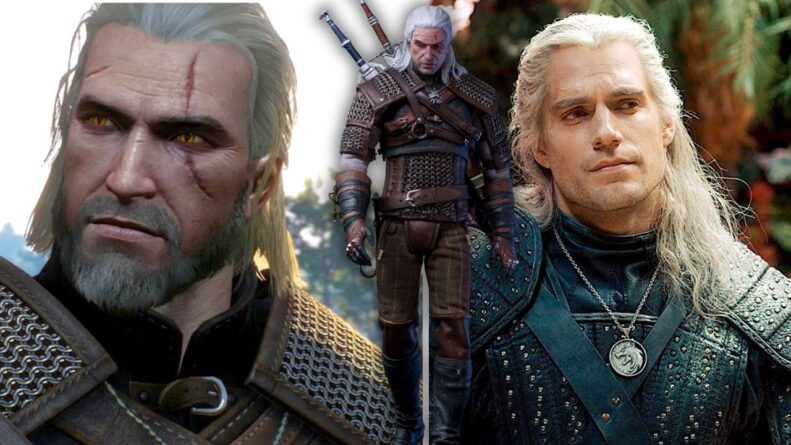
The Witcher Season 1 have eight episodes in which the first five adapted from:
The remaining three episodes pull from Sword of Destiny instead. Showrunner Lauren Schmidt Hissrich chose to mix Geralt’s, Yennefer’s, and Ciri’s timelines together and present it on-screen for viewers but this choice made this season harder to understand without making each event clear during the story jumps across decades.
Reading The Last Wish doesn’t just prepare you for the game. It untangles exactly what confuses people about the show, because you’re seeing the same five stories told in a straight line instead of cut into pieces.
You can read this book before playing the Wild Hunt because The Last Wish doesn’t spoil a single plot point from Wild Hunt because It’s set years before the game’s story, so there’s no spoilers. It just removes the distant feeling that many players experience in the first ten hours, where Geralt clearly has a history with Yennefer, Triss, and Ciri, and it references endlessly but never fully explains because CD Projekt Red thought that players had already read the books.
Reading it after finishing the game still works, and some players actually prefer it that way, because it reveals the part where you assume and then get surprised with the actual story behind it. So both options work so well.
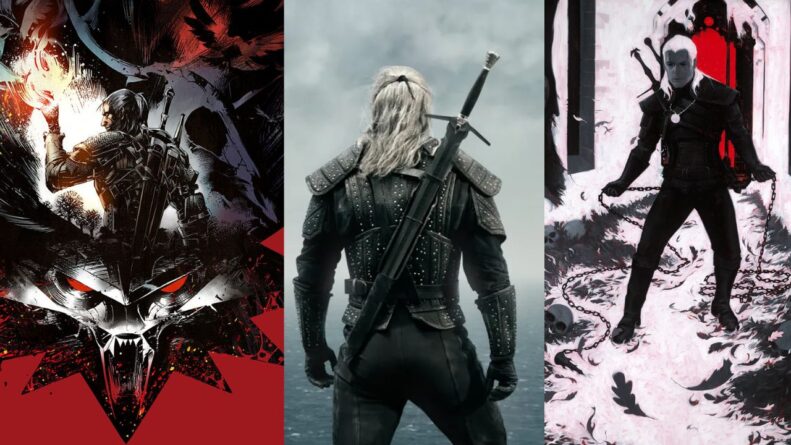
However, skipping it entirely and depending on the game’s codex entries won’t work to understand the story behind these relationships and make your interest loose.
If you want a low-effort entry point, the 2014 UK Audible production, narrated by Peter Kenny, runs a little over twelve hours — short enough to finish over a couple of weeks of commutes, and it’s the version most audiobook-first readers point to as the strongest performance of Geralt’s dry, deadpan voice.
Read More 👉 Top Superhero Comics: What Are the Best Superhero Books for Beginners?
If you’re one of the players jumping back into Wild Hunt because of the Songs of the Past reveal, or picking it up for the first time because Witcher 4 is putting Ciri in the lead role, The Last Wish is the single most efficient piece of reading you can do first. Skip Sword of Destiny and the five-book saga for now because none of that is required to enjoy the game, and it’s a much bigger time investment.
Read these six stories, pay close attention to “A Question of Price,” “The Last Wish,” and “The Lesser Evil,” and you’ll walk into Wild Hunt already understanding why Geralt fights as hard as he does to protect people he technically didn’t have to.
The Witcher 3 expanded context doesn’t just make the game make more sense — it makes the ending land harder, which is exactly what a good prequel is supposed to do.
Get connected with Fandomfans to receive updates and theories behind every movie, series, and celebrities.
Jennifer Aniston's stunning transformation from Rachel to The Morning Show has fans amazed. Check out her fitness, fashion and fearless role selections to date.
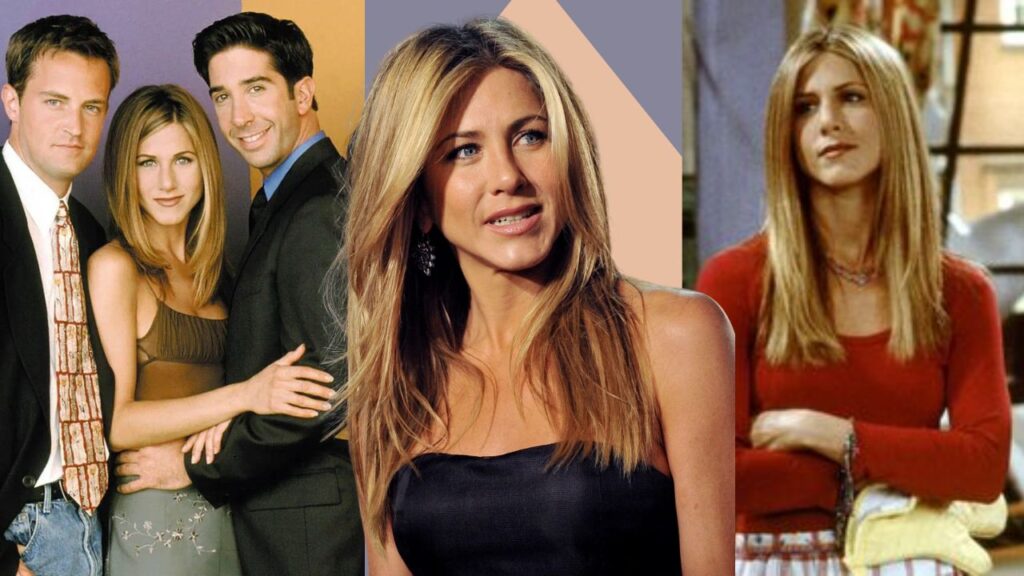
Aniston played Rachel Green on ‘Friends’ for ten seasons from 1994 to 2004, a character whose mannerisms, hairstyle, and love interests defined what it meant to be a 20-something woman around the world. The actress could not be disentangled from the character, it’s hard for everyone to recognize Aniston in other characters. Rachel Green was everywhere, on lunch boxes, in syndication, and in the cultural lexicon.
Aniston noted that she —
“Couldn’t get over from the shadow of Rachel Green ever in my life”
describing the experience as “exhausting”. The character was a “poor little rich daddy’s girl”, a specific archetype that afforded little room for the darkness or grit required of dramatic acting. Aniston admitted to fighting with herself and her identity in the industry “forever,” constantly trying to prove
She was “more than that person”.
—Aniston said
Jennifer Aniston’s whole Friends run nearly never happened because she was at that time already committed to a CBS sitcom titled Muddling Through back in 1994. Because she was “only in second position” for Friends, NBC was worried that they might have to recast Rachel if the CBS show was a hit, and speculated about shooting multiple episodes, only for CBS to pick it up and they’d have to do reshoots.

Aniston got her big break when Muddling Through was cancelled, and that led to her being cast on Friends – which just goes to show how precarious a career in Hollywood can be, and how one cancellation can make way for the series that takes an actor global and defines their stardom.
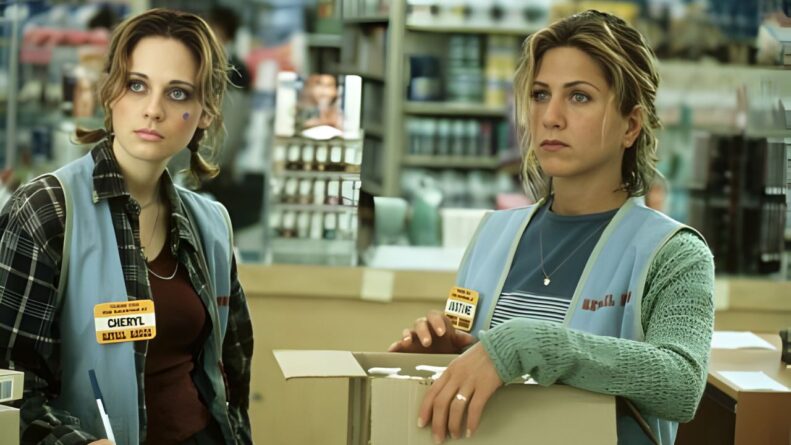
Helmed by Miguel Arteta, the film stars Aniston as Justine Last, a dour employee at a mall shoe store who has a clandestine relationship with a younger coworker (Jake Gyllenhaal). The choice to accept the part was nerve-racking.
“Panic that set over me,” thinking, “Oh God, I don’t know if I can do this? Maybe they’re right”.
—Aniston recalls
The film was an independent production, lacking the safety net of a major studio marketing budget or a laugh track. It required Aniston to perform “without a net” in front of the world. The success of The Good Girl and the critical acclaim she received—provided the “relief” necessary to continue pursuing dramatic work. It was the proof of concept that she could exist outside the “purple walls” of the sitcom apartment.
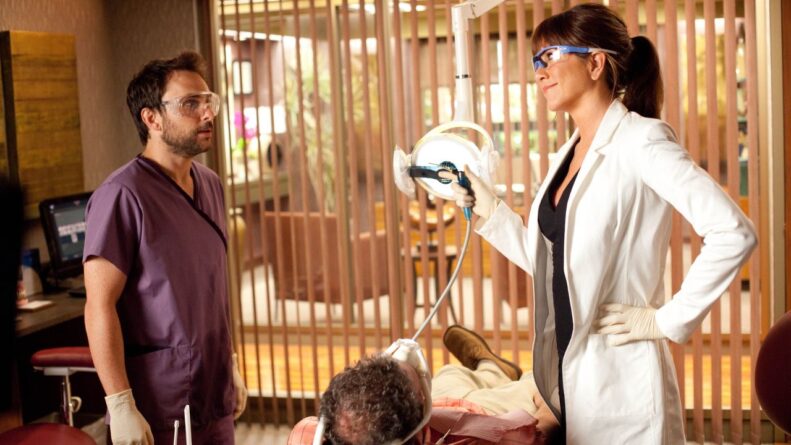
If The Good Girl proved she could be sad, Horrible Bosses proved she could be predatory. The appeal lay in the “black comedy” element. Aniston argued that “Comedy is a necessity,” but she expressed a preference for the “craziness” of the Horrible Bosses universe over the gentler comedy of Friends.
“Maybe everybody else is seeing something I’m not seeing, which is you are only that girl in the New York apartment with the purple walls”.
This quote speaks to the psychological complexity of the curse—it wasn’t only that she believed producers wouldn’t hire her but she was afraid she wasn’t capable of doing the work.
Breaking the curse required exposure therapy. By performing in independent films like The Good Girl and Cake, where the safety nets of budget and ensemble were removed, Aniston forced the industry to recalibrate its perception of her utility.
Cake is the ultimate punishment to shatter the curse. In this film, Aniston portrays Claire Bennett, a woman struggling with crippling chronic pain and addiction. Aniston quit exercising and wearing makeup. She studied friends with chronic pain to get a sense of what the condition felt like physically.
She allowed the role to “hurt” her, noting that during physical scenes, she “didn’t prepare” in the traditional sense but rather let the physical discomfort generate a real reaction.
Read More 👉 Wake Up Dead Man Review: A Bold Mystery but Missing the Knives Out Spark
The morning show era (TMS), Executive produced and co-created by Reese Witherspoon is the shift from Aniston the Actress to Aniston the Mogul. The show is more than just an acting vehicle, it’s a platform for industry commentary and power play.
The partnership with Witherspoon’s Hello Sunshine production company created an environment of “understanding, compassion and consideration” that Aniston notes
“Doesn’t always exist amongst the dudes”.
Alex Levy is the culmination of Aniston’s post-Friends evolution. She is a morning news anchor, but she shares no DNA with Rachel Green. Alex is “complex, vulnerable, controlled, lonely, enraged, self-serving”.

In Season 4 (2025), Alex has transcended the anchor desk to become a corporate executive. She is no longer fighting for a contract; she is fighting for the soul of the network. Critics have praised Aniston’s performance in this era as
“It is the best of her performances and able to perform mature characters”
noting her ability to portray moral conflict without the melodrama that sometimes plagued her earlier dramatic attempts. The role gives Aniston a chance to examine issues of power, complicity and growing older in a way Friends never did.
By 2025, she’s at a place very few could have predicted back in 2004: she’s the boss. On The Morning Show, she plays a character who runs the network, much like in real life, where she’s a producer on the show. She swapped the “purple walls” of the Friends apartment for the glass walls of the UBN executive suite. Jennifer Aniston has now shown beyond a shadow of a doubt that she is, in fact, “more than that person.”
Find out celebrities, movies, and web series updates on Fandomfans which is delivering every entertainment buzz to you.