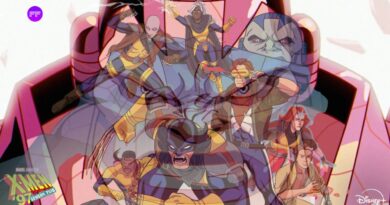
XMen 97 Season 2 Episodes 1-3: Who Really Sent the XMen Through Time?
Discover who really sent the XMen through time in XMen 97 Season 2 Episodes 1-3, Mother Askani's true identity, and what it means for Apocalypse's rise.
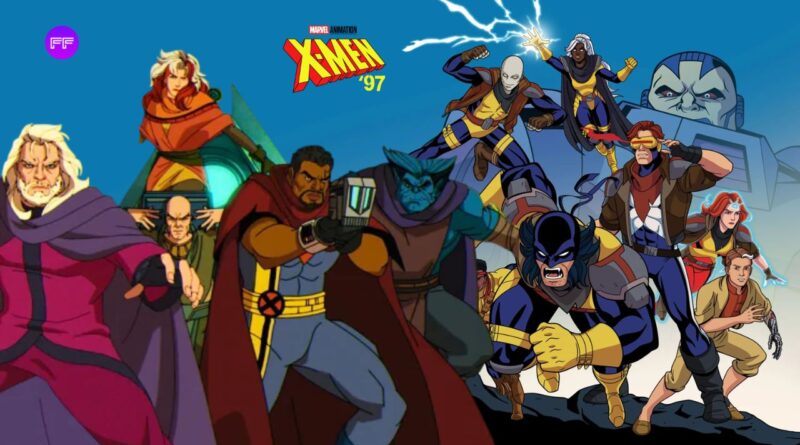
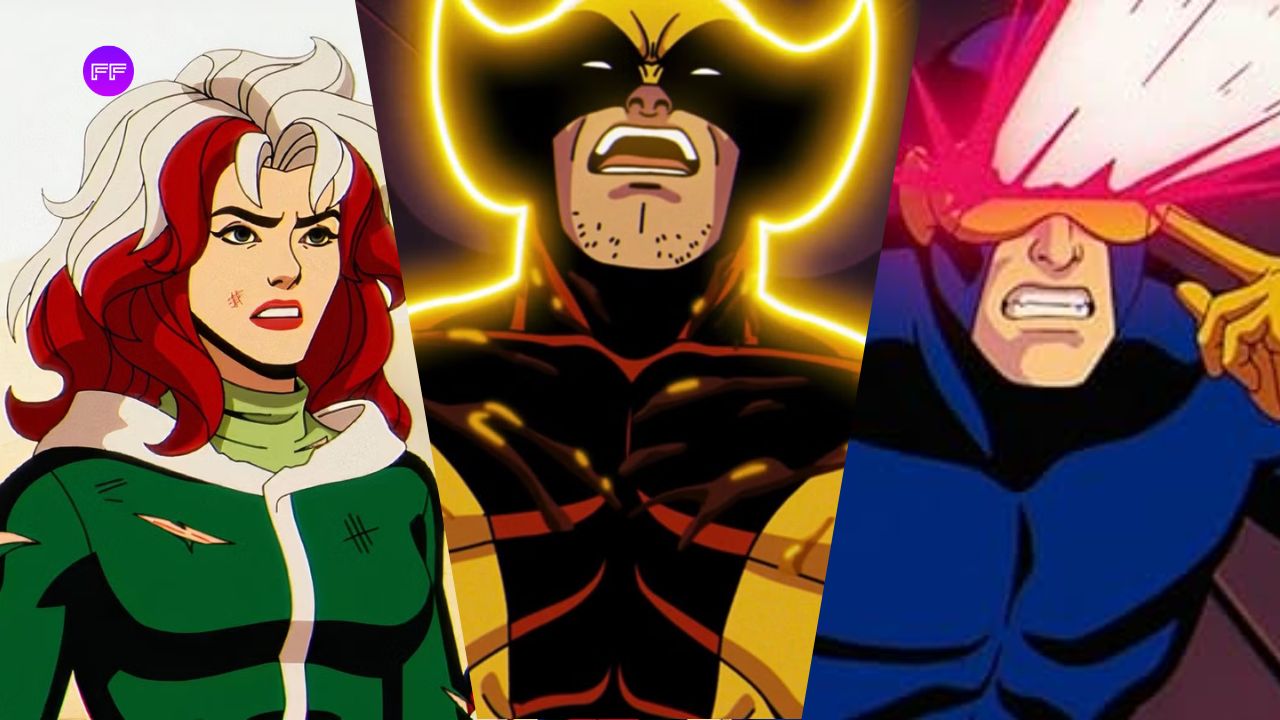
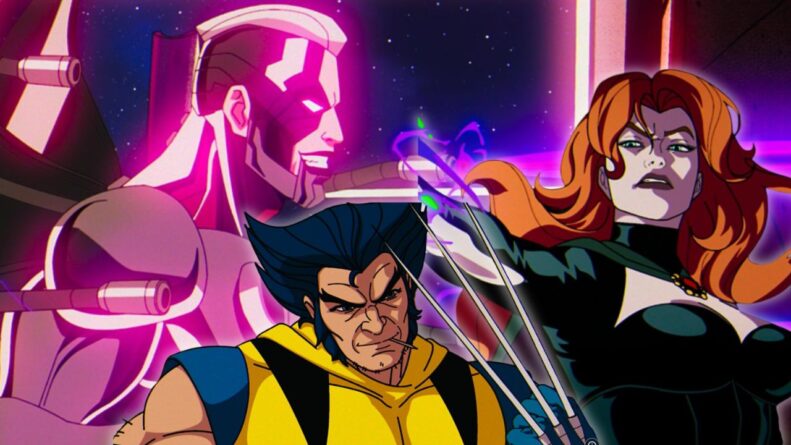
Season 1 of XMen 97 ended with the team getting blown apart on Asteroid M, and not in the way anyone expected. They didn’t die. They scattered across time. Some woke up centuries in the future. Others opened their eyes in ancient Egypt, thousands of years before Apocalypse became Apocalypse. For three episodes, nobody on the show, and nobody watching, knew who was pulling the strings. Xmen 97 Season 2 spends its opening act making you sit with that mystery before finally answering it.
So who actually did it? A woman named Mother Askani. And by the time episode 3 ends, you find out she’s not just some new mystic dropped into the story for convenience. She’s family.
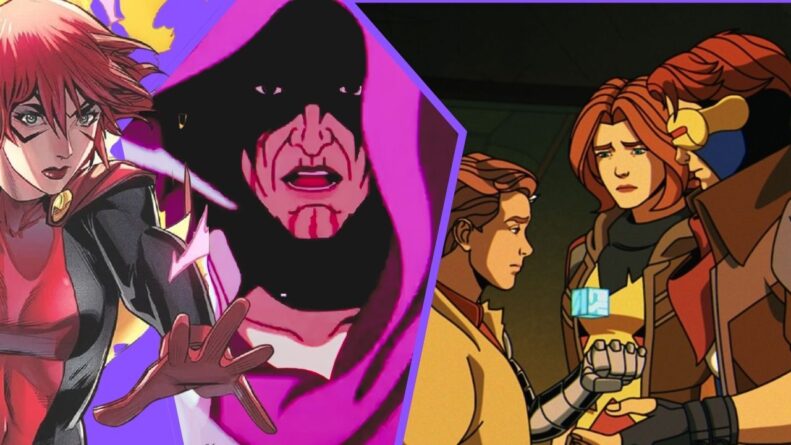
The beginning of Episode 1 shows Forge and Storm trying to gather their missing teammates by building up a new time machine. Forge traveled into the future to bring Cyclops, Jean, Storm, Morph, and Wolverine back into the present where they’re reunited with someone they thought they’d lost: their son, Nathan. In Season 1, Scott and Jean sent baby Nathan into the future to cure him of a techno-organic virus. What they didn’t know is who raised him on the other side.
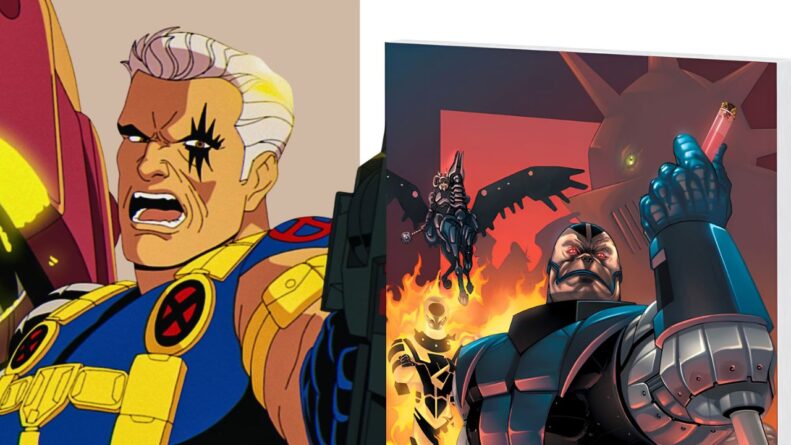
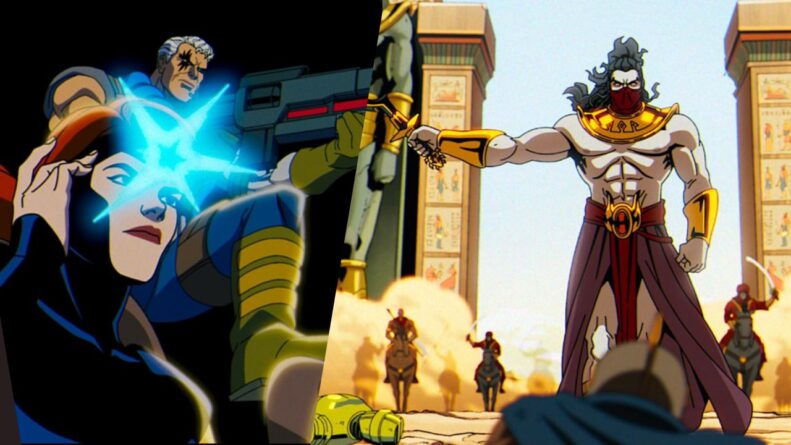
That’s Mother Askani. She’s the mysterious figure who has spent Nathan’s entire life preparing him to become Cable. Mother Askani made him a battle-hardened soldier who is ready to defeat Apocalypse. However, when news of this prophecy reaches Apocalypse, he sends four horsemen after the boy but Askani and Storm reach at the right time to save the Summers.

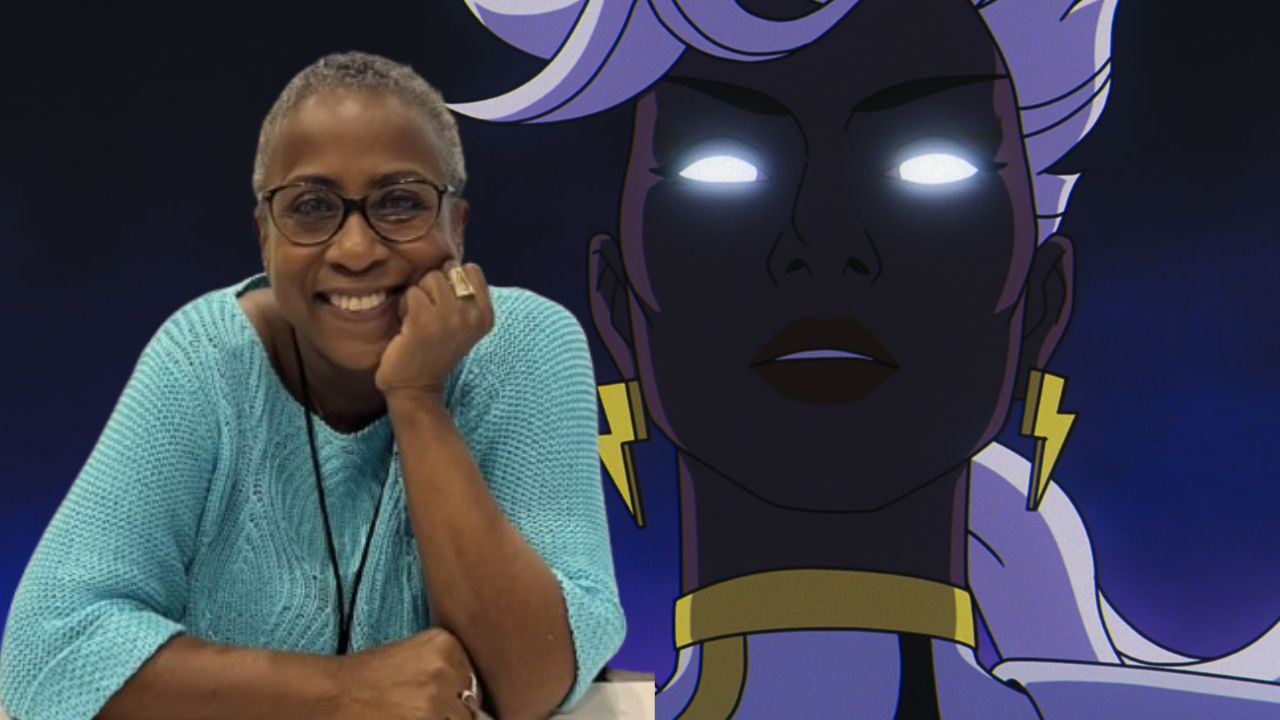
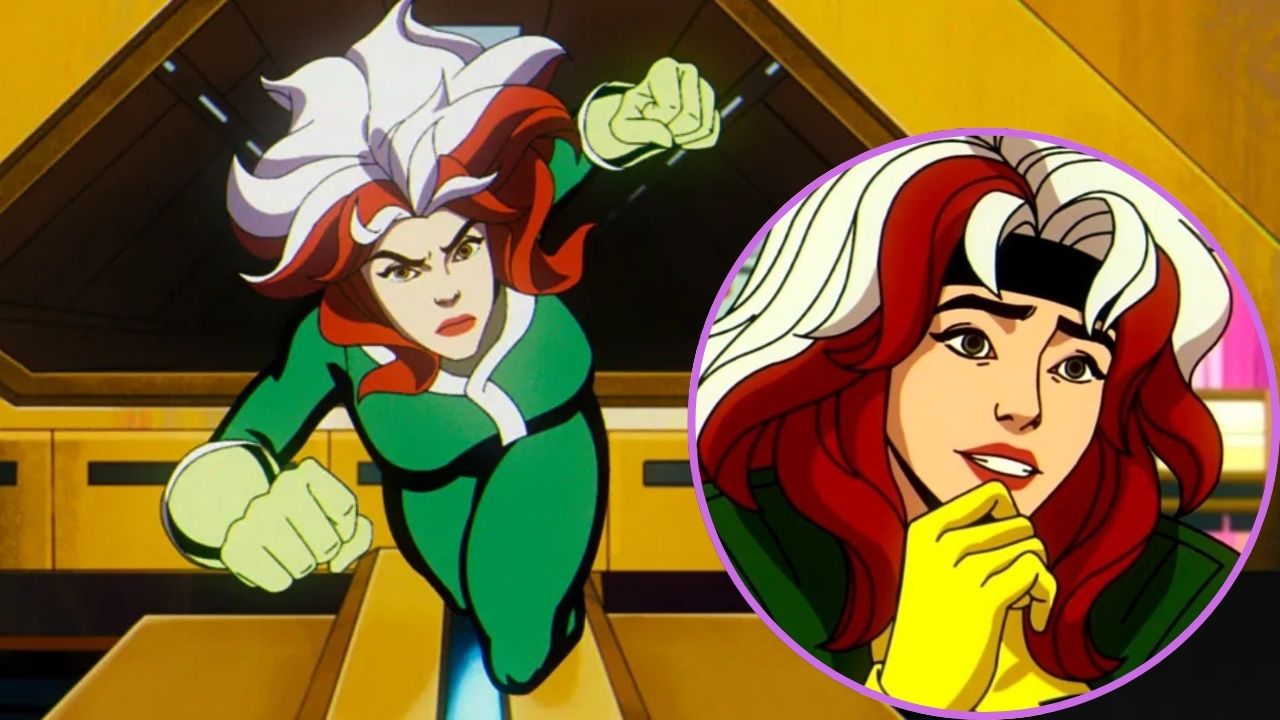
They crash into the Citadel and Mother Askarni reveals herself to Storm as Mother Askani, and when the hood comes off, longtime comic readers will recognize the face: Rachel Summers, daughter of Cyclops and Jean Grey from another timeline entirely.
She’s the family the Summers don’t know they have yet, and she’s been rewriting the timestream on purpose, placing both halves of the team at the exact moments that could stop Apocalypse for good. On the other hand, Apocalypse gets more angry and tries to strike the X-Men at their vulnerable time.
It’s a rough, honest episode, where Scott and Jean are stuck choosing between the son they just found and the world they still have to save. And it sets the emotional stakes before the show even explains the mechanics of the time split.
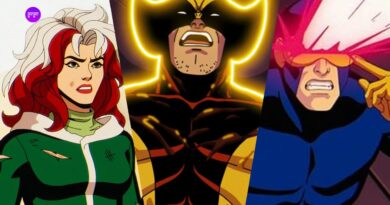
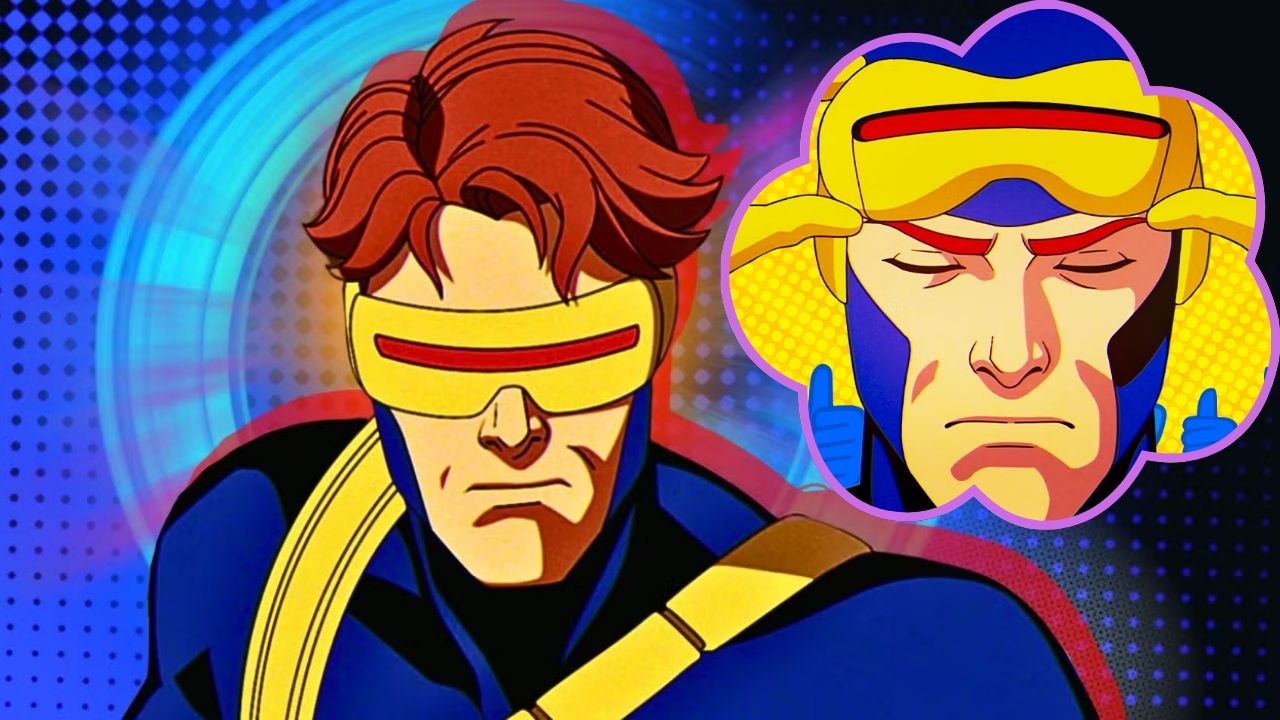
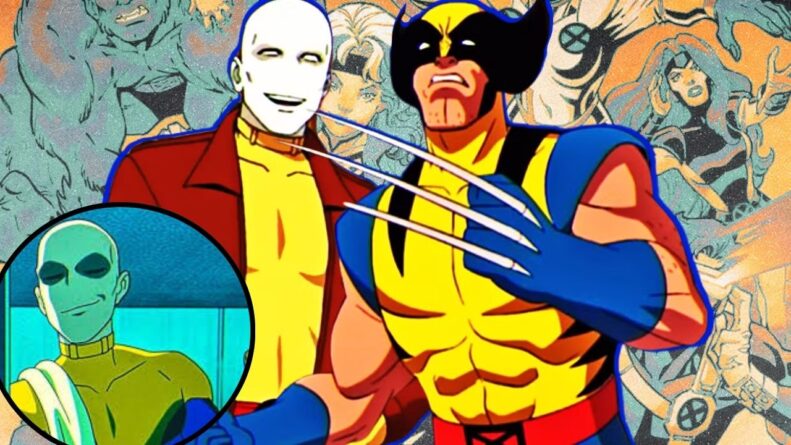
Apocalypse failure angers him more and decides to strike X-Men at their vulnerable, XMen 97 Season 2 steps away from the past and future entirely and checks in on the present, where the X-Men who didn’t get pulled through time are left picking up the pieces. Two factions form: X-Force, led by a fully grown Cable, and X-Factor, a group that’s chosen to work alongside the government instead of against it. Jubilee and Sunspot get pulled into Cable’s crew, and the episode uses their recruitment to show just how much the world has changed since the team went missing.
It’s important to understand who sent X-Men in the past and future because Apocalypse is the most dangerous villain and he wants to destroy all mutants. The one who has the remote can actually help the team to fight.
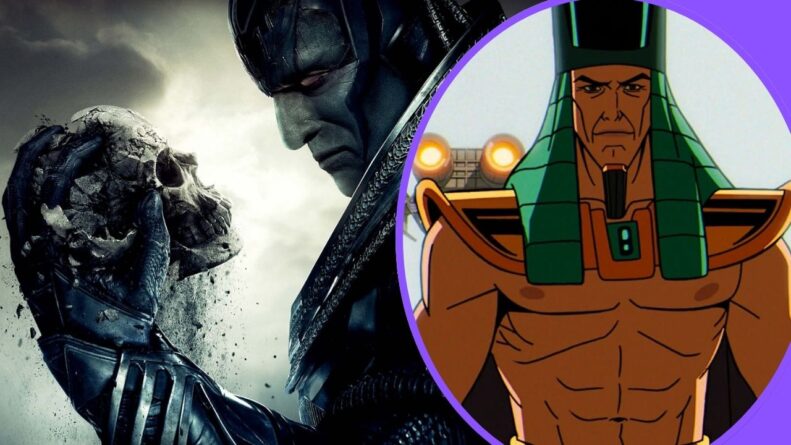
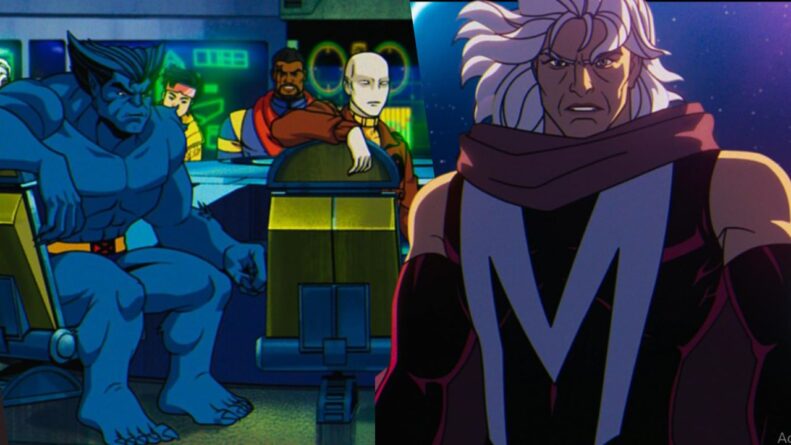
Traveling roughly 5,000 years into the past, the other half of the team—Professor Xavier, Magneto, Rogue, Nightcrawler, and Beast are in ancient Egypt with a young En Sabah Nur, the mutant who eventually becomes Apocalypse. Magneto hatches a bold scheme: to raise Nur under Xavier’s ideals and not hunger for domination. Meanwhile, they intend to use the high technology of Rama-Tut to return to their time.

Nur leads his Sandstormers against Logos and his robotic army of Rama-Tut where his powers as a mutant fully emerge, enabling him to destroy the mighty machines and defeat Logos. However, he stops before blowing up entirely since he is following Magneto’s advice and spares his enemy that shocked Professor Xavier. Magneto is determined to keep believing that Nur’s future can still be changed.
That doesn’t go well until Nur finds out about X-Men’s hidden lab that made Nur lose its control with rage. Rama-Tut strikes X-Men with his army right before they prepare to escape, leaving a cliffhanger for the fans which leads to raise many questions among them. The show is stepping forward into a more darker and twisted storyline which sets the character’s emotional stakes higher.
Read More :- XMen 97 Reading Guide: Every Marvel Comic You Need to Read
Because one shot wasn’t enough. Askani needed Nathan trained and ready to become Cable, and she needed someone in Nur’s life early enough to change his path before Apocalypse’s ideology ever took root. Splitting the X-Men across both timelines wasn’t an accident of the Bastion fight. It was the plan the entire time.

There’s another important comic detail to keep in mind. Rama-Tut, the pharaoh of ancient Egypt in Nur’s day, is in fact one of Kang the Conqueror’s aliases in Marvel Comics. If XMen 97 Season 2 follows that storyline, it’s possible the show could be setting up for a grander multiversal dispute — one that goes well beyond.
XMen 97 Season 2 has already answered its central mystery, but it’s opened up a dozen new ones. Can Scott and Jean actually walk away from Nathan a second time?

What happens when Magneto’s plan to “fix” Nur inevitably collides with Nur’s own free will? And how much does Askani actually know about a future she’s trying to prevent?
These three episodes of XMen 97 Season 2 are much more than explain who sent the X-Men through time. The answer is easy, Mother Askani sent X-Men in different timelines to achieve the goal: destroy Apocalypse. With one team set in the future and the other in ancient Egypt, the series converts time travel into a profoundly personal tale of family, sacrifice and the belief that even the worst evils in history can find an alternate way.
XMen 97 Season 2 promises that the battle ahead won’t just decide the fate of the X-Men, it could determine the future of the entire Marvel universe.
Dive into the world of entertainment with Fandomfans and get latest updates from the movies, series and celebrities.
Discover how Marvel's First Family and Doctor Doom go from uneasy allies to bitter enemies in Marvel First Family & Doctor Doom Are Friends Until Doomsday.

Nobody expects that Doctor Doom, about to threaten every universe in the multiverse in Avengers: Doomsday, isn’t a stranger to the Fantastic Four. He’s family friend material. Reed Richards and Victor von Doom go back decades in the comics, and it’s confirmed after official comments from insiders reveal that it’s the emotional spine of the entire movie.
This isn’t the origin story where Doom shows up as a masked menace on day one. This is a slower, sadder kind of villain arc, and it’s exactly why Robert Downey Jr. signing on to play him made so much sense once you stopped picturing Iron Man and started picturing a man who lost everything and blames the people who once called him a friend.
Long before he was ruling Latveria and building doombots by the thousand, Victor von Doom shared a dorm with Reed Richards at State University. They were rivals in the lab, not enemies in the field.

The accident that scarred Doom’s face and pushed him toward sorcery and tyranny is tangled up with Reed’s own guilt — Reed warned Victor his calculations were flawed, Victor ignored him, and the explosion that followed set both of their lives on separate, colliding paths.
What makes their relationship genuinely unusual in Avengers: Doomsday is that it never fully curdled into simple hatred. Doctor Doom has, at various points, called a truce with the Fantastic Four to fight bigger cosmic threats.
He’s shown up for moments on with Marvel’s first family. Most strikingly, in the comics, Doom personally delivered Reed and Sue’s daughter, Valeria, when a pregnancy complication threatened both mother and child and he later became her godfather. That’s not a footnote. That’s a writer deliberately keeping the door open between a hero and his greatest enemy, generation after generation.

Why this matters for the movie: If the MCU is borrowing this dynamic, Doom isn’t being introduced as a stranger the Fantastic Four have to figure out. He’s someone Marvel’s first family already trusted. That’s a much heavier betrayal to write and a much heavier one to watch.
According to a widely circulated from industry leaker Daniel Richtman, the Fantastic Four’s Reed Richard and Doctor Doom are described as being on friendly terms heading into the film as people who have known each other for years rather than adversaries meeting for the first time.

The same rumor claims the fallout that turns them into enemies is essentially the plot of the movie itself, with Doctor Doom reportedly seen playing with Franklin Richards in a post-credits scene of Fantastic Four: First Steps. Vanessa Kirby’s Sue Storm saw them and tried to prepare to use her power to protect her son but the scene ended.
However, the scene made fans mind that Doom was an enemy, if he’s friendly then Sue may not see Doom as a threat and calm down.
“Doctor Doom is just playing with Franklin, he mean no harm to the kid” — Ritchman Says
Marvel Studios hasn’t laid out the Reed-Doom relationship on record. But it lines up too neatly with six decades of comics history to dismiss, and directors Joe and Anthony Russo have publicly described Doom as one of the most complex characters in Marvel’s library — someone they wanted to explore with “complexities and vulnerabilities” rather than write as a straightforward conqueror.
“He’s not simply a villain; he’s one of the most complex Marvel characters. He’s always three moves ahead.” — Joe Russo, co-director, on Doctor Doom
If there’s one thread connecting the comics history to the reported MCU plot, it’s Franklin Richards. In the comics, Franklin is regarded as one of the most powerful beings to ever exist — capable of warping reality, creating pocket universes, and reading minds before he can properly walk. The Fantastic Four: First Steps already introduced him as a baby who ages into a young child by the film’s end, and multiple reports suggest Doom’s interest in Franklin is central to why he moves against the family at all.
A godfather turning on the family he swore to protect, driven by what a child could become, that’s not comic book villainy for its own sake. That’s a tragedy with body count.
Read More 👉 Marvel’s Amazing Spider-Man #1000: What Fans Need to Know
| Title | Details |
| Title / Event | Avengers: Secret Wars (follow-up: Avengers: Secret Wars — Part II noted as Dec 17, 2027) |
| Release date | December 18, 2026 |
| Follow-up installment | Avengers: Secret Wars follows (sequel/next major MCU event) on December 17, 2027 |
| Main villain | Doctor Doom — played by Robert Downey Jr.; full costume unveiled at CinemaCon 2026 |
| Returning lead cast | Chris Evans (Steve Rogers), Chris Hemsworth (Thor), Pedro Pascal (Reed Richards), Vanessa Kirby (Sue Richards) |
| Fantastic Four presence | Seven characters from First Steps confirmed to appear, including HERBIE (the robot) |
| Directors | Anthony Russo and Joe Russo (returning to MCU since Avengers: Endgame) |
| Setting / premise | Heroes from three separate universes — Earth-616, Earth-828 (Fantastic Four’s world), and Fox X-Men universe — converge to face Doctor Doom |
The trailer shown at CinemaCon and in teasers has already leaned into Doom’s overwhelming power — a scene where he stops Thor’s Stormbreaker with one hand has become the moment fans keep replaying.
But the same trailer reportedly closes on a much quieter, more devastating line from Doom: “One day you will forgive me.” That’s not the sentence of a conqueror talking to strangers. That’s the sentence of someone talking to people he actually cares whether they forgive.
The MCU has struggled with villain motivation before — plenty of Phase Four and Five antagonists existed mainly to be defeated. Doom being a person the Fantastic Four actually liked, trusted, and maybe even loved solves that problem before it starts. They also don’t have to start from scratch in making us feel sympathetic for Doom; they get that from sixty years of history between Reed and Victor, and they get to spend their running time dismantling it on-screen rather than explaining it in exposition.

It also raises the stakes for everyone standing next to the Fantastic Four when Doctor Doom turns. If he’s willing to burn a friendship this old to get what he wants, nobody in Avengers: Doomsday is safe because they’re powerful. They’re at risk because they’re close to him.
Read More 👉 XMen 97 Season 2 Episodes 1-3: Who Really Sent the XMen Through Time?
Doctor Doom isn’t a fascinating Avengers: Doomsday antagonist simply because he’s the most powerful person present. He’s compelling because he’s introduced as someone Fantastic Four already know, trust, and consider part of their lives. That background makes every encounter not just a fight to save the multiverse, but the shattering of a friendship that once felt unshakable.
If Marvel follows the emotional roadmap it set forth in the comics, “Avengers: Doomsday” won’t just establish Doom as the MCU’s next major villain. It’ll show how pride, grief, and unthinkable choices can turn a trusted friend into the deadliest enemy Marvel heroes have ever encountered. And now, with the multiverse at stake and Reed Richards facing the friend he couldn’t save, the conflict is far more tragic than your standard-oh-hero-versus-villain story.
Dive into details of latest movies, series, and characters before watching it on Fandomfans
Greatest Marvel's Amazing Spider-Man #1000 comic that shaping future MCU with great storyline and villains, releasing after Brand New Day

Marvel has been leading up to this moment for months, and now it’s almost here. On Sep 16, 2026, Amazing Spider-Man #1000 will be released, one of the biggest issues to ever hit shelves for the character. This is being laid out as a major turning point for Spider-Man that will open new storylines, new threats, and a creative team that will scale the event. It’s a bona fide event book, the kind Marvel only does once a decade.
The release is coming as well when excitement for Spider-Man is building once more, fueled by the arrival of Spider-Man: Brand New Day in theaters. Peter Parker is having a moment.
There are not many superhero comics that ever make it to issue #1000, but Spider-Man is about to join that select group. For Spider-Man, the milestone represents decades of stories, untold creative teams, and generations of fans. Even though the current run is just at issue #36, Marvel’s legacy numbering takes into account the entire publishing history going all the way back to the original Amazing Spider-Man series that was first published back in 1963, so this has the potential to be one of the biggest issues the title has ever produced.

The book is being led by writer Joe Kelly and artist Pepe Larraz, the current creative team on Amazing Spider-Man, in a story titled “Ravaged.” This isn’t a stand-alone tribute story disconnected from the ongoing plot — it’s described as both a culmination of Kelly and Larraz’s run so far and the launchpad for whatever comes next. In other words, if you’ve been following the current arc, #1000 pays it off. If you haven’t, it’s designed to work as an entry point too.
The centerpiece of the issue introduces a brand-new villain, and Marvel has been fairly blunt about the intent behind him. Kelly described the character as engineered specifically to “terrify and enrage and torture Peter at maximum potential,” aiming for the kind of antagonist readers end up loving to hate. Larraz, who designed Ravage’s look, wanted something Spider-Man readers hadn’t seen before — the early art shows a black-and-yellow costume with red boots and gauntlets, a fur cape, a Black Knight-style helmet, and a sharpened gold chain as his signature weapon.
What makes Ravage dangerous isn’t just brute strength. The solicitations frame this as one of Spider-Man’s most personal battles yet, with the villain’s power forcing Peter to question his own legacy which is a fairly loaded thing to say about a character debuting in an anniversary issue. Preview pages show Spider-Man fighting Ravage across the skyline before cutting to Peter racing through a hospital emergency room, intercut with flashbacks to his childhood with Aunt May and Uncle Ben. That’s not incidental framing. Marvel is clearly setting Ravage up to hit close to home.
Fan theory worth watching: several corners of the fandom believe Ravage’s secret identity connects to Mr. Crane, a mysterious character recently introduced as a possible son of Ben and May Parker. If that theory holds, Ravage wouldn’t just be a new rogue in the gallery — he’d be family, which would recontextualize everything about “his most personal battle yet.”
Beyond the main story, the Amazing Spider-Man #1000 is stacked with short anniversary tales from a genuinely unusual mix of Spider-Man legends and newcomers. Dan Slott and Marcos Martin revisit the night Uncle Ben died in a story called “Now I Can Rest.” Brian Michael Bendis reunites with artist Stuart Immonen for a team-up between Spider-Man and the Avengers titled “The Gesture.”

Frank Miller teams up with Peach Momoko for the first time on “Tears of the Spider-Queen,” pitting Spidey against the ninjas of the Hand. J.M. DeMatteis and Humberto Ramos reunite on “Requiem of a Goblin,” and even Larry Lieber — one of the last living creators from Marvel’s earliest era — contributes a story called “Of Webs and Six-Guns.”
Perhaps the most unexpected name on the list is Noah Hawley, the showrunner behind Fargo, Legion, and Alien: Earth, making his comic book writing debut in this very issue. That’s not a small detail for fans tracking Marvel’s growing overlap between its comics, streaming, and film divisions, pulling in a prestige TV writer for a Spider-Man anniversary book signals how much weight Marvel is putting behind this release.
Read More 👉 XMen 97 Season 2 Episodes 1-3: Who Really Sent the XMen Through Time?
Marvel gave the Amazing Spider-Man #1000 two main covers instead of the usual one — a painted collaboration between John Romita Jr. and Paolo Rivera, and a separate piece by current series artist Pepe Larraz. Editor Nick Lowe explained the decision was about bringing together as many iconic Spider-Man artists as possible for a book this significant.
On top of that, the variant program has turned into its own event, with contributions from Alex Ross, Mark Bagley, Skottie Young, J. Scott Campbell, and a Steve Ditko homage cover, among dozens of others.
One variant in particular matters more than the rest for movie fans: a cover officially branded for Marvel Studios’ Spider-Man: Brand New Day. Marvel doesn’t usually spend a variant slot cross-promoting a film unless it wants readers making the connection deliberately.
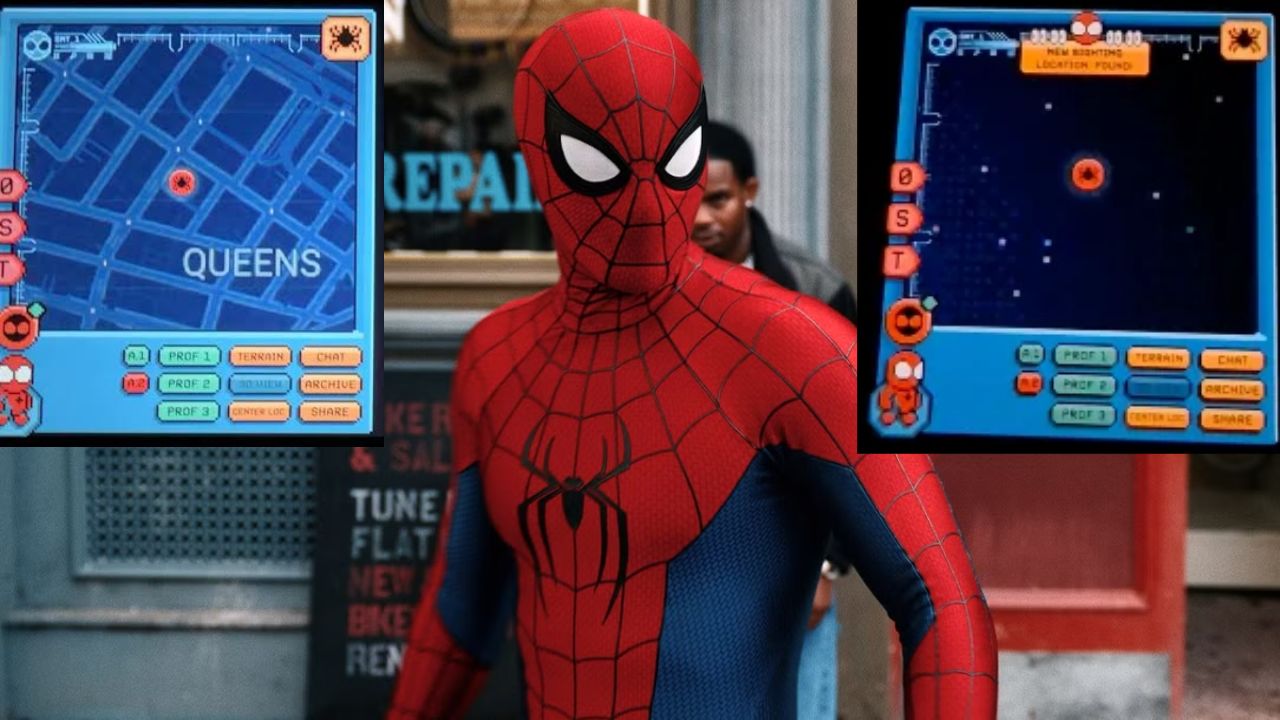
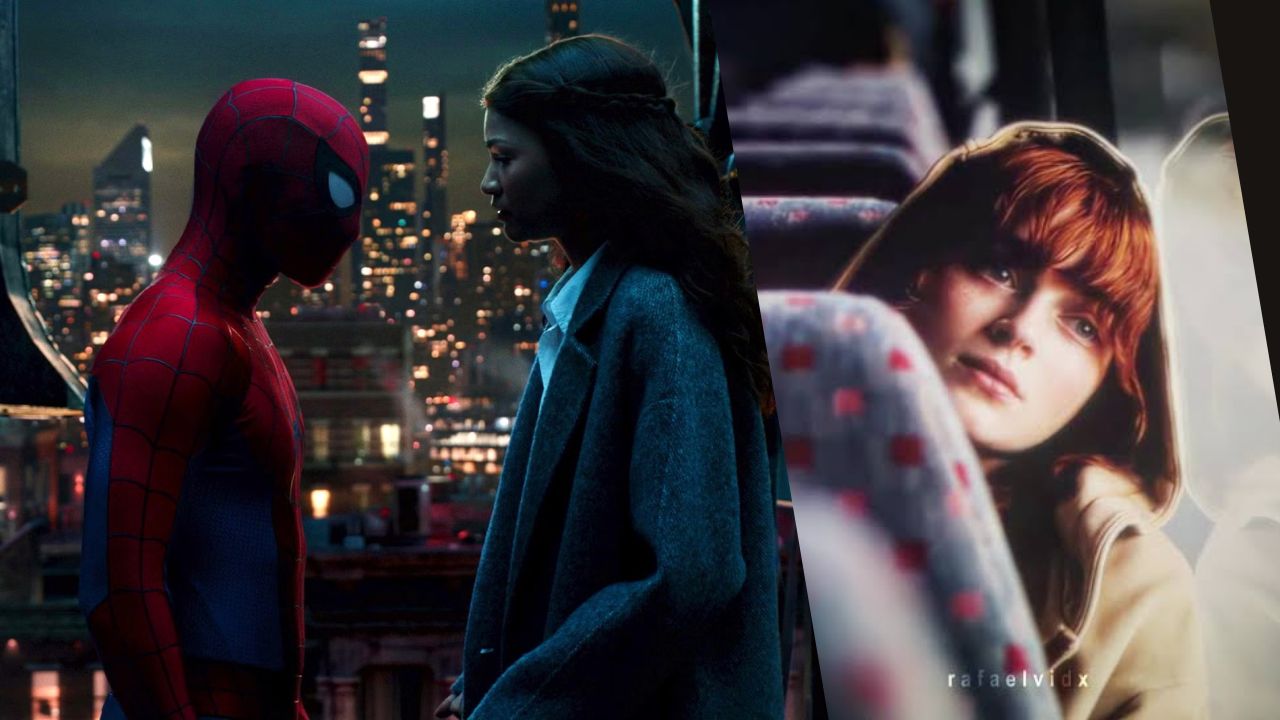
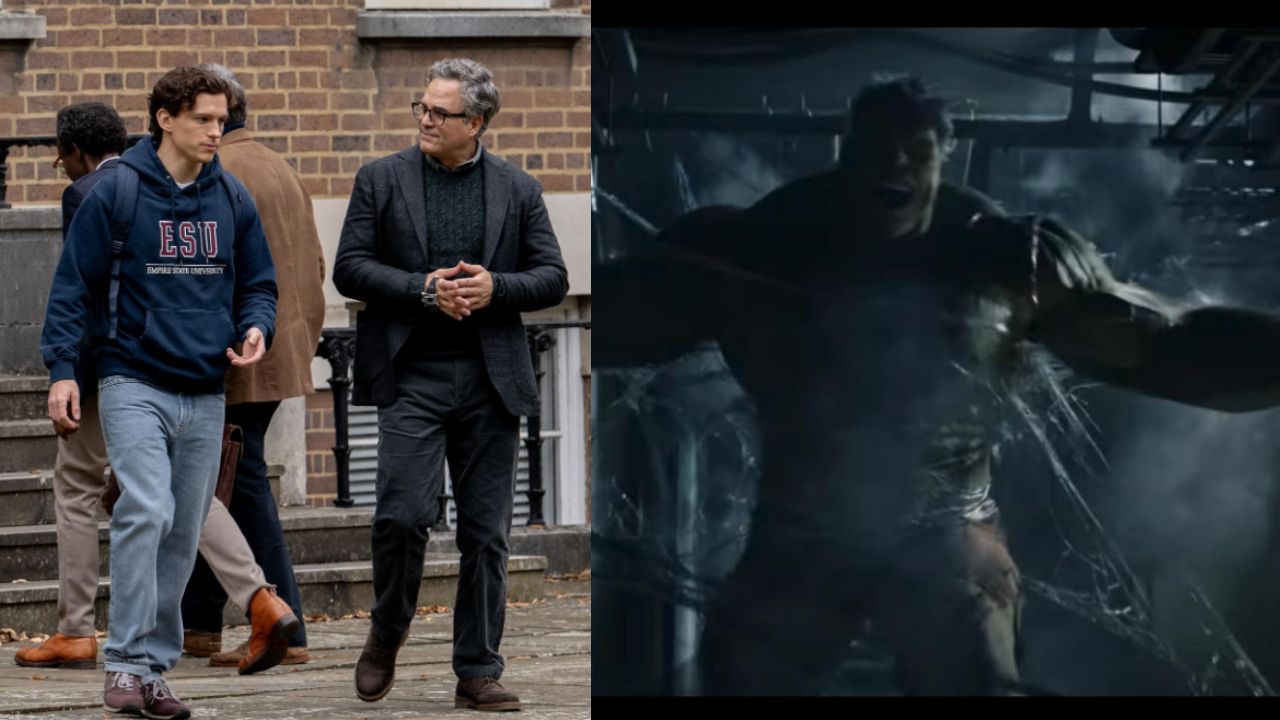
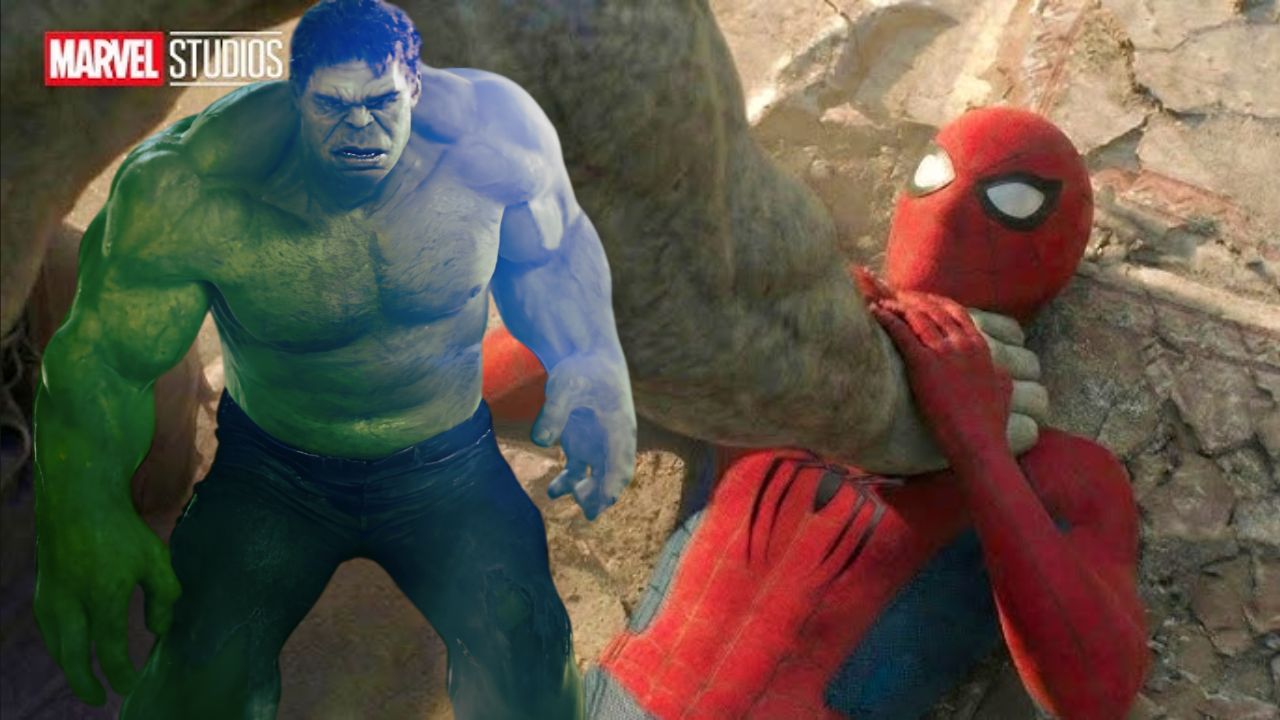
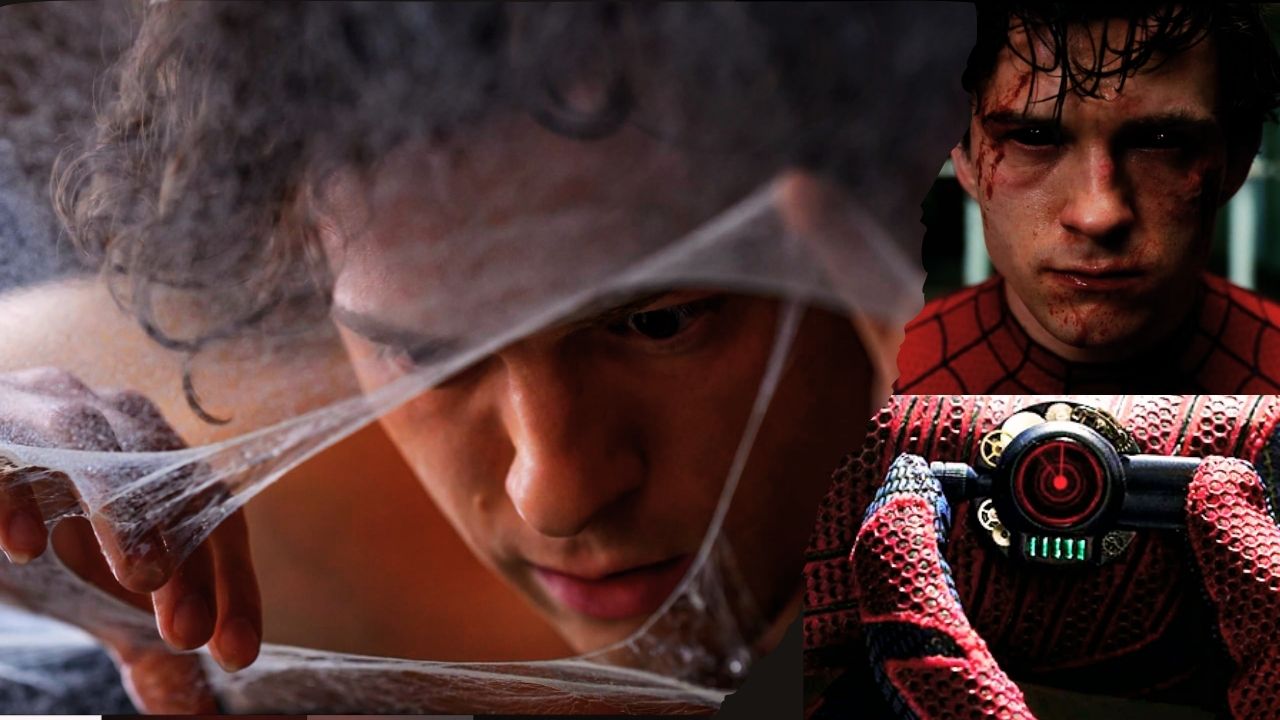
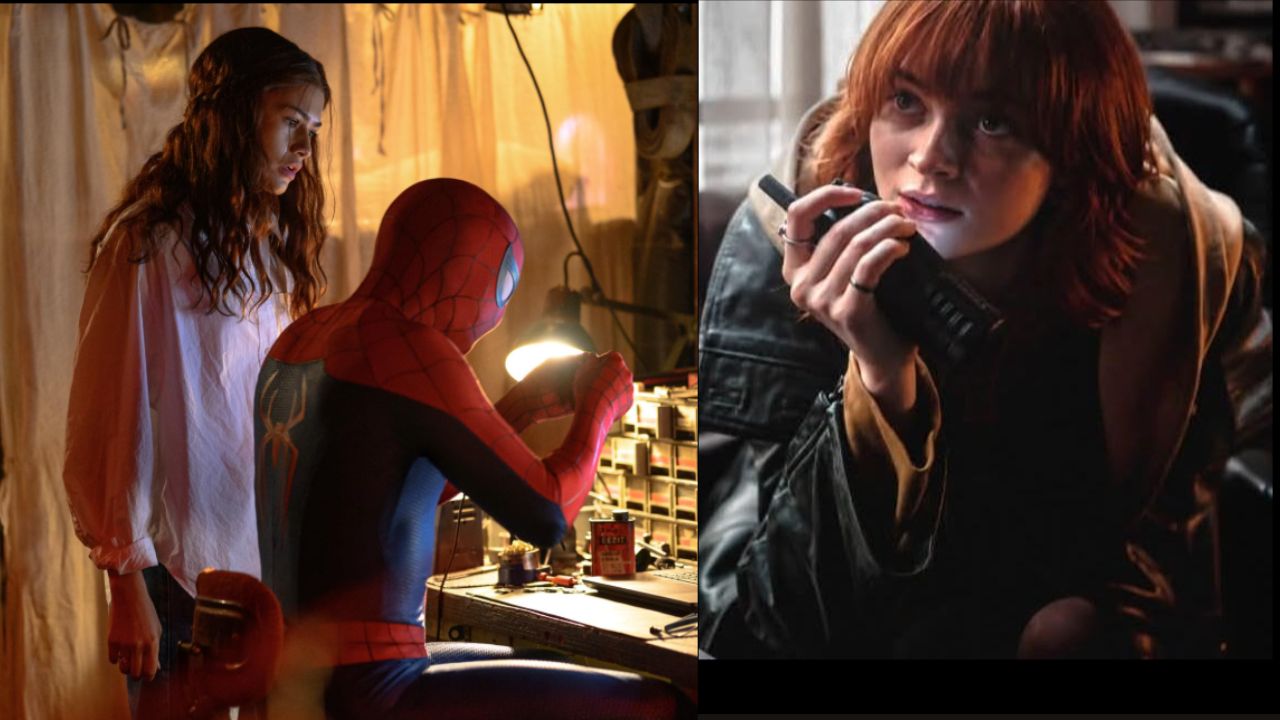
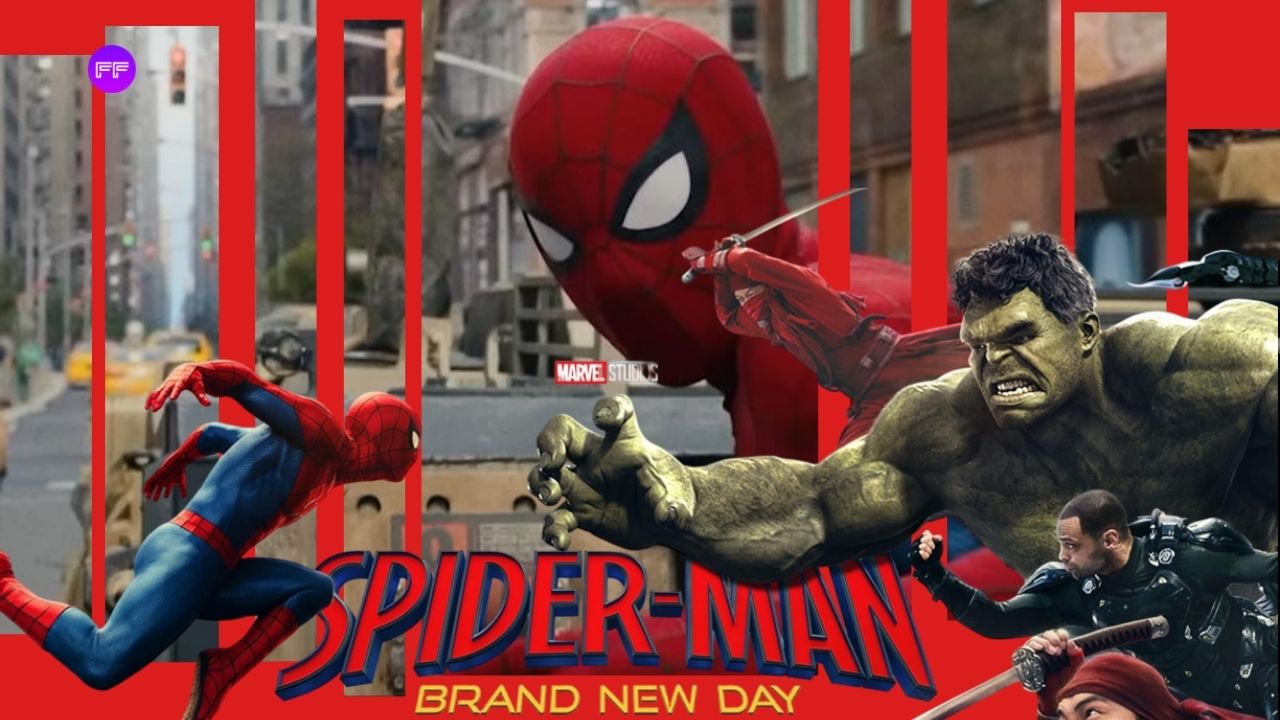
The timing here is not a coincidence. Spider-Man: Brand New Day, directed by Destin Daniel Cretton and starring Tom Holland, releases in theaters on July 31, 2026 — just weeks before the comic hits shelves. The film picks up four years after No Way Home, with Peter Parker living entirely alone, having erased himself from the memories of everyone he loves. He’s fighting crime full-time in a city that no longer remembers him, and the pressure of that isolation triggers what’s being described as a physical transformation he can’t fully control, just as a new and unusually powerful threat starts to emerge.
The title ‘Brand New Day’ suggests the most iconic storyline of Amazing Spider-Man, which was written by Dan Slott, following the ‘One More Day’ event. In that comic, The storyline returned Peter to a simpler life because he is being erased from everyone’s memories after a spell cast in ‘No Way Home’. He made a deal with Maphesto to not marry MJ in order to save Aunt May’s life, he was back living with Aunt May. The movie is clearly leaning on that same emotional architecture — a Peter Parker stripped of the support system he built across three films, forced to rebuild his identity from the ground up.

Both Amazing Spider-Man #1000 and Spider-Man: Brand New Day follow different stories but exploring the same thing. Who is Spider-Man now after losing everything he had, there’s nothing left to lean on and the only thing left is the choice to keep going anyway. Ravage forcing Peter to “question his very legacy” in the comic, and movie-Peter rebuilding his life from scratch in total anonymity, are two versions of the same gut-punch. Marvel putting a Brand New Day variant cover on the anniversary issue isn’t just marketing synergy — it’s Marvel pointing at both stories and saying, look, this is the theme right now.
Anniversary issues happen periodically — #700, #800, #900 all had their moment. What makes #1000 different converges are happening around it. It’s landing during the biggest theatrical Spider-Man push since 2021, with Quorum audience tracking reportedly showing Brand New Day as the highest-interest tentpole of the summer. It’s introducing a villain explicitly designed to have long-term consequences rather than a one-issue cameo. It’s pulling in a Hollywood showrunner for his comics debut, which reads like Marvel building bridges between its publishing arm and its screen ambitions. And it’s doing all of this while explicitly tying its cover art to a movie in theaters at the same time.
It’s not Marvel simply celebrating where Spider-Man has been. This is Marvel indicating where he’s going next, in comics and on screen. At the very moment that mainstream audiences are starting to pay attention again, by using the character’s most iconic number.
Readers picking up Amazing Spider-Man #1000 should go in expecting more than a nostalgia lap. Ravage is being positioned as a villain meant to stick around, not a milestone gimmick. The anniversary stories give long-time fans real emotional payoffs — Uncle Ben’s death, the Hand, an Avengers team-up without needing the main plot to carry all of it. And for fans coming in fresh off Brand New Day at the theater, this issue offers something the movie can’t: eight-plus decades of context for why Peter Parker rebuilding his life, alone, still means something.

Whatever Ravage ends up being whether the Mr. Crane theory holds up or Marvel has something else up their sleeves, one thing is already clear from the buildup: This issue is supposed to make a difference for the next thousand, not just look good sitting on a shelf.
Read More 👉 XMen 97 Reading Guide: Every Marvel Comic You Need to Read
A once-in-a-lifetime event like Amazing Spider-Man #1000 will happen only one time, but what makes this issue special isn’t the number on the cover. Instead, the fact that Marvel is using it to push Spider-Man forward rather than just celebrate the past. Between Ravage’s introduction, an all-star lineup of creators, and the obvious thematic connection to Spider-Man: Brand New Day, the anniversary issue is less about a victory lap and more about the beginning of Peter Parker’s next defining chapter.
Whether you’ve followed Amazing Spider-Man for decades or you’re returning to the character after the new film, #1000 is shaping up to be one of the most significant Spider-Man comics in years. If Marvel makes good on its promises, and they are, readers won’t recall this issue because it was a historic milestone—they’ll recall it as the issue where Spider-Man’s future changed in a big way.
Dive deeper into the details and theories of movies, series, and characters on Fandomfans.