What Marvel’s X-Men Lineup Could Look Like in the MCU
Explore Marvel's potential X-Men lineup in the MCU, from Wolverine and Cyclops to Storm and Jean Grey, and what it means for the future.
Published: June 1, 2026, 12:31 pm

Explore Marvel's potential X-Men lineup in the MCU, from Wolverine and Cyclops to Storm and Jean Grey, and what it means for the future.
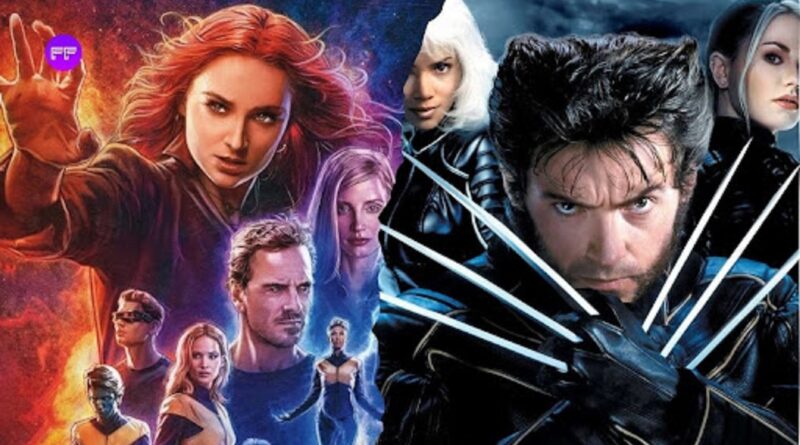
After years of confusing cameo appearances from Patrick Stewart, finally it’s time, X-Men are joining Marvel Cinematic Universe. What fans are really excited about is how Marvel will introduce the entire team of mutants into a universe. Whether it’s powerful Logan or Jean Grey, those characters need something new which makes a surprise for fans. Let’s look into what Marvel’s X-Men line up could look like in the MCU.
X-Men films generated its fanbase for years and Logan deserves all the praise it gets for that. But the franchise doesn’t keep the films continuity, whether it’s Days of Future Past which tried to reset the timeline or Dark Phoenix that tried to close it out, both films didn’t do any favor to the franchise.
Now Marvel got their rights back on the franchise, they will take a fresh start or honor what Fox built is a big question. It looks like they’re doing a carefully managed fresh start according to the confirmed report. The 2024 announcement of the X-Men film, along with the tease of mutant characters filtering into other MCU properties first, suggests Marvel wants to seed the ground before the big harvest.
They are going to introduce mutants one-by-one in Disney+ shows, in other films, in post-credits scenes and then bring them all together in one X-Men movie. Marvel always cared about the character, they make you love the character just like they did with Avengers. It worked because fans cared about each character individually, now that same treatment X-Men deserve.
There are a lot of characters for Marvel to bring out at first, they probably won’t bring all of them. What’s more likely is a focused core team — six to eight members — built around characters who can carry emotional weight and generate interesting dynamics. Think less ensemble chaos, more deliberate character work. Here’s who feels most essential to a first MCU X-Men outing:
(Field Leader)
Cyclops is a more interesting, serious, and infuriating leader in the comics but Fox films are never able to bring that full personality of Scott Summers’s Cyclopes on the screen.
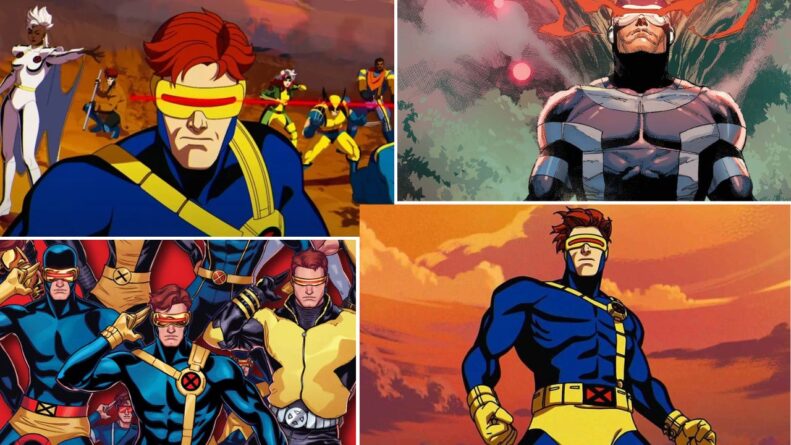
Marvel knows Cyclops deserves a chance to be the one who cares so deeply about the mission and is willing to take hard decisions. He’s the necessary one. A complex antihero-adjacent leader is exactly what the MCU’s X-Men need to feel different from the Avengers.
Read Also: Marvel Just Dropped Major X-Men Reboot Updates — Fans Won’t Believe It
(Omega-Level Telepath)
Jean Grey is one of Marvel’s greatest cosmic stories with an emotional heart which Scott loves. The character has a long-term storytelling potential as the host of the Phoenix Force.
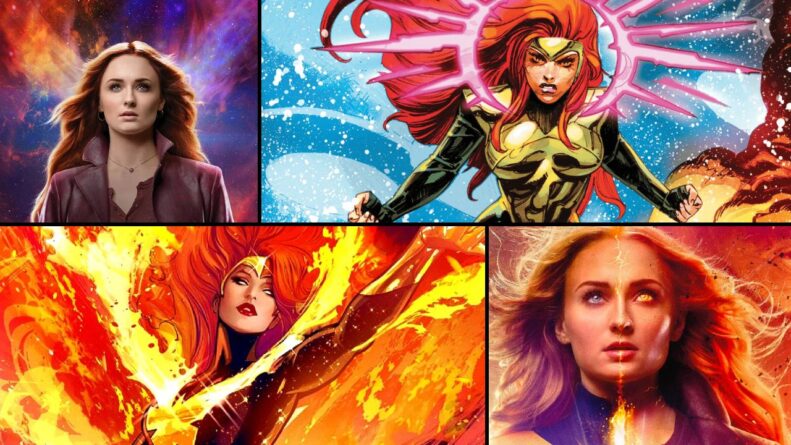
Fox films didn’t introduce her as a fully grown character who gets over her fear of her own power, relationship with Charles Xavier, and her bond with the rest of the team. Everything all together suffocates the character, it needs some space before the Phoenix saga even comes into play.
(Weather Manipulation)
Halle Berry’s Storm is one of the great what-ifs of the Fox era, a character which has so much potential if they write it well. The MCU version needs to be a queen.
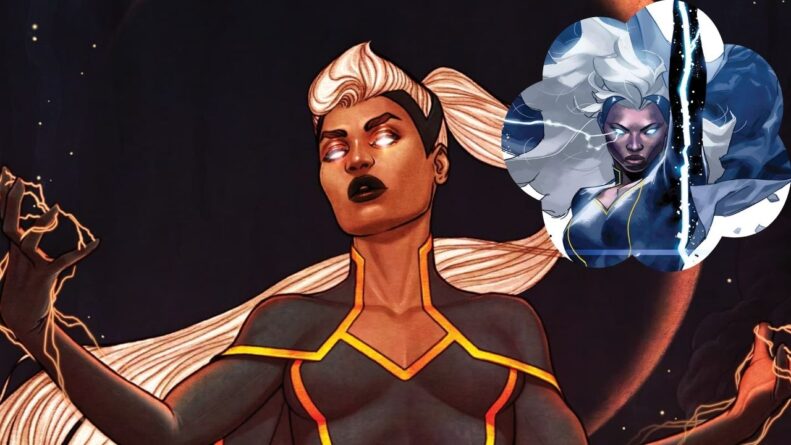
She should feel like the most powerful person in any room she walks into, as her backstory shows she inherited royalty from a goddess in Kenya. So she deserved a personality which carries a respect of authority and command.
(Berserker / Loner)
Hugh Jackman’s Wolverine became the most successful and loved character of X-Men. He gave outstanding superhero performances for seventeen years and ended it perfectly in Logan. Then appear again for Deadpool & Wolverine in 2025 because MCU needs new Wolverine but recasting it would be a huge challenge in Hollywood history.
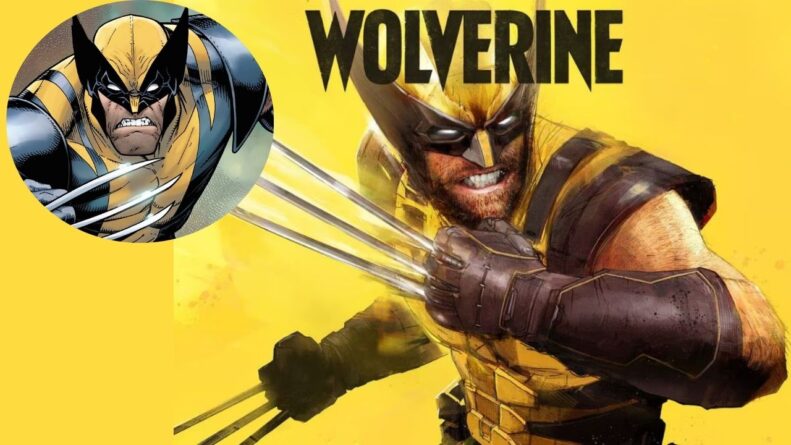
Whoever steps into the role needs to own the character like Hugh Jackman who brings the character to life through intense rage, tragic past, and surprising kindness towards the innocents whom he protects.
(Scientist / Strategist)
In the MCU, Bruce Banner and Shuri are the giant scientists who can solve any problem with their genius scientist mind. Beast is also a science-forward character but needs a distinct identity, his tragedy is that he created the very mutation that made him a monster in the eyes of the world while trying to cure it. He is the reminder and team’s conscience that intelligence doesn’t protect you from prejudice and that should be front and center of the series.
(Power Absorption)
Rogue’s MCU version should lean into what makes her uniquely compelling — she cannot be touched. She absorbs life force and powers through any physical contact, to avoid that she always lives in permanent isolation. The character is performing like a device which is used as a weapon more than a superhero character. So, the MCU should play it seriously. Her relationship with Gambit — which the Fox films flirted with but never fully explored — would be one of the great slow-burn love stories the MCU has never really attempted.
Beyond the core team, there are a handful of characters whose MCU introductions could completely change the energy of whatever X-Men project they appear in. These aren’t safe picks — they’re the ones that would make fans stand up in theaters.
If Marvel wants someone who can provide levity without undercutting the drama then Gambit is the character who has a complicated past with the Sinister and romantic relationship with Rogue.
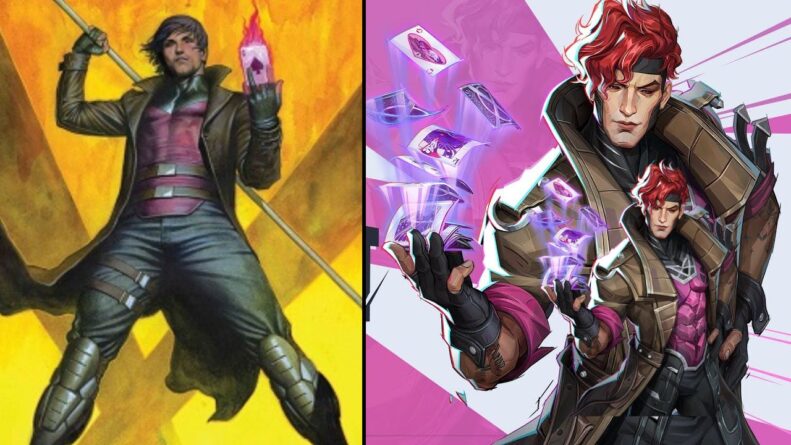
The character never made it to the Fox movies, even Channing Tatum was trying for many years. a Cajun thief with the ability to charge objects with kinetic energy fits MCU’s tone.
Kurt Wagner is one of the most visually striking X-Men and one of the most emotionally interesting. A blue-skinned, teleporting, deeply religious man who looks like a demon and acts like a saint — the irony is built in. There’s so much more into the story of Alan Cunning’s Nightclawler version in X2 which Fox never really brings it but still remains one of the valuable characters. Nightcrawler works as a combination of comic relief and genuine pathos.
A time-traveling cop from a dystopian future where mutants are hunted to near-extinction, Bishop is an X-Man who could function as the MCU’s entry point into some very dark storytelling.
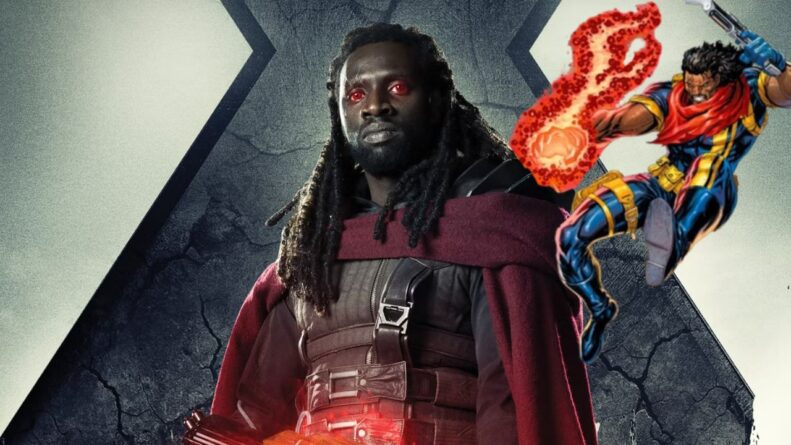
If he is here then it suggests that things can go wrong, at that point when someone from the future needs to come and fix it. And it’s the most exciting character who absorbing and redirecting energy is flashy enough for MCU action sequences while being thematically interesting.
The comics version of Psylocke is the double energy character – a British telepath whose mind ended up in the body of a Japanese assassin that could have more potential in a large narrative story. The Fox version in Apocalypse was essentially wasted. An MCU Psylocke with actual screen time and character development could be one of the franchise’s great sleeper hits.
X-Men is incomplete without these two men — Charles Xavier and Erik Lehnsherr. The philosophical conflict between them brings films a thematic engine that drives the entire franchise. Those characters were played well by Patrick Stewart and Ian McKellen with their core performances. Those acclaimed actors of their generations defined these characters for millions of people.
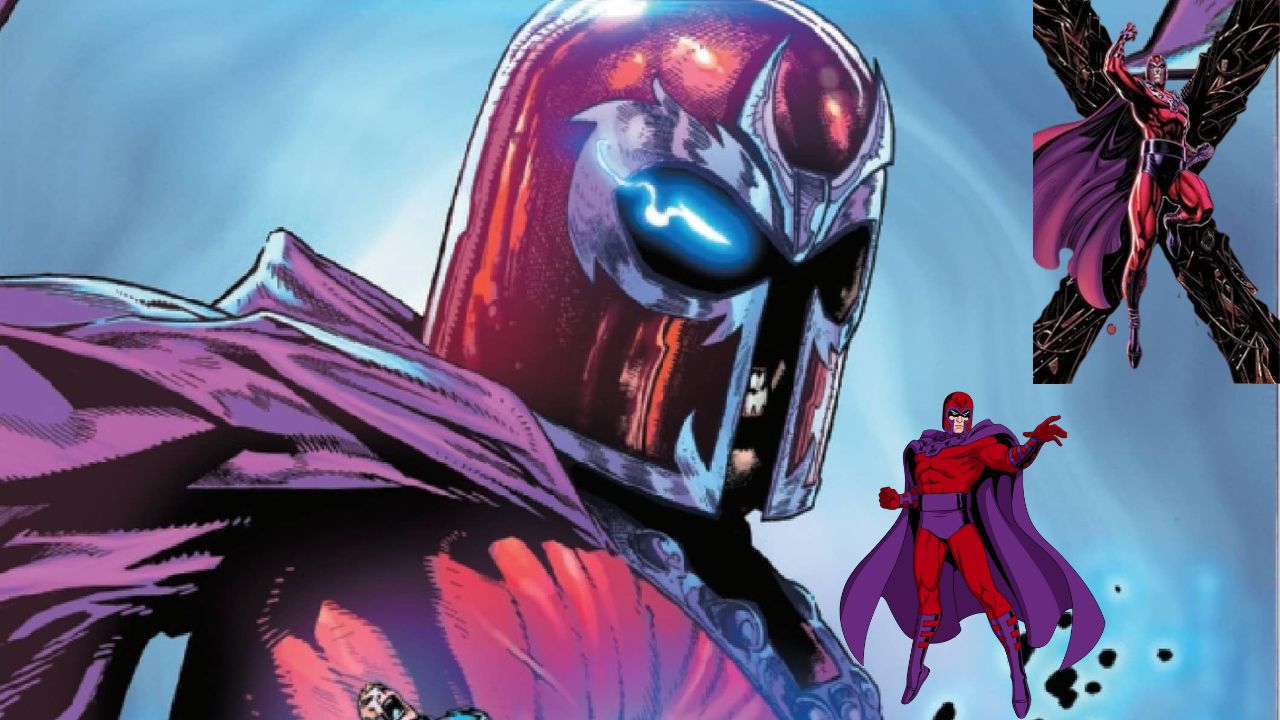
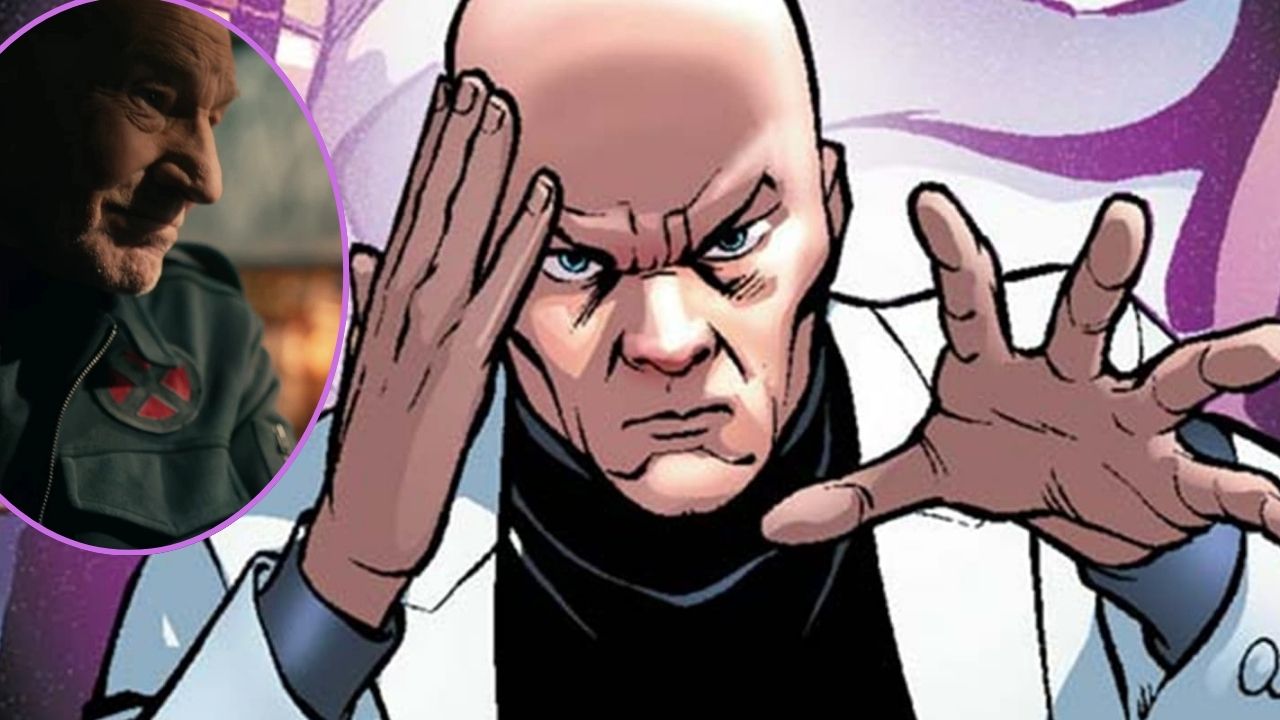
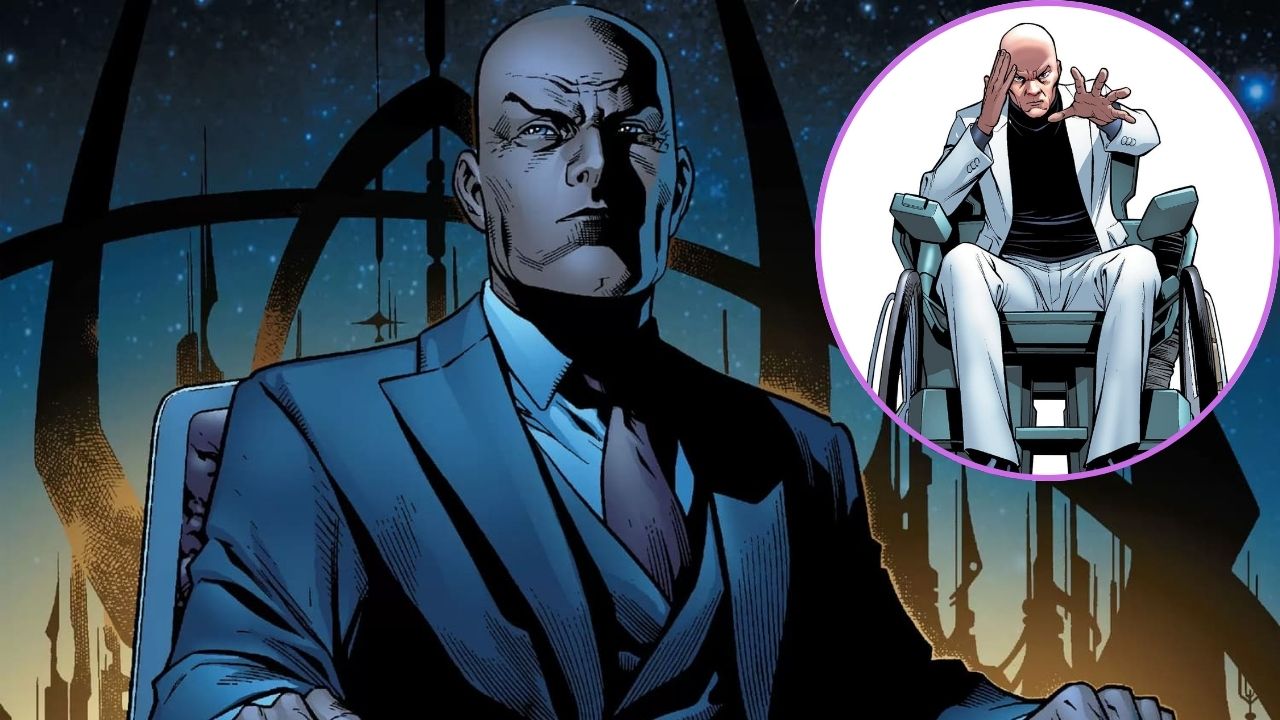
James McAvoy and Michael Fassbender gave them new dimensions in the prequel films. Whoever the MCU casts will carry enormous expectations. What Marvel should avoid is casting for nostalgia.
Don’t look for actors who resemble Stewart or McKellen, or who can do an impression of McAvoy’s intensity. The intensity of these characters are hard to understand and finding actors who could understand is more difficult. Their conflict to save the world with different patterns are the fundamental humanity of these two men — one who loves the world so much he can’t stop trying to save it from itself, and one who has been so brutalized by the world that protecting his people justifies any means necessary.
“The irony is Magneto doesn’t think he’s the villain. He survived things that justify every dark impulse he has, and the tragedy is that Xavier knows this, loves him anyway, and still cannot follow him there.”
The MCU must be careful and make the relationship more intense and painful. Two old friends spent decades with their superpowers and chose different paths — that story is devastating and timeless if it’s done right.
Avengers and X-Men, both have superpowers to fight but the motive is very distinctive from each other. Avengers fight alien invasions and time-traveling robots, but X-Men fight oppressions, prejudice, and fear of power which can destroy without understanding it fully.
X-Men stories are more focused on surviving being different in a world which has decided you don’t belong. It shows how the same character has both hope and rage and chosen family and that’s what Fox films captured at their best.
The opening of the first X-Men film, with a young Erik Lehnsherr being separated from his parents at a Nazi concentration camp, which was horrified and treated terribly by the officer to use his powers that told audiences immediately that this wasn’t a typical superhero story. The MCU needs its own version of that opening. Something that establishes, before a single fight scene, that these stories are about something real.
The MCU’s X-Men have to be different from what Fox built, different from the Avengers, and different from anything audiences think they’ve already seen. Because repeating the same origin stories or character depths would be time wasting. MCU must take the character work seriously, resisting the urge to cram everyone in at once, and trusting that the philosophical weight of these stories is just as exciting as the action sequences.
The mutants have always represented something larger than themselves. They’ve always been fighting for their own identity, they’ve survived from the world’s cruelest treatments, whether a world worth saving is worth fighting for. If the MCU can hold onto that truth while also delivering the spectacle fans love, we might be looking at the greatest era in X-Men history.
After everything we’ve been through with the Fox films — the highs of Logan and X2, the lows of Dark Phoenix and Apocalypse — these characters deserve to finally get it completely right. They’ve earned it. So have we.
Fandomfans deliver deeper details and updates from the inside of long franchise films directly to you. Stay tuned for more updates from movies, series, and celebrities.

Daredevil Born Again returns Matt Murdock to the MCU. Check out crossovers, Kingpin’s ascension, courtroom showdowns and Daredevil’s new street-level legacy.
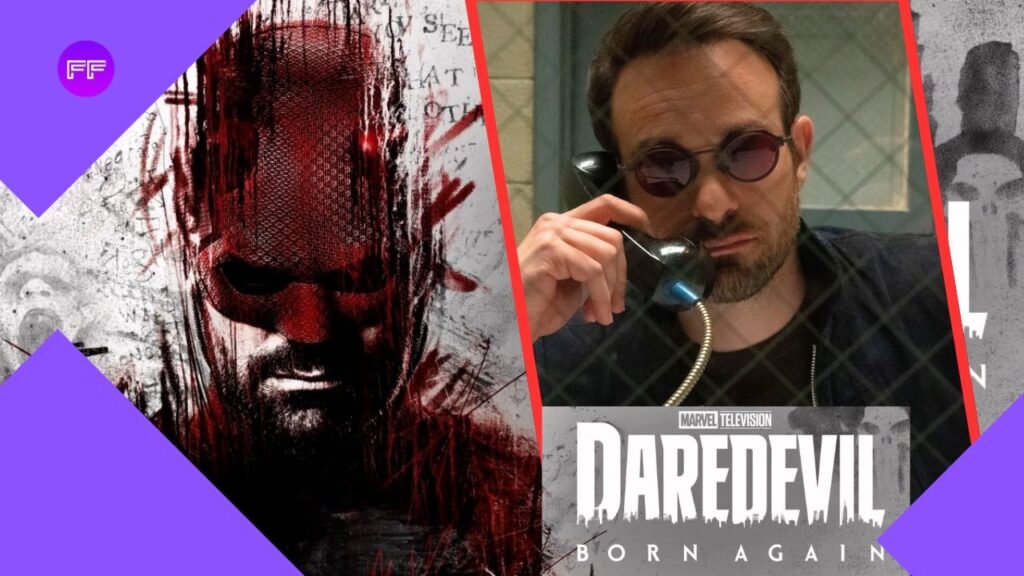
Matt Murdock’s ascent as the ultimate TV comeback tale with Daredevil Born Again. After his grim Netflix show was axed after three seasons in 2018, it seemed like the “Devil of Hell’s Kitchen” might be out of luck for good. Instead, Marvel pulled a master class in character rehabilitation.
Splitting him (and his arch-enemy, Kingpin) across four very distinct series — Spider-Man, She-Hulk, Hawkeye, and Echo — Marvel connected the dots between his grim, street-level beginnings and the bigger, flashier MCU.
Daredevil Born Again neighborhood hero became more than that now. He’s been raised to the ethical and legal foundation of the whole franchise. It’s not just a Season 4; it’s a character study of a man caught between the law and the mask, searching for justice in a New York still grooving to the chaos of the Blip.
The Road to Daredevil Born Again is a meticulously crafted “what-have-you-done-for-me-lately?” Marvel made four deliberate cameos to convince us that Matt Murdock could leave his first dark, solitary Netflix pocket and step out into the wider, stranger battlefield of the Avengers and then get his own show again.
The Movie Star Moment (Spider-Man: No Way Home): This was the “official” handshake. Catching a brick and standing in for Peter Parker, Matt demonstrated that he and Marvel live in the same universe as the Avengers. It presented him as a “really good lawyer” who still had keen super-senses and was ready for the big leagues.
The Vibe Check (She-Hulk): That was our first time seeing Matt—cute, fun, and draped in a throwback yellow suit. It showed him as more than “a brooding guy in a hallway” but an experienced warrior who could square off against beings like “Hulk-level” villains and still maintain his composure.
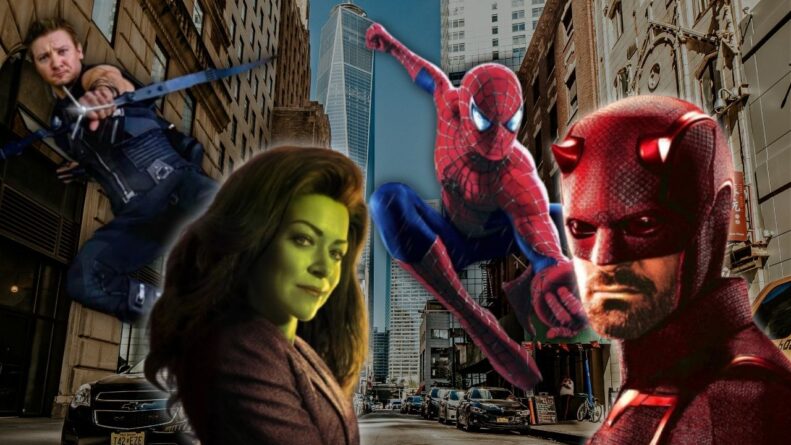
The Villain Upgrade (Hawkeye): This focused on Wilson Fisk. Raising the stakes Marvel elevated the stakes by making Kingpin durable against explosions and car crashes. Now he wasn’t just a mob boss he was a “global threat,” and his shadow stretched over the whole city.
The Final Link (Echo): Daredevil Born Again brought everything full circle. In a savage battle and an extended view into Fisk’s history, it served as a reminder that Matt didn’t stop fighting during the “Snap” years. It culminated with Fisk’s bid for Mayor, which paved the way nicely for the new series.
For ages fans were fretting that Marvel was going to force a “reset button” on Daredevil Born Again, retconning everything that made the Netflix show great. But after a sweeping creative shakeup at the top, Marvel made a pivot that encompassed everything: they were going to look to the past instead of running away from it.
The “Hard Continuation” Victory: Although Daredevil Born Again was going to be a “soft reboot.” However, Marvel replaced the original creative team with a new showrunner to continue as a direct sequel to the original three seasons. Matt’s past – his scars, his faith, his feud with Fisk – still matters. We already are into the deep end of the main story where it originated.
Matt survival from Thanos: It turns out that both Matt and Wilson Fisk survived Thanos’s Snap. With the Avengers either off-planet or mourning, Hell’s Kitchen was unraveling. This gap of five years is the “secret sauce” of the new story. It gave Fisk a chance to reestablish himself as a power in the collapsing world, turning his criminal empire upside down and presenting himself as a “savior” for a broken city.
A New Kind of Crisis: For Matt the Blip wasn’t just a simple logistical nightmare, it was a spiritual one. Daredevil Born Againcompounded his “crisis of faith.” If the laws of nature can just extinguish half the population, how is a blind lawyer supposed to believe in the “rule of law” on Earth? He’s starting this new chapter in his life with what has been the heaviest burden of a decade’s worth of ups and downs.
Daredevil Born Again renders stark reality in its depiction of a disease-ridden, drug-addled Matt Murdock that no one could ever forget. He has laid down the brass knuckles and picked up the gavel in his election as mayor of New York City, and is now using the entire city government as a weapon against Matt Murdock.
The “Kingpin Squeeze”: Fisk isn’t just dispatching thugs to Matt’s home anymore. He’s making being a hero illegal through the Anti-Vigilante Task Force (AVTF). By painting Daredevil as a public menace, he’s employed the “rule of law” to chase his nemesis with a badge and a siren.
The Ultimate Strongman: Fisk’s ascent is a masterclass in manipulation. He preys on the anxieties of regular New Yorkers who feel the city has deserted them, not the Avengers. He presents himself as the only person who can restore order in a post-Blip world, and is taking advantage of “good optics” — even as he’s blackmailing the police commissioner and threatening martial law.
A Criminal “State-Within-a-State”: Behind the scenes of Daredevil Born Again, Fisk is working on the “Free Port,” in Red Hook. He’s attempting to establish a special-trade zone outside federal reach. If he pulls it off, he will have created a legal “black hole” through which the Five Families can move whatever they want without the law’s pesky interference.
Matt Murdock is basically a man serving two masters, and Daredevil Born Again, that strain is at last beginning to break. He’s a lawyer who takes an oath to uphold the law by day, but at night, he’s a vigilante who violates just about every ethical rule in the book. This isn’t just a “cool secret identity” this is a deep professional and moral crisis.
Here is what the “legal nightmare” Matt is facing right now:
The Threat of Disbarment: If a Bar Association in the real world got wind of what Matt does by night, he would be disbarred immediately. Rule 4.2 prohibits Attorney from communicating with a “represented party” without the party’s attorney being present. Anytime he has a Daredevil pin a criminal and punch the truth out of them, Lawyer-Matt is making a huge ethical error. He is basically using his mask to violate the legal rights which he is obliged to honor.
The Conflict of Interest: Matt frequently represents clients not to aid them but to gather intelligence for his missions. This makes it a “material risk” that he isn’t acting in the best interests of his client — which is the worst thing you can do as a lawyer.
The Hector Ayala Meltdown: This firestorm touches off Matt’s meltdown. To exonerate Hector (the White Tiger) from a murder charge, Matt stakes everything: he unmasks Hector in court to prove his innocence. It works—they win the case but what’s the victory but a hollow victory. Hector is assassinated by a corrupt cop right after leaving the courtroom.
The transition to the main MCU is not just a change of location; it’s a solidifying of Matt Murdock’s world. The people around him aren’t simply ”background characters”—they are the scars and the fuel for his new mission.
Here’s how the inner circle has changed in this “older and harder” reality:
The Heartbreak: The Death of Foggy Nelson. Foggy wasn’t just Matt’s law partner; he was his moral anchor. His death at the hands of Bullseye (by order of Vanessa Fisk) is the ruthless “catalyst” for the series as a whole. It shatters the “Nelson, Murdock & Page” trinity forever, and sends Matt into a year-long tailspin. In fact, he temporarily retires the mask, worried that his rage might make him a murderer.
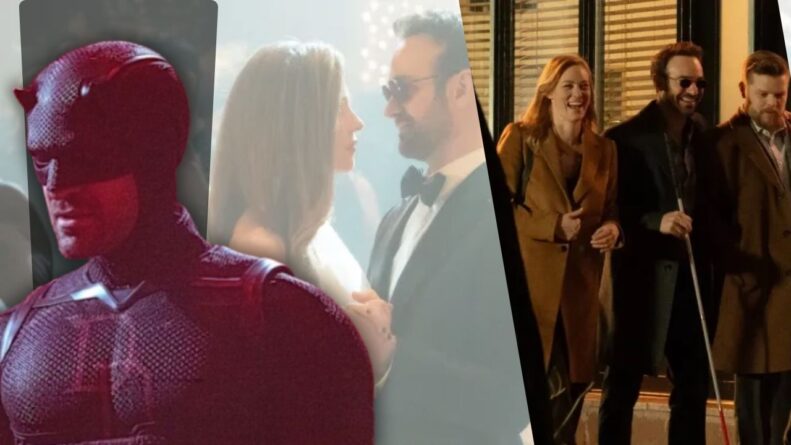
The Evolution: Karen Page as a Peer. Karen is a long way from, you know, the secretary. Daredevil Born Again she’s basically a lawyer in her own right, a professional equal who challenges Matt to be better. She’s the one who pulls him back into the fight, with her investigation skills, she digs to what was left by Foggy. “She Feeds Matt his Humour-Detecting BS and Then Keeps Him Human“: As far as who the true Page is in the gloves is concerned, that would be Karen Page.
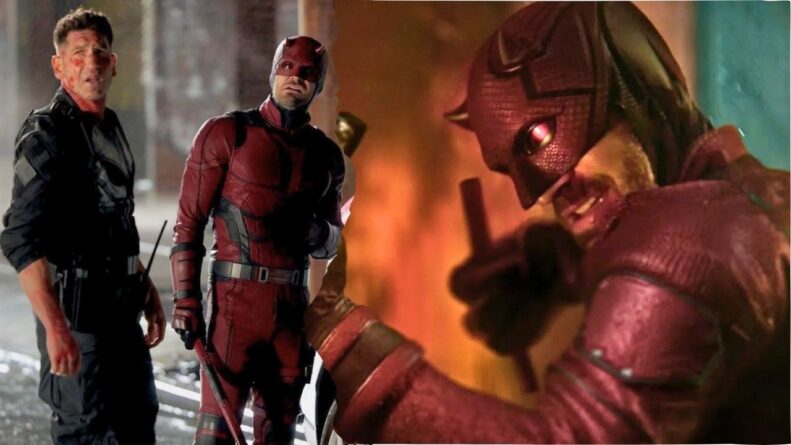
The Dark Mirror: Frank Castle (The Punisher). The two used to spend all their time arguing about the “morality of killing.” Now they’re a “reluctant duo. The rupturing effect of Foggy’s death and the city’s decay soup on Matt is so palpable (NOT in the traditional sense!) that he is seriously considering Frank’s brutal approach. This is a heartbreaking indication of how much Matt has dropped, he cannot have a flawless sense of morality in a world that seems to be inherently rigged.
Now that the MCU is blasting off to space and multiverse madness, Matt Murdock is becoming the man who keeps the franchise’s feet planted firmly on the ground. He’s gone from “that blind guy in Hell’s Kitchen” to a cornerstone of Phase 5 and 6—essentially the Captain America of the Streets.
Here’s how Matt is assembling his “Street-Level Avengers”:
The Strategic Lead: The Avengers may deal with cosmic gods, but Matt makes the most sense to head up an organized opposition to Wilson Fisk. His legal brilliance, his “human lie detector” talent, and his tactical expertise make him the MCU’s connection from the city’s merciless truth to its sky-high heroics.
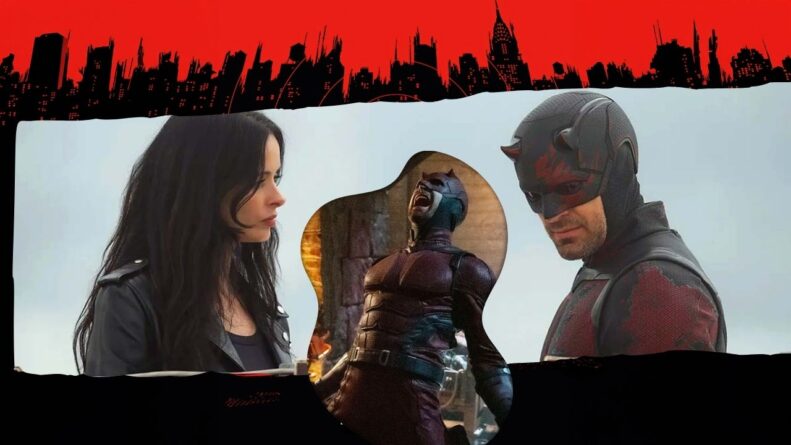
Mentoring Spider-Man: This is the partnership that everyone is eager to see. Following their short encounter in No Way Home, Matt now has the perfect place to show Peter Parker that you can’t just win every war with webs. He is the mentor Peter needs to survive in a world where the bad guy (Fisk) has a law degree and a mayor’s office.
The “Grounded” Anchor: Amid a world of magic and aliens, Matt ensures the stakes stay Earth-bound. He lets us know that though the galaxy is locked down, the block still might be rotting from within.
Matt Murdock isn’t just a supporting character now — he’s the head of a spin-off narrative arm that delves into corruption, systemic breakdown, and what it really means to be a “neighborhood” hero in a world buzzing with superheroes.
Read more:- The Green Lantern’s Guy Gardner Became the Heart of James Gunn’s New DC Universe
Ultimately, Matt Murdock’s story is not just about a hero returning: it’s about him coming home as the MCU’s streets’ cornerstone. He’s graduated from being a “neighborhood outlier” on Netflix to the moral compass of the entire franchise.
The cameos were the warm-up, Daredevil Born Again is the headliner. It is a definitive declaration that the Man Without Fear is exactly where he belongs right in the middle of the battle for the soul of the Marvel Cinematic Universe.
Dive deeper into the world of cinema with Fandomfans to get all the latest updates from movies, series, and celebrities.
Marvel X-Men '97 Season 2 brings Marvel's iconic mutants back with new adventures, returning heroes, and fresh challenges on Disney+.
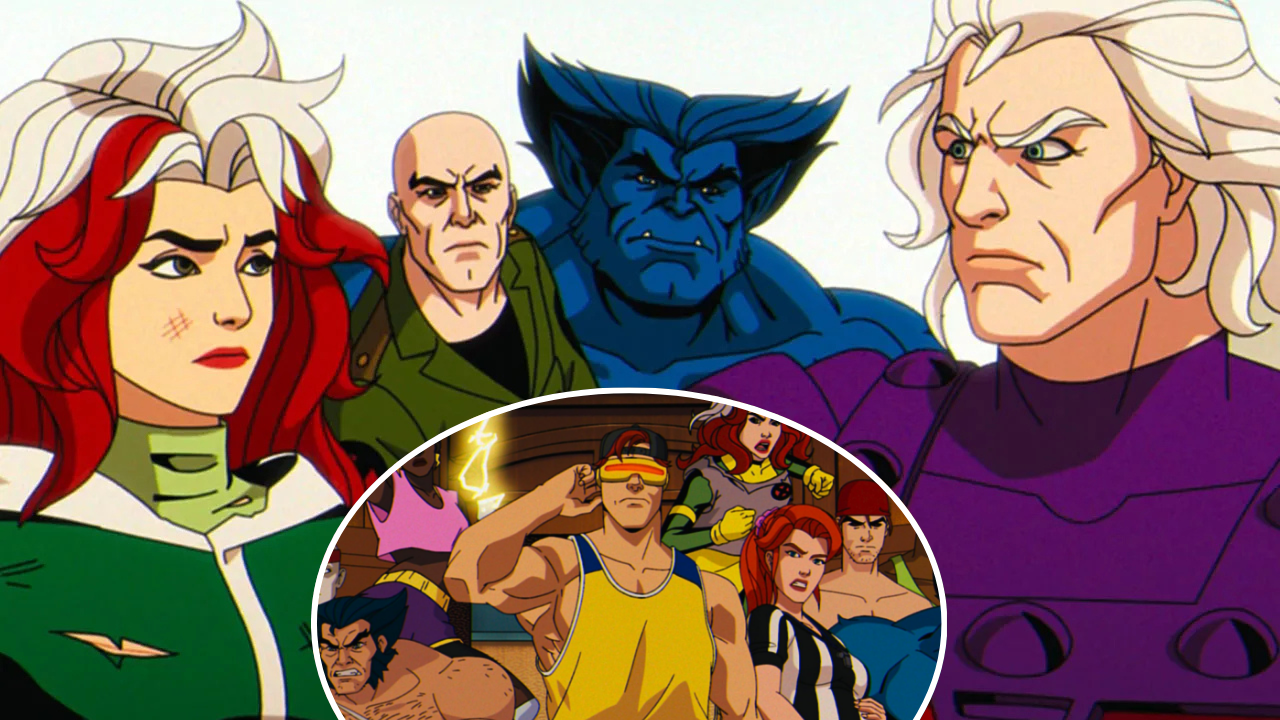
Marvel X-Men ’97 Season 1 success brings the next season on July 1, 2026. Marvel’s X-Men ’97 season 2 trailer hints at a very very dark plot and new characters joining with continuing the story after the season 1 finale with the most dangerous villain Apocalypse.
Season 1 ends with a timeline-shattering finale in May 2024, leaving a baggage of questions for fans. Everyone is end up in different time of period, Cyclops and Jean Grey were in 3960 A.D. and Rogue, Beast, Nightcrawler, Professor X, and Magneto found themselves in ancient Egypt, circa 3000 B.C., facing young En Sabah Nur who later become the worlds most dangerous person — Apocalypse. He also appeared in the gut-wrenching mid-credits scene and picked up Gambit’s charred playing card with a smile.
The wait is almost over. Marvel X-Men ’97 Season 2 is set to deliver on every promise — with a nine-episode run, a sprawling cast of new and returning mutants, and the most terrifying villain in X-Men history taking center stage.
| Premiere Date | July 1, 2026 |
| Season | 2 |
| Episodes | 9 |
| RT Score S1 | 99% |
| Main Villain | Apocalypse (En Sabah Nur) |
| Stakes | All time |
Before watching Season 2, a recap of X-Men ’97 season 1 is crucial to understand the storyline. It picked up from the 1997 finale of X-Men: The Animated Series, it was one of the best superhero cartoons ever. The revival series is penned by Beau DeMayo who is head of Writers and produced by Marvel Studios Animation, the series premiered its first season on Disney+ in March 2024 and was widely praised by fans and critics.
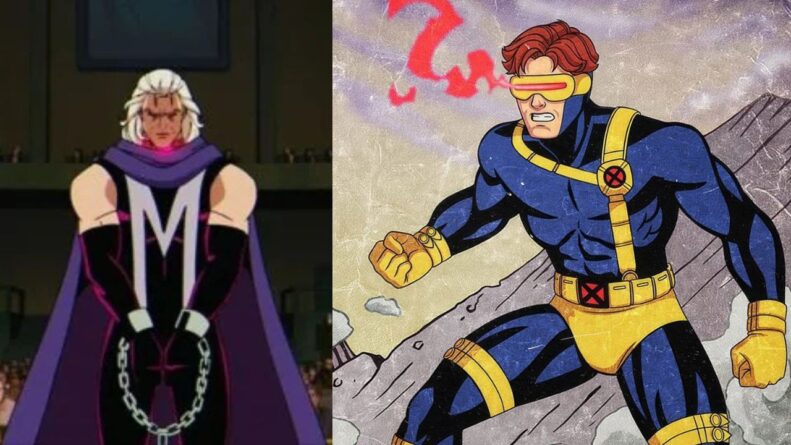
Marvel X-Men ’97 Season 1 episode 5 was the main emotional core of the whole season that genuinely shocked audiences by the attack of Sentinel on the mutant safe haven of Genosha. In order to protect others, Gambit sacrifices himself in that explosion which raises the stakes of “Remember It” as the most emotional episode. It was the kind of bold, unflinching storytelling rarely seen in animated television.
In the three-part finale “Tolerance Is Extinction” the real villain is revealed to be Bastion, a human-mutant-machine hybrid who became a representative of the next evolution in anti-mutant warfare. The X-Men won the fight at the end, but at a personal cost. During the conflict, Magneto, in-charge of the X-Men after Professor X created a blackout and tears the adamantium out of Wolverine’s body, leaving Logan in a catastrophic state.
A key moment between Magneto and Professor X when he entered into Magneto’s mind with his Psychic power that nearly destroyed them. This causes a possibility of the terrifying entity born from the darkest corners of both psyches – Onslaught which could become a major threat in future seasons.
In the end of season 1, the X-Men were flung across time. Cyclops and Jean Grey are separated and thrown from the rest of X-Men and end up in 3960 A.D. where they have adopted son Nathan (Cable). Magneto and Professor X are end up in 3000 B.C. in ancient Egypt along with Rogue, Beast, and Nightcrawler. In their timeline, Apocalypse was just a young child En Sabah Nur, who was outcast because of his mutant ability to the brutal tribe. In the mid-credits scene, Apocalypse visits Genosha and smiles while looking at Gambit’s playing card which means he has plans for him.
According to Disney’s official synopsis, the X-Men are scattered across different eras in time and busy finding their way to come back home. Meanwhile, back in the 1990s, new enemies were rising in their absence who have strong hate against mutants.
Marvel X-Men ‘97 Season 2 trailer dropped in May 2026 and gathered million views. It featured Rogue mourning Gambit’s death with Nightcrawler then scenes shifts to X-Men across every era of history. The trailer ends with Apocalypse declaring war:
“I must strike them at their most vulnerable — the 1990s!”
The one major subplot is confirmed that draws from the 1994 comic The Adventures of Cyclops and Phoenix. As the finale showed Scott and Jean, they will raise their adopted son Nathan (Cable) in the far future, while Apocalypse remains a growing threat. Meanwhile, back in the ancient past, Bishop and Forge are trying to fix the fractured timeline. Professor X actor Ross Marquand said:
“He was surprised the season was approved because it is so dark and many die.”
Marvel X-Men ‘97 Season 2 showcases every character being separated and thrown in different centuries.
| 3960
A.D |
Cyclops & Jean Grey | They end up in the far future when Apocalypse is already rising with power. It is based on The Adventures of Cyclops and Phoenix comic. |
| 3000
B.C |
Rogue, Beast, Nightcrawler, Professor X & Magneto | They end up in the past (ancient Egypt) where Apocalypse is young, a grey-skinned outcast with the Sandstormers tribe. |
| 1990s
Present |
Wolverine, Bishop, Forge & Others | Holding on to the present day while Apocalypse plans to strike on mutants at their weakest era. |
En Sabah Nur, born thousands of years ago in ancient Egypt where Rogue, Professor X and Magneto find him as a grey-skinned outcast, was taken in by a tribe called the Sandstormers, who brainwashed him with a brutal belief that only the strong one survive. And he enhanced his mutant abilities with celestial technology after growing up and created himself as the powerful judge to decide who was worthy to survive.
We only watched his young version as En Sabah Nur in 3000 B.C. in the X-Men ’97 Season 1’s finale. But Marvel X-Men ‘97 Season 2 will showcase his past, present and future simultaneously. Whether it’s only a child or a dangerous villain he becomes, one thing is sure that he is too powerful. And he is planning to erase all mutants at their weakest time.
The Season 1 mid-credits scene strongly suggests that Apocalypse came to the ruins of Genosha to resurrect Gambit for making him a Death, one of his Four Horsemen.
Season 2 brings back the full core voice cast while introducing a significant roster of new mutants — many of them deeply meaningful to long-time comics readers.
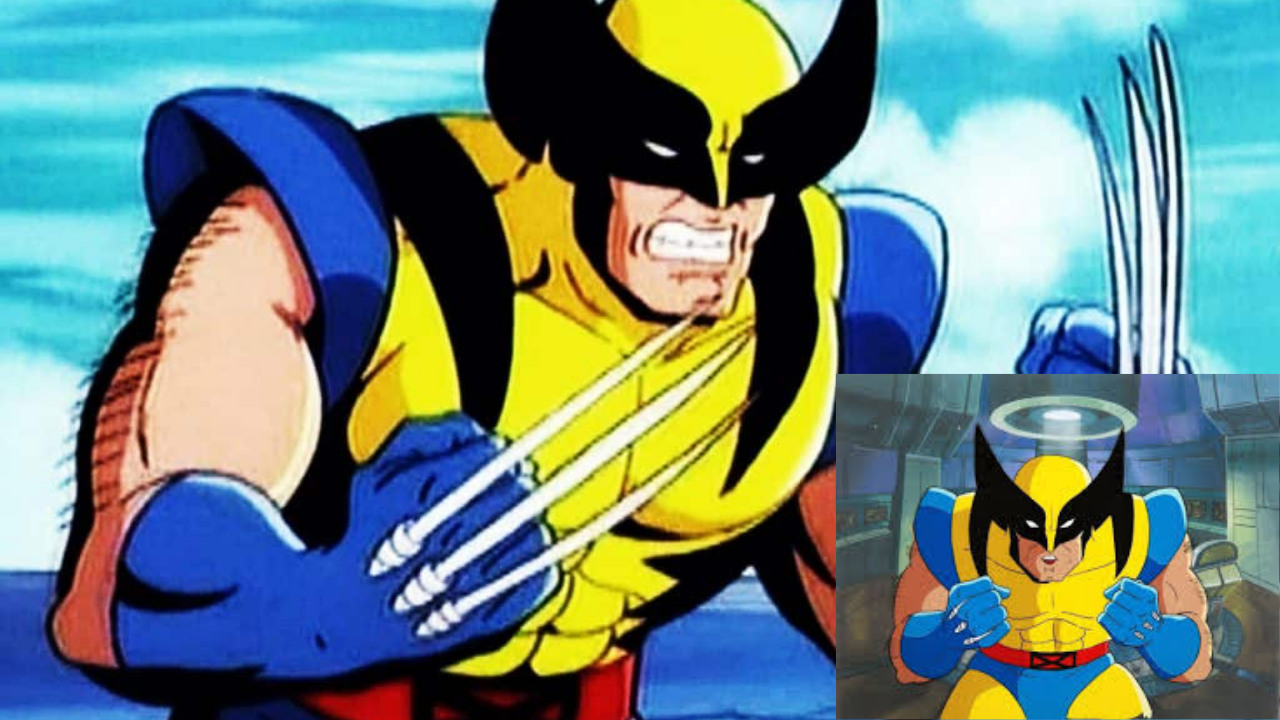
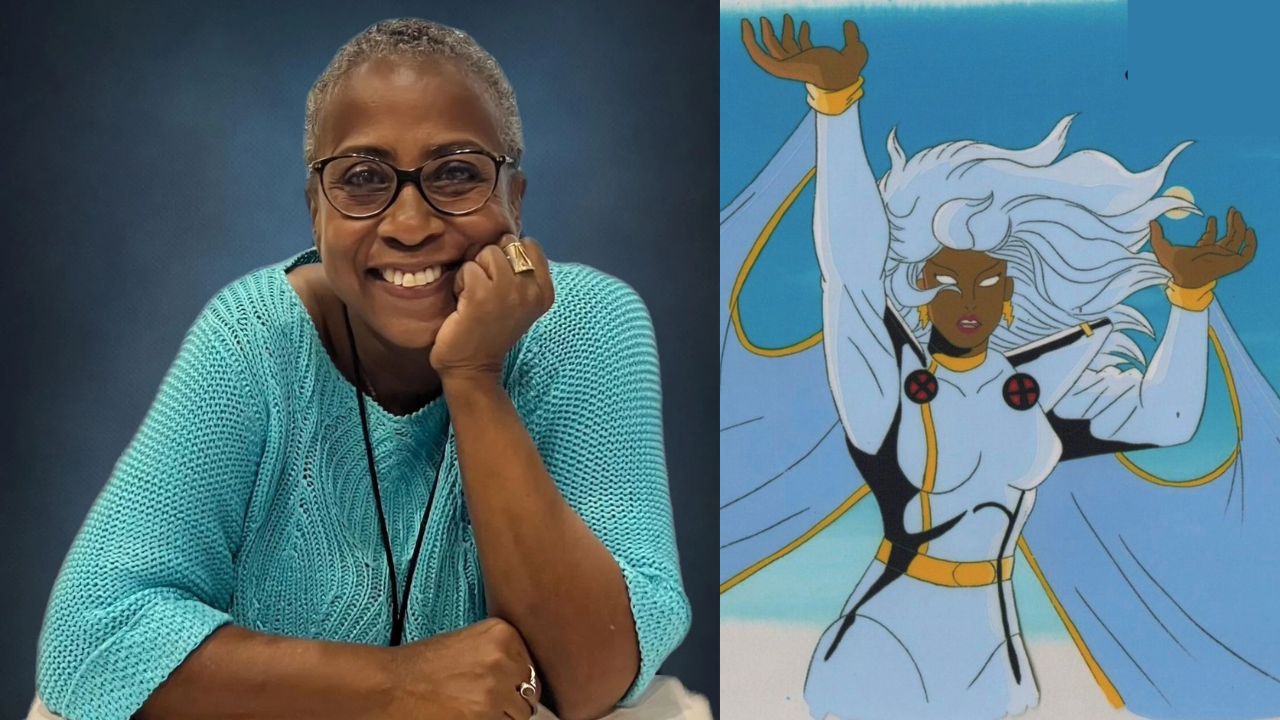
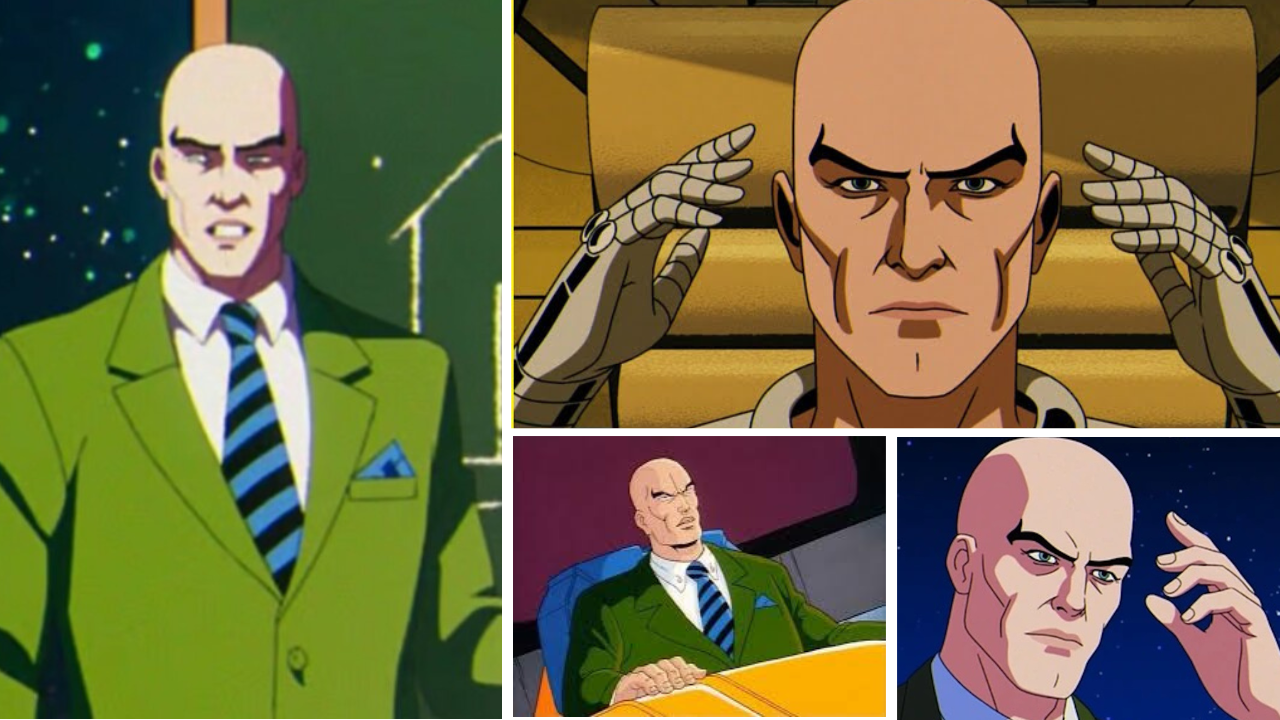
Somehow alive and fully functional after having his adamantium ripped out. How he recovered is one of Season 2’s central mysteries.
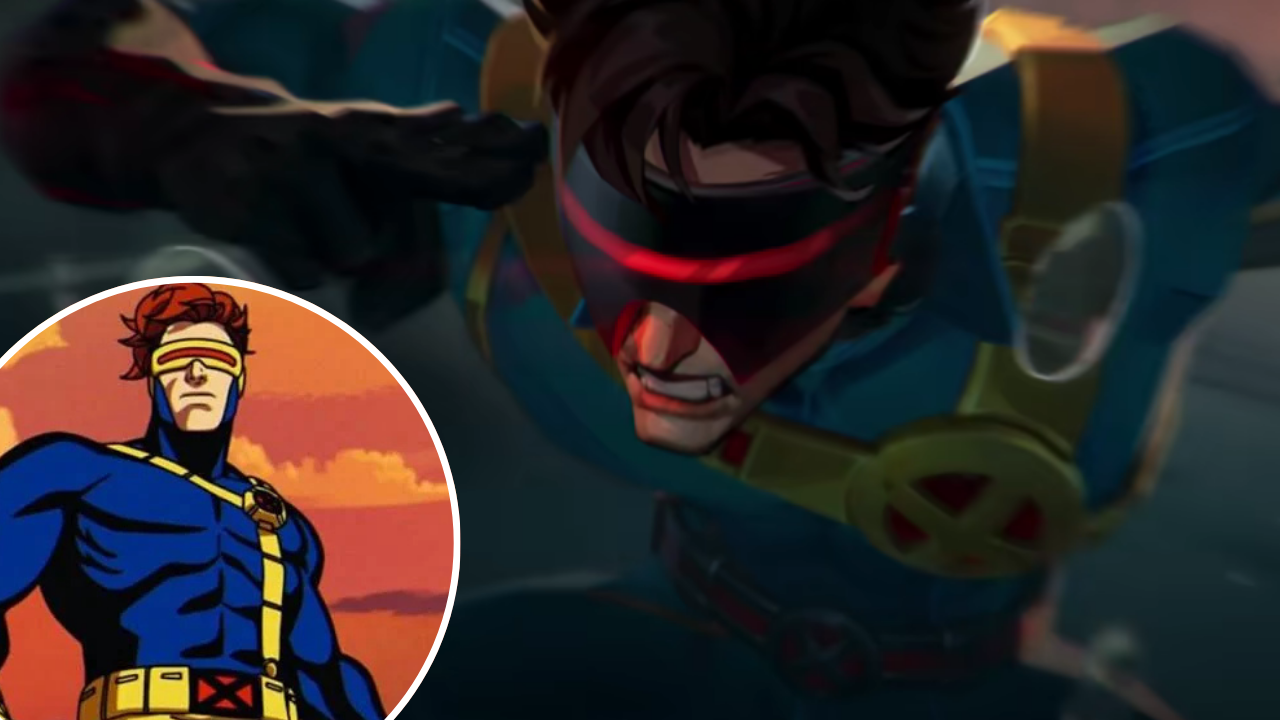
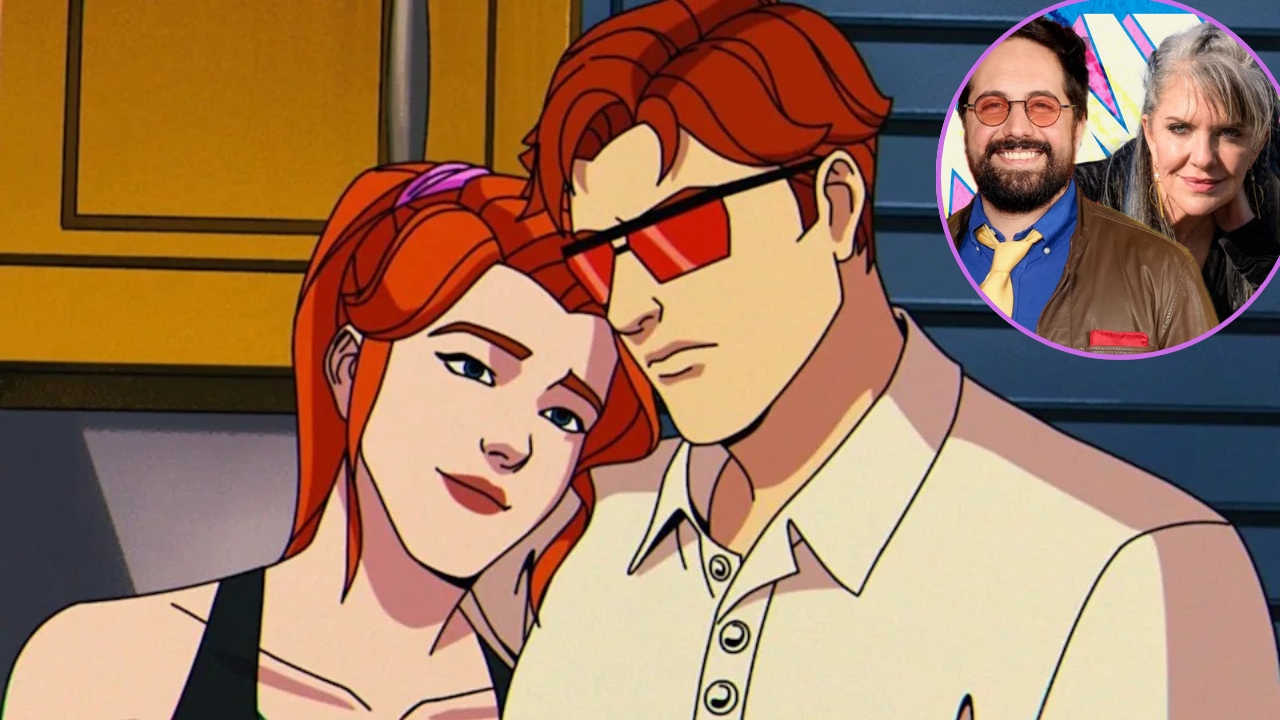
Stranded in the far future of 3960 A.D. alongside Jean — facing Apocalypse at the height of his reign.
In the distant future with Scott — the Phoenix residue she carries may be crucial to their survival and escape
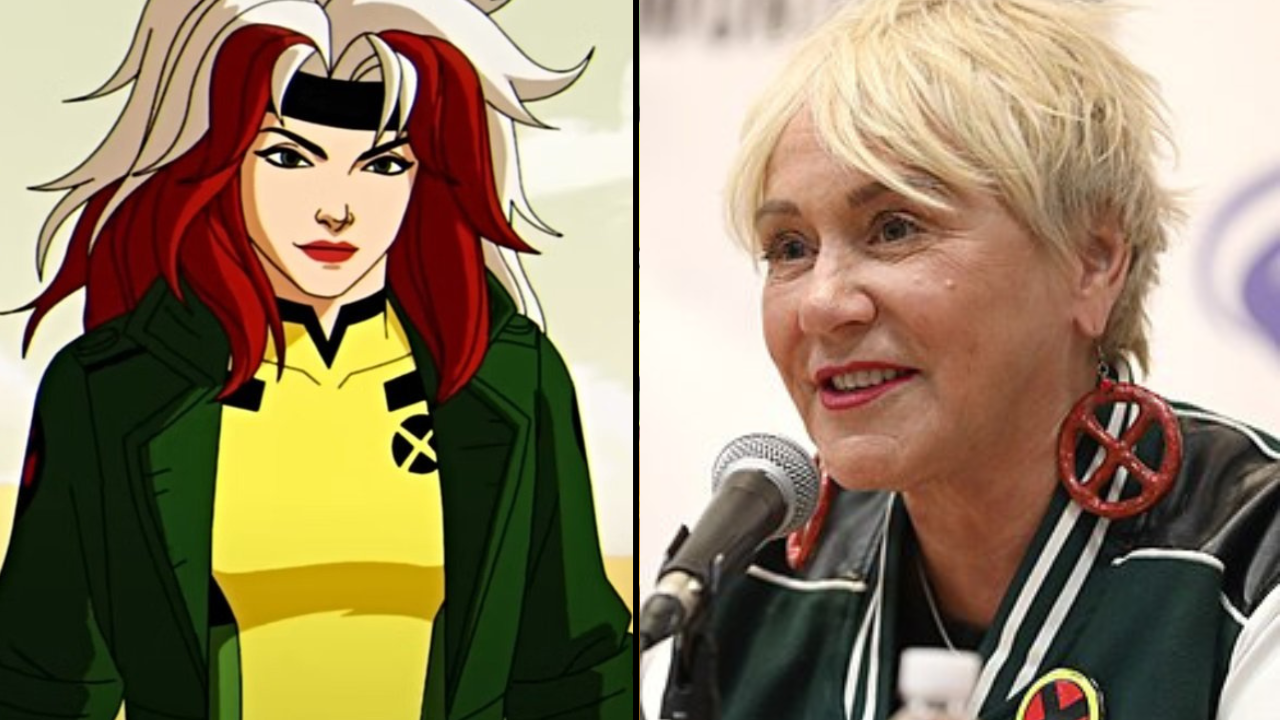
Emotionally shattered by Gambit’s death. The trailer opens on her grief — and she’s trapped in ancient Egypt with Nightcrawler and Beast.
The weather goddess returns to the fray with her signature combination of power, grace, and moral authority.
Caught in ancient Egypt, psychically weakened after his confrontation with Magneto. His survival is far from guaranteed.
Stranded in 3000 B.C., facing the man he helped create through the violent philosophy he once shared: En Sabah Nur.
Gets the trailer’s most crowd-pleasing moment — briefly shapeshifting into Deadpool, sending social media into a frenzy.
Teased in the trailer’s final seconds with a claw reveal. Victor Creed’s appearance signals a brutal personal reckoning for Logan.
Returns to the animated series with a storyline that reflects current comic continuity around Kwannon and identity.
His dark metallic wings hint at a possible past as one of Apocalypse’s Horsemen — a deeply significant connection to the season’s villain.
Magneto’s daughter makes her animated series debut — her complicated family legacy will matter enormously given the stakes of Season 2.
Read More 👉 What Marvel’s X-Men Lineup Could Look Like in the MCU
The steel-skinned Russian mutant joins the fray, adding raw power to a team desperately in need of it across every timeline.
Adamantium claws and a vendetta against Wolverine — her arrival adds a personal, physical threat that Logan is in no shape to handle.
The living embodiment of the X-Men’s VR training facility — a deeply strange and compelling addition from Joss Whedon’s comics run.
The telepathic powerhouse makes her Season 2 appearance — whether as ally or antagonist remains one of the season’s intriguing question marks.
When Magneto left Wolverine heavily injured and close to death in the last moment of finale, left fans wondering if he ever survived or not. The scene directly connected to the famous 1993 “Fatal Attractions” comic storyline.
Marvel X-Men ’97 Season 2’s trailer answers one question that Logan is alive but leaves everyone wondering how he survived that state. He appears fully restored, adamantium claws and all. How? The show has not yet explained his recovery, which may be one of the central revelations of the new season.
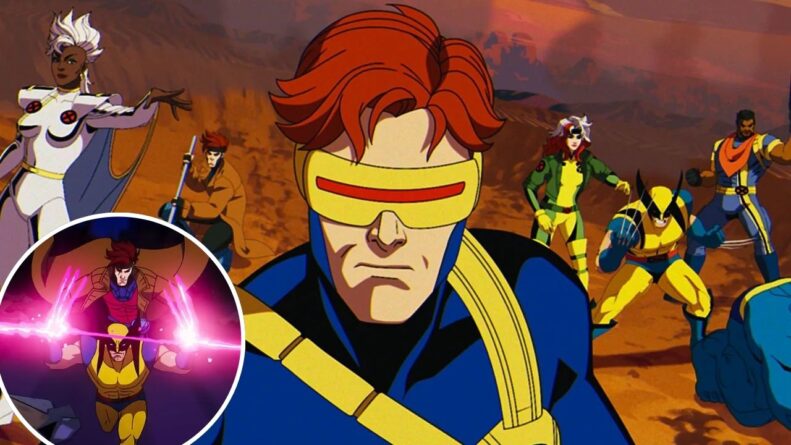
Theories range from the Weapon X programme, to a future/past intervention by time-displaced allies, to Apocalypse himself — who has been known in the comics to “enhance” mutants for his own purposes.
“The trailer shows a different situation. Wolverine appears alive and fully functional again — his adamantium claws restored. The trailer does not explain how.”
In episode 5 of season, Gambit died in order to protect everyone from the explosion to destroy an army of Sentinels and make its audience highly overwhelmed. Remy LeBeau — the Cajun reformed thief, the man who loved Rogue more than life itself — sacrificed himself which was magnificent and heartbreaking.
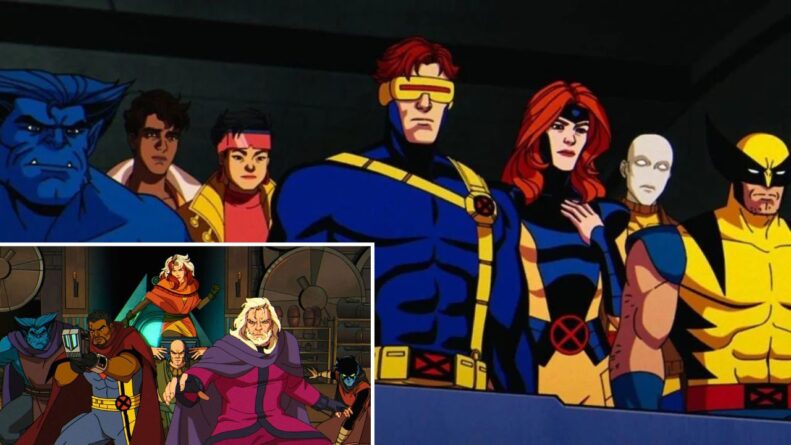
But in the X-Men comics, few deaths are permanent — and Gambit’s least of all. The Season 1 mid-credits scene indicates that Apocalypse plans to resurrect Remy as Death, one of his Four Horsemen. And this storyline directly adapted from the comics, adding more emotional core in the Season 2 of the series. Rogue is not drowning into grief only but the horrifying possibility of facing the man she loves turning into a monster which makes fans more excited.
Nothing has been officially confirmed, but Ross Marquand’s comments about the season being “very, very dark” and featuring a significant body count suggest the show is not pulling its punches. A resurrected Death-Gambit would be the kind of devastating narrative Marvel X-Men ’97 Season 2 has proven itself fully capable of delivering.
The long-term future of X-Men ’97 is looking extremely bright. At New York Comic Con in October 2025, Marvel officially confirmed that Season 3 has been greenlit — announced even before Season 2 had a release date. Brad Winderbaum, Marvel’s Head of Streaming, Television, and Animation, has made clear that the goal is for the series to run for the long haul.
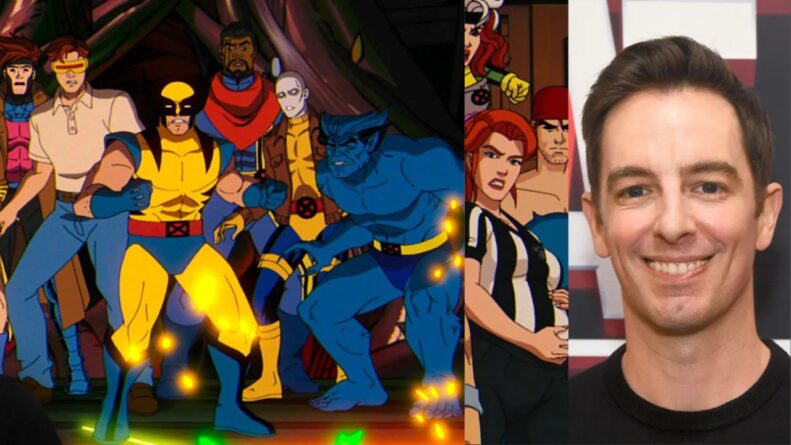
Marvel X-Men ’97 Season 2 was written by a team that includes original showrunner Beau DeMayo — who completed work on both Season 1 and Season 2 scripts before departing the project. Matthew Chauncey has since stepped in as writer to carry the series forward into Season 3 and potentially beyond.
Marvel X-Men ’97 Season 2 arrives with nearly impossible expectations — and every sign suggests it intends to exceed them. With Apocalypse as a multi-era threat, a team fragmented across thousands of years, Wolverine’s mysterious recovery, the spectre of a resurrected Gambit, and an already-confirmed Season 3, Marvel Animation’s crown jewel is only getting started. Clear your Disney+ queue. The mutants are coming home.