Home > Marvel > XMen 97 Season 2 Episodes 1-3: Who Really..
XMen 97 Season 2 Episodes 1-3: Who Really Sent the XMen Through Time?
Discover who really sent the XMen through time in XMen 97 Season 2 Episodes 1-3, Mother Askani's true identity, and what it means for Apocalypse's rise.
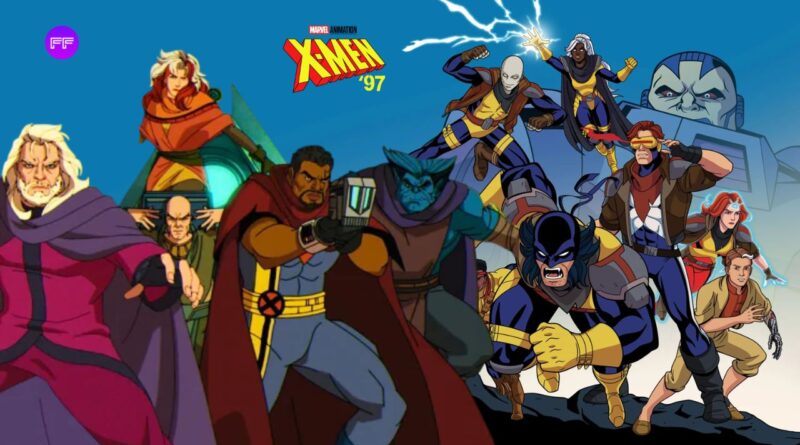
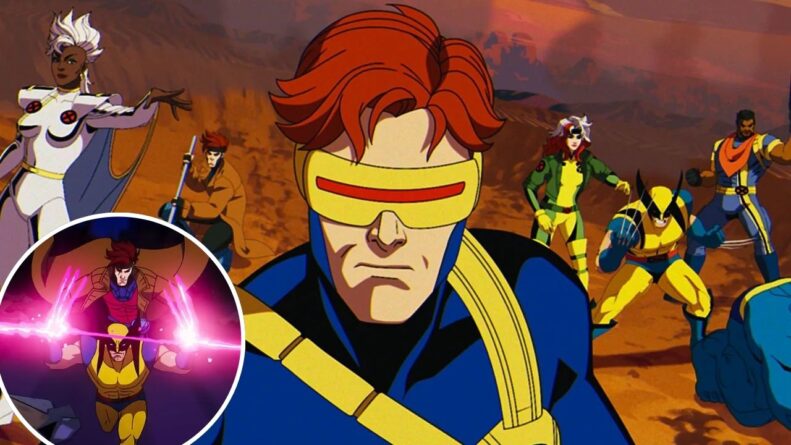
Season 1 of XMen 97 ended with the team getting blown apart on Asteroid M, and not in the way anyone expected. They didn’t die. They scattered across time. Some woke up centuries in the future. Others opened their eyes in ancient Egypt, thousands of years before Apocalypse became Apocalypse. For three episodes, nobody on the show, and nobody watching, knew who was pulling the strings. Xmen 97 Season 2 spends its opening act making you sit with that mystery before finally answering it.
So who actually did it? A woman named Mother Askani. And by the time episode 3 ends, you find out she’s not just some new mystic dropped into the story for convenience. She’s family.
Episode 1: “Days of Past Future” — The Family Nobody Talks About
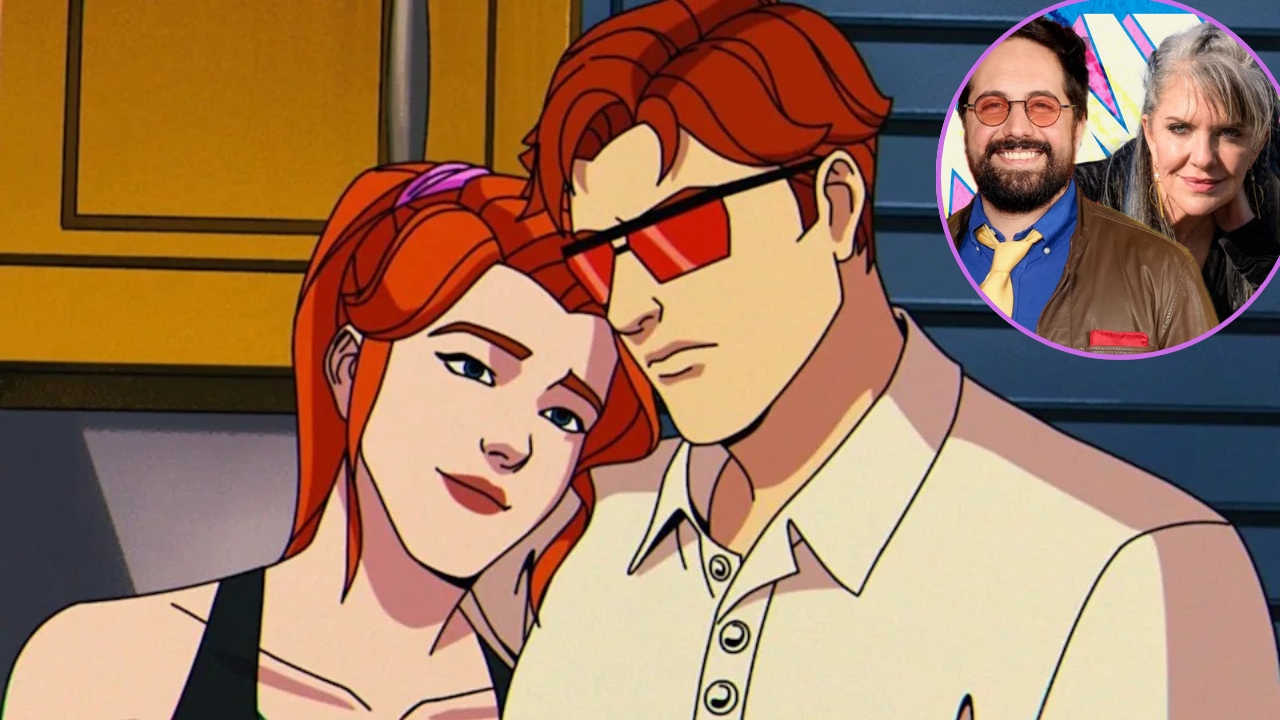
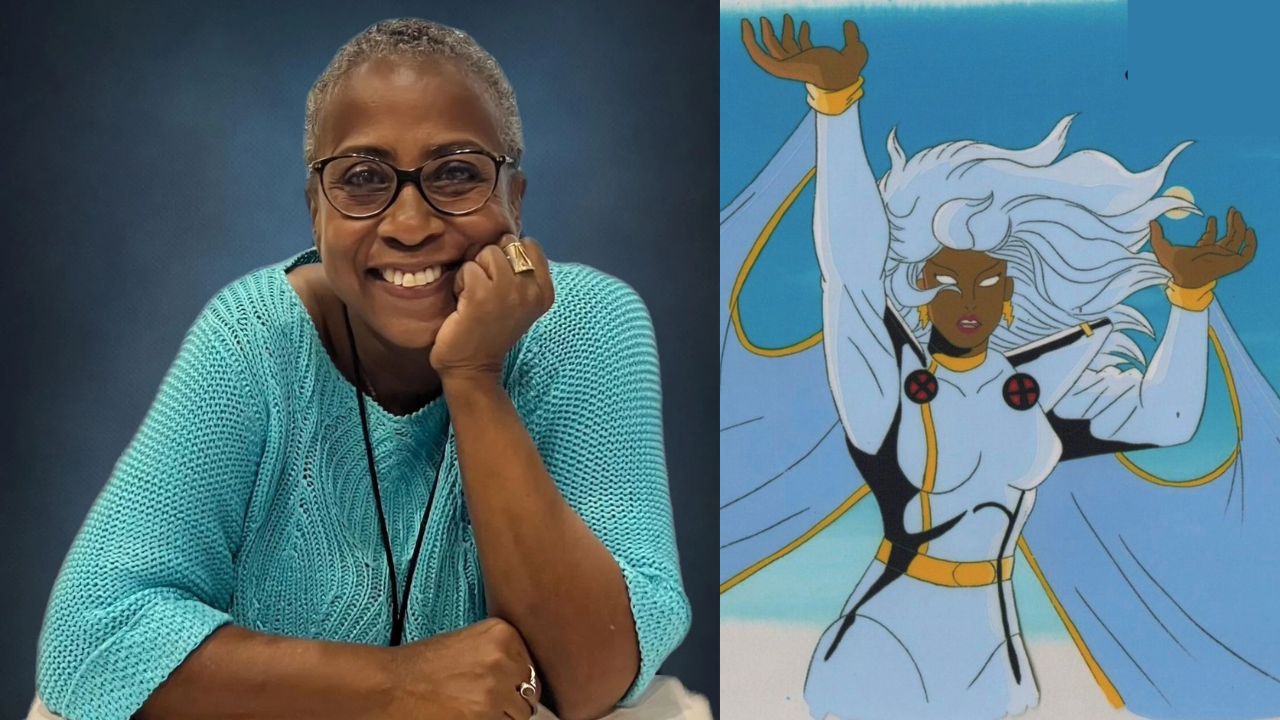
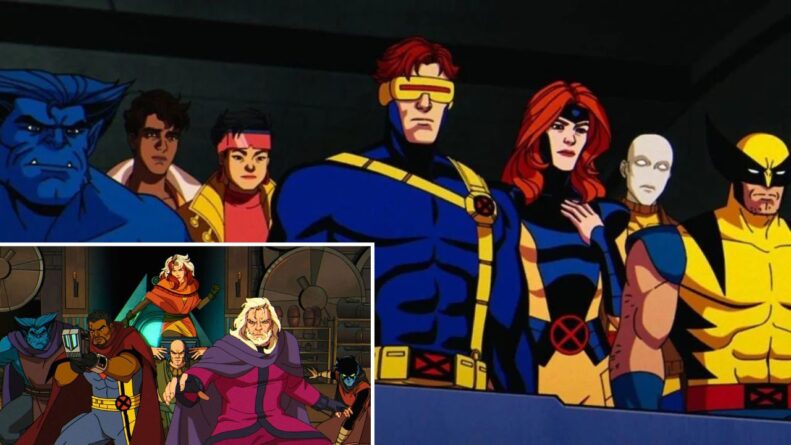
The beginning of Episode 1 shows Forge and Storm trying to gather their missing teammates by building up a new time machine. Forge traveled into the future to bring Cyclops, Jean, Storm, Morph, and Wolverine back into the present where they’re reunited with someone they thought they’d lost: their son, Nathan. In Season 1, Scott and Jean sent baby Nathan into the future to cure him of a techno-organic virus. What they didn’t know is who raised him on the other side.
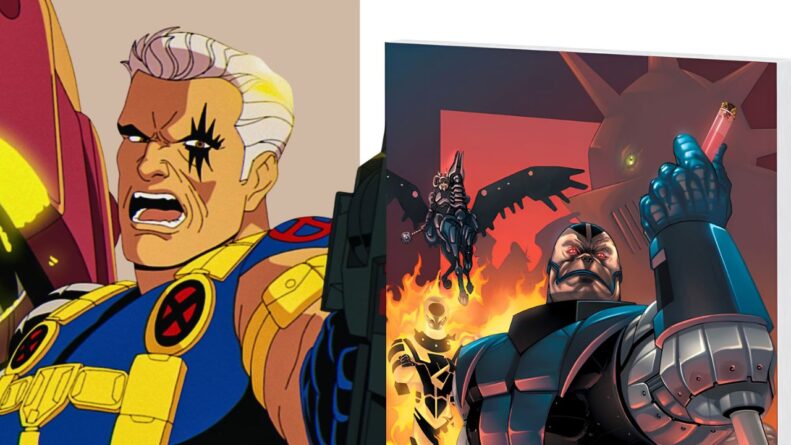
That’s Mother Askani. She’s the mysterious figure who has spent Nathan’s entire life preparing him to become Cable. Mother Askani made him a battle-hardened soldier who is ready to defeat Apocalypse. However, when news of this prophecy reaches Apocalypse, he sends four horsemen after the boy but Askani and Storm reach at the right time to save the Summers.
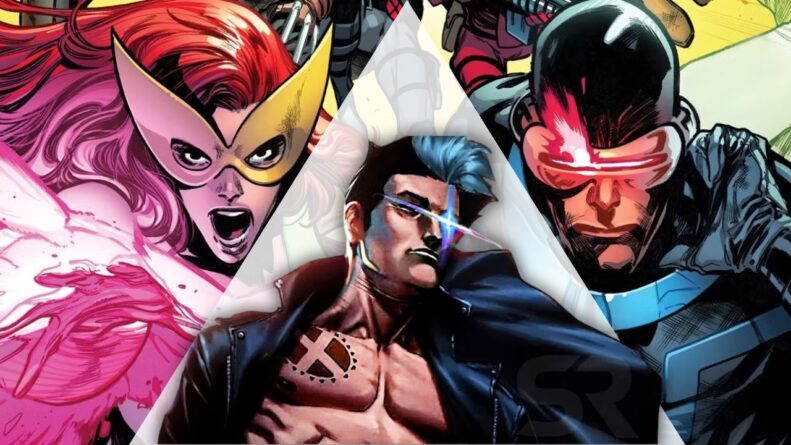
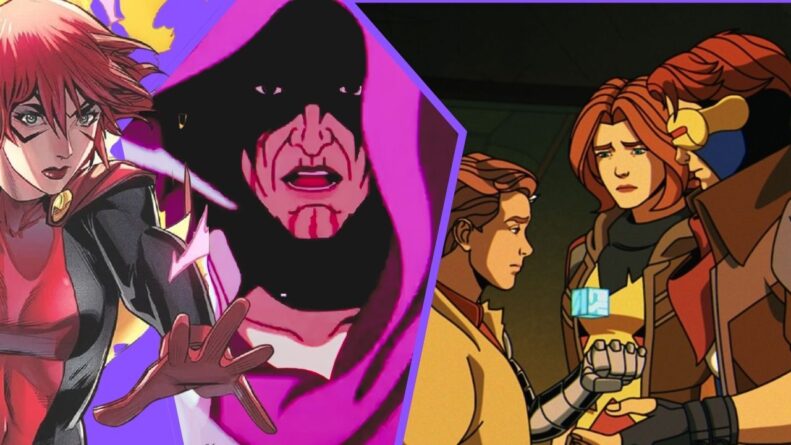
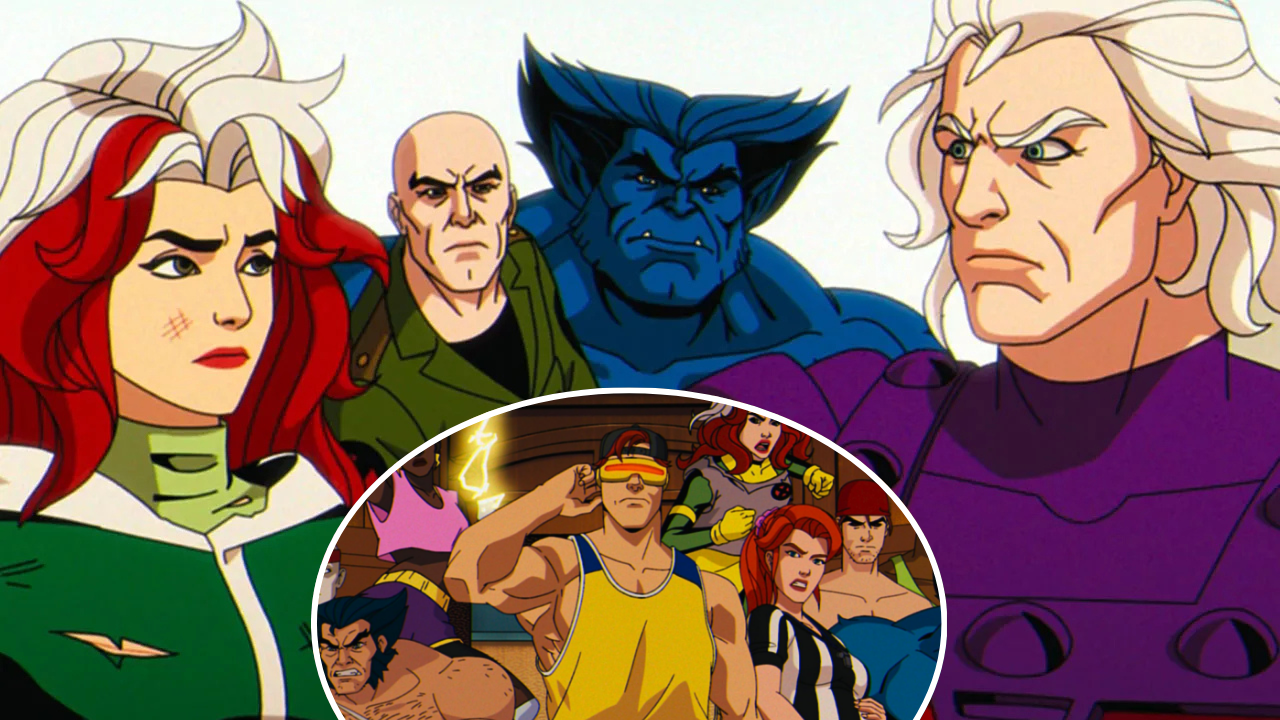
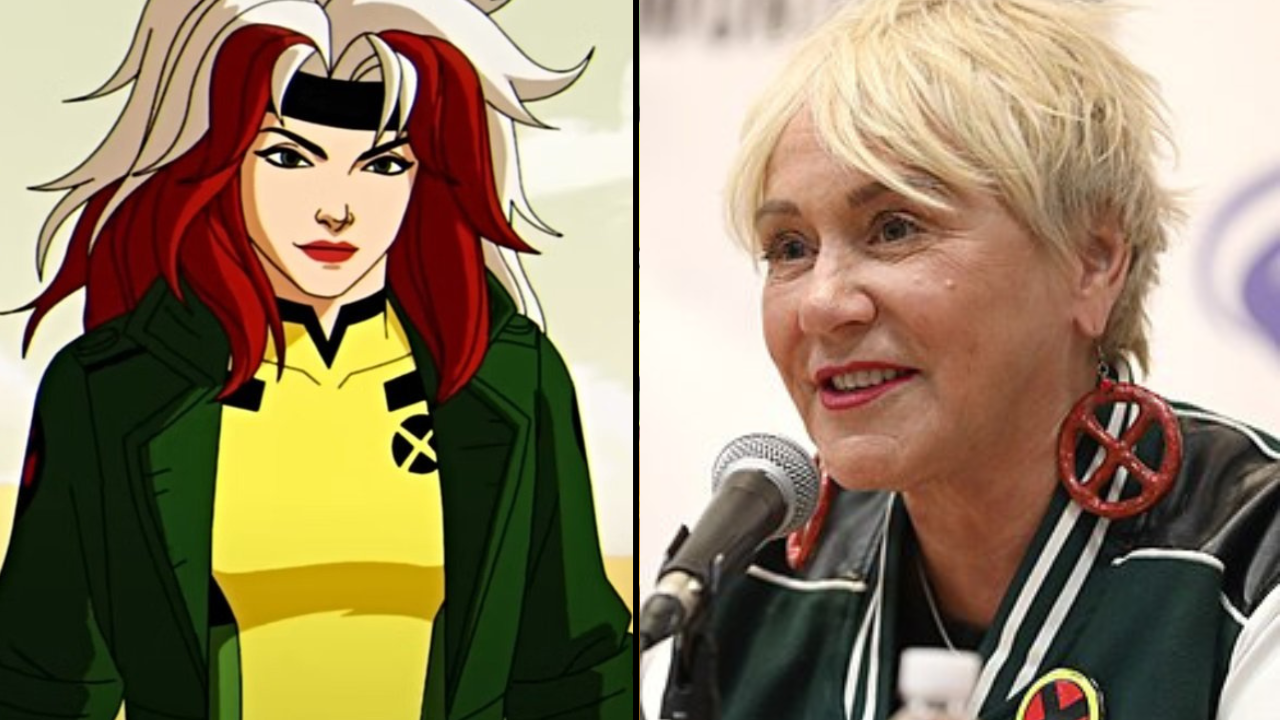
They crash into the Citadel and Mother Askarni reveals herself to Storm as Mother Askani, and when the hood comes off, longtime comic readers will recognize the face: Rachel Summers, daughter of Cyclops and Jean Grey from another timeline entirely.
She’s the family the Summers don’t know they have yet, and she’s been rewriting the timestream on purpose, placing both halves of the team at the exact moments that could stop Apocalypse for good. On the other hand, Apocalypse gets more angry and tries to strike the X-Men at their vulnerable time.
It’s a rough, honest episode, where Scott and Jean are stuck choosing between the son they just found and the world they still have to save. And it sets the emotional stakes before the show even explains the mechanics of the time split.
XMen 97 Season 2: “A Force to Be Reckoned With” — Back in the ’90s
Apocalypse failure angers him more and decides to strike X-Men at their vulnerable, XMen 97 Season 2 steps away from the past and future entirely and checks in on the present, where the X-Men who didn’t get pulled through time are left picking up the pieces. Two factions form: X-Force, led by a fully grown Cable, and X-Factor, a group that’s chosen to work alongside the government instead of against it. Jubilee and Sunspot get pulled into Cable’s crew, and the episode uses their recruitment to show just how much the world has changed since the team went missing.
It’s important to understand who sent X-Men in the past and future because Apocalypse is the most dangerous villain and he wants to destroy all mutants. The one who has the remote can actually help the team to fight.
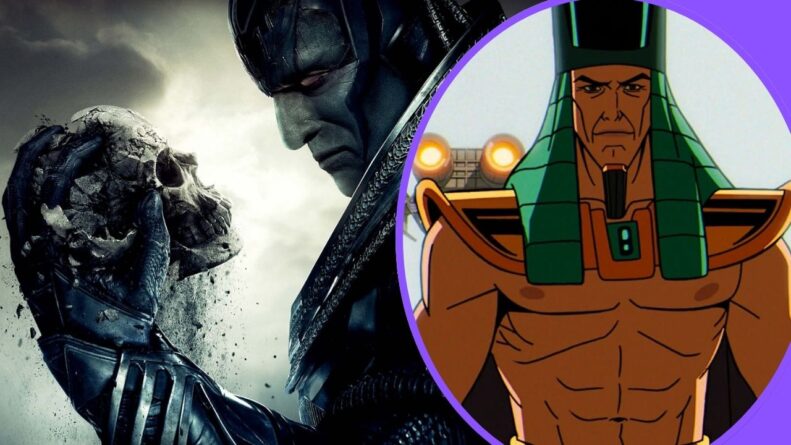
Episode 3: “Rise of Apocalypse Part 1” — Meeting En Sabah Nur Before He Was a Villain
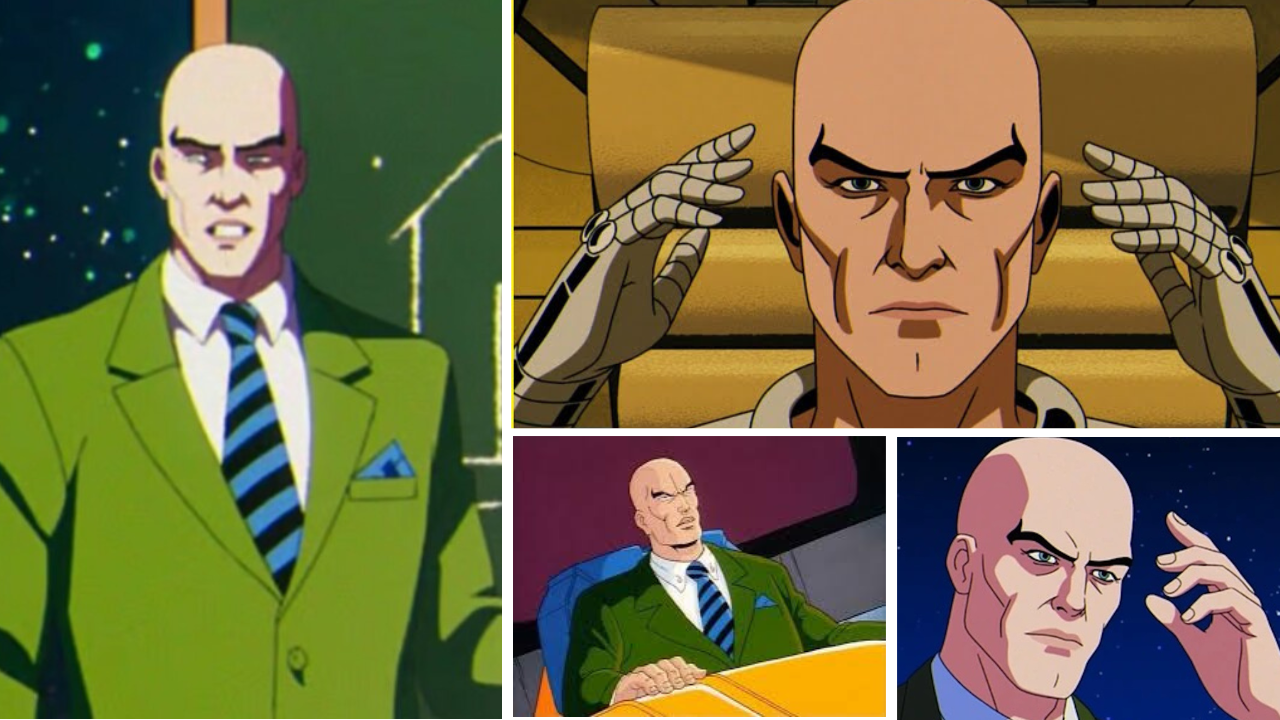
Traveling roughly 5,000 years into the past, the other half of the team—Professor Xavier, Magneto, Rogue, Nightcrawler, and Beast are in ancient Egypt with a young En Sabah Nur, the mutant who eventually becomes Apocalypse. Magneto hatches a bold scheme: to raise Nur under Xavier’s ideals and not hunger for domination. Meanwhile, they intend to use the high technology of Rama-Tut to return to their time.
Nur leads his Sandstormers against Logos and his robotic army of Rama-Tut where his powers as a mutant fully emerge, enabling him to destroy the mighty machines and defeat Logos. However, he stops before blowing up entirely since he is following Magneto’s advice and spares his enemy that shocked Professor Xavier. Magneto is determined to keep believing that Nur’s future can still be changed.
That doesn’t go well until Nur finds out about X-Men’s hidden lab that made Nur lose its control with rage. Rama-Tut strikes X-Men with his army right before they prepare to escape, leaving a cliffhanger for the fans which leads to raise many questions among them. The show is stepping forward into a more darker and twisted storyline which sets the character’s emotional stakes higher.
Why Did Mother Askani Send X-Men Back in the First Place?
Because one shot wasn’t enough. Askani needed Nathan trained and ready to become Cable, and she needed someone in Nur’s life early enough to change his path before Apocalypse’s ideology ever took root. Splitting the X-Men across both timelines wasn’t an accident of the Bastion fight. It was the plan the entire time.
There’s another important comic detail to keep in mind. Rama-Tut, the pharaoh of ancient Egypt in Nur’s day, is in fact one of Kang the Conqueror’s aliases in Marvel Comics. If XMen 97 Season 2 follows that storyline, it’s possible the show could be setting up for a grander multiversal dispute — one that goes well beyond.
What This Means Going Forward
XMen 97 Season 2 has already answered its central mystery, but it’s opened up a dozen new ones. Can Scott and Jean actually walk away from Nathan a second time?
What happens when Magneto’s plan to “fix” Nur inevitably collides with Nur’s own free will? And how much does Askani actually know about a future she’s trying to prevent?
Conclusion
These three episodes of XMen 97 Season 2 are much more than explain who sent the X-Men through time. The answer is easy, Mother Askani sent X-Men in different timelines to achieve the goal: destroy Apocalypse. With one team set in the future and the other in ancient Egypt, the series converts time travel into a profoundly personal tale of family, sacrifice and the belief that even the worst evils in history can find an alternate way.
XMen 97 Season 2 promises that the battle ahead won’t just decide the fate of the X-Men, it could determine the future of the entire Marvel universe.
Dive into the world of entertainment with Fandomfans and get latest updates from the movies, series and celebrities.
Alpana
Articles Published :
165
Alpana is Fandomfans Senior Editor across all genres of entertainment. She evolved in the media industry since a very long time, she manages the content strategy and editing of all the blogs. Her focus on story development, review analysis, and research is well-equipped that ensures every article meets the standards of accuracy and depth.
The MCU ‘X-Men Reboot’ is Finally Happening: Major Details Dropped
MCU X-Men reboot confirmed! Meet the new writers, a fresh approach to the story, and the way mutants will be introduced into the Marvel Cinematic Universe.
Marvel fans have been clamoring for one thing for a long time: the inclusion of the X-Men in the MCU. Rumors have been swirling on the web since Disney took over 20th Century Fox and rights to Marvel’s much loved mutants were reverted. We got a few teasers for the blockbuster Deadpool & Wolverine, Doctor Strange in the Multiverse of Madness. In a raft of interviews, director Jake Schreier, currently directing Marvel’s Thunderbolts team movie revealed some big, long-awaited news about the X-Men Reboot.
This is the news you’ve been waiting for if you love Marvel’s mutants. Here’s what Schreier actually said about the film director/writer and why the MCU could benefit from this “new start.”
Who is Writing the MCU X-Men?
One of the largest questions around the new X-Men film was who Marvel President Kevin Feige would deem worthy to pen it. The X-Men aren’t just another superhero team, they have decades of intricate comic history, social commentary, and fan expectations.
Jake Schreier has also officially confirmed that the script is now with an amazing, Emmy-winning duo – Lee Sung Jin and Joanna Calo.
If these names seem familiar, that’s because they are the masterminds behind a few of the best TVs you’ve watched these past couple years. For The Beefdown, it is original showrunner Lee Sung Jin, an award-winning maker recognized for his dark comedy and seismic character dynamics. Bear co-showrunner and writer Joanna Calo is a critically lauded FX series that artfully captures tension, collaboration and fraught emotional trauma.
Why This Writing Team is a Perfect Match
You might be wondering: Why bring on the writers of character-rich emotional TV dramedies True Blood and Six Feet Under to pen the screenplay for a sprawling superhero movie?
The explanation is simple: the MCU X-Men are basically a superpowered soap opera.
At their heart, the X-Men aren’t really about fighting giant robots or alien inva sions to save the world. They’re found family, They’re discrimination and personal trauma and they’re different kinds of people learning to accept who they are. The great X-Men comics (and there are very many, this list is by no means exhaustive) mine the relationships, rivalries and romances among the characters in the X-Mansion.
Marvel is showing its intentions with the teaming up of the minds behind Beef and The Bear. Rather than just having a bunch of big-scale computer generated images, they want the next X-Men to be more about character growth and emotional subtlety.
Leaving the Fox Universe Behind
Maybe the most exciting thing Jake Schreier gave away was the direction the team is heading creatively. He said that they’re deliberately trying to take a “less-trodden path.”
What does that mean? So what that means is, they just don’t want to do what the 20th Century Fox movies have already done.
The X-Men line of films from Fox, which began in 2000 and ended its run with Dark Phoenix and The New Mutants, really treated us with some wild goodness. Hugh Jackman’s Wolverine and Patrick Stewart’s Professor X are iconic. Yet, for twenty years, the series was defined by the very same characters and themes. Magneto vs. Professor X, we’ve seen that debate play out several times. We even got to see the Dark Phoenix saga twice. We saw Wolverine take centre stage in just about every film.
The MCU reset will be a clean slate, Schreier says. They’re delving into X-Men lore in a way that’s never before been seen on the big screen.
What Could a “Fresh Start” Look Like?
If Marvel is steering clear of the “beaten path,” we could see some big differences from the previous films. Here are just a few ways they could make this reboot feel completely new:
A Different Villain: Instead of positioning Magneto as the chief antagonist right off the bat, the MCU might introduce classic villains that we’ve never really seen done justice. Mister Sinister, the Hellfire Club, or even the Purifiers would be fantastic, terrifying adversaries for the latest generation of mutants.
A Completely New Team: Rather than starting with the same team from the 2000 film, Marvel could bring on fan-favorite mutants who never really got their moment in the sun, such as Jubilee, Gambit, Emma Frost, or a version of Cyclops that’s properly comic-accurate and actually gets to lead the team.
The School Dynamic: The Fox movies regularly used the Xavier’s School for Gifted Youngsters as a backdrop. The MCU could play it like a real school and tell stories about the day-to-day lives, drama & struggles of young mutants trying to control their powers.
Balancing Action and Emotion: The Marvel’s Thunderbolts Connection
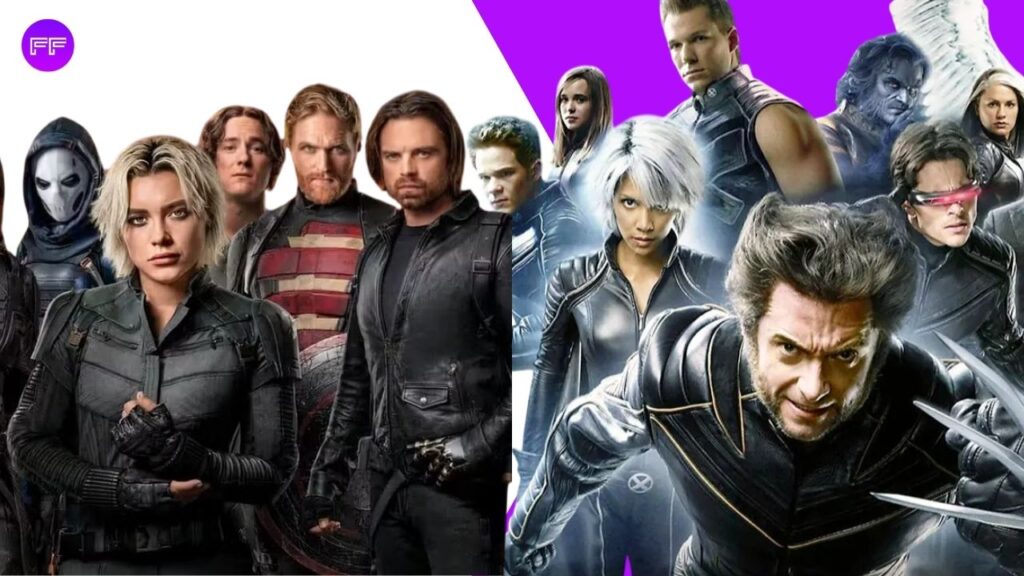
Jake Schreier’s inclusion here is no accident. He is helming Thunderbolts, a further film dealing with a scrappy, problematic team of super-powered people.
Schreier stressed this balance in these group films in his latest drafts. Marvel fans are familiar with big, exhilarating set piece scenes, but you also need those quiet, emotional moments where the characters interact.
Balancing an ensemble cast (a film with multiple leads) is notoriously hard. You need to give every character a full story arc, and they don’t all do that then just kind of fade away into the background. Schreier’s previous direction of the Thunderbolts lineup including Yelena Belova, Bucky Barnes, and Red Guardian will definitely offer a great take on how the X-Men should be treated.
If the writing team nailing the emotional heft of a show like The Bear is able to combine that with the superhero spectacle the MCU is known for, fans are in for a masterpiece.
How Will the X-Men Fit Into the Current MCU Timeline?
Although we now know who the writing team is and how they plan to generally tackle it, one gigantic question mark remains: how and when will mutants be brought into the MCU?We are currently now at the tailend of the “Multiverse Saga” in the MCU, which will end with Avengers: Secret Wars.There are two main theories about how the X-Men will be introduced:
They Are From Another Universe
Deadpool & Wolverine dealt extensively in the multiverse, leading some fans to speculate that the MCU X-Men will come from an alternate timeline. In the course of Secret Wars, their universe could potentially be brought into contact with the primary MCU timeline (known as Earth-616), potentially leading to the surviving mutants making the world of the Avengers their home.
They Have Been Here All Along
There are also some fans who want to see things that are a bit more grounded. Due to this line of reasoning mutants have always existed in the MCU but either they were extremely rare or Professor X wiped their memories so they wouldn’t be able to remember being mutants in a society that would hate and fear them. For better or worse, a global incident activates the “X-Gene” in thousands of adolescents around the world, bringing mutants out of hiding and into the light of day.
Either way, it sounds like whatever path Marvel goes down, they are setting themselves up for a “fresh start”, giving them the ability to shape the mutant corner of the universe exactly how they want to, unencumbered by the past movie continuity.
Why This is the Most Important Movie for Marvel’s Future
The Marvel Cinematic Universe has been the butt of jokes for a few years now after waiting for the fall of Avengers: Endgame. Sure there have been huge hits like Spider-Man: No Way Home and Guardians of the Galaxy Vol. 3 but there have also been some financial flops and fan grumbles. The X-Men are the golden ticket for Marvel Studios.
The mutant heroes are perhaps the most popular and relatable heroes in all of Marvel’s catalog. The Marvel slate is only getting better by accepting the realities of modern storytelling and the best ones to take advantage of that are shows like Lee Sung Jin and Joanna Calo’s strain on familiar characters that is a whole new, character-focused vision – Marvel is clearly indicating they are taking this reboot seriously.
Maybe Phase 6 of the MCU, and after, will just be the MCU X-Men. If successful, it will mean that audiences will come back to theaters for another ten years of crazy, wonderful storytelling.
The news coming out of Jake Schreier’s mouth is exactly what the fans really needed to know ahead of time. The MCU X-Men reboot isn’t just a rumor anymore, it’s actually being drafted by some of the most talented creators in Hollywood today.
By focusing on a “clean slate” and getting to the deep, emotional core of what makes the mutants so special, Marvel is clearing the decks for something really incredible. The path to the new MCU X-Men film may still be a few years off, but knowing it lies in the hands of writers that really get character drama makes the wait more than worthwhile.
Alpana
Articles Published :
165
Alpana is Fandomfans Senior Editor across all genres of entertainment. She evolved in the media industry since a very long time, she manages the content strategy and editing of all the blogs. Her focus on story development, review analysis, and research is well-equipped that ensures every article meets the standards of accuracy and depth.
Marvel X-Men ’97 Season 1 success brings the next season on July 1, 2026. Marvel’s X-Men ’97 season 2 trailer hints at a very very dark plot and new characters joining with continuing the story after the season 1 finale with the most dangerous villain Apocalypse.
Season 1 ends with a timeline-shattering finale in May 2024, leaving a baggage of questions for fans. Everyone is end up in different time of period, Cyclops and Jean Grey were in 3960 A.D. and Rogue, Beast, Nightcrawler, Professor X, and Magneto found themselves in ancient Egypt, circa 3000 B.C., facing young En Sabah Nur who later become the worlds most dangerous person — Apocalypse. He also appeared in the gut-wrenching mid-credits scene and picked up Gambit’s charred playing card with a smile.
The wait is almost over. Marvel X-Men ’97 Season 2 is set to deliver on every promise — with a nine-episode run, a sprawling cast of new and returning mutants, and the most terrifying villain in X-Men history taking center stage.
Quick Facts At a Glance
Premiere Date
July 1, 2026
Season
2
Episodes
9
RT Score S1
99%
Main Villain
Apocalypse (En Sabah Nur)
Stakes
All time
X-Men ’97 Season 1 Recap: Where We Left Off
Before watching Season 2, a recap of X-Men ’97 season 1 is crucial to understand the storyline. It picked up from the 1997 finale of X-Men: The Animated Series, it was one of the best superhero cartoons ever. The revival series is penned by Beau DeMayo who is head of Writers and produced by Marvel Studios Animation, the series premiered its first season on Disney+ in March 2024 and was widely praised by fans and critics.
The Genosha Massacre
Marvel X-Men ’97 Season 1 episode 5 was the main emotional core of the whole season that genuinely shocked audiences by the attack of Sentinel on the mutant safe haven of Genosha. In order to protect others, Gambit sacrifices himself in that explosion which raises the stakes of “Remember It” as the most emotional episode. It was the kind of bold, unflinching storytelling rarely seen in animated television.
Bastion and Operation: Zero Tolerance
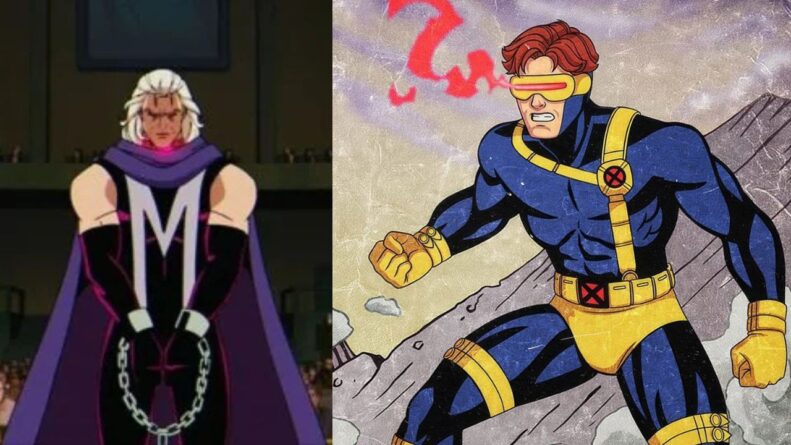
In the three-part finale “Tolerance Is Extinction” the real villain is revealed to be Bastion, a human-mutant-machine hybrid who became a representative of the next evolution in anti-mutant warfare. The X-Men won the fight at the end, but at a personal cost. During the conflict, Magneto, in-charge of the X-Men after Professor X created a blackout and tears the adamantium out of Wolverine’s body, leaving Logan in a catastrophic state.
A key moment between Magneto and Professor X when he entered into Magneto’s mind with his Psychic power that nearly destroyed them. This causes a possibility of the terrifying entity born from the darkest corners of both psyches – Onslaught which could become a major threat in future seasons.
X-Men Scattered Through Time
In the end of season 1, the X-Men were flung across time. Cyclops and Jean Grey are separated and thrown from the rest of X-Men and end up in 3960 A.D. where they have adopted son Nathan (Cable). Magneto and Professor X are end up in 3000 B.C. in ancient Egypt along with Rogue, Beast, and Nightcrawler. In their timeline, Apocalypse was just a young child En Sabah Nur, who was outcast because of his mutant ability to the brutal tribe. In the mid-credits scene, Apocalypse visits Genosha and smiles while looking at Gambit’s playing card which means he has plans for him.
What’s The Plot of Marvel X-Men ‘97 Season 2?
According to Disney’s official synopsis, the X-Men are scattered across different eras in time and busy finding their way to come back home. Meanwhile, back in the 1990s, new enemies were rising in their absence who have strong hate against mutants.
Marvel X-Men ‘97 Season 2 trailer dropped in May 2026 and gathered million views. It featured Rogue mourning Gambit’s death with Nightcrawler then scenes shifts to X-Men across every era of history. The trailer ends with Apocalypse declaring war:
“I must strike them at their most vulnerable — the 1990s!”
The one major subplot is confirmed that draws from the 1994 comic The Adventures of Cyclops and Phoenix. As the finale showed Scott and Jean, they will raise their adopted son Nathan (Cable) in the far future, while Apocalypse remains a growing threat. Meanwhile, back in the ancient past, Bishop and Forge are trying to fix the fractured timeline. Professor X actor Ross Marquand said:
“He was surprised the season was approved because it is so dark and many die.”
The Time-Travel Breakdown
Marvel X-Men ‘97 Season 2 showcases every character being separated and thrown in different centuries.
3960
A.D
Cyclops & Jean Grey
They end up in the far future when Apocalypse is already rising with power. It is based on The Adventures of Cyclops and Phoenix comic.
3000
B.C
Rogue, Beast, Nightcrawler, Professor X & Magneto
They end up in the past (ancient Egypt) where Apocalypse is young, a grey-skinned outcast with the Sandstormers tribe.
1990s
Present
Wolverine, Bishop, Forge & Others
Holding on to the present day while Apocalypse plans to strike on mutants at their weakest era.
Apocalypse: The Ultimate Villain Returns
En Sabah Nur, born thousands of years ago in ancient Egypt where Rogue, Professor X and Magneto find him as a grey-skinned outcast, was taken in by a tribe called the Sandstormers, who brainwashed him with a brutal belief that only the strong one survive. And he enhanced his mutant abilities with celestial technology after growing up and created himself as the powerful judge to decide who was worthy to survive.
We only watched his young version as En Sabah Nur in 3000 B.C. in the X-Men ’97 Season 1’s finale. But Marvel X-Men ‘97 Season 2 will showcase his past, present and future simultaneously. Whether it’s only a child or a dangerous villain he becomes, one thing is sure that he is too powerful. And he is planning to erase all mutants at their weakest time.
The Season 1 mid-credits scene strongly suggests that Apocalypse came to the ruins of Genosha to resurrect Gambit for making him a Death, one of his Four Horsemen.
Returning & New Characters
Season 2 brings back the full core voice cast while introducing a significant roster of new mutants — many of them deeply meaningful to long-time comics readers.
Returning Characters
Wolverine – Cal Dodd
Somehow alive and fully functional after having his adamantium ripped out. How he recovered is one of Season 2’s central mysteries.
Cyclops – Ray Chase
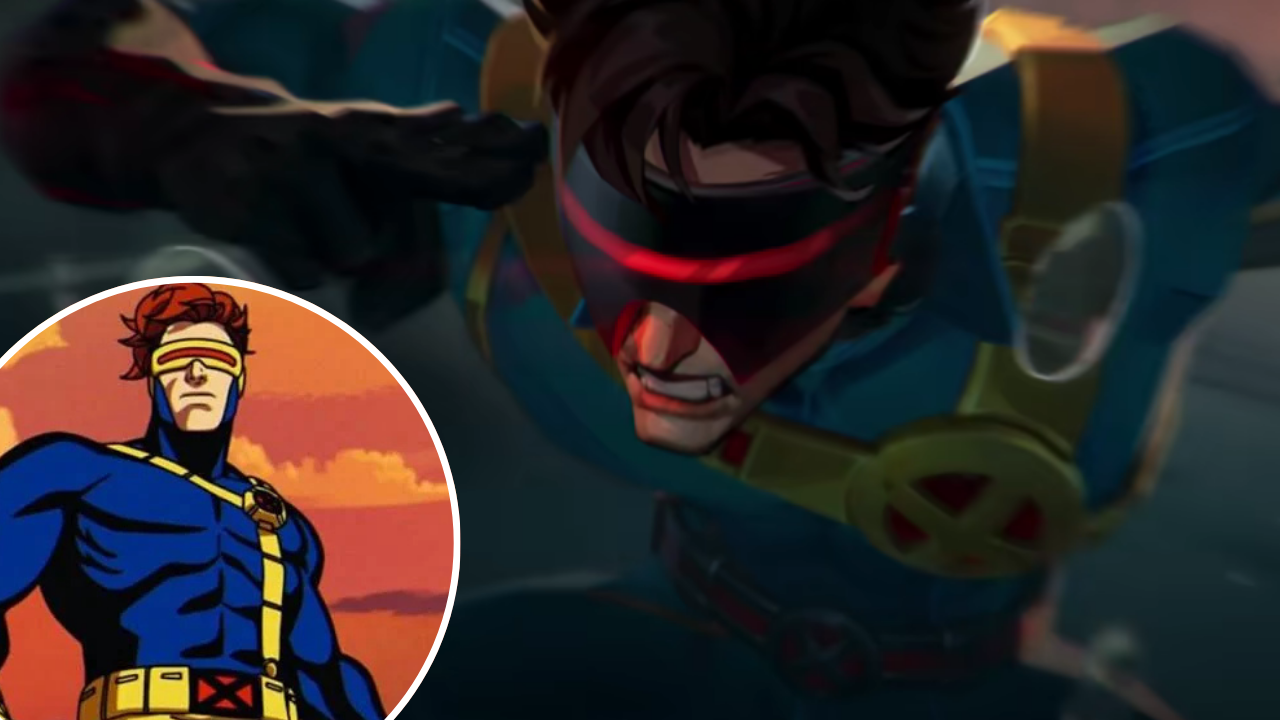
Stranded in the far future of 3960 A.D. alongside Jean — facing Apocalypse at the height of his reign.
Jean Grey — Jennifer Hale
In the distant future with Scott — the Phoenix residue she carries may be crucial to their survival and escape
Rogue — Lenore Zann
Emotionally shattered by Gambit’s death. The trailer opens on her grief — and she’s trapped in ancient Egypt with Nightcrawler and Beast.
Storm — Alison Sealy-Smith
The weather goddess returns to the fray with her signature combination of power, grace, and moral authority.
Professor X — Ross Marquand
Caught in ancient Egypt, psychically weakened after his confrontation with Magneto. His survival is far from guaranteed.
Magneto — Matthew Waterson
Stranded in 3000 B.C., facing the man he helped create through the violent philosophy he once shared: En Sabah Nur.
Morph — J.P. Karliak
Gets the trailer’s most crowd-pleasing moment — briefly shapeshifting into Deadpool, sending social media into a frenzy.
New Characters in Season 2
Sabretooth — Wolverine’s Rival
Teased in the trailer’s final seconds with a claw reveal. Victor Creed’s appearance signals a brutal personal reckoning for Logan.
Psylocke — Psionic Warrior
Returns to the animated series with a storyline that reflects current comic continuity around Kwannon and identity.
Archangel — Warren Worthington
His dark metallic wings hint at a possible past as one of Apocalypse’s Horsemen — a deeply significant connection to the season’s villain.
Polaris — Lorna Dane
Magneto’s daughter makes her animated series debut — her complicated family legacy will matter enormously given the stakes of Season 2.
The steel-skinned Russian mutant joins the fray, adding raw power to a team desperately in need of it across every timeline.
Lady Deathstrike — Yuriko Oyama
Adamantium claws and a vendetta against Wolverine — her arrival adds a personal, physical threat that Logan is in no shape to handle.
Danger — The Danger Room
The living embodiment of the X-Men’s VR training facility — a deeply strange and compelling addition from Joss Whedon’s comics run.
Emma Frost — The White Queen
The telepathic powerhouse makes her Season 2 appearance — whether as ally or antagonist remains one of the season’s intriguing question marks.
How Did Wolverine Survive X-Men ‘97 Season 1?
When Magneto left Wolverine heavily injured and close to death in the last moment of finale, left fans wondering if he ever survived or not. The scene directly connected to the famous 1993 “Fatal Attractions” comic storyline.
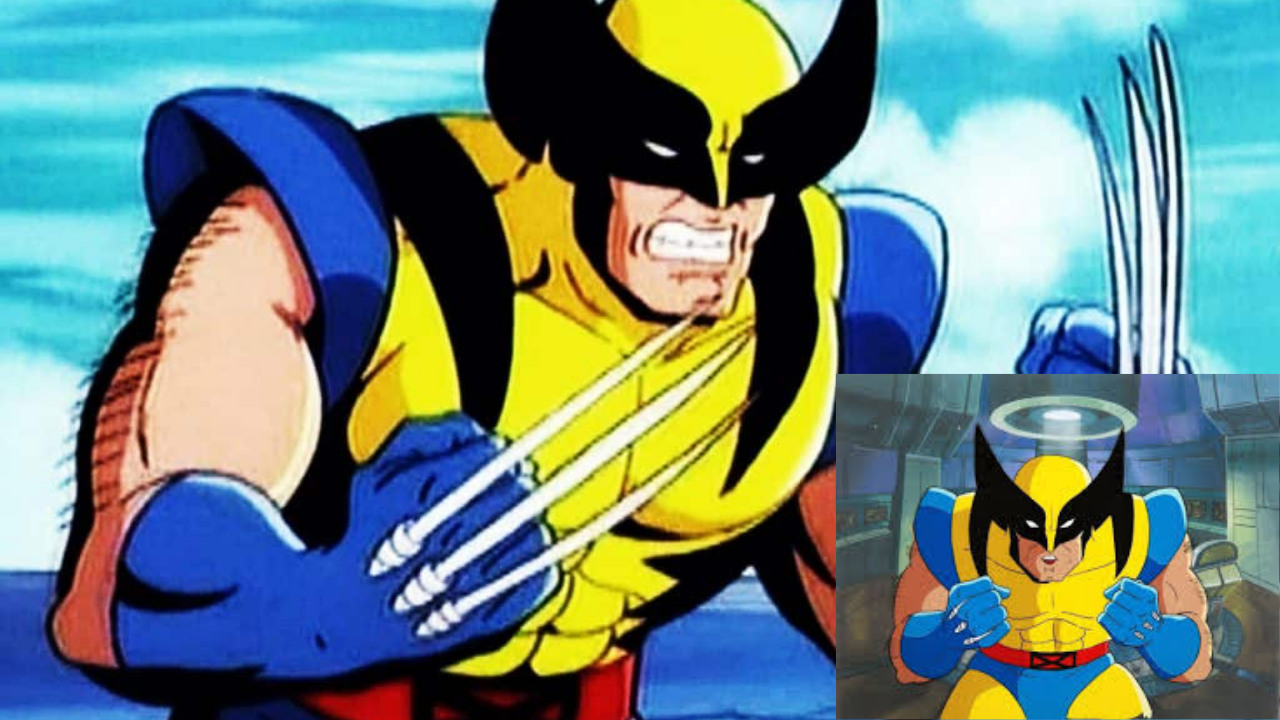
Marvel X-Men ’97 Season 2’s trailer answers one question that Logan is alive but leaves everyone wondering how he survived that state. He appears fully restored, adamantium claws and all. How? The show has not yet explained his recovery, which may be one of the central revelations of the new season.
Theories range from the Weapon X programme, to a future/past intervention by time-displaced allies, to Apocalypse himself — who has been known in the comics to “enhance” mutants for his own purposes.
“The trailer shows a different situation. Wolverine appears alive and fully functional again — his adamantium claws restored. The trailer does not explain how.”
Is Gambit Coming Back in Marvel X-Men ‘97 Season 2?
In episode 5 of season, Gambit died in order to protect everyone from the explosion to destroy an army of Sentinels and make its audience highly overwhelmed. Remy LeBeau — the Cajun reformed thief, the man who loved Rogue more than life itself — sacrificed himself which was magnificent and heartbreaking.
But in the X-Men comics, few deaths are permanent — and Gambit’s least of all. The Season 1 mid-credits scene indicates that Apocalypse plans to resurrect Remy as Death, one of his Four Horsemen. And this storyline directly adapted from the comics, adding more emotional core in the Season 2 of the series. Rogue is not drowning into grief only but the horrifying possibility of facing the man she loves turning into a monster which makes fans more excited.
Nothing has been officially confirmed, but Ross Marquand’s comments about the season being “very, very dark” and featuring a significant body count suggest the show is not pulling its punches. A resurrected Death-Gambit would be the kind of devastating narrative Marvel X-Men ’97 Season 2 has proven itself fully capable of delivering.
X-Men ’97 Season 3 Is Already Confirmed
The long-term future of X-Men ’97 is looking extremely bright. At New York Comic Con in October 2025, Marvel officially confirmed that Season 3 has been greenlit — announced even before Season 2 had a release date. Brad Winderbaum, Marvel’s Head of Streaming, Television, and Animation, has made clear that the goal is for the series to run for the long haul.
Marvel X-Men ’97 Season 2 was written by a team that includes original showrunner Beau DeMayo — who completed work on both Season 1 and Season 2 scripts before departing the project. Matthew Chauncey has since stepped in as writer to carry the series forward into Season 3 and potentially beyond.
Conclusion
Marvel X-Men ’97 Season 2 arrives with nearly impossible expectations — and every sign suggests it intends to exceed them. With Apocalypse as a multi-era threat, a team fragmented across thousands of years, Wolverine’s mysterious recovery, the spectre of a resurrected Gambit, and an already-confirmed Season 3, Marvel Animation’s crown jewel is only getting started. Clear your Disney+ queue. The mutants are coming home.
Alpana
Articles Published :
165
Alpana is Fandomfans Senior Editor across all genres of entertainment. She evolved in the media industry since a very long time, she manages the content strategy and editing of all the blogs. Her focus on story development, review analysis, and research is well-equipped that ensures every article meets the standards of accuracy and depth.