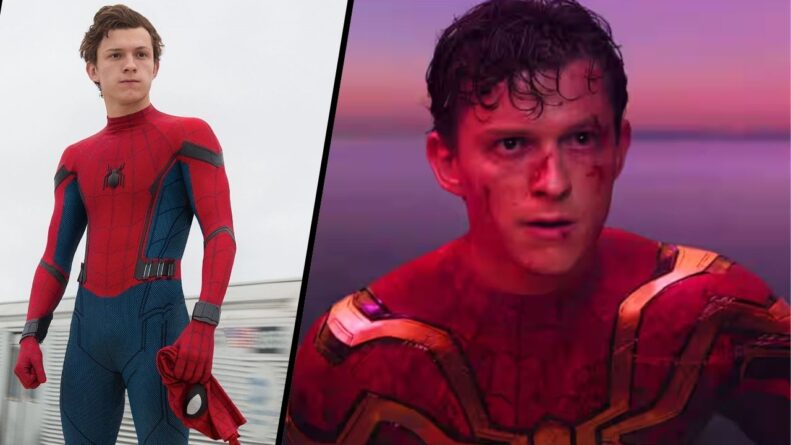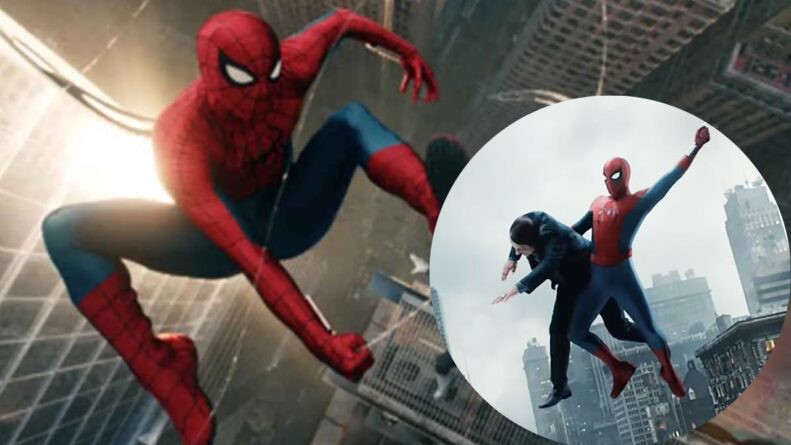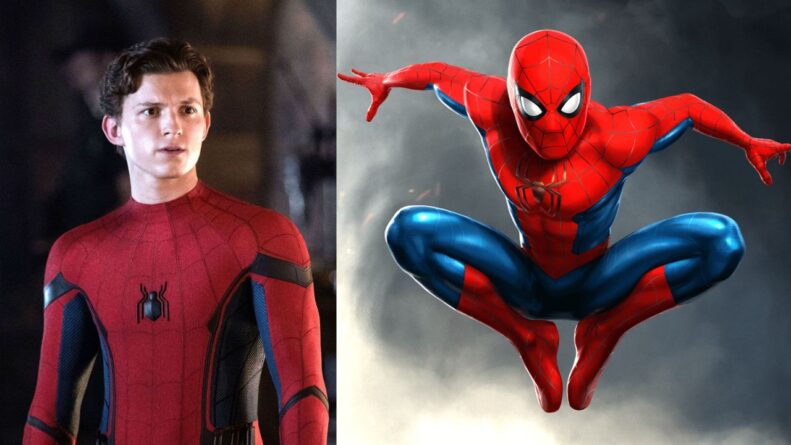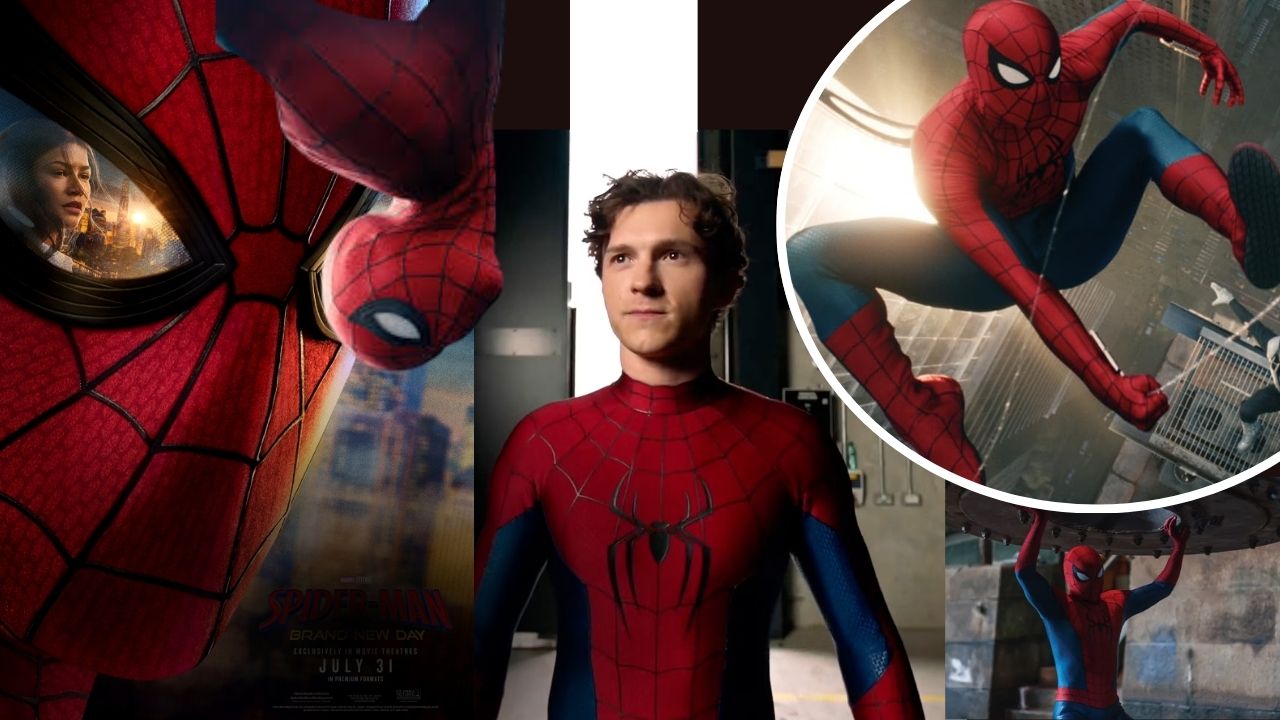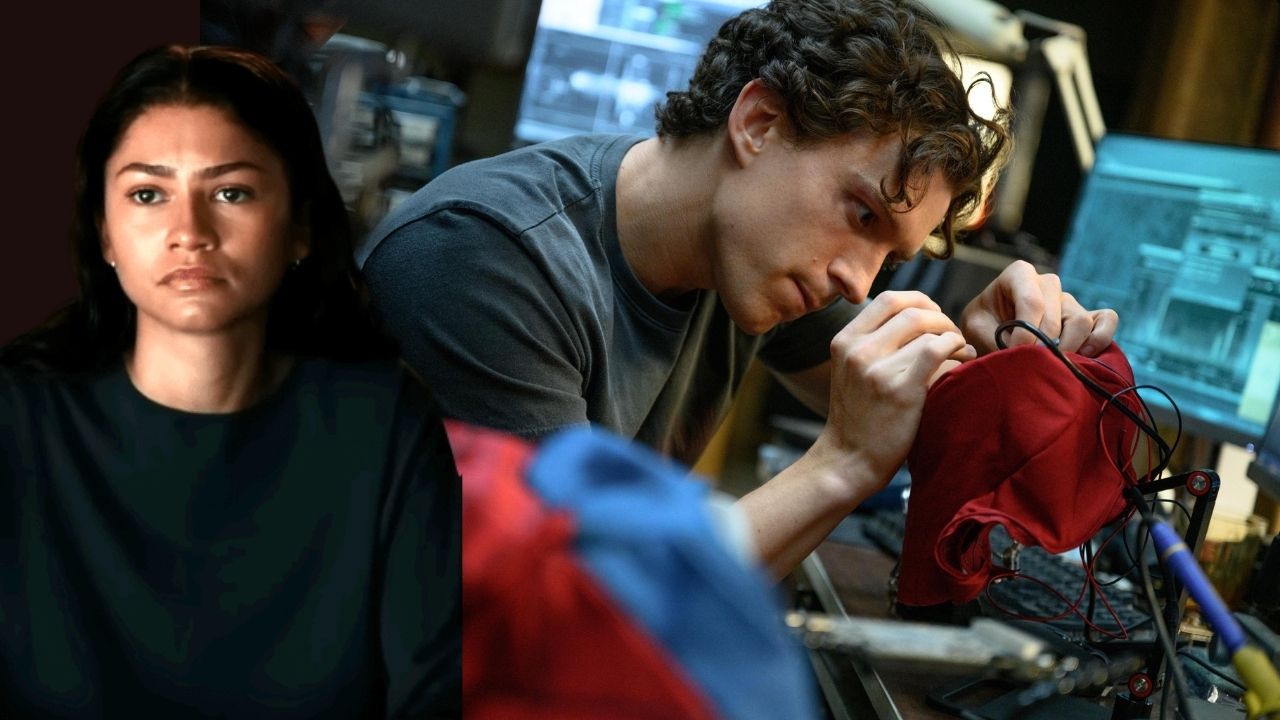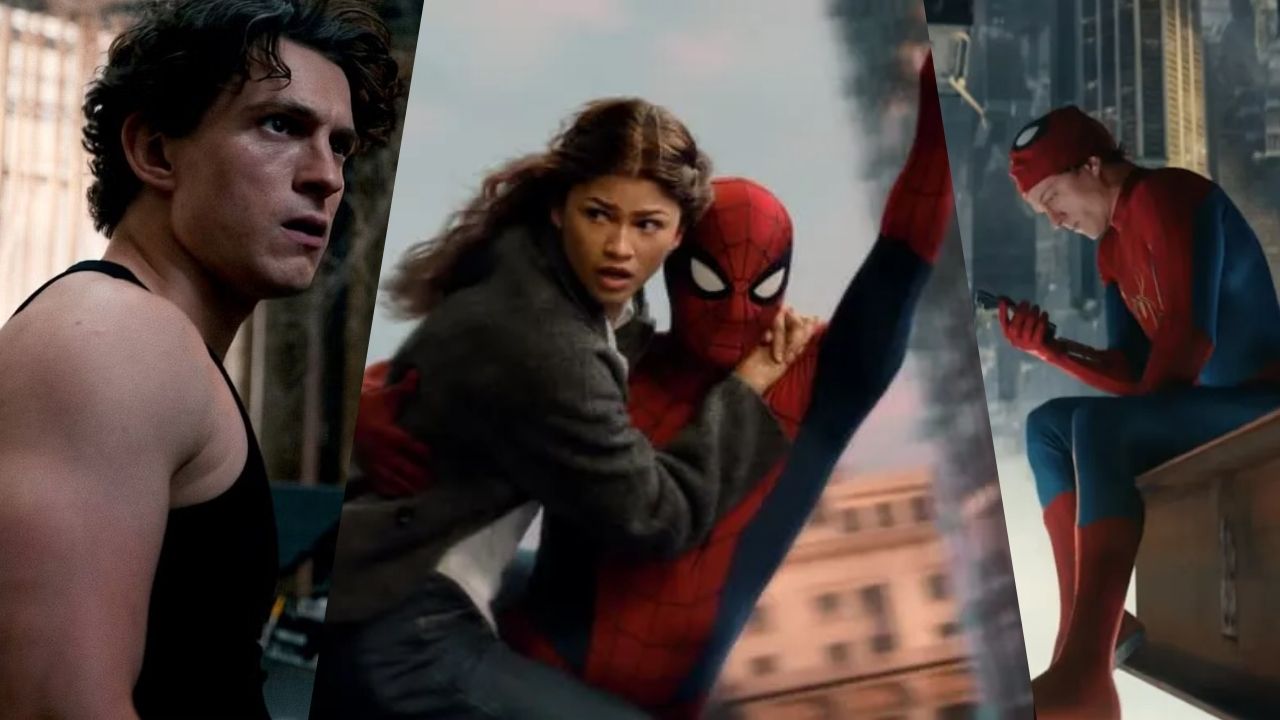

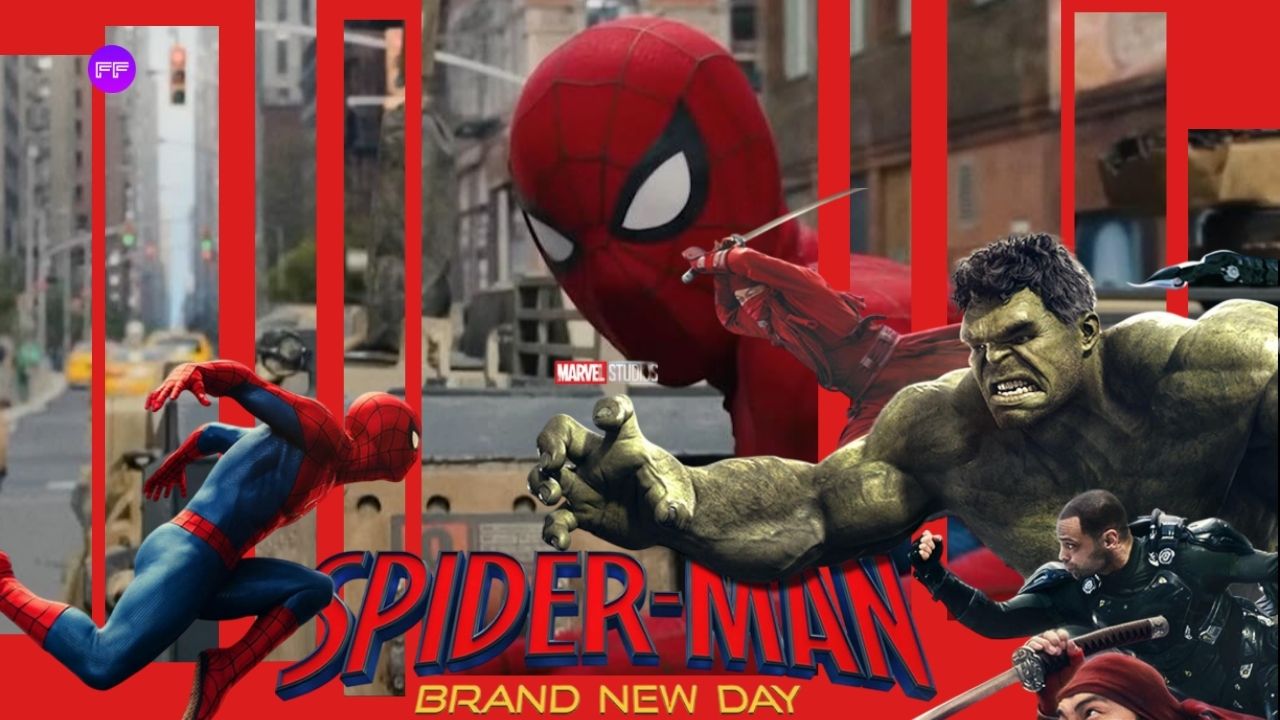
You sat through the entire credits crawl for eleven seconds of app-interface footage, and you still don’t know what you watched. That’s exactly what Marvel did to leave you with an exciting Cliffhanger. Spider-Man: Brand New Day, which hit theaters July 31, 2026 under director Destin Daniel Cretton, hands you six loose threads and dares you to pull on them before Avengers: Doomsday arrives this December.
Here’s what actually happens in each one, separated from what fans are just hoping happens.
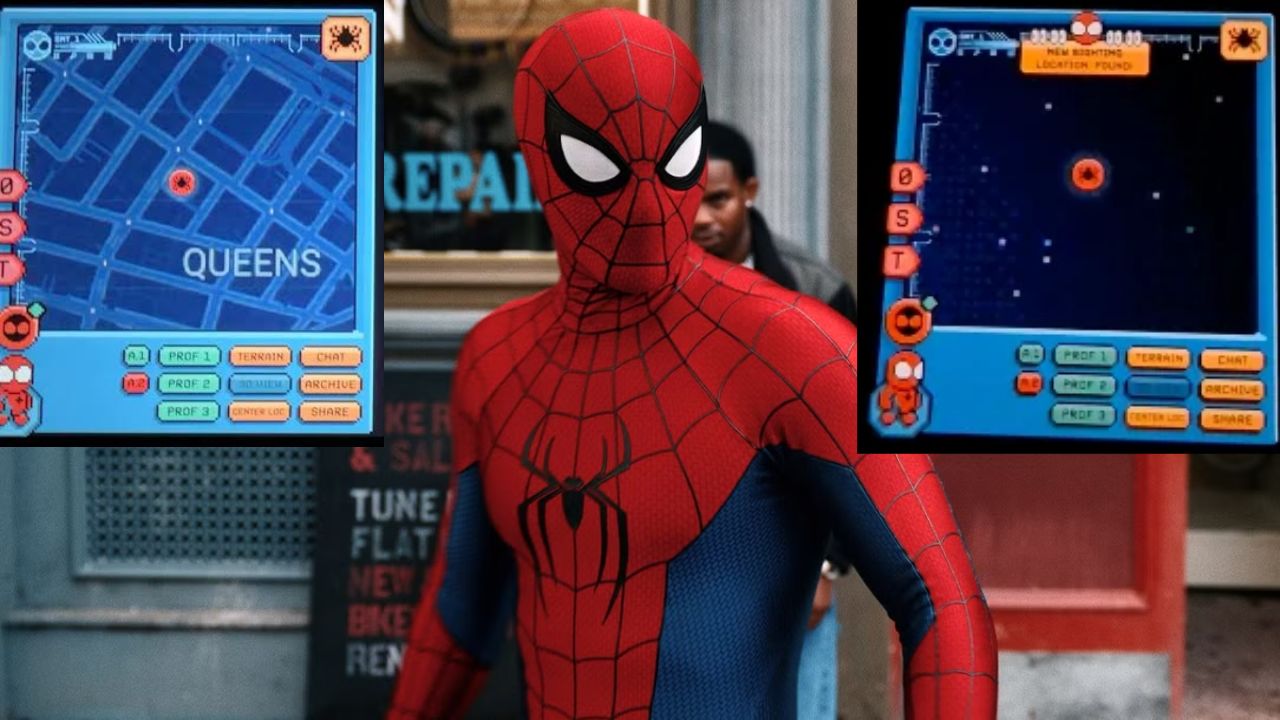
The BND Post-Credit Scene: What Ned’s Spidey Tracker Really Shows
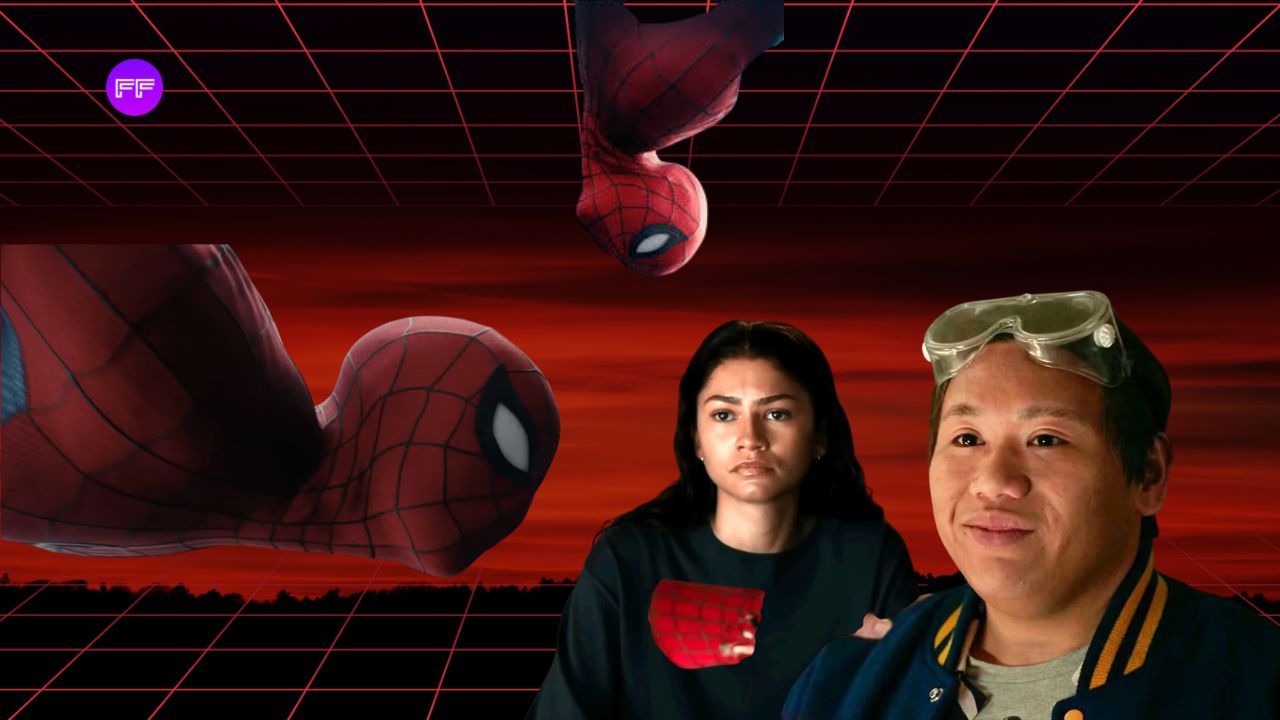
There’s no mid-credits scene this time, only one sequence after the full credits roll. It circles back to the Spidey Tracker, the in-universe app Ned Leeds (Jacob Batalon) built to log Spider-Man sightings across New York after losing his memory of Peter. The app pings with a new detection. The camera pulls back from the city, past the Earth, past the moon — and after a brief glitch, a second Spider-Man marker appears out in deep space. No actor, no dialogue, no confirmation of whose signal it is.
Marvel isn’t announcing anything on the Brand New Day’s post credit scene, leaving fans wondering whether that’s Peter, or Spider-Man from another universe. This scene matches the timeline of the Thunderbolts* post-credit scene where Yelena Belova’s tablet flagged an extradimensional ship entering Earth-616’s orbit. That craft looks exactly like Fantastic Four’s Earth-828 ship and these two parallel events suggest that they are connected somehow.
Spider-Man: Brand New Day slightly set up Peter Parker’s entry into Avengers: Doomsday on December 18, 2026, instead of holding his return until Avengers: Secret Wars.
Nothing in the film states this outright; it’s the most logical read of two scenes stitched together across separate movies.
The Universal Inhibitor: Peter Just Built the X-Men’s Biggest Threat
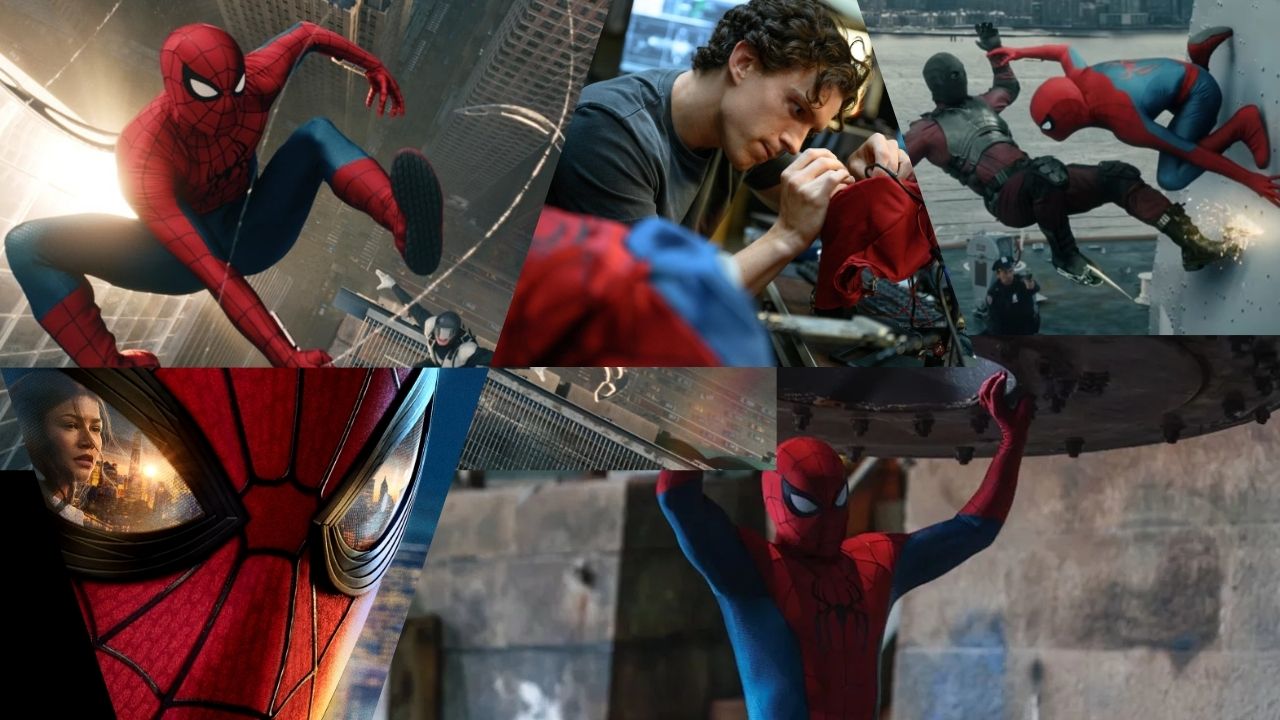
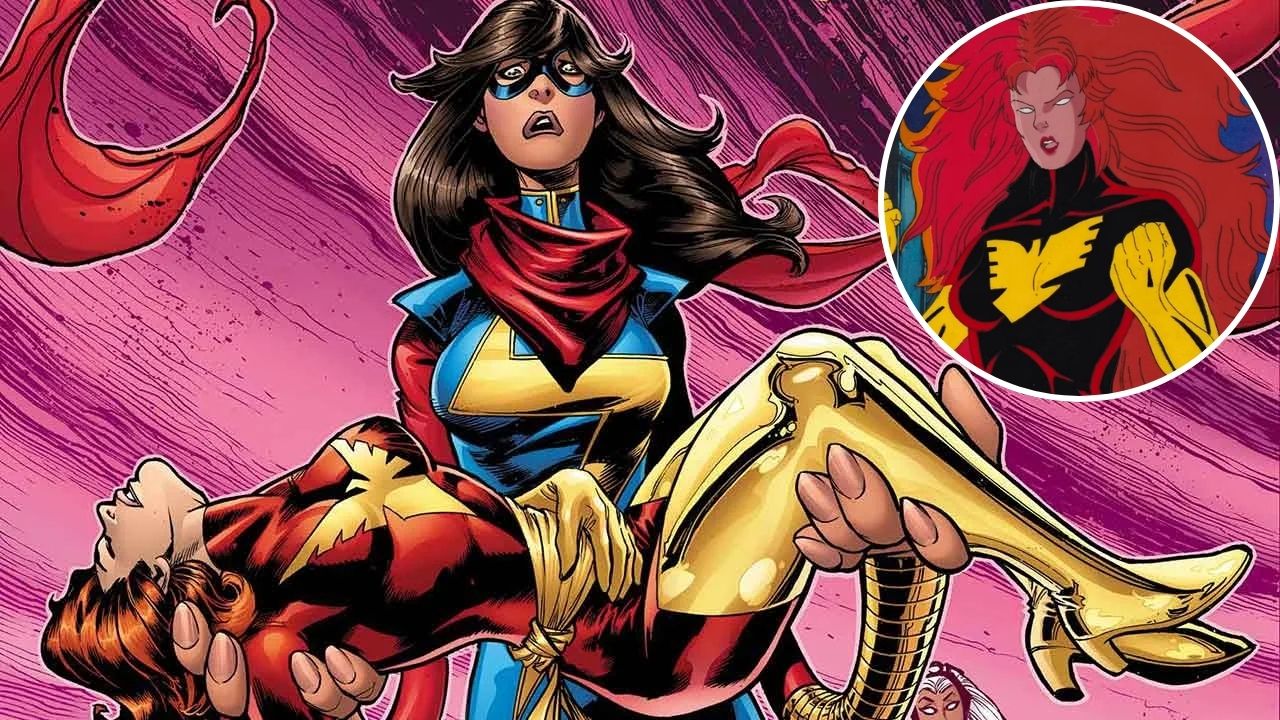
When Peter’s spidey sense gets heightened and he is scared to lose himself more than a villain, in that moment, he decides to suppress his dark impulses by destabilizing spider-DNA. When he accidentally hits the cop while fighting with Scorpion (who is possessed by Jean Grey), he’s not himself at the time his personality shifts.
He goes to Bruce Banner for advice, because he also uses calibrated tech to keep his gamma mutation suppressed and prevent him turning into a Hulk. Banner also warns Spider-Man that deciding which parts count as “wrong” and suppressing them is an ethical minefield, not an engineering problem.
Peter Parker didn’t listen to him and built that chip for himself and one, a universal one to use on anyone who has special powers. Jean Grey is a genetically enhanced person and Peter uses that universal inhibitor to help Damage Control detain her. Later when Jean removed it from herself since it was destabilized by Metzger, Spider-Man tried to slap it on Hulk but failed because of its tight skin.
The Department of Damage Control gets its hands on the tech afterward and starts modifying it. Bill Metzger (Tramell Tillman), whose anti-mutant leanings are already on screen, escapes with knowledge of how it works.
In the comics, inhibitor-chip technology evolves into the collars used to neutralize mutants in Days of Future Past. If the MCU is heading toward the same device, not a villain, not a government agency acting alone — Peter Parker is the one who designed the prototype. That’s a rough legacy for a guy trying to do the responsible thing.
Where Jean Grey’s Powers Take Her in the MCU?
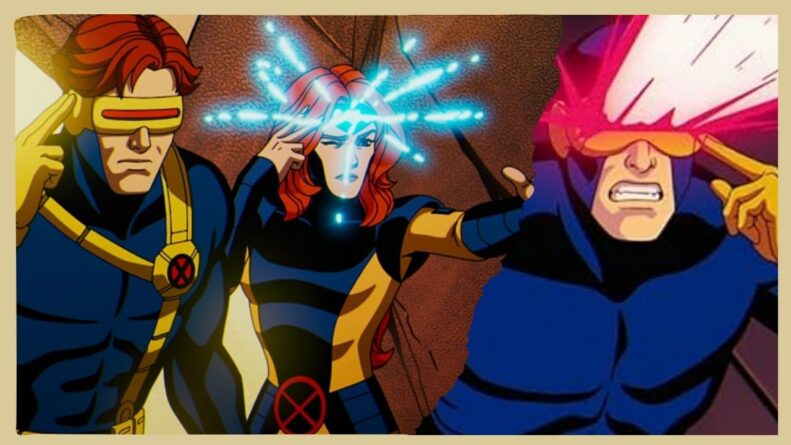
Sadie Sink’s Jean Grey spends the movie jumping between minds of Damage Control agents, MJ, Banner while chasing something called V-Max in Damage Control’s systems, tied to whatever experiments Metzger ran on her. Her telepathy escalates into full telekinetic control over a chunk of Manhattan when her grief over her sister overwhelms her, and she nearly kills Metzger before Peter talks her down by sharing a memory of Aunt May’s death rather than fighting her.
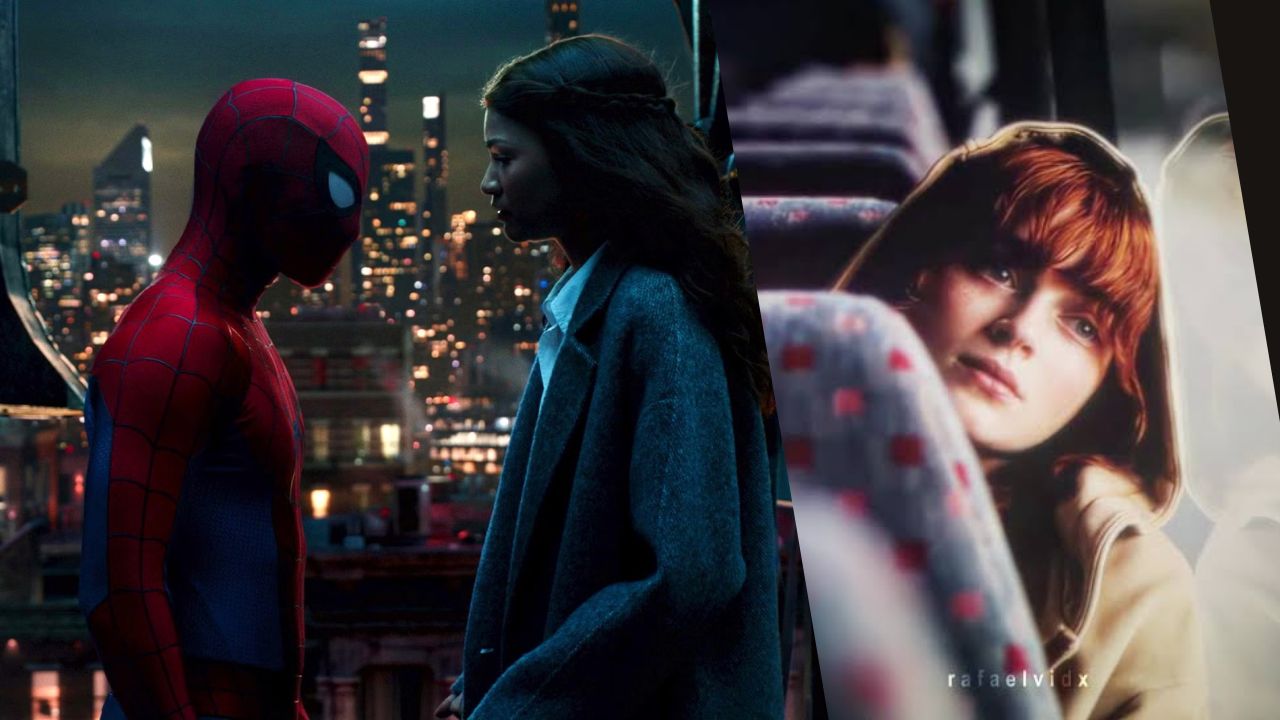
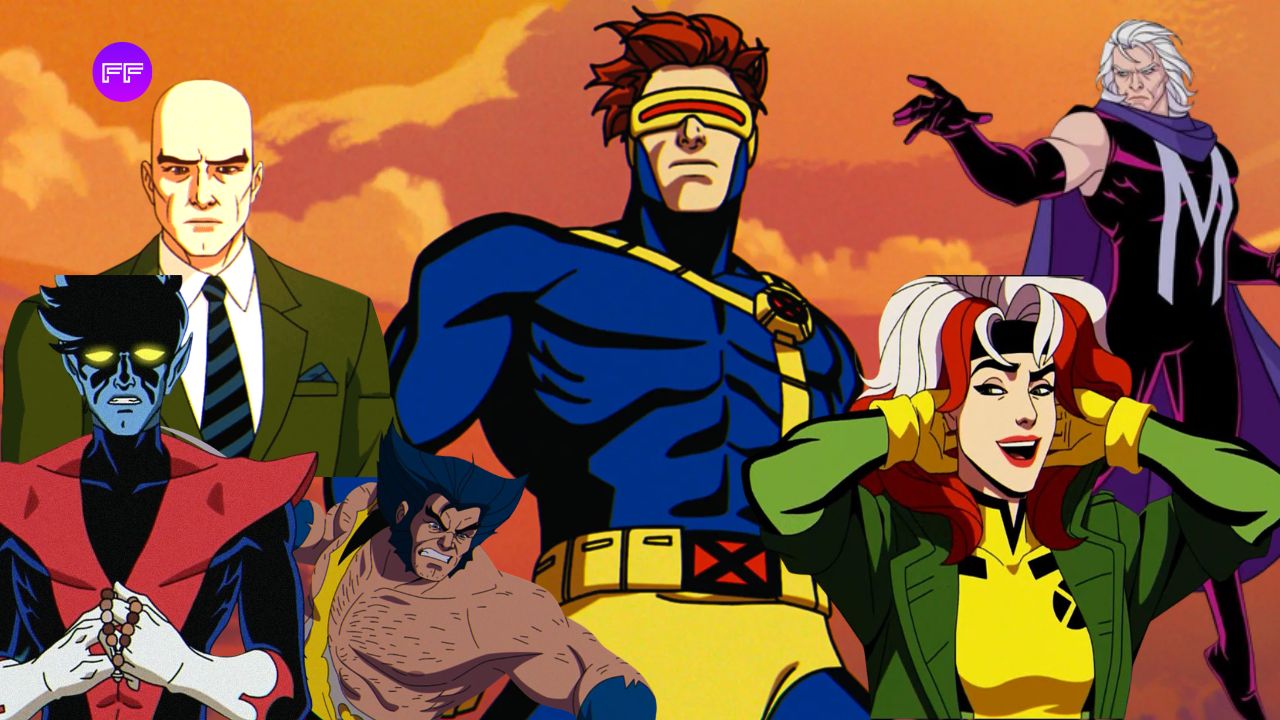
By the film’s end she’s escaped Damage Control custody entirely and is shown on a bus heading toward upstate New York — geographically consistent with Xavier’s school, though the film never names it. Her arc here plays as the connective tissue between the Spider-Man corner of the MCU and Jake Schreier’s upcoming X-Men movie, more than a resolved storyline of its own.
Read More 👉 Spider-Man: Brand New Day Latest Update: What’s Really Happening?
Peter and Frank Castle: How a Bullet Rewired Their Whole Dynamic
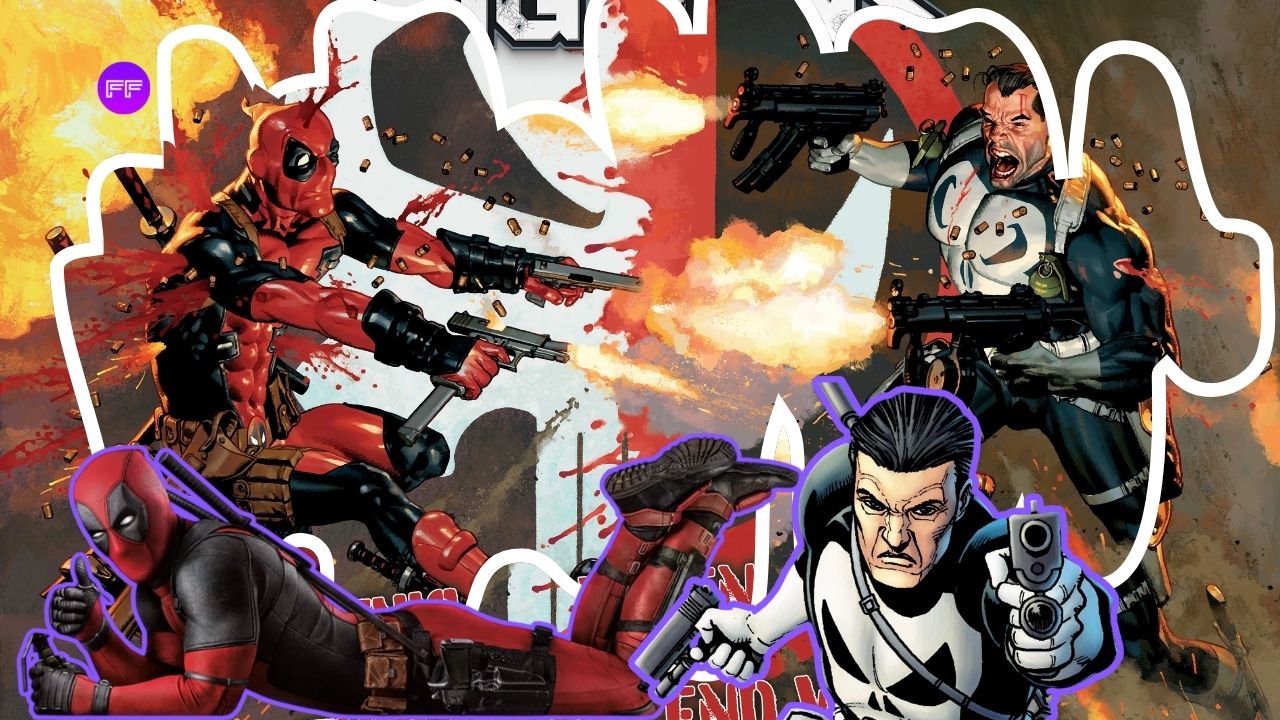
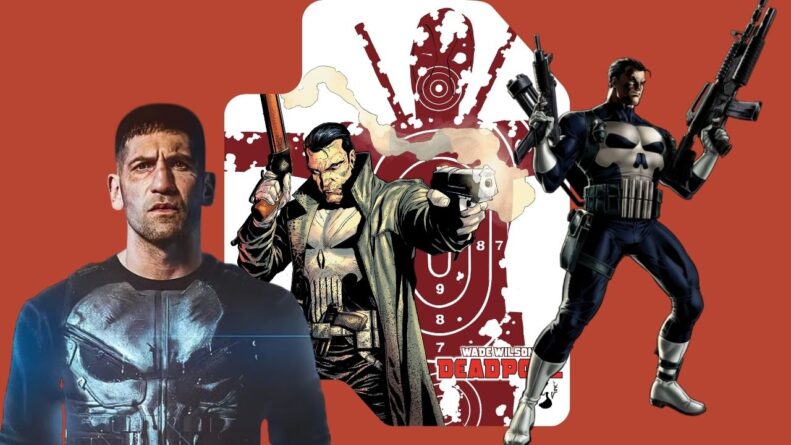
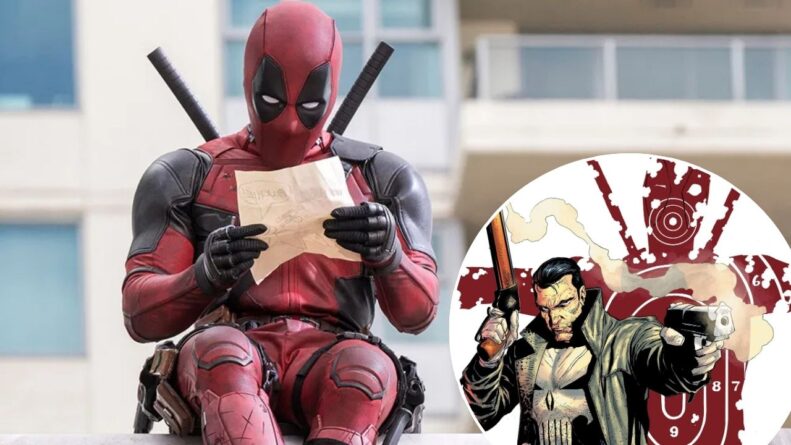
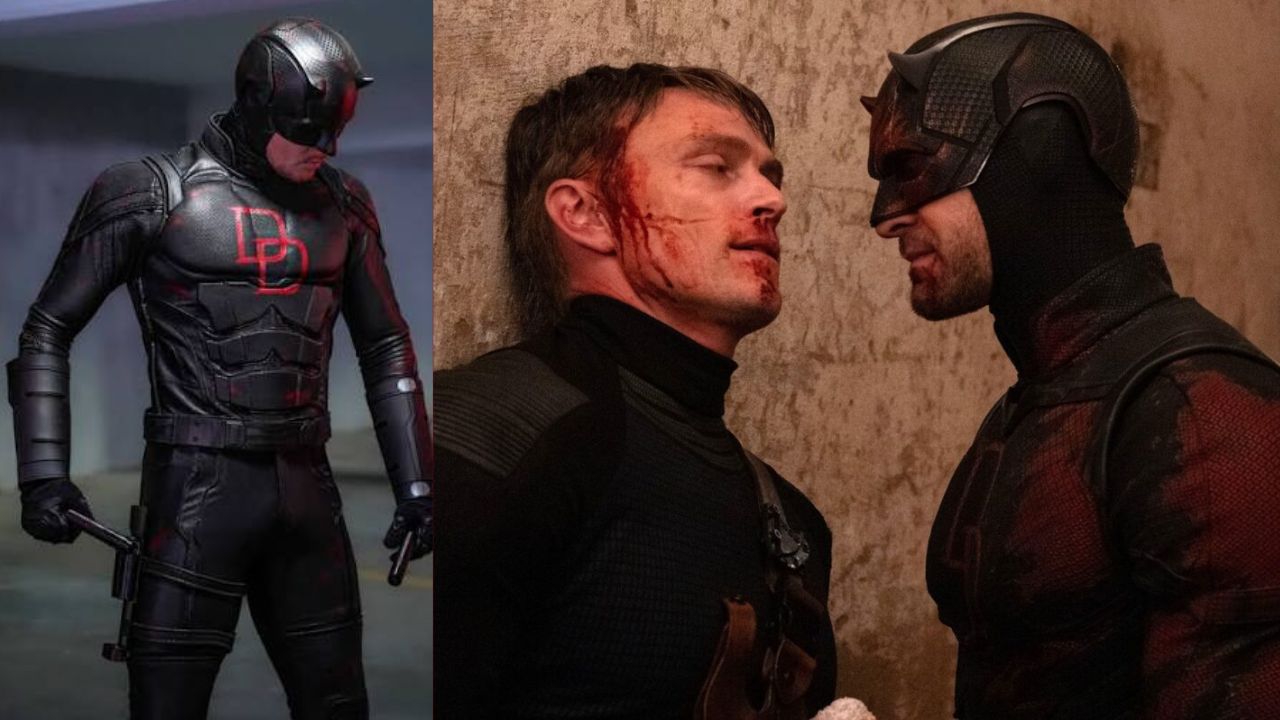
Frank Castle (Jon Bernthal) is Peter’s only real ally at the start of the film, and their rapport plays almost entirely as comic bickering — a running gag references some unexplained incident on Staten Island that the movie never fully unpacks. That changes in the climax. Castle (Punisher) fires at Jean Grey; Spider-Man throws himself in front of the shot to save her. Castle is the one who gets him to a hospital and sits at his bedside until he wakes up, and in the process, he learns Spider-Man’s real identity.
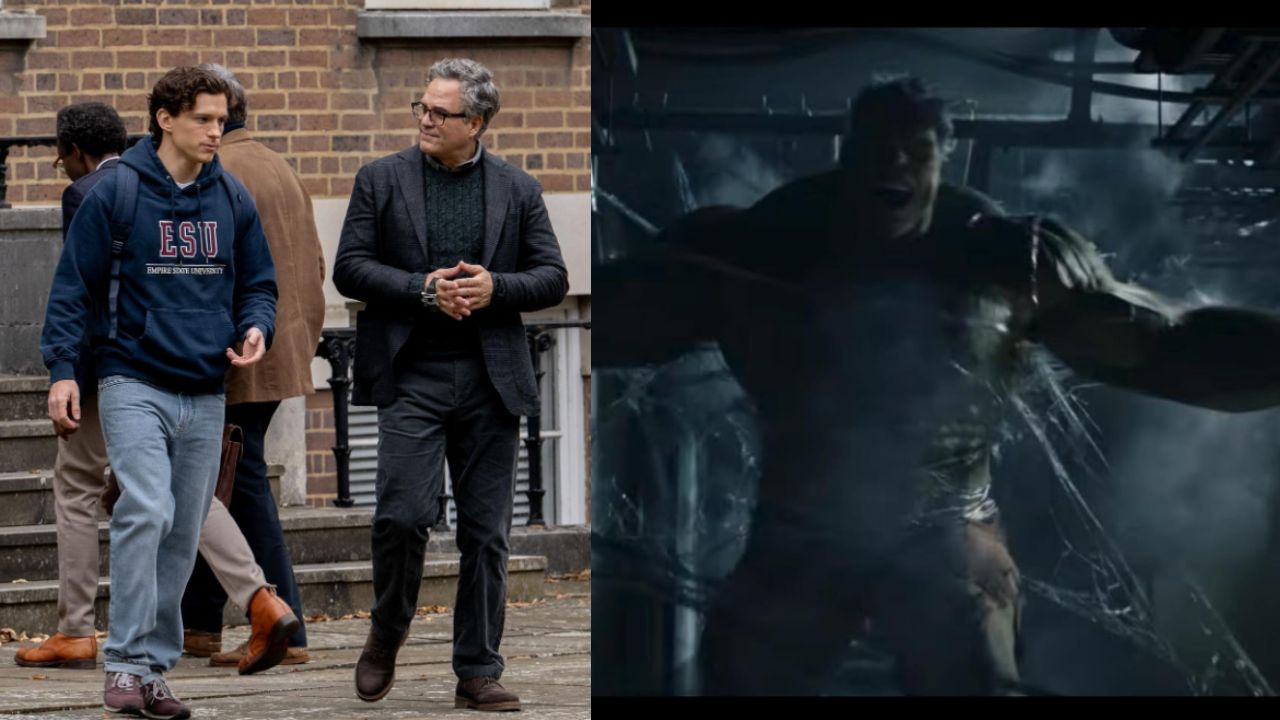
That single act of Peter, sacrifice instead of retaliation — reframes Castle’s whole relationship to vigilante justice for the rest of the film. It’s a lighter, more brotherly dynamic than anything Castle’s had in a Marvel project before, including his own Punisher: One Last Kill. Whether that softening holds in future appearances is unconfirmed, but the emotional reset by the credits is unmistakable.
Does the Hulk Remember Peter Parker in Spider-Man: Brand New Day?
When Jean Grey hopped into Banner’s mind and turned him into a full uncontrollable Hulk. Spider-Man tries to talk him down by saying ‘I’m Peter’, Hulk hesitates and something happens in that scene that leaves Hulk go down.
Which brings us to a question about Jean’s mind control, is that what causes the hesitation? Jean’s telepathy doesn’t plant new thoughts, it just brings back the memory that was suppressed by Doctor Strange’s spell.

Now, if the Hulk’s brain — a radically altered neurological state than Banner’s — still contains a spark of recognition for Peter, the film is subtly suggesting that the No Way Home spell caused memories to be suppressed instead of erased. That’s a genuinely different premise for a sequel to build on.
MJ’s Rooftop Scene: Necklace, Tears, and What the Film Won’t Confirm
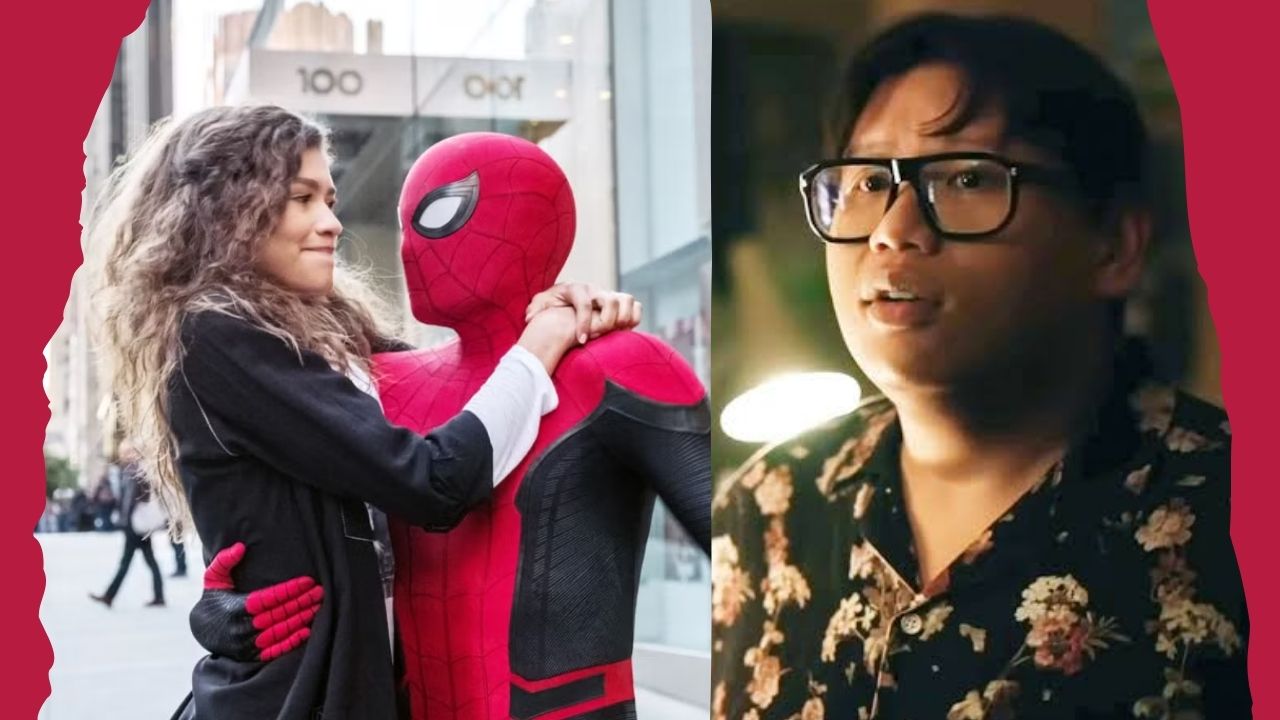
On screen, MJ (Zendaya) directly tells Peter that she has no memory of him or what they had, she only remembers him as he’s her saviour, not the person she fell for but there are other scenes that state the opposite without stating anything at all.
When Jean controls MJ’s mind on the rooftop, she has Peter and behaves as if she knows him as her lover but then she doesn’t have any memories of those actions later on in the film. Again when Jean releases her full power from the Damage Control which holds the entire block of about one-kilometer shows that MJ sheds tears for no reason.
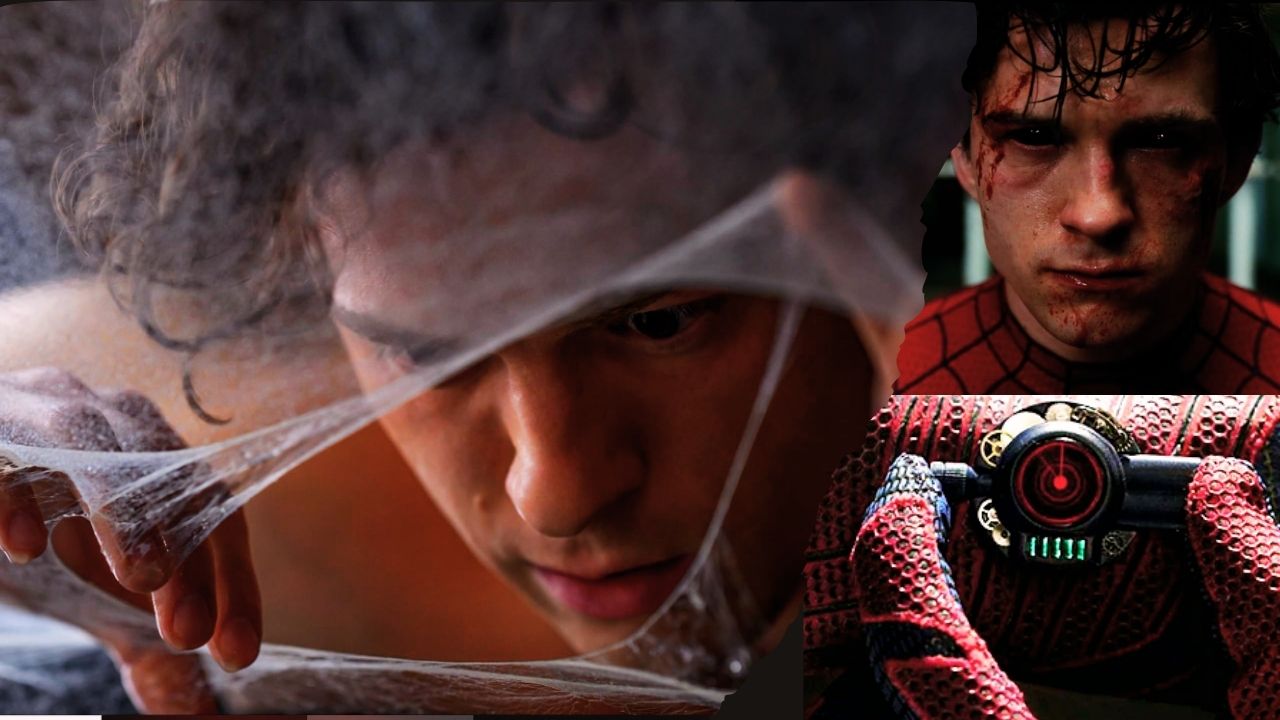
After that hold breaks, the film’s final scene featured MJ sitting on the same Midtown High rooftop where she, Peter, and Ned stood at the end of No Way Home and she holding that broken black dahlia necklace Peter gave her back in Far From Home which she has no memory of.
The movie never tells us why she held onto it, or why she’s there. That ambiguity is sufficiently clear to allow the story to remain “MJ doesn’t remember” for now, yet provides a visual hook for a sequel to grab onto down the road without contradicting anything said on screen.
Ned’s Handshake: Did Jean Grey Restore Anyone’s Memories?
The very last moment of the movie, right before the credits roll, is when Peter bumps into Ned in the cafe. They revert to their old go-to handshake from muscle memory, and as they break Ned’s face lit up — he says Peter’s name to him, half-question, half-recognition.
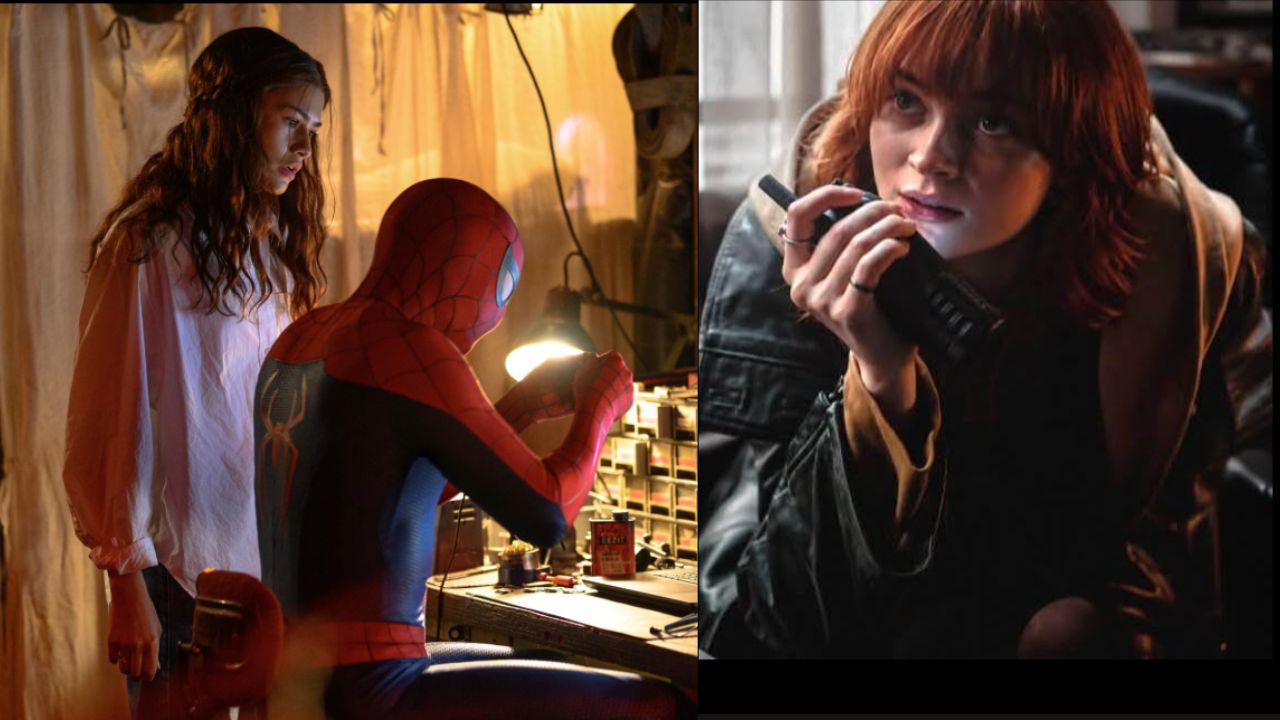
Fan theories split into three camps.
- One: The whole handshake unlocks something in the way Peter unmasking has done for identity-loss stories in the comics.
- Two: Jean Grey, who telepathically dredged memories rather than wiping them away throughout the movie, silently brought back pieces of herself in MJ and Ned as a token of gratitude for Peter almost dying to save her — this would also clarify Banner’s reluctance and MJ’s necklace.
- Three, the most literal but least satisfying: Ned is just crunching numbers after MJ gave Peter’s first name away earlier in the movie, and they’re not really mind-reading or anything.
Cretton has not confirmed any of these, and the movie is constructed so all three remain technically possible.
Rrad More 👉 How Did Wolverine Get His Adamantium Skeleton in X-Men ’97? Explained
Conclusion
Not a single one of these plots is wrapped up within Spider-Man: Brand New Day, and that’s obviously by design. The inhibitor chip lays the groundwork for the tech side of the Mutant Saga. Jean Grey’s bus ride sets her up for Schreier’s X-Men. The post-credits message sets up Spidey’s return to the broader Avengers team. And the Ned/MJ ambiguity hints at whatever Peter has in store personally — be that Doomsday, Secret Wars or a fifth solo film.
If you’re wondering how much weight to give each of these: the inhibitor and the Castle friendship are established, on-screen plot points. Memory-restoration theory is a fan theory based on suggestive imagery, not something that film or Marvel have confirmed.
Watch the Banner fight and rooftop scene again with that distinction in mind, and the ending feels less like a cliffhanger and more like a movie that already knows exactly what it showed — and what it’s saving up for later.
Fandomfans delivers latest updates from movies, series, and celebrities directly to you so stay tuned.