The Sinister Six That Never Was: How a Cyberattack Killed Drew Goddard’s Spider-Man Dream

Find out why the 2014 Sony hack resulted in the cancellation of Drew Goddard's Sinister Six and ended the possibilities for future Spider-Man spinoff films. 

Published: March 23, 2026, 11:30 am

There is a strange kind of sadness in learning that films once existed which never did. Not the kind of ones that died in development hell after years upon years of false starts, or the ones that crashed under the weight of their own ambition but the ones that were this close to actually happening. The ones where the script was written, the director was hired, the studio was on board, and then something completely beyond the realm of filmmaking blew them out practically.

Drew Goddard’s Sinister Six movie has long been one of those ghost projects. And until very lately, the complete explanation as to why this soaring Spider-Man spin-off never took flight was enveloped in the type of mystery that inspires internet speculation. Bad test screenings? Creative differences? The complex Sony/Marvel rights dance?

The reality, as Goddard recently disclosed, was much more dramatic – and far more mundane in its corporate callousness. It was killed by a cyberattack. Specifically, the notorious Sony hack of 2014, a breach that reverberated throughout Hollywood and, as it turns out, right into Goddard’s office window. 

The Perfect Storm of Talent and Timing

To grasp what we lost, you need to know who Drew Goddard was in 2014. This wasn’t some studio hack getting handed a franchise because he knew how to meet deadlines. Drew Goddard became famous for his hard work and creative talent as a writer with real genre cred. He maintained his directing work successful with The Cabin in the Woods, and many others like Buffy the Vampire Slayer, Angel, Lost, and Alias. 

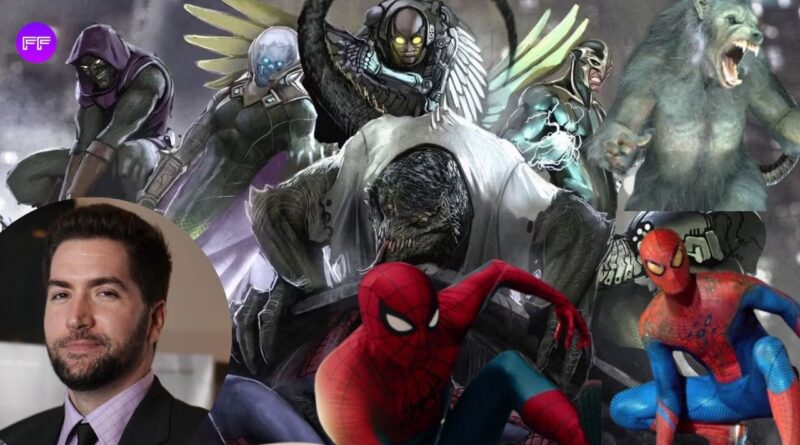
He was a writer-director who knew mythology, played fan service and actual emotional stakes, and had a bit of a gift for telling stories about ensembles. In other words, he was the ideal man for Sinister Six — Spider-Man’s most infamous group of villains, a revolving door of baddies who have been teaming up to take down the web-slinger since 1964. 
The Perfect Storm of Talent and Timing

The six legendary storyline line-up including Doctor Octopus, Electro, Sandman, Mysterio, Vulture and Kraven the Hunter are the, changes depending on the era you’re reading but Sinister Six was a nod to comic book readers. This ultra-high-concept crossover makes studio execs’ heads spin in the post-“Avengers” era, where shared universes are the Zenith of Franchise Filmmaking. 

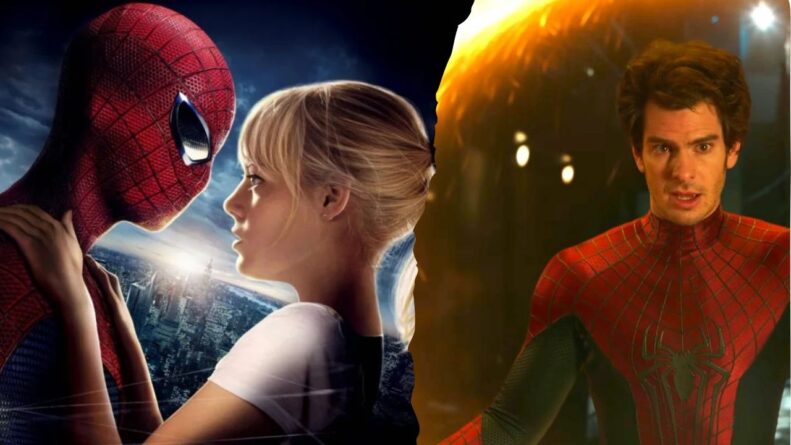
Sony, which owns the rights to the film version of Spider-Man and was eager to construct its own cinematic universe akin to Marvel’s, revealed plans for a Sinister Six movie in 2013. Goddard was set to write and direct. The project was developed as a spin-off of the Andrew Garfield-led The Amazing Spider-Man series, with the second film in particular establishing the villain team-up. Remember that shot of the man in the hat who mysteriously walks by the Vulture’s wings and Doctor Octopus’s tentacles? That was supposed to be the connective tissue leading to Goddard’s film.

Everything was moving forward. The script was being written but there was a breach by ‘Guardians of Peace’ on Sony’s computer systems and wreaked havoc on 24 Nov, 2014 that jeopardized Sinister-Six that were in Pre-Production Phase. 

The Day the FBI Poured Into the Lot

Goddard’s recent comments to Variety describe a scenario that is somewhat cinematic in its surreal intensity. 

“I had a really big Spider- Man movie that was sort of Sinister Six-based that I had planned, but none of that went through because of the Sony hack, My office was right there on the lot, so I watched it all happen — the FBI storming in and helicopters hovering over the studio. It was bizarre.” —he said.

Just be in that office. You are someone who can shape the entire storyline, character development and make absolute narrative arcs. Your biggest professional dream is so close you can taste it— you’re going to make a Spider-Man movie, you’re going to bring these iconic villains to life, you’re going to leave your mark on one of pop culture’s most enduring mythologies. Then you look outside and see feds running onto the studio lot with helicopters overhead like it’s the climax of an action movie. 

But this isn’t a movie. This is real life, and the film studio that should have been guiding your movie out into the world is instead scrambling for survival. 
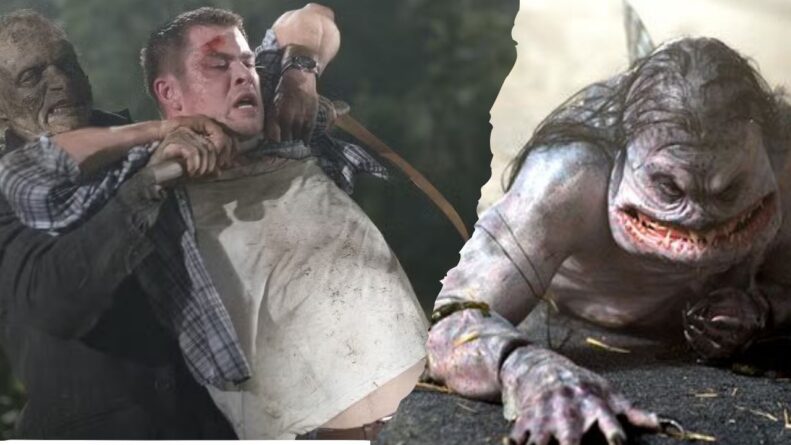
The Day the FBI Poured Into the Lot

The hack on Sony was unparalleled in humiliation and scale. The attackers, who were later attributed to North Korea (although that is disputed), released a trove of sensitive emails, employee social security numbers, unreleased films and business documents. Private correspondence among studio executives was made public. Comp s and salary data leaked online. Hollywood’s deal-making was exposed to the world, warts and all. 

For Sony, the problem wasn’t merely technical—a full-blown crisis was under way. The leadership was rattled, and Amy Pascal ultimately resigned from Sony Pictures Entertainment. It cost a lot of money for close coordination with the main Spider-Man franchise and long-term strategic planning might have been an easy casualty. 

The Death of a Universe

What makes the Sinister Six cancellation particularly tragic is that it wasn’t just one movie dying – it was the collapse of a whole interconnected universe before it got off the ground. Sony had big plans for its Spider-Man properties beyond the core series. In addition to Sinister Six, there was the notion of a Venom movie (which eventually came to pass, years later, separated from the Spider-Man narrative) and other offshoots to keep the franchise rolling even when not telling a Peter Parker story.

The hack did more than kill Goddard’s film, it changed the way Sony handled the Spider-Man property. The studio, reeling and desperate, ultimately made the unprecedented deal with Marvel Studios that brought Spider-Man into the Marvel Cinematic Universe, beginning with Captain America: Civil War. Tom Holland replaced Andrew Garfield. The “Amazing Spider-Man” timeline was right out. 
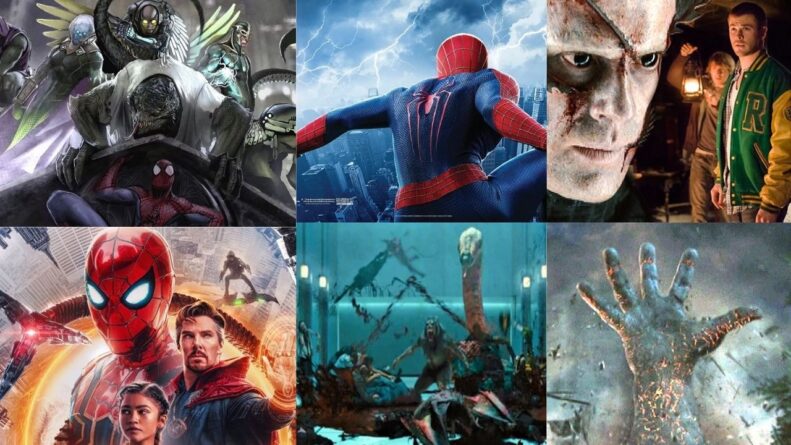
The Death of a Universe

Goddard’s Sinister Six was of a particular time—a time when Sony was attempting to create its own thing, its own line that could exist without the crutch of Marvel. The hack shattered that moment, and when the dust cleared, the terrain had shifted so dramatically that there was no turning back.

“I was sad about it, but there was literally nothing I could do to change the course of events,” —Goddard said. 

There’s a hint of resignation in that—that at times you are simply swept up in something bigger than yourself, no matter how talented, prepared, or dedicated you are to that cause. Her narrative, casting, and look are in the director’s hands. They have no say in international cyberwarfare, which is above them. 

What Could Have Been

To be sure, the compelling question is: what would Goddard’s Sinister Six be? We do know a few things from a number of interviews and leaks over the years. Goddard called the picture a “big movie,” and that it would be a heist movie with a large budget and scope. The filmmaker had previously said that he wanted to make something different from the typical superhero movie template, where the villains are the lead characters as opposed to being social menaces for Spider-Man. 

There are a few things we can reasonably deduce about Goddard’s take on The Cabin in the Woods from both his earlier work on The Cabin in the Woods and his subsequent success with Daredevil (he is the creator of the Netflix series and wrote its first two episodes). Entirely too much pick-me-up energy here to realistically expect he wouldn’t enjoy all these characters genuinely weird powers and motivations, tragic pasts and grand delusions. A Goddard Sinister Six could have looked, structurally, punched up creatively and humorously in weird ways, and emotionally moving under the spectacle. 

Would it have been good? We’ll never find out. But the lineage implied it would have been, at least, interesting— which is more than can be said for a lot of the superhero films that do get made.

Casting is also an issue. The Amazing Spider-Man 2 had already announced Dane DeHaan already casted as Harry Osborn/Green Goblin and Jamie Foxx as Electro for the Amazing Spider-Man 2 movie. The film teased Vulture’s wings and Doctor Octopus’s tentacles. Goddard’s film presumably would have featured some elements of these performers, and possibly included new individuals to complete the group. It’s a cast that, looking back, seems almost unbelievably packed with talent. 

The Long Road to Now

Post Sinister Six debacle, and Drew Goddard didn’t disappear on the contrary, he has been busier than ever. He also penned Ridley Scott’s film version of Andy Weir’s best-selling novel The Martian, which was a financial and critical success and won him a nomination for an Academy Award for Adapted Screenplay. 

Michael Schur and he also co-executive produces The Good Place, from which he is co-creator. His own smart, philosophical comedic voice is overt.

After the cult success of his neo-noir Bad Times at the El Royale, he’s now heading back into mind-bending sci-fi for Project Hail Mary. The new adaptation of Andy Weir’s novel will star Ryan Gosling in a blend of intriguing personas and tales that evolve imagination, a concoction that fans of both Goddard and Weir will undoubtedly look forward to. 
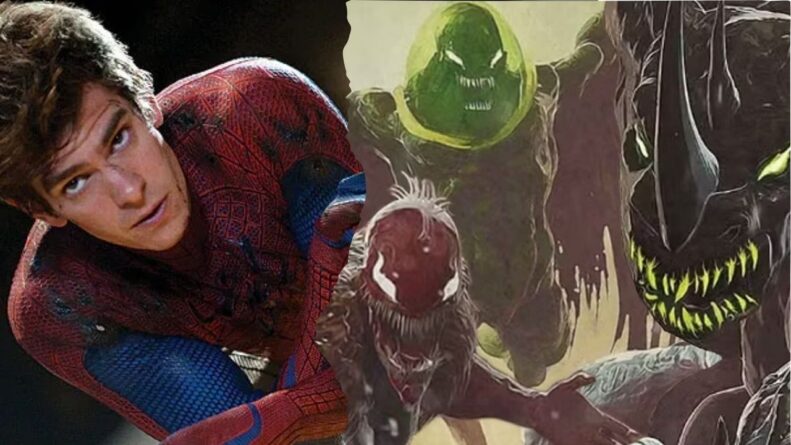
The Long Road to Now

The plot revolves around an amnesiac astronaut who might be the last best chance for humanity, and it’s a return to the kind of audacious, imaginative sci-fi moviemaking that some think Hollywood has strayed from in recent years. 

In a way, it’s appropriate that Goddard has returned to big-screen spectacle via an entirely different route. Sinister Six door closed, but other doors opened. That’s the nature of the business, especially for a guy with Goddard’s range and name.

But the Spider-Man movie stands as a singular pet project “what if” in his filmography—and testament to how fleeting even the most high-potential productions can be. 

“It’s probably better than them not liking the script,” said Drew Goddard 

Attempting to find a small glimmer of a silver lining in the situation. In a strange way, it softened the blow — not because the project crumbled for reasons entirely outside his control and because no one believed in his vision. 

The Legacy of the Lost

Since the demise of the Sinister Six, we’ve had other tries for villain-centric superhero narratives. Suicide Squad (in its various versions) established that people would come to see villain team-ups, for bad guy team-ups, no matter how mixed the reaction was. Sony ended up making their Venom movies, which have been money-makers despite the meh critical responses. The animated Spider-Verse films have proven that Spider-Man adjacent properties can truly transcend when given to the right creative teams. 

Best of all, Spider-Man’s rogue gallery has materialized in some shape or form throughout the MCU. Michael Keaton’s Vulture from Homecoming. Jake Gyllenhaal’s Mysterio in Far From Home. The multiverse-bending No Way Home even brought back previous cinematic iterations of villains, including Alfred Molina’s Doctor Octopus and Willem Dafoe’s Green Goblin, as a sort of cosmic analog for all the team-ups we never got to see in standalone films.

These, however, are not Goddard’s Sinister Six. None of them have the particular auteurist DNA of a filmmaker with something to prove and a distinctive way of doing so. 

The 2014 Sony hack has been all but forgotten by the public, superseded by more recent scandals and crises. The movie business, as ever, has moved on. But for enthusiasts who track such things, who care about where commerce meets creativity, who know that films are the products of particular moments and particular people, the tale of Drew Goddard’s cancelled Spider-Man movie still makes for a compelling case study.

Read More:- ‘High Potential Season 2’ Episode 15 Pie in the Sky High Stakes Review

Acclaimed directors don’t always get to helm their passion projects. Sometimes, it’s not the quality of the script, or the enthusiasm of the fans — it’s whether a studio’s email servers are hacked by a particularly vengeful group of cyberterrorists. 

Drew Goddard seems to have made peace with it. He has found his own way, establishing a very good career telling the sorts of stories that genuinely interest him without having to twist his arm to take on big franchise expectations. Up until now, it is for him in 2014, when helicopters buzzed over the Sony lot and his Spider-Man dreams evaporated like so many deleted files, that he has to remind himself when he looks out the window, now from whatever office he is occupying.

The Sinister Six will eventually pop up in a movie, probably. Hollywood has an insatiable appetite for known IP, and the concept is just too tempting to be allowed to languish for ever. But it will not be Goddard’s version. It won’t be the movie that almost was, the one that died not of creative failure but of corporate chaos. 

And that’s the true tragedy not only that we never got to see a film but the fact that it was a particular vision and a certain way of looking at these characters through the lens of a director who really got them. In the age of algorithm-based content and safe bets, the loss of something risky and personal is keenly felt.

Drew Goddard’s Sinister Six now lives only on hard drives and in memories, in the “what if” conversations of fans and the odd wistful interview. It is a ghost movie, lurking at the edges of superhero cinema history, a reminder that even in the era of the never-ending franchise, there are stories that are stubbornly, eternally untold. 

Dive into the world of entertainment with Fandomfans to get details from the movies and series which makes you forget the real world.

Mariyam

Articles Published : 61

Mariyam Khan is Fandomfans Content Writer and providing reports and reviews on Movie Celebrities, and Superheroes particularly Marvel & DC. She is covering across multiple genres from more than 4+ years, experience in delivering the timely updates.

Leave a Comment

Your email address will not be published.

Everything About Marvel’s Captain America: Brave New World

Get ready for Captain America: Brave New World! Sam Wilson faces global crises, new threats, and the discovery of adamantium.

Written by: Emma Last Updated: November 22, 2025, 7:58 am
Published: July 12, 2025, 6:07 am
Everything to Know About Captain America: Brave New World

Marvel fans, brace yourselves! Captain America: Brave New World is on the way! This film will pick up where Sam Wilson left off as Captain America. It is set after The Falcon and the Winter Soldier TV show. When you see how new Captain Sam takes to the air!

It will be packed with action and political drama in the midst of global disputes. The world is evolving and new threats are on the rise. Sam needs to earn his stripes as Captain America.

Synopsis of Captain America: Brave New World

Sam Wilson is now Captain America. He replaced Steve Rogers in the role. Now he’s just trying to get used to the job. After a mission in Mexico with Joaquin Torres, he visits the White House. There he meets the new U.S. President, Thaddeus Ross.

Ross is seeking to reinstate the Avengers Initiative. But something happens to scupper the scheme: an assassination attempt. It really goes off the rails at a global summit. Sleeper cells, including Isaiah Bradley, strike at world leaders. Chaos breaks out. Sam realizes a deeper conspiracy is at play.

Ross is unimpressed, but Sam makes his move. He emerges to seek out the true masterminds. The road he must travel is perilous, but he is prepared. Captain America has to save the world again.

Cast and Characters of Captain America: Brave New World

Cast and Characters of Captain America: Brave New World
Image Credit: 4K Wallpapers
  • Anthony Mackie as Sam Wilson / Captain America: Sam Wilson is the new Captain America. He succeeded Steve Rogers in The Captain. He has to earn his stripes as a captain. He meets new perils and obligations. His quest will try his mettle.
  • Harrison Ford as Thaddeus “Thunderbolt” Ross: Ross is now the U.S. President. He wishes to discuss international pact. The ties of his past cause him problems. He additionally combats a strong criminal organization. Here, he becomes the Red Hulk.”
  • Danny Ramirez as Joaquin Torres / Falcon: Joaquin Torres is the right-hand man of Sam Wilson. He reprises the role of Falcon. He’s with Sam on every job.
  • Carl Lumbly as Isaiah Bradley: Isaiah Bradley is a super-soldier. His secret history is revealed. This causes anarchy at a world meeting.
  • Shira Haas: Still unknown what the role is.
  • Tim Blake Nelson as Samuel Sterns / The Leader:  Stern’s return from The Incredible Hulk (2008). He could be considered a pin in the wheel of the whole conspiracy.
  • Betty Ross is coming back to the MCU. She has a complicated relationship with her father, President Ross.
  • Giancarlo Esposito: They didn’t say who he was playing. But the inclusion of his character suggests a formidable new presence.
  • Xosha Roquemore: Unknown role.
  • Jóhannes Haukur Jóhannesson: Also unknown who he’s playing. Fans are excited to see his character.

Read More  👉 Harry Potter HBO Series Starts Production: Meet Dominic McLaughlin, Arabella Stanton & Anton Lesser in First Official Look

Plotting of Captain America: Brave New World

One big breakthrough changes the equation. Scientists discover adamantium, a strong metal, on Celestial Island in the Indian Ocean. The insular landmass is the encased form of the Celestial Tiamut. President Ross dubs adamantium “the discovery of the millennium.”

He thinks it will shift the balance of world power for ever. Ross craves the adamantium. He intends to share it with the allies of America. He calls on world leaders to negotiate a treaty. But he’s a bit too ambitious for his taste. There are many nations to claim their share. 

Others regard it as a danger. The criminal element quickly becomes interested. They desire adamantium for their own use. They know its power can alter the world. They’d do anything to have it. The battle for power starts.

Plotting of Captain America Brave New World
Image Credit: blackxperience

Sam Wilson gets caught in the middle. He has to prevent deadly forces from obtaining adamantium. He also wonders if it is ethical to use such a potent material. Should one country have control over it? Can it be put to good use?

This fight is too big for one man. It’s about power, politics, and responsibility. Sam needs to make a choice as to what is right. He must battle to save the world. The stakes have never been higher. The world is watching.

Production and Development of Captain America: Brave New World

This is a Julius Onah queasy thriller, so hang on. Screenplay by Rob Edwards, Malcolm Spellman, Dalan Musson, Onah, and Peter Glanz. The film was produced by Kevin Feige and Nate Moore. Louis D’Esposito and Charles Newirth were the executive producers.

The title of the film was changed from New World Order to Brave New World partway through production. Reshoots took place between May and November 2024. Matthew Orton came on board to polish the script.

Read More  👉 Meryl Streep Net Worth 2025: Age, Movies, Family & Martin Short Trut

Themes and Expectations From Captain America: Brave New World

Themes and Expectations From Captain America Brave New World
Image Credit: CBR
  • Captain America: Brave New World is anticipated to tackle the following big ideas:
  • The Burden of Leadership: Sam Wilson has the burden of being Captain America. his choices are difficult and hurdle him constantly. The world demands that he lead with strength and wisdom. Political agents seek to dictate what he can do.
  • Geopolitics: The world is volatile and fractured. Countries battle for influence and oil. Sam Wilson is taking over in what is already a complex political game. He needs to manage sensitive international relations. Leaders are hard-pressed to keep the peace. 
  • Conspiracy and Distrust: Sam is up against a deadly web of deception. He is in search of the truth about the worldwide situation. Enemies look like friends. Friends are not even friends. Trust is a precious commodity. Betrayal is always looming. He has to trust his instincts.
  • Legacy and Identity: Sam Wilson is his own man as Captain America. The world has him compared to Steve Rogers. He encounters skepticism and opposition. He has to earn his place. He accepts the burden of the shield. 

Connections to the Broader MCU

This film is a key pillar in the MCU’s Phase Five. It follows The Falcon and the Winter Soldier. Sam Wilson as Captain America Is Back. He must confront new enemies and new worlds.

The discovery of adamantium changes everything. This rare metal is very strong. Countries battle for it. Wolverine, adamantium and the X-Men. This could be the film that introduces them into the MCU.

Connections to the Broader MCU
Images Credit: Comic Book

Familiar characters turn up. Tim Blake Nelson is back as Samuel Sterns. His character is a tease for future stories. Liv Tyler is back as Betty Ross. Her character contributes to the political drama. This movie will define the MCU.”

What to Expect From Captain America: Brave New World?

Critics have shared positive reviews. Anthony Mackie’s performance as Captain America stands out. His portrayal of Sam Wilson impresses many. Herb Scribner from The Washington Post loved the film. He called it an “absolute blast.” He said it brings back the excitement of past MCU films.

Chris Gallardo agreed. He praised Mackie’s chemistry with Danny Ramirez. He also appreciated Harrison Ford’s strong performance as President Ross and Red Hulk. Jazz Tangcay highlighted the film’s blockbuster appeal. She described it as “entertaining” and a great addition to the MCU.

Viewers will get a combination of action and political intrigue. The movie deals with leadership and international tensions. The earth is on the brink of disorder. Adamantium is important in the story. The return of key MCU characters brings a buzz of excitement.

Fans can’t wait to get their hands on it. The film is scheduled to be released in theaters on February 14, 2025. It will define the future of the MCU. Sam Wilson’s path as Captain America continues. This picture has the potential to be a treat of action, drama and compelling storytelling.”

Fandomfans love diving deep into the worlds that fans obsess over. We deliver breakdowns, character guides, reviews, and updates that help you stay ahead of the curve.

Emma

Articles Published : 34

Emma Miller is an entertainment enthusiast who is focusing on crafting storytelling blogs across all genres. Her special focus is build up around superheroes, thrillers, & historical dramas and movies. Her experience of delivering sharp review analysis and interview podcasts is helping fans to get transparency about their favorite cinema.

Leave a Comment

Your email address will not be published.

James Gunn Rebuilding DC Universe by Learning From Marvel’s Biggest Mistakes

James Gunn is rebuilding the DC Universe with a new storytelling strategy inspired by Marvel’s mistakes. Here’s how the new DCU will reshape superhero films.

Written by: Alpana
Published: March 17, 2026, 12:28 pm
James Gunn DC Universe

For the past 10 years we have been living in a two giant world. Marvel had constructed a cultural skyscraper only to allow it to become a little wobbly with “multiverse homework” and streaming bloat. Meanwhile, the DC Universe was like a stunning, shadowy cathedral that somebody got distracted from completing, leaving fans polarized and breathless.

The tides are turning. Now, with James Gunn and Peter Safran in charge at the newly created DC Studios, it’s not just a “refresh.” We’re seeing a wholesale architectural teardown rebuild. Here’s how the upcoming DCU is trying to learn from the past, and look very different doing so. 

When Warner Bros. Discovery finished its large-scale reorganization, they not only brought in new executives — they gave control to a filmmaker who had actually made successful DC movies. 

Peacemaker series and Gunn’s The Suicide Squad (2021) were a handful of bright spots in the DCEU’s waning years. Now, as co-chairs of the newly created DC Studios, they are doing something no one has ever done: a total reboot that takes a leaf out of every mistake its competitors and precipitants made. 

Resetting the Multiverse Without Erasing the Past

Here’s the thing about rebooting a multibillion dollar franchise: you can’t just act like the last decade never happened. Hard reboots drive away your most loyal fans. Soft reboots carry all the baggage with them. You’re in a lose-lose situation — unless you have some smarts.

the Multiverse Without Erasing the Past

DC Universe had its answer in The Flash (2023), and it’s weirder and more beautiful than anything Marvel has tried.

In the vast majority of multiverse tales—including Marvel’s—time travel causes branching timelines. Alter the past, and you are bifurcating reality into parallel lines that coexist. It’s neat, it makes sense, and it’s mathematically satisfying. DC Universe threw that playbook out the window. 

DC’s Clever Solution to Continuity

Instead, they brought in what they refer to as the “spaghetti” multiverse theory. When Barry Allen took the Chronobowl to save his mother, he didn’t just branch reality—he tangled it. In the DC multiverse, time isn’t just moving in a straight line. Alter one event and that change cascades forward and backwards in time, ripping apart what we usually think of as temporal linearity. When you drop a fork into a pot of boiling spaghetti and stir it vigorously – everything coils, knots, and blends. The end result, by the end, is something that is nothing like the simple elements you began with.  

This granted Gunn and Safran a vast creative loophole. They didn’t have to pitch their new DC Universe as some other dimension, separate from anything fans had ever seen. Rather, the old DCEU continuity was effectively broken down and rebuilt, with certain aspects able to survive and the rest washed away. 

Viola Davis as Amanda Waller and you don’t have to hear me complain about that? Done. John Cena’s Peacemaker? There’s no way for me he should lose. Xolo Maridueña’s Blue Beetle? Sure, that worked. But Zack Snyder’s Justice League? The blowing up of Metropolis in Man of Steel? All that convoluted lore that weighed the franchise down.

From a business angle, Gunn just kept what he personally controlled and dumped the rest. It’s the most elegant corporate restructuring ever disguised as science fiction. 

Learning From Marvel’s Biggest Mistake

If you wanted to understand everything that The Marvels (2023) has its fingers in, then you”ll be needing about 20 hours of streaming content first. WandaVision, Ms. Marvel, Secret Invasion, the movie presumes that you’ve done your homework. This “interconnectivity at all costs” mentality began turning casual entertainment into a chore, and audiences reacted by sheltering in place.

Learning From Marvel’s Biggest Mistake

James Gunn saw this disintegration before his eyes and he made an intent that sounds simple but is revolutionary: Every DCU movie must work as a standalone film.

The New DCU Storytelling Strategy

Consider the new universe’s first series, the upcoming Creature Commandos animated show that begins in December 2024. Characters such as Rick Flag Sr. and Circe, are introduced with the fictional country of Pokolistan. Then in 2025, Flag Sr. was the primary antagonist shown in a Peacemaker Season 2. He refers to breaking his back (which occurred in Creature Commandos) and to missions in Pokolistan. 

Certain fans can look at these connections, and the whole universe feels lived-in and pays off for those that pay attention. For more casual viewers? They are just idiosyncrasies that add “texture.” You don’t have to watch the cartoon show to know that Flag is a military man with a grudge. The central plot, Flag hunting down those responsible for his son’s death—stands on its own.

The New DCU Storytelling Strategy

Release dates for movies are the same. There’s no requirement for readers to have consumed any other material when Superman flies into theaters in July 2025. Gunn’s Superman has already been on the scene for three years. There’s no Krypton exploding, no Kansas farm boy routine, no “how I got my wings” montage. We are handed a world where there are superheroes, where the Justice Gang (Mr. Terrific, Hawkgirl, Metamorpho) is already up and running and where we both the viewers and those who lurk within the show’s mythology have to hang or catch on. 

Even Marvel’s Kevin Feige himself — the man who is essentially the superhero of Marvel’s master plan attended a London screening and sang the praises of that mentality. You’ll figure out who is Mr. Terrific. When the president of your rival company is complimenting your tactics, you know you’ve got something good going.

Slow and steady world-building, when every superpower needs a solid pseudoscience explanation? passed style of era. The audiences are now smart enough to go into fantasy straight away if the characters are strong and they know what the emotional stakes are. 

The Script-First Rule

Here is an industry secret that explains why so many recent blockbusters look so bad: The “fix it in post” mentality of Marvel. Rather than completed scripts, during its breakneck growth Marvel approved projects on the basis of loose pitches and release dates. 

How DC Studios Plans to Avoid Marvel’s VFX Chaos

Directors staged enormous action sequences on barren green screens with none of the costume designs locked in, with no practical lighting and without the choreography final. Basic creative choices were punted to post, where drained VFX artists attempted to patch together intelligible movies from dailies of shot footage.

The number of dead was staggering. Marvel VFX workers described brutal overwork, ever-shifting directives from studio heads demanding massive third act rewrites just weeks before premiere, and filmmakers new to heavily CGI-driven pipelines. This was exploited to the breaking point in the mid-2020s, culminating in historic unionization under IATSE. By May 2025, these workers successfully negotiated and ratified their first collective bargaining agreements which provides for overtime pay, pensions, healthcare, and mandatory rest intervals. 

The Script-First Rule

James Gunn gazed upon this bled-out pipeline and implemented a policy that was radical for the time: no project would go into production without a finished, studio-locked script. This ‘script-first’ mentality might appear to be common sense, but it has become revolutionary in today’s Hollywood. With the narrative locked before filming, directors are now able to storyboard all their action sequences, finalize costume designs and have an exact idea of how much CGI they’ll need. VFX suppliers get concrete blueprints rather than moving targets. The endless revisions and last-minute rendering sprints are gone.

Smaller Budgets, Bigger Freedom

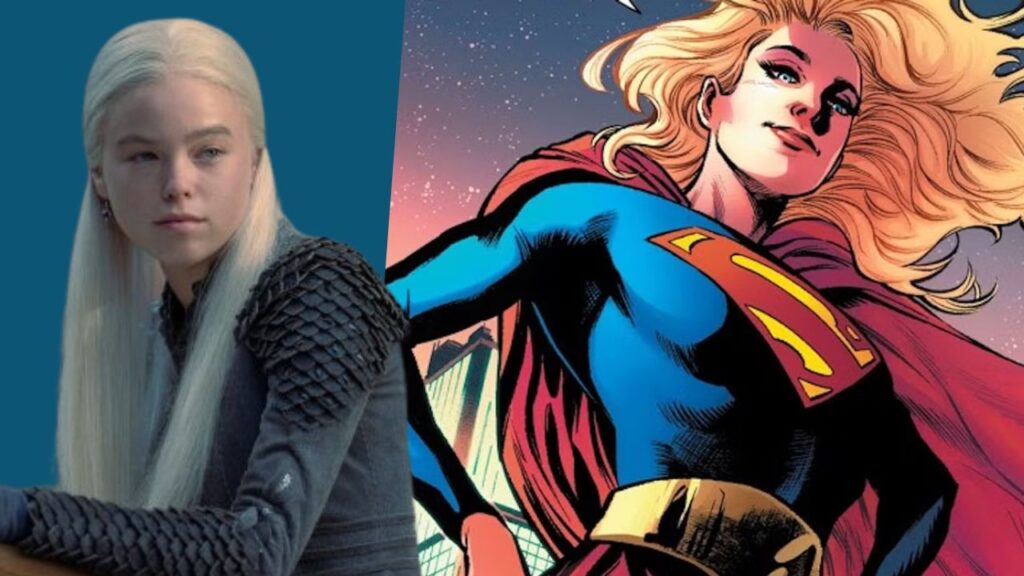
The payoff is already clear. MCU films in late stages were inflating to $250-300+ million with reshoots and VFX reworks, but this is extreme fiscal responsibility from DC Studios. Supergirl carries a $150-170 million budget which will hit in 2026) and Clayface thrives on $40 million. 

Smaller budgets mean smaller break-evens. Supergirl can gross 40% less than Superman and still turn a profit. Not every movie has to go after a billion dollars. This relieves the pressure that made Marvel productions into joyless corporate chores, and lets filmmakers take real creative risks. 

From Snyder’s Dark Cathedral to Gunn’s Creative Sandbox

In order to understand what the DCU is turning into you need to know what it’s turning away from. Zack Snyder bared his soul to the whole DC pantheon with a brutal art-house aesthetic. He thought of superheroes not as people you could identify with, but as contemporary mythological gods. 

His movies — Man of Steel, Batman v Superman, Zack Snyder’s Justice League — were grand, operatic tragedies rooted in Christian allegory, extreme slow-motion camerawork and heavily drained color palettes.

Critics labeled it a “cathedral”: breathtakingly beautiful, solemn, hard-edged and unified. But cathedrals aren’t made for evolution. Once the DC Universe found its footing with this dark, end-of-the-world tone, everything had to adapt. There was no place for comedy, whimsy, or — you know — bright sci-fi optimism. A universe designed for a dark, god-like Batman certainly can’t handle Booster Gold without breaking its own reality. 

Why DC Is Changing Its Most Iconic Hero

Snyder’s Superman, in particular, was quite polarizing. In three film appearances, Henry Cavill’s incarnation uttered just 159 lines. He was apprehended as a terrifying geopolitical reality—an alien messiah whose being precipitated worldwide paranoia. He became the symbol of divine responsibility by floating above humanity.

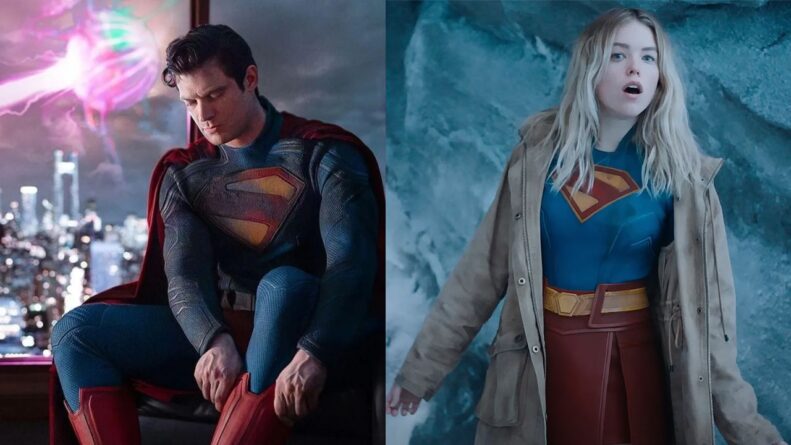
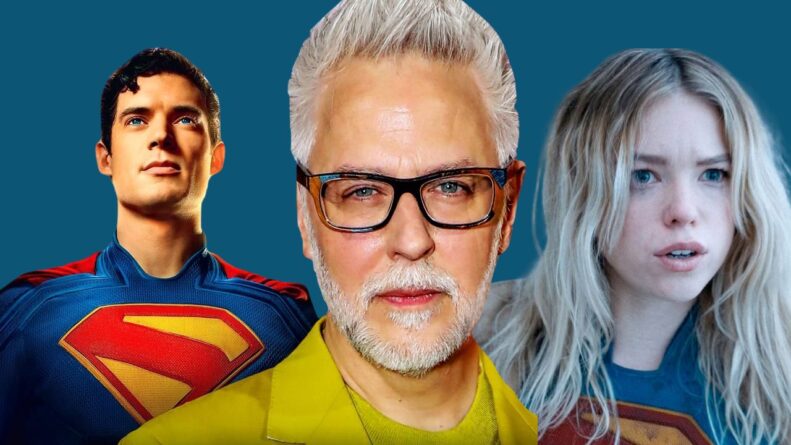
The theme changed to counterprogramming in Gunn’s Superman (2025). The David Corenswet version radiates warmth, happiness, and openness. He gets beat. He bleeds. He becomes emotionally distraught when he is unable to rescue civilians in a war between the fictional nations of Boravia and Jarhanpur. He has great chemistry with Lois Lane – who is now an equal partner and not a damsel in distress — and he also stars alongside Krypto, a hilariously disobedient super-dog who ignores commands. 

The costume, after all, tells the tale: frequently singed, crumpled, a bit too tight. This isn’t some perfect, infallible god. This guy is a Midwestern nice guy, just an earnest, hardworking guy trying his best.

Gunn describes his take as a “sandbox not a cathedral.” The DCU is a multigenre system in which tone is defined by character needs rather than studio requirements. In 2026 alone, we’ve got Supergirl (cosmic space op!), Lanterns (gritty earthly mystery à la True Detective), and Clayface (small-scale body horror). This is mimicking what you do in an actual comic book experience anyway, where you flip pages and find yourself going from vibrant sci-fi to moody horror. 

Multiple Batman Without Confusing Fans

Here’s a paradox that gave Marvel a headache: How do you keep continuity interconnected while letting auteur filmmakers pursue distinct visions? Marvel’s response was traditionally to strangle signatories of its “house style” with directorial voices. The result was a look and tone that blurred together, making movies interchangeable.

This DC Studios issue was solved with the institutionalization of the “Elseworlds” label — taken from the labyrinth of DC Comics publishing — as a core business strategy. Projects under this banner are completely out of continuity and will give top-tier talent the chance to create adult oriented masterpieces, not worried about the implications of crossovers. 

Multiple Batman Without Confusing Fans

The more ambitious Matt Reeves, now working with a Robert Pattinson trilogy and a spin-off series about The Penguin, The Batman Epic Crime Saga (Robert Pattinson’s Films & The Penguin Series) continues. Todd Phillips’ Joker universe is standalone. 

The Harley Quinn cartoon series is still running on Max. When Warner Bros. Discovery CEO David Zaslav famously stated in 2022 that “there is not going to be four Batmans,” he was technically correct—there would be multiple Batmans, they would just be clearly demarcated and marketed so consumers could tell them apart. 

This just goes to show that the very idea of multiple iterations is a feature, not a bug. While viewers can bask in Reeves’ hyper-realistic noir, they can also look ahead to the more fantastical “bat-family” team-up to be seen in DC Universe’s The Brave and the Bold. Narrative monopoly is not required for franchise expansion. 

The Future of DC Studios

Projecting 2026 to break box office record of this decade, the industry analyst expects it to make $35 billion worldwide. The big increase is being driven by the massive franchise IP owned by each of the two major players.

Spider-Man: Brand New Day and Avengers: Doomsday. But as had been the case in the 2010s, when Marvel essentially ran the roost, DC Studios is now potentially in a position to take substantial market share. Supergirl (June 26, 2026)· Lanterns (HBO)· Clayface (September)·.

If DC Universe can continue to meet the high bar of Creature Commandos and Superman, then that drought will be broken and the greater tide of the economy will benefit these series. 

Read More:- Netflix’s One Piece Season 2 Introduced Early Cameo From Original Manga by Eiichiro Oda 

Conclusion

James Gunn and Peter Safran’s DC Universe is a step-up in franchise stewardship. An examination of the operational, narrative, and labor failures of the late-stage Marvel and pre-New 52 DCEU has led to a more robust, creatively flexible, and fiscally responsible model.

The “script-first” mandate shields against VFX disasters and budget fattening. 

The “sandbox” method pays homage to comic book versatility by way of real tonal diversity. The splitting off of narrative universes removes the “homework” burden while still rewarding dedicated fans. The ‘Elseworlds’ principle protects the auteur vision without further fracturing the corporate logic.

But most important is that the victory of an openly resisted Superman proves they never turned their backs on superheroes; what they did turn their backs on was cynical, ill-conceived, too-burdensome storytelling. 

As 2026 looms, the DC Universe isn’t just vying with Marvel. It is setting a new standard for how huge intellectual properties can be created, produced and marketed to an increasingly global audience. 

Dive into the world of entertainment with Fandomfans to get more latest updates from movies, series, and celebrities.

Alpana

Articles Published : 106

Alpana is Fandomfans Senior Editor across all genres of entertainment. She evolved in the media industry since a very long time, she manages the content strategy and editing of all the blogs. Her focus on story development, review analysis, and research is well-equipped that ensures every article meets the standards of accuracy and depth.

Leave a Comment

Your email address will not be published.